显示标签为“highfrequencybrazing”的博文。显示所有博文

2024年4月30日星期二

Induction Brazing Basics

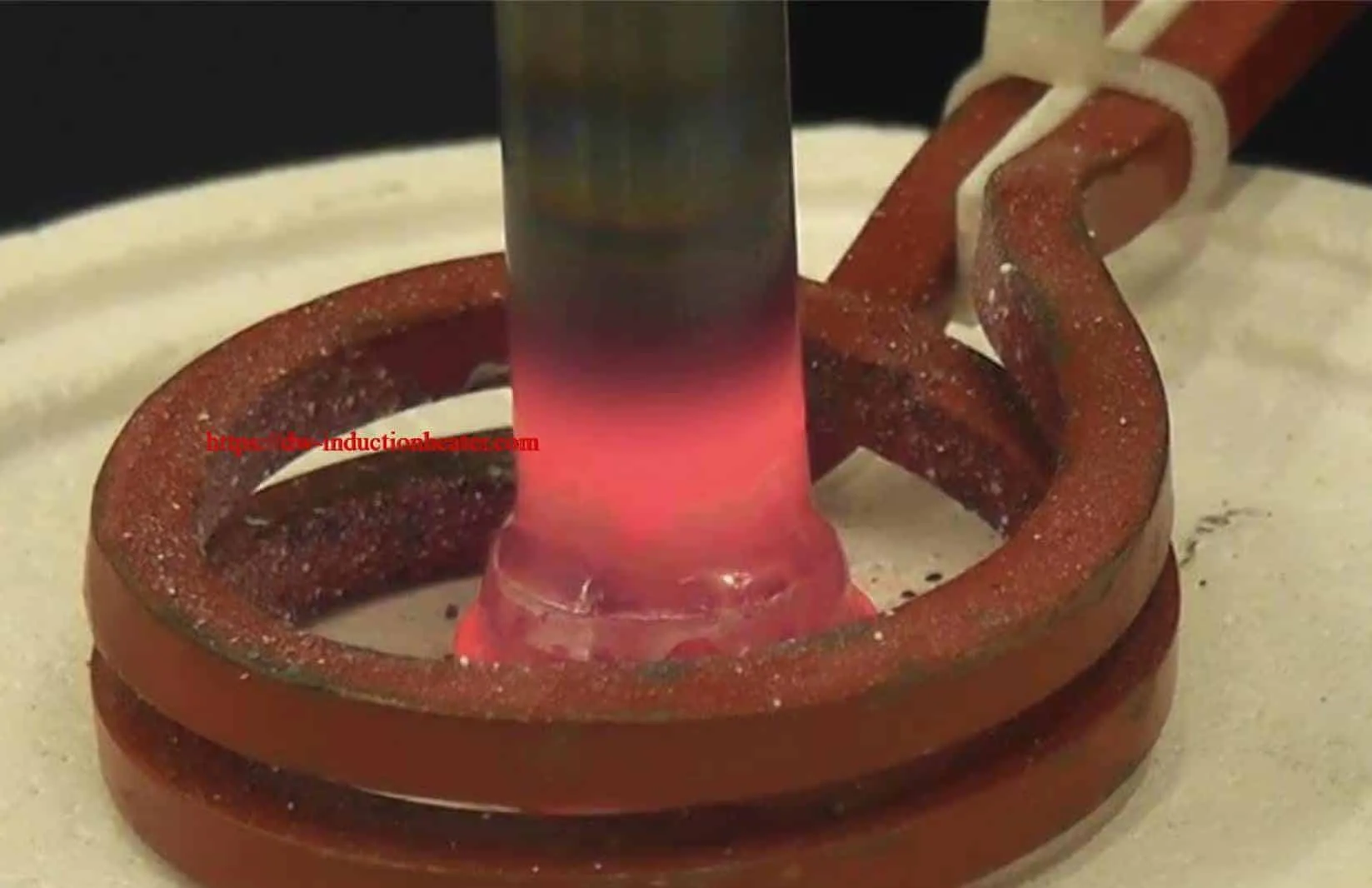
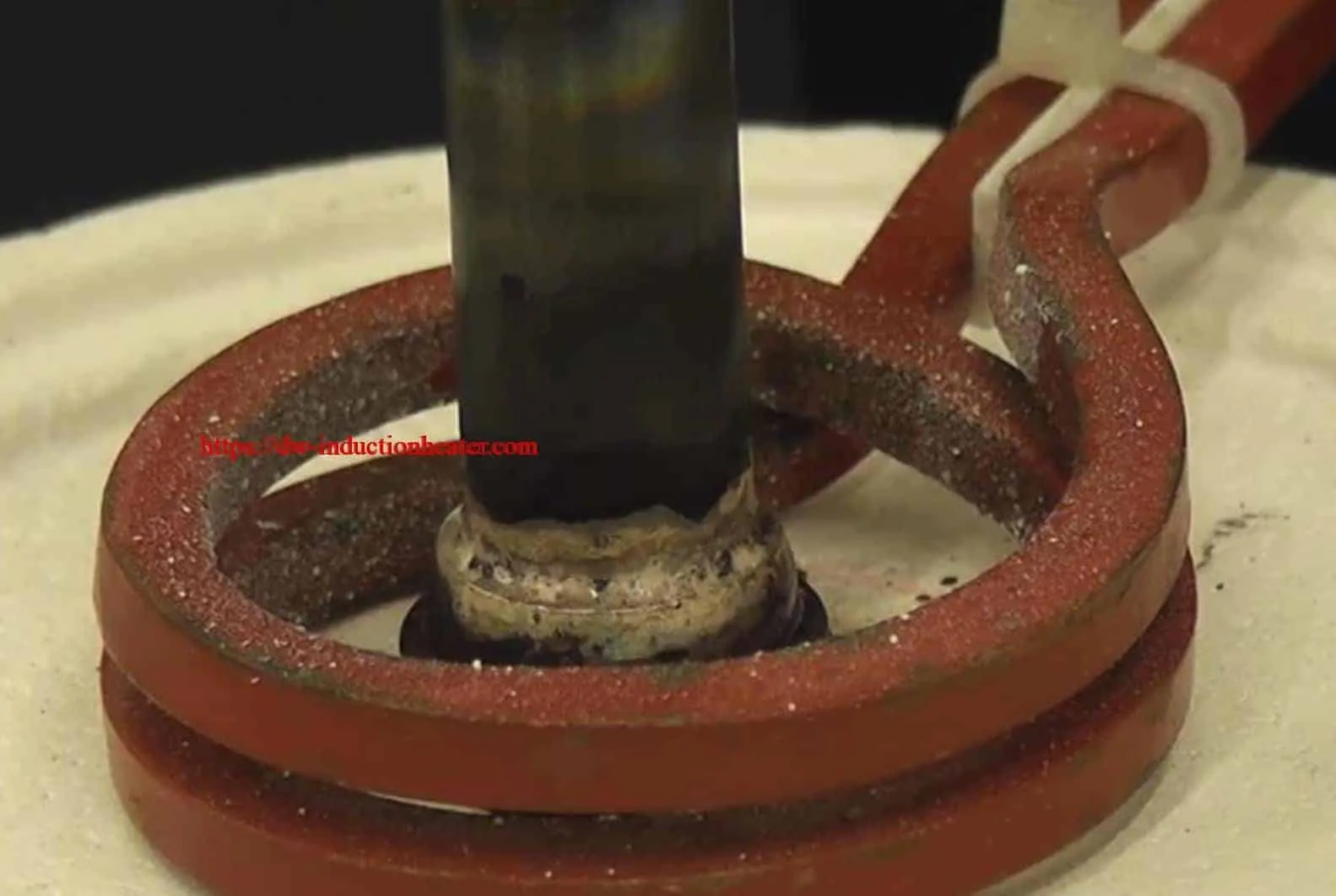
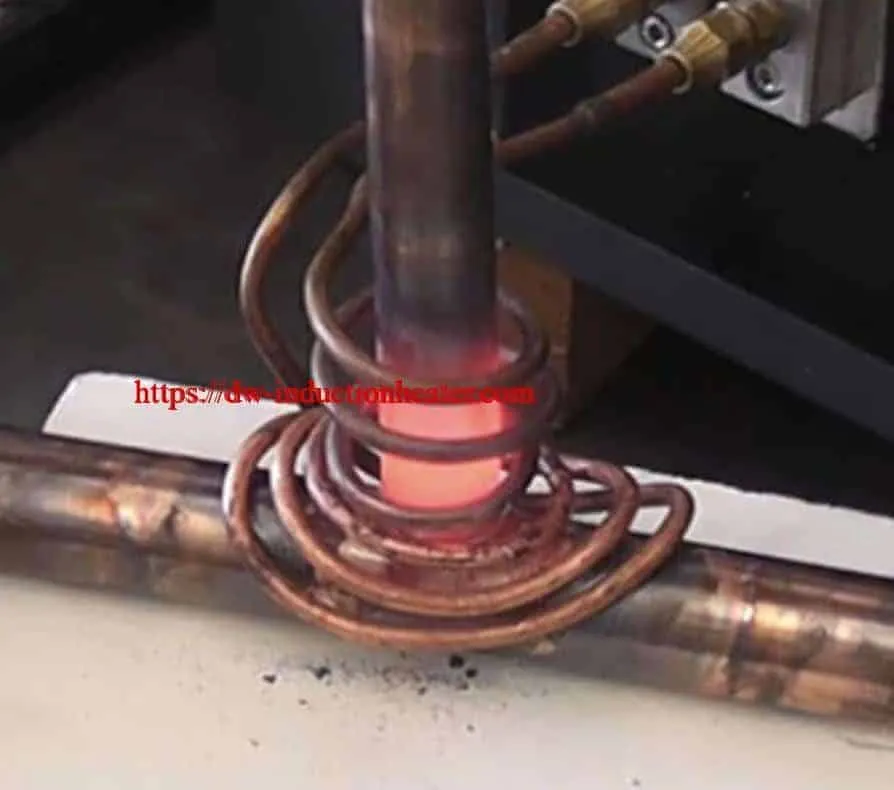
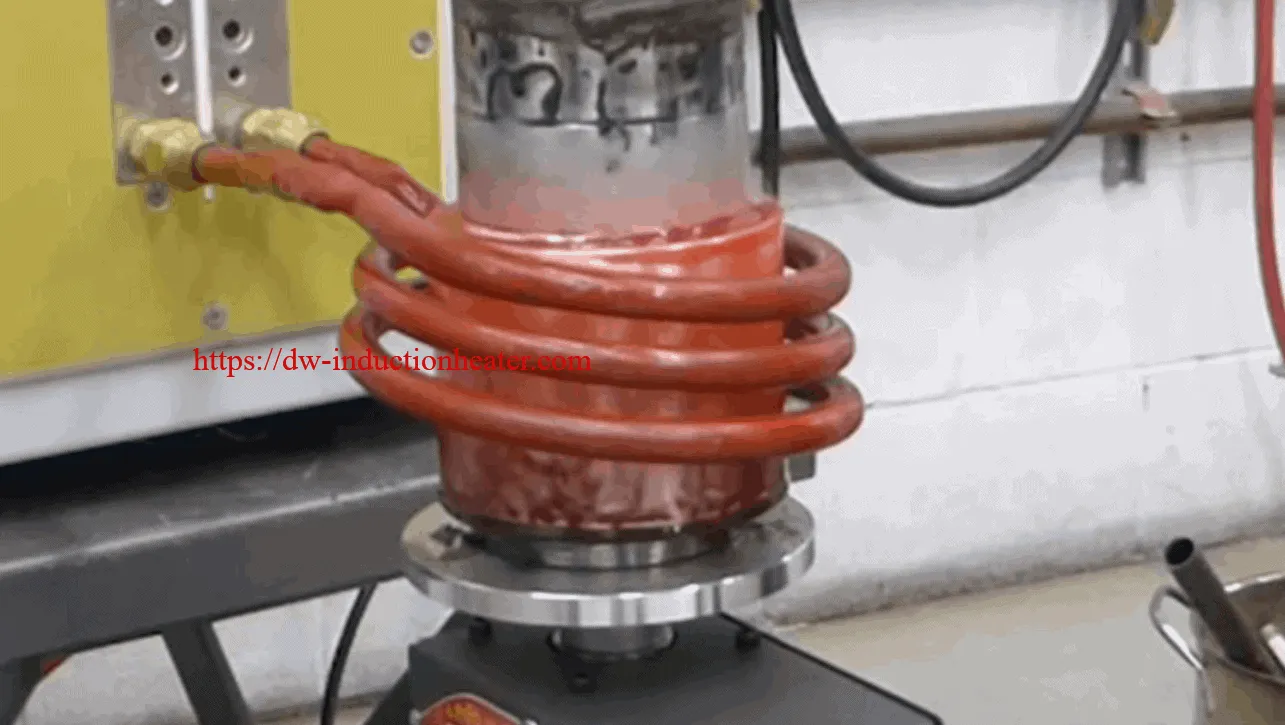
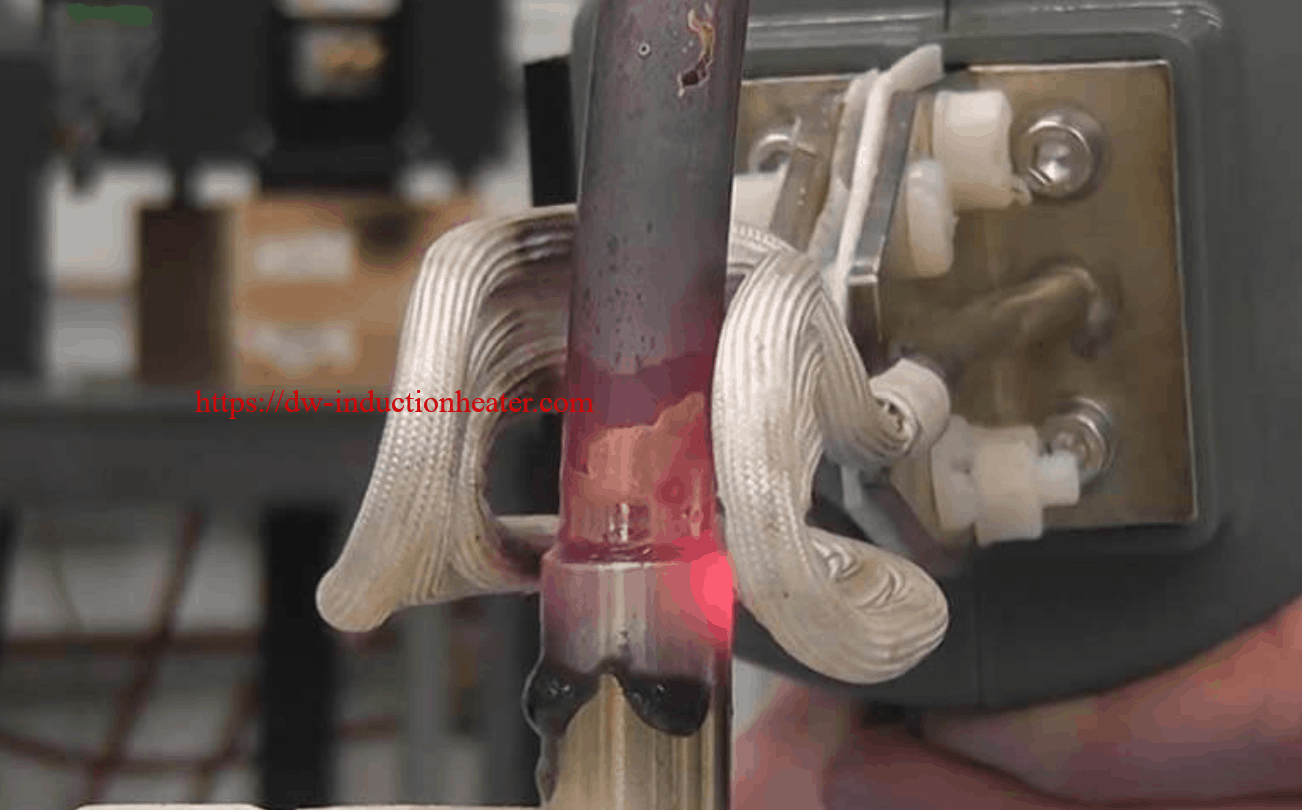
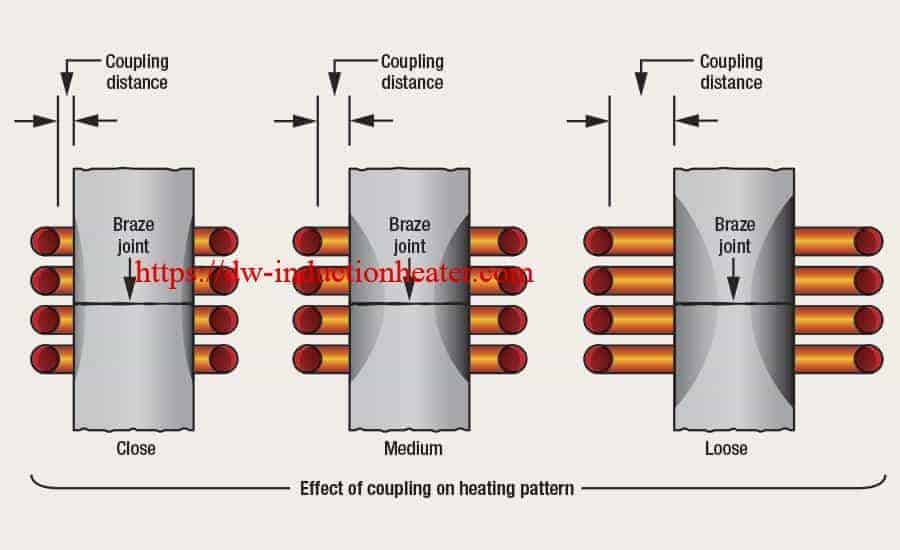
Induction Brazing Basics for jointing copper,silver,brazing,steel and stainless steel,etc. Induction Brazing uses heat and filler metal to join metals. Once melted, the filler flows between close-fitting base metals (the pieces being joined) by capillary action. The molten filler interacts with a thin layer of the base metal to form a strong, leak-proof joint. Different heat sources can be used for brazing: induction and resistance heaters, ovens, furnaces, torches, etc. There are three common brazing methods: capillary, notch and moulding. Induction brazing is concerned solely with the first of these. Having the correct gap between the base metals is crucial. A too-large gap can minimize the capillary force and lead to weak joints and porosity. Thermal expansion means gaps have to be calculated for metals at brazing, not room, temperatures. Optimum spacing is typically 0.05 mm – 0.1 mm. Before you braze Brazing is hassle-free. But some questions should be investigated — and answered — in order to assure successful, cost-effective joining. For instance: How suitable are the base metals for brazing; what’s the best coil design for specific time and quality demands; should the brazing be manual or automatic? brazing material At DAWEI Induction we answer these and other key points before suggesting a brazing solution. Focus on flux Base metals must usually be coated with a solvent known as flux before they are brazed. Flux cleans the base metals, prevents new oxidation, and wets the brazing area prior to brazing. It is crucial to apply sufficient flux; too little and the flux may become saturated with oxides and lose its ability to protect the base metals. Flux is not always needed. Phosphorous-bearing filler can be used to braze copper alloys, brass and bronze. Flux-free brazing is also possible with active atmospheres and vacuums, but the brazing must then be performed in a controlled atmosphere chamber. Flux must normally be removed from the part once the metal filler has solidified. Different removal methods are used, the most common being water quenching, pickling and wire brushing.   https://dw-inductionheater.com/induction-brazing-basics.html?feed_id=243828&_unique_id=663150791ff90

2024年4月29日星期一

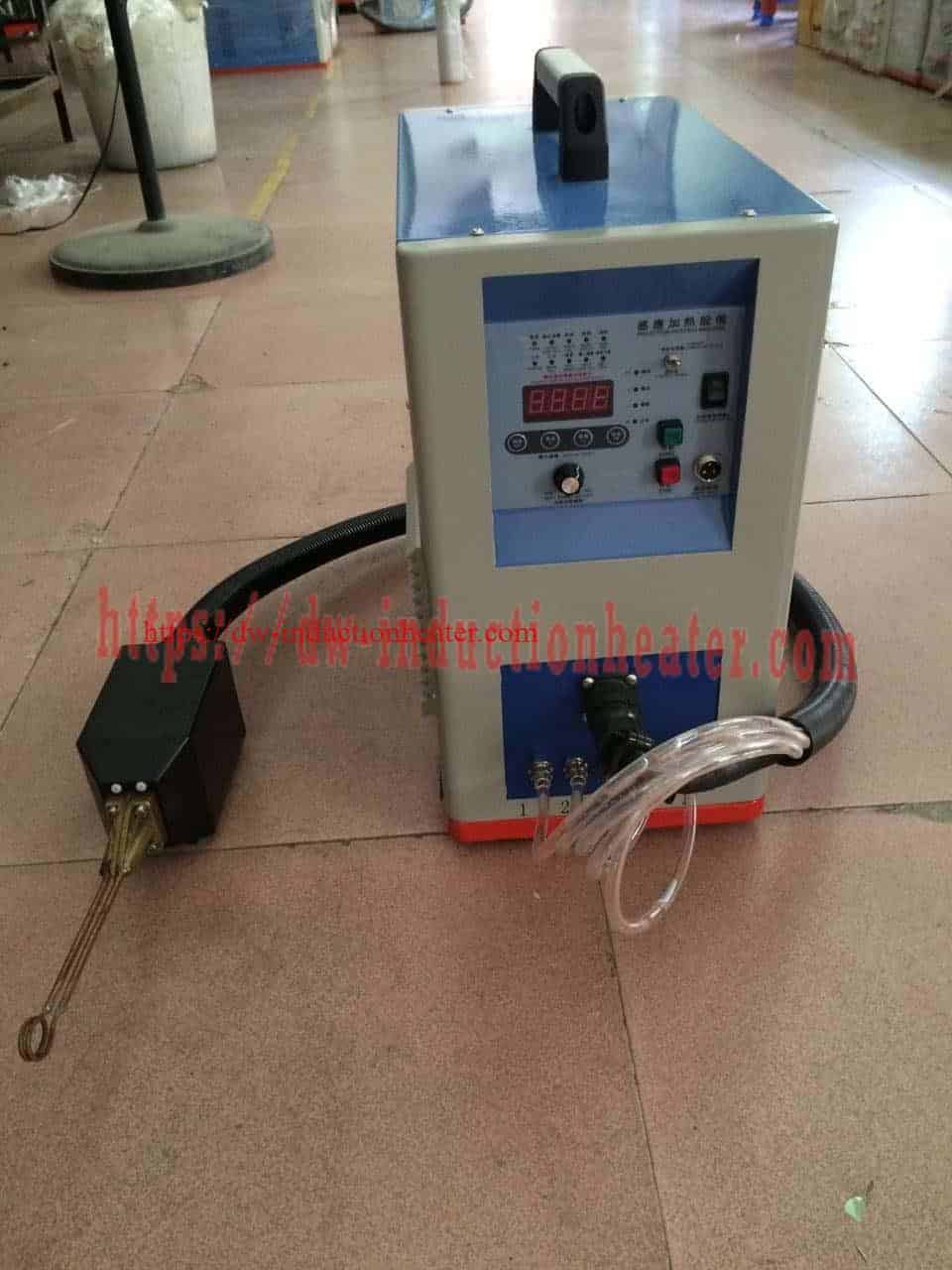
Induction Brazing Machine

Induction Brazing Machine&Soldering Equipment
Main characteristics:
    1.  IGBT module and inverting technologies of the first generation been used.
    2.  Simple structure and light weight and easy for maintenance.
    3.  Simple to operat ,afew minutes is enough to learn it.
    4.  Simple to install,installation can be done by unprofessional person very easily.
    5.  advantages of the model with timer,the power and the operatingtime of the heating period and the rain period  can be preset repectively,to realize a simple heating curve,this model is suggested to use for batch production to improve the repeatability.
   6.   The separated models are designed to fit the dirty surrounding of some cases.
Specifications:
Series
Model
Input power Max
Input current Max
Oscillate frequency
Input Voltage
Duty cycle
M
.
F
.
DW-MF-15 Induction Generator
15KW
23A
1K-20KHZ According to the application
3*380V
380V±20%
100%
DW-MF-25 Induction Generator
25KW
36A
DW-MF-35Induction Generator
35KW
51A
DW-MF-45 Induction Generator
45KW
68A
DW-MF-70 Induction Generator
70KW
105A
DW-MF-90 Induction Generator
90KW
135A
DW-MF-110 Induction Generator
110KW
170A
DW-MF-160 Induction Generator
160KW
240A
DW-MF-45 Induction Heating Rod Forging Furnace
45KW
68A
1K-20KHZ
3*380V
380V±20%
100%
DW-MF-70 Induction Heating Rod Forging Furnace
70KW
105A
DW-MF-90 Induction Heating Rod Forging Furnace
90KW
135A
DW-MF-110 Induction Heating Rod Forging Furnace
110KW
170A
DW-MF-160 Induction Heating Rod Forging Furnace
160KW
240A
DW-MF-15   Induction Melting Furnace
15KW
23A
1K-20KHZ
3*380V
380V±20%
100%
DW-MF-25   Induction Melting Furnace
25KW
36A
DW-MF-35   Induction Melting Furnace
35KW
51A
DW-MF-45   Induction Melting Furnace
45KW
68A
DW-MF-70   Induction Melting Furnace
70KW
105A
DW-MF-90   Induction Melting Furnace
90KW
135A
DW-MF-110 Induction Melting Furnace
110KW
170A
DW-MF-160 Induction Melting Furnace
160KW
240A
DW-MF-110 Induction Hardening Equipment
110KW
170A
1K-8KHZ
3*380V
380V±20%
100%
DW-MF-160Induction Hardening Equipment
160KW
240A
H
.
F
.
DW-HF-04 Series
DW-HF-4KW-A
4KVA
15A
100-250KHZ
Single phase 220V
80%
DW-HF-15 Series
DW-HF-15KW-A
DW-HF-15KW-B
15KVA
32A
30-100KHZ
Single phase 220V
80%
DW-HF-25 Series
DW-HF-25KW-A
DW-HF-25KW-B
25KVA
23A
20-80KHZ
3*380V
380V±10%
100%
DW-HF-35 Series
DW-HF-35KW-B
35KVA
51A
DW-HF-45 Series
DW-HF-45KW-B
45KVA
68A
DW-HF-60 Series
DW-HF-60KW-B
60KVA
105A
DW-HF-80 Series
DW-HF-80KW-B
80KVA
130A
DW-HF-90 Series
DW-HF-90KW-B
90KVA
160A
DW-HF-120 Series
DW-HF-120KW-B
120KVA
200A
U
.
H
.
F
.
DW-UHF-3.2KW
3.2KW
13A
1.1-2.0MHZ
Single phase220V ±10%
100%
DW-UHF-4.5KW
4.5KW
20A
DW-UHF-045T
4.5KW
20A
DW-UHF-045L
4.5KW
20A
DW-UHF-6.0KW
6.0KW
28A
DW-UHF-06A
6.0KW
28A
DW-UHF-6KW-B
6.0KW
28A
DW-UHF-10KW
10KW
15A
100-500KHZ
3*380V
380V±10%
100%
DW-UHF-20KW
20KW
30A
50-250KHZ
DW-UHF-30KW
30KW
45A
50-200KHZ
DW-UHF-40KW
40KW
60A
50-200KHZ
DW-UHF-60KW
60KW
90A
50-150KHZ
 
https://dw-inductionheater.com/induction-brazing-machine.html?feed_id=243692&_unique_id=662fe32b8b181

2024年4月26日星期五

Brazing copper tube to brass fitting

High frequency Induction brazing copper tube to brass fitting process

Objective Induction brazing copper to brass fitting using brazing alloy and flux within 60 seconds.
Equipment Handheld induction brazing heater1.DW-UHF-6KW-III handheld induction heater 2 turn helical coil Materials • Brass fitting • Copper tubing • Silver brazing alloy (pre-formed) • Flux Key Parameters Temperature: Approximately 1350 °F (732°C)
Process:
  1. For Induction Brazing Copper to Brass, first the copper tubing and brass fitting were assembled together.
  2. A pre-form of the silver brazing alloy was seated above the joint, and flux was added.
  3. The assembly was placed the two-turn helical coil, and positioned so the targeted joint was centered in the coil.
  4. After 60 seconds in the coil, the brazing was complete.
  5. The material was cooled in water following the completion of brazing.
  6. The joint was then cross-sectioned to validate that the induction brazing process had produced a strong, high quality joint.
Results/Benefits: Induction brazing heating provides:
  • Strong durable joints
  • Selective and precise heat zone, resulting in less part distortion and joint stress than welding
  • Less oxidation
  • Faster heating cycles
  • More consistent results and suitability for large volume production, without the need for batch processing
  • Safer than flame brazing
https://dw-inductionheater.com/brazing-copper-tube-to-brass-fitting.html?feed_id=243162&_unique_id=662c50aa0c3fa

2024年4月10日星期三

High frequency induction brazing steel tube to steel fitting

High frequency induction brazing steel tube to steel fitting

Objective Handheld high frequency induction brazing of a steel tube to a steel fitting Recommended Equipment The recommended equipment for this application is the DW-UHF-6KW-III handheld induction brazing heater heat station.
High frequency induction steel tube to steelHigh frequency induction brazing steel tubeHigh frequency induction brazing steel tube
Materials: Steel tube to steel fitting braze using Lucas-Milhaupt Easy FLO 3 brazing alloy rings and Harris Black Brazing Flux. Power: 3.5kW to 6.6kW Temperature: 1300°F to 1400°F (704°C to 760°C ) Time: 6 to 8 SecondsHandheld induction brazing heater  
Induction brazing steel tube to steel
  https://dw-inductionheater.com/high-frequency-induction-brazing-steel-tube-to-steel-fitting.html?feed_id=240961&_unique_id=6616e47156a1e

2024年4月9日星期二

Induction Brazing Copper T Pipe With Induction Heating Machine

Induction Brazing Copper T Pipe With Induction Heating Machine

High frequency Induction brazing copper pipe
Objective Evaluate replacing of flame copper t pipe brazing with induction brazing. Equipment DW-HF-25kw high frequency induction heating machine
Materials
• Copper main tube – 1.13” (28.7 0mm) OD 1.01” (25.65 mm) ID • Riser tube copper – 0.84” (21.33 0mm)  OD,  0.76” (19.30 0mm)  ID Power: Power manually reduced from max output of 10kW to 15kW to provide even heat distribution on the assembly with the modified test coil. NOTE: Heat time can be improved with custom coil design. Temperature:  Approximately 704° C (1300° F) Time: 25sec
Process Steps: Induction brazing copper pipeThe copper tubes were cleaned and assembled. Two preformed alloy rings were made from available alloy in lab for the demonstration.  The wire used measured 0.787mm (0.031”) in diameter  Both the riser an base copper tubes were pre-fluxed with white braze flux. The assembly was placed in the test coil per the video bellow and the alloy flowed to form a joint at the “T” interface in 30seconds. Results and Conclusions: The target heat time for the smallest T joint assembly is 20 seconds . Using a lab test coil, we were able to effect a braze in the interface section of the tubes (copper) in 30 seconds. Induction brazing copper pipe  
Induction brazing copper pipe  
https://dw-inductionheater.com/induction-brazing-copper-t-pipe-with-induction-heating-machine.html?feed_id=240796&_unique_id=661576c3c085d

2024年3月23日星期六

Induction Brazing Copper to Stainless Steel Process

High Frequency Induction Brazing Copper to Stainless Steel Process Technology

Objective The objective of this induction brazing copper to stainless steel using a DW-UHF-40kw induction heating power supply with a custom heating station Equipment DW-UHF-40KW Induction Heating Power Supply HLQ custom coil Key Parameters Power: 23.65 kW Temperature: Approximately 1300°F (704)°C Time: 3.5 mins
Materials Cooper 4.5″ OD 0.5″ Wall Thickness Stainless Steel  4″ OD Braze Joint 2″
Process: In order to start the induction brazing of copper to stainless steel the part was centered on a turntable. The induction brazing coil was then positioned around the copper because it is less efficiently heated than stainless steel. As the part was rotating, approximately 25kW were being applied to the coil. Once the brazed joint was close to the ideal brazing temperature, the alloy was hand fed onto the joint. The induction brazing of cooper to stainless steel was completed and successful.
Results/Benefits: The result of the induction brazing copper to stainless steel application testing was a positive one, the induction brazing was completed and the copper to stainless steel was done seamlessly. This test resulted in high quality and repeatability of the brazed joints, increased productivity and control of the time and temperature.
 
https://dw-inductionheater.com/high-frequency-induction-brazing-copper-to-stainless-steel-process.html?feed_id=238126&_unique_id=65ff5460eaa7b

2024年3月18日星期一

induction brazing and soldering technology

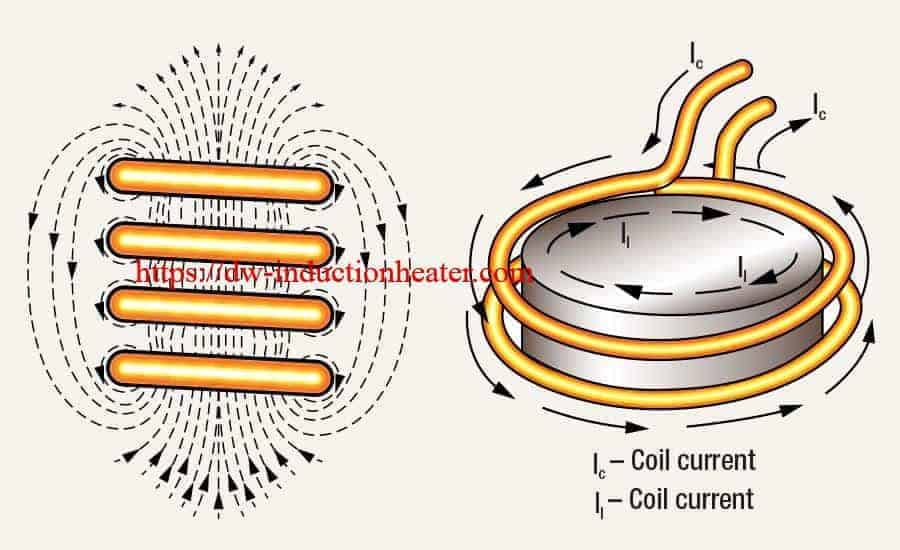
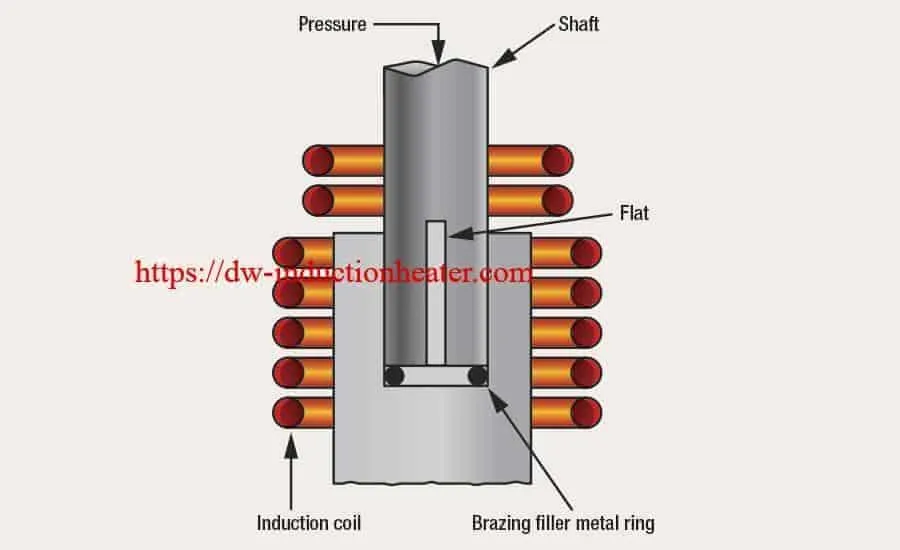
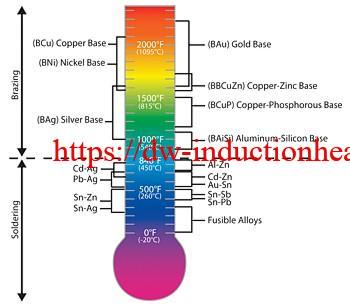
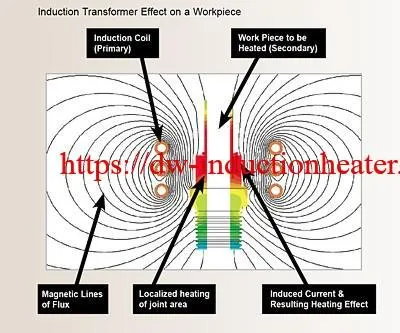
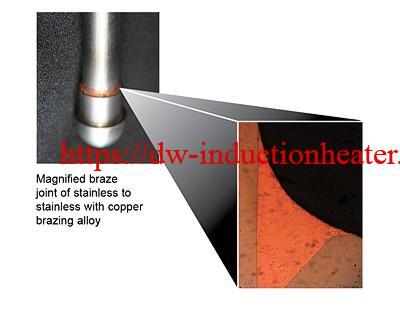
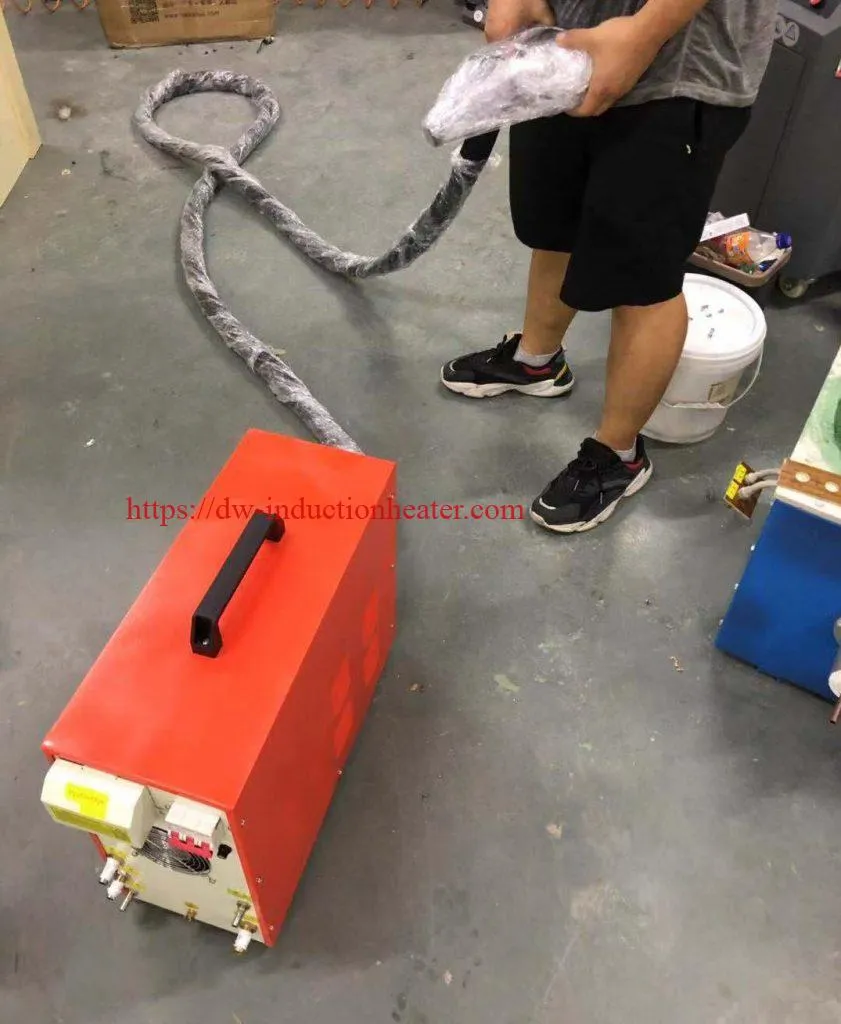
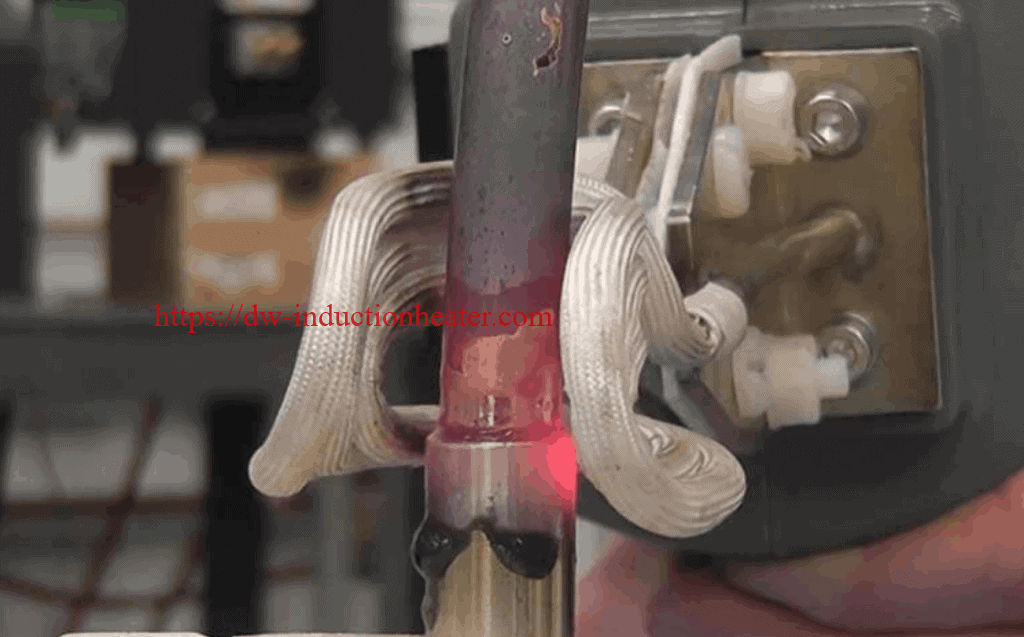
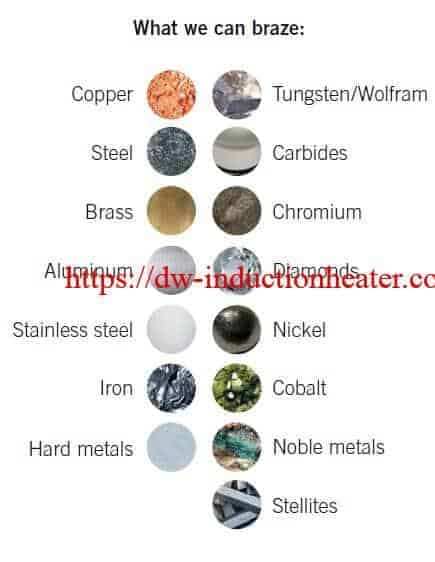
HLQ Induction heating systems are value added systems that can fit directly into the manufacturing cell, reducing scrap, waste, and without the need for torches. The systems can be configured for manual control, semi-automated, and all the way up to fully automated systems. HLQ induction brazing and soldering systems repeatedly provide clean, leak-free joints for a wide range of parts including fuel lines, heat exchangers, gas distributors, manifolds, carbide tooling, and more. Principles of Induction Brazing & Soldering Brazing and soldering are processes of joining similar or dissimilar materials using a compatible a filler material. Filler metals include lead, tin, copper, silver, nickel and their alloys. Only the alloy melts and solidifies during these processes to join the work piece base materials. The filler metal is pulled into the joint by capillary action. Soldering processes are conducted below 840°F (450°C) while brazing applications are conducted at temperatures above 840°F (450°C) up to 2100°F (1150°C). The success of these processes depends upon the assembly’s design, clearance between the surfaces to be joined, cleanliness, process control and the correct selection of equipment needed to perform a repeatable process. Cleanliness is ordinarily obtained by introducing a flux which covers and dissolves dirt or oxides displacing them from the braze joint. Induction Brazing Filler Materials Induction Brazing filler metals can come in a variety of forms, shapes, sizes and alloys depending on their intended use. Ribbon, preformed rings, paste, wire and preformed washers are just a few of the shapes and forms alloys that can be found. The decision to use a particular alloy and/or shape is largely dependent on the parent materials to be joined, placement during processing and the service environment for which the final product is intended. Many operations are now conducted in a controlled atmosphere with a blanket of inert gas or combination of inert / active gasses to shield the operation and eliminate the need for a flux. These methods have been proven on a wide variety of material and part configurations replacing or complimenting atmosphere furnace technology with a just in time - single piece flow process. Clearance Affects Strength Clearance between the faying surfaces to be joined determines the amount of braze alloy, capillary action / penetration of the alloy and subsequently the strength of the finished joint. The best fit up condition for conventional silver brazing applications are 0.002 inches (0.050 mm) to 0.005 inches (0.127 mm) total clearance. Aluminum is typically 0.004 inches (0.102 mm) to 0.006 inches (0.153 mm). Larger clearances up to 0.015 inches (0.380 mm) usually lack sufficient capillary action for a successful braze. Brazing with copper (above 1650°F / 900°C) requires the joint tolerance kept to an absolute minimum and in some cases press fit at ambient temperatures to assure minimum joint tolerances while at the brazing temperature. Induction heating has proven to be a valuable aid in the joining process for many reasons. Rapid heading and precise heat control offers the possibility of localized heating of high strength components without significantly changing the material properties. It also allows for the brazing of difficult materials such as aluminum and sequential, multi-alloy brazing and soldering of close proximity joints. Induction heating in brazing and soldering applications is readily adaptable to production line methods, permitting strategic arrangement of the equipment in an assembly line, and if necessary, heating by remote control. Frequently, induction brazing and soldering permits a reduction in the require number of part fixtures, with the minimal heating of the fixtures increasing life span and maintaining accuracy in alignment of the components to be joined. Since operators need not guide the induction heating source, both hands are left free to prepare assemblies for joining. HLQ induction brazing equipment delivers quality, consistency, configurable throughput, and quick change-over tooling for various production needs. The Radyne induction brazing and soldering product line offers standard solutions for brazing: Aluminum Copper Brass Stainless steel Carbide And more… https://dw-inductionheater.com/induction-brazing-and-soldering-technology.html?feed_id=237161&_unique_id=65f82fcca1477
2024年2月23日星期五

induction brazing carbide tip onto steel head teeth

high frequency induction brazing carbide tip onto steel head teeth process

Objective In this application test, induction brazing carbide tip onto steel working head teeth.
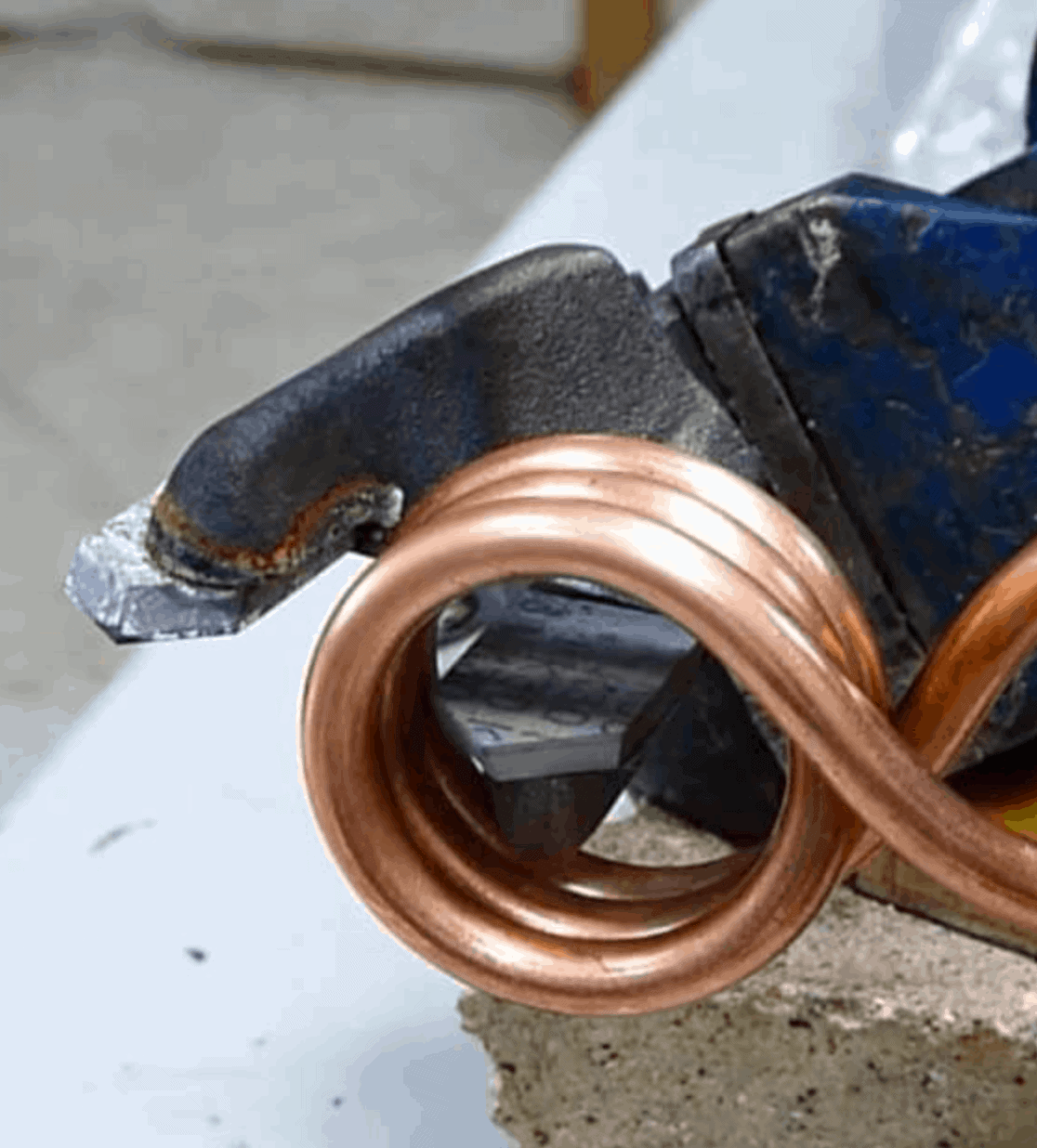
Induction Brazing Equipment DW-UHF-10kw induction brazing machine Customized induction heating coil Materials • Steel working head teeth • Brazing paste Key Parameters Power: 4.5 kW Time: 6 seconds
Induction Brazing Process:
  1. Brazing paste is put on the tool
  2. The steel working head teeth are attached.
  3. The assembly is positioned in the three-turn coil.
  4. The assembly is heated.
  5. The joint is completed in 6 seconds.
Results/Benefits:
  • Strong durable joints
  • Selective and precise heat zone, resulting in less part distortion and joint stress than welding
  • Less oxidation
  • Faster heating cycles
  • More consistent results and suitability for large volume production
  • Safer than flame brazing
Induction Brazing Carbide Tipping is a specific brazing process by which a hardened tip material is applied to a base material to produce an extremely hard cutting edge. When using induction heating, the tipping material is brazed to the base material with temperatures up to 1900F.
https://dw-inductionheater.com/induction-brazing-carbide-tip-onto-steel-head-teeth.html?feed_id=234638&_unique_id=65d8c3deb446b

2023年11月16日星期四

High Frequency Induction Brazing Diamond Inserts

High Frequency Induction Brazing Diamond Inserts Objective: Induction Brazing diamond inserts to a steel drilling ring Material : • steel ring and diamond inserts • Braze shim preform • Flux Temperature :1300 – 1350 (700 – 730) °F (°C) Frequency :78 kHz Equipment: DW-HF-15kW, induction heating system, equipped with a remote heat station containing two 0.5 μF capacitors (total 0.25 μF) An induction heating coil designed and developed specifically for this application. Process: A multi-turn, internal-external helical coil (A) is used to generate the required heating pattern. Initial tests on the ring alone determine system tuning. Flux is applied to the part and the braze shims are inserted into the counter-bored holes (B). This is followed by the synthetic diamonds. The part is loaded into the coil and weight is placed onto the diamonds (C). RF Induction Heating power is applied until the braze flows. The power is turned off and the part air cools to room temperature. Results/Benefits • reduced ring warping compared to furnace induction heating • decreased cycle time due to reduced ramp-up and cooldown times https://dw-inductionheater.com/high-frequency-induction-brazing-diamond-inserts.html?feed_id=230826&_unique_id=6556150324734

2023年11月7日星期二

induction brazing carbide tip onto steel head teeth

high frequency induction brazing carbide tip onto steel head teeth process

Objective In this application test, induction brazing carbide tip onto steel working head teeth.
Induction Brazing Equipment DW-UHF-10kw induction brazing machine Customized induction heating coil Materials • Steel working head teeth • Brazing paste Key Parameters Power: 4.5 kW Time: 6 seconds
Induction Brazing Process:
  1. Brazing paste is put on the tool
  2. The steel working head teeth are attached.
  3. The assembly is positioned in the three-turn coil.
  4. The assembly is heated.
  5. The joint is completed in 6 seconds.
Results/Benefits:
  • Strong durable joints
  • Selective and precise heat zone, resulting in less part distortion and joint stress than welding
  • Less oxidation
  • Faster heating cycles
  • More consistent results and suitability for large volume production
  • Safer than flame brazing
Induction Brazing Carbide Tipping is a specific brazing process by which a hardened tip material is applied to a base material to produce an extremely hard cutting edge. When using induction heating, the tipping material is brazed to the base material with temperatures up to 1900F.

2023年11月2日星期四

Brazing Brass To Copper With Induction

Brazing Brass To Copper With Induction Objective: To braze brass end-connectors to copper tubes used in aircraft assembly air lines Material brass end connectors, copper tubes of different diameters Temperature 1400 ºF 750°C Frequency 350 kHz Equipment DW-UHF-4.5KW induction heating system, including a three turn helical induction coil using two 0.33μF capacitors (total 0.66μF) Process For smaller diameter parts, flux is applied to the entire part and the copper tube to brass joint is assembled using brazing preforms (allowing for the same amount of braze in each joint). The assembly is placed in the coil and heated for 20-30 seconds reaching a temperature of 1400°F. For larger copper tube assemblies, the same process is used, but the braze alloy is stick-fed to the joint to prevent the alloy from flowing out of the joint. A foot switch control is recommended to enable better control of the process. Results/Benefits Economy: Power is consumed during the heating only Consistency: the results of braze joints are repeatable and uniform https://dw-inductionheater.com/brazing-brass-to-copper-with-induction.html?feed_id=230076&_unique_id=65443a9c69e74

2023年10月26日星期四

Induction Brazing Copper T Pipe With Induction Heating Machine

Induction Brazing Copper T Pipe With Induction Heating Machine

High frequency Induction brazing copper pipe
Objective Evaluate replacing of flame copper t pipe brazing with induction brazing. Equipment DW-HF-25kw high frequency induction heating machine
Materials
• Copper main tube – 1.13” (28.7 0mm) OD 1.01” (25.65 mm) ID • Riser tube copper – 0.84” (21.33 0mm)  OD,  0.76” (19.30 0mm)  ID Power: Power manually reduced from max output of 10kW to 15kW to provide even heat distribution on the assembly with the modified test coil. NOTE: Heat time can be improved with custom coil design. Temperature:  Approximately 704° C (1300° F) Time: 25sec
Process Steps: Induction brazing copper pipeThe copper tubes were cleaned and assembled. Two preformed alloy rings were made from available alloy in lab for the demonstration.  The wire used measured 0.787mm (0.031”) in diameter  Both the riser an base copper tubes were pre-fluxed with white braze flux. The assembly was placed in the test coil per the video bellow and the alloy flowed to form a joint at the “T” interface in 30seconds. Results and Conclusions: The target heat time for the smallest T joint assembly is 20 seconds . Using a lab test coil, we were able to effect a braze in the interface section of the tubes (copper) in 30 seconds. Induction brazing copper pipe  
Induction brazing copper pipe  

2023年9月4日星期一

Brazing copper tube to brass fitting

High frequency Induction brazing copper tube to brass fitting process

Objective Induction brazing copper to brass fitting using brazing alloy and flux within 60 seconds.
Equipment Handheld induction brazing heater1.DW-UHF-6KW-III handheld induction heater 2 turn helical coil Materials • Brass fitting • Copper tubing • Silver brazing alloy (pre-formed) • Flux Key Parameters Temperature: Approximately 1350 °F (732°C)
Process:
  1. For Induction Brazing Copper to Brass, first the copper tubing and brass fitting were assembled together.
  2. A pre-form of the silver brazing alloy was seated above the joint, and flux was added.
  3. The assembly was placed the two-turn helical coil, and positioned so the targeted joint was centered in the coil.
  4. After 60 seconds in the coil, the brazing was complete.
  5. The material was cooled in water following the completion of brazing.
  6. The joint was then cross-sectioned to validate that the induction brazing process had produced a strong, high quality joint.
Results/Benefits: Induction brazing heating provides:
  • Strong durable joints
  • Selective and precise heat zone, resulting in less part distortion and joint stress than welding
  • Less oxidation
  • Faster heating cycles
  • More consistent results and suitability for large volume production, without the need for batch processing
  • Safer than flame brazing
https://dw-inductionheater.com/brazing-copper-tube-to-brass-fitting.html?feed_id=226186&_unique_id=64f5aa994fcf8

关注者

我的简介

我的照片
HLQ induction heating machine manufacturer provides the service of induction brazing,melting,hot forming,hardening surface,annealing,shrink fitting,PWHT,etc.