显示标签为“inductionbrazingmachine”的博文。显示所有博文

2024年3月25日星期一

Induction Brazing T Shaped Copper Tubing Assemblies

High Frequency Induction Brazing T Shaped Copper Tubing Assemblies

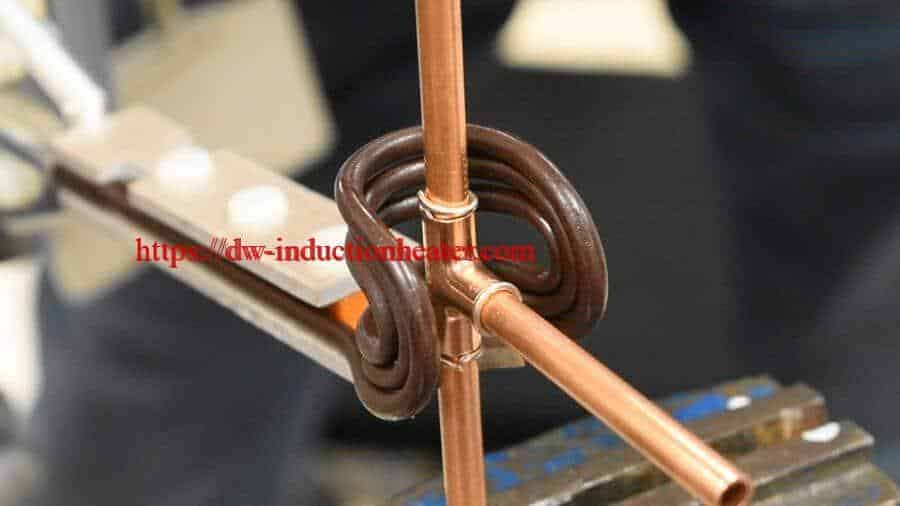
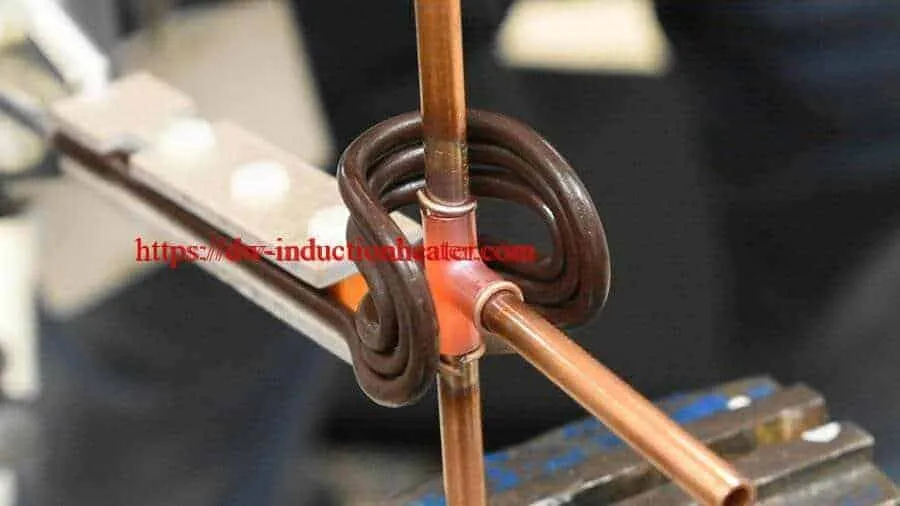
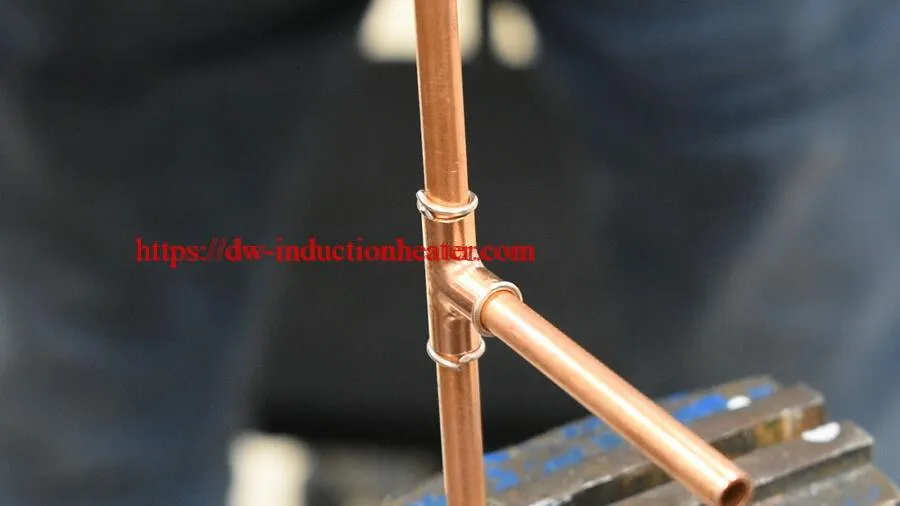
Objective: Test 1 – Induction brazing T-shaped copper tubing assemblies – 3 joints simultaneously Test 2 – Induction brazing copper tubing Industry: HVAC Materials: Copper tubers  6, 8, 10, 12 mm ( 01564, 0516, 025⁄64, 015⁄32inch. ); thickness: 1 mm ( 0364 inch.) Alloy: Cu-P-Ag rings TIP: The use of alloy rings is highly recommended with a hand-held brazing gun.
Equipment: DW-UHF-20kw induction brazing machine Power: Test 1 ( 7-8kW ) Test 2 ( 6.5-9.2kW ) Time: 8 secs. Coil: Regular induction heating coil. Custom coil design is possible upon request. The Process: We successfully carried out two induction brazing tests with several copper assemblies.  First, Cu-P-Ag alloy rings were placed around the thinner of the copper tubings. No additional flux was needed.  The pipes were then carefully aligned. The process of induction brazing was initiated. Once the induction brazing was complete, the two samples were submerged in cold water in order to be cooled instantly. The excessive amount of flux can be furtherly cleaned.
https://dw-inductionheater.com/induction-brazing-t-shaped-copper-tubing-assemblies.html?feed_id=238359&_unique_id=6601784ba36e6

2024年3月24日星期日

induction brazing stainless steel to steel

High frequency magnetic induction brazing stainless steel to steel process

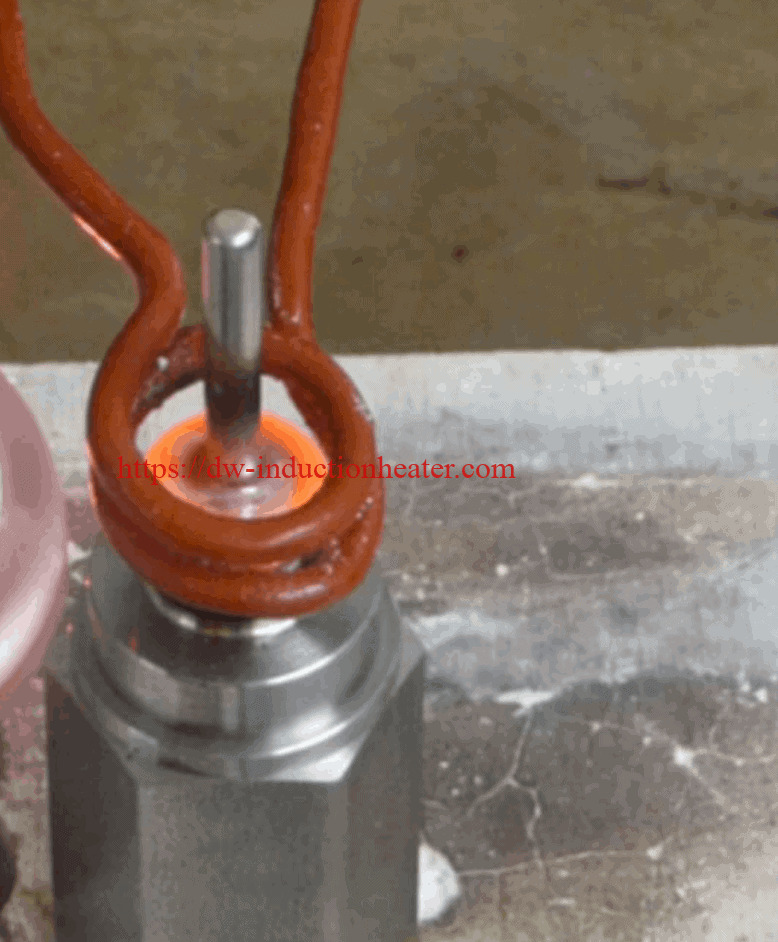
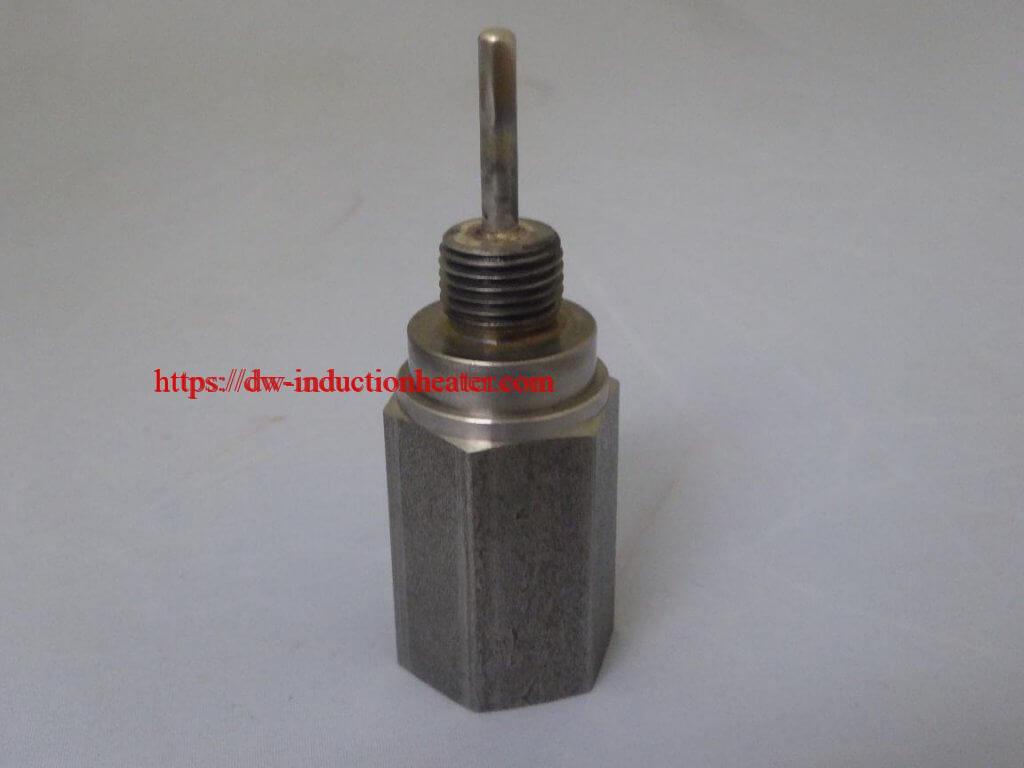
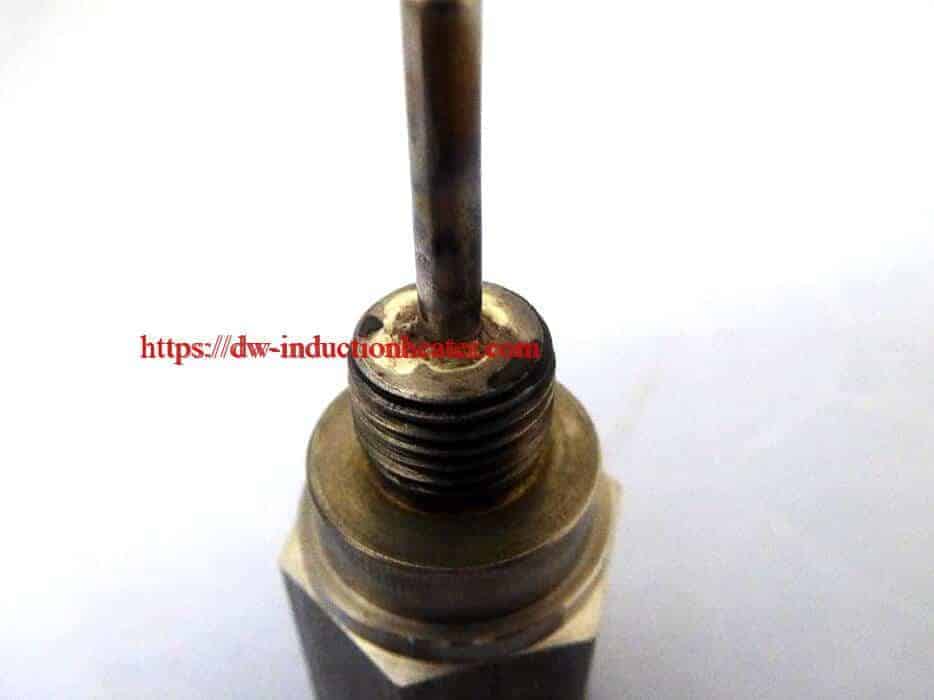
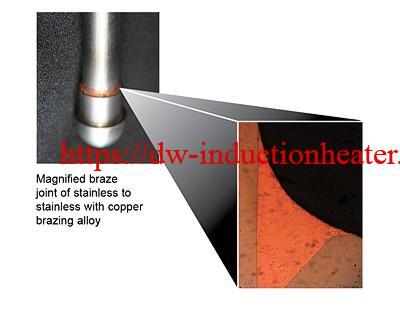
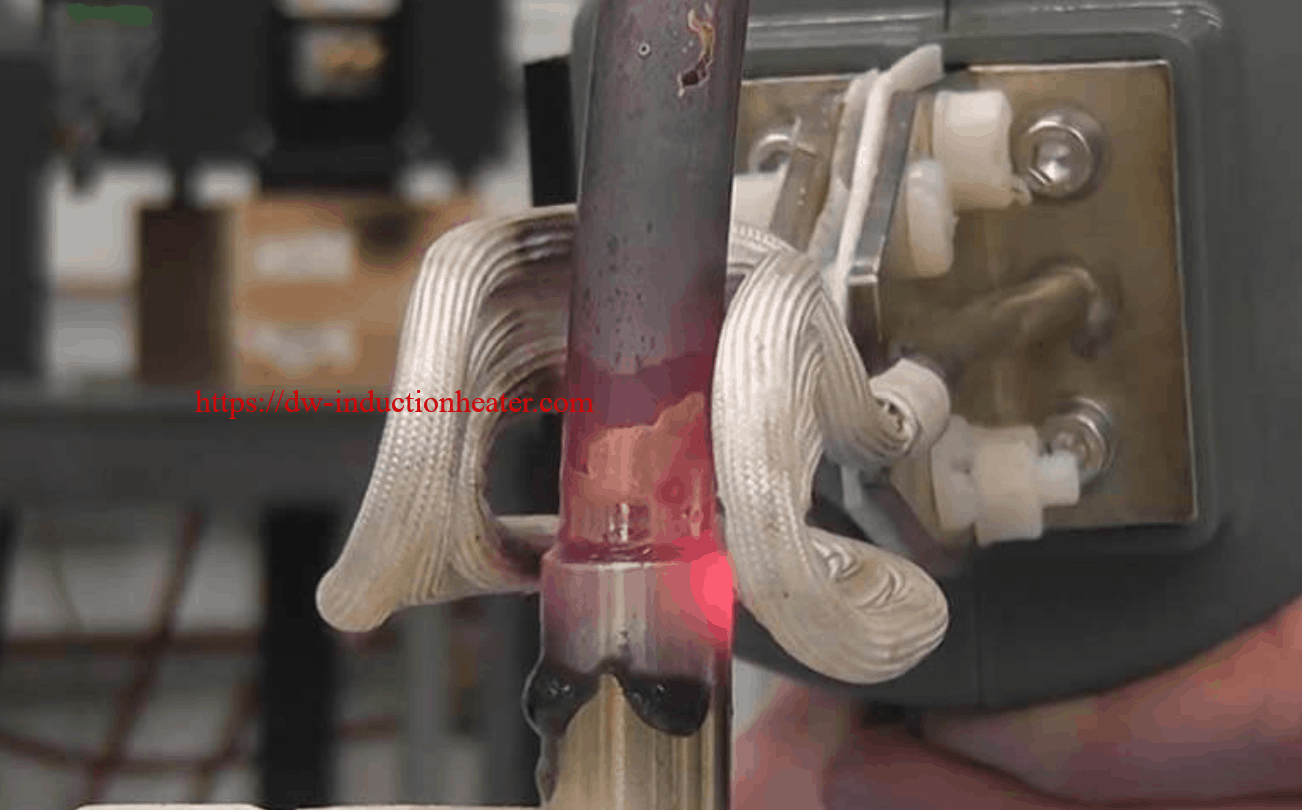
HLQ team was provided with 2 different parts to be brazed in our test laboratory. Objective: Induction Brazing of a 0.15’’/ 3.81mm stainless steel pin to a steel base. Equipment:  DW-UHF-6KW-III handheld induction brazing system  Industry: Appliances & HVAC Materials: Steel hexagon (base 1’’/ 25.4 mm diameter; 0.1’’/ 2.54 mm wall thickness) A stainless steel pin (0.15’’/ 3.81 mm) Other Materials:  All-purpose black brazing flux Power: 1.43 kW Temperature: 1400 °F/ 760°C Time: 8 seconds Process: The two workpieces were carefully positioned together. All-purpose induction brazing black flux was added because it is ideal for high-temperature applications where rapid, localized heating is needed. The process of induction brazing was performed successfully within 8 seconds by using the  DW-UHF-6KW-III handheld induction brazing system, producing the induction heating power of 1.43 kW at 1400 °F/ 760°C. https://dw-inductionheater.com/high-frequency-magnetic-induction-brazing-stainless-steel-to-steel-process.html?feed_id=238194&_unique_id=66000a7b141d8

2024年3月19日星期二

Induction Brazing Copper To Copper Parts

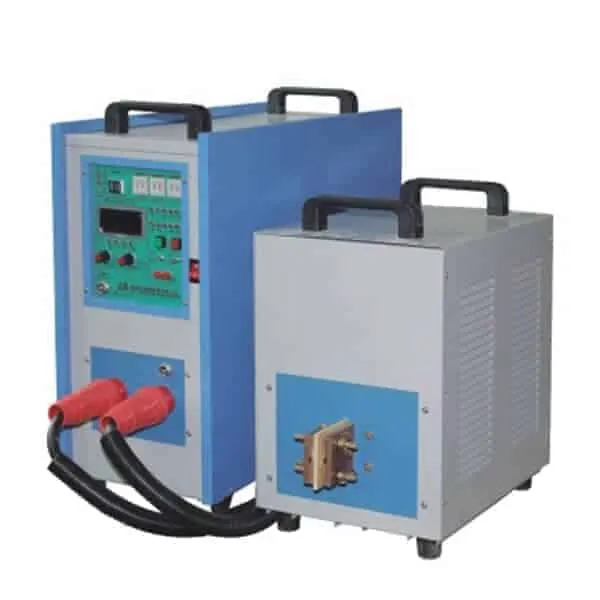
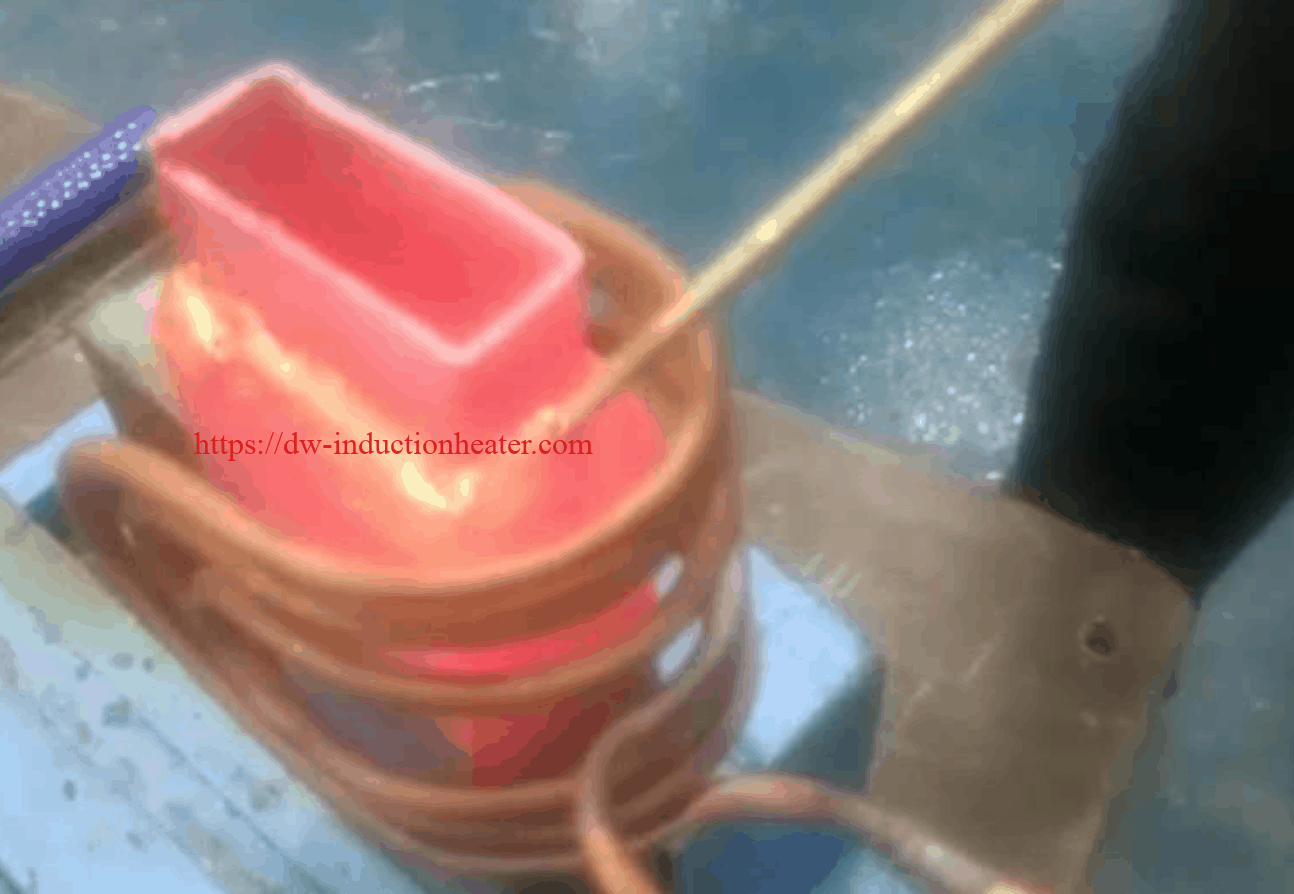
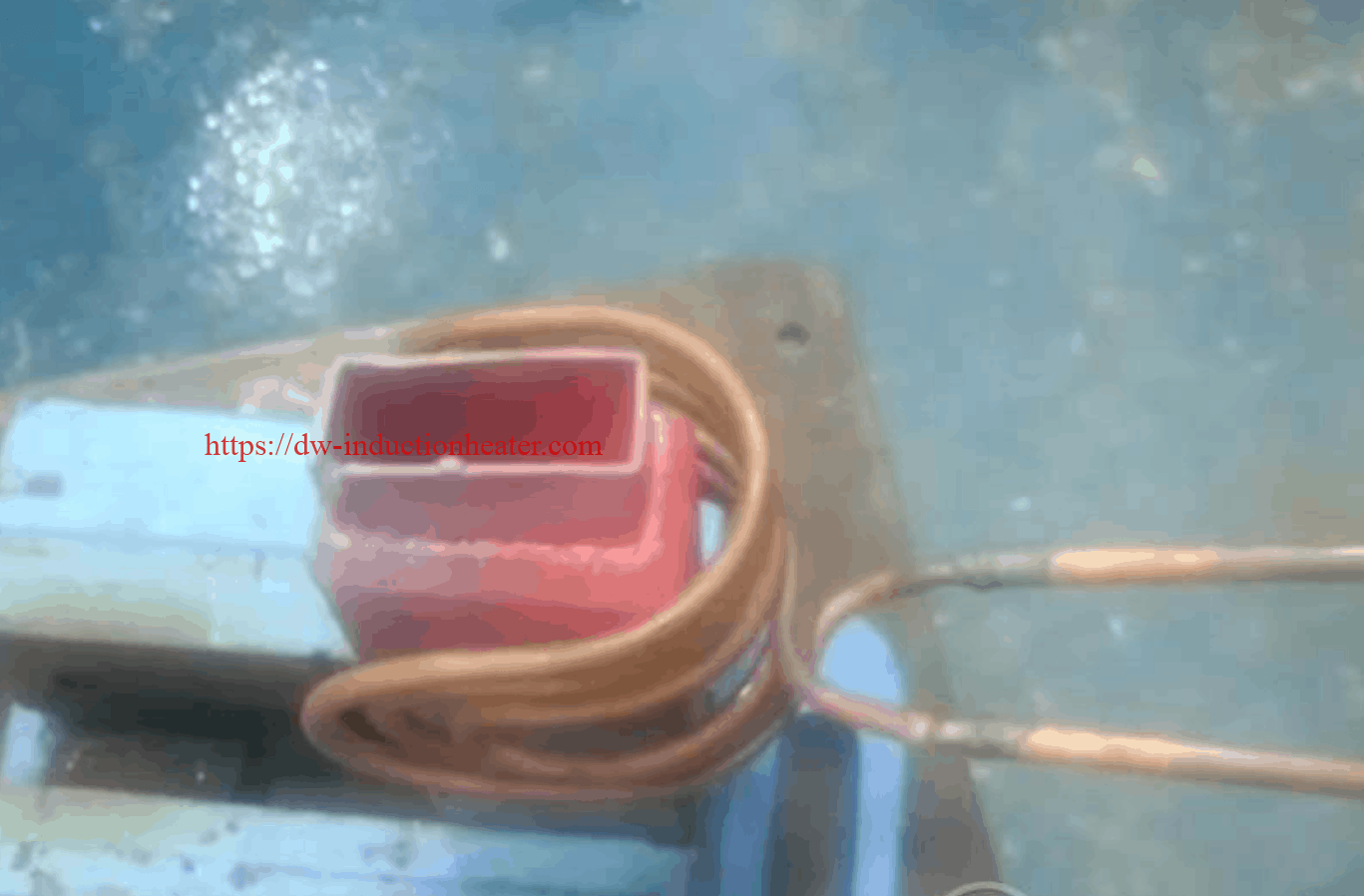
Objective Induction Brazing Copper to Copper parts Spacer. The workpieces were heated to 2012˚F (1100˚C) in 1 minutes. Recommended Equipment The recommended equipment for this application is the  DW-HF-45kw induction heating machine
induction brazing machineMaterials:
  • Copper section: 0.55” thick x 1.97” long x 1.18” wide x 0.2” long (14 mm thick & 50 mm long x 30 mm wide x 5 mm long)
  • Copper spacer: 0.55” thick x 1.57” long x 0.79” wide x 0.08” long (14 mm thick & 40 mm long x 20 mm wide x 2 mm long)
  • Brazing alloy: 5% silver brazing rod
Power: induction heating power supplies up to 30 kW Temperature: 2012˚F (1100˚C) Time: 1 minutes
https://dw-inductionheater.com/induction-brazing-copper-to-copper-parts.html?feed_id=237421&_unique_id=65f99d587a9e5

2024年3月18日星期一

induction brazing and soldering technology

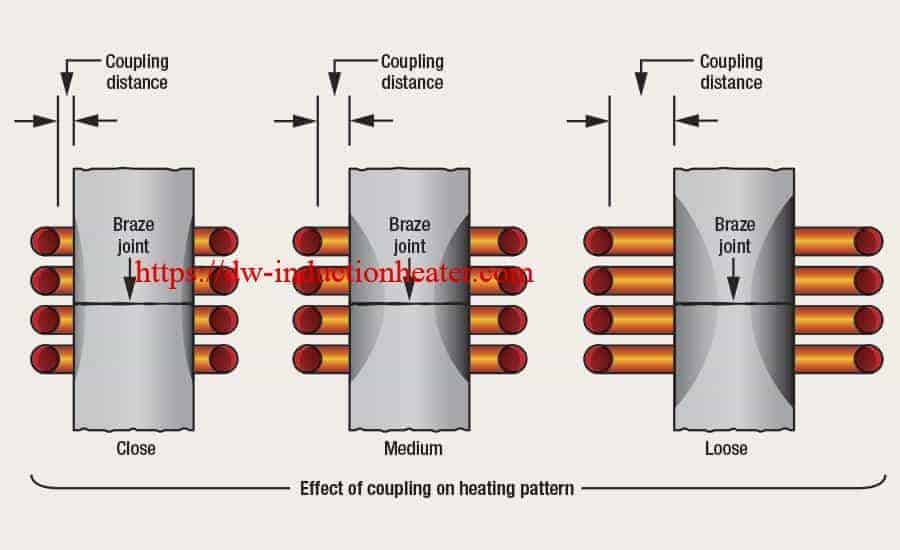
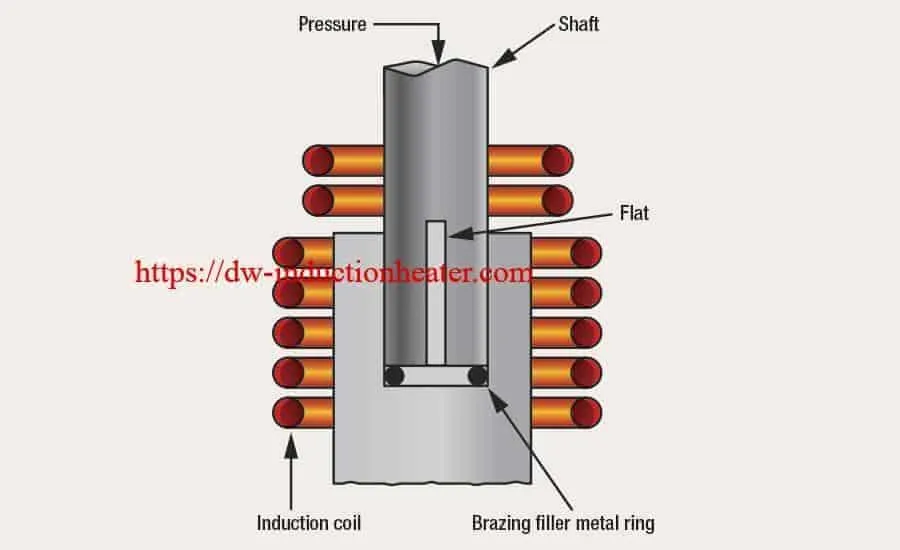
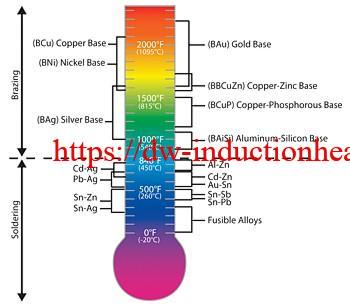
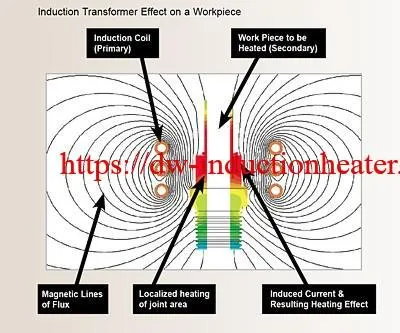
HLQ Induction heating systems are value added systems that can fit directly into the manufacturing cell, reducing scrap, waste, and without the need for torches. The systems can be configured for manual control, semi-automated, and all the way up to fully automated systems. HLQ induction brazing and soldering systems repeatedly provide clean, leak-free joints for a wide range of parts including fuel lines, heat exchangers, gas distributors, manifolds, carbide tooling, and more. Principles of Induction Brazing & Soldering Brazing and soldering are processes of joining similar or dissimilar materials using a compatible a filler material. Filler metals include lead, tin, copper, silver, nickel and their alloys. Only the alloy melts and solidifies during these processes to join the work piece base materials. The filler metal is pulled into the joint by capillary action. Soldering processes are conducted below 840°F (450°C) while brazing applications are conducted at temperatures above 840°F (450°C) up to 2100°F (1150°C). The success of these processes depends upon the assembly’s design, clearance between the surfaces to be joined, cleanliness, process control and the correct selection of equipment needed to perform a repeatable process. Cleanliness is ordinarily obtained by introducing a flux which covers and dissolves dirt or oxides displacing them from the braze joint. Induction Brazing Filler Materials Induction Brazing filler metals can come in a variety of forms, shapes, sizes and alloys depending on their intended use. Ribbon, preformed rings, paste, wire and preformed washers are just a few of the shapes and forms alloys that can be found. The decision to use a particular alloy and/or shape is largely dependent on the parent materials to be joined, placement during processing and the service environment for which the final product is intended. Many operations are now conducted in a controlled atmosphere with a blanket of inert gas or combination of inert / active gasses to shield the operation and eliminate the need for a flux. These methods have been proven on a wide variety of material and part configurations replacing or complimenting atmosphere furnace technology with a just in time - single piece flow process. Clearance Affects Strength Clearance between the faying surfaces to be joined determines the amount of braze alloy, capillary action / penetration of the alloy and subsequently the strength of the finished joint. The best fit up condition for conventional silver brazing applications are 0.002 inches (0.050 mm) to 0.005 inches (0.127 mm) total clearance. Aluminum is typically 0.004 inches (0.102 mm) to 0.006 inches (0.153 mm). Larger clearances up to 0.015 inches (0.380 mm) usually lack sufficient capillary action for a successful braze. Brazing with copper (above 1650°F / 900°C) requires the joint tolerance kept to an absolute minimum and in some cases press fit at ambient temperatures to assure minimum joint tolerances while at the brazing temperature. Induction heating has proven to be a valuable aid in the joining process for many reasons. Rapid heading and precise heat control offers the possibility of localized heating of high strength components without significantly changing the material properties. It also allows for the brazing of difficult materials such as aluminum and sequential, multi-alloy brazing and soldering of close proximity joints. Induction heating in brazing and soldering applications is readily adaptable to production line methods, permitting strategic arrangement of the equipment in an assembly line, and if necessary, heating by remote control. Frequently, induction brazing and soldering permits a reduction in the require number of part fixtures, with the minimal heating of the fixtures increasing life span and maintaining accuracy in alignment of the components to be joined. Since operators need not guide the induction heating source, both hands are left free to prepare assemblies for joining. HLQ induction brazing equipment delivers quality, consistency, configurable throughput, and quick change-over tooling for various production needs. The Radyne induction brazing and soldering product line offers standard solutions for brazing: Aluminum Copper Brass Stainless steel Carbide And more… https://dw-inductionheater.com/induction-brazing-and-soldering-technology.html?feed_id=237161&_unique_id=65f82fcca1477

2024年1月6日星期六

Why Induction Heating is the Green Technology of the Future

Why Induction Heating is the Green Technology of the Future?

As the world continues to focus on sustainable energy and reducing carbon emissions, industries are seeking new ways to make their processes more environmentally friendly. One promising technology is induction heating, which uses magnetic fields to produce heat without the need for fossil fuels or other harmful energy sources. Induction heating is not only energy-efficient, but it is also safe, precise, and fast. Induction heating has emerged as a sustainable and energy-efficient solution in various applications, including metal processing, automotive, aerospace, and electronics industries. This advanced technology utilizes the principle of electromagnetic induction to generate heat, providing numerous environmental and economic benefits compared to traditional heating methods. This article delves into the various aspects of induction heating as a green technology, examining its advantages, applications, and future potential.

What is Induction Heating?

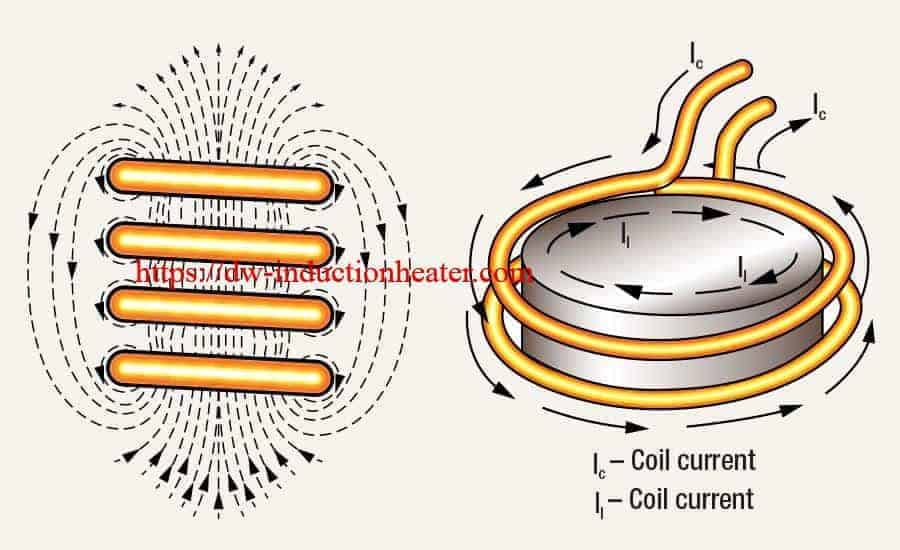
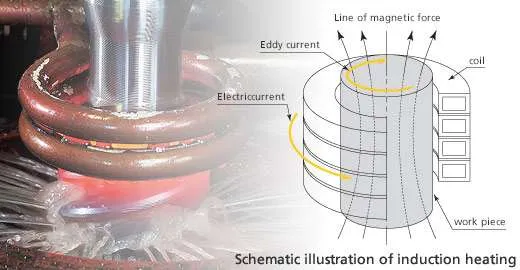
Induction heating is a non-contact process that uses electromagnetic fields to produce heat in a conductive material. It functions by passing an alternating current (AC) through a coil, generating an electromagnetic field around the coil. When a metal object, such as a steel rod or copper tube, is placed within this field, eddy currents are induced in the material, generating heat due to the material's electrical resistance. This targeted heating offers numerous advantages over traditional heating methods, making it an attractive option for various industries.
Principles of Electromagnetic Induction

The underlying principle of induction heating is Faraday's law of electromagnetic induction, which states that a changing magnetic field will induce an electromotive force (EMF) in a nearby conductor. This induced EMF generates eddy currents within the material, causing it to heat up. The intensity of the induced currents and the resulting heat depends on several factors, including the frequency of the alternating current, the material's electrical conductivity and magnetic permeability, and the distance between the coil and the material.

Induction Heating Coils

The induction heating coil, also known as the inductor, is a crucial component of the induction heating system. The coil's design and shape directly affect the efficiency and effectiveness of the heating process. Coils are typically made from materials with high electrical conductivity, such as copper or brass, and are often cooled with water or air to prevent overheating. Various coil designs are available to suit different applications, including solenoid coils, pancake coils, and multiturn coils.

Advantages of Induction Heating as a Green Technology

Induction heating offers several environmental and economic benefits compared to traditional heating methods, such as resistance heating, gas heating, and flame heating. These advantages make induction heating a green and sustainable technology for various industries.

Energy Efficiency

Induction heating is highly energy-efficient, with energy conversion efficiencies of up to 90% or more. This high efficiency is achieved by directly heating the material without any intermediate steps or heat transfer media, minimizing energy losses. In contrast, conventional heating methods often suffer from energy losses due to radiation, convection, and conduction, resulting in lower overall efficiencies.

Reduced Greenhouse Gas Emissions

By utilizing electricity as the energy source, induction heating eliminates the need for fossil fuels, which are associated with greenhouse gas emissions and air pollution. Consequently, the technology significantly reduces the overall carbon footprint of heating processes, contributing to a cleaner environment.

Precise and Controlled Heating

Induction heating allows for precise and uniform heating of materials, enabling better control over the process parameters and resulting in higher-quality products. This precision helps reduce material wastage and rework, further enhancing the technology's environmental benefits.

Improved Working Conditions

The non-contact nature of induction heating eliminates the need for open flames, reducing the risk of accidents and improving overall safety in the workplace. Additionally, the technology produces less noise and air pollution compared to traditional heating methods, contributing to a healthier working environment.

Applications of Induction Heating in Various Industries

Induction heating's versatility, efficiency, and environmental benefits make it an attractive option for numerous industrial applications.

Metal Processing

Induction heating is widely used in metal processing for tasks such as forging, hardening, annealing, and tempering. The technology's precise control and rapid heating capabilities enable improved product quality and reduced energy consumption.

Automotive Industry

In the automotive industry, induction heating is employed for processes such as brazing, curing adhesives, and shrink fitting. The technology enables faster production cycles and improved energy efficiency, contributing to greener manufacturing practices.

Aerospace Industry

The aerospace industry relies on induction heating for applications such as brazing, heat treatment, and curing composites. The technology's precise control and uniform heating capabilities are essential for producing high-quality components with tight tolerances.

Electronics Industry

Induction heating is used in the electronics industry for processes such as soldering, bonding, and curing adhesives. The technology's rapid heating and precise temperature control contribute to improved product quality and reduced energy consumption.

Induction Heating Systems

Induction heating systems consist of several key components, including an induction heating power supply, a coil, and a workpiece. The power supply generates the alternating current, which is then passed through the coil to create the electromagnetic field. The workpiece, typically a metal object, is placed within this field, where it absorbs the energy and heats up.
Induction Heating Power Supplies

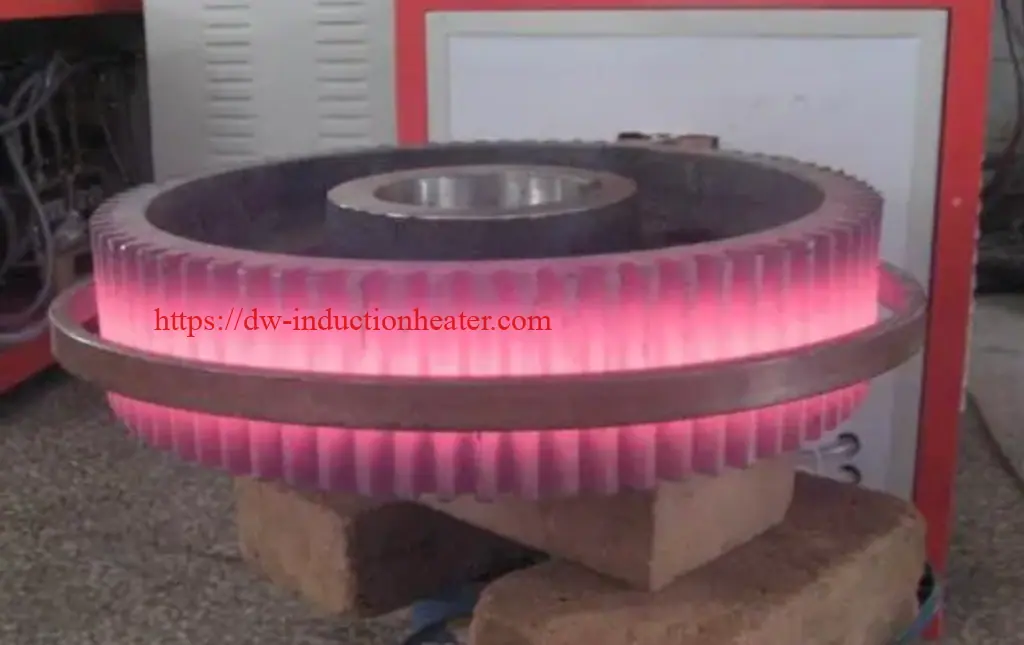
Induction heating power supplies, also known as inverters or converters, are responsible for converting the incoming electrical power into the desired frequency and voltage for the induction heating process. Modern power supplies are designed to be energy-efficient and offer advanced features such as precise temperature control, multiple heating zones, and programmable process parameters.

Induction Heating Process Control

Accurate and reliable process control is essential for achieving the desired heating results in induction heating applications. Modern induction heating systems often use advanced temperature sensors, such as infrared pyrometers or thermocouples, to monitor and control the workpiece temperature in real-time. These sensors enable precise temperature control, ensuring consistent heating results and improved product quality.

Future Potential of Induction Heating as a Green Technology

The growing emphasis on sustainability and energy conservation across various industries has created a favorable environment for the adoption of green technologies such as induction heating. Advancements in power electronics, control systems, and coil design are expected to further enhance the performance and efficiency of induction heating systems, making them an increasingly attractive option for a wide range of applications.

Integration with Renewable Energy Sources

The electricity-based nature of induction heating makes it an ideal technology for integration with renewable energy sources such as solar and wind power. By using clean, renewable energy to power induction heating systems, industries can further reduce their carbon footprint and contribute to a more sustainable future.

Potential in New Applications

As induction heating technology continues to advance, new applications may emerge in areas such as food processing, medical equipment sterilization, and waste treatment. These applications can further expand the technology's positive environmental impact and contribute to a greener future.

Conclusion

Induction heating is a green technology that offers numerous environmental and economic benefits compared to traditional heating methods. Its energy-efficient, precise, and controlled heating capabilities make it an ideal solution for various industries, including metal processing, automotive, aerospace, and electronics. As the demand for sustainable and eco-friendly technologies continues to grow, induction heating is well-positioned to play a significant role in shaping a greener future.     https://dw-inductionheater.com/why-induction-heating-is-the-green-technology-of-the-future.html?feed_id=231616&_unique_id=6599ec0170e04
2023年9月24日星期日

Induction Brazing Copper To Copper Parts

Objective Induction Brazing Copper to Copper parts Spacer. The workpieces were heated to 2012˚F (1100˚C) in 1 minutes. Recommended Equipment The recommended equipment for this application is the  DW-HF-45kw induction heating machine
induction brazing machineMaterials:
  • Copper section: 0.55” thick x 1.97” long x 1.18” wide x 0.2” long (14 mm thick & 50 mm long x 30 mm wide x 5 mm long)
  • Copper spacer: 0.55” thick x 1.57” long x 0.79” wide x 0.08” long (14 mm thick & 40 mm long x 20 mm wide x 2 mm long)
  • Brazing alloy: 5% silver brazing rod
Power: induction heating power supplies up to 30 kW Temperature: 2012˚F (1100˚C) Time: 1 minutes

2023年8月21日星期一

induction brazing stainless steel to steel

High frequency magnetic induction brazing stainless steel to steel process

HLQ team was provided with 2 different parts to be brazed in our test laboratory. Objective: Induction Brazing of a 0.15’’/ 3.81mm stainless steel pin to a steel base. Equipment:  DW-UHF-6KW-III handheld induction brazing system  Industry: Appliances & HVAC Materials: Steel hexagon (base 1’’/ 25.4 mm diameter; 0.1’’/ 2.54 mm wall thickness) A stainless steel pin (0.15’’/ 3.81 mm) Other Materials:  All-purpose black brazing flux Power: 1.43 kW Temperature: 1400 °F/ 760°C Time: 8 seconds Process: The two workpieces were carefully positioned together. All-purpose induction brazing black flux was added because it is ideal for high-temperature applications where rapid, localized heating is needed. The process of induction brazing was performed successfully within 8 seconds by using the  DW-UHF-6KW-III handheld induction brazing system, producing the induction heating power of 1.43 kW at 1400 °F/ 760°C.

2023年8月2日星期三

Induction Brazing T Shaped Copper Tubing Assemblies

High Frequency Induction Brazing T Shaped Copper Tubing Assemblies

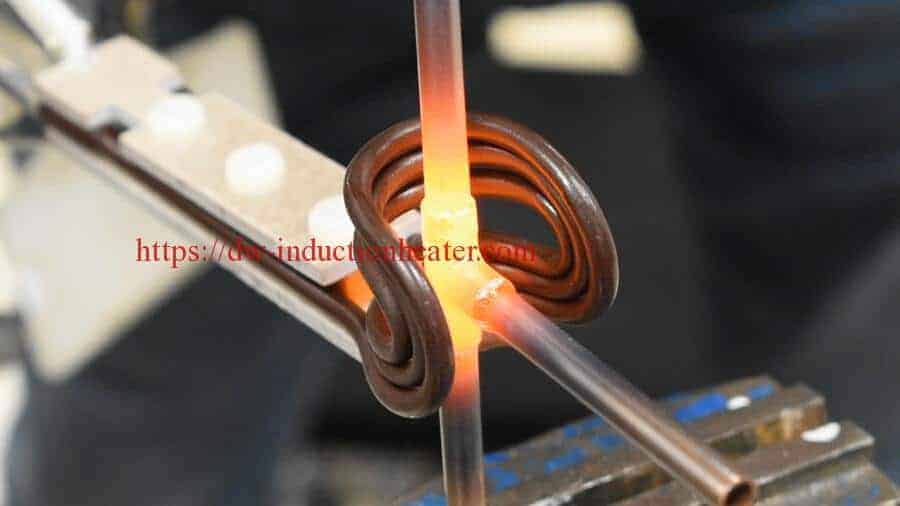
Objective: Test 1 – Induction brazing T-shaped copper tubing assemblies – 3 joints simultaneously Test 2 – Induction brazing copper tubing Industry: HVAC Materials: Copper tubers  6, 8, 10, 12 mm ( 01564, 0516, 025⁄64, 015⁄32inch. ); thickness: 1 mm ( 0364 inch.) Alloy: Cu-P-Ag rings TIP: The use of alloy rings is highly recommended with a hand-held brazing gun.
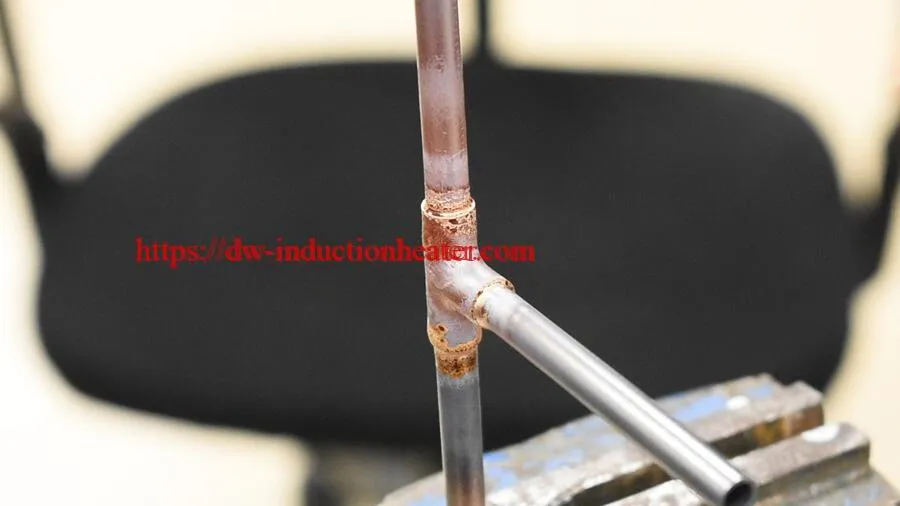
Equipment: DW-UHF-20kw induction brazing machine Power: Test 1 ( 7-8kW ) Test 2 ( 6.5-9.2kW ) Time: 8 secs. Coil: Regular induction heating coil. Custom coil design is possible upon request. The Process: We successfully carried out two induction brazing tests with several copper assemblies.  First, Cu-P-Ag alloy rings were placed around the thinner of the copper tubings. No additional flux was needed.  The pipes were then carefully aligned. The process of induction brazing was initiated. Once the induction brazing was complete, the two samples were submerged in cold water in order to be cooled instantly. The excessive amount of flux can be furtherly cleaned.
https://dw-inductionheater.com/induction-brazing-t-shaped-copper-tubing-assemblies.html?feed_id=221536&_unique_id=64ca072e4dee7

2023年7月31日星期一

induction brazing stainless steel to steel

High frequency magnetic induction brazing stainless steel to steel process

HLQ team was provided with 2 different parts to be brazed in our test laboratory. Objective: Induction Brazing of a 0.15’’/ 3.81mm stainless steel pin to a steel base. Equipment:  DW-UHF-6KW-III handheld induction brazing system  Industry: Appliances & HVAC Materials: Steel hexagon (base 1’’/ 25.4 mm diameter; 0.1’’/ 2.54 mm wall thickness) A stainless steel pin (0.15’’/ 3.81 mm) Other Materials:  All-purpose black brazing flux Power: 1.43 kW Temperature: 1400 °F/ 760°C Time: 8 seconds Process: The two workpieces were carefully positioned together. All-purpose induction brazing black flux was added because it is ideal for high-temperature applications where rapid, localized heating is needed. The process of induction brazing was performed successfully within 8 seconds by using the  DW-UHF-6KW-III handheld induction brazing system, producing the induction heating power of 1.43 kW at 1400 °F/ 760°C. https://dw-inductionheater.com/high-frequency-magnetic-induction-brazing-stainless-steel-to-steel-process.html?feed_id=221386&_unique_id=64c899b3307e9

关注者

我的简介

我的照片
HLQ induction heating machine manufacturer provides the service of induction brazing,melting,hot forming,hardening surface,annealing,shrink fitting,PWHT,etc.