显示标签为“inductionforge”的博文。显示所有博文

2024年1月6日星期六

Why Induction Heating is the Green Technology of the Future

Why Induction Heating is the Green Technology of the Future?

As the world continues to focus on sustainable energy and reducing carbon emissions, industries are seeking new ways to make their processes more environmentally friendly. One promising technology is induction heating, which uses magnetic fields to produce heat without the need for fossil fuels or other harmful energy sources. Induction heating is not only energy-efficient, but it is also safe, precise, and fast. Induction heating has emerged as a sustainable and energy-efficient solution in various applications, including metal processing, automotive, aerospace, and electronics industries. This advanced technology utilizes the principle of electromagnetic induction to generate heat, providing numerous environmental and economic benefits compared to traditional heating methods. This article delves into the various aspects of induction heating as a green technology, examining its advantages, applications, and future potential.

What is Induction Heating?

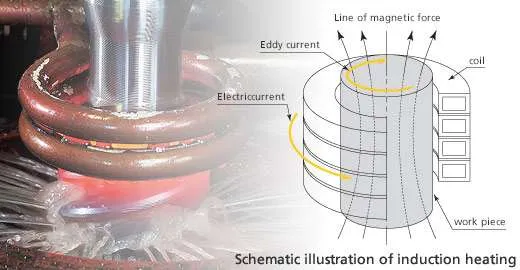
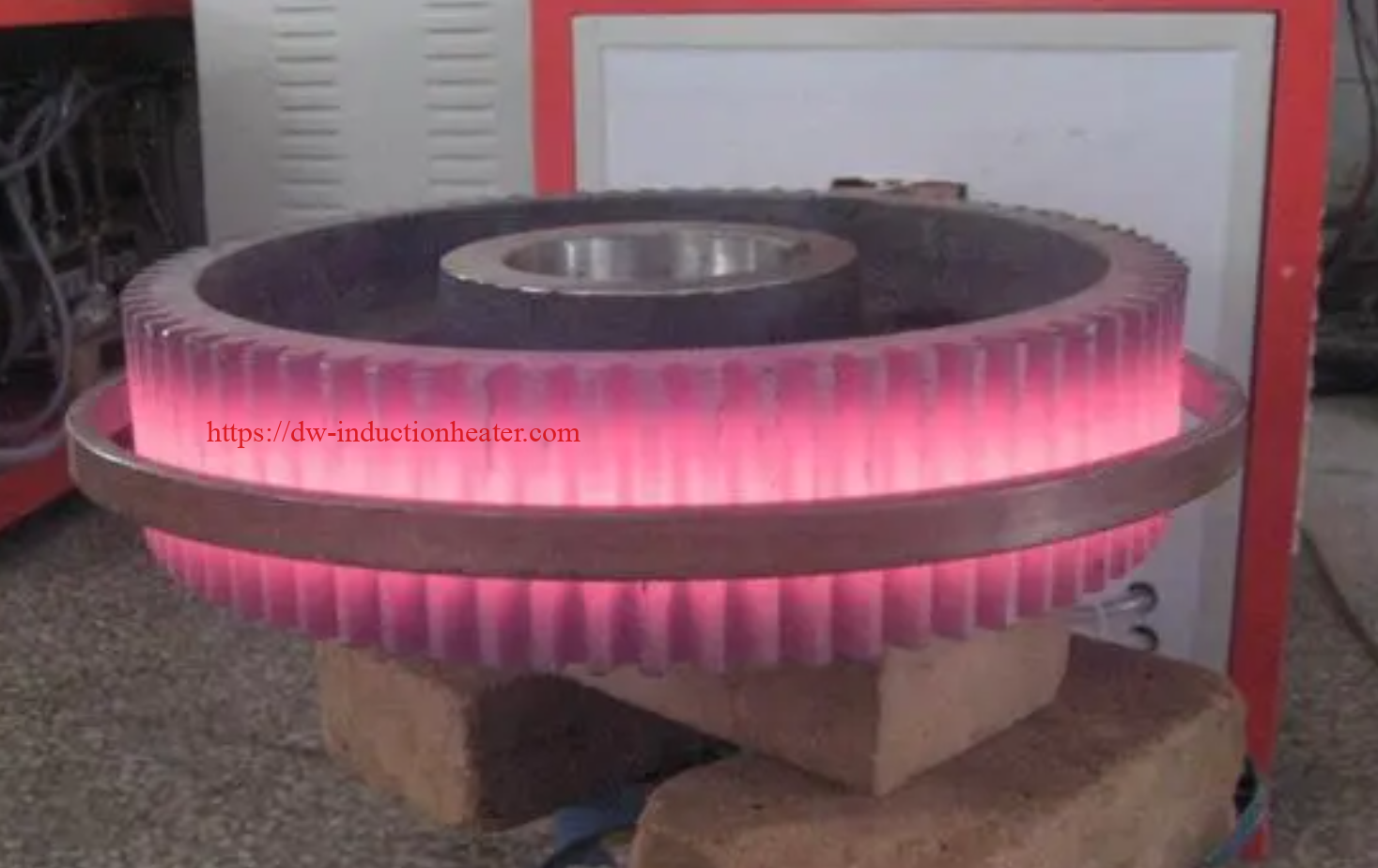
Induction heating is a non-contact process that uses electromagnetic fields to produce heat in a conductive material. It functions by passing an alternating current (AC) through a coil, generating an electromagnetic field around the coil. When a metal object, such as a steel rod or copper tube, is placed within this field, eddy currents are induced in the material, generating heat due to the material's electrical resistance. This targeted heating offers numerous advantages over traditional heating methods, making it an attractive option for various industries.
Principles of Electromagnetic Induction

The underlying principle of induction heating is Faraday's law of electromagnetic induction, which states that a changing magnetic field will induce an electromotive force (EMF) in a nearby conductor. This induced EMF generates eddy currents within the material, causing it to heat up. The intensity of the induced currents and the resulting heat depends on several factors, including the frequency of the alternating current, the material's electrical conductivity and magnetic permeability, and the distance between the coil and the material.

Induction Heating Coils

The induction heating coil, also known as the inductor, is a crucial component of the induction heating system. The coil's design and shape directly affect the efficiency and effectiveness of the heating process. Coils are typically made from materials with high electrical conductivity, such as copper or brass, and are often cooled with water or air to prevent overheating. Various coil designs are available to suit different applications, including solenoid coils, pancake coils, and multiturn coils.

Advantages of Induction Heating as a Green Technology

Induction heating offers several environmental and economic benefits compared to traditional heating methods, such as resistance heating, gas heating, and flame heating. These advantages make induction heating a green and sustainable technology for various industries.

Energy Efficiency

Induction heating is highly energy-efficient, with energy conversion efficiencies of up to 90% or more. This high efficiency is achieved by directly heating the material without any intermediate steps or heat transfer media, minimizing energy losses. In contrast, conventional heating methods often suffer from energy losses due to radiation, convection, and conduction, resulting in lower overall efficiencies.

Reduced Greenhouse Gas Emissions

By utilizing electricity as the energy source, induction heating eliminates the need for fossil fuels, which are associated with greenhouse gas emissions and air pollution. Consequently, the technology significantly reduces the overall carbon footprint of heating processes, contributing to a cleaner environment.

Precise and Controlled Heating

Induction heating allows for precise and uniform heating of materials, enabling better control over the process parameters and resulting in higher-quality products. This precision helps reduce material wastage and rework, further enhancing the technology's environmental benefits.

Improved Working Conditions

The non-contact nature of induction heating eliminates the need for open flames, reducing the risk of accidents and improving overall safety in the workplace. Additionally, the technology produces less noise and air pollution compared to traditional heating methods, contributing to a healthier working environment.

Applications of Induction Heating in Various Industries

Induction heating's versatility, efficiency, and environmental benefits make it an attractive option for numerous industrial applications.

Metal Processing

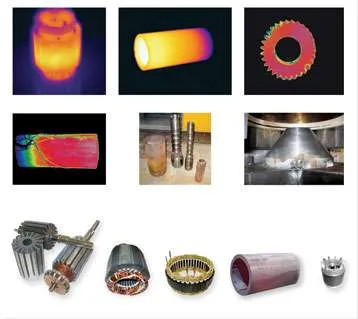
Induction heating is widely used in metal processing for tasks such as forging, hardening, annealing, and tempering. The technology's precise control and rapid heating capabilities enable improved product quality and reduced energy consumption.

Automotive Industry

In the automotive industry, induction heating is employed for processes such as brazing, curing adhesives, and shrink fitting. The technology enables faster production cycles and improved energy efficiency, contributing to greener manufacturing practices.

Aerospace Industry

The aerospace industry relies on induction heating for applications such as brazing, heat treatment, and curing composites. The technology's precise control and uniform heating capabilities are essential for producing high-quality components with tight tolerances.

Electronics Industry

Induction heating is used in the electronics industry for processes such as soldering, bonding, and curing adhesives. The technology's rapid heating and precise temperature control contribute to improved product quality and reduced energy consumption.

Induction Heating Systems

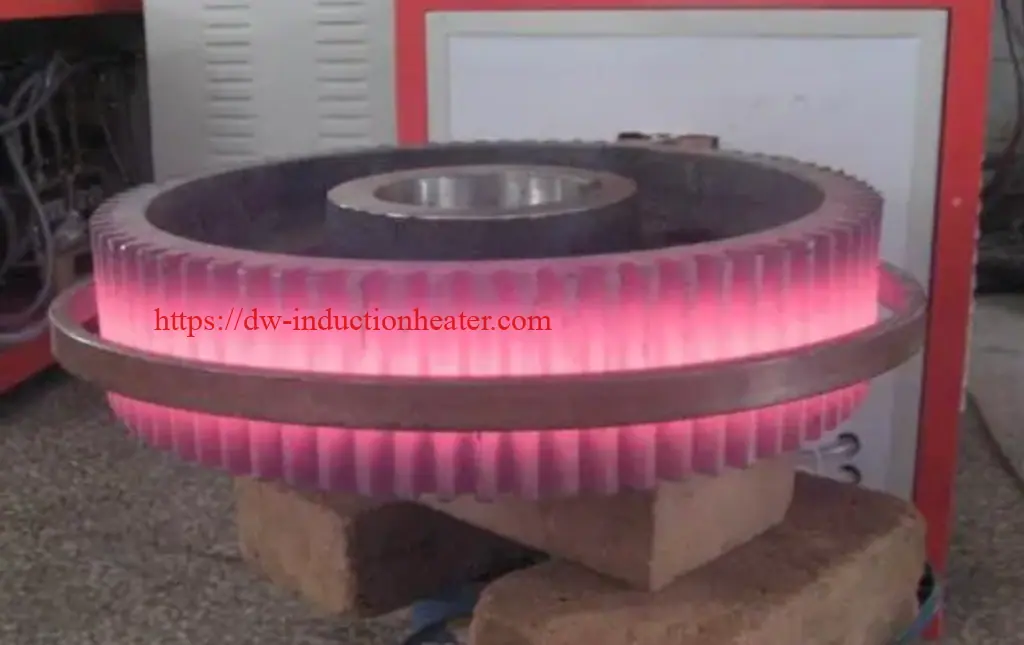
Induction heating systems consist of several key components, including an induction heating power supply, a coil, and a workpiece. The power supply generates the alternating current, which is then passed through the coil to create the electromagnetic field. The workpiece, typically a metal object, is placed within this field, where it absorbs the energy and heats up.
Induction Heating Power Supplies

Induction heating power supplies, also known as inverters or converters, are responsible for converting the incoming electrical power into the desired frequency and voltage for the induction heating process. Modern power supplies are designed to be energy-efficient and offer advanced features such as precise temperature control, multiple heating zones, and programmable process parameters.

Induction Heating Process Control

Accurate and reliable process control is essential for achieving the desired heating results in induction heating applications. Modern induction heating systems often use advanced temperature sensors, such as infrared pyrometers or thermocouples, to monitor and control the workpiece temperature in real-time. These sensors enable precise temperature control, ensuring consistent heating results and improved product quality.

Future Potential of Induction Heating as a Green Technology

The growing emphasis on sustainability and energy conservation across various industries has created a favorable environment for the adoption of green technologies such as induction heating. Advancements in power electronics, control systems, and coil design are expected to further enhance the performance and efficiency of induction heating systems, making them an increasingly attractive option for a wide range of applications.

Integration with Renewable Energy Sources

The electricity-based nature of induction heating makes it an ideal technology for integration with renewable energy sources such as solar and wind power. By using clean, renewable energy to power induction heating systems, industries can further reduce their carbon footprint and contribute to a more sustainable future.

Potential in New Applications

As induction heating technology continues to advance, new applications may emerge in areas such as food processing, medical equipment sterilization, and waste treatment. These applications can further expand the technology's positive environmental impact and contribute to a greener future.

Conclusion

Induction heating is a green technology that offers numerous environmental and economic benefits compared to traditional heating methods. Its energy-efficient, precise, and controlled heating capabilities make it an ideal solution for various industries, including metal processing, automotive, aerospace, and electronics. As the demand for sustainable and eco-friendly technologies continues to grow, induction heating is well-positioned to play a significant role in shaping a greener future.     https://dw-inductionheater.com/why-induction-heating-is-the-green-technology-of-the-future.html?feed_id=231616&_unique_id=6599ec0170e04
2023年6月22日星期四

Why Induction Heating is the Green Technology of the Future

Why Induction Heating is the Green Technology of the Future?

As the world continues to focus on sustainable energy and reducing carbon emissions, industries are seeking new ways to make their processes more environmentally friendly. One promising technology is induction heating, which uses magnetic fields to produce heat without the need for fossil fuels or other harmful energy sources. Induction heating is not only energy-efficient, but it is also safe, precise, and fast. Induction heating has emerged as a sustainable and energy-efficient solution in various applications, including metal processing, automotive, aerospace, and electronics industries. This advanced technology utilizes the principle of electromagnetic induction to generate heat, providing numerous environmental and economic benefits compared to traditional heating methods. This article delves into the various aspects of induction heating as a green technology, examining its advantages, applications, and future potential.

What is Induction Heating?

Induction heating is a non-contact process that uses electromagnetic fields to produce heat in a conductive material. It functions by passing an alternating current (AC) through a coil, generating an electromagnetic field around the coil. When a metal object, such as a steel rod or copper tube, is placed within this field, eddy currents are induced in the material, generating heat due to the material's electrical resistance. This targeted heating offers numerous advantages over traditional heating methods, making it an attractive option for various industries.

Principles of Electromagnetic Induction

The underlying principle of induction heating is Faraday's law of electromagnetic induction, which states that a changing magnetic field will induce an electromotive force (EMF) in a nearby conductor. This induced EMF generates eddy currents within the material, causing it to heat up. The intensity of the induced currents and the resulting heat depends on several factors, including the frequency of the alternating current, the material's electrical conductivity and magnetic permeability, and the distance between the coil and the material.

Induction Heating Coils

The induction heating coil, also known as the inductor, is a crucial component of the induction heating system. The coil's design and shape directly affect the efficiency and effectiveness of the heating process. Coils are typically made from materials with high electrical conductivity, such as copper or brass, and are often cooled with water or air to prevent overheating. Various coil designs are available to suit different applications, including solenoid coils, pancake coils, and multiturn coils.

Advantages of Induction Heating as a Green Technology

Induction heating offers several environmental and economic benefits compared to traditional heating methods, such as resistance heating, gas heating, and flame heating. These advantages make induction heating a green and sustainable technology for various industries.

Energy Efficiency

Induction heating is highly energy-efficient, with energy conversion efficiencies of up to 90% or more. This high efficiency is achieved by directly heating the material without any intermediate steps or heat transfer media, minimizing energy losses. In contrast, conventional heating methods often suffer from energy losses due to radiation, convection, and conduction, resulting in lower overall efficiencies.

Reduced Greenhouse Gas Emissions

By utilizing electricity as the energy source, induction heating eliminates the need for fossil fuels, which are associated with greenhouse gas emissions and air pollution. Consequently, the technology significantly reduces the overall carbon footprint of heating processes, contributing to a cleaner environment.

Precise and Controlled Heating

Induction heating allows for precise and uniform heating of materials, enabling better control over the process parameters and resulting in higher-quality products. This precision helps reduce material wastage and rework, further enhancing the technology's environmental benefits.

Improved Working Conditions

The non-contact nature of induction heating eliminates the need for open flames, reducing the risk of accidents and improving overall safety in the workplace. Additionally, the technology produces less noise and air pollution compared to traditional heating methods, contributing to a healthier working environment.

Applications of Induction Heating in Various Industries

Induction heating's versatility, efficiency, and environmental benefits make it an attractive option for numerous industrial applications.

Metal Processing

Induction heating is widely used in metal processing for tasks such as forging, hardening, annealing, and tempering. The technology's precise control and rapid heating capabilities enable improved product quality and reduced energy consumption.

Automotive Industry

In the automotive industry, induction heating is employed for processes such as brazing, curing adhesives, and shrink fitting. The technology enables faster production cycles and improved energy efficiency, contributing to greener manufacturing practices.

Aerospace Industry

The aerospace industry relies on induction heating for applications such as brazing, heat treatment, and curing composites. The technology's precise control and uniform heating capabilities are essential for producing high-quality components with tight tolerances.

Electronics Industry

Induction heating is used in the electronics industry for processes such as soldering, bonding, and curing adhesives. The technology's rapid heating and precise temperature control contribute to improved product quality and reduced energy consumption.

Induction Heating Systems

Induction heating systems consist of several key components, including an induction heating power supply, a coil, and a workpiece. The power supply generates the alternating current, which is then passed through the coil to create the electromagnetic field. The workpiece, typically a metal object, is placed within this field, where it absorbs the energy and heats up.

Induction Heating Power Supplies

Induction heating power supplies, also known as inverters or converters, are responsible for converting the incoming electrical power into the desired frequency and voltage for the induction heating process. Modern power supplies are designed to be energy-efficient and offer advanced features such as precise temperature control, multiple heating zones, and programmable process parameters.

Induction Heating Process Control

Accurate and reliable process control is essential for achieving the desired heating results in induction heating applications. Modern induction heating systems often use advanced temperature sensors, such as infrared pyrometers or thermocouples, to monitor and control the workpiece temperature in real-time. These sensors enable precise temperature control, ensuring consistent heating results and improved product quality.

Future Potential of Induction Heating as a Green Technology

The growing emphasis on sustainability and energy conservation across various industries has created a favorable environment for the adoption of green technologies such as induction heating. Advancements in power electronics, control systems, and coil design are expected to further enhance the performance and efficiency of induction heating systems, making them an increasingly attractive option for a wide range of applications.

Integration with Renewable Energy Sources

The electricity-based nature of induction heating makes it an ideal technology for integration with renewable energy sources such as solar and wind power. By using clean, renewable energy to power induction heating systems, industries can further reduce their carbon footprint and contribute to a more sustainable future.

Potential in New Applications

As induction heating technology continues to advance, new applications may emerge in areas such as food processing, medical equipment sterilization, and waste treatment. These applications can further expand the technology's positive environmental impact and contribute to a greener future.

Conclusion

Induction heating is a green technology that offers numerous environmental and economic benefits compared to traditional heating methods. Its energy-efficient, precise, and controlled heating capabilities make it an ideal solution for various industries, including metal processing, automotive, aerospace, and electronics. As the demand for sustainable and eco-friendly technologies continues to grow, induction heating is well-positioned to play a significant role in shaping a greener future.     https://dw-inductionheater.com/why-induction-heating-is-the-green-technology-of-the-future.html?feed_id=215236&_unique_id=64945ef373341

2023年5月31日星期三

Why Induction Heating is the Green Technology of the Future

Why Induction Heating is the Green Technology of the Future?

As the world continues to focus on sustainable energy and reducing carbon emissions, industries are seeking new ways to make their processes more environmentally friendly. One promising technology is induction heating, which uses magnetic fields to produce heat without the need for fossil fuels or other harmful energy sources. Induction heating is not only energy-efficient, but it is also safe, precise, and fast. Induction heating has emerged as a sustainable and energy-efficient solution in various applications, including metal processing, automotive, aerospace, and electronics industries. This advanced technology utilizes the principle of electromagnetic induction to generate heat, providing numerous environmental and economic benefits compared to traditional heating methods. This article delves into the various aspects of induction heating as a green technology, examining its advantages, applications, and future potential.

What is Induction Heating?

Induction heating is a non-contact process that uses electromagnetic fields to produce heat in a conductive material. It functions by passing an alternating current (AC) through a coil, generating an electromagnetic field around the coil. When a metal object, such as a steel rod or copper tube, is placed within this field, eddy currents are induced in the material, generating heat due to the material's electrical resistance. This targeted heating offers numerous advantages over traditional heating methods, making it an attractive option for various industries.

Principles of Electromagnetic Induction

The underlying principle of induction heating is Faraday's law of electromagnetic induction, which states that a changing magnetic field will induce an electromotive force (EMF) in a nearby conductor. This induced EMF generates eddy currents within the material, causing it to heat up. The intensity of the induced currents and the resulting heat depends on several factors, including the frequency of the alternating current, the material's electrical conductivity and magnetic permeability, and the distance between the coil and the material.

Induction Heating Coils

The induction heating coil, also known as the inductor, is a crucial component of the induction heating system. The coil's design and shape directly affect the efficiency and effectiveness of the heating process. Coils are typically made from materials with high electrical conductivity, such as copper or brass, and are often cooled with water or air to prevent overheating. Various coil designs are available to suit different applications, including solenoid coils, pancake coils, and multiturn coils.

Advantages of Induction Heating as a Green Technology

Induction heating offers several environmental and economic benefits compared to traditional heating methods, such as resistance heating, gas heating, and flame heating. These advantages make induction heating a green and sustainable technology for various industries.

Energy Efficiency

Induction heating is highly energy-efficient, with energy conversion efficiencies of up to 90% or more. This high efficiency is achieved by directly heating the material without any intermediate steps or heat transfer media, minimizing energy losses. In contrast, conventional heating methods often suffer from energy losses due to radiation, convection, and conduction, resulting in lower overall efficiencies.

Reduced Greenhouse Gas Emissions

By utilizing electricity as the energy source, induction heating eliminates the need for fossil fuels, which are associated with greenhouse gas emissions and air pollution. Consequently, the technology significantly reduces the overall carbon footprint of heating processes, contributing to a cleaner environment.

Precise and Controlled Heating

Induction heating allows for precise and uniform heating of materials, enabling better control over the process parameters and resulting in higher-quality products. This precision helps reduce material wastage and rework, further enhancing the technology's environmental benefits.

Improved Working Conditions

The non-contact nature of induction heating eliminates the need for open flames, reducing the risk of accidents and improving overall safety in the workplace. Additionally, the technology produces less noise and air pollution compared to traditional heating methods, contributing to a healthier working environment.

Applications of Induction Heating in Various Industries

Induction heating's versatility, efficiency, and environmental benefits make it an attractive option for numerous industrial applications.

Metal Processing

Induction heating is widely used in metal processing for tasks such as forging, hardening, annealing, and tempering. The technology's precise control and rapid heating capabilities enable improved product quality and reduced energy consumption.

Automotive Industry

In the automotive industry, induction heating is employed for processes such as brazing, curing adhesives, and shrink fitting. The technology enables faster production cycles and improved energy efficiency, contributing to greener manufacturing practices.

Aerospace Industry

The aerospace industry relies on induction heating for applications such as brazing, heat treatment, and curing composites. The technology's precise control and uniform heating capabilities are essential for producing high-quality components with tight tolerances.

Electronics Industry

Induction heating is used in the electronics industry for processes such as soldering, bonding, and curing adhesives. The technology's rapid heating and precise temperature control contribute to improved product quality and reduced energy consumption.

Induction Heating Systems

Induction heating systems consist of several key components, including an induction heating power supply, a coil, and a workpiece. The power supply generates the alternating current, which is then passed through the coil to create the electromagnetic field. The workpiece, typically a metal object, is placed within this field, where it absorbs the energy and heats up.

Induction Heating Power Supplies

Induction heating power supplies, also known as inverters or converters, are responsible for converting the incoming electrical power into the desired frequency and voltage for the induction heating process. Modern power supplies are designed to be energy-efficient and offer advanced features such as precise temperature control, multiple heating zones, and programmable process parameters.

Induction Heating Process Control

Accurate and reliable process control is essential for achieving the desired heating results in induction heating applications. Modern induction heating systems often use advanced temperature sensors, such as infrared pyrometers or thermocouples, to monitor and control the workpiece temperature in real-time. These sensors enable precise temperature control, ensuring consistent heating results and improved product quality.

Future Potential of Induction Heating as a Green Technology

The growing emphasis on sustainability and energy conservation across various industries has created a favorable environment for the adoption of green technologies such as induction heating. Advancements in power electronics, control systems, and coil design are expected to further enhance the performance and efficiency of induction heating systems, making them an increasingly attractive option for a wide range of applications.

Integration with Renewable Energy Sources

The electricity-based nature of induction heating makes it an ideal technology for integration with renewable energy sources such as solar and wind power. By using clean, renewable energy to power induction heating systems, industries can further reduce their carbon footprint and contribute to a more sustainable future.

Potential in New Applications

As induction heating technology continues to advance, new applications may emerge in areas such as food processing, medical equipment sterilization, and waste treatment. These applications can further expand the technology's positive environmental impact and contribute to a greener future.

Conclusion

Induction heating is a green technology that offers numerous environmental and economic benefits compared to traditional heating methods. Its energy-efficient, precise, and controlled heating capabilities make it an ideal solution for various industries, including metal processing, automotive, aerospace, and electronics. As the demand for sustainable and eco-friendly technologies continues to grow, induction heating is well-positioned to play a significant role in shaping a greener future.     https://dw-inductionheater.com/why-induction-heating-is-the-green-technology-of-the-future.html?feed_id=209231&_unique_id=6476fb0caf304

2023年4月12日星期三

Induction Forging Bar and Billet Furnace

Induction Forging Bar and Billet Furnace for hot forming bars,billets and rods of aluminum,steel and copper

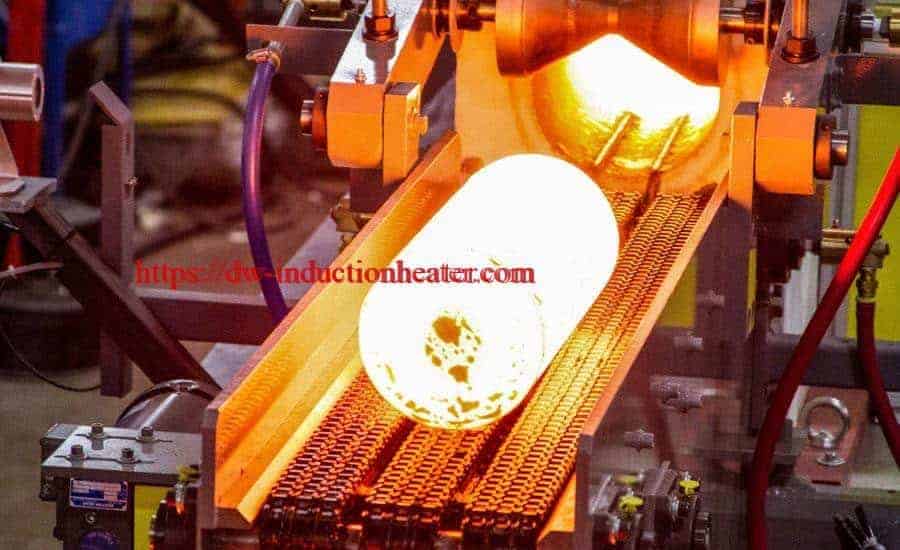
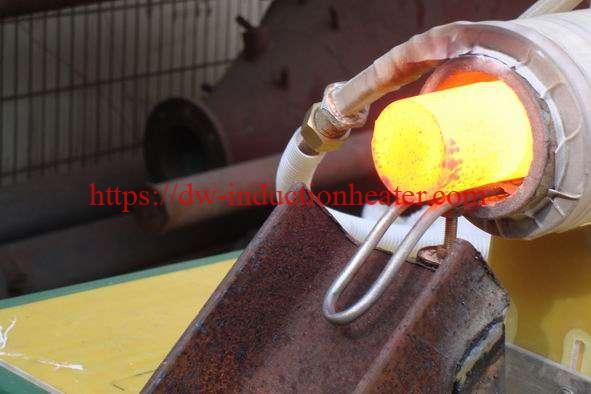
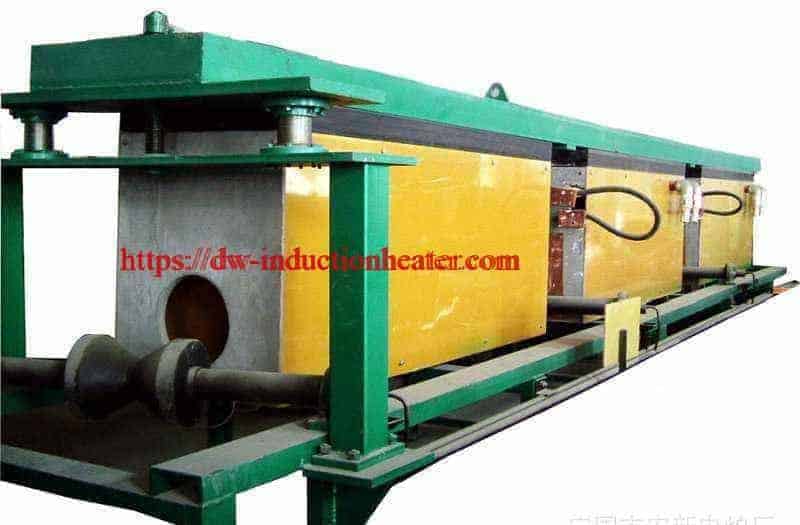
Induction forging bar and billet furnace is a widely used method for heating metallic objects. The process involves the use of an electromagnetic field to generate heat within the object to be heated. Induction forging is commonly used in the production of bars, billets, and rods made of various metals such as aluminum, steel, and copper. This research paper aims to explore the process of induction forging bar and billet furnace, its advantages and challenges, as well as its applications in different industries. copper billets/bars/rods forge hot forming Induction Forging Bar and Billet Furnace Process: The induction forging process involves the use of an induction coil that produces an electromagnetic field. The bar or billet is placed inside the coil, and the alternating magnetic field induces an electrical current within the object, which generates heat due to resistance. The heat produced is proportional to the power of the electromagnetic field and the resistance of the metal being heated. Advantages of Induction Forging Bar and Billet Furnace: Induction forging offers several advantages over traditional heating methods. These include: 1. High efficiency: Induction forging is a highly efficient method since the heat is generated directly within the object to be heated. This eliminates the need for preheating, which reduces energy consumption and saves time. 2. Precise heating: Induction forging allows for precise control of the heating process. The heat generated can be adjusted to suit the specific requirements of the object to be heated. 3. Consistent quality: Induction forging produces a consistent quality of heat since it is generated uniformly throughout the object. This ensures that the final product is of high quality and meets the required specifications. induction billet heating furnace Challenges of Induction Forging Bar and Billet Furnace: Although induction forging offers several advantages, it also presents some challenges. The following are some of the challenges associated with induction forging: 1. Limited size: Induction forging is suitable for heating small to medium-sized objects. Large objects require more power and may not be feasible with induction forging. 2. Initial cost: Induction forging requires significant initial investment in equipment and infrastructure. This makes it less suitable for small-scale operations. 3. Surface preparation: Induction forging requires the surface of the object being heated to be clean and free of impurities. This requires additional preparation time and cost. Applications of Induction Forging Bar and Billet Furnace: Induction forging bar and billet furnace is widely used in various industries. The following are some of the applications of induction forging: 1. Automotive industry: Induction forging is used in the production of automotive parts such as gears, axles, and crankshafts. 2. Aerospace industry: Induction forging is used in the production of components for aerospace vehicles like aircraft, space shuttles and satellites. 3. Construction industry: Induction forging is used in the production of reinforcing bars, bolts, and nuts used in construction. Product Description For heating various of bar materials: such as steel & iron, bronze, brass, aluminum alloy, etc. Picture just for reference, color is changable with different power. Functions and special specifications customized by customer's requirements. Features and Advantages: 1.Automatic:Automatic feeding, automatic selection of the work-piece is good or bad, automatic measurement of  temperature, automatic discharge. 2. Integrated design: Save installation time,cost and space. 3. Operation panel embedded displays machine operating states, to facilitate fault diagnosis.
  Features Detail
1 Heating fast and stable saving 20%- 30% electric energy than traditional way; High efficiency and low energy consumption
2 Small in size Easy to install, operate and repair
3 Safe and reliable No high voltage, very safe to your workers.
4 A cooling circulation system Able to operate continuously 24 hours
5 complete self-protect function many types of alarm lamps: over-current, over-voltage, over hot, water shortage etc. These lamps can control and protect machine.
6 Environmental protection Almost no oxide layer, produced no exhaust, no waste-water
7 IGBT Type Avoid the interruption of unrelated electric net; Ensure the long-life of the machine.
  Parameter of metals billet hot forging furnace:
DW-MF-200 DW-MF-250 DW-MF-300 DW-MF-400 DW-MF-500 DW-MF-600
Input Voltage 3phases, 380V/410V/440V , 50/60Hz
Max Input Current 320A 400A 480A 640A 800A 960A
Oscillating frequency 0.5KHz^20KHz ( Oscillating frequency will be customized according to the size of heating parts)
Duty Cycle Loading 100%,24h continuously work
Cooling Water Desires 0.1MPa
Dimension Host 1000X800X1500mm 1500X800X2800mm 850X1700X1900mm
Extension extension will be customized according to the material and size of heating parts
Weight 110kg 150kg 160kg 170kg 200kg 220kg
Depend on the dimension of extension
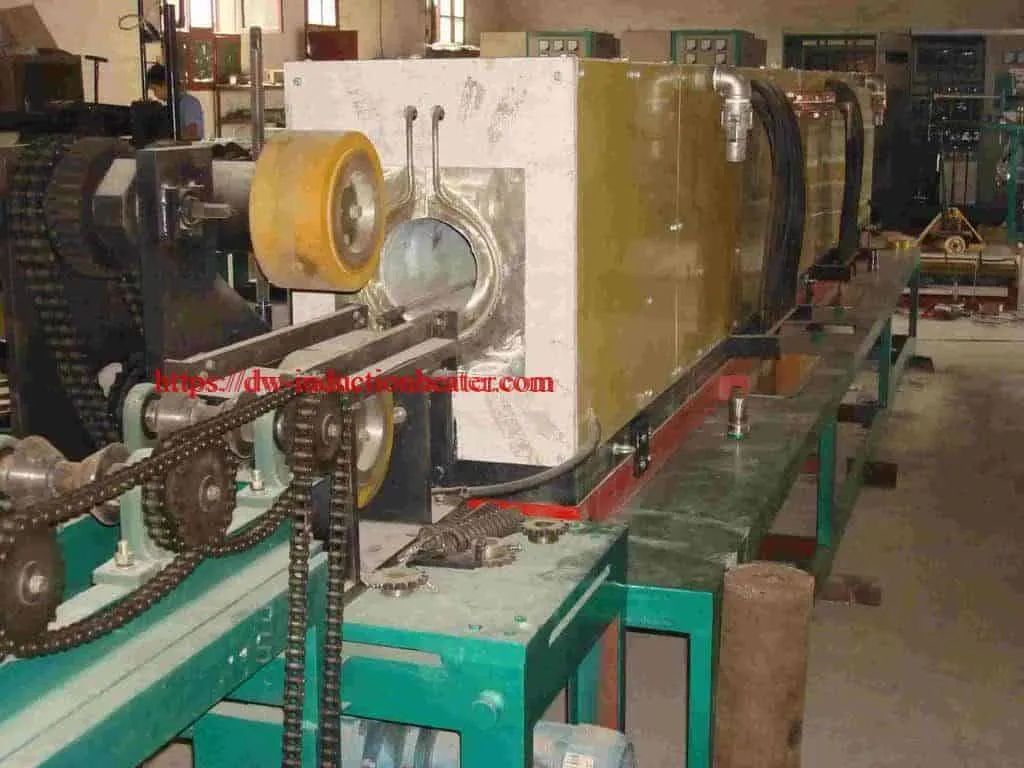
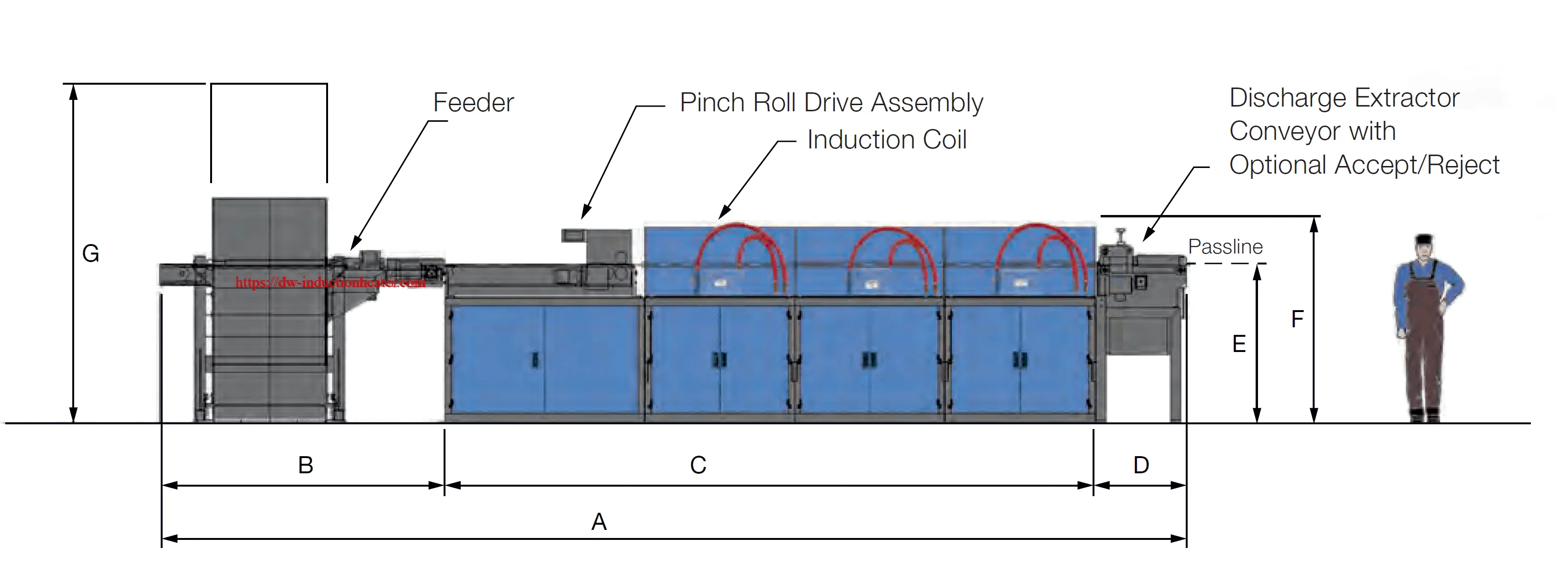
In the induction metals billet hot forging furnace the whole of the billets or slug is heated. Normally for short billets or slugs a hopper or bowl is used to automatically present the billets in line to pinch rollers, chain driven tractor units or in some cases pneumatic pushers. The billets are then driven through the coil one behind the other on water cooled rails or ceramic liners are used through the coil bore which reduce friction and prevent wear. The length of the coil is a function of the required soak time, the cycle time per component and the length of the billet. In high volume large cross section work it is not unusual to have 4 or 5 coils in series to give 5 m (16 ft) of coil or more. induction forge heater principle         Conclusion: Induction forging bar and billet furnace is a highly efficient and precise method for heating metallic objects. Although it presents some challenges, it remains a popular method in various industries, including the automotive, aerospace, and construction industries. The benefits of induction forging include its high efficiency, precise heating, and consistent quality. Thus, it can be concluded that induction forging is a valuable and effective process for the metalworking industry. induction forge heating furnace for copper/brass/aluminum/iron steel hot forming

Induction Forging Bar and Billet Furnace

Induction Forging Bar and Billet Furnace for hot forming bars,billets and rods of aluminum,steel and copper

Induction forging bar and billet furnace is a widely used method for heating metallic objects. The process involves the use of an electromagnetic field to generate heat within the object to be heated. Induction forging is commonly used in the production of bars, billets, and rods made of various metals such as aluminum, steel, and copper. This research paper aims to explore the process of induction forging bar and billet furnace, its advantages and challenges, as well as its applications in different industries. copper billets/bars/rods forge hot forming Induction Forging Bar and Billet Furnace Process: The induction forging process involves the use of an induction coil that produces an electromagnetic field. The bar or billet is placed inside the coil, and the alternating magnetic field induces an electrical current within the object, which generates heat due to resistance. The heat produced is proportional to the power of the electromagnetic field and the resistance of the metal being heated. Advantages of Induction Forging Bar and Billet Furnace: Induction forging offers several advantages over traditional heating methods. These include: 1. High efficiency: Induction forging is a highly efficient method since the heat is generated directly within the object to be heated. This eliminates the need for preheating, which reduces energy consumption and saves time. 2. Precise heating: Induction forging allows for precise control of the heating process. The heat generated can be adjusted to suit the specific requirements of the object to be heated. 3. Consistent quality: Induction forging produces a consistent quality of heat since it is generated uniformly throughout the object. This ensures that the final product is of high quality and meets the required specifications. induction billet heating furnace Challenges of Induction Forging Bar and Billet Furnace: Although induction forging offers several advantages, it also presents some challenges. The following are some of the challenges associated with induction forging: 1. Limited size: Induction forging is suitable for heating small to medium-sized objects. Large objects require more power and may not be feasible with induction forging. 2. Initial cost: Induction forging requires significant initial investment in equipment and infrastructure. This makes it less suitable for small-scale operations. 3. Surface preparation: Induction forging requires the surface of the object being heated to be clean and free of impurities. This requires additional preparation time and cost. Applications of Induction Forging Bar and Billet Furnace: Induction forging bar and billet furnace is widely used in various industries. The following are some of the applications of induction forging: 1. Automotive industry: Induction forging is used in the production of automotive parts such as gears, axles, and crankshafts. 2. Aerospace industry: Induction forging is used in the production of components for aerospace vehicles like aircraft, space shuttles and satellites. 3. Construction industry: Induction forging is used in the production of reinforcing bars, bolts, and nuts used in construction. Product Description For heating various of bar materials: such as steel & iron, bronze, brass, aluminum alloy, etc. Picture just for reference, color is changable with different power. Functions and special specifications customized by customer's requirements. Features and Advantages: 1.Automatic:Automatic feeding, automatic selection of the work-piece is good or bad, automatic measurement of  temperature, automatic discharge. 2. Integrated design: Save installation time,cost and space. 3. Operation panel embedded displays machine operating states, to facilitate fault diagnosis.
  Features Detail
1 Heating fast and stable saving 20%- 30% electric energy than traditional way; High efficiency and low energy consumption
2 Small in size Easy to install, operate and repair
3 Safe and reliable No high voltage, very safe to your workers.
4 A cooling circulation system Able to operate continuously 24 hours
5 complete self-protect function many types of alarm lamps: over-current, over-voltage, over hot, water shortage etc. These lamps can control and protect machine.
6 Environmental protection Almost no oxide layer, produced no exhaust, no waste-water
7 IGBT Type Avoid the interruption of unrelated electric net; Ensure the long-life of the machine.
  Parameter of metals billet hot forging furnace:
DW-MF-200 DW-MF-250 DW-MF-300 DW-MF-400 DW-MF-500 DW-MF-600
Input Voltage 3phases, 380V/410V/440V , 50/60Hz
Max Input Current 320A 400A 480A 640A 800A 960A
Oscillating frequency 0.5KHz^20KHz ( Oscillating frequency will be customized according to the size of heating parts)
Duty Cycle Loading 100%,24h continuously work
Cooling Water Desires 0.1MPa
Dimension Host 1000X800X1500mm 1500X800X2800mm 850X1700X1900mm
Extension extension will be customized according to the material and size of heating parts
Weight 110kg 150kg 160kg 170kg 200kg 220kg
Depend on the dimension of extension
In the induction metals billet hot forging furnace the whole of the billets or slug is heated. Normally for short billets or slugs a hopper or bowl is used to automatically present the billets in line to pinch rollers, chain driven tractor units or in some cases pneumatic pushers. The billets are then driven through the coil one behind the other on water cooled rails or ceramic liners are used through the coil bore which reduce friction and prevent wear. The length of the coil is a function of the required soak time, the cycle time per component and the length of the billet. In high volume large cross section work it is not unusual to have 4 or 5 coils in series to give 5 m (16 ft) of coil or more. induction forge heater principle         Conclusion: Induction forging bar and billet furnace is a highly efficient and precise method for heating metallic objects. Although it presents some challenges, it remains a popular method in various industries, including the automotive, aerospace, and construction industries. The benefits of induction forging include its high efficiency, precise heating, and consistent quality. Thus, it can be concluded that induction forging is a valuable and effective process for the metalworking industry. induction forge heating furnace for copper/brass/aluminum/iron steel hot forming https://dw-inductionheater.com/product/induction-forging-bar-and-billet-furnace?feed_id=195163&_unique_id=64367708dfbf0

2021年11月6日星期六

Induction Forge Furnace

Induction forge furnace for the heating of copper/aluminum/iron steel billets before hot forming

Product Description For heating various of bar materials: such as steel & iron, bronze, brass, aluminum alloy, etc. Picture just for reference, color is changable with different power. Functions and special specifications customized by customer's requirements. Features and Advantages: 1.Automatic:Automatic feeding, automatic selection of the work-piece is good or bad, automatic measurement of  temperature, automatic discharge. 2. Integrated design: Save installation time,cost and space. 3. Operation panel embedded displays machine operating states, to facilitate fault diagnosis.
  Features Detail
1 Heating fast and stable saving 20%- 30% electric energy than traditional way; High efficiency and low energy consumption
2 Small in size Easy to install, operate and repair
3 Safe and reliable No high voltage, very safe to your workers.
4 A cooling circulation system Able to operate continuously 24 hours
5 complete self-protect function many types of alarm lamps: over-current, over-voltage, over hot, water shortage etc. These lamps can control and protect machine.
6 Environmental protection Almost no oxide layer, produced no exhaust, no waste-water
7 IGBT Type Avoid the interruption of unrelated electric net; Ensure the long-life of the machine.
  Parameter
DW-MF-200 DW-MF-250 DW-MF-300 DW-MF-400 DW-MF-500 DW-MF-600
Input Voltage 3phases, 380V/410V/440V , 50/60Hz
Max Input Current 320A 400A 480A 640A 800A 960A
Oscillating frequency 0.5KHz^20KHz ( Oscillating frequency will be customized according to the size of heating parts)
Duty Cycle Loading 100%,24h continuously work
Cooling Water Desires 0.1MPa
Dimension Host 1000X800X1500mm 1500X800X2800mm 850X1700X1900mm
Extension extension will be customized according to the material and size of heating parts
Weight 110kg 150kg 160kg 170kg 200kg 220kg
Depend on the dimension of extension
In the induction forge furnace the whole of the billets or slug is heated. Normally for short billets or slugs a hopper or bowl is used to automatically present the billets in line to pinch rollers, chain driven tractor units or in some cases pneumatic pushers. The billets are then driven through the coil one behind the other on water cooled rails or ceramic liners are used through the coil bore which reduce friction and prevent wear. The length of the coil is a function of the required soak time, the cycle time per component and the length of the billet. In high volume large cross section work it is not unusual to have 4 or 5 coils in series to give 5 m (16 ft) of coil or more. induction forge heater principle induction forge heating furnace for copper/brass/aluminum/iron steel hot forming induction billets heater for copper/aluminum/iron steel hot forming copper billets/bars/rods forge hot forming

关注者

我的简介

我的照片
HLQ induction heating machine manufacturer provides the service of induction brazing,melting,hot forming,hardening surface,annealing,shrink fitting,PWHT,etc.