显示标签为“inductionhardening”的博文。显示所有博文

2024年4月10日星期三

5 Essential FAQs on Induction Hardening for Maximizing Durability

Induction hardening is a heat treatment process that improves the mechanical properties of a metal piece, particularly its hardness and strength.

Here are five frequently asked questions about induction hardening:

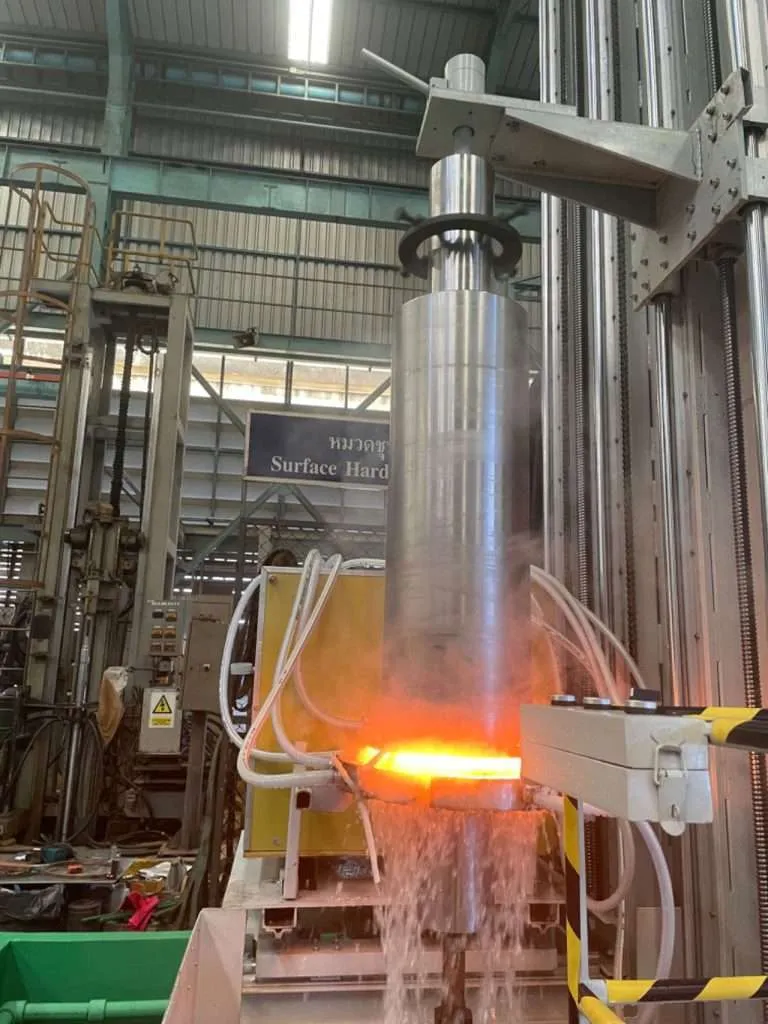
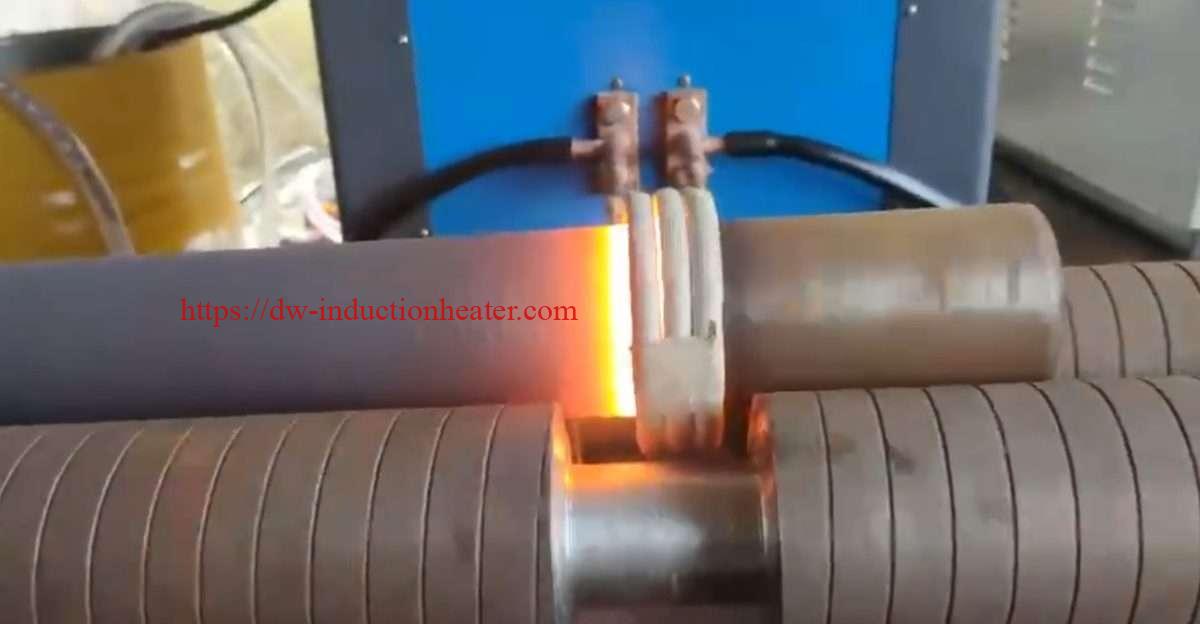
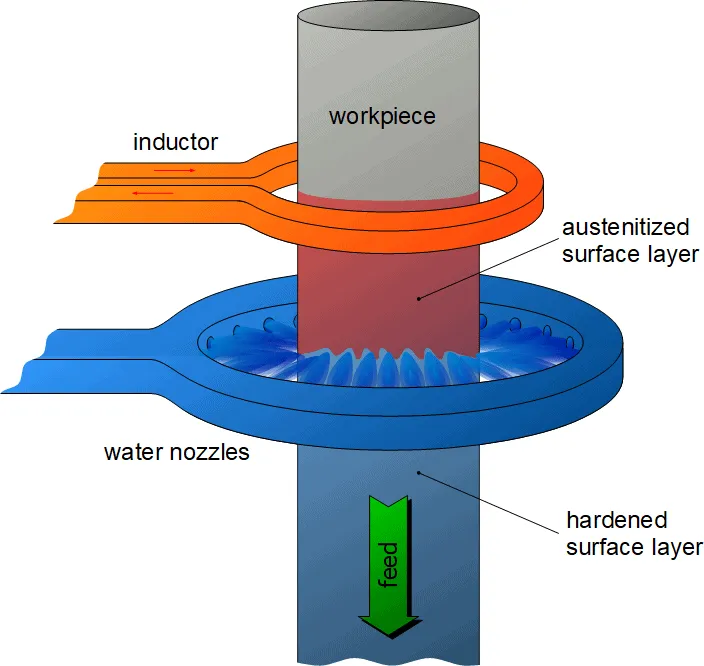
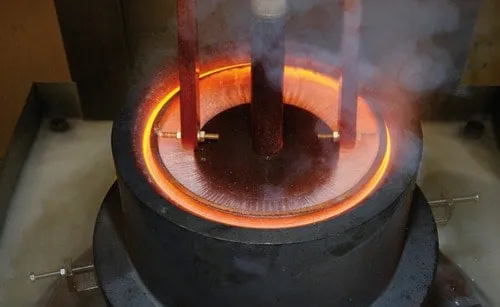
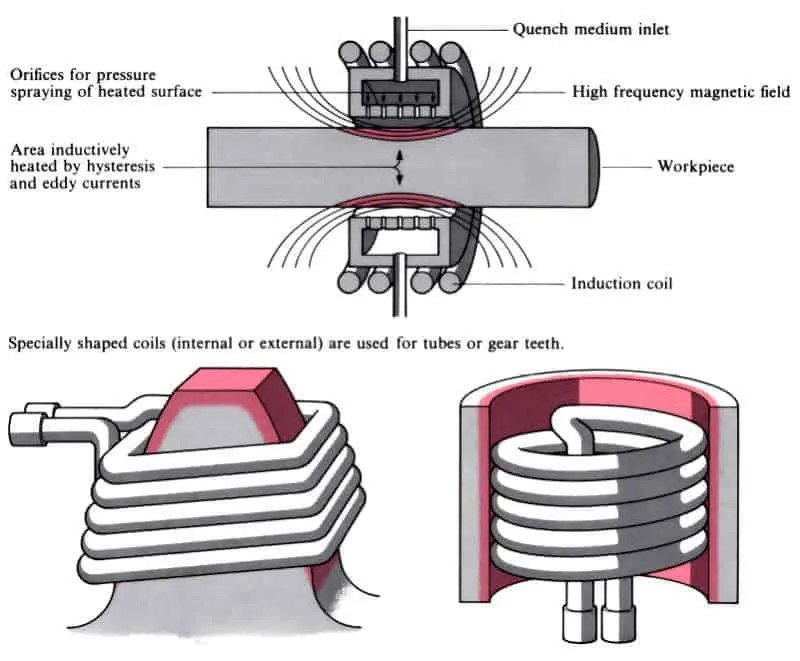
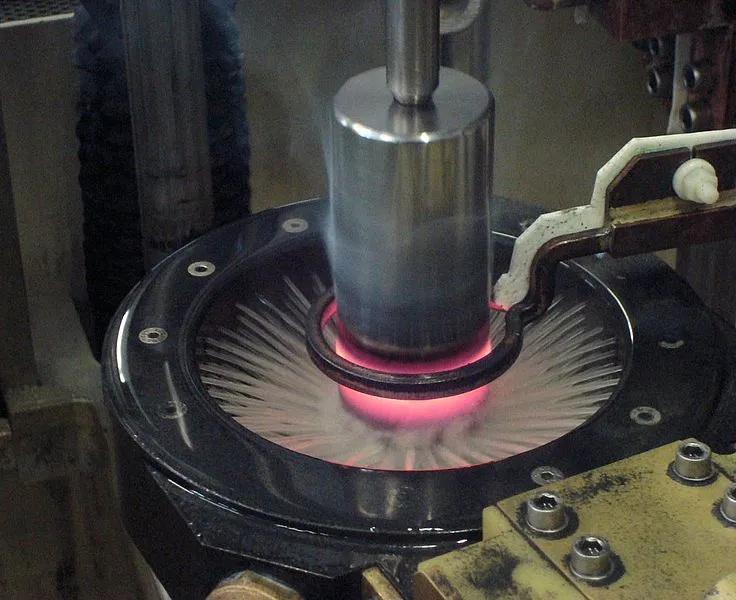
  1. What is induction hardening, and how does it work?Induction hardening is a process where a metal part is heated by electromagnetic induction to a temperature within or above its transformation range and then immediately quenched. The rapid heating is produced by circulating high-frequency electrical currents induced by a magnetic field around the metal part. Quenching, usually done by water, polymer, or air blast, rapidly cools down the metal, causing a transformation in its microstructure, which increases hardness and wear resistance.
  2. What kinds of materials are suitable for induction hardening?The process is most commonly applied to medium-carbon and alloy steels that have a carbon content high enough to allow for the formation of martensite upon quenching. Ductile iron can also be induction hardened, as well as other grade steels with appropriate carbon and alloy content. Materials that cannot form martensite when quenched, such as low-carbon steels, are generally not suitable for induction hardening.
  3. What are the main advantages of induction hardening?Induction hardening has several advantages, including:
    • Speed: It is a rapid process compared to conventional furnaces.
    • Selectivity: Specific areas of a component can be selectively hardened without affecting the entire part.
    • Consistency: Controlled heating and quenching ensure consistent hardness and mechanical properties.
    • Energy efficiency: Less energy is wasted heating the entire part or a large furnace space.
    • Integration: Induction systems can be integrated into manufacturing lines for inline processing.
  4. What are the typical applications of induction hardening?Induction hardening is used in a wide range of applications where improved wear resistance and strength are desirable. Common applications include:
    • Gears and sprockets
    • Shafts
    • Spindles
    • Bearings and bearing races
    • Camshafts
    • Crankshafts
    • Fasteners
    • Tooling and die components
  5. How does induction hardening compare to other hardening methods?Compared to other hardening methods like case hardening or flame hardening, induction hardening offers more precise control over the hardened zone and depth. It is also faster and more energy-efficient than furnace hardening. However, it requires more initial investment in terms of equipment cost. Unlike case hardening, induction hardening does not involve the introduction of carbon or other elements into the surface layer of the metal part. Therefore, it is not suitable for materials that are not already predisposed to hardening through the heat-treat process.
https://dw-inductionheater.com/5-essential-faqs-on-induction-hardening-for-maximizing-durability.html?feed_id=241029&_unique_id=66170e721feb9

5 Essential FAQs on Induction Hardening for Maximizing Durability

Induction hardening is a heat treatment process that improves the mechanical properties of a metal piece, particularly its hardness and strength.

Here are five frequently asked questions about induction hardening:

  1. What is induction hardening, and how does it work?Induction hardening is a process where a metal part is heated by electromagnetic induction to a temperature within or above its transformation range and then immediately quenched. The rapid heating is produced by circulating high-frequency electrical currents induced by a magnetic field around the metal part. Quenching, usually done by water, polymer, or air blast, rapidly cools down the metal, causing a transformation in its microstructure, which increases hardness and wear resistance.
  2. What kinds of materials are suitable for induction hardening?The process is most commonly applied to medium-carbon and alloy steels that have a carbon content high enough to allow for the formation of martensite upon quenching. Ductile iron can also be induction hardened, as well as other grade steels with appropriate carbon and alloy content. Materials that cannot form martensite when quenched, such as low-carbon steels, are generally not suitable for induction hardening.
  3. What are the main advantages of induction hardening?Induction hardening has several advantages, including:
    • Speed: It is a rapid process compared to conventional furnaces.
    • Selectivity: Specific areas of a component can be selectively hardened without affecting the entire part.
    • Consistency: Controlled heating and quenching ensure consistent hardness and mechanical properties.
    • Energy efficiency: Less energy is wasted heating the entire part or a large furnace space.
    • Integration: Induction systems can be integrated into manufacturing lines for inline processing.
  4. What are the typical applications of induction hardening?Induction hardening is used in a wide range of applications where improved wear resistance and strength are desirable. Common applications include:
    • Gears and sprockets
    • Shafts
    • Spindles
    • Bearings and bearing races
    • Camshafts
    • Crankshafts
    • Fasteners
    • Tooling and die components
  5. How does induction hardening compare to other hardening methods?Compared to other hardening methods like case hardening or flame hardening, induction hardening offers more precise control over the hardened zone and depth. It is also faster and more energy-efficient than furnace hardening. However, it requires more initial investment in terms of equipment cost. Unlike case hardening, induction hardening does not involve the introduction of carbon or other elements into the surface layer of the metal part. Therefore, it is not suitable for materials that are not already predisposed to hardening through the heat-treat process.
https://dw-inductionheater.com/5-essential-faqs-on-induction-hardening-for-maximizing-durability.html?feed_id=240923&_unique_id=66168d1821e31

2024年4月4日星期四

Induction Hardening Steel Part with High Frequency Hardening Machine

Induction Hardening Steel Part with High Frequency Hardening Machine

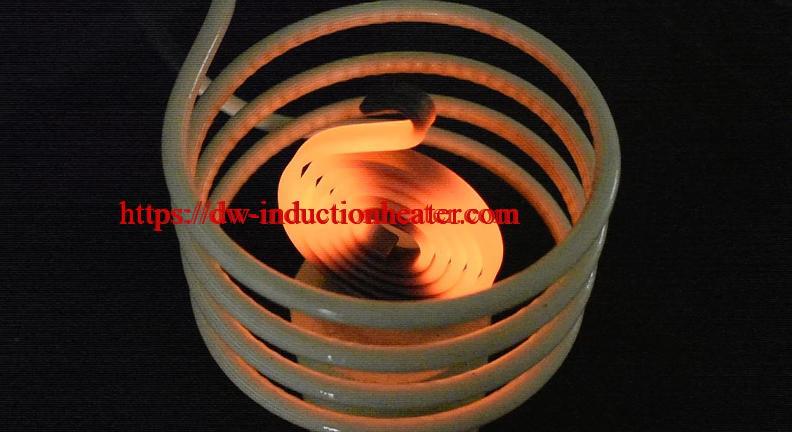
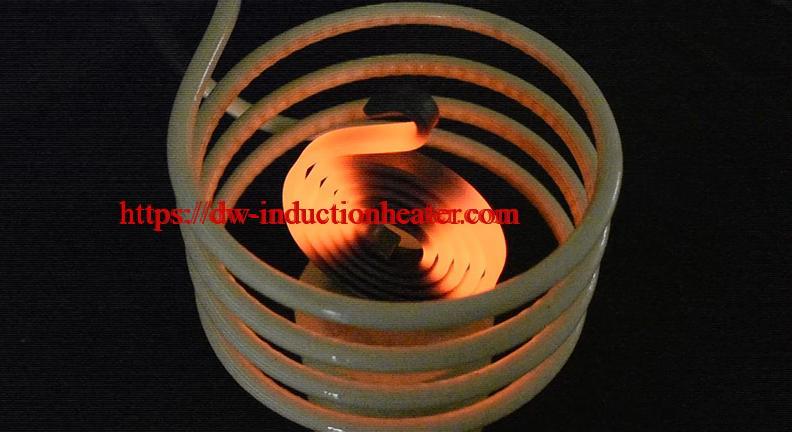
The goal of this induction heating application is to heat complex shape steel tools for hardening and integrate the process on a conveyor line to increase productivity. induction hardening steel partIndustry: Manufacturing Equipment: DW-UHF-10KW induction hardening machine Materials: Steel tool parts Power: 9.71kW Time: 17 secs Coil: Custom designed 4 turn helical coil. The Process: The induction coil is designed to provide uniform heat to the entire part. The induction heat is applied to the entire part. The sample is then quenched into water. The exact time and power of the induction heat have to be determined based on the specific hardening and production requirements. The benefits of induction hardening for tools parts include fast heating, increased production rates, increased energy efficiency, automation and repeatability. DW-UHF induction heating systems are widely used for similar induction hardening applications. induction hardening steel part induction hardening steel part [wpforms id="3947"]
https://dw-inductionheater.com/induction-hardening-steel-part-with-high-frequency-hardening-machine.html?feed_id=240031&_unique_id=660f097968e6a

high frequency induction hardening camshafts process

high frequency induction hardening camshafts process

Induction heating is the preferred method for hardening camshafts. The objective of this application  is to harden a variety of steel samples within several seconds.If induction heating is integrated into the production lines, each camshaft can be hardened with great controllability and repeatability. Our machines allow you to fully adjust the heat parameters. induction hardening camshaftsIndustry: Automotive Equipment: DW-UHF-20KW induction hardeing machine Power: 13.37kW Time: 5 secs. Coil: Helical induction heating coil. induction hardening camshaftsThe Process: Camshafts are widely used in the automotive industry as a main part of the combustion engines. Due to their overall length and high peripheral speed, they suffer high tensile and torsion stresses during operation, which may significantly reduce their operating life. Softer material favors overcoming these stresses, which, however, results in excessive surface wearing due to the friction between the camshaft and the engine valves. The goal of the performed hardening process is to increase the wear resistance of the workpiece surface, while the core of the sample remains soft to preserve its tensile strength and torsion resistance. For this purpose, the surface has to be heated to a particular temperature (usually about 800°C) followed by proper cooling. The heating and cooling rates should be strictly observed in order to obtain particular material features. The core of the camshaft should be prevented from heating during the hardening process to preserve its softness. DW-UHF induction heating systems are widely used in the automotive industry. induction hardening camshafts induction hardening camshafts   [wpforms id="3947"]
  https://dw-inductionheater.com/high-frequency-induction-hardening-camshafts-process.html?feed_id=239963&_unique_id=660e52b97da89

2024年4月3日星期三

Cylinder Hardening Scanner-Scanning Induction Quenching Cylinder and Shaft

Understanding the Induction Cylinder Hardening Scanner

Induction hardening is a process whereby a metal cylinder is exposed to a high-frequency alternating current, producing an intense and rapidly alternating magnetic field around it. This causes heat to be generated within the surface of the cylinder through induction, which in turn increases its hardness and resistance to wear and fatigue. An induction cylinder hardening scanner is integral in overseeing and validating this transformation, ensuring uniformity and the attainment of the desired mechanical properties.

Introduction to Induction Hardening

What is Induction Hardening? Induction hardening is a heat treatment process used to enhance the surface hardness of steel and other alloy components. It selectively hardens the areas that are most susceptible to wear and stress, remarkably extending the life and performance of the cylinder without affecting its toughness. Components and Workings of an Induction Hardening Scanner The Key Elements of the Scanner The induction hardening scanner typically consists of an induction coil, a quenching system, and multiple sensors that monitor temperature, hardness, and other vital parameters in real-time to ensure the process stays within the predetermined specifications. Analyzing Hardness Patterns with Advanced Sensors Through the use of sophisticated sensors, the scanner reads the surface and subsurface changes as the induction hardening process is underway. The sensors report real-time data which reflects whether the desired hardness is achieved or if adjustments are necessary.

Applications and Benefits of Induction Cylinder Hardening Scanners

 The Scanner’s Role in Quality Assurance The induction cylinder hardening scanner's primary role is to guarantee that each cylinder meets stringent quality benchmarks. By providing immediate feedback on the hardening process, it ensures precision and uniformity. Innovations Enhancing the Induction Hardening Process Technological advancements have paved the way for induction hardening scanners to be more versatile and accurate. Innovations often include enhanced data analytics and the integration of AI to fine-tune the process through adaptive control systems.

FAQs on Induction Cylinder Hardening Scanners

Q1: How does an induction hardening scanner improve the hardening process? A1: It enhances the process by providing real-time data and feedback, ensuring the metal reaches the exact level of hardness required with consistent quality across all parts. Q2: Can induction hardening scanners detect overheating hazards? A2: Yes, part of the scanner’s role is to monitor temperature levels closely throughout the process, thereby preventing overheating, which can cause warping or other defects. Q3: Is there a significant downtime involved when installing an induction hardening scanner in a production line? A3: While installation may require some downtime to integrate the scanner into existing systems, the long-term efficiencies and improvements in quality assurance typically outweigh this temporary pause in production. Q4: Are these scanners compatible with all types of induction hardening machines? A4: Most induction hardening scanners are designed to be adaptable to various machines and setups. However, certain specifications and compatibility checks should be performed before integration. Q5: What kind of maintenance is needed for induction hardening scanners? A5: Regular maintenance should include software updates, sensor calibrations, and routine checks to ensure all components are functioning correctly. This helps in maintaining the accuracy and reliability of the scanner.
Induction cylinder hardening scanners are commonly used in industries such as automotive, aerospace, and manufacturing, where precise control and inspection of hardened cylindrical components are critical for product quality and reliability.

https://dw-inductionheater.com/product/cylinder-hardening-scanner-scanning-induction-quenching-cylinder-and-shaft?feed_id=239929&_unique_id=660e4f7ecc0fe

2024年3月19日星期二

CNC Induction Horizontal Hardening Scanners-Quenching Surface Machines

What is an Induction Horizontal Hardening Scanner?

An induction horizontal hardening scanner is a machine used in the metalworking industry to harden the surface of metal parts. It uses electromagnetic induction to heat the metal, followed by rapid cooling, to improve its hardness and durability. The induction horizontal hardening scanner represents a pivotal innovation in the realm of metallurgical engineering and heat treatment processes. This article provides an in-depth examination of the induction horizontal hardening scanner's design, operational principles, key applications, and the advancements it brings to the industry. By leveraging electromagnetic induction, this state-of-the-art equipment enables precise control over the induction hardening of various metallic components, enhancing their wear resistance and extending their service life. How does an Induction Horizontal Hardening Scanner work? The scanner generates an electromagnetic field through an induction coil, heating the metal part to a specific temperature. The part is then quickly cooled, often with water or another quenching medium, to harden the surface. What are the benefits of using Induction Horizontal Hardening Scanners? These scanners offer precision in hardening specific areas of a part, consistency in treatment results, increased production efficiency due to faster processing times, and energy savings compared to traditional hardening methods.
  1. Which industries commonly use Induction Horizontal Hardening Scanners? Industries that commonly use these scanners include automotive, aerospace, tool manufacturing, and any sector requiring improved wear resistance and durability of metal components.
  1. Can Induction Horizontal Hardening Scanners treat all types of metals? While they are versatile, their effectiveness can vary depending on the metal's properties, such as its electrical conductivity and magnetic permeability. Commonly treated metals include steel and its alloys, but the suitability for other metals should be evaluated based on specific requirements.
Design and Operational Principles: The induction horizontal hardening scanner embodies a complex assembly of inductive coils, quenching mechanisms, and precise control systems. It operates on the principle of electromagnetic induction to generate eddy currents and localized heat within the metallic workpiece. The induced heat is meticulously controlled, both spatially and temporally, to achieve the desired hardening effect. Quenching mediums—typically water, oil, or polymer solutions—are subsequently applied to rapidly cool the heated areas, locking in the hardness. The horizontal configuration of the scanner allows for the accommodation of elongated workpieces, promoting a uniform hardening process and enabling the treatment of parts with various geometries. The precision of the scanner is augmented by advanced sensors and control software, which monitor and adjust parameters in real-time to ensure consistent quality. Technical Details of CNC Horizontal Induction Hardening Machine Tools (It can be customized for you):
Model
LP-SK-600 LP-SK-1200 LP-SK-2000 LP-SK-3000
Max Holding Length(mm)
600 1200 2000 3000
Max Hardening Length(mm) 580 1180 1980 2980
Max Swing Diameter(mm) ≤500 ≤500 ≤500 ≤500
Work-piece Moving Speed(mm/s) 20~60 20~60 20~60 20~60
Rotation Speed(r/min) 40~150 30~150 25~125 25~125
Tip Moving Speed(mm/min) 480 480 480 480
Work-piece Weight(kg) ≤50 ≤100 ≤800 ≤1200
Input Voltage(V) 3 phase 380V 3 phase 380V 3 phase 380V 3 phase 380V
Total Motor Power(KW) 1.1 1.2 2 2.5
Hardening Quantity Each Time Single/Double Single Single Single
Conclusion: The induction horizontal hardening scanners stand as a testament to the relentless pursuit of technological excellence in materials engineering. By providing a highly controlled, efficient, and versatile approach to metal hardening, it plays a crucial role in enhancing the performance and durability of critical components across various industries. As the technology continues to evolve, it will undoubtedly remain at the forefront of manufacturing innovation, pushing the boundaries of what is possible in the heat treatment landscape. https://dw-inductionheater.com/product/cnc-induction-horizontal-hardening-scanners-quenching-surface-machines?feed_id=237387&_unique_id=65f994c2e885f

2024年3月1日星期五

induction hardening steel handheld stamps

induction hardening steel handheld stamps

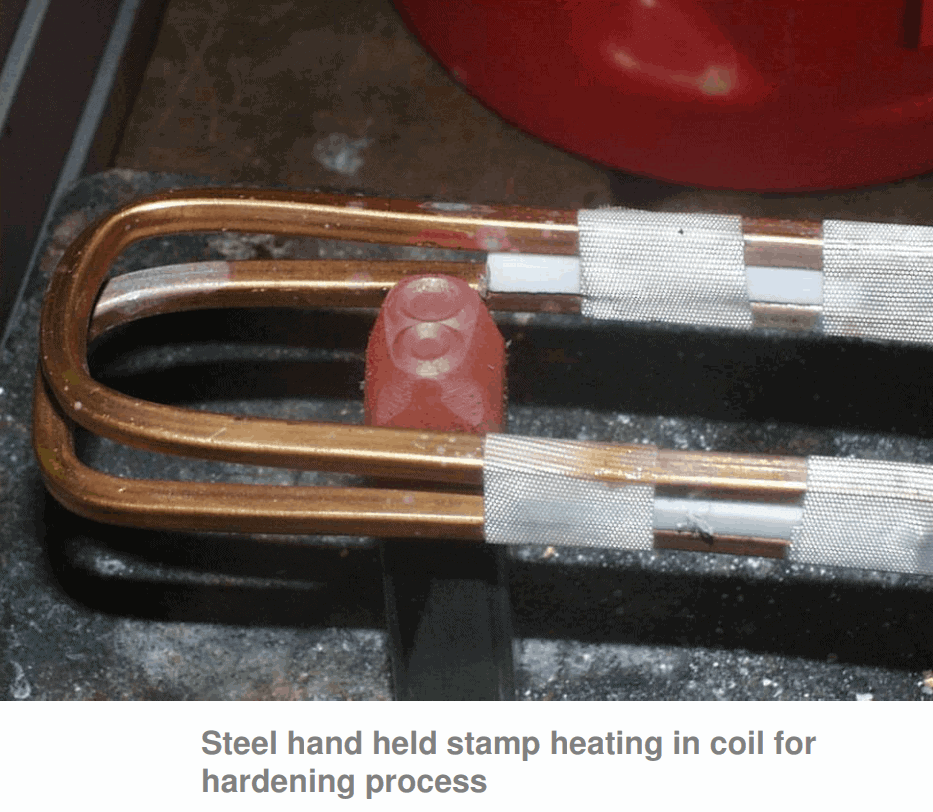
Objective Induction hardening various size ends of handheld marking stamps. The area to be hardened is 3/4” (19mm) up the shank. Material : Steel stamps 1/4” (6.3mm), 3/8” (9.5mm), 1/2” (12.7mm) and 5/8” (15.8mm) square Temperature :1550 ºF (843 ºC) Frequency 99 kHz Equipment • DW-HF-45kW induction heating system, equipped with a remote workhead containing eight 1.0µF capacitors for a total of 2.0µF • An induction heating coil designed and developed specifically for this application. Induction Hardening Process: A two turn channel coil is used to cover the range of steel stamps being heated. The 5/8” steel stamp is heated for 60 seconds to reach 1550 ºF (843 ºC) and the desired hardness. Smaller parts will also heat easily. Results/Benefits Induction heating provides: • Faster process time and production rates • Hands-free heating that involves no operator skill for manufacturing • Controlled precise application of heat https://dw-inductionheater.com/induction-hardening-steel-handheld-stamps.html?feed_id=235397&_unique_id=65e20c4fb4fdb

2024年2月29日星期四

induction surface hardening steel screws

induction surface hardening steel screws

Objective:

Rapid surface induction hardening steel screws

Material: Steel screws .25” (6.3mm) diameter Temperature: 932 ºF (500 ºC) Frequency: 344 kHz Equipment • DW-UHF-10kW induction heating system, equipped with a remote workhead containing two 0.3μF capacitors for a total of 0.17μF • An induction heating coil designed and developed specifically for this application. Induction Hardening Process A three turn channel coil is used to heat 9 screws at a time. Power is applied for 3 seconds to reach 932 ºF (500 ºC) and achieve the required hardness. The screws travel through the coil head down in an automated system at a rate of 200 screws per minute Results/Benefits Induction heating provides: • Precise application of heat • Faster process time and production rates • Ability to incorporate into existing production lines • Repeatable, consistent results https://dw-inductionheater.com/induction-surface-hardening-steel-screws.html?feed_id=235327&_unique_id=65e09ec9844ac

2024年2月16日星期五

induction hardening process

High Frequency Induction Hardening  Process
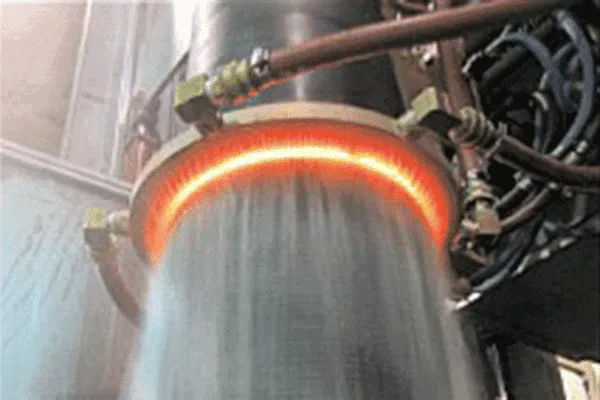
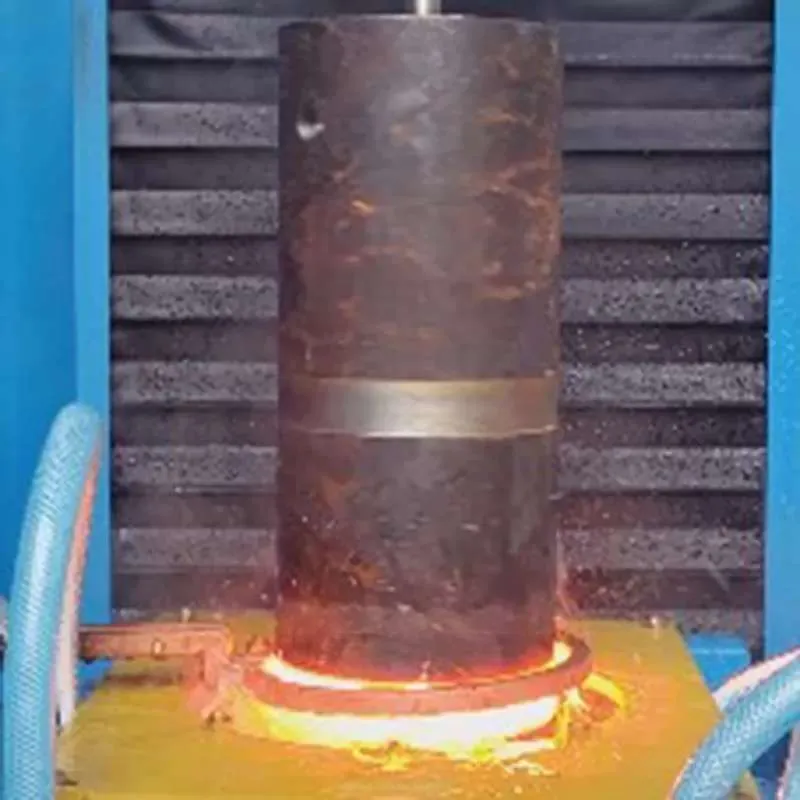
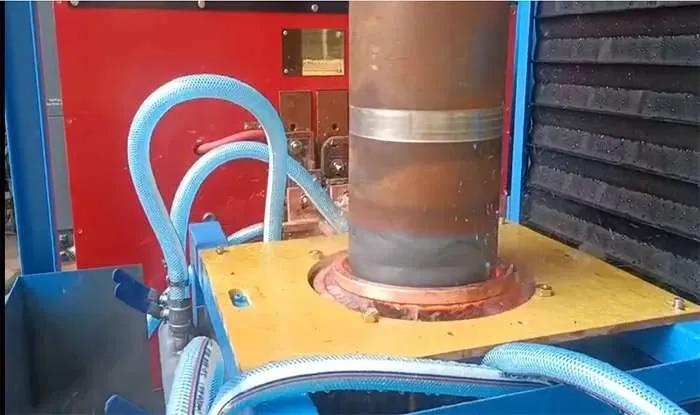
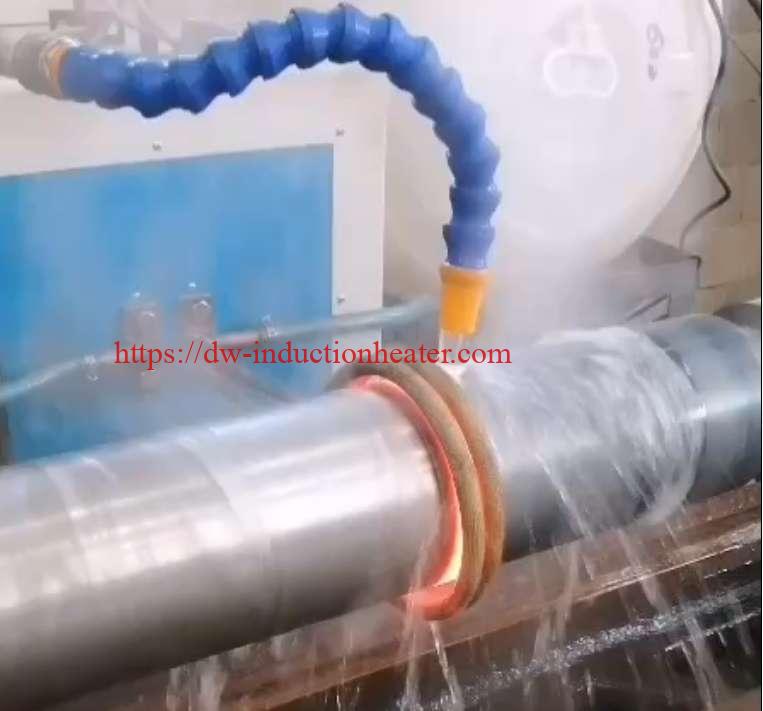
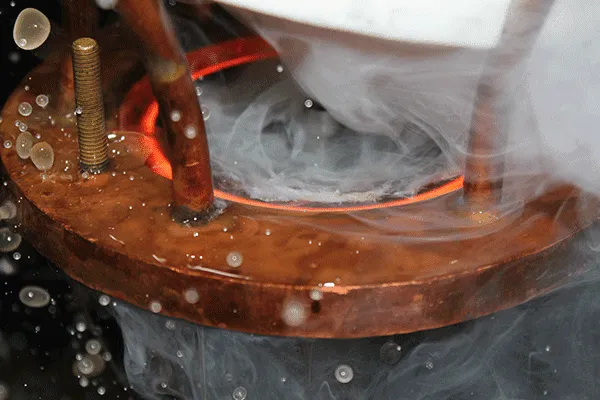
Induction hardening is used in particular for the hardening/quenching of bearing surfaces and shafts as well as intricately shaped parts where only a specific area needs to be heated. Through the choice of the operating frequency of the induction heating system, the resulting depth of penetration is defined. Additionally, it can be decided if the area is to be hardened in the air, with water or with a special hardening emulsion. Depending on the cooling medium, different degrees of hardness are achieved. Induction hardening can be realized as a manual or automated solution. There is also the possibility to harden in a continuous process.
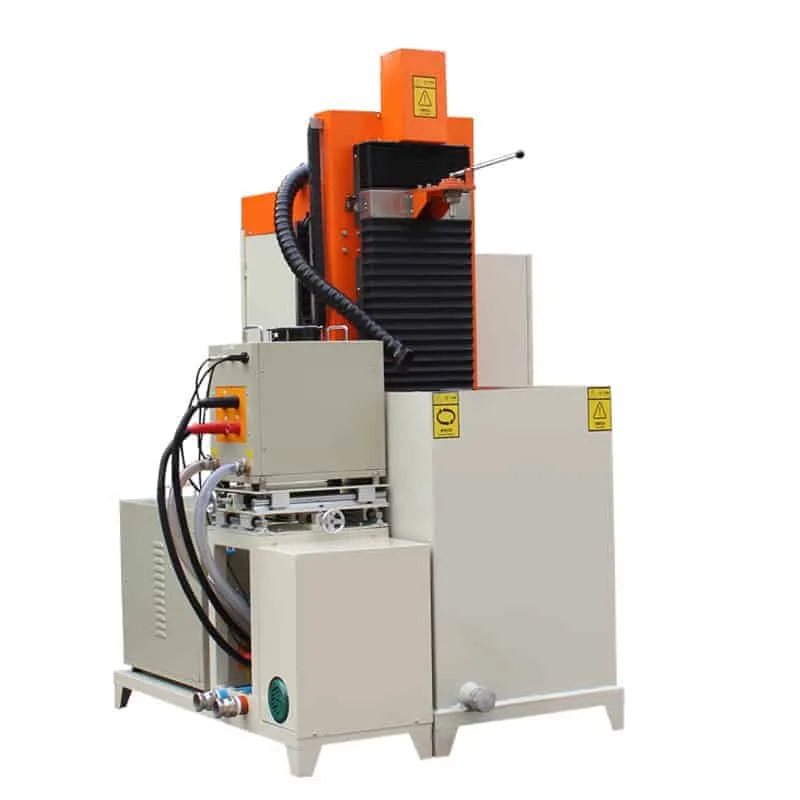
  • Suitable for hardening and tempering of various workpieces, such as induction hardening of shafts, gears, guide rails, discs, pins, and other parts;
  • It has the functions of continuous hardening, simultaneous hardening, segmented continuous hardening, and segmented simultaneous hardening;
  • Use numerical control system or PLC and frequency conversion speed regulation system to realize workpiece positioning and scanning, and connect PLC and induction heating power supply to realize fully automated production.
  • Vertical (hardening of shaft parts) + horizontal (hardening of gear ring parts)
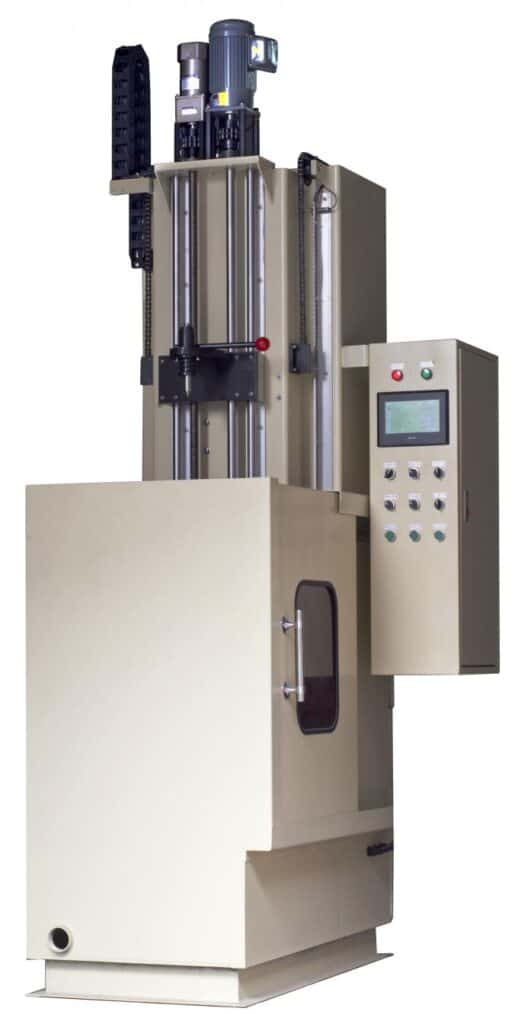
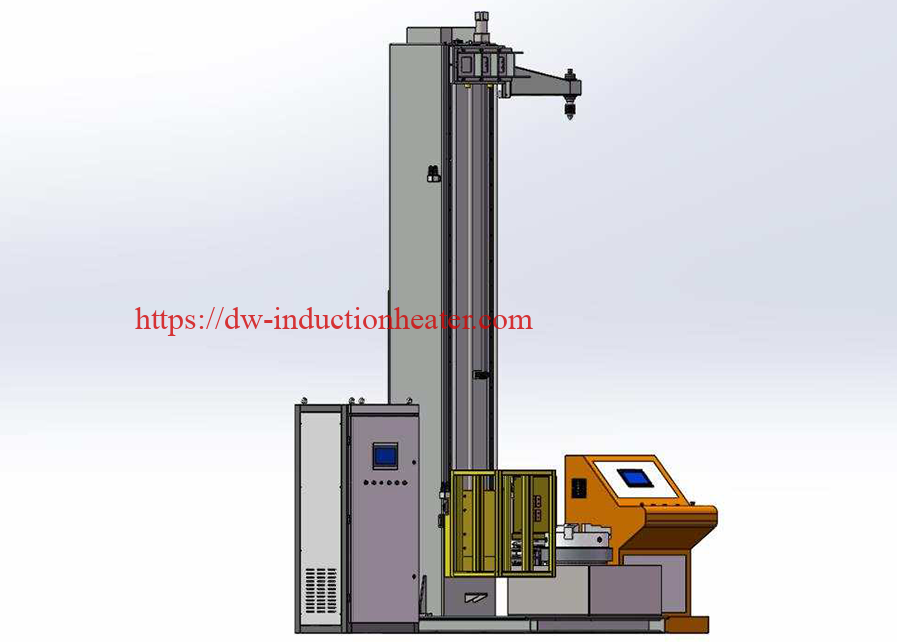
Hardening is one of HLQ induction heating power systems's main application areas. Hundreds of our hardening solutions are at work around the world—many of them within the automotive industry. The main benefit of induction heating for hardening is that it takes just a few seconds. In a furnace, the same process can take hours or even days. How is that possible? The answer is that induction is phenomenal at generating heat fast. This, in turn, means you can integrate hardening in the production process. Hardening in a furnace, on the other hand, is more time-consuming (greater heat loss) and requires moving the components either to your own furnace or to that of a subcontractor. In-line integration of hardening reduces your lead times considerably. You get full control over quality, delivery times and costs. There's no need to transport kilos of components back and forward, which saves energy and the environment.And last but not least, you cut down the amount of administration to a minimum. HLQ Induction Heating Power Systems has many years of experience in inductive hardening and tempering of diverse workpieces. At the heart of each Hardening system is HLQ Induction Heating Power Systems Induction Heat Power Source, the industry's most advanced induction frequency converter. These acclaimed converters help ensure optimum hardening results—day in day out, year after year The induction hardening machine includes Vertical Scanning , Horizontal (centerless) Scanning and customized machines—and serial and/or parallel compensated induction power sources with a wide range of output power and frequencies.
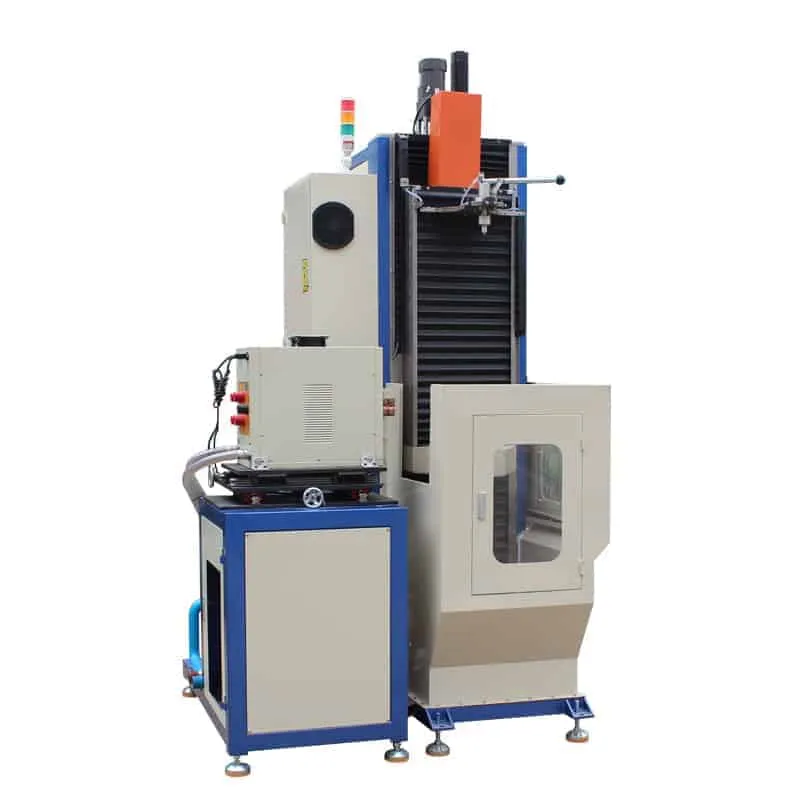
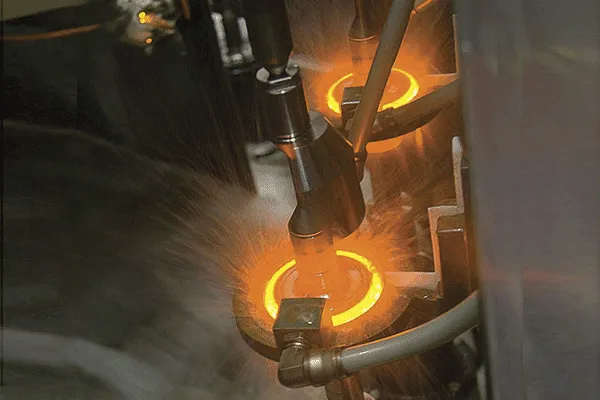
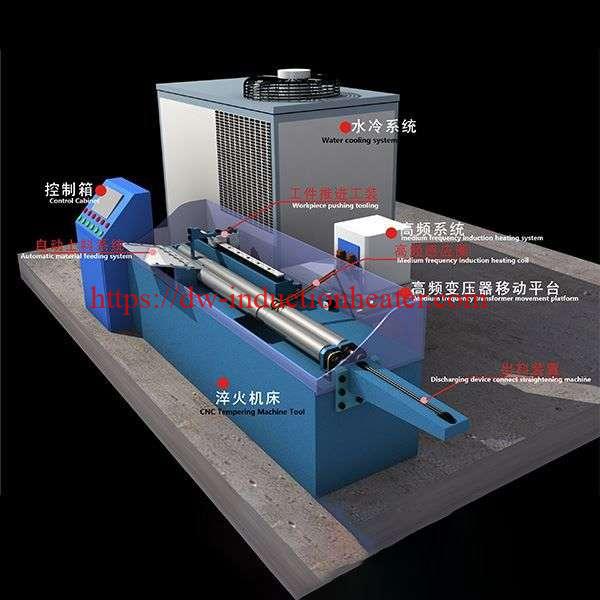
  • This series hardening machine tool uses numberic control technology, has continuous, simultaneous, sectionally-continuous and sectionally-silultaneous quenching functions, it is mainly used for induction quenching of shafts, discs, pins and gears, and featured by high quenching precision. hardening machine tool used by connecting with medium frequency, superaudio frequency, high frequency and ultrahigh frequency induction heating machine.
  • CNC quenching/hardening machine tool feature:
  • CNC system:The high-frequency quenching machine CNC system can compile and store a variety of quenching process programs according to different workpiece requirements.
  • HMI: programming type and human machine interface displays in English and Chinese.
  • Control adjust: it can control the heating power to start, stop, parts heating and cooling time, rotation speed and movement speed.
  • Lathe: adopt welded structure with good rust-proof functions.
  • Top adjustment parts: adopt electric adjustment, to realize clamping of different length work piece.
  • Work table system: adopt ball screw and servo motor to drive, driving light, high guide precision and accurate positioning.
  • Main shaft rotation system: adopt variable frequency regulating to realize parts rotation speed continuous adjusted.
  • Electric control part: the machine tool has power-loosing protection function, has high safety and reliability.
  • Frame: made by thick steel plates, with window and sliding doors, prevent water splash, easy to load parts and monitor hardening process.
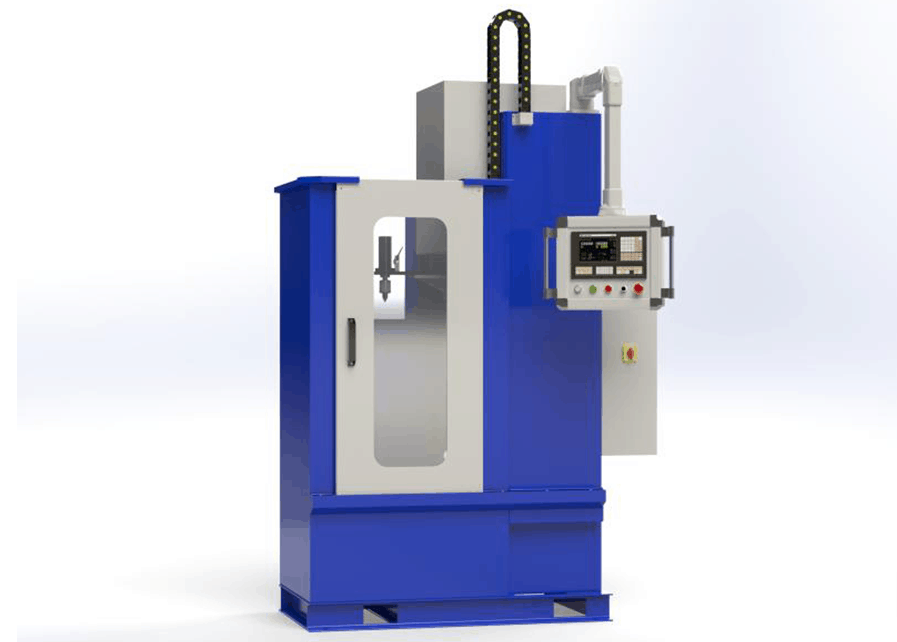
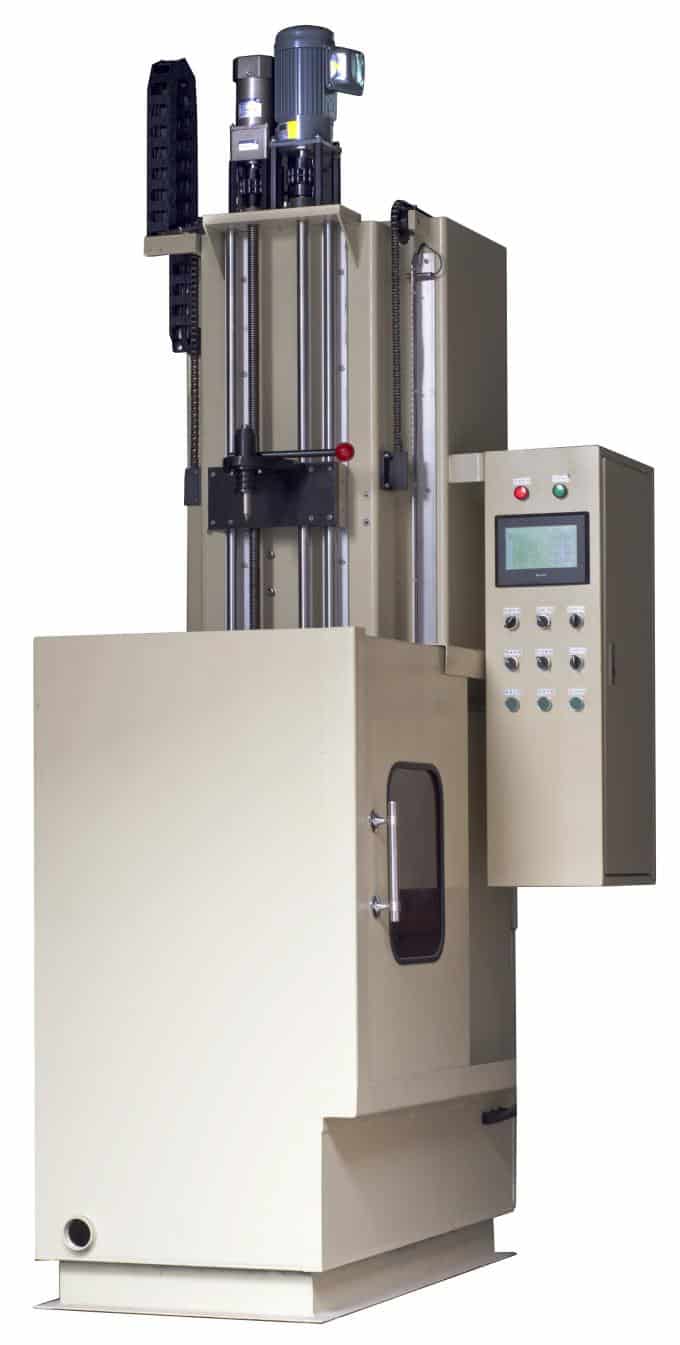
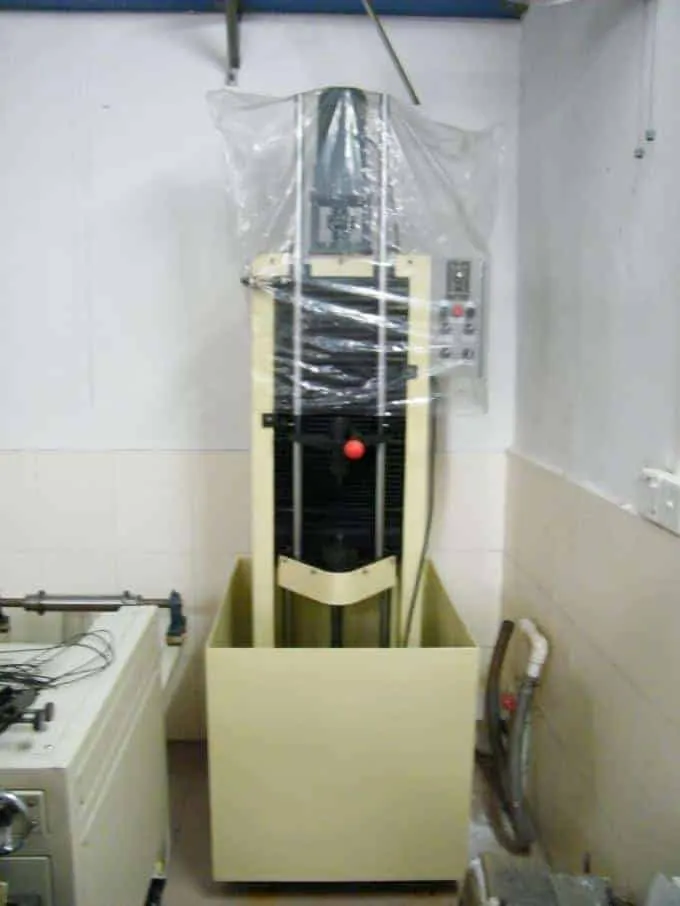
CNC vertical hardening/quenching machine tool This series hardening machine tool uses numberic control technology, has continuous, simultaneous, sectionally-continuous and sectionally-silultaneous quenching functions, it is mainly used for induction quenching of shafts, discs, pins and gears, and featured by high quenching precision. hardening machine tool used by connecting with medium frequency, superaudio frequency, high frequency and ultrahigh frequency induction heating machine. According to the different of workpiece, there are vertical type, horizontal type,closed type, customized type, etc. 1.Standard SK-500/1000/1200/1500 workpiece moving type For shafts, discs, pins and gears hardening 2.SK-2000/2500/3000/4000 Transformer moving type , Used for heating length more than 1500mm shaft 3.Closed type : Customized for big shaft ,More clean work environment. 4.Horizontal hardening machine tool SK-500/1000/1200/1500/2000/2500/3000/4000  Used for smooth shaft 5.Customized type Technical Parameter
Model SK-500 SK-1000 SK-1200 SK-1500
Max heating length(mm) 500 1000 1200 1500
Max heating diameter(mm) 500 500 600 600
Max holding length(mm) 600 1100 1300 1600
Max weight of workpiece(Kg) 100 100 100 100
Workpiece rotation speed(r/min) 0-300 0-300 0-300 0-300
workpiece moving speed(mm/min) 6-3000 6-3000 6-3000 6-3000
Cooling method Hydrojet cooling Hydrojet cooling Hydrojet cooling Hydrojet cooling
Input voltage 3P 380V 50Hz 3P 380V 50Hz 3P 380V 50Hz 3P 380V 50Hz
Motor power 1.1KW 1.1KW 1.2KW 1.5KW
Dimension LxWxH (mm) 1600 x800 x2000 1600 x800 x2400 1900 x900 x2900 1900 x900 x3200
weight(Kg) 800 900 1100 1200
 
Model SK-2000 SK-2500 SK-3000 SK-4000
Max heating length(mm) 2000 2500 3000 4000
Max heating diameter(mm) 600 600 600 600
Max holding length(mm) 2000 2500 3000 4000
Max weight of workpiece(Kg) 800 1000 1200 1500
workpiece rotation speed(r/min) 0-300 0-300 0-300 0-300
workpiece moving speed(mm/min) 6-3000 6-3000 6-3000 6-3000
Cooling method Hydrojet cooling Hydrojet cooling Hydrojet cooling Hydrojet cooling
Input voltage 3P 380V 50Hz 3P 380V 50Hz 3P 380V 50Hz 3P 380V 50Hz
Motor power 2KW 2.2KW 2.5KW 3KW
Dimension LxWxH (mm) 1900 x900 x2400 1900 x900 x2900 1900 x900 x3400 1900 x900 x4300
weight(Kg) 1200 1300 1400 1500
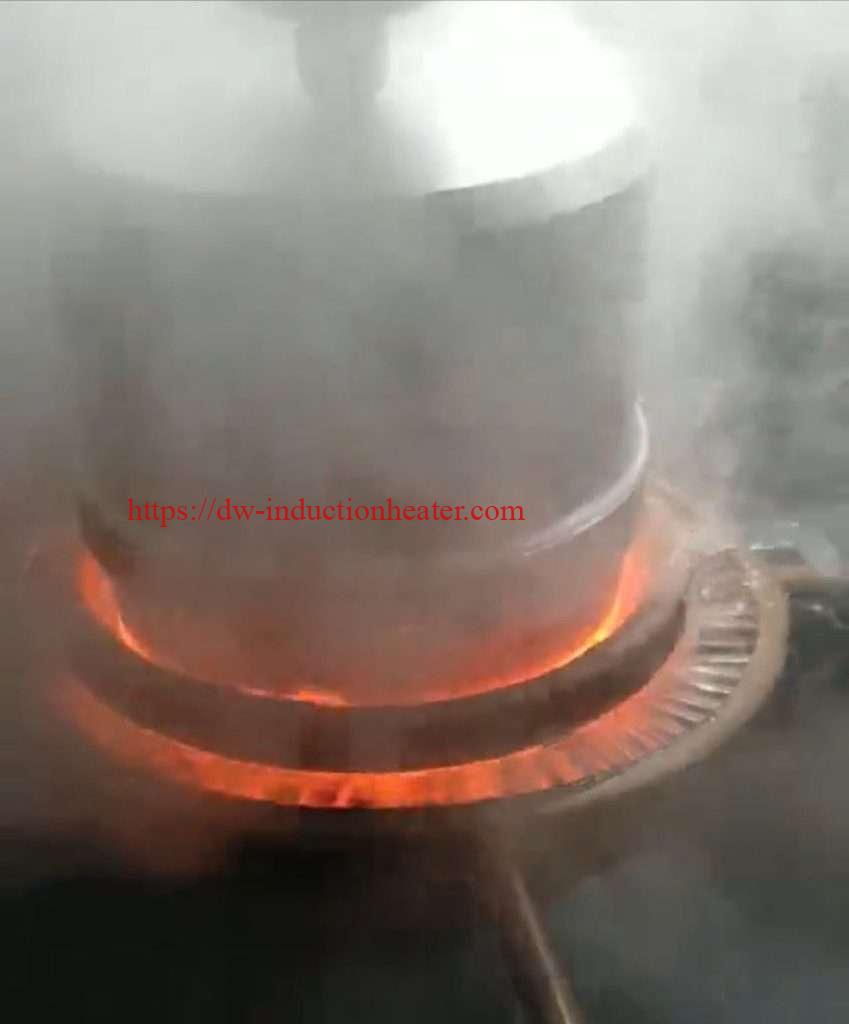
CNC hardening/quenching machine tool feature: 1.CNC system:The high-frequency hardening machine CNC system can compile and store a variety of quenching process programs according to different workpiece requirements. 2.HMI: programming type and human machine interface displays in English and Chinese. 3.Control adjust: it can control the heating power to start, stop, parts heating and cooling time, rotation speed and movement speed. 4.Lathe: adopt welded structure with good rust-proof functions. 5.Top adjustment parts: adopt electric adjustment, to realize clamping of different length work piece. 6.Work table system: adopt ball screw and servo motor to drive, driving light, high guide precision and accurate positioning. 7.Main shaft rotation system: adopt variable frequency regulating to realize parts rotation speed continuous adjusted. 8.Electric control part: the machine tool has power-loosing protection function, has high safety and reliability. 9.Frame: made by thick steel plates, with window and sliding doors, prevent water splash, easy to load parts and monitor induction hardening process.     [caption id="attachment_6788" align="alignnone" width="600"]  [/caption] https://dw-inductionheater.com/induction-hardening-process.html?feed_id=234193&_unique_id=65d032023f48a
2024年2月10日星期六

Induction Hardening and tempering

Induction Hardening and tempering Surface Process

Induction Hardening

Induction Hardening is a process of heating followed by cooling generally fast for increase hardness and mechanical strength of steel. To this end, the steel is heated to a temperature slightly higher than the upper critical (between 850-900ºC) and then cooled more or less quickly (depending on the characteristics of steel) in a medium such as oil, air, water, water mixed with soluble polymers, etc. There are different methods for heating such as electric oven, gas cooker, salt, flame, induction, etc. The steels that are normally used in induction hardening contain from 0.3% to 0.7% carbon (hypoeutectic steels).

Induction heating advantages:

  • It treats a specific part of the piece (hardening profile)
  • Frequency Control and heating times
  • Cooling control
  • Energy saving
  • No physical contact
  • Control and located heat
  • Can be integrated in production lines
  • Increase performance and saves space
Induction hardening can be done in two different ways:
  • Static: consists of setting the part in front of the inductor and carrying out the operation without moving either the part or the inductor. This type of operation is very fast, requires only simple mechanics and enables a very accurate localisation of the treated area, even with parts with complicated geometry.
  • Progressive (by scanning): consists of going over the part with a continuous operation, moving either the part or the inductor. This kind of operation means that parts with large surfaces and large sizes can be treated.
For the same kind of part the scanning treatment requires less power with longer treatment time in compare to static treatment.

Induction Tempering

Induction Tempering is a process able to decrease the hardness, strength and increases the toughness of hardened steels, while removes the tensions created in the temple, leaving the steel with the required hardness. The traditional tempering system consists of heating the parts at relatively low temperatures (from 150ºC to 500°C, always below the lineAC1) for a while and then let them cool slowly.

Induction heating advantages:

  • Shorter times in the process
  • Temperature control
  • Integration in production lines
  • Energy saving
  • Immediate availability of parts
  • Saves floor space
  • Improved environmental conditions
The process of hardening and tempering is a treatment for various components in many industrial sectors.  
https://dw-inductionheater.com/induction-hardening-and-tempering.html?feed_id=233836&_unique_id=65c856f96ed5b

2024年1月21日星期日

CNC Horizontal Induction Hardening Machine Tools

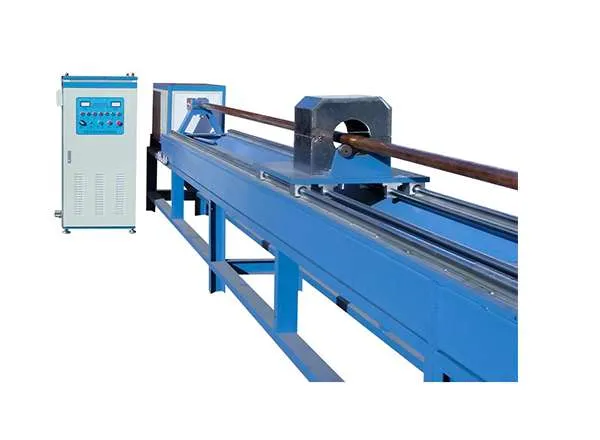
CNC Horizontal Induction Hardening Machine Tools are advanced equipment used for the induction hardening process. These machines use computer numerical control (CNC) technology to precisely control the induction hardening process, resulting in consistent and high-quality hardened parts. The horizontal design of these machines allows for easy loading and unloading of workpieces, making them suitable for mass production and high-volume manufacturing environments. The CNC control system enables operators to program specific hardening parameters such as heating temperature, heating time, and quenching process, ensuring precise and repeatable results. Induction hardening is a heat treatment process that involves heating the surface of a metal part using electromagnetic induction, followed by rapid quenching to achieve a hardened surface layer. This process is commonly used in the automotive, aerospace, and manufacturing industries to improve the wear resistance and durability of components such as gears, shafts, and bearings. Technical Details of CNC Horizontal Induction Hardening Machine Tools (It can be customized for you):
Model
LP-SK-600 LP-SK-1200 LP-SK-2000 LP-SK-3000
Max Holding Length(mm)
600 1200 2000 3000
Max Hardening Length(mm) 580 1180 1980 2980
Max Swing Diameter(mm) ≤500 ≤500 ≤500 ≤500
Work-piece Moving Speed(mm/s) 20~60 20~60 20~60 20~60
Rotation Speed(r/min) 40~150 30~150 25~125 25~125
Tip Moving Speed(mm/min) 480 480 480 480
Work-piece Weight(kg) ≤50 ≤100 ≤800 ≤1200
Input Voltage(V) 3 phase 380V 3 phase 380V 3 phase 380V 3 phase 380V
Total Motor Power(KW) 1.1 1.2 2 2.5
Hardening Quantity Each Time Single/Double Single Single Single
Applications: 1.Suitable for quenching and tempering of various workpieces, such as induction quenching of crankshafts, gears, rollers, guide rails and other parts. 2.It has the functions of continuous quenching, simultaneous quenching, segmented continuous quenching, segmented simultaneous quenching, etc. 3.The CNC system or PLC and frequency conversion speed regulation system are used to realize workpiece positioning and scanning, and the PLC and induction power supply are connected to realize fully automated production. Overall, CNC Horizontal Induction Hardening Machine Tools are essential equipment for achieving precise and efficient induction hardening of metal parts in modern manufacturing operations. https://dw-inductionheater.com/product/cnc-horizontal-induction-hardening-machine-tools?feed_id=232638&_unique_id=65adcf34d8d4c

关注者

我的简介

我的照片
HLQ induction heating machine manufacturer provides the service of induction brazing,melting,hot forming,hardening surface,annealing,shrink fitting,PWHT,etc.