显示标签为“InductionForgeFurnace”的博文。显示所有博文

2023年4月12日星期三

Induction Forging Bar and Billet Furnace

Induction Forging Bar and Billet Furnace for hot forming bars,billets and rods of aluminum,steel and copper

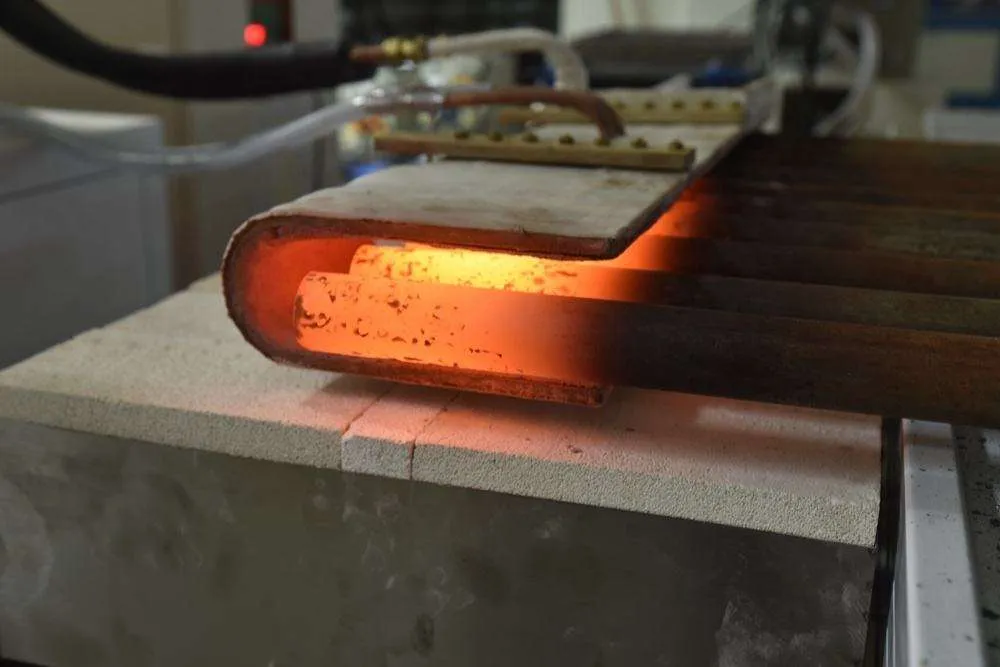
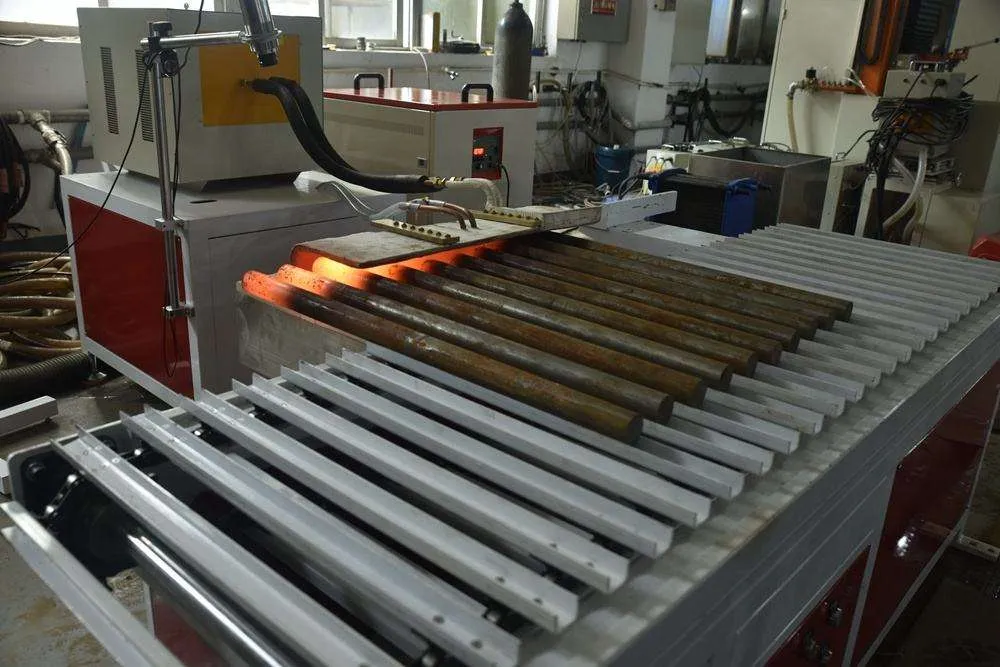
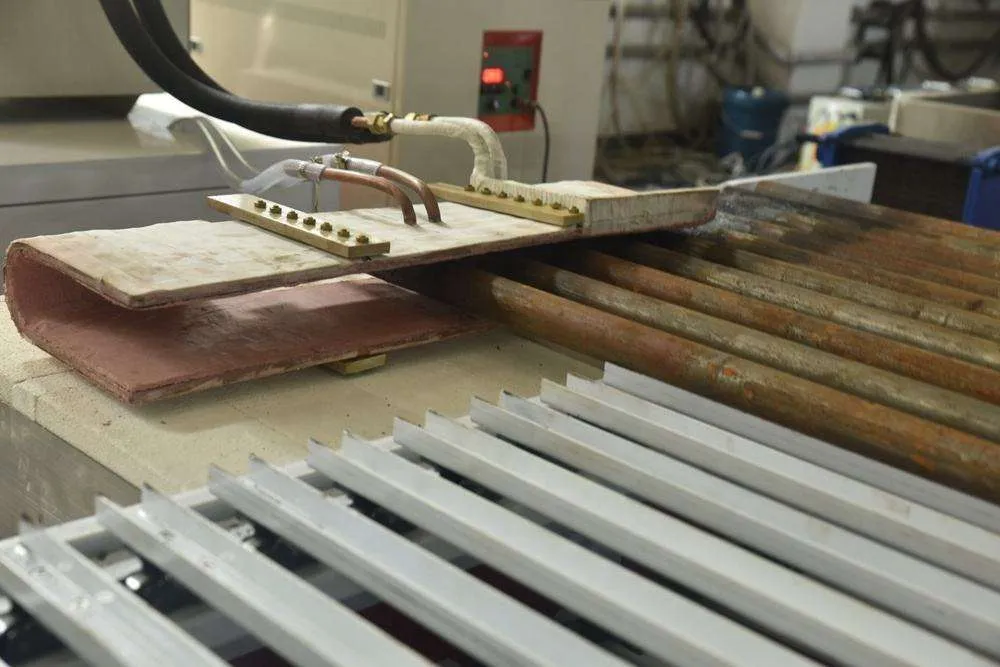
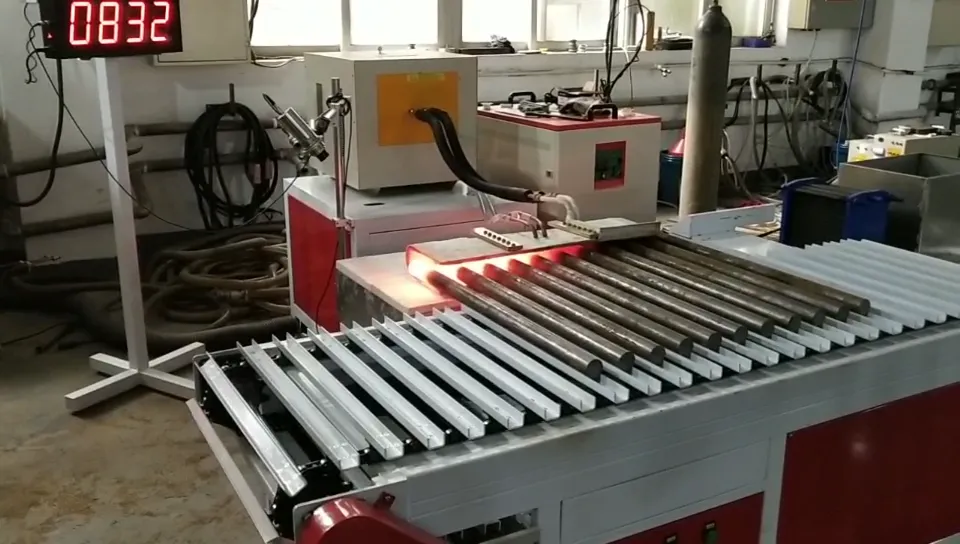
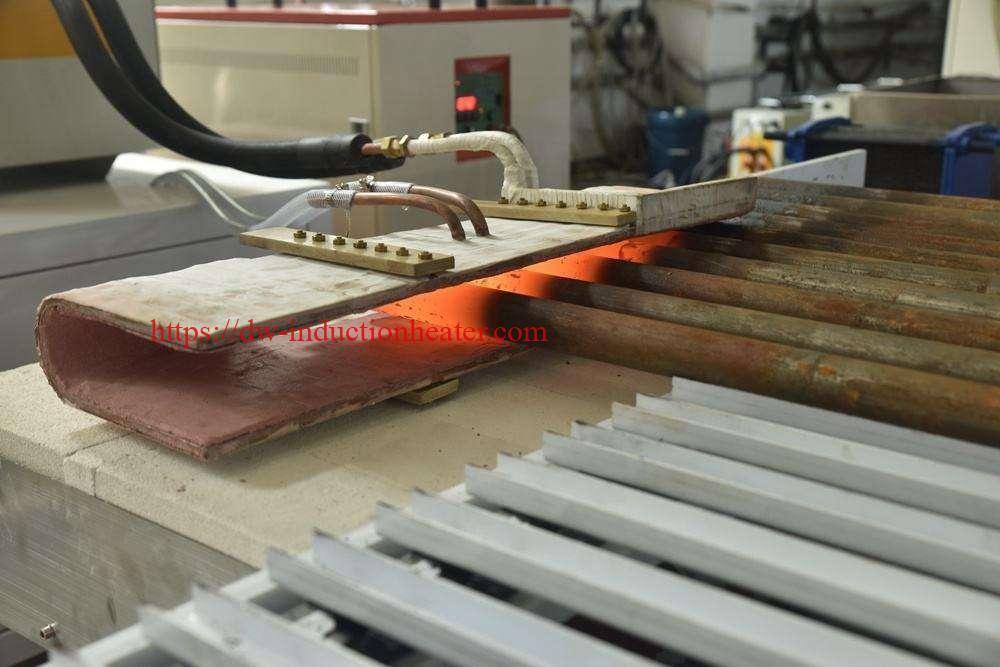
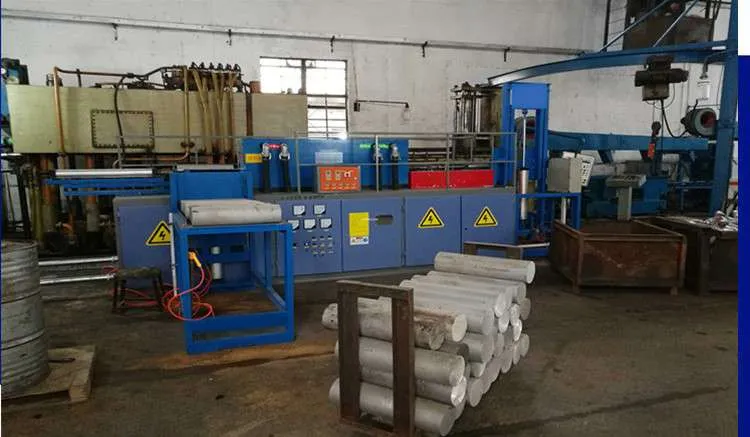
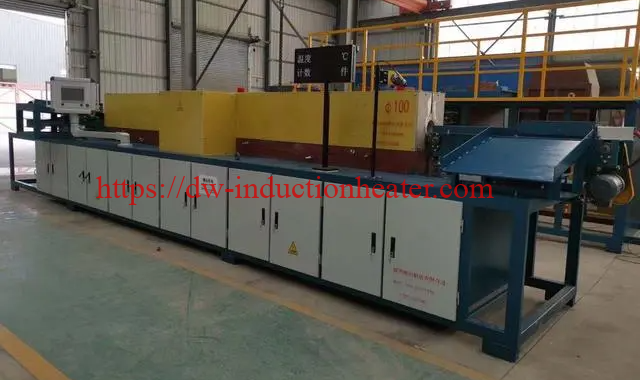
Induction forging bar and billet furnace is a widely used method for heating metallic objects. The process involves the use of an electromagnetic field to generate heat within the object to be heated. Induction forging is commonly used in the production of bars, billets, and rods made of various metals such as aluminum, steel, and copper. This research paper aims to explore the process of induction forging bar and billet furnace, its advantages and challenges, as well as its applications in different industries. copper billets/bars/rods forge hot forming Induction Forging Bar and Billet Furnace Process: The induction forging process involves the use of an induction coil that produces an electromagnetic field. The bar or billet is placed inside the coil, and the alternating magnetic field induces an electrical current within the object, which generates heat due to resistance. The heat produced is proportional to the power of the electromagnetic field and the resistance of the metal being heated. Advantages of Induction Forging Bar and Billet Furnace: Induction forging offers several advantages over traditional heating methods. These include: 1. High efficiency: Induction forging is a highly efficient method since the heat is generated directly within the object to be heated. This eliminates the need for preheating, which reduces energy consumption and saves time. 2. Precise heating: Induction forging allows for precise control of the heating process. The heat generated can be adjusted to suit the specific requirements of the object to be heated. 3. Consistent quality: Induction forging produces a consistent quality of heat since it is generated uniformly throughout the object. This ensures that the final product is of high quality and meets the required specifications. induction billet heating furnace Challenges of Induction Forging Bar and Billet Furnace: Although induction forging offers several advantages, it also presents some challenges. The following are some of the challenges associated with induction forging: 1. Limited size: Induction forging is suitable for heating small to medium-sized objects. Large objects require more power and may not be feasible with induction forging. 2. Initial cost: Induction forging requires significant initial investment in equipment and infrastructure. This makes it less suitable for small-scale operations. 3. Surface preparation: Induction forging requires the surface of the object being heated to be clean and free of impurities. This requires additional preparation time and cost. Applications of Induction Forging Bar and Billet Furnace: Induction forging bar and billet furnace is widely used in various industries. The following are some of the applications of induction forging: 1. Automotive industry: Induction forging is used in the production of automotive parts such as gears, axles, and crankshafts. 2. Aerospace industry: Induction forging is used in the production of components for aerospace vehicles like aircraft, space shuttles and satellites. 3. Construction industry: Induction forging is used in the production of reinforcing bars, bolts, and nuts used in construction. Product Description For heating various of bar materials: such as steel & iron, bronze, brass, aluminum alloy, etc. Picture just for reference, color is changable with different power. Functions and special specifications customized by customer's requirements. Features and Advantages: 1.Automatic:Automatic feeding, automatic selection of the work-piece is good or bad, automatic measurement of  temperature, automatic discharge. 2. Integrated design: Save installation time,cost and space. 3. Operation panel embedded displays machine operating states, to facilitate fault diagnosis.
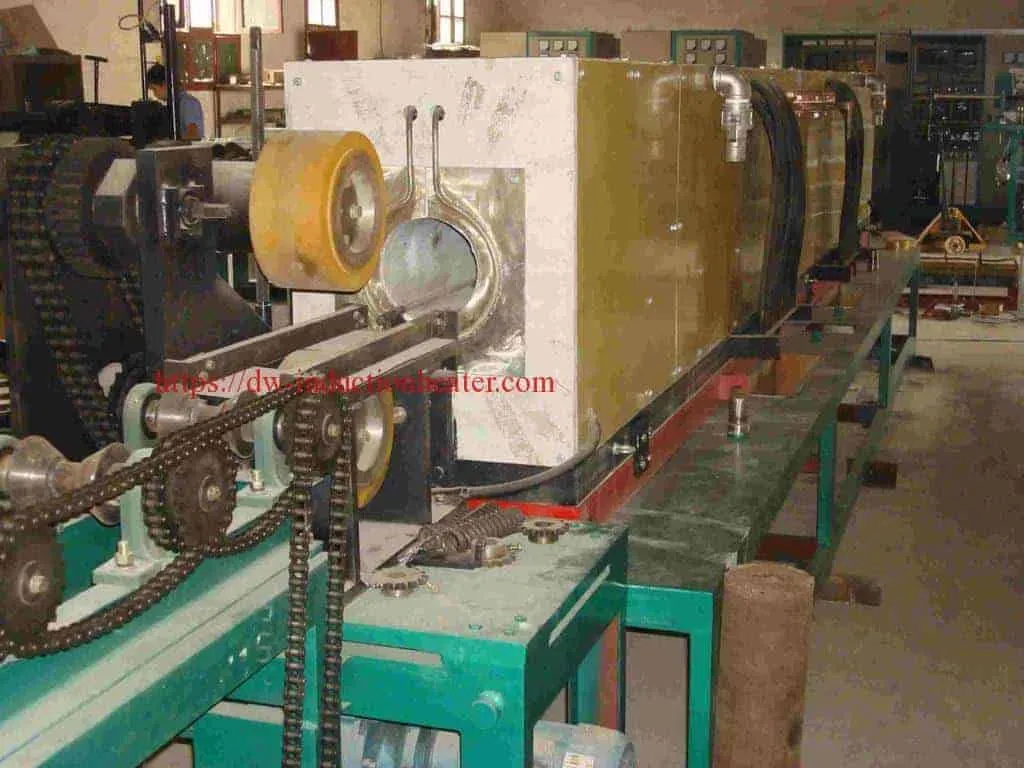
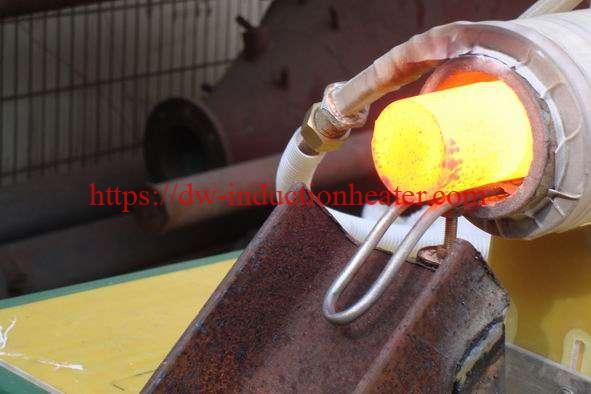
  Features Detail
1 Heating fast and stable saving 20%- 30% electric energy than traditional way; High efficiency and low energy consumption
2 Small in size Easy to install, operate and repair
3 Safe and reliable No high voltage, very safe to your workers.
4 A cooling circulation system Able to operate continuously 24 hours
5 complete self-protect function many types of alarm lamps: over-current, over-voltage, over hot, water shortage etc. These lamps can control and protect machine.
6 Environmental protection Almost no oxide layer, produced no exhaust, no waste-water
7 IGBT Type Avoid the interruption of unrelated electric net; Ensure the long-life of the machine.
  Parameter of metals billet hot forging furnace:
DW-MF-200 DW-MF-250 DW-MF-300 DW-MF-400 DW-MF-500 DW-MF-600
Input Voltage 3phases, 380V/410V/440V , 50/60Hz
Max Input Current 320A 400A 480A 640A 800A 960A
Oscillating frequency 0.5KHz^20KHz ( Oscillating frequency will be customized according to the size of heating parts)
Duty Cycle Loading 100%,24h continuously work
Cooling Water Desires 0.1MPa
Dimension Host 1000X800X1500mm 1500X800X2800mm 850X1700X1900mm
Extension extension will be customized according to the material and size of heating parts
Weight 110kg 150kg 160kg 170kg 200kg 220kg
Depend on the dimension of extension
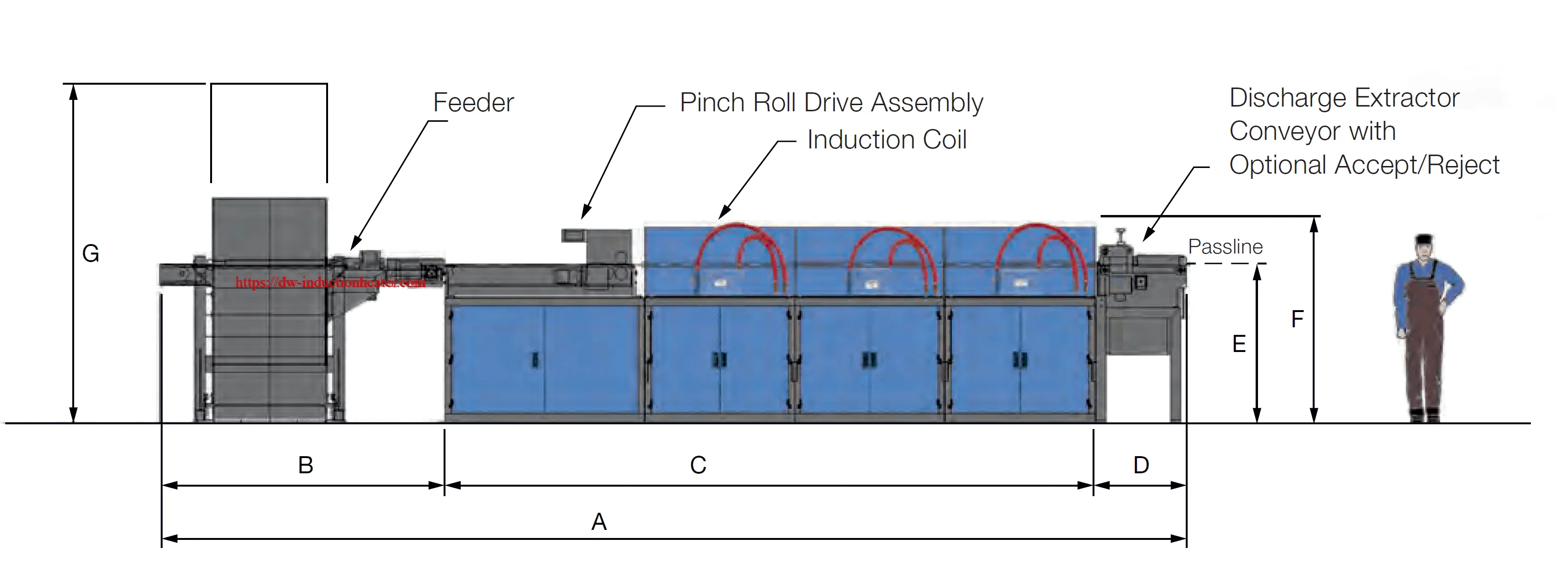
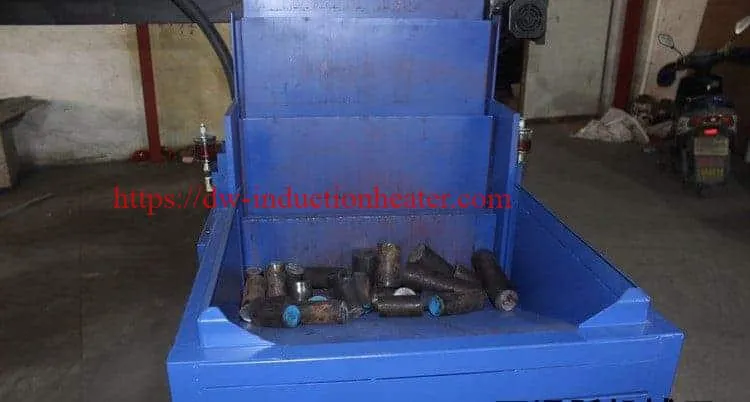
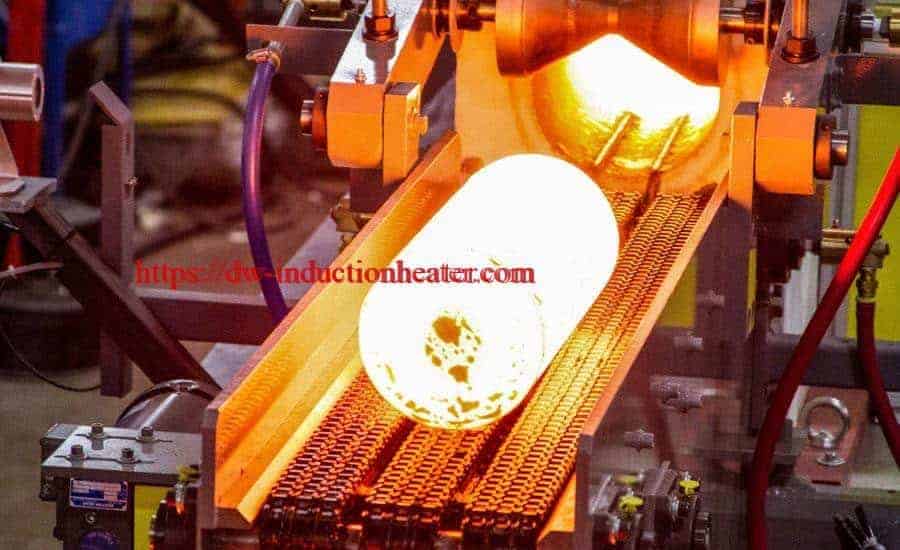
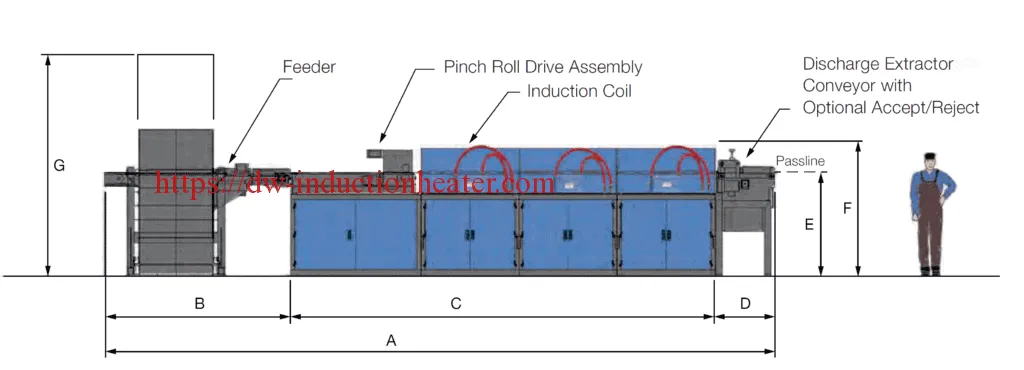
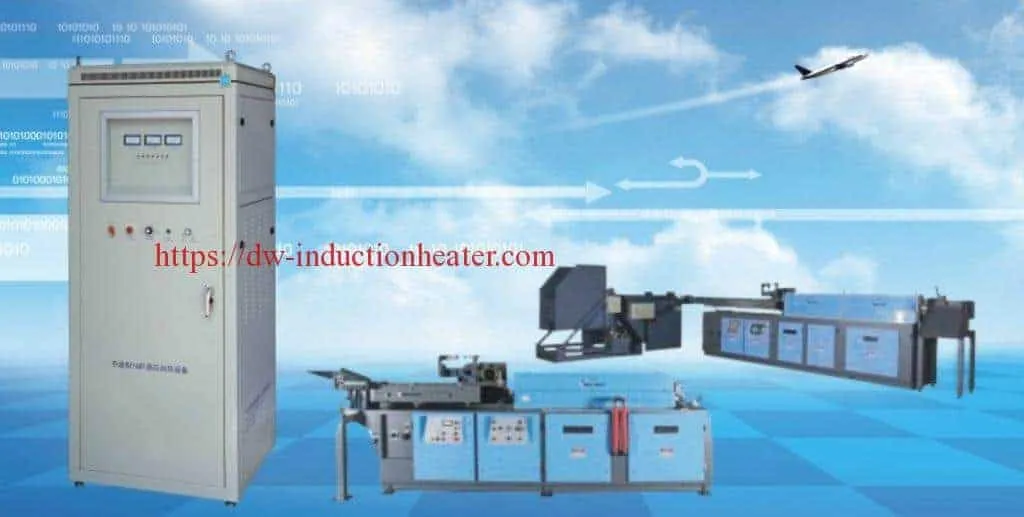
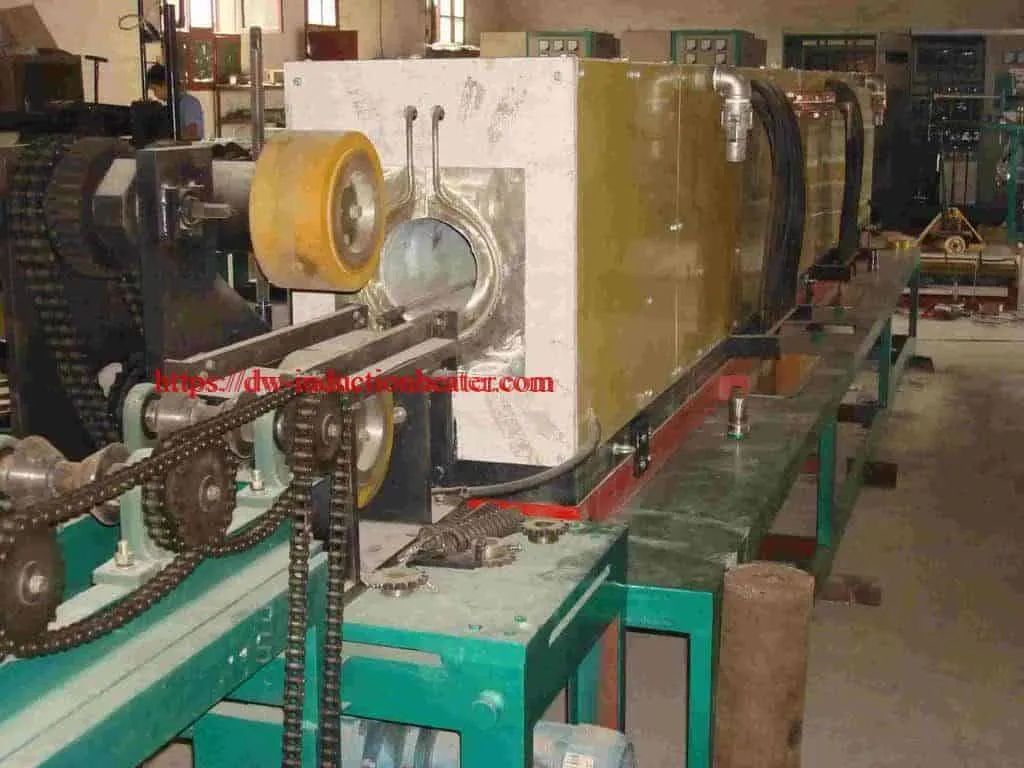
In the induction metals billet hot forging furnace the whole of the billets or slug is heated. Normally for short billets or slugs a hopper or bowl is used to automatically present the billets in line to pinch rollers, chain driven tractor units or in some cases pneumatic pushers. The billets are then driven through the coil one behind the other on water cooled rails or ceramic liners are used through the coil bore which reduce friction and prevent wear. The length of the coil is a function of the required soak time, the cycle time per component and the length of the billet. In high volume large cross section work it is not unusual to have 4 or 5 coils in series to give 5 m (16 ft) of coil or more. induction forge heater principle         Conclusion: Induction forging bar and billet furnace is a highly efficient and precise method for heating metallic objects. Although it presents some challenges, it remains a popular method in various industries, including the automotive, aerospace, and construction industries. The benefits of induction forging include its high efficiency, precise heating, and consistent quality. Thus, it can be concluded that induction forging is a valuable and effective process for the metalworking industry. induction forge heating furnace for copper/brass/aluminum/iron steel hot forming
Induction Forging Bar and Billet Furnace

Induction Forging Bar and Billet Furnace for hot forming bars,billets and rods of aluminum,steel and copper

Induction forging bar and billet furnace is a widely used method for heating metallic objects. The process involves the use of an electromagnetic field to generate heat within the object to be heated. Induction forging is commonly used in the production of bars, billets, and rods made of various metals such as aluminum, steel, and copper. This research paper aims to explore the process of induction forging bar and billet furnace, its advantages and challenges, as well as its applications in different industries. copper billets/bars/rods forge hot forming Induction Forging Bar and Billet Furnace Process: The induction forging process involves the use of an induction coil that produces an electromagnetic field. The bar or billet is placed inside the coil, and the alternating magnetic field induces an electrical current within the object, which generates heat due to resistance. The heat produced is proportional to the power of the electromagnetic field and the resistance of the metal being heated. Advantages of Induction Forging Bar and Billet Furnace: Induction forging offers several advantages over traditional heating methods. These include: 1. High efficiency: Induction forging is a highly efficient method since the heat is generated directly within the object to be heated. This eliminates the need for preheating, which reduces energy consumption and saves time. 2. Precise heating: Induction forging allows for precise control of the heating process. The heat generated can be adjusted to suit the specific requirements of the object to be heated. 3. Consistent quality: Induction forging produces a consistent quality of heat since it is generated uniformly throughout the object. This ensures that the final product is of high quality and meets the required specifications. induction billet heating furnace Challenges of Induction Forging Bar and Billet Furnace: Although induction forging offers several advantages, it also presents some challenges. The following are some of the challenges associated with induction forging: 1. Limited size: Induction forging is suitable for heating small to medium-sized objects. Large objects require more power and may not be feasible with induction forging. 2. Initial cost: Induction forging requires significant initial investment in equipment and infrastructure. This makes it less suitable for small-scale operations. 3. Surface preparation: Induction forging requires the surface of the object being heated to be clean and free of impurities. This requires additional preparation time and cost. Applications of Induction Forging Bar and Billet Furnace: Induction forging bar and billet furnace is widely used in various industries. The following are some of the applications of induction forging: 1. Automotive industry: Induction forging is used in the production of automotive parts such as gears, axles, and crankshafts. 2. Aerospace industry: Induction forging is used in the production of components for aerospace vehicles like aircraft, space shuttles and satellites. 3. Construction industry: Induction forging is used in the production of reinforcing bars, bolts, and nuts used in construction. Product Description For heating various of bar materials: such as steel & iron, bronze, brass, aluminum alloy, etc. Picture just for reference, color is changable with different power. Functions and special specifications customized by customer's requirements. Features and Advantages: 1.Automatic:Automatic feeding, automatic selection of the work-piece is good or bad, automatic measurement of  temperature, automatic discharge. 2. Integrated design: Save installation time,cost and space. 3. Operation panel embedded displays machine operating states, to facilitate fault diagnosis.
  Features Detail
1 Heating fast and stable saving 20%- 30% electric energy than traditional way; High efficiency and low energy consumption
2 Small in size Easy to install, operate and repair
3 Safe and reliable No high voltage, very safe to your workers.
4 A cooling circulation system Able to operate continuously 24 hours
5 complete self-protect function many types of alarm lamps: over-current, over-voltage, over hot, water shortage etc. These lamps can control and protect machine.
6 Environmental protection Almost no oxide layer, produced no exhaust, no waste-water
7 IGBT Type Avoid the interruption of unrelated electric net; Ensure the long-life of the machine.
  Parameter of metals billet hot forging furnace:
DW-MF-200 DW-MF-250 DW-MF-300 DW-MF-400 DW-MF-500 DW-MF-600
Input Voltage 3phases, 380V/410V/440V , 50/60Hz
Max Input Current 320A 400A 480A 640A 800A 960A
Oscillating frequency 0.5KHz^20KHz ( Oscillating frequency will be customized according to the size of heating parts)
Duty Cycle Loading 100%,24h continuously work
Cooling Water Desires 0.1MPa
Dimension Host 1000X800X1500mm 1500X800X2800mm 850X1700X1900mm
Extension extension will be customized according to the material and size of heating parts
Weight 110kg 150kg 160kg 170kg 200kg 220kg
Depend on the dimension of extension
In the induction metals billet hot forging furnace the whole of the billets or slug is heated. Normally for short billets or slugs a hopper or bowl is used to automatically present the billets in line to pinch rollers, chain driven tractor units or in some cases pneumatic pushers. The billets are then driven through the coil one behind the other on water cooled rails or ceramic liners are used through the coil bore which reduce friction and prevent wear. The length of the coil is a function of the required soak time, the cycle time per component and the length of the billet. In high volume large cross section work it is not unusual to have 4 or 5 coils in series to give 5 m (16 ft) of coil or more. induction forge heater principle         Conclusion: Induction forging bar and billet furnace is a highly efficient and precise method for heating metallic objects. Although it presents some challenges, it remains a popular method in various industries, including the automotive, aerospace, and construction industries. The benefits of induction forging include its high efficiency, precise heating, and consistent quality. Thus, it can be concluded that induction forging is a valuable and effective process for the metalworking industry. induction forge heating furnace for copper/brass/aluminum/iron steel hot forming https://dw-inductionheater.com/product/induction-forging-bar-and-billet-furnace?feed_id=195163&_unique_id=64367708dfbf0
2023年3月27日星期一

Induction Forging End of Bar and Rod for Copper and Iron Steel

Induction Forging End of Bar and Rod for Copper ,Aluminum and Iron Steel

Induction forging: refers to the use of an induction heater to pre-heat metals prior to deformation using a press or hammer. Typically metals are heated to between 1,100 °C (2,010 °F) and 1,200 °C (2,190 °F) to increase their malleability and aid flow in the forging die. Process: Induction heating is a non-contact process which uses the principle of electromagnetic induction to produce heat in a workpiece. By placing a conductive material into a strong alternating magnetic field, electrical current is made to flow in the material, thereby causing Joule heating. In magnetic materials, further heat is generated below the Curie point due to hysteresis losses. The generated current flows predominantly in the surface layer, the depth of this layer being dictated by the frequency of the alternating field and the permeability of the material. Advantages: ■ Process controllability ■ Energy efficiency ■ Rapid temperature rise ■ Process consistency Application: It is suitable for diathermy of copper rods, iron rods and aluminum rods of different shapes. The workpiece can be heated as a whole or locally. Main Applications: Induction forging end of rod furnace is used for heating of bars and rods larger than Φ12mm or square or other shape stuff in the shaping of screws, nuts, valves, locks and other metal parts, the material can be steel ,stainless steel, copper, brass, bronze, aluminum and so on, the heating can be the whole heating and partial heating , such as end heating or middle part heating. The composing of the induction forging furnace:
  • Induction heating power supply.
  • Induction heating coil and guide rail and coil cover.
  • pneumatic rod feeder.
  • control system.
  • water cooling system.
For some application, the infrared temperature sensor, temperature controller and automatic rod feeding systems can also be included if ordered.   Main models and heating ability:
Models Max input power Recommend application Heating ability of normal material
Steel or stainless steel to 1200℃ Copper or brass to 700℃
MF-35 induction forging furnace 35KW Φ15-30 rod heating 1.25KG/min 1.75KG/min
MF-45 induction forging furnace 45KW 1.67KG/min 2.33KG/min
MF-70 induction forging furnace 70KW Φ15-50 rod heating 2.5KG/min 3.5KG/min
MF-90 induction forging furnace 90KW Φ25-50 rod heating 3.33KG/min 4.67KG/min
MF-110 induction forging furnace 110KW 4.17KG/min 5.83KG/min
MF-160 induction forging furnace 160KW Φ50 up rod heating 5.83KG/min 8.26KG/min
Main models and heating ability:
Models Power Recommend application Heating capacity for Steel or stainless steel to 1200℃,KG/Hour Heating capacity for copper to 700℃,KG/Hour
SF-40AB 40KW Φ15-40mm rod heating 110KG/hour 190KG/hour
SF-50AB 50KW Φ15-40mm rod heating 137KG/hour 237KG/hour
SF-60AB 60KW Φ15-40mm rod heating 160KG/hour 290KG/hour
SF-80AB 80KW Φ15-40mm rod heating 165KG/hour 380KG/hour
SF-100AB 100KW Φ15-40mm rod heating 275KG/hour 480KG/hour
SF-120AB 120KW Φ15-40mm rod heating 275KG/hour 480KG/hour
SF-120AB 120KW Φ15-40mm rod heating 330KG/hour 570KG/hour
SF-160AB 160KW Φ15-40mm rod heating 440KG/hour 770KG/hour
SF-200AB 200KW Φ15-40mm rod heating 550KG/hour 960KG/hour
SF-250AB 250KW Φ15-40mm rod heating 690KG/hour 1180KG/hour
MFS-200 or D-MFS200 200KW Φ40 up rod heating 550KG/hour 960KG/hour
MFS-250 or D-MFS250 250KW 690KG/hour 1180KG/hour
MFS-300 or D-MFS300 300KW 830KG/hour 1440KG/hour
MFS-400 or D-MFS400 400KW 1100KG/hour 1880KG/hour
MFS-500 or D-MFS500 500KW 1380KG/hour 2350KG/hour
MFS-600 or D-MFS500 600KW 1660 KG/hour 2820 KG/hour
MFS-750 or D-MFS750 750KW 2070 KG/hour 3525 KG/hour
MFS-800 or D-MFS800 800KW 2210KG/hour 3700KG/hour
MFS-1000 or D-MFS1000 1000KW 2750KG/hour 4820KG/hour
MFS-1200 or D-MFS1200 1200KW 3300 KG/hour 5780KG/hour
MFS-1500 or D-MFS1500 1500KW 4200KG/hour 7200KG/hour
MFS-2000 or D-MFS2000 2000KW 5500KG/hour 9600KG/hour
 

Induction Forging End of Bar and Rod for Copper and Iron Steel

Induction Forging End of Bar and Rod for Copper ,Aluminum and Iron Steel

Induction forging: refers to the use of an induction heater to pre-heat metals prior to deformation using a press or hammer. Typically metals are heated to between 1,100 °C (2,010 °F) and 1,200 °C (2,190 °F) to increase their malleability and aid flow in the forging die. Process: Induction heating is a non-contact process which uses the principle of electromagnetic induction to produce heat in a workpiece. By placing a conductive material into a strong alternating magnetic field, electrical current is made to flow in the material, thereby causing Joule heating. In magnetic materials, further heat is generated below the Curie point due to hysteresis losses. The generated current flows predominantly in the surface layer, the depth of this layer being dictated by the frequency of the alternating field and the permeability of the material. Advantages: ■ Process controllability ■ Energy efficiency ■ Rapid temperature rise ■ Process consistency Application: It is suitable for diathermy of copper rods, iron rods and aluminum rods of different shapes. The workpiece can be heated as a whole or locally. Main Applications: Induction forging end of rod furnace is used for heating of bars and rods larger than Φ12mm or square or other shape stuff in the shaping of screws, nuts, valves, locks and other metal parts, the material can be steel ,stainless steel, copper, brass, bronze, aluminum and so on, the heating can be the whole heating and partial heating , such as end heating or middle part heating. The composing of the induction forging furnace:
  • Induction heating power supply.
  • Induction heating coil and guide rail and coil cover.
  • pneumatic rod feeder.
  • control system.
  • water cooling system.
For some application, the infrared temperature sensor, temperature controller and automatic rod feeding systems can also be included if ordered.   Main models and heating ability:
Models Max input power Recommend application Heating ability of normal material
Steel or stainless steel to 1200℃ Copper or brass to 700℃
MF-35 induction forging furnace 35KW Φ15-30 rod heating 1.25KG/min 1.75KG/min
MF-45 induction forging furnace 45KW 1.67KG/min 2.33KG/min
MF-70 induction forging furnace 70KW Φ15-50 rod heating 2.5KG/min 3.5KG/min
MF-90 induction forging furnace 90KW Φ25-50 rod heating 3.33KG/min 4.67KG/min
MF-110 induction forging furnace 110KW 4.17KG/min 5.83KG/min
MF-160 induction forging furnace 160KW Φ50 up rod heating 5.83KG/min 8.26KG/min
Main models and heating ability:
Models Power Recommend application Heating capacity for Steel or stainless steel to 1200℃,KG/Hour Heating capacity for copper to 700℃,KG/Hour
SF-40AB 40KW Φ15-40mm rod heating 110KG/hour 190KG/hour
SF-50AB 50KW Φ15-40mm rod heating 137KG/hour 237KG/hour
SF-60AB 60KW Φ15-40mm rod heating 160KG/hour 290KG/hour
SF-80AB 80KW Φ15-40mm rod heating 165KG/hour 380KG/hour
SF-100AB 100KW Φ15-40mm rod heating 275KG/hour 480KG/hour
SF-120AB 120KW Φ15-40mm rod heating 275KG/hour 480KG/hour
SF-120AB 120KW Φ15-40mm rod heating 330KG/hour 570KG/hour
SF-160AB 160KW Φ15-40mm rod heating 440KG/hour 770KG/hour
SF-200AB 200KW Φ15-40mm rod heating 550KG/hour 960KG/hour
SF-250AB 250KW Φ15-40mm rod heating 690KG/hour 1180KG/hour
MFS-200 or D-MFS200 200KW Φ40 up rod heating 550KG/hour 960KG/hour
MFS-250 or D-MFS250 250KW 690KG/hour 1180KG/hour
MFS-300 or D-MFS300 300KW 830KG/hour 1440KG/hour
MFS-400 or D-MFS400 400KW 1100KG/hour 1880KG/hour
MFS-500 or D-MFS500 500KW 1380KG/hour 2350KG/hour
MFS-600 or D-MFS500 600KW 1660 KG/hour 2820 KG/hour
MFS-750 or D-MFS750 750KW 2070 KG/hour 3525 KG/hour
MFS-800 or D-MFS800 800KW 2210KG/hour 3700KG/hour
MFS-1000 or D-MFS1000 1000KW 2750KG/hour 4820KG/hour
MFS-1200 or D-MFS1200 1200KW 3300 KG/hour 5780KG/hour
MFS-1500 or D-MFS1500 1500KW 4200KG/hour 7200KG/hour
MFS-2000 or D-MFS2000 2000KW 5500KG/hour 9600KG/hour
  https://dw-inductionheater.com/product/induction-forging-end-of-bar-and-rod-for-copper-and-iron-steel?feed_id=191269&_unique_id=642186513c2c2

2023年3月21日星期二

Induction Aluminum Billet Rod Heating Furnace

Induction Aluminum Billet Rod Heating Furnace,Induction Aluminum Billets Heater

Induction aluminum billets heating furnace is specially designed and manufactured for aluminum billets/rods forging and hot forming. It is used in the heating of aluminum billets/rods before forging and the extrusion process of aluminum rods after heating. induction aluminum billet heating furnace for forging aluminum rods,billets and bars 1.Difficulties in the design of aluminum billets/rods heating: 1). Aluminum billets/rods are non-magnetic materials. In the design of induction heating of aluminum rods, especially the design of aluminum rod inductor coils, special design methods should be adopted to make the aluminum rods generate large currents during the heating process, and the flow of large currents is The aluminum rod itself generates heat so that the heating of the aluminum rod meets the requirements of the heating process. 2). Due to the characteristics of aluminum, the aluminum billet/rod material dissipates heat very quickly. Therefore, the aluminum rod heating furnace is required to take certain measures to reduce the cooling of the aluminum rod. This requires the aluminum rod heating equipment to be equipped with an aluminum rod reverse thrust device, so as to ensure that the aluminum rod end The head temperature meets the requirements of the heating process. 2. Design parameters of aluminum billet/rod forging furnace: 1). Power supply system for aluminum rod heating equipment: 160~1000KW/0.2~10KHZ. 2). Aluminum rod heating equipment Heating material: aluminum alloy, aluminum billet and rod 3). Main application of aluminum rod heating equipment: used for hot extrusion and forging of aluminum rods and aluminum alloys. 4). Feeding system of aluminum rod heating equipment: cylinder or hydraulic cylinder pushes material at regular intervals 5). Discharge system of induction aluminum rod heating furnace: roller conveying system. 6). Power consumption of aluminum rod heating equipment: heating each ton of aluminum material to 450℃~560℃, power consumption is 190~320℃. 7). The aluminum rod heating equipment provides a remote operation console with a touch screen or an industrial computer system according to user needs. 8). The man-machine interface specially customized for aluminum rod heating equipment, highly humanized operation instructions. 9). All-digital, high-depth adjustable parameters of aluminum billet/rod heating furnace 10). Energy conversion of aluminum rod heating furnace: heating to 550°C, power consumption 240-280KWH/T 3. Aluminum billet/rod Induction Heating Coil/Inductor Aluminum rod heating equipment inductor manufacturing process: The ratio of the inner diameter of the aluminum rod heating equipment inductor coil to the outer diameter of the billet is within a reasonable range, and is designed according to the process parameters provided by the user. The inductor coil is made of a large cross-section T2 rectangular copper tube, which is annealed, wound, pickled, hydrostatically tested, baked, etc. After multiple insulation, drying, knotting, assembly and other main processes to complete, and then fixed into a As a whole, the entire sensor is formed into a cuboid after it is manufactured, and its vibration resistance and integrity are good. There are water-cooled furnace mouth copper plates at both ends of the inductor to protect the coil of the induction furnace heated by the aluminum rod, and at the same time, it can effectively prevent electromagnetic radiation from causing harm to the operator. Induction aluminum billet heater for forging aluminum rods,billets and bars after heating 4. Name of aluminum rod heating Furnace: Aluminum rod heating equipment mainly becomes intermediate frequency heating electric furnaces such as aluminum rod intermediate frequency induction heating furnace, aluminum rod induction heating furnace, aluminum material induction heating furnace, aluminum ingot induction heating furnace, etc., which are mainly used in forging, hot rolling and shearing of metal materials of heating. 5. The structure of aluminum rod heating furnace: Composition of aluminum rod heating equipment: 1. Induction heating power supply; 2. Induction heating furnace cabinet (including stainless steel pipes and capacitor cabinets); 3. Induction heating furnace body; 4. Automatic feeding and timing pushing system; 5. PLC operation Control cabinet; 6. Quick discharge device; 7. Infrared temperature measurement and automatic temperature control system induction aluminum billet and rod heating furnace 6. the characteristics of aluminum billet/rod heating furnace Main features of aluminum rod aluminum billet/rod heating furnace: 1). The aluminum rod heating furnace has fast heating speed and low burning loss rate; continuous production is stable, and it is simple and easy to maintain. 2). The special inductor/induction coil design method of the aluminum rod heating furnace ensures the temperature difference between the new surface and can be used for heating aluminum rods of various specifications. 3). The aluminum rod heating furnace adopts an imported infrared thermometer to ensure measurement accuracy and repeatability. The heating zone and heat preservation zone have fast thermal permeability of aluminum billets/rods. 4). The new stainless steel closed cooling tower eliminates the trouble of digging the pool. 5). The automatic feeding method of the aluminum billet/rod heating furnace can directly feed the aluminum ingot blank from the ground 6). Stable continuous production, high production efficiency, simple and easy maintenance, and can be applied to heating aluminum rods of various specifications 7). The heating temperature distribution of the aluminum billet/rod heating furnace: the aluminum rod heating furnace is divided into a preheating zone, a heating zone and a heat preservation zone. induction aluminum billet and rod forging furnace

Induction Aluminum Billet Rod Heating Furnace

Induction Aluminum Billet Rod Heating Furnace,Induction Aluminum Billets Heater

Induction aluminum billets heating furnace is specially designed and manufactured for aluminum billets/rods forging and hot forming. It is used in the heating of aluminum billets/rods before forging and the extrusion process of aluminum rods after heating. induction aluminum billet heating furnace for forging aluminum rods,billets and bars 1.Difficulties in the design of aluminum billets/rods heating: 1). Aluminum billets/rods are non-magnetic materials. In the design of induction heating of aluminum rods, especially the design of aluminum rod inductor coils, special design methods should be adopted to make the aluminum rods generate large currents during the heating process, and the flow of large currents is The aluminum rod itself generates heat so that the heating of the aluminum rod meets the requirements of the heating process. 2). Due to the characteristics of aluminum, the aluminum billet/rod material dissipates heat very quickly. Therefore, the aluminum rod heating furnace is required to take certain measures to reduce the cooling of the aluminum rod. This requires the aluminum rod heating equipment to be equipped with an aluminum rod reverse thrust device, so as to ensure that the aluminum rod end The head temperature meets the requirements of the heating process. 2. Design parameters of aluminum billet/rod forging furnace: 1). Power supply system for aluminum rod heating equipment: 160~1000KW/0.2~10KHZ. 2). Aluminum rod heating equipment Heating material: aluminum alloy, aluminum billet and rod 3). Main application of aluminum rod heating equipment: used for hot extrusion and forging of aluminum rods and aluminum alloys. 4). Feeding system of aluminum rod heating equipment: cylinder or hydraulic cylinder pushes material at regular intervals 5). Discharge system of induction aluminum rod heating furnace: roller conveying system. 6). Power consumption of aluminum rod heating equipment: heating each ton of aluminum material to 450℃~560℃, power consumption is 190~320℃. 7). The aluminum rod heating equipment provides a remote operation console with a touch screen or an industrial computer system according to user needs. 8). The man-machine interface specially customized for aluminum rod heating equipment, highly humanized operation instructions. 9). All-digital, high-depth adjustable parameters of aluminum billet/rod heating furnace 10). Energy conversion of aluminum rod heating furnace: heating to 550°C, power consumption 240-280KWH/T 3. Aluminum billet/rod Induction Heating Coil/Inductor Aluminum rod heating equipment inductor manufacturing process: The ratio of the inner diameter of the aluminum rod heating equipment inductor coil to the outer diameter of the billet is within a reasonable range, and is designed according to the process parameters provided by the user. The inductor coil is made of a large cross-section T2 rectangular copper tube, which is annealed, wound, pickled, hydrostatically tested, baked, etc. After multiple insulation, drying, knotting, assembly and other main processes to complete, and then fixed into a As a whole, the entire sensor is formed into a cuboid after it is manufactured, and its vibration resistance and integrity are good. There are water-cooled furnace mouth copper plates at both ends of the inductor to protect the coil of the induction furnace heated by the aluminum rod, and at the same time, it can effectively prevent electromagnetic radiation from causing harm to the operator. Induction aluminum billet heater for forging aluminum rods,billets and bars after heating 4. Name of aluminum rod heating Furnace: Aluminum rod heating equipment mainly becomes intermediate frequency heating electric furnaces such as aluminum rod intermediate frequency induction heating furnace, aluminum rod induction heating furnace, aluminum material induction heating furnace, aluminum ingot induction heating furnace, etc., which are mainly used in forging, hot rolling and shearing of metal materials of heating. 5. The structure of aluminum rod heating furnace: Composition of aluminum rod heating equipment: 1. Induction heating power supply; 2. Induction heating furnace cabinet (including stainless steel pipes and capacitor cabinets); 3. Induction heating furnace body; 4. Automatic feeding and timing pushing system; 5. PLC operation Control cabinet; 6. Quick discharge device; 7. Infrared temperature measurement and automatic temperature control system induction aluminum billet and rod heating furnace 6. the characteristics of aluminum billet/rod heating furnace Main features of aluminum rod aluminum billet/rod heating furnace: 1). The aluminum rod heating furnace has fast heating speed and low burning loss rate; continuous production is stable, and it is simple and easy to maintain. 2). The special inductor/induction coil design method of the aluminum rod heating furnace ensures the temperature difference between the new surface and can be used for heating aluminum rods of various specifications. 3). The aluminum rod heating furnace adopts an imported infrared thermometer to ensure measurement accuracy and repeatability. The heating zone and heat preservation zone have fast thermal permeability of aluminum billets/rods. 4). The new stainless steel closed cooling tower eliminates the trouble of digging the pool. 5). The automatic feeding method of the aluminum billet/rod heating furnace can directly feed the aluminum ingot blank from the ground 6). Stable continuous production, high production efficiency, simple and easy maintenance, and can be applied to heating aluminum rods of various specifications 7). The heating temperature distribution of the aluminum billet/rod heating furnace: the aluminum rod heating furnace is divided into a preheating zone, a heating zone and a heat preservation zone. induction aluminum billet and rod forging furnace https://dw-inductionheater.com/product/induction-aluminum-billet-rod-heating-furnace?feed_id=189776&_unique_id=641a620edd72f

2021年12月13日星期一

Full Automatic Induction Forging Rod Furnace

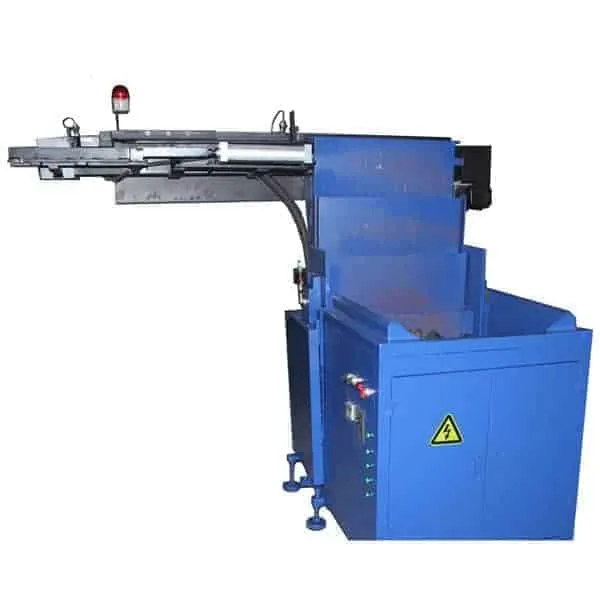
Induction Forging Rod Bar Furnace With Full Automatic Feeder System Main parts:
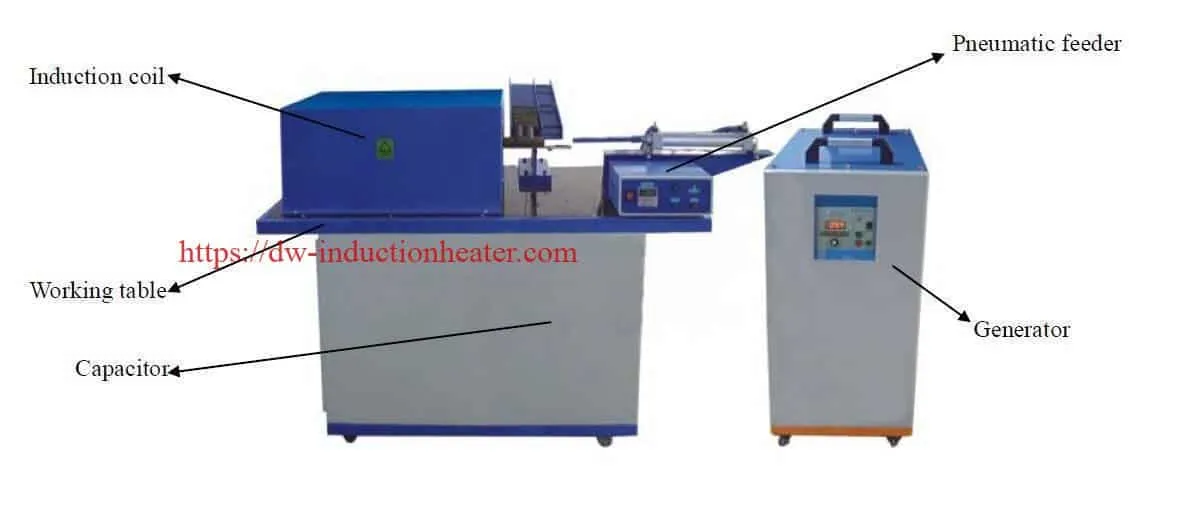
  • M.F Induction Heating Generator (power supply).
  • Compensation Capacitor unit.
  • Heating coil and accessories
  • Full-auto Feeder System
  • Stand or working table.
Model DW-MF-45KW DW-MF-70KW DW-MF-90KW DW-MF-110KW DW-MF-160KW
Applications Rod about φ15-30mm Rod about φ15-50mm Rod about φ15-80mm Rod about φ15-80mm
Input power max 45KW 70KW 90KW 110KW 160KW
Output power max 45KVA 70KVA 90KVA 110KVA 160KVA
Input Voltage desire 3phases, 380V±10% 50 or 60HZ
Oscillate frequency 1KHz-20KHz,according to the application ,normal about  4KHZ、8KHZ、11KHZ、15KHZ、20KHZ
Duty cycle 100%,24hours work
Main characteristics:  
  • Suitable for rod heating of steel,cooper,bronze and aluminum.
  • Portable and light weight, easily installed beside any pressing equipment.
  • Installation and operation can be very easily to use.
  • The rod can be rapidly heated to forging temperature to reduce the oxidation of the rod furnace and to raise  the quality of the parts.
  • With a very large range of frequency adaptable the rod larger than 15mm can be heated.more rapidly and  more evenly.
  • Designed to work continuously everyday.
  • Pneumatic rod feeding.
  • High efficiency,saving energy and cost.
  • Easy to change heating coil to heat rods of different size.
  • No preheating required just start the machine and can heat the components to a temperature of 1350 Degree Centigrade.
  • Full auto feeder system for rod bars.
[wpforms id="3947"]

Semi-Automatic Induction Foging Rod Furnace

Induction Forging Rod Furnace With Semi-Automatic Feeder Main parts:
  • M.F Induction Heating Generator (power supply).
  • Compensation Capacitor unit.
  • Heating coil and accessories
  • Pneumatic rod feeder (Handling system)
  • Stand or working table.
Model DW-MF-45KW DW-MF-70KW DW-MF-90KW DW-MF-110KW DW-MF-160KW
Applications Rod about φ15-30mm Rod about φ15-50mm Rod about φ15-80mm Rod about φ15-80mm
Input power max 45KW 70KW 90KW 110KW 160KW
Output power max 45KVA 70KVA 90KVA 110KVA 160KVA
Input Voltage desire 3phases, 380V±10% 50 or 60HZ
Oscillate frequency 1KHz-20KHz,according to the application ,normal about  4KHZ、8KHZ、11KHZ、15KHZ、20KHZ
Duty cycle 100%,24hours work
forging-machine Main characteristics:
  • Suitable for rod heating of steel,cooper,bronze and aluminum.
  • Portable and light weight, easily installed beside any pressing equipment.
  • Installation and operation can be very easily to use.
  • The rod can be rapidly heated to forging temperature to reduce the oxidation of the rod furnace and to raise  the quality of the parts.
  • With a very large range of frequency adaptable the rod larger than 15mm can be heated.more rapidly and  more evenly.
  • Designed to work continuously everyday.
  • Pneumatic rod feeding.
  • High efficiency,saving energy and cost.
  • Easy to change heating coil to heat rods of different size.
  • No preheating required just start the machine and can heat the components to a temperature of 1350 Degree Centigrade.
  • Full auto feeder system for rod bars.
[wpforms id="3947"]

关注者

我的简介

我的照片
HLQ induction heating machine manufacturer provides the service of induction brazing,melting,hot forming,hardening surface,annealing,shrink fitting,PWHT,etc.