显示标签为“igbtinductionbrazing”的博文。显示所有博文

2024年5月1日星期三

Why choose Induction Brazing?

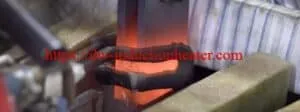
Why choose Induction Brazing? Induction heating technology is steadily displacing open flames and ovens as the preferred heat source in brazing. Seven key reasons explain this growing popularity: 1. Speedier solution Induction heating transfers more energy per square millimeter than an open flame. Put simply, induction can braze more parts per hour than alternative processes. 2. Quicker throughput Induction is ideal for in-line integration. Batches of parts no longer have to be taken aside or sent out for brazing. Electronic controls and customized coils let us integrate the brazing process into seamless production processes. 3. Consistent performance Induction heating is controllable and repeatable. Enter your desired process parameters into the induction equipment, and it will repeat heating cycles with only negligible deviations. 4. Unique controllability Induction lets operators view the brazing process, something that is difficult with flames. This and precise heating minimize the risk of overheating, which causes weak joints. 5. More productive environment Open flames create uncomfortable working environments. Operator morale and productivity suffer as a result. Induction is silent. And there is virtually no increase in ambient temperature. 6. Put your space to work DAWEI Induction brazing equipment has a small footprint. Induction stations slot easily into production cells and existing layouts. And our compact, mobile systems let you work on hard-to-access parts. 7. No-contact process Induction produces heat within the base metals — and nowhere else. It’s a no-contact process; the base metals never come into contact with flames. This protects the base metals from warping, which in turn increases yield and product quality. why choose brazing induction       why choose induction brazing   https://dw-inductionheater.com/why-choose-induction-brazing.html?feed_id=243896&_unique_id=663207553ec6a
2024年4月30日星期二

Induction Brazing Basics

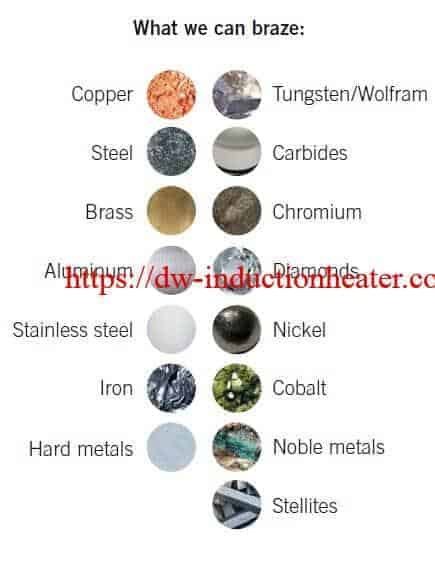
Induction Brazing Basics for jointing copper,silver,brazing,steel and stainless steel,etc. Induction Brazing uses heat and filler metal to join metals. Once melted, the filler flows between close-fitting base metals (the pieces being joined) by capillary action. The molten filler interacts with a thin layer of the base metal to form a strong, leak-proof joint. Different heat sources can be used for brazing: induction and resistance heaters, ovens, furnaces, torches, etc. There are three common brazing methods: capillary, notch and moulding. Induction brazing is concerned solely with the first of these. Having the correct gap between the base metals is crucial. A too-large gap can minimize the capillary force and lead to weak joints and porosity. Thermal expansion means gaps have to be calculated for metals at brazing, not room, temperatures. Optimum spacing is typically 0.05 mm – 0.1 mm. Before you braze Brazing is hassle-free. But some questions should be investigated — and answered — in order to assure successful, cost-effective joining. For instance: How suitable are the base metals for brazing; what’s the best coil design for specific time and quality demands; should the brazing be manual or automatic? brazing material At DAWEI Induction we answer these and other key points before suggesting a brazing solution. Focus on flux Base metals must usually be coated with a solvent known as flux before they are brazed. Flux cleans the base metals, prevents new oxidation, and wets the brazing area prior to brazing. It is crucial to apply sufficient flux; too little and the flux may become saturated with oxides and lose its ability to protect the base metals. Flux is not always needed. Phosphorous-bearing filler can be used to braze copper alloys, brass and bronze. Flux-free brazing is also possible with active atmospheres and vacuums, but the brazing must then be performed in a controlled atmosphere chamber. Flux must normally be removed from the part once the metal filler has solidified. Different removal methods are used, the most common being water quenching, pickling and wire brushing.   https://dw-inductionheater.com/induction-brazing-basics.html?feed_id=243828&_unique_id=663150791ff90

2023年9月8日星期五

Why choose Induction Brazing?

Why choose Induction Brazing? Induction heating technology is steadily displacing open flames and ovens as the preferred heat source in brazing. Seven key reasons explain this growing popularity: 1. Speedier solution Induction heating transfers more energy per square millimeter than an open flame. Put simply, induction can braze more parts per hour than alternative processes. 2. Quicker throughput Induction is ideal for in-line integration. Batches of parts no longer have to be taken aside or sent out for brazing. Electronic controls and customized coils let us integrate the brazing process into seamless production processes. 3. Consistent performance Induction heating is controllable and repeatable. Enter your desired process parameters into the induction equipment, and it will repeat heating cycles with only negligible deviations. 4. Unique controllability Induction lets operators view the brazing process, something that is difficult with flames. This and precise heating minimize the risk of overheating, which causes weak joints. 5. More productive environment Open flames create uncomfortable working environments. Operator morale and productivity suffer as a result. Induction is silent. And there is virtually no increase in ambient temperature. 6. Put your space to work DAWEI Induction brazing equipment has a small footprint. Induction stations slot easily into production cells and existing layouts. And our compact, mobile systems let you work on hard-to-access parts. 7. No-contact process Induction produces heat within the base metals — and nowhere else. It’s a no-contact process; the base metals never come into contact with flames. This protects the base metals from warping, which in turn increases yield and product quality. why choose brazing induction       why choose induction brazing   https://dw-inductionheater.com/why-choose-induction-brazing.html?feed_id=226786&_unique_id=64fb6204c13f5
2023年5月14日星期日

Why choose Induction Brazing?

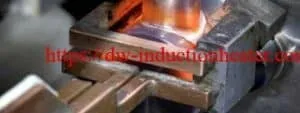
Why choose Induction Brazing? Induction heating technology is steadily displacing open flames and ovens as the preferred heat source in brazing. Seven key reasons explain this growing popularity: 1. Speedier solution Induction heating transfers more energy per square millimeter than an open flame. Put simply, induction can braze more parts per hour than alternative processes. 2. Quicker throughput Induction is ideal for in-line integration. Batches of parts no longer have to be taken aside or sent out for brazing. Electronic controls and customized coils let us integrate the brazing process into seamless production processes. 3. Consistent performance Induction heating is controllable and repeatable. Enter your desired process parameters into the induction equipment, and it will repeat heating cycles with only negligible deviations. 4. Unique controllability Induction lets operators view the brazing process, something that is difficult with flames. This and precise heating minimize the risk of overheating, which causes weak joints. 5. More productive environment Open flames create uncomfortable working environments. Operator morale and productivity suffer as a result. Induction is silent. And there is virtually no increase in ambient temperature. 6. Put your space to work DAWEI Induction brazing equipment has a small footprint. Induction stations slot easily into production cells and existing layouts. And our compact, mobile systems let you work on hard-to-access parts. 7. No-contact process Induction produces heat within the base metals — and nowhere else. It’s a no-contact process; the base metals never come into contact with flames. This protects the base metals from warping, which in turn increases yield and product quality. why choose brazing induction       why choose induction brazing  

2023年4月22日星期六

Induction Brazing Basics

Induction Brazing Basics for jointing copper,silver,brazing,steel and stainless steel,etc. Induction Brazing uses heat and filler metal to join metals. Once melted, the filler flows between close-fitting base metals (the pieces being joined) by capillary action. The molten filler interacts with a thin layer of the base metal to form a strong, leak-proof joint. Different heat sources can be used for brazing: induction and resistance heaters, ovens, furnaces, torches, etc. There are three common brazing methods: capillary, notch and moulding. Induction brazing is concerned solely with the first of these. Having the correct gap between the base metals is crucial. A too-large gap can minimize the capillary force and lead to weak joints and porosity. Thermal expansion means gaps have to be calculated for metals at brazing, not room, temperatures. Optimum spacing is typically 0.05 mm – 0.1 mm. Before you braze Brazing is hassle-free. But some questions should be investigated — and answered — in order to assure successful, cost-effective joining. For instance: How suitable are the base metals for brazing; what’s the best coil design for specific time and quality demands; should the brazing be manual or automatic? brazing material At DAWEI Induction we answer these and other key points before suggesting a brazing solution. Focus on flux Base metals must usually be coated with a solvent known as flux before they are brazed. Flux cleans the base metals, prevents new oxidation, and wets the brazing area prior to brazing. It is crucial to apply sufficient flux; too little and the flux may become saturated with oxides and lose its ability to protect the base metals. Flux is not always needed. Phosphorous-bearing filler can be used to braze copper alloys, brass and bronze. Flux-free brazing is also possible with active atmospheres and vacuums, but the brazing must then be performed in a controlled atmosphere chamber. Flux must normally be removed from the part once the metal filler has solidified. Different removal methods are used, the most common being water quenching, pickling and wire brushing.  

2023年3月6日星期一

Induction Brazing Basics

Induction Brazing Basics for jointing copper,silver,brazing,steel and stainless steel,etc. Induction Brazing uses heat and filler metal to join metals. Once melted, the filler flows between close-fitting base metals (the pieces being joined) by capillary action. The molten filler interacts with a thin layer of the base metal to form a strong, leak-proof joint. Different heat sources can be used for brazing: induction and resistance heaters, ovens, furnaces, torches, etc. There are three common brazing methods: capillary, notch and moulding. Induction brazing is concerned solely with the first of these. Having the correct gap between the base metals is crucial. A too-large gap can minimize the capillary force and lead to weak joints and porosity. Thermal expansion means gaps have to be calculated for metals at brazing, not room, temperatures. Optimum spacing is typically 0.05 mm – 0.1 mm. Before you braze Brazing is hassle-free. But some questions should be investigated — and answered — in order to assure successful, cost-effective joining. For instance: How suitable are the base metals for brazing; what’s the best coil design for specific time and quality demands; should the brazing be manual or automatic? brazing material At DAWEI Induction we answer these and other key points before suggesting a brazing solution. Focus on flux Base metals must usually be coated with a solvent known as flux before they are brazed. Flux cleans the base metals, prevents new oxidation, and wets the brazing area prior to brazing. It is crucial to apply sufficient flux; too little and the flux may become saturated with oxides and lose its ability to protect the base metals. Flux is not always needed. Phosphorous-bearing filler can be used to braze copper alloys, brass and bronze. Flux-free brazing is also possible with active atmospheres and vacuums, but the brazing must then be performed in a controlled atmosphere chamber. Flux must normally be removed from the part once the metal filler has solidified. Different removal methods are used, the most common being water quenching, pickling and wire brushing.  

2023年2月24日星期五

Why choose Induction Brazing?

Why choose Induction Brazing? Induction heating technology is steadily displacing open flames and ovens as the preferred heat source in brazing. Seven key reasons explain this growing popularity: 1. Speedier solution Induction heating transfers more energy per square millimeter than an open flame. Put simply, induction can braze more parts per hour than alternative processes. 2. Quicker throughput Induction is ideal for in-line integration. Batches of parts no longer have to be taken aside or sent out for brazing. Electronic controls and customized coils let us integrate the brazing process into seamless production processes. 3. Consistent performance Induction heating is controllable and repeatable. Enter your desired process parameters into the induction equipment, and it will repeat heating cycles with only negligible deviations. 4. Unique controllability Induction lets operators view the brazing process, something that is difficult with flames. This and precise heating minimize the risk of overheating, which causes weak joints. 5. More productive environment Open flames create uncomfortable working environments. Operator morale and productivity suffer as a result. Induction is silent. And there is virtually no increase in ambient temperature. 6. Put your space to work DAWEI Induction brazing equipment has a small footprint. Induction stations slot easily into production cells and existing layouts. And our compact, mobile systems let you work on hard-to-access parts. 7. No-contact process Induction produces heat within the base metals — and nowhere else. It’s a no-contact process; the base metals never come into contact with flames. This protects the base metals from warping, which in turn increases yield and product quality. why choose brazing induction       why choose induction brazing  
2023年2月12日星期日

Why choose Induction Brazing?

Why choose Induction Brazing?

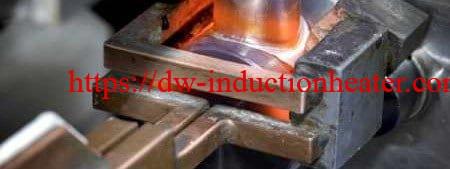
Induction heating technology is steadily displacing open flames and ovens as the preferred heat source in brazing. Seven key reasons explain this growing popularity:

1. Speedier solution
Induction heating transfers more energy per square millimeter than an open flame. Put simply, induction can braze more parts per hour than alternative processes.
2. Quicker throughput
Induction is ideal for in-line integration. Batches of parts no longer have to be taken aside or sent out for brazing. Electronic controls and customized coils let us integrate the brazing process into seamless production processes.
3. Consistent performance
Induction heating is controllable and repeatable. Enter your desired process parameters into the induction equipment, and it will repeat heating cycles with only negligible deviations.

4. Unique controllability

Induction lets operators view the brazing process, something that is difficult with flames. This and precise heating minimize the risk of overheating, which causes weak joints.
5. More productive environment
Open flames create uncomfortable working environments. Operator morale and productivity suffer as a result. Induction is silent. And there is virtually no increase in ambient temperature.
6. Put your space to work
DAWEI Induction brazing equipment has a small footprint. Induction stations slot easily into production cells and existing layouts. And our compact, mobile systems let you work on hard-to-access parts.
7. No-contact process
Induction produces heat within the base metals — and nowhere else. It’s a no-contact process; the base metals never come into contact with flames. This protects the base metals from warping, which in turn increases yield and product quality.

why choose brazing induction


why choose induction brazing


2023年2月4日星期六

Induction Brazing Basics

Induction Brazing Basics for jointing copper,silver,brazing,steel and stainless steel,etc. Induction Brazing uses heat and filler metal to join metals. Once melted, the filler flows between close-fitting base metals (the pieces being joined) by capillary action. The molten filler interacts with a thin layer of the base metal to form a strong, leak-proof joint. Different heat sources can be used for brazing: induction and resistance heaters, ovens, furnaces, torches, etc. There are three common brazing methods: capillary, notch and moulding. Induction brazing is concerned solely with the first of these. Having the correct gap between the base metals is crucial. A too-large gap can minimize the capillary force and lead to weak joints and porosity. Thermal expansion means gaps have to be calculated for metals at brazing, not room, temperatures. Optimum spacing is typically 0.05 mm – 0.1 mm. Before you braze Brazing is hassle-free. But some questions should be investigated — and answered — in order to assure successful, cost-effective joining. For instance: How suitable are the base metals for brazing; what’s the best coil design for specific time and quality demands; should the brazing be manual or automatic? brazing material At DAWEI Induction we answer these and other key points before suggesting a brazing solution. Focus on flux Base metals must usually be coated with a solvent known as flux before they are brazed. Flux cleans the base metals, prevents new oxidation, and wets the brazing area prior to brazing. It is crucial to apply sufficient flux; too little and the flux may become saturated with oxides and lose its ability to protect the base metals. Flux is not always needed. Phosphorous-bearing filler can be used to braze copper alloys, brass and bronze. Flux-free brazing is also possible with active atmospheres and vacuums, but the brazing must then be performed in a controlled atmosphere chamber. Flux must normally be removed from the part once the metal filler has solidified. Different removal methods are used, the most common being water quenching, pickling and wire brushing.  

2022年11月27日星期日

Why choose Induction Brazing?

Why choose Induction Brazing? Induction heating technology is steadily displacing open flames and ovens as the preferred heat source in brazing. Seven key reasons explain this growing popularity: 1. Speedier solution Induction heating transfers more energy per square millimeter than an open flame. Put simply, induction can braze more parts per hour than alternative processes. 2. Quicker throughput Induction is ideal for in-line integration. Batches of parts no longer have to be taken aside or sent out for brazing. Electronic controls and customized coils let us integrate the brazing process into seamless production processes. 3. Consistent performance Induction heating is controllable and repeatable. Enter your desired process parameters into the induction equipment, and it will repeat heating cycles with only negligible deviations. 4. Unique controllability Induction lets operators view the brazing process, something that is difficult with flames. This and precise heating minimize the risk of overheating, which causes weak joints. 5. More productive environment Open flames create uncomfortable working environments. Operator morale and productivity suffer as a result. Induction is silent. And there is virtually no increase in ambient temperature. 6. Put your space to work DAWEI Induction brazing equipment has a small footprint. Induction stations slot easily into production cells and existing layouts. And our compact, mobile systems let you work on hard-to-access parts. 7. No-contact process Induction produces heat within the base metals — and nowhere else. It’s a no-contact process; the base metals never come into contact with flames. This protects the base metals from warping, which in turn increases yield and product quality. why choose brazing induction       why choose induction brazing  

2022年11月16日星期三

Why choose Induction Brazing?

Why choose Induction Brazing? Induction heating technology is steadily displacing open flames and ovens as the preferred heat source in brazing. Seven key reasons explain this growing popularity: 1. Speedier solution Induction heating transfers more energy per square millimeter than an open flame. Put simply, induction can braze more parts per hour than alternative processes. 2. Quicker throughput Induction is ideal for in-line integration. Batches of parts no longer have to be taken aside or sent out for brazing. Electronic controls and customized coils let us integrate the brazing process into seamless production processes. 3. Consistent performance Induction heating is controllable and repeatable. Enter your desired process parameters into the induction equipment, and it will repeat heating cycles with only negligible deviations. 4. Unique controllability Induction lets operators view the brazing process, something that is difficult with flames. This and precise heating minimize the risk of overheating, which causes weak joints. 5. More productive environment Open flames create uncomfortable working environments. Operator morale and productivity suffer as a result. Induction is silent. And there is virtually no increase in ambient temperature. 6. Put your space to work DAWEI Induction brazing equipment has a small footprint. Induction stations slot easily into production cells and existing layouts. And our compact, mobile systems let you work on hard-to-access parts. 7. No-contact process Induction produces heat within the base metals — and nowhere else. It’s a no-contact process; the base metals never come into contact with flames. This protects the base metals from warping, which in turn increases yield and product quality. why choose brazing induction       why choose induction brazing  

2022年11月9日星期三

Why choose Induction Brazing?

Why choose Induction Brazing? Induction heating technology is steadily displacing open flames and ovens as the preferred heat source in brazing. Seven key reasons explain this growing popularity: 1. Speedier solution Induction heating transfers more energy per square millimeter than an open flame. Put simply, induction can braze more parts per hour than alternative processes. 2. Quicker throughput Induction is ideal for in-line integration. Batches of parts no longer have to be taken aside or sent out for brazing. Electronic controls and customized coils let us integrate the brazing process into seamless production processes. 3. Consistent performance Induction heating is controllable and repeatable. Enter your desired process parameters into the induction equipment, and it will repeat heating cycles with only negligible deviations. 4. Unique controllability Induction lets operators view the brazing process, something that is difficult with flames. This and precise heating minimize the risk of overheating, which causes weak joints. 5. More productive environment Open flames create uncomfortable working environments. Operator morale and productivity suffer as a result. Induction is silent. And there is virtually no increase in ambient temperature. 6. Put your space to work DAWEI Induction brazing equipment has a small footprint. Induction stations slot easily into production cells and existing layouts. And our compact, mobile systems let you work on hard-to-access parts. 7. No-contact process Induction produces heat within the base metals — and nowhere else. It’s a no-contact process; the base metals never come into contact with flames. This protects the base metals from warping, which in turn increases yield and product quality. why choose brazing induction       why choose induction brazing  

2022年10月19日星期三

Induction Brazing Basics

Induction Brazing Basics for jointing copper,silver,brazing,steel and stainless steel,etc. Induction Brazing uses heat and filler metal to join metals. Once melted, the filler flows between close-fitting base metals (the pieces being joined) by capillary action. The molten filler interacts with a thin layer of the base metal to form a strong, leak-proof joint. Different heat sources can be used for brazing: induction and resistance heaters, ovens, furnaces, torches, etc. There are three common brazing methods: capillary, notch and moulding. Induction brazing is concerned solely with the first of these. Having the correct gap between the base metals is crucial. A too-large gap can minimize the capillary force and lead to weak joints and porosity. Thermal expansion means gaps have to be calculated for metals at brazing, not room, temperatures. Optimum spacing is typically 0.05 mm – 0.1 mm. Before you braze Brazing is hassle-free. But some questions should be investigated — and answered — in order to assure successful, cost-effective joining. For instance: How suitable are the base metals for brazing; what’s the best coil design for specific time and quality demands; should the brazing be manual or automatic? brazing material At DAWEI Induction we answer these and other key points before suggesting a brazing solution. Focus on flux Base metals must usually be coated with a solvent known as flux before they are brazed. Flux cleans the base metals, prevents new oxidation, and wets the brazing area prior to brazing. It is crucial to apply sufficient flux; too little and the flux may become saturated with oxides and lose its ability to protect the base metals. Flux is not always needed. Phosphorous-bearing filler can be used to braze copper alloys, brass and bronze. Flux-free brazing is also possible with active atmospheres and vacuums, but the brazing must then be performed in a controlled atmosphere chamber. Flux must normally be removed from the part once the metal filler has solidified. Different removal methods are used, the most common being water quenching, pickling and wire brushing.  

2022年7月29日星期五

Induction Brazing Basics

Induction Brazing Basics for jointing copper,silver,brazing,steel and stainless steel,etc. Induction Brazing uses heat and filler metal to join metals. Once melted, the filler flows between close-fitting base metals (the pieces being joined) by capillary action. The molten filler interacts with a thin layer of the base metal to form a strong, leak-proof joint. Different heat sources can be used for brazing: induction and resistance heaters, ovens, furnaces, torches, etc. There are three common brazing methods: capillary, notch and moulding. Induction brazing is concerned solely with the first of these. Having the correct gap between the base metals is crucial. A too-large gap can minimize the capillary force and lead to weak joints and porosity. Thermal expansion means gaps have to be calculated for metals at brazing, not room, temperatures. Optimum spacing is typically 0.05 mm – 0.1 mm. Before you braze Brazing is hassle-free. But some questions should be investigated — and answered — in order to assure successful, cost-effective joining. For instance: How suitable are the base metals for brazing; what’s the best coil design for specific time and quality demands; should the brazing be manual or automatic? brazing material At DAWEI Induction we answer these and other key points before suggesting a brazing solution. Focus on flux Base metals must usually be coated with a solvent known as flux before they are brazed. Flux cleans the base metals, prevents new oxidation, and wets the brazing area prior to brazing. It is crucial to apply sufficient flux; too little and the flux may become saturated with oxides and lose its ability to protect the base metals. Flux is not always needed. Phosphorous-bearing filler can be used to braze copper alloys, brass and bronze. Flux-free brazing is also possible with active atmospheres and vacuums, but the brazing must then be performed in a controlled atmosphere chamber. Flux must normally be removed from the part once the metal filler has solidified. Different removal methods are used, the most common being water quenching, pickling and wire brushing.  

2022年6月20日星期一

Induction Brazing Basics

Induction Brazing Basics for jointing copper,silver,brazing,steel and stainless steel,etc. Induction Brazing uses heat and filler metal to join metals. Once melted, the filler flows between close-fitting base metals (the pieces being joined) by capillary action. The molten filler interacts with a thin layer of the base metal to form a strong, leak-proof joint. Different heat sources can be used for brazing: induction and resistance heaters, ovens, furnaces, torches, etc. There are three common brazing methods: capillary, notch and moulding. Induction brazing is concerned solely with the first of these. Having the correct gap between the base metals is crucial. A too-large gap can minimize the capillary force and lead to weak joints and porosity. Thermal expansion means gaps have to be calculated for metals at brazing, not room, temperatures. Optimum spacing is typically 0.05 mm – 0.1 mm. Before you braze Brazing is hassle-free. But some questions should be investigated — and answered — in order to assure successful, cost-effective joining. For instance: How suitable are the base metals for brazing; what’s the best coil design for specific time and quality demands; should the brazing be manual or automatic? brazing material At DAWEI Induction we answer these and other key points before suggesting a brazing solution. Focus on flux Base metals must usually be coated with a solvent known as flux before they are brazed. Flux cleans the base metals, prevents new oxidation, and wets the brazing area prior to brazing. It is crucial to apply sufficient flux; too little and the flux may become saturated with oxides and lose its ability to protect the base metals. Flux is not always needed. Phosphorous-bearing filler can be used to braze copper alloys, brass and bronze. Flux-free brazing is also possible with active atmospheres and vacuums, but the brazing must then be performed in a controlled atmosphere chamber. Flux must normally be removed from the part once the metal filler has solidified. Different removal methods are used, the most common being water quenching, pickling and wire brushing.  

2022年5月15日星期日

Why choose Induction Brazing?

Why choose Induction Brazing? Induction heating technology is steadily displacing open flames and ovens as the preferred heat source in brazing. Seven key reasons explain this growing popularity: 1. Speedier solution Induction heating transfers more energy per square millimeter than an open flame. Put simply, induction can braze more parts per hour than alternative processes. 2. Quicker throughput Induction is ideal for in-line integration. Batches of parts no longer have to be taken aside or sent out for brazing. Electronic controls and customized coils let us integrate the brazing process into seamless production processes. 3. Consistent performance Induction heating is controllable and repeatable. Enter your desired process parameters into the induction equipment, and it will repeat heating cycles with only negligible deviations. 4. Unique controllability Induction lets operators view the brazing process, something that is difficult with flames. This and precise heating minimize the risk of overheating, which causes weak joints. 5. More productive environment Open flames create uncomfortable working environments. Operator morale and productivity suffer as a result. Induction is silent. And there is virtually no increase in ambient temperature. 6. Put your space to work DAWEI Induction brazing equipment has a small footprint. Induction stations slot easily into production cells and existing layouts. And our compact, mobile systems let you work on hard-to-access parts. 7. No-contact process Induction produces heat within the base metals — and nowhere else. It’s a no-contact process; the base metals never come into contact with flames. This protects the base metals from warping, which in turn increases yield and product quality. why choose brazing induction       why choose induction brazing  

2022年4月25日星期一

Induction Brazing Basics

Induction Brazing Basics for jointing copper,silver,brazing,steel and stainless steel,etc. Induction Brazing uses heat and filler metal to join metals. Once melted, the filler flows between close-fitting base metals (the pieces being joined) by capillary action. The molten filler interacts with a thin layer of the base metal to form a strong, leak-proof joint. Different heat sources can be used for brazing: induction and resistance heaters, ovens, furnaces, torches, etc. There are three common brazing methods: capillary, notch and moulding. Induction brazing is concerned solely with the first of these. Having the correct gap between the base metals is crucial. A too-large gap can minimize the capillary force and lead to weak joints and porosity. Thermal expansion means gaps have to be calculated for metals at brazing, not room, temperatures. Optimum spacing is typically 0.05 mm – 0.1 mm. Before you braze Brazing is hassle-free. But some questions should be investigated — and answered — in order to assure successful, cost-effective joining. For instance: How suitable are the base metals for brazing; what’s the best coil design for specific time and quality demands; should the brazing be manual or automatic? brazing material At DAWEI Induction we answer these and other key points before suggesting a brazing solution. Focus on flux Base metals must usually be coated with a solvent known as flux before they are brazed. Flux cleans the base metals, prevents new oxidation, and wets the brazing area prior to brazing. It is crucial to apply sufficient flux; too little and the flux may become saturated with oxides and lose its ability to protect the base metals. Flux is not always needed. Phosphorous-bearing filler can be used to braze copper alloys, brass and bronze. Flux-free brazing is also possible with active atmospheres and vacuums, but the brazing must then be performed in a controlled atmosphere chamber. Flux must normally be removed from the part once the metal filler has solidified. Different removal methods are used, the most common being water quenching, pickling and wire brushing.  

2022年4月16日星期六

Why choose Induction Brazing?

Why choose Induction Brazing? Induction heating technology is steadily displacing open flames and ovens as the preferred heat source in brazing. Seven key reasons explain this growing popularity: 1. Speedier solution Induction heating transfers more energy per square millimeter than an open flame. Put simply, induction can braze more parts per hour than alternative processes. 2. Quicker throughput Induction is ideal for in-line integration. Batches of parts no longer have to be taken aside or sent out for brazing. Electronic controls and customized coils let us integrate the brazing process into seamless production processes. 3. Consistent performance Induction heating is controllable and repeatable. Enter your desired process parameters into the induction equipment, and it will repeat heating cycles with only negligible deviations. 4. Unique controllability Induction lets operators view the brazing process, something that is difficult with flames. This and precise heating minimize the risk of overheating, which causes weak joints. 5. More productive environment Open flames create uncomfortable working environments. Operator morale and productivity suffer as a result. Induction is silent. And there is virtually no increase in ambient temperature. 6. Put your space to work DAWEI Induction brazing equipment has a small footprint. Induction stations slot easily into production cells and existing layouts. And our compact, mobile systems let you work on hard-to-access parts. 7. No-contact process Induction produces heat within the base metals — and nowhere else. It’s a no-contact process; the base metals never come into contact with flames. This protects the base metals from warping, which in turn increases yield and product quality. why choose brazing induction       why choose induction brazing  

2022年2月4日星期五

Induction Brazing Basics

Induction Brazing Basics for jointing copper,silver,brazing,steel and stainless steel,etc. Induction Brazing uses heat and filler metal to join metals. Once melted, the filler flows between close-fitting base metals (the pieces being joined) by capillary action. The molten filler interacts with a thin layer of the base metal to form a strong, leak-proof joint. Different heat sources can be used for brazing: induction and resistance heaters, ovens, furnaces, torches, etc. There are three common brazing methods: capillary, notch and moulding. Induction brazing is concerned solely with the first of these. Having the correct gap between the base metals is crucial. A too-large gap can minimize the capillary force and lead to weak joints and porosity. Thermal expansion means gaps have to be calculated for metals at brazing, not room, temperatures. Optimum spacing is typically 0.05 mm – 0.1 mm. Before you braze Brazing is hassle-free. But some questions should be investigated — and answered — in order to assure successful, cost-effective joining. For instance: How suitable are the base metals for brazing; what’s the best coil design for specific time and quality demands; should the brazing be manual or automatic? brazing material At DAWEI Induction we answer these and other key points before suggesting a brazing solution. Focus on flux Base metals must usually be coated with a solvent known as flux before they are brazed. Flux cleans the base metals, prevents new oxidation, and wets the brazing area prior to brazing. It is crucial to apply sufficient flux; too little and the flux may become saturated with oxides and lose its ability to protect the base metals. Flux is not always needed. Phosphorous-bearing filler can be used to braze copper alloys, brass and bronze. Flux-free brazing is also possible with active atmospheres and vacuums, but the brazing must then be performed in a controlled atmosphere chamber. Flux must normally be removed from the part once the metal filler has solidified. Different removal methods are used, the most common being water quenching, pickling and wire brushing.  

2022年1月22日星期六

Why choose Induction Brazing?

Why choose Induction Brazing? Induction heating technology is steadily displacing open flames and ovens as the preferred heat source in brazing. Seven key reasons explain this growing popularity: 1. Speedier solution Induction heating transfers more energy per square millimeter than an open flame. Put simply, induction can braze more parts per hour than alternative processes. 2. Quicker throughput Induction is ideal for in-line integration. Batches of parts no longer have to be taken aside or sent out for brazing. Electronic controls and customized coils let us integrate the brazing process into seamless production processes. 3. Consistent performance Induction heating is controllable and repeatable. Enter your desired process parameters into the induction equipment, and it will repeat heating cycles with only negligible deviations. 4. Unique controllability Induction lets operators view the brazing process, something that is difficult with flames. This and precise heating minimize the risk of overheating, which causes weak joints. 5. More productive environment Open flames create uncomfortable working environments. Operator morale and productivity suffer as a result. Induction is silent. And there is virtually no increase in ambient temperature. 6. Put your space to work DAWEI Induction brazing equipment has a small footprint. Induction stations slot easily into production cells and existing layouts. And our compact, mobile systems let you work on hard-to-access parts. 7. No-contact process Induction produces heat within the base metals — and nowhere else. It’s a no-contact process; the base metals never come into contact with flames. This protects the base metals from warping, which in turn increases yield and product quality. why choose brazing induction       why choose induction brazing  

关注者

我的简介

我的照片
HLQ induction heating machine manufacturer provides the service of induction brazing,melting,hot forming,hardening surface,annealing,shrink fitting,PWHT,etc.