2023年4月1日星期六

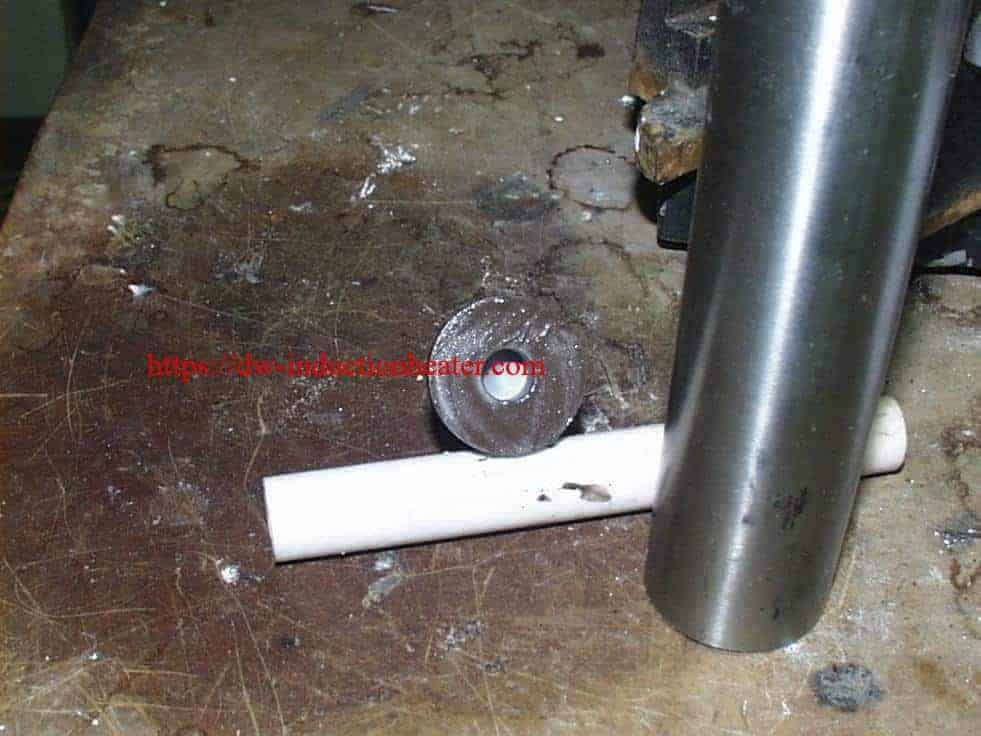
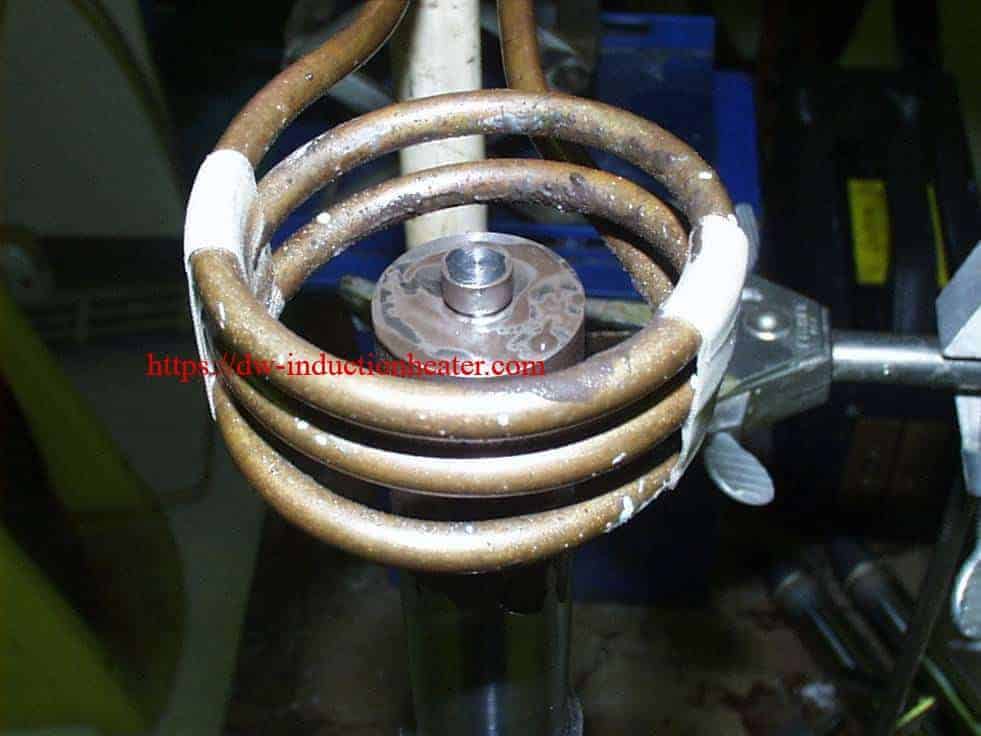
induction brazing brass pipe to brass part

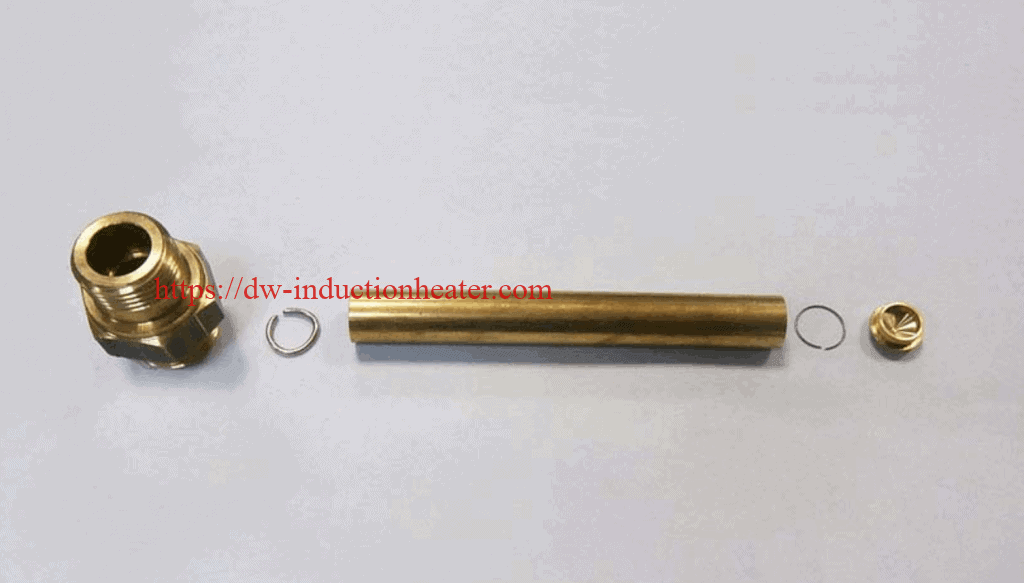
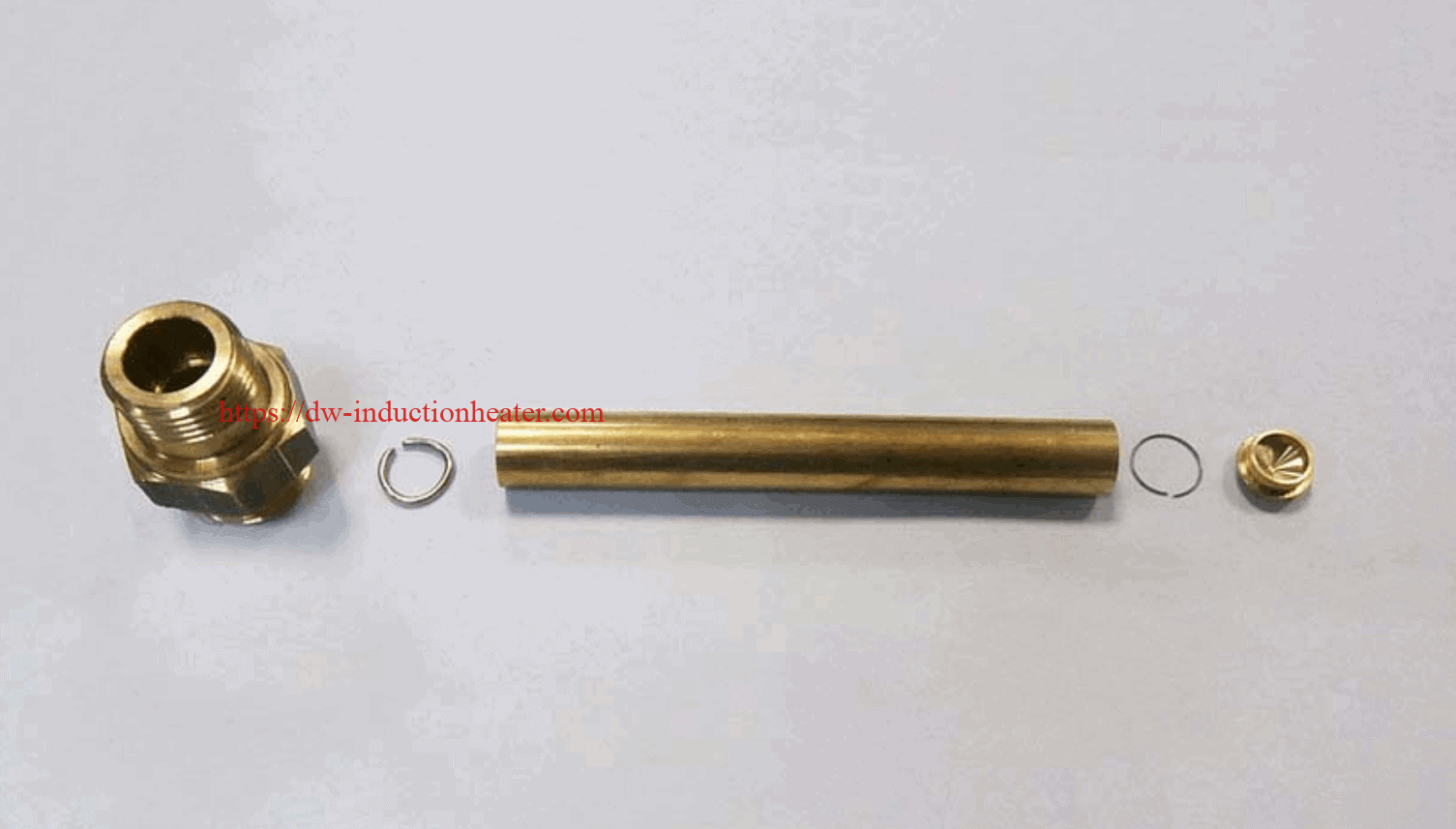
Objective High Frequency Induction Brazing brass pipe to brass part and a brass tip in under one minute using induction.
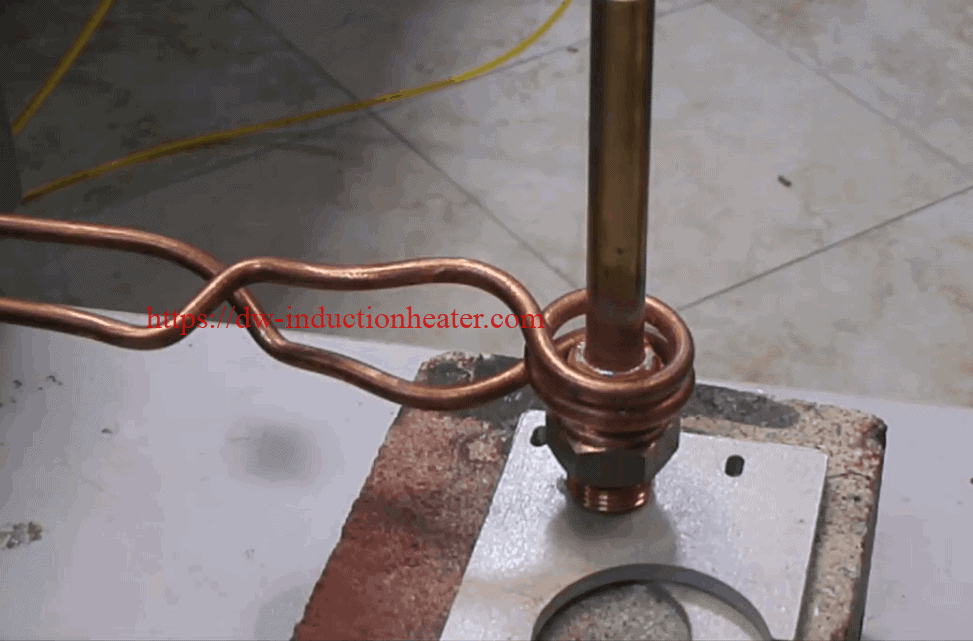
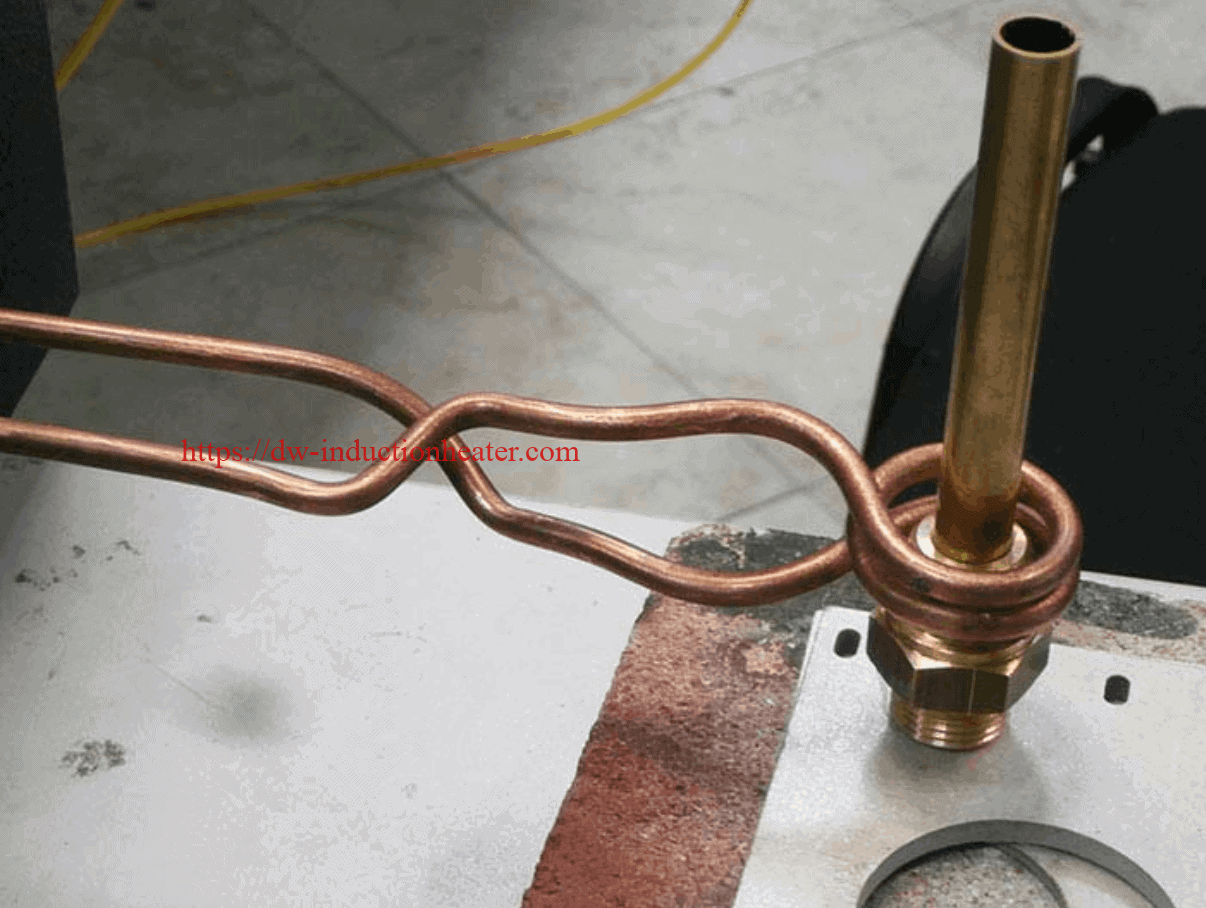
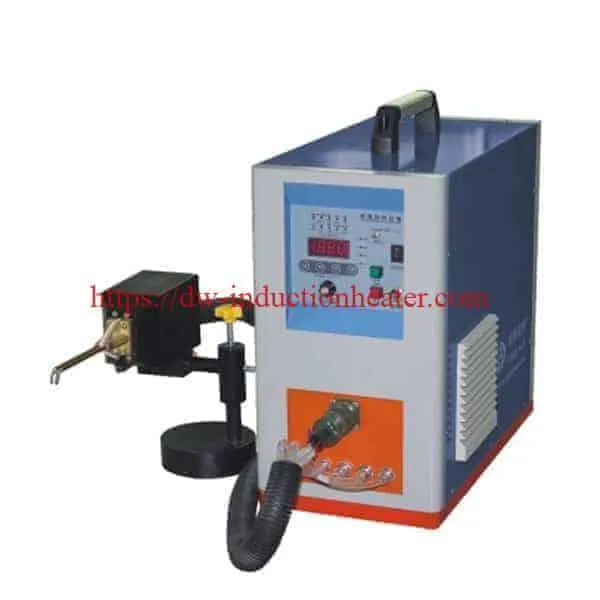
Equipment DW-UHF-6KW-III handheld induction brazing machine handheld inductino heater 2 turns coil Materials • Wide brass part • Brass pipe • Silver-based brazing alloy, provided by customer
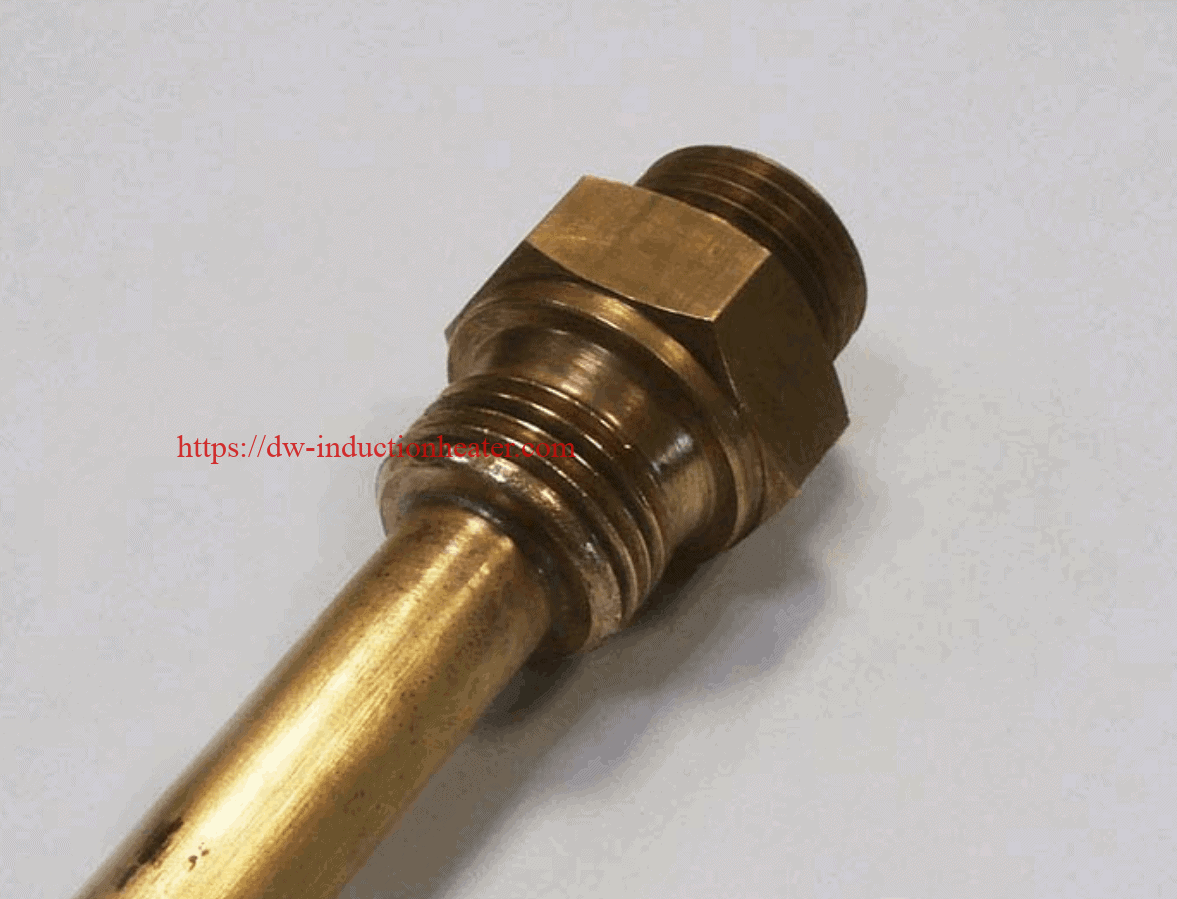
Test 1 – Pipe to wide part: Key Parameters Power: 4.4 kW Temperature: Approximately 1400° F (760° C) Time: 38 sec
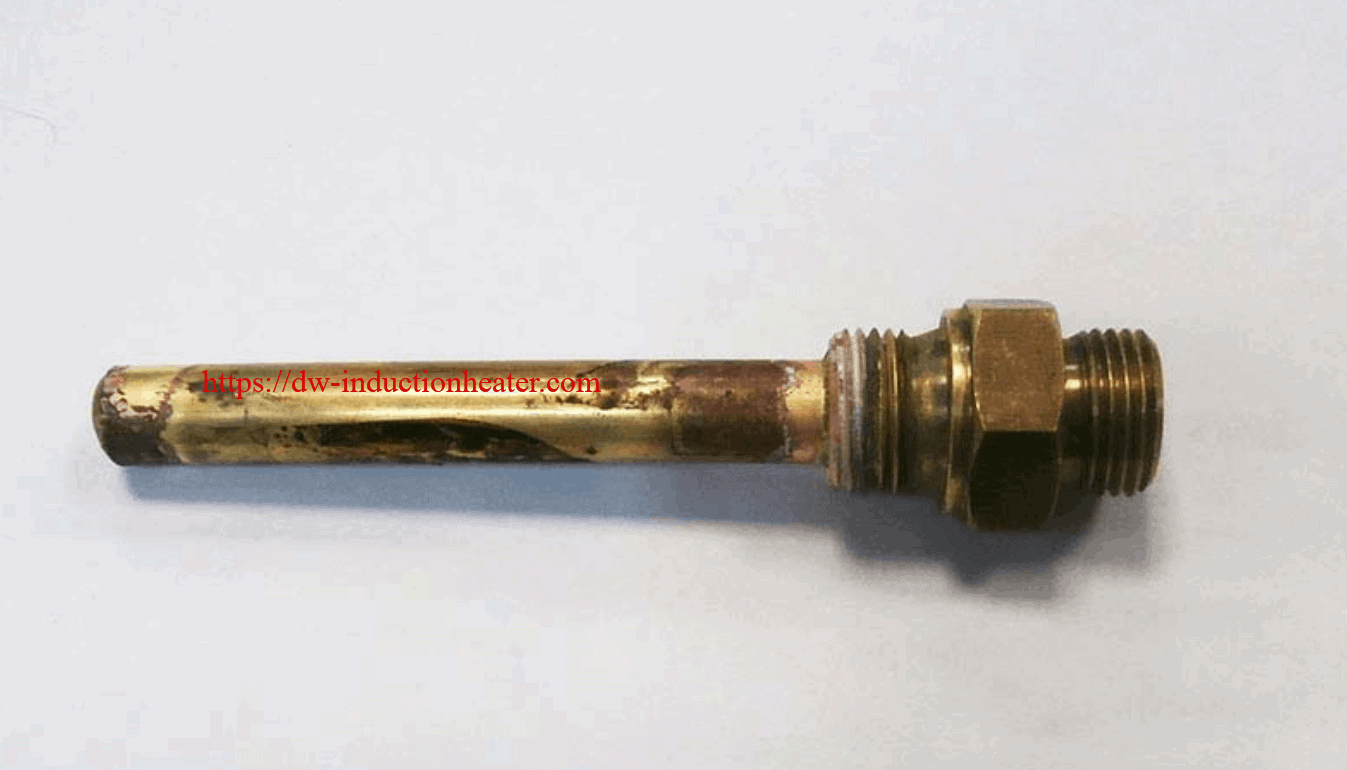
Test 2 – Pipe to tip: Key Parameters Power: 4.4 kW Temperature: Approximately 1400° F (760° C) Time: 17 sec
Process: Test 1
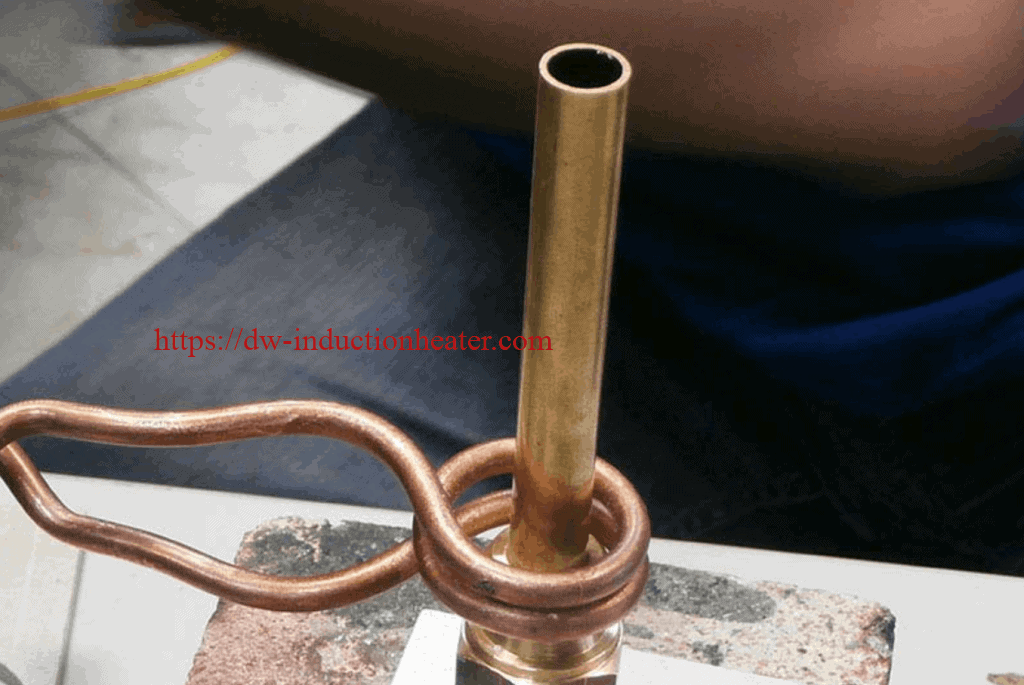
  • The wide part and brass pipe are assembled and a brazing alloy ring is placed between them.
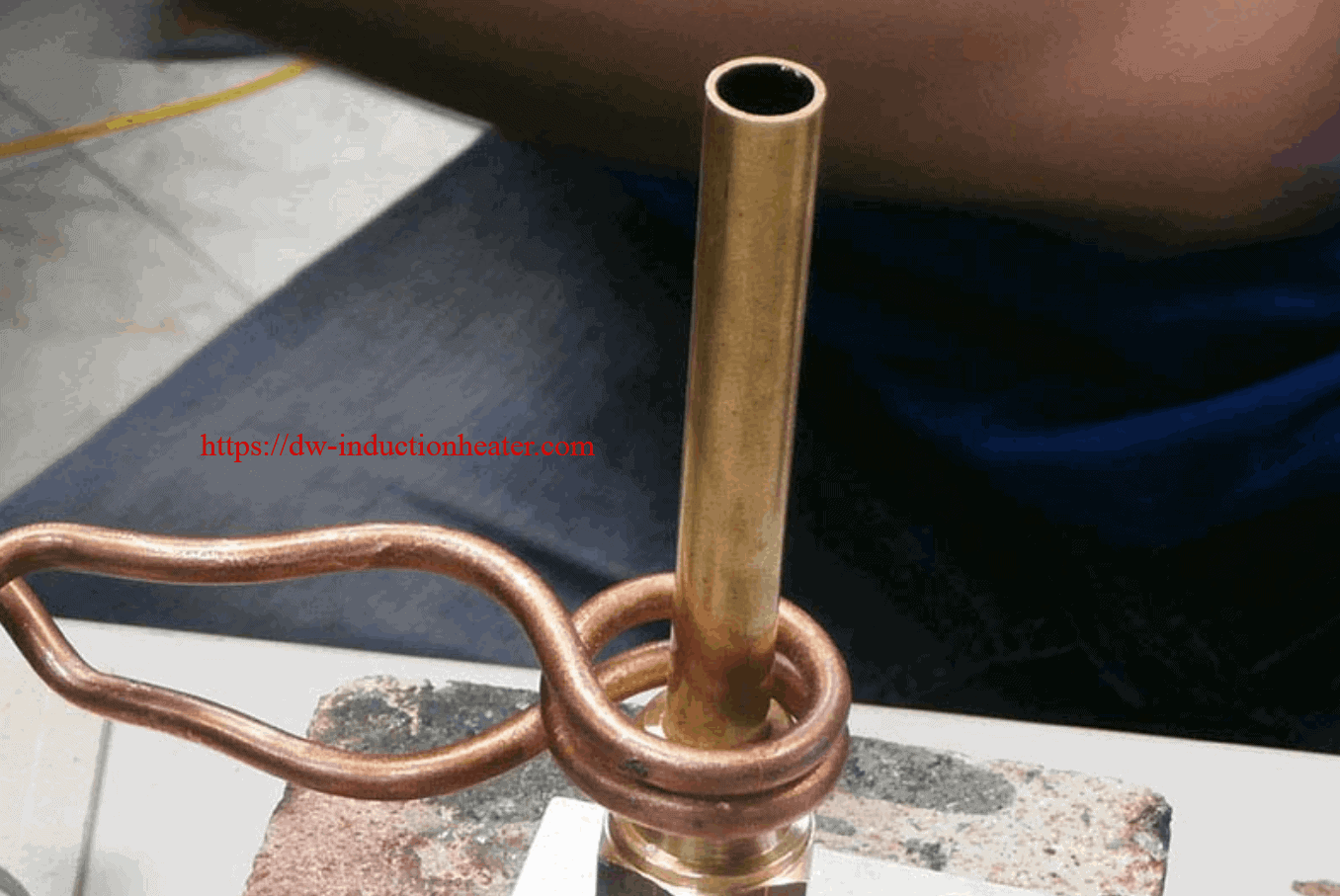
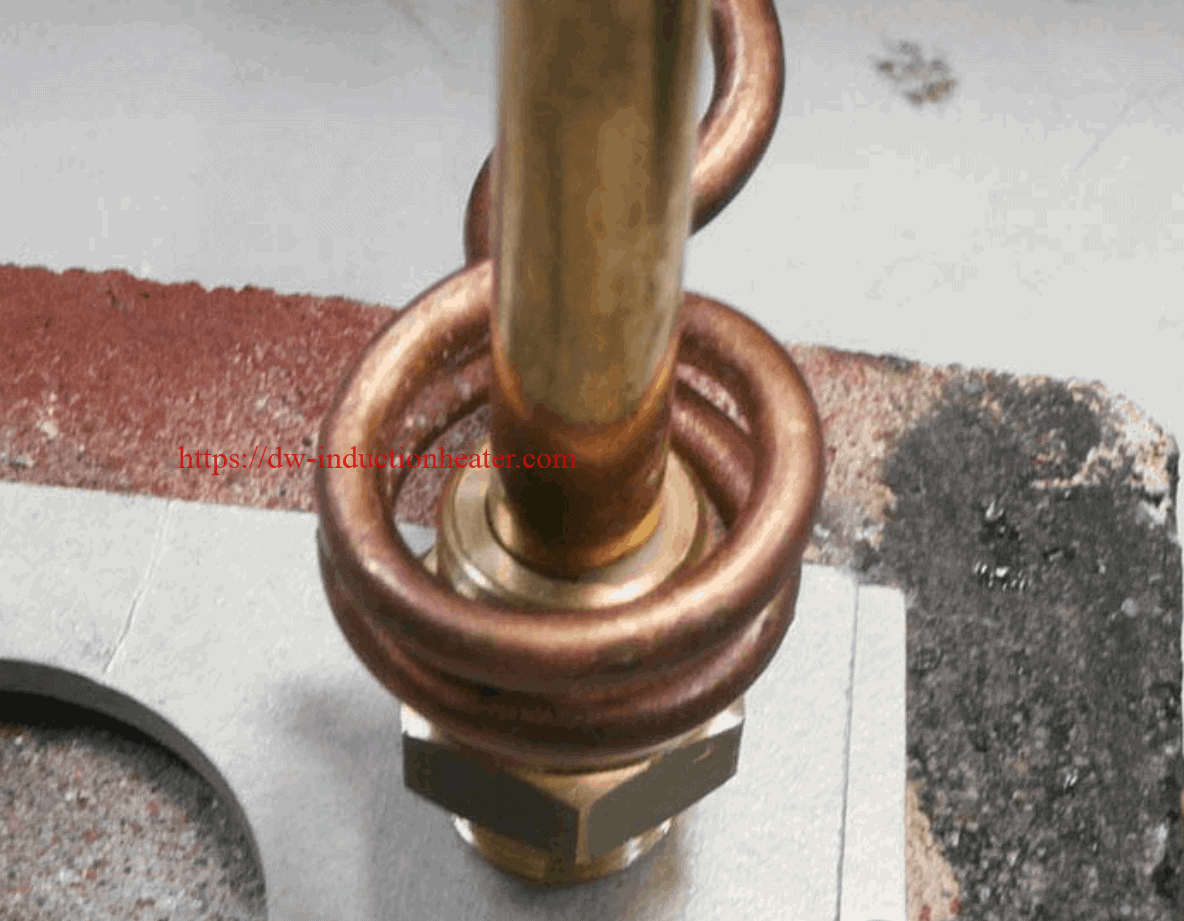
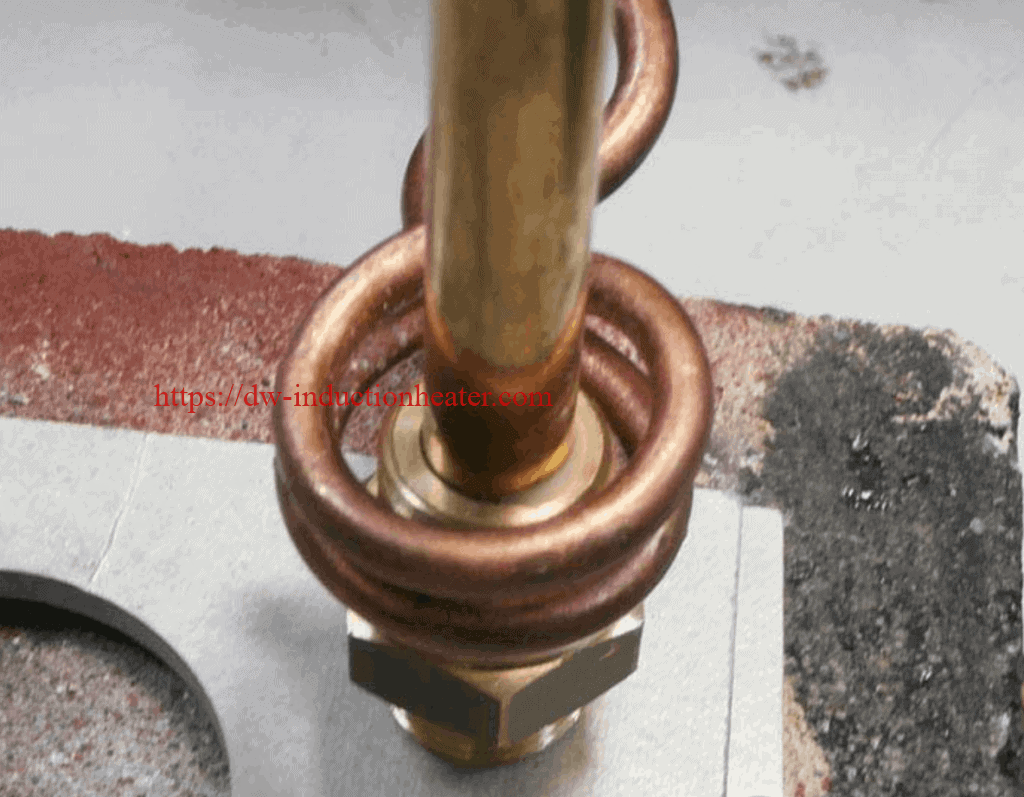
  • The assembly is put inside the induction heating coil and induction heat is applied.
  • The joint is completed in 38 seconds.
Test 2
  • The tip and pipe are assembled and a brazing alloy ring is placed between them.
  • The assembly is put inside the coil and induction heat is applied.
  • The joint is completed in 17 seconds.
Results/Benefits: Induction heating provides:
  • Strong durable joints
  • Selective and precise heat zone, resulting in less part distortion and joint stress than welding
  • Less oxidation
  • Faster heating cycles
  • More consistent results and suitability for large volume production, without the need for batch processing
  • Safer process than flame brazing

Induction Soldering Copper Wire Connectors

Objective The objective of this application test is to determine heating times for induction soldering copper wire connectors onto a copper coaxial cable. The customer would like to replace hand soldering with soldering irons, with induction soldering. Hand soldering can be labor intensive, and the resulting solder joint is highly dependent on the skill of the operator. Induction soldering allows finite process control, and provides a consistent result.
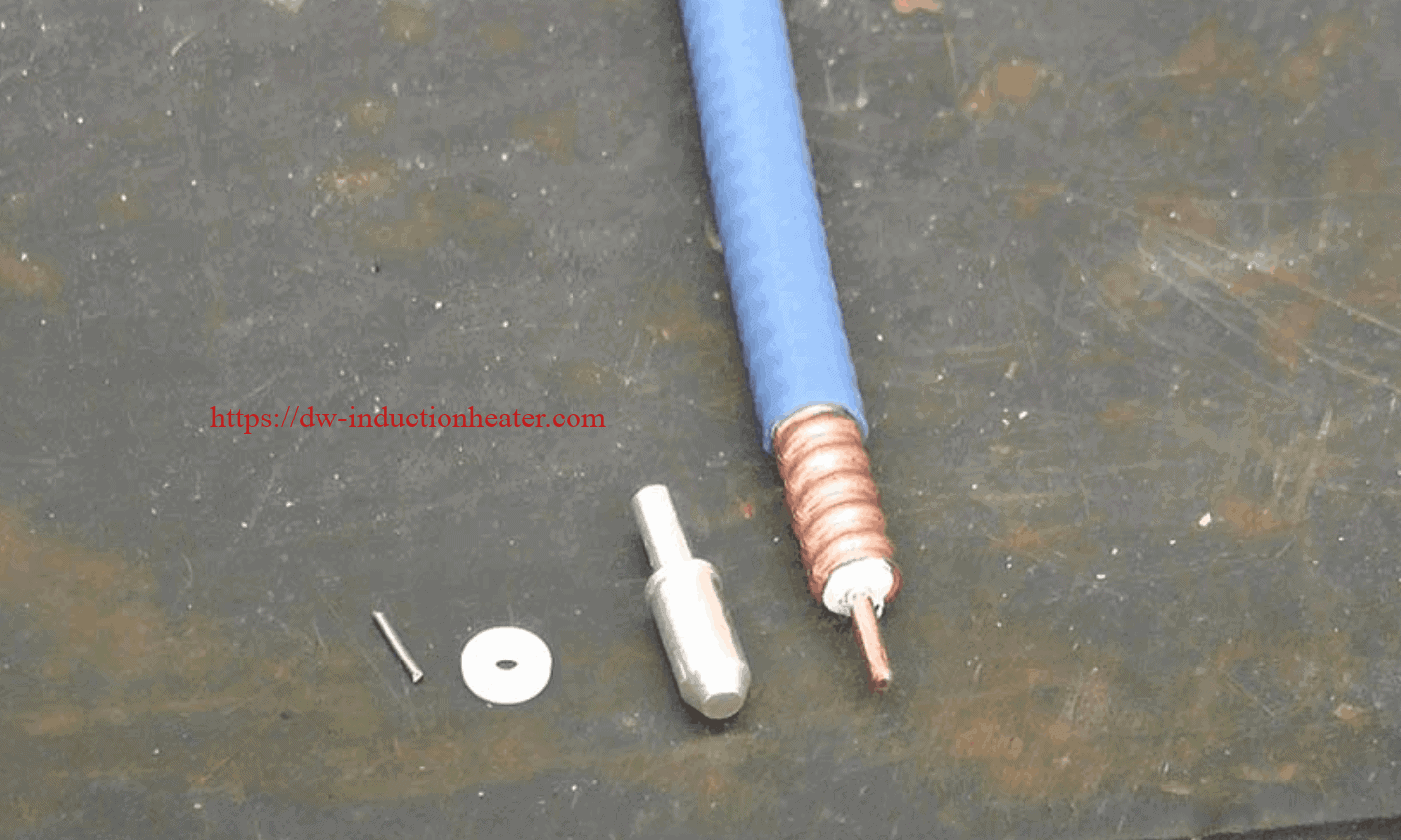
Equipment DW-UHF-6KW-III handheld induction brazing heater handheld inductino heaterMaterials • Copper coaxial cable • Plated copper connectors • Copper bullet-shaped internal connector • Copper pin-shaped internal connector • Solder wire • Carbon steel
Test 1: Soldering Copper Coax Center Conductor to Bullet-Shaped Center Pin Key Parameters Temperature: ~400°F (204°C) Power: 1.32 kW Time: 3 seconds for bullet connector
Test 2: Soldering Copper Coax center conductor to Needle-Shaped Center Pin Key Parameters Temperature: ~400°F (204°C) Power: 1.32 kW Time: 1.5 second for needle connector
Test 3: Soldering Copper Coax to the End Connector (Bullet-Shaped Center Pin) Key Parameters Temperature: ~400°F (204°C) Power: 1.8 kW Time: 30 seconds of heating time, followed by a 10 second cooling cycle
Test 4: Soldering Copper Coax to the End Connector (Needle-Shaped Center Pin) Key Parameters Temperature: ~400°F (204°C) Time: 30 seconds of heating time, followed by a 10 second cooling cycle
Process: For each type of center pin, the soldering process has two steps. First, soldering the center pin (bullet-shaped or needle-shaped) to the center conductor of the coaxial cable; and second, soldering the coaxial cable with the pin into the end connector Tests 1 and 2: Soldering copper coax center conductor to the connector center pin
  1. The internal connector pin (needle and bullet followed the same process) were assembled to the coaxial cable center conductor. A solder slug roughly ½ the length of the pin where the wire is to be soldered, was cut and placed in the receiving end of the center pin. The copper conductor of the coax was positioned to rest on the solder slug in the pin with light pressure downward.
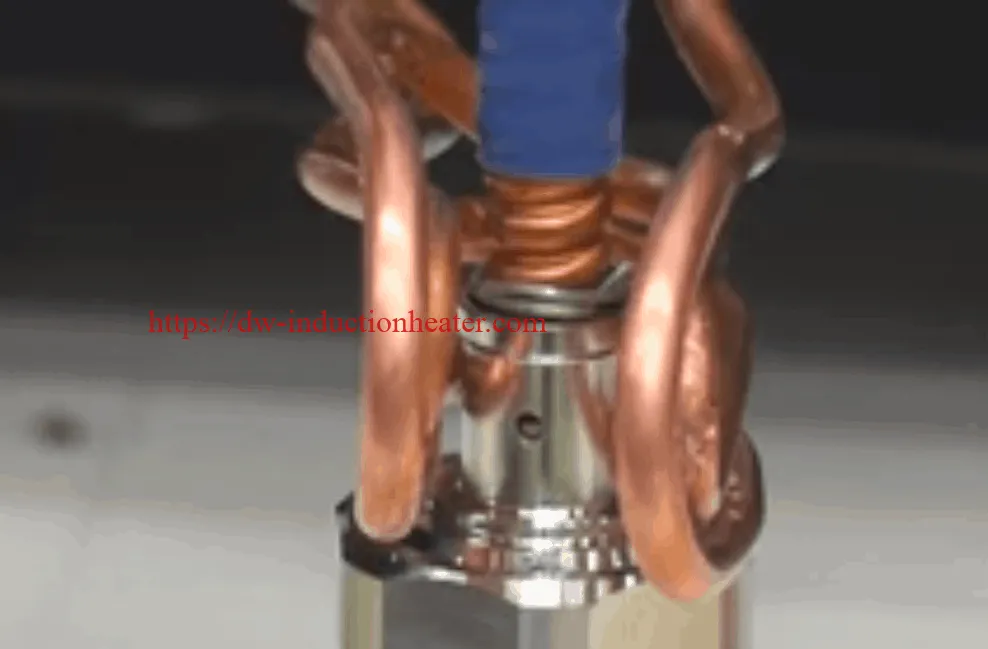
  2. The assembly was placed into a two-turn induction coil, and power was turned on.
  3. As the solder melted, the copper conductor of the coax seated into the center pin. The assembly was held still for several more seconds as the solder cooled. Note: it is important to keep the solder joint still until it has cooled. If movement occurs, a “cold” solder joint can result.
Tests 3 and 4: Soldering copper screw-type end connector to the Center Pin
  1. Solder wire was wound around the corrugated flutes of the coax. The coax with solder was placed into the end connector.
  2. The assembly was placed into a u-shaped induction coil, and power was turned on.
  3. Heat time – 30 seconds for either assembly followed by a 10 second hold to let the alloy solidify.
Results/Benefits: The soldering was successful, and confirmed that induction soldering copper wire connectors is an excellent alternative to hand soldering.
  • Precise control of the time and temperature
  • Power on demand with rapid heat cycles
  • Repeatable process, not operator dependent
  • Safe heating with no open flames
  • Energy efficient heating

Application of Induction Heating In Food

Application of Induction Heating In Food Processing

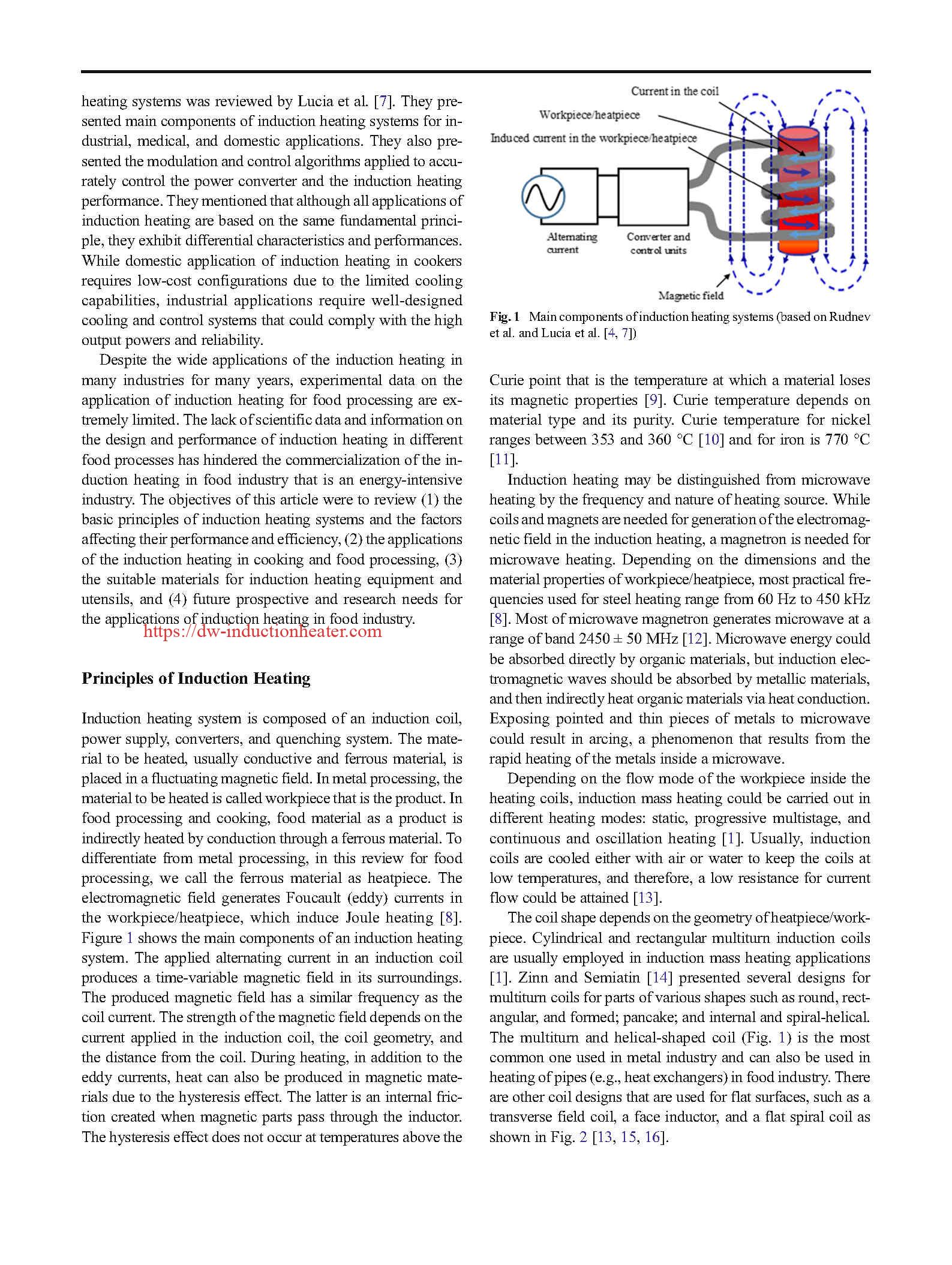
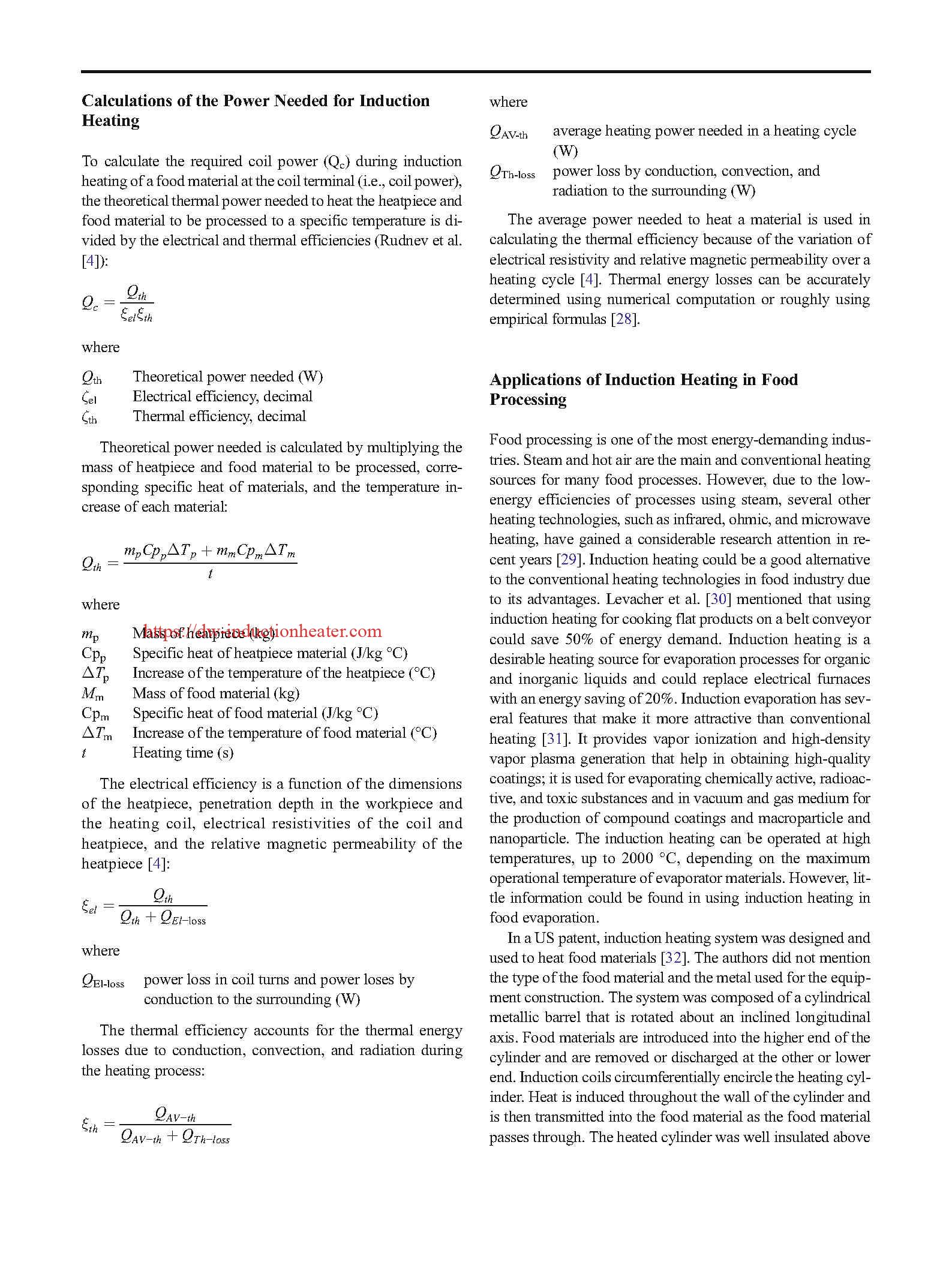
Induction heating is an electromagnetic heating technology that has several advantages such as high safety, scalability, and high energy efficiency. It has been applied for a long time in metal processing, medical applications, and cooking. However, the application of this technology in food processing industry is still in its early stages. The objectives of this article were to review the basics of induction heating technology and the factors affecting its performance and to assess the application status of this technology in food processing. The research needs and future perspectives of this technology in food processing are also presented. Although several patents on using the induction heating to process food materials are available, there is still a need to generate more scientific data on the design, performance, and energy efficiency of the induction heating technology to be applied in different unit operations, such as drying, pasteurization, sterilization, and roasting, in food processing. It is needed to optimize different design and operational parameters, such as applied current frequency, type of equipment material, equipment size and configuration, and coil configurations. The information on the effect of the induction heating on sensory and nutritional quality of different food materials is lack. Research is also needed to compare the efficiency of the induction heating and other heating technologies, such as infrared, microwave, and ohmic heating, for food processing applications. Application of Induction Heating in Food Processing and Cooking

Induction Brazing Carbide To Stainless Steel

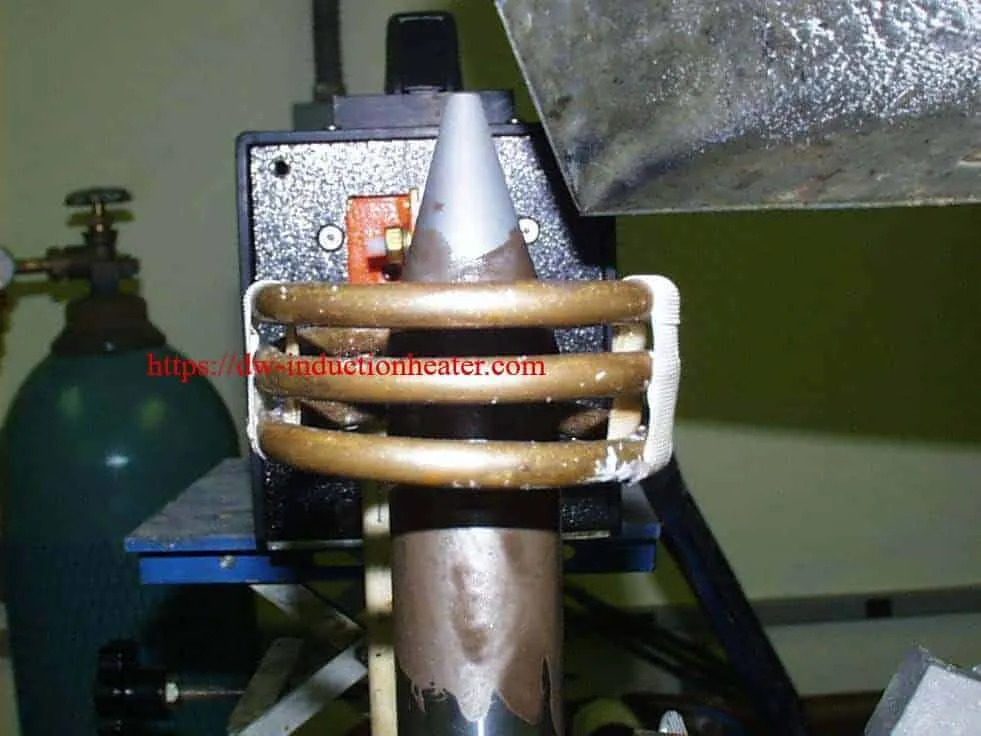
Induction Brazing Carbide To Stainless Steel Shaft With IGBT Heating Units Objective Brazing a cone shaped carbide to a stainless steel shaft for a digger Material Cone shaped carbide 1.12” (28.4mm) dia, 1.5”(38.1mm) tall, stainless steel shaft 1.12” (28.4mm) dia and various length, black brazing flux and braze shims Temperature 1500 ºF (815 ºC) Frequency 277 kHz Equipment • DW-UHF-10 kW induction heating system, equipped with a remote workhead containing two 1.0μF capacitors for a total of 0.5μF • An induction heating coil designed and developed specifically for this application. Process A three turn helical coil is used to braze the carbide to the shaft. The steel shaft is fluxed and the braze shim placed on top. The carbide tip is fluxed and placed on top of the shim, lining up the countersunk hole in the carbide. The hole is not fluxed because the flux outgases and causes the carbide to build up pressure and attempt to repel from the shaft. Power is applied for 85 seconds for the braze shim to flow and make a good joint. DAWEI’s customer has a customer who is unhappy with the braze quality of their digger so our customer is looking for a better quality brazing process. DAWEI’s customer is very happy with the sample brazed diggers and the help he received from the Ameritherm lab in developing his brazing process. Results/Benefits Induction heating provides: • Rapid localized heating only where needed • Creates clean, controllable joints • Hands-free heating that involves no operator skill for manufacturing • Even distribution of heating brazing carbide to shaft             induction brazing carbide to shaft               brazing carbide to stainless steel shaft

Induction Brazing Copper Assembly

Induction Brazing Copper Assembly With High Frequency Heating Equipment Objective Brazing a copper pivot assembly Material Two copper uprights 2” (5cm) wide x 4” (10.2cm) high, copper base 3” (7.6cm) x 2” (5cm) and .5” (1.3mm) thick with 2 channels for the uprights to the slide into, braze shims and black flux Temperature 1350 ºF (732 ºC) Frequency 200 kHz Equipment •DW-UHF-20kW induction heating system, equipped with a remote workhead containing two 1.0μF capacitors for a total of 0.5μF • An induction heating coil designed and developed specifically for this application. Process A three turn helical coil is used to heat the base of the assembly. The copper uprights and two braze shims are placed in the grooves in the base and black flux is applied. The assembly is placed in the coil and power is applied for 4 minutes to braze both the uprights in place. Results/Benefits Induction heating provides: • Rapid localized heat which can minimize oxidation and reduce cleaning after joining • Consistent and repeatable joints • Hands-free heating that involves no operator skill for manufacturing • Even distribution of heating

Brazing Copper Assemblies With Induction

Brazing Copper Assemblies With Induction Objective:To heat copper ‘T’ assemblies to 1400(760) ºF(ºC) for brazing Material: Copper ‘T’ assemblies,Silver-copper eutectic braze,White flux Temperature: 1400(760) ºF(ºC) Frequency: 250 kHz Equipment: DW-UHF-20KW, 450 kHz solid state induction power supply with a remote heat station containing two 1.32 mF capacitors (total capacitance 0.66 mF). A custom-designed induction heating coil. Process A custom double-wound pancake-helical coil combination is used to efficiently transfer RF Induction Heating power. Tests were conducted using temperature indicating paint to establish heating profiles and time-to-temperature. After the optimum time-totemperature of 3-5 minutes is established, a braze ring is placed at the joint and white flux applied to the joint area. The first joint on each piece takes 5 minutes with subsequent joints on the same copper piece taking much less time (~3 minutes). Results/Benefits · Semi-automatic process reduces amount of operator laborinvolved· Easy and effective completion of braze joints

2023年3月31日星期五

What Is Induction Heating Coil&Inductor?

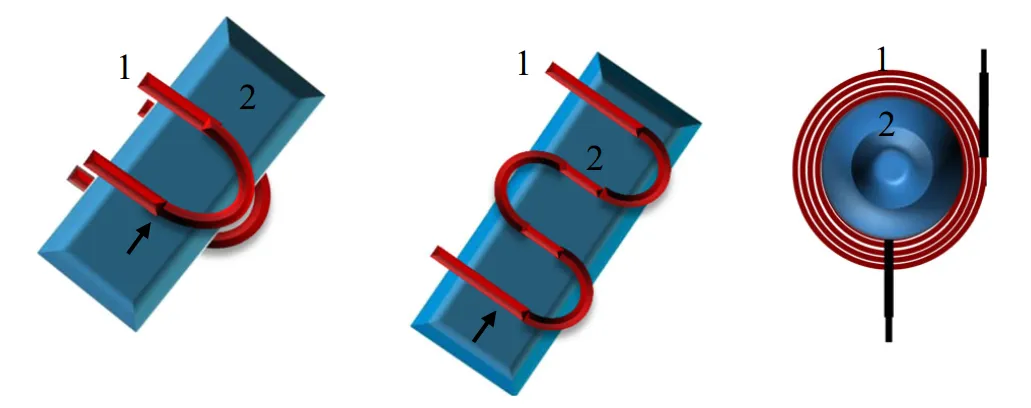
What is induction heating coil & inductor? The varying magnetic field required for induction heating is developed in the induction heating coil via the flow of AC (alternating current) in the coil. The coil can be made in many shapes and sizes to custom fit a specific application. The coils can range from tiny coils made of copper tubing used for precise heating of extremely small parts in applications such as soldering and ferrule heating to large coil assemblies of copper tubing used in applications such as strip metal heating and pipe heating. What is the importance of the induction heating coil (inductor)? The induction coil design is one of the most important aspects of an induction heating system. The coil is a custom design to give your work piece or part the proper heating pattern, maximize efficiency of the induction heating power supply’s load matching system, and to accomplish these tasks while still permitting ease of loading and unloading your part.

关注者

我的简介

我的照片
HLQ induction heating machine manufacturer provides the service of induction brazing,melting,hot forming,hardening surface,annealing,shrink fitting,PWHT,etc.