显示标签为“inductioncoil”的博文。显示所有博文

2024年1月15日星期一

The Ultimate Guide to Induction Heating Coil Design for Engineers

Induction heating coil design involves creating a coil that can generate an alternating magnetic field with enough power to heat a metal object.

Induction heating is a widely-used process that involves heating metal objects without direct contact. This technique has revolutionized industries ranging from automotive to aerospace and is now widely adopted in manufacturing and research settings. One of the most critical components of an induction heating system is the induction coil. The design of the coil plays a crucial role in the efficiency, accuracy, and performance of the system. For engineers working in the field of induction heating, understanding the principles of coil design is essential. In this article, we will provide a comprehensive guide to induction heating coil design, covering the basic principles, types of coils, and factors to consider during the design process. Whether you are a beginner or an experienced professional, this guide will provide you with the knowledge and tools you need to design and optimize induction heating coils for your specific application.

1. Introduction to induction heating and induction coil design

Induction heating is a process that uses an electromagnetic field to heat up a material. It is a popular method used in various industries, such as metalworking, automotive, and aerospace. One of the critical components of induction heating is the induction coil. The induction coil is responsible for creating the electromagnetic field that heats up the material. The design of the induction coil is a crucial factor in the induction heating process. In this guide, we will introduce you to induction heating and induction coil design to help you design a successful induction heating system. We will start by discussing the basics of induction heating, including how it works, its advantages, and its applications. We will then dive into induction coil design, covering the key factors that influence the design process, including coil shape, size, and materials. We will also discuss different types of induction coils, such as air-core and ferrite-core coils, and their respective advantages and disadvantages. By the end of this guide, you will have a solid understanding of induction heating and induction coil design, and you will be able to design your own induction heating system.

2. Basic principles of induction coil design

The basic principles of induction coil design are straightforward. The purpose of an induction coil is to transfer electrical power from the power source to the workpiece. This is accomplished by creating a magnetic field that
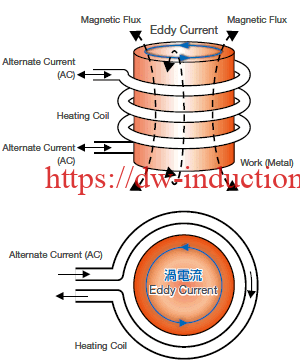
surrounds the workpiece. When the workpiece is placed in the magnetic field, electrical current is induced in the workpiece. The amount of electrical current that is induced in the workpiece is directly proportional to the strength of the magnetic field that surrounds it. The first step in designing an induction coil is to determine the size and shape of the workpiece that will be heated. This information will be critical in determining the size and shape of the coil that will be needed. Once the size and shape of the workpiece have been determined, the next step is to calculate the amount of power that will be needed to heat the workpiece to the desired temperature. The basic principles of induction coil design also include the selection of the appropriate materials for the coil. The coil needs to be made of materials that can withstand the high temperatures and magnetic fields that are generated during the heating process. The type of material that is used for the coil will depend on the specific application and the temperature requirements. Overall, understanding the basic principles of induction coil design is essential for engineers who are designing induction heating systems. With this knowledge, they will be able to create efficient and effective heating systems that meet the specific needs of their applications.

3. Types of induction coils

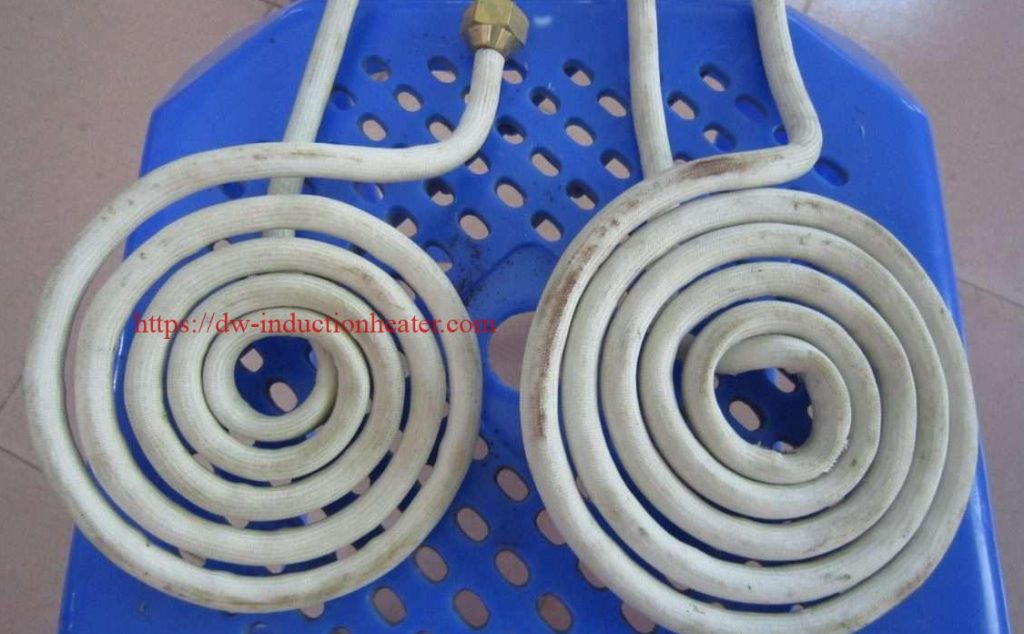
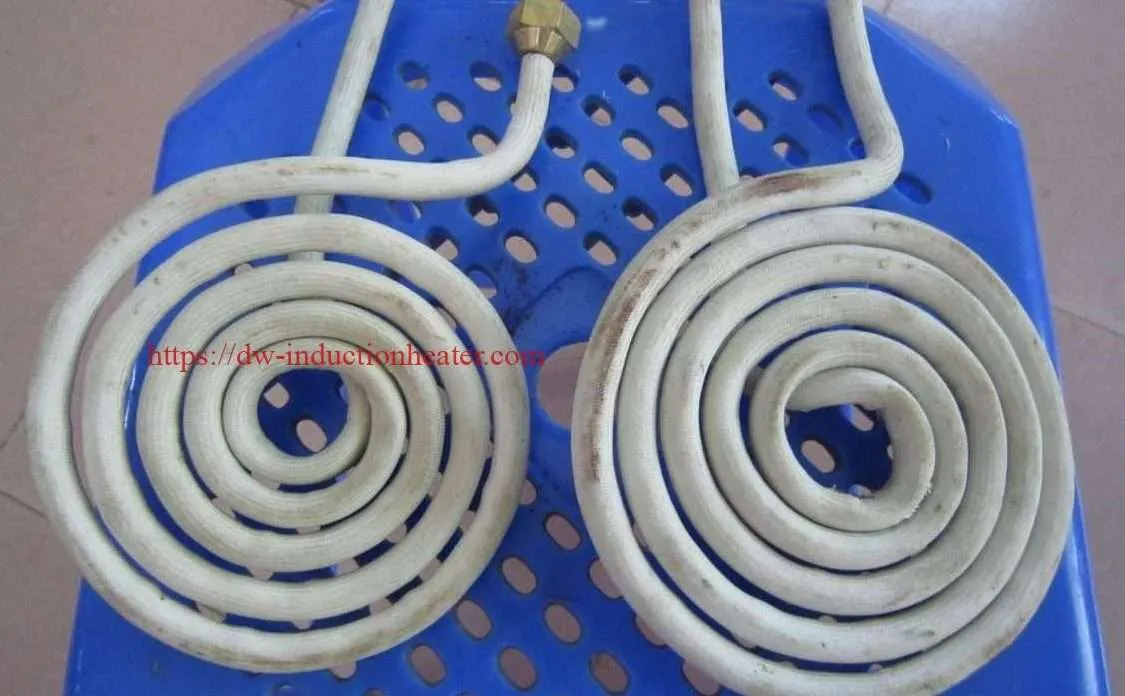
There are several types of induction coils that engineers can use in their designs, depending on the application and requirements. Here are some of the most common types: 1. Pancake Coil: This type of coil is flat and circular, with the turns of the coil parallel to the ground. It is commonly used for heating flat objects, such as sheets of metal or plastic. 2. Helical Coil: This coil has a cylindrical shape, with the turns of the coil going around the length of the cylinder. It is commonly used for heating long, thin objects such as wires, rods or tubes. 3. Cylindrical Coil: This coil has a cylindrical shape, but the turns of the coil go around the circumference of the cylinder. It is commonly used for heating large, cylindrical objects such as pipes or tubes. 4. Concentric Coil: This type of coil consists of two or more coils, with the turns of each coil placed concentrically around each other. It is commonly used for heating smaller objects, or for applications where precise control over the heating pattern is required. 5. Custom Coils: Engineers may also design custom coils for specific applications, such as irregularly shaped objects or unique heating requirements. These coils can be very complex and require advanced design techniques. By understanding the different types of induction coils available, engineers can select the right coil for their application and optimize the performance of their induction heating systems.
4.Factors Involved in Induction Heating Coil Design:

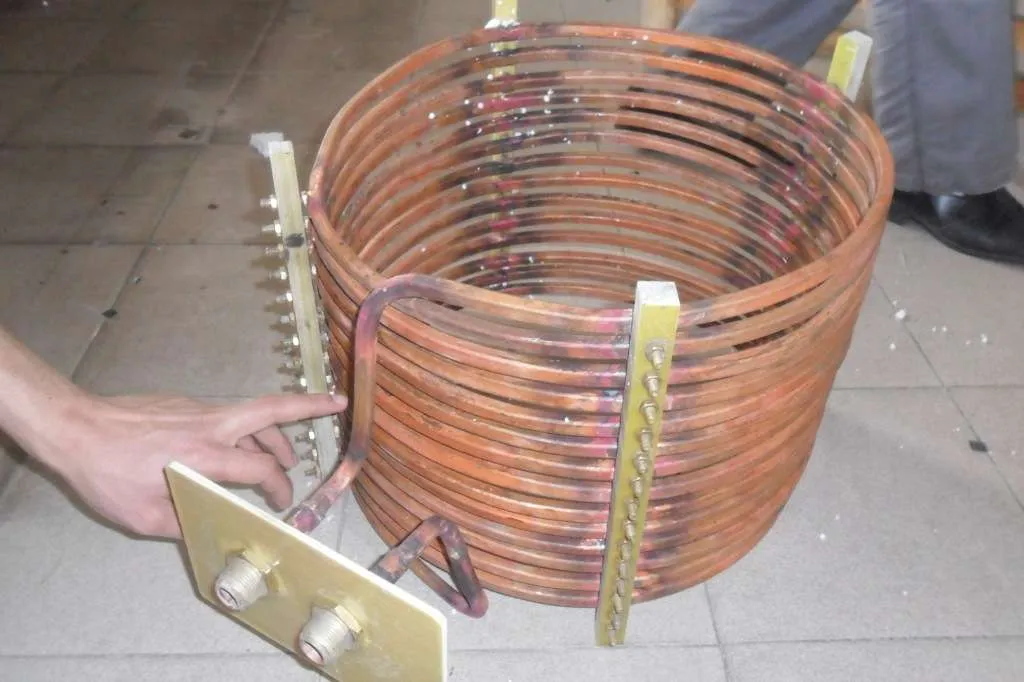
1. Coil Geometry: The geometry of the coil is an important factor in determining the effectiveness of the induction heating process. There are different shapes of coils, including circular, square, and rectangular. The shape and dimensions of the coil will determine the distribution of energy within the heated object. The geometry of the coil should be such that the energy is distributed evenly, and there are no cold spots. 2. Coil Material: The material used to make the coil also plays a significant role in the efficiency of the induction heating process. The choice of material depends on the frequency of the alternating magnetic field used and the temperature of the heated object. Generally, copper and aluminum are the commonly used materials for induction heating coils. Copper is the most preferred material because of its high conductivity and resistance to high temperatures. 3. Number of Turns: The number of turns in the induction heating coil also affects the efficiency of the process. The number of turns determines the distribution of the voltage and current within the coil, which directly affects the energy transfer to the heated object. Generally, a higher number of turns in the coil will increase the resistance, which will result in lower efficiency. 4. Cooling Mechanism: The cooling mechanism used in the induction heating coil also plays a critical role in the design. The cooling mechanism ensures that the coil does not overheat during operation. There are different types of cooling mechanisms, including air cooling, water cooling, and liquid cooling. The choice of cooling mechanism depends on the temperature of the heated object, the frequency of the alternating magnetic field, and the power rating of the coil. Conclusion: The induction heating coil design is critical to the efficiency and effectiveness of the induction heating process. The geometry, material, number of turns, and cooling mechanism are the key factors involved in the design. To achieve optimal performance, the coil should be designed such that the energy is distributed evenly within the heated object. Additionally, the material used to make the coil should have high conductivity and resistance to high temperatures. Finally, the cooling mechanism used in the coil should be selected based on the temperature of the heated object, the frequency of the alternating magnetic field and the power rating of the coil.   https://dw-inductionheater.com/the-ultimate-guide-to-induction-heating-coil-design-for-engineers.html?feed_id=232315&_unique_id=65a61014b4c35
2024年1月3日星期三

Efficient and Versatile Induction Heating Coils for Precision Heat Treatment

Induction heating coils are a type of heating element commonly used in induction heating systems. These coils are typically made of copper or other conductive materials and are designed to generate an alternating magnetic field when an alternating electrical current passes through them. The alternating magnetic field induces eddy currents in the object being heated, causing it to rapidly heat up. Induction heating coils are widely used in various industrial applications such as metalworking, heat treatment, and soldering, as they offer fast and efficient heating with precise temperature control. In today's fast-paced world, industries are constantly seeking innovative and efficient ways to improve their manufacturing processes. One such technological advancement that has revolutionized heat treatment technologies is the induction heating coil. Induction heating coils are widely used in various industries, including automotive, aerospace, electronics, and manufacturing, due to their ability to generate heat quickly and precisely. This article aims to explore the working principles, applications, advantages, and future prospects of induction heating coils. 1. Working Principles of Induction Heating Coils Induction heating coils operate on the principle of electromagnetic induction. The process involves passing an alternating current (AC) through a coil, which generates a magnetic field. When a conductive material is placed within this magnetic field, eddy currents are induced in the material. These eddy currents generate heat due to the resistance of the material. The heat generated can be controlled by adjusting the frequency and power of the alternating current. 2. Types of Induction Heating Coils There are several types of induction heating coils available, each designed for specific applications. Some common types include: 2.1. Helical Heating Coils Helical coils consist of a single wire wound in a helix shape. They are suitable for heating cylindrical objects, such as pipes or rods, as the helical shape allows for uniform heating along the length of the object. 2.2. Pancake Coils   Pancake coils, also known as flat coils, are flat, circular coils that are ideal for heating flat or irregularly shaped objects. They provide a concentrated magnetic field, ensuring efficient and localized heating. 2.3. Cylindrical Coils Cylindrical coils are designed for heating large, cylindrical objects, such as barrels or tanks. They are typically made up of multiple turns of wire wound around a cylinder, providing a uniform magnetic field for even heating. 2.4. Induction Coils for Hardening Induction coils for hardening are specialized coils used in the heat treatment process known as induction hardening. These coils are designed to achieve rapid and precise heating of specific areas of a metal component, resulting in increased hardness and wear resistance. 2.5 Fork Coils Fork coils have two fork-like tines that are used to heat two opposing sides of a workpiece. They are often used for brazing applications. 3. Applications of Induction Heating Coils 3.1. Surface Hardening One of the primary applications of induction heating coils is surface hardening. The localized heating provided by these coils allows for precise control over the hardening process, resulting in improved wear resistance and durability of components such as gears, shafts, and bearings. 3.2. Brazing and Soldering Induction heating coils are widely used in brazing and soldering applications. The rapid and localized heating provided by these coils enables efficient joining of various metal components, including pipes, wires, and electronic components. 3.3. Annealing and Stress Relieving Induction heating coils are also used for annealing and stress relieving processes. These processes involve heating metal components to a specific temperature and then gradually cooling them. Induction heating coils provide precise and controlled heating, ensuring uniformity throughout the component. 3.4. Shrink Fitting Shrink fitting is a process that involves heating a metal component to expand it, allowing for easy assembly with another component. Induction heating coils provide rapid and localized heating, making them ideal for shrink fitting applications in industries such as automotive and manufacturing. 3.5. Melting and Casting Induction heating coils are commonly used for melting and casting metals. The high-frequency heating provided by these coils allows for efficient and controlled melting of various metals, including steel, aluminum, and copper. 4. Advantages of Induction Heating Coils 4.1. Efficiency and Energy Savings Induction heating coils offer high energy efficiency due to their ability to generate heat directly within the material being heated. This eliminates the need for preheating and minimizes heat losses, resulting in significant energy savings. 4.2. Rapid Heating Induction heating coils provide rapid heating, allowing for shorter process times and increased productivity. This is especially beneficial in industries where time is a critical factor, such as automotive and electronics manufacturing. 4.3. Precise and Controlled Heating Induction heating coils offer precise and controlled heating, enabling manufacturers to achieve consistent and uniform results. The ability to adjust the power and frequency of the alternating current allows for precise temperature control, ensuring the desired heat treatment outcome. 4.4. Safety and Environmentally Friendly Induction heating coils are a safe and environmentally friendly heating solution. As heat is generated directly within the material being heated, there is no open flame or hot surface, minimizing the risk of accidents. Additionally, induction heating coils do not produce harmful emissions or waste, making them a sustainable choice. 5. Future Prospects and Innovations The field of induction heating coils continues to evolve, with ongoing research and development focused on enhancing their performance and expanding their applications. Some future prospects and innovations include: 5.1. Integration with Industry 4.0 Technologies The integration of induction heating coils with Industry 4.0 technologies, such as artificial intelligence and the Internet of Things (IoT), holds great potential. This integration can enable real-time monitoring and control of the heating process, optimizing efficiency and productivity. 5.2. Advancements in Coil Design Advancements in coil design, such as the use of advanced materials and geometries, can further enhance the efficiency and performance of induction heating coils. These advancements can lead to improved heat distribution, reduced energy consumption, and increased durability. 5.3. Development of New Heating Techniques Researchers are continuously exploring new heating techniques using induction heating coils. Techniques such as selective heating, where specific areas of a component are heated, and simultaneous heating of multiple components are being studied for their potential applications in various industries. Conclusion Induction heating coils have revolutionized heat treatment technologies, offering efficient, precise, and controlled heating solutions. Their applications in surface hardening, brazing, annealing, and many other processes have significantly improved manufacturing processes across various industries. With ongoing advancements and innovations, the future of induction heating coils looks promising, with potential integration with Industry 4.0 technologies and the development of new heating techniques. As industries continue to strive for improved productivity and sustainability, induction heating coils will undoubtedly play a crucial role in meeting these goals. https://dw-inductionheater.com/efficient-and-versatile-induction-heating-coils-for-precision-heat-treatment.html?feed_id=231436&_unique_id=6595a336a1810

2023年11月4日星期六

What Is Induction Heating Coil&Inductor?

What is induction heating coil & inductor? The varying magnetic field required for induction heating is developed in the induction heating coil via the flow of AC (alternating current) in the coil. The coil can be made in many shapes and sizes to custom fit a specific application. The coils can range from tiny coils made of copper tubing used for precise heating of extremely small parts in applications such as soldering and ferrule heating to large coil assemblies of copper tubing used in applications such as strip metal heating and pipe heating. What is the importance of the induction heating coil (inductor)? The induction coil design is one of the most important aspects of an induction heating system. The coil is a custom design to give your work piece or part the proper heating pattern, maximize efficiency of the induction heating power supply’s load matching system, and to accomplish these tasks while still permitting ease of loading and unloading your part. https://dw-inductionheater.com/what-is-induction-heating-coil-inductor.html?feed_id=230196&_unique_id=65471603d3f86

2023年10月7日星期六

What Is Induction Heating Coil&Inductor?

What is induction heating coil & inductor? The varying magnetic field required for induction heating is developed in the induction heating coil via the flow of AC (alternating current) in the coil. The coil can be made in many shapes and sizes to custom fit a specific application. The coils can range from tiny coils made of copper tubing used for precise heating of extremely small parts in applications such as soldering and ferrule heating to large coil assemblies of copper tubing used in applications such as strip metal heating and pipe heating. What is the importance of the induction heating coil (inductor)? The induction coil design is one of the most important aspects of an induction heating system. The coil is a custom design to give your work piece or part the proper heating pattern, maximize efficiency of the induction heating power supply’s load matching system, and to accomplish these tasks while still permitting ease of loading and unloading your part.

2023年8月20日星期日

Efficient and Versatile Induction Heating Coils for Precision Heat Treatment

Induction heating coils are a type of heating element commonly used in induction heating systems. These coils are typically made of copper or other conductive materials and are designed to generate an alternating magnetic field when an alternating electrical current passes through them. The alternating magnetic field induces eddy currents in the object being heated, causing it to rapidly heat up. Induction heating coils are widely used in various industrial applications such as metalworking, heat treatment, and soldering, as they offer fast and efficient heating with precise temperature control. In today's fast-paced world, industries are constantly seeking innovative and efficient ways to improve their manufacturing processes. One such technological advancement that has revolutionized heat treatment technologies is the induction heating coil. Induction heating coils are widely used in various industries, including automotive, aerospace, electronics, and manufacturing, due to their ability to generate heat quickly and precisely. This article aims to explore the working principles, applications, advantages, and future prospects of induction heating coils. 1. Working Principles of Induction Heating Coils Induction heating coils operate on the principle of electromagnetic induction. The process involves passing an alternating current (AC) through a coil, which generates a magnetic field. When a conductive material is placed within this magnetic field, eddy currents are induced in the material. These eddy currents generate heat due to the resistance of the material. The heat generated can be controlled by adjusting the frequency and power of the alternating current. 2. Types of Induction Heating Coils There are several types of induction heating coils available, each designed for specific applications. Some common types include: 2.1. Helical Heating Coils Helical coils consist of a single wire wound in a helix shape. They are suitable for heating cylindrical objects, such as pipes or rods, as the helical shape allows for uniform heating along the length of the object. 2.2. Pancake Coils   Pancake coils, also known as flat coils, are flat, circular coils that are ideal for heating flat or irregularly shaped objects. They provide a concentrated magnetic field, ensuring efficient and localized heating. 2.3. Cylindrical Coils Cylindrical coils are designed for heating large, cylindrical objects, such as barrels or tanks. They are typically made up of multiple turns of wire wound around a cylinder, providing a uniform magnetic field for even heating. 2.4. Induction Coils for Hardening Induction coils for hardening are specialized coils used in the heat treatment process known as induction hardening. These coils are designed to achieve rapid and precise heating of specific areas of a metal component, resulting in increased hardness and wear resistance. 2.5 Fork Coils Fork coils have two fork-like tines that are used to heat two opposing sides of a workpiece. They are often used for brazing applications. 3. Applications of Induction Heating Coils 3.1. Surface Hardening One of the primary applications of induction heating coils is surface hardening. The localized heating provided by these coils allows for precise control over the hardening process, resulting in improved wear resistance and durability of components such as gears, shafts, and bearings. 3.2. Brazing and Soldering Induction heating coils are widely used in brazing and soldering applications. The rapid and localized heating provided by these coils enables efficient joining of various metal components, including pipes, wires, and electronic components. 3.3. Annealing and Stress Relieving Induction heating coils are also used for annealing and stress relieving processes. These processes involve heating metal components to a specific temperature and then gradually cooling them. Induction heating coils provide precise and controlled heating, ensuring uniformity throughout the component. 3.4. Shrink Fitting Shrink fitting is a process that involves heating a metal component to expand it, allowing for easy assembly with another component. Induction heating coils provide rapid and localized heating, making them ideal for shrink fitting applications in industries such as automotive and manufacturing. 3.5. Melting and Casting Induction heating coils are commonly used for melting and casting metals. The high-frequency heating provided by these coils allows for efficient and controlled melting of various metals, including steel, aluminum, and copper. 4. Advantages of Induction Heating Coils 4.1. Efficiency and Energy Savings Induction heating coils offer high energy efficiency due to their ability to generate heat directly within the material being heated. This eliminates the need for preheating and minimizes heat losses, resulting in significant energy savings. 4.2. Rapid Heating Induction heating coils provide rapid heating, allowing for shorter process times and increased productivity. This is especially beneficial in industries where time is a critical factor, such as automotive and electronics manufacturing. 4.3. Precise and Controlled Heating Induction heating coils offer precise and controlled heating, enabling manufacturers to achieve consistent and uniform results. The ability to adjust the power and frequency of the alternating current allows for precise temperature control, ensuring the desired heat treatment outcome. 4.4. Safety and Environmentally Friendly Induction heating coils are a safe and environmentally friendly heating solution. As heat is generated directly within the material being heated, there is no open flame or hot surface, minimizing the risk of accidents. Additionally, induction heating coils do not produce harmful emissions or waste, making them a sustainable choice. 5. Future Prospects and Innovations The field of induction heating coils continues to evolve, with ongoing research and development focused on enhancing their performance and expanding their applications. Some future prospects and innovations include: 5.1. Integration with Industry 4.0 Technologies The integration of induction heating coils with Industry 4.0 technologies, such as artificial intelligence and the Internet of Things (IoT), holds great potential. This integration can enable real-time monitoring and control of the heating process, optimizing efficiency and productivity. 5.2. Advancements in Coil Design Advancements in coil design, such as the use of advanced materials and geometries, can further enhance the efficiency and performance of induction heating coils. These advancements can lead to improved heat distribution, reduced energy consumption, and increased durability. 5.3. Development of New Heating Techniques Researchers are continuously exploring new heating techniques using induction heating coils. Techniques such as selective heating, where specific areas of a component are heated, and simultaneous heating of multiple components are being studied for their potential applications in various industries. Conclusion Induction heating coils have revolutionized heat treatment technologies, offering efficient, precise, and controlled heating solutions. Their applications in surface hardening, brazing, annealing, and many other processes have significantly improved manufacturing processes across various industries. With ongoing advancements and innovations, the future of induction heating coils looks promising, with potential integration with Industry 4.0 technologies and the development of new heating techniques. As industries continue to strive for improved productivity and sustainability, induction heating coils will undoubtedly play a crucial role in meeting these goals. https://dw-inductionheater.com/efficient-and-versatile-induction-heating-coils-for-precision-heat-treatment.html?feed_id=224161&_unique_id=64e2c13e11de3

Efficient and Versatile Induction Heating Coils for Precision Heat Treatment

Induction heating coils are a type of heating element commonly used in induction heating systems. These coils are typically made of copper or other conductive materials and are designed to generate an alternating magnetic field when an alternating electrical current passes through them. The alternating magnetic field induces eddy currents in the object being heated, causing it to rapidly heat up. Induction heating coils are widely used in various industrial applications such as metalworking, heat treatment, and soldering, as they offer fast and efficient heating with precise temperature control. In today's fast-paced world, industries are constantly seeking innovative and efficient ways to improve their manufacturing processes. One such technological advancement that has revolutionized heat treatment technologies is the induction heating coil. Induction heating coils are widely used in various industries, including automotive, aerospace, electronics, and manufacturing, due to their ability to generate heat quickly and precisely. This article aims to explore the working principles, applications, advantages, and future prospects of induction heating coils. 1. Working Principles of Induction Heating Coils Induction heating coils operate on the principle of electromagnetic induction. The process involves passing an alternating current (AC) through a coil, which generates a magnetic field. When a conductive material is placed within this magnetic field, eddy currents are induced in the material. These eddy currents generate heat due to the resistance of the material. The heat generated can be controlled by adjusting the frequency and power of the alternating current. 2. Types of Induction Heating Coils There are several types of induction heating coils available, each designed for specific applications. Some common types include: 2.1. Helical Heating Coils Helical coils consist of a single wire wound in a helix shape. They are suitable for heating cylindrical objects, such as pipes or rods, as the helical shape allows for uniform heating along the length of the object. 2.2. Pancake Coils   Pancake coils, also known as flat coils, are flat, circular coils that are ideal for heating flat or irregularly shaped objects. They provide a concentrated magnetic field, ensuring efficient and localized heating. 2.3. Cylindrical Coils Cylindrical coils are designed for heating large, cylindrical objects, such as barrels or tanks. They are typically made up of multiple turns of wire wound around a cylinder, providing a uniform magnetic field for even heating. 2.4. Induction Coils for Hardening Induction coils for hardening are specialized coils used in the heat treatment process known as induction hardening. These coils are designed to achieve rapid and precise heating of specific areas of a metal component, resulting in increased hardness and wear resistance. 2.5 Fork Coils Fork coils have two fork-like tines that are used to heat two opposing sides of a workpiece. They are often used for brazing applications. 3. Applications of Induction Heating Coils 3.1. Surface Hardening One of the primary applications of induction heating coils is surface hardening. The localized heating provided by these coils allows for precise control over the hardening process, resulting in improved wear resistance and durability of components such as gears, shafts, and bearings. 3.2. Brazing and Soldering Induction heating coils are widely used in brazing and soldering applications. The rapid and localized heating provided by these coils enables efficient joining of various metal components, including pipes, wires, and electronic components. 3.3. Annealing and Stress Relieving Induction heating coils are also used for annealing and stress relieving processes. These processes involve heating metal components to a specific temperature and then gradually cooling them. Induction heating coils provide precise and controlled heating, ensuring uniformity throughout the component. 3.4. Shrink Fitting Shrink fitting is a process that involves heating a metal component to expand it, allowing for easy assembly with another component. Induction heating coils provide rapid and localized heating, making them ideal for shrink fitting applications in industries such as automotive and manufacturing. 3.5. Melting and Casting Induction heating coils are commonly used for melting and casting metals. The high-frequency heating provided by these coils allows for efficient and controlled melting of various metals, including steel, aluminum, and copper. 4. Advantages of Induction Heating Coils 4.1. Efficiency and Energy Savings Induction heating coils offer high energy efficiency due to their ability to generate heat directly within the material being heated. This eliminates the need for preheating and minimizes heat losses, resulting in significant energy savings. 4.2. Rapid Heating Induction heating coils provide rapid heating, allowing for shorter process times and increased productivity. This is especially beneficial in industries where time is a critical factor, such as automotive and electronics manufacturing. 4.3. Precise and Controlled Heating Induction heating coils offer precise and controlled heating, enabling manufacturers to achieve consistent and uniform results. The ability to adjust the power and frequency of the alternating current allows for precise temperature control, ensuring the desired heat treatment outcome. 4.4. Safety and Environmentally Friendly Induction heating coils are a safe and environmentally friendly heating solution. As heat is generated directly within the material being heated, there is no open flame or hot surface, minimizing the risk of accidents. Additionally, induction heating coils do not produce harmful emissions or waste, making them a sustainable choice. 5. Future Prospects and Innovations The field of induction heating coils continues to evolve, with ongoing research and development focused on enhancing their performance and expanding their applications. Some future prospects and innovations include: 5.1. Integration with Industry 4.0 Technologies The integration of induction heating coils with Industry 4.0 technologies, such as artificial intelligence and the Internet of Things (IoT), holds great potential. This integration can enable real-time monitoring and control of the heating process, optimizing efficiency and productivity. 5.2. Advancements in Coil Design Advancements in coil design, such as the use of advanced materials and geometries, can further enhance the efficiency and performance of induction heating coils. These advancements can lead to improved heat distribution, reduced energy consumption, and increased durability. 5.3. Development of New Heating Techniques Researchers are continuously exploring new heating techniques using induction heating coils. Techniques such as selective heating, where specific areas of a component are heated, and simultaneous heating of multiple components are being studied for their potential applications in various industries. Conclusion Induction heating coils have revolutionized heat treatment technologies, offering efficient, precise, and controlled heating solutions. Their applications in surface hardening, brazing, annealing, and many other processes have significantly improved manufacturing processes across various industries. With ongoing advancements and innovations, the future of induction heating coils looks promising, with potential integration with Industry 4.0 technologies and the development of new heating techniques. As industries continue to strive for improved productivity and sustainability, induction heating coils will undoubtedly play a crucial role in meeting these goals. https://dw-inductionheater.com/efficient-and-versatile-induction-heating-coils-for-precision-heat-treatment.html?feed_id=223950&_unique_id=64e2208a1046d

Efficient and Versatile Induction Heating Coils for Precision Heat Treatment

Induction heating coils are a type of heating element commonly used in induction heating systems. These coils are typically made of copper or other conductive materials and are designed to generate an alternating magnetic field when an alternating electrical current passes through them. The alternating magnetic field induces eddy currents in the object being heated, causing it to rapidly heat up. Induction heating coils are widely used in various industrial applications such as metalworking, heat treatment, and soldering, as they offer fast and efficient heating with precise temperature control. In today's fast-paced world, industries are constantly seeking innovative and efficient ways to improve their manufacturing processes. One such technological advancement that has revolutionized heat treatment technologies is the induction heating coil. Induction heating coils are widely used in various industries, including automotive, aerospace, electronics, and manufacturing, due to their ability to generate heat quickly and precisely. This article aims to explore the working principles, applications, advantages, and future prospects of induction heating coils. 1. Working Principles of Induction Heating Coils Induction heating coils operate on the principle of electromagnetic induction. The process involves passing an alternating current (AC) through a coil, which generates a magnetic field. When a conductive material is placed within this magnetic field, eddy currents are induced in the material. These eddy currents generate heat due to the resistance of the material. The heat generated can be controlled by adjusting the frequency and power of the alternating current. 2. Types of Induction Heating Coils There are several types of induction heating coils available, each designed for specific applications. Some common types include: 2.1. Helical Heating Coils Helical coils consist of a single wire wound in a helix shape. They are suitable for heating cylindrical objects, such as pipes or rods, as the helical shape allows for uniform heating along the length of the object. 2.2. Pancake Coils   Pancake coils, also known as flat coils, are flat, circular coils that are ideal for heating flat or irregularly shaped objects. They provide a concentrated magnetic field, ensuring efficient and localized heating. 2.3. Cylindrical Coils Cylindrical coils are designed for heating large, cylindrical objects, such as barrels or tanks. They are typically made up of multiple turns of wire wound around a cylinder, providing a uniform magnetic field for even heating. 2.4. Induction Coils for Hardening Induction coils for hardening are specialized coils used in the heat treatment process known as induction hardening. These coils are designed to achieve rapid and precise heating of specific areas of a metal component, resulting in increased hardness and wear resistance. 2.5 Fork Coils Fork coils have two fork-like tines that are used to heat two opposing sides of a workpiece. They are often used for brazing applications. 3. Applications of Induction Heating Coils 3.1. Surface Hardening One of the primary applications of induction heating coils is surface hardening. The localized heating provided by these coils allows for precise control over the hardening process, resulting in improved wear resistance and durability of components such as gears, shafts, and bearings. 3.2. Brazing and Soldering Induction heating coils are widely used in brazing and soldering applications. The rapid and localized heating provided by these coils enables efficient joining of various metal components, including pipes, wires, and electronic components. 3.3. Annealing and Stress Relieving Induction heating coils are also used for annealing and stress relieving processes. These processes involve heating metal components to a specific temperature and then gradually cooling them. Induction heating coils provide precise and controlled heating, ensuring uniformity throughout the component. 3.4. Shrink Fitting Shrink fitting is a process that involves heating a metal component to expand it, allowing for easy assembly with another component. Induction heating coils provide rapid and localized heating, making them ideal for shrink fitting applications in industries such as automotive and manufacturing. 3.5. Melting and Casting Induction heating coils are commonly used for melting and casting metals. The high-frequency heating provided by these coils allows for efficient and controlled melting of various metals, including steel, aluminum, and copper. 4. Advantages of Induction Heating Coils 4.1. Efficiency and Energy Savings Induction heating coils offer high energy efficiency due to their ability to generate heat directly within the material being heated. This eliminates the need for preheating and minimizes heat losses, resulting in significant energy savings. 4.2. Rapid Heating Induction heating coils provide rapid heating, allowing for shorter process times and increased productivity. This is especially beneficial in industries where time is a critical factor, such as automotive and electronics manufacturing. 4.3. Precise and Controlled Heating Induction heating coils offer precise and controlled heating, enabling manufacturers to achieve consistent and uniform results. The ability to adjust the power and frequency of the alternating current allows for precise temperature control, ensuring the desired heat treatment outcome. 4.4. Safety and Environmentally Friendly Induction heating coils are a safe and environmentally friendly heating solution. As heat is generated directly within the material being heated, there is no open flame or hot surface, minimizing the risk of accidents. Additionally, induction heating coils do not produce harmful emissions or waste, making them a sustainable choice. 5. Future Prospects and Innovations The field of induction heating coils continues to evolve, with ongoing research and development focused on enhancing their performance and expanding their applications. Some future prospects and innovations include: 5.1. Integration with Industry 4.0 Technologies The integration of induction heating coils with Industry 4.0 technologies, such as artificial intelligence and the Internet of Things (IoT), holds great potential. This integration can enable real-time monitoring and control of the heating process, optimizing efficiency and productivity. 5.2. Advancements in Coil Design Advancements in coil design, such as the use of advanced materials and geometries, can further enhance the efficiency and performance of induction heating coils. These advancements can lead to improved heat distribution, reduced energy consumption, and increased durability. 5.3. Development of New Heating Techniques Researchers are continuously exploring new heating techniques using induction heating coils. Techniques such as selective heating, where specific areas of a component are heated, and simultaneous heating of multiple components are being studied for their potential applications in various industries. Conclusion Induction heating coils have revolutionized heat treatment technologies, offering efficient, precise, and controlled heating solutions. Their applications in surface hardening, brazing, annealing, and many other processes have significantly improved manufacturing processes across various industries. With ongoing advancements and innovations, the future of induction heating coils looks promising, with potential integration with Industry 4.0 technologies and the development of new heating techniques. As industries continue to strive for improved productivity and sustainability, induction heating coils will undoubtedly play a crucial role in meeting these goals. https://dw-inductionheater.com/efficient-and-versatile-induction-heating-coils-for-precision-heat-treatment.html?feed_id=223950&_unique_id=64e22089e7231

2023年6月30日星期五

What Is Induction Heating Coil&Inductor?

What is induction heating coil & inductor? The varying magnetic field required for induction heating is developed in the induction heating coil via the flow of AC (alternating current) in the coil. The coil can be made in many shapes and sizes to custom fit a specific application. The coils can range from tiny coils made of copper tubing used for precise heating of extremely small parts in applications such as soldering and ferrule heating to large coil assemblies of copper tubing used in applications such as strip metal heating and pipe heating. What is the importance of the induction heating coil (inductor)? The induction coil design is one of the most important aspects of an induction heating system. The coil is a custom design to give your work piece or part the proper heating pattern, maximize efficiency of the induction heating power supply’s load matching system, and to accomplish these tasks while still permitting ease of loading and unloading your part.

2023年6月10日星期六

The Ultimate Guide to Induction Heating Coil Design for Engineers

Induction heating coil design involves creating a coil that can generate an alternating magnetic field with enough power to heat a metal object.

Induction heating is a widely-used process that involves heating metal objects without direct contact. This technique has revolutionized industries ranging from automotive to aerospace and is now widely adopted in manufacturing and research settings. One of the most critical components of an induction heating system is the induction coil. The design of the coil plays a crucial role in the efficiency, accuracy, and performance of the system. For engineers working in the field of induction heating, understanding the principles of coil design is essential. In this article, we will provide a comprehensive guide to induction heating coil design, covering the basic principles, types of coils, and factors to consider during the design process. Whether you are a beginner or an experienced professional, this guide will provide you with the knowledge and tools you need to design and optimize induction heating coils for your specific application.

1. Introduction to induction heating and induction coil design

Induction heating is a process that uses an electromagnetic field to heat up a material. It is a popular method used in various industries, such as metalworking, automotive, and aerospace. One of the critical components of induction heating is the induction coil. The induction coil is responsible for creating the electromagnetic field that heats up the material. The design of the induction coil is a crucial factor in the induction heating process. In this guide, we will introduce you to induction heating and induction coil design to help you design a successful induction heating system. We will start by discussing the basics of induction heating, including how it works, its advantages, and its applications. We will then dive into induction coil design, covering the key factors that influence the design process, including coil shape, size, and materials. We will also discuss different types of induction coils, such as air-core and ferrite-core coils, and their respective advantages and disadvantages. By the end of this guide, you will have a solid understanding of induction heating and induction coil design, and you will be able to design your own induction heating system.

2. Basic principles of induction coil design

The basic principles of induction coil design are straightforward. The purpose of an induction coil is to transfer electrical power from the power source to the workpiece. This is accomplished by creating a magnetic field that

surrounds the workpiece. When the workpiece is placed in the magnetic field, electrical current is induced in the workpiece. The amount of electrical current that is induced in the workpiece is directly proportional to the strength of the magnetic field that surrounds it. The first step in designing an induction coil is to determine the size and shape of the workpiece that will be heated. This information will be critical in determining the size and shape of the coil that will be needed. Once the size and shape of the workpiece have been determined, the next step is to calculate the amount of power that will be needed to heat the workpiece to the desired temperature. The basic principles of induction coil design also include the selection of the appropriate materials for the coil. The coil needs to be made of materials that can withstand the high temperatures and magnetic fields that are generated during the heating process. The type of material that is used for the coil will depend on the specific application and the temperature requirements. Overall, understanding the basic principles of induction coil design is essential for engineers who are designing induction heating systems. With this knowledge, they will be able to create efficient and effective heating systems that meet the specific needs of their applications.

3. Types of induction coils

There are several types of induction coils that engineers can use in their designs, depending on the application and requirements. Here are some of the most common types: 1. Pancake Coil: This type of coil is flat and circular, with the turns of the coil parallel to the ground. It is commonly used for heating flat objects, such as sheets of metal or plastic. 2. Helical Coil: This coil has a cylindrical shape, with the turns of the coil going around the length of the cylinder. It is commonly used for heating long, thin objects such as wires, rods or tubes. 3. Cylindrical Coil: This coil has a cylindrical shape, but the turns of the coil go around the circumference of the cylinder. It is commonly used for heating large, cylindrical objects such as pipes or tubes. 4. Concentric Coil: This type of coil consists of two or more coils, with the turns of each coil placed concentrically around each other. It is commonly used for heating smaller objects, or for applications where precise control over the heating pattern is required. 5. Custom Coils: Engineers may also design custom coils for specific applications, such as irregularly shaped objects or unique heating requirements. These coils can be very complex and require advanced design techniques. By understanding the different types of induction coils available, engineers can select the right coil for their application and optimize the performance of their induction heating systems.

4.Factors Involved in Induction Heating Coil Design:

1. Coil Geometry: The geometry of the coil is an important factor in determining the effectiveness of the induction heating process. There are different shapes of coils, including circular, square, and rectangular. The shape and dimensions of the coil will determine the distribution of energy within the heated object. The geometry of the coil should be such that the energy is distributed evenly, and there are no cold spots. 2. Coil Material: The material used to make the coil also plays a significant role in the efficiency of the induction heating process. The choice of material depends on the frequency of the alternating magnetic field used and the temperature of the heated object. Generally, copper and aluminum are the commonly used materials for induction heating coils. Copper is the most preferred material because of its high conductivity and resistance to high temperatures. 3. Number of Turns: The number of turns in the induction heating coil also affects the efficiency of the process. The number of turns determines the distribution of the voltage and current within the coil, which directly affects the energy transfer to the heated object. Generally, a higher number of turns in the coil will increase the resistance, which will result in lower efficiency. 4. Cooling Mechanism: The cooling mechanism used in the induction heating coil also plays a critical role in the design. The cooling mechanism ensures that the coil does not overheat during operation. There are different types of cooling mechanisms, including air cooling, water cooling, and liquid cooling. The choice of cooling mechanism depends on the temperature of the heated object, the frequency of the alternating magnetic field, and the power rating of the coil. Conclusion: The induction heating coil design is critical to the efficiency and effectiveness of the induction heating process. The geometry, material, number of turns, and cooling mechanism are the key factors involved in the design. To achieve optimal performance, the coil should be designed such that the energy is distributed evenly within the heated object. Additionally, the material used to make the coil should have high conductivity and resistance to high temperatures. Finally, the cooling mechanism used in the coil should be selected based on the temperature of the heated object, the frequency of the alternating magnetic field and the power rating of the coil.   https://dw-inductionheater.com/the-ultimate-guide-to-induction-heating-coil-design-for-engineers.html?feed_id=212236&_unique_id=64856c1594b3c

2023年5月24日星期三

The Ultimate Guide to Induction Heating Coil Design for Engineers

Induction heating coil design involves creating a coil that can generate an alternating magnetic field with enough power to heat a metal object.

Induction heating is a widely-used process that involves heating metal objects without direct contact. This technique has revolutionized industries ranging from automotive to aerospace and is now widely adopted in manufacturing and research settings. One of the most critical components of an induction heating system is the induction coil. The design of the coil plays a crucial role in the efficiency, accuracy, and performance of the system. For engineers working in the field of induction heating, understanding the principles of coil design is essential. In this article, we will provide a comprehensive guide to induction heating coil design, covering the basic principles, types of coils, and factors to consider during the design process. Whether you are a beginner or an experienced professional, this guide will provide you with the knowledge and tools you need to design and optimize induction heating coils for your specific application.

1. Introduction to induction heating and induction coil design

Induction heating is a process that uses an electromagnetic field to heat up a material. It is a popular method used in various industries, such as metalworking, automotive, and aerospace. One of the critical components of induction heating is the induction coil. The induction coil is responsible for creating the electromagnetic field that heats up the material. The design of the induction coil is a crucial factor in the induction heating process. In this guide, we will introduce you to induction heating and induction coil design to help you design a successful induction heating system. We will start by discussing the basics of induction heating, including how it works, its advantages, and its applications. We will then dive into induction coil design, covering the key factors that influence the design process, including coil shape, size, and materials. We will also discuss different types of induction coils, such as air-core and ferrite-core coils, and their respective advantages and disadvantages. By the end of this guide, you will have a solid understanding of induction heating and induction coil design, and you will be able to design your own induction heating system.

2. Basic principles of induction coil design

The basic principles of induction coil design are straightforward. The purpose of an induction coil is to transfer electrical power from the power source to the workpiece. This is accomplished by creating a magnetic field that

surrounds the workpiece. When the workpiece is placed in the magnetic field, electrical current is induced in the workpiece. The amount of electrical current that is induced in the workpiece is directly proportional to the strength of the magnetic field that surrounds it. The first step in designing an induction coil is to determine the size and shape of the workpiece that will be heated. This information will be critical in determining the size and shape of the coil that will be needed. Once the size and shape of the workpiece have been determined, the next step is to calculate the amount of power that will be needed to heat the workpiece to the desired temperature. The basic principles of induction coil design also include the selection of the appropriate materials for the coil. The coil needs to be made of materials that can withstand the high temperatures and magnetic fields that are generated during the heating process. The type of material that is used for the coil will depend on the specific application and the temperature requirements. Overall, understanding the basic principles of induction coil design is essential for engineers who are designing induction heating systems. With this knowledge, they will be able to create efficient and effective heating systems that meet the specific needs of their applications.

3. Types of induction coils

There are several types of induction coils that engineers can use in their designs, depending on the application and requirements. Here are some of the most common types: 1. Pancake Coil: This type of coil is flat and circular, with the turns of the coil parallel to the ground. It is commonly used for heating flat objects, such as sheets of metal or plastic. 2. Helical Coil: This coil has a cylindrical shape, with the turns of the coil going around the length of the cylinder. It is commonly used for heating long, thin objects such as wires, rods or tubes. 3. Cylindrical Coil: This coil has a cylindrical shape, but the turns of the coil go around the circumference of the cylinder. It is commonly used for heating large, cylindrical objects such as pipes or tubes. 4. Concentric Coil: This type of coil consists of two or more coils, with the turns of each coil placed concentrically around each other. It is commonly used for heating smaller objects, or for applications where precise control over the heating pattern is required. 5. Custom Coils: Engineers may also design custom coils for specific applications, such as irregularly shaped objects or unique heating requirements. These coils can be very complex and require advanced design techniques. By understanding the different types of induction coils available, engineers can select the right coil for their application and optimize the performance of their induction heating systems.

4.Factors Involved in Induction Heating Coil Design:

1. Coil Geometry: The geometry of the coil is an important factor in determining the effectiveness of the induction heating process. There are different shapes of coils, including circular, square, and rectangular. The shape and dimensions of the coil will determine the distribution of energy within the heated object. The geometry of the coil should be such that the energy is distributed evenly, and there are no cold spots. 2. Coil Material: The material used to make the coil also plays a significant role in the efficiency of the induction heating process. The choice of material depends on the frequency of the alternating magnetic field used and the temperature of the heated object. Generally, copper and aluminum are the commonly used materials for induction heating coils. Copper is the most preferred material because of its high conductivity and resistance to high temperatures. 3. Number of Turns: The number of turns in the induction heating coil also affects the efficiency of the process. The number of turns determines the distribution of the voltage and current within the coil, which directly affects the energy transfer to the heated object. Generally, a higher number of turns in the coil will increase the resistance, which will result in lower efficiency. 4. Cooling Mechanism: The cooling mechanism used in the induction heating coil also plays a critical role in the design. The cooling mechanism ensures that the coil does not overheat during operation. There are different types of cooling mechanisms, including air cooling, water cooling, and liquid cooling. The choice of cooling mechanism depends on the temperature of the heated object, the frequency of the alternating magnetic field, and the power rating of the coil. Conclusion: The induction heating coil design is critical to the efficiency and effectiveness of the induction heating process. The geometry, material, number of turns, and cooling mechanism are the key factors involved in the design. To achieve optimal performance, the coil should be designed such that the energy is distributed evenly within the heated object. Additionally, the material used to make the coil should have high conductivity and resistance to high temperatures. Finally, the cooling mechanism used in the coil should be selected based on the temperature of the heated object, the frequency of the alternating magnetic field and the power rating of the coil.   https://dw-inductionheater.com/the-ultimate-guide-to-induction-heating-coil-design-for-engineers.html?feed_id=207661&_unique_id=646e8f8cc449b

2023年5月5日星期五

The Ultimate Guide to Induction Heating Coil Design for Engineers

Induction heating coil design involves creating a coil that can generate an alternating magnetic field with enough power to heat a metal object.

Induction heating is a widely-used process that involves heating metal objects without direct contact. This technique has revolutionized industries ranging from automotive to aerospace and is now widely adopted in manufacturing and research settings. One of the most critical components of an induction heating system is the induction coil. The design of the coil plays a crucial role in the efficiency, accuracy, and performance of the system. For engineers working in the field of induction heating, understanding the principles of coil design is essential. In this article, we will provide a comprehensive guide to induction heating coil design, covering the basic principles, types of coils, and factors to consider during the design process. Whether you are a beginner or an experienced professional, this guide will provide you with the knowledge and tools you need to design and optimize induction heating coils for your specific application.

1. Introduction to induction heating and induction coil design

Induction heating is a process that uses an electromagnetic field to heat up a material. It is a popular method used in various industries, such as metalworking, automotive, and aerospace. One of the critical components of induction heating is the induction coil. The induction coil is responsible for creating the electromagnetic field that heats up the material. The design of the induction coil is a crucial factor in the induction heating process. In this guide, we will introduce you to induction heating and induction coil design to help you design a successful induction heating system. We will start by discussing the basics of induction heating, including how it works, its advantages, and its applications. We will then dive into induction coil design, covering the key factors that influence the design process, including coil shape, size, and materials. We will also discuss different types of induction coils, such as air-core and ferrite-core coils, and their respective advantages and disadvantages. By the end of this guide, you will have a solid understanding of induction heating and induction coil design, and you will be able to design your own induction heating system.

2. Basic principles of induction coil design

The basic principles of induction coil design are straightforward. The purpose of an induction coil is to transfer electrical power from the power source to the workpiece. This is accomplished by creating a magnetic field that

surrounds the workpiece. When the workpiece is placed in the magnetic field, electrical current is induced in the workpiece. The amount of electrical current that is induced in the workpiece is directly proportional to the strength of the magnetic field that surrounds it. The first step in designing an induction coil is to determine the size and shape of the workpiece that will be heated. This information will be critical in determining the size and shape of the coil that will be needed. Once the size and shape of the workpiece have been determined, the next step is to calculate the amount of power that will be needed to heat the workpiece to the desired temperature. The basic principles of induction coil design also include the selection of the appropriate materials for the coil. The coil needs to be made of materials that can withstand the high temperatures and magnetic fields that are generated during the heating process. The type of material that is used for the coil will depend on the specific application and the temperature requirements. Overall, understanding the basic principles of induction coil design is essential for engineers who are designing induction heating systems. With this knowledge, they will be able to create efficient and effective heating systems that meet the specific needs of their applications.

3. Types of induction coils

There are several types of induction coils that engineers can use in their designs, depending on the application and requirements. Here are some of the most common types: 1. Pancake Coil: This type of coil is flat and circular, with the turns of the coil parallel to the ground. It is commonly used for heating flat objects, such as sheets of metal or plastic. 2. Helical Coil: This coil has a cylindrical shape, with the turns of the coil going around the length of the cylinder. It is commonly used for heating long, thin objects such as wires, rods or tubes. 3. Cylindrical Coil: This coil has a cylindrical shape, but the turns of the coil go around the circumference of the cylinder. It is commonly used for heating large, cylindrical objects such as pipes or tubes. 4. Concentric Coil: This type of coil consists of two or more coils, with the turns of each coil placed concentrically around each other. It is commonly used for heating smaller objects, or for applications where precise control over the heating pattern is required. 5. Custom Coils: Engineers may also design custom coils for specific applications, such as irregularly shaped objects or unique heating requirements. These coils can be very complex and require advanced design techniques. By understanding the different types of induction coils available, engineers can select the right coil for their application and optimize the performance of their induction heating systems.
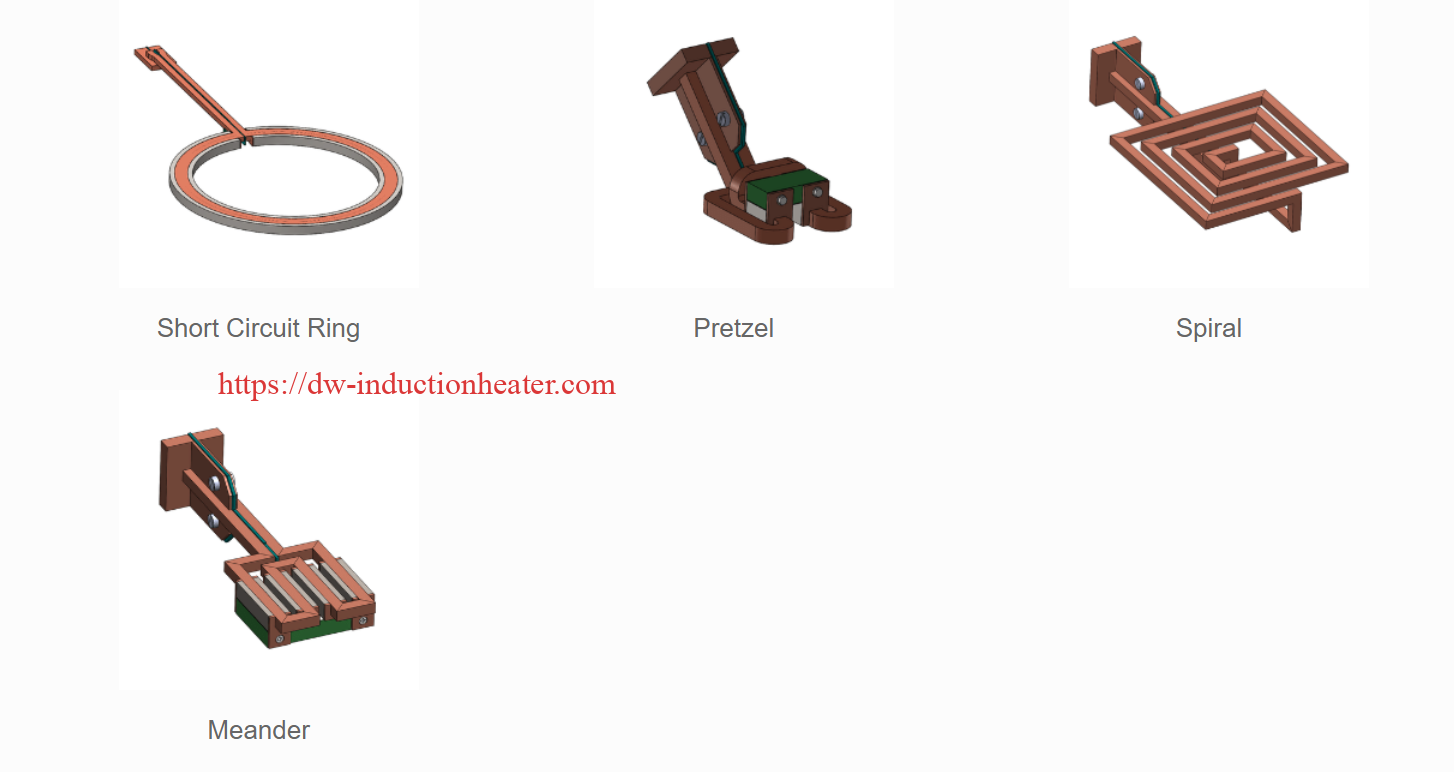
4.Factors Involved in Induction Heating Coil Design:

1. Coil Geometry: The geometry of the coil is an important factor in determining the effectiveness of the induction heating process. There are different shapes of coils, including circular, square, and rectangular. The shape and dimensions of the coil will determine the distribution of energy within the heated object. The geometry of the coil should be such that the energy is distributed evenly, and there are no cold spots. 2. Coil Material: The material used to make the coil also plays a significant role in the efficiency of the induction heating process. The choice of material depends on the frequency of the alternating magnetic field used and the temperature of the heated object. Generally, copper and aluminum are the commonly used materials for induction heating coils. Copper is the most preferred material because of its high conductivity and resistance to high temperatures. 3. Number of Turns: The number of turns in the induction heating coil also affects the efficiency of the process. The number of turns determines the distribution of the voltage and current within the coil, which directly affects the energy transfer to the heated object. Generally, a higher number of turns in the coil will increase the resistance, which will result in lower efficiency. 4. Cooling Mechanism: The cooling mechanism used in the induction heating coil also plays a critical role in the design. The cooling mechanism ensures that the coil does not overheat during operation. There are different types of cooling mechanisms, including air cooling, water cooling, and liquid cooling. The choice of cooling mechanism depends on the temperature of the heated object, the frequency of the alternating magnetic field, and the power rating of the coil. Conclusion: The induction heating coil design is critical to the efficiency and effectiveness of the induction heating process. The geometry, material, number of turns, and cooling mechanism are the key factors involved in the design. To achieve optimal performance, the coil should be designed such that the energy is distributed evenly within the heated object. Additionally, the material used to make the coil should have high conductivity and resistance to high temperatures. Finally, the cooling mechanism used in the coil should be selected based on the temperature of the heated object, the frequency of the alternating magnetic field and the power rating of the coil.  

2023年3月31日星期五

What Is Induction Heating Coil&Inductor?

What is induction heating coil & inductor? The varying magnetic field required for induction heating is developed in the induction heating coil via the flow of AC (alternating current) in the coil. The coil can be made in many shapes and sizes to custom fit a specific application. The coils can range from tiny coils made of copper tubing used for precise heating of extremely small parts in applications such as soldering and ferrule heating to large coil assemblies of copper tubing used in applications such as strip metal heating and pipe heating. What is the importance of the induction heating coil (inductor)? The induction coil design is one of the most important aspects of an induction heating system. The coil is a custom design to give your work piece or part the proper heating pattern, maximize efficiency of the induction heating power supply’s load matching system, and to accomplish these tasks while still permitting ease of loading and unloading your part.

2023年1月2日星期一

What Is Induction Heating Coil&Inductor?

What is induction heating coil & inductor? The varying magnetic field required for induction heating is developed in the induction heating coil via the flow of AC (alternating current) in the coil. The coil can be made in many shapes and sizes to custom fit a specific application. The coils can range from tiny coils made of copper tubing used for precise heating of extremely small parts in applications such as soldering and ferrule heating to large coil assemblies of copper tubing used in applications such as strip metal heating and pipe heating. What is the importance of the induction heating coil (inductor)? The induction coil design is one of the most important aspects of an induction heating system. The coil is a custom design to give your work piece or part the proper heating pattern, maximize efficiency of the induction heating power supply’s load matching system, and to accomplish these tasks while still permitting ease of loading and unloading your part.

2022年12月31日星期六

What Is Induction Heating Coil&Inductor?

What is induction heating coil & inductor? The varying magnetic field required for induction heating is developed in the induction heating coil via the flow of AC (alternating current) in the coil. The coil can be made in many shapes and sizes to custom fit a specific application. The coils can range from tiny coils made of copper tubing used for precise heating of extremely small parts in applications such as soldering and ferrule heating to large coil assemblies of copper tubing used in applications such as strip metal heating and pipe heating. What is the importance of the induction heating coil (inductor)? The induction coil design is one of the most important aspects of an induction heating system. The coil is a custom design to give your work piece or part the proper heating pattern, maximize efficiency of the induction heating power supply’s load matching system, and to accomplish these tasks while still permitting ease of loading and unloading your part.

2022年12月15日星期四

What Is Induction Heating Coil&Inductor?

What is induction heating coil & inductor? The varying magnetic field required for induction heating is developed in the induction heating coil via the flow of AC (alternating current) in the coil. The coil can be made in many shapes and sizes to custom fit a specific application. The coils can range from tiny coils made of copper tubing used for precise heating of extremely small parts in applications such as soldering and ferrule heating to large coil assemblies of copper tubing used in applications such as strip metal heating and pipe heating. What is the importance of the induction heating coil (inductor)? The induction coil design is one of the most important aspects of an induction heating system. The coil is a custom design to give your work piece or part the proper heating pattern, maximize efficiency of the induction heating power supply’s load matching system, and to accomplish these tasks while still permitting ease of loading and unloading your part.

2022年10月5日星期三

What Is Induction Heating Coil&Inductor?

What is induction heating coil & inductor? The varying magnetic field required for induction heating is developed in the induction heating coil via the flow of AC (alternating current) in the coil. The coil can be made in many shapes and sizes to custom fit a specific application. The coils can range from tiny coils made of copper tubing used for precise heating of extremely small parts in applications such as soldering and ferrule heating to large coil assemblies of copper tubing used in applications such as strip metal heating and pipe heating. What is the importance of the induction heating coil (inductor)? The induction coil design is one of the most important aspects of an induction heating system. The coil is a custom design to give your work piece or part the proper heating pattern, maximize efficiency of the induction heating power supply’s load matching system, and to accomplish these tasks while still permitting ease of loading and unloading your part.

2022年9月4日星期日

What Is Induction Heating Coil&Inductor?

What is induction heating coil & inductor? The varying magnetic field required for induction heating is developed in the induction heating coil via the flow of AC (alternating current) in the coil. The coil can be made in many shapes and sizes to custom fit a specific application. The coils can range from tiny coils made of copper tubing used for precise heating of extremely small parts in applications such as soldering and ferrule heating to large coil assemblies of copper tubing used in applications such as strip metal heating and pipe heating. What is the importance of the induction heating coil (inductor)? The induction coil design is one of the most important aspects of an induction heating system. The coil is a custom design to give your work piece or part the proper heating pattern, maximize efficiency of the induction heating power supply’s load matching system, and to accomplish these tasks while still permitting ease of loading and unloading your part.

2022年8月11日星期四

What Is Induction Heating Coil&Inductor?

What is induction heating coil & inductor? The varying magnetic field required for induction heating is developed in the induction heating coil via the flow of AC (alternating current) in the coil. The coil can be made in many shapes and sizes to custom fit a specific application. The coils can range from tiny coils made of copper tubing used for precise heating of extremely small parts in applications such as soldering and ferrule heating to large coil assemblies of copper tubing used in applications such as strip metal heating and pipe heating. What is the importance of the induction heating coil (inductor)? The induction coil design is one of the most important aspects of an induction heating system. The coil is a custom design to give your work piece or part the proper heating pattern, maximize efficiency of the induction heating power supply’s load matching system, and to accomplish these tasks while still permitting ease of loading and unloading your part.

2022年8月8日星期一

What Is Induction Heating Coil&Inductor?

What is induction heating coil & inductor? The varying magnetic field required for induction heating is developed in the induction heating coil via the flow of AC (alternating current) in the coil. The coil can be made in many shapes and sizes to custom fit a specific application. The coils can range from tiny coils made of copper tubing used for precise heating of extremely small parts in applications such as soldering and ferrule heating to large coil assemblies of copper tubing used in applications such as strip metal heating and pipe heating. What is the importance of the induction heating coil (inductor)? The induction coil design is one of the most important aspects of an induction heating system. The coil is a custom design to give your work piece or part the proper heating pattern, maximize efficiency of the induction heating power supply’s load matching system, and to accomplish these tasks while still permitting ease of loading and unloading your part.

关注者

我的简介

我的照片
HLQ induction heating machine manufacturer provides the service of induction brazing,melting,hot forming,hardening surface,annealing,shrink fitting,PWHT,etc.