2022年11月2日星期三

induction heating stress relieving

Induction Heating Stress Relieving For metal that has been cold-processed, formed, machined, welded, or cut, it may be necessary to preform a stress relieving operation to reduce stresses created during the fabrication process.

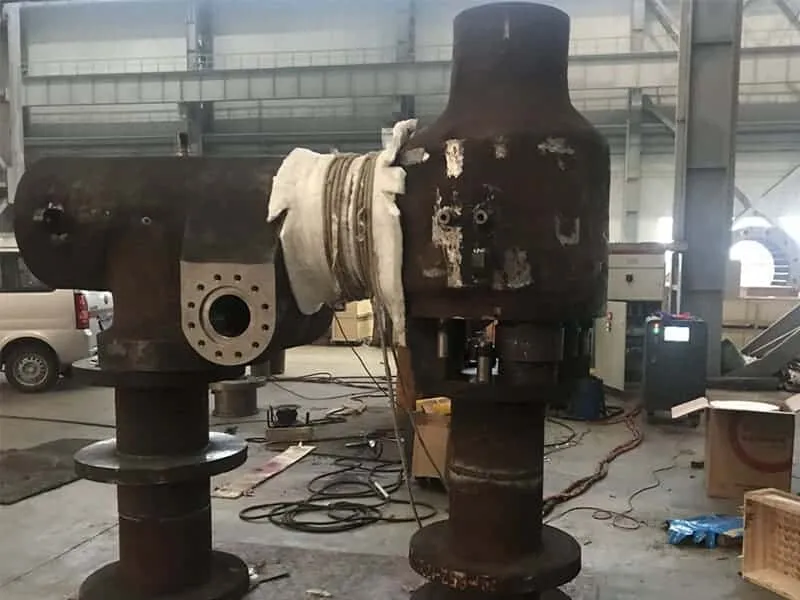
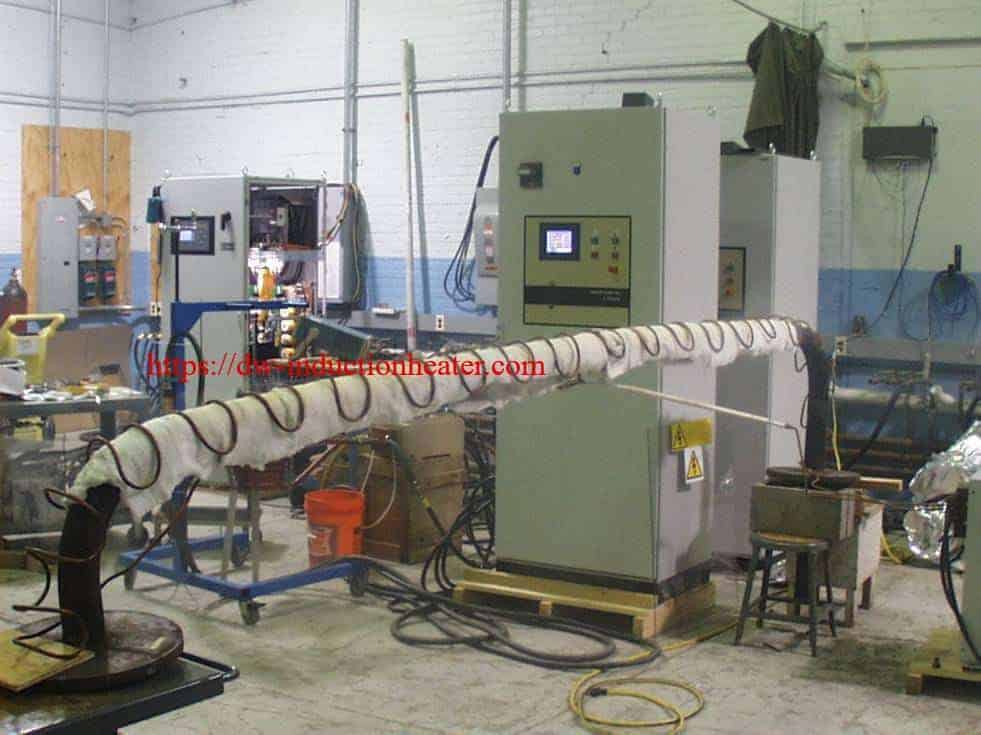
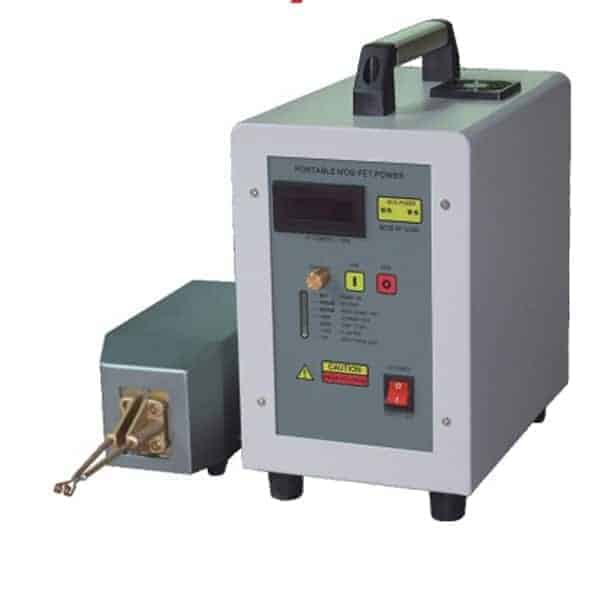
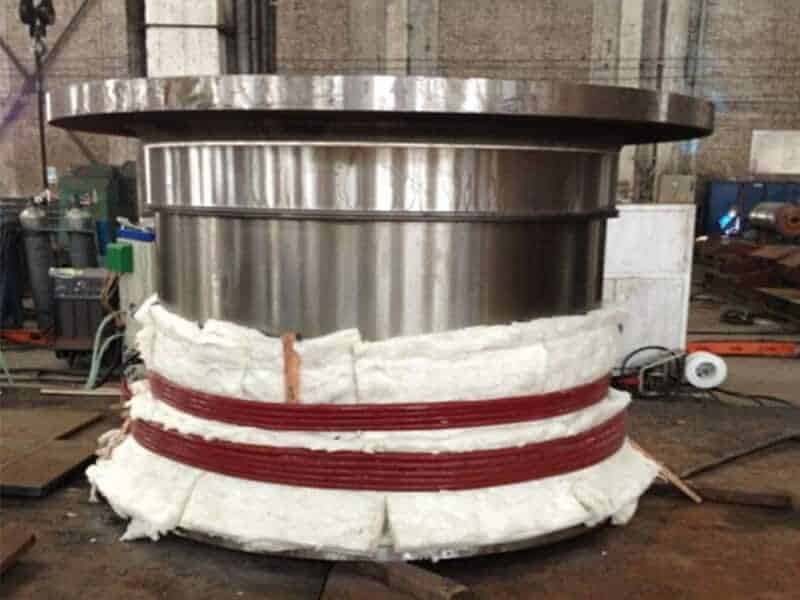
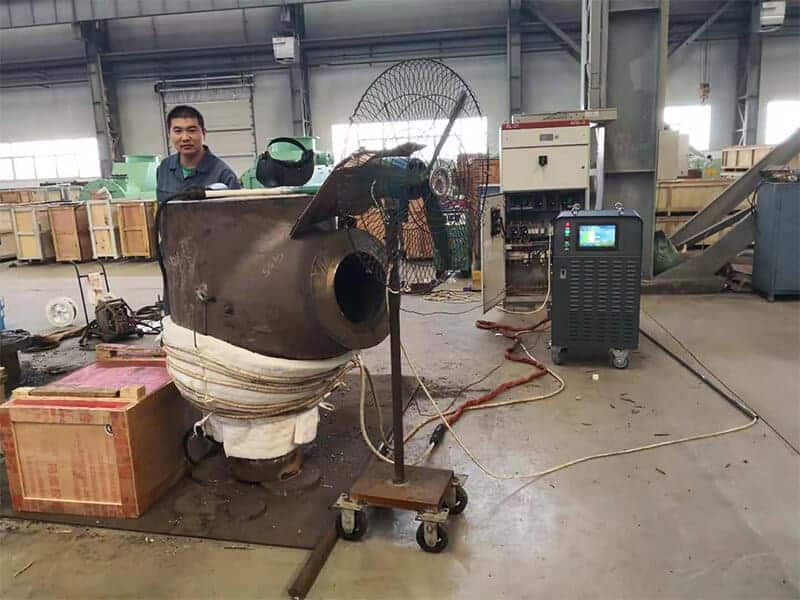
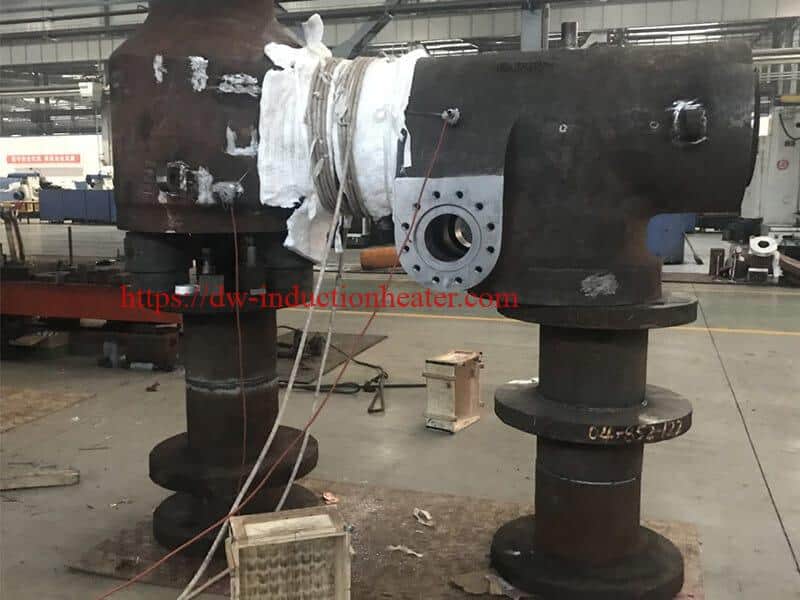
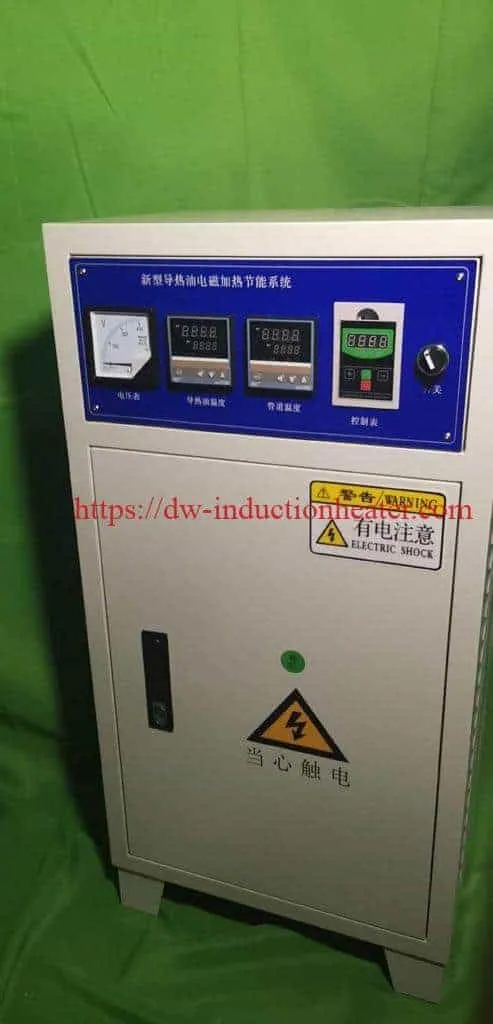
Induction Heating Stress relieving is applied to both ferrous and non-ferrous alloys and is intended to remove internal residual stresses generated by prior manufacturing processes such as machining, cold rolling and welding. Without it, subsequent processing may give rise to unacceptable distortion and/or the material can suffer fromservice problems such as stress corrosion cracking. T he treatment is not intended to produce significant changes in material structures or mechanical properties, and is therefore normally restricted to relatively low temperatures. For metal that has been cold-processed, formed, machined, welded, or cut, it may be necessary to preform a stress relieving operation to reduce stresses created during the fabrication process. Stresses in metal as a result of fabrication operations can cause unwanted dimension changes, distortion, premature failure or stress corrosion cracking of the part when these stresses are released. Parts with tight dimensional requirements may require stress relieved before other production operations can be performed. Welded sections can be made tension-free with a stress relief heating operation. Induction Stress relieving can be performed in a controlled atmosphere chamber or vacuum to reduce oxidation. Carbon steels and alloy steels can be given two forms of stress relief: 1. Treatment at typically 150-200°C relieves peak stresses after hardening without significantly reducing hardness (e.g. case-hardened components, bearings, etc.): 2. Treatment at typically 600-680°C (e.g. after welding, machining etc.) provides virtually complete stress relief. Non-ferrous alloys are stress relieved at a wide variety of temperatures related to alloy type and condition. Alloys that have been age-hardened are restricted to stress relieving temperatures below the ageing temperature. Austenitic stainless steels are stress relieved below 480°C or above 900°C, temperatures in between reducing corrosion resistance in grades that are not stabilised or low-carbon. Treatments above 900°C are often full solution anneals. Normalising Applied to some, but not all, engineering steels, normalising can soften, harden or stress relieve a material, depending on its initial state. The objective of the treatment is to counter the effects of prior processes, such as casting, forging or rolling, by refining the existing non-uniformstructure into one which enhances machinability/formability or, in certain product forms, meets final mechanical property requirements. A primary purpose is to condition a steel so that, after subsequent shaping, a component responds satisfactorily to a hardening operation (e.g. aiding dimensional stability). Normalising consists of heating a suitable steel to a temperature typically in the range 830-950°C (at or above the hardening temperature of hardening steels, or above the carburising temperature for carburising steels) and then cooling in air. Heating is usually carried out in air, so subsequent machining or surface finishing is required to remove scale or decarburised layers. Air-hardening steels (e.g. some automotive gear steels) are often "tempered" (subcritically annealed) after normalising to soften the structure and/or promote machinability. Many aircraft specifications also call for this combination of treatments. Steels that are not usually normalised are those which would harden significantly during air cooling (e.g. many tool steels), or those which gain no structural benefit or produce inappropriate structures or mechanical properties (e.g. the stainless steels). Induction preheating PWHT machine is widely used for pipe/tube weld peheat and pwht, stress reliving and so on. Welding  is one of the most critical processes in the manufacture of pressure vessels like the boiler of a thermal power plant. The temperature of the molten weld pool during the process is in the range of 2000 deg C. The heat increase is rapid and instantaneous. When this small strip of molten pool cools down the shrinkage results in thermal stresses that are locked up inside the metal. This also can change the macrostructure of the steel. PWHT eliminates these effects by heating, soaking, and cooling the weld area in a controlled manner to temperatures below the first transformation point, giving the macro structure sufficient time to readjust to its original state   and removing the residual stress. PWHT consists of heating the metal after the welding process in a controlled   manner to temperature below the first transformation point, soaking at that   temperature for a sufficiently long time, and cooling at controlled rates. Induction heating is one method that is gaining popularity even though the cost is high. This is a more welder friendly process. Unlike resistance heating only the pipe becomes hot. The temperature gradients are uniform across the   thickness. The heating power is from 10KW ~ 120KW Model: 10KW, 20KW, 40KW, 60KW, 80KW, 120KW and so on. Heating temperature: 0 ~ 900 C Max heating temperature: 900 C The pipe / tube diameter: 50 ~ 2000 mm Heating coil: Clamp coil or induction heating blanket The induction weld preheating machine include: 1. induction heating power source. 2. SOFT Induction Heating Cable 3.  Extend cable 4. K type thermocouple 5. Paper / Paperless recorder and so on. Compare with ceramic heater and frame heater. It has more advantage. 1. Quickly heating speed and unfirom heating temperature 2. Energy   saving without any pollution 3. Long working time and more stable 4. Touch screen and PLC control, Easy to operate 5. Can suitable for different welding condition
2022年11月1日星期二

Induction Brazing Brass Studs to Copper Pipes

Induction Brazing Brass Studs to Copper Pipes
Objective:

Induction brazing brass studs to copper pipes

The Client:

A manufacturer of coils for industrial heating applications.

Equipment:

DW-UHF-40KW Induction Brazing Systems – two modules.

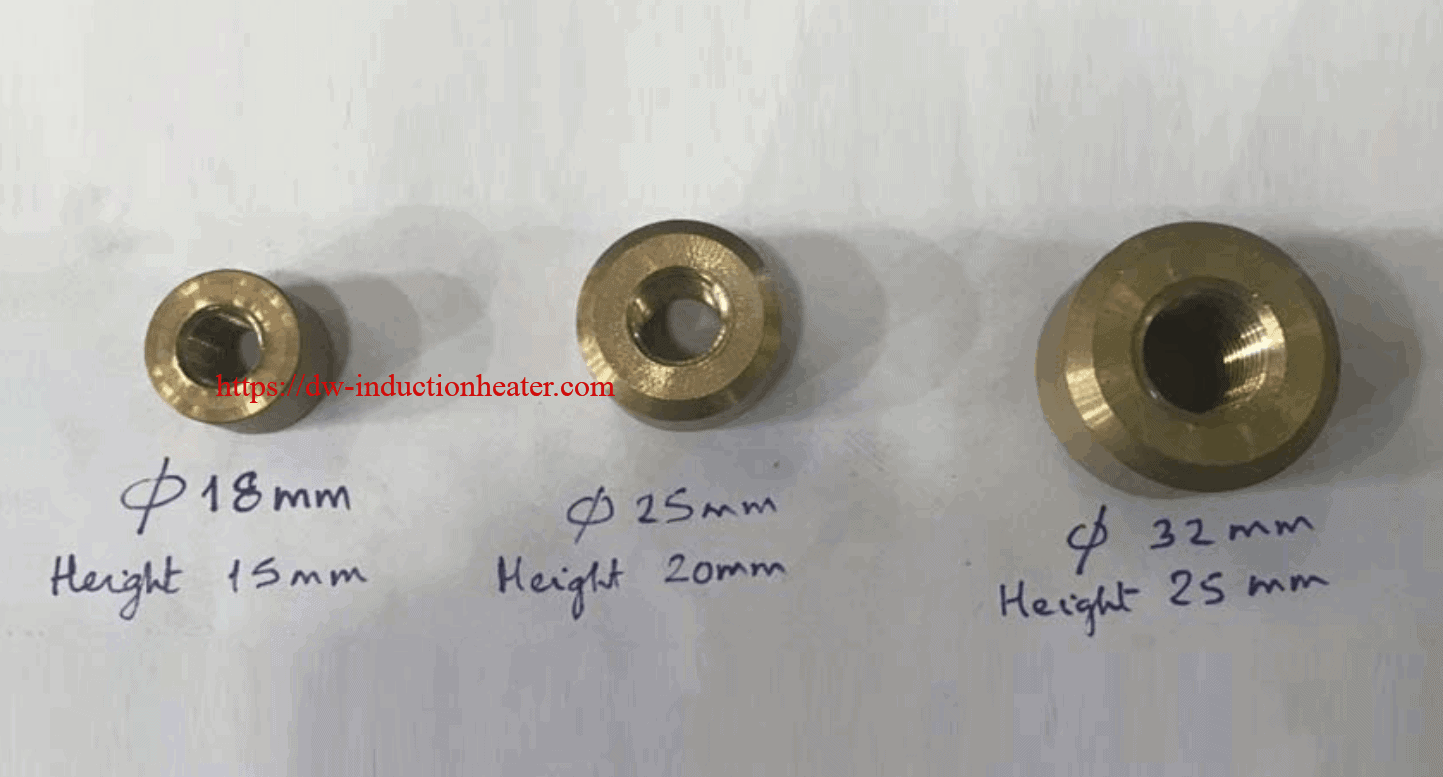
Materials: Brass stud ( size:  25mm diameter, 20 mm height ) Power: 30 kW
The Process:  The main challenge during this induction brazing process is to ensure that the design of the coil is one that eases the technician to position it in the most convenient way. The induction coil should allow for the second stud to be pre-heated without melting the first one. First, the electrolytic copper section is wound on a steel former by a gas torch while an equal spacing between the turns is maintained. Then, the copper turn is heated close to the required temperature and while the power is ON, the technician should make sure to manually position the brass stud with the brazing ring at the designated centre. During the process of brazing, the induction coil is moving at a speed of 58 mm per minute – 33 kW. If the power is increased, the speed changes accordingly. Results and Conclusions:
  • A fast, clean and safe induction brazing process
  • Guaranteed repeatability
  • Precise control of time and temperature

High Frequency Heating Steel Pipe

High Frequency Heating Steel Pipe With Induction Heating Equipment Objective To heat a steel pipe to 1100ºF (593ºC) to transport melted magnesium Material Steel pipe 14.5’ (4.42m) long with a 3.5” (88.9mm)OD Temperature 1100ºF (593ºC) Frequency 9 kHz Equipment • DW-MF-160kW induction heating system, equipped with a remote workhead containing one 25μF capacitor. • An induction heating coil designed and developed specifically for this application. Process A specially designed double U channel coil the length of the pipe is used in this application. The pipe is placed inside the coil and power is supplied. The voltage is set and the power output is 100kW. As the part reaches the Currie point the power drops to 80kW and the voltage must be increased to achieve the 140kW. The pipe reaches 1100ºF (593ºC) in 20 minutes. Results/Benefits Induction heating provides: • Controllable and repeatable heat pattern that keeps material in liquid form • Environmentally friendly • Even distribution of heating • Movable workhead that can be located away from the power supply high frequency heating steel pipe               induction heating pipe           induction heating steel pipe    

Brazing Carbide to Steel Part With Induction Heating

Brazing Carbide to Steel Part With Induction Heating

Objective Brazing carbide to steel part Equipment DW-UHF-6kw Induction Heating Power Supply ultra high frequency custom coil Key Parameters Power: 1.88 kW Temperature: Approximately 1500°F (815°C) Time: 14 sec Materials Coil-  2 helical turns (20 mm ID) 1 planar turn (40 mm OD, 13 mm Height) Carbide-  13 mm OD, 3 mm wall thickness Steel piece– 20 mm OD, 13 mm ID
Induction Brazing Process:
  1. To demonstrate elimination of “hand feeding” the alloy, we formed the alloy into a ring to tightly fit over the center post tube. This method provides a uniform amount for each cycle, resulting in uniform joints and wetting.
  2. The custom made coil was then placed over the steel piece, where is was set for 14 seconds to heat the alloy.
  3. The alloy was heated at approximately 1500°F (815)°C
  4.  The whole piece is left alone and cooled with ambient air
Results/Benefits:
  • Brazing was successful all in under 20 seconds with 2-kW
  • High quality and repeatability of the brazed joints
  • Increased productivity
  • Rings will need to be developed for specific joints to prevent the use of too much alloy
  • Precise control of the time and temperature

Induction Soldering Brass Corner Joint

Hig Frequency Induction Soldering Brass Corner Joint

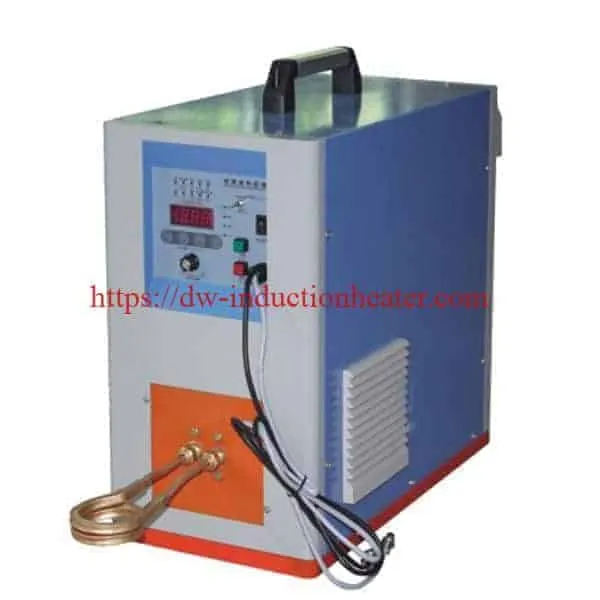
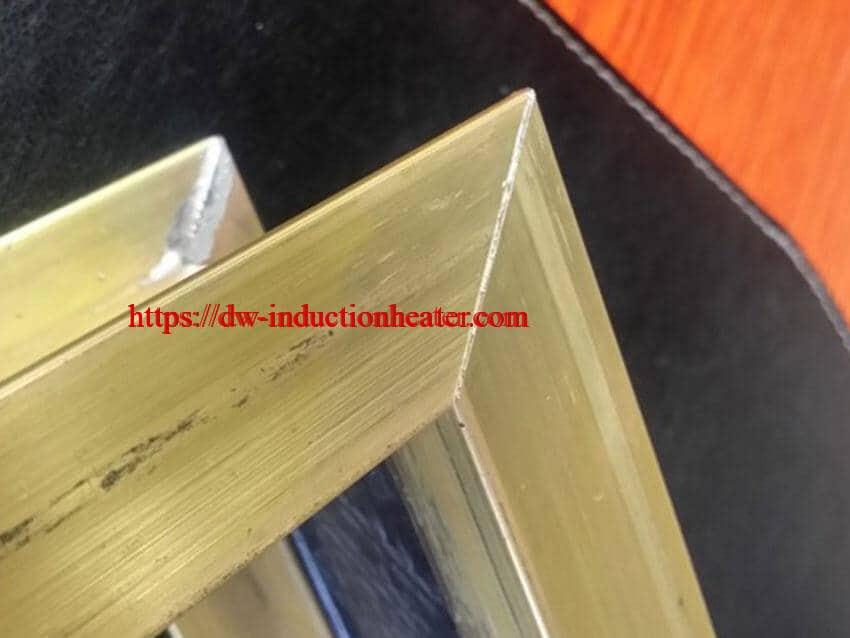
Objective Successfully solder two 45° brass corner joints. Equipment: DW-UHF-10kw induction soldering heater Materials StayBrite #8 silver solder supplied by customer Bridgit solder flux supplied by customer Brass corner joint Pancake coil Key Parameters Power: 5.5 kW Temperature: Approximately 550° F (288° C) Time: 20 sec
Process:
  1. Flux is applied at all joints.
  2. The assembly is positioned into for heating
  3. Induction heating is applied for 15 sec
  4. The brazing rod is applied to the joint
Results/Benefits:
  1. Since the brazing alloy is manually fed, the coil is placed under the joint, facing the visible side of the frame. The visible side of the joint is laying on a flat wooden surface, which does not allow the brazing alloy to leak and spill. This keeps the visible surface nice and clean, while the seam is internally brazed.
  2. If solder paste is used, then the coil can be placed on top of the joint. If special dual coil is used, then both joints (top and bottom) can be done with one shot.
  3. No frame flipping is needed in this case. See the video and zoom the pictures attached for more details.
  4. No special cleaning is needed on either side of the joint. The samples on the pictures have been paper towel wiped only.

Induction Brazing Copper Pipe Fittings

Induction Brazing Copper Fittings Objective: Copper 'tees' and 'ells' are to be brazed to the aluminum body of a refrigeration valve Material: customer's valve copper fittings braze Temperature: 2550 ºF (1400°C) Frequency: 585 kHz Equipment: DW-UHF-10kw induction heating system including a workhead containing two 1.5μF capacitors (total 0.75μF) and a three-turn helical coil Process: The valve is placed inside the coil and RF induction heating power is applied until the part is heated to the required temperature and the braze is seen to flow into the joint. Two tube sizes were run using the same induction heating system settings with differing cycle times. Results/Benefits • energy is applied only to the zone to be heated • heating of the joint/braze is uniform and repeatable

Induction Soldering Stainless Steel Tubes to Brass Base

Objective Induction Soldering stainless steel tubes to brass base Equipment DW-UHF-6KW-III handheld induction heater
Materials Customer material including flux Key Parameters Power: 2 kW Temperature: 482°F (250°C not measured) Time: 14 -16 sec
Process Steps Customer process instruction has been followed DW-UHF-6KW-III induction heating system was limited to 2kW Results and Conclusions Sample position according to the coil is vital.Induction Soldering Stainless steel is heated much fasted than the brass. So, the coil is positioned over the brass part (around 95%)

关注者

我的简介

我的照片
HLQ induction heating machine manufacturer provides the service of induction brazing,melting,hot forming,hardening surface,annealing,shrink fitting,PWHT,etc.