显示标签为“inductionstressrelieving”的博文。显示所有博文

2024年3月3日星期日

induction heating stress relieving

Induction Heating Stress Relieving For metal that has been cold-processed, formed, machined, welded, or cut, it may be necessary to preform a stress relieving operation to reduce stresses created during the fabrication process.

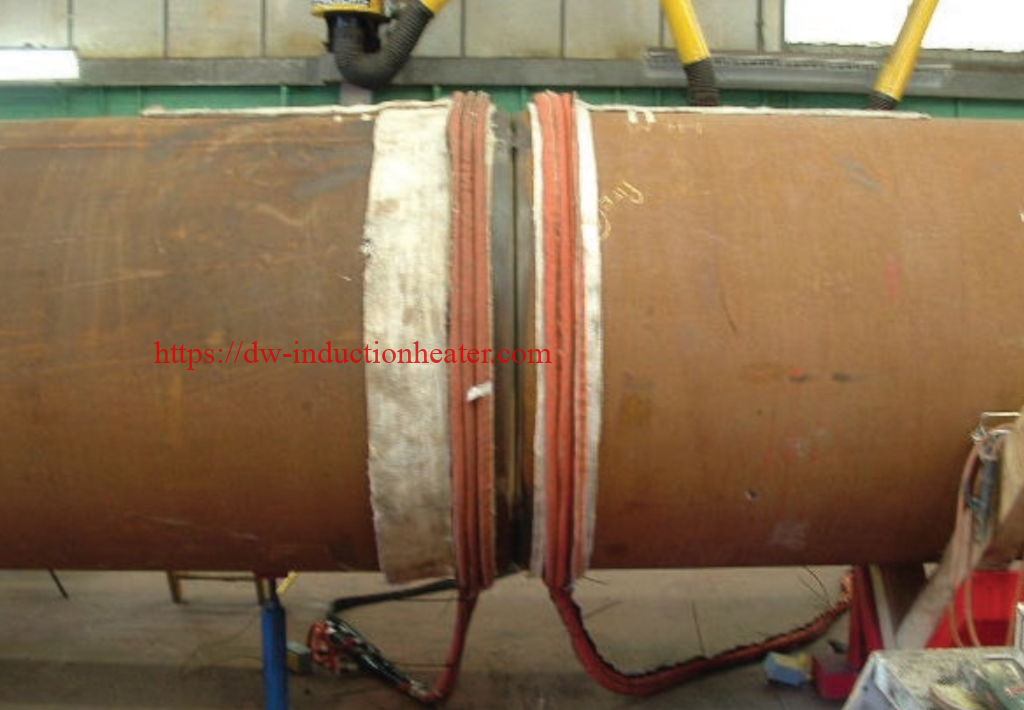
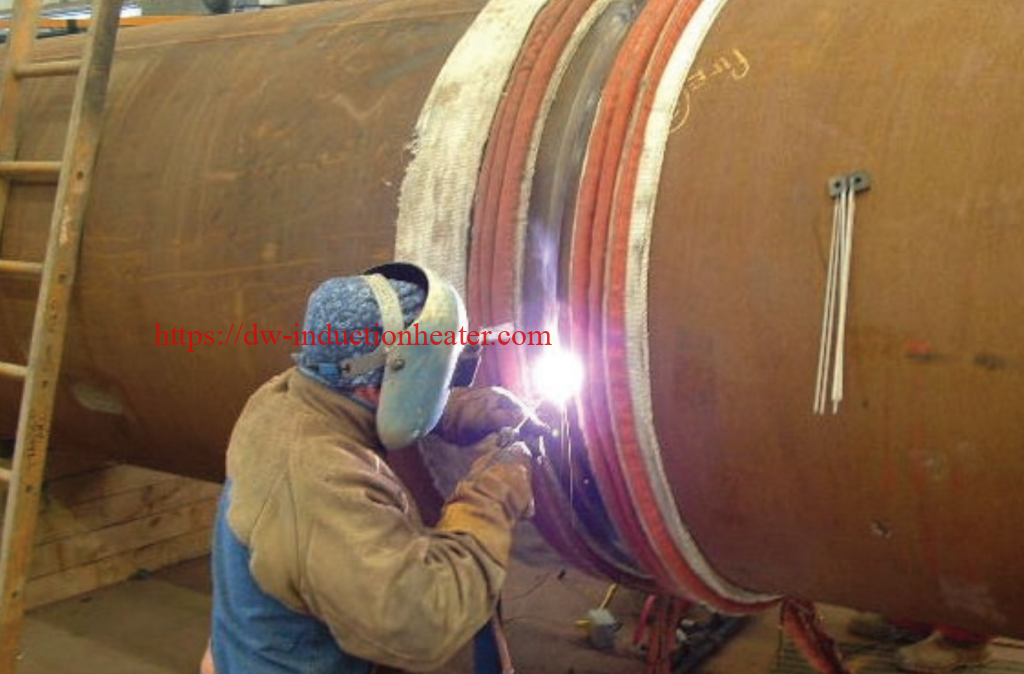
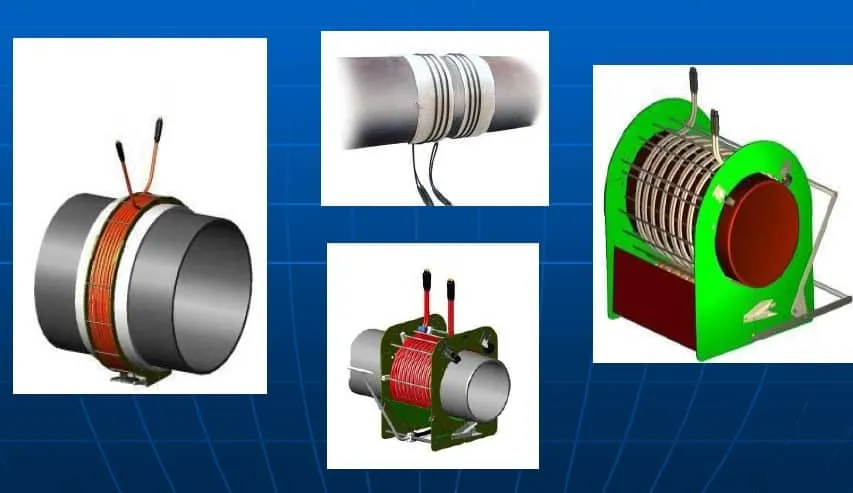
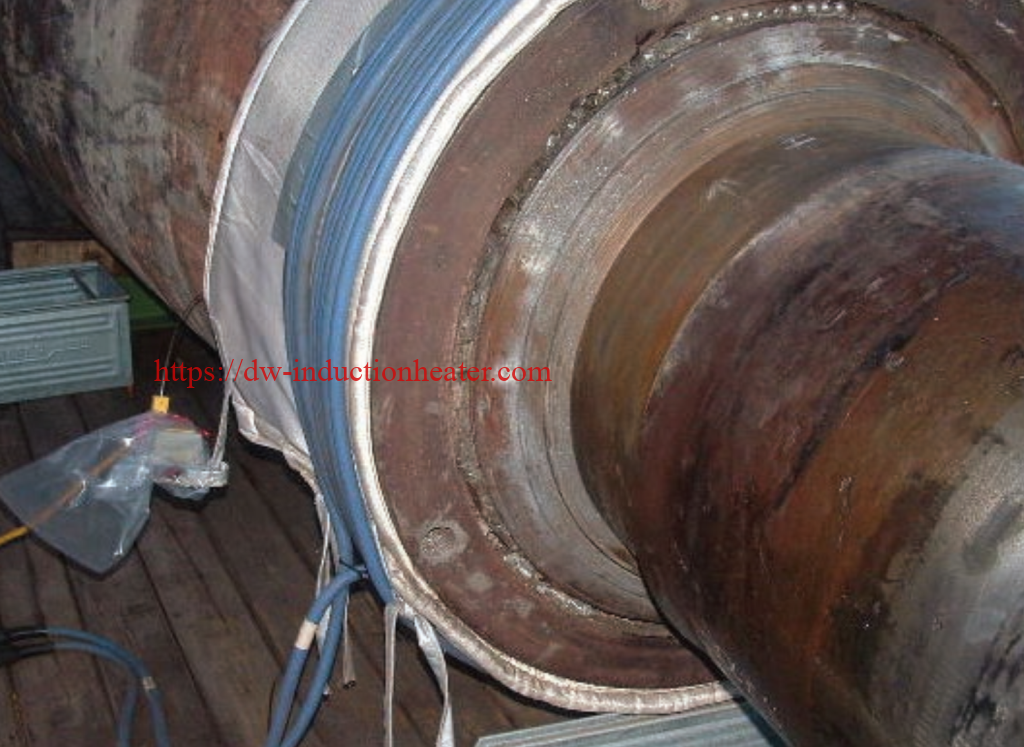
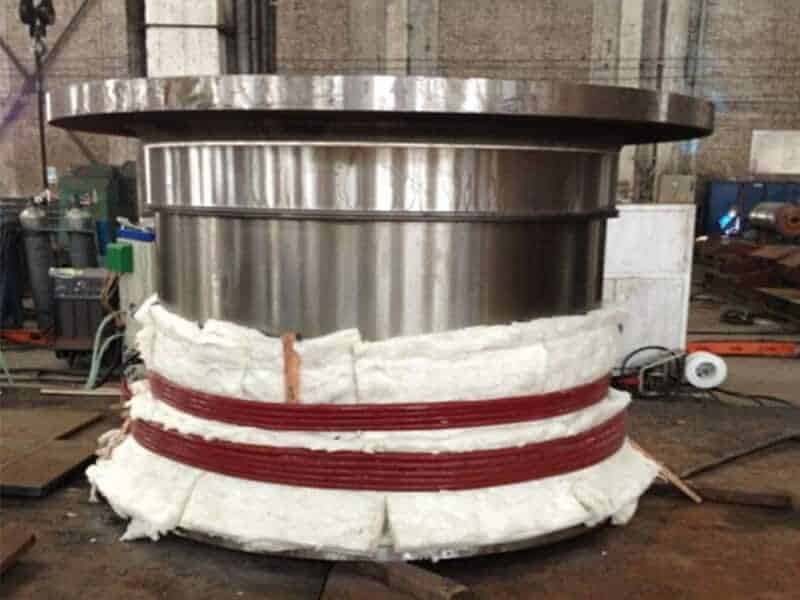
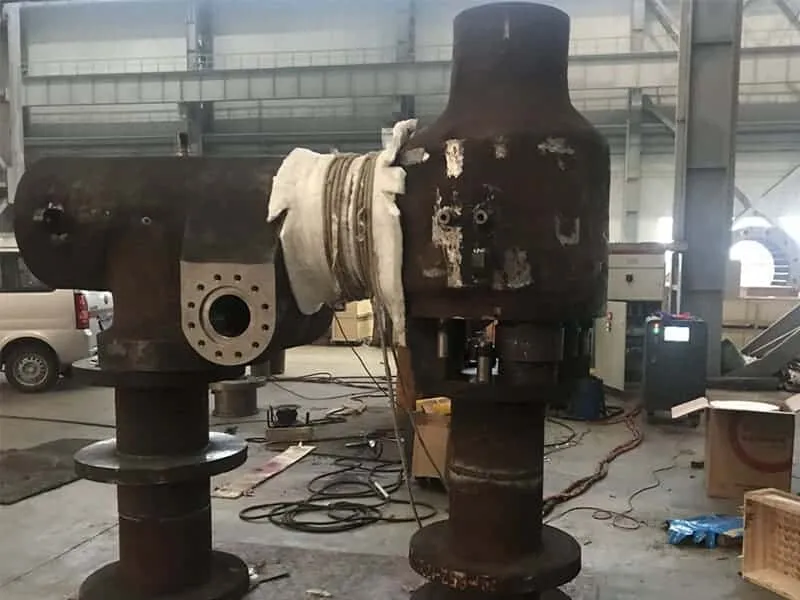
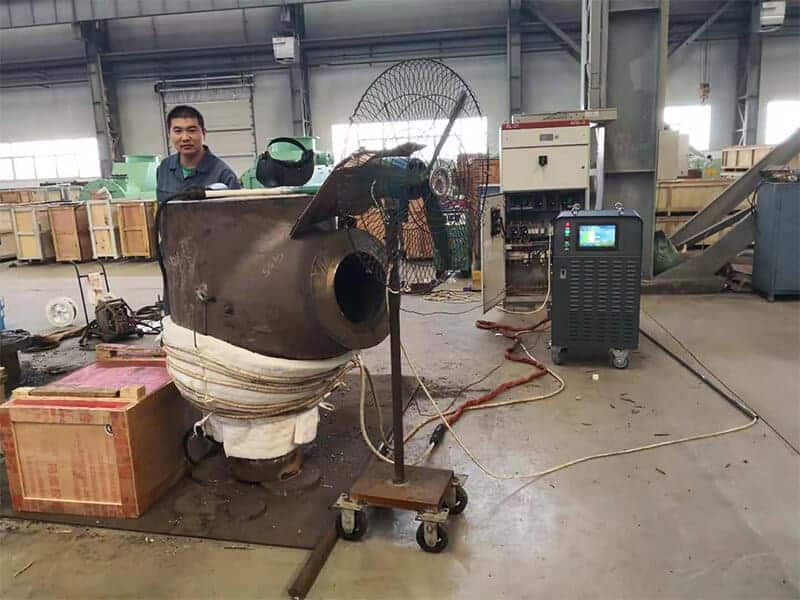
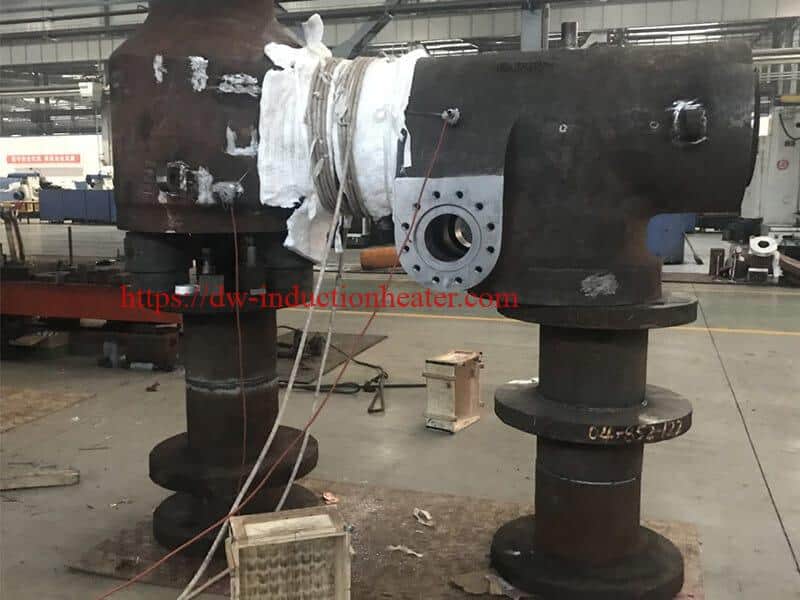
Induction Heating Stress relieving is applied to both ferrous and non-ferrous alloys and is intended to remove internal residual stresses generated by prior manufacturing processes such as machining, cold rolling and welding. Without it, subsequent processing may give rise to unacceptable distortion and/or the material can suffer fromservice problems such as stress corrosion cracking. T he treatment is not intended to produce significant changes in material structures or mechanical properties, and is therefore normally restricted to relatively low temperatures. For metal that has been cold-processed, formed, machined, welded, or cut, it may be necessary to preform a stress relieving operation to reduce stresses created during the fabrication process. Stresses in metal as a result of fabrication operations can cause unwanted dimension changes, distortion, premature failure or stress corrosion cracking of the part when these stresses are released. Parts with tight dimensional requirements may require stress relieved before other production operations can be performed. Welded sections can be made tension-free with a stress relief heating operation. Induction Stress relieving can be performed in a controlled atmosphere chamber or vacuum to reduce oxidation. Carbon steels and alloy steels can be given two forms of stress relief: 1. Treatment at typically 150-200°C relieves peak stresses after hardening without significantly reducing hardness (e.g. case-hardened components, bearings, etc.): 2. Treatment at typically 600-680°C (e.g. after welding, machining etc.) provides virtually complete stress relief. Non-ferrous alloys are stress relieved at a wide variety of temperatures related to alloy type and condition. Alloys that have been age-hardened are restricted to stress relieving temperatures below the ageing temperature. Austenitic stainless steels are stress relieved below 480°C or above 900°C, temperatures in between reducing corrosion resistance in grades that are not stabilised or low-carbon. Treatments above 900°C are often full solution anneals. Normalising Applied to some, but not all, engineering steels, normalising can soften, harden or stress relieve a material, depending on its initial state. The objective of the treatment is to counter the effects of prior processes, such as casting, forging or rolling, by refining the existing non-uniformstructure into one which enhances machinability/formability or, in certain product forms, meets final mechanical property requirements. A primary purpose is to condition a steel so that, after subsequent shaping, a component responds satisfactorily to a hardening operation (e.g. aiding dimensional stability). Normalising consists of heating a suitable steel to a temperature typically in the range 830-950°C (at or above the hardening temperature of hardening steels, or above the carburising temperature for carburising steels) and then cooling in air. Heating is usually carried out in air, so subsequent machining or surface finishing is required to remove scale or decarburised layers. Air-hardening steels (e.g. some automotive gear steels) are often "tempered" (subcritically annealed) after normalising to soften the structure and/or promote machinability. Many aircraft specifications also call for this combination of treatments. Steels that are not usually normalised are those which would harden significantly during air cooling (e.g. many tool steels), or those which gain no structural benefit or produce inappropriate structures or mechanical properties (e.g. the stainless steels). Induction preheating PWHT machine is widely used for pipe/tube weld peheat and pwht, stress reliving and so on. Welding  is one of the most critical processes in the manufacture of pressure vessels like the boiler of a thermal power plant. The temperature of the molten weld pool during the process is in the range of 2000 deg C. The heat increase is rapid and instantaneous. When this small strip of molten pool cools down the shrinkage results in thermal stresses that are locked up inside the metal. This also can change the macrostructure of the steel. PWHT eliminates these effects by heating, soaking, and cooling the weld area in a controlled manner to temperatures below the first transformation point, giving the macro structure sufficient time to readjust to its original state   and removing the residual stress. PWHT consists of heating the metal after the welding process in a controlled   manner to temperature below the first transformation point, soaking at that   temperature for a sufficiently long time, and cooling at controlled rates. Induction heating is one method that is gaining popularity even though the cost is high. This is a more welder friendly process. Unlike resistance heating only the pipe becomes hot. The temperature gradients are uniform across the   thickness. The heating power is from 10KW ~ 120KW Model: 10KW, 20KW, 40KW, 60KW, 80KW, 120KW and so on. Heating temperature: 0 ~ 900 C Max heating temperature: 900 C The pipe / tube diameter: 50 ~ 2000 mm Heating coil: Clamp coil or induction heating blanket The induction weld preheating machine include: 1. induction heating power source. 2. SOFT Induction Heating Cable 3.  Extend cable 4. K type thermocouple 5. Paper / Paperless recorder and so on. Compare with ceramic heater and frame heater. It has more advantage. 1. Quickly heating speed and unfirom heating temperature 2. Energy   saving without any pollution 3. Long working time and more stable 4. Touch screen and PLC control, Easy to operate 5. Can suitable for different welding condition https://dw-inductionheater.com/induction-heating-stress-relieving.html?feed_id=235502&_unique_id=65e430b727979

2024年2月17日星期六

Induction stress relieving flat blanks

Induction Stress relieving is applied to both ferrous and non-ferrous alloys and is intended to remove internal residual stresses generated by prior manufacturing processes such as machining, cold rolling and welding. Without it, subsequent processing may give rise to unacceptable distortion and/or the material can suffer fromservice problems such as stress corrosion cracking. The treatment is not intended to produce significant changes in material structures or mechanical properties, and is therefore normally restricted to relatively low temperatures. Carbon steels and alloy steels can be given two forms of stress relief: 1. Treatment at typically 150-200°C relieves peak stresses after hardening without significantly reducing hardness (e.g. case-hardened components, bearings, etc.) 2. Treatment at typically 600-680°C (e.g. after welding, machining etc.) provides virtually complete stress relief. Objective Stress relieving flat blanks of carbon steel at a rate of 30 feet/9.1 meters per minute to reduce hardness from the outer 2”/51mm on each side to eliminate cracking issues with the end product Material:  Carbon steel flat blanks (5.7-10.2”/145-259mm wide and 0.07-0.1”/1.8-2.5mm thick) Temperature: 1200 ºF (649 ºC) Frequency: 30 kHz Induction Heating Equipment: HLQ 200kW 10-30 kHz induction heating system equipped with a remote heat station containing eight 10 μF capacitors -- A multiple turn split induction heating coil designed and developed specifically for this application Process Carbon steel flat blanks will run through an induction coil at a rate of 30 feet/9.1 meter per minute to temper or stress relieve carbon steel. During this process, the carbon steel will heat to 1200 ºF (649 ºC). This will be sufficient to remove work hardening from 2”/51mm of each side of the width. Results/Benefits Speed: Induction rapidly heats the carbon steel to temperature, which enables a rate of 30 feet per minute --Efficiency: Induction heating not only saves production time, it also saves energy costs --Footprint: Induction takes up a modest footprint, so it can easily be implemented into production processes such as this one Treatment at typically 150-200°C relieves peak stresses after hardening without significantly reducing hardness (e.g. case-hardened components, bearings, etc.): --Treatment at typically 600-680°C (e.g. after welding, machining etc.) provides virtually complete stress relief. --Non-ferrous alloys are stress relieved at a wide variety of temperatures related to alloy type and condition. Alloys that have been age-hardened are restricted to stress relieving temperatures below the ageing temperature. Austenitic stainless steels are stress relieved below 480°C or above 900°C, temperatures in between reducing corrosion resistance in grades that are not stabilised or low-carbon. Treatments above 900°C are often full solution anneals. Normalising Applied to some, but not all, engineering steels, normalising can soften, harden or stress relieve a material, depending on its initial state. The objective of the treatment is to counter the effects of prior processes, such as casting, forging or rolling, by refining the existing non-uniformstructure into one which enhances machinability/formability or, in certain product forms, meets final mechanical property requirements. A primary purpose is to condition a steel so that, after subsequent shaping, a component responds satisfactorily to a hardening operation (e.g. aiding dimensional stability). Normalising consists of heating a suitable steel to a temperature typically in the range 830-950°C (at or above the hardening temperature of hardening steels, or above the carburising temperature for carburising steels) and then cooling in air. Heating is usually carried out in air, so subsequent machining or surface finishing is required to remove scale or decarburised layers. Air-hardening steels (e.g. some automotive gear steels) are often "tempered" (subcritically annealed) after normalising to soften the structure and/or promote machinability. Many aircraft specifications also call for this combination of treatments. Steels that are not usually normalised are those which would harden significantly during air cooling (e.g. many tool steels), or those which gain no structural benefit or produce inappropriate structures or mechanical properties (e.g. the stainless steels). https://dw-inductionheater.com/induction-stress-relieving-flat-blanks.html?feed_id=234250&_unique_id=65d0e8a64a26d

2024年1月1日星期一

Induction Stress Relieving: A Comprehensive Guide

Induction Stress Relieving: A Comprehensive Guide

Induction stress relieving is a highly effective method for reducing residual stresses in metal components, resulting in improved durability and performance. This process uses electromagnetic induction to heat the material, allowing for controlled and uniform stress relief without the risk of distortion or damage. With its ability to enhance the mechanical properties of metal parts, induction stress relieving is a crucial step in the manufacturing and maintenance of critical components across various industries.induction stress relieving In today's fast-paced and demanding work environment, stress is a common occurrence for many individuals. Whether it's due to work-related pressures, personal issues, or a combination of both, stress can have a significant impact on an individual's overall well-being and productivity. As a result, finding effective ways to manage and alleviate stress has become increasingly important. One method that has gained popularity in recent years is induction stress relieving. This technique uses electromagnetic induction to heat metal components to a specific temperature and then slowly cool them down, resulting in the reduction of internal stresses within the material. In this comprehensive guide, we will explore the principles behind induction stress relieving, its applications in various industries, and the benefits it offers for individuals and organizations. Principles of Induction Stress Relieving Induction stress relieving is based on the principle of thermal expansion and contraction. When metal components are heated to a specific temperature, their molecules become more mobile, allowing internal stresses to be redistributed and reduced. As the components are slowly cooled down, the molecules return to their original positions in a more relaxed state, resulting in reduced internal stresses. The process of induction stress relieving involves using an induction heating system to generate an alternating magnetic field around the metal components. This magnetic field induces eddy currents within the material, causing it to heat up rapidly. By controlling the frequency and power of the induction heating system, precise temperatures can be achieved to effectively relieve internal stresses within the metal components. Applications of Induction Stress Relieving Induction stress relieving has found widespread applications across various industries due to its effectiveness in reducing internal stresses within metal components. Some common applications include: - Welded assemblies: Welding processes often introduce significant internal stresses within metal components due to rapid heating and cooling cycles. Induction stress relieving can be used to alleviate these stresses and improve the overall integrity of welded assemblies.induction stress relieving process - Machined parts: Metal parts that undergo machining processes such as milling or turning can develop residual stresses that affect their dimensional stability and performance. Induction stress relieving can help mitigate these issues and improve the quality of machined parts. - Castings: Casting processes can result in uneven cooling rates within metal castings, leading to internal stresses that affect their mechanical properties. Induction stress relieving can help homogenize these stresses and improve the overall quality of castings. - Heat-treated components: Heat treatment processes such as quenching or tempering can introduce residual stresses within metal components. Induction stress relieving can be used as a post-treatment step to reduce these residual stresses and improve the overall stability of heat-treated components. Benefits of Induction Stress Relieving The use of induction stress relieving offers several key benefits for individuals and organizations: - Improved mechanical properties: By reducing internal stresses within metal components, induction stress relieving can improve their mechanical properties such as strength, ductility, and fatigue resistance. - Enhanced dimensional stability: Internal stresses within metal components can lead to dimensional instability over time. Induction stress relieving helps mitigate these issues by promoting dimensional stability and reducing distortion. - Increased product reliability: Components that undergo induction stress relieving are less prone to premature failure due to reduced internal stresses, resulting in increased product reliability and longevity. - Improved performance: Induction stress relieving can help improve the performance of components by reducing internal stresses, which can lead to better dimensional stability and overall performance. - Cost savings: By reducing the likelihood of premature failure and the need for frequent repairs or replacements, induction stress relieving can result in cost savings for manufacturers and end users. - Enhanced safety: Components that undergo induction stress relieving are less likely to fail unexpectedly, which can enhance overall safety in various applications. - Better quality control: Induction stress relieving can help manufacturers maintain better quality control by ensuring that components are free from excessive internal stresses that could compromise their performance or reliability. Mastering Induction Stress Relieving for Improved Product Performance Induction stress relieving is a crucial process in the manufacturing industry that can significantly improve the performance of products. By subjecting metal components to controlled heating and cooling cycles, induction stress relieving helps to reduce internal stresses and improve the overall stability and durability of the product. To master induction stress relieving for improved product performance, it is essential to understand the principles behind the process and how it can benefit different types of materials and components. Here are some key steps to consider: 1. Understand the Material Properties: Different materials have unique properties that influence how they respond to stress relieving processes. It's important to have a thorough understanding of the material being used and how it will react to induction heating. 2. Determine Optimal Parameters: The success of induction stress relieving depends on using the right combination of temperature, time, and cooling rates. It's crucial to determine the optimal parameters for each specific application to achieve the desired results. 3. Use Advanced Induction Heating Equipment: Investing in high-quality induction heating equipment is essential for achieving precise control over the stress relieving process. Advanced technology allows for accurate temperature monitoring and uniform heating, resulting in consistent and reliable outcomes. 4. Implement Quality Control Measures: To ensure that induction stress relieving is effectively reducing internal stresses, it's important to implement quality control measures such as non-destructive testing and inspection techniques. 5. Continuously Improve Processes: Mastering induction stress relieving requires a commitment to continuous improvement. By analyzing data, gathering feedback, and making adjustments as needed, manufacturers can refine their processes for optimal results. By mastering induction stress relieving techniques, manufacturers can enhance product performance by reducing distortion, improving dimensional stability, and increasing resistance to fatigue and corrosion. This ultimately leads to higher-quality products with improved reliability and longevity in service. In conclusion, mastering induction stress relieving is essential for achieving improved product performance in manufacturing. By understanding material properties, determining optimal parameters, using advanced equipment, implementing quality control measures, and continuously improving processes, manufacturers can harness the full potential of this critical heat treatment technique. https://dw-inductionheater.com/induction-stress-relieving-a-comprehensive-guide.html?feed_id=231346&_unique_id=65937eedec02d
2023年11月30日星期四

Induction Stress Relieving: A Comprehensive Guide

Induction Stress Relieving: A Comprehensive Guide

Induction stress relieving is a highly effective method for reducing residual stresses in metal components, resulting in improved durability and performance. This process uses electromagnetic induction to heat the material, allowing for controlled and uniform stress relief without the risk of distortion or damage. With its ability to enhance the mechanical properties of metal parts, induction stress relieving is a crucial step in the manufacturing and maintenance of critical components across various industries.induction stress relieving In today's fast-paced and demanding work environment, stress is a common occurrence for many individuals. Whether it's due to work-related pressures, personal issues, or a combination of both, stress can have a significant impact on an individual's overall well-being and productivity. As a result, finding effective ways to manage and alleviate stress has become increasingly important. One method that has gained popularity in recent years is induction stress relieving. This technique uses electromagnetic induction to heat metal components to a specific temperature and then slowly cool them down, resulting in the reduction of internal stresses within the material. In this comprehensive guide, we will explore the principles behind induction stress relieving, its applications in various industries, and the benefits it offers for individuals and organizations. Principles of Induction Stress Relieving Induction stress relieving is based on the principle of thermal expansion and contraction. When metal components are heated to a specific temperature, their molecules become more mobile, allowing internal stresses to be redistributed and reduced. As the components are slowly cooled down, the molecules return to their original positions in a more relaxed state, resulting in reduced internal stresses. The process of induction stress relieving involves using an induction heating system to generate an alternating magnetic field around the metal components. This magnetic field induces eddy currents within the material, causing it to heat up rapidly. By controlling the frequency and power of the induction heating system, precise temperatures can be achieved to effectively relieve internal stresses within the metal components. Applications of Induction Stress Relieving Induction stress relieving has found widespread applications across various industries due to its effectiveness in reducing internal stresses within metal components. Some common applications include: - Welded assemblies: Welding processes often introduce significant internal stresses within metal components due to rapid heating and cooling cycles. Induction stress relieving can be used to alleviate these stresses and improve the overall integrity of welded assemblies.induction stress relieving process - Machined parts: Metal parts that undergo machining processes such as milling or turning can develop residual stresses that affect their dimensional stability and performance. Induction stress relieving can help mitigate these issues and improve the quality of machined parts. - Castings: Casting processes can result in uneven cooling rates within metal castings, leading to internal stresses that affect their mechanical properties. Induction stress relieving can help homogenize these stresses and improve the overall quality of castings. - Heat-treated components: Heat treatment processes such as quenching or tempering can introduce residual stresses within metal components. Induction stress relieving can be used as a post-treatment step to reduce these residual stresses and improve the overall stability of heat-treated components. Benefits of Induction Stress Relieving The use of induction stress relieving offers several key benefits for individuals and organizations: - Improved mechanical properties: By reducing internal stresses within metal components, induction stress relieving can improve their mechanical properties such as strength, ductility, and fatigue resistance. - Enhanced dimensional stability: Internal stresses within metal components can lead to dimensional instability over time. Induction stress relieving helps mitigate these issues by promoting dimensional stability and reducing distortion. - Increased product reliability: Components that undergo induction stress relieving are less prone to premature failure due to reduced internal stresses, resulting in increased product reliability and longevity. - Improved performance: Induction stress relieving can help improve the performance of components by reducing internal stresses, which can lead to better dimensional stability and overall performance. - Cost savings: By reducing the likelihood of premature failure and the need for frequent repairs or replacements, induction stress relieving can result in cost savings for manufacturers and end users. - Enhanced safety: Components that undergo induction stress relieving are less likely to fail unexpectedly, which can enhance overall safety in various applications. - Better quality control: Induction stress relieving can help manufacturers maintain better quality control by ensuring that components are free from excessive internal stresses that could compromise their performance or reliability. Mastering Induction Stress Relieving for Improved Product Performance Induction stress relieving is a crucial process in the manufacturing industry that can significantly improve the performance of products. By subjecting metal components to controlled heating and cooling cycles, induction stress relieving helps to reduce internal stresses and improve the overall stability and durability of the product. To master induction stress relieving for improved product performance, it is essential to understand the principles behind the process and how it can benefit different types of materials and components. Here are some key steps to consider: 1. Understand the Material Properties: Different materials have unique properties that influence how they respond to stress relieving processes. It's important to have a thorough understanding of the material being used and how it will react to induction heating. 2. Determine Optimal Parameters: The success of induction stress relieving depends on using the right combination of temperature, time, and cooling rates. It's crucial to determine the optimal parameters for each specific application to achieve the desired results. 3. Use Advanced Induction Heating Equipment: Investing in high-quality induction heating equipment is essential for achieving precise control over the stress relieving process. Advanced technology allows for accurate temperature monitoring and uniform heating, resulting in consistent and reliable outcomes. 4. Implement Quality Control Measures: To ensure that induction stress relieving is effectively reducing internal stresses, it's important to implement quality control measures such as non-destructive testing and inspection techniques. 5. Continuously Improve Processes: Mastering induction stress relieving requires a commitment to continuous improvement. By analyzing data, gathering feedback, and making adjustments as needed, manufacturers can refine their processes for optimal results. By mastering induction stress relieving techniques, manufacturers can enhance product performance by reducing distortion, improving dimensional stability, and increasing resistance to fatigue and corrosion. This ultimately leads to higher-quality products with improved reliability and longevity in service. In conclusion, mastering induction stress relieving is essential for achieving improved product performance in manufacturing. By understanding material properties, determining optimal parameters, using advanced equipment, implementing quality control measures, and continuously improving processes, manufacturers can harness the full potential of this critical heat treatment technique. https://dw-inductionheater.com/induction-stress-relieving-a-comprehensive-guide.html?feed_id=231149&_unique_id=65693e882da81

Induction Stress Relieving: A Comprehensive Guide

Induction Stress Relieving: A Comprehensive Guide

Induction stress relieving is a highly effective method for reducing residual stresses in metal components, resulting in improved durability and performance. This process uses electromagnetic induction to heat the material, allowing for controlled and uniform stress relief without the risk of distortion or damage. With its ability to enhance the mechanical properties of metal parts, induction stress relieving is a crucial step in the manufacturing and maintenance of critical components across various industries.induction stress relieving In today's fast-paced and demanding work environment, stress is a common occurrence for many individuals. Whether it's due to work-related pressures, personal issues, or a combination of both, stress can have a significant impact on an individual's overall well-being and productivity. As a result, finding effective ways to manage and alleviate stress has become increasingly important. One method that has gained popularity in recent years is induction stress relieving. This technique uses electromagnetic induction to heat metal components to a specific temperature and then slowly cool them down, resulting in the reduction of internal stresses within the material. In this comprehensive guide, we will explore the principles behind induction stress relieving, its applications in various industries, and the benefits it offers for individuals and organizations. Principles of Induction Stress Relieving Induction stress relieving is based on the principle of thermal expansion and contraction. When metal components are heated to a specific temperature, their molecules become more mobile, allowing internal stresses to be redistributed and reduced. As the components are slowly cooled down, the molecules return to their original positions in a more relaxed state, resulting in reduced internal stresses. The process of induction stress relieving involves using an induction heating system to generate an alternating magnetic field around the metal components. This magnetic field induces eddy currents within the material, causing it to heat up rapidly. By controlling the frequency and power of the induction heating system, precise temperatures can be achieved to effectively relieve internal stresses within the metal components. Applications of Induction Stress Relieving Induction stress relieving has found widespread applications across various industries due to its effectiveness in reducing internal stresses within metal components. Some common applications include: - Welded assemblies: Welding processes often introduce significant internal stresses within metal components due to rapid heating and cooling cycles. Induction stress relieving can be used to alleviate these stresses and improve the overall integrity of welded assemblies.induction stress relieving process - Machined parts: Metal parts that undergo machining processes such as milling or turning can develop residual stresses that affect their dimensional stability and performance. Induction stress relieving can help mitigate these issues and improve the quality of machined parts. - Castings: Casting processes can result in uneven cooling rates within metal castings, leading to internal stresses that affect their mechanical properties. Induction stress relieving can help homogenize these stresses and improve the overall quality of castings. - Heat-treated components: Heat treatment processes such as quenching or tempering can introduce residual stresses within metal components. Induction stress relieving can be used as a post-treatment step to reduce these residual stresses and improve the overall stability of heat-treated components. Benefits of Induction Stress Relieving The use of induction stress relieving offers several key benefits for individuals and organizations: - Improved mechanical properties: By reducing internal stresses within metal components, induction stress relieving can improve their mechanical properties such as strength, ductility, and fatigue resistance. - Enhanced dimensional stability: Internal stresses within metal components can lead to dimensional instability over time. Induction stress relieving helps mitigate these issues by promoting dimensional stability and reducing distortion. - Increased product reliability: Components that undergo induction stress relieving are less prone to premature failure due to reduced internal stresses, resulting in increased product reliability and longevity. - Improved performance: Induction stress relieving can help improve the performance of components by reducing internal stresses, which can lead to better dimensional stability and overall performance. - Cost savings: By reducing the likelihood of premature failure and the need for frequent repairs or replacements, induction stress relieving can result in cost savings for manufacturers and end users. - Enhanced safety: Components that undergo induction stress relieving are less likely to fail unexpectedly, which can enhance overall safety in various applications. - Better quality control: Induction stress relieving can help manufacturers maintain better quality control by ensuring that components are free from excessive internal stresses that could compromise their performance or reliability. Mastering Induction Stress Relieving for Improved Product Performance Induction stress relieving is a crucial process in the manufacturing industry that can significantly improve the performance of products. By subjecting metal components to controlled heating and cooling cycles, induction stress relieving helps to reduce internal stresses and improve the overall stability and durability of the product. To master induction stress relieving for improved product performance, it is essential to understand the principles behind the process and how it can benefit different types of materials and components. Here are some key steps to consider: 1. Understand the Material Properties: Different materials have unique properties that influence how they respond to stress relieving processes. It's important to have a thorough understanding of the material being used and how it will react to induction heating. 2. Determine Optimal Parameters: The success of induction stress relieving depends on using the right combination of temperature, time, and cooling rates. It's crucial to determine the optimal parameters for each specific application to achieve the desired results. 3. Use Advanced Induction Heating Equipment: Investing in high-quality induction heating equipment is essential for achieving precise control over the stress relieving process. Advanced technology allows for accurate temperature monitoring and uniform heating, resulting in consistent and reliable outcomes. 4. Implement Quality Control Measures: To ensure that induction stress relieving is effectively reducing internal stresses, it's important to implement quality control measures such as non-destructive testing and inspection techniques. 5. Continuously Improve Processes: Mastering induction stress relieving requires a commitment to continuous improvement. By analyzing data, gathering feedback, and making adjustments as needed, manufacturers can refine their processes for optimal results. By mastering induction stress relieving techniques, manufacturers can enhance product performance by reducing distortion, improving dimensional stability, and increasing resistance to fatigue and corrosion. This ultimately leads to higher-quality products with improved reliability and longevity in service. In conclusion, mastering induction stress relieving is essential for achieving improved product performance in manufacturing. By understanding material properties, determining optimal parameters, using advanced equipment, implementing quality control measures, and continuously improving processes, manufacturers can harness the full potential of this critical heat treatment technique. https://dw-inductionheater.com/induction-stress-relieving-a-comprehensive-guide.html?feed_id=231114&_unique_id=656884774387c

2023年11月7日星期二

Induction stress relieving flat blanks

Induction Stress relieving is applied to both ferrous and non-ferrous alloys and is intended to remove internal residual stresses generated by prior manufacturing processes such as machining, cold rolling and welding. Without it, subsequent processing may give rise to unacceptable distortion and/or the material can suffer fromservice problems such as stress corrosion cracking. The treatment is not intended to produce significant changes in material structures or mechanical properties, and is therefore normally restricted to relatively low temperatures. Carbon steels and alloy steels can be given two forms of stress relief: 1. Treatment at typically 150-200°C relieves peak stresses after hardening without significantly reducing hardness (e.g. case-hardened components, bearings, etc.) 2. Treatment at typically 600-680°C (e.g. after welding, machining etc.) provides virtually complete stress relief. Objective Stress relieving flat blanks of carbon steel at a rate of 30 feet/9.1 meters per minute to reduce hardness from the outer 2”/51mm on each side to eliminate cracking issues with the end product Material:  Carbon steel flat blanks (5.7-10.2”/145-259mm wide and 0.07-0.1”/1.8-2.5mm thick) Temperature: 1200 ºF (649 ºC) Frequency: 30 kHz Induction Heating Equipment: HLQ 200kW 10-30 kHz induction heating system equipped with a remote heat station containing eight 10 μF capacitors -- A multiple turn split induction heating coil designed and developed specifically for this application Process Carbon steel flat blanks will run through an induction coil at a rate of 30 feet/9.1 meter per minute to temper or stress relieve carbon steel. During this process, the carbon steel will heat to 1200 ºF (649 ºC). This will be sufficient to remove work hardening from 2”/51mm of each side of the width. Results/Benefits Speed: Induction rapidly heats the carbon steel to temperature, which enables a rate of 30 feet per minute --Efficiency: Induction heating not only saves production time, it also saves energy costs --Footprint: Induction takes up a modest footprint, so it can easily be implemented into production processes such as this one Treatment at typically 150-200°C relieves peak stresses after hardening without significantly reducing hardness (e.g. case-hardened components, bearings, etc.): --Treatment at typically 600-680°C (e.g. after welding, machining etc.) provides virtually complete stress relief. --Non-ferrous alloys are stress relieved at a wide variety of temperatures related to alloy type and condition. Alloys that have been age-hardened are restricted to stress relieving temperatures below the ageing temperature. Austenitic stainless steels are stress relieved below 480°C or above 900°C, temperatures in between reducing corrosion resistance in grades that are not stabilised or low-carbon. Treatments above 900°C are often full solution anneals. Normalising Applied to some, but not all, engineering steels, normalising can soften, harden or stress relieve a material, depending on its initial state. The objective of the treatment is to counter the effects of prior processes, such as casting, forging or rolling, by refining the existing non-uniformstructure into one which enhances machinability/formability or, in certain product forms, meets final mechanical property requirements. A primary purpose is to condition a steel so that, after subsequent shaping, a component responds satisfactorily to a hardening operation (e.g. aiding dimensional stability). Normalising consists of heating a suitable steel to a temperature typically in the range 830-950°C (at or above the hardening temperature of hardening steels, or above the carburising temperature for carburising steels) and then cooling in air. Heating is usually carried out in air, so subsequent machining or surface finishing is required to remove scale or decarburised layers. Air-hardening steels (e.g. some automotive gear steels) are often "tempered" (subcritically annealed) after normalising to soften the structure and/or promote machinability. Many aircraft specifications also call for this combination of treatments. Steels that are not usually normalised are those which would harden significantly during air cooling (e.g. many tool steels), or those which gain no structural benefit or produce inappropriate structures or mechanical properties (e.g. the stainless steels).
2023年10月11日星期三

Induction stress relieving flat blanks

Induction Stress relieving is applied to both ferrous and non-ferrous alloys and is intended to remove internal residual stresses generated by prior manufacturing processes such as machining, cold rolling and welding. Without it, subsequent processing may give rise to unacceptable distortion and/or the material can suffer fromservice problems such as stress corrosion cracking. The treatment is not intended to produce significant changes in material structures or mechanical properties, and is therefore normally restricted to relatively low temperatures. Carbon steels and alloy steels can be given two forms of stress relief: 1. Treatment at typically 150-200°C relieves peak stresses after hardening without significantly reducing hardness (e.g. case-hardened components, bearings, etc.) 2. Treatment at typically 600-680°C (e.g. after welding, machining etc.) provides virtually complete stress relief. Objective Stress relieving flat blanks of carbon steel at a rate of 30 feet/9.1 meters per minute to reduce hardness from the outer 2”/51mm on each side to eliminate cracking issues with the end product Material:  Carbon steel flat blanks (5.7-10.2”/145-259mm wide and 0.07-0.1”/1.8-2.5mm thick) Temperature: 1200 ºF (649 ºC) Frequency: 30 kHz Induction Heating Equipment: HLQ 200kW 10-30 kHz induction heating system equipped with a remote heat station containing eight 10 μF capacitors -- A multiple turn split induction heating coil designed and developed specifically for this application Process Carbon steel flat blanks will run through an induction coil at a rate of 30 feet/9.1 meter per minute to temper or stress relieve carbon steel. During this process, the carbon steel will heat to 1200 ºF (649 ºC). This will be sufficient to remove work hardening from 2”/51mm of each side of the width. Results/Benefits Speed: Induction rapidly heats the carbon steel to temperature, which enables a rate of 30 feet per minute --Efficiency: Induction heating not only saves production time, it also saves energy costs --Footprint: Induction takes up a modest footprint, so it can easily be implemented into production processes such as this one Treatment at typically 150-200°C relieves peak stresses after hardening without significantly reducing hardness (e.g. case-hardened components, bearings, etc.): --Treatment at typically 600-680°C (e.g. after welding, machining etc.) provides virtually complete stress relief. --Non-ferrous alloys are stress relieved at a wide variety of temperatures related to alloy type and condition. Alloys that have been age-hardened are restricted to stress relieving temperatures below the ageing temperature. Austenitic stainless steels are stress relieved below 480°C or above 900°C, temperatures in between reducing corrosion resistance in grades that are not stabilised or low-carbon. Treatments above 900°C are often full solution anneals. Normalising Applied to some, but not all, engineering steels, normalising can soften, harden or stress relieve a material, depending on its initial state. The objective of the treatment is to counter the effects of prior processes, such as casting, forging or rolling, by refining the existing non-uniformstructure into one which enhances machinability/formability or, in certain product forms, meets final mechanical property requirements. A primary purpose is to condition a steel so that, after subsequent shaping, a component responds satisfactorily to a hardening operation (e.g. aiding dimensional stability). Normalising consists of heating a suitable steel to a temperature typically in the range 830-950°C (at or above the hardening temperature of hardening steels, or above the carburising temperature for carburising steels) and then cooling in air. Heating is usually carried out in air, so subsequent machining or surface finishing is required to remove scale or decarburised layers. Air-hardening steels (e.g. some automotive gear steels) are often "tempered" (subcritically annealed) after normalising to soften the structure and/or promote machinability. Many aircraft specifications also call for this combination of treatments. Steels that are not usually normalised are those which would harden significantly during air cooling (e.g. many tool steels), or those which gain no structural benefit or produce inappropriate structures or mechanical properties (e.g. the stainless steels).

2023年10月9日星期一

induction heating stress relieving

Induction Heating Stress Relieving For metal that has been cold-processed, formed, machined, welded, or cut, it may be necessary to preform a stress relieving operation to reduce stresses created during the fabrication process.

Induction Heating Stress relieving is applied to both ferrous and non-ferrous alloys and is intended to remove internal residual stresses generated by prior manufacturing processes such as machining, cold rolling and welding. Without it, subsequent processing may give rise to unacceptable distortion and/or the material can suffer fromservice problems such as stress corrosion cracking. T he treatment is not intended to produce significant changes in material structures or mechanical properties, and is therefore normally restricted to relatively low temperatures. For metal that has been cold-processed, formed, machined, welded, or cut, it may be necessary to preform a stress relieving operation to reduce stresses created during the fabrication process. Stresses in metal as a result of fabrication operations can cause unwanted dimension changes, distortion, premature failure or stress corrosion cracking of the part when these stresses are released. Parts with tight dimensional requirements may require stress relieved before other production operations can be performed. Welded sections can be made tension-free with a stress relief heating operation. Induction Stress relieving can be performed in a controlled atmosphere chamber or vacuum to reduce oxidation. Carbon steels and alloy steels can be given two forms of stress relief: 1. Treatment at typically 150-200°C relieves peak stresses after hardening without significantly reducing hardness (e.g. case-hardened components, bearings, etc.): 2. Treatment at typically 600-680°C (e.g. after welding, machining etc.) provides virtually complete stress relief. Non-ferrous alloys are stress relieved at a wide variety of temperatures related to alloy type and condition. Alloys that have been age-hardened are restricted to stress relieving temperatures below the ageing temperature. Austenitic stainless steels are stress relieved below 480°C or above 900°C, temperatures in between reducing corrosion resistance in grades that are not stabilised or low-carbon. Treatments above 900°C are often full solution anneals. Normalising Applied to some, but not all, engineering steels, normalising can soften, harden or stress relieve a material, depending on its initial state. The objective of the treatment is to counter the effects of prior processes, such as casting, forging or rolling, by refining the existing non-uniformstructure into one which enhances machinability/formability or, in certain product forms, meets final mechanical property requirements. A primary purpose is to condition a steel so that, after subsequent shaping, a component responds satisfactorily to a hardening operation (e.g. aiding dimensional stability). Normalising consists of heating a suitable steel to a temperature typically in the range 830-950°C (at or above the hardening temperature of hardening steels, or above the carburising temperature for carburising steels) and then cooling in air. Heating is usually carried out in air, so subsequent machining or surface finishing is required to remove scale or decarburised layers. Air-hardening steels (e.g. some automotive gear steels) are often "tempered" (subcritically annealed) after normalising to soften the structure and/or promote machinability. Many aircraft specifications also call for this combination of treatments. Steels that are not usually normalised are those which would harden significantly during air cooling (e.g. many tool steels), or those which gain no structural benefit or produce inappropriate structures or mechanical properties (e.g. the stainless steels). Induction preheating PWHT machine is widely used for pipe/tube weld peheat and pwht, stress reliving and so on. Welding  is one of the most critical processes in the manufacture of pressure vessels like the boiler of a thermal power plant. The temperature of the molten weld pool during the process is in the range of 2000 deg C. The heat increase is rapid and instantaneous. When this small strip of molten pool cools down the shrinkage results in thermal stresses that are locked up inside the metal. This also can change the macrostructure of the steel. PWHT eliminates these effects by heating, soaking, and cooling the weld area in a controlled manner to temperatures below the first transformation point, giving the macro structure sufficient time to readjust to its original state   and removing the residual stress. PWHT consists of heating the metal after the welding process in a controlled   manner to temperature below the first transformation point, soaking at that   temperature for a sufficiently long time, and cooling at controlled rates. Induction heating is one method that is gaining popularity even though the cost is high. This is a more welder friendly process. Unlike resistance heating only the pipe becomes hot. The temperature gradients are uniform across the   thickness. The heating power is from 10KW ~ 120KW Model: 10KW, 20KW, 40KW, 60KW, 80KW, 120KW and so on. Heating temperature: 0 ~ 900 C Max heating temperature: 900 C The pipe / tube diameter: 50 ~ 2000 mm Heating coil: Clamp coil or induction heating blanket The induction weld preheating machine include: 1. induction heating power source. 2. SOFT Induction Heating Cable 3.  Extend cable 4. K type thermocouple 5. Paper / Paperless recorder and so on. Compare with ceramic heater and frame heater. It has more advantage. 1. Quickly heating speed and unfirom heating temperature 2. Energy   saving without any pollution 3. Long working time and more stable 4. Touch screen and PLC control, Easy to operate 5. Can suitable for different welding condition

2023年7月10日星期一

induction heating stress relieving

Induction Heating Stress Relieving For metal that has been cold-processed, formed, machined, welded, or cut, it may be necessary to preform a stress relieving operation to reduce stresses created during the fabrication process.

Induction Heating Stress relieving is applied to both ferrous and non-ferrous alloys and is intended to remove internal residual stresses generated by prior manufacturing processes such as machining, cold rolling and welding. Without it, subsequent processing may give rise to unacceptable distortion and/or the material can suffer fromservice problems such as stress corrosion cracking. T he treatment is not intended to produce significant changes in material structures or mechanical properties, and is therefore normally restricted to relatively low temperatures. For metal that has been cold-processed, formed, machined, welded, or cut, it may be necessary to preform a stress relieving operation to reduce stresses created during the fabrication process. Stresses in metal as a result of fabrication operations can cause unwanted dimension changes, distortion, premature failure or stress corrosion cracking of the part when these stresses are released. Parts with tight dimensional requirements may require stress relieved before other production operations can be performed. Welded sections can be made tension-free with a stress relief heating operation. Induction Stress relieving can be performed in a controlled atmosphere chamber or vacuum to reduce oxidation. Carbon steels and alloy steels can be given two forms of stress relief: 1. Treatment at typically 150-200°C relieves peak stresses after hardening without significantly reducing hardness (e.g. case-hardened components, bearings, etc.): 2. Treatment at typically 600-680°C (e.g. after welding, machining etc.) provides virtually complete stress relief. Non-ferrous alloys are stress relieved at a wide variety of temperatures related to alloy type and condition. Alloys that have been age-hardened are restricted to stress relieving temperatures below the ageing temperature. Austenitic stainless steels are stress relieved below 480°C or above 900°C, temperatures in between reducing corrosion resistance in grades that are not stabilised or low-carbon. Treatments above 900°C are often full solution anneals. Normalising Applied to some, but not all, engineering steels, normalising can soften, harden or stress relieve a material, depending on its initial state. The objective of the treatment is to counter the effects of prior processes, such as casting, forging or rolling, by refining the existing non-uniformstructure into one which enhances machinability/formability or, in certain product forms, meets final mechanical property requirements. A primary purpose is to condition a steel so that, after subsequent shaping, a component responds satisfactorily to a hardening operation (e.g. aiding dimensional stability). Normalising consists of heating a suitable steel to a temperature typically in the range 830-950°C (at or above the hardening temperature of hardening steels, or above the carburising temperature for carburising steels) and then cooling in air. Heating is usually carried out in air, so subsequent machining or surface finishing is required to remove scale or decarburised layers. Air-hardening steels (e.g. some automotive gear steels) are often "tempered" (subcritically annealed) after normalising to soften the structure and/or promote machinability. Many aircraft specifications also call for this combination of treatments. Steels that are not usually normalised are those which would harden significantly during air cooling (e.g. many tool steels), or those which gain no structural benefit or produce inappropriate structures or mechanical properties (e.g. the stainless steels). Induction preheating PWHT machine is widely used for pipe/tube weld peheat and pwht, stress reliving and so on. Welding  is one of the most critical processes in the manufacture of pressure vessels like the boiler of a thermal power plant. The temperature of the molten weld pool during the process is in the range of 2000 deg C. The heat increase is rapid and instantaneous. When this small strip of molten pool cools down the shrinkage results in thermal stresses that are locked up inside the metal. This also can change the macrostructure of the steel. PWHT eliminates these effects by heating, soaking, and cooling the weld area in a controlled manner to temperatures below the first transformation point, giving the macro structure sufficient time to readjust to its original state   and removing the residual stress. PWHT consists of heating the metal after the welding process in a controlled   manner to temperature below the first transformation point, soaking at that   temperature for a sufficiently long time, and cooling at controlled rates. Induction heating is one method that is gaining popularity even though the cost is high. This is a more welder friendly process. Unlike resistance heating only the pipe becomes hot. The temperature gradients are uniform across the   thickness. The heating power is from 10KW ~ 120KW Model: 10KW, 20KW, 40KW, 60KW, 80KW, 120KW and so on. Heating temperature: 0 ~ 900 C Max heating temperature: 900 C The pipe / tube diameter: 50 ~ 2000 mm Heating coil: Clamp coil or induction heating blanket The induction weld preheating machine include: 1. induction heating power source. 2. SOFT Induction Heating Cable 3.  Extend cable 4. K type thermocouple 5. Paper / Paperless recorder and so on. Compare with ceramic heater and frame heater. It has more advantage. 1. Quickly heating speed and unfirom heating temperature 2. Energy   saving without any pollution 3. Long working time and more stable 4. Touch screen and PLC control, Easy to operate 5. Can suitable for different welding condition https://dw-inductionheater.com/induction-heating-stress-relieving.html?feed_id=218386&_unique_id=64acbb0112e42

2023年6月26日星期一

Induction stress relieving flat blanks

Induction Stress relieving is applied to both ferrous and non-ferrous alloys and is intended to remove internal residual stresses generated by prior manufacturing processes such as machining, cold rolling and welding. Without it, subsequent processing may give rise to unacceptable distortion and/or the material can suffer fromservice problems such as stress corrosion cracking. The treatment is not intended to produce significant changes in material structures or mechanical properties, and is therefore normally restricted to relatively low temperatures. Carbon steels and alloy steels can be given two forms of stress relief: 1. Treatment at typically 150-200°C relieves peak stresses after hardening without significantly reducing hardness (e.g. case-hardened components, bearings, etc.) 2. Treatment at typically 600-680°C (e.g. after welding, machining etc.) provides virtually complete stress relief. Objective Stress relieving flat blanks of carbon steel at a rate of 30 feet/9.1 meters per minute to reduce hardness from the outer 2”/51mm on each side to eliminate cracking issues with the end product Material:  Carbon steel flat blanks (5.7-10.2”/145-259mm wide and 0.07-0.1”/1.8-2.5mm thick) Temperature: 1200 ºF (649 ºC) Frequency: 30 kHz Induction Heating Equipment: HLQ 200kW 10-30 kHz induction heating system equipped with a remote heat station containing eight 10 μF capacitors -- A multiple turn split induction heating coil designed and developed specifically for this application Process Carbon steel flat blanks will run through an induction coil at a rate of 30 feet/9.1 meter per minute to temper or stress relieve carbon steel. During this process, the carbon steel will heat to 1200 ºF (649 ºC). This will be sufficient to remove work hardening from 2”/51mm of each side of the width. Results/Benefits Speed: Induction rapidly heats the carbon steel to temperature, which enables a rate of 30 feet per minute --Efficiency: Induction heating not only saves production time, it also saves energy costs --Footprint: Induction takes up a modest footprint, so it can easily be implemented into production processes such as this one Treatment at typically 150-200°C relieves peak stresses after hardening without significantly reducing hardness (e.g. case-hardened components, bearings, etc.): --Treatment at typically 600-680°C (e.g. after welding, machining etc.) provides virtually complete stress relief. --Non-ferrous alloys are stress relieved at a wide variety of temperatures related to alloy type and condition. Alloys that have been age-hardened are restricted to stress relieving temperatures below the ageing temperature. Austenitic stainless steels are stress relieved below 480°C or above 900°C, temperatures in between reducing corrosion resistance in grades that are not stabilised or low-carbon. Treatments above 900°C are often full solution anneals. Normalising Applied to some, but not all, engineering steels, normalising can soften, harden or stress relieve a material, depending on its initial state. The objective of the treatment is to counter the effects of prior processes, such as casting, forging or rolling, by refining the existing non-uniformstructure into one which enhances machinability/formability or, in certain product forms, meets final mechanical property requirements. A primary purpose is to condition a steel so that, after subsequent shaping, a component responds satisfactorily to a hardening operation (e.g. aiding dimensional stability). Normalising consists of heating a suitable steel to a temperature typically in the range 830-950°C (at or above the hardening temperature of hardening steels, or above the carburising temperature for carburising steels) and then cooling in air. Heating is usually carried out in air, so subsequent machining or surface finishing is required to remove scale or decarburised layers. Air-hardening steels (e.g. some automotive gear steels) are often "tempered" (subcritically annealed) after normalising to soften the structure and/or promote machinability. Many aircraft specifications also call for this combination of treatments. Steels that are not usually normalised are those which would harden significantly during air cooling (e.g. many tool steels), or those which gain no structural benefit or produce inappropriate structures or mechanical properties (e.g. the stainless steels). https://dw-inductionheater.com/induction-stress-relieving-flat-blanks.html?feed_id=216211&_unique_id=6499700f3df2a

2023年6月10日星期六

Induction stress relieving flat blanks

Induction Stress relieving is applied to both ferrous and non-ferrous alloys and is intended to remove internal residual stresses generated by prior manufacturing processes such as machining, cold rolling and welding. Without it, subsequent processing may give rise to unacceptable distortion and/or the material can suffer fromservice problems such as stress corrosion cracking. The treatment is not intended to produce significant changes in material structures or mechanical properties, and is therefore normally restricted to relatively low temperatures. Carbon steels and alloy steels can be given two forms of stress relief: 1. Treatment at typically 150-200°C relieves peak stresses after hardening without significantly reducing hardness (e.g. case-hardened components, bearings, etc.) 2. Treatment at typically 600-680°C (e.g. after welding, machining etc.) provides virtually complete stress relief. Objective Stress relieving flat blanks of carbon steel at a rate of 30 feet/9.1 meters per minute to reduce hardness from the outer 2”/51mm on each side to eliminate cracking issues with the end product Material:  Carbon steel flat blanks (5.7-10.2”/145-259mm wide and 0.07-0.1”/1.8-2.5mm thick) Temperature: 1200 ºF (649 ºC) Frequency: 30 kHz Induction Heating Equipment: HLQ 200kW 10-30 kHz induction heating system equipped with a remote heat station containing eight 10 μF capacitors -- A multiple turn split induction heating coil designed and developed specifically for this application Process Carbon steel flat blanks will run through an induction coil at a rate of 30 feet/9.1 meter per minute to temper or stress relieve carbon steel. During this process, the carbon steel will heat to 1200 ºF (649 ºC). This will be sufficient to remove work hardening from 2”/51mm of each side of the width. Results/Benefits Speed: Induction rapidly heats the carbon steel to temperature, which enables a rate of 30 feet per minute --Efficiency: Induction heating not only saves production time, it also saves energy costs --Footprint: Induction takes up a modest footprint, so it can easily be implemented into production processes such as this one Treatment at typically 150-200°C relieves peak stresses after hardening without significantly reducing hardness (e.g. case-hardened components, bearings, etc.): --Treatment at typically 600-680°C (e.g. after welding, machining etc.) provides virtually complete stress relief. --Non-ferrous alloys are stress relieved at a wide variety of temperatures related to alloy type and condition. Alloys that have been age-hardened are restricted to stress relieving temperatures below the ageing temperature. Austenitic stainless steels are stress relieved below 480°C or above 900°C, temperatures in between reducing corrosion resistance in grades that are not stabilised or low-carbon. Treatments above 900°C are often full solution anneals. Normalising Applied to some, but not all, engineering steels, normalising can soften, harden or stress relieve a material, depending on its initial state. The objective of the treatment is to counter the effects of prior processes, such as casting, forging or rolling, by refining the existing non-uniformstructure into one which enhances machinability/formability or, in certain product forms, meets final mechanical property requirements. A primary purpose is to condition a steel so that, after subsequent shaping, a component responds satisfactorily to a hardening operation (e.g. aiding dimensional stability). Normalising consists of heating a suitable steel to a temperature typically in the range 830-950°C (at or above the hardening temperature of hardening steels, or above the carburising temperature for carburising steels) and then cooling in air. Heating is usually carried out in air, so subsequent machining or surface finishing is required to remove scale or decarburised layers. Air-hardening steels (e.g. some automotive gear steels) are often "tempered" (subcritically annealed) after normalising to soften the structure and/or promote machinability. Many aircraft specifications also call for this combination of treatments. Steels that are not usually normalised are those which would harden significantly during air cooling (e.g. many tool steels), or those which gain no structural benefit or produce inappropriate structures or mechanical properties (e.g. the stainless steels).

2023年5月13日星期六

Induction stress relieving flat blanks

Induction Stress relieving is applied to both ferrous and non-ferrous alloys and is intended to remove internal residual stresses generated by prior manufacturing processes such as machining, cold rolling and welding. Without it, subsequent processing may give rise to unacceptable distortion and/or the material can suffer fromservice problems such as stress corrosion cracking. The treatment is not intended to produce significant changes in material structures or mechanical properties, and is therefore normally restricted to relatively low temperatures. Carbon steels and alloy steels can be given two forms of stress relief: 1. Treatment at typically 150-200°C relieves peak stresses after hardening without significantly reducing hardness (e.g. case-hardened components, bearings, etc.) 2. Treatment at typically 600-680°C (e.g. after welding, machining etc.) provides virtually complete stress relief. Objective Stress relieving flat blanks of carbon steel at a rate of 30 feet/9.1 meters per minute to reduce hardness from the outer 2”/51mm on each side to eliminate cracking issues with the end product Material:  Carbon steel flat blanks (5.7-10.2”/145-259mm wide and 0.07-0.1”/1.8-2.5mm thick) Temperature: 1200 ºF (649 ºC) Frequency: 30 kHz Induction Heating Equipment: HLQ 200kW 10-30 kHz induction heating system equipped with a remote heat station containing eight 10 μF capacitors -- A multiple turn split induction heating coil designed and developed specifically for this application Process Carbon steel flat blanks will run through an induction coil at a rate of 30 feet/9.1 meter per minute to temper or stress relieve carbon steel. During this process, the carbon steel will heat to 1200 ºF (649 ºC). This will be sufficient to remove work hardening from 2”/51mm of each side of the width. Results/Benefits Speed: Induction rapidly heats the carbon steel to temperature, which enables a rate of 30 feet per minute --Efficiency: Induction heating not only saves production time, it also saves energy costs --Footprint: Induction takes up a modest footprint, so it can easily be implemented into production processes such as this one Treatment at typically 150-200°C relieves peak stresses after hardening without significantly reducing hardness (e.g. case-hardened components, bearings, etc.): --Treatment at typically 600-680°C (e.g. after welding, machining etc.) provides virtually complete stress relief. --Non-ferrous alloys are stress relieved at a wide variety of temperatures related to alloy type and condition. Alloys that have been age-hardened are restricted to stress relieving temperatures below the ageing temperature. Austenitic stainless steels are stress relieved below 480°C or above 900°C, temperatures in between reducing corrosion resistance in grades that are not stabilised or low-carbon. Treatments above 900°C are often full solution anneals. Normalising Applied to some, but not all, engineering steels, normalising can soften, harden or stress relieve a material, depending on its initial state. The objective of the treatment is to counter the effects of prior processes, such as casting, forging or rolling, by refining the existing non-uniformstructure into one which enhances machinability/formability or, in certain product forms, meets final mechanical property requirements. A primary purpose is to condition a steel so that, after subsequent shaping, a component responds satisfactorily to a hardening operation (e.g. aiding dimensional stability). Normalising consists of heating a suitable steel to a temperature typically in the range 830-950°C (at or above the hardening temperature of hardening steels, or above the carburising temperature for carburising steels) and then cooling in air. Heating is usually carried out in air, so subsequent machining or surface finishing is required to remove scale or decarburised layers. Air-hardening steels (e.g. some automotive gear steels) are often "tempered" (subcritically annealed) after normalising to soften the structure and/or promote machinability. Many aircraft specifications also call for this combination of treatments. Steels that are not usually normalised are those which would harden significantly during air cooling (e.g. many tool steels), or those which gain no structural benefit or produce inappropriate structures or mechanical properties (e.g. the stainless steels).

关注者

我的简介

我的照片
HLQ induction heating machine manufacturer provides the service of induction brazing,melting,hot forming,hardening surface,annealing,shrink fitting,PWHT,etc.