2021年11月1日星期一

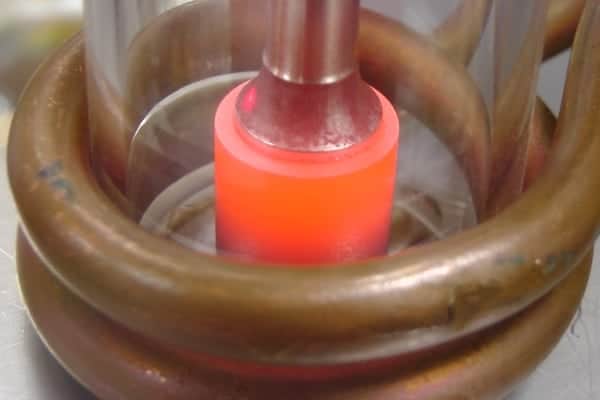
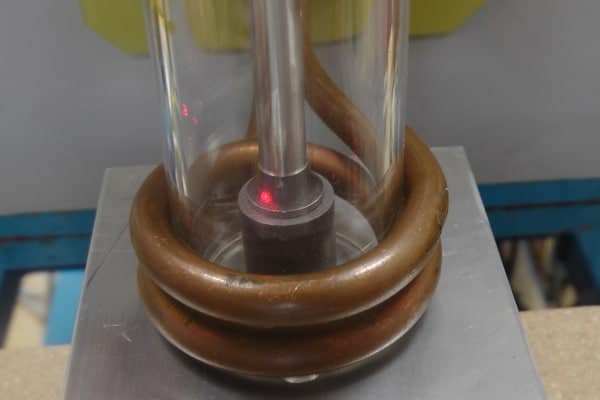
induction heating process with inert gas and vacuum technology

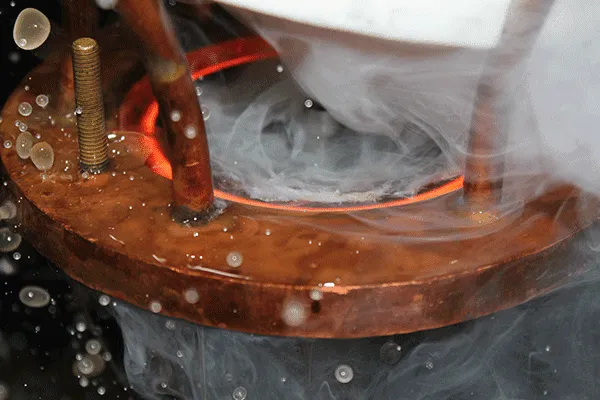
induction heating process with inert gas and vacuum technology Special materials or application areas require a special processing. The flux used during the conventional induction brazing process is often the cause corrosion and burns on the workpiece. Flux inclusions may also lead to an impairment of the component properties. Furthermore, due to the existing oxygen in the atmosphere discoloration of the workpiece occurs. These problems can be avoided when brazing under inert gas or vacuum. The inert gas method can be very well combined with the inductive heating as there is no open flame during induction brazing under protective gas and the flow-related conditions can be better controlled.

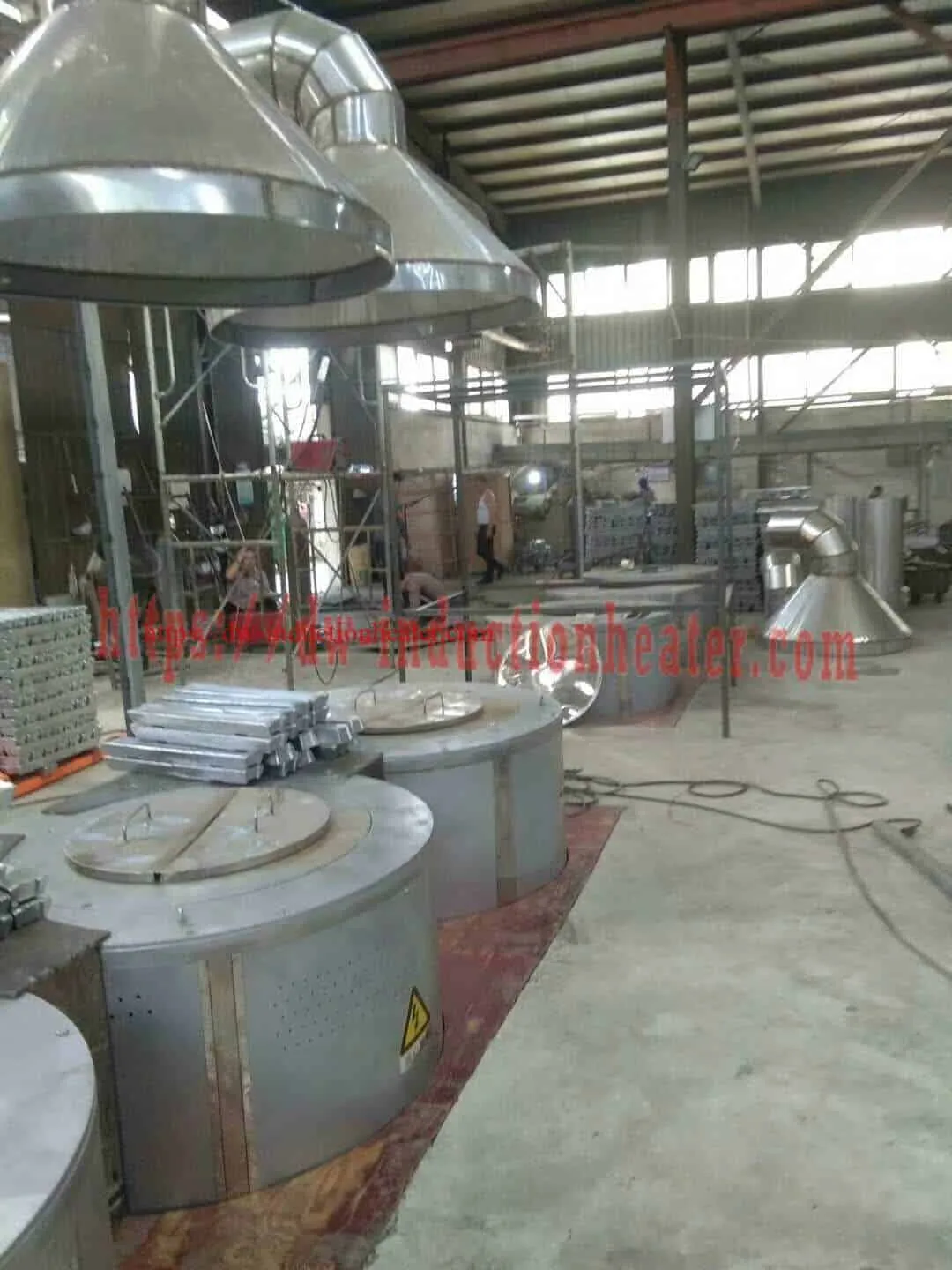
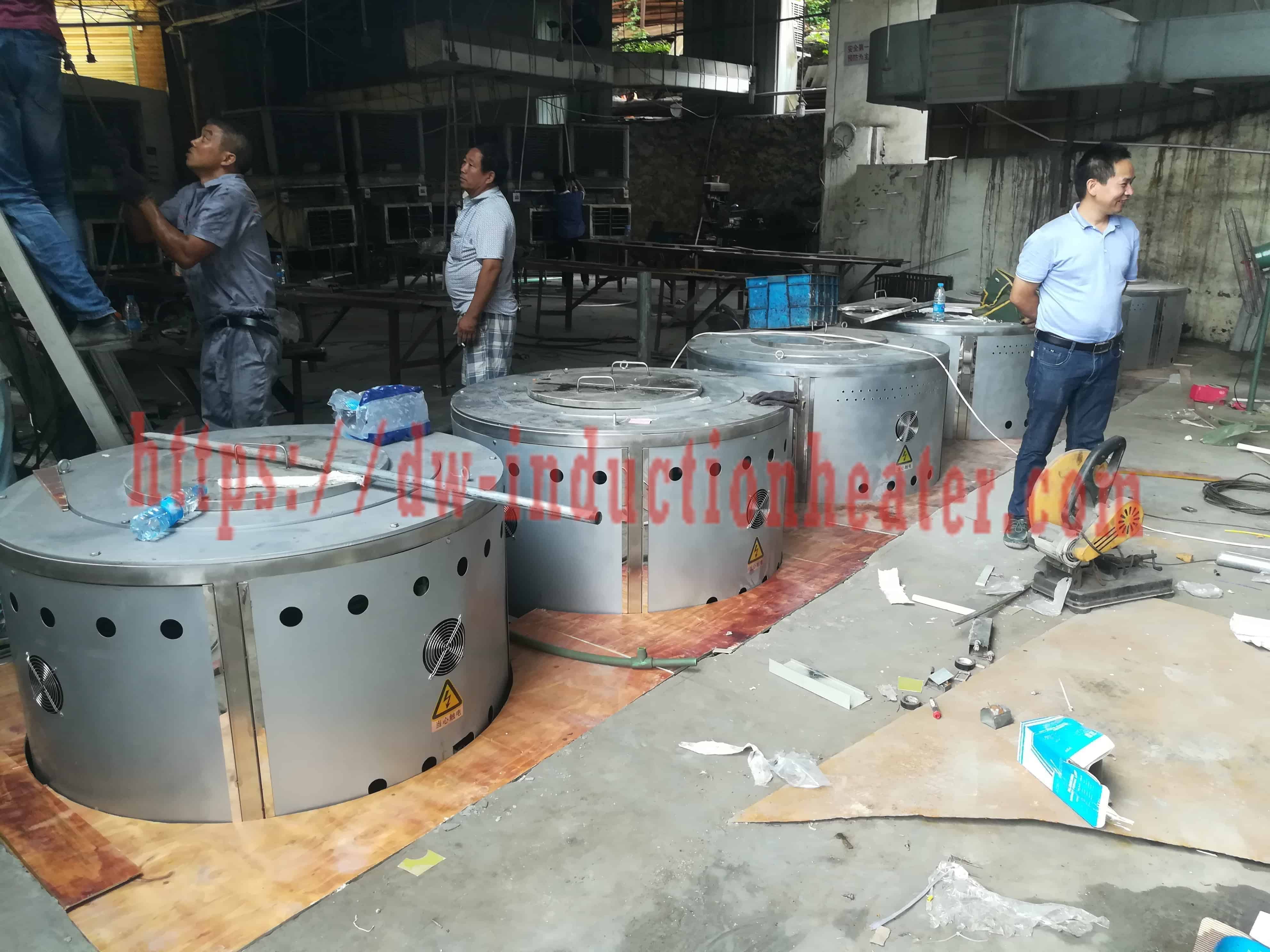
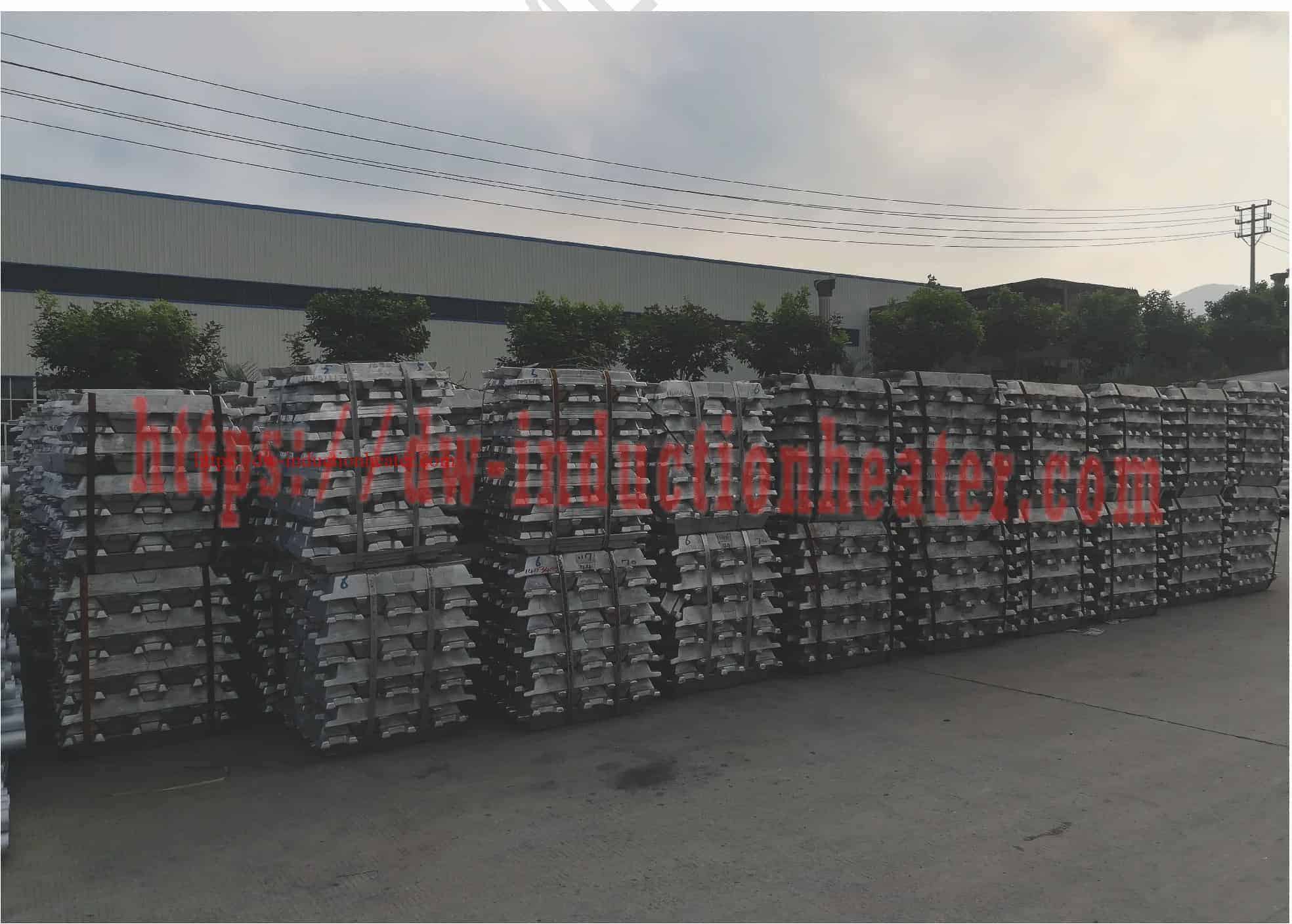
Aluminum Scraps Recycling Furnace

The top 200^1200kg Induction Aluminuim Scraps Recycling Furnace for recycling and melting aluminum scraps,ingots,cans and dross material.

Operation Steps:
  • A Aluminum scraps/ingots/cans recycling furnace operator will place aluminum parts or aluminum ingot/scrap as a charge in the induction melting aluminum recycling furnace and start the furnace to begin the melting process. Adding more aluminum charge this process is advisable as molten aluminum transmits the heat better.
  • When temperature of the aluminum reaches 1220.66°F it turns to liquid. Any residue from the coating and paint from the cans will float on the surface. This byproduct is called dross and can be skimmed by a steel ladle. This needs to cool before it can be disposed off safely.
  • Next, the crucible (furnace) will pour out pure aluminum. Usually, Hydraulic tilting mechanism provided to pour large quantities of liquid metals.
  • Finally, with care, the molten aluminum will be poured into mould to cool down and then slide out for use.
Advantages of induction aluminum scraps recycling furnace: 1, save energy and reduce the environmental temperature Original diesel furnace workshop on pollution, but also the auxiliary exhaust pipeline, inside and outside the furnace heat has a large number of distribution in the workshop, resulting in high temperature workshop. So is the original furnace condition, most escapes to the air, there is heat conduction loss, the production of large power consumption, increase the cost of production. At the same time, the ambient temperature increases. The electromagnetic induction heating process, the heating element is through magnetic field heating, in order to reduce the loss of heat conduction, fast heating, melting rapidly, thus reducing energy consumption. Reduce electricity consumption. After the comparison of the experimental test and modification, the power saving effect is 20%-40%. 2, rapid heating, temperature control accurate real-time Electromagnetic induction heating method is through the magnetic field lines make heating rapid heating, the rapid melting Aluminum Alloy. The temperature control is real-time and accurate, which improves the quality of the product and improves the production efficiency! 3 and long service life, simple maintenance The traditional electric melting induction furnace heating method is to use resistance wire heating, resistance wire in the high temperature environment for a long time in the use of oxidation will result in reducing its service life, high maintenance costs. The electromagnetic heating coil is made of insulating material and high temperature wire, so the service life is long and without any maintenance. 4, power Electromagnetic induction heating with the development and maturity of the technology, the production process and technology of components, software, such as reliable protection of the current power can be 2-200KW. 5, safe The utility model adopts the electromagnetic induction heating, which can reduce the surface temperature of the machine, and the human body can be safely touched, so as to avoid the occurrence of burn and scald accidents caused by the traditional heating mode and protect the production safety of the employees. Features 1 energy saving and environmental protection, Germany's IGBT power devices, high reliability, stable operation and low maintenance costs. 2) the frequency of the digital phase locked loop tracking, automatic load impedance matching. 3 power closed-loop control, to avoid the temperature change caused by the power down. 4) over voltage, under voltage, lack of phase, over current, over heat protection, real-time display of the parameters, fault diagnosis and alarm; leakage automatic alarm, cut off the power supply and the working state of real-time display. 5) PID heating control system, uniform heating temperature, prevent molten aluminum temperature drift, burning less, homogeneous metal components to improve the product qualification rate. 6 (LED) digital temperature controller, measuring and controlling the temperature accuracy of up to 3 degrees centigrade, the quality of aluminum soup is good, the melting temperature rises quickly, the furnace temperature is easy to control, the production efficiency is high; 7) the integral structure of polycrystalline mullite fibers of furnace, small volume, good insulation property, low energy consumption, high efficiency, temperature above 1200 degrees, long service life; 8. The operation is simple and the power can be adjusted with the work; 9 (100%) load duration, maximum power, to ensure the operation of 24 hours. Melting capacity of SMJD series electric aluminum scraps recycling melting furnace:   
Type Input Power Melting Capacity Max Temperature
steel, stainless steel copper, gold, silver (scrap, Slag) aluminum, aluminum alloy, Aluminum scrap, Aluminum slag, pop can 1800℃
SMJD-463 60 KW 200 KG 500 KG 200 KG
SMJD-480 60 KW 150 KG 500 KG 150 KG
SMJD-580 80 KW 200 KG 600 KG 200 KG
SMJD-600 60 KW 230 KG 560 KG 230 KG
SMJD-900 120 KW 300 KG 900 KG 300 KG
SMJD-905 80 KW 300 KG 900 KG 300 KG
SMJD-1250 80 KW 400 KG 1200 KG 400 KG
SMJD-1250 120 KW 450 KG 1350 KG 450 KG
SMJD-1500 120 KW 500 KG 1500 KG 500 KG
SMJD-1550 120 KW 520 KG 1560 KG 520 KG
SMJD-1700 160KW 600 KG 1700 KG 600 KG
SMJD-2300 160KW 800 KG 2000 KG 800 KG
SMJD-3100 200KW 1200 KG 3000 KG 1200 KG
Aluminium Scraps Recycling Melting Process SMJD induction melting furnace parameter Aluminum,Copper,Iron Induction Melting Furnace manual Induction Aluminum smelter Aluminum melting furnace with induction Aluminum melting furnace Aluminium Melting furnace Melting aluminum furnace

induction hardening process

High Frequency Induction Hardening  Process

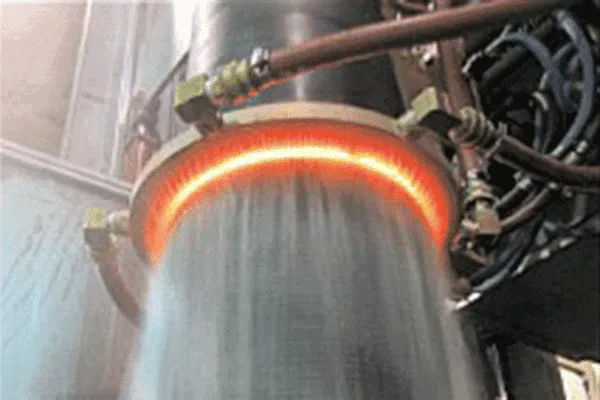
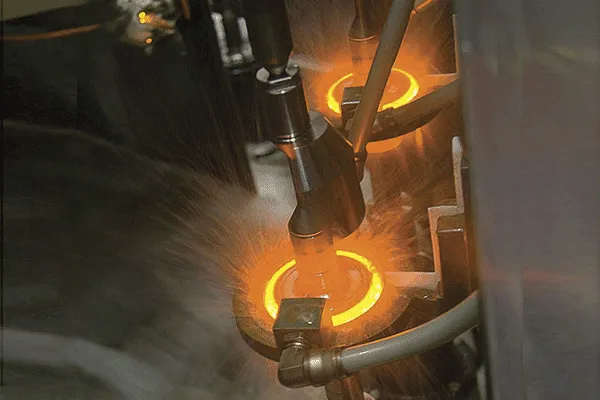
Induction hardening is used in particular for the hardening/quenching of bearing surfaces and shafts as well as intricately shaped parts where only a specific area needs to be heated. Through the choice of the operating frequency of the induction heating system, the resulting depth of penetration is defined. Additionally, it can be decided if the area is to be hardened in the air, with water or with a special hardening emulsion. Depending on the cooling medium, different degrees of hardness are achieved. Induction hardening can be realized as a manual or automated solution. There is also the possibility to harden in a continuous process.
  • Suitable for hardening and tempering of various workpieces, such as induction hardening of shafts, gears, guide rails, discs, pins, and other parts;
  • It has the functions of continuous hardening, simultaneous hardening, segmented continuous hardening, and segmented simultaneous hardening;
  • Use numerical control system or PLC and frequency conversion speed regulation system to realize workpiece positioning and scanning, and connect PLC and induction heating power supply to realize fully automated production.
  • Vertical (hardening of shaft parts) + horizontal (hardening of gear ring parts)
Hardening is one of HLQ induction heating power systems's main application areas. Hundreds of our hardening solutions are at work around the world—many of them within the automotive industry. The main benefit of induction heating for hardening is that it takes just a few seconds. In a furnace, the same process can take hours or even days. How is that possible? The answer is that induction is phenomenal at generating heat fast. This, in turn, means you can integrate hardening in the production process. Hardening in a furnace, on the other hand, is more time-consuming (greater heat loss) and requires moving the components either to your own furnace or to that of a subcontractor. In-line integration of hardening reduces your lead times considerably. You get full control over quality, delivery times and costs. There's no need to transport kilos of components back and forward, which saves energy and the environment.And last but not least, you cut down the amount of administration to a minimum. HLQ Induction Heating Power Systems has many years of experience in inductive hardening and tempering of diverse workpieces. At the heart of each Hardening system is HLQ Induction Heating Power Systems Induction Heat Power Source, the industry's most advanced induction frequency converter. These acclaimed converters help ensure optimum hardening results—day in day out, year after year The induction hardening machine includes Vertical Scanning , Horizontal (centerless) Scanning and customized machines—and serial and/or parallel compensated induction power sources with a wide range of output power and frequencies.
  • This series hardening machine tool uses numberic control technology, has continuous, simultaneous, sectionally-continuous and sectionally-silultaneous quenching functions, it is mainly used for induction quenching of shafts, discs, pins and gears, and featured by high quenching precision. hardening machine tool used by connecting with medium frequency, superaudio frequency, high frequency and ultrahigh frequency induction heating machine.
  • CNC quenching/hardening machine tool feature:
  • CNC system:The high-frequency quenching machine CNC system can compile and store a variety of quenching process programs according to different workpiece requirements.
  • HMI: programming type and human machine interface displays in English and Chinese.
  • Control adjust: it can control the heating power to start, stop, parts heating and cooling time, rotation speed and movement speed.
  • Lathe: adopt welded structure with good rust-proof functions.
  • Top adjustment parts: adopt electric adjustment, to realize clamping of different length work piece.
  • Work table system: adopt ball screw and servo motor to drive, driving light, high guide precision and accurate positioning.
  • Main shaft rotation system: adopt variable frequency regulating to realize parts rotation speed continuous adjusted.
  • Electric control part: the machine tool has power-loosing protection function, has high safety and reliability.
  • Frame: made by thick steel plates, with window and sliding doors, prevent water splash, easy to load parts and monitor hardening process.
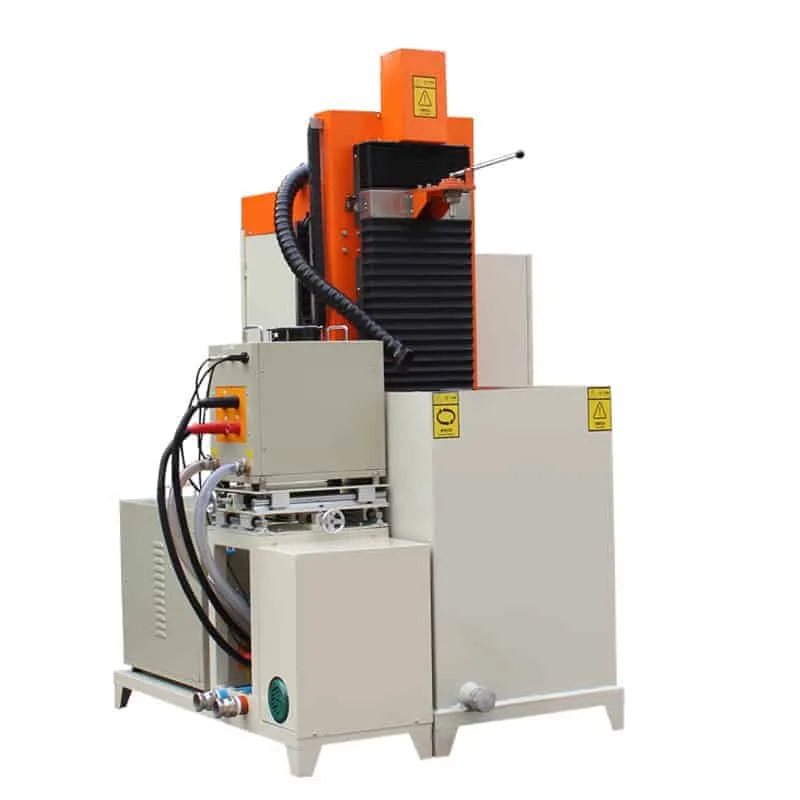
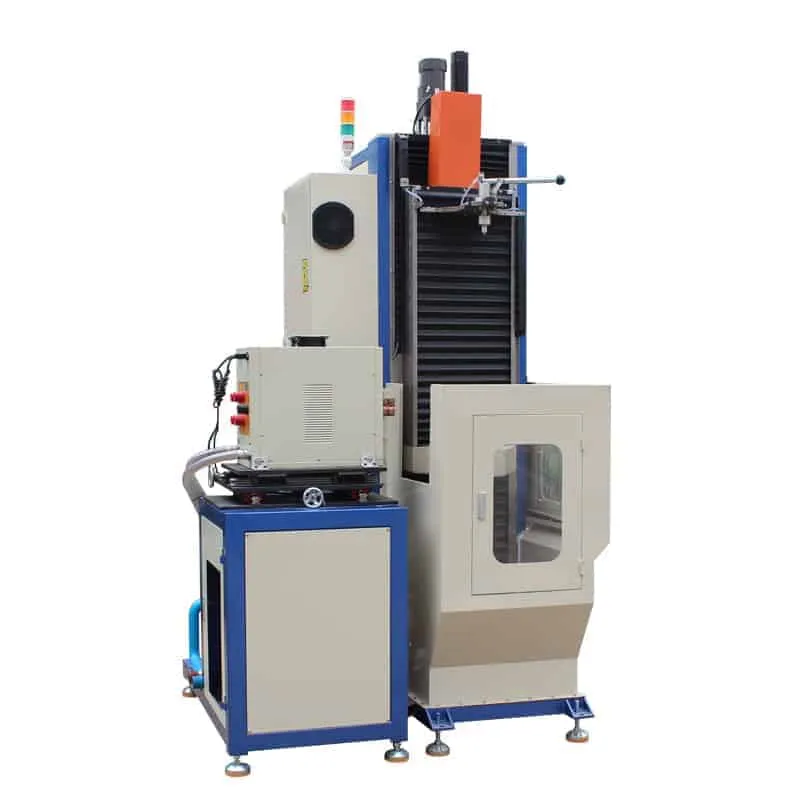
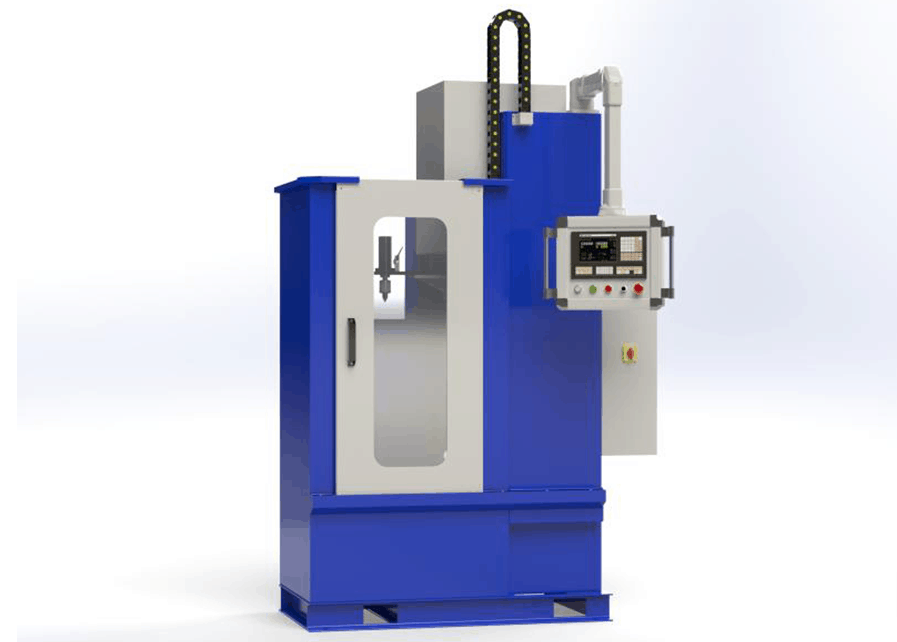
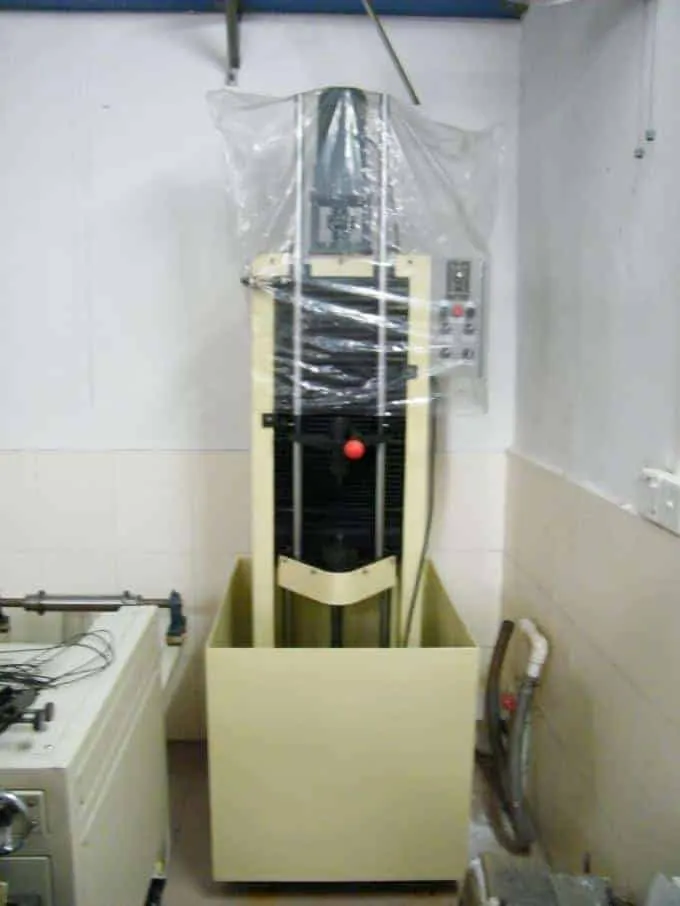
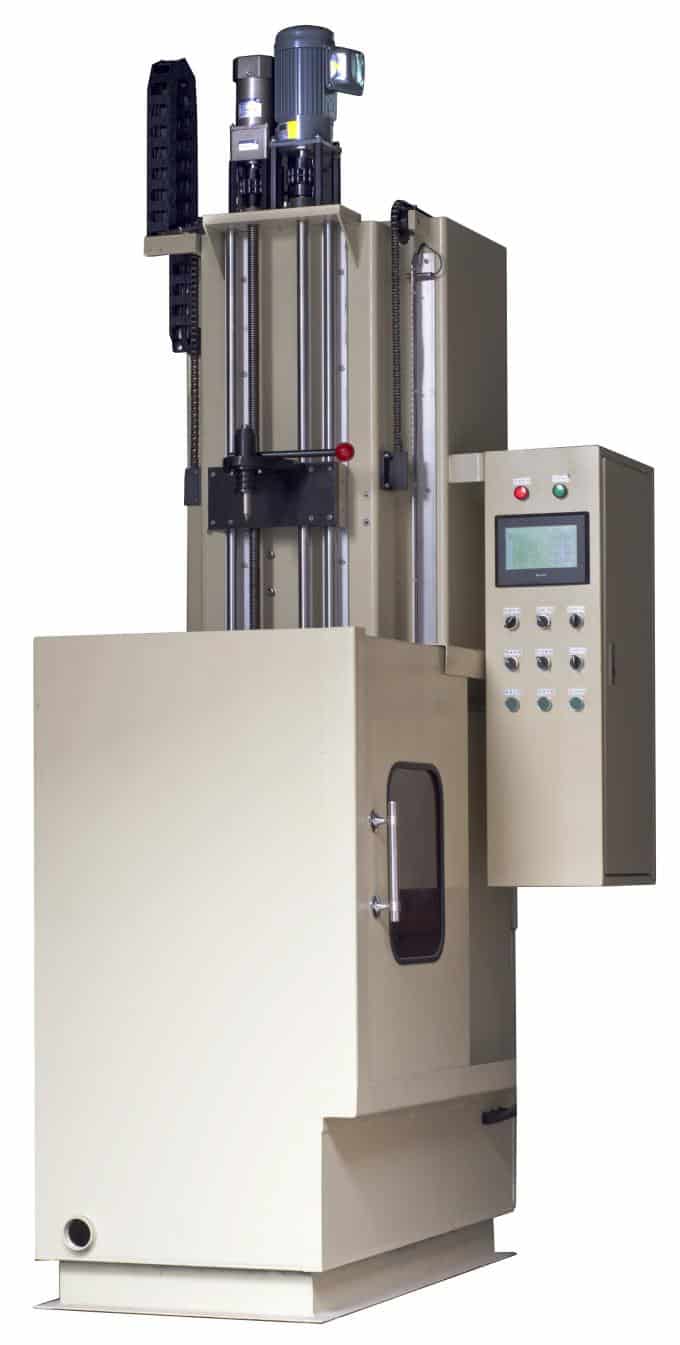
CNC vertical hardening/quenching machine tool This series hardening machine tool uses numberic control technology, has continuous, simultaneous, sectionally-continuous and sectionally-silultaneous quenching functions, it is mainly used for induction quenching of shafts, discs, pins and gears, and featured by high quenching precision. hardening machine tool used by connecting with medium frequency, superaudio frequency, high frequency and ultrahigh frequency induction heating machine. According to the different of workpiece, there are vertical type, horizontal typeclosed type, customized type, etc. 1.Standard SK-500/1000/1200/1500 workpiece moving type For shafts, discs, pins and gears hardening 2.SK-2000/2500/3000/4000 Transformer moving type , Used for heating length more than 1500mm shaft 3.Closed type : Customized for big shaft ,More clean work environment. 4.Horizontal hardening machine tool SK-500/1000/1200/1500/2000/2500/3000/4000  Used for smooth shaft 5.Customized type Technical Parameter
Model SK-500 SK-1000 SK-1200 SK-1500
Max heating length(mm) 500 1000 1200 1500
Max heating diameter(mm) 500 500 600 600
Max holding length(mm) 600 1100 1300 1600
Max weight of workpiece(Kg) 100 100 100 100
Workpiece rotation speed(r/min) 0-300 0-300 0-300 0-300
workpiece moving speed(mm/min) 6-3000 6-3000 6-3000 6-3000
Cooling method Hydrojet cooling Hydrojet cooling Hydrojet cooling Hydrojet cooling
Input voltage 3P 380V 50Hz 3P 380V 50Hz 3P 380V 50Hz 3P 380V 50Hz
Motor power 1.1KW 1.1KW 1.2KW 1.5KW
Dimension LxWxH (mm) 1600 x800 x2000 1600 x800 x2400 1900 x900 x2900 1900 x900 x3200
weight(Kg) 800 900 1100 1200
 
Model SK-2000 SK-2500 SK-3000 SK-4000
Max heating length(mm) 2000 2500 3000 4000
Max heating diameter(mm) 600 600 600 600
Max holding length(mm) 2000 2500 3000 4000
Max weight of workpiece(Kg) 800 1000 1200 1500
workpiece rotation speed(r/min) 0-300 0-300 0-300 0-300
workpiece moving speed(mm/min) 6-3000 6-3000 6-3000 6-3000
Cooling method Hydrojet cooling Hydrojet cooling Hydrojet cooling Hydrojet cooling
Input voltage 3P 380V 50Hz 3P 380V 50Hz 3P 380V 50Hz 3P 380V 50Hz
Motor power 2KW 2.2KW 2.5KW 3KW
Dimension LxWxH (mm) 1900 x900 x2400 1900 x900 x2900 1900 x900 x3400 1900 x900 x4300
weight(Kg) 1200 1300 1400 1500
CNC hardening/quenching machine tool feature: 1.CNC system:The high-frequency hardening machine CNC system can compile and store a variety of quenching process programs according to different workpiece requirements. 2.HMI: programming type and human machine interface displays in English and Chinese. 3.Control adjust: it can control the heating power to start, stop, parts heating and cooling time, rotation speed and movement speed. 4.Lathe: adopt welded structure with good rust-proof functions. 5.Top adjustment parts: adopt electric adjustment, to realize clamping of different length work piece. 6.Work table system: adopt ball screw and servo motor to drive, driving light, high guide precision and accurate positioning. 7.Main shaft rotation system: adopt variable frequency regulating to realize parts rotation speed continuous adjusted. 8.Electric control part: the machine tool has power-loosing protection function, has high safety and reliability. 9.Frame: made by thick steel plates, with window and sliding doors, prevent water splash, easy to load parts and monitor induction hardening process.     [caption id="attachment_6788" align="alignnone" width="600"]  [/caption]

Aluminum Foil Sealing Machine with Induction Heating

Aluminum Foil Sealing Machine with Induction Heating

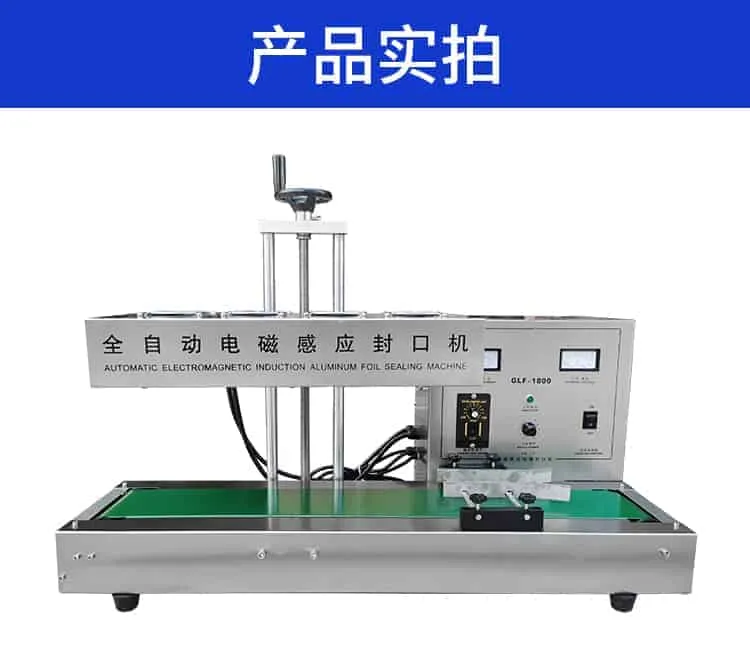
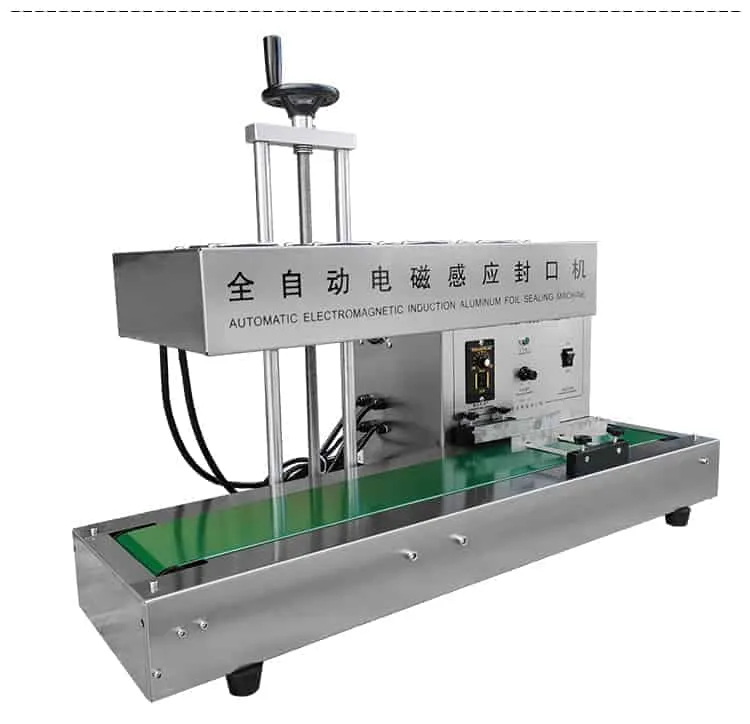
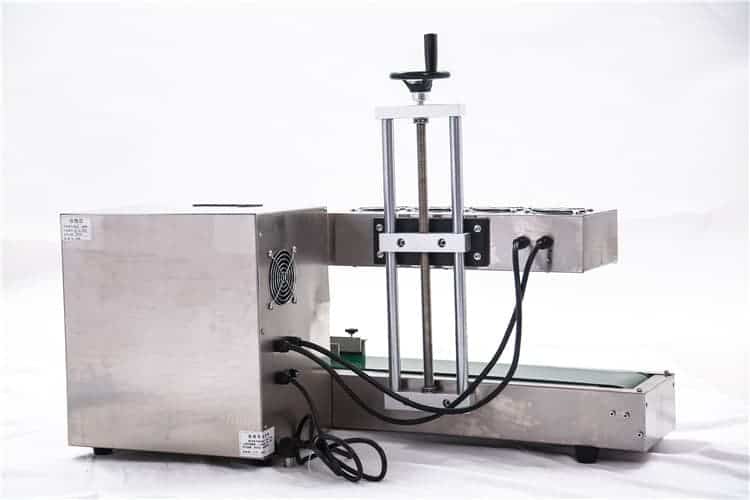
What is “Induction aluminum foil sealing machine”? Induction Aluminum Foil Sealing Machine is used for PP, PE, PET, PS, ABS, HDPE,LDPE and glass bottles, which utilizes electromagnetic principle to produce instant high heat to melt aluminum foil that then adheres to the opening of the bottles, reaching the aim of wet-proof, leakage-proof, mildew-proof and extending preservation time. A common type of inner seal is a 2 pieces inner seal which leaves a secondary seal inside the caps once the induction seal has been removed.  This is commonly used where issues of leakage are a concern.  Another option is the single piece inner seal where once the induction seal is removed there is no liner left in the closure.  You can also choose from seals that have a pulltab or ones that have a peelable seal leaving no residue on the bottle. You must be certain that the liner is compatible with the bottle material.  
Model 2500W 1800W 1300W
Product Material Stainless Steel
Sealing Diameter 60-180mm 50-120mm 15-60mm
Sealing Speed 20-300 bottles/min
Transfer Speed 0-12.5m/min
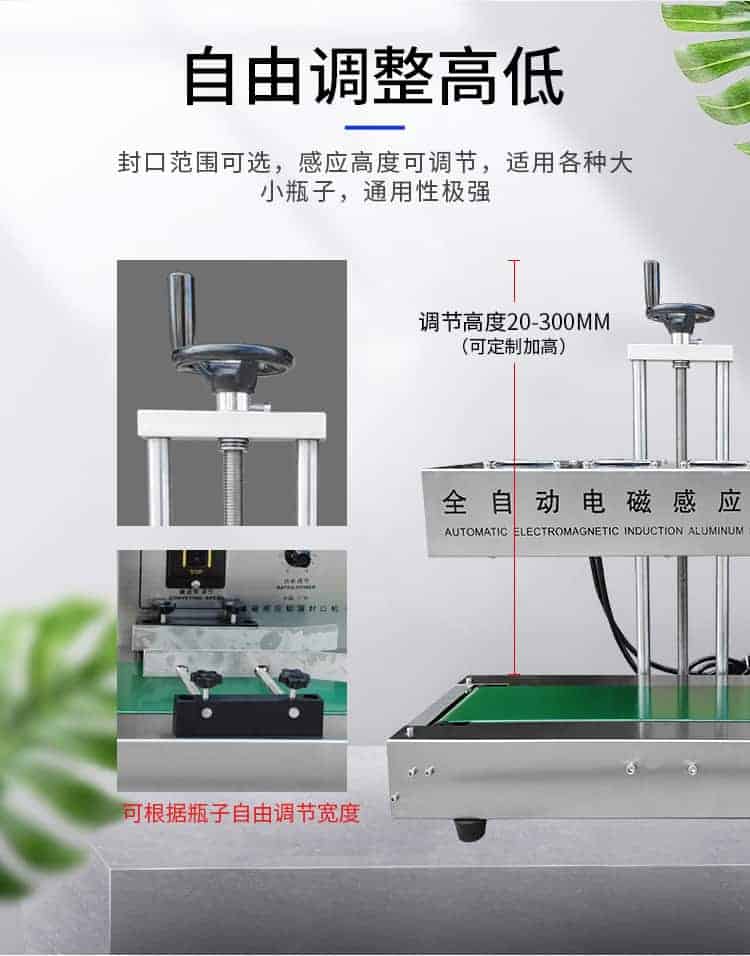
Sealing Height 20-280mm 20-180mm
Max Power 2500W 1800W 1300W
Input Voltage Single phase,220V,50/60Hz
Applicable material PP, PE, PET, PS, ABS, HDPE,LDPE and glass bottles, Plastic bottle mouth aluminum foil film
Dimension(L*W*H): 1005*440*390mm 970*515*475mm
Weight 72kg 51kg 38kg

What is Induction Sealing?

Induction sealing is a non-contact method of bonding materials made from thermoplastics through electromagnetic induction which generates eddy currents to heat the materials. In the packaging industry, this process is used to hermetically seal a container cap having a foil laminate sealable by heat. In the case of our Aluminum Foil Induction Sealer Equipment, the foil laminate is an aluminum heat induction liner.  
These packaging machines are used to hermetically seal glass and plastic containers via induction sealing to extend product shelf life, prevent leaks, and most especially to provide tamper-evident seals. Aluminum foil induction can seamer machines are available in electrically-powered, handheld, and manual designs for sealing various closure sizes.

What is an Aluminum Heat Induction Liner?

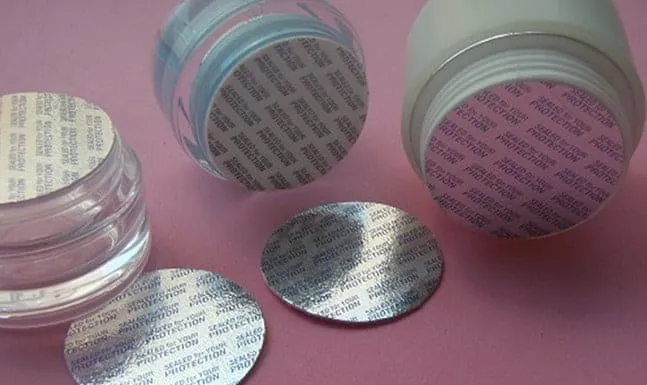
You’ve seen these things covering bottle and jar containers when you open a packaged product such as peanut butter or bottled medicines. An aluminum heat induction liner is a silver foil at the opening of a container that proves that the packaged product is tamper-evident. They require an aluminum foil induction can sealing equipment to properly seal these liners to the can. Moreover, a typical aluminum heat induction liner inside a cap is a multi-layered seal made up of the following strategically situated and designed layers:
  • A pulp paperboard layer
  • A wax layer
  • An aluminum foil layer
  • A polymer layer
The topmost layer, which is the pulp paperboard layer, nests against the lid’s inside part and is spot-glued to it. Followed by a layer of wax used to bind the pulp paperboard layer to the third layer, the aluminum foil, which is the layer that adheres to the container. The last layer at the bottom is the polymer layer which looks like a plastic film. These four layers work together in order to achieve the necessary dynamics for a successful induction process to produce an airtight seal.

Induction Sealing Applications

HLQ aluminum foil induction sealing machines for screw caps are ideal for sealing food, beverages, medical products, and cosmetics among others in various bottle shapes, such as round and square bottles, made from plastic. Furthermore, below are the various industries and products that LPE can seaming machines can handle.
Beverage Industry Wine, Canned beer, Soda, Water, Cider, Juice, Coffee and Tea, Carbonated Beverages
Food Industry Meat, Seafood, Vegetables, Fruits, Sauce, Jam, Tuna, Soup, Cannabis, Honey, Nutrition Powder, Dry Food (such as nuts, cereals, rice, etc)
Pharmaceutical Industry Veterinary supplies, Medical supplies, Powders, Pills, Pharmaceutical raw materials
Chemical Industry Cooking oil, Lube oil, Glue, Paint, Farm chemicals, Cleaning liquid, Ink and lacquers, Nuclear waste and radioactive substances, Automotive Fluids (petrol, oil, and diesel)

How Aluminum Foil Induction Sealing Machine Work

The induction sealing process starts by supplying an already product-filled cap-container combination to the aluminum foil induction can seaming machine. The lid has already an aluminum foil heat induction liner inserted in it before it is capped to the container. The cap-container combination passes under the seamer head, which is emitting an oscillating electromagnetic field, via a moving conveyor. As the bottle passes under the seamer head, the aluminum foil heat induction liner starts to heat because of the eddy currents. The wax layer, which is the second layer of the induction liner, melts and is absorbed by the topmost layer - the pulp paperboard layer.
When the wax layer melts completely, the third layer (the aluminum foil layer) is released from the lid. The last liner layer, the polymer layer, also heats and melts onto the plastic container’s lip. Once the polymer cools down, the created bond between the polymer and the container produces a hermetically sealed product. The whole sealing process does not negatively affect the product inside the container. Though it is possible for foil overheating to happen which causes damages to the layer of seal resulting in faulty seals. To avoid this, LPE performs strick quality inspection through the whole manufacturing process of your customized aluminum foil induction can seamer equipment. Before the manufacturing process, we do extensive consultation with you to properly understand your needs. This helps in determining the appropriate system necessary to handle a specific product such as the required machine sizing for a guaranteed safe packaging line.

RPR Induction Disbonder

RPR Induction Disbonder-RPR Induction Coating Removal Heater-RPR Induction Coating Disbonding Heater

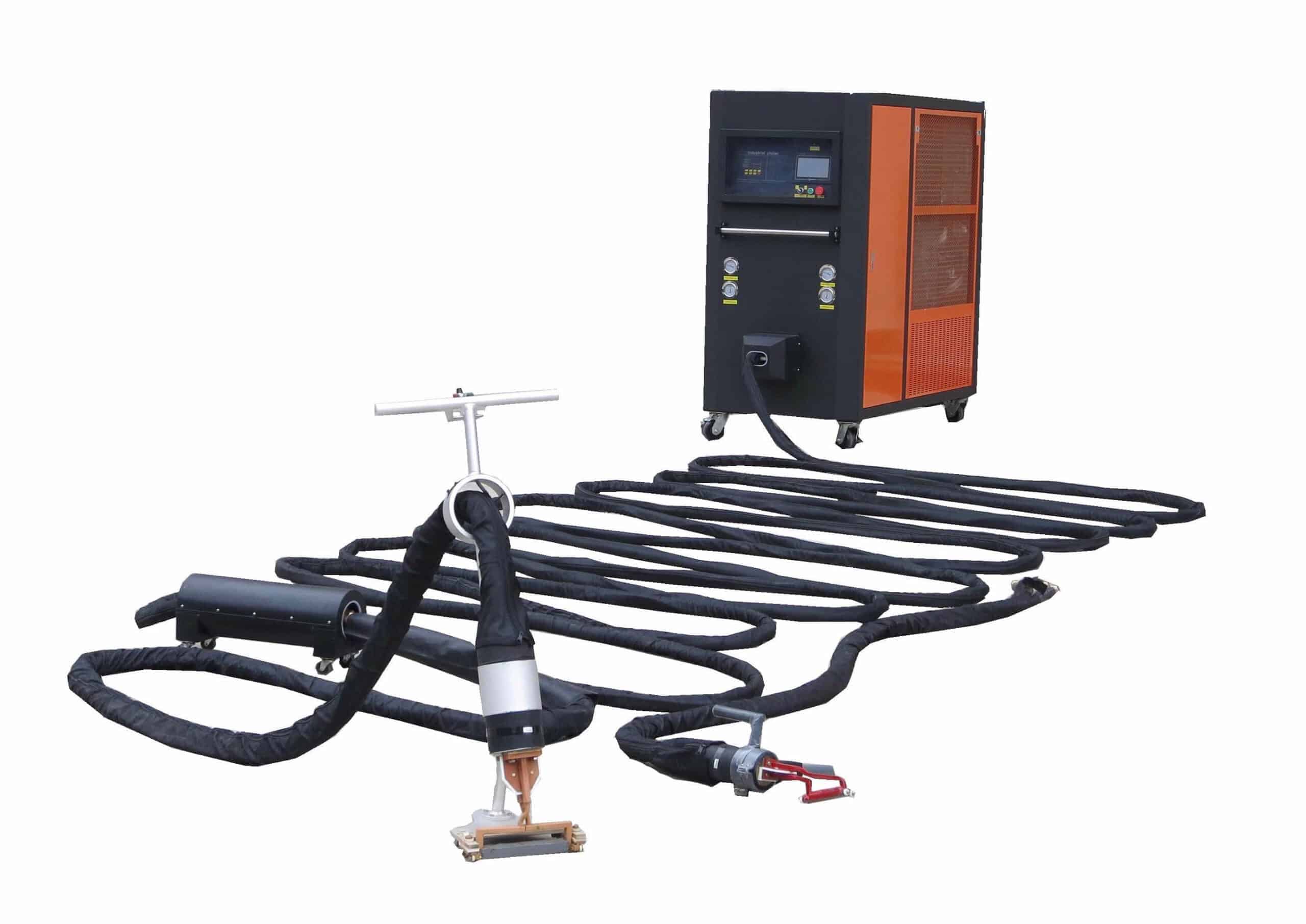
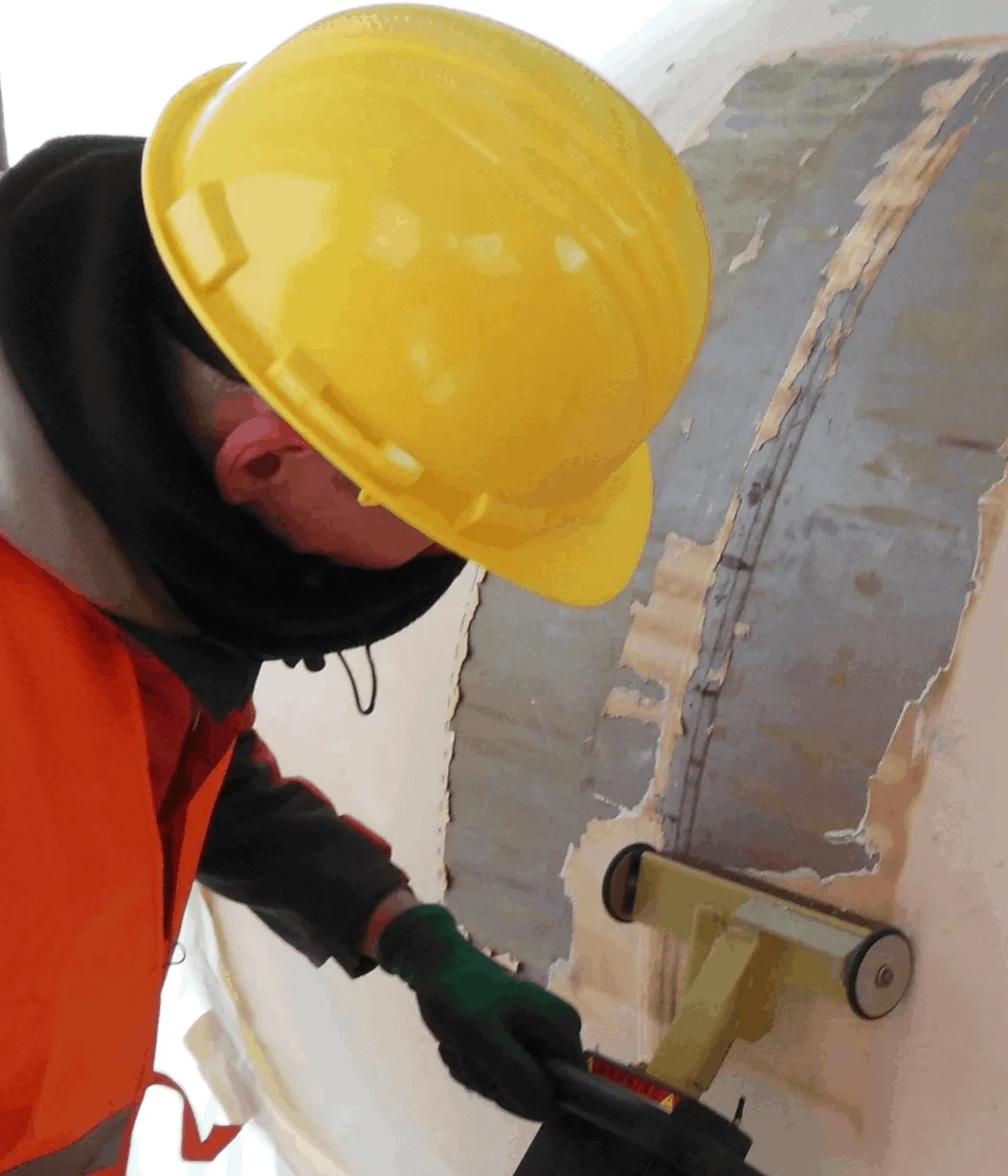
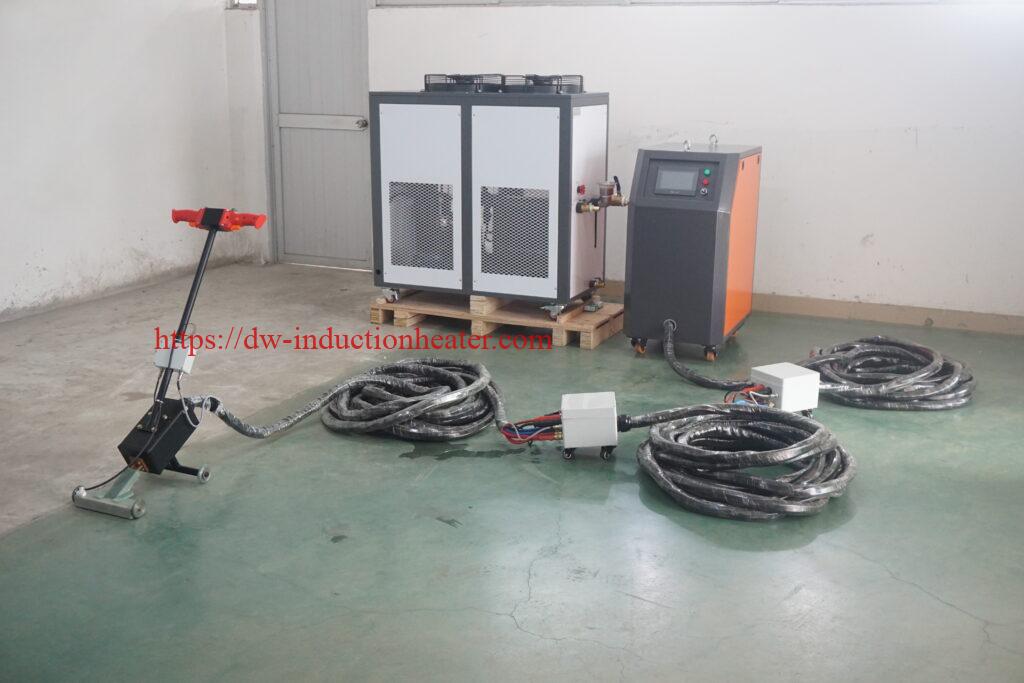
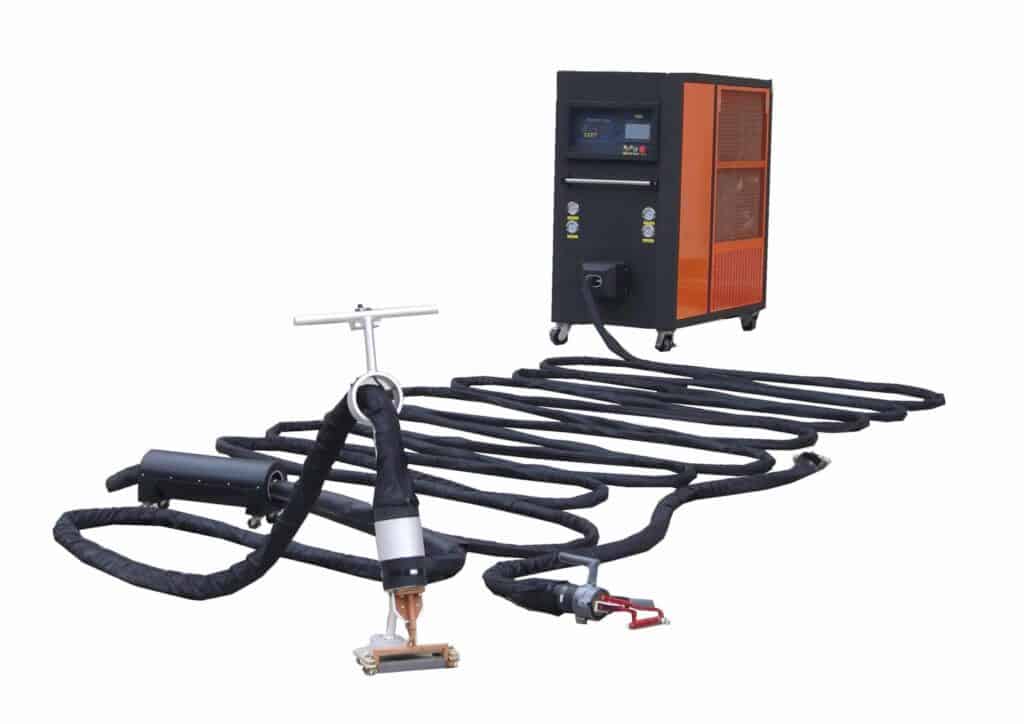
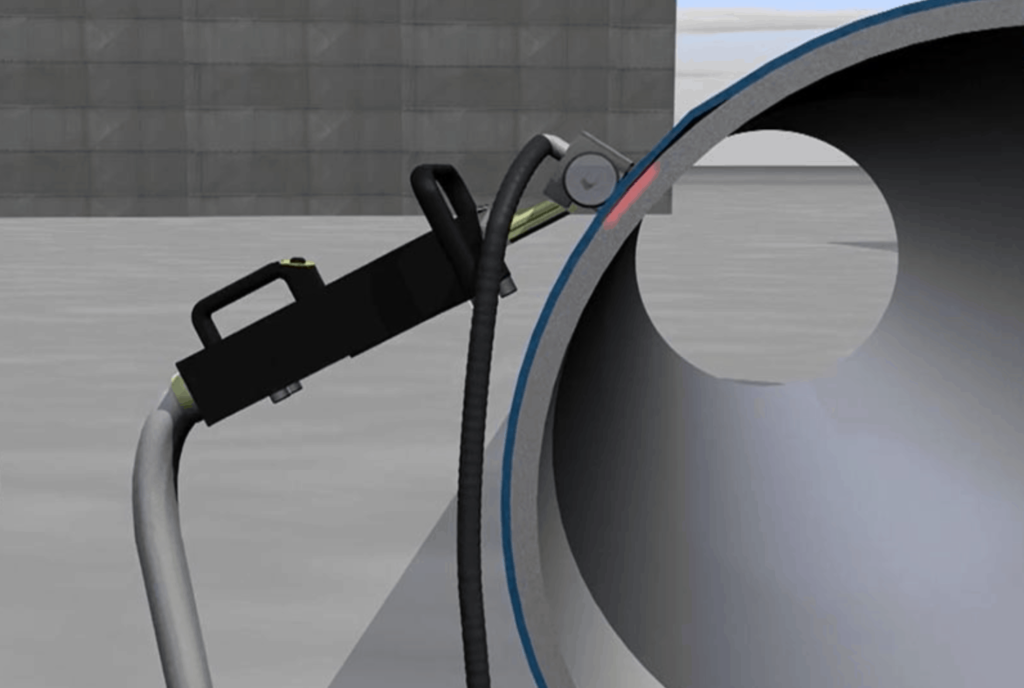
HLQ Long distance RPR induction disbonder is consisted of medium frequency induction heating generator, long distance cable and hand-held heating head. Power ranges from 30 to 60KW, and output frequency 20KHz around, cable length can be 20 or 40m long. HLQ RPR induction disbonding coating heater can be used for heating for coatings removing,rubber removal,paint removal,copper connector brazing, copper tube brazing, surface heating,etc.

[caption id="attachment_6966" align="alignnone" width="1024"] RPR Induction Disbonder[/caption]
Working theory and acteristics

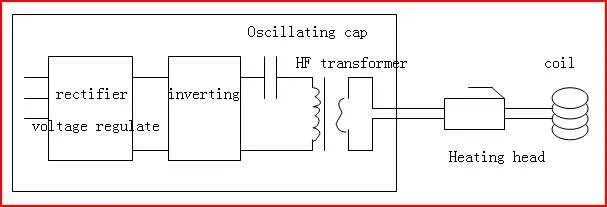
HLQ induction heating machines adopt series oscillating circuit, inverting high frequency power is output through transformer and oscillating cap to the heating head, and then output to coil for heating. In HLQ RPR Induction Disbonder, our latest third generation inverting and adjust technologies are adopted to realize soft switching of the IGBT components and independent adjusting of the power and frequency, so as to reach a marvelous heating feature of the machine.
Model DWS-25P DWS-30P DWS-60P
Max input power 25kw 30kw 60kw
Length of heating head 20M 20-40M
Output frequency 20-50KHz
Output current 5~45A 6-54A 12-108A
Output voltage 70~520V
Input voltage 380V,3phases,50/60Hz
Duty cycle 50%
Cooling water ≥0.5MPa ≥30L/min
Inner water chiller Yes
Weight Generator 280KG 316KG 580KG
Heating head 2.2KG 2.7KG 4.5KG
Size/cm Generator 103L×750W×156.6H 103L×750W×156.6H 70L×40W×103.5H
Heating head Ф6.5×16.5L Ф8×18.5L Ф11.8×24L

How RPR induction coating removal | Induction Stripping Works?

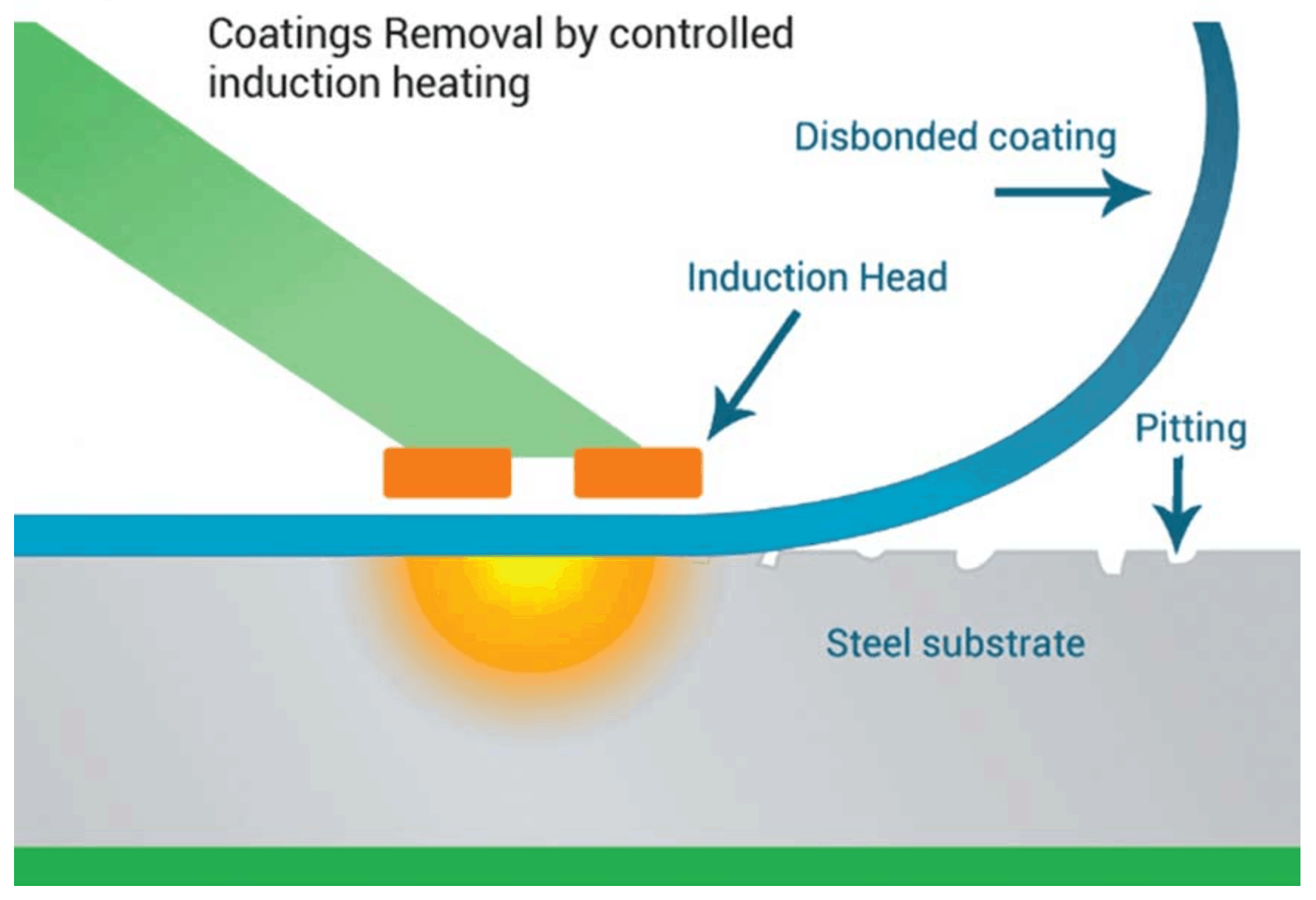
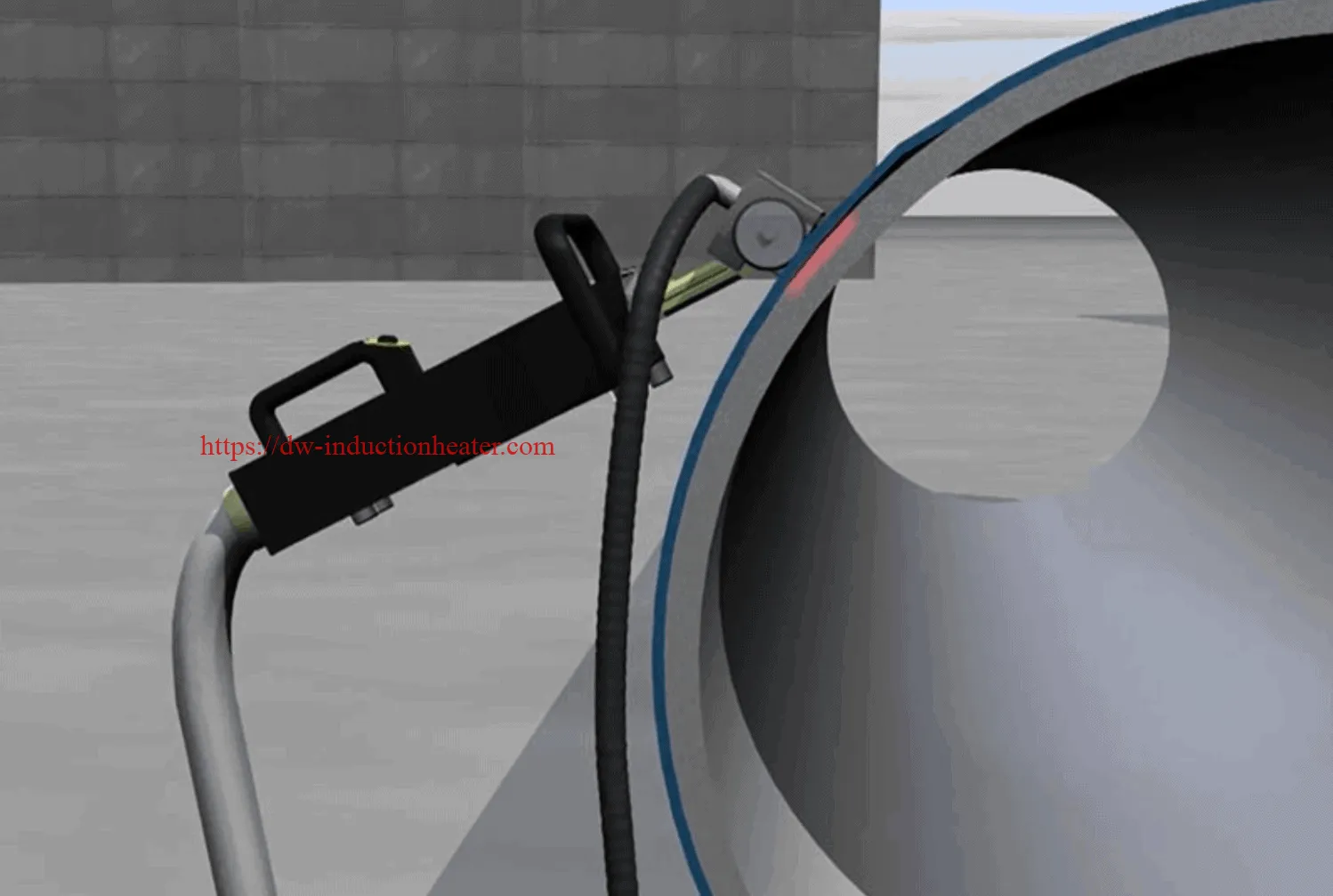
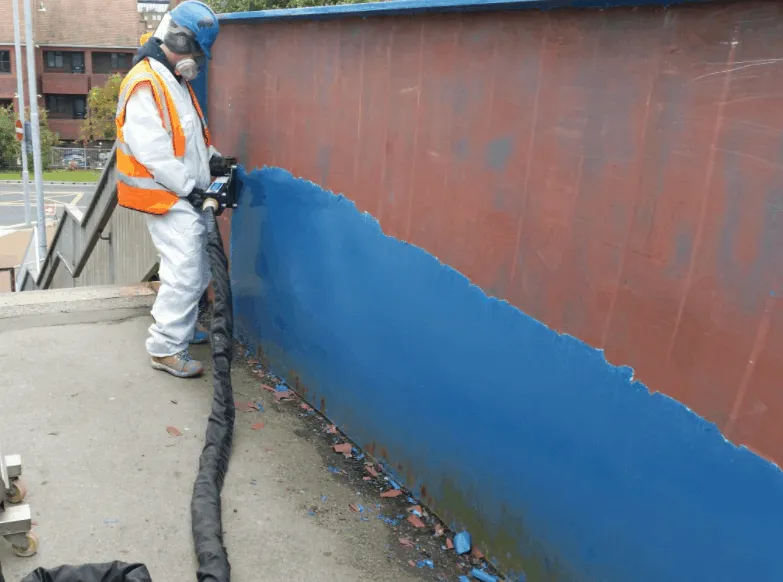
induction coating removal | Induction stripping is a hot surface preparation process.An induction heating generator sends alternating current through an induction coil, which generates an electromagnetic field. This field induces currents that are converted into heat in contact with conducting materials such as steel. The heat is generated beneath the coating, causing the coating to peel rapidly. This method is suitable for treating flat or curved surfaces on the jobsite and does not require any confinement. The induction coating removal|induction stripping system will strip paint, other coatings, heavy rust, bacterial corrosion and oil and grease electrically conductive surfaces (ferromagnetic steel) breaking the interfacial bonding between the material and the substrate etch residues, induction heating localized and controlled which consumes minimal energy. HLQ simplifies your coatings removal needs with yet another revolutionary technology: Induction Stripping! HLQ’s induction stripping equipment removes your toughest coatings from steel structures with no noise or secondary waste—getting right down to the steel.
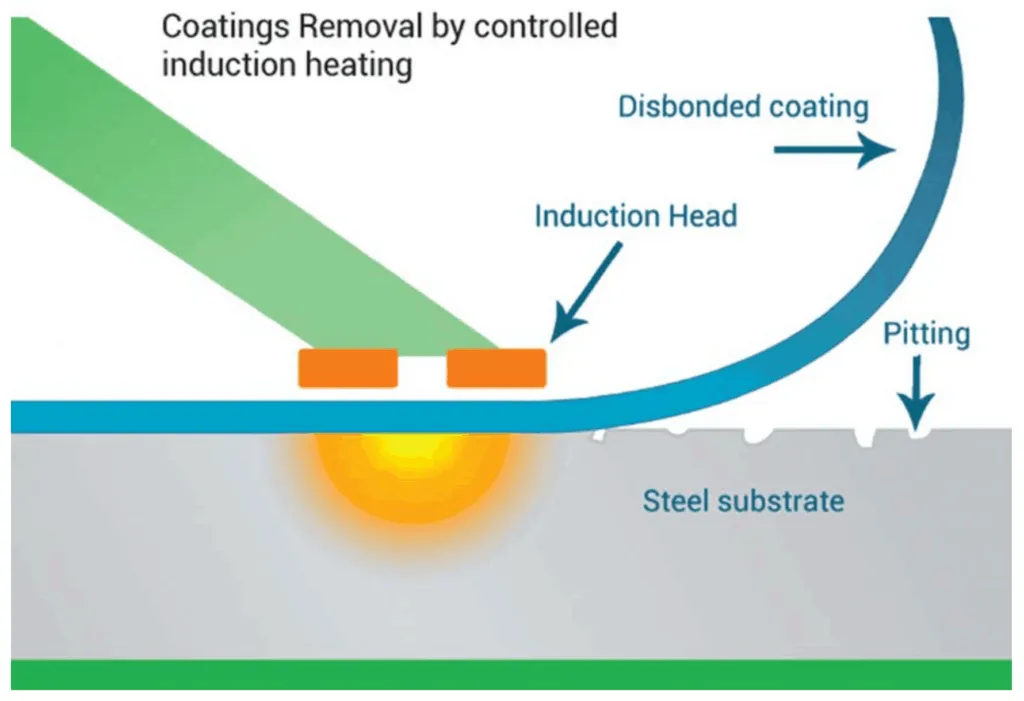
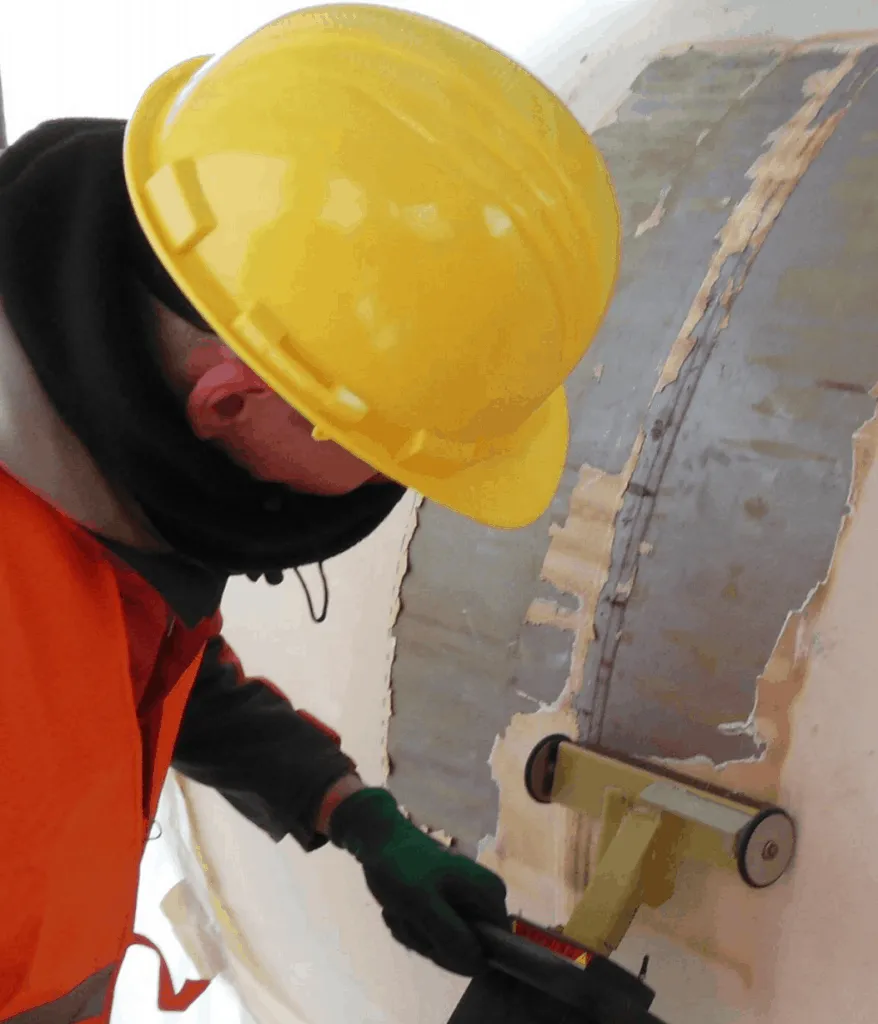
If you have ever wished for a magic wand to solve your coatings removal headaches, HLQ has the next best thing. HLQ technician can wave our induction wand over your coating catastrophe and dis-bond some of the hardest to remove coatings at rates that are up to 10 times faster than competing technologies like sandblasting.It’s not magic, but our induction stripping technology is a close second! When HLQ technicians move our induction head over a steel surface, it creates sufficient heat (typically 300 to 400 degrees) to quickly unbond most coatings from tanks, tankers, pipelines, ships and offshore platforms, allowing coatings (up to 1-inch thick) to be removed in sheets. RPR Heat Induction coating removal works by the principle of induction. Heat is generated in the steel substrate and the bond at the steel and coating interface is broken. The coating is then removed entirely without disintegrating and completely free from contaminating agents, i.e.. blast media. This makes disposal and recycling of waste easier and more cost effective.   With minimum power consumption even the thickest and hardest coatings can be completely removed. RPR Heat Induction is faster than conventional methods. A silent method of coating removal means that our engineers can operate day or night with no noise pollution. Because of the many advantages of our induction heating process, we’ve been able to provide a wide range of Alliance customers with the service they need. We’ve worked with customers in industries such as:
  • Oil & gas
  • Financial
  • Food & beverage processing
  • Retail and food services
  • Marine
  • Hotels & hospitality
  • Commercial pools and aquariums
HLQ’s jaw-dropping induction dis-bonding process removes most coating types, including:
  • Coal Tar Epoxy
  • Polyethylene
  • Fiberglass
  • Anti-skid
  • Rubber
  • Chartek fireproofing or other intumescent coatings
Faster, Quieter, Cleaner, Safer Surface Preparation

A faster, safer and cleaner method for removing industrial coatings from steel surfaces. Some might say induction stripping is the “quick and dirty” way to get the job done, but truthfully it’s quick, and not messy at all. Because induction stripping creates no secondary waste, cleanup is simplified. Dealing with sheets or strips of coating is infinitely easier than dealing with blast media and dust.
In many cases, containment can be simplified or eliminated altogether. Imagine eliminating a costly scaffolding and containment project and replacing it with a snorkel lift and a drop cloth! Other trades can work in close proximity to HLQ’s induction stripping activities because it is a very quiet process that will not create obnoxious noises that disrupt the productivity of other contractors you may have working on your project. Our induction stripping equipment has no moving parts, making our process much safer than hydro-blasting or sandblasting for your employees, other contractors, customers and passersby. RPR induction removes paint, coatings, thick rust, bacterial corrosion and oil & grease residues from electrically conductive surfaces (steel, etc.) by breaking the interfacial bonding between the material to be removed and the substrate using controlled, localized induction heating with a mini- mum consumption of energy.
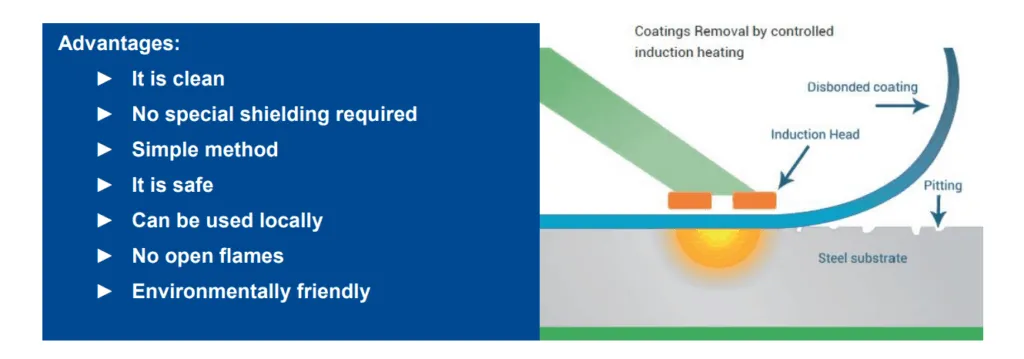
The induction heating principle

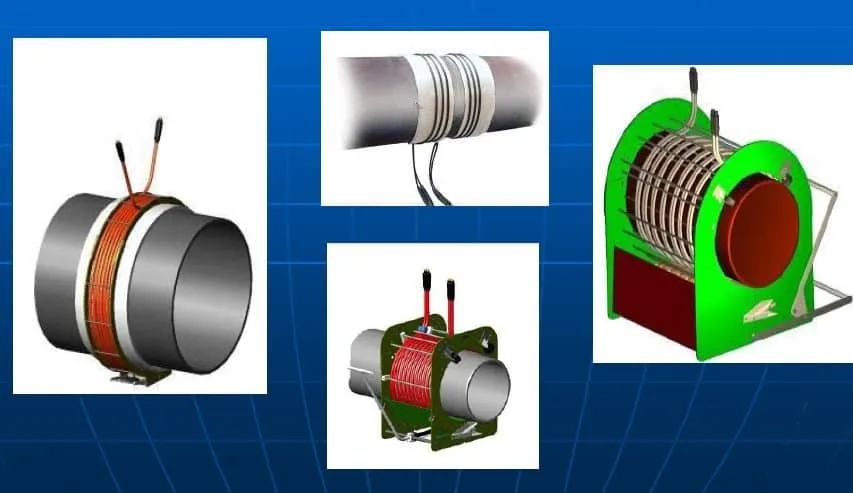
The RPR induction generator sends alternating current through an induction heating coil, which gener- ates an electro-magnetic field. This magnetic field induces eddy currents in a conductive mate- rial like steel. Due to the resistance of the steel, these currents are converted to heat = induction heating. The heat is generated below the coat- ing, resulting in quick and clean disbonding. RPR Heat Induction works by the principle of induction. Heat is generated in the steel substrate and the bond at the steel and coating interface is broken. The coating is then removed entirely without disintegrating and completely free from contaminating agents, i.e.. blast media. This makes disposal and recycling of waste easier and more cost effective. With minimum power consumption even the thickest and hardest coatings can be completely removed. RPR Heat Induction heating is faster than conventional methods. A silent method of coating removal means that our engineers can operate day or night with no noise pollution. The RPR Induction disbonding system is ideal for the removing paint, rust, and other coatings (vulcanized rubber, fire protectant, epoxies, etc. with control possibili- ties for the following functions: • Energy consumption • Disbonding temperature range • Heat penetration • Removal speed With above setting possibilities, RPR delivers unequalled performance and is the system of choice for cost-effective, safe and environmentally friendly surface coating removal from steel substrates. RPR is ideal for: marine, tanks, offshore and land-based pipelines
Induction stress relieving flat blanks

Induction Stress relieving is applied to both ferrous and non-ferrous alloys and is intended to remove internal residual stresses generated by prior manufacturing processes such as machining, cold rolling and welding. Without it, subsequent processing may give rise to unacceptable distortion and/or the material can suffer fromservice problems such as stress corrosion cracking. The treatment is not intended to produce significant changes in material structures or mechanical properties, and is therefore normally restricted to relatively low temperatures. Carbon steels and alloy steels can be given two forms of stress relief: 1. Treatment at typically 150-200°C relieves peak stresses after hardening without significantly reducing hardness (e.g. case-hardened components, bearings, etc.) 2. Treatment at typically 600-680°C (e.g. after welding, machining etc.) provides virtually complete stress relief. Objective Stress relieving flat blanks of carbon steel at a rate of 30 feet/9.1 meters per minute to reduce hardness from the outer 2”/51mm on each side to eliminate cracking issues with the end product Material:  Carbon steel flat blanks (5.7-10.2”/145-259mm wide and 0.07-0.1”/1.8-2.5mm thick) Temperature: 1200 ºF (649 ºC) Frequency: 30 kHz Induction Heating Equipment: HLQ 200kW 10-30 kHz induction heating system equipped with a remote heat station containing eight 10 μF capacitors -- A multiple turn split induction heating coil designed and developed specifically for this application Process Carbon steel flat blanks will run through an induction coil at a rate of 30 feet/9.1 meter per minute to temper or stress relieve carbon steel. During this process, the carbon steel will heat to 1200 ºF (649 ºC). This will be sufficient to remove work hardening from 2”/51mm of each side of the width. Results/Benefits Speed: Induction rapidly heats the carbon steel to temperature, which enables a rate of 30 feet per minute --Efficiency: Induction heating not only saves production time, it also saves energy costs --Footprint: Induction takes up a modest footprint, so it can easily be implemented into production processes such as this one Treatment at typically 150-200°C relieves peak stresses after hardening without significantly reducing hardness (e.g. case-hardened components, bearings, etc.): --Treatment at typically 600-680°C (e.g. after welding, machining etc.) provides virtually complete stress relief. --Non-ferrous alloys are stress relieved at a wide variety of temperatures related to alloy type and condition. Alloys that have been age-hardened are restricted to stress relieving temperatures below the ageing temperature. Austenitic stainless steels are stress relieved below 480°C or above 900°C, temperatures in between reducing corrosion resistance in grades that are not stabilised or low-carbon. Treatments above 900°C are often full solution anneals. Normalising Applied to some, but not all, engineering steels, normalising can soften, harden or stress relieve a material, depending on its initial state. The objective of the treatment is to counter the effects of prior processes, such as casting, forging or rolling, by refining the existing non-uniformstructure into one which enhances machinability/formability or, in certain product forms, meets final mechanical property requirements. A primary purpose is to condition a steel so that, after subsequent shaping, a component responds satisfactorily to a hardening operation (e.g. aiding dimensional stability). Normalising consists of heating a suitable steel to a temperature typically in the range 830-950°C (at or above the hardening temperature of hardening steels, or above the carburising temperature for carburising steels) and then cooling in air. Heating is usually carried out in air, so subsequent machining or surface finishing is required to remove scale or decarburised layers. Air-hardening steels (e.g. some automotive gear steels) are often "tempered" (subcritically annealed) after normalising to soften the structure and/or promote machinability. Many aircraft specifications also call for this combination of treatments. Steels that are not usually normalised are those which would harden significantly during air cooling (e.g. many tool steels), or those which gain no structural benefit or produce inappropriate structures or mechanical properties (e.g. the stainless steels).

Brazing Copper Tubing with Induction

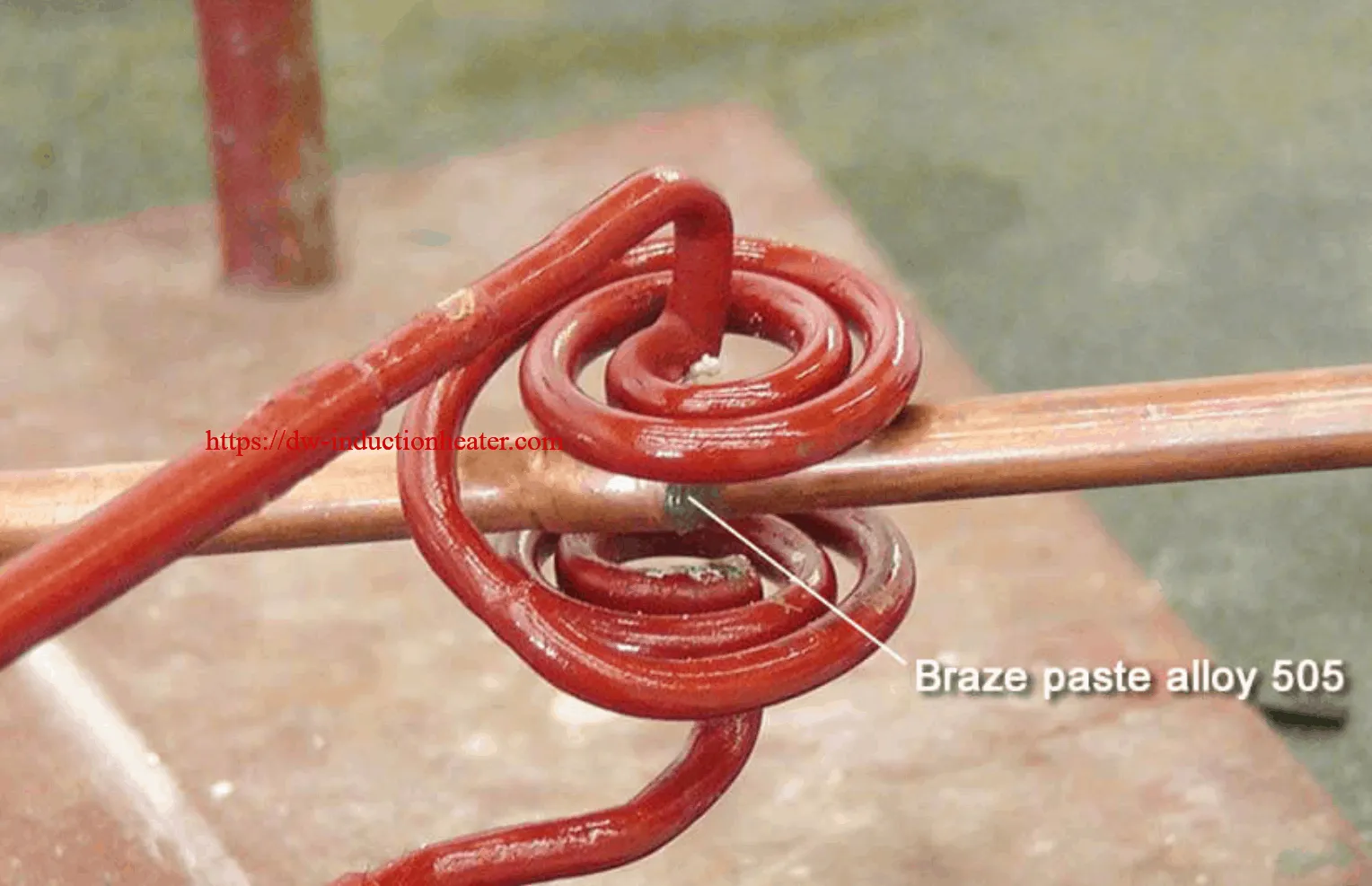
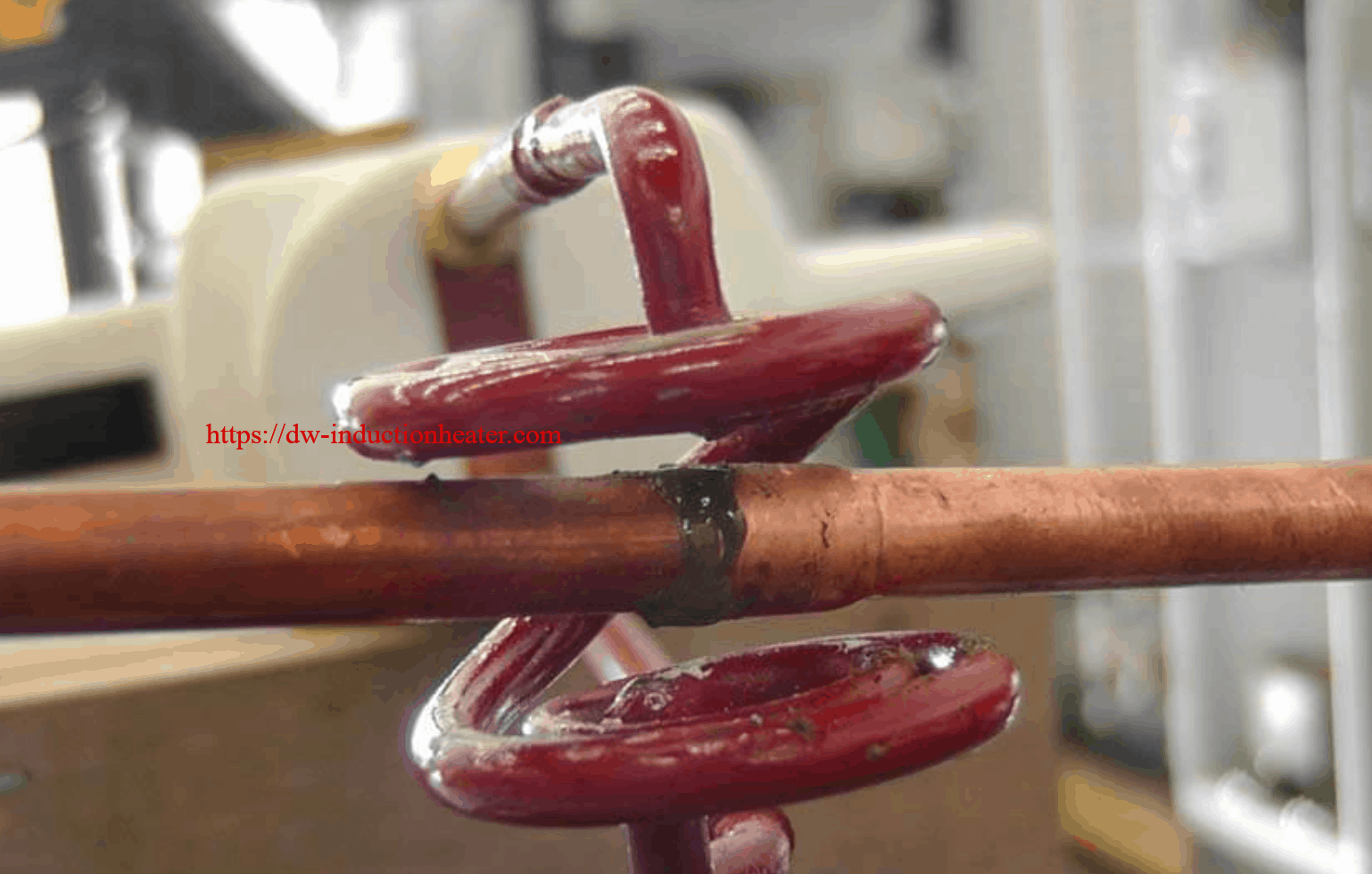
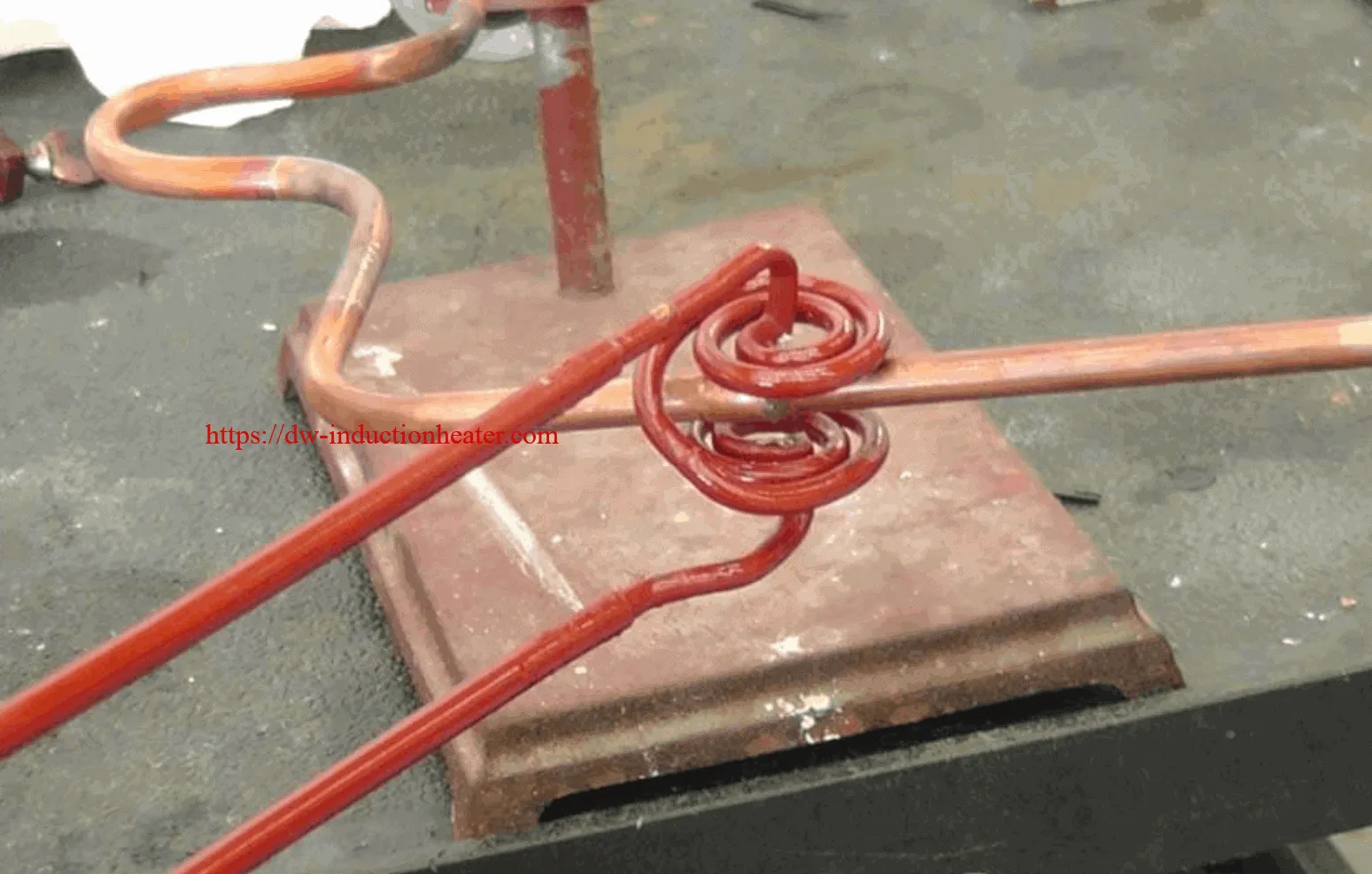
Objective Demonstrating induction brazing copper tubing and braze time using the DW-UHF-10 kW system and available split lab coil Equipment DW-UHF-10KW induction brazing machine Materials • Copper tubing – Suction Tube • Braze paste Key Parameters Power: 10 kW Temperature: Approximately 1500° F (815° C) Time: 5 – 5.2 sec Process: As only one assembly was provided for the test, we set up a test load using a heavy wall 5/16” copper tubing set up such as one tube accepted the other at a formed open flange end. Heat time was estimated based on using tempilaque paint to indicate the temperature. The test assembly, (followed by the provided components) were assemble with a coating of 505 alloy braze paste and placed in the lab test coil per the attached photographs) A heat cycle 5 – 5.2 seconds was found to flow the alloy and make the joint. Results/Benefits:
  1. As demonstrated, the DW-UHF model induction brazing system is capable of heating both the largest and smallest tube to tube sections to complete a brazed joint. Heat times using an available test coil are within the production heat time expectations required by Electrolux.
  2. HLQ will require a full assembly for review in order to develop the final coil design that can accommodate all 12 joints indicated on your layout photograph. It is necessary to know and see the clearances between the tube connections to be brazed and the steel compressor section to insure that the steel housing is not affected by the resulting RF field created at the load coil. This final design may require the addition of ferrite materials in the coil that will serve to focus the RF field to the copper leads and not to the steel housing.
  3. Initial tests were completed on the  DW-UHF-10kW utilizing an available lab coil. The production coil will be contained in a none-conductive housing that will permit the operator to use it to locate the coil against the copper leads for accurate and positive heating location for the braze process. The production coil design will incorporate shorter leads than the test coil and be configured such that the heat cycles will be improved (shorter heat times).
 

关注者

我的简介

我的照片
HLQ induction heating machine manufacturer provides the service of induction brazing,melting,hot forming,hardening surface,annealing,shrink fitting,PWHT,etc.