2024年1月10日星期三

Benefits of Induction Wheel Surface Hardening for driving wheels, Guide Wheels, Lead Wheels, and Crane Wheels

Induction Wheels Surface Hardening: The Ultimate Guide to Boosting Performance and Durability.

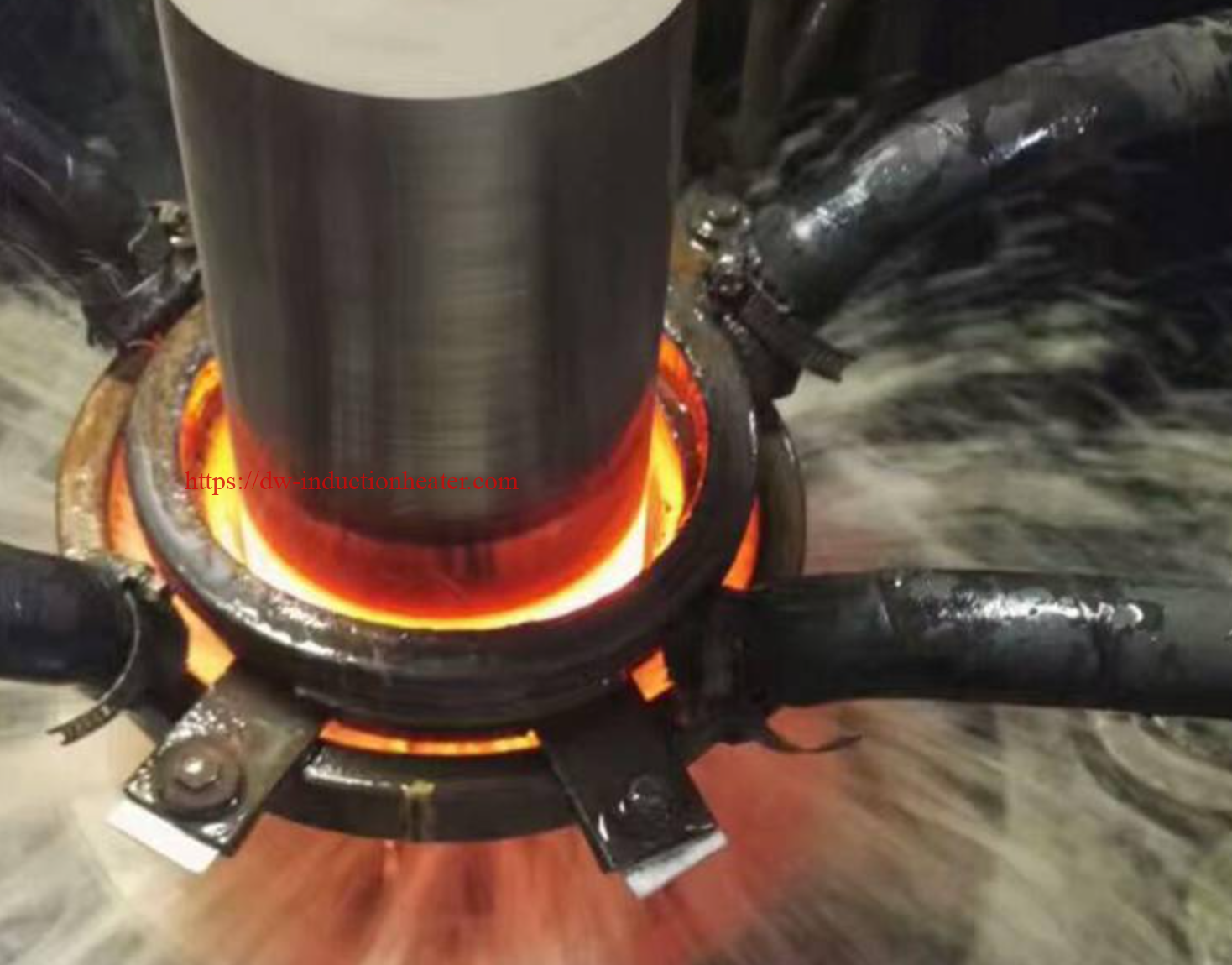
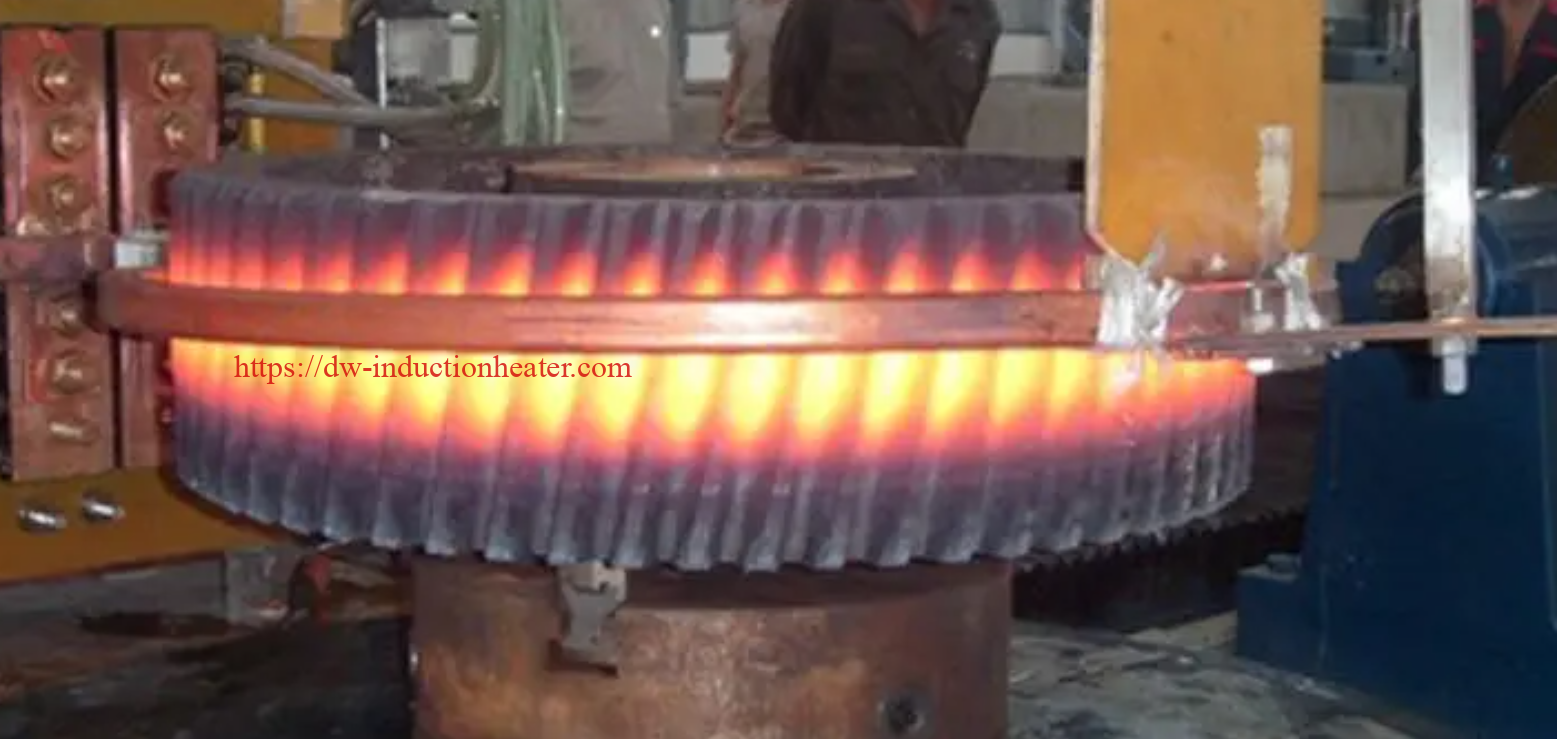
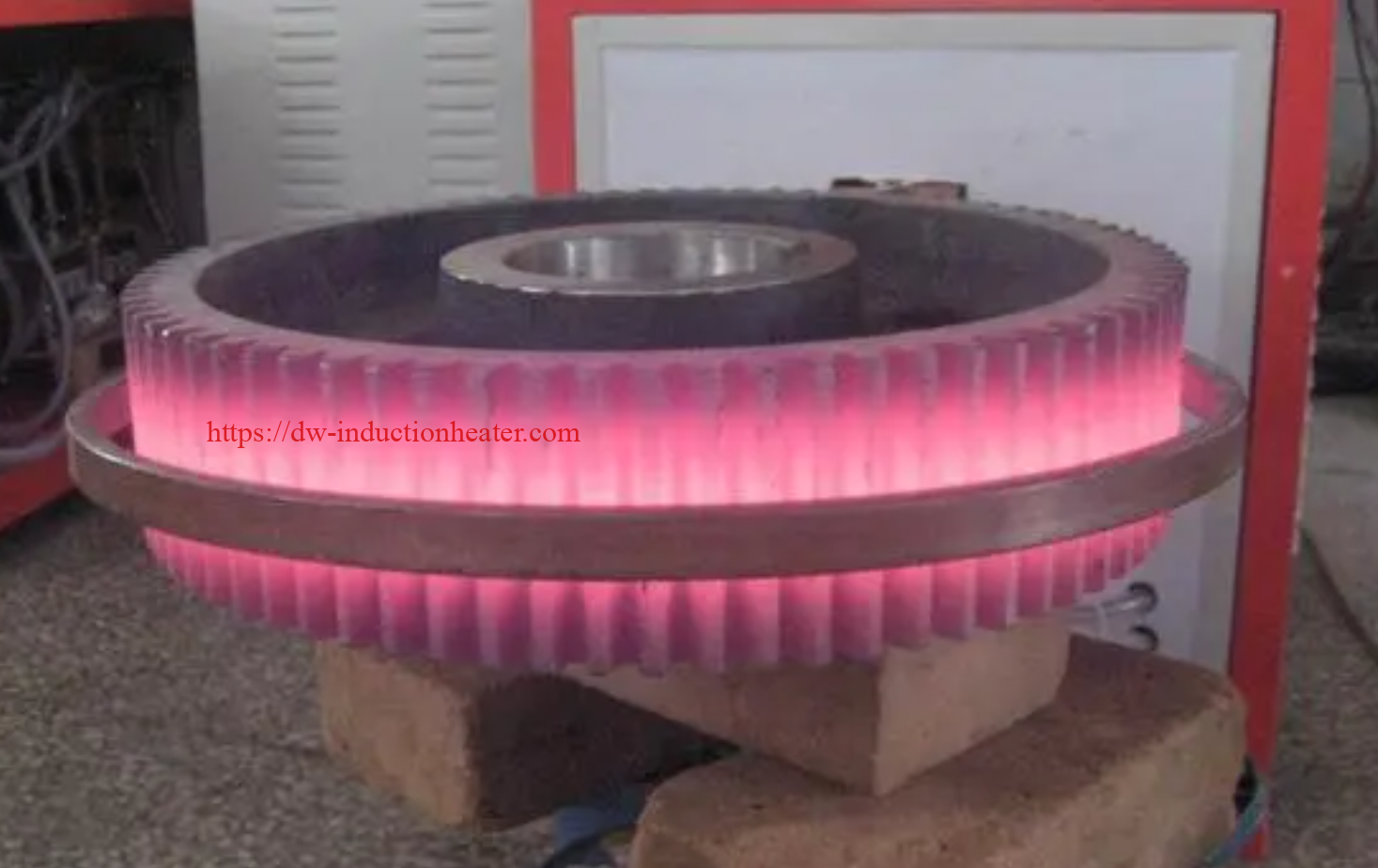
Induction wheel surface hardening is a process that has been used for decades to improve the performance and durability of various types of machinery. This process involves heating the surface of a metal wheel to a high temperature using an induction coil, and then rapidly cooling it, creating a hard and wear-resistant surface layer. Induction wheel surface hardening offers numerous benefits, such as improved wear resistance, increased load-carrying capacity, and reduced maintenance costs. In this comprehensive guide, we will take an in-depth look at induction wheel surface hardening, including the different methods, advantages, and considerations for this process. Whether you are a manufacturing business owner or simply seeking to learn more about this process, this guide has everything you need to know to improve the performance and durability of your machinery.

1. What is induction wheel surface hardening?

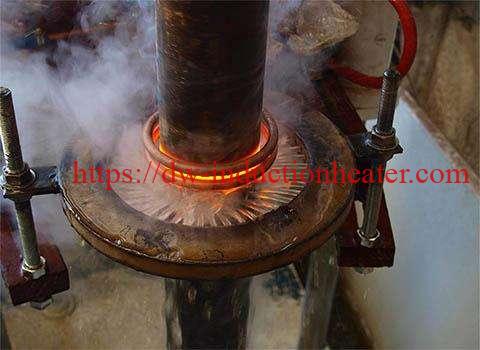
Induction wheel surface hardening is a process that involves heating the surface of a wheel using a high-frequency induction process. This process allows the surface of the wheel to be hardened without affecting its core strength. The induction process works by passing a high-frequency electrical current through a coil that surrounds the wheel. This causes the surface of the wheel to heat up rapidly, and then quickly cool down. This rapid heating and cooling process causes the surface of the wheel to harden, resulting in increased durability, strength, and performance. Induction wheel surface hardening is commonly used in the automotive and manufacturing industries to improve the performance and durability of wheels. It can be applied to a variety of different materials, including steel, aluminum, and cast iron. The benefits of induction wheel surface hardening include increased wear resistance, improved fatigue strength, and reduced friction. This process can be customized to meet the specific needs of each application, making it an extremely versatile and effective method for improving wheel performance and durability.

2. Benefits of Induction Wheel Surface Hardening

Induction wheel surface hardening is a process that involves heating the surface of the wheel to a high temperature and then rapidly cooling it using a quenching medium. This process helps to improve the performance and durability of wheels in various industries, including automotive, aerospace, and heavy machinery. There are several benefits of induction wheel surface hardening, including increased wear resistance, improved fatigue strength, and enhanced load-carrying capacity. When the surface of the wheel is hardened using induction, it becomes more resistant to wear and tear, which means that it will last longer and require less maintenance. This is especially important for wheels that are used in heavy-duty applications, where they are exposed to harsh operating conditions such as high loads, high speeds, and abrasive materials. Induction wheel surface hardening also improves the fatigue strength of the wheel, which means that it is less likely to fail due to repeated loading cycles. This is essential for wheels that are subjected to cyclic loading, such as those used in rotating machinery. Another benefit of induction wheel surface hardening is that it enhances the load-carrying capacity of the wheel. This means that it can withstand higher loads without buckling or deforming. In summary, induction wheel surface hardening is an effective way to boost the performance and durability of wheels. It provides a range of benefits, including increased wear resistance, improved fatigue strength, and enhanced load-carrying capacity. If you're looking to improve the performance of your wheels, consider induction wheel surface hardening as a viable option.

3. Methods of Induction Wheel Surface Hardening

There are several methods of induction wheel surface hardening. One of the most common methods is a single-shot surface hardening process. This process involves heating the surface of the wheel to a high temperature, typically between 800 and 1000 degrees Celsius. Once the surface is heated, it is rapidly cooled to create a hard, wear-resistant surface. Another method of induction wheel surface hardening is the progressive surface hardening process. This process involves heating the surface of the wheel in stages, gradually increasing the temperature and depth of the heating as the process continues. This method allows for a more precise and controlled hardening process. A third method of induction wheel surface hardening is the pulse hardening process. This process involves heating the surface of the wheel using a series of short, intense pulses of current. The rapid heating and cooling of the surface create a hard, wear-resistant surface. Regardless of the method used, induction wheel surface hardening is a highly effective way to boost performance and durability. It can significantly extend the life of wheels and other components, making them more resistant to wear and tear. This is particularly important in industrial applications, where heavy machinery and equipment are subjected to constant use and wear.
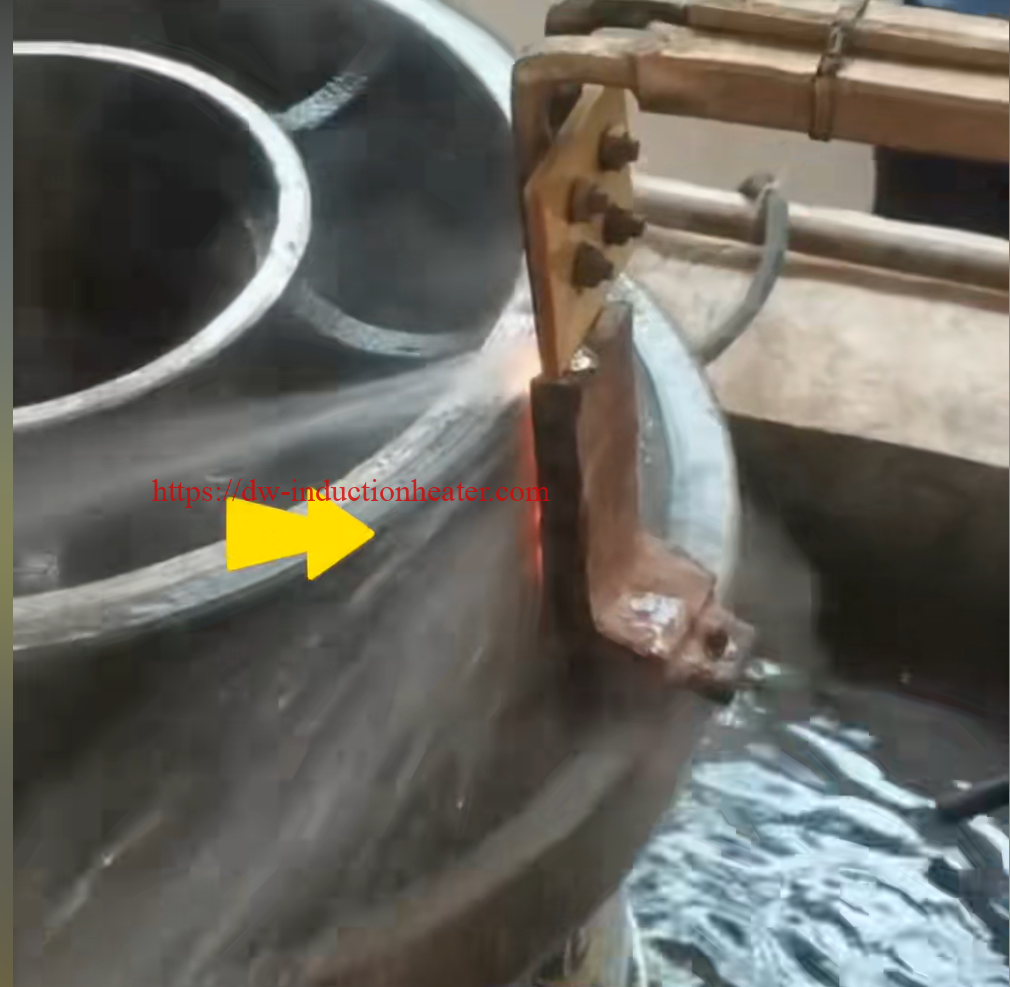
4.The Benefits of Induction Hardening for Wheels

Induction hardening offers several benefits for wheels used in different equipment. The most significant advantage is increased surface hardness, which makes the wheels more resistant to wear and tear. This, in turn, extends the life of the wheels and reduces maintenance costs. Induction hardening also improves the fatigue strength of the wheels, making them more durable and less susceptible to damage from repeated loading. Induction hardening has specific applications for different types of wheels used in various industries. For driving wheels used in heavy-duty equipment such as excavators and loaders, induction hardening improves the wheel's traction and stability. For crane wheels used in material handling, induction hardening enhances the wheel's resistance to wear and tear caused by heavy loads. For lead and guide wheels used in rolling mills, induction hardening increases the wheel's resistance to deformation caused by the rolling process.

1.>Induction Hardening for Driving Wheels

Driving wheels used in heavy-duty equipment such as excavators and loaders require high traction and stability. Induction hardening improves the surface hardness of the wheel, making it more resistant to wear and tear caused by constant friction. The hardened surface layer also provides better grip and reduces slippage, improving the wheel's traction and stability. Induction hardening can also improve the fatigue strength of the wheel, making it more durable and less susceptible to damage from repeated loading.

2.>Induction Hardening for Crane Wheels

Crane wheels used in material handling are subject to wear and tear caused by heavy loads. Induction hardening improves the wheel's resistance to wear and tear, making it more durable and extending its life. The hardened surface layer also reduces the risk of cracking and deformation caused by heavy loads. Induction hardening can also improve the fatigue strength of the wheel, making it more resistant to damage from repeated loading.

3.>Induction Hardening for Lead and Guide Wheels

Lead and guide wheels used in rolling mills are subject to deformation caused by the rolling process. Induction hardening improves the wheel's resistance to deformation, making it more durable and extending its life. The hardened surface layer also reduces the risk of cracking and deformation caused by the rolling process. Induction hardening can also improve the fatigue strength of the wheel, making it more resistant to damage from repeated loading.

5.Induction Hardening Process and Machines

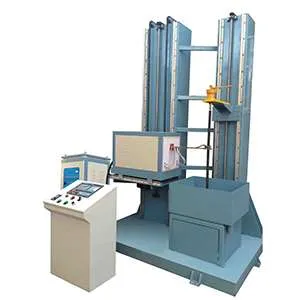
The induction hardening process requires specialized equipment designed for this purpose. Induction hardening machines consist of an induction coil, a power supply, and a cooling system. The induction coil is designed to generate a magnetic field that induces an electric current in the metal part. The power supply provides the alternating current required to heat the metal, while the cooling system quenches the metal after it reaches the desired temperature. Parameters Data:
Models Rated output power Frequency rage Input current Input voltage Duty cycle Water flow weight Dimension
MFS-100 100KW 0.5-10KHz 160A 3phase 380V 50Hz 100% 10-20m³/h 175KG 800x650x1800mm
MFS-160 160KW 0.5-10KHz 250A 10-20m³/h 180KG 800x 650 x 1800mm
MFS-200 200KW 0.5-10KHz 310A 10-20m³/h 180KG 800x 650 x 1800mm
MFS-250 250KW 0.5-10KHz 380A 10-20m³/h 192KG 800x 650 x 1800mm
MFS-300 300KW 0.5-8KHz 460A 25-35m³/h 198KG 800x 650 x 1800mm
MFS-400 400KW 0.5-8KHz 610A 25-35m³/h 225KG 800x 650 x 1800mm
MFS-500 500KW 0.5-8KHz 760A 25-35m³/h 350KG 1500 x 800 x 2000mm
MFS-600 600KW 0.5-8KHz 920A 25-35m³/h 360KG 1500 x 800 x 2000mm
MFS-750 750KW 0.5-6KHz 1150A 50-60m³/h 380KG 1500 x 800 x 2000mm
MFS-800 800KW 0.5-6KHz 1300A 50-60m³/h 390KG 1500 x 800 x 2000mm
The induction hardening process can be customized to meet specific requirements such as the depth of the hardened layer and the cooling rate. The process can be automated to ensure consistency in the quality of the hardened parts. The choice of the induction hardening machine depends on the size and shape of the metal part, the frequency and power required for the induction coil, and the cooling medium used.

6. Considerations for Induction Wheel Surface Hardening

Induction wheel surface hardening is an effective way to boost the performance and durability of wheels. When considering induction wheel surface hardening, there are several factors to consider. The first factor is the type of wheels you plan to harden. Different types of wheels will require different types of hardening processes. For example, cast iron wheels will require a different hardening process than steel wheels. The second factor to consider is the depth and type of hardening required. Hardening can be done to various depths, from surface hardening to full hardening. The type of hardening required will depend on the type of wheel and the stresses it will face. The third factor to consider is the cost of the hardening process. Induction wheel surface hardening can be expensive, so you must ensure that the cost of hardening is worth it compared to the cost of replacement. Finally, it is essential to find a reputable company to perform the induction wheel surface hardening. The process requires specialized knowledge and equipment, and it is important to choose a company that has experience and a good reputation for quality work. By considering these factors, you can choose the right induction wheel surface hardening process for your wheels and ensure that you get the best performance and durability from them.

Conclusion: The Importance of Induction Wheels Surface Hardening Process

Induction Wheels Surface Hardening is a process that involves heating the surface of a metal wheel using electromagnetic induction. By doing so, the surface of the wheel becomes harder, more durable, and resistant to wear and tear. This process is ideal for industries that rely on machinery with wheels that are constantly in use, such as the automotive or manufacturing industries. By using induction wheels surface hardening, you can extend the life of your machinery and reduce the need for costly repairs and replacements. So if you're looking to improve the efficiency and durability of your machinery, induction wheels surface hardening is a smart choice.     https://dw-inductionheater.com/benefits-of-induction-wheel-surface-hardening-for-driving-wheels-guide-wheels-lead-wheels-and-crane-wheels.html?feed_id=231880&_unique_id=659eebcf994df

2024年1月9日星期二

The Benefits of Induction Quenching Surface Process for Manufacturing

The Benefits of Induction Quenching Surface Process for Manufacturing.

Manufacturing is an industry that thrives on innovation and efficiency. When it comes to surface treatment processes, induction quenching is quickly becoming the method of choice for a variety of manufacturing applications. Unlike traditional heat treatment methods, induction quenching offers several unique benefits such as high production rates, increased precision, and improved part quality. In this article, we'll look at some of the key benefits of induction quenching surface process and why it's quickly becoming a popular choice for manufacturers across a range of industries. So, if you're looking to improve the efficiency and quality of your manufacturing process, or you're simply interested in the latest surface treatment techniques, keep reading to learn more about the benefits of induction quenching.

1. What is Induction Quenching Surface Process?

Induction quenching surface process is a type of surface hardening process that uses electrical induction to rapidly heat and cool metal parts. This process is commonly used in manufacturing because it offers a number of benefits over other types of surface hardening processes. In induction quenching, an induction coil is used to generate a high-frequency magnetic field that rapidly heats the metal part. Once the part is heated to the desired temperature, a quenching medium, such as water or oil, is used to rapidly cool the part. This rapid heating and cooling process causes the surface of the metal part to harden, which makes it more wear-resistant and less likely to crack or deform under stress. Induction quenching is also a very precise process that allows for accurate control of the surface hardness of the metal part. This precision makes it an ideal process for manufacturing parts that require high levels of wear resistance, such as gears, shafts, and bearings. Additionally, induction quenching is a very efficient process that can be completed quickly, which makes it ideal for high-volume production environments. Overall, induction quenching is a highly effective surface hardening process that offers many benefits for manufacturers looking to produce high-quality, durable metal parts.

2. Benefits of Induction Quenching Surface Process

Induction quenching surface process is a highly efficient manufacturing technique that offers numerous benefits over traditional surface treatment methods. One of the most significant benefits of this process is that it is incredibly fast and efficient. With the ability to deliver heat at a rate of up to 25,000 degrees per second, induction quenching can heat treat parts in seconds, instead of hours or days, as is the case with other heat treatment methods. This means that manufacturers can produce more parts in less time, without sacrificing quality or reliability. Another significant benefit of induction quenching surface process is that it produces a superior product.

The process uses localized heating, which means that the heat is only applied where it is needed, resulting in less distortion, less scrap, and fewer defects. This makes induction quenching a great choice for manufacturers who are looking to produce high-quality parts quickly and efficiently. Induction quenching surface process is also a more environmentally-friendly option than other surface treatment methods. Since the process uses less energy and generates less waste, it is a more sustainable option for manufacturers who are looking to reduce their carbon footprint and be more environmentally responsible. In addition to these benefits, induction quenching surface process also offers a more controlled and precise heat treatment. The process allows manufacturers to control the depth of the heat treatment and the hardness achieved, which is a significant advantage over other surface treatment methods. With this level of control, manufacturers can produce parts that are exact in their specifications and meet the needs of their customers. Overall, the benefits of induction quenching surface process make it an ideal choice for manufacturers who are looking to improve their production processes, reduce waste, and produce high-quality parts quickly and efficiently.

3. Applications of Induction Quenching Surface Process in Manufacturing

Induction quenching is a surface hardening process that uses induction heating to heat the surface of a material to a high temperature and then rapidly cools it down by quenching it with water, oil or a polymer solution. This process creates a surface that is harder, more wear-resistant, and more durable than the original material. Induction quenching has many applications in manufacturing, including the hardening of gears, shafts, and bearings. It is also used in the automotive industry to harden engine components, such as camshafts, rocker arms, and valve lifters. The aerospace industry uses induction quenching to harden turbine components, and the energy industry uses it to harden drilling and mining components. The medical industry also uses induction quenching to harden surgical instruments and dental tools.

The process is also used in the production of cutting tools and molds. Induction quenching can produce a surface that is up to 10 times harder than the original material, making it an ideal choice for manufacturing applications where durability and wear resistance are critical. Additionally, the process is efficient and cost-effective, making it an attractive option for many manufacturers.

4. Conclusion.

Induction quenching surface process is a type of heat treatment process that is used to harden metal parts. The induction process involves passing a high-frequency electrical current through a coil, which creates a magnetic field. The metal part is then placed inside the coil, where the magnetic field induces an electrical current in the metal. This current causes the metal to heat up quickly, which then allows for the surface of the metal to be rapidly quenched by an appropriate cooling medium. This process creates a hardened surface that is more resistant to wear and tear, making it ideal for use in a wide variety of industrial applications.

  https://dw-inductionheater.com/the-benefits-of-induction-quenching-surface-process-for-manufacturing.html?feed_id=231850&_unique_id=659e350253175

Applications of Induction Hardening in the Automotive Industry

The automotive industry has always been at the forefront of technological advancements, constantly seeking innovative solutions to enhance vehicle performance, durability, and safety. One such technology that has revolutionized the manufacturing process is induction hardening. This article aims to explore the application of induction hardening in the automotive industry, highlighting its benefits, challenges, and future prospects.induction hardening machine for quenching surface treatment 1. Understanding Induction Hardening: Induction hardening is a heat treatment process that involves selectively heating specific areas of a metal component using electromagnetic induction. This localized heating is followed by rapid quenching, resulting in increased hardness and wear resistance on the surface while maintaining desired mechanical properties in the core. 2. Advantages of Induction Hardening: 2.1 Enhanced Component Durability: Induction hardening significantly improves the wear resistance and fatigue strength of critical automotive components such as crankshafts, camshafts, gears, axles, and transmission parts. This ensures longer service life and reduced maintenance costs for vehicles. 2.2 Improved Performance: By selectively hardening specific areas of components like engine valves or piston rings, manufacturers can optimize their performance characteristics without compromising overall component integrity. 2.3 Cost-Effective Solution: Compared to traditional methods like carburizing or flame hardening, induction hardening offers several cost advantages due to reduced energy consumption, shorter cycle times, and lower material wastage. 3. Applications in the Automotive Industry: 3.1 Engine Components: Induction hardening is extensively used for critical engine components such as crankshafts and camshafts due to their high wear requirements. 3.2 Transmission Parts: Gears and shafts used in transmissions undergo induction hardening to enhance their durability under heavy loads. 3.3 Suspension Components: Induction-hardened suspension components like ball joints or tie rods offer improved strength and resistance against wear and tear. 3.4 Steering System Parts: Components like steering racks or pinions are often subjected to induction hardening to withstand high stress conditions while ensuring precise steering control. 3.5 Brake System Components: Brake discs or drums are hardened using induction technology to improve their resistance against thermal deformation during braking. 4. Challenges Faced: 4.1 Design Complexity: The complex geometry of automotive components often poses challenges during induction hardening due to uneven heating distribution or difficulty in achieving desired hardness profiles. 4.2 Process Control: Maintaining consistent heating patterns across large production volumes requires precise control over power levels, frequencies, coil designs, quenching mediums, etc., which can be challenging for manufacturers. 4.3 Material Selection: Not all materials are suitable for induction hardening due to variations in magnetic properties or limitations related to depth of penetration. 5. Future Prospects: 5.1 Advancements in Process Control Systems: The development of advanced control systems will enable manufacturers to achieve more precise heating patterns and better control over hardness profiles. 5.2 Integration with Additive Manufacturing (AM): As AM gains popularity in automotive component production, combining it with induction hardening can offer enhanced part performance by locally reinforcing critical areas with hardened surfaces. 5.3 Research on New Materials: Ongoing research on new alloys with improved magnetic properties will expand the range of materials suitable for induction hardening applications. Conclusion: Induction hardening has emerged as a game-changer in the automotive industry by significantly enhancing component https://dw-inductionheater.com/applications-of-induction-hardening-in-the-automotive-industry.html?feed_id=231823&_unique_id=659dc4607a38b

Improve Gear Performance with Induction Hardening of Gear Teeth

The Importance of Induction Hardening of Gear Teeth for Smooth and Efficient Machinery.

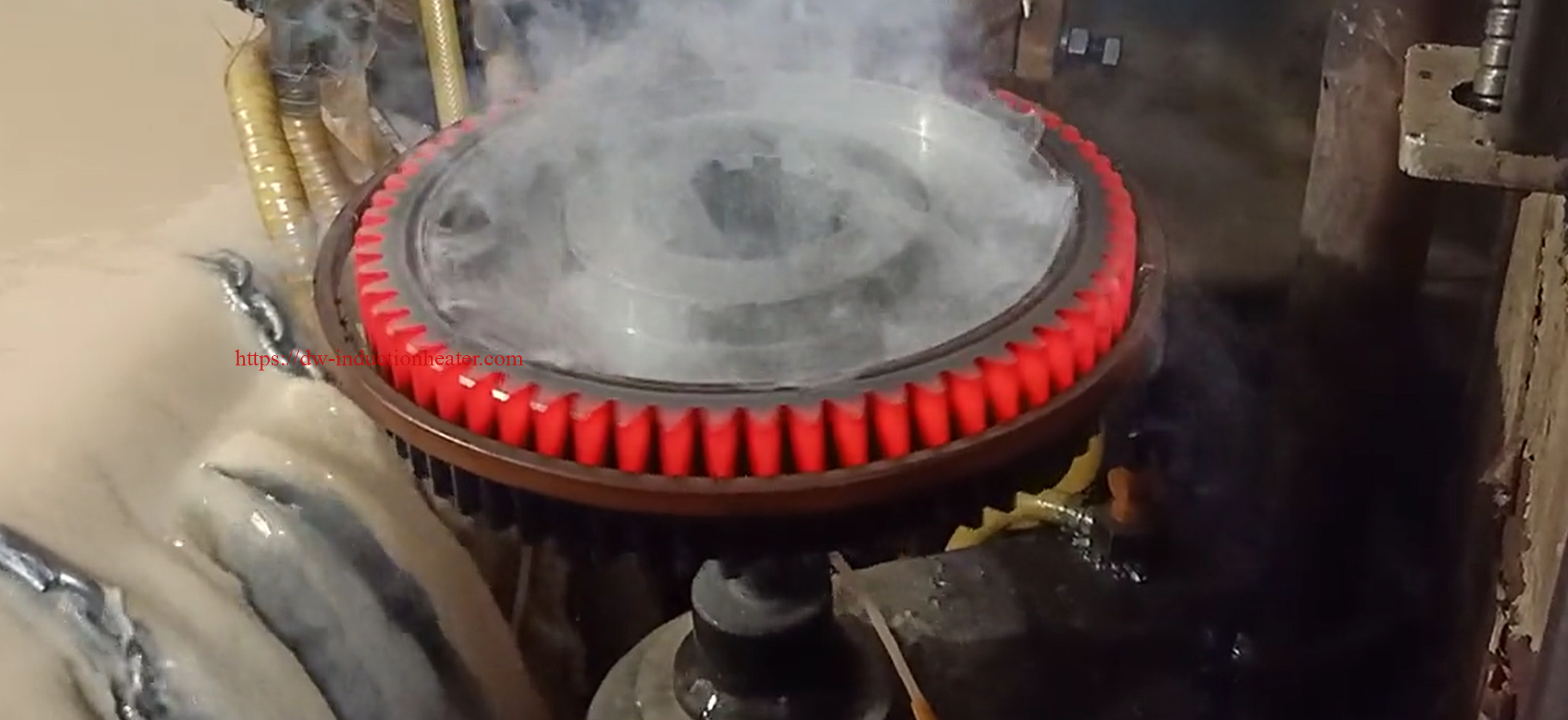
Induction Hardening of Gear Teeth is a process that is often overlooked by machinery users, but it is one of the most important aspects of ensuring the smooth and efficient operation of any machinery. Induction hardening is a process of heat treatment that is used to selectively harden the surface of a gear. This process is essential for ensuring that the gear teeth can withstand the high loads and stresses that are placed upon them during operation. By hardening the gear teeth in this way, machinery users can ensure that their equipment runs smoothly, efficiently, and with minimal wear and tear on the gears. In this blog post, we will explore the importance of induction gear teeth hardening, how it works, and why it is essential for the proper functioning of industrial machinery. 1. Introduction to Induction Hardening of Gear Teeth Induction Hardening of Gear Teeth is an important process for ensuring that gears are smooth and efficient in their operation. Gears are a fundamental part of many machines, and they require precise engineering and attention to detail to work correctly. One crucial component of this precision is the hardness of the gear teeth. By using induction hardening, the teeth of a gear can be made much harder and more durable, allowing them to operate more smoothly and with greater efficiency. This process involves using an electrical current to heat the gear teeth to a specific temperature, followed by rapid cooling. This causes a change in the molecular structure of the metal, making it much harder and more resistant to wear and tear. The result is a gear that is better able to withstand the stresses of operation, providing a smoother and more efficient performance. 2. The Importance of Induction Hardening of Gear Teeth Induction Hardening of Gear Teeth is a critical process that ensures the smooth and efficient functioning of machinery. This process involves heating the gear teeth with high-frequency alternating currents and then rapidly cooling them. This results in the formation of a hardened layer that is more wear-resistant and has a longer lifespan than the original gear teeth. Induction hardening is especially important for gears because they are constantly under high stress and friction during operation. If the gear teeth are not hardened properly, they can wear out quickly, leading to machinery breakdowns and decreased efficiency. Induction gear teeth hardening can also improve the load-carrying capacity of the gears, making them more durable and reliable in operation. By increasing the lifespan of the gears, the need for maintenance and replacements is reduced, saving time and money. Therefore, it is crucial to ensure that gear teeth are properly hardened through induction hardening to ensure the smooth and efficient operation of machinery. 3. How Induction Hardening of Gear TeethWorks Induction gear teeth hardening is a process that involves heating the surface of the gear tooth with an induction coil to harden it. This process is important because it ensures that the gear teeth will remain strong and durable even after years of use. Induction gear teeth hardening works by heating the surface of the gear tooth to a specific temperature. This temperature is high enough to cause the surface of the gear tooth to change its crystal structure, which in turn hardens it. The process is quick and efficient, and the result is a gear tooth that is much harder and more resistant to wear and tear than it was before. Induction gear teeth hardening is often used in industries where machinery is subject to constant use and wear, such as in manufacturing or transportation. By ensuring that the gear teeth are strong and durable, the machinery can continue to operate smoothly and efficiently for longer periods of time. 4. Benefits of Induction Gear Teeth Hardening for Machinery Induction Hardening of Gear Teeth is a process that is crucial to the smooth and efficient operation of machinery. The benefits of induction gear teeth hardening are many and include increased strength, durability, and wear resistance. Induction hardening is a heat treatment process that uses high-frequency current to heat the surface of the gear teeth and then rapidly cools them. This creates a hard outer layer while maintaining the ductility and toughness of the core of the gear. One of the most significant benefits of induction gear teeth hardening is that it makes the gear more resistant to wear and tear. This, in turn, can help to extend the life of the gear and reduce the need for frequent replacements. Induction hardening also helps to improve the gear's strength, making it less likely to warp or break under heavy loads. Another advantage of induction hardening is that it makes the gear more resistant to fatigue failure. This is important in machinery that is subjected to repeated loading and unloading. Fatigue failure occurs when a material is subjected to cyclic loading and unloading, causing micro-cracks to form. Induction hardening helps to prevent these micro-cracks from forming, making the gear less susceptible to fatigue failure. Finally, induction hardening can also improve the efficiency of the machinery. By reducing the amount of friction between the gear and other moving parts, the gear can operate more smoothly and with less energy. This can lead to a reduction in energy consumption, resulting in cost savings for the operator. Overall, induction gear teeth hardening is a process that is essential for the smooth and efficient operation of machinery. Its benefits include increased strength, durability, wear resistance, and improved efficiency, making it an important consideration for anyone looking to maintain and improve the performance of their machinery. Induction hardening of gear teeth is a process that involves heating the teeth of a gear with an induction coil and then rapidly cooling them with a spray of water or other cooling medium. This process is used to improve the wear resistance and durability of gear teeth, making them less likely to wear down or break over time. Induction gear teeth hardening is a popular choice for many industrial applications where gears are subjected to heavy use and need to last a long time. If you're interested in learning more about induction gear teeth hardening and how it can benefit your business, contact a reputable induction heating company today. https://dw-inductionheater.com/improve-gear-performance-with-induction-hardening-of-gear-teeth.html?feed_id=231793&_unique_id=659d7e41049f3

2024年1月8日星期一

The Ultimate Guide to Induction Mining Bit Hardening for Improved Performance

The Ultimate Guide to Induction Mining Bit Hardening for Improved Performance.

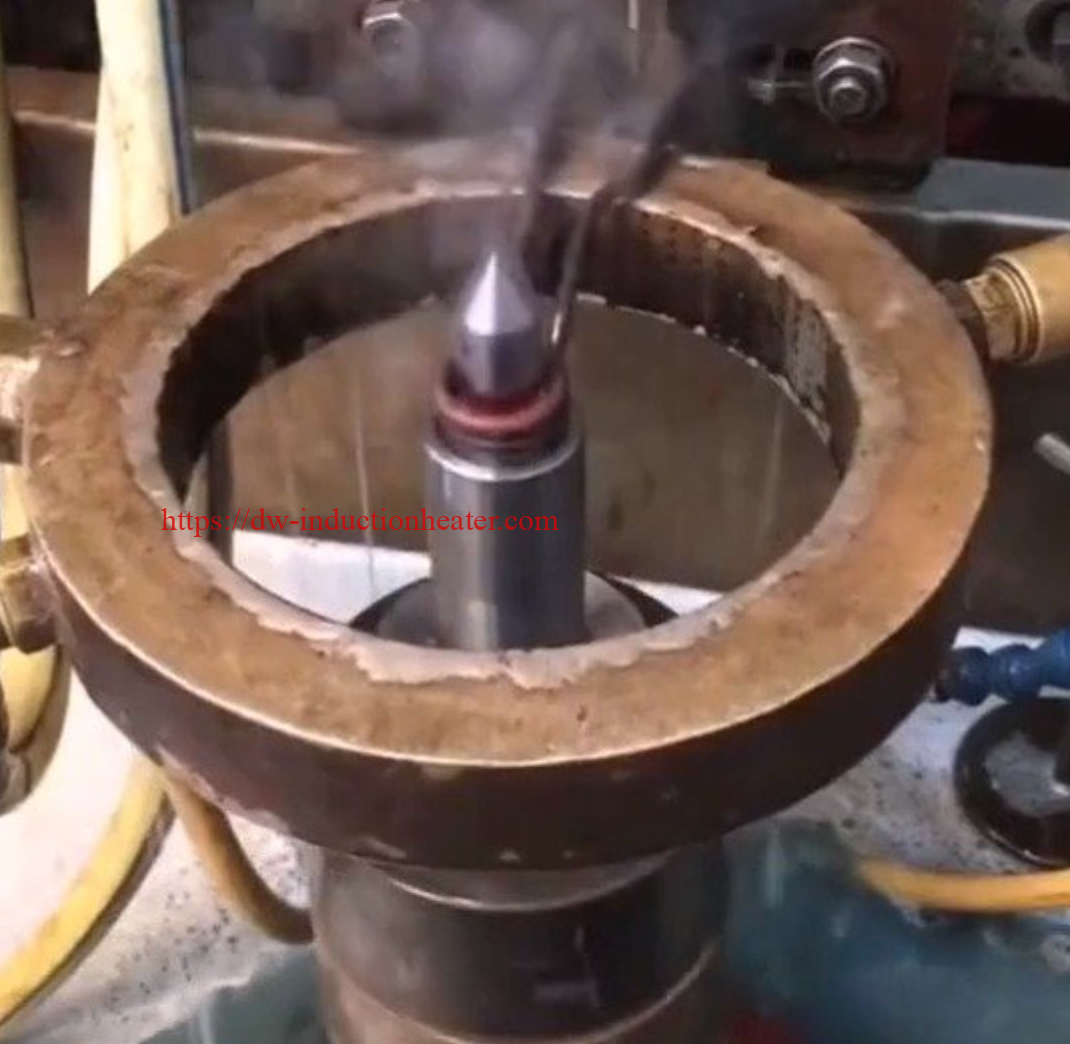
Induction mining bit hardening is a process used to increase the durability and strength of mining bits used in drilling and excavation operations. The process involves using high-frequency induction heating to heat the surface of the mining bit to a high temperature. This heat treatment process changes the microstructure of the metal, making it harder and more resistant to wear and tear. Induction mining bit hardening is a popular technique used by mining companies to extend the lifespan of their equipment and reduce the need for costly replacements. With its many benefits, it's a smart choice for any mining operation looking to improve the performance of their mining bits and increase their bottom line. If you work in the mining industry, you know that drill bits are essential for success. However, they also take a lot of wear and tear, which can lead to decreased performance and increased costs. Induction hardening is a process that can significantly improve the wear resistance and performance of drill bits. This guide will give you a comprehensive overview of induction hardening and how it can benefit your mining operation. We’ll cover everything from the basics of induction hardening to best practices for implementation, so you can make an informed decision about whether this process is right for your needs. By the end of this article, you’ll have a complete understanding of induction hardening and how it can help you optimize your mining operation. 1. Introduction to Induction Hardening for Mining Bits Induction hardening is a process that is used to improve the performance of mining bits. Mining bits are subjected to intense wear and tear, and their durability is paramount for the success of a mining operation. Induction hardening is a specialized process that can significantly increase the durability of mining bits, making them last longer and perform better. The process involves heating the surface of the bit to a high temperature using induction heat, while the core remains cool. This creates a hard surface layer on the bit that is highly resistant to wear and tear. Induction hardening is a precise and controlled process that requires specialized equipment and expertise. It is a popular method used in the mining industry to improve the performance and durability of mining bits. In this guide, we will explore the different aspects of induction hardening and how it can be used to improve the performance of mining bits. We will cover the various induction hardening techniques, the benefits of induction hardening, and how to select the right induction hardening process for your mining bit needs. By the end of this guide, you will have a comprehensive understanding of induction hardening and how it can be used to improve the performance of your mining bits. 2. How does Induction Hardening Work? In the mining industry, the efficiency and durability of drilling equipment are critical to success. A key component of drilling equipment is the drill bit, which must be able to withstand the harsh conditions of mining operations. Induction hardening is a process that can dramatically increase the hardness and durability of drill bits, improving their performance and lifespan. Induction hardening is a process used to strengthen the surface of metal objects. It is a popular method of improving the performance of mining bits by hardening the tip to withstand the extreme conditions of drilling. The process works by using an induction coil to generate a magnetic field, which heats the surface of the metal to a high temperature. The metal is then quenched, or rapidly cooled, which causes it to harden. The depth of the hardened layer can be controlled by adjusting the distance between the coil and the surface of the metal. Induction hardening is a highly precise method of hardening metal, and it is widely used in the mining industry to improve the performance and durability of mining bits. Additionally, induction hardening is a quick process that allows for high volumes of parts to be hardened in a short amount of time. Overall, induction hardening is a reliable and effective method for improving the performance of mining bits and other metal objects in harsh conditions. 3. Benefits of Induction Hardening for Mining Bit Performance Induction hardening is a process that improves the performance of mining bits. Induction hardening is the process of heating a metal to a specific temperature and then cooling it quickly. This process results in a hardened surface that is much more resistant to wear and tear. Induction hardening is an effective way to improve the performance of mining bits. Here are some of the benefits of induction hardening for mining bit performance: 1. Increased wear resistance - Induction hardening increases the wear resistance of mining bits. The hardened surface is much more resistant to wear and tear, which means that the bit will last longer and require less frequent replacement. 2. Improved strength - Induction hardening also improves the strength of mining bits. The hardened surface is much stronger than the original material, which means that the bit can handle more stress and strain without breaking. 3. Cost-effective - Induction hardening is a cost-effective way to improve the performance of mining bits. While the initial cost of induction hardening may be higher, the longer lifespan of the bit means that it will ultimately save money in replacement costs. 4. Improved productivity - With improved wear resistance and strength, mining bits that have undergone induction hardening can lead to improved productivity. This means less downtime and more efficient use of resources. Overall, induction hardening is an effective way to improve the performance of mining bits. It provides increased wear resistance, improved strength, and is cost-effective in the long run. It's an investment in the future productivity of your mining operation. 5.How Induction Hardening is Used in Mining Mining drill bits are subjected to extreme forces and conditions, including high temperatures, high pressure, and abrasive materials. As a result, they can wear down quickly, reducing drilling efficiency and increasing the need for frequent bit replacements. Induction hardening can help to mitigate this problem by increasing the hardness of the bit's surface, making it more resistant to wear and extending its lifespan. During the induction hardening process, a high-frequency electrical current is passed through a copper coil that surrounds the drill bit. The current generates a magnetic field that induces a current in the metal of the bit, creating heat. The heat is concentrated on the surface of the bit, where it is needed most, and rapidly cools, creating a hardened layer. 6. Factors Affecting the Effectiveness of Induction Mining Bit Hardening: Several factors affect the effectiveness of induction mining bit hardening. These include the material composition of the mining bit, the shape and size of the induction coil, the frequency of the electromagnetic field, the duration of the heating process, and the type and temperature of the quenching medium used. The heating process must be carefully controlled to avoid overheating and cracking of the mining bit, while also ensuring that the desired depth of hardening is achieved. The type and temperature of the quenching medium used must also be carefully selected to optimize the hardening process. Conclusion Induction mining bit hardening is a fast, efficient, and cost-effective process that can significantly increase the lifespan of mining bits used in heavy machinery. This process improves the hardness, strength, and durability of mining bits, making them more resistant to wear and damage, and increasing productivity. While several factors affect the effectiveness of induction mining bit hardening, careful control of the heating process and the selection of suitable quenching mediums can optimize the hardening process. Further research is required to explore the use of induction hardening for other mining equipment and materials. Overall, induction mining bit hardening is a valuable technique that can enhance the performance and lifespan of mining equipment used in the mining industry. https://dw-inductionheater.com/the-ultimate-guide-to-induction-mining-bit-hardening-for-improved-performance.html?feed_id=231736&_unique_id=659cc7511a676

The Ultimate Guide to Heat Induction Rubber Coatings and Paintings Removal

Safely Removing Heat Induction Rubber Coatings and Paintings: A Complete Guide

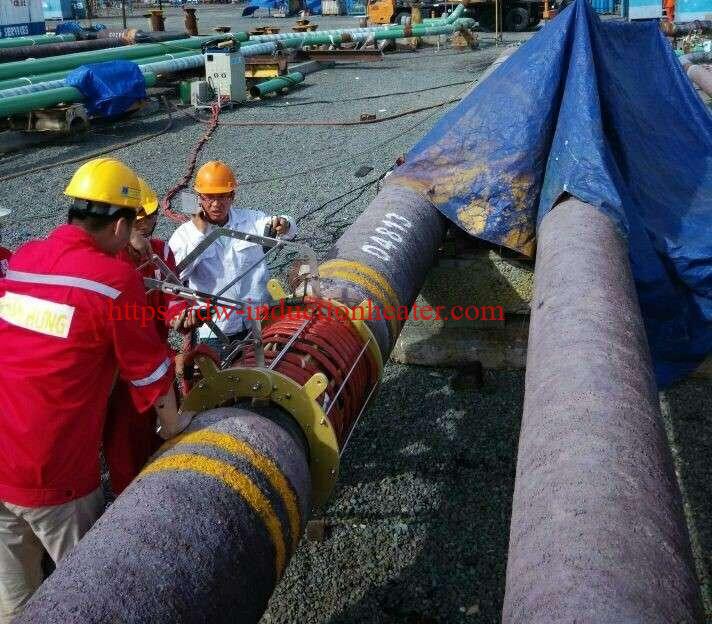
The rubber coatings and paintings industry is constantly evolving to meet the ever-changing demands of customers and the environment. Amongst the many innovative techniques being employed, heat induction has risen as a sustainable, cost-effective, and efficient solution for removing rubber coatings and paintings from various surfaces. In this comprehensive guide, we will explore the ins and outs of heat induction rubber coatings and paintings removal, including its methods, benefits, and applications in various industries. Heat induction rubber coatings and paintings are often used on industrial equipment, pipelines, and machinery to help prevent corrosion and extend the life of the equipment. However, over time, these coatings can become damaged, worn, or simply need to be removed. Removing them can be a difficult and dangerous process, especially if proper precautions are not taken. In this blog post, we will provide you with a complete guide on how to safely remove heat induction rubber coatings and paintings. We'll cover important safety measures, the different methods available, and tips to ensure that the process is efficient and effective. Keep reading to learn how to safely remove heat induction rubber coatings and paintings from your equipment.

What is Heat Induction?

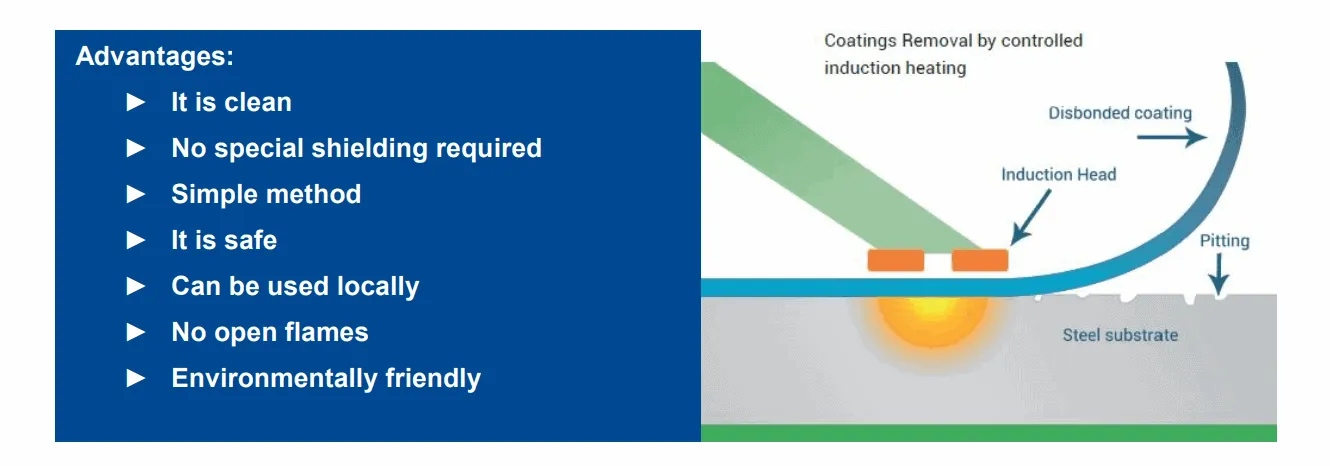
Heat induction is a non-contact method of heating that works through generating eddy currents inside a conductive material. The process employs an electromagnetic coil called an inductor, creating a varying magnetic field that heats the material. This technique is well suited for removing rubber coatings and paintings as it allows for the efficient transfer of heat energy without harming the underlying surface.

Introduction to heat induction rubber coatings and paintings

Heat induction rubber coatings and paintings are an excellent way to protect surfaces from damage and corrosion. These coatings are widely used in a variety of industries, such as automotive, marine, and industrial, to protect and beautify surfaces. The coatings are made from durable materials that can withstand exposure to extreme temperatures, chemicals, and abrasion. They are applied using special equipment and techniques that ensure a smooth and even finish. However, there may come a time when you need to remove the heat induction rubber coatings or paintings from a surface. This could be because of damage or wear and tear, or you may want to change the color or texture of the surface. Whatever the reason, it is important to know the proper techniques for safely removing heat induction rubber coatings and paintings. In this guide, we will explore various methods that can be used to safely remove these coatings and paintings, ensuring that your surfaces remain undamaged and ready for their next application.
Safety measures to take before removing heat induction rubber coatings and paintings

Before you begin removing heat induction rubber coatings and paintings, it is important to take necessary safety precautions. The first step is to ensure that you are wearing appropriate personal protective equipment (PPE). This may include gloves, eye protection, a respirator mask, and protective clothing. It's crucial to read the manufacturer's instructions on the PPE before using it. Secondly, ensure that the area where you will be working is well-ventilated. Open windows and doors and use fans to circulate the air. This helps to prevent the accumulation of fumes from the chemicals used in the removal process. It is also important to have a fire extinguisher nearby as heat induction rubber coatings and paintings can be highly flammable. In case of accidental ignition, you will be able to quickly extinguish the fire. Before starting the removal process, make sure that you have the proper tools. This may include a scraper, heat gun, and chemical remover. Ensure that you read the instructions on the tools before using them and always follow the manufacturer's recommended safety measures. Lastly, it is essential to dispose of any waste or debris generated from the removal process carefully. Follow the local regulations for hazardous waste disposal and recycling. By following these safety measures, you can safely remove heat induction rubber coatings and paintings.
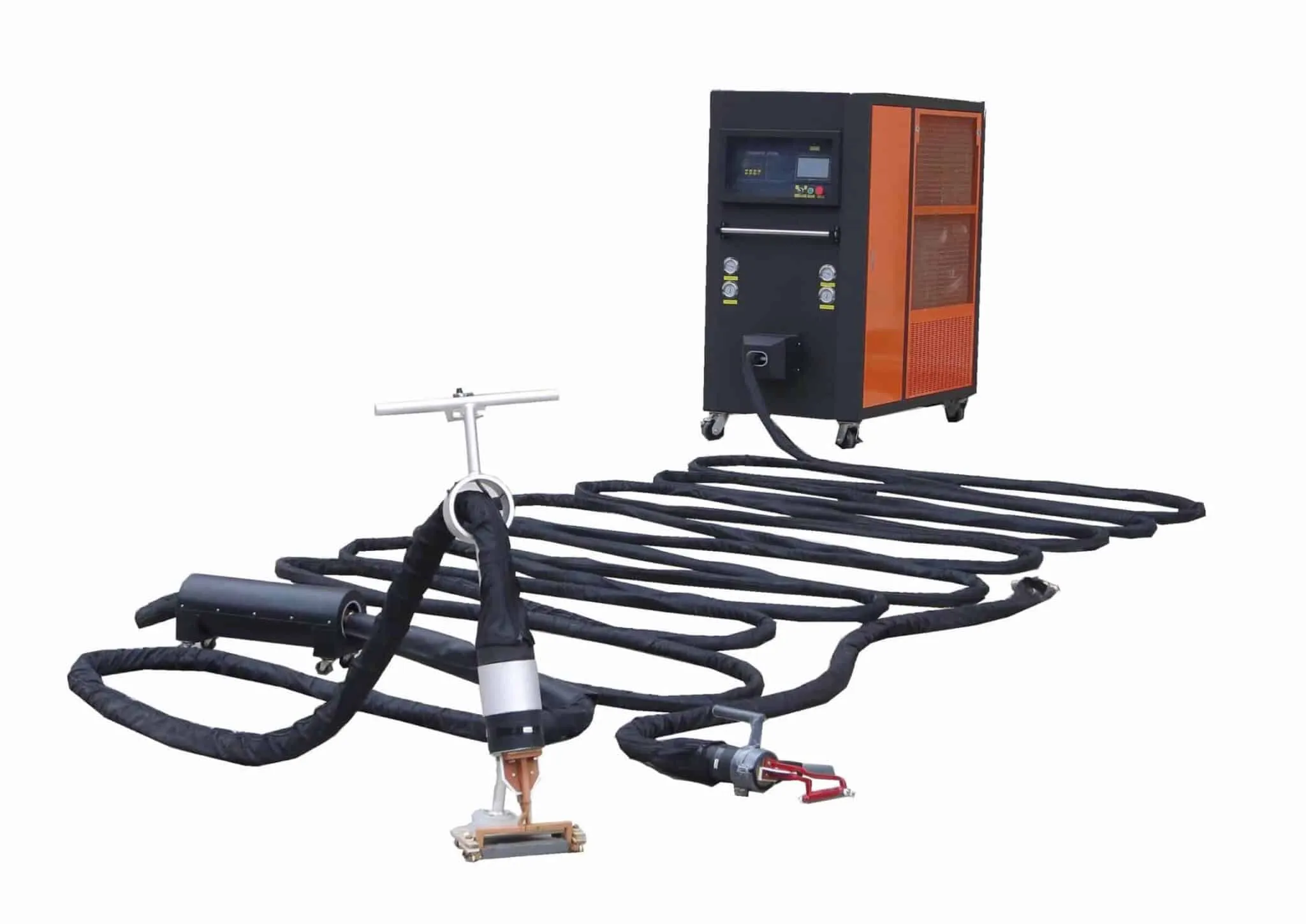
Methods for removing heat induction rubber coatings and paintings

There are several methods for removing heat induction rubber coatings and paintings from a surface. One common method is to use a heat gun or heat lamp to soften the rubber coating or paint. Once the coating or paint has been heated, a scraper or putty knife can be used to remove it from the surface. This method works best on smaller areas and should be done with caution as the heat can damage the surface underneath. Another method is to use a chemical paint stripper or rubber coating remover. These products can be applied to the surface and allowed to sit for a period of time before being scraped off. It is important to follow the manufacturer's instructions when using these products and wear protective gear such as gloves and a mask. A third method is to use sandblasting or abrasive blasting to remove the rubber coating or paint. This method uses high-pressure air or water mixed with abrasive material to blast away the coating or paint from the surface. This method is best used on large surfaces or objects and should be done by a professional. No matter which method is used, it is important to take safety precautions such as wearing protective gear, working in a well-ventilated area, and following manufacturer's instructions. By following these methods, you can safely remove heat induction rubber coatings and paintings from a surface.
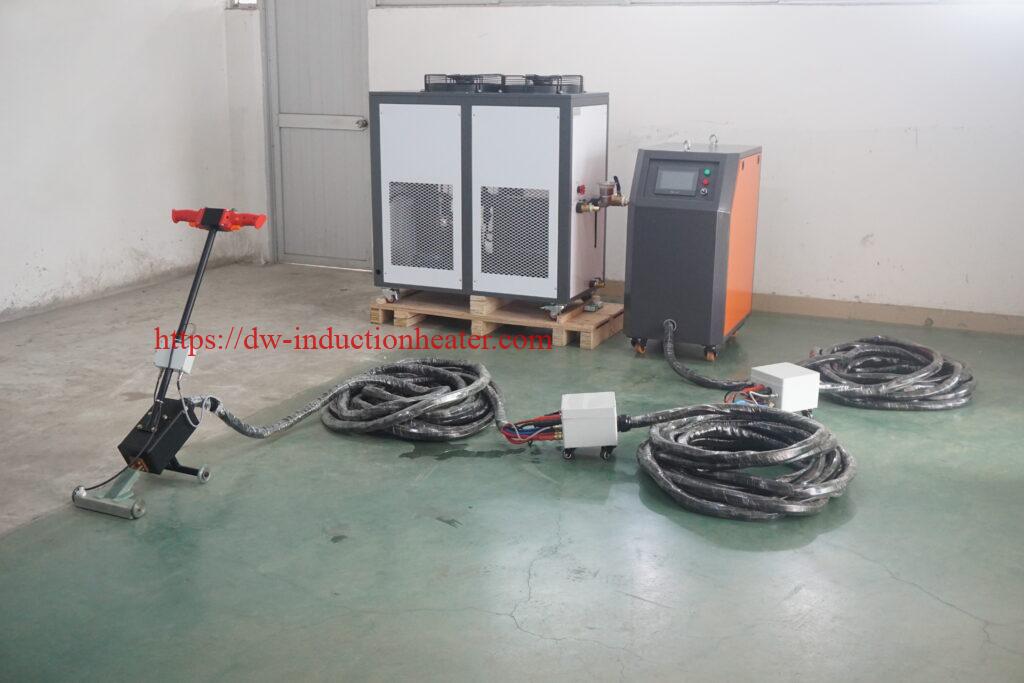
Benefits of Heat Induction Rubber Coatings and Paintings Removal

1. Environmentally friendly: Heat induction is a chemical-free process that generates little to no harmful emissions or waste. This makes it an eco-conscious choice for removing rubber coatings and paintings. 2. Efficient and effective: Heat induction allows for targeted heating, limiting damage to the underlying surface, and ensures a faster removal process. 3. Safe: The non-contact nature of heat induction reduces the risk of burns or other accidents associated with traditional techniques. 4. Cost-effective: Heat induction offers a high return on investment due to its low energy consumption, reduced labor costs, and minimal downtime.
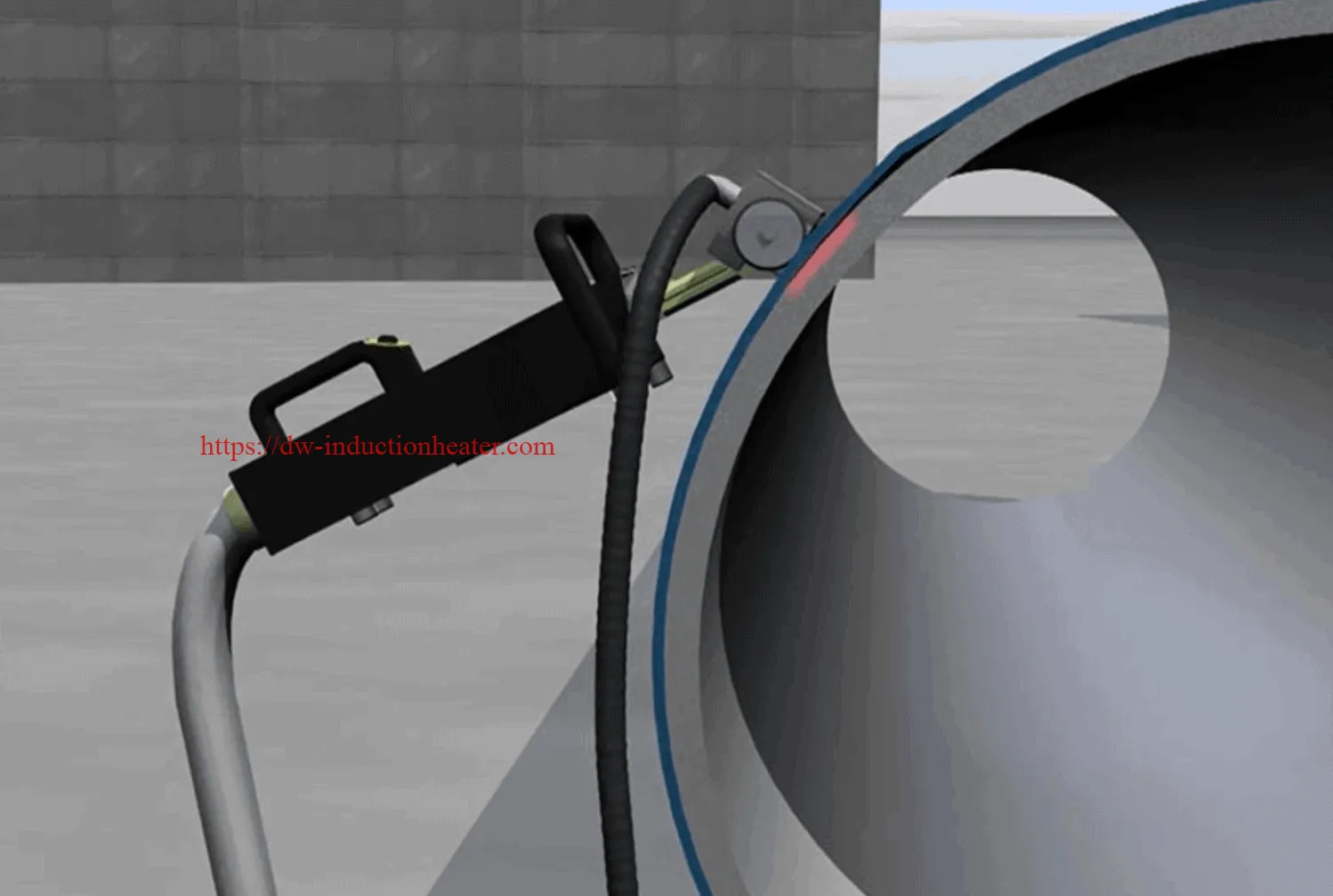
Applications of Heat Induction Removal

Heat induction rubber coatings and paintings removal can be employed across various industries. Some of its notable applications include: 1. Automotive: Removing rubber coatings and paint from auto body parts, car frames, or engine components. 2. Marine: Stripping rubberized coatings and paint from ships, boats, and other marine vessels. 3. Aviation: Removing rubberized coatings or specialized paints from airplane parts and structures. 4. Infrastructure: Stripping coatings from bridges or other structures to prevent corrosion and facilitate maintenance. 5. Manufacturing: Removing coatings from tools, equipment, and production line components.

Final Thoughts

Heat induction rubber coatings and paintings removal is a complex process that requires specialized equipment and expertise. If you need rubber coatings or paintings removed from a surface, it's important to work with a professional who has experience in this area. At our company, we have the tools and expertise to safely and effectively remove rubber coatings and paintings using heat induction technology. Our team of experts will work with you to understand your needs and develop a plan that meets your specific requirements. So if you need rubber coatings or paintings removed, don't hesitate to contact us today. We'll help you get the job done right. https://dw-inductionheater.com/the-ultimate-guide-to-heat-induction-rubber-coatings-and-paintings-removal.html?feed_id=231706&_unique_id=659c108cf1977

2024年1月7日星期日

Induction Curing Epoxy Adhesives: How It Works and Its Benefits.

Induction Curing Epoxy Adhesives: How It Works and Its Benefits.

Epoxy adhesives are an incredibly versatile and widely used type of adhesive, thanks to their strong bonding properties and ability to adhere to a range of materials. However, traditional curing methods for these adhesives can be time-consuming and require high temperatures, which can damage the materials being bonded. This is where induction curing comes in. Induction curing is a fast, efficient, and highly precise method of curing epoxy adhesives that relies on electromagnetic waves to generate heat within the adhesive itself. In this post, we'll explore how induction curing works, its benefits over traditional curing methods, and why it's an ideal solution for a wide range of industrial applications.

What is induction curing of epoxy adhesives?

Induction curing of epoxy adhesives is a process that uses high-frequency electromagnetic waves to cure the adhesive. This method is becoming increasingly popular due to the many benefits it offers. The process involves applying the adhesive to the surface and then exposing it to a high-frequency current that passes through a conductive coil. The current heats the coil, which in turn heats the adhesive through induction. This process causes the adhesive to cure quickly and evenly. One of the main advantages of induction curing is the speed at which the adhesive cures. The process can take as little as 15 seconds, making it significantly faster than other curing methods. Induction curing also has the added benefit of being able to cure epoxy adhesive in hard-to-reach areas. It is a non-contact process, so the adhesive can be cured without touching the surface. Another advantage of induction curing is that it is an energy-efficient method. The process only heats the adhesive and not the entire surface, which saves energy and time. It also creates a stronger bond than other curing methods, as the even heat distribution ensures that the adhesive cures evenly and with minimal stress. Overall, induction curing is an excellent choice for those looking to cure epoxy adhesives quickly and efficiently. The process is energy-efficient, provides a strong bond, and can reach areas that other methods cannot.

How does induction curing of epoxy adhesives work?

Induction curing is a process that is used to cure epoxy adhesives. It works by using an induction coil to create an electromagnetic field that heats up the adhesive. The adhesive is placed inside the coil, and the electromagnetic field causes the adhesive to heat up rapidly. This rapid heating causes the adhesive to cure quickly and efficiently. The process is known for being extremely fast, with curing times ranging from just a few seconds to a few minutes. The speed of induction curing makes it an excellent choice for use in high-volume production environments. Induction curing is also known for being very precise. The electromagnetic field can be precisely controlled, allowing for very accurate curing of the adhesive. This precision ensures that the adhesive is cured evenly, which is important for maintaining the strength and integrity of the bond. Another benefit of induction curing is that it is a non-contact process. This means that there is no physical contact between the adhesive and the curing equipment, which reduces the risk of contamination. Additionally, induction curing is a very energy-efficient process, which can help to reduce operating costs. Overall, induction curing is a highly effective and efficient method for curing epoxy adhesives, offering many benefits to manufacturers and end-users alike.

Benefits of induction curing for epoxy adhesives over traditional curing methods

Induction curing is a relatively new technique that has been gaining popularity in recent years. One of the main benefits of induction curing over traditional curing methods is the speed of the process. 1) Reduced curing time: One of the most significant advantages of induction curing is its ability to cure adhesives faster than thermal curing. The electromagnetic induction method can cure epoxy adhesives in a matter of seconds, compared to the hours or days it can take using thermal curing. This results in significant time savings in the production process, leading to increased productivity and efficiency. 2) Lower energy consumption: Induction curing also requires much less energy than thermal curing since only the adhesive material is heated, rather than the entire assembly. This results in lower energy costs and reduced carbon emissions. 3) Improved mechanical properties: Researchers have found that induction curing can produce an epoxy adhesive bond with superior mechanical properties, such as adhesion and shear strength, compared to thermal curing. This is attributed to the fact that induction curing produces a more uniform and controlled curing process, resulting in a stronger bond between the adhesive and the substrates. 4) Challenges and Limitations: Despite its benefits, induction curing does have some challenges and limitations that must be addressed. One of the limitations is the need for specialized equipment to generate the electromagnetic field required for curing. This can be expensive, making it difficult for smaller manufacturers to adopt the technology. Additionally, the process is highly dependent on the adhesive and substrate properties and may not be suitable for all types of materials.

Applications of induction curing for epoxy adhesives

The use of induction curing for epoxy adhesives has numerous applications across various industries. One of the primary applications is in the automotive industry, where the quick curing time of induction curing allows for faster production rates. This is particularly useful in the production of vehicle components where epoxy adhesives are used to bond metal parts together. The ability to cure these adhesives quickly and efficiently means that production times are reduced, and vehicles can be manufactured at a lower cost. Induction curing is also used in the electronics industry, where epoxy adhesives are used to bond components together. These adhesives provide excellent protection from moisture and other environmental factors, which is critical in the production of electronic devices. With induction curing, the curing process is completed quickly, which is vital in the fast-paced electronics industry. Another industry that benefits from induction curing for epoxy adhesives is the aerospace industry. The ability to cure adhesives quickly and efficiently is essential in the production of aircraft components. Induction curing provides a fast and reliable solution for curing epoxy adhesives, ensuring that aircraft components are produced to the highest possible standards. Overall, the applications of induction curing for epoxy adhesives are vast and varied, and it offers numerous benefits across various industries. With faster production times, improved product quality, and reduced costs, it's no wonder that more and more industries are turning to induction curing for their adhesive bonding needs.

Conclusion

Induction curing of epoxy adhesives is an innovative method of curing  that has gained popularity in recent years. Unlike traditional methods, which rely on heat or UV light to cure adhesives, induction curing uses electromagnetic waves to generate heat directly within the adhesive. This results in faster, more efficient curing, and reduces the risk of damage to sensitive components. Induction curing is ideal for high-precision applications, such as electronics manufacturing, where precise control of temperature and curing time is critical. If you're looking for a reliable and efficient way to cure epoxy adhesives, induction curing may be the solution you've been searching for.   https://dw-inductionheater.com/induction-curing-epoxy-adhesives-how-it-works-and-its-benefits.html?feed_id=231676&_unique_id=659b59ac5e4e5

关注者

我的简介

我的照片
HLQ induction heating machine manufacturer provides the service of induction brazing,melting,hot forming,hardening surface,annealing,shrink fitting,PWHT,etc.