显示标签为“HardeningHeattreatment”的博文。显示所有博文

2024年3月26日星期二

Induction Hardening: Maximizing Surface Hardness and Wear Resistance

Induction Hardening: Maximizing Surface Hardness and Wear Resistance

What is Induction Hardening?

The Principles Behind Induction Hardening

Electromagnetic Induction

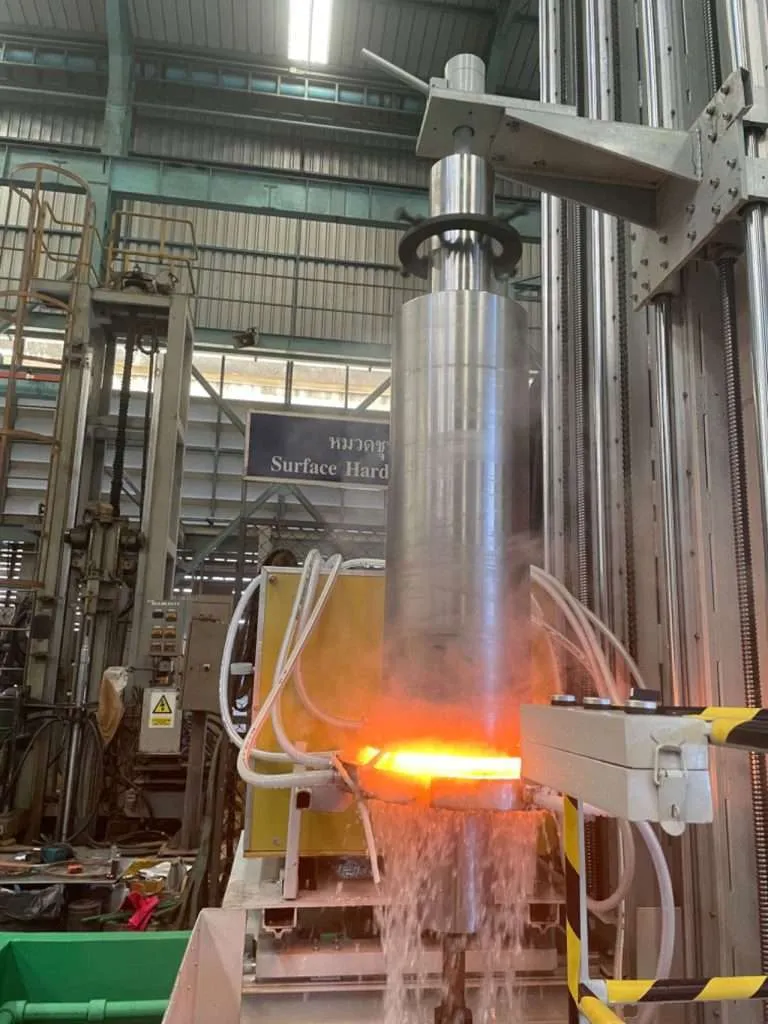
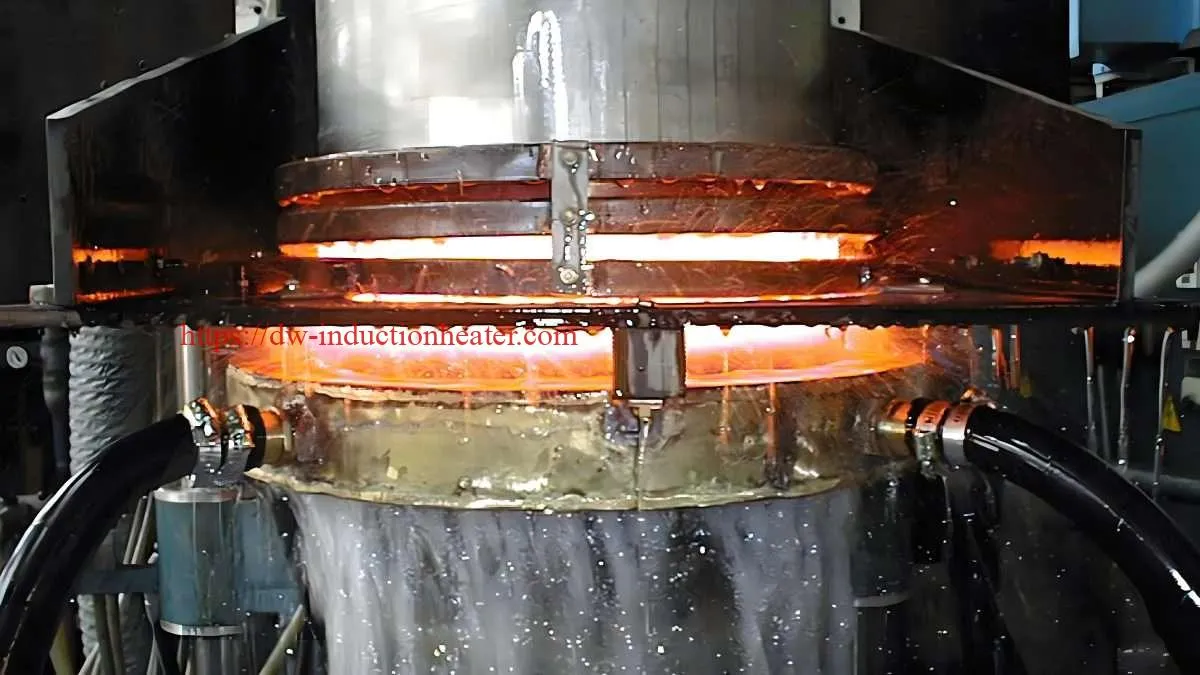
Induction hardening is a heat treatment process that selectively hardens the surface of metal components by utilizing the principles of electromagnetic induction. This process involves passing a high-frequency alternating current through an induction coil placed around the component, generating a powerful electromagnetic field. As the electromagnetic field interacts with the conductive material, it induces electrical currents within the component, causing rapid and localized heating of the surface.
Rapid Heating and Quenching

The induced currents generate heat within the component's surface, raising its temperature to the austenitic range (typically between 800°C and 950°C for steel). Once the desired temperature is reached, the component is immediately quenched, typically by spraying or immersing it in a quenching medium, such as water, oil, or a polymer solution. The rapid cooling causes the austenite to transform into martensite, a hard and wear-resistant microstructure, resulting in a hardened surface layer.

Advantages of Induction Hardening

Increased Surface Hardness and Wear Resistance

One of the primary advantages of induction hardening is the ability to achieve exceptional surface hardness and wear resistance. The martensitic microstructure formed during the quenching process can result in surface hardness values exceeding 60 HRC (Rockwell Hardness Scale C). This high hardness translates to improved wear resistance, making induction-hardened components ideal for applications involving sliding, rolling, or impact loads.
Precise and Localized Hardening

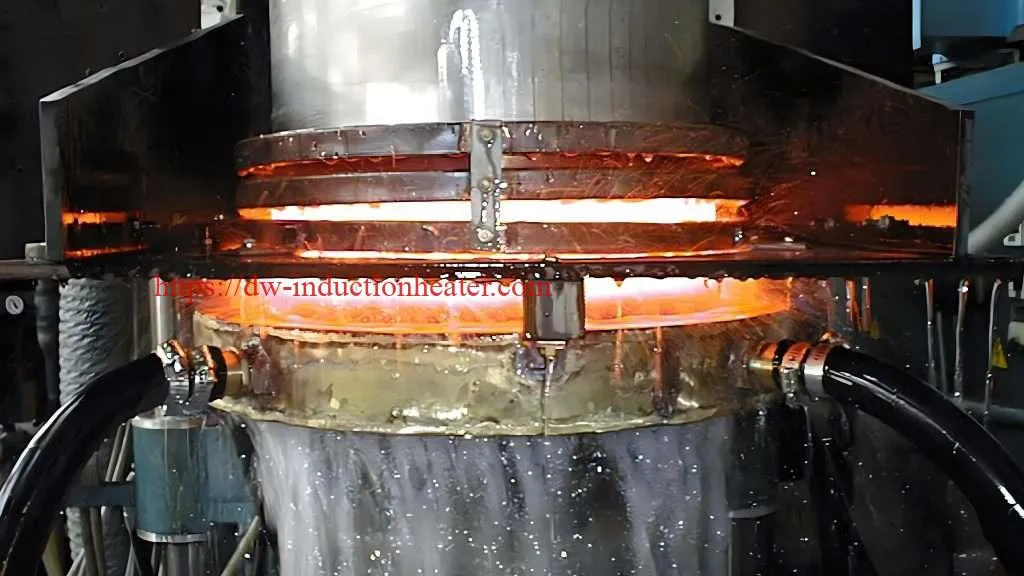
Induction hardening allows for precise and localized hardening of specific areas on a component. By carefully designing the induction coil and controlling the heating pattern, manufacturers can selectively harden critical regions while leaving other areas unaffected. This capability is particularly valuable in applications where only certain sections of a component require enhanced hardness and wear resistance, such as gear teeth, cam lobes, or bearing surfaces.

Energy Efficiency

Compared to other heat treatment processes, induction hardening is highly energy-efficient. The induction coil directly heats the component's surface, minimizing energy losses associated with heating the entire component or furnace. Additionally, the rapid heating and cooling cycles contribute to energy savings, making induction hardening an environmentally friendly and cost-effective process.

Versatility and Flexibility

Induction hardening is a versatile process that can be applied to a wide range of materials, including various grades of steel, cast iron, and certain non-ferrous alloys. It is also suitable for components of different shapes and sizes, from small gears and bearings to large shafts and cylinders. The flexibility of induction hardening allows manufacturers to tailor the process parameters to meet specific requirements, ensuring optimal hardness and performance.

Applications of Induction Hardening

Automotive Industry

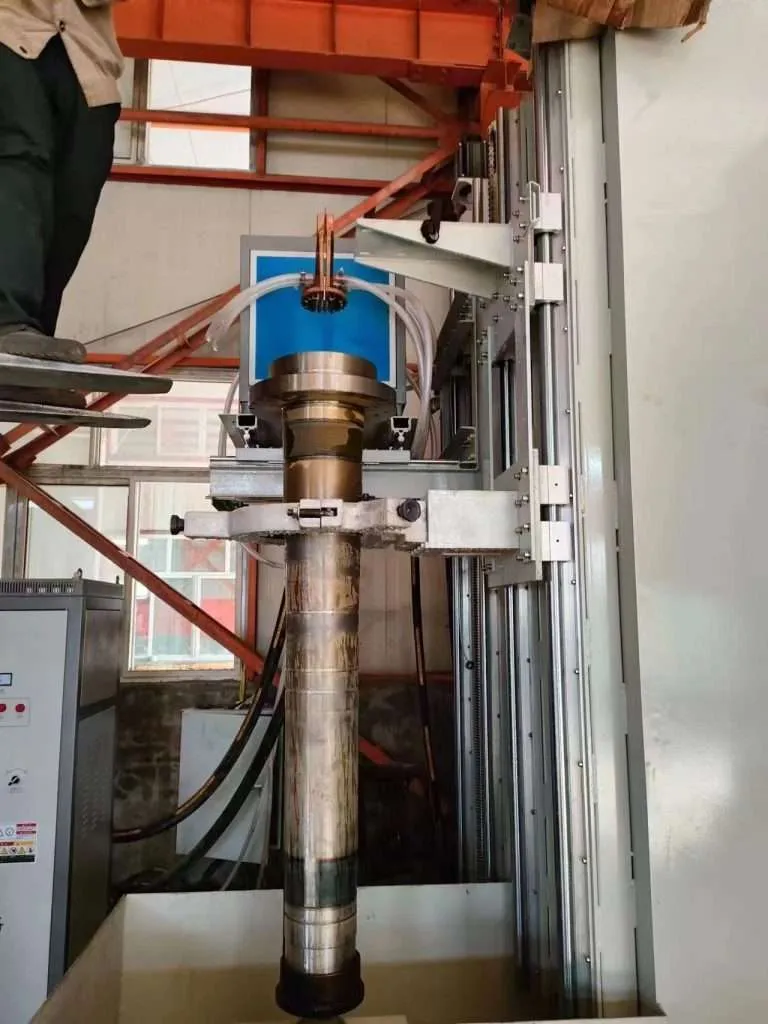
The automotive industry is a major consumer of induction-hardened components. Gears, crankshafts, camshafts, bearings, and other critical drivetrain components are commonly induction-hardened to withstand the high loads and wear encountered in automotive applications. Induction hardening plays a crucial role in enhancing the durability and reliability of these components, contributing to improved vehicle performance and longevity.
Aerospace Industry

In the aerospace industry, where safety and reliability are paramount, induction hardening is widely employed for critical components such as landing gear components, turbine blades, and bearings. The high hardness and wear resistance achieved through induction hardening ensure these components can withstand extreme operating conditions, including high temperatures, loads, and vibrations.

Manufacturing and Industrial Machinery

Induction hardening finds extensive applications in the manufacturing and industrial machinery sectors. Components such as gears, shafts, rollers, and cutting tools are often induction-hardened to improve their service life and performance. This process helps reduce downtime, maintenance costs, and replacement frequencies, ultimately enhancing productivity and efficiency in industrial operations.

Tooling and Mold Making

In the tooling and mold-making industries, induction hardening is crucial for producing durable and long-lasting tools and molds. Dies, punches, forming tools, and injection molds are commonly induction-hardened to resist wear, abrasion, and deformation during demanding manufacturing processes involving high pressures, temperatures, and repetitive cycles.
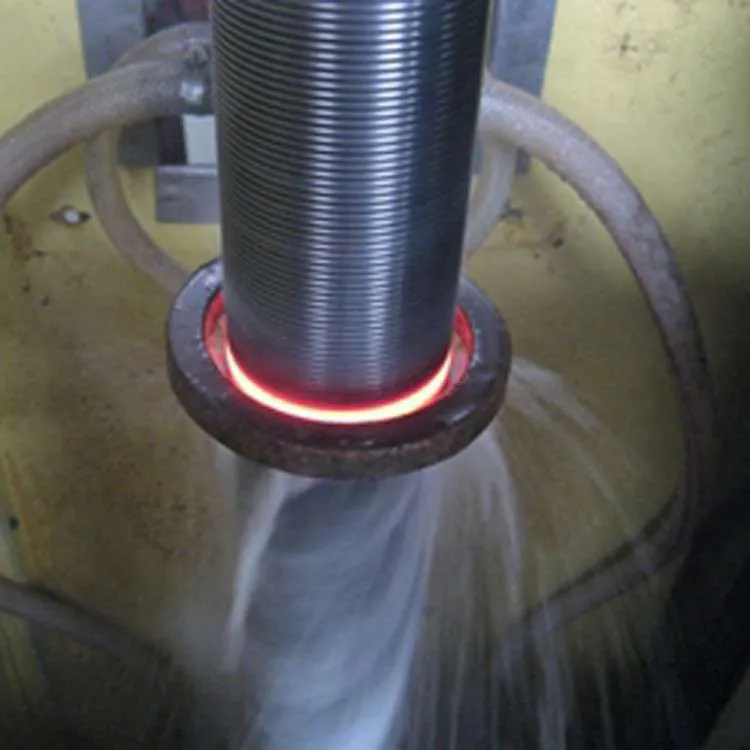
The Induction Hardening Process

Surface Preparation

Proper surface preparation is essential for successful induction hardening. The component's surface must be clean and free from contaminants, such as oil, grease, or scale, as these can interfere with the heating and quenching processes. Common surface preparation techniques include degreasing, shot blasting, or chemical cleaning methods.

Induction Coil Design and Selection

Coil Configuration

The design and configuration of the induction coil play a crucial role in achieving the desired heating pattern and hardness profile. Coils can be customized to match the shape and size of the component, ensuring efficient and uniform heating. Common coil configurations include helical coils for cylindrical components, pancake coils for flat surfaces, and customized coils for complex geometries.

Coil Material and Insulation

The coil material and insulation are carefully selected based on the operating temperatures and frequencies involved. Copper or copper alloys are commonly used for their high electrical conductivity, while insulating materials like ceramic or refractory materials protect the coil from high temperatures and prevent electrical breakdown.
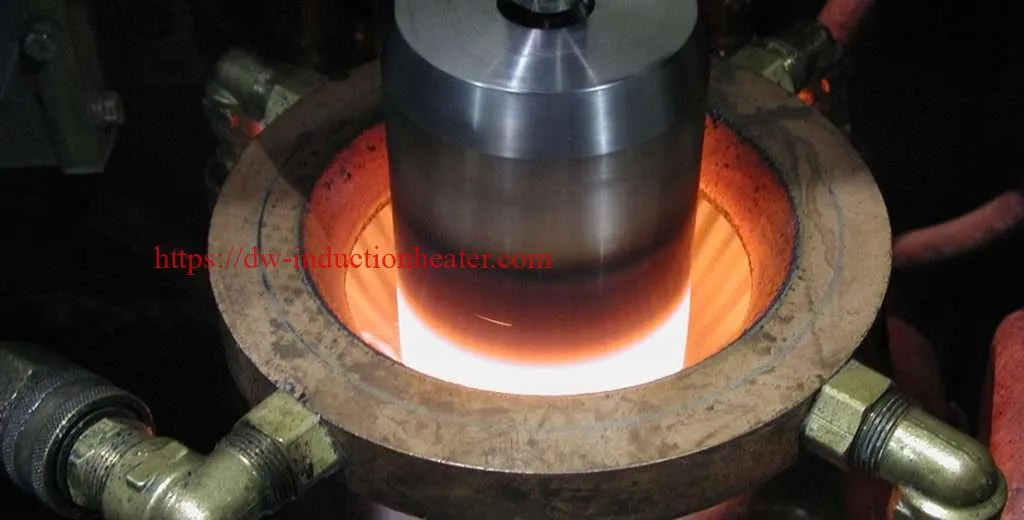
Heating and Quenching

Temperature Control and Monitoring

Precise temperature control and monitoring are essential during the induction hardening process to ensure the desired hardness and microstructure are achieved. Temperature sensors, such as thermocouples or pyrometers, are used to monitor the component's surface temperature in real-time. Advanced control systems and feedback loops help maintain the desired temperature profile throughout the heating cycle.

Quenching Methods

After the component reaches the target temperature, it is rapidly quenched to form the martensitic microstructure. Quenching methods can vary depending on the component's size, shape, and material. Common quenching techniques include spray quenching, immersion quenching (in water, oil, or polymer solutions), and specialized quenching systems like high-pressure or cryogenic quenching.

Quality Control and Inspection

Hardness Testing

Hardness testing is a crucial step in verifying the effectiveness of the induction hardening process. Various hardness testing methods, such as Rockwell, Vickers, or Brinell tests, are employed to measure the surface hardness of the component and ensure it meets the specified requirements.
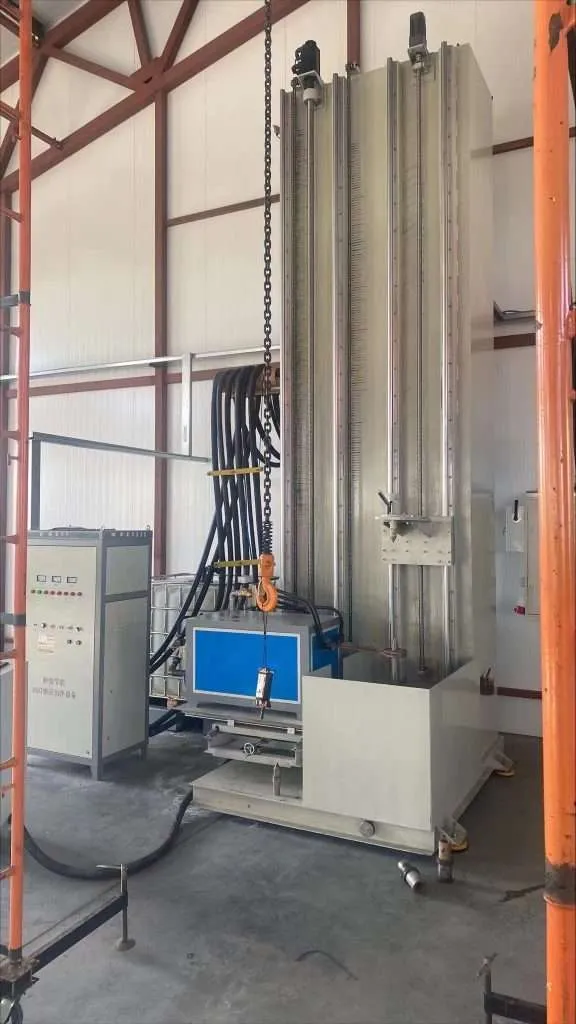
Microstructural Examination

Microstructural examination involves analyzing the component's surface and subsurface microstructure using techniques like optical microscopy or scanning electron microscopy (SEM). This analysis helps confirm the presence of the desired martensitic microstructure and identify any potential issues, such as incomplete transformation or non-uniform hardening.

Non-Destructive Testing

Non-destructive testing (NDT) methods, such as ultrasonic testing, magnetic particle inspection, or eddy current testing, are often employed to detect subsurface defects, cracks, or inconsistencies in the hardened layer. These techniques provide valuable information about the component's integrity and quality without causing any damage.

Conclusion

Induction hardening is a highly effective and efficient process for maximizing surface hardness and wear resistance in metal components. By leveraging the principles of electromagnetic induction and rapid heating and quenching, this process creates a hardened martensitic surface layer that offers exceptional durability and resistance to wear, abrasion, and impact. The versatility of induction hardening allows it to be applied across various industries, including automotive, aerospace, manufacturing, and tooling, where enhanced surface properties are crucial for component performance and longevity. With its precise and localized hardening capabilities, energy efficiency, and flexibility, induction hardening continues to be a preferred choice for manufacturers seeking to optimize the performance and reliability of their products. As technology advances, the induction hardening process continues to evolve, with improvements in coil design, temperature control, and quenching methods, ensuring even better hardness profiles and surface quality. By combining advanced materials, process control, and quality assurance techniques, induction hardening remains a vital tool in the pursuit of maximizing surface hardness and wear resistance for critical components across various industries. FAQ: Frequently Asked Questions
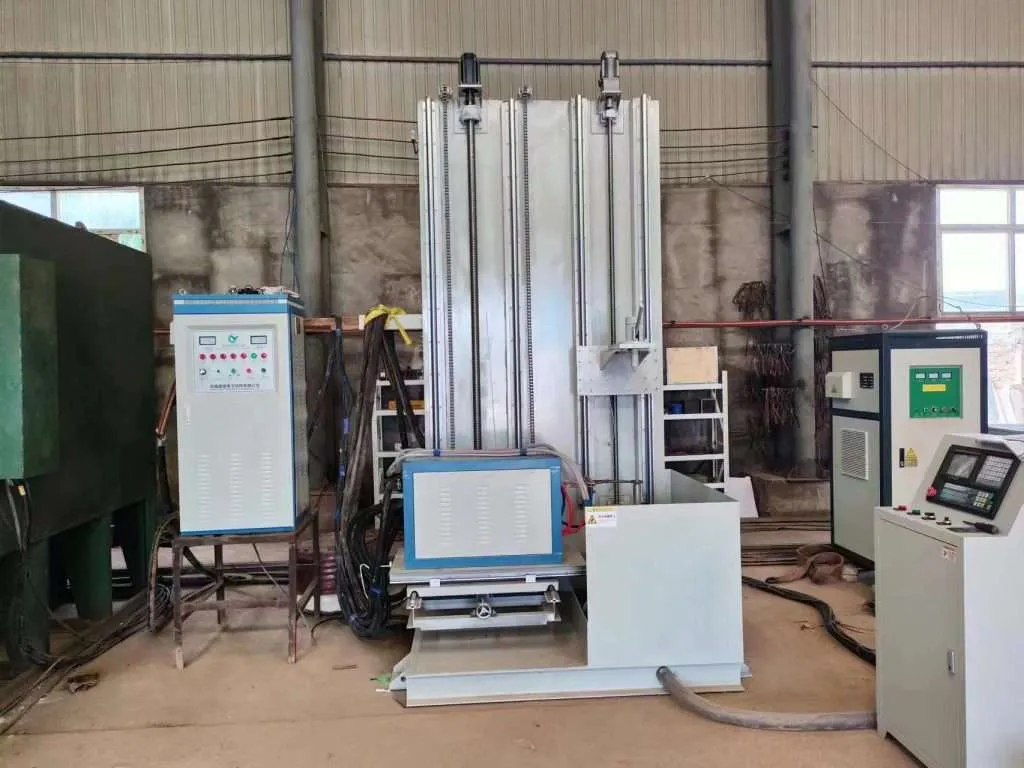
  1. What materials are suitable for induction hardening? Induction hardening is primarily used for ferrous materials, such as various grades of steel and cast iron. However, certain non-ferrous alloys, like nickel-based or cobalt-based alloys, can also be induction-hardened under specific conditions.
  2. How deep can the hardened layer be achieved through induction hardening? The depth of the hardened layer depends on several factors, including the component's material, the induction coil design, and the process parameters. Typically, induction hardening can achieve hardened case depths ranging from 0.5 mm to 10 mm, with deeper case depths possible in certain applications.
  3. Can induction hardening be applied to complex component geometries? Yes, induction hardening can be applied to components with complex geometries. Specialized induction coils can be designed and customized to accommodate intricate shapes, allowing for precise and localized hardening of specific areas.
  4. What are the typical quenching media used in induction hardening? Common quenching media used in induction hardening include water, oil, and polymer solutions. The choice of quenching medium depends on factors such as the component's material, size, and desired cooling rate. Specialized quenching systems, like high-pressure or cryogenic quenching, may also be employed for specific applications.
  5. How does induction hardening compare to other hardening processes in terms of environmental impact? Induction hardening is generally considered an environmentally friendly process due to its energy efficiency and minimal waste generation. Compared to traditional furnace-based hardening processes, induction hardening consumes less energy and produces lower emissions, making it a more sustainable choice for heat treatment operations.
https://dw-inductionheater.com/induction-hardening-maximizing-surface-hardness-and-wear-resistance.html?feed_id=238726&_unique_id=6603b8bd8bb71
Induction Hardening: Maximizing Surface Hardness and Wear Resistance

Induction Hardening: Maximizing Surface Hardness and Wear Resistance

What is Induction Hardening?

The Principles Behind Induction Hardening

Electromagnetic Induction

Induction hardening is a heat treatment process that selectively hardens the surface of metal components by utilizing the principles of electromagnetic induction. This process involves passing a high-frequency alternating current through an induction coil placed around the component, generating a powerful electromagnetic field. As the electromagnetic field interacts with the conductive material, it induces electrical currents within the component, causing rapid and localized heating of the surface.

Rapid Heating and Quenching

The induced currents generate heat within the component's surface, raising its temperature to the austenitic range (typically between 800°C and 950°C for steel). Once the desired temperature is reached, the component is immediately quenched, typically by spraying or immersing it in a quenching medium, such as water, oil, or a polymer solution. The rapid cooling causes the austenite to transform into martensite, a hard and wear-resistant microstructure, resulting in a hardened surface layer.

Advantages of Induction Hardening

Increased Surface Hardness and Wear Resistance

One of the primary advantages of induction hardening is the ability to achieve exceptional surface hardness and wear resistance. The martensitic microstructure formed during the quenching process can result in surface hardness values exceeding 60 HRC (Rockwell Hardness Scale C). This high hardness translates to improved wear resistance, making induction-hardened components ideal for applications involving sliding, rolling, or impact loads.

Precise and Localized Hardening

Induction hardening allows for precise and localized hardening of specific areas on a component. By carefully designing the induction coil and controlling the heating pattern, manufacturers can selectively harden critical regions while leaving other areas unaffected. This capability is particularly valuable in applications where only certain sections of a component require enhanced hardness and wear resistance, such as gear teeth, cam lobes, or bearing surfaces.

Energy Efficiency

Compared to other heat treatment processes, induction hardening is highly energy-efficient. The induction coil directly heats the component's surface, minimizing energy losses associated with heating the entire component or furnace. Additionally, the rapid heating and cooling cycles contribute to energy savings, making induction hardening an environmentally friendly and cost-effective process.

Versatility and Flexibility

Induction hardening is a versatile process that can be applied to a wide range of materials, including various grades of steel, cast iron, and certain non-ferrous alloys. It is also suitable for components of different shapes and sizes, from small gears and bearings to large shafts and cylinders. The flexibility of induction hardening allows manufacturers to tailor the process parameters to meet specific requirements, ensuring optimal hardness and performance.

Applications of Induction Hardening

Automotive Industry

The automotive industry is a major consumer of induction-hardened components. Gears, crankshafts, camshafts, bearings, and other critical drivetrain components are commonly induction-hardened to withstand the high loads and wear encountered in automotive applications. Induction hardening plays a crucial role in enhancing the durability and reliability of these components, contributing to improved vehicle performance and longevity.

Aerospace Industry

In the aerospace industry, where safety and reliability are paramount, induction hardening is widely employed for critical components such as landing gear components, turbine blades, and bearings. The high hardness and wear resistance achieved through induction hardening ensure these components can withstand extreme operating conditions, including high temperatures, loads, and vibrations.

Manufacturing and Industrial Machinery

Induction hardening finds extensive applications in the manufacturing and industrial machinery sectors. Components such as gears, shafts, rollers, and cutting tools are often induction-hardened to improve their service life and performance. This process helps reduce downtime, maintenance costs, and replacement frequencies, ultimately enhancing productivity and efficiency in industrial operations.

Tooling and Mold Making

In the tooling and mold-making industries, induction hardening is crucial for producing durable and long-lasting tools and molds. Dies, punches, forming tools, and injection molds are commonly induction-hardened to resist wear, abrasion, and deformation during demanding manufacturing processes involving high pressures, temperatures, and repetitive cycles.

The Induction Hardening Process

Surface Preparation

Proper surface preparation is essential for successful induction hardening. The component's surface must be clean and free from contaminants, such as oil, grease, or scale, as these can interfere with the heating and quenching processes. Common surface preparation techniques include degreasing, shot blasting, or chemical cleaning methods.

Induction Coil Design and Selection

Coil Configuration

The design and configuration of the induction coil play a crucial role in achieving the desired heating pattern and hardness profile. Coils can be customized to match the shape and size of the component, ensuring efficient and uniform heating. Common coil configurations include helical coils for cylindrical components, pancake coils for flat surfaces, and customized coils for complex geometries.

Coil Material and Insulation

The coil material and insulation are carefully selected based on the operating temperatures and frequencies involved. Copper or copper alloys are commonly used for their high electrical conductivity, while insulating materials like ceramic or refractory materials protect the coil from high temperatures and prevent electrical breakdown.

Heating and Quenching

Temperature Control and Monitoring

Precise temperature control and monitoring are essential during the induction hardening process to ensure the desired hardness and microstructure are achieved. Temperature sensors, such as thermocouples or pyrometers, are used to monitor the component's surface temperature in real-time. Advanced control systems and feedback loops help maintain the desired temperature profile throughout the heating cycle.

Quenching Methods

After the component reaches the target temperature, it is rapidly quenched to form the martensitic microstructure. Quenching methods can vary depending on the component's size, shape, and material. Common quenching techniques include spray quenching, immersion quenching (in water, oil, or polymer solutions), and specialized quenching systems like high-pressure or cryogenic quenching.

Quality Control and Inspection

Hardness Testing

Hardness testing is a crucial step in verifying the effectiveness of the induction hardening process. Various hardness testing methods, such as Rockwell, Vickers, or Brinell tests, are employed to measure the surface hardness of the component and ensure it meets the specified requirements.

Microstructural Examination

Microstructural examination involves analyzing the component's surface and subsurface microstructure using techniques like optical microscopy or scanning electron microscopy (SEM). This analysis helps confirm the presence of the desired martensitic microstructure and identify any potential issues, such as incomplete transformation or non-uniform hardening.

Non-Destructive Testing

Non-destructive testing (NDT) methods, such as ultrasonic testing, magnetic particle inspection, or eddy current testing, are often employed to detect subsurface defects, cracks, or inconsistencies in the hardened layer. These techniques provide valuable information about the component's integrity and quality without causing any damage.

Conclusion

Induction hardening is a highly effective and efficient process for maximizing surface hardness and wear resistance in metal components. By leveraging the principles of electromagnetic induction and rapid heating and quenching, this process creates a hardened martensitic surface layer that offers exceptional durability and resistance to wear, abrasion, and impact. The versatility of induction hardening allows it to be applied across various industries, including automotive, aerospace, manufacturing, and tooling, where enhanced surface properties are crucial for component performance and longevity. With its precise and localized hardening capabilities, energy efficiency, and flexibility, induction hardening continues to be a preferred choice for manufacturers seeking to optimize the performance and reliability of their products. As technology advances, the induction hardening process continues to evolve, with improvements in coil design, temperature control, and quenching methods, ensuring even better hardness profiles and surface quality. By combining advanced materials, process control, and quality assurance techniques, induction hardening remains a vital tool in the pursuit of maximizing surface hardness and wear resistance for critical components across various industries. FAQ: Frequently Asked Questions
  1. What materials are suitable for induction hardening? Induction hardening is primarily used for ferrous materials, such as various grades of steel and cast iron. However, certain non-ferrous alloys, like nickel-based or cobalt-based alloys, can also be induction-hardened under specific conditions.
  2. How deep can the hardened layer be achieved through induction hardening? The depth of the hardened layer depends on several factors, including the component's material, the induction coil design, and the process parameters. Typically, induction hardening can achieve hardened case depths ranging from 0.5 mm to 10 mm, with deeper case depths possible in certain applications.
  3. Can induction hardening be applied to complex component geometries? Yes, induction hardening can be applied to components with complex geometries. Specialized induction coils can be designed and customized to accommodate intricate shapes, allowing for precise and localized hardening of specific areas.
  4. What are the typical quenching media used in induction hardening? Common quenching media used in induction hardening include water, oil, and polymer solutions. The choice of quenching medium depends on factors such as the component's material, size, and desired cooling rate. Specialized quenching systems, like high-pressure or cryogenic quenching, may also be employed for specific applications.
  5. How does induction hardening compare to other hardening processes in terms of environmental impact? Induction hardening is generally considered an environmentally friendly process due to its energy efficiency and minimal waste generation. Compared to traditional furnace-based hardening processes, induction hardening consumes less energy and produces lower emissions, making it a more sustainable choice for heat treatment operations.
https://dw-inductionheater.com/induction-hardening-maximizing-surface-hardness-and-wear-resistance.html?feed_id=238624&_unique_id=660374442e7be

2024年1月9日星期二

Improve Gear Performance with Induction Hardening of Gear Teeth

The Importance of Induction Hardening of Gear Teeth for Smooth and Efficient Machinery.

Induction Hardening of Gear Teeth is a process that is often overlooked by machinery users, but it is one of the most important aspects of ensuring the smooth and efficient operation of any machinery. Induction hardening is a process of heat treatment that is used to selectively harden the surface of a gear. This process is essential for ensuring that the gear teeth can withstand the high loads and stresses that are placed upon them during operation. By hardening the gear teeth in this way, machinery users can ensure that their equipment runs smoothly, efficiently, and with minimal wear and tear on the gears. In this blog post, we will explore the importance of induction gear teeth hardening, how it works, and why it is essential for the proper functioning of industrial machinery. 1. Introduction to Induction Hardening of Gear Teeth Induction Hardening of Gear Teeth is an important process for ensuring that gears are smooth and efficient in their operation. Gears are a fundamental part of many machines, and they require precise engineering and attention to detail to work correctly. One crucial component of this precision is the hardness of the gear teeth. By using induction hardening, the teeth of a gear can be made much harder and more durable, allowing them to operate more smoothly and with greater efficiency. This process involves using an electrical current to heat the gear teeth to a specific temperature, followed by rapid cooling. This causes a change in the molecular structure of the metal, making it much harder and more resistant to wear and tear. The result is a gear that is better able to withstand the stresses of operation, providing a smoother and more efficient performance. 2. The Importance of Induction Hardening of Gear Teeth Induction Hardening of Gear Teeth is a critical process that ensures the smooth and efficient functioning of machinery. This process involves heating the gear teeth with high-frequency alternating currents and then rapidly cooling them. This results in the formation of a hardened layer that is more wear-resistant and has a longer lifespan than the original gear teeth. Induction hardening is especially important for gears because they are constantly under high stress and friction during operation. If the gear teeth are not hardened properly, they can wear out quickly, leading to machinery breakdowns and decreased efficiency. Induction gear teeth hardening can also improve the load-carrying capacity of the gears, making them more durable and reliable in operation. By increasing the lifespan of the gears, the need for maintenance and replacements is reduced, saving time and money. Therefore, it is crucial to ensure that gear teeth are properly hardened through induction hardening to ensure the smooth and efficient operation of machinery. 3. How Induction Hardening of Gear TeethWorks Induction gear teeth hardening is a process that involves heating the surface of the gear tooth with an induction coil to harden it. This process is important because it ensures that the gear teeth will remain strong and durable even after years of use. Induction gear teeth hardening works by heating the surface of the gear tooth to a specific temperature. This temperature is high enough to cause the surface of the gear tooth to change its crystal structure, which in turn hardens it. The process is quick and efficient, and the result is a gear tooth that is much harder and more resistant to wear and tear than it was before. Induction gear teeth hardening is often used in industries where machinery is subject to constant use and wear, such as in manufacturing or transportation. By ensuring that the gear teeth are strong and durable, the machinery can continue to operate smoothly and efficiently for longer periods of time. 4. Benefits of Induction Gear Teeth Hardening for Machinery Induction Hardening of Gear Teeth is a process that is crucial to the smooth and efficient operation of machinery. The benefits of induction gear teeth hardening are many and include increased strength, durability, and wear resistance. Induction hardening is a heat treatment process that uses high-frequency current to heat the surface of the gear teeth and then rapidly cools them. This creates a hard outer layer while maintaining the ductility and toughness of the core of the gear. One of the most significant benefits of induction gear teeth hardening is that it makes the gear more resistant to wear and tear. This, in turn, can help to extend the life of the gear and reduce the need for frequent replacements. Induction hardening also helps to improve the gear's strength, making it less likely to warp or break under heavy loads. Another advantage of induction hardening is that it makes the gear more resistant to fatigue failure. This is important in machinery that is subjected to repeated loading and unloading. Fatigue failure occurs when a material is subjected to cyclic loading and unloading, causing micro-cracks to form. Induction hardening helps to prevent these micro-cracks from forming, making the gear less susceptible to fatigue failure. Finally, induction hardening can also improve the efficiency of the machinery. By reducing the amount of friction between the gear and other moving parts, the gear can operate more smoothly and with less energy. This can lead to a reduction in energy consumption, resulting in cost savings for the operator. Overall, induction gear teeth hardening is a process that is essential for the smooth and efficient operation of machinery. Its benefits include increased strength, durability, wear resistance, and improved efficiency, making it an important consideration for anyone looking to maintain and improve the performance of their machinery. Induction hardening of gear teeth is a process that involves heating the teeth of a gear with an induction coil and then rapidly cooling them with a spray of water or other cooling medium. This process is used to improve the wear resistance and durability of gear teeth, making them less likely to wear down or break over time. Induction gear teeth hardening is a popular choice for many industrial applications where gears are subjected to heavy use and need to last a long time. If you're interested in learning more about induction gear teeth hardening and how it can benefit your business, contact a reputable induction heating company today. https://dw-inductionheater.com/improve-gear-performance-with-induction-hardening-of-gear-teeth.html?feed_id=231793&_unique_id=659d7e41049f3

2023年6月18日星期日

Improve Gear Performance with Induction Hardening of Gear Teeth

The Importance of Induction Hardening of Gear Teeth for Smooth and Efficient Machinery.

Induction Hardening of Gear Teeth is a process that is often overlooked by machinery users, but it is one of the most important aspects of ensuring the smooth and efficient operation of any machinery. Induction hardening is a process of heat treatment that is used to selectively harden the surface of a gear. This process is essential for ensuring that the gear teeth can withstand the high loads and stresses that are placed upon them during operation. By hardening the gear teeth in this way, machinery users can ensure that their equipment runs smoothly, efficiently, and with minimal wear and tear on the gears. In this blog post, we will explore the importance of induction gear teeth hardening, how it works, and why it is essential for the proper functioning of industrial machinery. 1. Introduction to Induction Hardening of Gear Teeth Induction Hardening of Gear Teeth is an important process for ensuring that gears are smooth and efficient in their operation. Gears are a fundamental part of many machines, and they require precise engineering and attention to detail to work correctly. One crucial component of this precision is the hardness of the gear teeth. By using induction hardening, the teeth of a gear can be made much harder and more durable, allowing them to operate more smoothly and with greater efficiency. This process involves using an electrical current to heat the gear teeth to a specific temperature, followed by rapid cooling. This causes a change in the molecular structure of the metal, making it much harder and more resistant to wear and tear. The result is a gear that is better able to withstand the stresses of operation, providing a smoother and more efficient performance. 2. The Importance of Induction Hardening of Gear Teeth Induction Hardening of Gear Teeth is a critical process that ensures the smooth and efficient functioning of machinery. This process involves heating the gear teeth with high-frequency alternating currents and then rapidly cooling them. This results in the formation of a hardened layer that is more wear-resistant and has a longer lifespan than the original gear teeth. Induction hardening is especially important for gears because they are constantly under high stress and friction during operation. If the gear teeth are not hardened properly, they can wear out quickly, leading to machinery breakdowns and decreased efficiency. Induction gear teeth hardening can also improve the load-carrying capacity of the gears, making them more durable and reliable in operation. By increasing the lifespan of the gears, the need for maintenance and replacements is reduced, saving time and money. Therefore, it is crucial to ensure that gear teeth are properly hardened through induction hardening to ensure the smooth and efficient operation of machinery. 3. How Induction Hardening of Gear TeethWorks Induction gear teeth hardening is a process that involves heating the surface of the gear tooth with an induction coil to harden it. This process is important because it ensures that the gear teeth will remain strong and durable even after years of use. Induction gear teeth hardening works by heating the surface of the gear tooth to a specific temperature. This temperature is high enough to cause the surface of the gear tooth to change its crystal structure, which in turn hardens it. The process is quick and efficient, and the result is a gear tooth that is much harder and more resistant to wear and tear than it was before. Induction gear teeth hardening is often used in industries where machinery is subject to constant use and wear, such as in manufacturing or transportation. By ensuring that the gear teeth are strong and durable, the machinery can continue to operate smoothly and efficiently for longer periods of time. 4. Benefits of Induction Gear Teeth Hardening for Machinery Induction Hardening of Gear Teeth is a process that is crucial to the smooth and efficient operation of machinery. The benefits of induction gear teeth hardening are many and include increased strength, durability, and wear resistance. Induction hardening is a heat treatment process that uses high-frequency current to heat the surface of the gear teeth and then rapidly cools them. This creates a hard outer layer while maintaining the ductility and toughness of the core of the gear. One of the most significant benefits of induction gear teeth hardening is that it makes the gear more resistant to wear and tear. This, in turn, can help to extend the life of the gear and reduce the need for frequent replacements. Induction hardening also helps to improve the gear's strength, making it less likely to warp or break under heavy loads. Another advantage of induction hardening is that it makes the gear more resistant to fatigue failure. This is important in machinery that is subjected to repeated loading and unloading. Fatigue failure occurs when a material is subjected to cyclic loading and unloading, causing micro-cracks to form. Induction hardening helps to prevent these micro-cracks from forming, making the gear less susceptible to fatigue failure. Finally, induction hardening can also improve the efficiency of the machinery. By reducing the amount of friction between the gear and other moving parts, the gear can operate more smoothly and with less energy. This can lead to a reduction in energy consumption, resulting in cost savings for the operator. Overall, induction gear teeth hardening is a process that is essential for the smooth and efficient operation of machinery. Its benefits include increased strength, durability, wear resistance, and improved efficiency, making it an important consideration for anyone looking to maintain and improve the performance of their machinery. Induction hardening of gear teeth is a process that involves heating the teeth of a gear with an induction coil and then rapidly cooling them with a spray of water or other cooling medium. This process is used to improve the wear resistance and durability of gear teeth, making them less likely to wear down or break over time. Induction gear teeth hardening is a popular choice for many industrial applications where gears are subjected to heavy use and need to last a long time. If you're interested in learning more about induction gear teeth hardening and how it can benefit your business, contact a reputable induction heating company today. https://dw-inductionheater.com/improve-gear-performance-with-induction-hardening-of-gear-teeth.html?feed_id=214261&_unique_id=648ff98478e27

2023年5月18日星期四

Improve Gear Performance with Induction Hardening of Gear Teeth

The Importance of Induction Hardening of Gear Teeth for Smooth and Efficient Machinery.

Induction Hardening of Gear Teeth is a process that is often overlooked by machinery users, but it is one of the most important aspects of ensuring the smooth and efficient operation of any machinery. Induction hardening is a process of heat treatment that is used to selectively harden the surface of a gear. This process is essential for ensuring that the gear teeth can withstand the high loads and stresses that are placed upon them during operation. By hardening the gear teeth in this way, machinery users can ensure that their equipment runs smoothly, efficiently, and with minimal wear and tear on the gears. In this blog post, we will explore the importance of induction gear teeth hardening, how it works, and why it is essential for the proper functioning of industrial machinery. 1. Introduction to Induction Hardening of Gear Teeth Induction Hardening of Gear Teeth is an important process for ensuring that gears are smooth and efficient in their operation. Gears are a fundamental part of many machines, and they require precise engineering and attention to detail to work correctly. One crucial component of this precision is the hardness of the gear teeth. By using induction hardening, the teeth of a gear can be made much harder and more durable, allowing them to operate more smoothly and with greater efficiency. This process involves using an electrical current to heat the gear teeth to a specific temperature, followed by rapid cooling. This causes a change in the molecular structure of the metal, making it much harder and more resistant to wear and tear. The result is a gear that is better able to withstand the stresses of operation, providing a smoother and more efficient performance. 2. The Importance of Induction Hardening of Gear Teeth Induction Hardening of Gear Teeth is a critical process that ensures the smooth and efficient functioning of machinery. This process involves heating the gear teeth with high-frequency alternating currents and then rapidly cooling them. This results in the formation of a hardened layer that is more wear-resistant and has a longer lifespan than the original gear teeth. Induction hardening is especially important for gears because they are constantly under high stress and friction during operation. If the gear teeth are not hardened properly, they can wear out quickly, leading to machinery breakdowns and decreased efficiency. Induction gear teeth hardening can also improve the load-carrying capacity of the gears, making them more durable and reliable in operation. By increasing the lifespan of the gears, the need for maintenance and replacements is reduced, saving time and money. Therefore, it is crucial to ensure that gear teeth are properly hardened through induction hardening to ensure the smooth and efficient operation of machinery. 3. How Induction Hardening of Gear TeethWorks Induction gear teeth hardening is a process that involves heating the surface of the gear tooth with an induction coil to harden it. This process is important because it ensures that the gear teeth will remain strong and durable even after years of use. Induction gear teeth hardening works by heating the surface of the gear tooth to a specific temperature. This temperature is high enough to cause the surface of the gear tooth to change its crystal structure, which in turn hardens it. The process is quick and efficient, and the result is a gear tooth that is much harder and more resistant to wear and tear than it was before. Induction gear teeth hardening is often used in industries where machinery is subject to constant use and wear, such as in manufacturing or transportation. By ensuring that the gear teeth are strong and durable, the machinery can continue to operate smoothly and efficiently for longer periods of time. 4. Benefits of Induction Gear Teeth Hardening for Machinery Induction Hardening of Gear Teeth is a process that is crucial to the smooth and efficient operation of machinery. The benefits of induction gear teeth hardening are many and include increased strength, durability, and wear resistance. Induction hardening is a heat treatment process that uses high-frequency current to heat the surface of the gear teeth and then rapidly cools them. This creates a hard outer layer while maintaining the ductility and toughness of the core of the gear. One of the most significant benefits of induction gear teeth hardening is that it makes the gear more resistant to wear and tear. This, in turn, can help to extend the life of the gear and reduce the need for frequent replacements. Induction hardening also helps to improve the gear's strength, making it less likely to warp or break under heavy loads. Another advantage of induction hardening is that it makes the gear more resistant to fatigue failure. This is important in machinery that is subjected to repeated loading and unloading. Fatigue failure occurs when a material is subjected to cyclic loading and unloading, causing micro-cracks to form. Induction hardening helps to prevent these micro-cracks from forming, making the gear less susceptible to fatigue failure. Finally, induction hardening can also improve the efficiency of the machinery. By reducing the amount of friction between the gear and other moving parts, the gear can operate more smoothly and with less energy. This can lead to a reduction in energy consumption, resulting in cost savings for the operator. Overall, induction gear teeth hardening is a process that is essential for the smooth and efficient operation of machinery. Its benefits include increased strength, durability, wear resistance, and improved efficiency, making it an important consideration for anyone looking to maintain and improve the performance of their machinery. Induction hardening of gear teeth is a process that involves heating the teeth of a gear with an induction coil and then rapidly cooling them with a spray of water or other cooling medium. This process is used to improve the wear resistance and durability of gear teeth, making them less likely to wear down or break over time. Induction gear teeth hardening is a popular choice for many industrial applications where gears are subjected to heavy use and need to last a long time. If you're interested in learning more about induction gear teeth hardening and how it can benefit your business, contact a reputable induction heating company today. https://dw-inductionheater.com/improve-gear-performance-with-induction-hardening-of-gear-teeth.html?feed_id=205786&_unique_id=6465fbb8e9883

2023年5月2日星期二

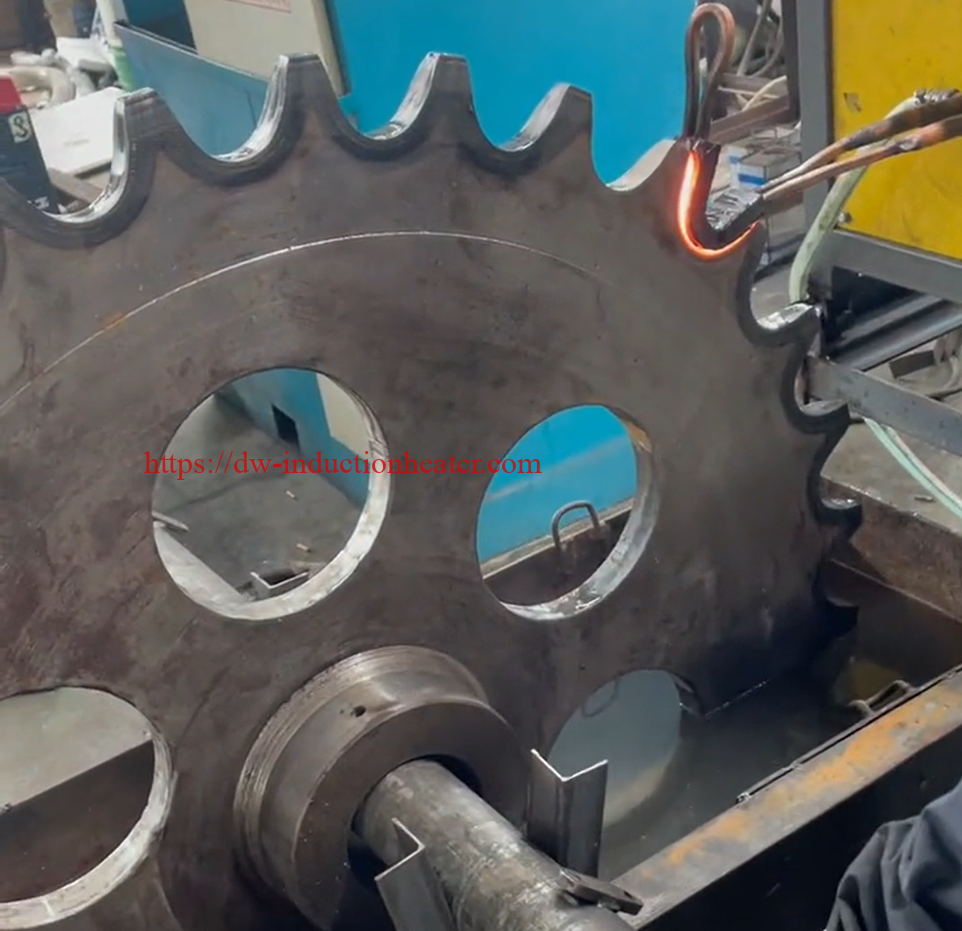
Tooth by Tooth Induction Gear Teeth Hardening Surface Process

Induction Gear Teeth Hardening: A Cost-Effective Solution for Improved Gear Performance

Gears are an integral part of many mechanical systems, and their performance directly affects the overall efficiency and reliability of the system. One key factor that affects gear performance is the hardness of the gear teeth. Hardened gear teeth are essential for transmitting torque and power efficiently and minimizing wear and fatigue. Induction gear teeth hardening is a cost-effective solution that can significantly improve gear performance.

What is Induction Gear Teeth Hardening?

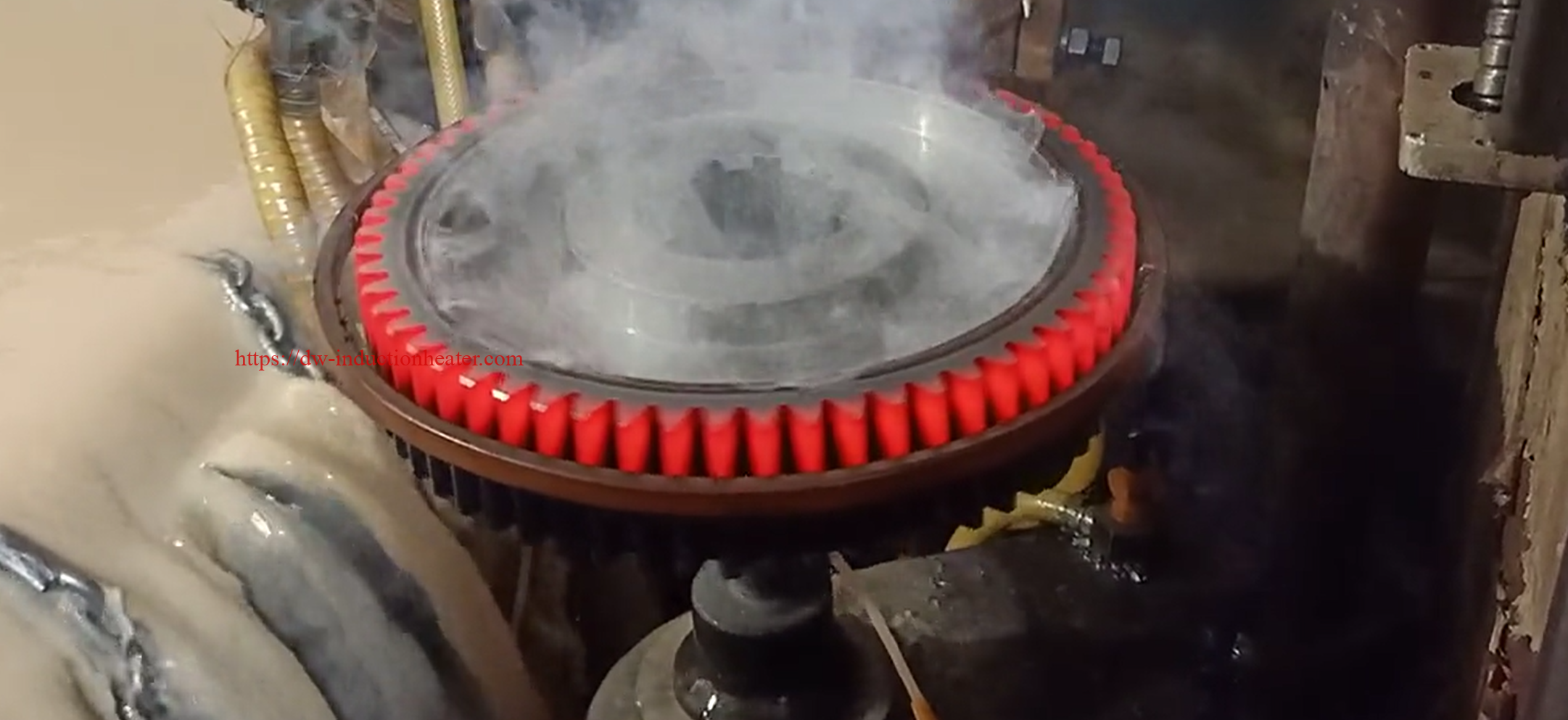
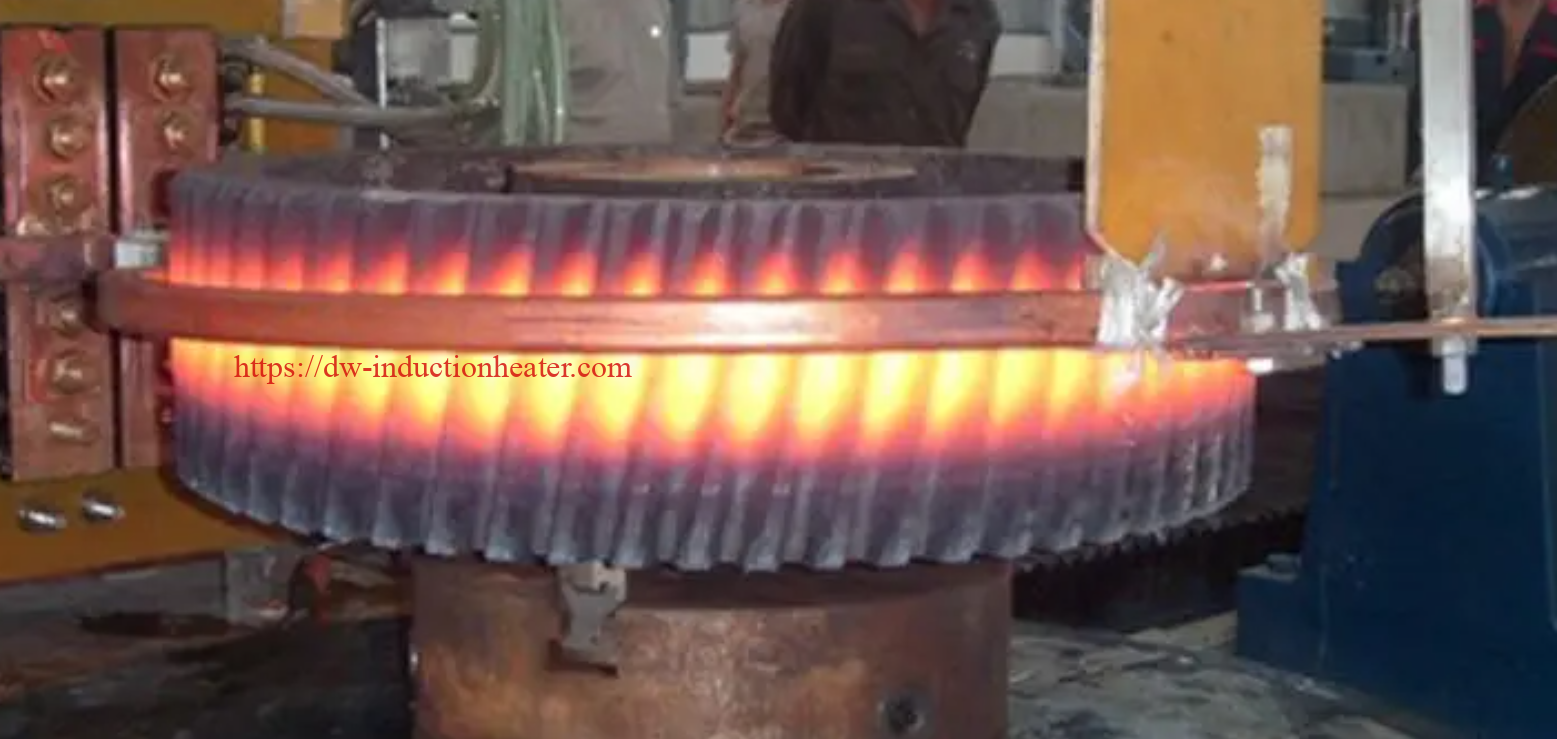
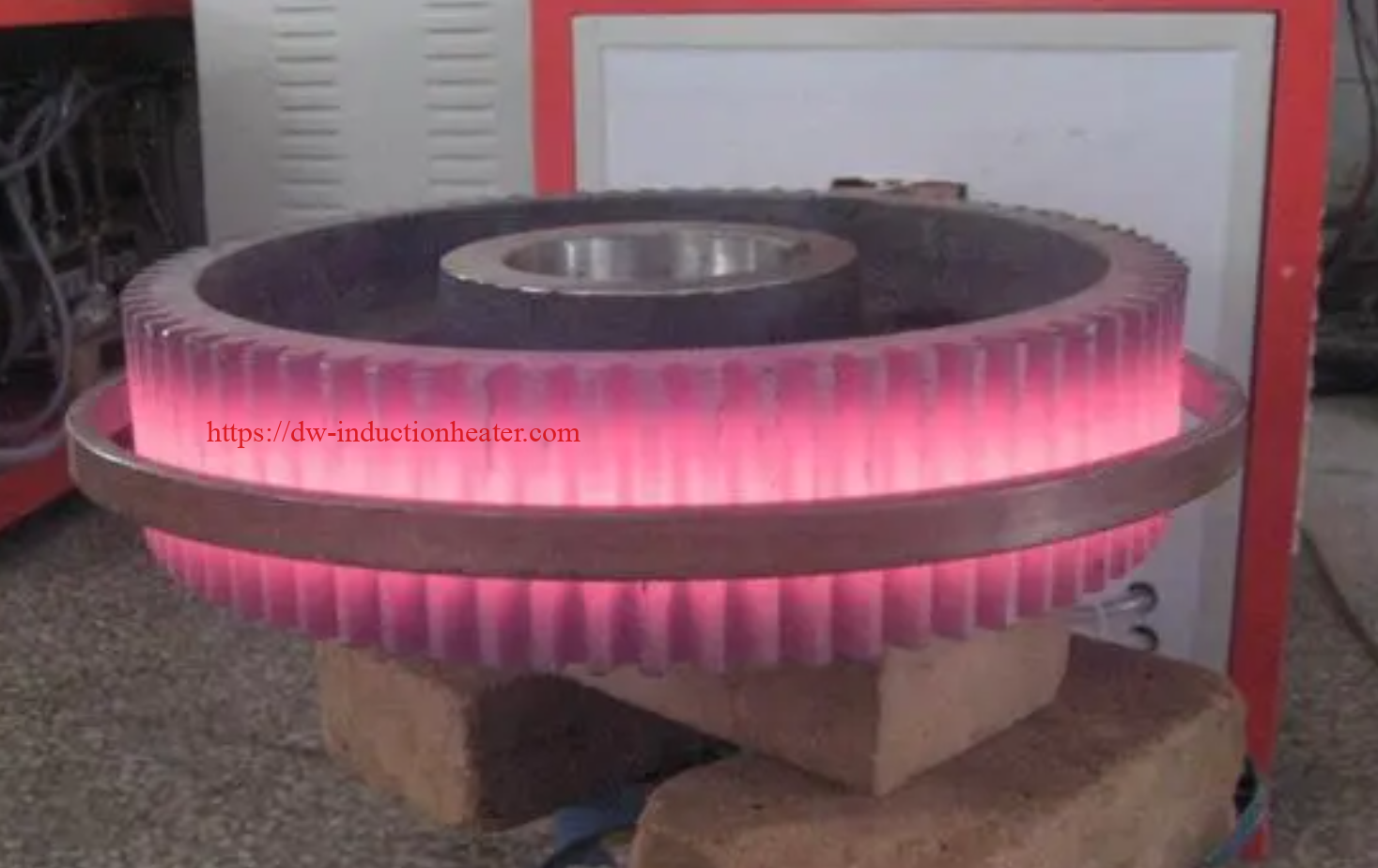
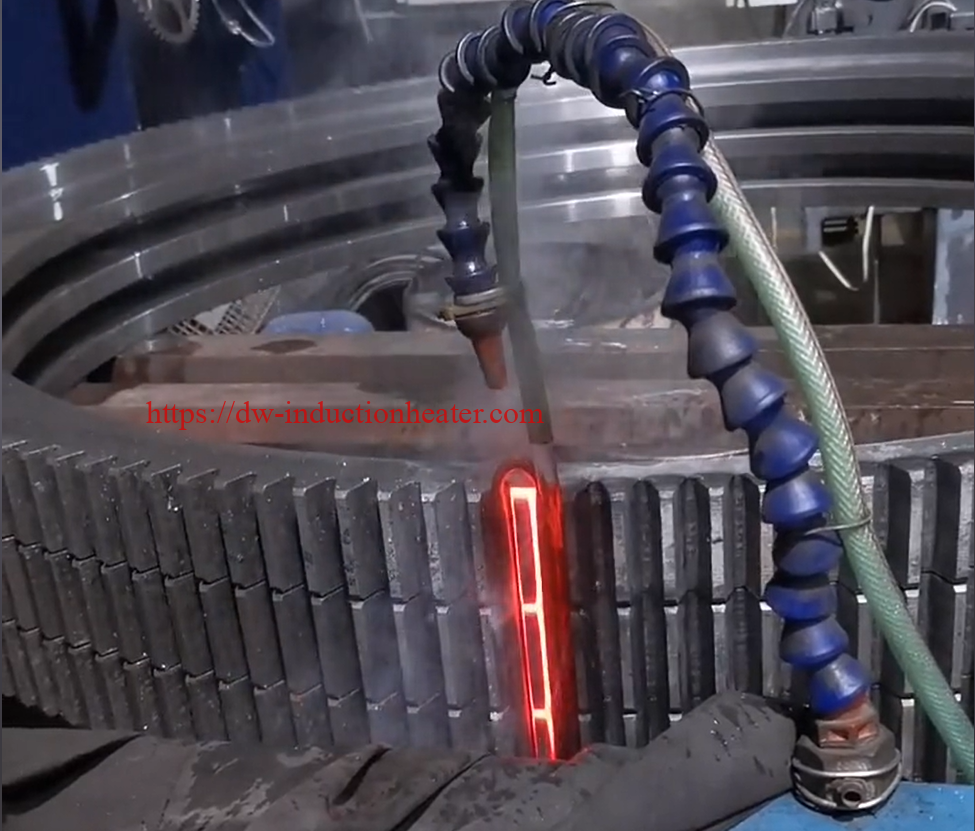
Induction gear teeth hardening is a heat treatment process that uses high-frequency induction heating to selectively harden the teeth of a gear. The process involves heating the gear teeth to a temperature above their transformation point, followed by rapid quenching to achieve the desired hardness. The result is a hardened surface layer on the gear teeth, which provides improved resistance to wear, fatigue, and pitting.

The Importance of Induction Gear Teeth Hardening

Induction gear teeth hardening is a critical process that ensures the smooth and efficient functioning of machinery. This process involves heating the gear teeth with high-frequency alternating currents and then rapidly cooling them. This results in the formation of a hardened layer that is more wear-resistant and has a longer lifespan than the original gear teeth. Induction hardening is especially important for gears because they are constantly under high stress and friction during operation.

If the gear teeth are not hardened properly, they can wear out quickly, leading to machinery breakdowns and decreased efficiency. Induction gear teeth hardening can also improve the load-carrying capacity of the gears, making them more durable and reliable in operation. By increasing the lifespan of the gears, the need for maintenance and replacements is reduced, saving time and money. Therefore, it is crucial to ensure that gear teeth are properly hardened through induction hardening to ensure the smooth and efficient operation of machinery.

Advantages of Induction Gear Teeth Hardening

1. Cost-effective: Induction gear teeth hardening is a cost-effective solution compared to other hardening methods, such as carburizing or nitriding. The process is faster, requires less equipment, and produces less waste.

2. Improved gear performance: Induction gear teeth hardening improves the performance of gears by increasing their hardness, wear resistance, and fatigue resistance. This results in longer gear life and improved system efficiency. 3. Versatility: Induction gear teeth hardening can be applied to a wide range of gear sizes and shapes, including straight and helical gears, bevel gears, and worm gears. 4. Precision: Induction gear teeth hardening is a precise process that allows for selective hardening of specific areas of the gear teeth. This results in better control over the gear's final properties and performance. 5. Environmentally friendly: Induction gear teeth hardening produces less waste and consumes less energy compared to other hardening methods. This makes it a more environmentally friendly option.

Applications of Induction Gear Teeth Hardening

Induction gear teeth hardening is used in various industries, including automotive, aerospace, agriculture, and mining. It is particularly useful in applications where gears experience high loads, high speeds, or repetitive impacts. Some common applications include: 1. Transmission gears: Induction gear teeth hardening is commonly used in transmission gears to improve their wear and fatigue resistance.

2. Power generation: Gears used in power generation equipment, such as wind turbines and hydroelectric generators, can benefit from induction gear teeth hardening to improve their performance and reliability. 3. Mining equipment: Mining equipment, such as crushers and conveyor systems, rely on gears for smooth operation. Induction gear teeth hardening can improve the wear resistance of these gears, increasing their lifespan and reducing maintenance costs.

Materials for Induction Gear Teeth Hardening

The most common materials used for induction gear teeth hardening are carbon steels, low-alloy steels, and high-alloy steels. The choice of material depends on the application, operating conditions, and environmental factors. Carbon steels are the most commonly used in gear manufacturing, due to their cost-effectiveness and ease of fabrication. Carbon steels can be hardened through induction heating to produce a hardened surface layer that is both hard and wear-resistant.

Low-alloy steels are used in demanding applications where high strength and toughness are required. Low-alloy steels can be hardened through induction heating to produce a hardened surface layer with exceptional wear resistance and strength. High-alloy steels are used in the most demanding applications where extreme operating environments are experienced. Examples of such applications are in aerospace and defense industries. High-alloy steels can be hardened through induction heating to produce a hardened surface layer that is both hard and wear-resistant.

Conclusion

Induction gear teeth hardening is a critical process that ensures the reliable operation and longevity of gear wheels in various applications such as automotive, aerospace, and heavy equipment industries. The process involves the use of high-frequency induction heating to heat the surface of the gear teeth, followed by a rapid quenching process to cool the surface and produce a hardened surface layer. The depth of the hardened layer depends on the frequency of the induction heating equipment, the heating time, and the material used. Carbon steels, low-alloy steels, and high-alloy steels are the most commonly used materials for induction gear teeth hardening, and the choice of material depends on the application, operating conditions, and environmental factors.  

Improve Gear Performance with Induction Hardening of Gear Teeth

The Importance of Induction Hardening of Gear Teeth for Smooth and Efficient Machinery.

Induction Hardening of Gear Teeth is a process that is often overlooked by machinery users, but it is one of the most important aspects of ensuring the smooth and efficient operation of any machinery. Induction hardening is a process of heat treatment that is used to selectively harden the surface of a gear. This process is essential for ensuring that the gear teeth can withstand the high loads and stresses that are placed upon them during operation. By hardening the gear teeth in this way, machinery users can ensure that their equipment runs smoothly, efficiently, and with minimal wear and tear on the gears. In this blog post, we will explore the importance of induction gear teeth hardening, how it works, and why it is essential for the proper functioning of industrial machinery. 1. Introduction to Induction Hardening of Gear Teeth Induction Hardening of Gear Teeth is an important process for ensuring that gears are smooth and efficient in their operation. Gears are a fundamental part of many machines, and they require precise engineering and attention to detail to work correctly. One crucial component of this precision is the hardness of the gear teeth. By using induction hardening, the teeth of a gear can be made much harder and more durable, allowing them to operate more smoothly and with greater efficiency. This process involves using an electrical current to heat the gear teeth to a specific temperature, followed by rapid cooling. This causes a change in the molecular structure of the metal, making it much harder and more resistant to wear and tear. The result is a gear that is better able to withstand the stresses of operation, providing a smoother and more efficient performance. 2. The Importance of Induction Hardening of Gear Teeth Induction Hardening of Gear Teeth is a critical process that ensures the smooth and efficient functioning of machinery. This process involves heating the gear teeth with high-frequency alternating currents and then rapidly cooling them. This results in the formation of a hardened layer that is more wear-resistant and has a longer lifespan than the original gear teeth. Induction hardening is especially important for gears because they are constantly under high stress and friction during operation. If the gear teeth are not hardened properly, they can wear out quickly, leading to machinery breakdowns and decreased efficiency. Induction gear teeth hardening can also improve the load-carrying capacity of the gears, making them more durable and reliable in operation. By increasing the lifespan of the gears, the need for maintenance and replacements is reduced, saving time and money. Therefore, it is crucial to ensure that gear teeth are properly hardened through induction hardening to ensure the smooth and efficient operation of machinery. 3. How Induction Hardening of Gear TeethWorks Induction gear teeth hardening is a process that involves heating the surface of the gear tooth with an induction coil to harden it. This process is important because it ensures that the gear teeth will remain strong and durable even after years of use. Induction gear teeth hardening works by heating the surface of the gear tooth to a specific temperature. This temperature is high enough to cause the surface of the gear tooth to change its crystal structure, which in turn hardens it. The process is quick and efficient, and the result is a gear tooth that is much harder and more resistant to wear and tear than it was before. Induction gear teeth hardening is often used in industries where machinery is subject to constant use and wear, such as in manufacturing or transportation. By ensuring that the gear teeth are strong and durable, the machinery can continue to operate smoothly and efficiently for longer periods of time. 4. Benefits of Induction Gear Teeth Hardening for Machinery Induction Hardening of Gear Teeth is a process that is crucial to the smooth and efficient operation of machinery. The benefits of induction gear teeth hardening are many and include increased strength, durability, and wear resistance. Induction hardening is a heat treatment process that uses high-frequency current to heat the surface of the gear teeth and then rapidly cools them. This creates a hard outer layer while maintaining the ductility and toughness of the core of the gear. One of the most significant benefits of induction gear teeth hardening is that it makes the gear more resistant to wear and tear. This, in turn, can help to extend the life of the gear and reduce the need for frequent replacements. Induction hardening also helps to improve the gear's strength, making it less likely to warp or break under heavy loads. Another advantage of induction hardening is that it makes the gear more resistant to fatigue failure. This is important in machinery that is subjected to repeated loading and unloading. Fatigue failure occurs when a material is subjected to cyclic loading and unloading, causing micro-cracks to form. Induction hardening helps to prevent these micro-cracks from forming, making the gear less susceptible to fatigue failure. Finally, induction hardening can also improve the efficiency of the machinery. By reducing the amount of friction between the gear and other moving parts, the gear can operate more smoothly and with less energy. This can lead to a reduction in energy consumption, resulting in cost savings for the operator. Overall, induction gear teeth hardening is a process that is essential for the smooth and efficient operation of machinery. Its benefits include increased strength, durability, wear resistance, and improved efficiency, making it an important consideration for anyone looking to maintain and improve the performance of their machinery. Induction hardening of gear teeth is a process that involves heating the teeth of a gear with an induction coil and then rapidly cooling them with a spray of water or other cooling medium. This process is used to improve the wear resistance and durability of gear teeth, making them less likely to wear down or break over time. Induction gear teeth hardening is a popular choice for many industrial applications where gears are subjected to heavy use and need to last a long time. If you're interested in learning more about induction gear teeth hardening and how it can benefit your business, contact a reputable induction heating company today. https://dw-inductionheater.com/improve-gear-performance-with-induction-hardening-of-gear-teeth.html?feed_id=201523&_unique_id=6450ee7f3e631

Tooth by Tooth Induction Gear Teeth Hardening Surface Process

Induction Gear Teeth Hardening: A Cost-Effective Solution for Improved Gear Performance

Gears are an integral part of many mechanical systems, and their performance directly affects the overall efficiency and reliability of the system. One key factor that affects gear performance is the hardness of the gear teeth. Hardened gear teeth are essential for transmitting torque and power efficiently and minimizing wear and fatigue. Induction gear teeth hardening is a cost-effective solution that can significantly improve gear performance.

What is Induction Gear Teeth Hardening?

Induction gear teeth hardening is a heat treatment process that uses high-frequency induction heating to selectively harden the teeth of a gear. The process involves heating the gear teeth to a temperature above their transformation point, followed by rapid quenching to achieve the desired hardness. The result is a hardened surface layer on the gear teeth, which provides improved resistance to wear, fatigue, and pitting.

The Importance of Induction Gear Teeth Hardening

Induction gear teeth hardening is a critical process that ensures the smooth and efficient functioning of machinery. This process involves heating the gear teeth with high-frequency alternating currents and then rapidly cooling them. This results in the formation of a hardened layer that is more wear-resistant and has a longer lifespan than the original gear teeth. Induction hardening is especially important for gears because they are constantly under high stress and friction during operation.

If the gear teeth are not hardened properly, they can wear out quickly, leading to machinery breakdowns and decreased efficiency. Induction gear teeth hardening can also improve the load-carrying capacity of the gears, making them more durable and reliable in operation. By increasing the lifespan of the gears, the need for maintenance and replacements is reduced, saving time and money. Therefore, it is crucial to ensure that gear teeth are properly hardened through induction hardening to ensure the smooth and efficient operation of machinery.

Advantages of Induction Gear Teeth Hardening

1. Cost-effective: Induction gear teeth hardening is a cost-effective solution compared to other hardening methods, such as carburizing or nitriding. The process is faster, requires less equipment, and produces less waste.

2. Improved gear performance: Induction gear teeth hardening improves the performance of gears by increasing their hardness, wear resistance, and fatigue resistance. This results in longer gear life and improved system efficiency. 3. Versatility: Induction gear teeth hardening can be applied to a wide range of gear sizes and shapes, including straight and helical gears, bevel gears, and worm gears. 4. Precision: Induction gear teeth hardening is a precise process that allows for selective hardening of specific areas of the gear teeth. This results in better control over the gear's final properties and performance. 5. Environmentally friendly: Induction gear teeth hardening produces less waste and consumes less energy compared to other hardening methods. This makes it a more environmentally friendly option.

Applications of Induction Gear Teeth Hardening

Induction gear teeth hardening is used in various industries, including automotive, aerospace, agriculture, and mining. It is particularly useful in applications where gears experience high loads, high speeds, or repetitive impacts. Some common applications include: 1. Transmission gears: Induction gear teeth hardening is commonly used in transmission gears to improve their wear and fatigue resistance.

2. Power generation: Gears used in power generation equipment, such as wind turbines and hydroelectric generators, can benefit from induction gear teeth hardening to improve their performance and reliability. 3. Mining equipment: Mining equipment, such as crushers and conveyor systems, rely on gears for smooth operation. Induction gear teeth hardening can improve the wear resistance of these gears, increasing their lifespan and reducing maintenance costs.

Materials for Induction Gear Teeth Hardening

The most common materials used for induction gear teeth hardening are carbon steels, low-alloy steels, and high-alloy steels. The choice of material depends on the application, operating conditions, and environmental factors. Carbon steels are the most commonly used in gear manufacturing, due to their cost-effectiveness and ease of fabrication. Carbon steels can be hardened through induction heating to produce a hardened surface layer that is both hard and wear-resistant.

Low-alloy steels are used in demanding applications where high strength and toughness are required. Low-alloy steels can be hardened through induction heating to produce a hardened surface layer with exceptional wear resistance and strength. High-alloy steels are used in the most demanding applications where extreme operating environments are experienced. Examples of such applications are in aerospace and defense industries. High-alloy steels can be hardened through induction heating to produce a hardened surface layer that is both hard and wear-resistant.

Conclusion

Induction gear teeth hardening is a critical process that ensures the reliable operation and longevity of gear wheels in various applications such as automotive, aerospace, and heavy equipment industries. The process involves the use of high-frequency induction heating to heat the surface of the gear teeth, followed by a rapid quenching process to cool the surface and produce a hardened surface layer. The depth of the hardened layer depends on the frequency of the induction heating equipment, the heating time, and the material used. Carbon steels, low-alloy steels, and high-alloy steels are the most commonly used materials for induction gear teeth hardening, and the choice of material depends on the application, operating conditions, and environmental factors.   https://dw-inductionheater.com/product/tooth-by-tooth-induction-gear-teeth-hardening-surface-process?feed_id=201448&_unique_id=6450e7abb86be

关注者

我的简介

我的照片
HLQ induction heating machine manufacturer provides the service of induction brazing,melting,hot forming,hardening surface,annealing,shrink fitting,PWHT,etc.