显示标签为“inductionquenching”的博文。显示所有博文

2024年2月6日星期二

INDUCTION HEATING FOR SURFACE QUENCHING

The kinetics of induction heating for surface quenching of steel depend on factors: 1) which induce changes in the electric and magnetic parameters of steels as the result of the increased temperature (these changes lead to changes in the amount of absorbed heat at a given intensity of the electric field at a given induction current) and, 2) on factors which are responsible for the change of the intensity of the electromagnetic field during heating (i.e., change of the current in the inductor). Induction heating in the heat treatment of automobile parts was first used at our plant. In 1937-1938 surface quenching of the necks of crank shafts of the ZIS-5 engine was developed at our plant in collaboration with the staff of the V. P. Vologdin laboratory. The equipment was installed as part of the continuous production line,in which the parts were subjected to mechanical treatment on semi-automatic high-frequency apparatus. More than 61% of alt the parts of the engines of ~ae ZIL-164A and ZIL-157K automobiles are surface hardened by induction heating. The kinetics of induction heating for surface quenching of steel https://dw-inductionheater.com/induction-heating-for-surface-quenching.html?feed_id=233596&_unique_id=65c2a071bd756

2024年1月9日星期二

The Benefits of Induction Quenching Surface Process for Manufacturing

The Benefits of Induction Quenching Surface Process for Manufacturing.

Manufacturing is an industry that thrives on innovation and efficiency. When it comes to surface treatment processes, induction quenching is quickly becoming the method of choice for a variety of manufacturing applications. Unlike traditional heat treatment methods, induction quenching offers several unique benefits such as high production rates, increased precision, and improved part quality. In this article, we'll look at some of the key benefits of induction quenching surface process and why it's quickly becoming a popular choice for manufacturers across a range of industries. So, if you're looking to improve the efficiency and quality of your manufacturing process, or you're simply interested in the latest surface treatment techniques, keep reading to learn more about the benefits of induction quenching.
1. What is Induction Quenching Surface Process?

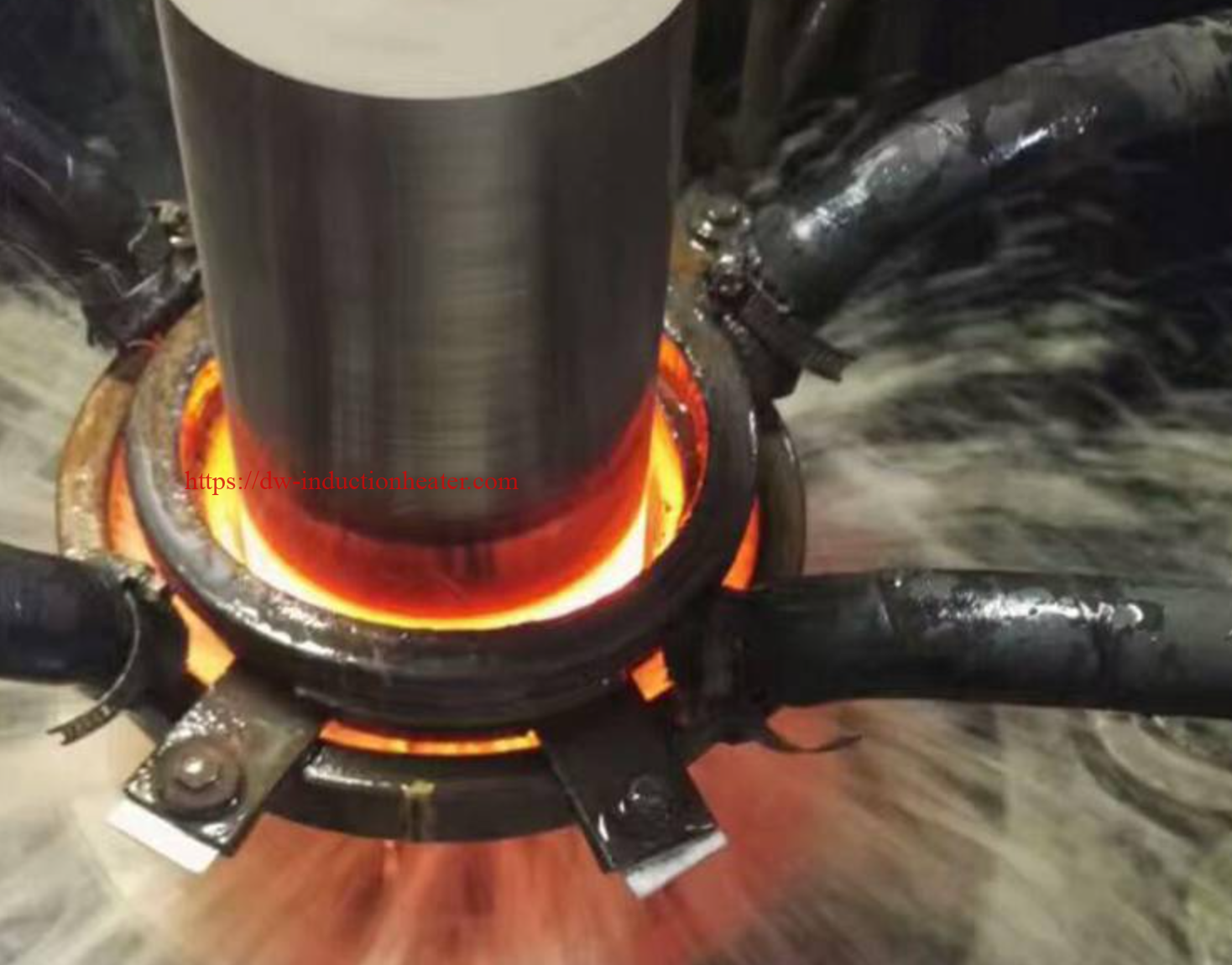
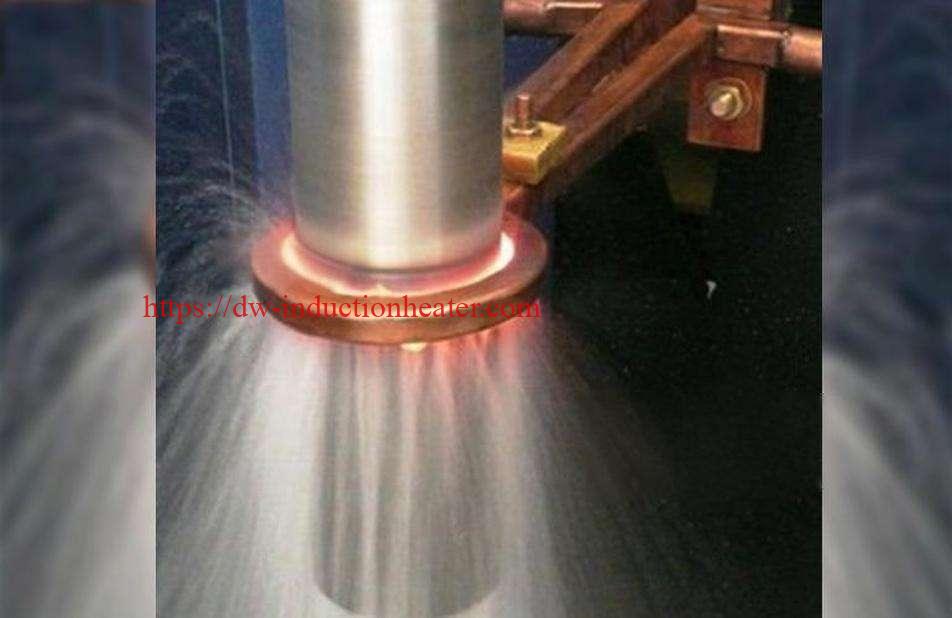
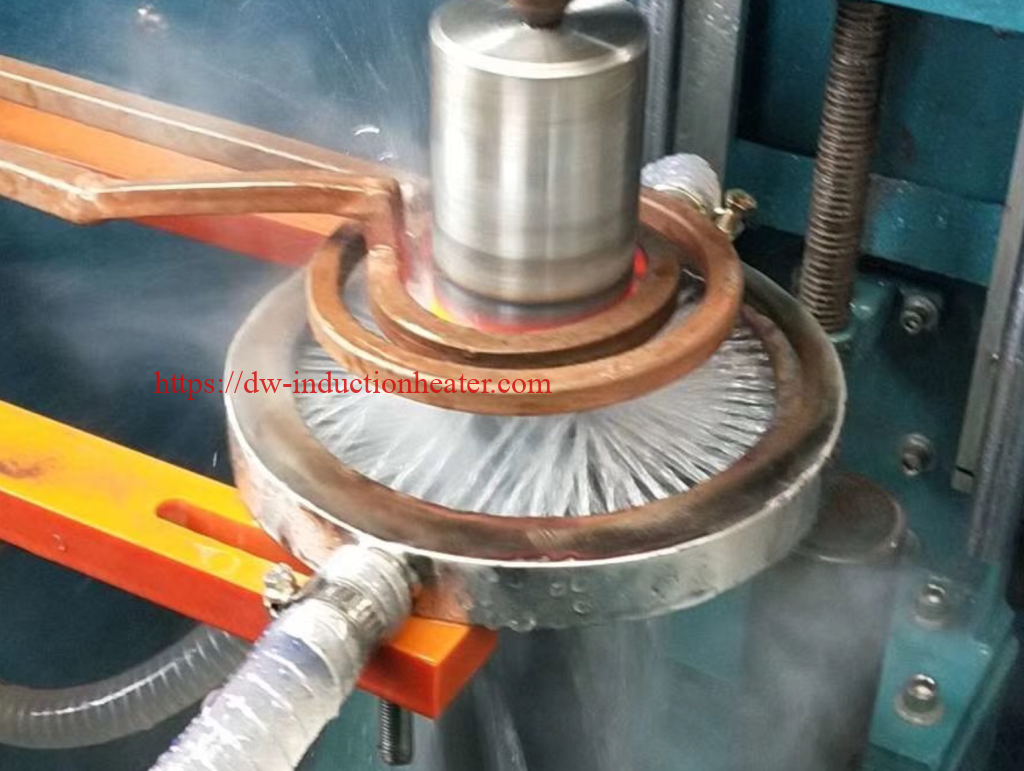
Induction quenching surface process is a type of surface hardening process that uses electrical induction to rapidly heat and cool metal parts. This process is commonly used in manufacturing because it offers a number of benefits over other types of surface hardening processes. In induction quenching, an induction coil is used to generate a high-frequency magnetic field that rapidly heats the metal part. Once the part is heated to the desired temperature, a quenching medium, such as water or oil, is used to rapidly cool the part. This rapid heating and cooling process causes the surface of the metal part to harden, which makes it more wear-resistant and less likely to crack or deform under stress. Induction quenching is also a very precise process that allows for accurate control of the surface hardness of the metal part. This precision makes it an ideal process for manufacturing parts that require high levels of wear resistance, such as gears, shafts, and bearings. Additionally, induction quenching is a very efficient process that can be completed quickly, which makes it ideal for high-volume production environments. Overall, induction quenching is a highly effective surface hardening process that offers many benefits for manufacturers looking to produce high-quality, durable metal parts.
2. Benefits of Induction Quenching Surface Process

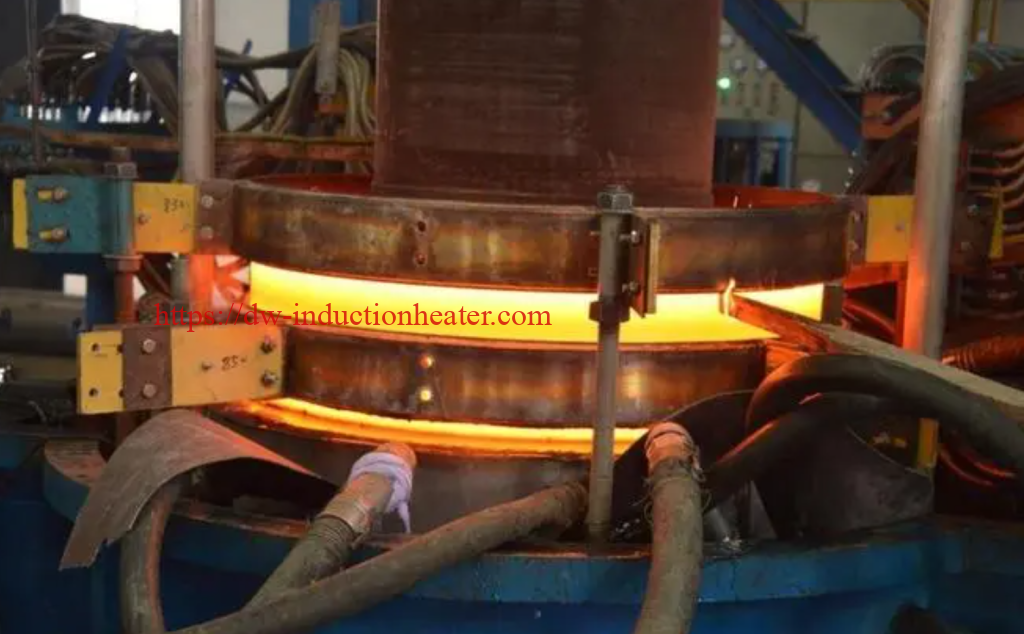
Induction quenching surface process is a highly efficient manufacturing technique that offers numerous benefits over traditional surface treatment methods. One of the most significant benefits of this process is that it is incredibly fast and efficient. With the ability to deliver heat at a rate of up to 25,000 degrees per second, induction quenching can heat treat parts in seconds, instead of hours or days, as is the case with other heat treatment methods. This means that manufacturers can produce more parts in less time, without sacrificing quality or reliability. Another significant benefit of induction quenching surface process is that it produces a superior product.

The process uses localized heating, which means that the heat is only applied where it is needed, resulting in less distortion, less scrap, and fewer defects. This makes induction quenching a great choice for manufacturers who are looking to produce high-quality parts quickly and efficiently. Induction quenching surface process is also a more environmentally-friendly option than other surface treatment methods. Since the process uses less energy and generates less waste, it is a more sustainable option for manufacturers who are looking to reduce their carbon footprint and be more environmentally responsible. In addition to these benefits, induction quenching surface process also offers a more controlled and precise heat treatment. The process allows manufacturers to control the depth of the heat treatment and the hardness achieved, which is a significant advantage over other surface treatment methods. With this level of control, manufacturers can produce parts that are exact in their specifications and meet the needs of their customers. Overall, the benefits of induction quenching surface process make it an ideal choice for manufacturers who are looking to improve their production processes, reduce waste, and produce high-quality parts quickly and efficiently.

3. Applications of Induction Quenching Surface Process in Manufacturing

Induction quenching is a surface hardening process that uses induction heating to heat the surface of a material to a high temperature and then rapidly cools it down by quenching it with water, oil or a polymer solution. This process creates a surface that is harder, more wear-resistant, and more durable than the original material. Induction quenching has many applications in manufacturing, including the hardening of gears, shafts, and bearings. It is also used in the automotive industry to harden engine components, such as camshafts, rocker arms, and valve lifters. The aerospace industry uses induction quenching to harden turbine components, and the energy industry uses it to harden drilling and mining components. The medical industry also uses induction quenching to harden surgical instruments and dental tools.

The process is also used in the production of cutting tools and molds. Induction quenching can produce a surface that is up to 10 times harder than the original material, making it an ideal choice for manufacturing applications where durability and wear resistance are critical. Additionally, the process is efficient and cost-effective, making it an attractive option for many manufacturers.

4. Conclusion.

Induction quenching surface process is a type of heat treatment process that is used to harden metal parts. The induction process involves passing a high-frequency electrical current through a coil, which creates a magnetic field. The metal part is then placed inside the coil, where the magnetic field induces an electrical current in the metal. This current causes the metal to heat up quickly, which then allows for the surface of the metal to be rapidly quenched by an appropriate cooling medium. This process creates a hardened surface that is more resistant to wear and tear, making it ideal for use in a wide variety of industrial applications.

  https://dw-inductionheater.com/the-benefits-of-induction-quenching-surface-process-for-manufacturing.html?feed_id=231850&_unique_id=659e350253175

2024年1月1日星期一

induction quenching surface applications

Induction quenching is a surface hardening process that involves heating a metal component using induction heating and then rapidly cooling it to achieve a hardened surface. This process is widely used in various industries, including automotive, aerospace, and manufacturing, to improve the wear resistance and durability of metal components. In this article, we will explore the applications of induction quenching surface treatment and its benefits in different industries. Automotive Industry: The automotive industry is one of the largest users of induction quenching for surface hardening applications. Components such as gears, shafts, and camshafts are often subjected to induction quenching to improve their wear resistance and fatigue strength. Induction quenching allows for precise control over the hardening depth and pattern, making it an ideal choice for automotive components that require high precision and consistency. Aerospace Industry: In the aerospace industry, induction quenching is used to improve the performance and longevity of critical components such as landing gear parts, turbine blades, and engine components. These parts are often subjected to extreme conditions during operation, and induction quenching helps to increase their resistance to wear, corrosion, and fatigue. The ability to selectively harden specific areas of a component makes induction quenching an attractive option for aerospace applications where weight reduction and performance optimization are critical. Manufacturing Industry: In the manufacturing industry, induction quenching is used for a wide range of applications, including tooling, dies, molds, and machine components. These components are often subjected to high levels of wear and abrasion during operation, making them ideal candidates for induction quenching. By increasing the hardness and wear resistance of these components' surfaces through induction quenching, manufacturers can extend their service life and reduce downtime due to premature failure. Benefits of Induction Quenching Surface Treatment: 1. Improved Wear Resistance: Induction quenching significantly increases the hardness of a metal component's surface layer, making it more resistant to wear from frictional forces. 2. Enhanced Fatigue Strength: Components that undergo induction quenching exhibit improved fatigue strength due to the transformation of their microstructure into a hardened state. 3. Precise Control: Induction quenching allows for precise control over the depth and pattern of hardening on a component's surface, enabling tailored solutions for specific applications. 4. Reduced Distortion: Compared to traditional heat treatment methods such as flame or furnace heating, induction quenching minimizes distortion in metal components due to its localized heating approach. 5. Energy Efficiency: Induction heating is an energy-efficient process that minimizes heat loss compared to other heating methods like flame or furnace heating. 6. Environmentally Friendly: Induction quenching produces minimal emissions or waste products compared to other heat treatment methods that involve combustion processes. 7. Cost-Effective: The precision control offered by induction quenching reduces material waste by minimizing over-treatment or rework requirements. Conclusion: Induction quenching surface treatment offers numerous benefits across various industries by improving the wear resistance and durability of metal components while maintaining tight tolerances on critical dimensions. Its ability to selectively harden specific areas makes it an attractive option for applications where precision control is essential. As technology continues to advance in this field with improvements in equipment design and process optimization techniques, we can expect further advancements in induction quenching's capabilities across different industries in the future. https://dw-inductionheater.com/induction-quenching-surface-applications.html?feed_id=231286&_unique_id=6592b325aff4a

2023年12月18日星期一

induction quenching surface applications

Induction quenching is a surface hardening process that involves heating a metal component using induction heating and then rapidly cooling it to achieve a hardened surface. This process is widely used in various industries, including automotive, aerospace, and manufacturing, to improve the wear resistance and durability of metal components. In this article, we will explore the applications of induction quenching surface treatment and its benefits in different industries. Automotive Industry: The automotive industry is one of the largest users of induction quenching for surface hardening applications. Components such as gears, shafts, and camshafts are often subjected to induction quenching to improve their wear resistance and fatigue strength. Induction quenching allows for precise control over the hardening depth and pattern, making it an ideal choice for automotive components that require high precision and consistency. Aerospace Industry: In the aerospace industry, induction quenching is used to improve the performance and longevity of critical components such as landing gear parts, turbine blades, and engine components. These parts are often subjected to extreme conditions during operation, and induction quenching helps to increase their resistance to wear, corrosion, and fatigue. The ability to selectively harden specific areas of a component makes induction quenching an attractive option for aerospace applications where weight reduction and performance optimization are critical. Manufacturing Industry: In the manufacturing industry, induction quenching is used for a wide range of applications, including tooling, dies, molds, and machine components. These components are often subjected to high levels of wear and abrasion during operation, making them ideal candidates for induction quenching. By increasing the hardness and wear resistance of these components' surfaces through induction quenching, manufacturers can extend their service life and reduce downtime due to premature failure. Benefits of Induction Quenching Surface Treatment: 1. Improved Wear Resistance: Induction quenching significantly increases the hardness of a metal component's surface layer, making it more resistant to wear from frictional forces. 2. Enhanced Fatigue Strength: Components that undergo induction quenching exhibit improved fatigue strength due to the transformation of their microstructure into a hardened state. 3. Precise Control: Induction quenching allows for precise control over the depth and pattern of hardening on a component's surface, enabling tailored solutions for specific applications. 4. Reduced Distortion: Compared to traditional heat treatment methods such as flame or furnace heating, induction quenching minimizes distortion in metal components due to its localized heating approach. 5. Energy Efficiency: Induction heating is an energy-efficient process that minimizes heat loss compared to other heating methods like flame or furnace heating. 6. Environmentally Friendly: Induction quenching produces minimal emissions or waste products compared to other heat treatment methods that involve combustion processes. 7. Cost-Effective: The precision control offered by induction quenching reduces material waste by minimizing over-treatment or rework requirements. Conclusion: Induction quenching surface treatment offers numerous benefits across various industries by improving the wear resistance and durability of metal components while maintaining tight tolerances on critical dimensions. Its ability to selectively harden specific areas makes it an attractive option for applications where precision control is essential. As technology continues to advance in this field with improvements in equipment design and process optimization techniques, we can expect further advancements in induction quenching's capabilities across different industries in the future. https://dw-inductionheater.com/induction-quenching-surface-applications.html?feed_id=231259&_unique_id=6580f9d493705

induction quenching surface applications

Induction quenching is a surface hardening process that involves heating a metal component using induction heating and then rapidly cooling it to achieve a hardened surface. This process is widely used in various industries, including automotive, aerospace, and manufacturing, to improve the wear resistance and durability of metal components. In this article, we will explore the applications of induction quenching surface treatment and its benefits in different industries. Automotive Industry: The automotive industry is one of the largest users of induction quenching for surface hardening applications. Components such as gears, shafts, and camshafts are often subjected to induction quenching to improve their wear resistance and fatigue strength. Induction quenching allows for precise control over the hardening depth and pattern, making it an ideal choice for automotive components that require high precision and consistency. Aerospace Industry: In the aerospace industry, induction quenching is used to improve the performance and longevity of critical components such as landing gear parts, turbine blades, and engine components. These parts are often subjected to extreme conditions during operation, and induction quenching helps to increase their resistance to wear, corrosion, and fatigue. The ability to selectively harden specific areas of a component makes induction quenching an attractive option for aerospace applications where weight reduction and performance optimization are critical. Manufacturing Industry: In the manufacturing industry, induction quenching is used for a wide range of applications, including tooling, dies, molds, and machine components. These components are often subjected to high levels of wear and abrasion during operation, making them ideal candidates for induction quenching. By increasing the hardness and wear resistance of these components' surfaces through induction quenching, manufacturers can extend their service life and reduce downtime due to premature failure. Benefits of Induction Quenching Surface Treatment: 1. Improved Wear Resistance: Induction quenching significantly increases the hardness of a metal component's surface layer, making it more resistant to wear from frictional forces. 2. Enhanced Fatigue Strength: Components that undergo induction quenching exhibit improved fatigue strength due to the transformation of their microstructure into a hardened state. 3. Precise Control: Induction quenching allows for precise control over the depth and pattern of hardening on a component's surface, enabling tailored solutions for specific applications. 4. Reduced Distortion: Compared to traditional heat treatment methods such as flame or furnace heating, induction quenching minimizes distortion in metal components due to its localized heating approach. 5. Energy Efficiency: Induction heating is an energy-efficient process that minimizes heat loss compared to other heating methods like flame or furnace heating. 6. Environmentally Friendly: Induction quenching produces minimal emissions or waste products compared to other heat treatment methods that involve combustion processes. 7. Cost-Effective: The precision control offered by induction quenching reduces material waste by minimizing over-treatment or rework requirements. Conclusion: Induction quenching surface treatment offers numerous benefits across various industries by improving the wear resistance and durability of metal components while maintaining tight tolerances on critical dimensions. Its ability to selectively harden specific areas makes it an attractive option for applications where precision control is essential. As technology continues to advance in this field with improvements in equipment design and process optimization techniques, we can expect further advancements in induction quenching's capabilities across different industries in the future. https://dw-inductionheater.com/induction-quenching-surface-applications.html?feed_id=231224&_unique_id=65803f420c91f

2023年9月12日星期二

INDUCTION HEATING FOR SURFACE QUENCHING

The kinetics of induction heating for surface quenching of steel depend on factors: 1) which induce changes in the electric and magnetic parameters of steels as the result of the increased temperature (these changes lead to changes in the amount of absorbed heat at a given intensity of the electric field at a given induction current) and, 2) on factors which are responsible for the change of the intensity of the electromagnetic field during heating (i.e., change of the current in the inductor). Induction heating in the heat treatment of automobile parts was first used at our plant. In 1937-1938 surface quenching of the necks of crank shafts of the ZIS-5 engine was developed at our plant in collaboration with the staff of the V. P. Vologdin laboratory. The equipment was installed as part of the continuous production line,in which the parts were subjected to mechanical treatment on semi-automatic high-frequency apparatus. More than 61% of alt the parts of the engines of ~ae ZIL-164A and ZIL-157K automobiles are surface hardened by induction heating. The kinetics of induction heating for surface quenching of steel
2023年7月25日星期二

INDUCTION HEATING FOR SURFACE QUENCHING

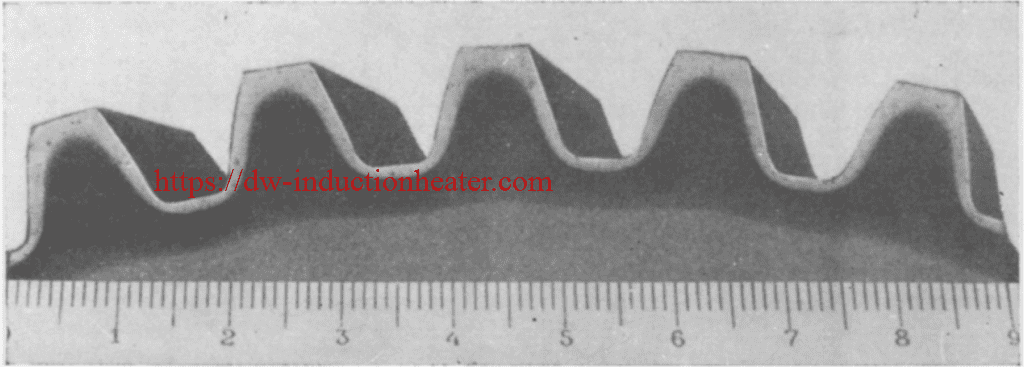
The kinetics of induction heating for surface quenching of steel depend on factors: 1) which induce changes in the electric and magnetic parameters of steels as the result of the increased temperature (these changes lead to changes in the amount of absorbed heat at a given intensity of the electric field at a given induction current) and, 2) on factors which are responsible for the change of the intensity of the electromagnetic field during heating (i.e., change of the current in the inductor). Induction heating in the heat treatment of automobile parts was first used at our plant. In 1937-1938 surface quenching of the necks of crank shafts of the ZIS-5 engine was developed at our plant in collaboration with the staff of the V. P. Vologdin laboratory. The equipment was installed as part of the continuous production line,in which the parts were subjected to mechanical treatment on semi-automatic high-frequency apparatus. More than 61% of alt the parts of the engines of ~ae ZIL-164A and ZIL-157K automobiles are surface hardened by induction heating. The kinetics of induction heating for surface quenching of steel

2023年6月18日星期日

The Benefits of Induction Quenching Surface Process for Manufacturing

The Benefits of Induction Quenching Surface Process for Manufacturing.

Manufacturing is an industry that thrives on innovation and efficiency. When it comes to surface treatment processes, induction quenching is quickly becoming the method of choice for a variety of manufacturing applications. Unlike traditional heat treatment methods, induction quenching offers several unique benefits such as high production rates, increased precision, and improved part quality. In this article, we'll look at some of the key benefits of induction quenching surface process and why it's quickly becoming a popular choice for manufacturers across a range of industries. So, if you're looking to improve the efficiency and quality of your manufacturing process, or you're simply interested in the latest surface treatment techniques, keep reading to learn more about the benefits of induction quenching.

1. What is Induction Quenching Surface Process?

Induction quenching surface process is a type of surface hardening process that uses electrical induction to rapidly heat and cool metal parts. This process is commonly used in manufacturing because it offers a number of benefits over other types of surface hardening processes. In induction quenching, an induction coil is used to generate a high-frequency magnetic field that rapidly heats the metal part. Once the part is heated to the desired temperature, a quenching medium, such as water or oil, is used to rapidly cool the part. This rapid heating and cooling process causes the surface of the metal part to harden, which makes it more wear-resistant and less likely to crack or deform under stress. Induction quenching is also a very precise process that allows for accurate control of the surface hardness of the metal part. This precision makes it an ideal process for manufacturing parts that require high levels of wear resistance, such as gears, shafts, and bearings. Additionally, induction quenching is a very efficient process that can be completed quickly, which makes it ideal for high-volume production environments. Overall, induction quenching is a highly effective surface hardening process that offers many benefits for manufacturers looking to produce high-quality, durable metal parts.

2. Benefits of Induction Quenching Surface Process

Induction quenching surface process is a highly efficient manufacturing technique that offers numerous benefits over traditional surface treatment methods. One of the most significant benefits of this process is that it is incredibly fast and efficient. With the ability to deliver heat at a rate of up to 25,000 degrees per second, induction quenching can heat treat parts in seconds, instead of hours or days, as is the case with other heat treatment methods. This means that manufacturers can produce more parts in less time, without sacrificing quality or reliability. Another significant benefit of induction quenching surface process is that it produces a superior product.

The process uses localized heating, which means that the heat is only applied where it is needed, resulting in less distortion, less scrap, and fewer defects. This makes induction quenching a great choice for manufacturers who are looking to produce high-quality parts quickly and efficiently. Induction quenching surface process is also a more environmentally-friendly option than other surface treatment methods. Since the process uses less energy and generates less waste, it is a more sustainable option for manufacturers who are looking to reduce their carbon footprint and be more environmentally responsible. In addition to these benefits, induction quenching surface process also offers a more controlled and precise heat treatment. The process allows manufacturers to control the depth of the heat treatment and the hardness achieved, which is a significant advantage over other surface treatment methods. With this level of control, manufacturers can produce parts that are exact in their specifications and meet the needs of their customers. Overall, the benefits of induction quenching surface process make it an ideal choice for manufacturers who are looking to improve their production processes, reduce waste, and produce high-quality parts quickly and efficiently.

3. Applications of Induction Quenching Surface Process in Manufacturing

Induction quenching is a surface hardening process that uses induction heating to heat the surface of a material to a high temperature and then rapidly cools it down by quenching it with water, oil or a polymer solution. This process creates a surface that is harder, more wear-resistant, and more durable than the original material. Induction quenching has many applications in manufacturing, including the hardening of gears, shafts, and bearings. It is also used in the automotive industry to harden engine components, such as camshafts, rocker arms, and valve lifters. The aerospace industry uses induction quenching to harden turbine components, and the energy industry uses it to harden drilling and mining components. The medical industry also uses induction quenching to harden surgical instruments and dental tools.

The process is also used in the production of cutting tools and molds. Induction quenching can produce a surface that is up to 10 times harder than the original material, making it an ideal choice for manufacturing applications where durability and wear resistance are critical. Additionally, the process is efficient and cost-effective, making it an attractive option for many manufacturers.

4. Conclusion.

Induction quenching surface process is a type of heat treatment process that is used to harden metal parts. The induction process involves passing a high-frequency electrical current through a coil, which creates a magnetic field. The metal part is then placed inside the coil, where the magnetic field induces an electrical current in the metal. This current causes the metal to heat up quickly, which then allows for the surface of the metal to be rapidly quenched by an appropriate cooling medium. This process creates a hardened surface that is more resistant to wear and tear, making it ideal for use in a wide variety of industrial applications.

  https://dw-inductionheater.com/the-benefits-of-induction-quenching-surface-process-for-manufacturing.html?feed_id=214111&_unique_id=648f184ecd6e5

2023年6月15日星期四

INDUCTION HEATING FOR SURFACE QUENCHING

The kinetics of induction heating for surface quenching of steel depend on factors: 1) which induce changes in the electric and magnetic parameters of steels as the result of the increased temperature (these changes lead to changes in the amount of absorbed heat at a given intensity of the electric field at a given induction current) and, 2) on factors which are responsible for the change of the intensity of the electromagnetic field during heating (i.e., change of the current in the inductor). Induction heating in the heat treatment of automobile parts was first used at our plant. In 1937-1938 surface quenching of the necks of crank shafts of the ZIS-5 engine was developed at our plant in collaboration with the staff of the V. P. Vologdin laboratory. The equipment was installed as part of the continuous production line,in which the parts were subjected to mechanical treatment on semi-automatic high-frequency apparatus. More than 61% of alt the parts of the engines of ~ae ZIL-164A and ZIL-157K automobiles are surface hardened by induction heating. The kinetics of induction heating for surface quenching of steel https://dw-inductionheater.com/induction-heating-for-surface-quenching.html?feed_id=213361&_unique_id=648b25381cddc

2023年5月18日星期四

The Benefits of Induction Quenching Surface Process for Manufacturing

The Benefits of Induction Quenching Surface Process for Manufacturing.

Manufacturing is an industry that thrives on innovation and efficiency. When it comes to surface treatment processes, induction quenching is quickly becoming the method of choice for a variety of manufacturing applications. Unlike traditional heat treatment methods, induction quenching offers several unique benefits such as high production rates, increased precision, and improved part quality. In this article, we'll look at some of the key benefits of induction quenching surface process and why it's quickly becoming a popular choice for manufacturers across a range of industries. So, if you're looking to improve the efficiency and quality of your manufacturing process, or you're simply interested in the latest surface treatment techniques, keep reading to learn more about the benefits of induction quenching.

1. What is Induction Quenching Surface Process?

Induction quenching surface process is a type of surface hardening process that uses electrical induction to rapidly heat and cool metal parts. This process is commonly used in manufacturing because it offers a number of benefits over other types of surface hardening processes. In induction quenching, an induction coil is used to generate a high-frequency magnetic field that rapidly heats the metal part. Once the part is heated to the desired temperature, a quenching medium, such as water or oil, is used to rapidly cool the part. This rapid heating and cooling process causes the surface of the metal part to harden, which makes it more wear-resistant and less likely to crack or deform under stress. Induction quenching is also a very precise process that allows for accurate control of the surface hardness of the metal part. This precision makes it an ideal process for manufacturing parts that require high levels of wear resistance, such as gears, shafts, and bearings. Additionally, induction quenching is a very efficient process that can be completed quickly, which makes it ideal for high-volume production environments. Overall, induction quenching is a highly effective surface hardening process that offers many benefits for manufacturers looking to produce high-quality, durable metal parts.

2. Benefits of Induction Quenching Surface Process

Induction quenching surface process is a highly efficient manufacturing technique that offers numerous benefits over traditional surface treatment methods. One of the most significant benefits of this process is that it is incredibly fast and efficient. With the ability to deliver heat at a rate of up to 25,000 degrees per second, induction quenching can heat treat parts in seconds, instead of hours or days, as is the case with other heat treatment methods. This means that manufacturers can produce more parts in less time, without sacrificing quality or reliability. Another significant benefit of induction quenching surface process is that it produces a superior product.

The process uses localized heating, which means that the heat is only applied where it is needed, resulting in less distortion, less scrap, and fewer defects. This makes induction quenching a great choice for manufacturers who are looking to produce high-quality parts quickly and efficiently. Induction quenching surface process is also a more environmentally-friendly option than other surface treatment methods. Since the process uses less energy and generates less waste, it is a more sustainable option for manufacturers who are looking to reduce their carbon footprint and be more environmentally responsible. In addition to these benefits, induction quenching surface process also offers a more controlled and precise heat treatment. The process allows manufacturers to control the depth of the heat treatment and the hardness achieved, which is a significant advantage over other surface treatment methods. With this level of control, manufacturers can produce parts that are exact in their specifications and meet the needs of their customers. Overall, the benefits of induction quenching surface process make it an ideal choice for manufacturers who are looking to improve their production processes, reduce waste, and produce high-quality parts quickly and efficiently.

3. Applications of Induction Quenching Surface Process in Manufacturing

Induction quenching is a surface hardening process that uses induction heating to heat the surface of a material to a high temperature and then rapidly cools it down by quenching it with water, oil or a polymer solution. This process creates a surface that is harder, more wear-resistant, and more durable than the original material. Induction quenching has many applications in manufacturing, including the hardening of gears, shafts, and bearings. It is also used in the automotive industry to harden engine components, such as camshafts, rocker arms, and valve lifters. The aerospace industry uses induction quenching to harden turbine components, and the energy industry uses it to harden drilling and mining components. The medical industry also uses induction quenching to harden surgical instruments and dental tools.

The process is also used in the production of cutting tools and molds. Induction quenching can produce a surface that is up to 10 times harder than the original material, making it an ideal choice for manufacturing applications where durability and wear resistance are critical. Additionally, the process is efficient and cost-effective, making it an attractive option for many manufacturers.

4. Conclusion.

Induction quenching surface process is a type of heat treatment process that is used to harden metal parts. The induction process involves passing a high-frequency electrical current through a coil, which creates a magnetic field. The metal part is then placed inside the coil, where the magnetic field induces an electrical current in the metal. This current causes the metal to heat up quickly, which then allows for the surface of the metal to be rapidly quenched by an appropriate cooling medium. This process creates a hardened surface that is more resistant to wear and tear, making it ideal for use in a wide variety of industrial applications.

  https://dw-inductionheater.com/the-benefits-of-induction-quenching-surface-process-for-manufacturing.html?feed_id=206011&_unique_id=6466b2b7743b9

2023年4月28日星期五

The Benefits of Induction Quenching Surface Process for Manufacturing

The Benefits of Induction Quenching Surface Process for Manufacturing.

Manufacturing is an industry that thrives on innovation and efficiency. When it comes to surface treatment processes, induction quenching is quickly becoming the method of choice for a variety of manufacturing applications. Unlike traditional heat treatment methods, induction quenching offers several unique benefits such as high production rates, increased precision, and improved part quality. In this article, we'll look at some of the key benefits of induction quenching surface process and why it's quickly becoming a popular choice for manufacturers across a range of industries. So, if you're looking to improve the efficiency and quality of your manufacturing process, or you're simply interested in the latest surface treatment techniques, keep reading to learn more about the benefits of induction quenching.

1. What is Induction Quenching Surface Process?

Induction quenching surface process is a type of surface hardening process that uses electrical induction to rapidly heat and cool metal parts. This process is commonly used in manufacturing because it offers a number of benefits over other types of surface hardening processes. In induction quenching, an induction coil is used to generate a high-frequency magnetic field that rapidly heats the metal part. Once the part is heated to the desired temperature, a quenching medium, such as water or oil, is used to rapidly cool the part. This rapid heating and cooling process causes the surface of the metal part to harden, which makes it more wear-resistant and less likely to crack or deform under stress. Induction quenching is also a very precise process that allows for accurate control of the surface hardness of the metal part. This precision makes it an ideal process for manufacturing parts that require high levels of wear resistance, such as gears, shafts, and bearings. Additionally, induction quenching is a very efficient process that can be completed quickly, which makes it ideal for high-volume production environments. Overall, induction quenching is a highly effective surface hardening process that offers many benefits for manufacturers looking to produce high-quality, durable metal parts.

2. Benefits of Induction Quenching Surface Process

Induction quenching surface process is a highly efficient manufacturing technique that offers numerous benefits over traditional surface treatment methods. One of the most significant benefits of this process is that it is incredibly fast and efficient. With the ability to deliver heat at a rate of up to 25,000 degrees per second, induction quenching can heat treat parts in seconds, instead of hours or days, as is the case with other heat treatment methods. This means that manufacturers can produce more parts in less time, without sacrificing quality or reliability. Another significant benefit of induction quenching surface process is that it produces a superior product.

The process uses localized heating, which means that the heat is only applied where it is needed, resulting in less distortion, less scrap, and fewer defects. This makes induction quenching a great choice for manufacturers who are looking to produce high-quality parts quickly and efficiently. Induction quenching surface process is also a more environmentally-friendly option than other surface treatment methods. Since the process uses less energy and generates less waste, it is a more sustainable option for manufacturers who are looking to reduce their carbon footprint and be more environmentally responsible. In addition to these benefits, induction quenching surface process also offers a more controlled and precise heat treatment. The process allows manufacturers to control the depth of the heat treatment and the hardness achieved, which is a significant advantage over other surface treatment methods. With this level of control, manufacturers can produce parts that are exact in their specifications and meet the needs of their customers. Overall, the benefits of induction quenching surface process make it an ideal choice for manufacturers who are looking to improve their production processes, reduce waste, and produce high-quality parts quickly and efficiently.

3. Applications of Induction Quenching Surface Process in Manufacturing

Induction quenching is a surface hardening process that uses induction heating to heat the surface of a material to a high temperature and then rapidly cools it down by quenching it with water, oil or a polymer solution. This process creates a surface that is harder, more wear-resistant, and more durable than the original material. Induction quenching has many applications in manufacturing, including the hardening of gears, shafts, and bearings. It is also used in the automotive industry to harden engine components, such as camshafts, rocker arms, and valve lifters. The aerospace industry uses induction quenching to harden turbine components, and the energy industry uses it to harden drilling and mining components. The medical industry also uses induction quenching to harden surgical instruments and dental tools.

The process is also used in the production of cutting tools and molds. Induction quenching can produce a surface that is up to 10 times harder than the original material, making it an ideal choice for manufacturing applications where durability and wear resistance are critical. Additionally, the process is efficient and cost-effective, making it an attractive option for many manufacturers.

4. Conclusion.

Induction quenching surface process is a type of heat treatment process that is used to harden metal parts. The induction process involves passing a high-frequency electrical current through a coil, which creates a magnetic field. The metal part is then placed inside the coil, where the magnetic field induces an electrical current in the metal. This current causes the metal to heat up quickly, which then allows for the surface of the metal to be rapidly quenched by an appropriate cooling medium. This process creates a hardened surface that is more resistant to wear and tear, making it ideal for use in a wide variety of industrial applications.

  https://dw-inductionheater.com/the-benefits-of-induction-quenching-surface-process-for-manufacturing.html?feed_id=200427&_unique_id=644c96e77e3a7

2023年2月10日星期五

INDUCTION HEATING FOR SURFACE QUENCHING

The kinetics of induction heating for surface quenching of steel depend on factors: 1) which induce changes in the electric and magnetic parameters of steels as the result of the increased temperature (these changes lead to changes in the amount of absorbed heat at a given intensity of the electric field at a given induction current) and, 2) on factors which are responsible for the change of the intensity of the electromagnetic field during heating (i.e., change of the current in the inductor). Induction heating in the heat treatment of automobile parts was first used at our plant. In 1937-1938 surface quenching of the necks of crank shafts of the ZIS-5 engine was developed at our plant in collaboration with the staff of the V. P. Vologdin laboratory. The equipment was installed as part of the continuous production line,in which the parts were subjected to mechanical treatment on semi-automatic high-frequency apparatus. More than 61% of alt the parts of the engines of ~ae ZIL-164A and ZIL-157K automobiles are surface hardened by induction heating. The kinetics of induction heating for surface quenching of steel

2023年1月15日星期日

INDUCTION HEATING FOR SURFACE QUENCHING

The kinetics of induction heating for surface quenching of steel depend on factors: 1) which induce changes in the electric and magnetic parameters of steels as the result of the increased temperature (these changes lead to changes in the amount of absorbed heat at a given intensity of the electric field at a given induction current) and, 2) on factors which are responsible for the change of the intensity of the electromagnetic field during heating (i.e., change of the current in the inductor). Induction heating in the heat treatment of automobile parts was first used at our plant. In 1937-1938 surface quenching of the necks of crank shafts of the ZIS-5 engine was developed at our plant in collaboration with the staff of the V. P. Vologdin laboratory. The equipment was installed as part of the continuous production line,in which the parts were subjected to mechanical treatment on semi-automatic high-frequency apparatus. More than 61% of alt the parts of the engines of ~ae ZIL-164A and ZIL-157K automobiles are surface hardened by induction heating. The kinetics of induction heating for surface quenching of steel

关注者

我的简介

我的照片
HLQ induction heating machine manufacturer provides the service of induction brazing,melting,hot forming,hardening surface,annealing,shrink fitting,PWHT,etc.