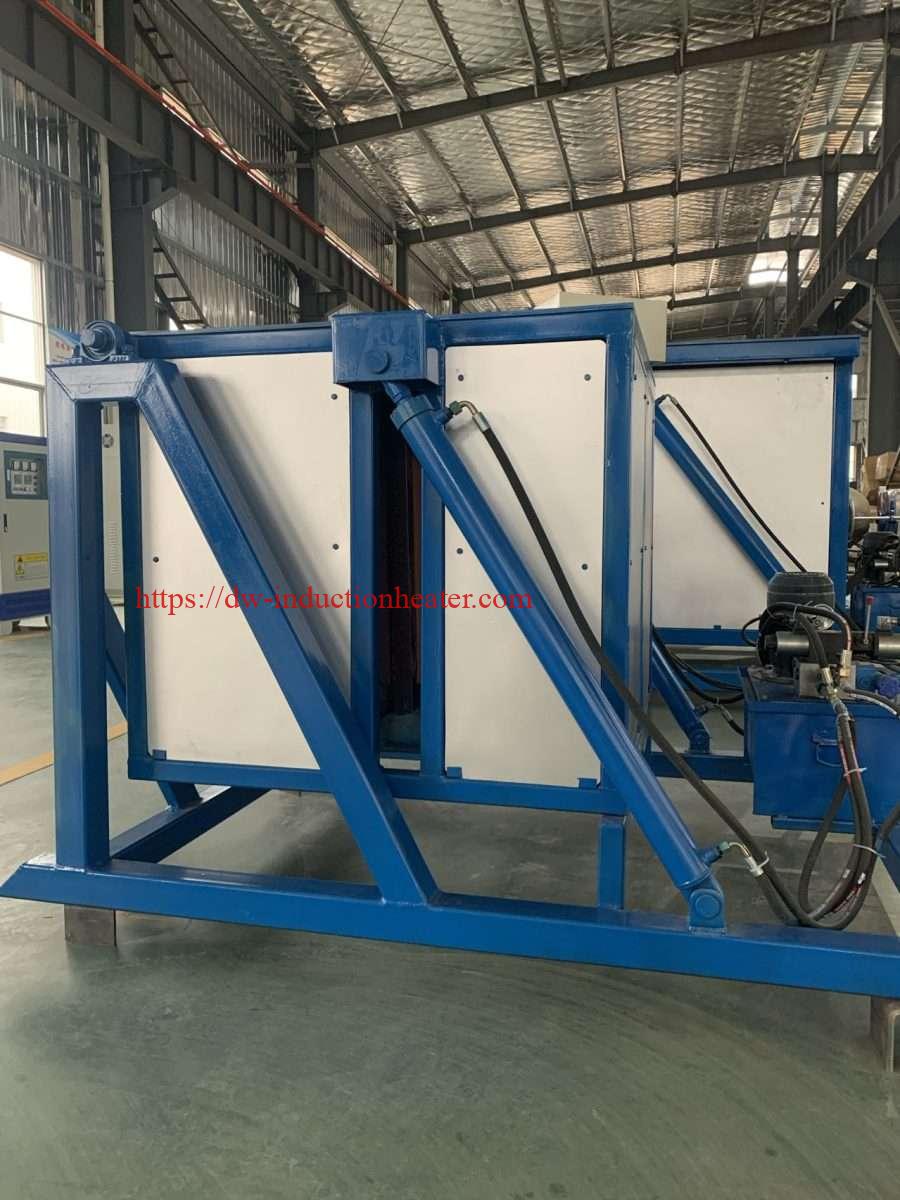
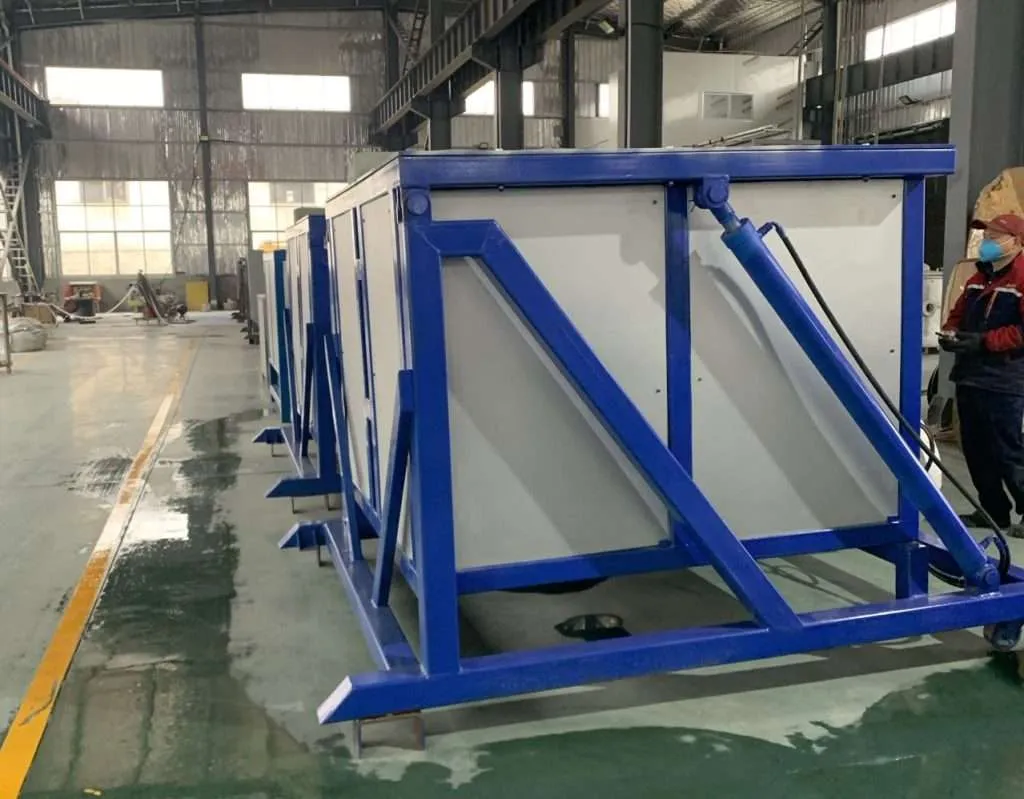
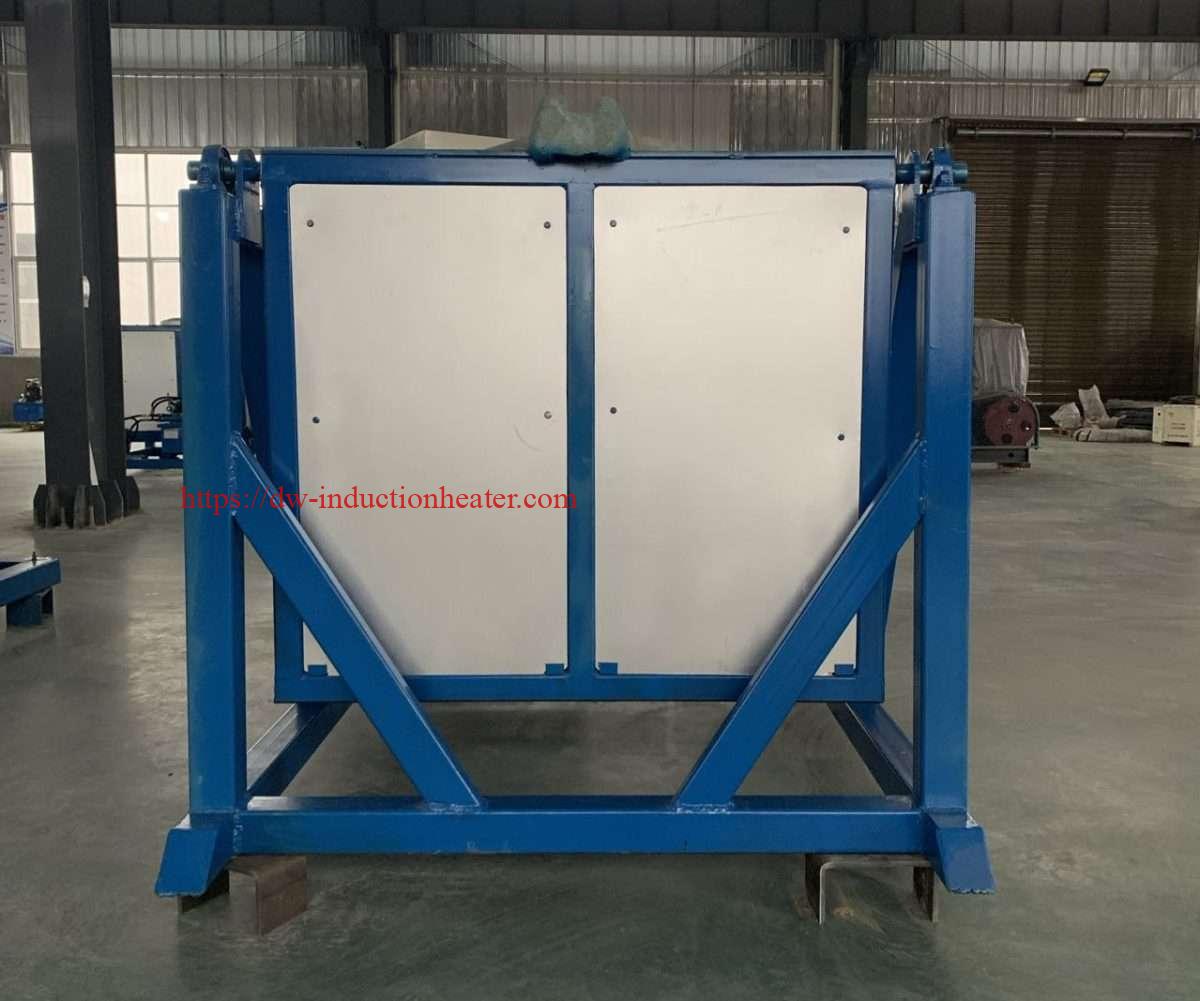
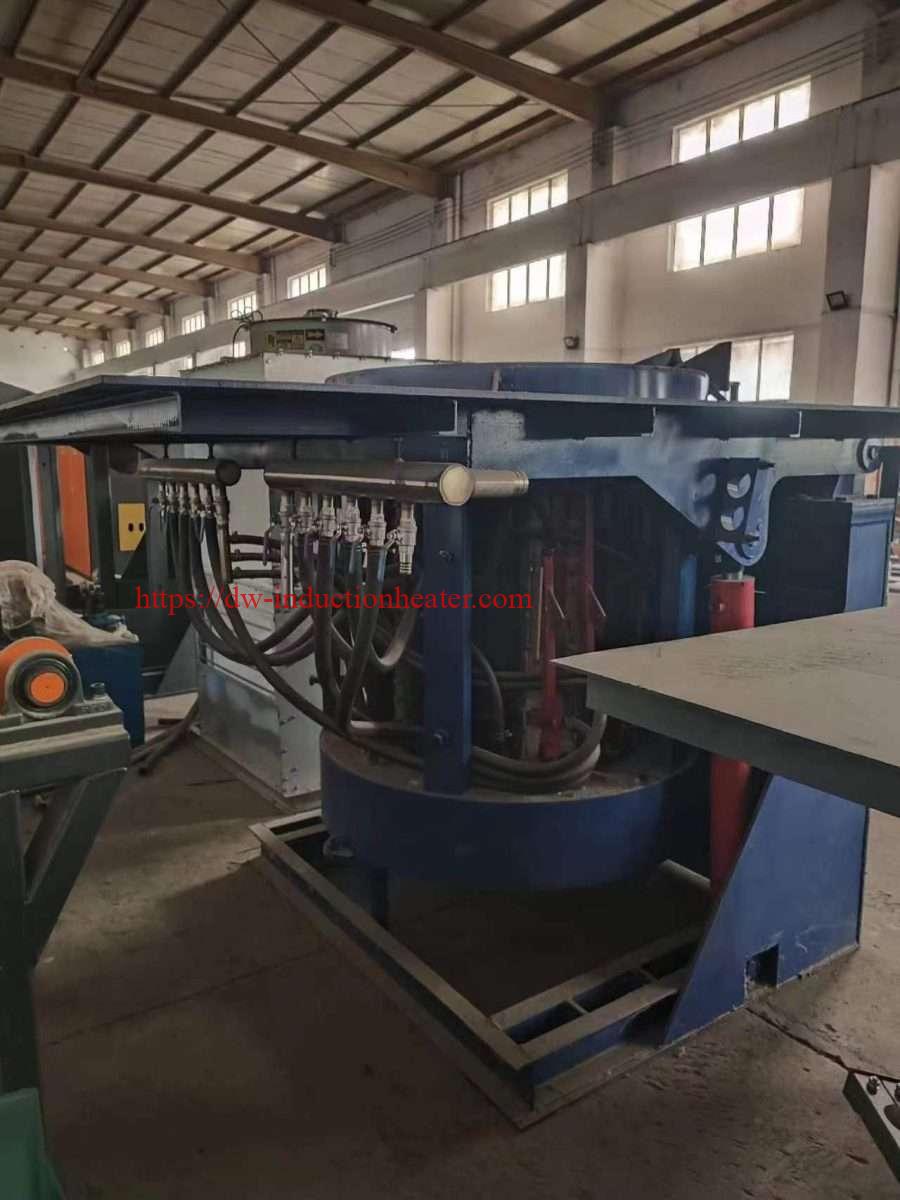
显示标签为“Igbttiltinginductionmeltingfurnace”的博文。显示所有博文

2024年3月30日星期六

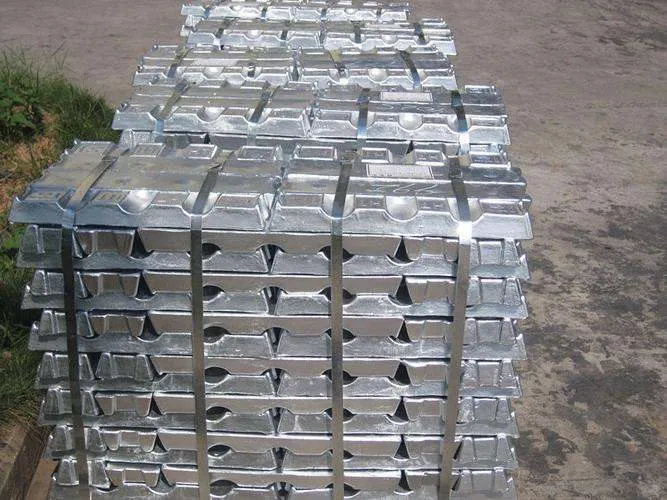
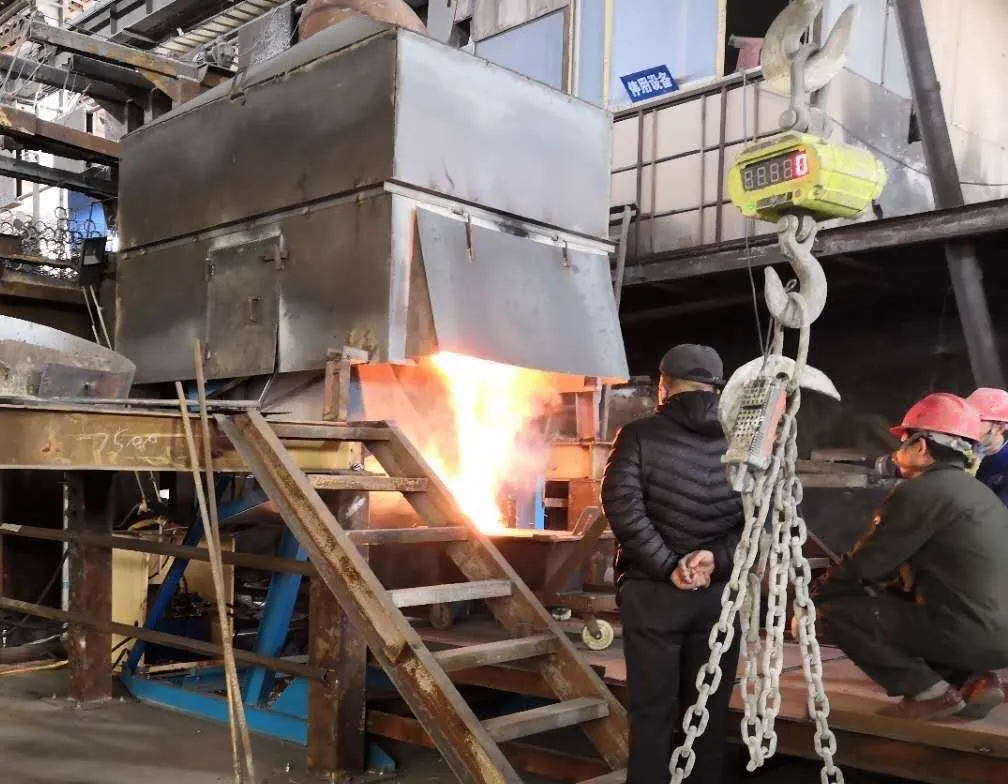
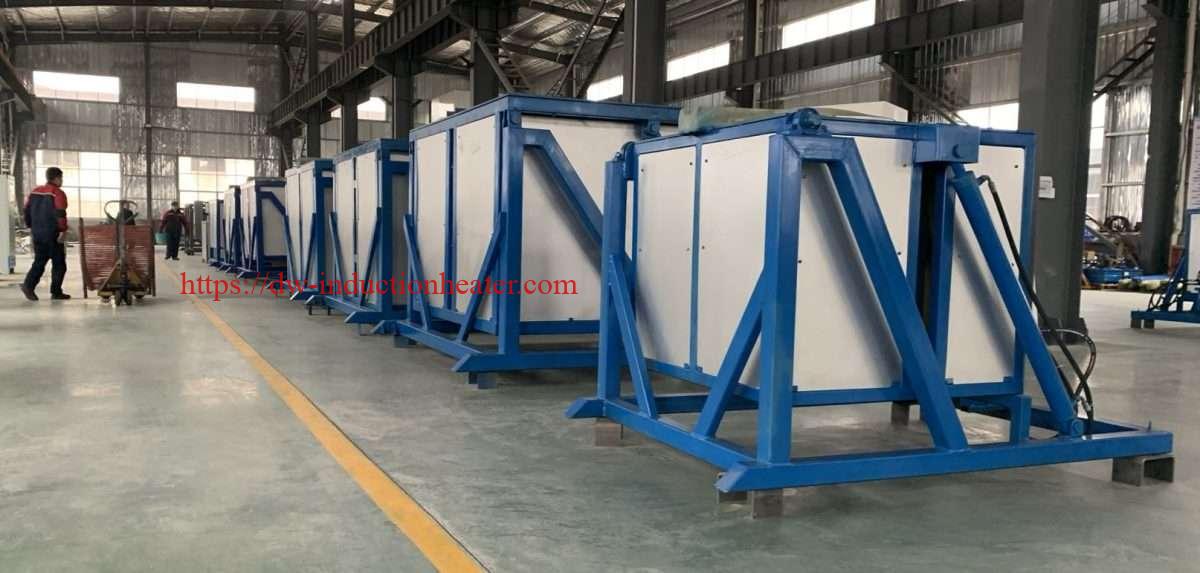
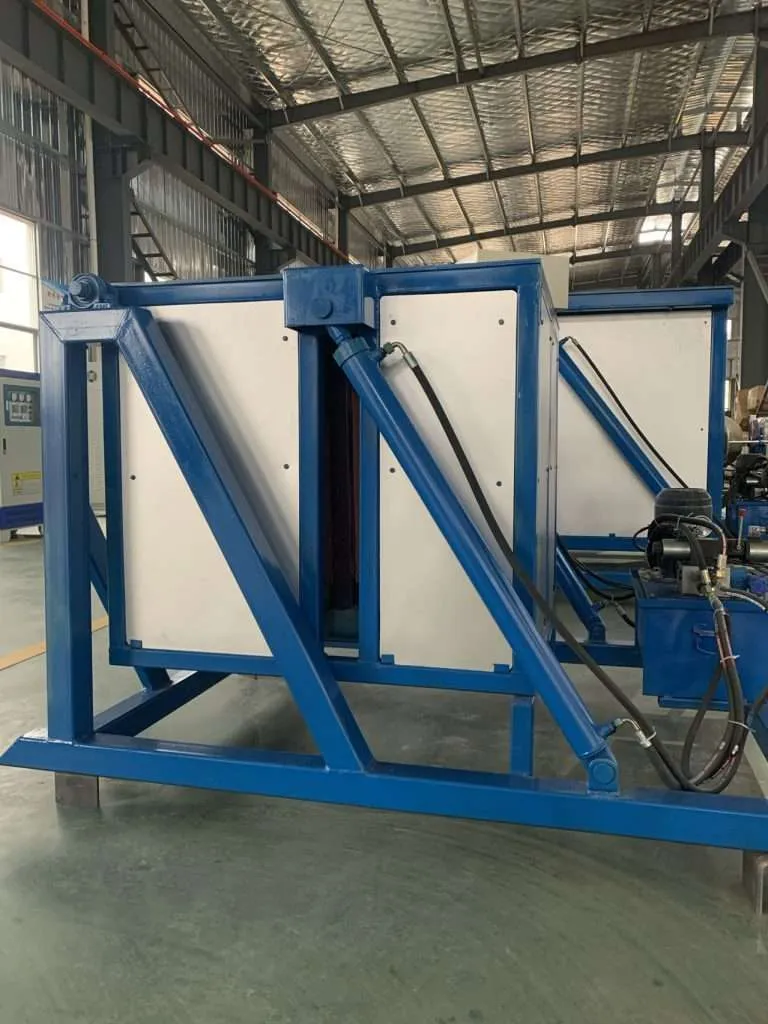
Induction Zinc Alloy Melting Furnace-Zinc Smelting Oven Manufacturer

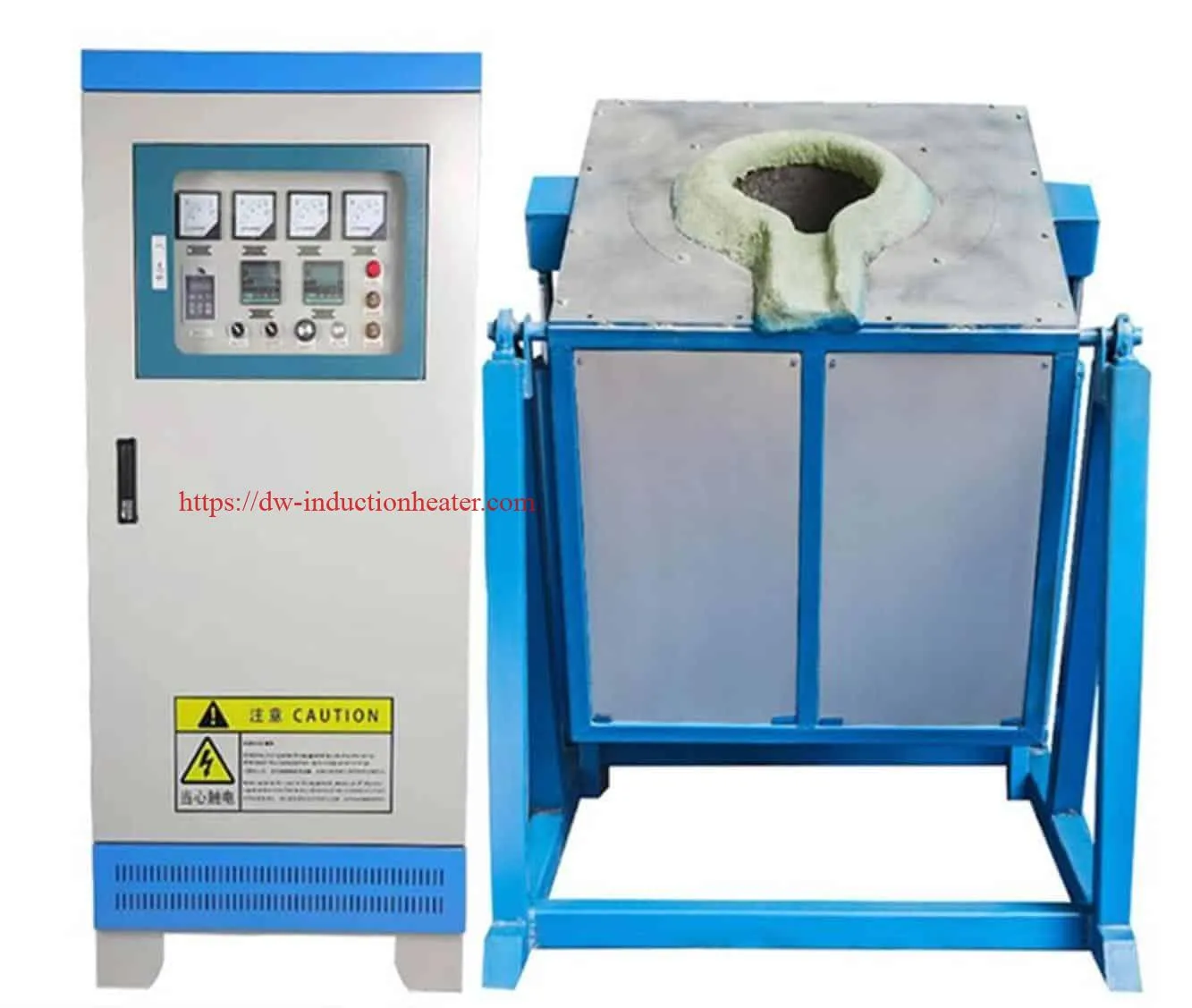
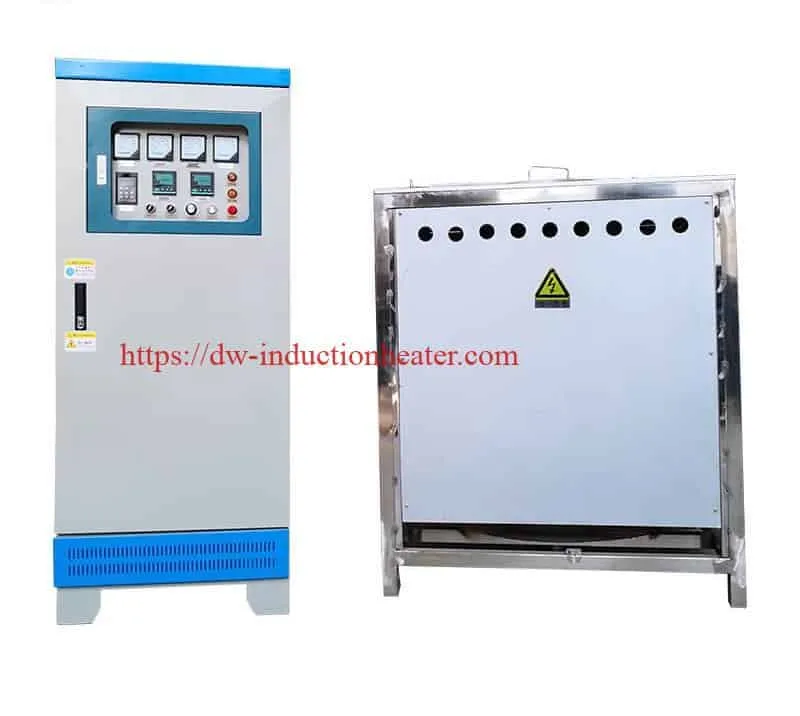
Induction Zinc Alloy Melting Furnace: The Efficient Solution for Metalworking In the ever-evolving world of metalworking, efficiency and precision are paramount. Whether you're a small-scale manufacturer or a large-scale production facility, having the right equipment can make all the difference. One such crucial piece of machinery is the induction zinc alloy melting furnace. This advanced technology has revolutionized the way zinc alloys are melted, casting, and processed, offering unparalleled benefits that set it apart from traditional melting methods. What is an Induction Zinc Alloy Melting Furnace? An induction zinc alloy melting furnace is a specialized piece of equipment designed to melt and maintain the molten state of zinc alloys using the principle of electromagnetic induction. Unlike conventional furnaces that rely on direct heat transfer through combustion or resistance heating, induction furnaces generate heat within the metal itself. How Does an Induction Zinc Alloy Melting Furnace Work? The process of melting zinc alloys in an induction furnace is based on the principle of electromagnetic induction. Here's how it works:
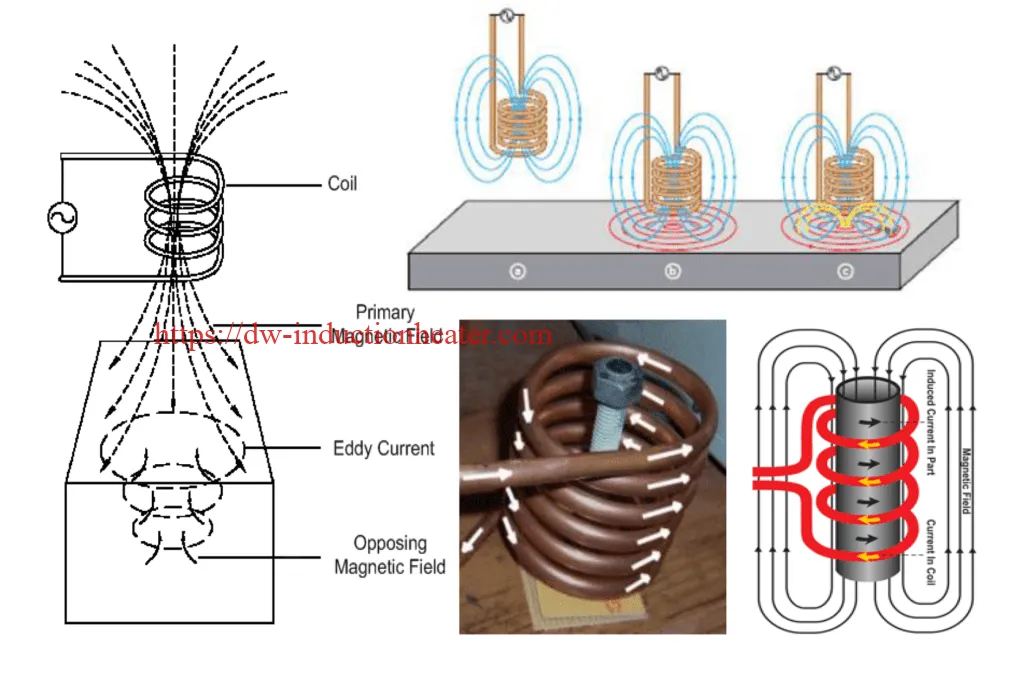
  1. Induction Coil: At the heart of the furnace lies an induction coil, typically made of copper tubing. This coil is connected to a high-frequency alternating current (AC) power supply.
  2. Alternating Magnetic Field: When the AC current flows through the induction coil, it creates an alternating magnetic field within the furnace chamber.
  3. Eddy Currents: As the zinc alloy charge is placed inside the furnace chamber, the alternating magnetic field induces eddy currents within the metal itself.
  4. Joule Heating: These eddy currents encounter resistance as they flow through the metal, resulting in the generation of heat due to the Joule heating effect. The heat is distributed evenly throughout the metal, causing it to melt from within.
  5. Melting and Holding: The induction furnace can precisely control the temperature and melt rate, ensuring consistent and efficient melting of the zinc alloy. Once melted, the furnace can maintain the molten state of the metal for as long as needed.
Advantages of Induction Zinc Alloy Melting Furnaces Energy Efficiency: Induction furnaces are highly energy-efficient compared to traditional melting methods. Since the heat is generated within the metal itself, there is minimal energy loss, resulting in significant cost savings and reduced environmental impact. Precise Temperature Control: The temperature of the molten metal can be accurately controlled and maintained, ensuring consistent quality and minimizing the risk of overheating or underheating. Clean Melting Process: Induction furnaces operate in a closed system, minimizing exposure to atmospheric contaminants and reducing the risk of oxidation or other chemical reactions that can affect the quality of the molten metal. Fast Melting Rates: Induction furnaces can melt zinc alloys at a much faster rate compared to conventional furnaces, increasing productivity and reducing overall processing times. Versatility: Induction furnaces can handle a wide range of zinc alloy compositions, making them suitable for various applications in the metalworking industry. Applications of Induction Zinc Alloy Melting Furnaces Induction zinc alloy melting furnaces find applications in numerous industries, including:
  1. Die Casting: Zinc alloys are widely used in the die casting industry for producing intricate and high-precision components for various sectors, such as automotive, electronics, and consumer goods.
  2. Foundry Operations: Induction furnaces are employed in foundries for melting and casting zinc alloys into various shapes and sizes, catering to diverse industrial needs.
  3. Galvanizing: Zinc alloys play a crucial role in the galvanizing process, where steel or iron components are coated with a protective zinc layer to prevent corrosion. Induction furnaces ensure consistent and efficient melting of the zinc alloy for this process.
  4. Alloy Development: The precise temperature control and clean melting environment offered by induction furnaces make them ideal for developing and testing new zinc alloy compositions.
Choosing the Right Induction Zinc Alloy Melting Furnace When selecting an induction zinc alloy melting furnace, several factors must be considered:
  1. Capacity: Determine the required melting capacity based on your production needs and the volume of zinc alloy to be processed.
  2. Power Requirements: Assess the available power supply and choose a furnace that meets your electrical requirements while ensuring efficient operation.
  3. Temperature Range: Ensure that the furnace can achieve and maintain the desired temperature range for melting and holding the specific zinc alloy composition.
  4. Automation and Control: Consider the level of automation and control features required for your production process, such as programmable temperature profiles, data logging, and remote monitoring capabilities.
  5. Safety Features: Prioritize furnaces with robust safety features, including emergency shutdown systems, overheating protection, and proper insulation and shielding.
  6. Maintenance and Support: Evaluate the manufacturer's reputation, availability of spare parts, and technical support services to ensure reliable and long-term operation.
  7. What types of zinc alloys can be melted in an induction furnace? Induction furnaces are versatile and can be used to melt a wide variety of zinc alloys including die-casting alloys like Zamak, as well as other specialized zinc-based alloys used in different industries. The high frequency used in induction furnaces is suitable for achieving the melting points of these various alloys without contaminating the metal, unlike some other furnaces that may use contact methods of heating.
  8. How do you maintain an induction zinc alloy melting furnace? Regular maintenance is crucial for ensuring the furnace operates efficiently and has a long service life. Maintenance tasks may include:
    • Checking and Tightening Connections: Regularly inspecting and ensuring that electrical connections are tight to avoid power losses and potential dangers.
    • Cooling System Maintenance: Keeping the cooling system in good working order, which often involves checking for leaks and ensuring that the coolant is at the correct level and condition.
    • Coil Inspection: The induction coil should be inspected for cracks or wear since it is a critical component of the furnace.
    • Cleaning: Regularly remove any accumulated debris or metal spillage to prevent damage and inefficiency.
    • Professional Inspections: Have qualified technicians perform periodic inspections and calibrations to ensure everything is working correctly and to troubleshoot any potential issues.
  9. What safety measures should be observed when operating an induction zinc alloy melting furnace?
    • Proper Training: Only trained personnel should operate the furnace.
    • Personal Protective Equipment (PPE): Operators should wear appropriate PPE, such as heat-resistant gloves, safety goggles, and protective clothing.
    • Emergency Procedures: Establish and practice clear emergency procedures for dealing with incidents such as molten metal spillage or electrical faults.
    • Regular Checks: Implement regular checks of the furnace's safety features, such as emergency stop buttons, safety interlocks, and temperature controls.
    • Ventilation: Ensure the facility is well-ventilated to prevent the buildup of fumes that can be hazardous when metals are melted.
Conclusion The induction zinc alloy melting furnace has emerged as a game-changer in the metalworking industry, offering unparalleled efficiency, precision, and versatility. With its energy-saving capabilities, clean melting process, and precise temperature control, this technology has become an indispensable tool for manufacturers seeking to optimize their production processes and meet the highest quality standards. Whether you're involved in die casting, foundry operations, galvanizing, or alloy development, investing in a reliable induction zinc alloy melting furnace can provide a significant competitive edge and ensure consistent, high-quality results.
 
https://dw-inductionheater.com/product/induction-zinc-alloy-melting-furnace-zinc-smelting-oven-manufacturer?feed_id=239290&_unique_id=66081162e7fa7

2023年7月29日星期六

casting rion melting induction furnace

Casting Iron Melting Induction Furnace: Revolutionizing the Foundry Industry A casting iron melting induction furnace, also known as an induction melting furnace, is a type of equipment used for melting iron and other metals using the principle of electromagnetic induction. It is commonly used in foundries, metalworking industries, and other applications where precise control over the melting process is required. The foundry industry plays a vital role in the manufacturing sector by providing essential components for various industries, such as automotive, aerospace, and construction. One of the crucial processes in foundries is melting iron, which is a fundamental step in the production of cast iron components. Over the years, advancements in technology have revolutionized the way iron is melted, with the induction furnace emerging as a game-changer. This article aims to provide an in-depth analysis of the casting iron melting induction furnace, its working principle, benefits, and its impact on the foundry industry.
  1. Historical Background of Iron Melting
Before delving into the specifics of the induction furnace, it is essential to understand the historical background of iron melting. The process of melting iron dates back thousands of years, with ancient civilizations using primitive furnaces fueled by charcoal. These traditional furnaces were time-consuming, labor-intensive, and energy-inefficient. However, they laid the foundation for the development of more sophisticated melting techniques.
  1. Introduction to the Induction Furnace
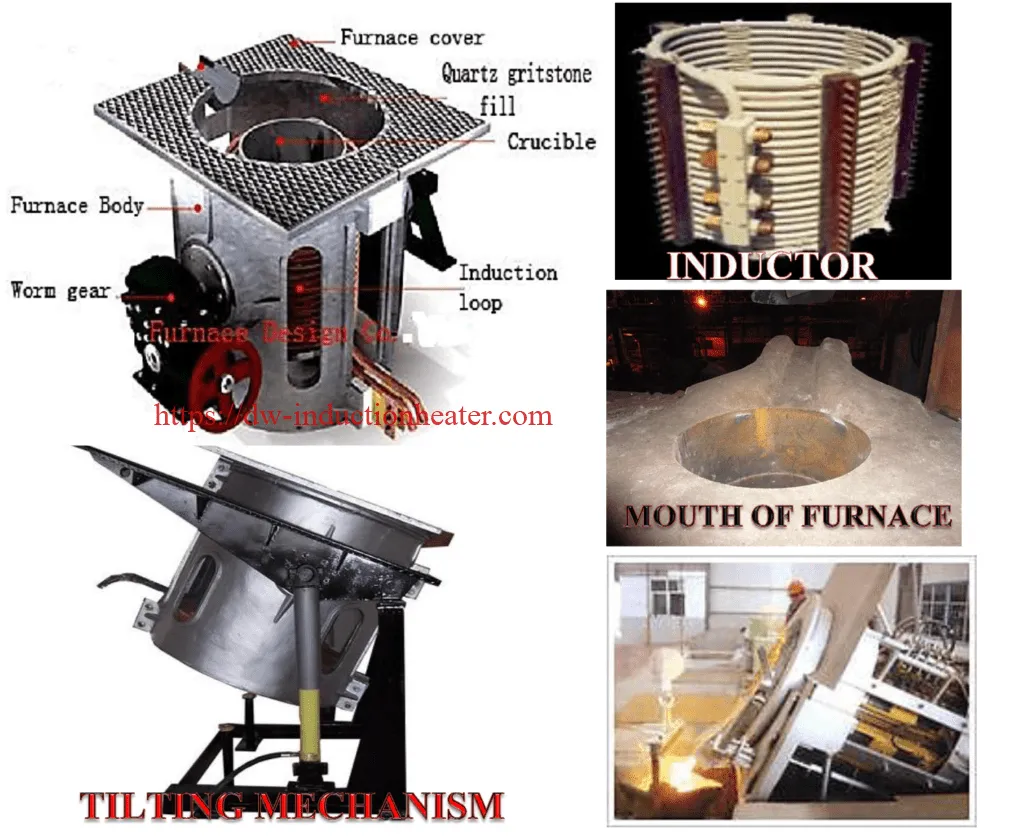
The induction furnace, which emerged in the late 19th century, revolutionized the foundry industry. Unlike traditional furnaces, which rely on direct combustion of fuel, the induction furnace utilizes electromagnetic induction to generate heat. It consists of a crucible surrounded by a copper coil, which induces an alternating magnetic field when an electric current passes through it. This magnetic field creates eddy currents within the conductive material, leading to resistive heating and ultimately melting the iron.
  1. Working Principle of the Induction Furnace
The working principle of the induction furnace involves three main components: the power supply, the crucible, and the coil. The power supply provides an alternating current, typically at high frequencies, to the coil. The coil, made of copper or other conductive materials, surrounds the crucible, which contains the iron to be melted. When the current flows through the coil, it generates a magnetic field, which induces eddy currents within the conductive material of the crucible. These eddy currents produce resistive heat, rapidly increasing the temperature and melting the iron.
  1. Types of Induction Furnaces
There are several types of induction furnaces used in the foundry industry, each catering to specific melting requirements. These include coreless induction furnaces, channel induction furnaces, and crucible induction furnaces. Coreless induction furnaces are widely used for melting iron due to their efficiency and ability to handle large volumes. Channel induction furnaces are suitable for continuous melting and pouring processes. Crucible induction furnaces, on the other hand, are ideal for small-scale foundries or specialized applications.
  1. Benefits of Induction Furnaces
The adoption of induction furnaces in the foundry industry has brought numerous benefits, making it the preferred choice for melting iron. 5.1 Energy Efficiency Induction furnaces are highly energy-efficient compared to traditional furnaces. The absence of direct combustion reduces heat loss, resulting in lower energy consumption and reduced greenhouse gas emissions. Additionally, the rapid melting process of induction furnaces minimizes the time required for each melt, further enhancing energy efficiency. 5.2 Precision and Control Induction furnaces offer precise control over temperature and melting parameters, ensuring consistent quality and repeatability in the production process. The ability to monitor and adjust parameters in real-time allows foundries to optimize melting conditions for specific iron grades or component requirements. 5.3 Safety and Environmental Considerations Induction furnaces provide a safer working environment for foundry workers compared to traditional furnaces. The absence of open flames and reduced emissions of harmful gases, such as carbon monoxide, improves air quality and reduces the risk of accidents. Additionally, the closed system of induction furnaces minimizes the release of pollutants into the atmosphere, promoting environmental sustainability. 5.4 Versatility and Adaptability Induction furnaces offer versatility in terms of melting various iron grades, including gray iron, ductile iron, and steel. The ability to melt different alloys and adjust melting parameters makes induction furnaces suitable for a wide range of foundry applications. Furthermore, induction furnaces can be easily integrated into existing foundry operations, allowing for seamless adaptation and improved productivity.
  1. Impact on the Foundry Industry
The introduction of induction furnaces has had a significant impact on the foundry industry, transforming the way iron is melted and cast. The efficiency, precision, and adaptability of induction furnaces have led to improved productivity, reduced costs, and enhanced product quality. Foundries that have embraced induction furnaces have gained a competitive edge, attracting new customers and expanding their market share. Moreover, the environmental benefits of induction furnaces align with sustainable manufacturing practices, positioning foundries as responsible contributors to the global economy. Conclusion The casting iron induction furnace has revolutionized the foundry industry, offering numerous advantages over traditional melting methods. Its energy efficiency, precision, safety, and adaptability have transformed the way iron is melted, leading to improved productivity and product quality. The induction furnace's impact on the foundry industry is undeniable, with foundries worldwide embracing this technology to stay ahead in a competitive market. As advancements continue, the induction furnace is poised to further shape the future of iron melting in the foundry industry.   https://dw-inductionheater.com/product/casting-rion-melting-induction-furnace?feed_id=220931&_unique_id=64c4d045e1e4f

2023年4月15日星期六

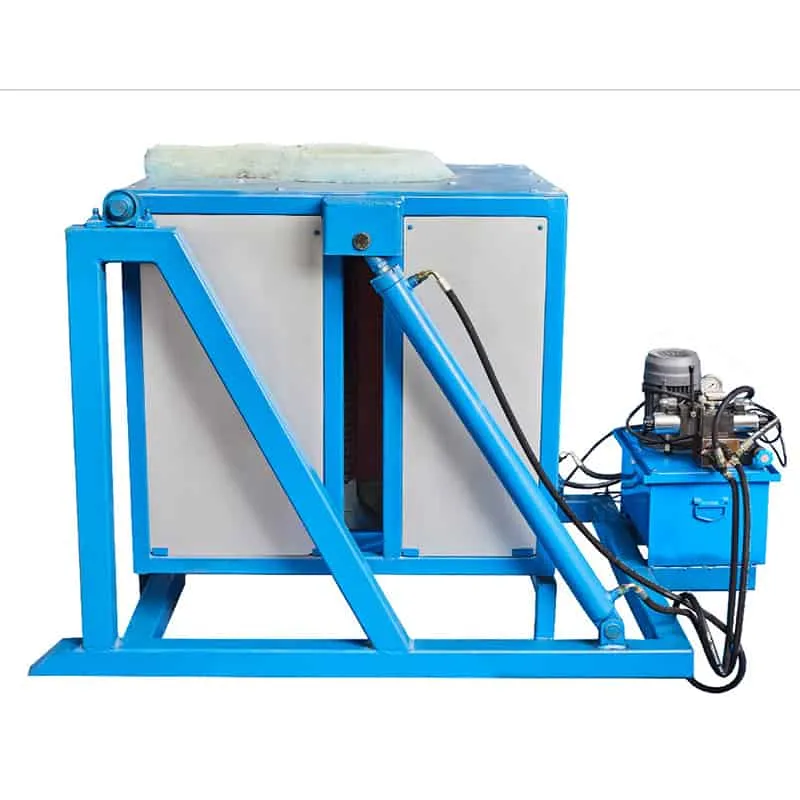
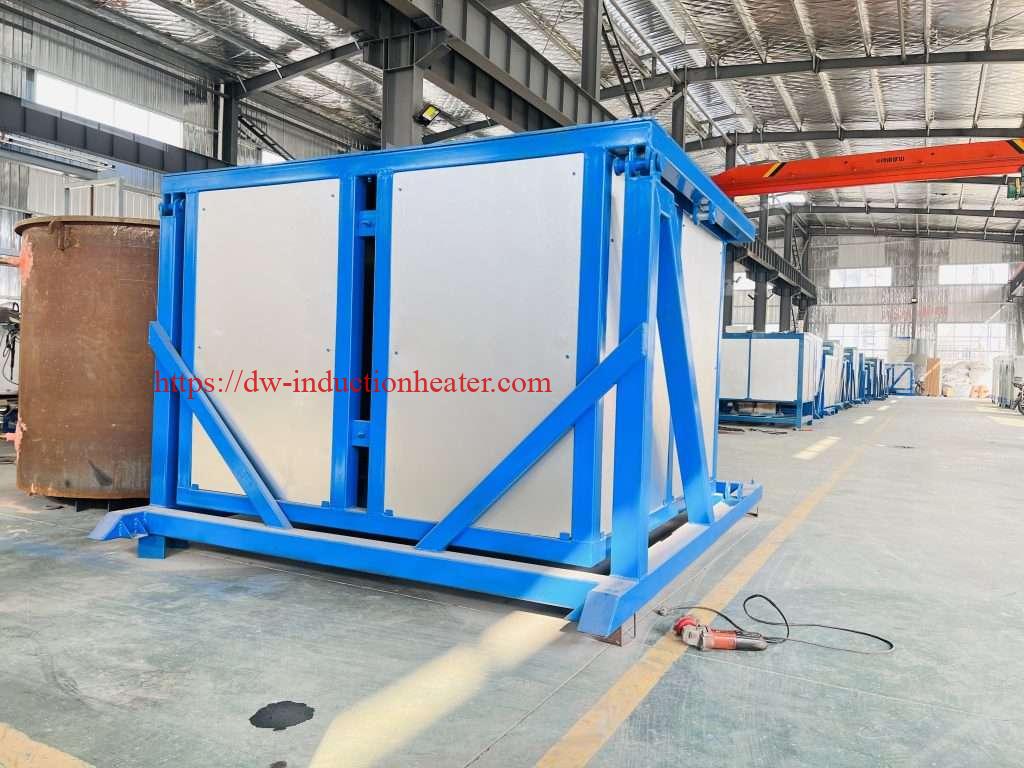
100-5000kg hydraulic tilting copper melting induction furnace

The Benefits of Copper Melting Induction Furnace for Your Business

A copper melting induction furnace is a type of furnace used to melt copper using electromagnetic induction. It consists of an induction coil that generates a magnetic field, which induces electric currents in the copper material, causing it to heat up and melt. The furnace typically uses high-frequency alternating current (AC) to create the magnetic field, which is supplied by a power source. A crucible or container is used to hold the copper material during the melting process. The copper melting induction furnace is commonly used in foundries and metalworking facilities to melt copper and other metals for casting, forging, and other manufacturing applications. Copper melting induction furnaces are becoming increasingly popular in the industrial sector due to their efficiency and cost-effectiveness. These furnaces are designed to melt copper and other metals quickly and efficiently, making them an essential component for any business in need of metalworks. Although they may require a higher initial investment, the benefits copper melting induction furnaces provide are significant. They can reduce energy consumption, improve metal quality, and increase production rates, all while reducing labor costs. In this article, we will delve into the benefits of copper melting induction furnaces for your business and how they can help take your operations to the next level.
1. What is a copper melting induction furnace?

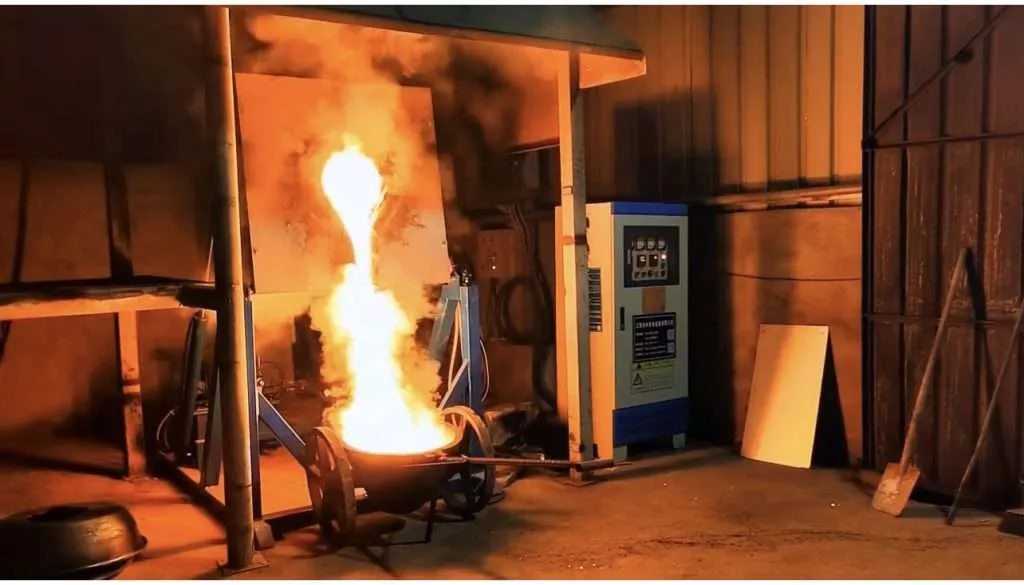
A copper melting induction furnace is an essential tool used in various industries for melting copper, brass, and other non-ferrous metals. It utilizes electromagnetic induction to produce heat, which is necessary for melting copper. The furnace consists of a crucible made from refractory materials that hold the metal that is being melted. The inductor coil is placed around the crucible, and when an alternating current is passed through it, it creates a magnetic field that generates eddy currents within the metal. These currents cause the metal to heat up and melt. One of the major benefits of a copper melting induction furnace is its energy efficiency. It uses less energy compared to traditional furnaces and requires less time to melt the metal. This means that not only is it more cost-effective, but it also enables businesses to increase their productivity. Additionally, the induction process allows for precise temperature control, resulting in consistent and high-quality melts. Another advantage of a copper melting induction furnace is its safety features. Unlike traditional furnaces that require constant monitoring, induction furnaces are fully automated, reducing the risk of accidents and increasing worker safety. The furnace is also environmentally friendly because it emits less pollution and greenhouse gases, making it an ideal choice for businesses that prioritize sustainability. In conclusion, a copper melting induction furnace is a valuable investment for businesses looking to increase productivity, save energy costs, and prioritize worker safety and environmental sustainability.
2. Benefits of using copper melting induction furnaces

Copper melting induction furnaces are becoming increasingly popular in the industrial sector due to their numerous benefits. One of the primary advantages of using copper melting induction furnaces is their energy efficiency. These furnaces use electromagnetic currents to heat the metal, which means they require less energy than traditional furnaces. This can translate into significant savings for your business in the long run. Another benefit of using copper melting induction furnaces is their precision and accuracy. These furnaces can heat the metal to specific temperatures, ensuring that the final product is of high quality and meets the required standards. Additionally, the induction process is more consistent than traditional furnaces, eliminating the risk of overheating or underheating the metal. Copper melting induction furnaces are also more environmentally friendly than traditional furnaces. As they require less energy, they produce fewer emissions, reducing the carbon footprint of your business. They also produce less waste, as the metal is melted in a closed system, reducing the amount of scrap and hazardous waste generated. Finally, copper melting induction furnaces are more cost-effective than traditional furnaces. They require less maintenance and have a longer lifespan, which means you won't have to replace them often. They also have a smaller footprint, which means you can save on space and reduce your overhead costs. In summary, copper melting induction furnaces offer several benefits for your business, including energy efficiency, precision and accuracy, environmental friendliness, and cost-effectiveness. If you're looking for a more efficient and sustainable way to melt copper, induction furnaces may be the solution you've been looking for.

3. Types of copper melting induction furnaces

There are two types of copper melting induction furnaces that are commonly used in industry: coreless induction furnaces and channel induction furnaces. The coreless induction furnace is the most popular type and is used for a variety of applications. It is designed to melt and hold metals in a non-reactive atmosphere, which helps to prevent impurities from entering the molten metal. This type of furnace is ideal for melting copper, aluminum, and other non-ferrous metals. In contrast, a channel induction furnace is designed to melt metals that have a high melting point, such as steel. It works by using a channel or crucible to hold the metal, which is then melted by the induction heating process. Both types of induction furnaces offer numerous benefits for businesses that rely on melting copper. They are highly efficient, using less energy than traditional melting methods, and they offer precise control over the melting process. They are also safer, as they don't produce harmful emissions or require an open flame, reducing the risk of accidents. Additionally, they can be automated, reducing the need for manual labor and increasing productivity. Overall, copper melting induction furnaces are an excellent investment for businesses that want to improve their melting process and increase their bottom line.

4.How a Copper Melting Induction Furnace Works

A copper melting induction furnace works by using electromagnetic induction to heat the metal. The furnace contains a coil of copper wire, which generates a magnetic field when an electric current is passed through it. When the metal is placed inside the coil, the magnetic field induces electrical currents within the metal, which in turn generate heat. The temperature of the furnace can be controlled by adjusting the frequency and power of the electrical current. This allows you to melt the copper at the precise temperature required for your application.

5.Factors to Consider When Choosing a Copper Melting Furnace

When choosing a copper melting furnace, there are several factors to consider. These include:
  • Capacity: How much copper do you need to melt at one time? Make sure you choose a furnace with the appropriate capacity for your needs.
  • Efficiency: Look for a furnace that is energy-efficient and can melt copper quickly.
  • Precision: Consider the level of control you need over the melting process. Do you need to melt copper at a specific temperature or with specific properties?
  • Cost: Copper melting induction furnaces can be expensive, so make sure you choose one that fits within your budget.

6. Maintenance and safety tips for copper melting induction furnaces

While copper melting induction furnaces are a great addition to any business, it is important to take proper care of them to ensure they last as long as possible. Regular maintenance is a must for any machine, and induction furnaces are no exception. It is important to keep the furnace clean and free of debris, as this can cause damage to the furnace and, in some cases, even pose a safety hazard. One of the most important parts of maintenance is checking the furnace's electrical connections. Loose or damaged connections can cause problems for the furnace and, in some cases, even cause a fire. It is also important to regularly check the furnace's cooling system to ensure it is functioning properly. If the cooling system fails, the furnace can overheat, which can cause damage to the furnace and, in some cases, even cause a fire. Finally, it is important to always follow safety protocols when using a copper melting induction furnace. This includes wearing appropriate safety gear, such as gloves and safety glasses, and ensuring that the furnace is in good working order before using it. By following these maintenance and safety tips, you can ensure that your copper melting induction furnace runs smoothly and safely, providing your business with the benefits it needs to succeed.

Conclusion

If you are in the market for a copper melting furnace, a copper melting induction furnace may be the best choice for your needs. These furnaces offer high efficiency, precision, and safety, making them a popular choice for many businesses. Consider the factors outlined in this article, such as capacity, efficiency, and cost, to choose the best furnace for your operation. With the right furnace and proper maintenance and safety measures, you can maximize your efficiency and productivity in melting copper.
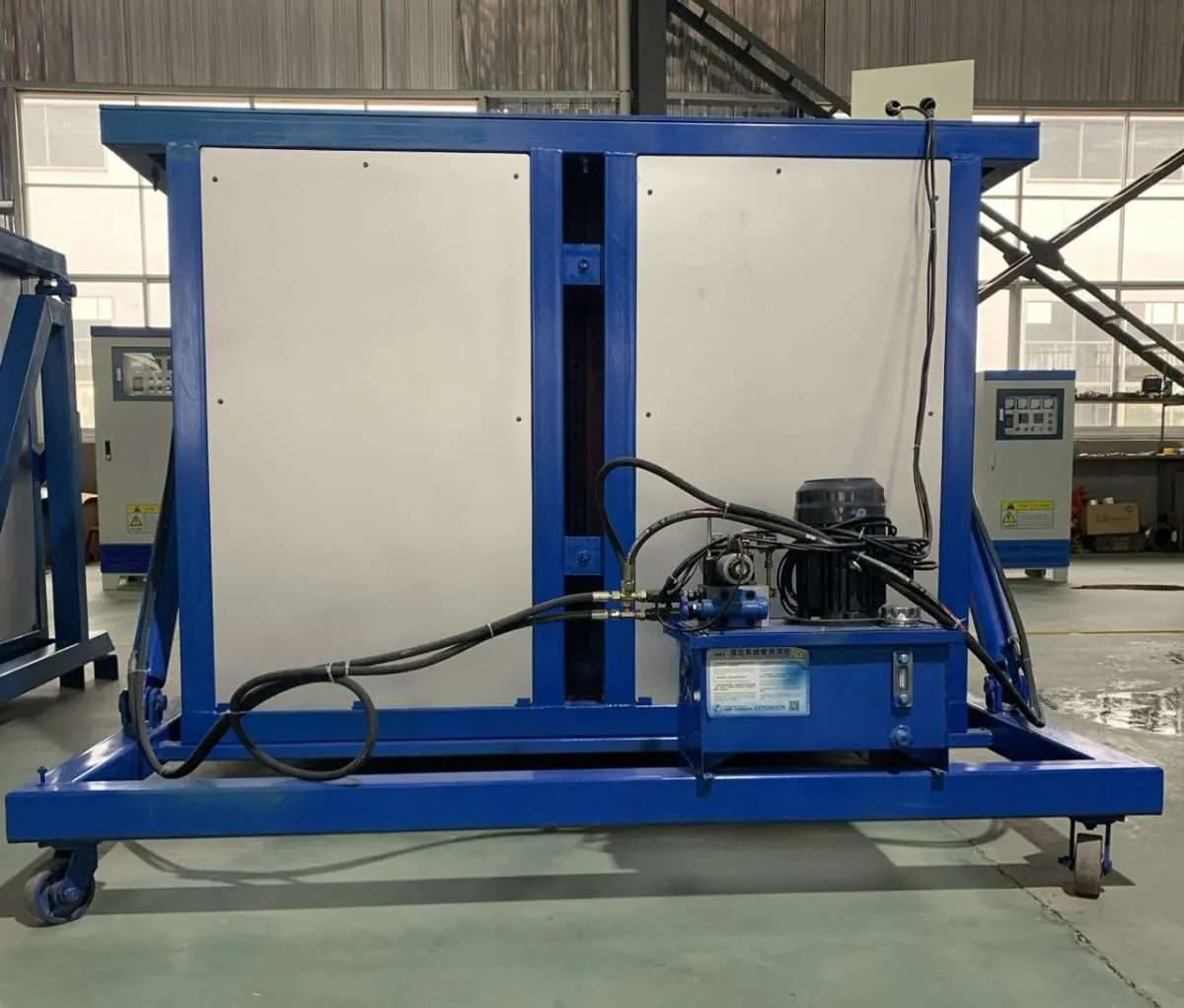
100-5000kg hydraulic tilting copper melting induction furnace

The Benefits of Copper Melting Induction Furnace for Your Business

A copper melting induction furnace is a type of furnace used to melt copper using electromagnetic induction. It consists of an induction coil that generates a magnetic field, which induces electric currents in the copper material, causing it to heat up and melt. The furnace typically uses high-frequency alternating current (AC) to create the magnetic field, which is supplied by a power source. A crucible or container is used to hold the copper material during the melting process. The copper melting induction furnace is commonly used in foundries and metalworking facilities to melt copper and other metals for casting, forging, and other manufacturing applications. Copper melting induction furnaces are becoming increasingly popular in the industrial sector due to their efficiency and cost-effectiveness. These furnaces are designed to melt copper and other metals quickly and efficiently, making them an essential component for any business in need of metalworks. Although they may require a higher initial investment, the benefits copper melting induction furnaces provide are significant. They can reduce energy consumption, improve metal quality, and increase production rates, all while reducing labor costs. In this article, we will delve into the benefits of copper melting induction furnaces for your business and how they can help take your operations to the next level.

1. What is a copper melting induction furnace?

A copper melting induction furnace is an essential tool used in various industries for melting copper, brass, and other non-ferrous metals. It utilizes electromagnetic induction to produce heat, which is necessary for melting copper. The furnace consists of a crucible made from refractory materials that hold the metal that is being melted. The inductor coil is placed around the crucible, and when an alternating current is passed through it, it creates a magnetic field that generates eddy currents within the metal. These currents cause the metal to heat up and melt. One of the major benefits of a copper melting induction furnace is its energy efficiency. It uses less energy compared to traditional furnaces and requires less time to melt the metal. This means that not only is it more cost-effective, but it also enables businesses to increase their productivity. Additionally, the induction process allows for precise temperature control, resulting in consistent and high-quality melts. Another advantage of a copper melting induction furnace is its safety features. Unlike traditional furnaces that require constant monitoring, induction furnaces are fully automated, reducing the risk of accidents and increasing worker safety. The furnace is also environmentally friendly because it emits less pollution and greenhouse gases, making it an ideal choice for businesses that prioritize sustainability. In conclusion, a copper melting induction furnace is a valuable investment for businesses looking to increase productivity, save energy costs, and prioritize worker safety and environmental sustainability.

2. Benefits of using copper melting induction furnaces

Copper melting induction furnaces are becoming increasingly popular in the industrial sector due to their numerous benefits. One of the primary advantages of using copper melting induction furnaces is their energy efficiency. These furnaces use electromagnetic currents to heat the metal, which means they require less energy than traditional furnaces. This can translate into significant savings for your business in the long run. Another benefit of using copper melting induction furnaces is their precision and accuracy. These furnaces can heat the metal to specific temperatures, ensuring that the final product is of high quality and meets the required standards. Additionally, the induction process is more consistent than traditional furnaces, eliminating the risk of overheating or underheating the metal. Copper melting induction furnaces are also more environmentally friendly than traditional furnaces. As they require less energy, they produce fewer emissions, reducing the carbon footprint of your business. They also produce less waste, as the metal is melted in a closed system, reducing the amount of scrap and hazardous waste generated. Finally, copper melting induction furnaces are more cost-effective than traditional furnaces. They require less maintenance and have a longer lifespan, which means you won't have to replace them often. They also have a smaller footprint, which means you can save on space and reduce your overhead costs. In summary, copper melting induction furnaces offer several benefits for your business, including energy efficiency, precision and accuracy, environmental friendliness, and cost-effectiveness. If you're looking for a more efficient and sustainable way to melt copper, induction furnaces may be the solution you've been looking for.

3. Types of copper melting induction furnaces

There are two types of copper melting induction furnaces that are commonly used in industry: coreless induction furnaces and channel induction furnaces. The coreless induction furnace is the most popular type and is used for a variety of applications. It is designed to melt and hold metals in a non-reactive atmosphere, which helps to prevent impurities from entering the molten metal. This type of furnace is ideal for melting copper, aluminum, and other non-ferrous metals. In contrast, a channel induction furnace is designed to melt metals that have a high melting point, such as steel. It works by using a channel or crucible to hold the metal, which is then melted by the induction heating process. Both types of induction furnaces offer numerous benefits for businesses that rely on melting copper. They are highly efficient, using less energy than traditional melting methods, and they offer precise control over the melting process. They are also safer, as they don't produce harmful emissions or require an open flame, reducing the risk of accidents. Additionally, they can be automated, reducing the need for manual labor and increasing productivity. Overall, copper melting induction furnaces are an excellent investment for businesses that want to improve their melting process and increase their bottom line.

4.How a Copper Melting Induction Furnace Works

A copper melting induction furnace works by using electromagnetic induction to heat the metal. The furnace contains a coil of copper wire, which generates a magnetic field when an electric current is passed through it. When the metal is placed inside the coil, the magnetic field induces electrical currents within the metal, which in turn generate heat. The temperature of the furnace can be controlled by adjusting the frequency and power of the electrical current. This allows you to melt the copper at the precise temperature required for your application.

5.Factors to Consider When Choosing a Copper Melting Furnace

When choosing a copper melting furnace, there are several factors to consider. These include:
  • Capacity: How much copper do you need to melt at one time? Make sure you choose a furnace with the appropriate capacity for your needs.
  • Efficiency: Look for a furnace that is energy-efficient and can melt copper quickly.
  • Precision: Consider the level of control you need over the melting process. Do you need to melt copper at a specific temperature or with specific properties?
  • Cost: Copper melting induction furnaces can be expensive, so make sure you choose one that fits within your budget.

6. Maintenance and safety tips for copper melting induction furnaces

While copper melting induction furnaces are a great addition to any business, it is important to take proper care of them to ensure they last as long as possible. Regular maintenance is a must for any machine, and induction furnaces are no exception. It is important to keep the furnace clean and free of debris, as this can cause damage to the furnace and, in some cases, even pose a safety hazard. One of the most important parts of maintenance is checking the furnace's electrical connections. Loose or damaged connections can cause problems for the furnace and, in some cases, even cause a fire. It is also important to regularly check the furnace's cooling system to ensure it is functioning properly. If the cooling system fails, the furnace can overheat, which can cause damage to the furnace and, in some cases, even cause a fire. Finally, it is important to always follow safety protocols when using a copper melting induction furnace. This includes wearing appropriate safety gear, such as gloves and safety glasses, and ensuring that the furnace is in good working order before using it. By following these maintenance and safety tips, you can ensure that your copper melting induction furnace runs smoothly and safely, providing your business with the benefits it needs to succeed.

Conclusion

If you are in the market for a copper melting furnace, a copper melting induction furnace may be the best choice for your needs. These furnaces offer high efficiency, precision, and safety, making them a popular choice for many businesses. Consider the factors outlined in this article, such as capacity, efficiency, and cost, to choose the best furnace for your operation. With the right furnace and proper maintenance and safety measures, you can maximize your efficiency and productivity in melting copper. https://dw-inductionheater.com/product/100-5000kg-hydraulic-tilting-copper-melting-induction-furnace?feed_id=196210&_unique_id=643a71e839e14

2022年4月21日星期四

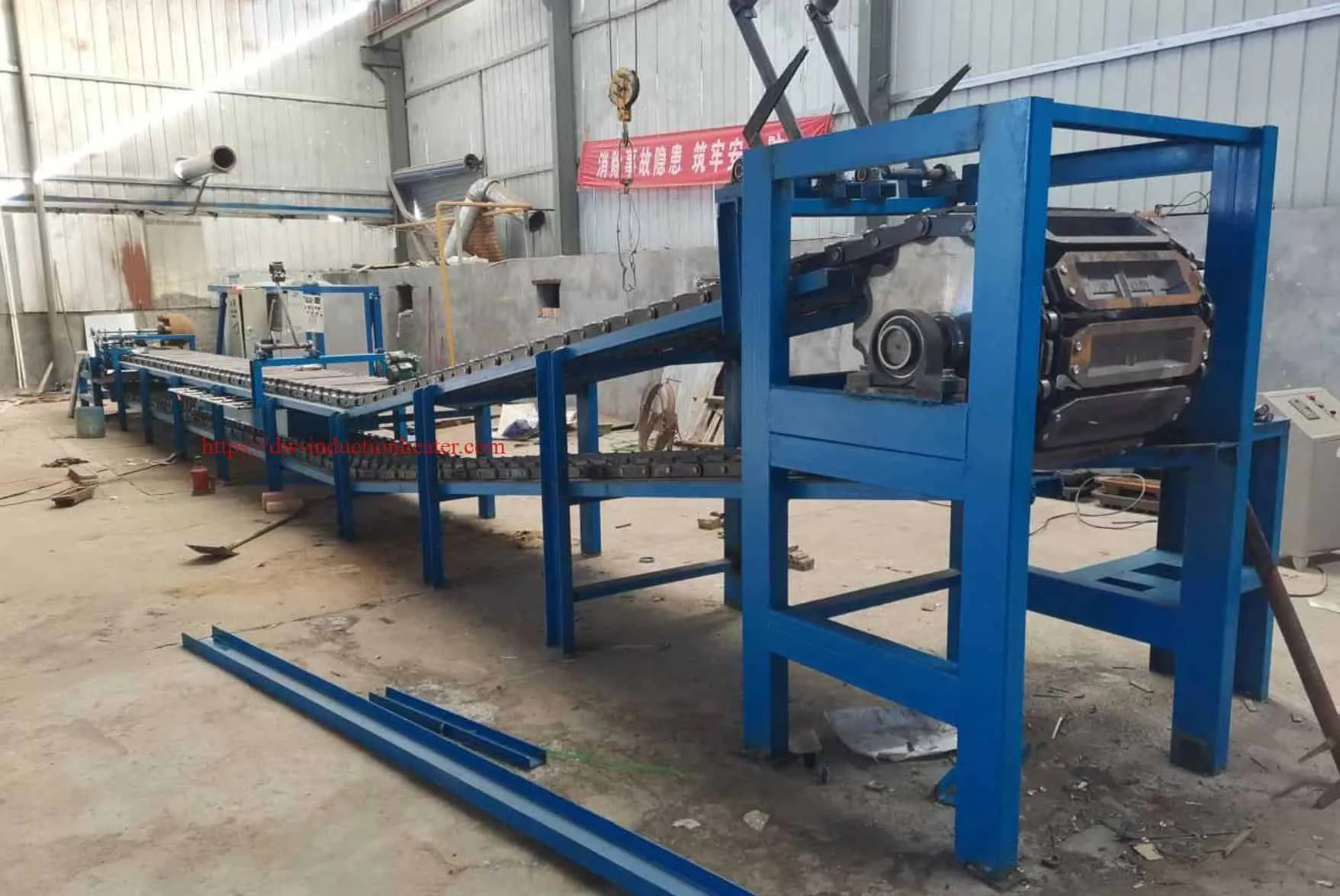
aluminum ingot induction melting furnace production line

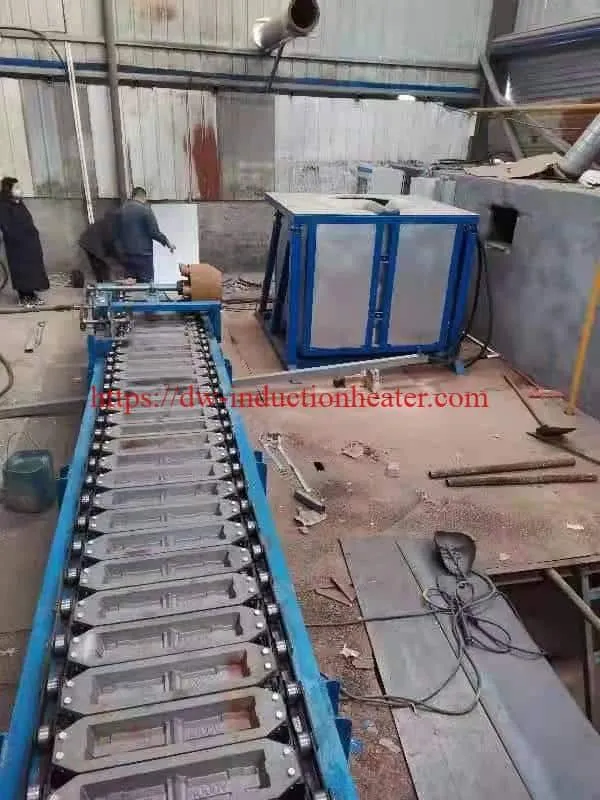
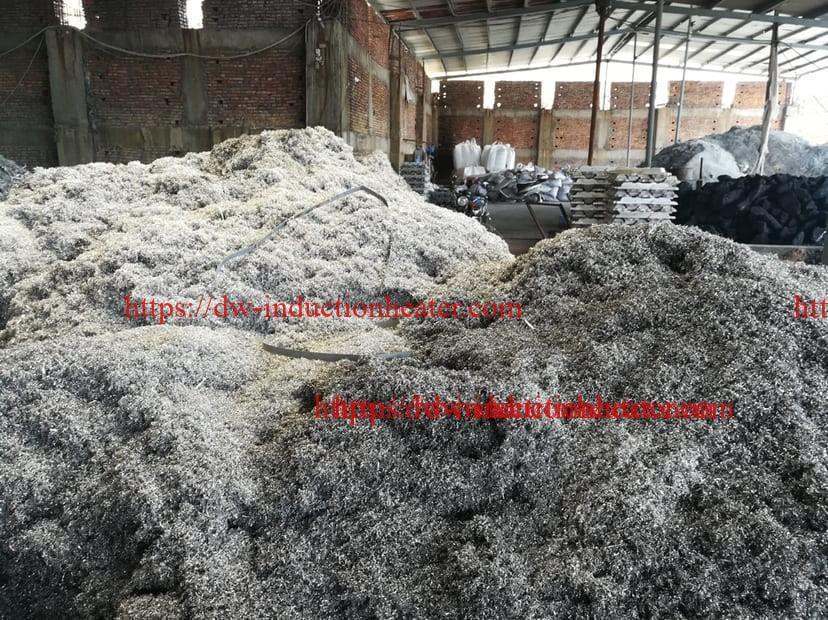
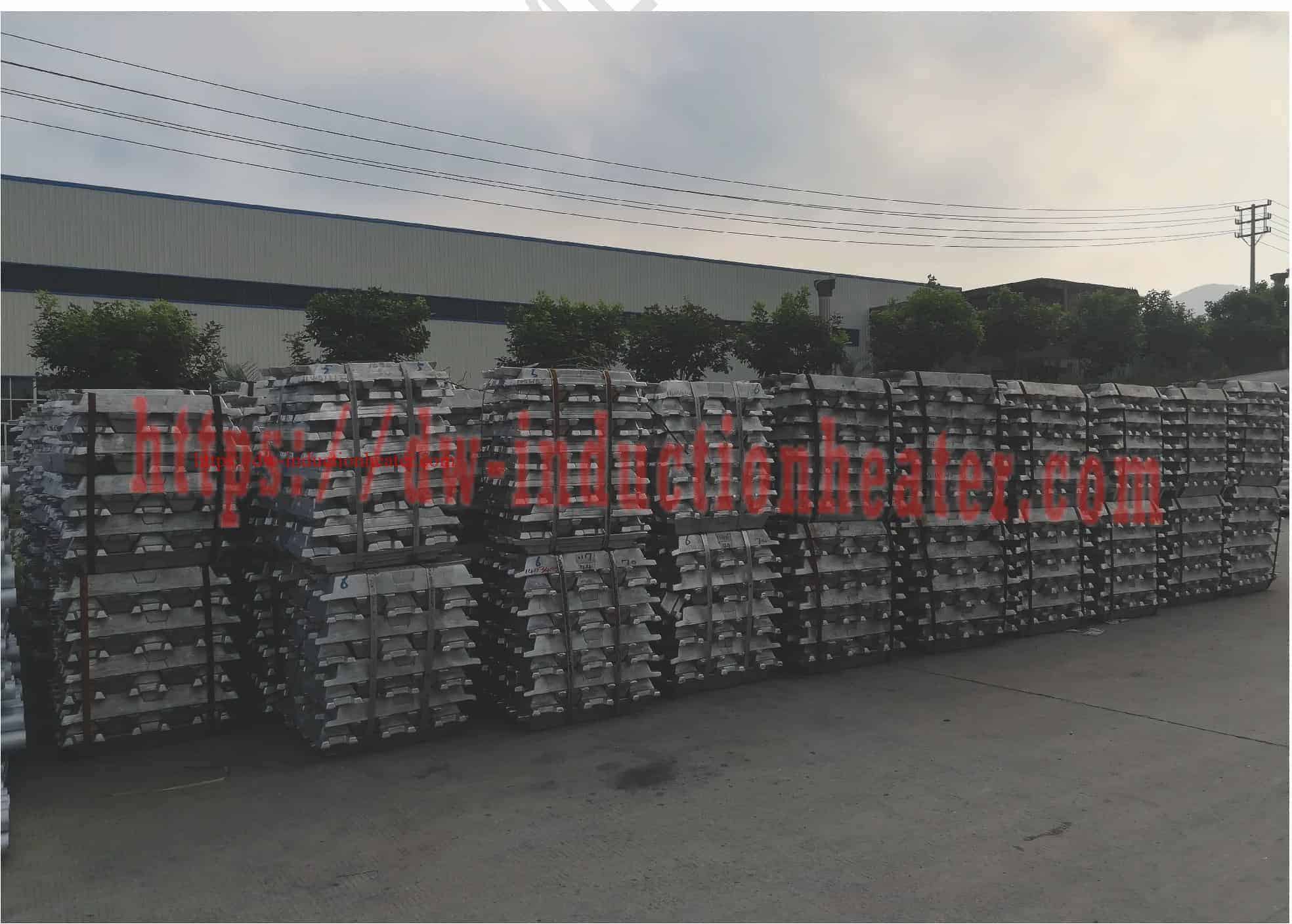
Full auto aluminum ingot induction melting furnace production line for melting aluminum scraps,cans,slags to product aluminum ingots.

Induction melting Aluminum scrap furnace,aluminum cans induction smelter,Aluminum scraps melting induction furnace,melting aluminum cans furnace.Al

Aluminum Ingot Induction Melting Furnace Production Line Design:

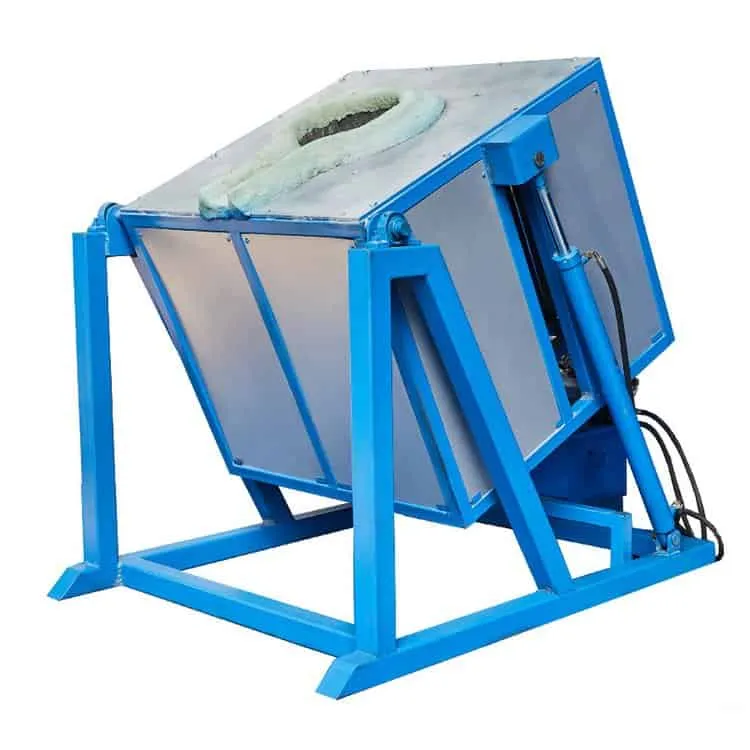
  Tilting melting aluminum induction furnace is designed for Non-ferrous metal melting. Which is used for copper, aluminum, zinc, tin and lead melting. The induction power is 40KW-300KW. The induction heating power and melting furnace are equipped with water cooling system. The air cooling ones will need customization. The graphite crucible furnace capacity is 500-1500kg copper or equivalent. In general, it will cost 300-350KW*H electric power to melt 1MT aluminum. The input power is 3 x 380V, 50/60HZ. Air cooling or water cooling induction melting furnace. More saving for the electrical power. Easy to operate and more stable for 24 hours working.  Main application: Aluminum melting furnace. ◆ Other melting metal: Tin melting furnace, zinc melting furnace, lead melting furnace, copper  melting furnace. Aluminum is the most recyclable of all materials. Discarded aluminum is more valuable than any other item in the recycling bin.Aluminum is recycled through a variety of programs. The most commonly recognized consumer programs are curbside and municipal. Within the industry, building and automotive parts are collected for recycling. More than 90 percent of the aluminum in building and automotive parts is recycled at the end of use. All of these items serve as a feedstock and are sent to aluminum recyclers to be melted down in the secondary production process. Advantages of electromagnetic melting aluminum induction furnace: 1, save energy and reduce the environmental temperature Original diesel furnace workshop on pollution, but also the auxiliary exhaust pipeline, inside and outside the furnace heat has a large number of distribution in the workshop, resulting in high temperature workshop. So is the original furnace condition, most escapes to the air, there is heat conduction loss, the production of large power consumption, increase the cost of production. At the same time, the ambient temperature increases. The electromagnetic induction heating process, the heating element is through magnetic field heating, in order to reduce the loss of heat conduction, fast heating, melting rapidly, thus reducing energy consumption. Reduce electricity consumption. After the comparison of the experimental test and modification, the power saving effect is 20%-40%. 2, rapid heating, temperature control accurate real-time Electromagnetic induction heating method is through the magnetic field lines make heating rapid heating, the rapid melting Aluminum Alloy. The temperature control is real-time and accurate, which improves the quality of the product and improves the production efficiency! 3 and long service life, simple maintenance The traditional electric furnace heating method is to use resistance wire heating, resistance wire in the high temperature environment for a long time in the use of oxidation will result in reducing its service life, high maintenance costs. The electromagnetic heating coil is made of insulating material and high temperature wire, so the service life is long and without any maintenance. 4, power Electromagnetic induction heating with the development and maturity of the technology, the production process and technology of components, software, such as reliable protection of the current power can be 2-200KW. 5, safe The utility model adopts the electromagnetic induction heating, which can reduce the surface temperature of the machine, and the human body can be safely touched, so as to avoid the occurrence of burn and scald accidents caused by the traditional heating mode and protect the production safety of the employees.

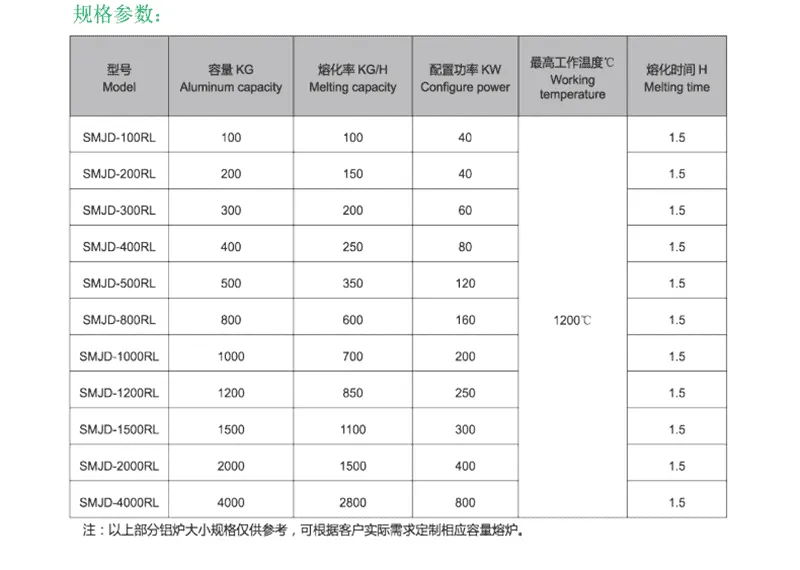
Features 1 energy saving and environmental protection, Germany's IGBT power devices, high reliability, stable operation and low maintenance costs. 2) the frequency of the digital phase locked loop tracking, automatic load impedance matching. 3 power closed-loop control, to avoid the temperature change caused by the power down. 4) over voltage, under voltage, lack of phase, over current, over heat protection, real-time display of the parameters, fault diagnosis and alarm; leakage automatic alarm, cut off the power supply and the working state of real-time display. 5) PID heating control system, uniform heating temperature, prevent molten aluminum temperature drift, burning less, homogeneous metal components to improve the product qualification rate. 6 (LED) digital temperature controller, measuring and controlling the temperature accuracy of up to 3 degrees centigrade, the quality of aluminum soup is good, the melting temperature rises quickly, the furnace temperature is easy to control, the production efficiency is high; 7) the integral structure of polycrystalline mullite fibers of furnace, small volume, good insulation property, low energy consumption, high efficiency, temperature above 1200 degrees, long service life; 8. The operation is simple and the power can be adjusted with the work; 9 (100%) load duration, maximum power, to ensure the operation of 24 hours. Melting capacity of SMJD series melting aluminum induction furnace: Aluminium Scraps Recycling Melting Process SMJD induction melting furnace parameter Aluminum,Copper,Iron Induction Melting Furnace manual aluminum recycling Melting aluminum furnace  

aluminum ingot induction melting furnace production line

Full auto aluminum ingot induction melting furnace production line for melting aluminum scraps,cans,slags to product aluminum ingots.

Induction melting Aluminum scrap furnace,aluminum cans induction smelter,Aluminum scraps melting induction furnace,melting aluminum cans furnace.Al

Aluminum Ingot Induction Melting Furnace Production Line Design:

  Tilting melting aluminum induction furnace is designed for Non-ferrous metal melting. Which is used for copper, aluminum, zinc, tin and lead melting. The induction power is 40KW-300KW. The induction heating power and melting furnace are equipped with water cooling system. The air cooling ones will need customization. The graphite crucible furnace capacity is 500-1500kg copper or equivalent. In general, it will cost 300-350KW*H electric power to melt 1MT aluminum. The input power is 3 x 380V, 50/60HZ. Air cooling or water cooling induction melting furnace. More saving for the electrical power. Easy to operate and more stable for 24 hours working.  Main application: Aluminum melting furnace. ◆ Other melting metal: Tin melting furnace, zinc melting furnace, lead melting furnace, copper  melting furnace. Aluminum is the most recyclable of all materials. Discarded aluminum is more valuable than any other item in the recycling bin.Aluminum is recycled through a variety of programs. The most commonly recognized consumer programs are curbside and municipal. Within the industry, building and automotive parts are collected for recycling. More than 90 percent of the aluminum in building and automotive parts is recycled at the end of use. All of these items serve as a feedstock and are sent to aluminum recyclers to be melted down in the secondary production process. Advantages of electromagnetic melting aluminum induction furnace: 1, save energy and reduce the environmental temperature Original diesel furnace workshop on pollution, but also the auxiliary exhaust pipeline, inside and outside the furnace heat has a large number of distribution in the workshop, resulting in high temperature workshop. So is the original furnace condition, most escapes to the air, there is heat conduction loss, the production of large power consumption, increase the cost of production. At the same time, the ambient temperature increases. The electromagnetic induction heating process, the heating element is through magnetic field heating, in order to reduce the loss of heat conduction, fast heating, melting rapidly, thus reducing energy consumption. Reduce electricity consumption. After the comparison of the experimental test and modification, the power saving effect is 20%-40%. 2, rapid heating, temperature control accurate real-time Electromagnetic induction heating method is through the magnetic field lines make heating rapid heating, the rapid melting Aluminum Alloy. The temperature control is real-time and accurate, which improves the quality of the product and improves the production efficiency! 3 and long service life, simple maintenance The traditional electric furnace heating method is to use resistance wire heating, resistance wire in the high temperature environment for a long time in the use of oxidation will result in reducing its service life, high maintenance costs. The electromagnetic heating coil is made of insulating material and high temperature wire, so the service life is long and without any maintenance. 4, power Electromagnetic induction heating with the development and maturity of the technology, the production process and technology of components, software, such as reliable protection of the current power can be 2-200KW. 5, safe The utility model adopts the electromagnetic induction heating, which can reduce the surface temperature of the machine, and the human body can be safely touched, so as to avoid the occurrence of burn and scald accidents caused by the traditional heating mode and protect the production safety of the employees.

Features 1 energy saving and environmental protection, Germany's IGBT power devices, high reliability, stable operation and low maintenance costs. 2) the frequency of the digital phase locked loop tracking, automatic load impedance matching. 3 power closed-loop control, to avoid the temperature change caused by the power down. 4) over voltage, under voltage, lack of phase, over current, over heat protection, real-time display of the parameters, fault diagnosis and alarm; leakage automatic alarm, cut off the power supply and the working state of real-time display. 5) PID heating control system, uniform heating temperature, prevent molten aluminum temperature drift, burning less, homogeneous metal components to improve the product qualification rate. 6 (LED) digital temperature controller, measuring and controlling the temperature accuracy of up to 3 degrees centigrade, the quality of aluminum soup is good, the melting temperature rises quickly, the furnace temperature is easy to control, the production efficiency is high; 7) the integral structure of polycrystalline mullite fibers of furnace, small volume, good insulation property, low energy consumption, high efficiency, temperature above 1200 degrees, long service life; 8. The operation is simple and the power can be adjusted with the work; 9 (100%) load duration, maximum power, to ensure the operation of 24 hours. Melting capacity of SMJD series melting aluminum induction furnace: Aluminium Scraps Recycling Melting Process SMJD induction melting furnace parameter Aluminum,Copper,Iron Induction Melting Furnace manual aluminum recycling Melting aluminum furnace   https://dw-inductionheater.com/product/aluminum-ingot-induction-melting-furnace-production-line?feed_id=114202&_unique_id=62614e7cd0b45

2022年2月11日星期五

ELECTRIC INDUCTION FURNACE

ELECTRIC INDUCTION FURNACE

The electric induction furnace is a type of melting furnace that uses electric currents to melt metal. Induction furnaces are ideal for melting and alloying a wide variety of metals with minimum melt losses, however, little refining of the metal is possible. PRINCIPLE OF INDUCTION FURNACE The principle of induction furnace is the induction heating. INDUCTION HEATING: Induction heating is a form of non-contact heating for conductive materials. The principle of induction heating is mainly based on two well-known physical phenomena: 1. Electromagnetic induction 2. The Joule effect 1) ELECTROMAGNETIC INDUCTION The energy transfer to the object to be heated occurs by means of electromagnetic induction. Any electrically conductive material placed in a variable magnetic field is the site of induced electric currents, called eddy currents, which will eventually lead to joule heating. 2) JOULE HEATING Joule heating, also known as ohmic heating and resistive heating, is the process by which the passage of an electric current through a conductor releases heat. The heat produced is proportional to the square of the current multiplied by the electrical resistance of the wire. Induction heating relies on the unique characteristics of radio frequency (RF) energy - that portion of the electromagnetic spectrum below infrared and microwave energy. Since heat is transferred to the product via electromagnetic waves, the part never comes into direct contact with any flame, the inductor itself does not get hot and there is no product contamination. --Induction heating is a rapid, clean, non-polluting heating. --The induction coil is cool to the touch; the heat that builds up in the coil is constantly cooled with circulating water. FEATURES OF ELECTRIC INDUCTION FURNACE -- An electric induction furnace requires an electric coil to produce the charge. This heating coil is eventually replaced. --The crucible in which the metal is placed is made of stronger materials that can resist the required heat, and the electric coil itself cooled by a water system so that it does not overheat or melt. -- The induction furnace can range in size, from a small furnace used for very precise alloys only about a kilogram in weight to a much larger furnaces made to mass produce clean metal for many different applications. --The advantage of the induction furnace is a clean, energy-efficient and well- controllable melting process compared to most other means of metal melting. --foundries use this type of furnace and now also more iron foundries are replacing cupolas with induction furnaces to melt cast iron, as the former emit lots of dust and other pollutants. -- Electric Induction furnace capacities range from less than one kilogram to one hundred tonnes capacity, and are used to melt iron and steel, copper, aluminium, and precious metals. --The one major drawback to induction furnace usage in a foundry is the lack of refining capacity; charge materials must be clean of oxidation products and of a known composition, and some alloying elements may be lost due to oxidation (and must be re-added to the melt). ADVANTAGES OF ELECTRIC INDUCTION FURNACE: Electric Induction furnaces offer certain advantages over other furnace systems. They include: Higher Yield. The absence of combustion sources reduces oxidation losses that can be significant in production economics. Faster Startup. Full power from the power supply is available, instantaneously, thus reducing the time to reach working temperature. Cold charge-to-tap times of one to two hours are common. Flexibility. No molten metal is necessary to start medium frequency coreless induction melting equipment. This facilitates repeated cold starting and frequent alloy changes. Natural Stirring. Medium frequency units can give a strong stirring action resulting in a homogeneous melt. Cleaner Melting. No by-products of combustion means a cleaner melting environment and no associated products of combustion pollution control systems. Compact Installation. High melting rates can be obtained from small furnaces. Reduced Refractory. The compact size in relation to melting rate means induction furnaces require much less refractory than fuel-fired units Better Working Environment. Induction furnaces are much quieter than gas furnaces, arc furnaces, or cupolas. No combustion gas is present and waste heat is minimized. Energy Conservation. Overall energy efficiency in induction melting ranges from 55 to 75 percent, and is significantly better than combustion processes. electric induction furnace

2022年1月17日星期一

Melting Metal Induction Furnace

Medium frequency IGBT melting metal induction furnace

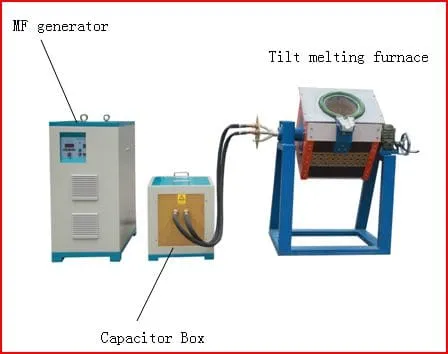
Induction Melting Applications     Medium frequency melting metal induction furnace are mainly used for the melting of steel, stainless steel, copper, brass, silver, gold, and  aluminium materials, etc.  Melting capacity can be from 3KG to 2000KG. Structure of the M. F. melting metal induction furnace     The induction melting furnace set includes medium frequency generator, compensating capacitor and melting furnace, infrared temperature sensor and temperature controller can also be included if ordered. Three types of melting furnaces can be ed according to the way of pouring out, They are tilting furnace, push-up furnace and stationary furnace. According to the method of tilting, tilting furnace is divided into three kinds:  manual tilting furnace, electrical tilting furnace and hydraulic tilting furnace. Main features of M.F. melting furnaces 1. M.F. melting machines can be used for the melting of steel, stainless steel, brass, aluminium, gold, silver and so on.Because of the stirring effect which caused by the magnetic force, the melting pool can be stirred during the melting course to ease the floating of the flux and oxides to produce high quality casting parts. 2. Wide frequency range from 1KHZ to 20KHZ, working frequency can be designed by changing the coil and compensating capacitor according to the melting material, quantity, stirring effect desire, working noise, melting efficiency and other factors. 3. Power efficiency is 20% higher than the SCR medium frequency machines; 4. Small and light, a lot of models can be ed to melt different amount of metals. Not only is it suitable for the factory, but also suitable for the college and researching companies to use. Main models and melting abilities The table below lists the main models and recommended maximum melting abilities. About 50 to 60 minutes are needed to finish one melting process at cool status of the furnace, at hot status of the furnace, only 20 to 30 minutes are needed.
Characteristics of M.F Induction Melting Furnaceinduction melting furnace
    1.  Better Heating penetration and even temperature inside the melting metal.
    2.  M.F field force can stir the melting  pool to achieve better melting quality.
    3.  Melting the Maximum quantity by the recommend machine according to above table the meltingtime is 30-50minutes,the first melting whenthe furnace  is cold ,and it will take about 20-30minutes for the later melting when the furnace is already hot.
    4.  Suitable for melting of steel,cooper,bronze,gold,silver and aluminum,stannum,maqnesium,stainless steel.
Specifications:
Model DW-MF-15 DW-MF-25 DW-MF-35 DW-MF-45 DW-MF-70 DW-MF-90 DW-MF-110 DW-MF-160
Input power max 15KW 25KW 35KW 45KW 70KW 90KW 110KW 160KW
Input voltage 70-550V 70-550V 70-550V 70-550V 70-550V 70-550V 70-550V 70-550V
Input power desire 3*380 380V±20% 50 or 60HZ
Oscillate frequency 1KHZ-20KHZ,according to the application ,normal about4KHZ、8KHZ、11KHZ、15KHZ、20KHZ
Duty cycle 100%24hours work
Weight 50KG 50KG 65KG 70KG 80KG 94KG 114KG 145KG
Cubage(cm) 27(W)x47(H)x56(L)cm 35x65x65cm 40x88x76cm
Main parts of the induction melting furnace system :
  1.  M.F Induction Heating Generator.
  2.  Melting Furnace.
  3.  Compensation Capacitor
Machine models and maximum melting ability:
Model Steel and Stainless Steel Gold,Silver Aluminium
DW-MF-15 15KWMelting Furnace 5KG or 10KG 3KG
DW-MF-25 25KW Melting Furnace 4KG or 8KG 10KG or 20KG 6KG
DW-MF-35 35KW Melting Furnace 10KG or 14KG 20KG or 30KG 12KG
DW-MF-45 45KW Melting Furnace 18KG or 22KG 40KG or  50KG 21KG
DW-MF-70 70KW Melting Furnace 28KG 60KG or  80KG 30KG
DW-MF-90 90KW Melting Furnace 50KG 80KG or  100KG 40KG
DW-MF-110 110KW Melting Furnace 75KG 100KG or  150KG 50KG
DW-MF-160 160KW Melting Furnace 100KG 150KG or 250KG 75KG
Compare with other equipment melting 1, VS resistance heated furnace a, High heat efficiency ,melting fast. b,Small size ,save energy 30%. c, Resistance or silicon carbide stock easy to damage . 2, VS Coal ,Gas ,diesel furnace a, Facilitate the adjustment solution composition and temperature ,the bubble of foundry less 1/3 to 1/4 ,reject rate down 1/2 to 2/3 ,so that cast have a higher mechanical strength;) b, Reduced the oxidation of burning; c, Induction melting can melt scrap of processing and the small pieces because of its electromagnetic stirring effect .reducing the cost of materials .Reduce environmental pollution ;noise is far below the towering equipment .Labor intensity of workers and working conditions have been improved; d,Cast-iron crucible used in Coal and gas furnace is harmful to the aluminum alloy by increasing impurity. Graphite crucible used in induction melting without such disadvantages.) 3, VS SCR or Frequency Melting Furnace a,High heat efficiency ,melting fast. b,Small size ,save energy above 20%. c,Electromagnetic stirring effect is slight so service life of crucible is extended. d,By adjusting the frequency to achieve power regulation ,so melting speed fast ,material elements of burning loss less and better energy saving ,in particular the heating of stainless steel ,copper ,silicon ,aluminum and other non-magnetic material ,thus reducing the cost of the casting.

关注者

我的简介

我的照片
HLQ induction heating machine manufacturer provides the service of induction brazing,melting,hot forming,hardening surface,annealing,shrink fitting,PWHT,etc.