2024年4月12日星期五
2024年4月9日星期二
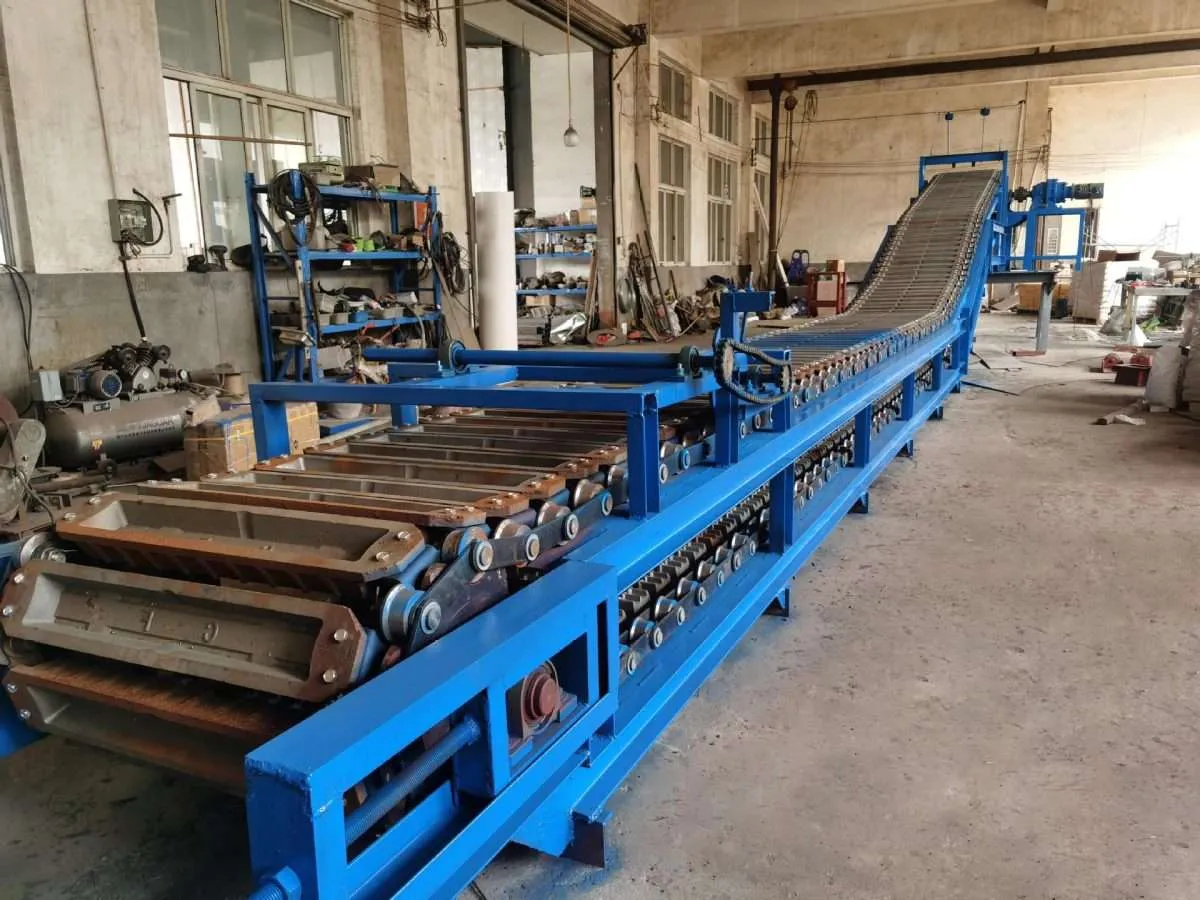
Aluminum Ingot Casting Machine For Casting Aluminium-Lead-Zinc Alloy
Understanding the Efficiency of Aluminum Ingot Casting Machine- Aluminium Ingot Caster in Modern Manufacturing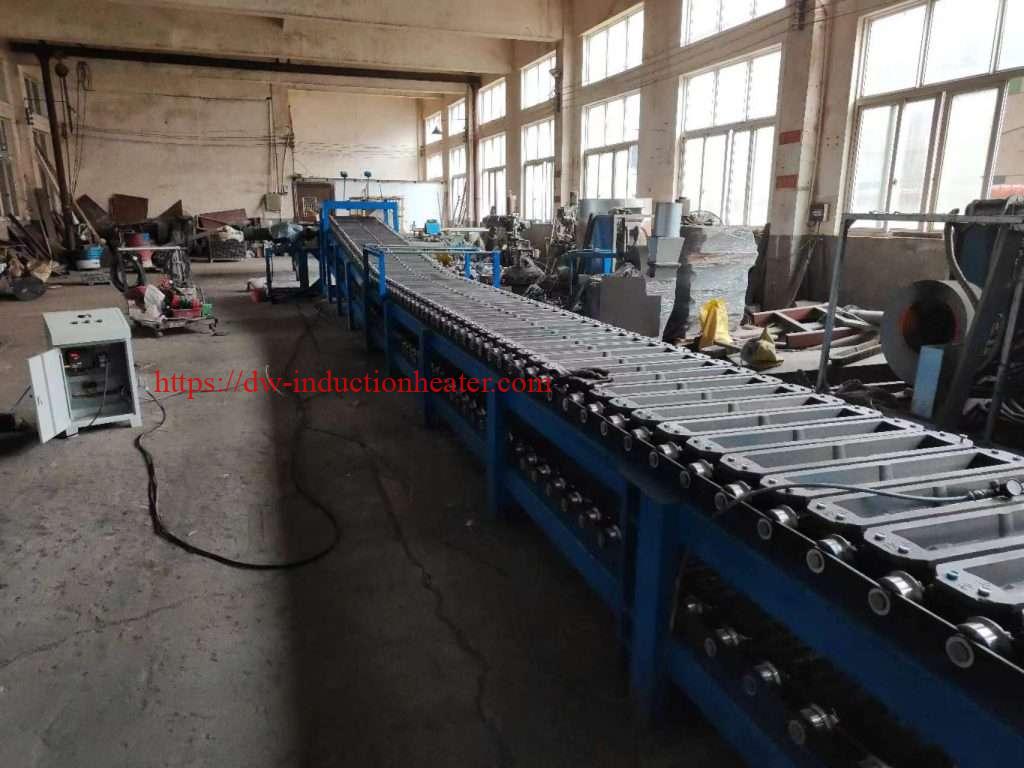

What is an Aluminum Ingot Casting Machine?
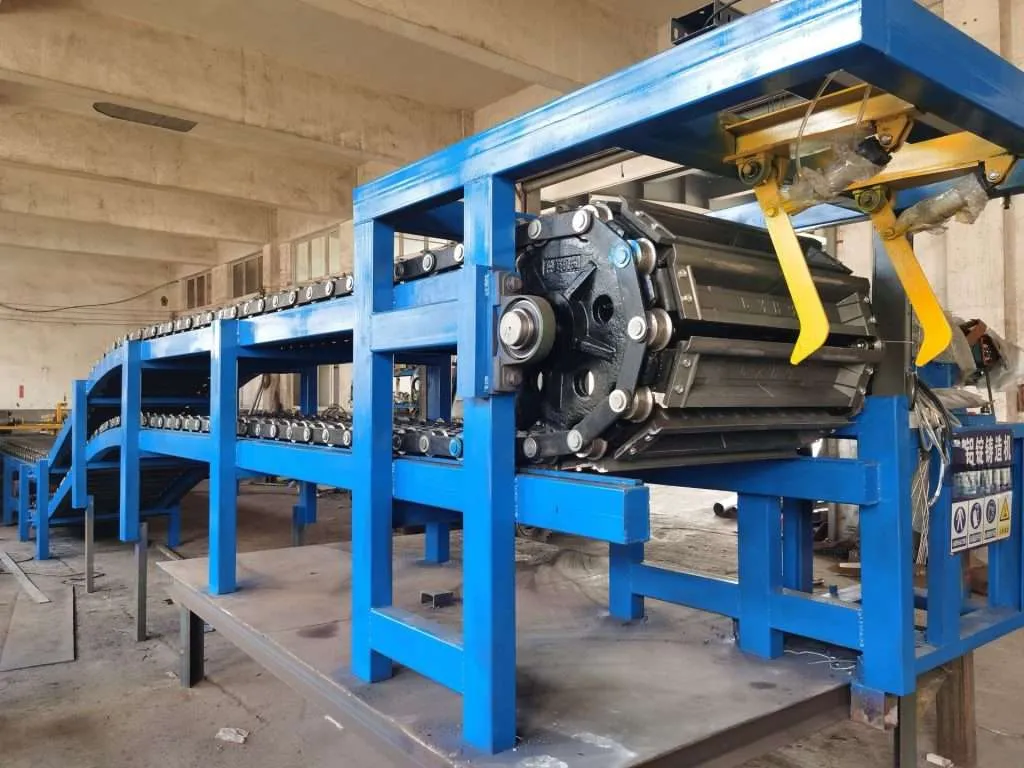
An aluminum ingot casting machine is a specialized piece of equipment designed to cast molten aluminum into ingots or billets of desired shapes and sizes. These machines are an essential component of the aluminum production process, ensuring consistent quality and efficiency. The casting process involves pouring molten aluminum into refractory-lined molds, which are then cooled to solidify the metal. The resulting ingots or billets can be further processed into various aluminum products, such as sheets, extrusions, or castings.
Key Features of Aluminum Ingot Casting Machines
1.Precision Mold Design: Aluminum ingot casting machines feature precisely engineered molds to ensure accurate dimensions and consistent quality of the cast ingots. The molds are typically made from refractory materials that can withstand the high temperatures of molten aluminum. 2.Temperature Control: Precise temperature control is crucial in the aluminum casting process. These machines are equipped with advanced temperature monitoring and control systems to maintain the optimal temperature range for molten aluminum, ensuring consistent flow and solidification. 3.Automated Operation: Modern aluminum ingot casting machines are highly automated, reducing the need for manual intervention and increasing production efficiency. Automated systems control the pouring, cooling, and ejection processes, ensuring consistent quality and minimizing human error. Energy Efficiency: Energy efficiency is a key consideration in the design of these machines. Advanced insulation techniques and optimized cooling systems help minimize energy consumption, reducing operational costs and environmental impact. 4.Safety Features: Aluminum ingot casting machines incorporate various safety features, such as enclosed casting areas, emergency stop systems, and proper ventilation, to protect operators and ensure a safe working environment.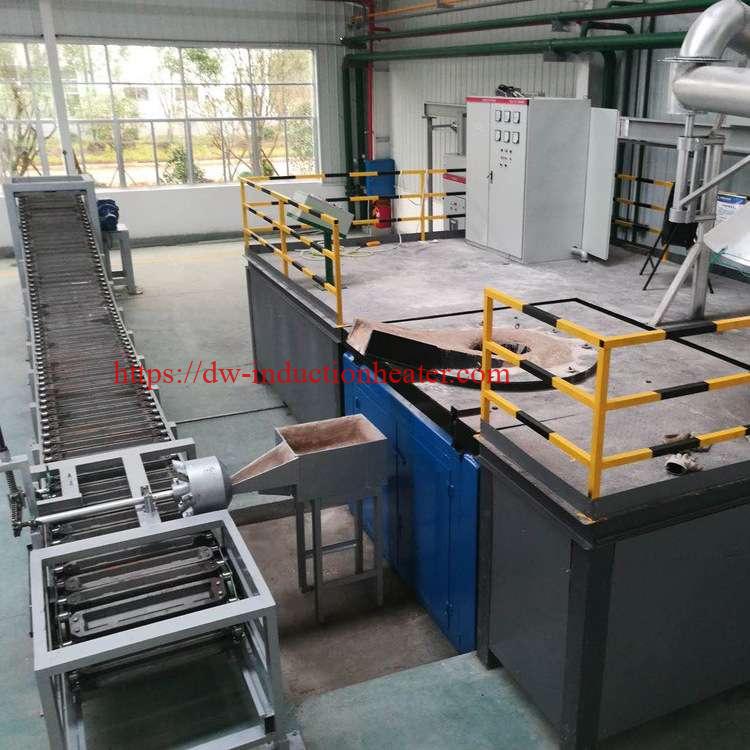
Benefits of Modern Aluminum Ingot Casting Machines:
- Efficiency and Productivity: Contemporary casting machines are designed to maximize output while minimizing waste, thanks to their automated and streamlined processes.
- Quality and Uniformity: The precise control over the casting conditions ensures that each ingot meets stringent quality standards with consistent weight and dimensions.
- Energy Conservation: With a focus on sustainability, newer models are geared towards low-energy consumption, reducing the carbon footprint of aluminum manufacturing.
- Versatility: Advanced machines cater to different ingot sizes and alloys, providing flexibility for manufacturers to meet diverse market demands.
Advancements in Aluminum Ingot Casting Technologies:
Manufacturers are continually seeking to improve the aluminum ingot casting process. Innovations such as direct chill (DC) casting, electromagnetic casting, and low-head composite casting are some advancements that have led to improved safety, quality control, and energy efficiency. Additionally, the integration of Internet of Things (IoT) technologies facilitates real-time monitoring and data analysis for predictive maintenance and optimization of the casting process.
Choosing the Right Aluminum Ingot Casting Machine:
When selecting an aluminum ingot casting machine, there are several considerations to keep in mind:- Production Capacity: Match the machine's capacity with the intended scale of production to ensure a viable return on investment.
- Quality Compliance: Ensure the machine can produce ingots that conform to international quality standards required for your products.
- Flexibility and Upgradability: Opt for machines that can adapt to potential changes in production demand or technology updates.
- Supplier Reliability: Choose a manufacturer with a strong reputation for quality, customer service, and after-sales support.

Conclusion:
Aluminum ingot casting machines are vital components in the modern manufacturing landscape. Investing in a high-quality casting machine is crucial for businesses looking to excel in the competitive industry of aluminum production. With cutting-edge technology and meticulous design, aluminum ingot casting machines offer a combination of efficiency, quality, and environmental consideration that align with the market's future. By understanding the importance of these machines, businesses are positioned to make informed decisions that will shape their manufacturing success and sustainability. https://dw-inductionheater.com/product/aluminum-ingot-casting-machine-for-casting-aluminium-lead-zinc-alloy?feed_id=240762&_unique_id=661536241b033

Aluminum Ingot Casting Machine For Casting Aluminium-Lead-Zinc Alloy
Understanding the Efficiency of Aluminum Ingot Casting Machine- Aluminium Ingot Caster in Modern Manufacturing
What is an Aluminum Ingot Casting Machine?
An aluminum ingot casting machine is a specialized piece of equipment designed to cast molten aluminum into ingots or billets of desired shapes and sizes. These machines are an essential component of the aluminum production process, ensuring consistent quality and efficiency. The casting process involves pouring molten aluminum into refractory-lined molds, which are then cooled to solidify the metal. The resulting ingots or billets can be further processed into various aluminum products, such as sheets, extrusions, or castings.
Key Features of Aluminum Ingot Casting Machines
1.Precision Mold Design: Aluminum ingot casting machines feature precisely engineered molds to ensure accurate dimensions and consistent quality of the cast ingots. The molds are typically made from refractory materials that can withstand the high temperatures of molten aluminum. 2.Temperature Control: Precise temperature control is crucial in the aluminum casting process. These machines are equipped with advanced temperature monitoring and control systems to maintain the optimal temperature range for molten aluminum, ensuring consistent flow and solidification. 3.Automated Operation: Modern aluminum ingot casting machines are highly automated, reducing the need for manual intervention and increasing production efficiency. Automated systems control the pouring, cooling, and ejection processes, ensuring consistent quality and minimizing human error. Energy Efficiency: Energy efficiency is a key consideration in the design of these machines. Advanced insulation techniques and optimized cooling systems help minimize energy consumption, reducing operational costs and environmental impact. 4.Safety Features: Aluminum ingot casting machines incorporate various safety features, such as enclosed casting areas, emergency stop systems, and proper ventilation, to protect operators and ensure a safe working environment.
Benefits of Modern Aluminum Ingot Casting Machines:
- Efficiency and Productivity: Contemporary casting machines are designed to maximize output while minimizing waste, thanks to their automated and streamlined processes.
- Quality and Uniformity: The precise control over the casting conditions ensures that each ingot meets stringent quality standards with consistent weight and dimensions.
- Energy Conservation: With a focus on sustainability, newer models are geared towards low-energy consumption, reducing the carbon footprint of aluminum manufacturing.
- Versatility: Advanced machines cater to different ingot sizes and alloys, providing flexibility for manufacturers to meet diverse market demands.
Advancements in Aluminum Ingot Casting Technologies:
Manufacturers are continually seeking to improve the aluminum ingot casting process. Innovations such as direct chill (DC) casting, electromagnetic casting, and low-head composite casting are some advancements that have led to improved safety, quality control, and energy efficiency. Additionally, the integration of Internet of Things (IoT) technologies facilitates real-time monitoring and data analysis for predictive maintenance and optimization of the casting process.
Choosing the Right Aluminum Ingot Casting Machine:
When selecting an aluminum ingot casting machine, there are several considerations to keep in mind:- Production Capacity: Match the machine's capacity with the intended scale of production to ensure a viable return on investment.
- Quality Compliance: Ensure the machine can produce ingots that conform to international quality standards required for your products.
- Flexibility and Upgradability: Opt for machines that can adapt to potential changes in production demand or technology updates.
- Supplier Reliability: Choose a manufacturer with a strong reputation for quality, customer service, and after-sales support.
Conclusion:
Aluminum ingot casting machines are vital components in the modern manufacturing landscape. Investing in a high-quality casting machine is crucial for businesses looking to excel in the competitive industry of aluminum production. With cutting-edge technology and meticulous design, aluminum ingot casting machines offer a combination of efficiency, quality, and environmental consideration that align with the market's future. By understanding the importance of these machines, businesses are positioned to make informed decisions that will shape their manufacturing success and sustainability.
https://dw-inductionheater.com/product/aluminum-ingot-casting-machine-for-casting-aluminium-lead-zinc-alloy?feed_id=240733&_unique_id=6615335932a75
2024年3月30日星期六
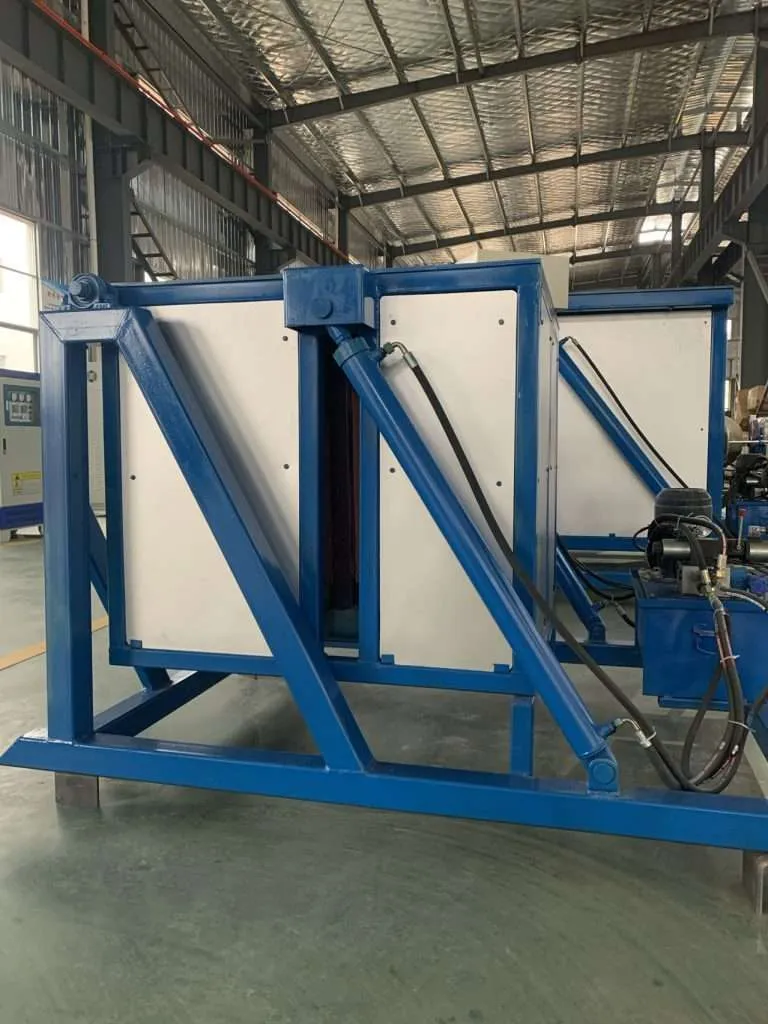
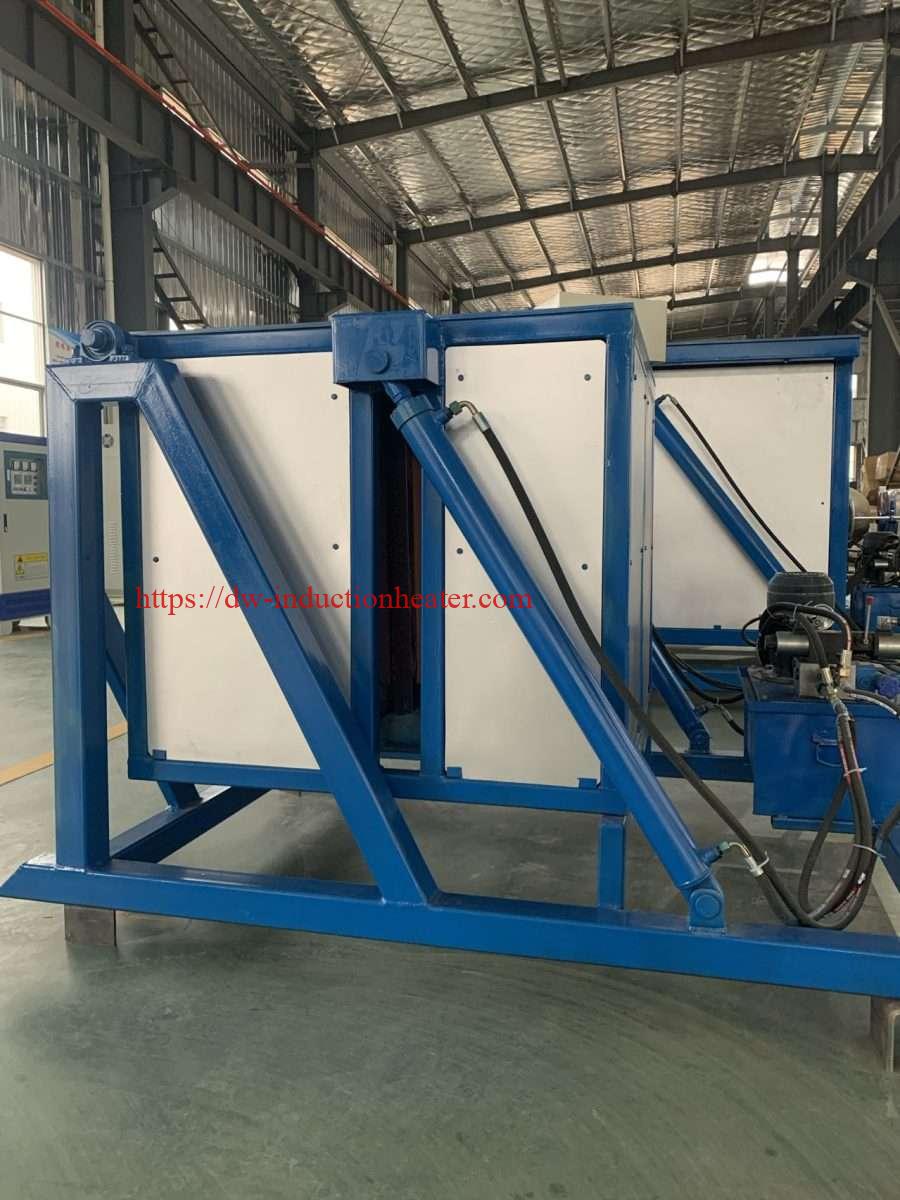
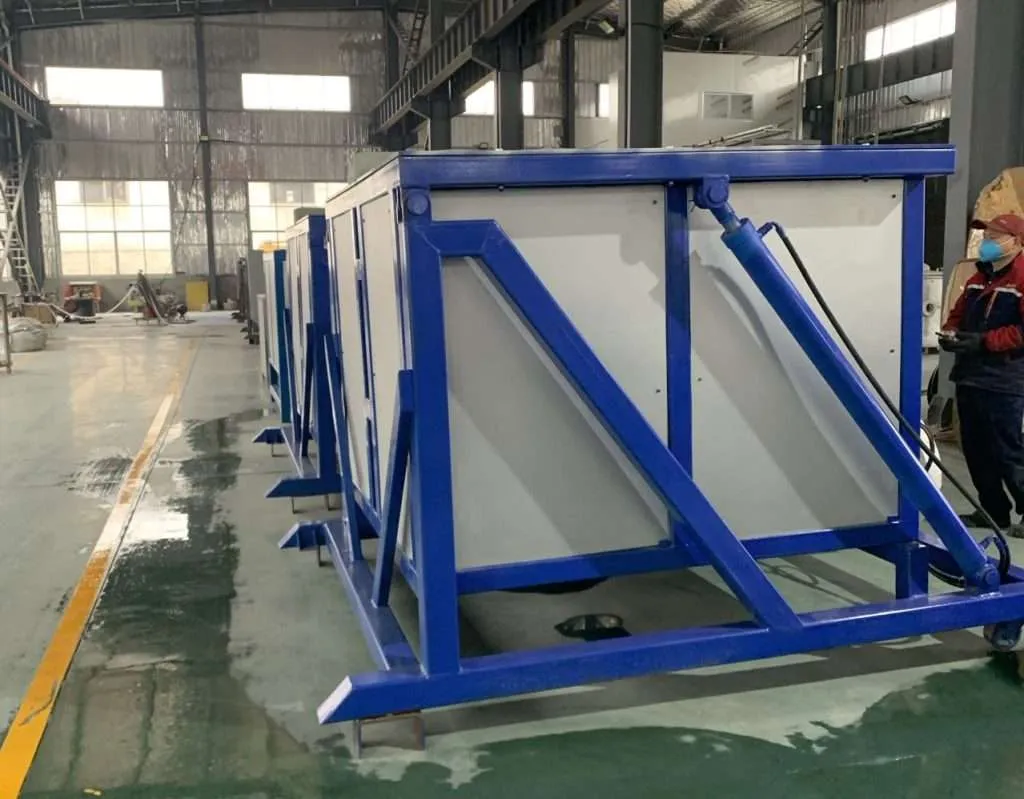
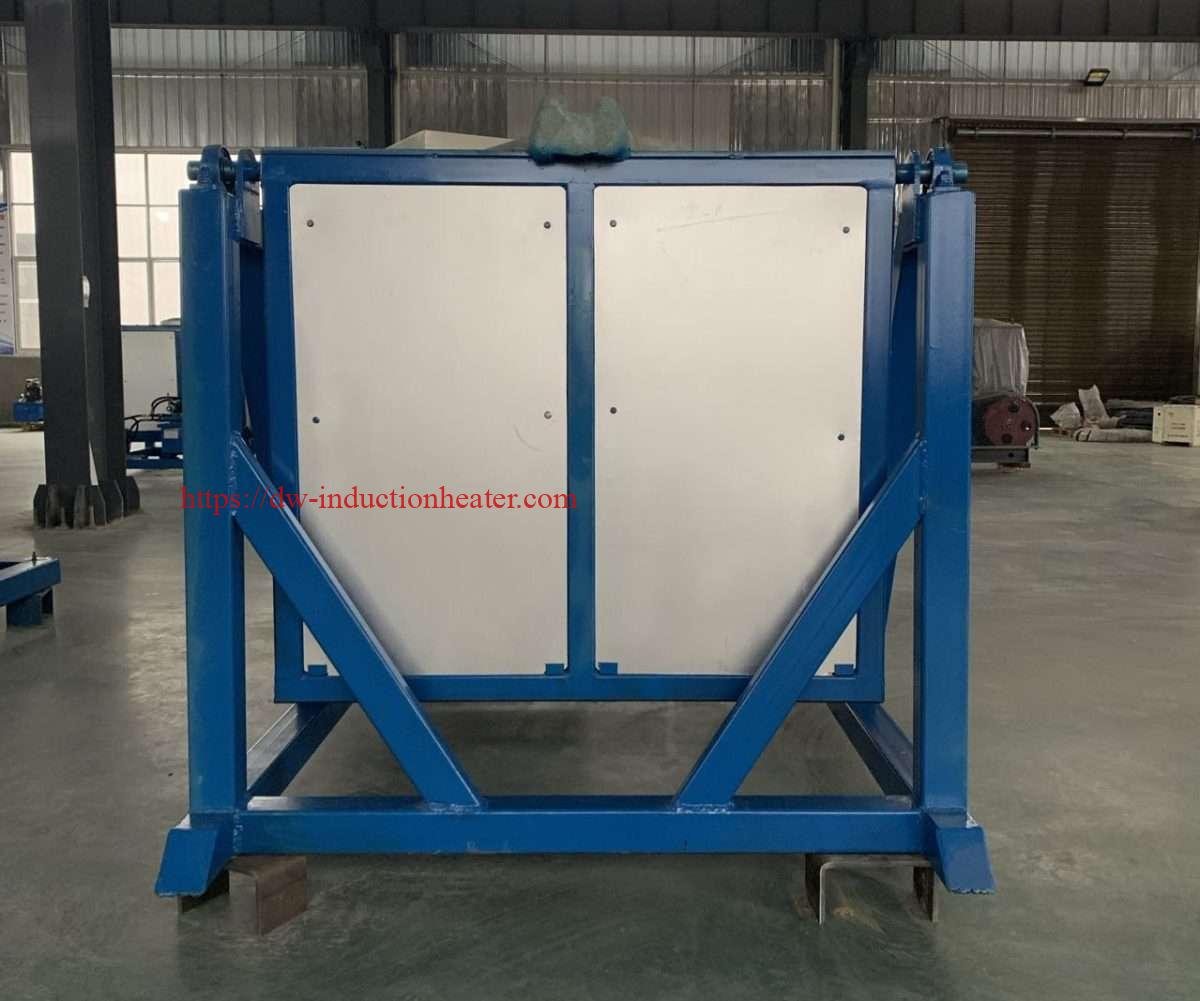
Induction Zinc Alloy Melting Furnace-Zinc Smelting Oven Manufacturer
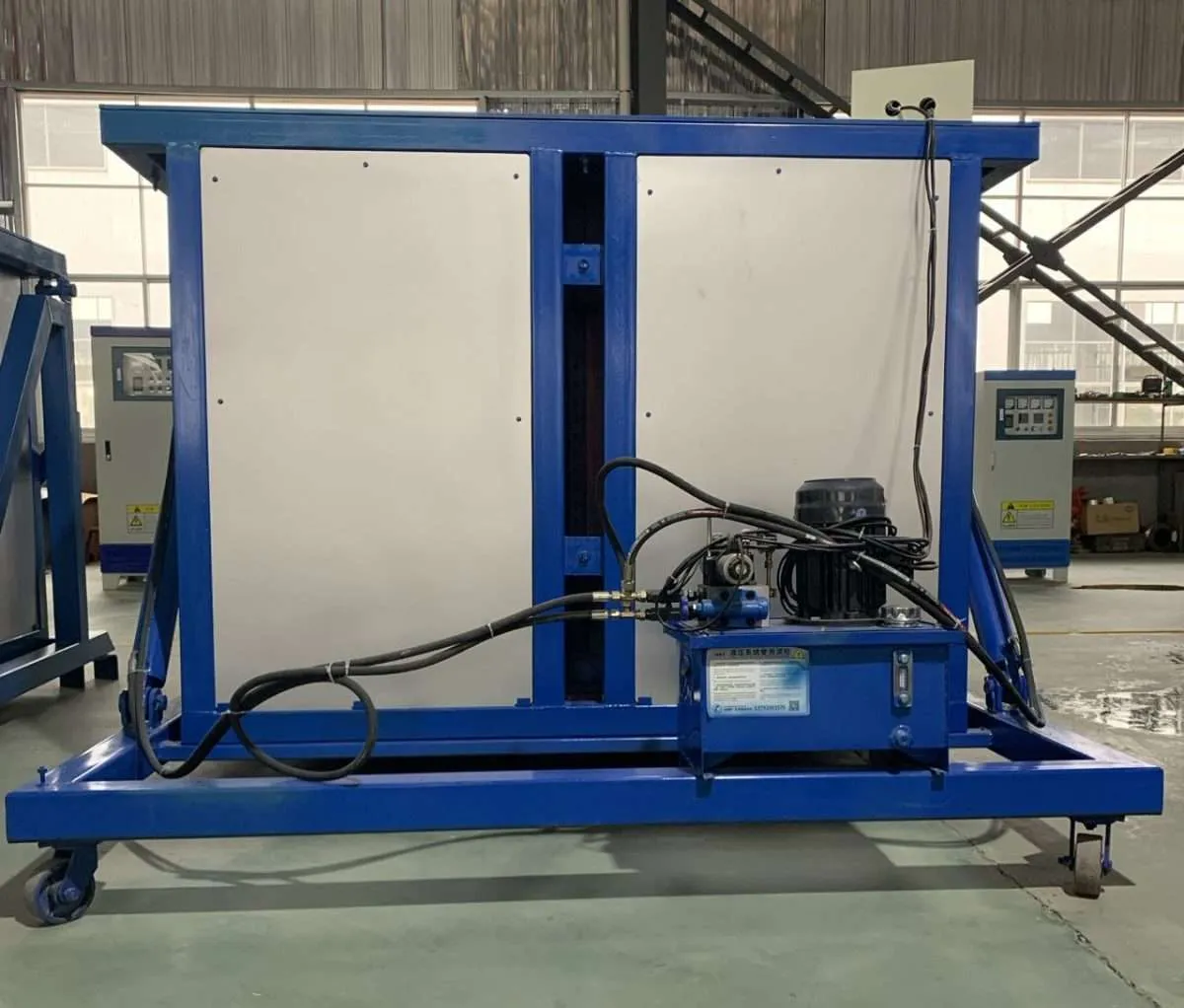 Induction Zinc Alloy Melting Furnace: The Efficient Solution for Metalworking
In the ever-evolving world of metalworking, efficiency and precision are paramount. Whether you're a small-scale manufacturer or a large-scale production facility, having the right equipment can make all the difference. One such crucial piece of machinery is the induction zinc alloy melting furnace. This advanced technology has revolutionized the way zinc alloys are melted, casting, and processed, offering unparalleled benefits that set it apart from traditional melting methods.
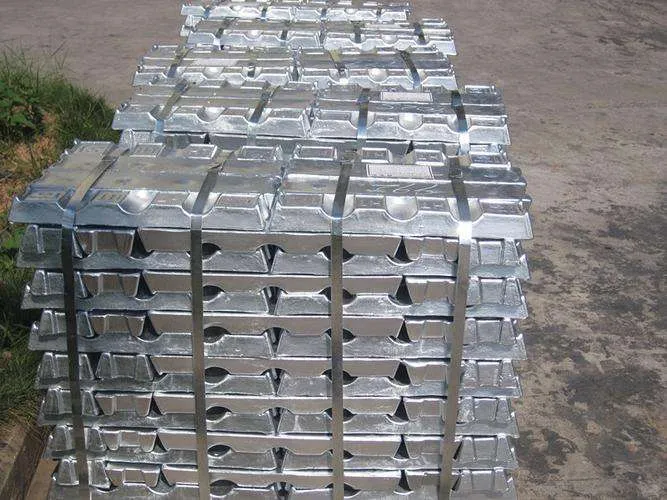 What is an Induction Zinc Alloy Melting Furnace?
An induction zinc alloy melting furnace is a specialized piece of equipment designed to melt and maintain the molten state of zinc alloys using the principle of electromagnetic induction. Unlike conventional furnaces that rely on direct heat transfer through combustion or resistance heating, induction furnaces generate heat within the metal itself.
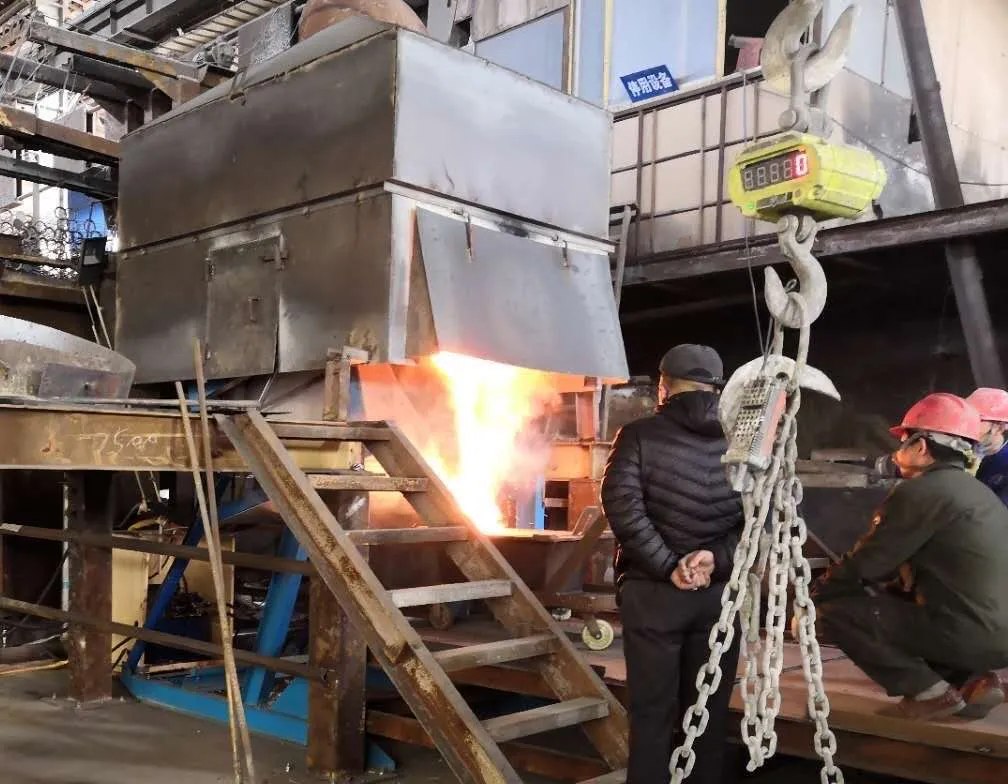 How Does an Induction Zinc Alloy Melting Furnace Work?
The process of melting zinc alloys in an induction furnace is based on the principle of electromagnetic induction. Here's how it works:
- Induction Coil: At the heart of the furnace lies an induction coil, typically made of copper tubing. This coil is connected to a high-frequency alternating current (AC) power supply.
- Alternating Magnetic Field: When the AC current flows through the induction coil, it creates an alternating magnetic field within the furnace chamber.
- Eddy Currents: As the zinc alloy charge is placed inside the furnace chamber, the alternating magnetic field induces eddy currents within the metal itself.
- Joule Heating: These eddy currents encounter resistance as they flow through the metal, resulting in the generation of heat due to the Joule heating effect. The heat is distributed evenly throughout the metal, causing it to melt from within.
- Melting and Holding: The induction furnace can precisely control the temperature and melt rate, ensuring consistent and efficient melting of the zinc alloy. Once melted, the furnace can maintain the molten state of the metal for as long as needed.
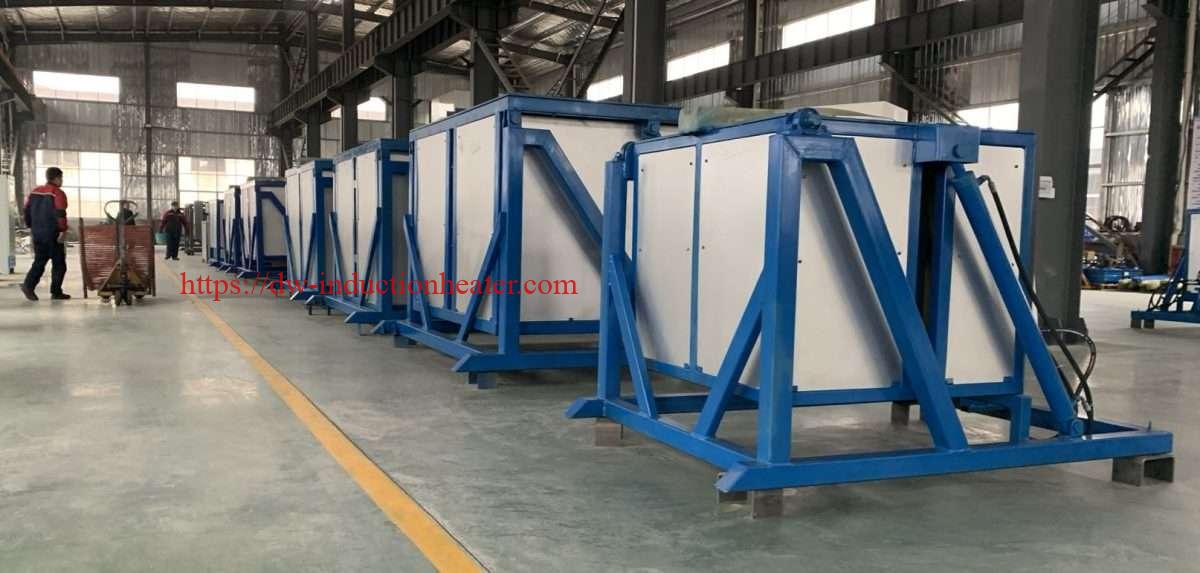 Applications of Induction Zinc Alloy Melting Furnaces
Induction zinc alloy melting furnaces find applications in numerous industries, including:
- Die Casting: Zinc alloys are widely used in the die casting industry for producing intricate and high-precision components for various sectors, such as automotive, electronics, and consumer goods.
- Foundry Operations: Induction furnaces are employed in foundries for melting and casting zinc alloys into various shapes and sizes, catering to diverse industrial needs.
- Galvanizing: Zinc alloys play a crucial role in the galvanizing process, where steel or iron components are coated with a protective zinc layer to prevent corrosion. Induction furnaces ensure consistent and efficient melting of the zinc alloy for this process.
- Alloy Development: The precise temperature control and clean melting environment offered by induction furnaces make them ideal for developing and testing new zinc alloy compositions.
- Capacity: Determine the required melting capacity based on your production needs and the volume of zinc alloy to be processed.
- Power Requirements: Assess the available power supply and choose a furnace that meets your electrical requirements while ensuring efficient operation.
- Temperature Range: Ensure that the furnace can achieve and maintain the desired temperature range for melting and holding the specific zinc alloy composition.
- Automation and Control: Consider the level of automation and control features required for your production process, such as programmable temperature profiles, data logging, and remote monitoring capabilities.
- Safety Features: Prioritize furnaces with robust safety features, including emergency shutdown systems, overheating protection, and proper insulation and shielding.
- Maintenance and Support: Evaluate the manufacturer's reputation, availability of spare parts, and technical support services to ensure reliable and long-term operation.
- What types of zinc alloys can be melted in an induction furnace? Induction furnaces are versatile and can be used to melt a wide variety of zinc alloys including die-casting alloys like Zamak, as well as other specialized zinc-based alloys used in different industries. The high frequency used in induction furnaces is suitable for achieving the melting points of these various alloys without contaminating the metal, unlike some other furnaces that may use contact methods of heating.
- How do you maintain an induction zinc alloy melting furnace? Regular maintenance is crucial for ensuring the furnace operates efficiently and has a long service life. Maintenance tasks may include:
- Checking and Tightening Connections: Regularly inspecting and ensuring that electrical connections are tight to avoid power losses and potential dangers.
- Cooling System Maintenance: Keeping the cooling system in good working order, which often involves checking for leaks and ensuring that the coolant is at the correct level and condition.
- Coil Inspection: The induction coil should be inspected for cracks or wear since it is a critical component of the furnace.
- Cleaning: Regularly remove any accumulated debris or metal spillage to prevent damage and inefficiency.
- Professional Inspections: Have qualified technicians perform periodic inspections and calibrations to ensure everything is working correctly and to troubleshoot any potential issues.
- What safety measures should be observed when operating an induction zinc alloy melting furnace?
- Proper Training: Only trained personnel should operate the furnace.
- Personal Protective Equipment (PPE): Operators should wear appropriate PPE, such as heat-resistant gloves, safety goggles, and protective clothing.
- Emergency Procedures: Establish and practice clear emergency procedures for dealing with incidents such as molten metal spillage or electrical faults.
- Regular Checks: Implement regular checks of the furnace's safety features, such as emergency stop buttons, safety interlocks, and temperature controls.
- Ventilation: Ensure the facility is well-ventilated to prevent the buildup of fumes that can be hazardous when metals are melted.

 Conclusion
The induction zinc alloy melting furnace has emerged as a game-changer in the metalworking industry, offering unparalleled efficiency, precision, and versatility. With its energy-saving capabilities, clean melting process, and precise temperature control, this technology has become an indispensable tool for manufacturers seeking to optimize their production processes and meet the highest quality standards. Whether you're involved in die casting, foundry operations, galvanizing, or alloy development, investing in a reliable induction zinc alloy melting furnace can provide a significant competitive edge and ensure consistent, high-quality results.
2023年8月20日星期日
Small High Frequency Induction Melting Furnace
Small High Frequency Induction Melting Furnace
[embed]https://youtu.be/NArP5bzuB3E[/embed]
Small High Frequency Induction Melting Furnace
Small High Frequency Induction Melting Furnace
[embed]https://youtu.be/NArP5bzuB3E[/embed] https://dw-inductionheater.com/small-high-frequency-induction-melting-furnace.html?feed_id=224086&_unique_id=64e2600f47318
2023年8月14日星期一
Small High Frequency Induction Melting Furnace
Small High Frequency Induction Melting Furnace
[embed]https://youtu.be/NArP5bzuB3E[/embed]
2023年7月29日星期六
casting rion melting induction furnace
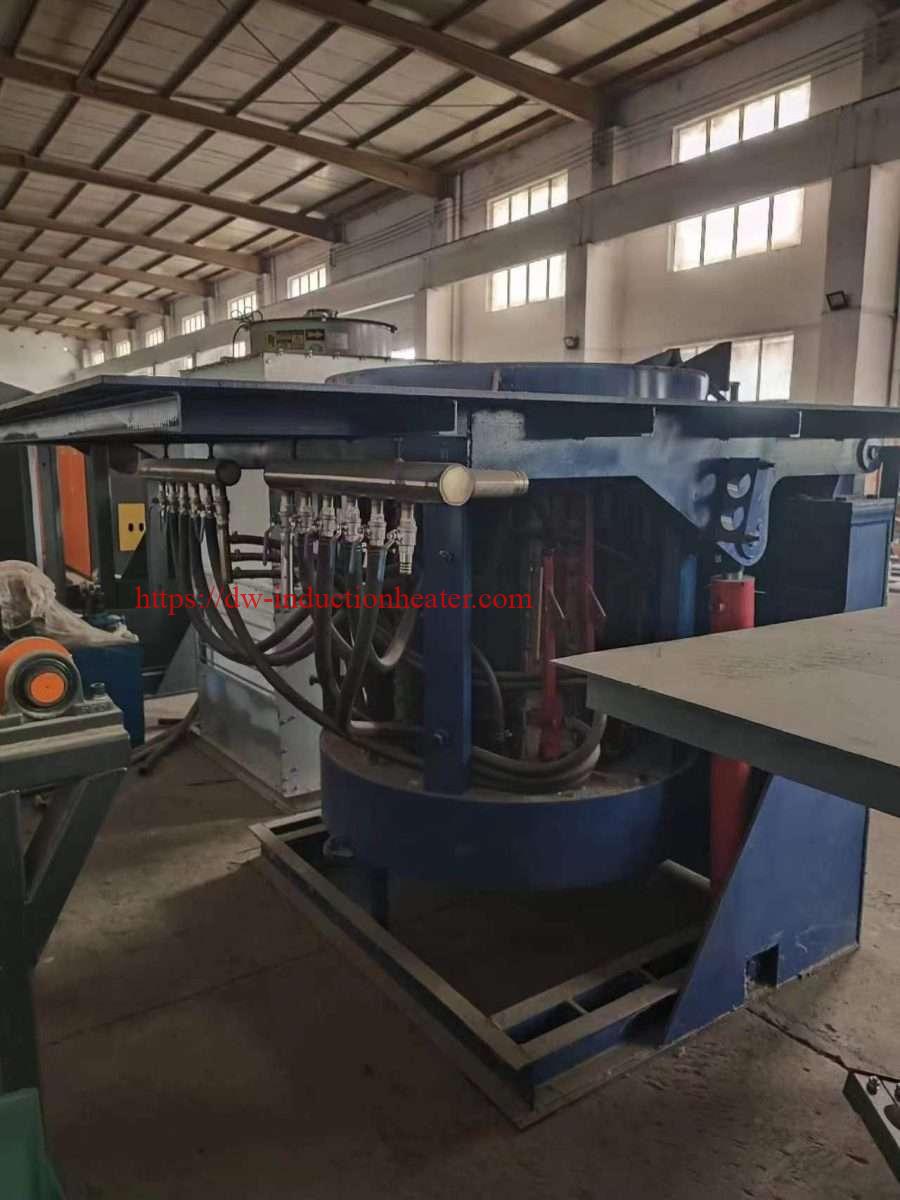 Casting Iron Melting Induction Furnace: Revolutionizing the Foundry Industry
A casting iron melting induction furnace, also known as an induction melting furnace, is a type of equipment used for melting iron and other metals using the principle of electromagnetic induction. It is commonly used in foundries, metalworking industries, and other applications where precise control over the melting process is required.
The foundry industry plays a vital role in the manufacturing sector by providing essential components for various industries, such as automotive, aerospace, and construction. One of the crucial processes in foundries is melting iron, which is a fundamental step in the production of cast iron components. Over the years, advancements in technology have revolutionized the way iron is melted, with the induction furnace emerging as a game-changer. This article aims to provide an in-depth analysis of the casting iron melting induction furnace, its working principle, benefits, and its impact on the foundry industry.
- Historical Background of Iron Melting
- Introduction to the Induction Furnace
- Working Principle of the Induction Furnace
- Types of Induction Furnaces
- Benefits of Induction Furnaces
- Impact on the Foundry Industry
2023年5月9日星期二
Small High Frequency Induction Melting Furnace
Small High Frequency Induction Melting Furnace
[embed]https://youtu.be/NArP5bzuB3E[/embed]
2023年4月15日星期六
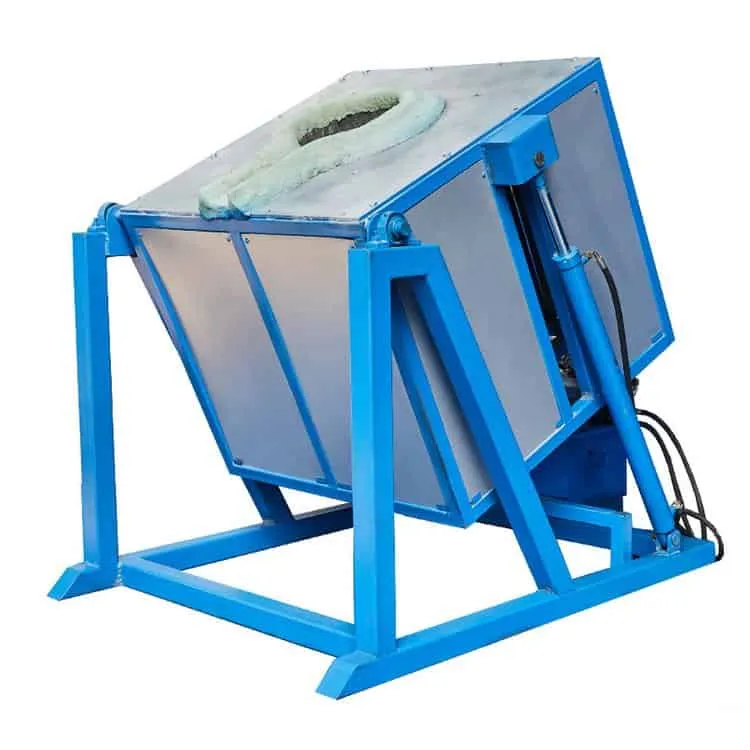
100-5000kg hydraulic tilting copper melting induction furnace
The Benefits of Copper Melting Induction Furnace for Your Business
A copper melting induction furnace is a type of furnace used to melt copper using electromagnetic induction. It consists of an induction coil that generates a magnetic field, which induces electric currents in the copper material, causing it to heat up and melt. The furnace typically uses high-frequency alternating current (AC) to create the magnetic field, which is supplied by a power source. A crucible or container is used to hold the copper material during the melting process. The copper melting induction furnace is commonly used in foundries and metalworking facilities to melt copper and other metals for casting, forging, and other manufacturing applications.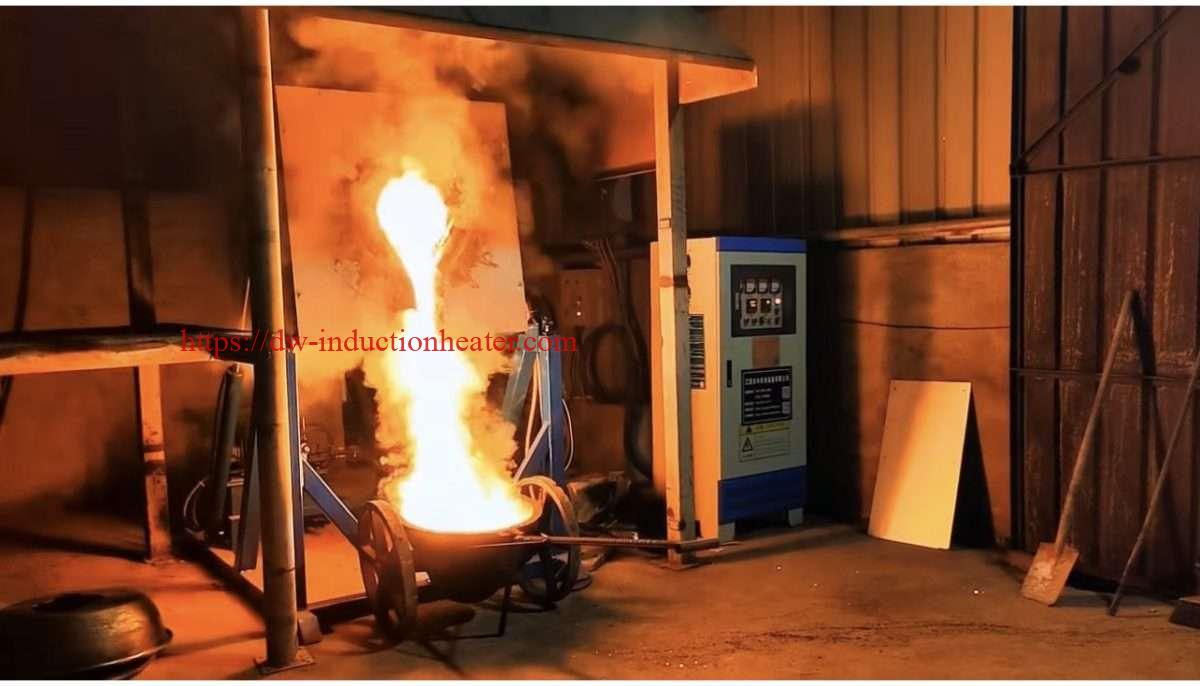 Copper melting induction furnaces are becoming increasingly popular in the industrial sector due to their efficiency and cost-effectiveness. These furnaces are designed to melt copper and other metals quickly and efficiently, making them an essential component for any business in need of metalworks. Although they may require a higher initial investment, the benefits copper melting induction furnaces provide are significant. They can reduce energy consumption, improve metal quality, and increase production rates, all while reducing labor costs. In this article, we will delve into the benefits of copper melting induction furnaces for your business and how they can help take your operations to the next level.
1. What is a copper melting induction furnace?
A copper melting induction furnace is an essential tool used in various industries for melting copper, brass, and other non-ferrous metals. It utilizes electromagnetic induction to produce heat, which is necessary for melting copper. The furnace consists of a crucible made from refractory materials that hold the metal that is being melted. The inductor coil is placed around the crucible, and when an alternating current is passed through it, it creates a magnetic field that generates eddy currents within the metal. These currents cause the metal to heat up and melt. One of the major benefits of a copper melting induction furnace is its energy efficiency. It uses less energy compared to traditional furnaces and requires less time to melt the metal. This means that not only is it more cost-effective, but it also enables businesses to increase their productivity. Additionally, the induction process allows for precise temperature control, resulting in consistent and high-quality melts. Another advantage of a copper melting induction furnace is its safety features. Unlike traditional furnaces that require constant monitoring, induction furnaces are fully automated, reducing the risk of accidents and increasing worker safety. The furnace is also environmentally friendly because it emits less pollution and greenhouse gases, making it an ideal choice for businesses that prioritize sustainability. In conclusion, a copper melting induction furnace is a valuable investment for businesses looking to increase productivity, save energy costs, and prioritize worker safety and environmental sustainability.
2. Benefits of using copper melting induction furnaces
Copper melting induction furnaces are becoming increasingly popular in the industrial sector due to their numerous benefits. One of the primary advantages of using copper melting induction furnaces is their energy efficiency. These furnaces use electromagnetic currents to heat the metal, which means they require less energy than traditional furnaces. This can translate into significant savings for your business in the long run. Another benefit of using copper melting induction furnaces is their precision and accuracy. These furnaces can heat the metal to specific temperatures, ensuring that the final product is of high quality and meets the required standards. Additionally, the induction process is more consistent than traditional furnaces, eliminating the risk of overheating or underheating the metal. Copper melting induction furnaces are also more environmentally friendly than traditional furnaces. As they require less energy, they produce fewer emissions, reducing the carbon footprint of your business. They also produce less waste, as the metal is melted in a closed system, reducing the amount of scrap and hazardous waste generated. Finally, copper melting induction furnaces are more cost-effective than traditional furnaces. They require less maintenance and have a longer lifespan, which means you won't have to replace them often. They also have a smaller footprint, which means you can save on space and reduce your overhead costs. In summary, copper melting induction furnaces offer several benefits for your business, including energy efficiency, precision and accuracy, environmental friendliness, and cost-effectiveness. If you're looking for a more efficient and sustainable way to melt copper, induction furnaces may be the solution you've been looking for.3. Types of copper melting induction furnaces
There are two types of copper melting induction furnaces that are commonly used in industry: coreless induction furnaces and channel induction furnaces. The coreless induction furnace is the most popular type and is used for a variety of applications. It is designed to melt and hold metals in a non-reactive atmosphere, which helps to prevent impurities from entering the molten metal. This type of furnace is ideal for melting copper, aluminum, and other non-ferrous metals. In contrast, a channel induction furnace is designed to melt metals that have a high melting point, such as steel. It works by using a channel or crucible to hold the metal, which is then melted by the induction heating process. Both types of induction furnaces offer numerous benefits for businesses that rely on melting copper. They are highly efficient, using less energy than traditional melting methods, and they offer precise control over the melting process. They are also safer, as they don't produce harmful emissions or require an open flame, reducing the risk of accidents. Additionally, they can be automated, reducing the need for manual labor and increasing productivity. Overall, copper melting induction furnaces are an excellent investment for businesses that want to improve their melting process and increase their bottom line.4.How a Copper Melting Induction Furnace Works
A copper melting induction furnace works by using electromagnetic induction to heat the metal. The furnace contains a coil of copper wire, which generates a magnetic field when an electric current is passed through it. When the metal is placed inside the coil, the magnetic field induces electrical currents within the metal, which in turn generate heat. The temperature of the furnace can be controlled by adjusting the frequency and power of the electrical current. This allows you to melt the copper at the precise temperature required for your application.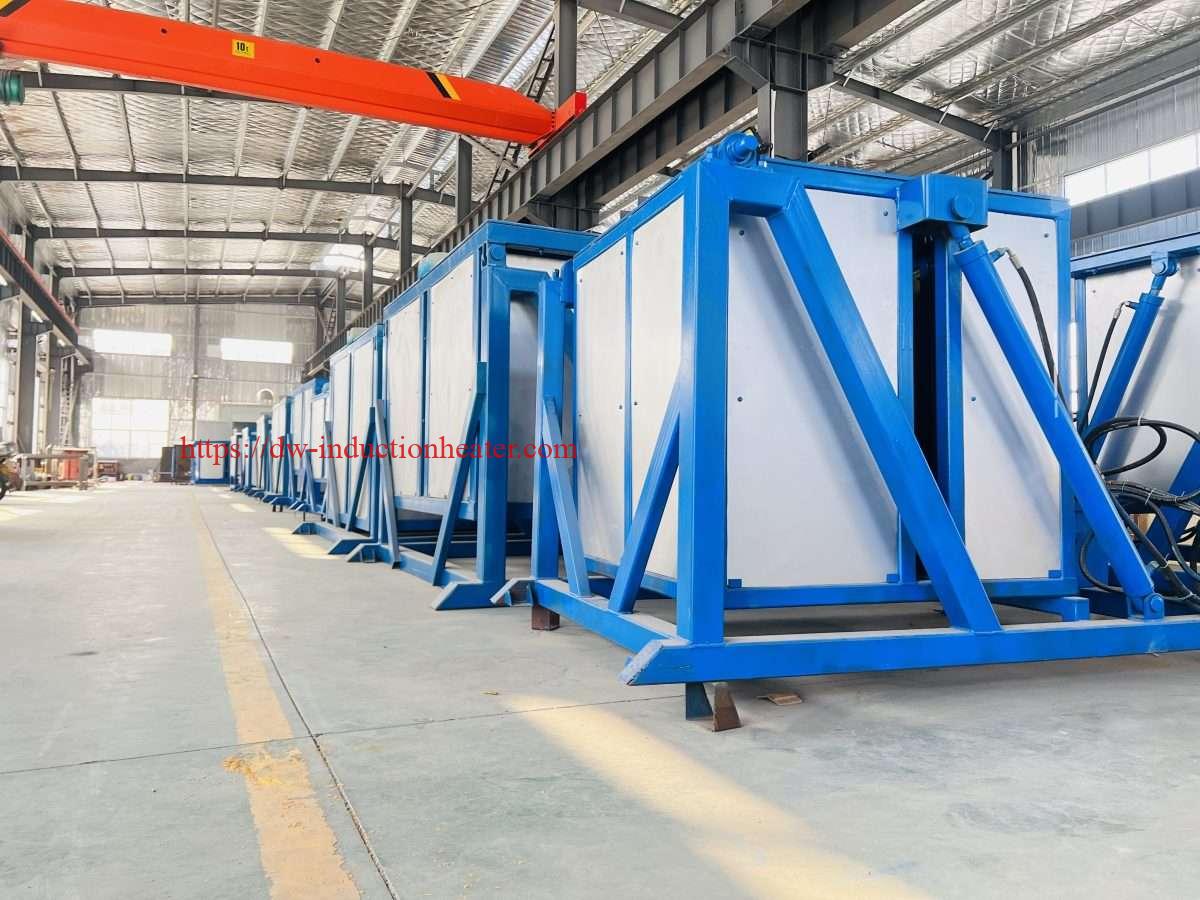
5.Factors to Consider When Choosing a Copper Melting Furnace
When choosing a copper melting furnace, there are several factors to consider. These include:- Capacity: How much copper do you need to melt at one time? Make sure you choose a furnace with the appropriate capacity for your needs.
- Efficiency: Look for a furnace that is energy-efficient and can melt copper quickly.
- Precision: Consider the level of control you need over the melting process. Do you need to melt copper at a specific temperature or with specific properties?
- Cost: Copper melting induction furnaces can be expensive, so make sure you choose one that fits within your budget.
6. Maintenance and safety tips for copper melting induction furnaces
While copper melting induction furnaces are a great addition to any business, it is important to take proper care of them to ensure they last as long as possible. Regular maintenance is a must for any machine, and induction furnaces are no exception. It is important to keep the furnace clean and free of debris, as this can cause damage to the furnace and, in some cases, even pose a safety hazard. One of the most important parts of maintenance is checking the furnace's electrical connections. Loose or damaged connections can cause problems for the furnace and, in some cases, even cause a fire. It is also important to regularly check the furnace's cooling system to ensure it is functioning properly. If the cooling system fails, the furnace can overheat, which can cause damage to the furnace and, in some cases, even cause a fire. Finally, it is important to always follow safety protocols when using a copper melting induction furnace. This includes wearing appropriate safety gear, such as gloves and safety glasses, and ensuring that the furnace is in good working order before using it. By following these maintenance and safety tips, you can ensure that your copper melting induction furnace runs smoothly and safely, providing your business with the benefits it needs to succeed.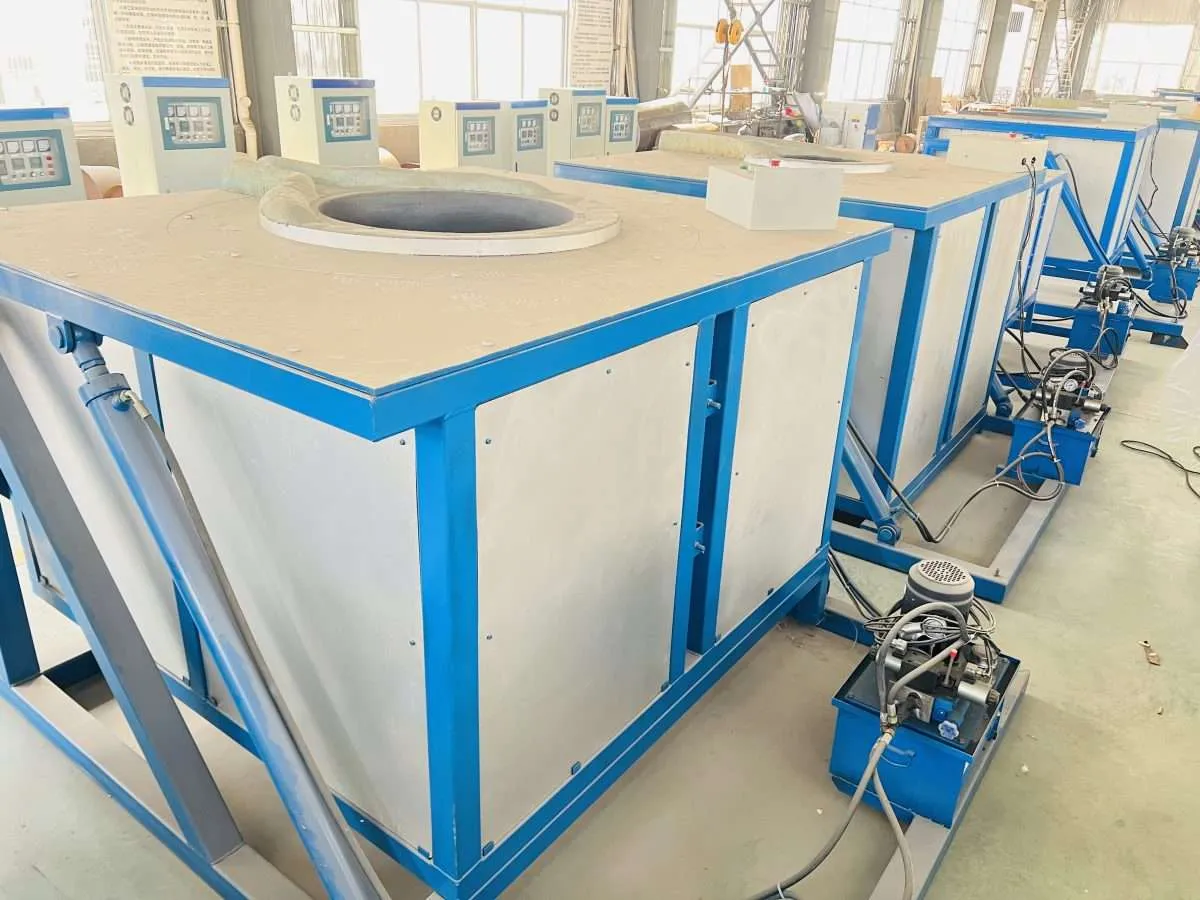
Conclusion
If you are in the market for a copper melting furnace, a copper melting induction furnace may be the best choice for your needs. These furnaces offer high efficiency, precision, and safety, making them a popular choice for many businesses. Consider the factors outlined in this article, such as capacity, efficiency, and cost, to choose the best furnace for your operation. With the right furnace and proper maintenance and safety measures, you can maximize your efficiency and productivity in melting copper.
100-5000kg hydraulic tilting copper melting induction furnace
The Benefits of Copper Melting Induction Furnace for Your Business
A copper melting induction furnace is a type of furnace used to melt copper using electromagnetic induction. It consists of an induction coil that generates a magnetic field, which induces electric currents in the copper material, causing it to heat up and melt. The furnace typically uses high-frequency alternating current (AC) to create the magnetic field, which is supplied by a power source. A crucible or container is used to hold the copper material during the melting process. The copper melting induction furnace is commonly used in foundries and metalworking facilities to melt copper and other metals for casting, forging, and other manufacturing applications.
Copper melting induction furnaces are becoming increasingly popular in the industrial sector due to their efficiency and cost-effectiveness. These furnaces are designed to melt copper and other metals quickly and efficiently, making them an essential component for any business in need of metalworks. Although they may require a higher initial investment, the benefits copper melting induction furnaces provide are significant. They can reduce energy consumption, improve metal quality, and increase production rates, all while reducing labor costs. In this article, we will delve into the benefits of copper melting induction furnaces for your business and how they can help take your operations to the next level.
1. What is a copper melting induction furnace?
A copper melting induction furnace is an essential tool used in various industries for melting copper, brass, and other non-ferrous metals. It utilizes electromagnetic induction to produce heat, which is necessary for melting copper. The furnace consists of a crucible made from refractory materials that hold the metal that is being melted. The inductor coil is placed around the crucible, and when an alternating current is passed through it, it creates a magnetic field that generates eddy currents within the metal. These currents cause the metal to heat up and melt. One of the major benefits of a copper melting induction furnace is its energy efficiency. It uses less energy compared to traditional furnaces and requires less time to melt the metal. This means that not only is it more cost-effective, but it also enables businesses to increase their productivity. Additionally, the induction process allows for precise temperature control, resulting in consistent and high-quality melts. Another advantage of a copper melting induction furnace is its safety features. Unlike traditional furnaces that require constant monitoring, induction furnaces are fully automated, reducing the risk of accidents and increasing worker safety. The furnace is also environmentally friendly because it emits less pollution and greenhouse gases, making it an ideal choice for businesses that prioritize sustainability. In conclusion, a copper melting induction furnace is a valuable investment for businesses looking to increase productivity, save energy costs, and prioritize worker safety and environmental sustainability.
2. Benefits of using copper melting induction furnaces
Copper melting induction furnaces are becoming increasingly popular in the industrial sector due to their numerous benefits. One of the primary advantages of using copper melting induction furnaces is their energy efficiency. These furnaces use electromagnetic currents to heat the metal, which means they require less energy than traditional furnaces. This can translate into significant savings for your business in the long run. Another benefit of using copper melting induction furnaces is their precision and accuracy. These furnaces can heat the metal to specific temperatures, ensuring that the final product is of high quality and meets the required standards. Additionally, the induction process is more consistent than traditional furnaces, eliminating the risk of overheating or underheating the metal. Copper melting induction furnaces are also more environmentally friendly than traditional furnaces. As they require less energy, they produce fewer emissions, reducing the carbon footprint of your business. They also produce less waste, as the metal is melted in a closed system, reducing the amount of scrap and hazardous waste generated. Finally, copper melting induction furnaces are more cost-effective than traditional furnaces. They require less maintenance and have a longer lifespan, which means you won't have to replace them often. They also have a smaller footprint, which means you can save on space and reduce your overhead costs. In summary, copper melting induction furnaces offer several benefits for your business, including energy efficiency, precision and accuracy, environmental friendliness, and cost-effectiveness. If you're looking for a more efficient and sustainable way to melt copper, induction furnaces may be the solution you've been looking for.3. Types of copper melting induction furnaces
There are two types of copper melting induction furnaces that are commonly used in industry: coreless induction furnaces and channel induction furnaces. The coreless induction furnace is the most popular type and is used for a variety of applications. It is designed to melt and hold metals in a non-reactive atmosphere, which helps to prevent impurities from entering the molten metal. This type of furnace is ideal for melting copper, aluminum, and other non-ferrous metals. In contrast, a channel induction furnace is designed to melt metals that have a high melting point, such as steel. It works by using a channel or crucible to hold the metal, which is then melted by the induction heating process. Both types of induction furnaces offer numerous benefits for businesses that rely on melting copper. They are highly efficient, using less energy than traditional melting methods, and they offer precise control over the melting process. They are also safer, as they don't produce harmful emissions or require an open flame, reducing the risk of accidents. Additionally, they can be automated, reducing the need for manual labor and increasing productivity. Overall, copper melting induction furnaces are an excellent investment for businesses that want to improve their melting process and increase their bottom line.4.How a Copper Melting Induction Furnace Works
A copper melting induction furnace works by using electromagnetic induction to heat the metal. The furnace contains a coil of copper wire, which generates a magnetic field when an electric current is passed through it. When the metal is placed inside the coil, the magnetic field induces electrical currents within the metal, which in turn generate heat. The temperature of the furnace can be controlled by adjusting the frequency and power of the electrical current. This allows you to melt the copper at the precise temperature required for your application.
5.Factors to Consider When Choosing a Copper Melting Furnace
When choosing a copper melting furnace, there are several factors to consider. These include:- Capacity: How much copper do you need to melt at one time? Make sure you choose a furnace with the appropriate capacity for your needs.
- Efficiency: Look for a furnace that is energy-efficient and can melt copper quickly.
- Precision: Consider the level of control you need over the melting process. Do you need to melt copper at a specific temperature or with specific properties?
- Cost: Copper melting induction furnaces can be expensive, so make sure you choose one that fits within your budget.
6. Maintenance and safety tips for copper melting induction furnaces
While copper melting induction furnaces are a great addition to any business, it is important to take proper care of them to ensure they last as long as possible. Regular maintenance is a must for any machine, and induction furnaces are no exception. It is important to keep the furnace clean and free of debris, as this can cause damage to the furnace and, in some cases, even pose a safety hazard. One of the most important parts of maintenance is checking the furnace's electrical connections. Loose or damaged connections can cause problems for the furnace and, in some cases, even cause a fire. It is also important to regularly check the furnace's cooling system to ensure it is functioning properly. If the cooling system fails, the furnace can overheat, which can cause damage to the furnace and, in some cases, even cause a fire. Finally, it is important to always follow safety protocols when using a copper melting induction furnace. This includes wearing appropriate safety gear, such as gloves and safety glasses, and ensuring that the furnace is in good working order before using it. By following these maintenance and safety tips, you can ensure that your copper melting induction furnace runs smoothly and safely, providing your business with the benefits it needs to succeed.
Conclusion
If you are in the market for a copper melting furnace, a copper melting induction furnace may be the best choice for your needs. These furnaces offer high efficiency, precision, and safety, making them a popular choice for many businesses. Consider the factors outlined in this article, such as capacity, efficiency, and cost, to choose the best furnace for your operation. With the right furnace and proper maintenance and safety measures, you can maximize your efficiency and productivity in melting copper. https://dw-inductionheater.com/product/100-5000kg-hydraulic-tilting-copper-melting-induction-furnace?feed_id=196210&_unique_id=643a71e839e14
2023年2月6日星期一
Small High Frequency Induction Melting Furnace
Small High Frequency Induction Melting Furnace
[embed]https://youtu.be/NArP5bzuB3E[/embed]
2022年12月16日星期五
Small High Frequency Induction Melting Furnace
Small High Frequency Induction Melting Furnace
[embed]https://youtu.be/NArP5bzuB3E[/embed]
2022年12月12日星期一
Small High Frequency Induction Melting Furnace
Small High Frequency Induction Melting Furnace
[embed]https://youtu.be/NArP5bzuB3E[/embed]
2022年11月11日星期五
Small High Frequency Induction Melting Furnace
Small High Frequency Induction Melting Furnace
[embed]https://youtu.be/NArP5bzuB3E[/embed]
2022年10月1日星期六
Small High Frequency Induction Melting Furnace
Small High Frequency Induction Melting Furnace
[embed]https://youtu.be/NArP5bzuB3E[/embed]
2022年5月23日星期一
Small High Frequency Induction Melting Furnace
Small High Frequency Induction Melting Furnace
[embed]https://youtu.be/NArP5bzuB3E[/embed]
2022年4月21日星期四
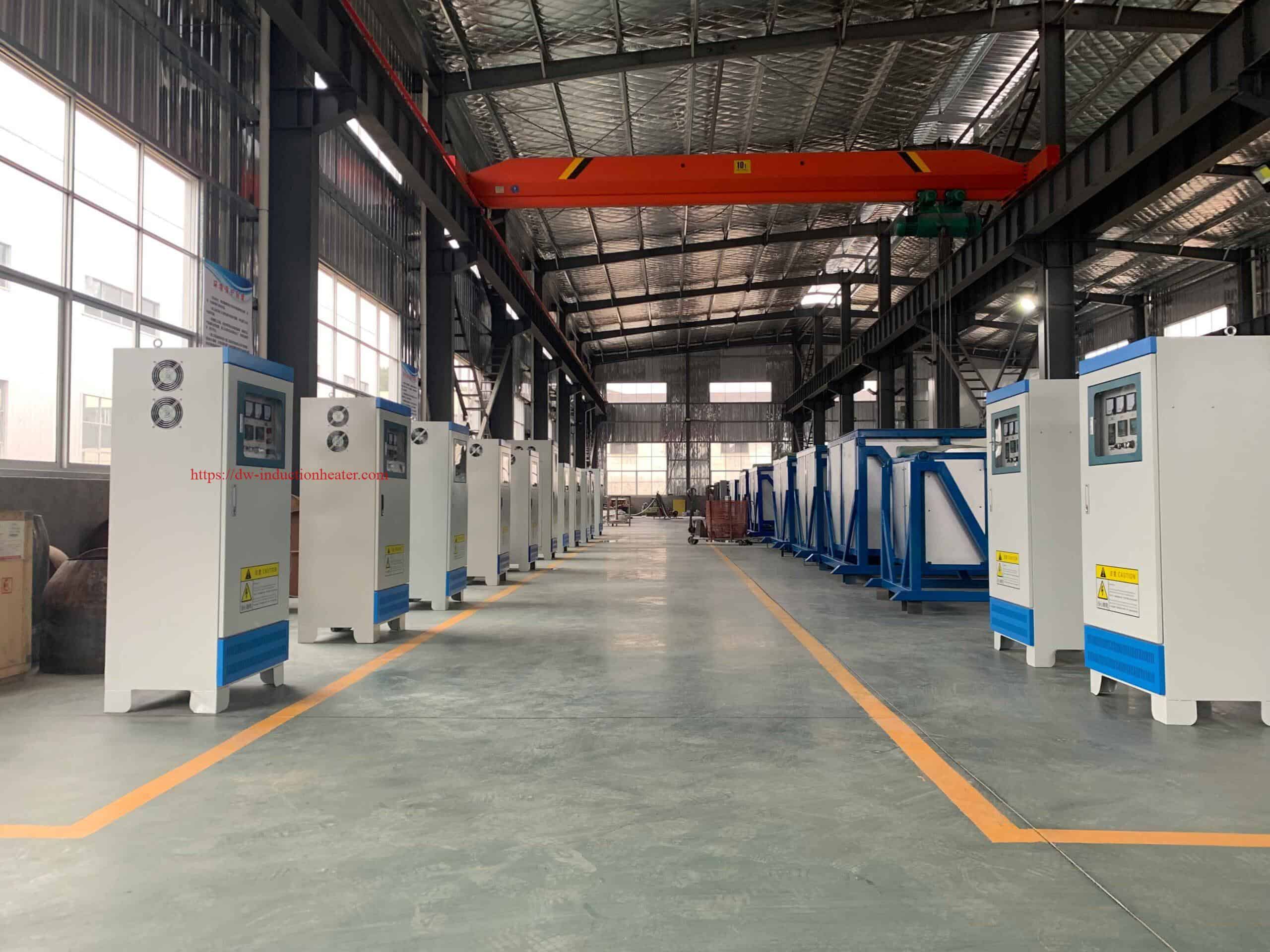
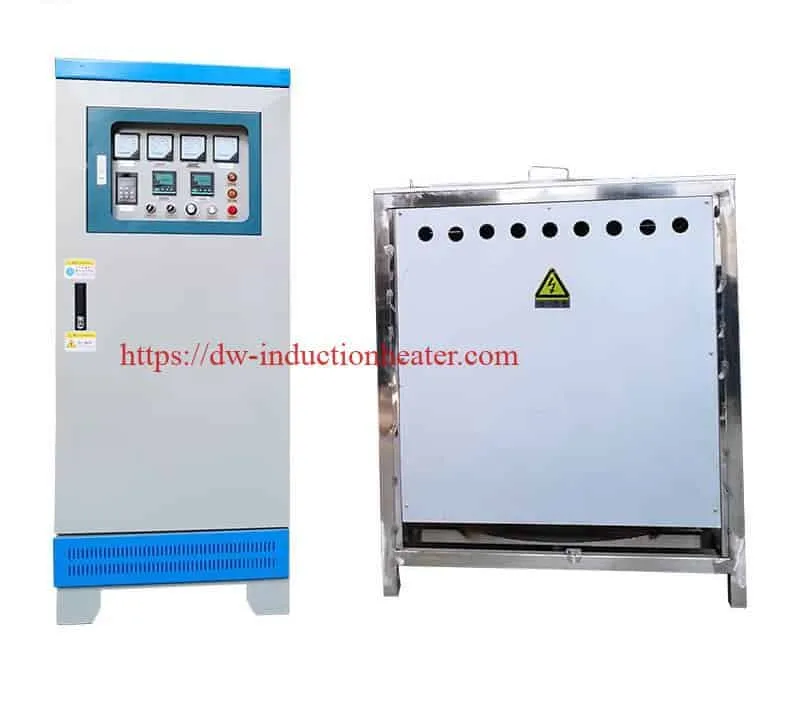
aluminum ingot induction melting furnace production line
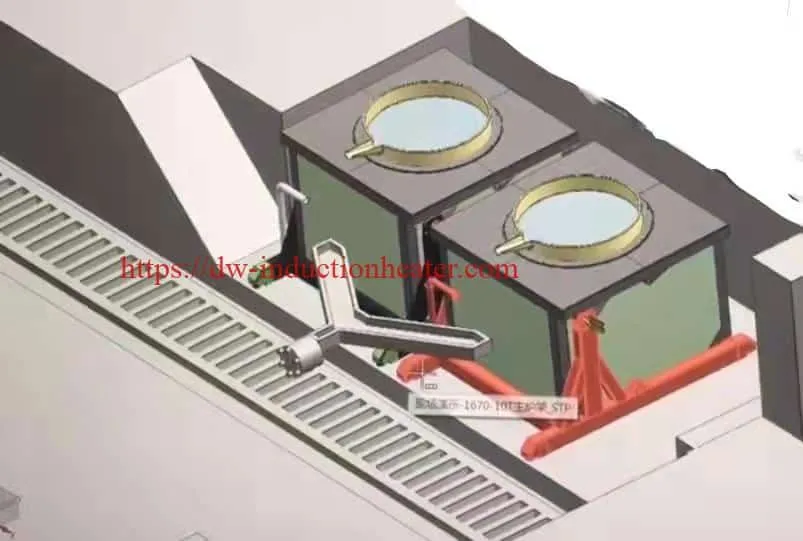
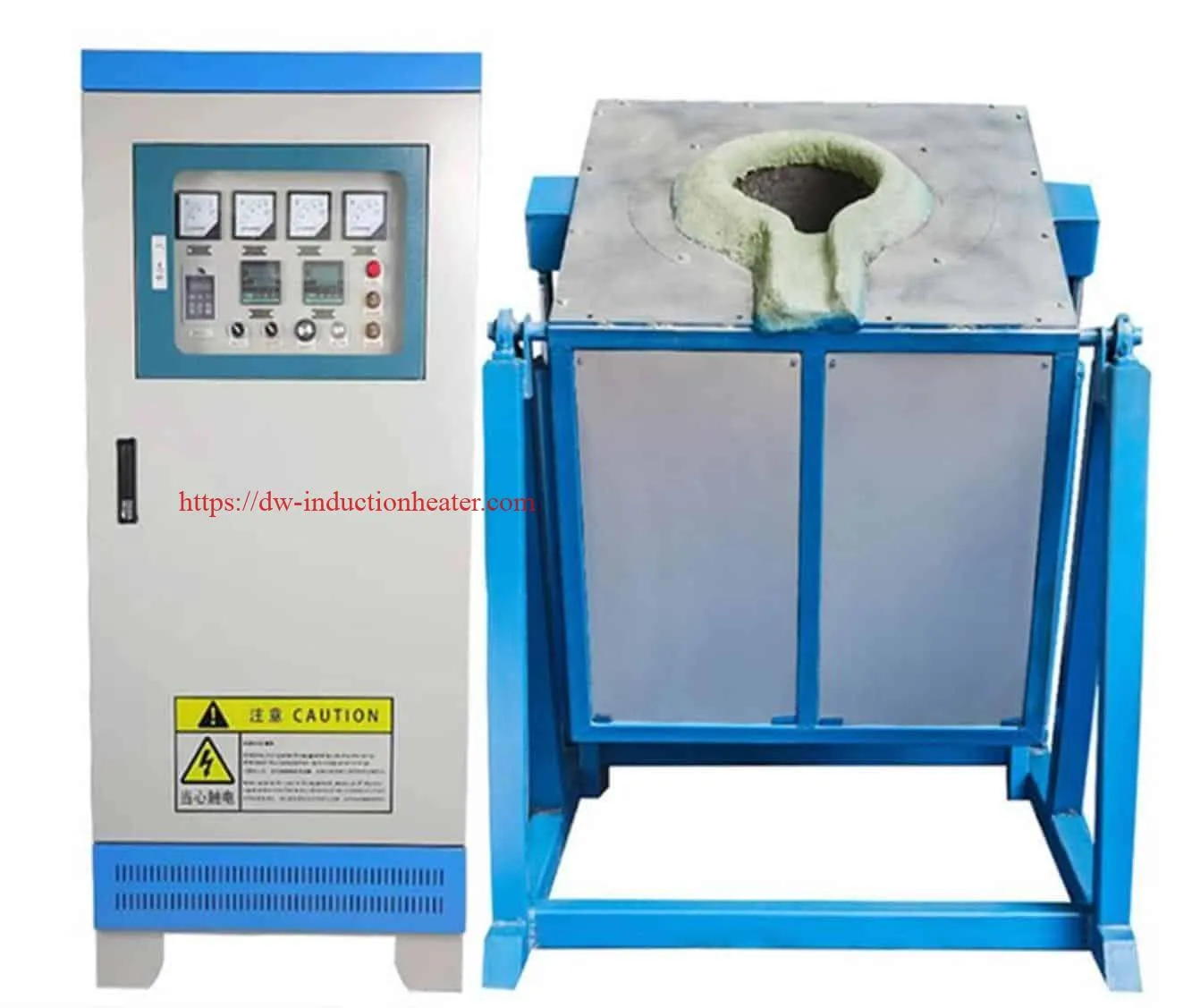
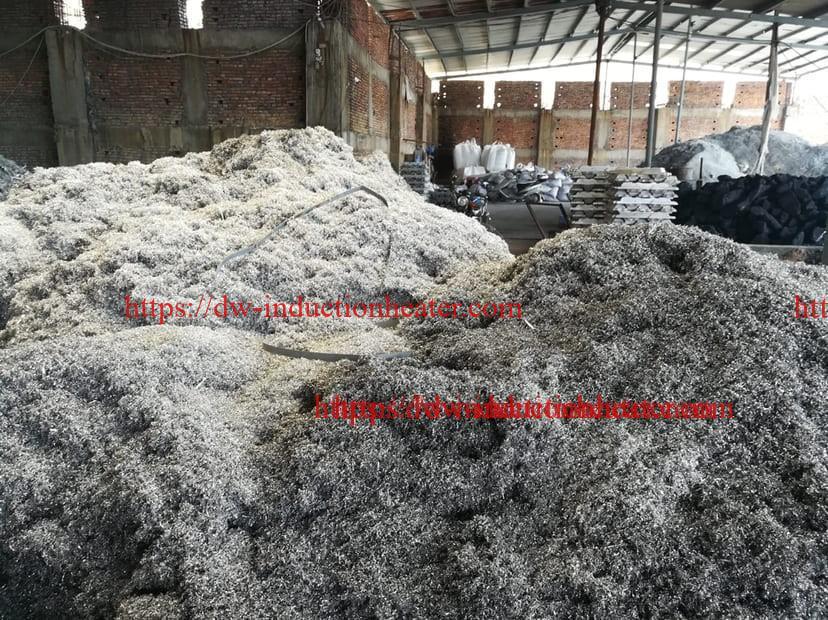
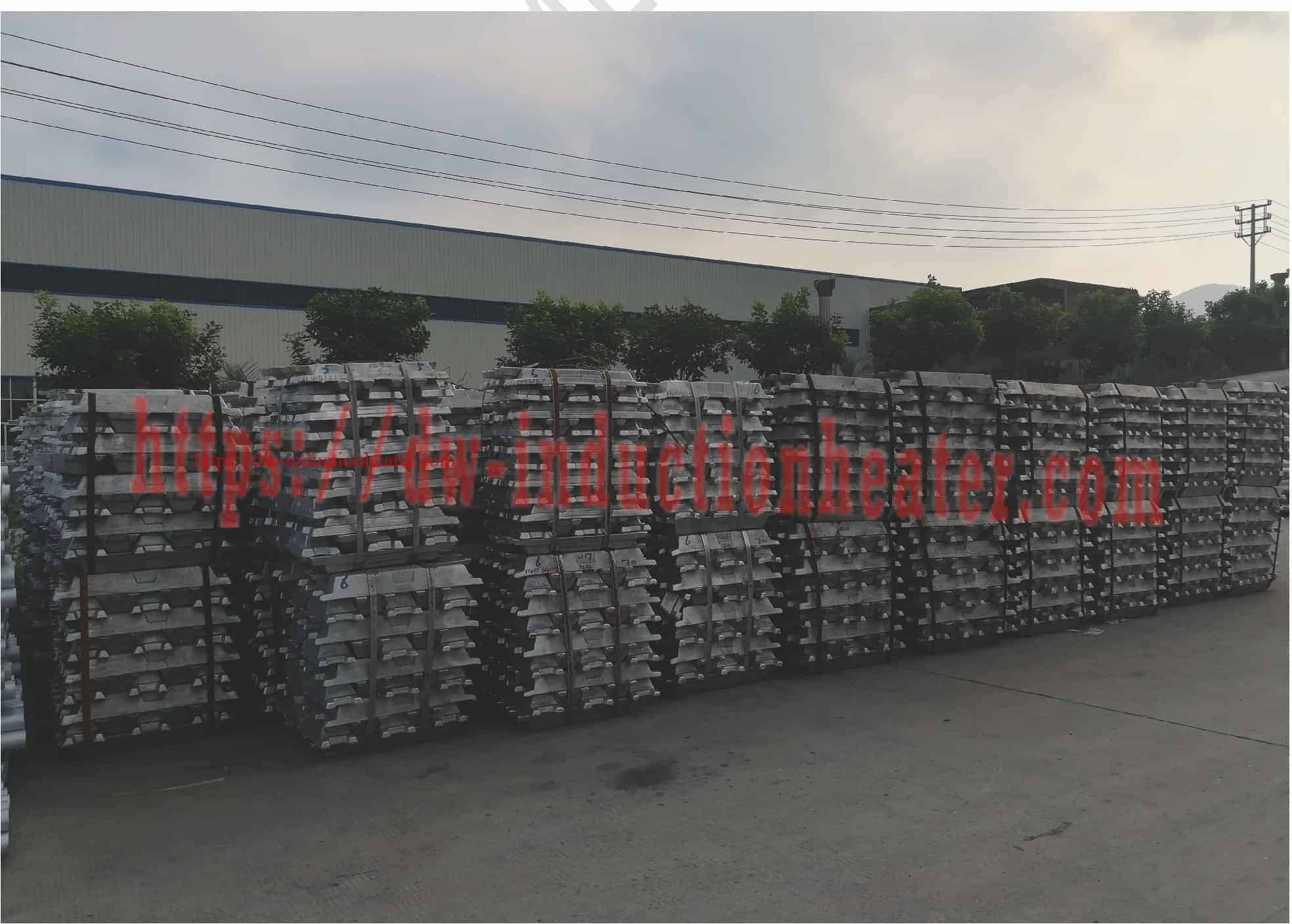
Full auto aluminum ingot induction melting furnace production line for melting aluminum scraps,cans,slags to product aluminum ingots.
Induction melting Aluminum scrap furnace,aluminum cans induction smelter,Aluminum scraps melting induction furnace,melting aluminum cans furnace. Al

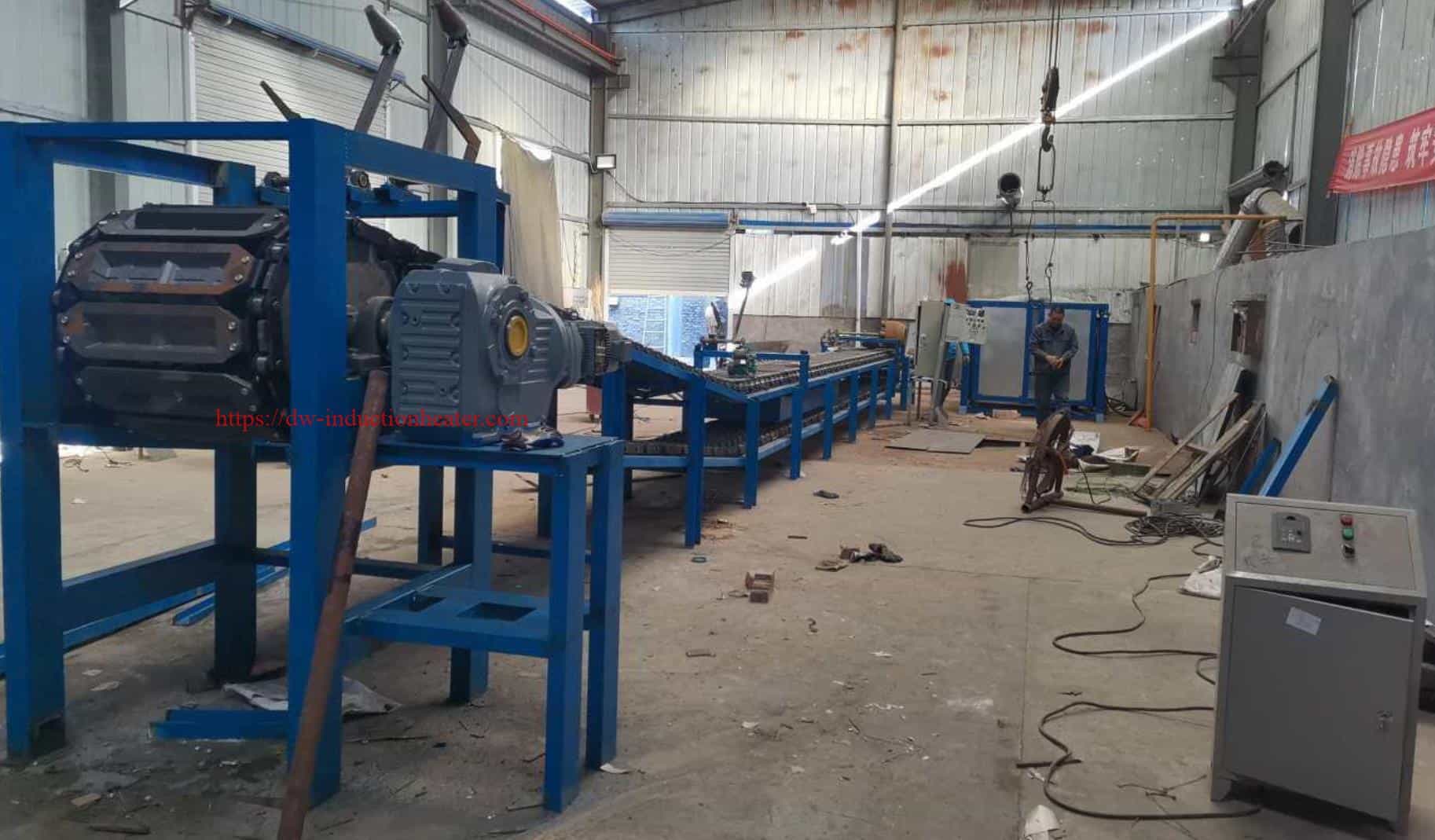
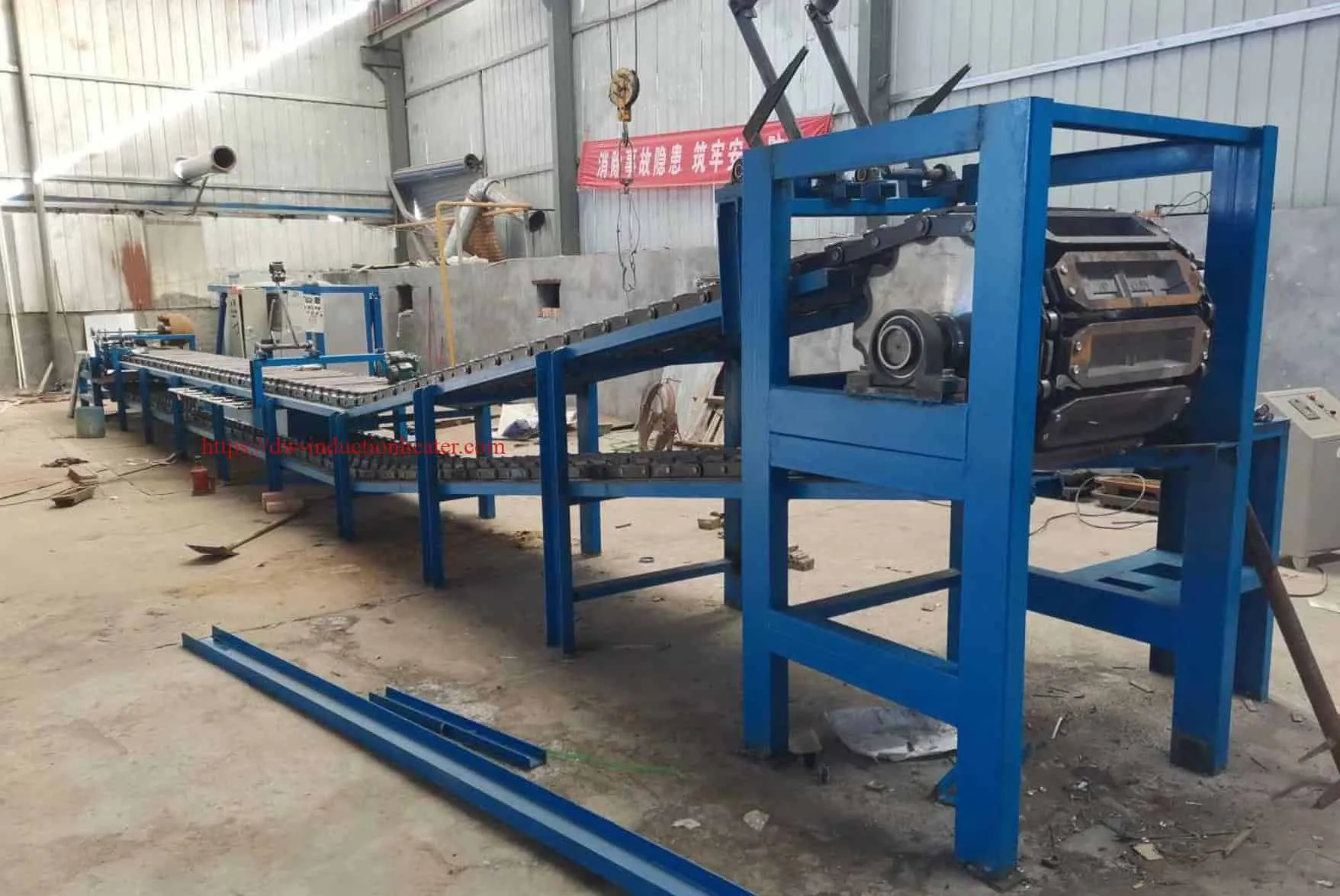
Aluminum Ingot Induction Melting Furnace Production Line Design:

 Aluminum is the most recyclable of all materials. Discarded aluminum is more valuable than any other item in the recycling bin.Aluminum is recycled through a variety of programs. The most commonly recognized consumer programs are curbside and municipal. Within the industry, building and automotive parts are collected for recycling. More than 90 percent of the aluminum in building and automotive parts is recycled at the end of use. All of these items serve as a feedstock and are sent to aluminum recyclers to be melted down in the secondary production process.
Advantages of electromagnetic melting aluminum induction furnace:
1, save energy and reduce the environmental temperature
Original diesel furnace workshop on pollution, but also the auxiliary exhaust pipeline, inside and outside the furnace heat has a large number of distribution in the workshop, resulting in high temperature workshop. So is the original furnace condition, most escapes to the air, there is heat conduction loss, the production of large power consumption, increase the cost of production. At the same time, the ambient temperature increases. The electromagnetic induction heating process, the heating element is through magnetic field heating, in order to reduce the loss of heat conduction, fast heating, melting rapidly, thus reducing energy consumption. Reduce electricity consumption. After the comparison of the experimental test and modification, the power saving effect is 20%-40%.
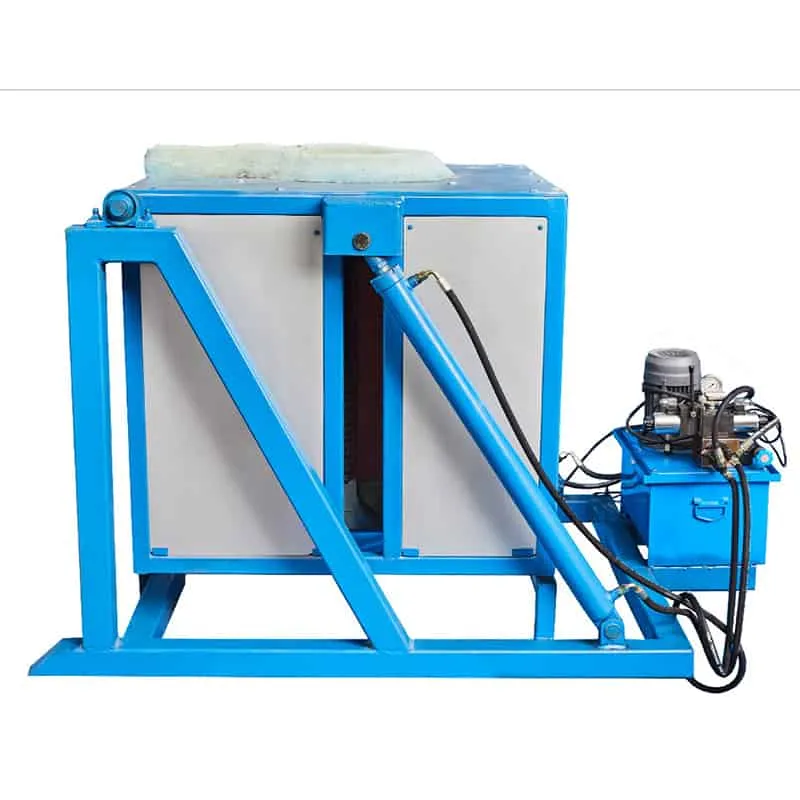 2, rapid heating, temperature control accurate real-time
Electromagnetic induction heating method is through the magnetic field lines make heating rapid heating, the rapid melting Aluminum Alloy. The temperature control is real-time and accurate, which improves the quality of the product and improves the production efficiency!
3 and long service life, simple maintenance
The traditional electric furnace heating method is to use resistance wire heating, resistance wire in the high temperature environment for a long time in the use of oxidation will result in reducing its service life, high maintenance costs. The electromagnetic heating coil is made of insulating material and high temperature wire, so the service life is long and without any maintenance.
4, power
Electromagnetic induction heating with the development and maturity of the technology, the production process and technology of components, software, such as reliable protection of the current power can be 2-200KW.
5, safe
The utility model adopts the electromagnetic induction heating, which can reduce the surface temperature of the machine, and the human body can be safely touched, so as to avoid the occurrence of burn and scald accidents caused by the traditional heating mode and protect the production safety of the employees.
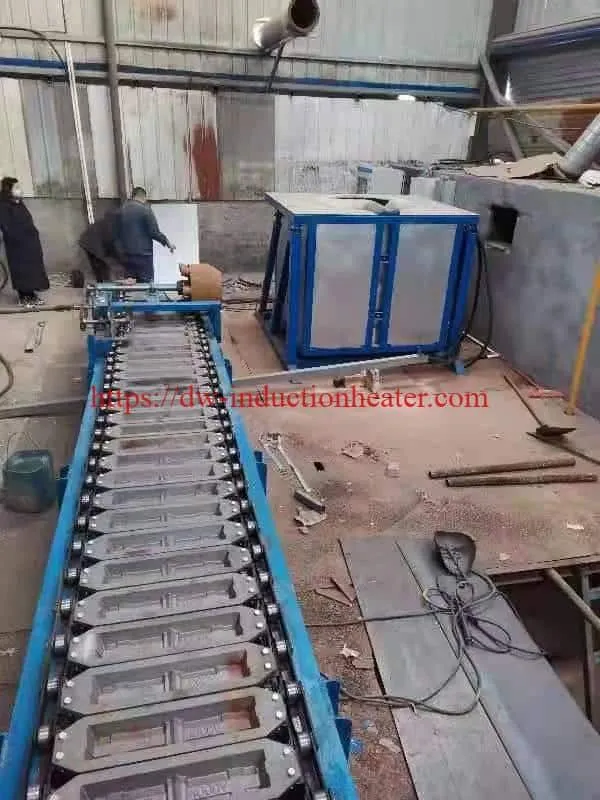
 Aluminium Scraps Recycling Melting Process
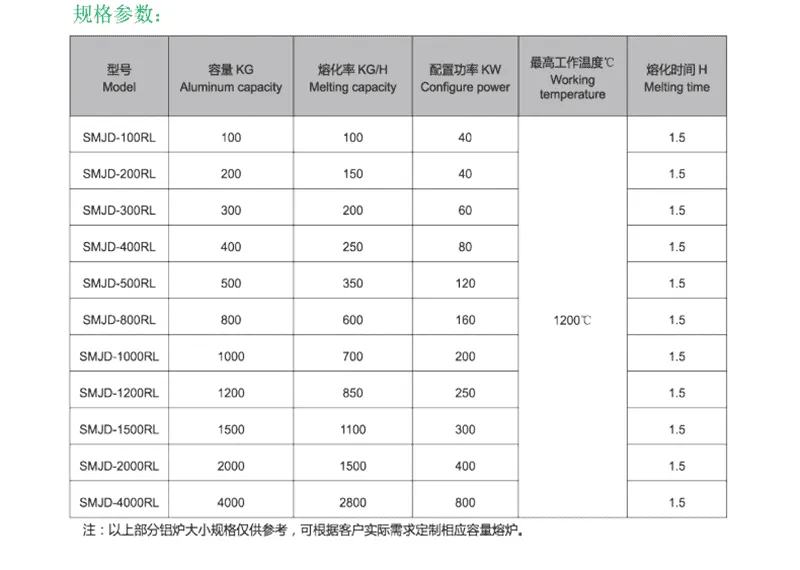
SMJD induction melting furnace parameter
Aluminum,Copper,Iron Induction Melting Furnace manual

订阅:
博文 (Atom)
我的简介

- HLQ induction heating machine
- HLQ induction heating machine manufacturer provides the service of induction brazing,melting,hot forming,hardening surface,annealing,shrink fitting,PWHT,etc.