显示标签为“aluminummeltingfurnace”的博文。显示所有博文

2024年4月9日星期二

Aluminum Ingot Casting Machine For Casting Aluminium-Lead-Zinc Alloy

Understanding the Efficiency of Aluminum Ingot Casting Machine- Aluminium Ingot Caster in Modern Manufacturing
What is an Aluminum Ingot Casting Machine?

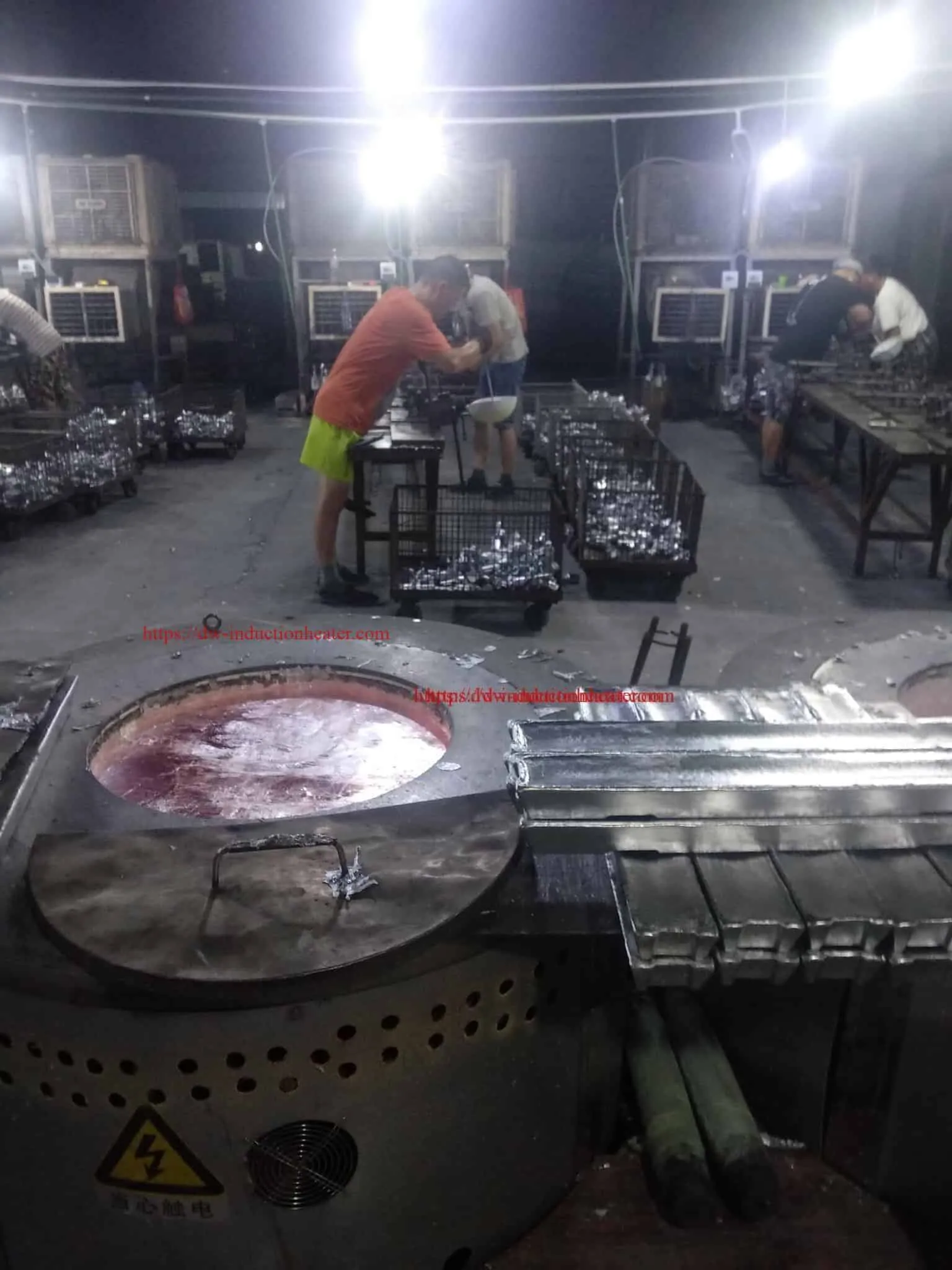
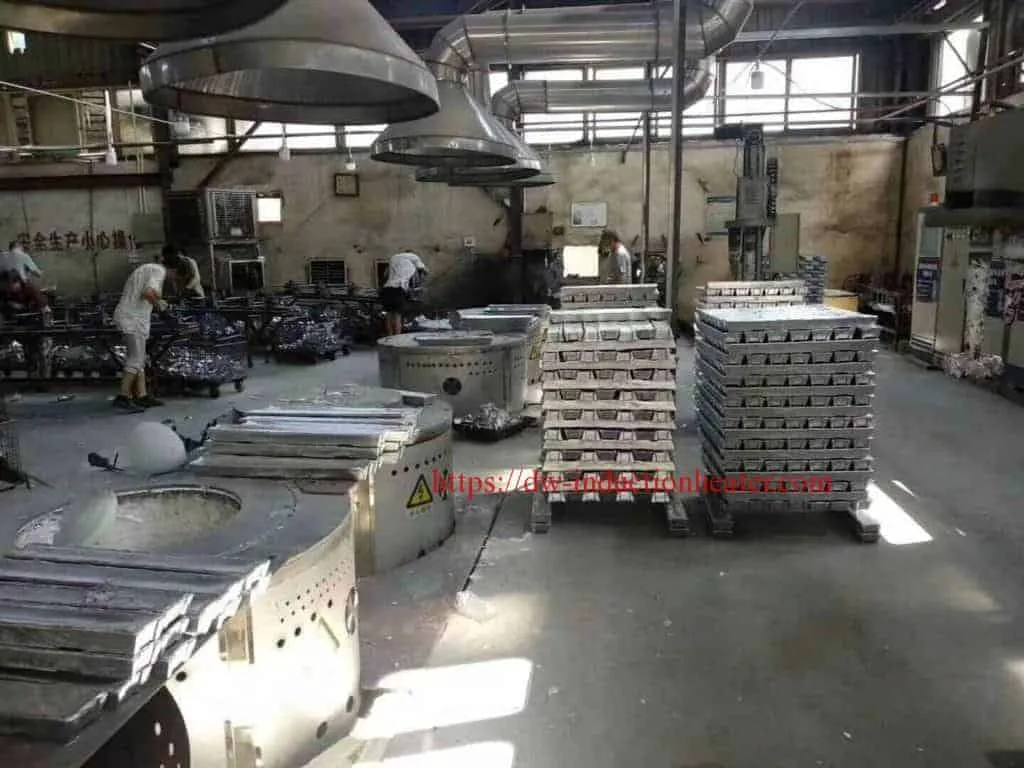
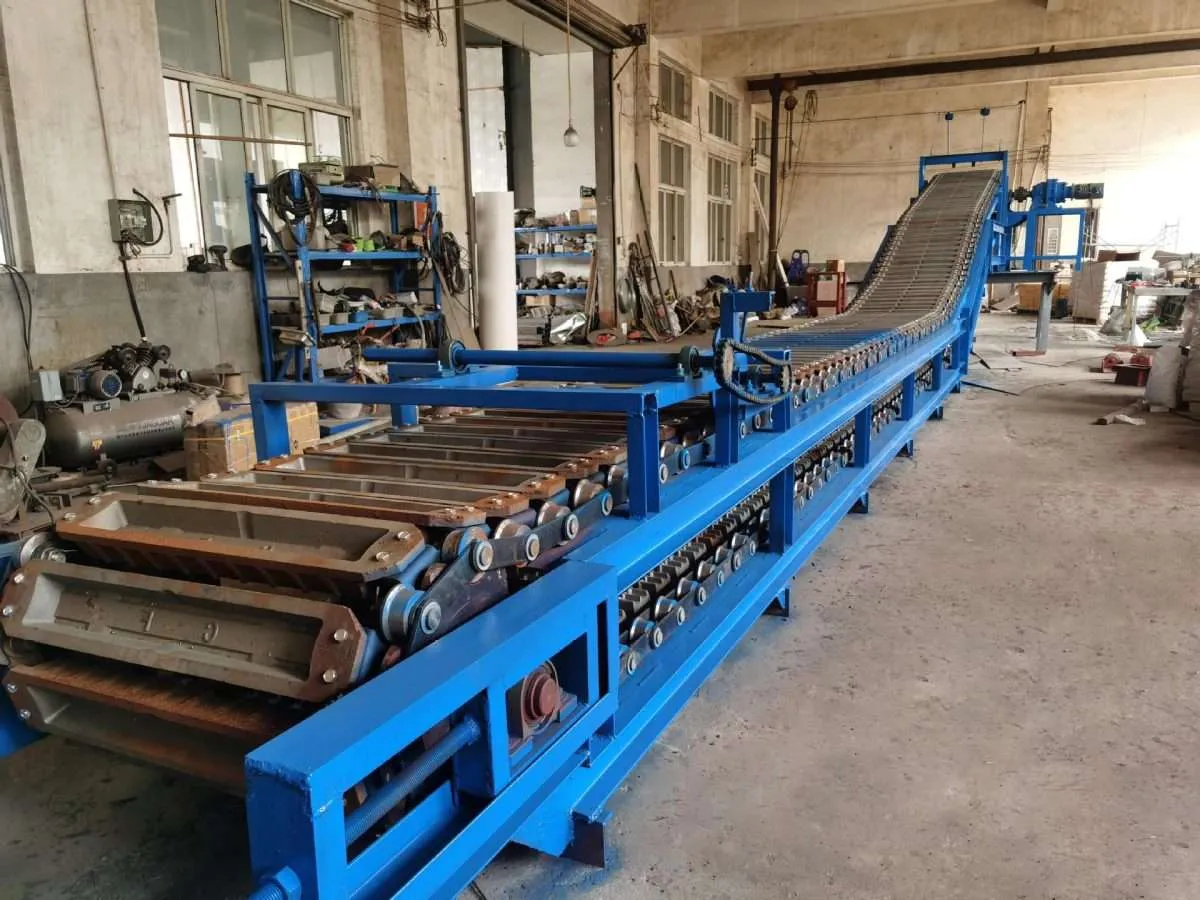
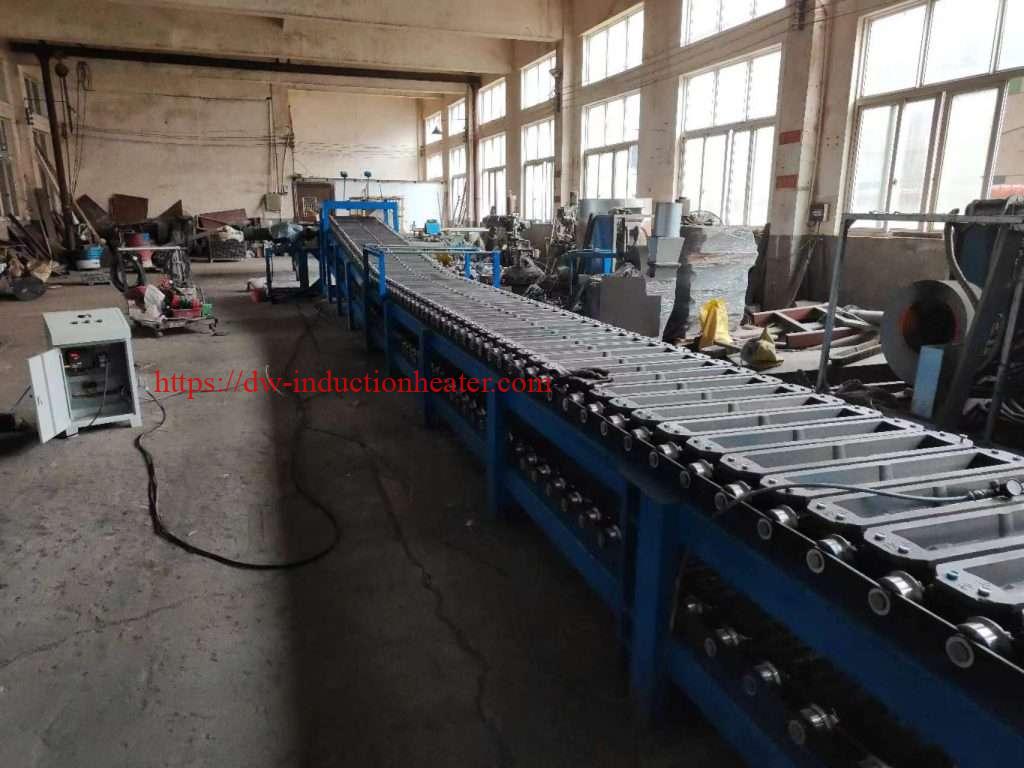
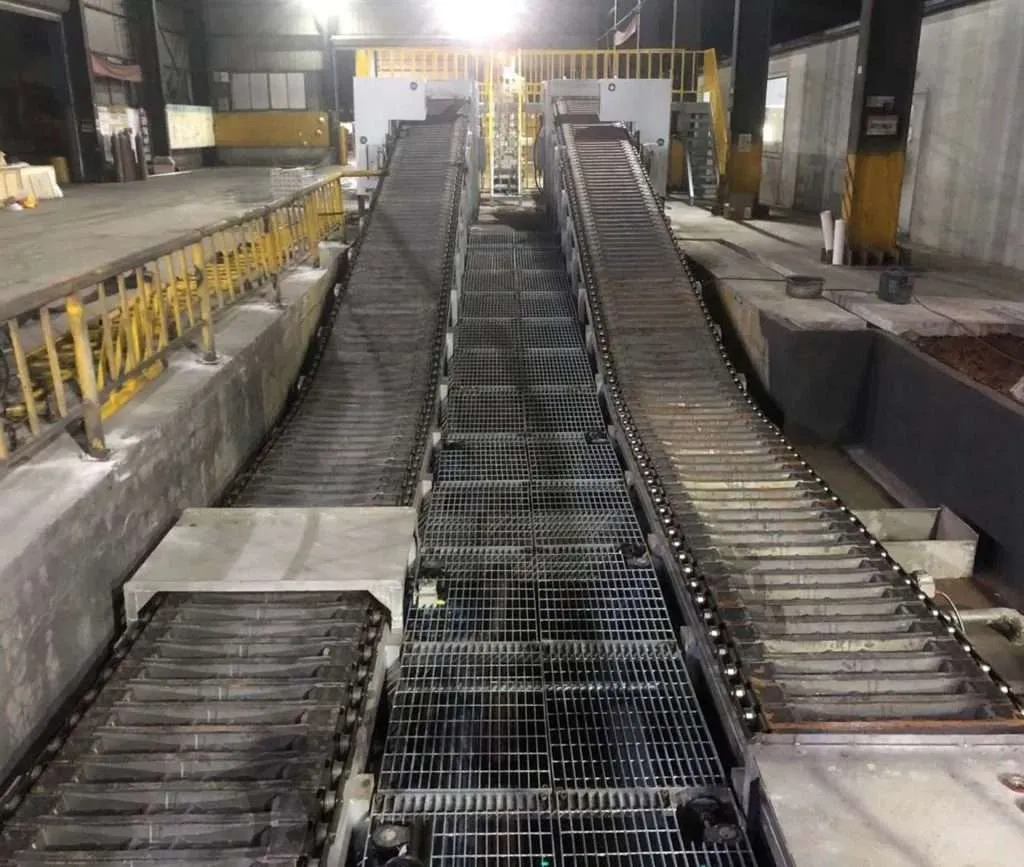
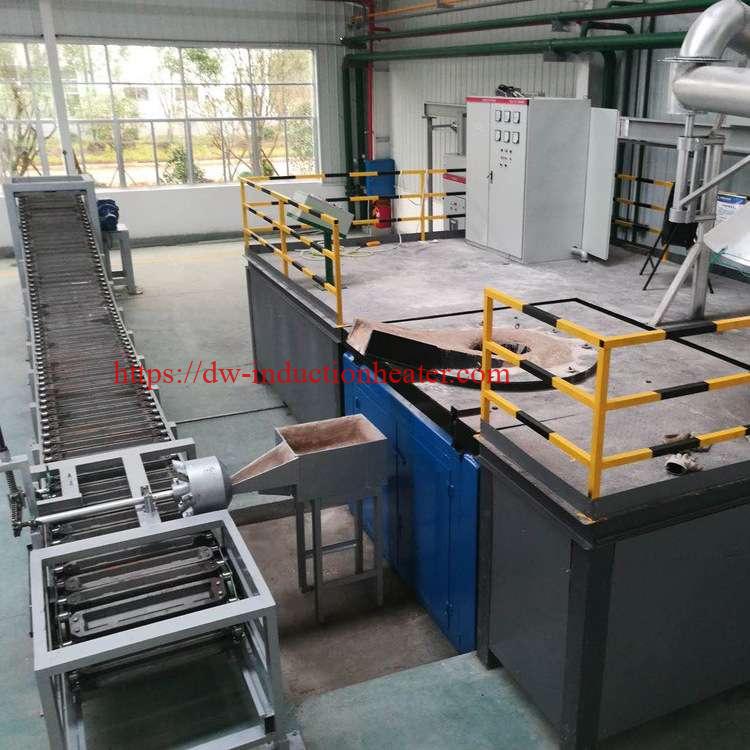
An aluminum ingot casting machine is a specialized piece of equipment designed to cast molten aluminum into ingots or billets of desired shapes and sizes. These machines are an essential component of the aluminum production process, ensuring consistent quality and efficiency. The casting process involves pouring molten aluminum into refractory-lined molds, which are then cooled to solidify the metal. The resulting ingots or billets can be further processed into various aluminum products, such as sheets, extrusions, or castings.
Key Features of Aluminum Ingot Casting Machines

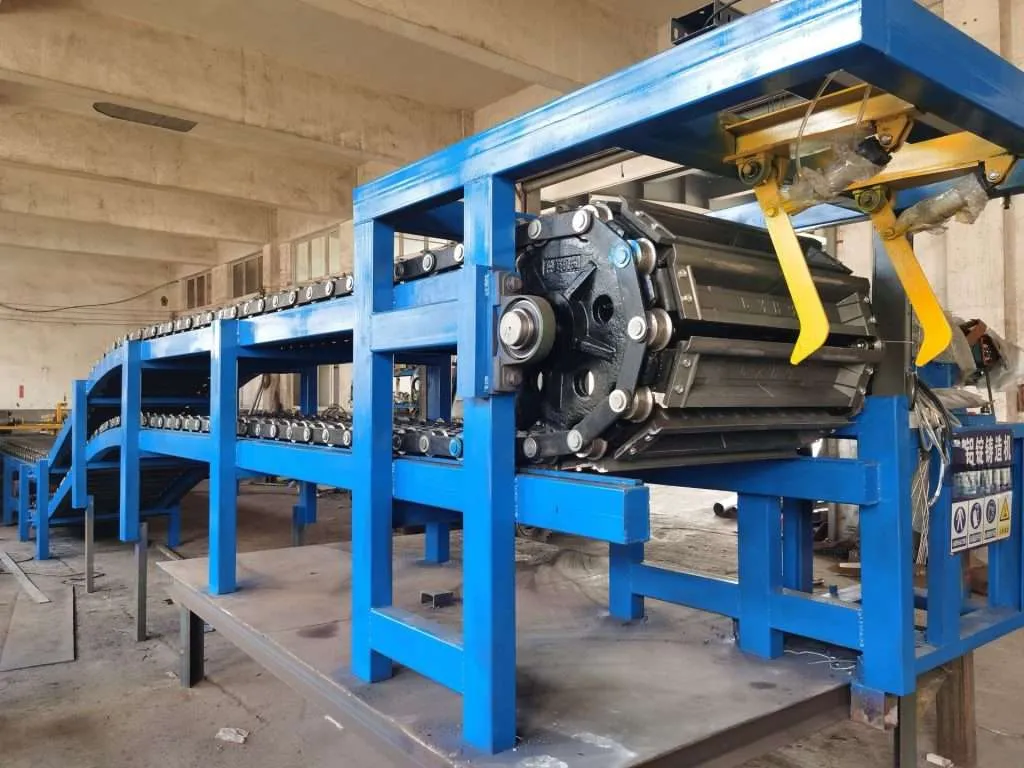
1.Precision Mold Design: Aluminum ingot casting machines feature precisely engineered molds to ensure accurate dimensions and consistent quality of the cast ingots. The molds are typically made from refractory materials that can withstand the high temperatures of molten aluminum. 2.Temperature Control: Precise temperature control is crucial in the aluminum casting process. These machines are equipped with advanced temperature monitoring and control systems to maintain the optimal temperature range for molten aluminum, ensuring consistent flow and solidification. 3.Automated Operation: Modern aluminum ingot casting machines are highly automated, reducing the need for manual intervention and increasing production efficiency. Automated systems control the pouring, cooling, and ejection processes, ensuring consistent quality and minimizing human error. Energy Efficiency: Energy efficiency is a key consideration in the design of these machines. Advanced insulation techniques and optimized cooling systems help minimize energy consumption, reducing operational costs and environmental impact. 4.Safety Features: Aluminum ingot casting machines incorporate various safety features, such as enclosed casting areas, emergency stop systems, and proper ventilation, to protect operators and ensure a safe working environment.
Benefits of Modern Aluminum Ingot Casting Machines:

  1. Efficiency and Productivity: Contemporary casting machines are designed to maximize output while minimizing waste, thanks to their automated and streamlined processes.
  2. Quality and Uniformity: The precise control over the casting conditions ensures that each ingot meets stringent quality standards with consistent weight and dimensions.
  3. Energy Conservation: With a focus on sustainability, newer models are geared towards low-energy consumption, reducing the carbon footprint of aluminum manufacturing.
  4. Versatility: Advanced machines cater to different ingot sizes and alloys, providing flexibility for manufacturers to meet diverse market demands.

Advancements in Aluminum Ingot Casting Technologies:

Manufacturers are continually seeking to improve the aluminum ingot casting process. Innovations such as direct chill (DC) casting, electromagnetic casting, and low-head composite casting are some advancements that have led to improved safety, quality control, and energy efficiency. Additionally, the integration of Internet of Things (IoT) technologies facilitates real-time monitoring and data analysis for predictive maintenance and optimization of the casting process.

Choosing the Right Aluminum Ingot Casting Machine:

When selecting an aluminum ingot casting machine, there are several considerations to keep in mind:
  1. Production Capacity: Match the machine's capacity with the intended scale of production to ensure a viable return on investment.
  2. Quality Compliance: Ensure the machine can produce ingots that conform to international quality standards required for your products.
  3. Flexibility and Upgradability: Opt for machines that can adapt to potential changes in production demand or technology updates.
  4. Supplier Reliability: Choose a manufacturer with a strong reputation for quality, customer service, and after-sales support.
Conclusion:

Aluminum ingot casting machines are vital components in the modern manufacturing landscape. Investing in a high-quality casting machine is crucial for businesses looking to excel in the competitive industry of aluminum production. With cutting-edge technology and meticulous design, aluminum ingot casting machines offer a combination of efficiency, quality, and environmental consideration that align with the market's future. By understanding the importance of these machines, businesses are positioned to make informed decisions that will shape their manufacturing success and sustainability.   https://dw-inductionheater.com/product/aluminum-ingot-casting-machine-for-casting-aluminium-lead-zinc-alloy?feed_id=240762&_unique_id=661536241b033
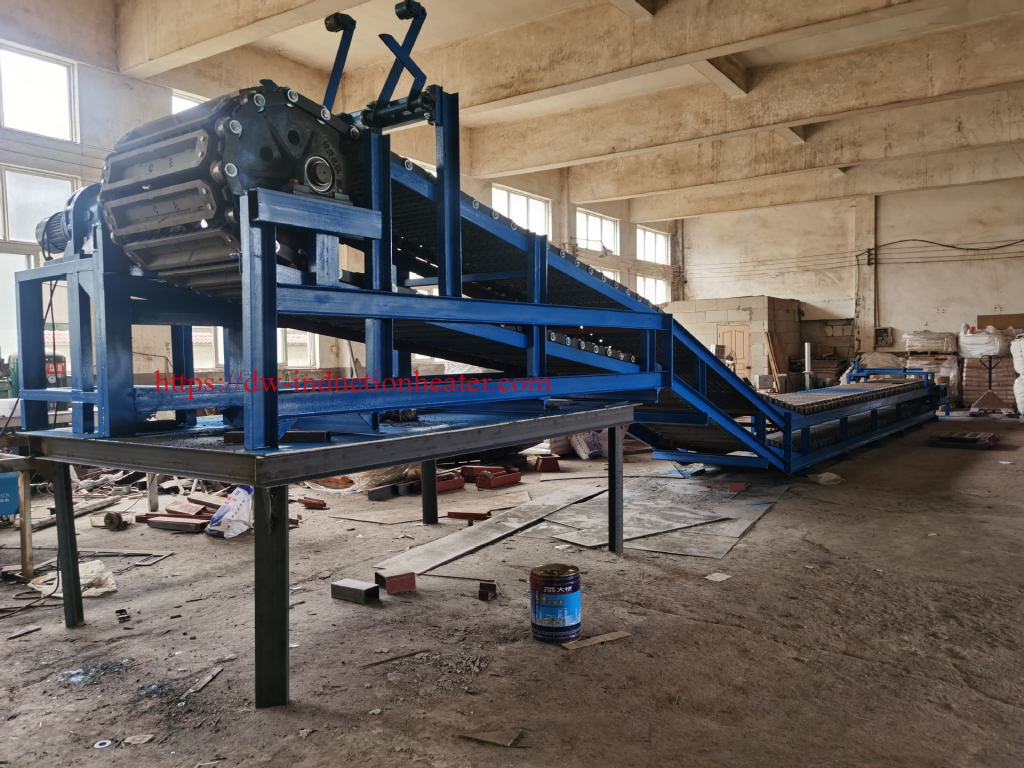
Aluminum Ingot Casting Machine For Casting Aluminium-Lead-Zinc Alloy

Understanding the Efficiency of Aluminum Ingot Casting Machine- Aluminium Ingot Caster in Modern Manufacturing

What is an Aluminum Ingot Casting Machine?

An aluminum ingot casting machine is a specialized piece of equipment designed to cast molten aluminum into ingots or billets of desired shapes and sizes. These machines are an essential component of the aluminum production process, ensuring consistent quality and efficiency. The casting process involves pouring molten aluminum into refractory-lined molds, which are then cooled to solidify the metal. The resulting ingots or billets can be further processed into various aluminum products, such as sheets, extrusions, or castings.

Key Features of Aluminum Ingot Casting Machines

1.Precision Mold Design: Aluminum ingot casting machines feature precisely engineered molds to ensure accurate dimensions and consistent quality of the cast ingots. The molds are typically made from refractory materials that can withstand the high temperatures of molten aluminum. 2.Temperature Control: Precise temperature control is crucial in the aluminum casting process. These machines are equipped with advanced temperature monitoring and control systems to maintain the optimal temperature range for molten aluminum, ensuring consistent flow and solidification. 3.Automated Operation: Modern aluminum ingot casting machines are highly automated, reducing the need for manual intervention and increasing production efficiency. Automated systems control the pouring, cooling, and ejection processes, ensuring consistent quality and minimizing human error. Energy Efficiency: Energy efficiency is a key consideration in the design of these machines. Advanced insulation techniques and optimized cooling systems help minimize energy consumption, reducing operational costs and environmental impact. 4.Safety Features: Aluminum ingot casting machines incorporate various safety features, such as enclosed casting areas, emergency stop systems, and proper ventilation, to protect operators and ensure a safe working environment.

Benefits of Modern Aluminum Ingot Casting Machines:

  1. Efficiency and Productivity: Contemporary casting machines are designed to maximize output while minimizing waste, thanks to their automated and streamlined processes.
  2. Quality and Uniformity: The precise control over the casting conditions ensures that each ingot meets stringent quality standards with consistent weight and dimensions.
  3. Energy Conservation: With a focus on sustainability, newer models are geared towards low-energy consumption, reducing the carbon footprint of aluminum manufacturing.
  4. Versatility: Advanced machines cater to different ingot sizes and alloys, providing flexibility for manufacturers to meet diverse market demands.

Advancements in Aluminum Ingot Casting Technologies:

Manufacturers are continually seeking to improve the aluminum ingot casting process. Innovations such as direct chill (DC) casting, electromagnetic casting, and low-head composite casting are some advancements that have led to improved safety, quality control, and energy efficiency. Additionally, the integration of Internet of Things (IoT) technologies facilitates real-time monitoring and data analysis for predictive maintenance and optimization of the casting process.

Choosing the Right Aluminum Ingot Casting Machine:

When selecting an aluminum ingot casting machine, there are several considerations to keep in mind:
  1. Production Capacity: Match the machine's capacity with the intended scale of production to ensure a viable return on investment.
  2. Quality Compliance: Ensure the machine can produce ingots that conform to international quality standards required for your products.
  3. Flexibility and Upgradability: Opt for machines that can adapt to potential changes in production demand or technology updates.
  4. Supplier Reliability: Choose a manufacturer with a strong reputation for quality, customer service, and after-sales support.

Conclusion:

Aluminum ingot casting machines are vital components in the modern manufacturing landscape. Investing in a high-quality casting machine is crucial for businesses looking to excel in the competitive industry of aluminum production. With cutting-edge technology and meticulous design, aluminum ingot casting machines offer a combination of efficiency, quality, and environmental consideration that align with the market's future. By understanding the importance of these machines, businesses are positioned to make informed decisions that will shape their manufacturing success and sustainability.   https://dw-inductionheater.com/product/aluminum-ingot-casting-machine-for-casting-aluminium-lead-zinc-alloy?feed_id=240733&_unique_id=6615335932a75

2024年2月14日星期三

Application of induction aluminum melting furnace

Application of induction aluminum melting furnace

Aluminium melting furnaceThe melting furnace, designed as channel induction furnace, has a total holding capacity of 50 t and a useful pour-off weight of 40 t maximum. The meltdown power is produced by four inductors mounted at defined angles on the furnace floor with a total connected load of 3,400 kW. Each inductor features its own tapped transformer for individual control operations. In the event of failure of one inductor, the others hold the hot heel at temperature while the faulty inductor is being replaced. The furnace is again ready for production operations after a period of 12 hours. The molten metal is poured out through the furnace bearing and can be transferred at zero gradient to the holding furnace at the rate of 4 t/h. The holding-and-casting furnace also accepts the melt through the furnace bearing. This enables the metal to be returned to the melting furnace if required, likewise at zero gradient. Inductor Service Life and Replacement Time The service life of an inductor depends on the installed capacity, the type of cooling system, the shape of the channel, and the type of ceramic lining. Service lives of 250 days are reported for air-cooled inductors rated at 250 kW, but of only 100 days for 400 kW ratings. In both cases, the metal throughput was approximately 1,600 t aluminum.4 By improving the cooling effect and type of ceramic lining, it is possible for 400-kW inductors to attain life factors of 250 days and more with metal throughputs of 2,500 t/inductor. However, service lives of only 100 days are also not unknown. Another operating plant reports service life factors of 15-27 months. Higher inductor ratings of 900 kW and more with production rates of 30 t/day per inductor, necessitating directed flow of the metal and intensive cooling, have not yet been in operation for any length of time. Initial experience showed that vigorous flow causes erosion in the vertical channels. Even though it was not necessary to clean the channels, the desired service life of the inductor was reduced. Further improvements have been made by slowing down the directed flow and by providing a more stable water cooling system, which gives hope for attaining service life factors of 12 months for the high-power inductors. Aluminum scrap can be processed in various melting units: • direct-heated furnaces (gas or oil-fired) with heat recovery facilities • induction melting furnaces, channel or crucible type. The choice of unit is determined primarily by availability and form of energy and production costs. The present supply of fuel calls for us to re-evaluate its future availability. It is to be expected that rising fuel prices will also entail an increase in the price of substitute energy— electricity— in which case thought must be given above all else to the optimum utilization of that form of substitute energy. Here, the induction furnace offers a high-power input utilization factor, since heat is generated by electrical induction directly in the bath. Rising labor costs in the industrialized countries and higher metal prices oblige us to remelt even low-grade, light-gauge scrap and to employ a melting unit where the essential factors that determine processing costs are low, namely energy costs, melt losses, maintenance costs, and labor costs. Application of induction aluminum melting furnace https://dw-inductionheater.com/application-of-induction-aluminum-melting-furnace.html?feed_id=234043&_unique_id=65cc9fe3d3c59

2023年11月1日星期三

Application of induction aluminum melting furnace

Application of induction aluminum melting furnace

Aluminium melting furnaceThe melting furnace, designed as channel induction furnace, has a total holding capacity of 50 t and a useful pour-off weight of 40 t maximum. The meltdown power is produced by four inductors mounted at defined angles on the furnace floor with a total connected load of 3,400 kW. Each inductor features its own tapped transformer for individual control operations. In the event of failure of one inductor, the others hold the hot heel at temperature while the faulty inductor is being replaced. The furnace is again ready for production operations after a period of 12 hours. The molten metal is poured out through the furnace bearing and can be transferred at zero gradient to the holding furnace at the rate of 4 t/h. The holding-and-casting furnace also accepts the melt through the furnace bearing. This enables the metal to be returned to the melting furnace if required, likewise at zero gradient. Inductor Service Life and Replacement Time The service life of an inductor depends on the installed capacity, the type of cooling system, the shape of the channel, and the type of ceramic lining. Service lives of 250 days are reported for air-cooled inductors rated at 250 kW, but of only 100 days for 400 kW ratings. In both cases, the metal throughput was approximately 1,600 t aluminum.4 By improving the cooling effect and type of ceramic lining, it is possible for 400-kW inductors to attain life factors of 250 days and more with metal throughputs of 2,500 t/inductor. However, service lives of only 100 days are also not unknown. Another operating plant reports service life factors of 15-27 months. Higher inductor ratings of 900 kW and more with production rates of 30 t/day per inductor, necessitating directed flow of the metal and intensive cooling, have not yet been in operation for any length of time. Initial experience showed that vigorous flow causes erosion in the vertical channels. Even though it was not necessary to clean the channels, the desired service life of the inductor was reduced. Further improvements have been made by slowing down the directed flow and by providing a more stable water cooling system, which gives hope for attaining service life factors of 12 months for the high-power inductors. Aluminum scrap can be processed in various melting units: • direct-heated furnaces (gas or oil-fired) with heat recovery facilities • induction melting furnaces, channel or crucible type. The choice of unit is determined primarily by availability and form of energy and production costs. The present supply of fuel calls for us to re-evaluate its future availability. It is to be expected that rising fuel prices will also entail an increase in the price of substitute energy— electricity— in which case thought must be given above all else to the optimum utilization of that form of substitute energy. Here, the induction furnace offers a high-power input utilization factor, since heat is generated by electrical induction directly in the bath. Rising labor costs in the industrialized countries and higher metal prices oblige us to remelt even low-grade, light-gauge scrap and to employ a melting unit where the essential factors that determine processing costs are low, namely energy costs, melt losses, maintenance costs, and labor costs. Application of induction aluminum melting furnace

2023年9月8日星期五

Application of induction aluminum melting furnace

Application of induction aluminum melting furnace

Aluminium melting furnaceThe melting furnace, designed as channel induction furnace, has a total holding capacity of 50 t and a useful pour-off weight of 40 t maximum. The meltdown power is produced by four inductors mounted at defined angles on the furnace floor with a total connected load of 3,400 kW. Each inductor features its own tapped transformer for individual control operations. In the event of failure of one inductor, the others hold the hot heel at temperature while the faulty inductor is being replaced. The furnace is again ready for production operations after a period of 12 hours. The molten metal is poured out through the furnace bearing and can be transferred at zero gradient to the holding furnace at the rate of 4 t/h. The holding-and-casting furnace also accepts the melt through the furnace bearing. This enables the metal to be returned to the melting furnace if required, likewise at zero gradient. Inductor Service Life and Replacement Time The service life of an inductor depends on the installed capacity, the type of cooling system, the shape of the channel, and the type of ceramic lining. Service lives of 250 days are reported for air-cooled inductors rated at 250 kW, but of only 100 days for 400 kW ratings. In both cases, the metal throughput was approximately 1,600 t aluminum.4 By improving the cooling effect and type of ceramic lining, it is possible for 400-kW inductors to attain life factors of 250 days and more with metal throughputs of 2,500 t/inductor. However, service lives of only 100 days are also not unknown. Another operating plant reports service life factors of 15-27 months. Higher inductor ratings of 900 kW and more with production rates of 30 t/day per inductor, necessitating directed flow of the metal and intensive cooling, have not yet been in operation for any length of time. Initial experience showed that vigorous flow causes erosion in the vertical channels. Even though it was not necessary to clean the channels, the desired service life of the inductor was reduced. Further improvements have been made by slowing down the directed flow and by providing a more stable water cooling system, which gives hope for attaining service life factors of 12 months for the high-power inductors. Aluminum scrap can be processed in various melting units: • direct-heated furnaces (gas or oil-fired) with heat recovery facilities • induction melting furnaces, channel or crucible type. The choice of unit is determined primarily by availability and form of energy and production costs. The present supply of fuel calls for us to re-evaluate its future availability. It is to be expected that rising fuel prices will also entail an increase in the price of substitute energy— electricity— in which case thought must be given above all else to the optimum utilization of that form of substitute energy. Here, the induction furnace offers a high-power input utilization factor, since heat is generated by electrical induction directly in the bath. Rising labor costs in the industrialized countries and higher metal prices oblige us to remelt even low-grade, light-gauge scrap and to employ a melting unit where the essential factors that determine processing costs are low, namely energy costs, melt losses, maintenance costs, and labor costs. Application of induction aluminum melting furnace

2023年6月22日星期四

Application of induction aluminum melting furnace

Application of induction aluminum melting furnace

Aluminium melting furnaceThe melting furnace, designed as channel induction furnace, has a total holding capacity of 50 t and a useful pour-off weight of 40 t maximum. The meltdown power is produced by four inductors mounted at defined angles on the furnace floor with a total connected load of 3,400 kW. Each inductor features its own tapped transformer for individual control operations. In the event of failure of one inductor, the others hold the hot heel at temperature while the faulty inductor is being replaced. The furnace is again ready for production operations after a period of 12 hours. The molten metal is poured out through the furnace bearing and can be transferred at zero gradient to the holding furnace at the rate of 4 t/h. The holding-and-casting furnace also accepts the melt through the furnace bearing. This enables the metal to be returned to the melting furnace if required, likewise at zero gradient. Inductor Service Life and Replacement Time The service life of an inductor depends on the installed capacity, the type of cooling system, the shape of the channel, and the type of ceramic lining. Service lives of 250 days are reported for air-cooled inductors rated at 250 kW, but of only 100 days for 400 kW ratings. In both cases, the metal throughput was approximately 1,600 t aluminum.4 By improving the cooling effect and type of ceramic lining, it is possible for 400-kW inductors to attain life factors of 250 days and more with metal throughputs of 2,500 t/inductor. However, service lives of only 100 days are also not unknown. Another operating plant reports service life factors of 15-27 months. Higher inductor ratings of 900 kW and more with production rates of 30 t/day per inductor, necessitating directed flow of the metal and intensive cooling, have not yet been in operation for any length of time. Initial experience showed that vigorous flow causes erosion in the vertical channels. Even though it was not necessary to clean the channels, the desired service life of the inductor was reduced. Further improvements have been made by slowing down the directed flow and by providing a more stable water cooling system, which gives hope for attaining service life factors of 12 months for the high-power inductors. Aluminum scrap can be processed in various melting units: • direct-heated furnaces (gas or oil-fired) with heat recovery facilities • induction melting furnaces, channel or crucible type. The choice of unit is determined primarily by availability and form of energy and production costs. The present supply of fuel calls for us to re-evaluate its future availability. It is to be expected that rising fuel prices will also entail an increase in the price of substitute energy— electricity— in which case thought must be given above all else to the optimum utilization of that form of substitute energy. Here, the induction furnace offers a high-power input utilization factor, since heat is generated by electrical induction directly in the bath. Rising labor costs in the industrialized countries and higher metal prices oblige us to remelt even low-grade, light-gauge scrap and to employ a melting unit where the essential factors that determine processing costs are low, namely energy costs, melt losses, maintenance costs, and labor costs. Application of induction aluminum melting furnace https://dw-inductionheater.com/application-of-induction-aluminum-melting-furnace.html?feed_id=215386&_unique_id=649526bc58785

2023年5月1日星期一

Application of induction aluminum melting furnace

Application of induction aluminum melting furnace

Aluminium melting furnaceThe melting furnace, designed as channel induction furnace, has a total holding capacity of 50 t and a useful pour-off weight of 40 t maximum. The meltdown power is produced by four inductors mounted at defined angles on the furnace floor with a total connected load of 3,400 kW. Each inductor features its own tapped transformer for individual control operations. In the event of failure of one inductor, the others hold the hot heel at temperature while the faulty inductor is being replaced. The furnace is again ready for production operations after a period of 12 hours. The molten metal is poured out through the furnace bearing and can be transferred at zero gradient to the holding furnace at the rate of 4 t/h. The holding-and-casting furnace also accepts the melt through the furnace bearing. This enables the metal to be returned to the melting furnace if required, likewise at zero gradient. Inductor Service Life and Replacement Time The service life of an inductor depends on the installed capacity, the type of cooling system, the shape of the channel, and the type of ceramic lining. Service lives of 250 days are reported for air-cooled inductors rated at 250 kW, but of only 100 days for 400 kW ratings. In both cases, the metal throughput was approximately 1,600 t aluminum.4 By improving the cooling effect and type of ceramic lining, it is possible for 400-kW inductors to attain life factors of 250 days and more with metal throughputs of 2,500 t/inductor. However, service lives of only 100 days are also not unknown. Another operating plant reports service life factors of 15-27 months. Higher inductor ratings of 900 kW and more with production rates of 30 t/day per inductor, necessitating directed flow of the metal and intensive cooling, have not yet been in operation for any length of time. Initial experience showed that vigorous flow causes erosion in the vertical channels. Even though it was not necessary to clean the channels, the desired service life of the inductor was reduced. Further improvements have been made by slowing down the directed flow and by providing a more stable water cooling system, which gives hope for attaining service life factors of 12 months for the high-power inductors. Aluminum scrap can be processed in various melting units: • direct-heated furnaces (gas or oil-fired) with heat recovery facilities • induction melting furnaces, channel or crucible type. The choice of unit is determined primarily by availability and form of energy and production costs. The present supply of fuel calls for us to re-evaluate its future availability. It is to be expected that rising fuel prices will also entail an increase in the price of substitute energy— electricity— in which case thought must be given above all else to the optimum utilization of that form of substitute energy. Here, the induction furnace offers a high-power input utilization factor, since heat is generated by electrical induction directly in the bath. Rising labor costs in the industrialized countries and higher metal prices oblige us to remelt even low-grade, light-gauge scrap and to employ a melting unit where the essential factors that determine processing costs are low, namely energy costs, melt losses, maintenance costs, and labor costs. Application of induction aluminum melting furnace

2022年12月8日星期四

Application of induction aluminum melting furnace

Application of induction aluminum melting furnace

Aluminium melting furnaceThe melting furnace, designed as channel induction furnace, has a total holding capacity of 50 t and a useful pour-off weight of 40 t maximum. The meltdown power is produced by four inductors mounted at defined angles on the furnace floor with a total connected load of 3,400 kW. Each inductor features its own tapped transformer for individual control operations. In the event of failure of one inductor, the others hold the hot heel at temperature while the faulty inductor is being replaced. The furnace is again ready for production operations after a period of 12 hours. The molten metal is poured out through the furnace bearing and can be transferred at zero gradient to the holding furnace at the rate of 4 t/h. The holding-and-casting furnace also accepts the melt through the furnace bearing. This enables the metal to be returned to the melting furnace if required, likewise at zero gradient. Inductor Service Life and Replacement Time The service life of an inductor depends on the installed capacity, the type of cooling system, the shape of the channel, and the type of ceramic lining. Service lives of 250 days are reported for air-cooled inductors rated at 250 kW, but of only 100 days for 400 kW ratings. In both cases, the metal throughput was approximately 1,600 t aluminum.4 By improving the cooling effect and type of ceramic lining, it is possible for 400-kW inductors to attain life factors of 250 days and more with metal throughputs of 2,500 t/inductor. However, service lives of only 100 days are also not unknown. Another operating plant reports service life factors of 15-27 months. Higher inductor ratings of 900 kW and more with production rates of 30 t/day per inductor, necessitating directed flow of the metal and intensive cooling, have not yet been in operation for any length of time. Initial experience showed that vigorous flow causes erosion in the vertical channels. Even though it was not necessary to clean the channels, the desired service life of the inductor was reduced. Further improvements have been made by slowing down the directed flow and by providing a more stable water cooling system, which gives hope for attaining service life factors of 12 months for the high-power inductors. Aluminum scrap can be processed in various melting units: • direct-heated furnaces (gas or oil-fired) with heat recovery facilities • induction melting furnaces, channel or crucible type. The choice of unit is determined primarily by availability and form of energy and production costs. The present supply of fuel calls for us to re-evaluate its future availability. It is to be expected that rising fuel prices will also entail an increase in the price of substitute energy— electricity— in which case thought must be given above all else to the optimum utilization of that form of substitute energy. Here, the induction furnace offers a high-power input utilization factor, since heat is generated by electrical induction directly in the bath. Rising labor costs in the industrialized countries and higher metal prices oblige us to remelt even low-grade, light-gauge scrap and to employ a melting unit where the essential factors that determine processing costs are low, namely energy costs, melt losses, maintenance costs, and labor costs. Application of induction aluminum melting furnace

2022年8月23日星期二

Application of induction aluminum melting furnace

Application of induction aluminum melting furnace

Aluminium melting furnaceThe melting furnace, designed as channel induction furnace, has a total holding capacity of 50 t and a useful pour-off weight of 40 t maximum. The meltdown power is produced by four inductors mounted at defined angles on the furnace floor with a total connected load of 3,400 kW. Each inductor features its own tapped transformer for individual control operations. In the event of failure of one inductor, the others hold the hot heel at temperature while the faulty inductor is being replaced. The furnace is again ready for production operations after a period of 12 hours. The molten metal is poured out through the furnace bearing and can be transferred at zero gradient to the holding furnace at the rate of 4 t/h. The holding-and-casting furnace also accepts the melt through the furnace bearing. This enables the metal to be returned to the melting furnace if required, likewise at zero gradient. Inductor Service Life and Replacement Time The service life of an inductor depends on the installed capacity, the type of cooling system, the shape of the channel, and the type of ceramic lining. Service lives of 250 days are reported for air-cooled inductors rated at 250 kW, but of only 100 days for 400 kW ratings. In both cases, the metal throughput was approximately 1,600 t aluminum.4 By improving the cooling effect and type of ceramic lining, it is possible for 400-kW inductors to attain life factors of 250 days and more with metal throughputs of 2,500 t/inductor. However, service lives of only 100 days are also not unknown. Another operating plant reports service life factors of 15-27 months. Higher inductor ratings of 900 kW and more with production rates of 30 t/day per inductor, necessitating directed flow of the metal and intensive cooling, have not yet been in operation for any length of time. Initial experience showed that vigorous flow causes erosion in the vertical channels. Even though it was not necessary to clean the channels, the desired service life of the inductor was reduced. Further improvements have been made by slowing down the directed flow and by providing a more stable water cooling system, which gives hope for attaining service life factors of 12 months for the high-power inductors. Aluminum scrap can be processed in various melting units: • direct-heated furnaces (gas or oil-fired) with heat recovery facilities • induction melting furnaces, channel or crucible type. The choice of unit is determined primarily by availability and form of energy and production costs. The present supply of fuel calls for us to re-evaluate its future availability. It is to be expected that rising fuel prices will also entail an increase in the price of substitute energy— electricity— in which case thought must be given above all else to the optimum utilization of that form of substitute energy. Here, the induction furnace offers a high-power input utilization factor, since heat is generated by electrical induction directly in the bath. Rising labor costs in the industrialized countries and higher metal prices oblige us to remelt even low-grade, light-gauge scrap and to employ a melting unit where the essential factors that determine processing costs are low, namely energy costs, melt losses, maintenance costs, and labor costs. Application of induction aluminum melting furnace

关注者

我的简介

我的照片
HLQ induction heating machine manufacturer provides the service of induction brazing,melting,hot forming,hardening surface,annealing,shrink fitting,PWHT,etc.