显示标签为“Buycoppermeltingfurnace”的博文。显示所有博文

2024年5月24日星期五

Industrial Copper Melting Furnaces : Types, Applications, and Advantages

The Complete Guide to Copper Melting Furnaces: Types, Applications, and Advantages

Copper, a metal prized for its conductivity, durability, and beauty, has been a cornerstone of human civilization for millennia. From ancient tools to modern electronics, its applications are as diverse as they are vital. At the heart of copper's transformation from raw material to finished product lies the copper melting furnace. This essential piece of equipment provides the intense heat needed to melt and refine copper, enabling its shaping and utilization in countless industries. This comprehensive guide delves into the world of copper melting furnaces, exploring their various types, applications, advantages, and key factors to consider when choosing the right one for your needs. Types of Copper Melting Furnaces Copper melting furnaces come in a variety of designs, each with its own strengths and weaknesses. Choosing the right type depends on factors like production volume, desired purity level, energy efficiency, and budget. Here are some of the most common types: 1. Induction Copper Melting Furnaces:
  • How they work: Utilize electromagnetic induction to generate heat directly within the copper charge, resulting in rapid melting and excellent energy efficiency.
  • Advantages: High melting rates, precise temperature control, minimal metal loss, reduced oxidation, environmentally friendly.
  • Applications: Ideal for melting and alloying copper for high-purity applications like electrical wiring, electronics manufacturing, and coinage.
2. Crucible Furnaces:
  • How they work: Employ a crucible (a heat-resistant container) made of materials like clay graphite or silicon carbide to hold the copper charge, which is heated externally by fuels like gas, oil, or electricity.
  • Advantages: Relatively simple design, lower initial cost compared to induction furnaces, suitable for small to medium-scale operations.
  • Applications: Commonly used for melting and casting copper alloys in foundries, art casting, and small-scale manufacturing.
3. Reverberatory Furnaces:
  • How they work: Utilize a large, shallow hearth where the copper charge is melted by heat radiated from the furnace roof and walls. Fuel sources include gas, oil, or pulverized coal.
  • Advantages: High melting capacity, suitable for processing large quantities of copper scrap and concentrates.
  • Applications: Primarily used in large-scale copper production and refining operations.
4. Electric Arc Furnaces:
  • How they work: Generate heat through an electric arc formed between electrodes and the copper charge.
  • Advantages: High melting temperatures, capable of handling large volumes of scrap metal.
  • Applications: Often used in secondary copper production, recycling scrap copper into usable material.
Factors to Consider When Choosing a Copper Melting Furnace Selecting the right copper melting furnace is crucial for efficient and cost-effective operations. Here are some key factors to consider:
  • Production Capacity: Determine the volume of copper you need to melt per hour or day.
  • Melting Temperature: Copper has a melting point of 1085°C (1984°F). Ensure the furnace can achieve and maintain this temperature.
  • Energy Efficiency: Consider the furnace's energy consumption and choose an energy-efficient option to minimize operating costs.
  • Metal Purity Requirements: Different furnace types offer varying levels of control over metal purity. Choose a furnace that meets the specific purity requirements of your application.
  • Environmental Impact: Assess the furnace's emissions and waste generation. Opt for environmentally friendly options with low emissions and efficient waste management systems.
  • Budget: Copper melting furnaces range in price depending on their type, size, and features. Determine your budget and choose a furnace that offers the best value for your investment.
Advantages of Using Copper Melting Furnaces Copper melting furnaces offer numerous advantages, making them indispensable in various industries:
  • High-Quality Melting: Precise temperature control and efficient heating ensure high-quality molten copper with minimal impurities.
  • Increased Efficiency: Modern furnaces are designed for optimal energy efficiency, reducing operating costs and environmental impact.
  • Versatility: Copper melting furnaces can handle various forms of copper, including ingots, scrap, and concentrates.
  • Improved Safety: Advanced safety features and automated controls enhance operator safety and minimize risks associated with high-temperature melting.
  • Environmental Benefits: Modern furnaces incorporate pollution control systems to minimize emissions and promote sustainable copper production.
The Future of Copper Melting Furnaces The copper industry is continuously evolving, driven by technological advancements and the growing demand for sustainable solutions. The future of copper melting furnaces lies in:
  • Enhanced Energy Efficiency: Research and development efforts are focused on developing even more energy-efficient furnaces that minimize energy consumption and reduce the carbon footprint of copper production.
  • Digitalization and Automation: Integration of digital technologies, sensors, and automation will enable real-time monitoring, process optimization, and predictive maintenance, further improving efficiency and safety.
  • Sustainable Practices: The industry is increasingly adopting sustainable practices, including the use of recycled copper, renewable energy sources, and advanced emission control systems, to minimize the environmental impact of copper melting.
Conclusion Copper melting furnaces are essential tools that enable the transformation of copper into countless products that shape our world. Choosing the right furnace is crucial for efficient, cost-effective, and sustainable operations. By understanding the different types of furnaces available, their advantages, and key selection factors, businesses can make informed decisions that meet their specific needs and contribute to a more sustainable future for the copper industry.
https://dw-inductionheater.com/industrial-copper-melting-furnaces-types-applications-and-advantages.html?feed_id=247041&_unique_id=6651107291155

Industrial Copper Melting Furnaces : Types, Applications, and Advantages

The Complete Guide to Copper Melting Furnaces: Types, Applications, and Advantages

Copper, a metal prized for its conductivity, durability, and beauty, has been a cornerstone of human civilization for millennia. From ancient tools to modern electronics, its applications are as diverse as they are vital. At the heart of copper's transformation from raw material to finished product lies the copper melting furnace. This essential piece of equipment provides the intense heat needed to melt and refine copper, enabling its shaping and utilization in countless industries. This comprehensive guide delves into the world of copper melting furnaces, exploring their various types, applications, advantages, and key factors to consider when choosing the right one for your needs. Types of Copper Melting Furnaces Copper melting furnaces come in a variety of designs, each with its own strengths and weaknesses. Choosing the right type depends on factors like production volume, desired purity level, energy efficiency, and budget. Here are some of the most common types: 1. Induction Copper Melting Furnaces:
  • How they work: Utilize electromagnetic induction to generate heat directly within the copper charge, resulting in rapid melting and excellent energy efficiency.
  • Advantages: High melting rates, precise temperature control, minimal metal loss, reduced oxidation, environmentally friendly.
  • Applications: Ideal for melting and alloying copper for high-purity applications like electrical wiring, electronics manufacturing, and coinage.
2. Crucible Furnaces:
  • How they work: Employ a crucible (a heat-resistant container) made of materials like clay graphite or silicon carbide to hold the copper charge, which is heated externally by fuels like gas, oil, or electricity.
  • Advantages: Relatively simple design, lower initial cost compared to induction furnaces, suitable for small to medium-scale operations.
  • Applications: Commonly used for melting and casting copper alloys in foundries, art casting, and small-scale manufacturing.
3. Reverberatory Furnaces:
  • How they work: Utilize a large, shallow hearth where the copper charge is melted by heat radiated from the furnace roof and walls. Fuel sources include gas, oil, or pulverized coal.
  • Advantages: High melting capacity, suitable for processing large quantities of copper scrap and concentrates.
  • Applications: Primarily used in large-scale copper production and refining operations.
4. Electric Arc Furnaces:
  • How they work: Generate heat through an electric arc formed between electrodes and the copper charge.
  • Advantages: High melting temperatures, capable of handling large volumes of scrap metal.
  • Applications: Often used in secondary copper production, recycling scrap copper into usable material.
Factors to Consider When Choosing a Copper Melting Furnace Selecting the right copper melting furnace is crucial for efficient and cost-effective operations. Here are some key factors to consider:
  • Production Capacity: Determine the volume of copper you need to melt per hour or day.
  • Melting Temperature: Copper has a melting point of 1085°C (1984°F). Ensure the furnace can achieve and maintain this temperature.
  • Energy Efficiency: Consider the furnace's energy consumption and choose an energy-efficient option to minimize operating costs.
  • Metal Purity Requirements: Different furnace types offer varying levels of control over metal purity. Choose a furnace that meets the specific purity requirements of your application.
  • Environmental Impact: Assess the furnace's emissions and waste generation. Opt for environmentally friendly options with low emissions and efficient waste management systems.
  • Budget: Copper melting furnaces range in price depending on their type, size, and features. Determine your budget and choose a furnace that offers the best value for your investment.
Advantages of Using Copper Melting Furnaces Copper melting furnaces offer numerous advantages, making them indispensable in various industries:
  • High-Quality Melting: Precise temperature control and efficient heating ensure high-quality molten copper with minimal impurities.
  • Increased Efficiency: Modern furnaces are designed for optimal energy efficiency, reducing operating costs and environmental impact.
  • Versatility: Copper melting furnaces can handle various forms of copper, including ingots, scrap, and concentrates.
  • Improved Safety: Advanced safety features and automated controls enhance operator safety and minimize risks associated with high-temperature melting.
  • Environmental Benefits: Modern furnaces incorporate pollution control systems to minimize emissions and promote sustainable copper production.
The Future of Copper Melting Furnaces The copper industry is continuously evolving, driven by technological advancements and the growing demand for sustainable solutions. The future of copper melting furnaces lies in:
  • Enhanced Energy Efficiency: Research and development efforts are focused on developing even more energy-efficient furnaces that minimize energy consumption and reduce the carbon footprint of copper production.
  • Digitalization and Automation: Integration of digital technologies, sensors, and automation will enable real-time monitoring, process optimization, and predictive maintenance, further improving efficiency and safety.
  • Sustainable Practices: The industry is increasingly adopting sustainable practices, including the use of recycled copper, renewable energy sources, and advanced emission control systems, to minimize the environmental impact of copper melting.
Conclusion Copper melting furnaces are essential tools that enable the transformation of copper into countless products that shape our world. Choosing the right furnace is crucial for efficient, cost-effective, and sustainable operations. By understanding the different types of furnaces available, their advantages, and key selection factors, businesses can make informed decisions that meet their specific needs and contribute to a more sustainable future for the copper industry.
https://dw-inductionheater.com/industrial-copper-melting-furnaces-types-applications-and-advantages.html?feed_id=246939&_unique_id=6650578f9f29c

2023年4月15日星期六

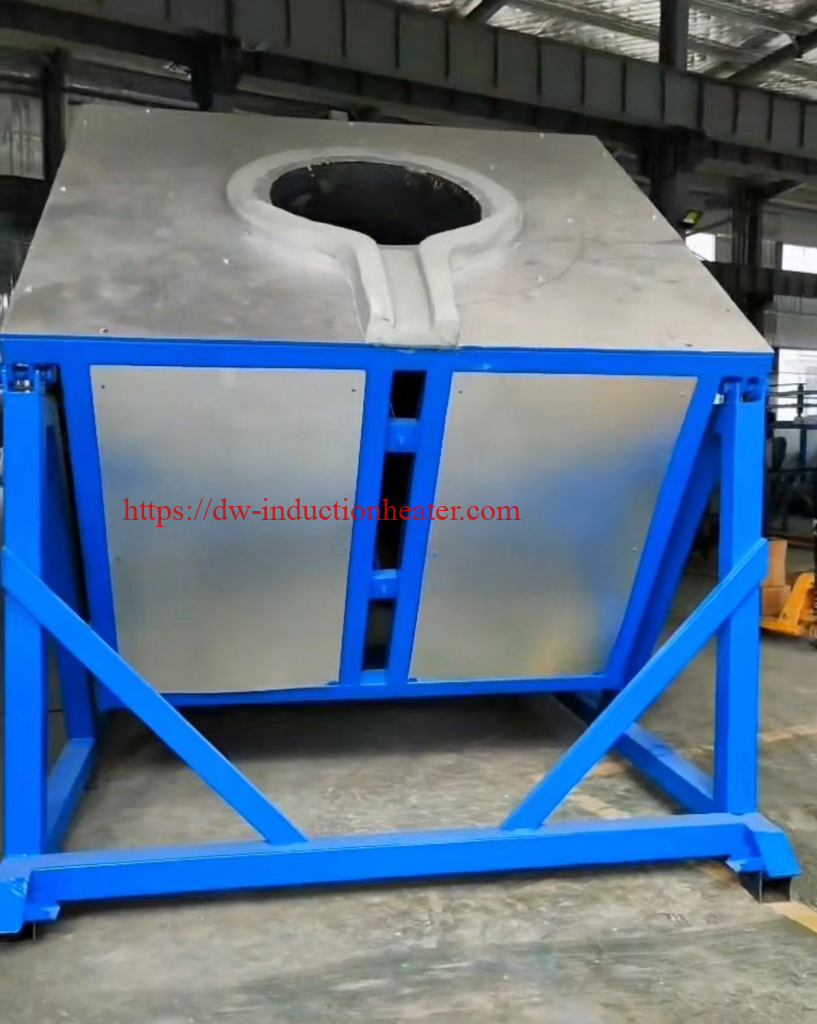
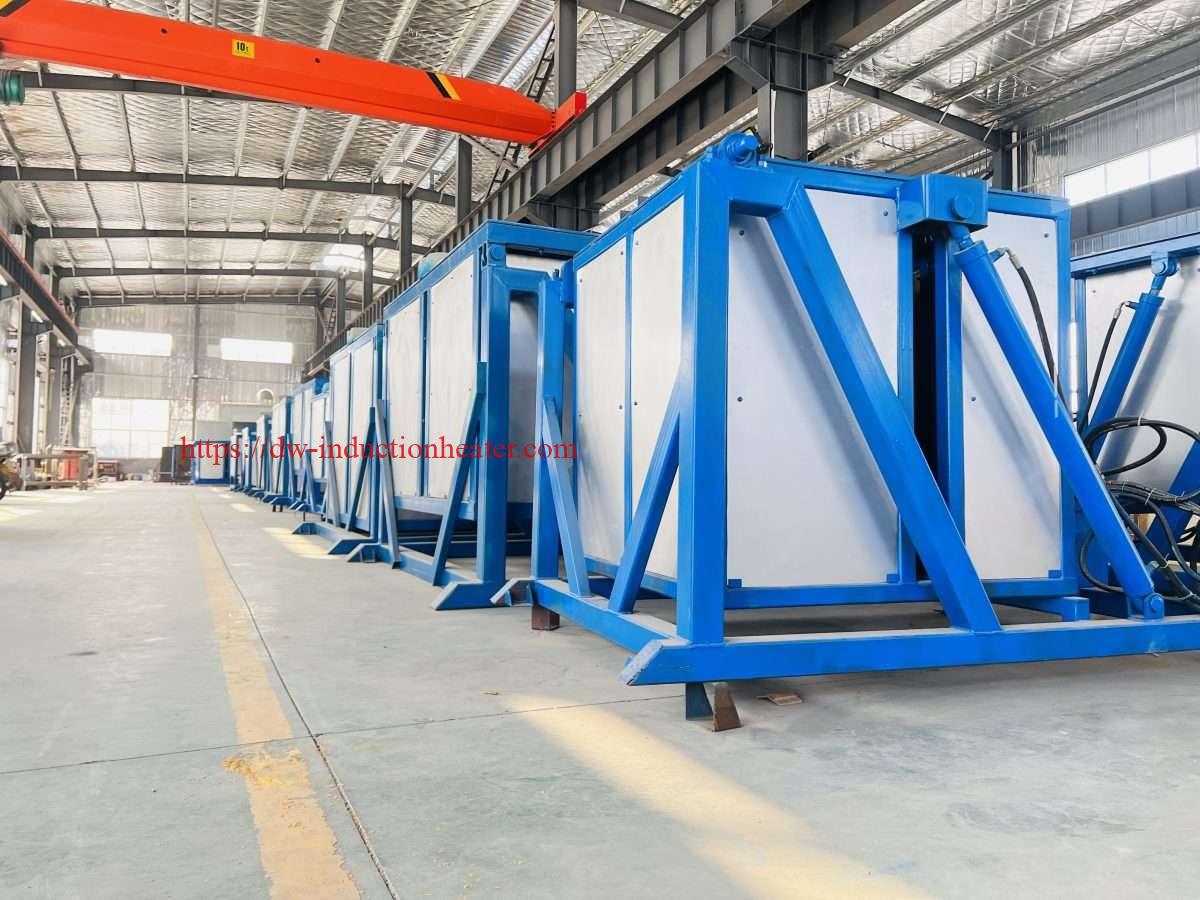
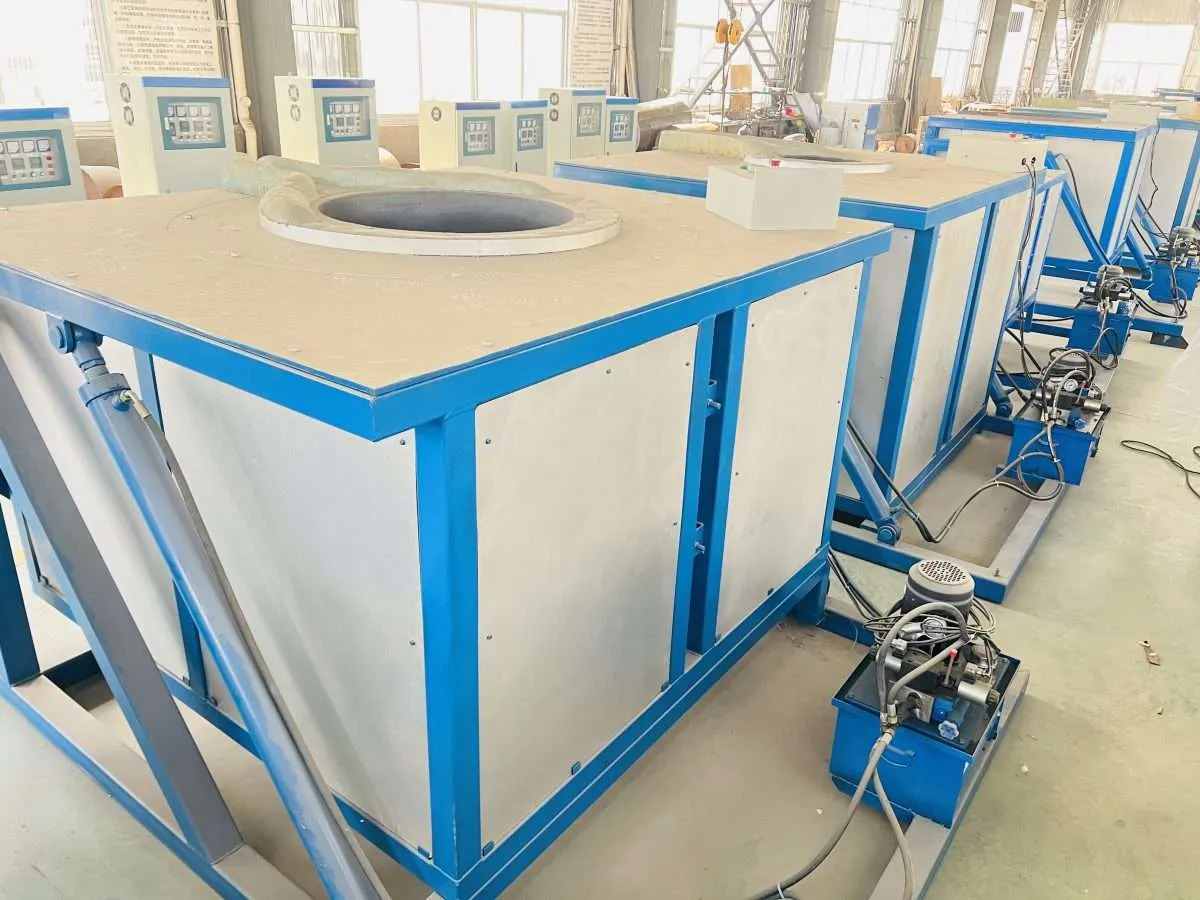
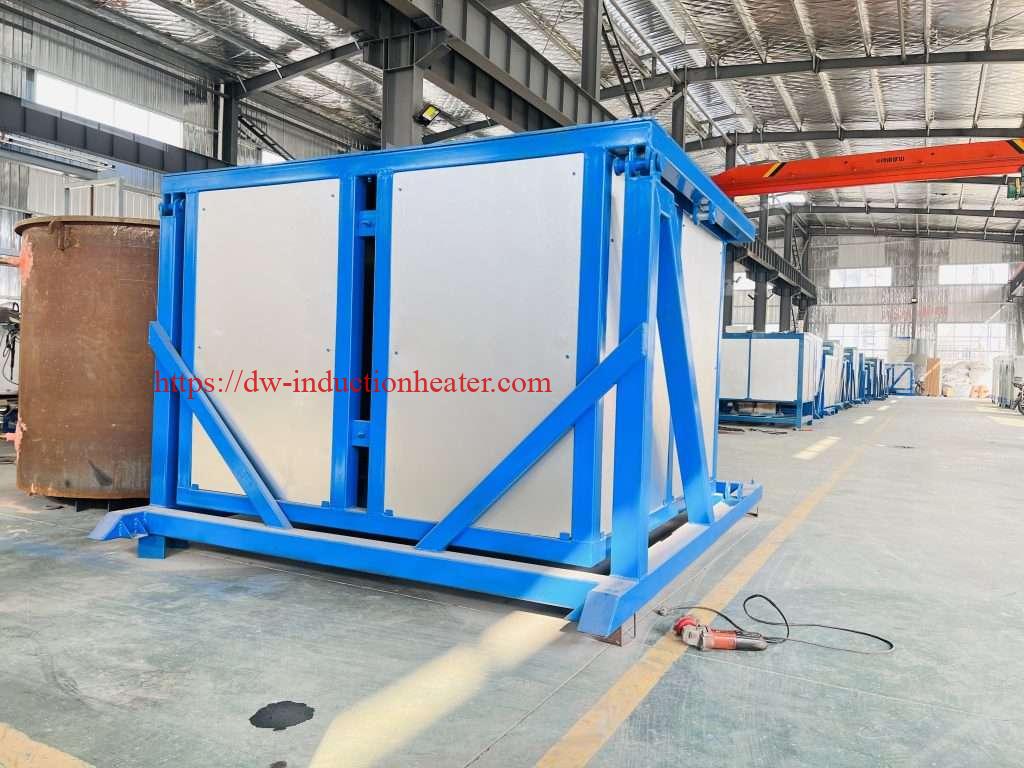
100-5000kg hydraulic tilting copper melting induction furnace

The Benefits of Copper Melting Induction Furnace for Your Business

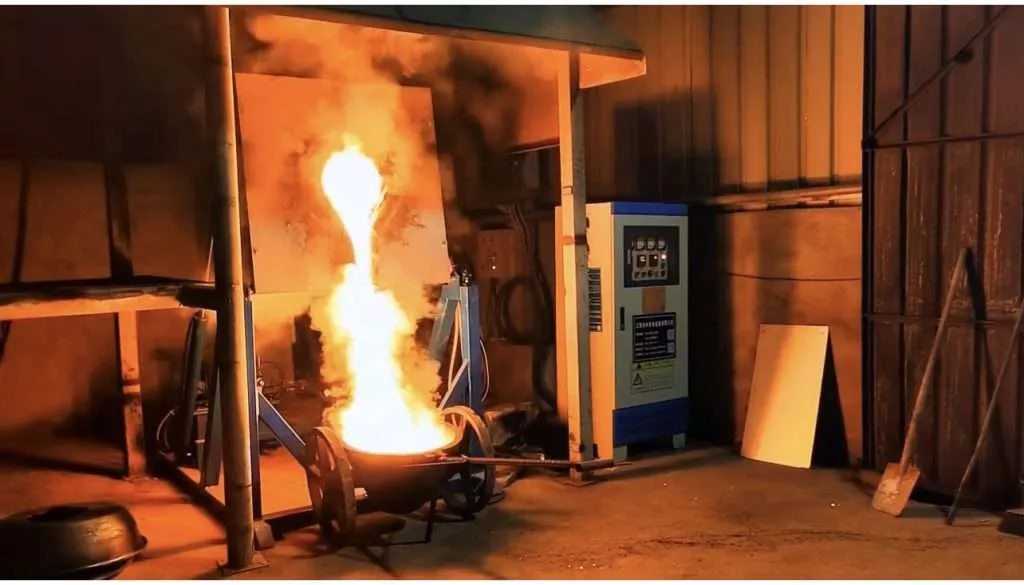
A copper melting induction furnace is a type of furnace used to melt copper using electromagnetic induction. It consists of an induction coil that generates a magnetic field, which induces electric currents in the copper material, causing it to heat up and melt. The furnace typically uses high-frequency alternating current (AC) to create the magnetic field, which is supplied by a power source. A crucible or container is used to hold the copper material during the melting process. The copper melting induction furnace is commonly used in foundries and metalworking facilities to melt copper and other metals for casting, forging, and other manufacturing applications. Copper melting induction furnaces are becoming increasingly popular in the industrial sector due to their efficiency and cost-effectiveness. These furnaces are designed to melt copper and other metals quickly and efficiently, making them an essential component for any business in need of metalworks. Although they may require a higher initial investment, the benefits copper melting induction furnaces provide are significant. They can reduce energy consumption, improve metal quality, and increase production rates, all while reducing labor costs. In this article, we will delve into the benefits of copper melting induction furnaces for your business and how they can help take your operations to the next level.
1. What is a copper melting induction furnace?

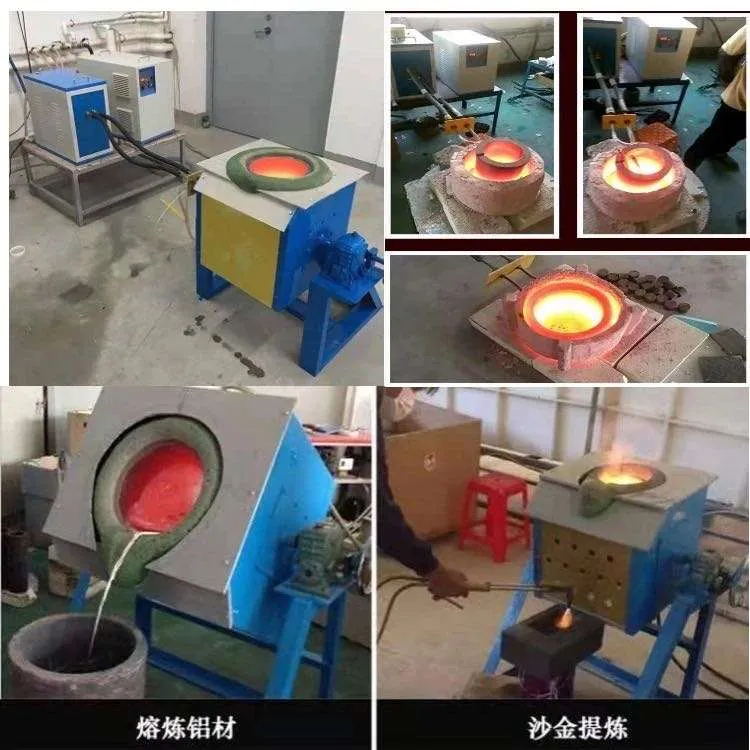
A copper melting induction furnace is an essential tool used in various industries for melting copper, brass, and other non-ferrous metals. It utilizes electromagnetic induction to produce heat, which is necessary for melting copper. The furnace consists of a crucible made from refractory materials that hold the metal that is being melted. The inductor coil is placed around the crucible, and when an alternating current is passed through it, it creates a magnetic field that generates eddy currents within the metal. These currents cause the metal to heat up and melt. One of the major benefits of a copper melting induction furnace is its energy efficiency. It uses less energy compared to traditional furnaces and requires less time to melt the metal. This means that not only is it more cost-effective, but it also enables businesses to increase their productivity. Additionally, the induction process allows for precise temperature control, resulting in consistent and high-quality melts. Another advantage of a copper melting induction furnace is its safety features. Unlike traditional furnaces that require constant monitoring, induction furnaces are fully automated, reducing the risk of accidents and increasing worker safety. The furnace is also environmentally friendly because it emits less pollution and greenhouse gases, making it an ideal choice for businesses that prioritize sustainability. In conclusion, a copper melting induction furnace is a valuable investment for businesses looking to increase productivity, save energy costs, and prioritize worker safety and environmental sustainability.
2. Benefits of using copper melting induction furnaces

Copper melting induction furnaces are becoming increasingly popular in the industrial sector due to their numerous benefits. One of the primary advantages of using copper melting induction furnaces is their energy efficiency. These furnaces use electromagnetic currents to heat the metal, which means they require less energy than traditional furnaces. This can translate into significant savings for your business in the long run. Another benefit of using copper melting induction furnaces is their precision and accuracy. These furnaces can heat the metal to specific temperatures, ensuring that the final product is of high quality and meets the required standards. Additionally, the induction process is more consistent than traditional furnaces, eliminating the risk of overheating or underheating the metal. Copper melting induction furnaces are also more environmentally friendly than traditional furnaces. As they require less energy, they produce fewer emissions, reducing the carbon footprint of your business. They also produce less waste, as the metal is melted in a closed system, reducing the amount of scrap and hazardous waste generated. Finally, copper melting induction furnaces are more cost-effective than traditional furnaces. They require less maintenance and have a longer lifespan, which means you won't have to replace them often. They also have a smaller footprint, which means you can save on space and reduce your overhead costs. In summary, copper melting induction furnaces offer several benefits for your business, including energy efficiency, precision and accuracy, environmental friendliness, and cost-effectiveness. If you're looking for a more efficient and sustainable way to melt copper, induction furnaces may be the solution you've been looking for.

3. Types of copper melting induction furnaces

There are two types of copper melting induction furnaces that are commonly used in industry: coreless induction furnaces and channel induction furnaces. The coreless induction furnace is the most popular type and is used for a variety of applications. It is designed to melt and hold metals in a non-reactive atmosphere, which helps to prevent impurities from entering the molten metal. This type of furnace is ideal for melting copper, aluminum, and other non-ferrous metals. In contrast, a channel induction furnace is designed to melt metals that have a high melting point, such as steel. It works by using a channel or crucible to hold the metal, which is then melted by the induction heating process. Both types of induction furnaces offer numerous benefits for businesses that rely on melting copper. They are highly efficient, using less energy than traditional melting methods, and they offer precise control over the melting process. They are also safer, as they don't produce harmful emissions or require an open flame, reducing the risk of accidents. Additionally, they can be automated, reducing the need for manual labor and increasing productivity. Overall, copper melting induction furnaces are an excellent investment for businesses that want to improve their melting process and increase their bottom line.

4.How a Copper Melting Induction Furnace Works

A copper melting induction furnace works by using electromagnetic induction to heat the metal. The furnace contains a coil of copper wire, which generates a magnetic field when an electric current is passed through it. When the metal is placed inside the coil, the magnetic field induces electrical currents within the metal, which in turn generate heat. The temperature of the furnace can be controlled by adjusting the frequency and power of the electrical current. This allows you to melt the copper at the precise temperature required for your application.

5.Factors to Consider When Choosing a Copper Melting Furnace

When choosing a copper melting furnace, there are several factors to consider. These include:
  • Capacity: How much copper do you need to melt at one time? Make sure you choose a furnace with the appropriate capacity for your needs.
  • Efficiency: Look for a furnace that is energy-efficient and can melt copper quickly.
  • Precision: Consider the level of control you need over the melting process. Do you need to melt copper at a specific temperature or with specific properties?
  • Cost: Copper melting induction furnaces can be expensive, so make sure you choose one that fits within your budget.

6. Maintenance and safety tips for copper melting induction furnaces

While copper melting induction furnaces are a great addition to any business, it is important to take proper care of them to ensure they last as long as possible. Regular maintenance is a must for any machine, and induction furnaces are no exception. It is important to keep the furnace clean and free of debris, as this can cause damage to the furnace and, in some cases, even pose a safety hazard. One of the most important parts of maintenance is checking the furnace's electrical connections. Loose or damaged connections can cause problems for the furnace and, in some cases, even cause a fire. It is also important to regularly check the furnace's cooling system to ensure it is functioning properly. If the cooling system fails, the furnace can overheat, which can cause damage to the furnace and, in some cases, even cause a fire. Finally, it is important to always follow safety protocols when using a copper melting induction furnace. This includes wearing appropriate safety gear, such as gloves and safety glasses, and ensuring that the furnace is in good working order before using it. By following these maintenance and safety tips, you can ensure that your copper melting induction furnace runs smoothly and safely, providing your business with the benefits it needs to succeed.

Conclusion

If you are in the market for a copper melting furnace, a copper melting induction furnace may be the best choice for your needs. These furnaces offer high efficiency, precision, and safety, making them a popular choice for many businesses. Consider the factors outlined in this article, such as capacity, efficiency, and cost, to choose the best furnace for your operation. With the right furnace and proper maintenance and safety measures, you can maximize your efficiency and productivity in melting copper.
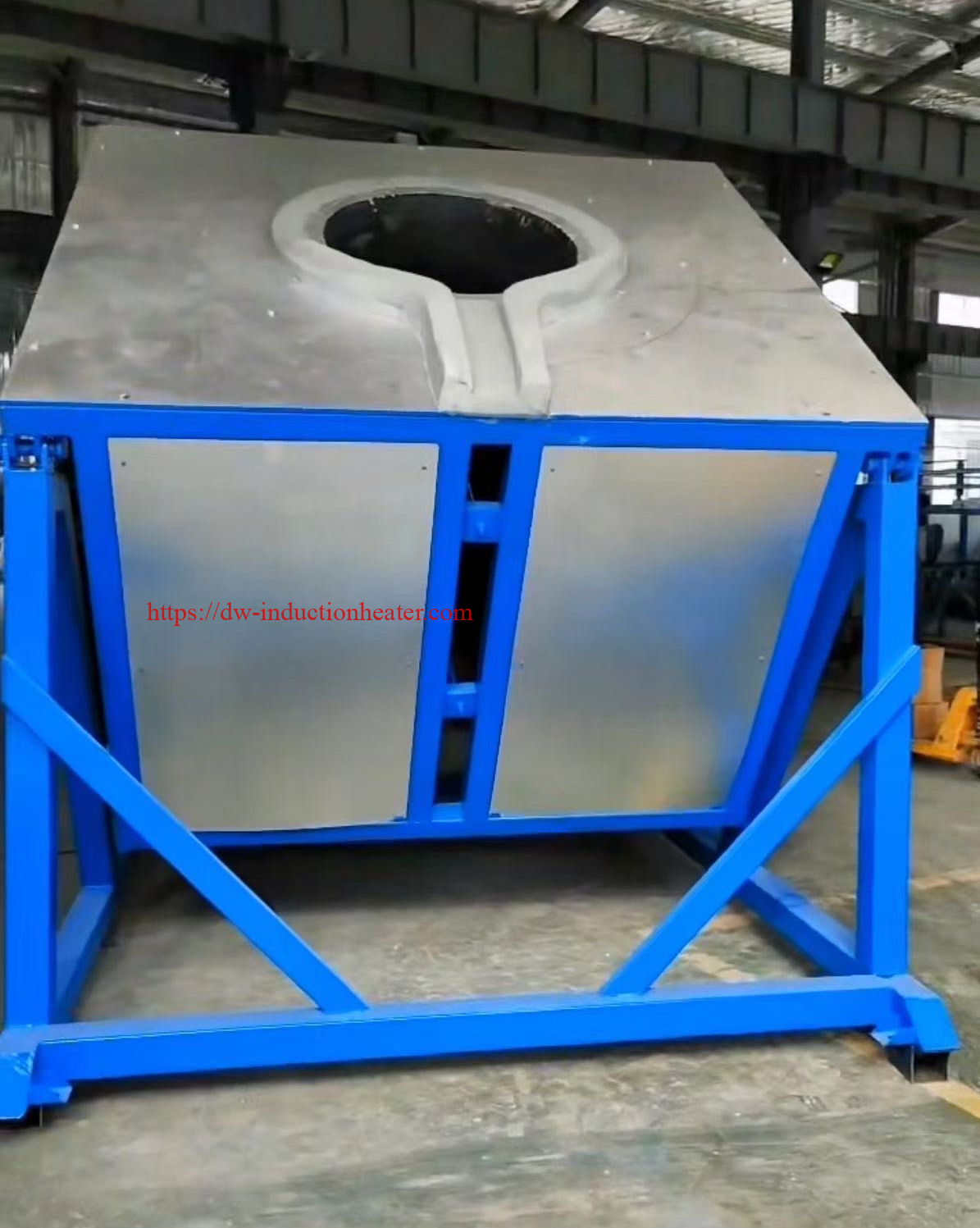
100-5000kg hydraulic tilting copper melting induction furnace

The Benefits of Copper Melting Induction Furnace for Your Business

A copper melting induction furnace is a type of furnace used to melt copper using electromagnetic induction. It consists of an induction coil that generates a magnetic field, which induces electric currents in the copper material, causing it to heat up and melt. The furnace typically uses high-frequency alternating current (AC) to create the magnetic field, which is supplied by a power source. A crucible or container is used to hold the copper material during the melting process. The copper melting induction furnace is commonly used in foundries and metalworking facilities to melt copper and other metals for casting, forging, and other manufacturing applications. Copper melting induction furnaces are becoming increasingly popular in the industrial sector due to their efficiency and cost-effectiveness. These furnaces are designed to melt copper and other metals quickly and efficiently, making them an essential component for any business in need of metalworks. Although they may require a higher initial investment, the benefits copper melting induction furnaces provide are significant. They can reduce energy consumption, improve metal quality, and increase production rates, all while reducing labor costs. In this article, we will delve into the benefits of copper melting induction furnaces for your business and how they can help take your operations to the next level.

1. What is a copper melting induction furnace?

A copper melting induction furnace is an essential tool used in various industries for melting copper, brass, and other non-ferrous metals. It utilizes electromagnetic induction to produce heat, which is necessary for melting copper. The furnace consists of a crucible made from refractory materials that hold the metal that is being melted. The inductor coil is placed around the crucible, and when an alternating current is passed through it, it creates a magnetic field that generates eddy currents within the metal. These currents cause the metal to heat up and melt. One of the major benefits of a copper melting induction furnace is its energy efficiency. It uses less energy compared to traditional furnaces and requires less time to melt the metal. This means that not only is it more cost-effective, but it also enables businesses to increase their productivity. Additionally, the induction process allows for precise temperature control, resulting in consistent and high-quality melts. Another advantage of a copper melting induction furnace is its safety features. Unlike traditional furnaces that require constant monitoring, induction furnaces are fully automated, reducing the risk of accidents and increasing worker safety. The furnace is also environmentally friendly because it emits less pollution and greenhouse gases, making it an ideal choice for businesses that prioritize sustainability. In conclusion, a copper melting induction furnace is a valuable investment for businesses looking to increase productivity, save energy costs, and prioritize worker safety and environmental sustainability.

2. Benefits of using copper melting induction furnaces

Copper melting induction furnaces are becoming increasingly popular in the industrial sector due to their numerous benefits. One of the primary advantages of using copper melting induction furnaces is their energy efficiency. These furnaces use electromagnetic currents to heat the metal, which means they require less energy than traditional furnaces. This can translate into significant savings for your business in the long run. Another benefit of using copper melting induction furnaces is their precision and accuracy. These furnaces can heat the metal to specific temperatures, ensuring that the final product is of high quality and meets the required standards. Additionally, the induction process is more consistent than traditional furnaces, eliminating the risk of overheating or underheating the metal. Copper melting induction furnaces are also more environmentally friendly than traditional furnaces. As they require less energy, they produce fewer emissions, reducing the carbon footprint of your business. They also produce less waste, as the metal is melted in a closed system, reducing the amount of scrap and hazardous waste generated. Finally, copper melting induction furnaces are more cost-effective than traditional furnaces. They require less maintenance and have a longer lifespan, which means you won't have to replace them often. They also have a smaller footprint, which means you can save on space and reduce your overhead costs. In summary, copper melting induction furnaces offer several benefits for your business, including energy efficiency, precision and accuracy, environmental friendliness, and cost-effectiveness. If you're looking for a more efficient and sustainable way to melt copper, induction furnaces may be the solution you've been looking for.

3. Types of copper melting induction furnaces

There are two types of copper melting induction furnaces that are commonly used in industry: coreless induction furnaces and channel induction furnaces. The coreless induction furnace is the most popular type and is used for a variety of applications. It is designed to melt and hold metals in a non-reactive atmosphere, which helps to prevent impurities from entering the molten metal. This type of furnace is ideal for melting copper, aluminum, and other non-ferrous metals. In contrast, a channel induction furnace is designed to melt metals that have a high melting point, such as steel. It works by using a channel or crucible to hold the metal, which is then melted by the induction heating process. Both types of induction furnaces offer numerous benefits for businesses that rely on melting copper. They are highly efficient, using less energy than traditional melting methods, and they offer precise control over the melting process. They are also safer, as they don't produce harmful emissions or require an open flame, reducing the risk of accidents. Additionally, they can be automated, reducing the need for manual labor and increasing productivity. Overall, copper melting induction furnaces are an excellent investment for businesses that want to improve their melting process and increase their bottom line.

4.How a Copper Melting Induction Furnace Works

A copper melting induction furnace works by using electromagnetic induction to heat the metal. The furnace contains a coil of copper wire, which generates a magnetic field when an electric current is passed through it. When the metal is placed inside the coil, the magnetic field induces electrical currents within the metal, which in turn generate heat. The temperature of the furnace can be controlled by adjusting the frequency and power of the electrical current. This allows you to melt the copper at the precise temperature required for your application.

5.Factors to Consider When Choosing a Copper Melting Furnace

When choosing a copper melting furnace, there are several factors to consider. These include:
  • Capacity: How much copper do you need to melt at one time? Make sure you choose a furnace with the appropriate capacity for your needs.
  • Efficiency: Look for a furnace that is energy-efficient and can melt copper quickly.
  • Precision: Consider the level of control you need over the melting process. Do you need to melt copper at a specific temperature or with specific properties?
  • Cost: Copper melting induction furnaces can be expensive, so make sure you choose one that fits within your budget.

6. Maintenance and safety tips for copper melting induction furnaces

While copper melting induction furnaces are a great addition to any business, it is important to take proper care of them to ensure they last as long as possible. Regular maintenance is a must for any machine, and induction furnaces are no exception. It is important to keep the furnace clean and free of debris, as this can cause damage to the furnace and, in some cases, even pose a safety hazard. One of the most important parts of maintenance is checking the furnace's electrical connections. Loose or damaged connections can cause problems for the furnace and, in some cases, even cause a fire. It is also important to regularly check the furnace's cooling system to ensure it is functioning properly. If the cooling system fails, the furnace can overheat, which can cause damage to the furnace and, in some cases, even cause a fire. Finally, it is important to always follow safety protocols when using a copper melting induction furnace. This includes wearing appropriate safety gear, such as gloves and safety glasses, and ensuring that the furnace is in good working order before using it. By following these maintenance and safety tips, you can ensure that your copper melting induction furnace runs smoothly and safely, providing your business with the benefits it needs to succeed.

Conclusion

If you are in the market for a copper melting furnace, a copper melting induction furnace may be the best choice for your needs. These furnaces offer high efficiency, precision, and safety, making them a popular choice for many businesses. Consider the factors outlined in this article, such as capacity, efficiency, and cost, to choose the best furnace for your operation. With the right furnace and proper maintenance and safety measures, you can maximize your efficiency and productivity in melting copper. https://dw-inductionheater.com/product/100-5000kg-hydraulic-tilting-copper-melting-induction-furnace?feed_id=196210&_unique_id=643a71e839e14

关注者

我的简介

我的照片
HLQ induction heating machine manufacturer provides the service of induction brazing,melting,hot forming,hardening surface,annealing,shrink fitting,PWHT,etc.