2023年3月29日星期三
Brazing Copper Tube to Brass Fitting With Induction
Brazing Copper Tube to Brass Fitting With Induction
Objective: To use induction heating to braze a copper tube to a brass fitting using a preform braze wire. Processing is to occur under an atmosphere of Nitrogen and 4% Hydrogen gas. The braze preforms melt at 1190°F, but the parts need to be kept below 1300°F. The parts need to be processed at a rate of 175 to 200 per hour which translates into 18 seconds of heating time per part.
Material Copper Tubing Measuring 0.5" OD and 2" Long, Brass fitting, Braze Preform, No Flux.
Temperature Above 1190°F but not to exceed 1300°F
Frequency :300 kHz
Equipment: DW-UHF-10KW output solid state induction heating power supply with three (3) busses, eight (8) capacitors totaling 0.66 μF, and a unique four turn helical coil. Process The DW-UHF-10KW output solid state power supply along with a unique four turn helical coil were used to achieve the following results.
Results • The requested atmosphere was provided under a bell jar by supplying 95% Nitrogen/5%Hydrogen at a rate of 25-30 cfh. • A heating cycle of only 10 seconds was necessary to attain sufficient braze flow which surpasses the required limit of 18 seconds.

Brazing Brass to Aluminum with Induction
Brazing Brass to Aluminum with Induction
Objective: Copper 'tees' and 'ells' are to be brazed to the aluminum body of a refrigeration valve
Material customer's valve copper fittings braze
Temperature 2550 ºF (1400°C)
Frequency 360 kHz
Equipment DW-UHF-10KW induction heating system including a workhead containing two 1.5μF capacitors (total 0.75μF) and a three-turn helical coil
Process The valve is placed inside the coil and RF power is applied until the part is heated to the required temperature and the braze is seen to flow into the joint. Two tube sizes were run using the same induction system settings with differing cycle times.
Results/Benefits • energy is applied only to the zone to be heated • heating of the joint/braze is uniform and repeatable
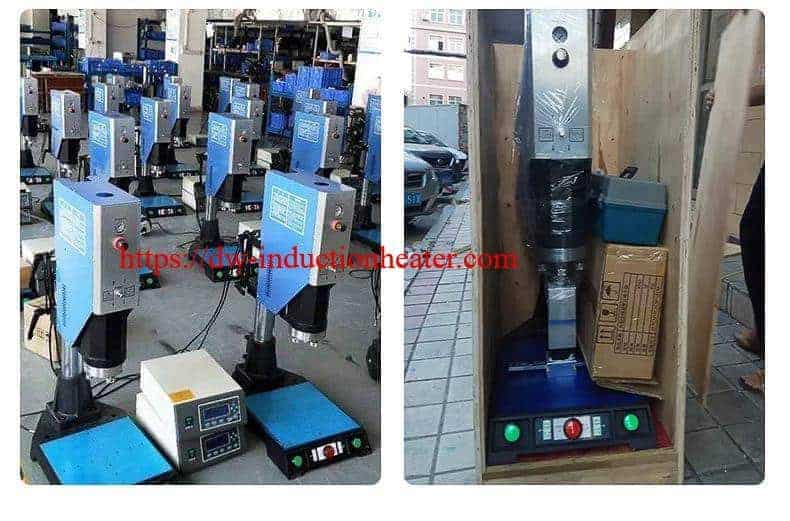
ultrasonic plastic welder for US plastic welding bonding Solutions
Ultrasonic plastic welder | ultrasonic welder | ultra sonic plastic welding machine with Automatic Frequency Chasing
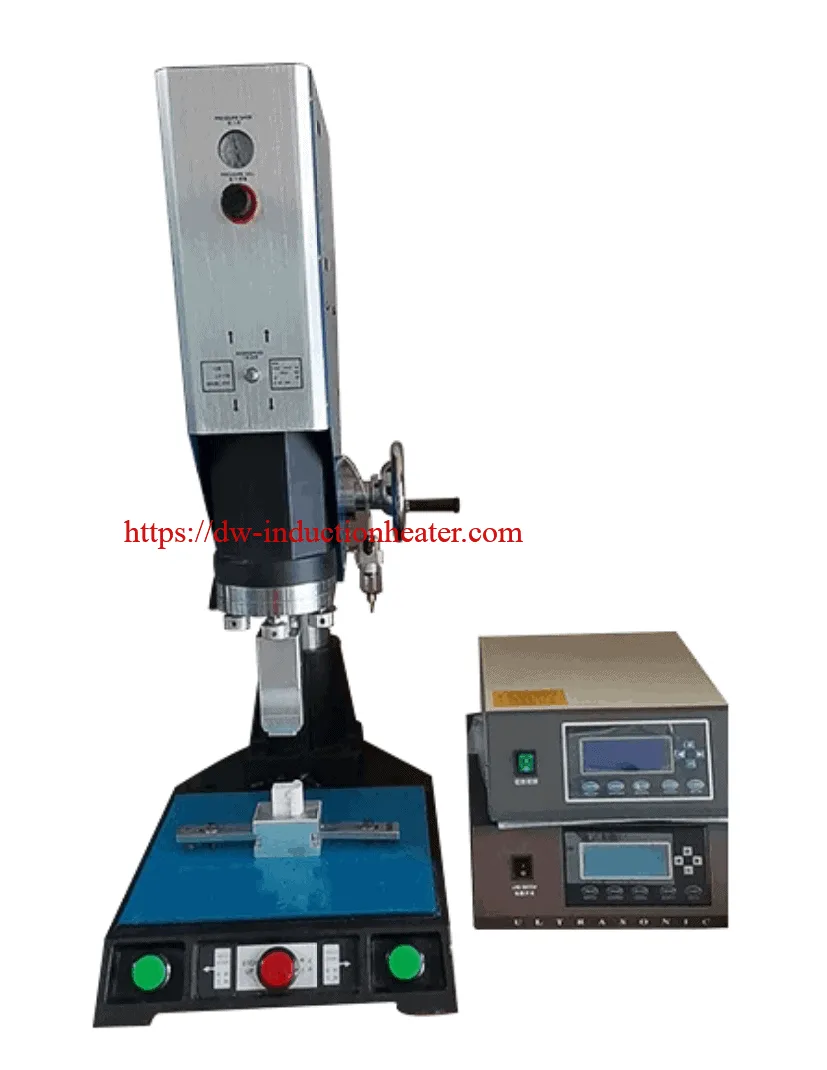
 ♦Fully automatic frequency chasing, suitable for various sizes of welding die and different design mold, automatic chasing frequency range:±400HZ
Example: 15KHZ ultrasonic, mold frequency in 14.4-15.2KHZ can Automatic frequency traceability
♦The use of CPU computer to monitor various programs is fast and adaptable. The built-in protection system "system protection monitoring" function will respond to the following situations: the temperature is too high and the pressure is too high, which leads to overload. Excessive current of ultrasonic generator, loosening of solder head, transducer or transducer, failure of generator circuit, etc.
♦Automatic tuning enables the ultrasonic generator to automatically track and compensate for changes in welding head frequency. When the temperature is too high, wear on the surface of the welding head or debris on the head, this frequency change will occur.
♦Built-in automatic constant amplitude system. The ultrasonic amplitude can be adjusted from 50% to 100% stepless to adapt to different welding work.
♦With IGBT, the reaction speed is 100 times faster than that of traditional silica gel power tube.
♦Fully automatic frequency chasing, suitable for various sizes of welding die and different design mold, automatic chasing frequency range:±400HZ
Example: 15KHZ ultrasonic, mold frequency in 14.4-15.2KHZ can Automatic frequency traceability
♦The use of CPU computer to monitor various programs is fast and adaptable. The built-in protection system "system protection monitoring" function will respond to the following situations: the temperature is too high and the pressure is too high, which leads to overload. Excessive current of ultrasonic generator, loosening of solder head, transducer or transducer, failure of generator circuit, etc.
♦Automatic tuning enables the ultrasonic generator to automatically track and compensate for changes in welding head frequency. When the temperature is too high, wear on the surface of the welding head or debris on the head, this frequency change will occur.
♦Built-in automatic constant amplitude system. The ultrasonic amplitude can be adjusted from 50% to 100% stepless to adapt to different welding work.
♦With IGBT, the reaction speed is 100 times faster than that of traditional silica gel power tube.
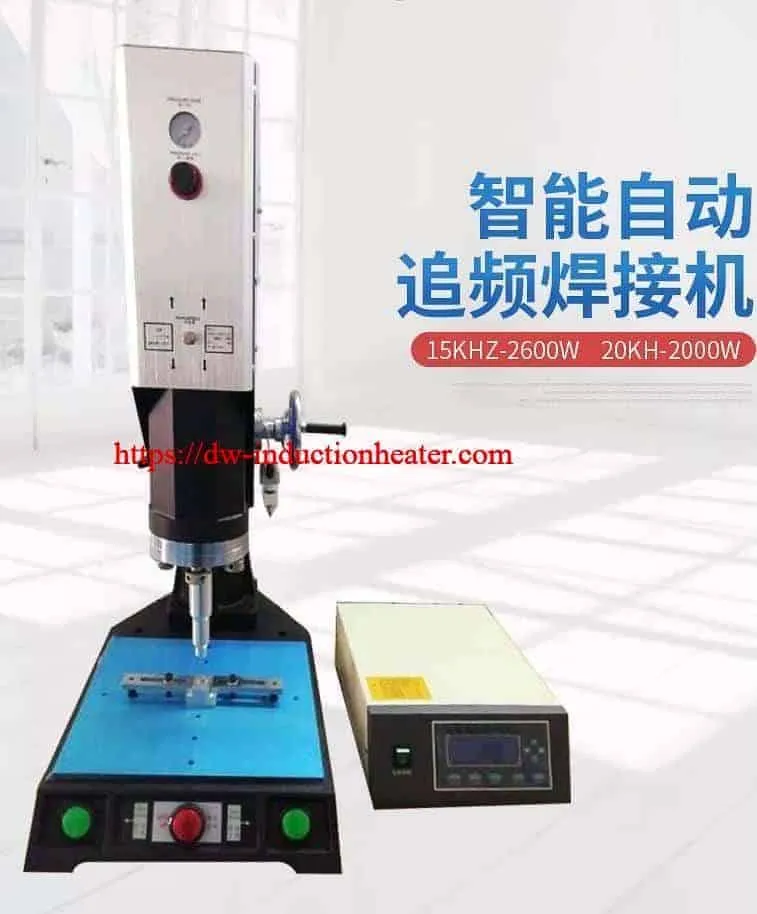
| Model | 1520A | 1526A | 1532A | 1542A |
| Frequency | 15KHz | |||
| Power | 2000W | 2600W | 3200W | 4200W |
| Voltage | 220V | |||
| Capacity | 10-20 times/min | |||
| Driving form | Pneumatic | |||
| Stroke Length(Horn Journy) | 75mm | 100mm | ||
| Output Time | 0.01-9.99S Adjustable | |||
| Welding Area | Φ100 | Φ200 | Φ300 | Φ400 |
| Electricity | AC | |||
| Control mode | Numerical control | |||
| Working air pressure | 1-7 Bar | |||
| Weight | 90KG | 90KG | 90KG | 120KG |
| Dimensions | 450*750*1100mm | 760*1000*1950mm | ||
 Applications:
Ultrasonic plastic Welder\Ultrasonic welding plastic machine is widely used in automotive industry, electronic industry, medical industry, household appliances, woven apparel, office supplies, packaging industry, toy industry, and so on.
Automotive industry: plastic body parts, car doors, automotive dashboard, lights, mirrors, sun visor, interior parts, filters, reflective material, reflective spike, bumper, cable, plastic filter for motorcycle , Radiator, brake fluid tank, oil cups, water tanks, fuel tank, air hose, exhaust purifiers, the tray plate, and so on.
Plastic Electronics: prepaid water meters, communications equipment, cordless phones, mobile phone accessories, cell phone case, battery case, charger, maintenance valve regulated lead-acid batteries, 3-inch floppy disk, U disk, SD card, CF card, USB connection, Bluetooth devices, and so on.
Stationery: folder, album, folding boxes, PP hollow board, pen loops, ink cartridges, toner cartridges, and so on.
Medical and Daily products: watches, kitchen utensils, oral liquid bottle caps, drip caps, mobile phone accessories, golden soft brush, and daily necessities, handle, security caps, cosmetics bottle, coffee pot, washing machines, air dehumidifiers, Electric irons, electric kettles, vacuum cleaners, speakers, cover and metal face grille and other civil engineering and so on.
Health products: children's products, air mattresses, clothes hangers, gardening supplies, kitchenware sanitary ware, shower, shower head, and so on.
Applications:
Ultrasonic plastic Welder\Ultrasonic welding plastic machine is widely used in automotive industry, electronic industry, medical industry, household appliances, woven apparel, office supplies, packaging industry, toy industry, and so on.
Automotive industry: plastic body parts, car doors, automotive dashboard, lights, mirrors, sun visor, interior parts, filters, reflective material, reflective spike, bumper, cable, plastic filter for motorcycle , Radiator, brake fluid tank, oil cups, water tanks, fuel tank, air hose, exhaust purifiers, the tray plate, and so on.
Plastic Electronics: prepaid water meters, communications equipment, cordless phones, mobile phone accessories, cell phone case, battery case, charger, maintenance valve regulated lead-acid batteries, 3-inch floppy disk, U disk, SD card, CF card, USB connection, Bluetooth devices, and so on.
Stationery: folder, album, folding boxes, PP hollow board, pen loops, ink cartridges, toner cartridges, and so on.
Medical and Daily products: watches, kitchen utensils, oral liquid bottle caps, drip caps, mobile phone accessories, golden soft brush, and daily necessities, handle, security caps, cosmetics bottle, coffee pot, washing machines, air dehumidifiers, Electric irons, electric kettles, vacuum cleaners, speakers, cover and metal face grille and other civil engineering and so on.
Health products: children's products, air mattresses, clothes hangers, gardening supplies, kitchenware sanitary ware, shower, shower head, and so on.
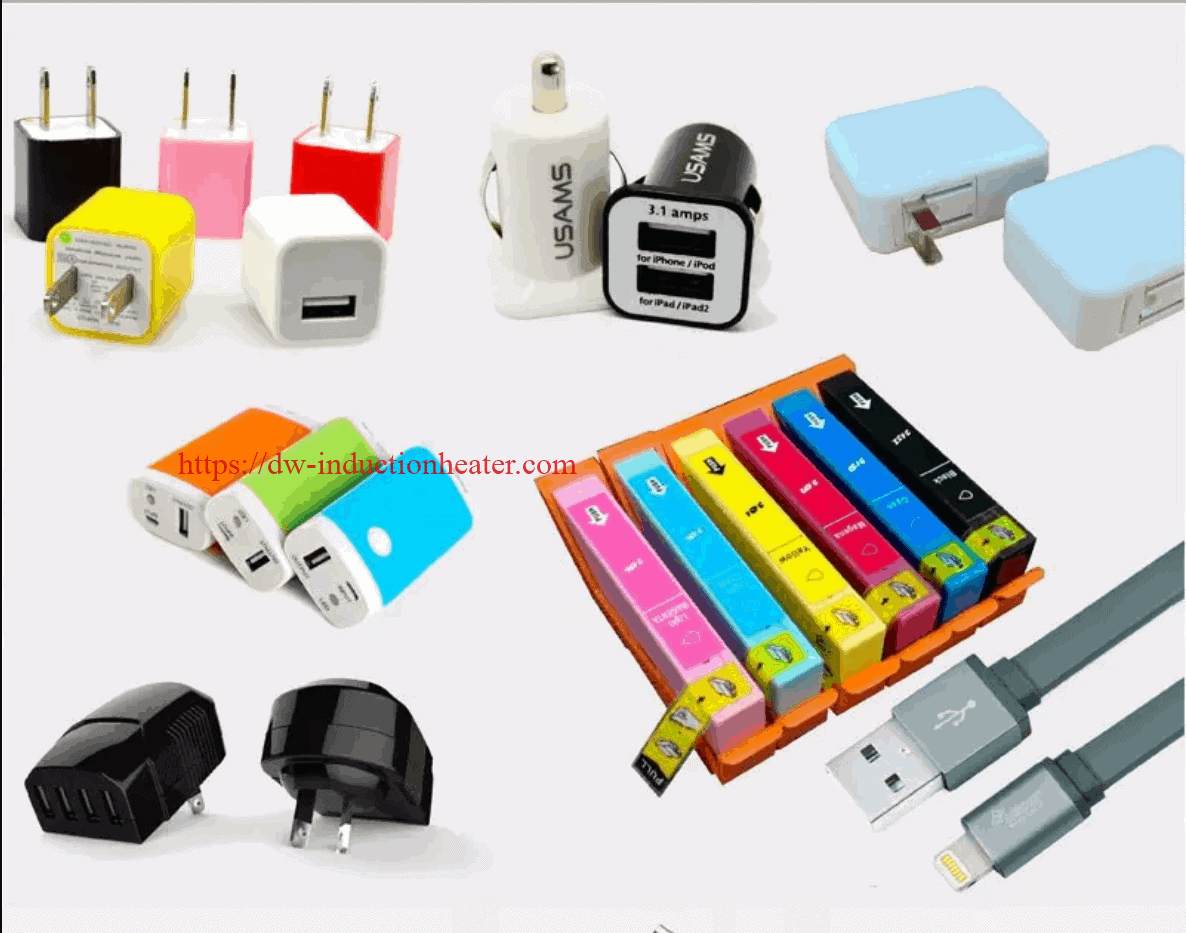


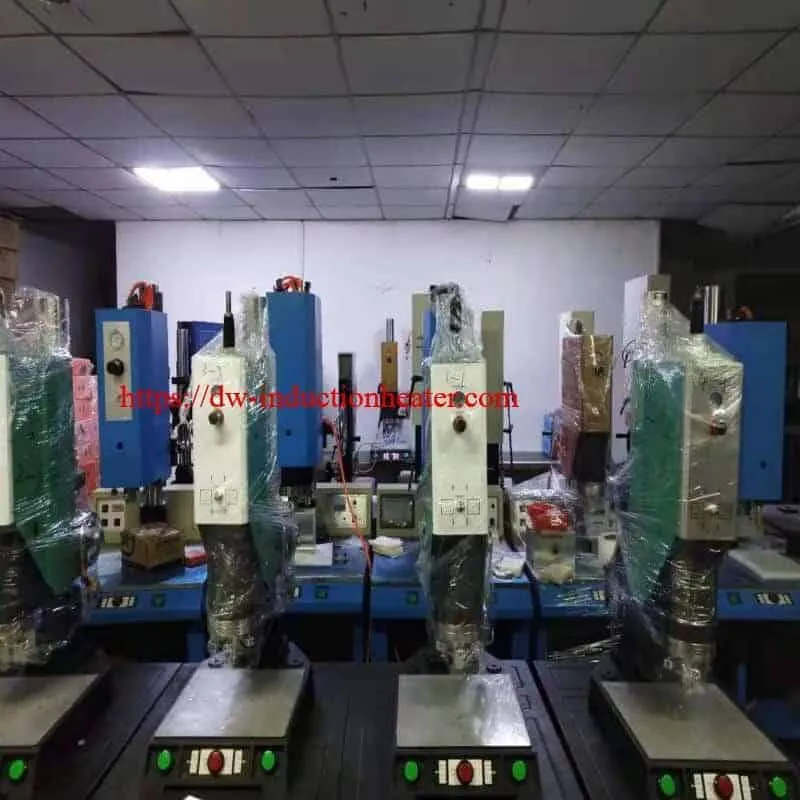
 Ultrasonic Welding Applications: Pure PVC, PET or plastics with more than 20% PVC content are heat-sealed, leather leather heat-sealed, or cloth heat-sealed, and other special-purpose materials can be processed; the application range includes heat-sealing embossing of shoes and hats, embossing of clothing, toys, trademarks, bags , Rain gear, stationery, folding boxes, CD bags, packaging bags, eye boxes, albums, photo albums, business cards, notepads, electronic products, tools, sports goods heat sealing, battery blister packaging sealing, etc.; usually used in plastics , Electronics, electrical appliances, auto parts, packaging, environmental protection, medical equipment, non-woven fabrics, toys, communication equipment and other industries.
 [wpforms id="3947"]
Advantages of Induction Heating
what is advantages of induction heating,brazing,hardening,melting and forging,etc?
Why choose induction heating over open flame,convection,radiant or another heating method?Here's a short summary of the major advantages that modern solid state induction heating offers for lean manufacturing:
*Heating Fast
Induction heating is induced within the part itself by alternating electrical current. As a result, product warpage, distortion and reject rates are minimized. For maximum product quality, the part can be isolated in an enclosed chamber with a vacuum, inert or reducing atmosphere to eliminate the effects of oxidation. Production rates can be maximized because induction works so quickly; heat is developed directly and instantly (>2000º F. in < 1 second) inside the part. Startup is virtually instantaneous; no warm up or cool down cycle is required. The induction heating process can be completed on the manufacturing floor, next to the cold or hot forming machine, instead of sending batches of parts to a remote furnace area or subcontractor. For example, a brazing or soldering process which previously required a time-consuming, off-line batch heating approach can now be replaced with a continuous, one-piece flow manufacturing system.
*Heating Consistent
Induction heating eliminates the inconsistencies and quality issues associated
with open flame, torch heating and other methods. Once the system is properly calibrated and set up, there is no guess work or variation; the heating pattern is repeatable and consistent. With modern solid state systems, precise temperature control provides uniform results; power can be instantly turned on or shut off. With closed loop temperature control, advanced induction heating systems have the capability to measure the temperature of each individual part. Specific ramp up, hold and ramp down rates can be established & data can be recorded for each part that is run.
*Heating Clean
Induction heating systems do not burn traditional fossil fuels; induction is a clean, non-polluting process which will help protect the environment. An induction system improves working conditions for your employees by eliminating smoke, waste heat, noxious emissions and loud noise. Heating is safe and efficient with no open flame to endanger the operator or obscure the process. Non-conductive materials are not affected and can be located in close proximity to the heating zone without damage.
*Save Energy
Tired of increasing utility bills? This uniquely energy-efficient process converts up to 90% of the energy expended energy into useful heat; batch furnaces are generally only 45% energy-efficient. And since induction requires no warm-up or cool-down cycle, stand-by heat losses are reduced to a bare minimum. The repeatability and consistency of the induction process make it highly compatible with energy-efficient automated systems.
Hydrogen Atmosphere Brazing Tube To Copper With Induction
Hydrogen Atmosphere Brazing Tube To Copper with induction
Objective: Braze a NI-SPAN-C alloy tube to a steel cap in a hydrogen atmosphere
Material NI-SPAN-C alloy tube (5mm) dia, steel cap (7mm) dia, (7mm) long, nickel braze, quartz tube and hydrogen
Temperature: 1875 ºF (1024 ºC)
Frequency: 350 kHz
Equipment •DW-UHF-20kW induction heating system, equipped with a remote workhead containing two 1.5μF capacitors for a total of 0.75μF
• An induction heating coil designed and developed specifically for this application.
Process A single turn helical coil is used to heat the tube assembly directly. The tube assembly is held in place inside the quartz tube by a copper fixture and hydrogen is fed into the quartz tube. Braze preforms are placed at the braze area and heat is applied for 60 seconds to flow the braze.
Results/Benefits Induction heating provides:
• Rapid localized heat to joint area only
• Minimized oxidation reduces cleaning time
• Improved part quality
• Hands-free heating that involves no operator skill for manufacturing
Induction Preheating Before Welding For Stress Relieving
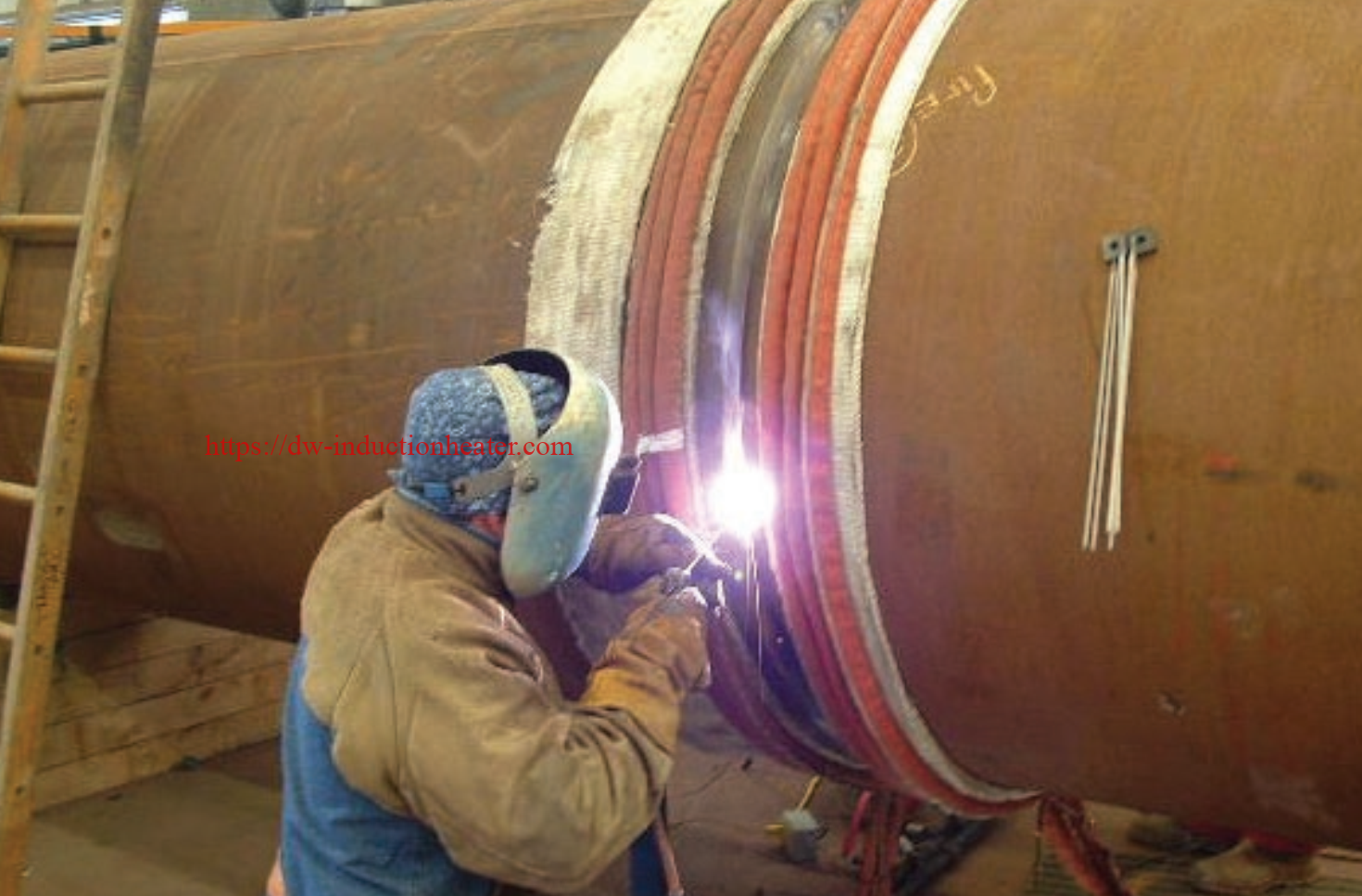
Induction Preheating Before Welding For Stress Relieving Heater
Why use Induction Preheating Before Welding ? Induction preheating can slow down the cooling rate after welding. It is beneficial to escape the diffused hydrogen in the weld metal and avoid hydrogen-induced cracks. At the same time, It also reduces the welding seal and heat-affected zone hardening level, the welded joint crack resistance is improved.
Induction preheating can reduce welding stress. The temperature difference (also known as temperature gradient) between welders in the welding area can be reduced by uniformly local or whole induction preheating. In this way, on the one hand, the welding stress is reduced, on the other hand, the welding strain rate is reduced, which is beneficial to avoiding welding cracks.
Induction preheating can reduce the welded structures constraint degree, it is especially obvious to reduce the constraint of the Angle joint. With the increase of induction preheating temperature, the crack incidence decreases.
Induction preheating temperature and interlayer temperature (Note: when multi-layer and multi-pass welding is carried out on the weldment, the lowest temperature of the front weld is called interlayer temperature when the post-weld is welded. For materials requiring induction preheating welding, when multilayer welding is required, the interlayer temperature should be equal to or slightly higher than the induction preheating temperature. If the interlayer temperature is lower than the induction preheating temperature, it should be induction preheated again.
In addition, the uniformity of induction preheating temperature in the direction of steel plate thickness and in the weld area has an important effect on reducing welding stress. The width of local induction preheating should be determined according to the constraint of the welder, generally three times the wall thickness around the weld zone, and not less than 150-200 mm. If the induction preheating is not uniform, not only will not reduce the welding stress but will increase the welding stress.
Induction preheating can slow down the cooling rate after welding. It is beneficial to escape the diffused hydrogen in the weld metal and avoid hydrogen-induced cracks. At the same time, It also reduces the welding seal and heat-affected zone hardening level, the welded joint crack resistance is improved.
Induction preheating can reduce welding stress. The temperature difference (also known as temperature gradient) between welders in the welding area can be reduced by uniformly local or whole induction preheating. In this way, on the one hand, the welding stress is reduced, on the other hand, the welding strain rate is reduced, which is beneficial to avoiding welding cracks.
Induction preheating can reduce the welded structures constraint degree, it is especially obvious to reduce the constraint of the Angle joint. With the increase of induction preheating temperature, the crack incidence decreases.
Induction preheating temperature and interlayer temperature (Note: when multi-layer and multi-pass welding is carried out on the weldment, the lowest temperature of the front weld is called interlayer temperature when the post-weld is welded. For materials requiring induction preheating welding, when multilayer welding is required, the interlayer temperature should be equal to or slightly higher than the induction preheating temperature. If the interlayer temperature is lower than the induction preheating temperature, it should be induction preheated again.
In addition, the uniformity of induction preheating temperature in the direction of steel plate thickness and in the weld area has an important effect on reducing welding stress. The width of local induction preheating should be determined according to the constraint of the welder, generally three times the wall thickness around the weld zone, and not less than 150-200 mm. If the induction preheating is not uniform, not only will not reduce the welding stress but will increase the welding stress. How to Find the Suitable Induction Preheating Solution?
When choosing the appropriate induction preheating equipment mainly consider the following aspects:
The heated workpiece’s shape and size.: Large workpiece, bar material, solid material, should be selected relative power, low-frequency induction heating equipment; If the workpiece is small, pipe, plate, gear, etc., the induction preheating equipment with low relative power and high frequency should be selected.
The depth and area to be heated: Deep heating depth, large area, overall heating, should choose large power, low frequency induction heating equipment; Shallow heating depth, small area, local heating, selection of relatively small power, high frequency induction preheating equipment.
The requried heating speed: If the heating speed is fast, the induction heating equipment with relatively large power and relatively high frequency should be selected.
Equipment continuous working time: Continuous working time is long, relatively select slightly larger power induction preheating equipment.
Distance between the induction heating head and the induction machine: Long connection, even the use of a water-cooled cable connection, should be a relatively large power induction preheating machine.
Induction Heating: How It Works?
Induction heating systems use noncontact heating. They induce heat electromagnetically rather than using a heating element in contact with a part to conduct heat, as does resistance heating. Induction heating acts more like a microwave oven — the appliance remains cool while the food cooks from within.
In an industrial example of induction heating, heat is induced in the part by placing it in a high-frequency magnetic field. The magnetic field creates eddy currents inside the part, exciting the part's molecules and generating heat. Because heating occurs slightly below the metal surface, no heat is wasted.
Induction heating's similarity to resistance heating is that conduction is required to heat through the section or part. The only difference is the source of heat and the temperatures of the tool. The induction process heats within the part, and the resistance process heats on the surface of the part. The depth of heating depends on the frequency. High-frequency (e.g., 50 kHz) heats close to the surface, while low-frequency (e.g., 60 Hz) penetrates deeper into the part, placing the heating source up to 3 mm deep, which allows heating of thicker parts. The induction coil does not heat up because the conductor is large for the current being carried. In other words, the coil does not need to heat up to heat the workpiece.
Induction Heating System Components
Induction heating systems can be air- or liquid-cooled, depending on application requirements. A key component common to both systems is the induction coil used to generate heat within the part.
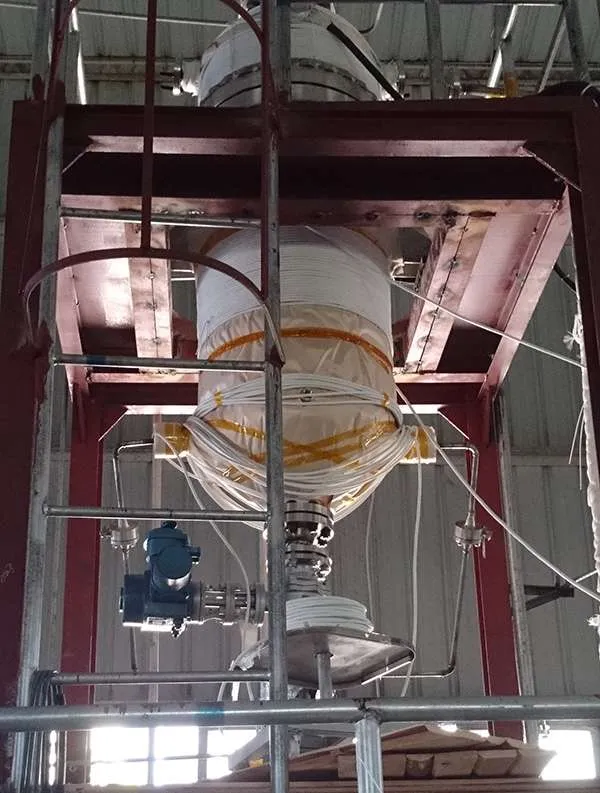
Air-cooled System. A typical air-cooled system consists of a power source , induction blanket, and associated cables. The induction blanket consists of an induction coil surrounded by insulation and sewn into a high-temperature, replaceable Kevlar sleeve.
This type of induction system can include a controller to monitor and automatically control temperature. A system not equipped with a controller requires the use of a temperature indicator. The system also could include a remote on-off switch. Air-cooled systems can be used for applications up to 400 degrees F, designating it as a preheat-only system.
How to Find the Suitable Induction Preheating Solution?
When choosing the appropriate induction preheating equipment mainly consider the following aspects:
The heated workpiece’s shape and size.: Large workpiece, bar material, solid material, should be selected relative power, low-frequency induction heating equipment; If the workpiece is small, pipe, plate, gear, etc., the induction preheating equipment with low relative power and high frequency should be selected.
The depth and area to be heated: Deep heating depth, large area, overall heating, should choose large power, low frequency induction heating equipment; Shallow heating depth, small area, local heating, selection of relatively small power, high frequency induction preheating equipment.
The requried heating speed: If the heating speed is fast, the induction heating equipment with relatively large power and relatively high frequency should be selected.
Equipment continuous working time: Continuous working time is long, relatively select slightly larger power induction preheating equipment.
Distance between the induction heating head and the induction machine: Long connection, even the use of a water-cooled cable connection, should be a relatively large power induction preheating machine.
Induction Heating: How It Works?
Induction heating systems use noncontact heating. They induce heat electromagnetically rather than using a heating element in contact with a part to conduct heat, as does resistance heating. Induction heating acts more like a microwave oven — the appliance remains cool while the food cooks from within.
In an industrial example of induction heating, heat is induced in the part by placing it in a high-frequency magnetic field. The magnetic field creates eddy currents inside the part, exciting the part's molecules and generating heat. Because heating occurs slightly below the metal surface, no heat is wasted.
Induction heating's similarity to resistance heating is that conduction is required to heat through the section or part. The only difference is the source of heat and the temperatures of the tool. The induction process heats within the part, and the resistance process heats on the surface of the part. The depth of heating depends on the frequency. High-frequency (e.g., 50 kHz) heats close to the surface, while low-frequency (e.g., 60 Hz) penetrates deeper into the part, placing the heating source up to 3 mm deep, which allows heating of thicker parts. The induction coil does not heat up because the conductor is large for the current being carried. In other words, the coil does not need to heat up to heat the workpiece.
Induction Heating System Components
Induction heating systems can be air- or liquid-cooled, depending on application requirements. A key component common to both systems is the induction coil used to generate heat within the part.
Air-cooled System. A typical air-cooled system consists of a power source , induction blanket, and associated cables. The induction blanket consists of an induction coil surrounded by insulation and sewn into a high-temperature, replaceable Kevlar sleeve.
This type of induction system can include a controller to monitor and automatically control temperature. A system not equipped with a controller requires the use of a temperature indicator. The system also could include a remote on-off switch. Air-cooled systems can be used for applications up to 400 degrees F, designating it as a preheat-only system.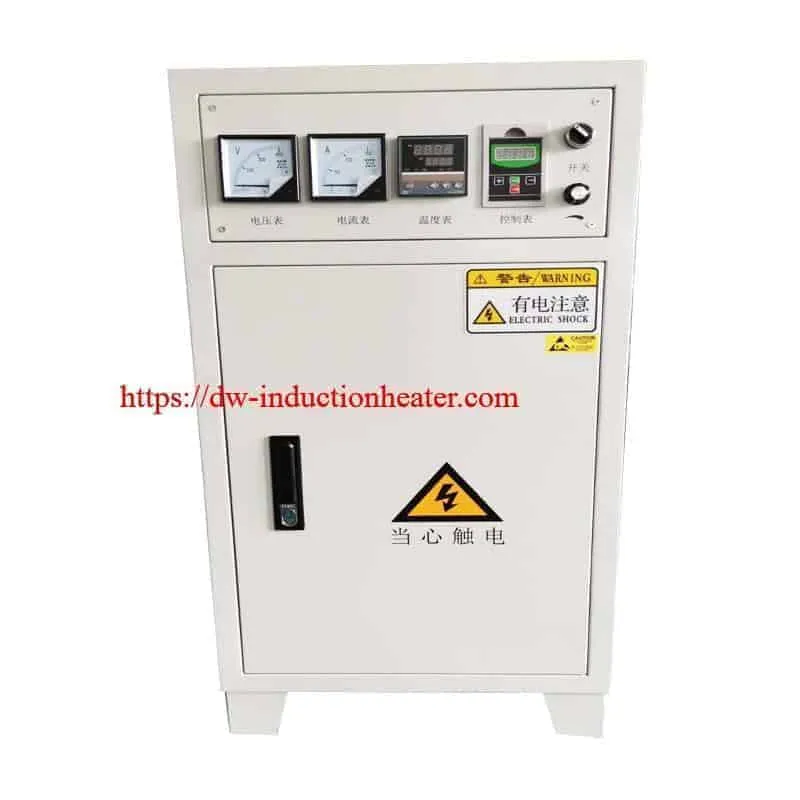 Liquid-cooled System. Because liquid cools more efficiently than air, this type of induction heating system is suitable for applications requiring higher temperatures, such as high-temperature preheating and stress relieving. The principal differences from an air-cooled system are the addition of a water cooler and the use of a flexible, liquid-cooled hose that houses the induction coil. Liquid-cooled systems also generally use a temperature controller and built-in temperature recorder, particularly important components in stress-relieving applications.
The typical stress-relieving procedure requires a step to 600 to 800 degrees F, followed by a ramp or controlled temperature rise to a soak temperature of approximately 1,250 degrees. After a hold time, the part is control-cooled to between 600 and 800 degrees. The temperature recorder collects data on the part's actual temperature profile based on a thermocouple input, a quality assurance requirement for stress-relieving applications. The type of work and the applicable code determine the actual procedure.
Induction Heating's Benefits
Induction heating offers numerous benefits, including good heat uniformity and quality, reduced cycle time, and long-lasting consumables. Induction heating is also safe, reliable, easy to use, power-efficient, and versatile.
Uniformity and Quality. Induction heating is not particularly sensitive to coil placement or spacing. Generally, the coils should be spaced evenly and centered on the weld joint. On systems so equipped, a temperature controller can establish the power requirement in an analog fashion, providing just enough power to maintain the temperature profile. The power source provides power during the entire process.
Liquid-cooled System. Because liquid cools more efficiently than air, this type of induction heating system is suitable for applications requiring higher temperatures, such as high-temperature preheating and stress relieving. The principal differences from an air-cooled system are the addition of a water cooler and the use of a flexible, liquid-cooled hose that houses the induction coil. Liquid-cooled systems also generally use a temperature controller and built-in temperature recorder, particularly important components in stress-relieving applications.
The typical stress-relieving procedure requires a step to 600 to 800 degrees F, followed by a ramp or controlled temperature rise to a soak temperature of approximately 1,250 degrees. After a hold time, the part is control-cooled to between 600 and 800 degrees. The temperature recorder collects data on the part's actual temperature profile based on a thermocouple input, a quality assurance requirement for stress-relieving applications. The type of work and the applicable code determine the actual procedure.
Induction Heating's Benefits
Induction heating offers numerous benefits, including good heat uniformity and quality, reduced cycle time, and long-lasting consumables. Induction heating is also safe, reliable, easy to use, power-efficient, and versatile.
Uniformity and Quality. Induction heating is not particularly sensitive to coil placement or spacing. Generally, the coils should be spaced evenly and centered on the weld joint. On systems so equipped, a temperature controller can establish the power requirement in an analog fashion, providing just enough power to maintain the temperature profile. The power source provides power during the entire process.
 Cycle Time. The induction method of preheating and stress relieving provides relatively quick time-to-temperature. On thicker applications, such as high-pressure steam lines, induction heating can slash two hours from cycle time. It is possible to reduce cycle time from the control temperature to soak temperature.
Consumables. The insulation used in induction heating is easy to attach to workpieces and can be reused many times. In addition, induction coils are robust and do not require fragile wire or ceramic materials. Also, because the induction coils and connectors do not operate at high temperatures, they are not subject to degradation.
Ease of Use. A major benefit of induction preheating and stress relieving is its simplicity. Insulation and cables are simple to install, usually taking less than 15 minutes. In some cases, how to use the induction equipment can be taught in one day.
Cycle Time. The induction method of preheating and stress relieving provides relatively quick time-to-temperature. On thicker applications, such as high-pressure steam lines, induction heating can slash two hours from cycle time. It is possible to reduce cycle time from the control temperature to soak temperature.
Consumables. The insulation used in induction heating is easy to attach to workpieces and can be reused many times. In addition, induction coils are robust and do not require fragile wire or ceramic materials. Also, because the induction coils and connectors do not operate at high temperatures, they are not subject to degradation.
Ease of Use. A major benefit of induction preheating and stress relieving is its simplicity. Insulation and cables are simple to install, usually taking less than 15 minutes. In some cases, how to use the induction equipment can be taught in one day.
 Power Efficiency. The inverter power source is 92 percent efficient, a critical advantage in an era of skyrocketing energy costs. Additionally, the induction heating process is more than 80 percent efficient. Regarding power input, the induction process requires only a 40-amp line for 25 kW of power.
Safety. Preheating and stress relieving through the induction method is worker-friendly. Induction heating does not require hot heating elements and connectors. Very little airborne particulate is associated with the insulation blankets, and the insulation itself is not exposed to temperatures higher than 1,800 degrees, which can cause insulation to break down into dust that workers may inhale.
Reliability. One of the most important factors impacting productivity in stress relieving is an uninterrupted cycle. In most instances cycle interruption means the heat treat will need to be rerun, which is significant when a thermal cycle can take a day to complete. The induction heating system components make cycle interruptions unlikely. The cabling for induction is simple, making it less likely to fail. Also, no contactors are used to control the heat input to the part.
Versatility. In addition to using induction heating systems to preheat and stress relieve pipe, users have adapted the process for weldolets, elbows, valves, and other parts. One of the aspects of induction heating that makes it attractive for complex shapes is the ability to adjust the coils during the heating process to accommodate unique parts and heat sinks. The operator can start the process, determine the effects of the heating process in real time, and modify the coil position to change the result. The induction cables can be moved without waiting for air cooling at the end of the cycle.
Induction Heating before Welding Applications
This technology has proved itself on a number of projects, including oil and gas pipelines, heavy equipment construction, and maintenance and repair of mining equipment.
Oil Pipeline. A North American oil pipeline maintenance operation needed to heat pipe before welding encirclement repair sleeves or fittings to the pipeline's 48-in. girth. While workers could make many repairs without having to stop oil flow or drain it from the pipe, the presence of the crude itself hampered welding efficiency because the flowing oil absorbed the heat. Propane torches required constant interruption of welding to maintain heat, and resistance heating — while providing continuous heat — often could not meet required weld temperatures.
Power Efficiency. The inverter power source is 92 percent efficient, a critical advantage in an era of skyrocketing energy costs. Additionally, the induction heating process is more than 80 percent efficient. Regarding power input, the induction process requires only a 40-amp line for 25 kW of power.
Safety. Preheating and stress relieving through the induction method is worker-friendly. Induction heating does not require hot heating elements and connectors. Very little airborne particulate is associated with the insulation blankets, and the insulation itself is not exposed to temperatures higher than 1,800 degrees, which can cause insulation to break down into dust that workers may inhale.
Reliability. One of the most important factors impacting productivity in stress relieving is an uninterrupted cycle. In most instances cycle interruption means the heat treat will need to be rerun, which is significant when a thermal cycle can take a day to complete. The induction heating system components make cycle interruptions unlikely. The cabling for induction is simple, making it less likely to fail. Also, no contactors are used to control the heat input to the part.
Versatility. In addition to using induction heating systems to preheat and stress relieve pipe, users have adapted the process for weldolets, elbows, valves, and other parts. One of the aspects of induction heating that makes it attractive for complex shapes is the ability to adjust the coils during the heating process to accommodate unique parts and heat sinks. The operator can start the process, determine the effects of the heating process in real time, and modify the coil position to change the result. The induction cables can be moved without waiting for air cooling at the end of the cycle.
Induction Heating before Welding Applications
This technology has proved itself on a number of projects, including oil and gas pipelines, heavy equipment construction, and maintenance and repair of mining equipment.
Oil Pipeline. A North American oil pipeline maintenance operation needed to heat pipe before welding encirclement repair sleeves or fittings to the pipeline's 48-in. girth. While workers could make many repairs without having to stop oil flow or drain it from the pipe, the presence of the crude itself hampered welding efficiency because the flowing oil absorbed the heat. Propane torches required constant interruption of welding to maintain heat, and resistance heating — while providing continuous heat — often could not meet required weld temperatures.
 The Workers used two 25-kW systems with parallel blankets to obtain a preheat temperature of 125 degrees on encirclement sleeve repairs. As a result, they reduced cycle time from eight to 12 hours to four hours per girth weld.
Preheating for a STOPPLE fitting (a T junction with valve) repair was even more challenging because of the fitting's greater wall thickness. With induction heating, however, the company used four 25-kW systems with a paralleled blanket setup. They used two systems on each side of the T. One system was used on the main line to preheat the oil, and the second was used to preheat the T at the circumferential weld joint. The preheat temperature was 125 degrees. This reduced the weld time from 12 to 18 hours to seven hours per girth weld.
The Workers used two 25-kW systems with parallel blankets to obtain a preheat temperature of 125 degrees on encirclement sleeve repairs. As a result, they reduced cycle time from eight to 12 hours to four hours per girth weld.
Preheating for a STOPPLE fitting (a T junction with valve) repair was even more challenging because of the fitting's greater wall thickness. With induction heating, however, the company used four 25-kW systems with a paralleled blanket setup. They used two systems on each side of the T. One system was used on the main line to preheat the oil, and the second was used to preheat the T at the circumferential weld joint. The preheat temperature was 125 degrees. This reduced the weld time from 12 to 18 hours to seven hours per girth weld.
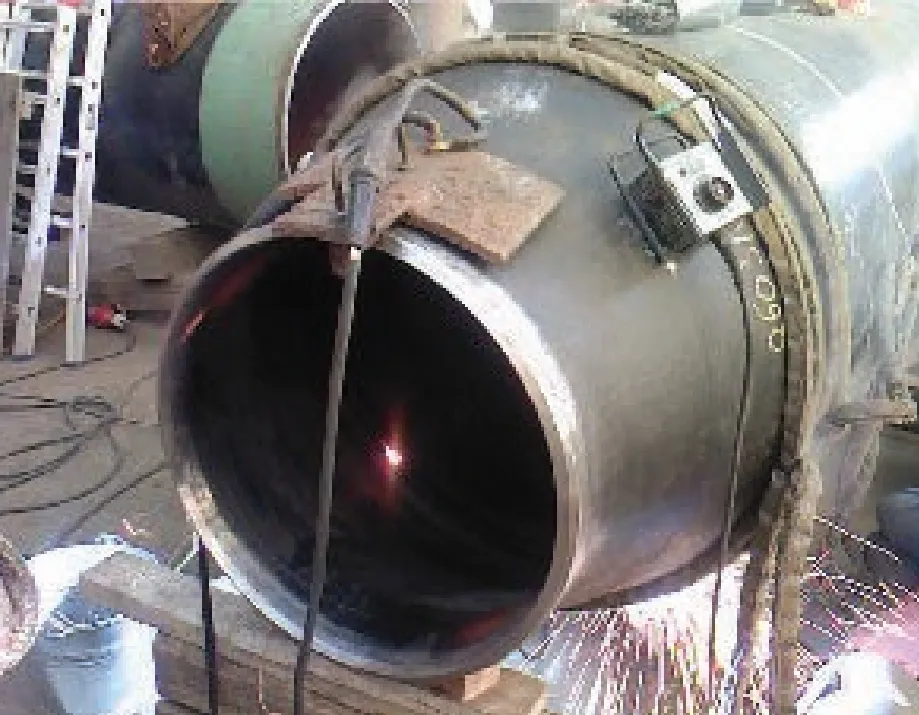 Natural Gas Pipeline. A natural gas pipeline construction project entailed building a 36-in.-diameter, 0.633-in.-thick pipeline from Alberta, Canada, to Chicago. On one stretch of this pipeline, the welding contractor used two 25-kW power sources mounted on a tractor with the induction blankets attached to booms for speed and convenience. The power sources preheated both sides of the pipe joint. Critical to this process were speed and reliable temperature control. As alloy content increases in materials to reduce weight and weld time, and to increase part life, controlling preheat temperatures becomes more critical. This induction heating application it required less than three minutes to obtain the 250-degree preheat temperature.
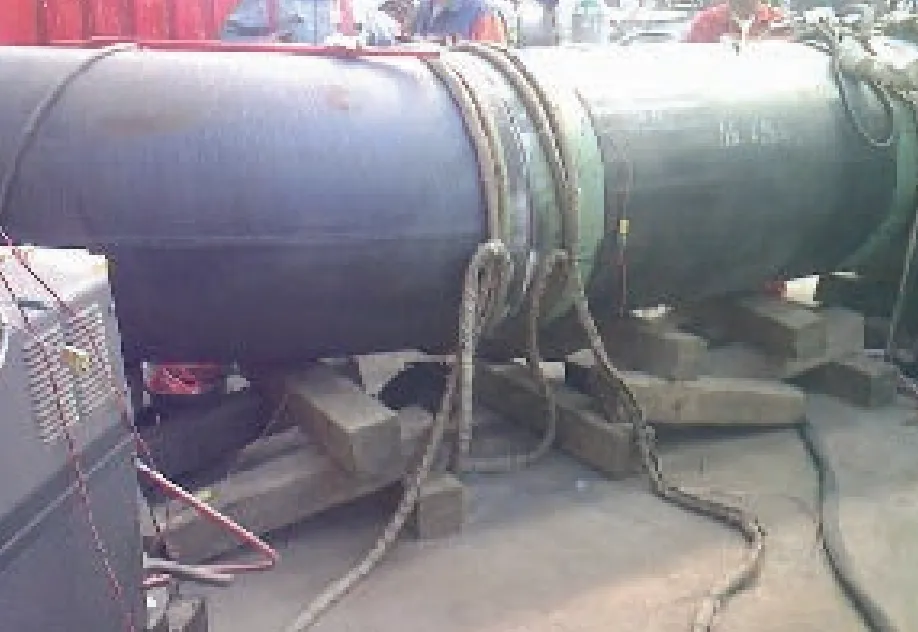 Heavy Equipment. A heavy equipment manufacturer often welded adapter teeth onto its loader bucket edges. The tack-welded assembly had been moved back and forth to a large furnace, requiring the welding operator to wait while the part was reheated repeatedly. The manufacturer opted to try induction heating to preheat the assembly to prevent movement of the product.
The material was 4 in. thick with a high required preheat temperature because of alloy content. Customized induction blankets were developed to meet the application requirements. The insulation and coil design provided the added benefit of shielding the operator from the part's radiant heat. Overall, operations were considerably more efficient, reducing welding time and maintaining temperature throughout the welding process.
Mining Equipment. A mine had been experiencing cold-cracking problems and preheating inefficiency using propane heaters in its repair operations of mining equipment. Welding operators had to remove a conventional insulating blanket from the thick part frequently to apply heat and keep the part at the correct temperature.
The induction preheat blanket maintains the temperature of the bucket edge during the attachment of teeth.
The mine opted to try induction heating using flat, air-cooled blankets to preheat the parts before welding. The induction process applied heat to the part quickly. It also could be used continuously during the welding process. Weld repair time was reduced by 50 percent. In addition, the power source was equipped with a temperature controller to keep the part at the target temperature. This almost eliminated rework caused by cold cracking.
Power Plant. A power plant builder was constructing a natural gas power facility in California. Boilermakers and pipefitters had been experiencing construction delays due to the preheating and stress-relieving methods they were employing on the plant's steam lines. The company brought in induction heating technology in an attempt to increase efficiency, particularly for work on medium to large steam lines, as these pieces take the most heat-treating time required on a job site.
The simplicity of wrapping the induction blankets around complex shapes, such as at this natural gas power plant, can reduce heat-treating time.
On a typical 16-in. weldolet with a 2-in. wall thickness, induction heating was able to shave two hours off the time-to-temperature (600 degrees) and another hour to reach soak temperature (600 degrees to 1,350 degrees) for stress relieving.
Heavy Equipment. A heavy equipment manufacturer often welded adapter teeth onto its loader bucket edges. The tack-welded assembly had been moved back and forth to a large furnace, requiring the welding operator to wait while the part was reheated repeatedly. The manufacturer opted to try induction heating to preheat the assembly to prevent movement of the product.
The material was 4 in. thick with a high required preheat temperature because of alloy content. Customized induction blankets were developed to meet the application requirements. The insulation and coil design provided the added benefit of shielding the operator from the part's radiant heat. Overall, operations were considerably more efficient, reducing welding time and maintaining temperature throughout the welding process.
Mining Equipment. A mine had been experiencing cold-cracking problems and preheating inefficiency using propane heaters in its repair operations of mining equipment. Welding operators had to remove a conventional insulating blanket from the thick part frequently to apply heat and keep the part at the correct temperature.
The induction preheat blanket maintains the temperature of the bucket edge during the attachment of teeth.
The mine opted to try induction heating using flat, air-cooled blankets to preheat the parts before welding. The induction process applied heat to the part quickly. It also could be used continuously during the welding process. Weld repair time was reduced by 50 percent. In addition, the power source was equipped with a temperature controller to keep the part at the target temperature. This almost eliminated rework caused by cold cracking.
Power Plant. A power plant builder was constructing a natural gas power facility in California. Boilermakers and pipefitters had been experiencing construction delays due to the preheating and stress-relieving methods they were employing on the plant's steam lines. The company brought in induction heating technology in an attempt to increase efficiency, particularly for work on medium to large steam lines, as these pieces take the most heat-treating time required on a job site.
The simplicity of wrapping the induction blankets around complex shapes, such as at this natural gas power plant, can reduce heat-treating time.
On a typical 16-in. weldolet with a 2-in. wall thickness, induction heating was able to shave two hours off the time-to-temperature (600 degrees) and another hour to reach soak temperature (600 degrees to 1,350 degrees) for stress relieving.
 https://dw-inductionheater.com/induction-preheating-before-welding-for-stress-relieving.html?feed_id=191857&_unique_id=64241ddb65198
Jointing Metal with Brazing and Welding
Jointing Metal with Brazing and Welding
There are several methods available for joining metals, including welding, brazing and soldering. What is the difference between welding and brazing? What is the difference between brazing and soldering? Let’s explore the distinctions plus comparative advantages as well as common applications. This discussion will deepen your understanding of metal joining and help you identify the optimal approach for your application.HOW BRAZING WORKS
 A brazed joint is made in a completely different manner from a welded joint. The first big difference is in temperature – brazing does not melt the base metals. This means that brazing temperatures are invariably lower than the melting points of the base metals. Brazing temperatures are also significantly lower than welding temperatures for the same base metals, using less energy.
If brazing doesn’t fuse the base metals, how does it join them? It works by creating a metallurgical bond between the filler metal and the surfaces of the two metals being joined. The principle by which the filler metal is drawn through the joint to create this bond is capillary action. In a brazing operation, you apply heat broadly to the base metals. The filler metal is then brought into contact with the heated parts. It is melted instantly by the heat in the base metals and drawn by capillary action completely through the joint. This is how a brazed joint is made.
Brazing applications include electronics/electrical, aerospace, automotive, HVAC/R, construction and more. Examples range from air conditioning systems for automobiles to highly sensitive jet turbine blades to satellite components to fine jewelry. Brazing offers a significant advantage in applications that require joining of dissimilar base metals, including copper and steel as well as non-metals such as tungsten carbide, alumina, graphite and diamond.
Comparative Advantages. First, a brazed joint is a strong joint. A properly made brazed joint (like a welded joint) will in many cases be as strong or stronger than the metals being joined. Second, the joint is made at relatively low temperatures, ranging from about 1150°F to 1600°F (620°C to 870°C).
A brazed joint is made in a completely different manner from a welded joint. The first big difference is in temperature – brazing does not melt the base metals. This means that brazing temperatures are invariably lower than the melting points of the base metals. Brazing temperatures are also significantly lower than welding temperatures for the same base metals, using less energy.
If brazing doesn’t fuse the base metals, how does it join them? It works by creating a metallurgical bond between the filler metal and the surfaces of the two metals being joined. The principle by which the filler metal is drawn through the joint to create this bond is capillary action. In a brazing operation, you apply heat broadly to the base metals. The filler metal is then brought into contact with the heated parts. It is melted instantly by the heat in the base metals and drawn by capillary action completely through the joint. This is how a brazed joint is made.
Brazing applications include electronics/electrical, aerospace, automotive, HVAC/R, construction and more. Examples range from air conditioning systems for automobiles to highly sensitive jet turbine blades to satellite components to fine jewelry. Brazing offers a significant advantage in applications that require joining of dissimilar base metals, including copper and steel as well as non-metals such as tungsten carbide, alumina, graphite and diamond.
Comparative Advantages. First, a brazed joint is a strong joint. A properly made brazed joint (like a welded joint) will in many cases be as strong or stronger than the metals being joined. Second, the joint is made at relatively low temperatures, ranging from about 1150°F to 1600°F (620°C to 870°C). 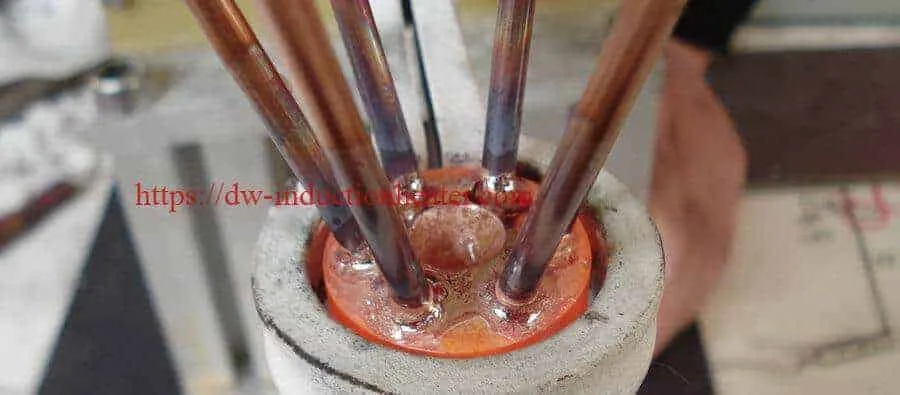 Most significant, the base metals are never melted. Since the base metals are not melted, they can typically retain most of their physical properties. This base metal integrity is characteristic of all brazed joints, including both thin- and thick-section joints. Also, the lower heat minimizes danger of metal distortion or warping. Consider too, that lower temperatures require less heat – a significant cost-saving factor.
Another important advantage of brazing is the ease of joining dissimilar metals using flux or flux-cored/coated alloys. If you don’t have to melt the base metals to join them, it doesn’t matter if they have widely different melting points. You can braze steel to copper as easily as steel to steel. Welding is a different story because you must melt the base metals to fuse them. This means that if you try to weld copper (melting point 1981°F/1083°C) to steel (melting point 2500°F/1370°C), you must employ rather sophisticated and expensive welding techniques. The total ease of joining dissimilar metals through conventional brazing procedures means you can select whatever metals are best suited to the function of the assembly, knowing you’ll have no problem joining them no matter how widely they vary in melting temperatures.
Also, a brazed joint has a smooth, favorable appearance. There is a night-and-day comparison between the tiny, neat fillet of a brazed joint and the thick, irregular bead of a welded joint. This characteristic is especially important for joints on consumer products, where appearance is critical. A brazed joint can almost always be used “as is,” without any finishing operations needed – another cost savings.
Most significant, the base metals are never melted. Since the base metals are not melted, they can typically retain most of their physical properties. This base metal integrity is characteristic of all brazed joints, including both thin- and thick-section joints. Also, the lower heat minimizes danger of metal distortion or warping. Consider too, that lower temperatures require less heat – a significant cost-saving factor.
Another important advantage of brazing is the ease of joining dissimilar metals using flux or flux-cored/coated alloys. If you don’t have to melt the base metals to join them, it doesn’t matter if they have widely different melting points. You can braze steel to copper as easily as steel to steel. Welding is a different story because you must melt the base metals to fuse them. This means that if you try to weld copper (melting point 1981°F/1083°C) to steel (melting point 2500°F/1370°C), you must employ rather sophisticated and expensive welding techniques. The total ease of joining dissimilar metals through conventional brazing procedures means you can select whatever metals are best suited to the function of the assembly, knowing you’ll have no problem joining them no matter how widely they vary in melting temperatures.
Also, a brazed joint has a smooth, favorable appearance. There is a night-and-day comparison between the tiny, neat fillet of a brazed joint and the thick, irregular bead of a welded joint. This characteristic is especially important for joints on consumer products, where appearance is critical. A brazed joint can almost always be used “as is,” without any finishing operations needed – another cost savings.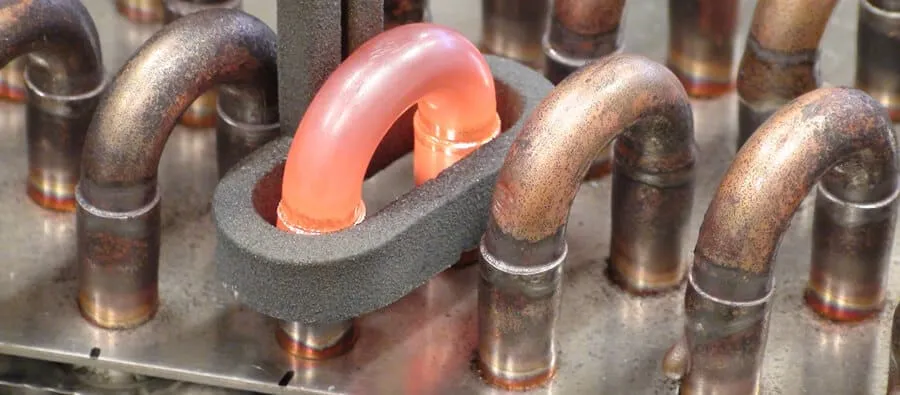 Brazing offers another significant advantage over welding in that operators can usually acquire brazing skills faster than welding skills. The reason lies in the inherent difference between the two processes. A linear welded joint must be traced with precise synchronization of heat application and deposition of filler metal. A brazed joint, on the other hand, tends to “make itself” through capillary action. In fact, a considerable portion of the skill involved in brazing is rooted in the design and engineering of the joint. The comparative speed of highly skilled operator training is an important cost factor.
Finally, metal brazing is relatively easy to automate. The characteristics of the brazing process – broad heat applications and ease of filler metal positioning – help eliminate the potential for problems. There are many ways to heat the joint automatically, many forms of brazing filler metal and many ways to deposit them so that a brazing operation can easily be automated for almost any level of production.
Brazing offers another significant advantage over welding in that operators can usually acquire brazing skills faster than welding skills. The reason lies in the inherent difference between the two processes. A linear welded joint must be traced with precise synchronization of heat application and deposition of filler metal. A brazed joint, on the other hand, tends to “make itself” through capillary action. In fact, a considerable portion of the skill involved in brazing is rooted in the design and engineering of the joint. The comparative speed of highly skilled operator training is an important cost factor.
Finally, metal brazing is relatively easy to automate. The characteristics of the brazing process – broad heat applications and ease of filler metal positioning – help eliminate the potential for problems. There are many ways to heat the joint automatically, many forms of brazing filler metal and many ways to deposit them so that a brazing operation can easily be automated for almost any level of production.
HOW WELDING WORKS
Welding joins metals by melting and fusing them together, typically with the addition of a welding filler metal. The joints produced are strong – usually as strong as the metals joined, or even stronger. To fuse the metals, you apply a concentrated heat directly to the joint area. This heat must be of a high temperature to melt the base metals (the metals being joined) and the filler metals. Therefore, welding temperatures start at the melting point of the base metals.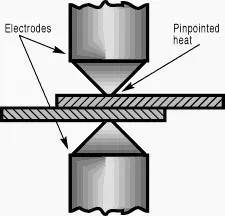 Welding is generally suited to joining large assemblies where both metal sections are relatively thick (0.5”/12.7mm) and joined at a single point. Since the bead of a welded joint is irregular, it is not typically used in products requiring cosmetic joints. Applications include transportation, construction, manufacturing and repair shops. Examples are robotic assemblies plus fabrication of pressure vessels, bridges, building structures, aircraft, railway coaches and tracks, pipelines and more.
Comparative Advantages. Because welding heat is intense, it is typically localized and pinpointed; it is not practical to apply it uniformly over a broad area. This pinpointed aspect has its advantages. For example, if you want to join two small strips of metal at a single point, an electrical resistance welding approach is practical. This is a fast, economical way to make strong, permanent joints by the hundreds and thousands.
If the joint is linear rather than pinpointed, though, problems arise. The localized heat of welding can become a disadvantage. For example, if you want to butt-weld two pieces of metal, you begin by beveling the edges of the metal pieces to allow room for the welding filler metal. Then you weld, first heating one end of the joint area to melting temperature, then slowly moving the heat along the joint line, depositing filler metal in synchronization with the heat. This is a typical, conventional welding operation. Properly made, this welded joint is at least as strong as the metals joined.
However, there are disadvantages to this linear-joint-welding approach. The joints are made at high temperatures – high enough to melt both base metals and filler metal. These high temperatures can cause problems, including possible distortion and warping of the base metals or stresses around the weld area. These dangers are minimal when the metals being joined are thick, but they may become problems when the base metals are thin sections. Also, high temperatures are expensive, since heat is energy and energy costs money. The more heat you need to make the joint, the more the joint will cost to produce.
Welding is generally suited to joining large assemblies where both metal sections are relatively thick (0.5”/12.7mm) and joined at a single point. Since the bead of a welded joint is irregular, it is not typically used in products requiring cosmetic joints. Applications include transportation, construction, manufacturing and repair shops. Examples are robotic assemblies plus fabrication of pressure vessels, bridges, building structures, aircraft, railway coaches and tracks, pipelines and more.
Comparative Advantages. Because welding heat is intense, it is typically localized and pinpointed; it is not practical to apply it uniformly over a broad area. This pinpointed aspect has its advantages. For example, if you want to join two small strips of metal at a single point, an electrical resistance welding approach is practical. This is a fast, economical way to make strong, permanent joints by the hundreds and thousands.
If the joint is linear rather than pinpointed, though, problems arise. The localized heat of welding can become a disadvantage. For example, if you want to butt-weld two pieces of metal, you begin by beveling the edges of the metal pieces to allow room for the welding filler metal. Then you weld, first heating one end of the joint area to melting temperature, then slowly moving the heat along the joint line, depositing filler metal in synchronization with the heat. This is a typical, conventional welding operation. Properly made, this welded joint is at least as strong as the metals joined.
However, there are disadvantages to this linear-joint-welding approach. The joints are made at high temperatures – high enough to melt both base metals and filler metal. These high temperatures can cause problems, including possible distortion and warping of the base metals or stresses around the weld area. These dangers are minimal when the metals being joined are thick, but they may become problems when the base metals are thin sections. Also, high temperatures are expensive, since heat is energy and energy costs money. The more heat you need to make the joint, the more the joint will cost to produce.  Now, consider the automated welding process. What happens when you join not one assembly, but hundreds or thousands of assemblies? Welding, by its nature, presents problems in automation. A resistance-weld joint made at a single point is relatively easy to automate. However, once the point becomes a line – a linear joint – once again, the line must be traced. It's possible to automate this tracing operation, moving the joint line, for example, past a heating station and feeding filler wire automatically from big spools. This is a complex and exacting setup, though, warranted only when you have large production runs of identical parts.
Keep in mind that welding techniques do continually improve. You can weld on a production basis via electron beam, capacitor discharge, friction and other methods. These sophisticated processes usually call for specialized and expensive equipment plus complex, time consuming setups. Consider if they are practical for shorter production runs, changes in assembly configuration or typical day-to-day metal joining requirements.
Choosing the Right Metal Joining Process
If you need joints that are both permanent and strong, you will likely narrow down your metal joining consideration to welding versus brazing. Welding and brazing both use heat and filler metals.
Now, consider the automated welding process. What happens when you join not one assembly, but hundreds or thousands of assemblies? Welding, by its nature, presents problems in automation. A resistance-weld joint made at a single point is relatively easy to automate. However, once the point becomes a line – a linear joint – once again, the line must be traced. It's possible to automate this tracing operation, moving the joint line, for example, past a heating station and feeding filler wire automatically from big spools. This is a complex and exacting setup, though, warranted only when you have large production runs of identical parts.
Keep in mind that welding techniques do continually improve. You can weld on a production basis via electron beam, capacitor discharge, friction and other methods. These sophisticated processes usually call for specialized and expensive equipment plus complex, time consuming setups. Consider if they are practical for shorter production runs, changes in assembly configuration or typical day-to-day metal joining requirements.
Choosing the Right Metal Joining Process
If you need joints that are both permanent and strong, you will likely narrow down your metal joining consideration to welding versus brazing. Welding and brazing both use heat and filler metals. 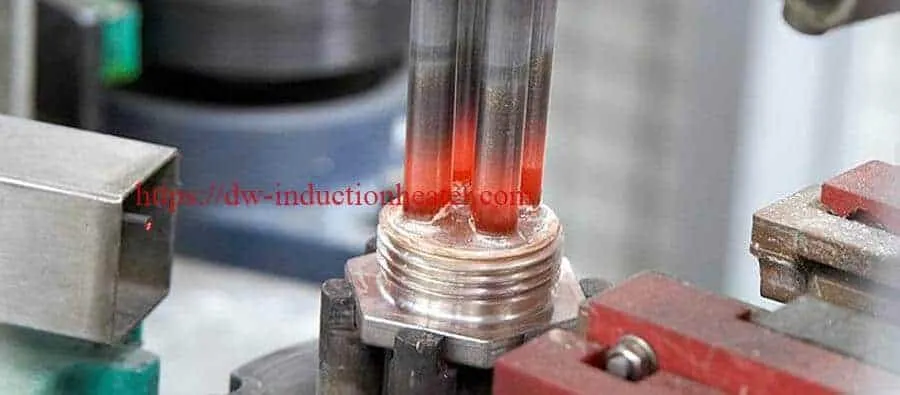 They can both be performed on a production basis. However, the resemblance ends there. They work differently, so remember these brazing vs welding considerations:
Size of the assembly
Thickness of the base metal sections
Spot or line joint requirements
Metals being joined
Final assembly quantity needed
Other options? Mechanically fastened joints (threaded, staked or riveted) generally don’t compare to brazed joints in strength, resistance to shock and vibration, or leak-tightness. Adhesive bonding and soldering will provide permanent bonds, but generally, neither can offer the strength of a brazed joint –equal to or greater than that of the base metals themselves. Nor can they, as a rule, produce joints that offer resistance to temperatures above 200°F (93°C). When you need permanent, robust metal-to-metal joints, brazing is a strong contender.
They can both be performed on a production basis. However, the resemblance ends there. They work differently, so remember these brazing vs welding considerations:
Size of the assembly
Thickness of the base metal sections
Spot or line joint requirements
Metals being joined
Final assembly quantity needed
Other options? Mechanically fastened joints (threaded, staked or riveted) generally don’t compare to brazed joints in strength, resistance to shock and vibration, or leak-tightness. Adhesive bonding and soldering will provide permanent bonds, but generally, neither can offer the strength of a brazed joint –equal to or greater than that of the base metals themselves. Nor can they, as a rule, produce joints that offer resistance to temperatures above 200°F (93°C). When you need permanent, robust metal-to-metal joints, brazing is a strong contender.
订阅:
博文 (Atom)
我的简介

- HLQ induction heating machine
- HLQ induction heating machine manufacturer provides the service of induction brazing,melting,hot forming,hardening surface,annealing,shrink fitting,PWHT,etc.