显示标签为“Brazingaluminum”的博文。显示所有博文

2024年4月13日星期六

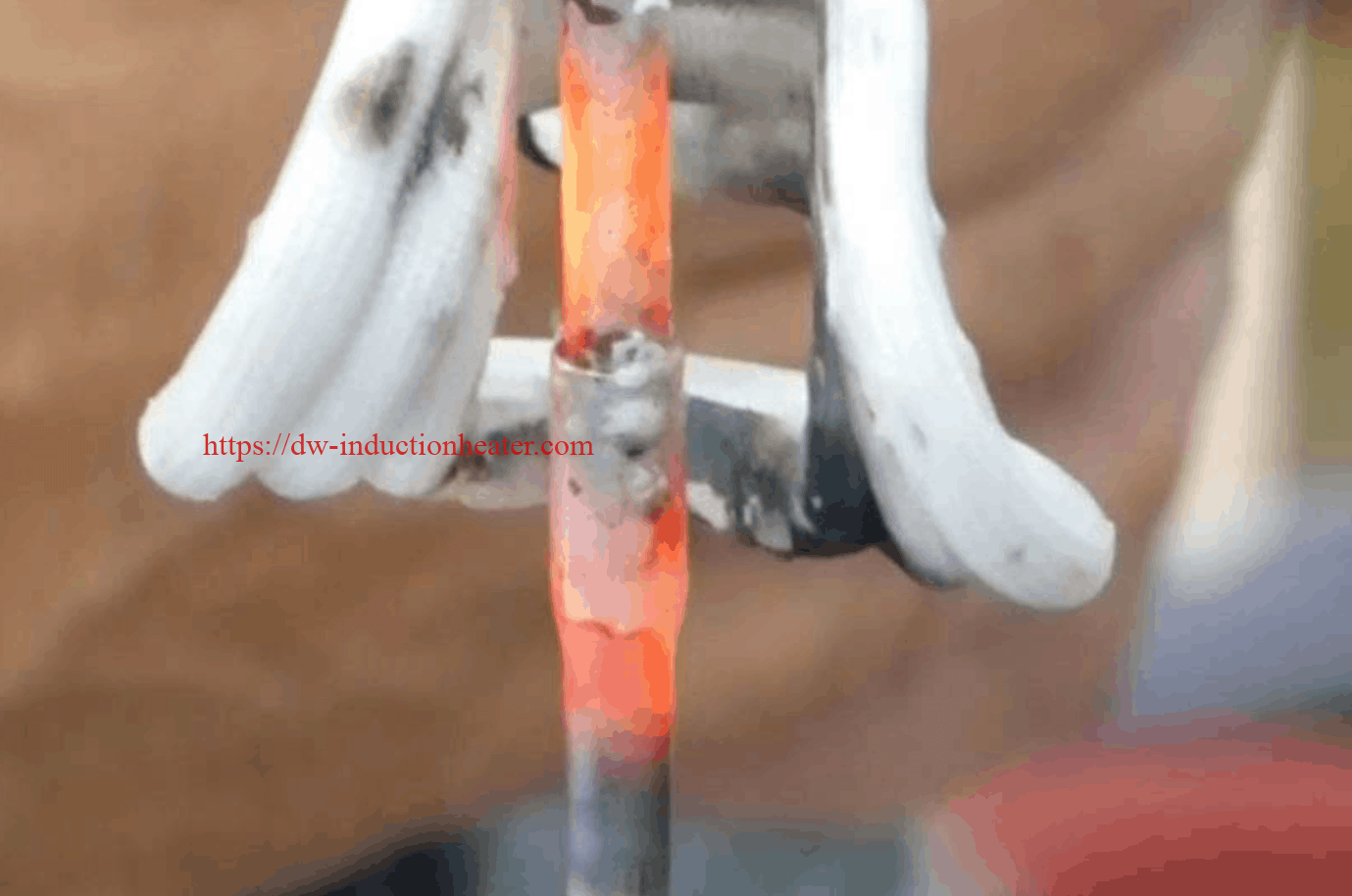
Induction Brazing Aluminum to Aluminum Tube

Induction Brazing Aluminum to Aluminum Tube

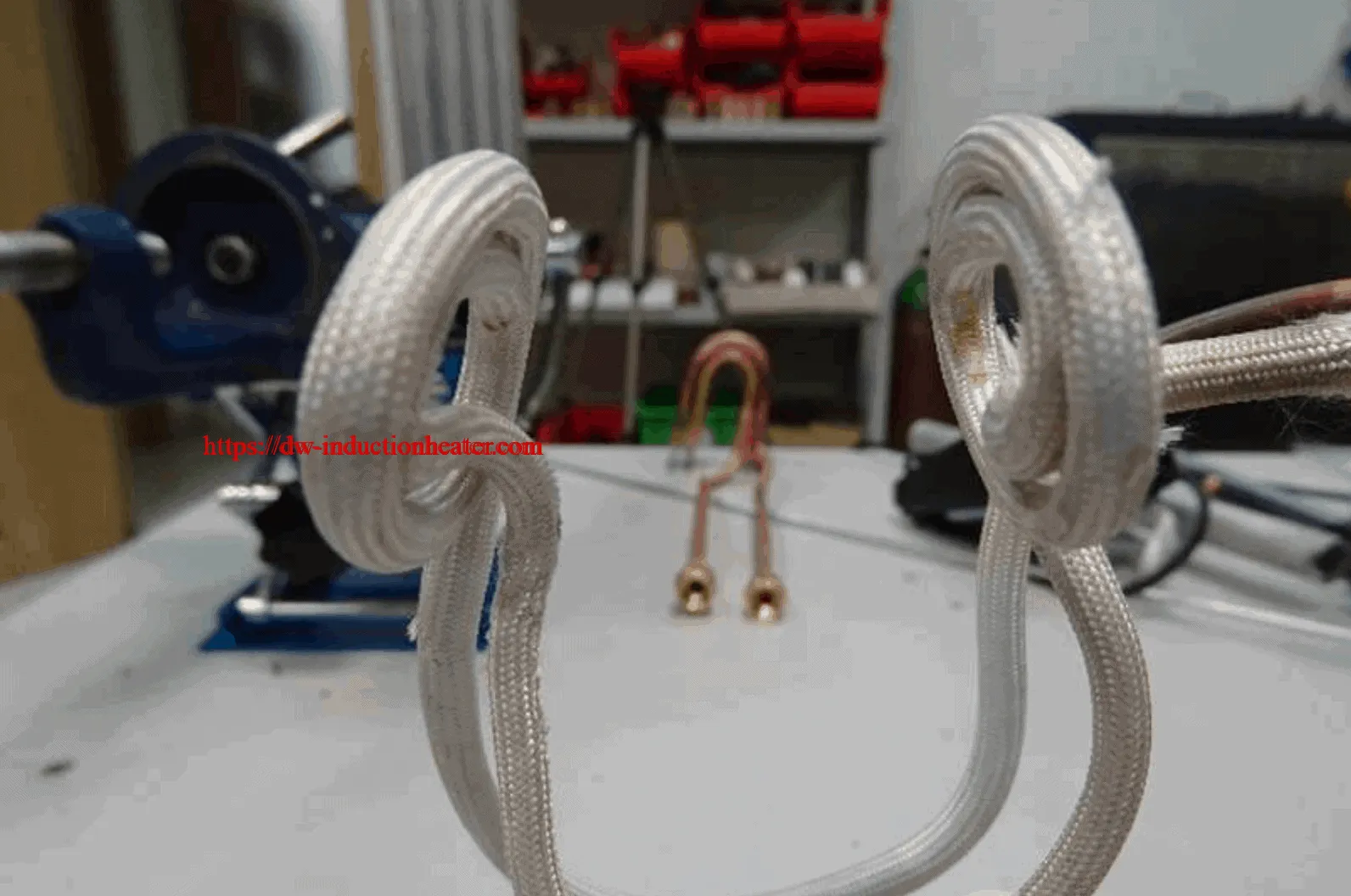
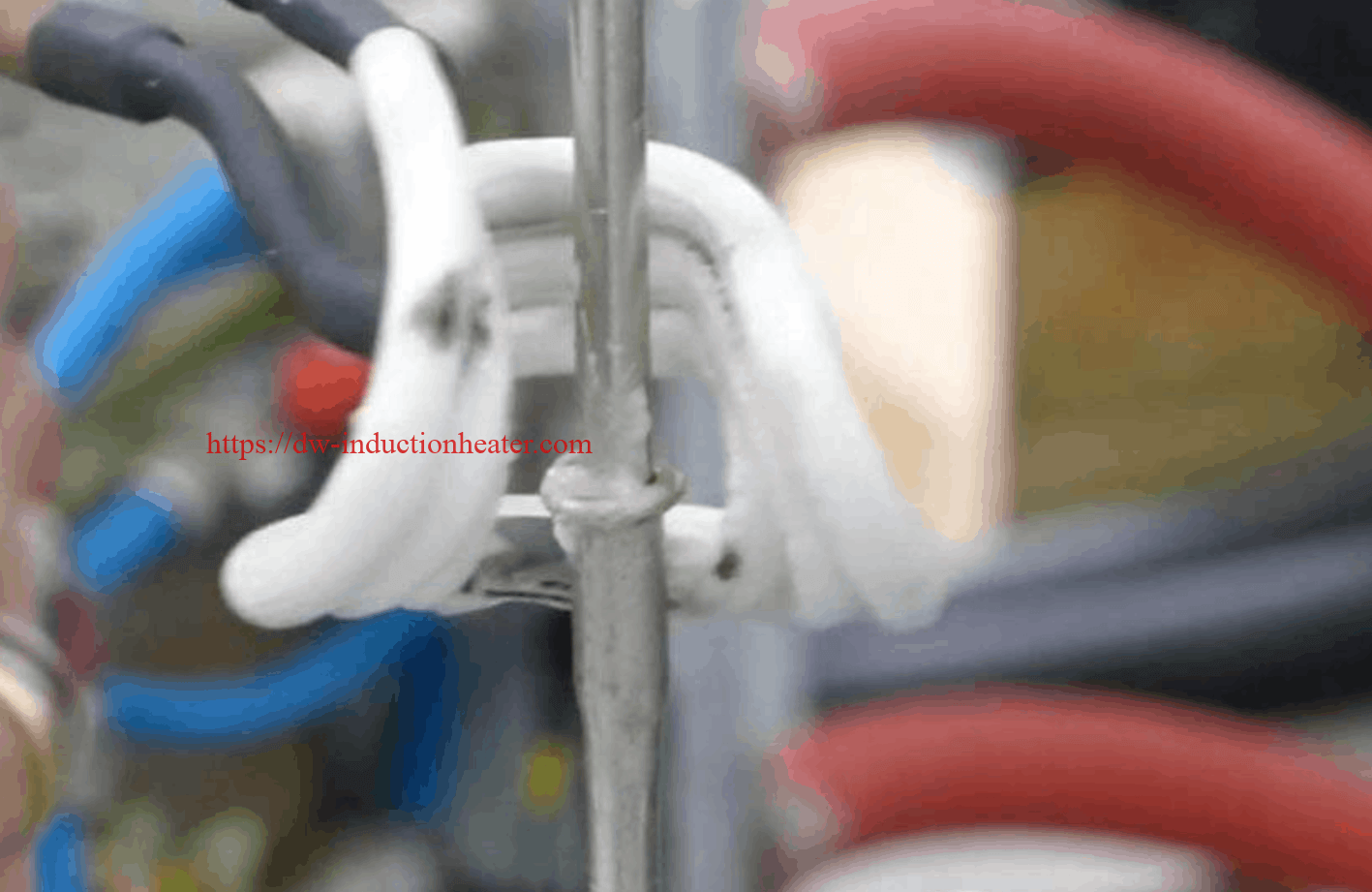
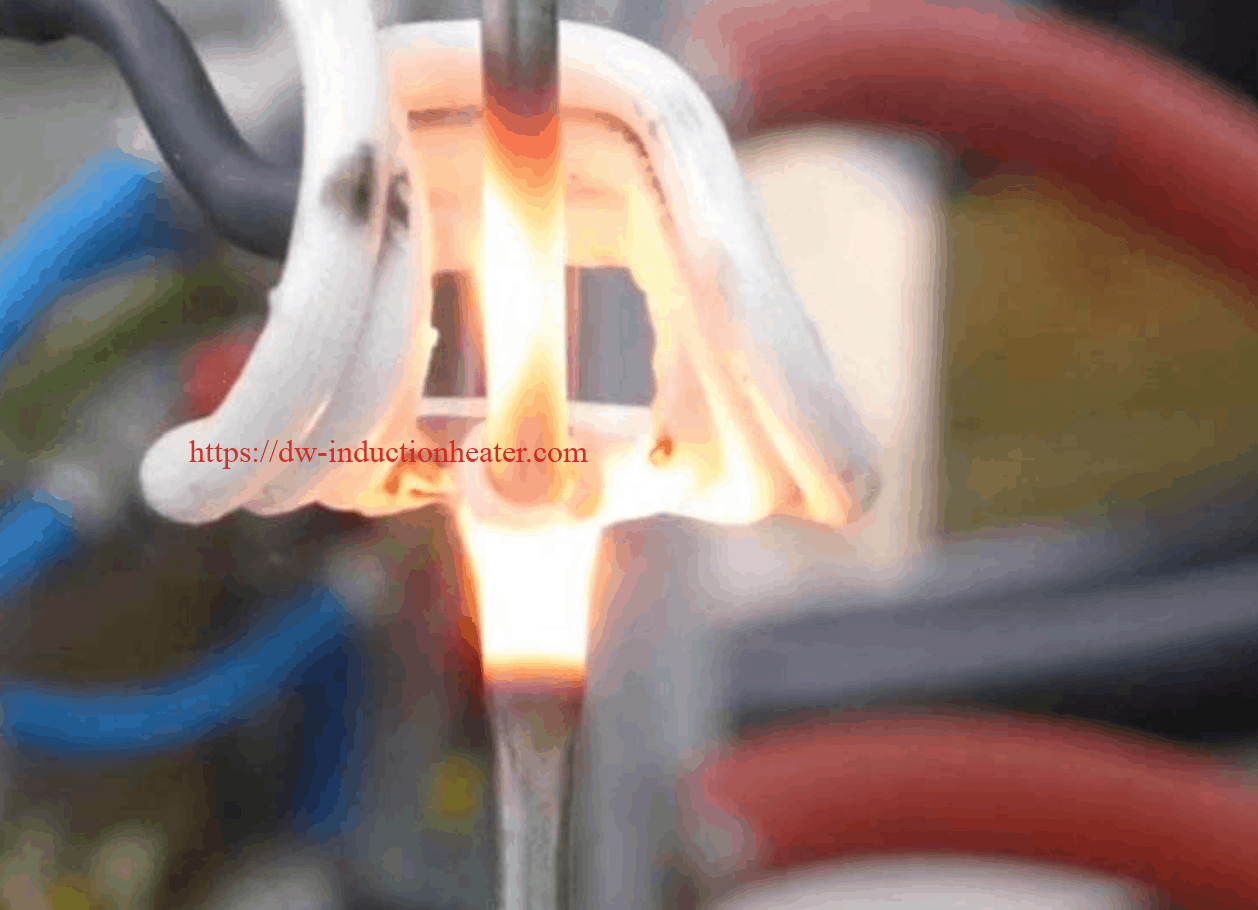
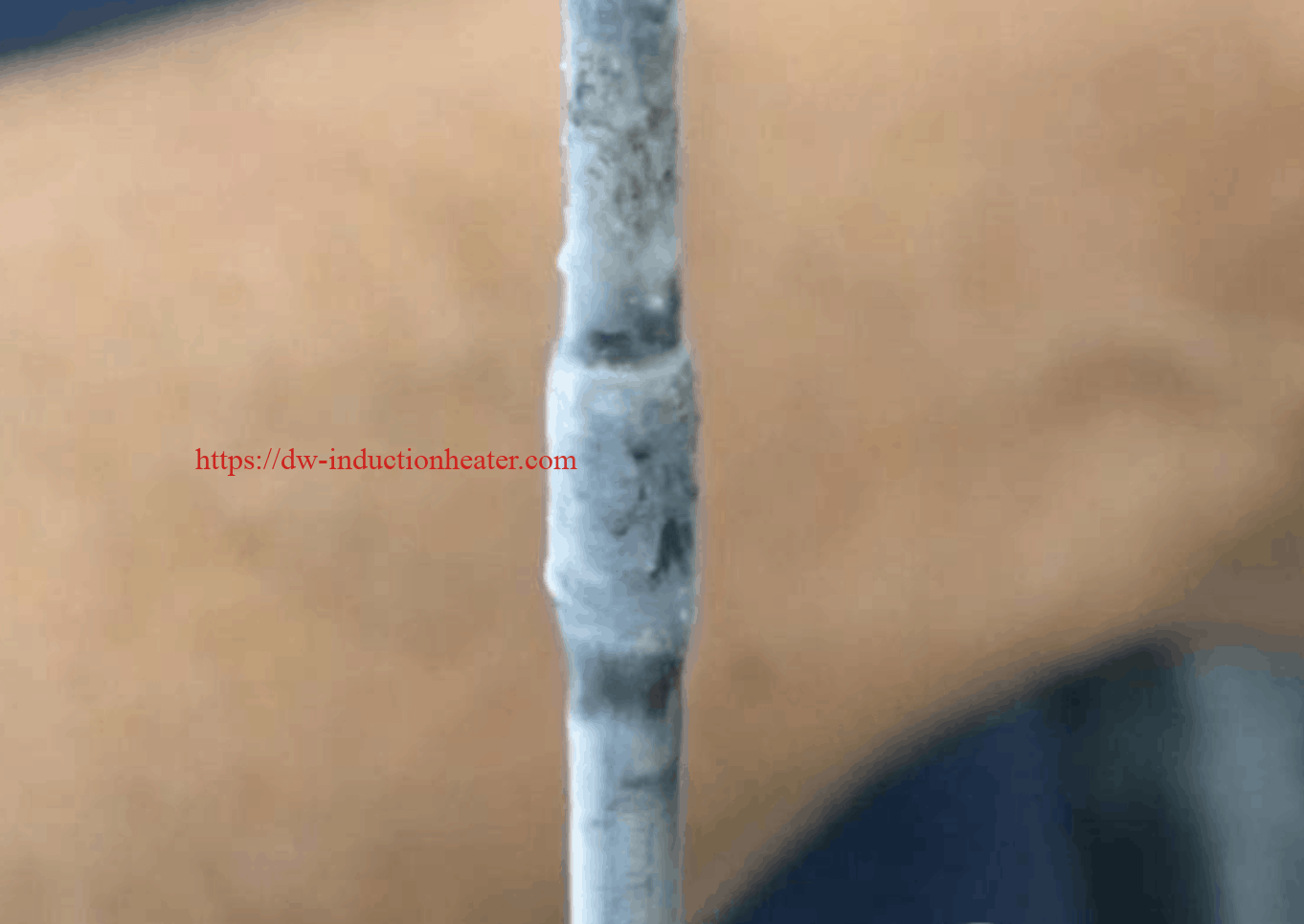
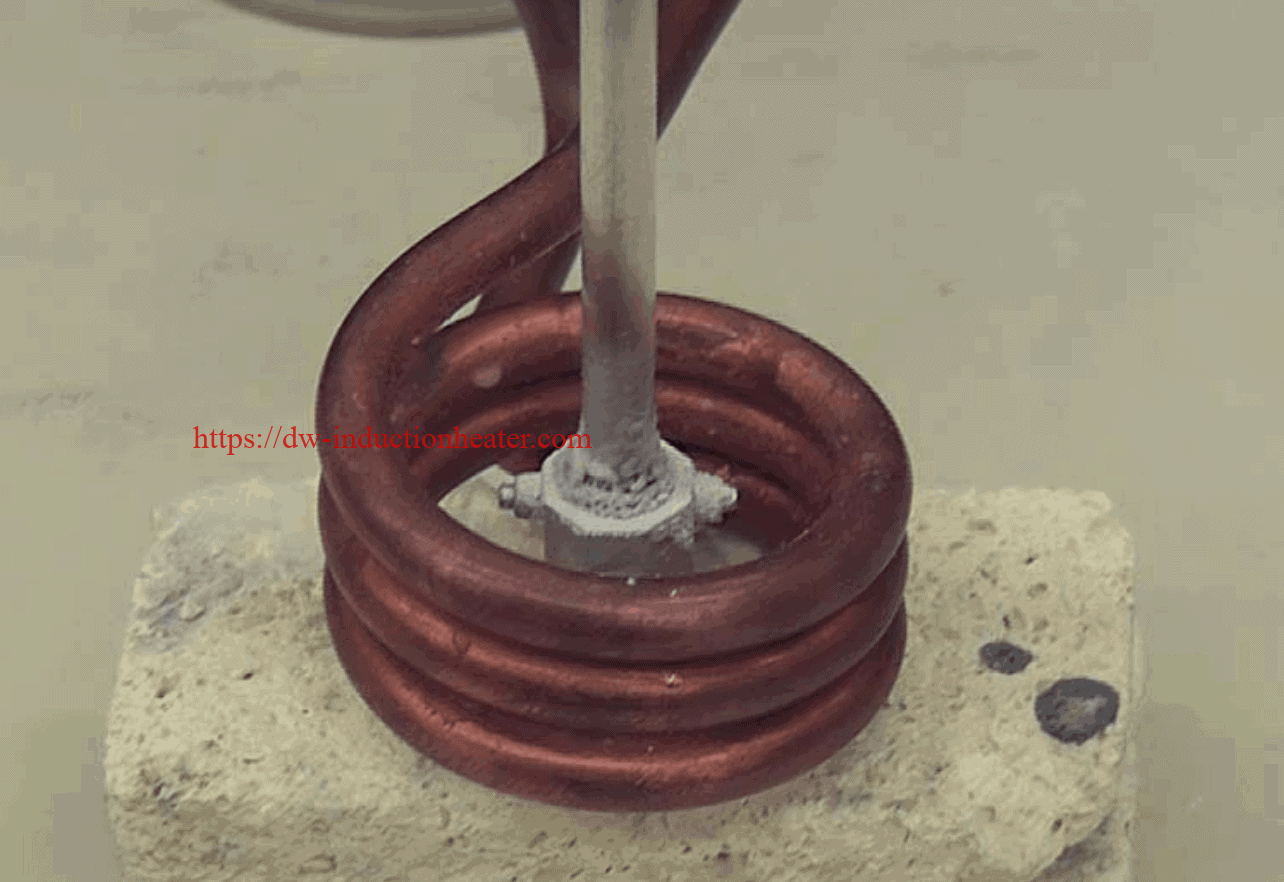
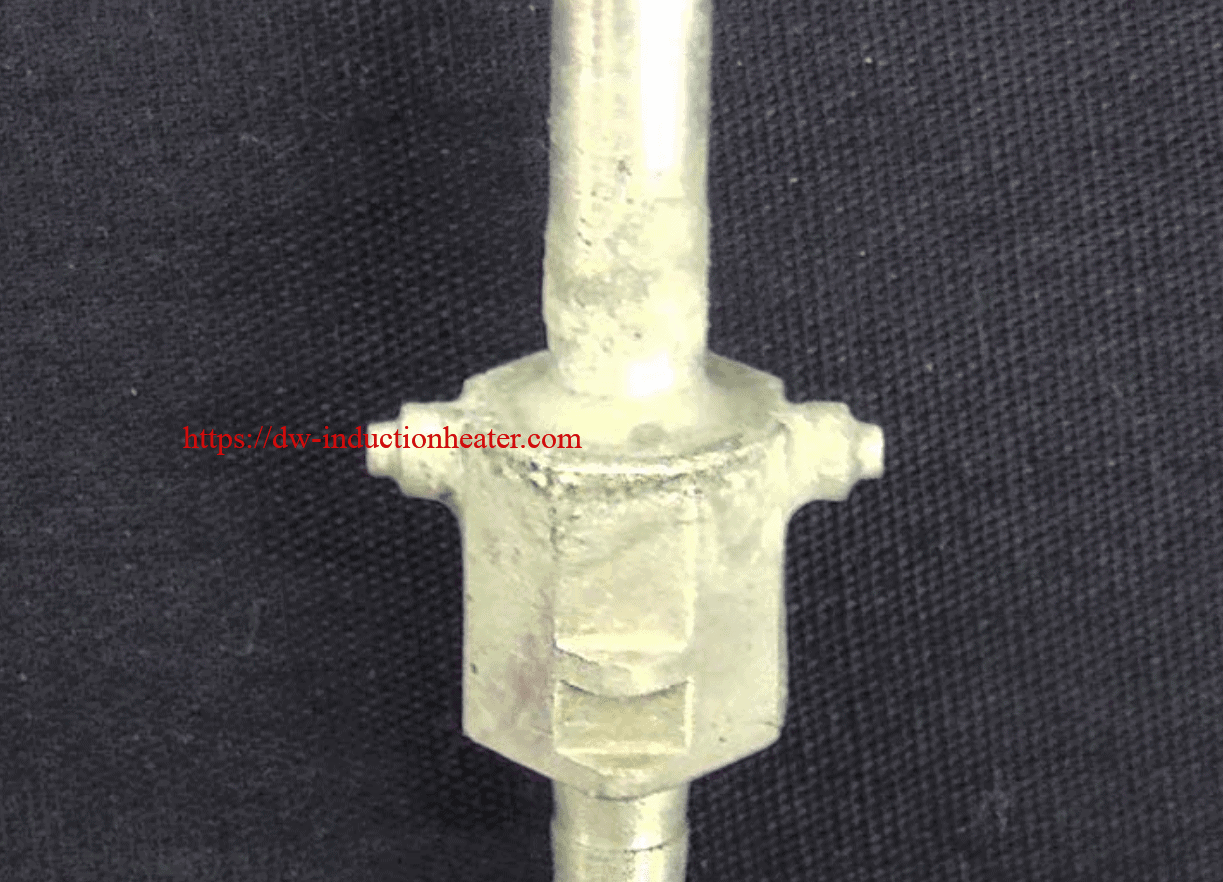
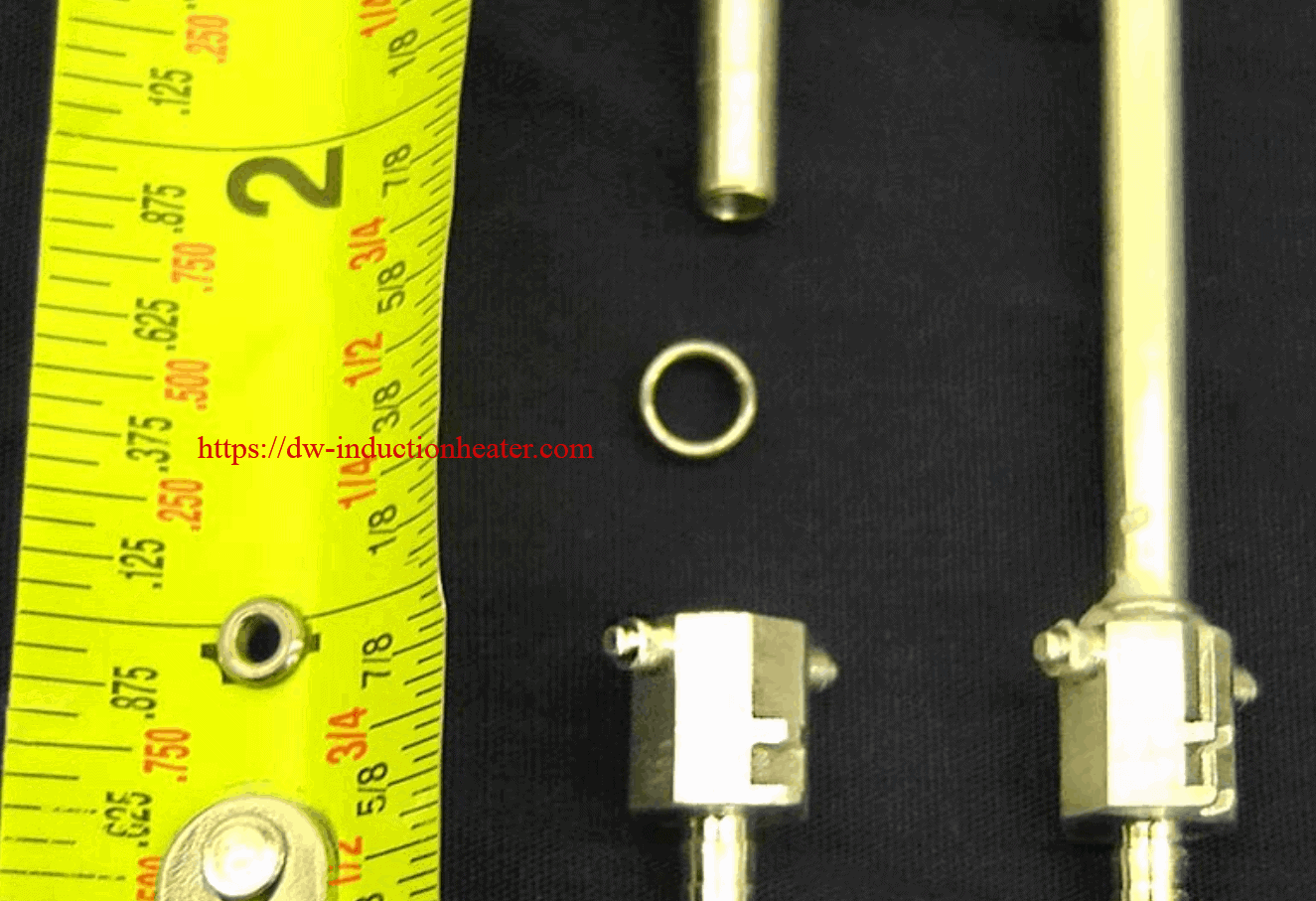
Induction brazing aluminum tubesObjective Induction brazing of two aluminum pipes
Equipment DW-UHF-6KW-III handheld induction brazing heater Materials Аluminum to aluminum tube Flared at interface 0.25” (6.35mm) Brazed to steel tube 0.19” OD (4.82mm) Power: 6kW Temperature: 1600°F (871°C) Time: 3sec
Results and Conclusions: Induction heating provides:
  • Strong durable joints
  • Selective and precise heat zone, resulting in less part distortion and joint stress than welding
  • More consistent results and suitability for large volume production, without the need for batch processing
  • Safer than flame brazing
Induction brazing aluminum tube
https://dw-inductionheater.com/induction-brazing-aluminum-to-aluminum-tube.html?feed_id=241435&_unique_id=661b2d66909c9

2024年4月8日星期一

Induction Brazing Aluminum Tube T Joints

High Frequency Induction Brazing Aluminum Tube T Joints

Objective Induction brazing of multiple in line aluminum T tube joints for less than 10 seconds each and brazing an aluminum fitting into an aluminum tube 1.25″ (32mm). The application is about brazing of an aluminum tube assembly consisting of two parallel tubes with outer diameter of 1.25″ (32mm), wall thickness 0.08″ (2mm) and length between 31.4″ (0.8m) to 86.6″ (2.2m). These tubes are connected in a ladder shape to smaller tubes with outer diameter of 0.7″(18mm), wall thickness 0.05″ (1.5mm) and length. The small tubes have 1.57″ (40mm) distance between each of the smaller tubes. The application has two types of joints to be made: Joint 1: “T”-shape joint – between the bigger tube and the smaller tubes. Joint 2:  Joint to braze both ends of the bigger tubes with an aluminum fitting.
The requirements are the coil to be static and the whole mechanical assembly has stepping movement to make the T-shape joints. The fitting joints are made afterwards. During the process, the bigger tubes are in a horizontal position while the smaller ones are vertical. Our initial information was that access for brazing is allowed only from the side. Recommended Equipment Joint 1: The recommended induction brazing equipment for joint 1 is the DW-HF-4aluminum tube induction brazing machine5KW induction heating machine. A channel coil is induction brazing aluminum tube recommended to help heat up 2 or 3 joints at the same time and temperature control to help maintain the appropriate temperature for the completion of the joints.induction brazing aluminum pipes brazing aluminum T tube induction           Joint 2: The recommended equipment for joint 2 is the DW-HF-15kw induction heating machine. Materials Al tubes Ø 1.25″ (32mm) and Ø 0.7″(18mm) induction brazing aluminum tube coilbrazing aluminum tube with induction heatingm
https://dw-inductionheater.com/induction-brazing-aluminum-tube-t-joints.html?feed_id=240670&_unique_id=6614c06e88ef5

2024年3月20日星期三

Induction brazing aluminum pipes

Objective High frequency induction brazing aluminum pipes
Equipment DW-UHF-6kw-III handheld induction brazing machine Materials Аluminum to aluminum tube Flared at interface 0.25” (6.35mm) Brazed to steel tube 0.19” OD (4.82mm) Power: 4 kW Temperature: 1600°F (871°C) Time: 5 sec
Results and Conclusions: Induction heating provides:
  • Strong durable joints
  • Selective and precise heat zone, resulting in less part distortion and joint stress than welding
  • More consistent results and suitability for large volume production, without the need for batch processing
  • Safer than flame brazing
https://dw-inductionheater.com/high-frequency-induction-brazing-aluminum-pipes-process.html?feed_id=237652&_unique_id=65fb0b42a2829

2024年3月17日星期日

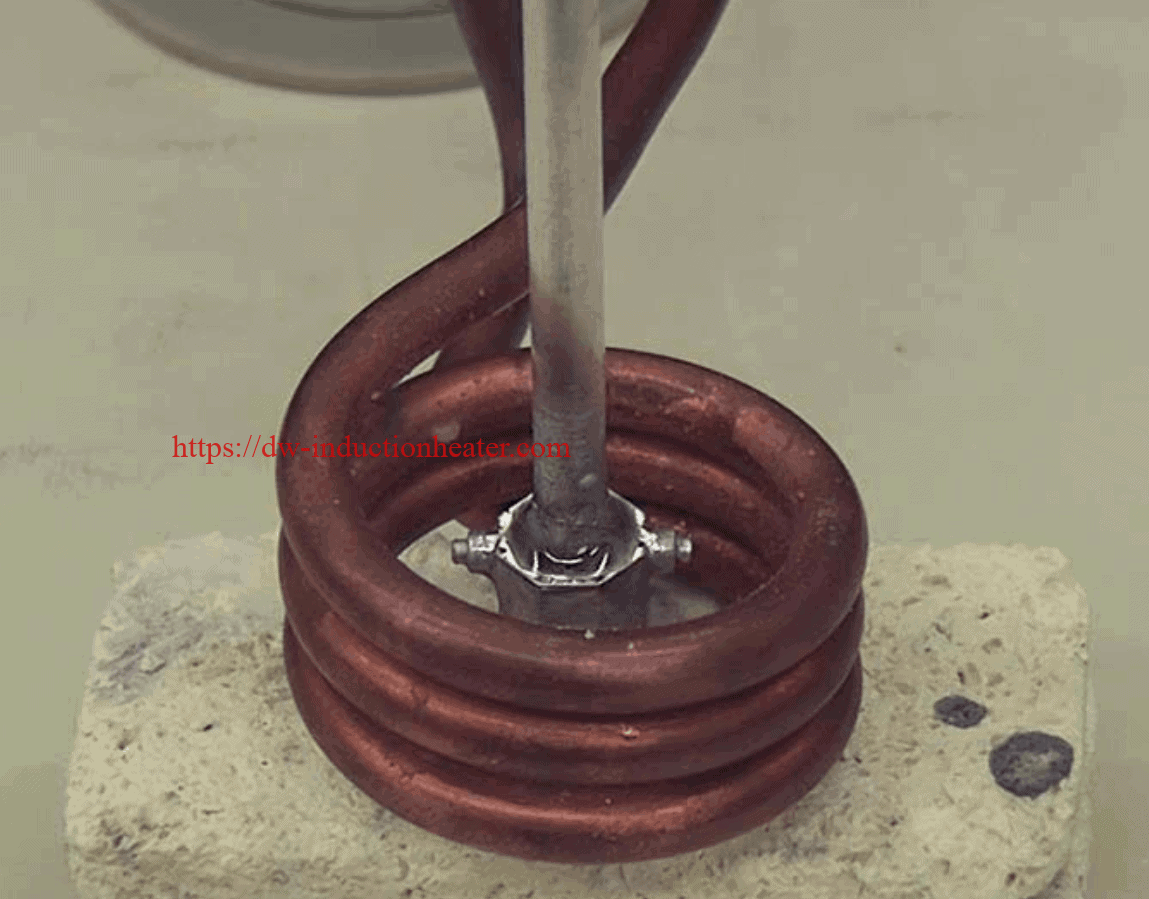
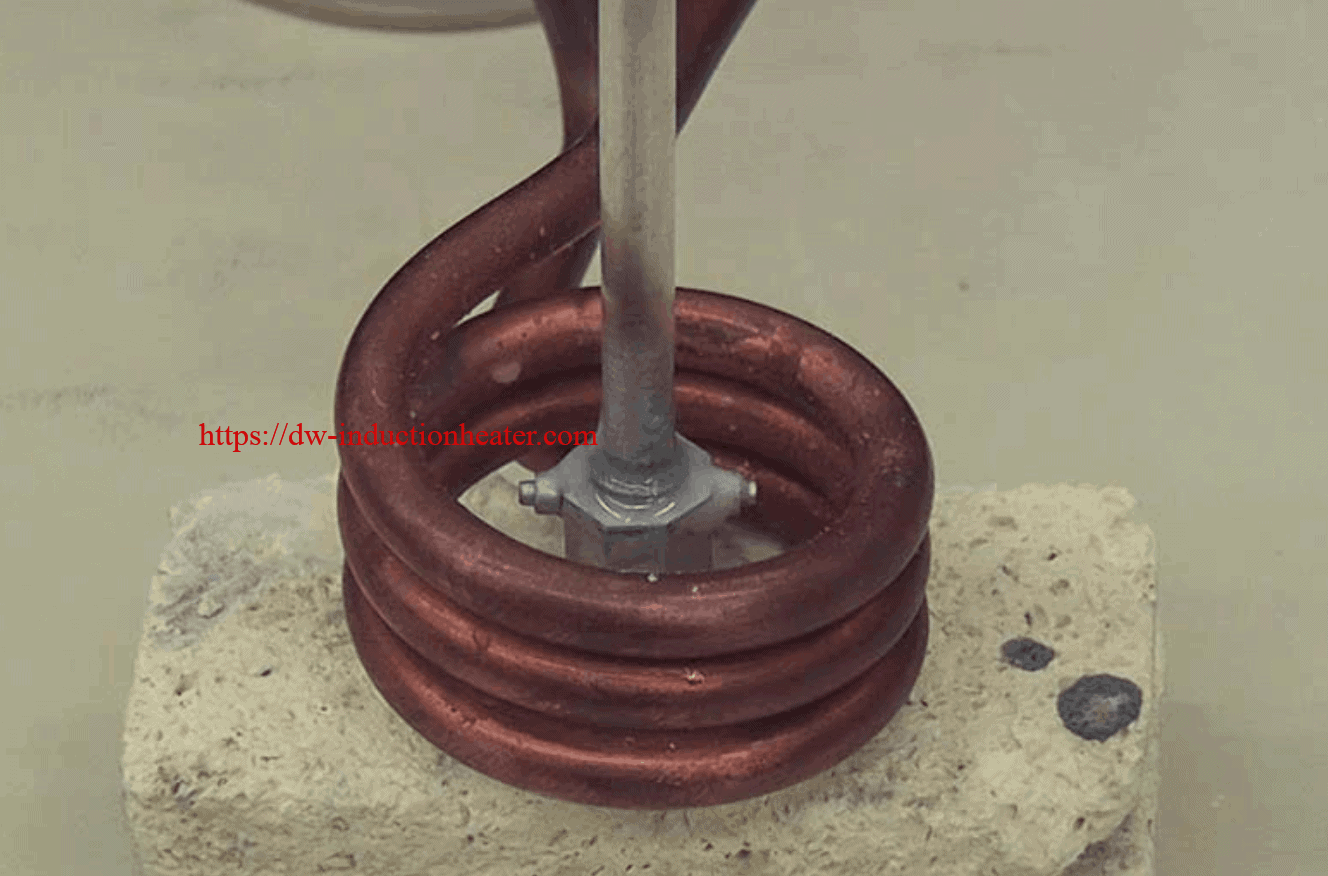
Brazing Aluminum Tubing to Aluminum Parts

Objective The objective of the application test is induction brazing aluminum tubing to aluminum parts in less than 15 seconds. We have aluminum tubing and an aluminum “receiver”. The brazing alloy is an alloy ring, and has a flow temperature of 1030°F (554°C).
Equipment DW-HF-15kw induction heating machine   [caption id="attachment_97" align="alignnone" width="267"]induction heating units HF-15 induction heating machine HF-15[/caption] Induction heating coil Materials • Aluminum tube: 0.167” (4.242mm) OD, 0.108” (2.743mm) ID • Aluminum component: ID .1675” (4.255mm), depth .288” (7.315mm), chamfer at top area is 0.2375” (6.033mm) ID max • Braze alloy in the form of two-turn alloy ring • Flux Key Parameters Temperature: 1030°F (554°C) Power: 5 kW Time: 14 seconds
Process:
  1. The Aluminum component and tube were assembled together with the alloy ring. Flux was added.
  2. The part was positioned in the induction coil.
  3. Several tests were conducted with different cycle times to confirm the heating time for a good braze.
  4. At 15 seconds the assembly melted.
  5. At 14 seconds, we had success for brazing aluminum to aluminum, and a good quality braze joint was achieved.
Results/Benefits: The 5 kW induction heating system requested by the customer, will meet the customer’s time requirements for induction brazing.
  • Precise control of the time and temperature
  • Power on demand with rapid heat cycles
  • Repeatable process, not operator dependent
  • Safe induction heating with no open flames
  • Energy efficient heating
https://dw-inductionheater.com/brazing-aluminum-tubing-to-aluminum-parts.html?feed_id=237093&_unique_id=65f7790bc0f47

2024年2月26日星期一

Brazing Aluminum Tubes with Induction Heating

Induction Brazing Aluminum Tubes with High Frequency Induction Heating

The novel applications areas of induction heating require analyzing the temperature distribution inside the heated components taking into account the corresponding structures and the material properties. The finite element method (FEM) provides a powerful tool to perform such analyses and optimization of induction heating processes through coupled electromagnetic and thermal numerical analyses and simulations. The main aim of this contribution is to indicate the possibility of application of the proper, sophisticated and efficient induction brazing technology for the manufacturing of solar collectors based on numerical simulation and performed experiments.

Problem description

This work deals with the design of components for solar collectors suitable for brazing process, namely the parts of collecting tubing (Fig. 1a). Tubes are made from the Al alloy of the AW 3000 type with the chemical composition given in the Table 1. For brazing, the alloy of Al 104 type is used (Table 2) together with the flux Braze Tec 32/80 which residues are non-corrosive. The temperature interval between solidus and liquidus temperatures for the Al 104 brazing alloy ranges from 575 °C to 585 °C. The solidus temperature of the tube material is 650 °C. Table 1 Chemical composition of AW 3000 alloy [wt. %]
Si Fe Cu Mn Mg Zn Cr Al
0.05-0.15 0.06-0.35 max. 0.1 0.3-0.6 0.02-0.20 0.05-0.3 max. 0.25 balance
Table 2 Chemical composition of the brazing alloy of the Al 104 type [wt. %]
Si Fe Cu Mn Mg Zn Ti Al
11-13 0.6 max. 0.3 0.15 0.1 0.2 max. 0.15 balance
The brazing process supposes the application of induction heating. It is necessary to design the system of induction heating in such a manner that brazing temperatures should be achieved in the joint zone (brazed metals – brazing alloy) in the same time. From this viewpoint, a proper selection of induction coil, its geometry and operation parameters (mainly the frequency and the source current) is very important. The shape and dimensions of the designed copper water-cooled induction coil are shown in Fig. 1b The effect of relevant parameters of induction heating on the temperature distribution in the brazed parts was assessed using the numerical simulation of induction heating applying the program code ANSYS 10.0.
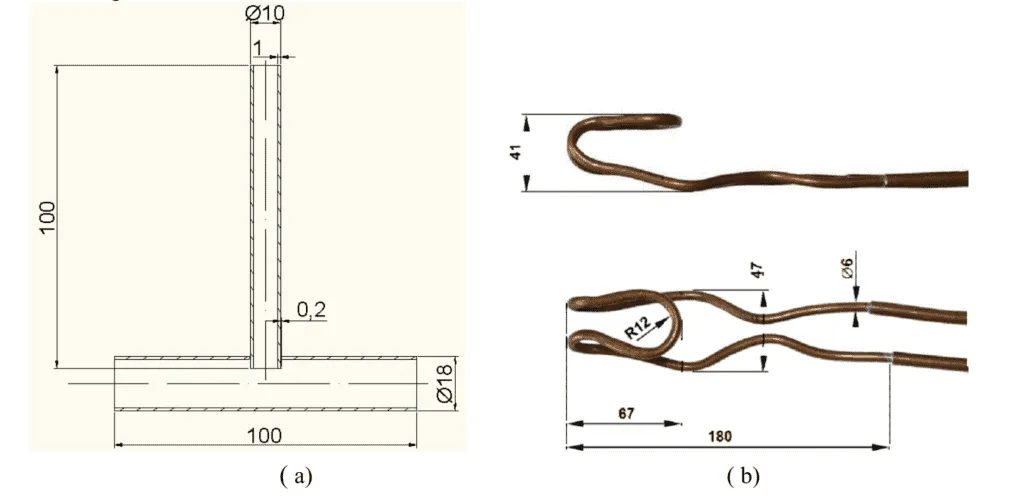
Simulation model

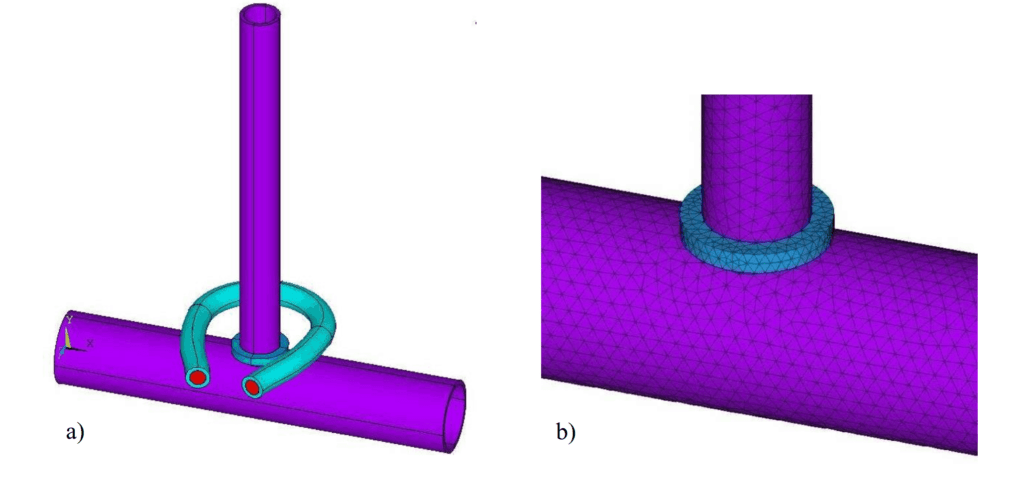
In accordance with the methodology of solution of coupled electromagnetic and thermal problems by FEM using the ANSYS 10.0 software [3-5], the simulation model of induction heating process for brazing was developed including geometrical, physical, and initial and boundary conditions. The main aim of numerical simulation was to define the optimum parameters of induction heating (the frequency and the source current) to achieve the required temperature distribution in the zone of joint formation. Suggested 3D-model (Fig. 2) for electromagnetic analysis consists of the model of tubes, brazing alloy, water-cooled induction coil and surrounding air (not shown in Fig. 2). In the thermal analysis, only the tubes and brazing alloy were considered. A detail of the mesh generated from the linear, 8-node elements in the zone of joint formation is illustrated in Fig. 2b. Fig. 2 a) Geometrical model for electromagnetic analysis without surrounding air and b) detail of the 3D mesh generated in the zone of joint formation.The temperature dependences of electric and thermal properties of AW 3000 alloy and Al 104 brazing alloy were obtained using JMatPro software [6]. Following from the fact that the applied materials are non-magnetic, their relative permeability µr = 1. The initial temperature of brazed materials was 20 °C. Perfect electric and thermal contacts on the boundary surfaces of materials were supposed. The frequency of the source current in the induction coil was supposed to be 350 kHz. The value of the source current was defined from the interval from 600 A to 700 A. Cooling of the brazed tubes by free convection and radiation to the air with the temperature of 20 °C was taken into account. Combined heat transfer coefficient dependent on the surface temperature of brazed parts was defined. In Fig. 3, the temperature distribution in brazed components after the achievement of required temperatures in the joint zone are shown for chosen values of applied source currents in induction heating coil. The time of 36 seconds using the source current of 600 A seems to be quite long. The fast heating applying the source current of 700 A cannot be sufficient for the melting of the Al 104 brazing alloy. In this reason the source current approximately of the level of 620 A to 640 A is recommended leading to the brazing times from 25 to 27.5 seconds...... Brazing Aluminum Tubes with Induction Heating https://dw-inductionheater.com/brazing-aluminum-tubes-with-induction-heating.html?feed_id=235016&_unique_id=65dd0cab5cb7e
2023年11月3日星期五

Brazing Brass to Aluminum with Induction

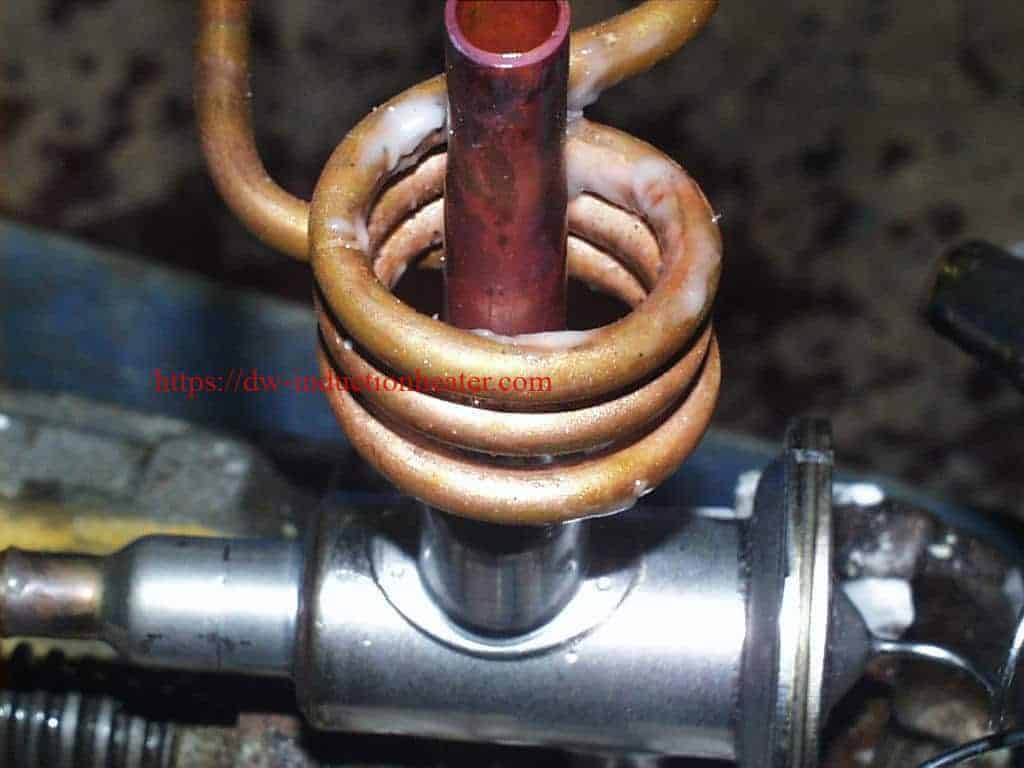
Brazing Brass to Aluminum with Induction Objective: Copper 'tees' and 'ells' are to be brazed to the aluminum body of a refrigeration valve Material customer's valve copper fittings braze Temperature 2550 ºF (1400°C) Frequency 360 kHz Equipment DW-UHF-10KW induction heating system including a workhead containing two 1.5μF capacitors (total 0.75μF) and a three-turn helical coil Process The valve is placed inside the coil and RF power is applied until the part is heated to the required temperature and the braze is seen to flow into the joint. Two tube sizes were run using the same induction system settings with differing cycle times. Results/Benefits • energy is applied only to the zone to be heated • heating of the joint/braze is uniform and repeatable https://dw-inductionheater.com/brazing-brass-to-aluminum-with-induction.html?feed_id=230136&_unique_id=6545a82c927a5

2023年10月17日星期二

Brazing Aluminum Tubing to Aluminum Parts

Objective The objective of the application test is induction brazing aluminum tubing to aluminum parts in less than 15 seconds. We have aluminum tubing and an aluminum “receiver”. The brazing alloy is an alloy ring, and has a flow temperature of 1030°F (554°C).
Equipment DW-HF-15kw induction heating machine   [caption id="attachment_97" align="alignnone" width="267"]induction heating units HF-15 induction heating machine HF-15[/caption] Induction heating coil Materials • Aluminum tube: 0.167” (4.242mm) OD, 0.108” (2.743mm) ID • Aluminum component: ID .1675” (4.255mm), depth .288” (7.315mm), chamfer at top area is 0.2375” (6.033mm) ID max • Braze alloy in the form of two-turn alloy ring • Flux Key Parameters Temperature: 1030°F (554°C) Power: 5 kW Time: 14 seconds
Process:
  1. The Aluminum component and tube were assembled together with the alloy ring. Flux was added.
  2. The part was positioned in the induction coil.
  3. Several tests were conducted with different cycle times to confirm the heating time for a good braze.
  4. At 15 seconds the assembly melted.
  5. At 14 seconds, we had success for brazing aluminum to aluminum, and a good quality braze joint was achieved.
Results/Benefits: The 5 kW induction heating system requested by the customer, will meet the customer’s time requirements for induction brazing.
  • Precise control of the time and temperature
  • Power on demand with rapid heat cycles
  • Repeatable process, not operator dependent
  • Safe induction heating with no open flames
  • Energy efficient heating

Brazing Brass to Aluminum with Induction

Brazing Brass to Aluminum with Induction Objective: Copper 'tees' and 'ells' are to be brazed to the aluminum body of a refrigeration valve Material customer's valve copper fittings braze Temperature 2550 ºF (1400°C) Frequency 360 kHz Equipment DW-UHF-10KW induction heating system including a workhead containing two 1.5μF capacitors (total 0.75μF) and a three-turn helical coil Process The valve is placed inside the coil and RF power is applied until the part is heated to the required temperature and the braze is seen to flow into the joint. Two tube sizes were run using the same induction system settings with differing cycle times. Results/Benefits • energy is applied only to the zone to be heated • heating of the joint/braze is uniform and repeatable

2023年10月1日星期日

Induction brazing aluminum pipes

Objective High frequency induction brazing aluminum pipes
Equipment DW-UHF-6kw-III handheld induction brazing machine Materials Аluminum to aluminum tube Flared at interface 0.25” (6.35mm) Brazed to steel tube 0.19” OD (4.82mm) Power: 4 kW Temperature: 1600°F (871°C) Time: 5 sec
Results and Conclusions: Induction heating provides:
  • Strong durable joints
  • Selective and precise heat zone, resulting in less part distortion and joint stress than welding
  • More consistent results and suitability for large volume production, without the need for batch processing
  • Safer than flame brazing

关注者

我的简介

我的照片
HLQ induction heating machine manufacturer provides the service of induction brazing,melting,hot forming,hardening surface,annealing,shrink fitting,PWHT,etc.