
High Frequency Induction Brazing Aluminum Tube T Joints
Objective
Induction brazing of multiple in line aluminum T tube joints for less than 10 seconds each and brazing an aluminum fitting into an aluminum tube 1.25″ (32mm).
The application is about brazing of an aluminum tube assembly consisting of two parallel tubes with outer diameter of 1.25″ (32mm), wall thickness 0.08″ (2mm) and length between 31.4″ (0.8m) to 86.6″ (2.2m). These tubes are connected in a ladder shape to smaller tubes with outer diameter of 0.7″(18mm), wall thickness 0.05″ (1.5mm) and length. The small tubes have 1.57″ (40mm) distance between each of the smaller tubes.
The application has two types of joints to be made:
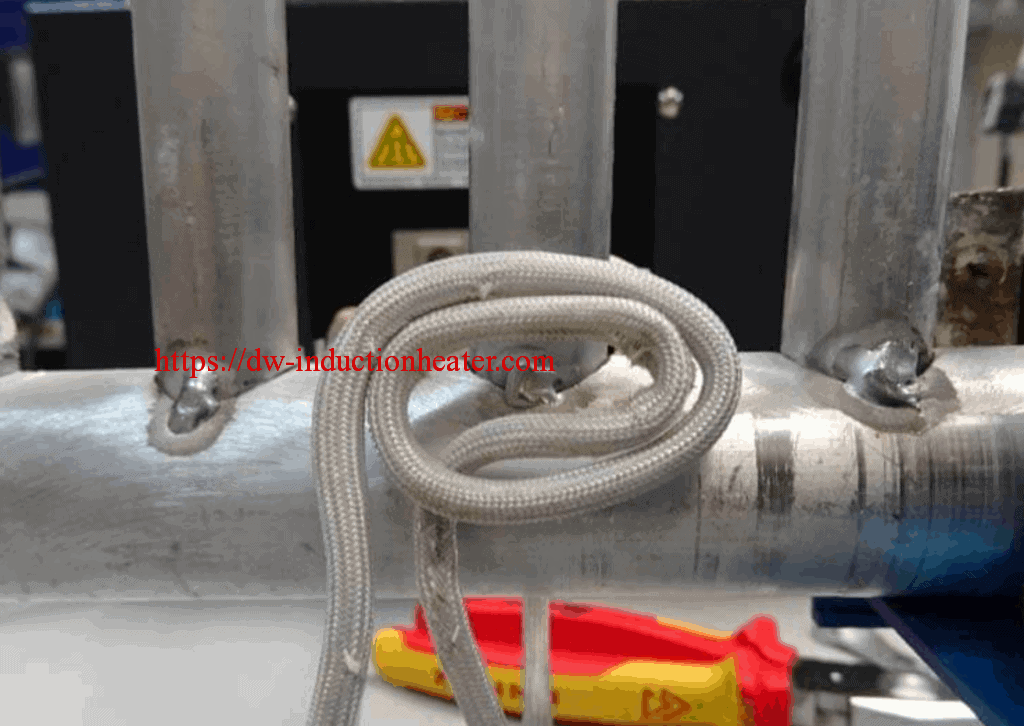
Joint 1: “T”-shape joint – between the bigger tube and the smaller tubes.
Joint 2: Joint to braze both ends of the bigger tubes with an aluminum fitting.
The requirements are the coil to be static and the whole mechanical assembly has stepping movement to make the T-shape joints. The fitting joints are made afterwards.
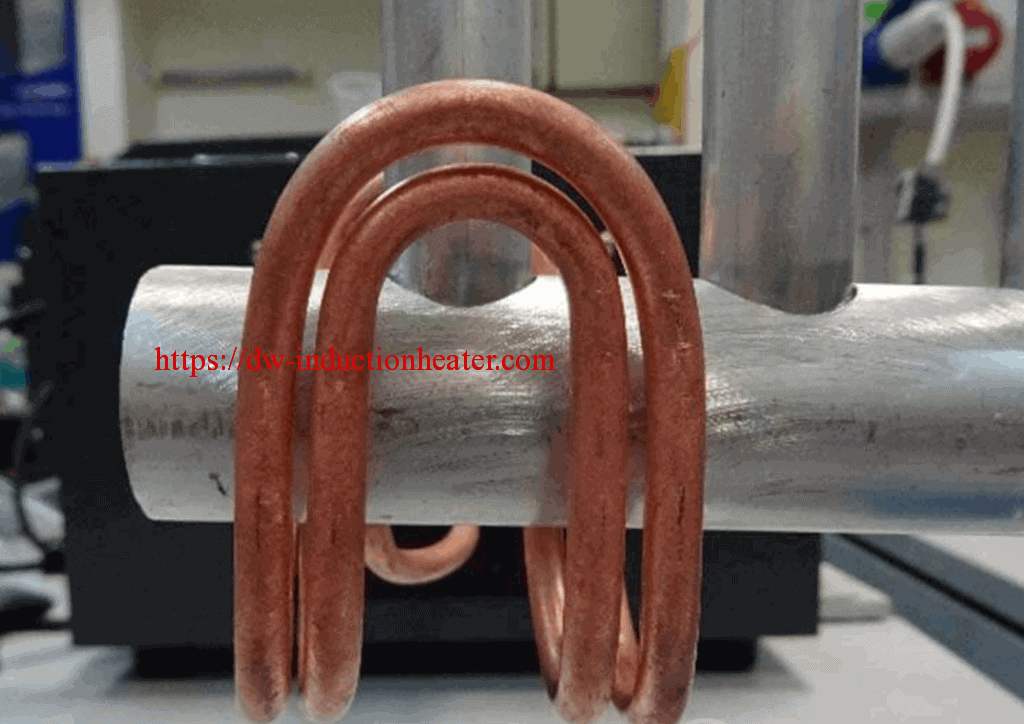
During the process, the bigger tubes are in a horizontal position while the smaller ones are vertical.
Our initial information was that access for brazing is allowed only from the side.
Recommended Equipment
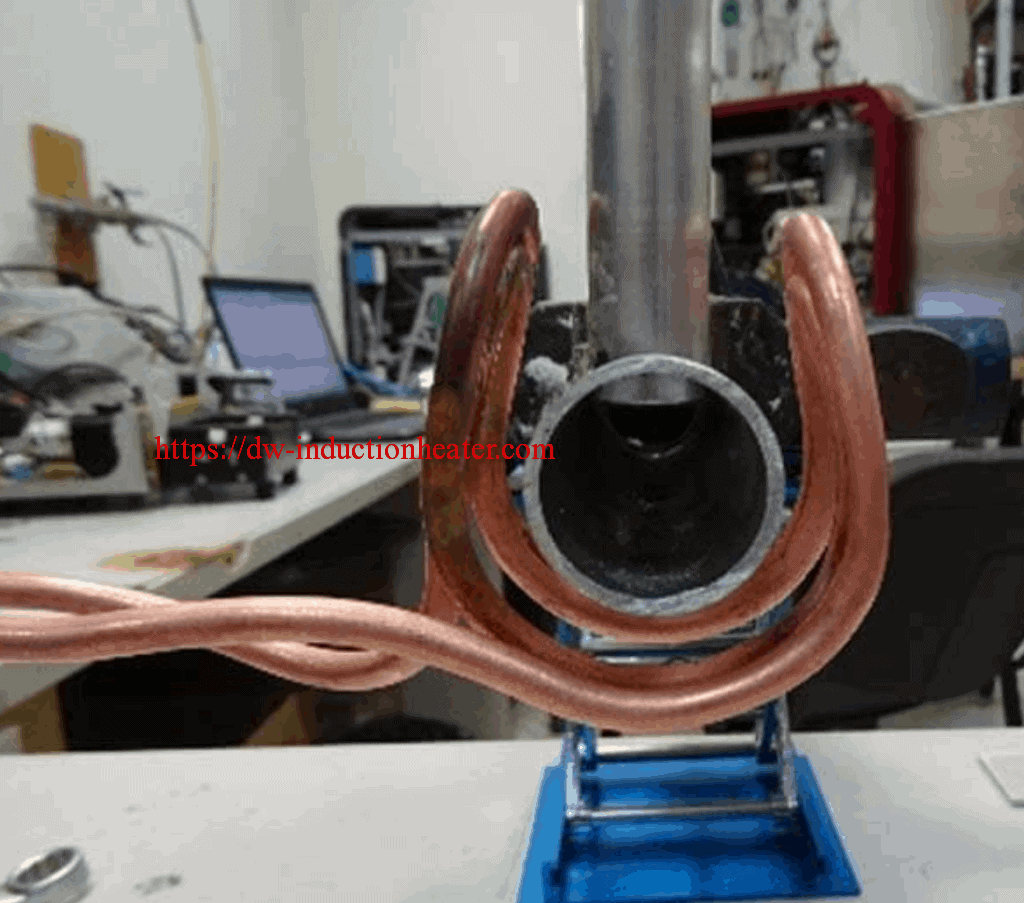
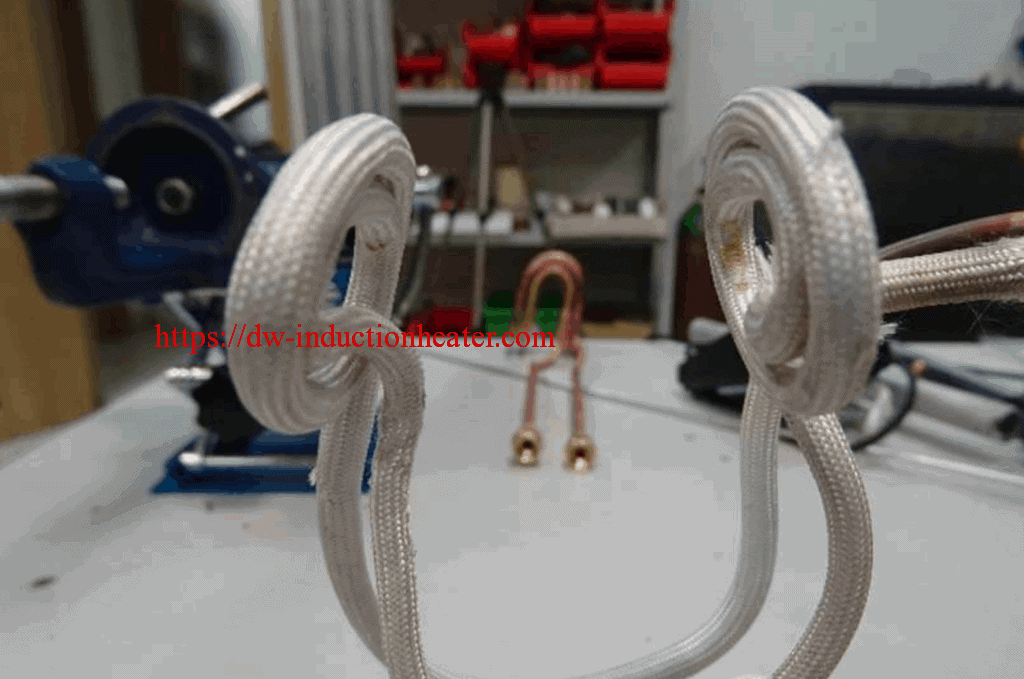
Joint 1: The recommended induction brazing equipment for joint 1 is the DW-HF-4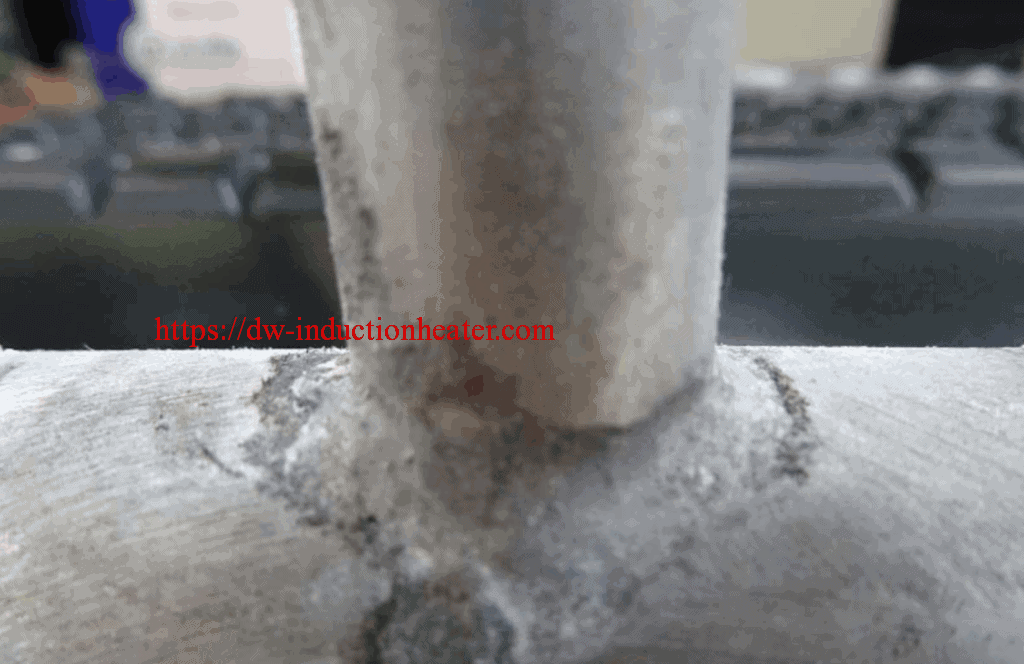 5KW induction heating machine. A channel coil is
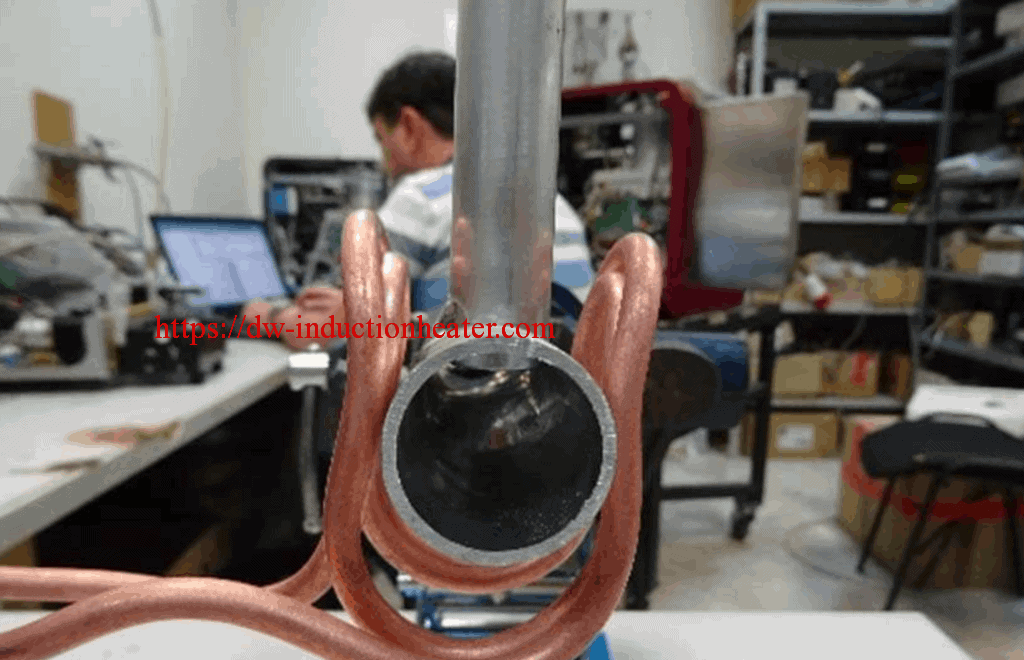 recommended to help heat up 2 or 3 joints at the same time and temperature control to help maintain the appropriate temperature for the completion of the joints.
 Joint 2: The recommended equipment for joint 2 is the DW-HF-15kw induction heating machine.
Materials
Al tubes Ø 1.25″ (32mm) and Ø 0.7″(18mm)
 m
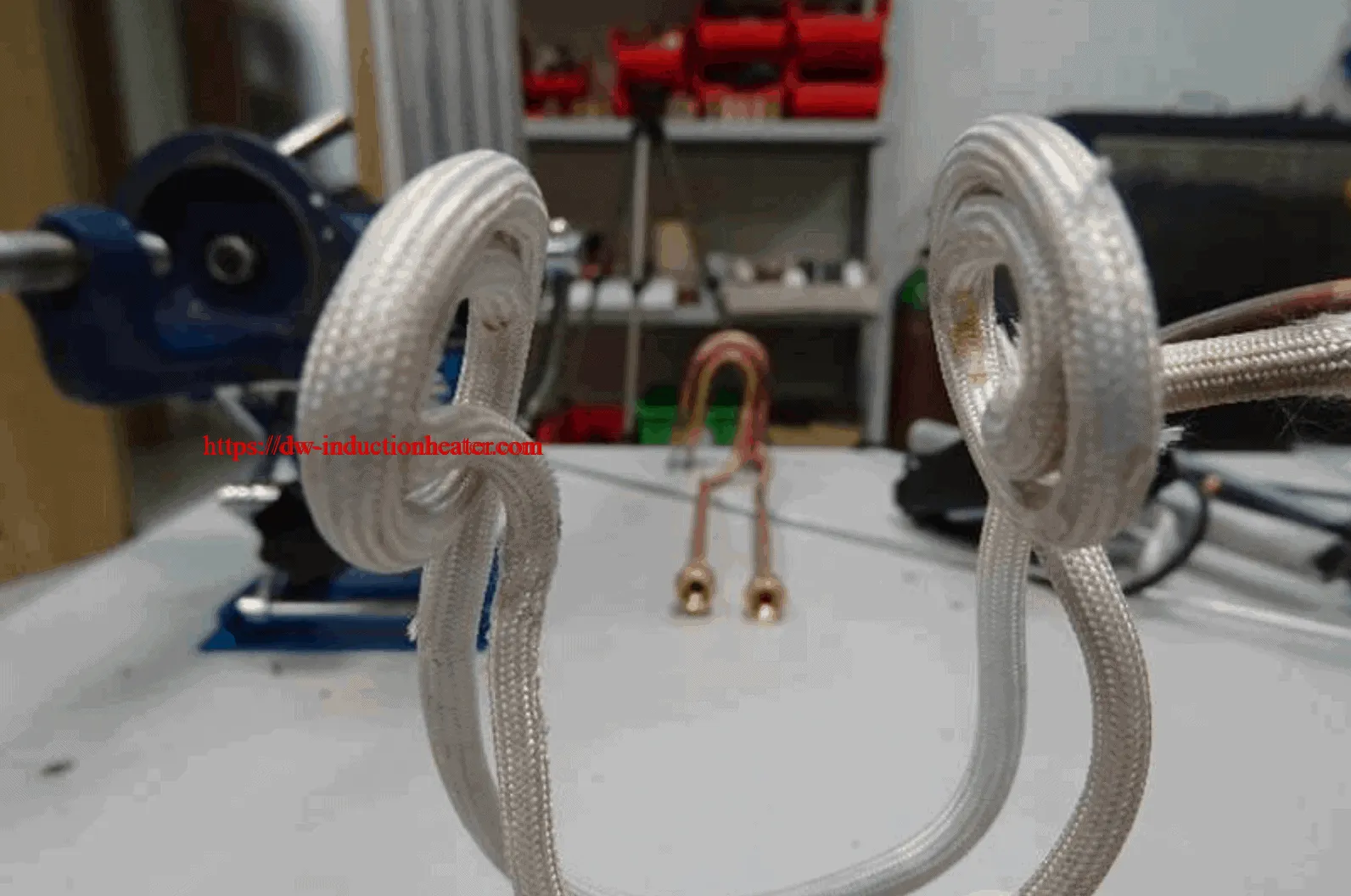
5KW induction heating machine. A channel coil is
 recommended to help heat up 2 or 3 joints at the same time and temperature control to help maintain the appropriate temperature for the completion of the joints.

 Joint 2: The recommended equipment for joint 2 is the DW-HF-15kw induction heating machine.
Materials
Al tubes Ø 1.25″ (32mm) and Ø 0.7″(18mm)
 m

 Induction Aluminum Brazing Process
Induction aluminum brazing is becoming more and more common in industry. A typical example is brazing various pipes to an automotive heat exchanger body. Aluminum requires a lot of energy to heat using induction and its thermal conductivity is 60% compared to copper. Coil design and time for the heat to flow is critical in a successful induction brazing process for aluminum parts. Recent advances in lower temperature aluminum braze materials have allowed induction to effectively replace flame and furnace heating in high volume brazing of aluminum assemblies.
Successful Induction brazing of aluminum parts requires the correct braze filler material for the aluminum alloy used in the parts and the correct flux for the braze alloy. Braze filler manufacturers have their own proprietary aluminum braze alloys and flux materials that work with their alloys.
