显示标签为“inductionsolderingwire”的博文。显示所有博文

2024年3月31日星期日

Induction Soldering Wire To Aluminum Lug

Objective The objective of this induction soldering wire to aluminum lug in under 30 seconds. Equipment DW-UHF-6KW-III handheld induction soldering heater HLQ custom coil Key Parameters Power: 1.75 kW Temperature: Approximately 250°C (482°F) Time: 25 seconds
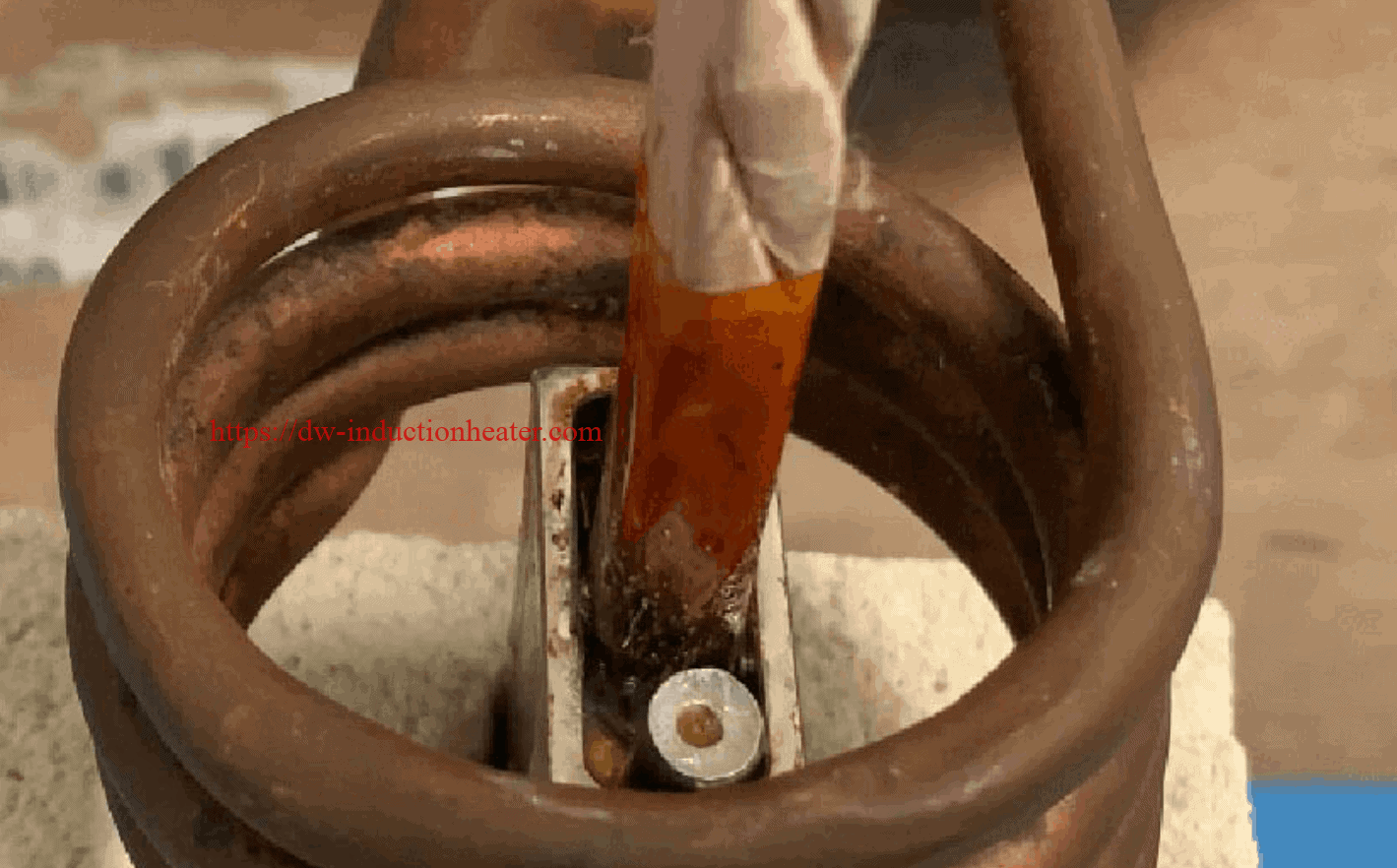
Materials Aluminum Lug Litz Cables
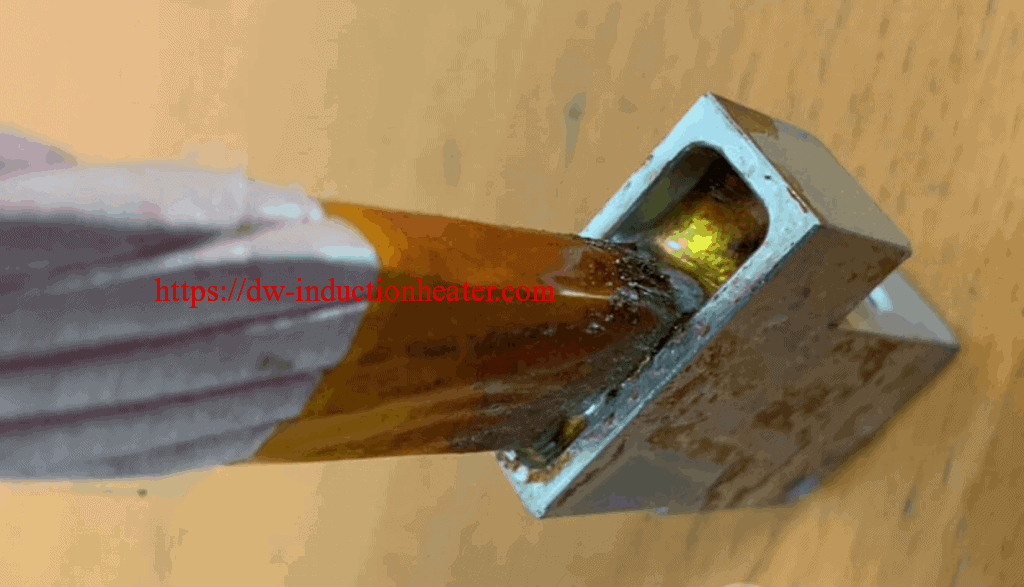
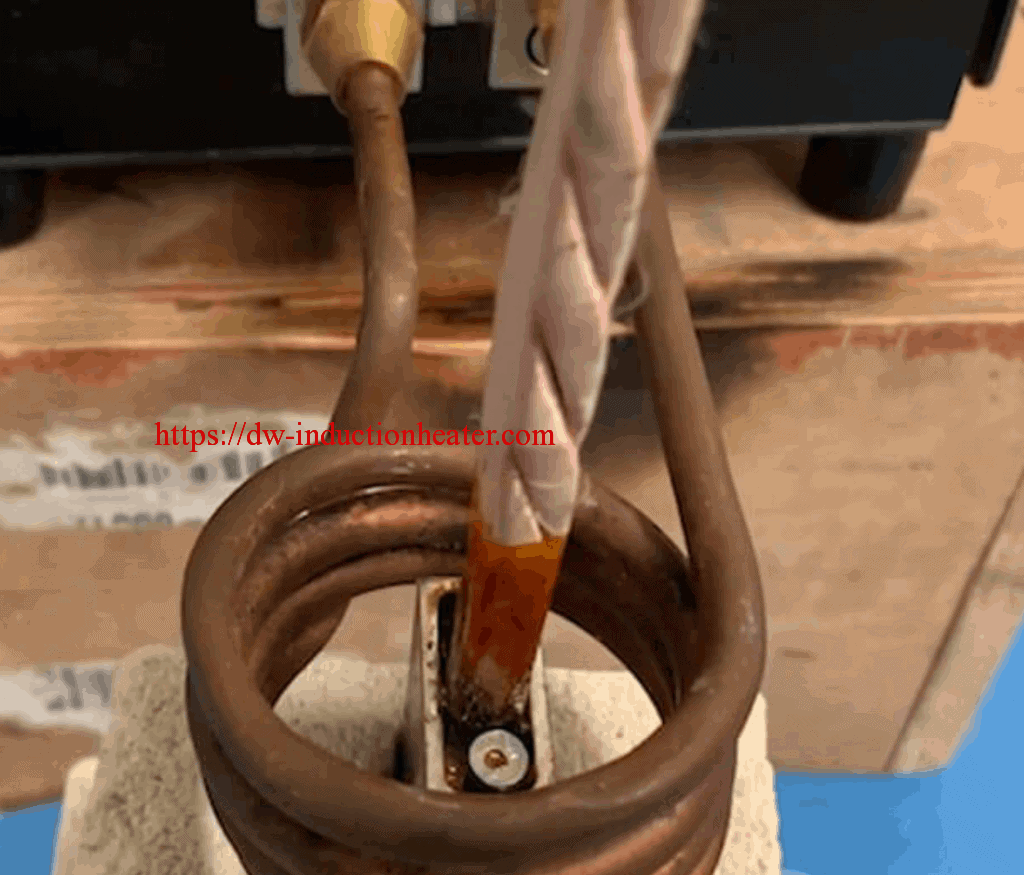
Induction Soldering Process: In order to start the induction soldering process, the aluminum lug was placed in the center of the coil. Then the litz wire was placed into the lug along with the solder. The solder started to melt after 25 seconds at approximately 250°C (482°F). After the solder was completely melted it was left to cool for one minute before proceeding.
Results: The tests were a success. We were able to prove that induction heating was a much faster method of induction soldering wire to aluminum lug rather than using a torch as the customer had done in the past. The application testing showed an increase in productivity and control over the time and temperature.
https://dw-inductionheater.com/induction-soldering-wire-to-aluminum-lug.html?feed_id=239392&_unique_id=660953289f1ad

2024年3月30日星期六

high frequency induction soldering wire to connector

Objective The purpose of this test is to demonstrate the induction soldering wire to connector Recommended Equipment The recommended equipment for this test is the with the customized induction heating coil.  DW-UHF-6KW-I handheld induction heater
Key Parameters Power: Up to 0.48 kW Temperature: 392°F (200°C) Time: 1.5 seconds
Process and Results: This induction soldering wire to connector process was quick yet effective. The unit was run at 985 kHz, the reason for using such a high frequency was to couple into the small diameter of the wires. The whole process from the heat being turned on to the hardening of the solder took 1.5 seconds. Previously a soldering iron was being used to complete this task, however induction soldering was proven to be much faster and more efficient. The process can now be automated on an assembly line, because the system can remotely be turned on.
https://dw-inductionheater.com/high-frequency-induction-soldering-wire-to-connector.html?feed_id=239324&_unique_id=66089c76922a3

2023年8月25日星期五

Induction Soldering Wire To Aluminum Lug

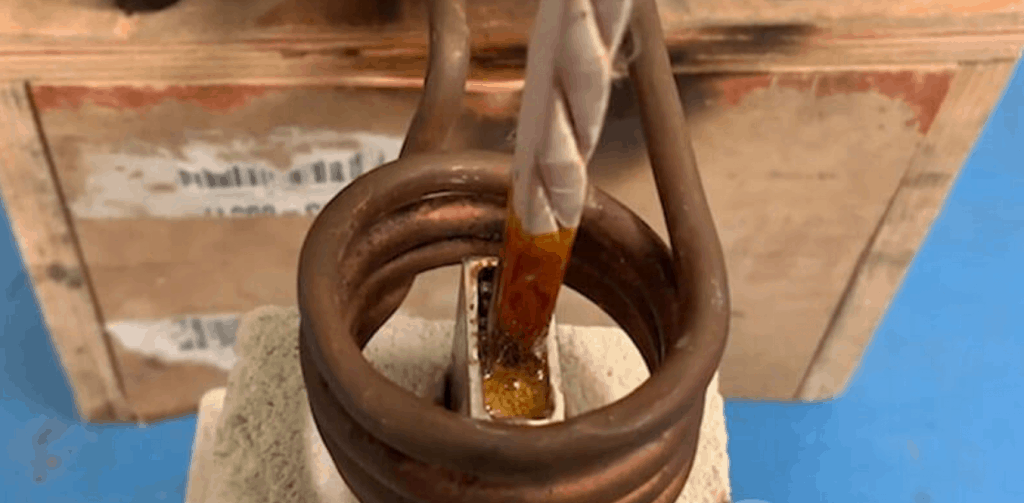
Objective The objective of this induction soldering wire to aluminum lug in under 30 seconds. Equipment DW-UHF-6KW-III handheld induction soldering heater HLQ custom coil Key Parameters Power: 1.75 kW Temperature: Approximately 250°C (482°F) Time: 25 seconds
Materials Aluminum Lug Litz Cables
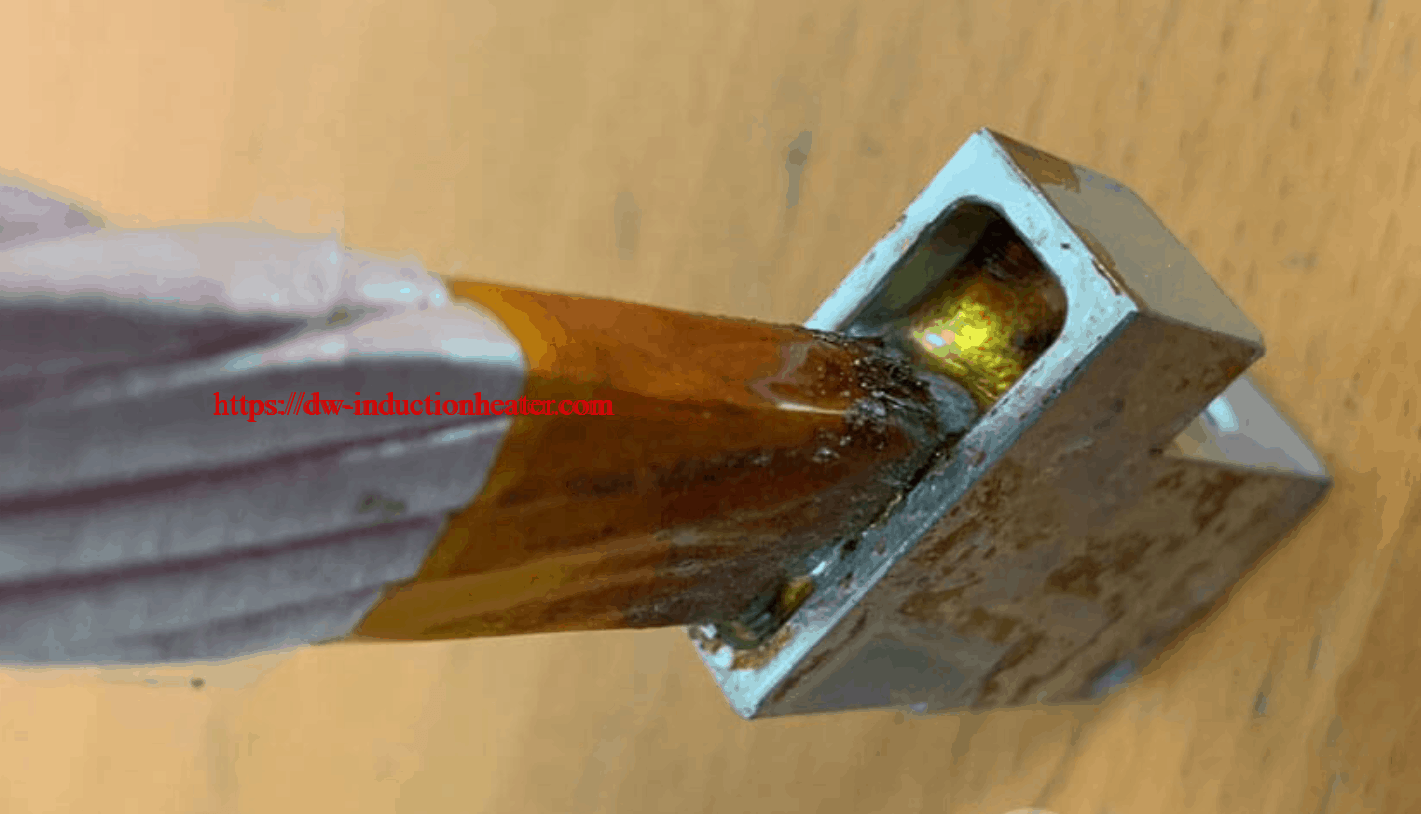
Induction Soldering Process: In order to start the induction soldering process, the aluminum lug was placed in the center of the coil. Then the litz wire was placed into the lug along with the solder. The solder started to melt after 25 seconds at approximately 250°C (482°F). After the solder was completely melted it was left to cool for one minute before proceeding.
Results: The tests were a success. We were able to prove that induction heating was a much faster method of induction soldering wire to aluminum lug rather than using a torch as the customer had done in the past. The application testing showed an increase in productivity and control over the time and temperature.
2023年8月11日星期五

Induction Soldering Wire To Aluminum Lug

Objective The objective of this induction soldering wire to aluminum lug in under 30 seconds. Equipment DW-UHF-6KW-III handheld induction soldering heater HLQ custom coil Key Parameters Power: 1.75 kW Temperature: Approximately 250°C (482°F) Time: 25 seconds
Materials Aluminum Lug Litz Cables
Induction Soldering Process: In order to start the induction soldering process, the aluminum lug was placed in the center of the coil. Then the litz wire was placed into the lug along with the solder. The solder started to melt after 25 seconds at approximately 250°C (482°F). After the solder was completely melted it was left to cool for one minute before proceeding.
Results: The tests were a success. We were able to prove that induction heating was a much faster method of induction soldering wire to aluminum lug rather than using a torch as the customer had done in the past. The application testing showed an increase in productivity and control over the time and temperature.

2023年8月10日星期四

high frequency induction soldering wire to connector

Objective The purpose of this test is to demonstrate the induction soldering wire to connector Recommended Equipment The recommended equipment for this test is the with the customized induction heating coil.  DW-UHF-6KW-I handheld induction heater
Key Parameters Power: Up to 0.48 kW Temperature: 392°F (200°C) Time: 1.5 seconds
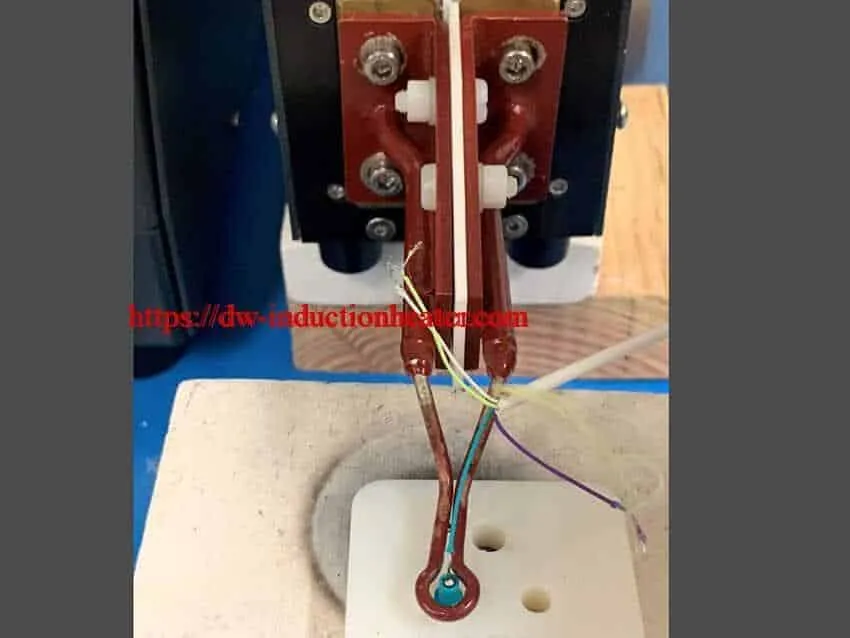
Process and Results: This induction soldering wire to connector process was quick yet effective. The unit was run at 985 kHz, the reason for using such a high frequency was to couple into the small diameter of the wires. The whole process from the heat being turned on to the hardening of the solder took 1.5 seconds. Previously a soldering iron was being used to complete this task, however induction soldering was proven to be much faster and more efficient. The process can now be automated on an assembly line, because the system can remotely be turned on.

2023年8月8日星期二

Induction Soldering Wire To Aluminum Lug

Objective The objective of this induction soldering wire to aluminum lug in under 30 seconds. Equipment DW-UHF-6KW-III handheld induction soldering heater HLQ custom coil Key Parameters Power: 1.75 kW Temperature: Approximately 250°C (482°F) Time: 25 seconds
Materials Aluminum Lug Litz Cables
Induction Soldering Process: In order to start the induction soldering process, the aluminum lug was placed in the center of the coil. Then the litz wire was placed into the lug along with the solder. The solder started to melt after 25 seconds at approximately 250°C (482°F). After the solder was completely melted it was left to cool for one minute before proceeding.
Results: The tests were a success. We were able to prove that induction heating was a much faster method of induction soldering wire to aluminum lug rather than using a torch as the customer had done in the past. The application testing showed an increase in productivity and control over the time and temperature.
https://dw-inductionheater.com/induction-soldering-wire-to-aluminum-lug.html?feed_id=222361&_unique_id=64d2a75352f41

high frequency induction soldering wire to connector

Objective The purpose of this test is to demonstrate the induction soldering wire to connector Recommended Equipment The recommended equipment for this test is the with the customized induction heating coil.  DW-UHF-6KW-I handheld induction heater
Key Parameters Power: Up to 0.48 kW Temperature: 392°F (200°C) Time: 1.5 seconds
Process and Results: This induction soldering wire to connector process was quick yet effective. The unit was run at 985 kHz, the reason for using such a high frequency was to couple into the small diameter of the wires. The whole process from the heat being turned on to the hardening of the solder took 1.5 seconds. Previously a soldering iron was being used to complete this task, however induction soldering was proven to be much faster and more efficient. The process can now be automated on an assembly line, because the system can remotely be turned on.
https://dw-inductionheater.com/high-frequency-induction-soldering-wire-to-connector.html?feed_id=222286&_unique_id=64d1f08d31230

2023年7月10日星期一

high frequency induction soldering wire to connector

Objective The purpose of this test is to demonstrate the induction soldering wire to connector Recommended Equipment The recommended equipment for this test is the with the customized induction heating coil.  DW-UHF-6KW-I handheld induction heater
Key Parameters Power: Up to 0.48 kW Temperature: 392°F (200°C) Time: 1.5 seconds
Process and Results: This induction soldering wire to connector process was quick yet effective. The unit was run at 985 kHz, the reason for using such a high frequency was to couple into the small diameter of the wires. The whole process from the heat being turned on to the hardening of the solder took 1.5 seconds. Previously a soldering iron was being used to complete this task, however induction soldering was proven to be much faster and more efficient. The process can now be automated on an assembly line, because the system can remotely be turned on.

2023年6月16日星期五

high frequency induction soldering wire to connector

Objective The purpose of this test is to demonstrate the induction soldering wire to connector Recommended Equipment The recommended equipment for this test is the with the customized induction heating coil.  DW-UHF-6KW-I handheld induction heater
Key Parameters Power: Up to 0.48 kW Temperature: 392°F (200°C) Time: 1.5 seconds
Process and Results: This induction soldering wire to connector process was quick yet effective. The unit was run at 985 kHz, the reason for using such a high frequency was to couple into the small diameter of the wires. The whole process from the heat being turned on to the hardening of the solder took 1.5 seconds. Previously a soldering iron was being used to complete this task, however induction soldering was proven to be much faster and more efficient. The process can now be automated on an assembly line, because the system can remotely be turned on.

2023年6月6日星期二

Induction Soldering Wire To Aluminum Lug

Objective The objective of this induction soldering wire to aluminum lug in under 30 seconds. Equipment DW-UHF-6KW-III handheld induction soldering heater HLQ custom coil Key Parameters Power: 1.75 kW Temperature: Approximately 250°C (482°F) Time: 25 seconds
Materials Aluminum Lug Litz Cables
Induction Soldering Process: In order to start the induction soldering process, the aluminum lug was placed in the center of the coil. Then the litz wire was placed into the lug along with the solder. The solder started to melt after 25 seconds at approximately 250°C (482°F). After the solder was completely melted it was left to cool for one minute before proceeding.
Results: The tests were a success. We were able to prove that induction heating was a much faster method of induction soldering wire to aluminum lug rather than using a torch as the customer had done in the past. The application testing showed an increase in productivity and control over the time and temperature.

2023年5月13日星期六

high frequency induction soldering wire to connector

Objective The purpose of this test is to demonstrate the induction soldering wire to connector Recommended Equipment The recommended equipment for this test is the with the customized induction heating coil.  DW-UHF-6KW-I handheld induction heater
Key Parameters Power: Up to 0.48 kW Temperature: 392°F (200°C) Time: 1.5 seconds
Process and Results: This induction soldering wire to connector process was quick yet effective. The unit was run at 985 kHz, the reason for using such a high frequency was to couple into the small diameter of the wires. The whole process from the heat being turned on to the hardening of the solder took 1.5 seconds. Previously a soldering iron was being used to complete this task, however induction soldering was proven to be much faster and more efficient. The process can now be automated on an assembly line, because the system can remotely be turned on.

2023年2月20日星期一

Induction Soldering Wire To Aluminum Lug

Objective The objective of this induction soldering wire to aluminum lug in under 30 seconds. Equipment DW-UHF-6KW-III handheld induction soldering heater HLQ custom coil Key Parameters Power: 1.75 kW Temperature: Approximately 250°C (482°F) Time: 25 seconds
Materials Aluminum Lug Litz Cables
Induction Soldering Process: In order to start the induction soldering process, the aluminum lug was placed in the center of the coil. Then the litz wire was placed into the lug along with the solder. The solder started to melt after 25 seconds at approximately 250°C (482°F). After the solder was completely melted it was left to cool for one minute before proceeding.
Results: The tests were a success. We were able to prove that induction heating was a much faster method of induction soldering wire to aluminum lug rather than using a torch as the customer had done in the past. The application testing showed an increase in productivity and control over the time and temperature.
关注者

我的简介

我的照片
HLQ induction heating machine manufacturer provides the service of induction brazing,melting,hot forming,hardening surface,annealing,shrink fitting,PWHT,etc.