显示标签为“inductionheatingapplications”的博文。显示所有博文

2024年4月28日星期日

Is induction heating cheaper than gas heating?

The cost-effectiveness of induction heating compared to gas heating depends on various factors, including the application, local energy prices, efficiency rates, and initial setup costs. As of my last update in 2024, here's how the two compare in general terms:

Efficiency and Operating Costs

  • Induction Heating: Induction heating is highly efficient because it directly heats the object using electromagnetic fields, with minimal heat loss to the surrounding environment. This direct method of heating often results in quicker heating times compared to gas heating. Since it uses electricity, its cost will depend on local electricity rates, which can vary widely around the world.
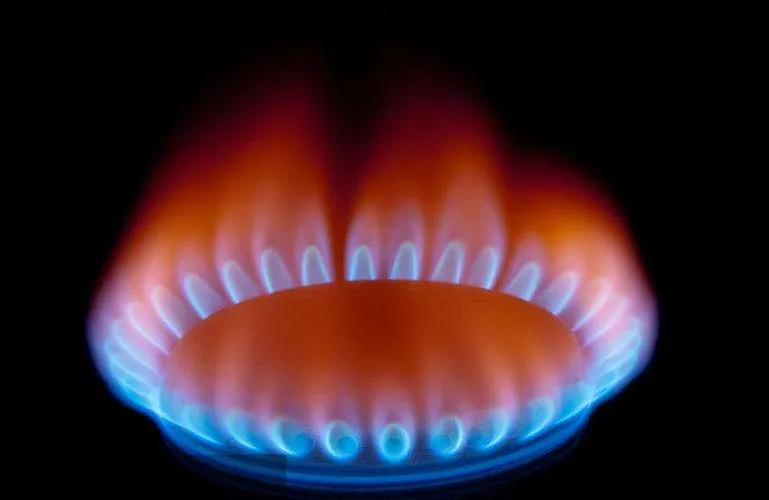
  • Gas Heating: Gas heating, which often involves combustion to produce heat, can be less efficient due to heat loss through exhaust gases and the surrounding environment. However, natural gas is typically cheaper per unit of energy produced than electricity in many regions, which can offset the efficiency differences and make gas heating cheaper in operational costs in those areas.

Setup and Maintenance Costs

  • Induction Heating: The upfront cost for induction heating equipment can be higher than conventional gas heating setups. Induction heaters also require a supply of electricity, which might necessitate upgrades to the electrical system in some instances. On the maintenance side, induction systems generally have fewer moving parts and do not combust fuel, potentially leading to lower maintenance costs over time.
  • Gas Heating: Initial setup for gas heating can be lower, especially if the infrastructure for gas is already in place. However, maintenance might be more demanding and costly due to the combustion process and the requirement for venting exhaust gases, checking for leaks in the gas supply, and regular cleaning of combustion chambers.

Environmental Considerations

While not directly related to cost, environmental impact is an increasingly important consideration. Induction heating produces no direct emissions at the point of use, making it a cleaner option if the electricity is sourced from renewable or low-emission sources. Gas heating involves the combustion of fossil fuels, leading to CO2 and potentially other harmful emissions, although advances in technology and the use of biogas can mitigate this impact somewhat.

Conclusion

Whether induction heating is cheaper than gas heating is highly contextual. For areas with low electricity costs, especially where those costs are lower due to a high proportion of renewable energy sources, induction heating can be more cost-effective in the long run, factoring in its higher efficiency and potentially lower maintenance costs. In regions where natural gas is cheap and electricity is expensive, gas heating might be the more economical choice, at least in terms of operating costs. It's also crucial to consider the specific application (e.g., industrial, commercial, or residential), as the scale and nature of the heating requirements can significantly influence which method is more cost-effective.
https://dw-inductionheater.com/is-induction-heating-cheaper-than-gas-heating.html?feed_id=243558&_unique_id=662ec95e84232

Is induction heating cheaper than gas heating?

The cost-effectiveness of induction heating compared to gas heating depends on various factors, including the application, local energy prices, efficiency rates, and initial setup costs. As of my last update in 2024, here's how the two compare in general terms:

Efficiency and Operating Costs

  • Induction Heating: Induction heating is highly efficient because it directly heats the object using electromagnetic fields, with minimal heat loss to the surrounding environment. This direct method of heating often results in quicker heating times compared to gas heating. Since it uses electricity, its cost will depend on local electricity rates, which can vary widely around the world.
  • Gas Heating: Gas heating, which often involves combustion to produce heat, can be less efficient due to heat loss through exhaust gases and the surrounding environment. However, natural gas is typically cheaper per unit of energy produced than electricity in many regions, which can offset the efficiency differences and make gas heating cheaper in operational costs in those areas.

Setup and Maintenance Costs

  • Induction Heating: The upfront cost for induction heating equipment can be higher than conventional gas heating setups. Induction heaters also require a supply of electricity, which might necessitate upgrades to the electrical system in some instances. On the maintenance side, induction systems generally have fewer moving parts and do not combust fuel, potentially leading to lower maintenance costs over time.
  • Gas Heating: Initial setup for gas heating can be lower, especially if the infrastructure for gas is already in place. However, maintenance might be more demanding and costly due to the combustion process and the requirement for venting exhaust gases, checking for leaks in the gas supply, and regular cleaning of combustion chambers.

Environmental Considerations

While not directly related to cost, environmental impact is an increasingly important consideration. Induction heating produces no direct emissions at the point of use, making it a cleaner option if the electricity is sourced from renewable or low-emission sources. Gas heating involves the combustion of fossil fuels, leading to CO2 and potentially other harmful emissions, although advances in technology and the use of biogas can mitigate this impact somewhat.

Conclusion

Whether induction heating is cheaper than gas heating is highly contextual. For areas with low electricity costs, especially where those costs are lower due to a high proportion of renewable energy sources, induction heating can be more cost-effective in the long run, factoring in its higher efficiency and potentially lower maintenance costs. In regions where natural gas is cheap and electricity is expensive, gas heating might be the more economical choice, at least in terms of operating costs. It's also crucial to consider the specific application (e.g., industrial, commercial, or residential), as the scale and nature of the heating requirements can significantly influence which method is more cost-effective.
https://dw-inductionheater.com/is-induction-heating-cheaper-than-gas-heating.html?feed_id=243456&_unique_id=662e533363f2c

2024年2月4日星期日

induction heating for drying food processing industry

Why induction heating is the most innovative option for food processing industry

Induction Drying Processing

Drying consists of providing heat to accelerate evaporation of volatile organic compounds present in an item. For example the ones present in water, solvents in paints, etc. Drying is a process used in the manufacture of a wide range of products. The fields where we can apply induction are those that require direct or indirect heating through a metallic element. Examples:
  • Direct: automotive disc brakes
  • Indirect: drying of paper
There are several methods to achieve the drying process, such as microwave, infrared and electrical resistance. However induction offers a number of advantages over these methods. Induction heating is an innovative and non-contact electromagnetic heating technology that has several advantages such as high energy efficiency, controlled heating, high safety, and pollution-free. The objective of this article is to build up these and other advantages based on different scientific data about the performance of induction heating in the food industry. We believe that the companies that will apply induction heating in their procedures will have more versatility in sustainable food methods and will be able to face future challenges.

About Induction heating

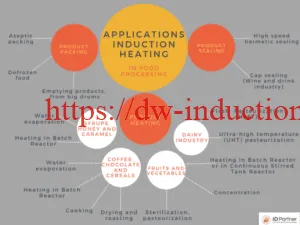
The induction heating system (generator + coil) will generate a magnetic field that induces a current in the conductive material (reactor vessel), which will rise in temperature.  Induction heating works only with conductive and ferrous materials. Depending on the material’s magnetic permeability and ferromagnetic properties, various metallic materials, such as steel, cast iron, among others, could be heated by induction. Non-magnetic conductive materials can also be heated with a lower efficiency. Induction heating is seen as an ideal technology for pasteurizing liquid foods, but the versatility of induction electric heaters makes it possible to use in various fields of food and beverage industry as is shown in the next image: Induction heating has its advantages over the conventional heating systems (resistance, hot water, gas, steam, etc.) Since it is non-contact it is very efficient, and the heat is generated inside the work-piece (sample) this means direct heating of metal surface without thermal inertia and no conduction loss. And since induction requires no warm-up or cool-down cycle, make it highly compatible with energy-efficient automated systems. Read the complete article to find out the 5 most important facts about Induction Heating in the food industry.
1.   Induction heating improves the quality of the food 

Heat exchangers powered by induction have constant and direct heating to the flowing fluid, with a maximum uncertainty of ± 0.5 ° C  this avoids local high temperatures and is essential for controlling the reaction kinetics in the food industry. The experimental result of R. Martel, Y. Pouliot in the University Laval-Canada, comparing milk pasteurized by conventional heating and by induction heating, showed that when working, in a UHT pasteurization process, with induction heating we can avoid or regulate the Maillard reaction (Formation of flavours and browning compounds) this improves the sensory characteristics in the milk and dairy products. (For more data about dairy industry read Appendix A) It was reported in another scientific paper in Brazil  that using ferritic stainless steel (common use in Induction heating systems) in sugar manufacture plants, has several advantages because this metal is chemically and biologically inert, does not affect taste or colour of the sugar and lower the risk of micro-organism colony growth.

2.   Induction heating have good energy and exergy efficiency

Başaran’s experimental results show that the pasteurization system with induction heater needs less energy and exergy input than DPHE.(Exergy also called second law efficiency is the maximum useful work during a process) Basaran et al.  and a group of engineers at the University of Celal Bayar-Turkey, compared in a pilot-scale, an induction heater pasteurization system with a DPHE (Double Pipe Heat Exchanger) pasteurization system, with electric boilers, to evaluate energy and exergy, they considered the same temperature increase in both systems from 65 to 110 ° C. After calculations, for both applications, it was found effectiveness or first law efficiency of heat transfer with the inductive heating system is 95.00% energy efficiency and 46.56% exergy efficiency while the conventional heating system with the electric boiler is 75.43% energy efficiency and 16.63% exergy efficiency. (Appendix B give more data about energy and exergy). Thanks to these results, the engineers concluded that apply the inductive method in tomato pasteurization9, strawberry jam, milk, and honey pasteurization is more efficient than the DPHE heating system. (To clarify this information, most factories run on fossil fuels, and fossil fuels are much less efficient, 40-65% effectiveness, than the commercial electrical method in this study.).
3.   Induction heating system offers reduce the clogging in the system

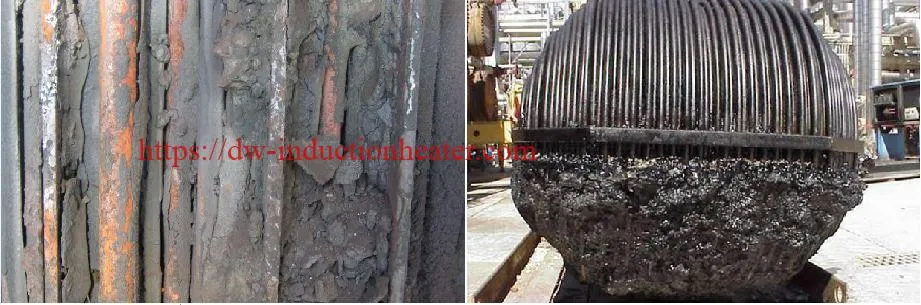
Clogging due to the unwanted material accumulated on the tube surfaces of the heat exchangers is one of the main problems in the food industry, the gunk in the interior of these tubes severely decreases the mass flow rate through the tube bundle. According to experimental results, this effect can be minimized using electromagnetic induction. R. Martel, Y. Pouliot5 discovered that working with induction the amount of protein on the heating surface is less. This improves cleaning efficiency, increasing production run length with a reduction in the cost of production capacity  and a reduction of the waste-water from the process.
4.   Induction installation are sustainable and have small carbon footprit

Nowadays the term “sustainability” is used to talk about everything, but it hasn’t really been defined very well. Rosen, Marc & Dincer, Ibrahim made a research about exergy efficiency and sustainability, in terms of several measures (order destruction and chaos creation, or resource degradation, or waste exergy emissions). They conclude that the process can be” sustainable” if is energy and exergy efficient. In these terms we can said that work with induction decrease the associated environmental impact, because gives rise to better energetic and exergetic performance. Knowing this, the food and beverage manufacturers that will works with induction have a significant opportunity to have “added value “ and sustainable products, working with a clean technology which will help in protecting the environment and  decrease the carbon footprint of the food industry.

5.   Induction installations improves working conditions for the employees

An induction system improves working conditions for the employees by eliminating smoke, waste heat, noxious emissions, and loud noise in the facilities (Induction only heats the material and not the workshop). Heating is safe and efficient with no open flame to endanger the operator; non-conductive materials are not affected and can be located close to the heating zone without damage. There are no high pressure and no hot steam systems and so on can avoid any hazard with explosions like in 2016 in a dairy company in steam generator. (In the ARIA database  you will find more than 300 high temperature-related events that have occurred in France.)

Conclusion

Induction heating is a clean technological innovation designed to save energy, leading to high productivity and efficiency. Induction heating offers repeatable quality and rapid, high intensity, contact less heat generation directly, and accurate on the surface of the work-piece. Inside the design of induction heating in a process, there is a specialized integration of workers including mechanical, electrical, and chemical engineers that will ensure a customized solution with a unique and innovative procedure with a high level of reliability and durability. Consumers in all the world are prepared for the food business to be significantly more sustainable so we encore you to think in apply Induction heating for your company to fulfil the challenge to move towards a decrease in the footprint of the food industry, focus on the 2030 Agenda for Sustainable Development.  induction heating industry applications Induction Heating Hot Air Generator https://dw-inductionheater.com/induction-heating-for-drying-food-processing-industry.html?feed_id=233506&_unique_id=65c07c03f36a1

2023年11月8日星期三

What is Induction Brazing?

What is Induction Brazing? Induction Brazing is a materials-joining process that uses a filler metal (and usually an anti-oxidizing solvent called flux) to join two pieces of close-fitting metal together without melting the base materials. Instead, induced heat melts the filler, which is then drawn into the base materials by capillary action. What are the benefits? Induction brazing can join a wide range of metals, even ferrous to non-ferrous. Induction brazing is precise and quick. Only narrowly defined areas are heated, leaving adjacent areas and materials unaffected. Correctly brazed joints are strong, leak-proof and corrosion resistant. They are also very neat, usually requiring no further milling, grinding or finishing. Induction brazing is ideal for integrating into production lines. Where is it used? DaWei Induction brazing systems can be used for virtually any brazing task. To date, our systems are typically used in the electrotechnical industry to braze generator and transfomer components like bars, strands, rings, wires and SC-rings. They also braze fuel pipes and AC and brake parts for the automotive industry. The aeronautics sector uses induction to braze fan blades, blades for casings, and fuel and hydraulic systems. In the houseware industry our systems braze compressor components, heating elements and faucets. What equipment is available? Our Induction brazing solutions usually include an DaWei Handheld Induction heating system. https://dw-inductionheater.com/what-is-induction-brazing.html?feed_id=230406&_unique_id=654c159827836

2023年10月8日星期日

What is Induction Brazing?

What is Induction Brazing? Induction Brazing is a materials-joining process that uses a filler metal (and usually an anti-oxidizing solvent called flux) to join two pieces of close-fitting metal together without melting the base materials. Instead, induced heat melts the filler, which is then drawn into the base materials by capillary action. What are the benefits? Induction brazing can join a wide range of metals, even ferrous to non-ferrous. Induction brazing is precise and quick. Only narrowly defined areas are heated, leaving adjacent areas and materials unaffected. Correctly brazed joints are strong, leak-proof and corrosion resistant. They are also very neat, usually requiring no further milling, grinding or finishing. Induction brazing is ideal for integrating into production lines. Where is it used? DaWei Induction brazing systems can be used for virtually any brazing task. To date, our systems are typically used in the electrotechnical industry to braze generator and transfomer components like bars, strands, rings, wires and SC-rings. They also braze fuel pipes and AC and brake parts for the automotive industry. The aeronautics sector uses induction to braze fan blades, blades for casings, and fuel and hydraulic systems. In the houseware industry our systems braze compressor components, heating elements and faucets. What equipment is available? Our Induction brazing solutions usually include an DaWei Handheld Induction heating system.

2023年10月1日星期日

What is Induction Brazing?

What is Induction Brazing? Induction Brazing is a materials-joining process that uses a filler metal (and usually an anti-oxidizing solvent called flux) to join two pieces of close-fitting metal together without melting the base materials. Instead, induced heat melts the filler, which is then drawn into the base materials by capillary action. What are the benefits? Induction brazing can join a wide range of metals, even ferrous to non-ferrous. Induction brazing is precise and quick. Only narrowly defined areas are heated, leaving adjacent areas and materials unaffected. Correctly brazed joints are strong, leak-proof and corrosion resistant. They are also very neat, usually requiring no further milling, grinding or finishing. Induction brazing is ideal for integrating into production lines. Where is it used? DaWei Induction brazing systems can be used for virtually any brazing task. To date, our systems are typically used in the electrotechnical industry to braze generator and transfomer components like bars, strands, rings, wires and SC-rings. They also braze fuel pipes and AC and brake parts for the automotive industry. The aeronautics sector uses induction to braze fan blades, blades for casings, and fuel and hydraulic systems. In the houseware industry our systems braze compressor components, heating elements and faucets. What equipment is available? Our Induction brazing solutions usually include an DaWei Handheld Induction heating system.

2023年6月13日星期二

induction heating for drying food processing industry

Why induction heating is the most innovative option for food processing industry

Induction Drying Processing

Drying consists of providing heat to accelerate evaporation of volatile organic compounds present in an item. For example the ones present in water, solvents in paints, etc. Drying is a process used in the manufacture of a wide range of products. The fields where we can apply induction are those that require direct or indirect heating through a metallic element. Examples:
  • Direct: automotive disc brakes
  • Indirect: drying of paper
There are several methods to achieve the drying process, such as microwave, infrared and electrical resistance. However induction offers a number of advantages over these methods. Induction heating is an innovative and non-contact electromagnetic heating technology that has several advantages such as high energy efficiency, controlled heating, high safety, and pollution-free. The objective of this article is to build up these and other advantages based on different scientific data about the performance of induction heating in the food industry. We believe that the companies that will apply induction heating in their procedures will have more versatility in sustainable food methods and will be able to face future challenges.

About Induction heating

The induction heating system (generator + coil) will generate a magnetic field that induces a current in the conductive material (reactor vessel), which will rise in temperature.  Induction heating works only with conductive and ferrous materials. Depending on the material’s magnetic permeability and ferromagnetic properties, various metallic materials, such as steel, cast iron, among others, could be heated by induction. Non-magnetic conductive materials can also be heated with a lower efficiency. Induction heating is seen as an ideal technology for pasteurizing liquid foods, but the versatility of induction electric heaters makes it possible to use in various fields of food and beverage industry as is shown in the next image: Induction heating has its advantages over the conventional heating systems (resistance, hot water, gas, steam, etc.) Since it is non-contact it is very efficient, and the heat is generated inside the work-piece (sample) this means direct heating of metal surface without thermal inertia and no conduction loss. And since induction requires no warm-up or cool-down cycle, make it highly compatible with energy-efficient automated systems. Read the complete article to find out the 5 most important facts about Induction Heating in the food industry.

1.   Induction heating improves the quality of the food 

Heat exchangers powered by induction have constant and direct heating to the flowing fluid, with a maximum uncertainty of ± 0.5 ° C  this avoids local high temperatures and is essential for controlling the reaction kinetics in the food industry. The experimental result of R. Martel, Y. Pouliot in the University Laval-Canada, comparing milk pasteurized by conventional heating and by induction heating, showed that when working, in a UHT pasteurization process, with induction heating we can avoid or regulate the Maillard reaction (Formation of flavours and browning compounds) this improves the sensory characteristics in the milk and dairy products. (For more data about dairy industry read Appendix A) It was reported in another scientific paper in Brazil  that using ferritic stainless steel (common use in Induction heating systems) in sugar manufacture plants, has several advantages because this metal is chemically and biologically inert, does not affect taste or colour of the sugar and lower the risk of micro-organism colony growth.

2.   Induction heating have good energy and exergy efficiency

Başaran’s experimental results show that the pasteurization system with induction heater needs less energy and exergy input than DPHE.(Exergy also called second law efficiency is the maximum useful work during a process) Basaran et al.  and a group of engineers at the University of Celal Bayar-Turkey, compared in a pilot-scale, an induction heater pasteurization system with a DPHE (Double Pipe Heat Exchanger) pasteurization system, with electric boilers, to evaluate energy and exergy, they considered the same temperature increase in both systems from 65 to 110 ° C. After calculations, for both applications, it was found effectiveness or first law efficiency of heat transfer with the inductive heating system is 95.00% energy efficiency and 46.56% exergy efficiency while the conventional heating system with the electric boiler is 75.43% energy efficiency and 16.63% exergy efficiency. (Appendix B give more data about energy and exergy). Thanks to these results, the engineers concluded that apply the inductive method in tomato pasteurization9, strawberry jam, milk, and honey pasteurization is more efficient than the DPHE heating system. (To clarify this information, most factories run on fossil fuels, and fossil fuels are much less efficient, 40-65% effectiveness, than the commercial electrical method in this study.).

3.   Induction heating system offers reduce the clogging in the system

Clogging due to the unwanted material accumulated on the tube surfaces of the heat exchangers is one of the main problems in the food industry, the gunk in the interior of these tubes severely decreases the mass flow rate through the tube bundle. According to experimental results, this effect can be minimized using electromagnetic induction. R. Martel, Y. Pouliot5 discovered that working with induction the amount of protein on the heating surface is less. This improves cleaning efficiency, increasing production run length with a reduction in the cost of production capacity  and a reduction of the waste-water from the process.
4.   Induction installation are sustainable and have small carbon footprit

Nowadays the term “sustainability” is used to talk about everything, but it hasn’t really been defined very well. Rosen, Marc & Dincer, Ibrahim made a research about exergy efficiency and sustainability, in terms of several measures (order destruction and chaos creation, or resource degradation, or waste exergy emissions). They conclude that the process can be” sustainable” if is energy and exergy efficient. In these terms we can said that work with induction decrease the associated environmental impact, because gives rise to better energetic and exergetic performance. Knowing this, the food and beverage manufacturers that will works with induction have a significant opportunity to have “added value “ and sustainable products, working with a clean technology which will help in protecting the environment and  decrease the carbon footprint of the food industry.
5.   Induction installations improves working conditions for the employees

An induction system improves working conditions for the employees by eliminating smoke, waste heat, noxious emissions, and loud noise in the facilities (Induction only heats the material and not the workshop). Heating is safe and efficient with no open flame to endanger the operator; non-conductive materials are not affected and can be located close to the heating zone without damage. There are no high pressure and no hot steam systems and so on can avoid any hazard with explosions like in 2016 in a dairy company in steam generator. (In the ARIA database  you will find more than 300 high temperature-related events that have occurred in France.)

Conclusion

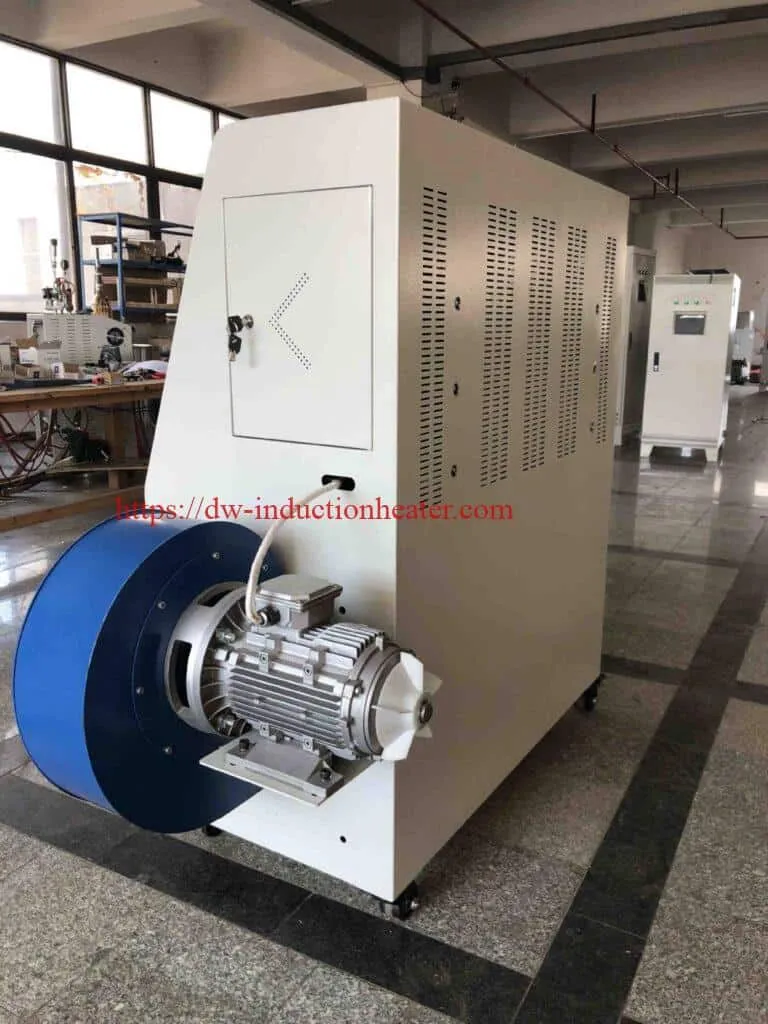
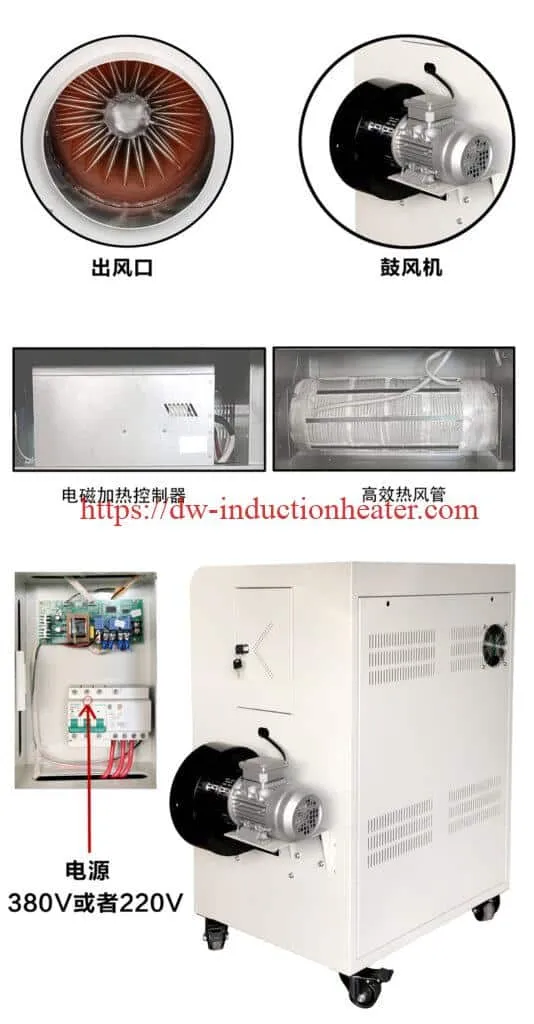
Induction heating is a clean technological innovation designed to save energy, leading to high productivity and efficiency. Induction heating offers repeatable quality and rapid, high intensity, contact less heat generation directly, and accurate on the surface of the work-piece. Inside the design of induction heating in a process, there is a specialized integration of workers including mechanical, electrical, and chemical engineers that will ensure a customized solution with a unique and innovative procedure with a high level of reliability and durability. Consumers in all the world are prepared for the food business to be significantly more sustainable so we encore you to think in apply Induction heating for your company to fulfil the challenge to move towards a decrease in the footprint of the food industry, focus on the 2030 Agenda for Sustainable Development.  induction heating industry applications Induction Heating Hot Air Generator https://dw-inductionheater.com/induction-heating-for-drying-food-processing-industry.html?feed_id=212986&_unique_id=6488ffae11134
2023年5月17日星期三

induction heating for drying food processing industry

Why induction heating is the most innovative option for food processing industry

Induction Drying Processing

Drying consists of providing heat to accelerate evaporation of volatile organic compounds present in an item. For example the ones present in water, solvents in paints, etc. Drying is a process used in the manufacture of a wide range of products. The fields where we can apply induction are those that require direct or indirect heating through a metallic element. Examples:
  • Direct: automotive disc brakes
  • Indirect: drying of paper
There are several methods to achieve the drying process, such as microwave, infrared and electrical resistance. However induction offers a number of advantages over these methods. Induction heating is an innovative and non-contact electromagnetic heating technology that has several advantages such as high energy efficiency, controlled heating, high safety, and pollution-free. The objective of this article is to build up these and other advantages based on different scientific data about the performance of induction heating in the food industry. We believe that the companies that will apply induction heating in their procedures will have more versatility in sustainable food methods and will be able to face future challenges.

About Induction heating

The induction heating system (generator + coil) will generate a magnetic field that induces a current in the conductive material (reactor vessel), which will rise in temperature.  Induction heating works only with conductive and ferrous materials. Depending on the material’s magnetic permeability and ferromagnetic properties, various metallic materials, such as steel, cast iron, among others, could be heated by induction. Non-magnetic conductive materials can also be heated with a lower efficiency. Induction heating is seen as an ideal technology for pasteurizing liquid foods, but the versatility of induction electric heaters makes it possible to use in various fields of food and beverage industry as is shown in the next image: Induction heating has its advantages over the conventional heating systems (resistance, hot water, gas, steam, etc.) Since it is non-contact it is very efficient, and the heat is generated inside the work-piece (sample) this means direct heating of metal surface without thermal inertia and no conduction loss. And since induction requires no warm-up or cool-down cycle, make it highly compatible with energy-efficient automated systems. Read the complete article to find out the 5 most important facts about Induction Heating in the food industry.

1.   Induction heating improves the quality of the food 

Heat exchangers powered by induction have constant and direct heating to the flowing fluid, with a maximum uncertainty of ± 0.5 ° C  this avoids local high temperatures and is essential for controlling the reaction kinetics in the food industry. The experimental result of R. Martel, Y. Pouliot in the University Laval-Canada, comparing milk pasteurized by conventional heating and by induction heating, showed that when working, in a UHT pasteurization process, with induction heating we can avoid or regulate the Maillard reaction (Formation of flavours and browning compounds) this improves the sensory characteristics in the milk and dairy products. (For more data about dairy industry read Appendix A) It was reported in another scientific paper in Brazil  that using ferritic stainless steel (common use in Induction heating systems) in sugar manufacture plants, has several advantages because this metal is chemically and biologically inert, does not affect taste or colour of the sugar and lower the risk of micro-organism colony growth.

2.   Induction heating have good energy and exergy efficiency

Başaran’s experimental results show that the pasteurization system with induction heater needs less energy and exergy input than DPHE.(Exergy also called second law efficiency is the maximum useful work during a process) Basaran et al.  and a group of engineers at the University of Celal Bayar-Turkey, compared in a pilot-scale, an induction heater pasteurization system with a DPHE (Double Pipe Heat Exchanger) pasteurization system, with electric boilers, to evaluate energy and exergy, they considered the same temperature increase in both systems from 65 to 110 ° C. After calculations, for both applications, it was found effectiveness or first law efficiency of heat transfer with the inductive heating system is 95.00% energy efficiency and 46.56% exergy efficiency while the conventional heating system with the electric boiler is 75.43% energy efficiency and 16.63% exergy efficiency. (Appendix B give more data about energy and exergy). Thanks to these results, the engineers concluded that apply the inductive method in tomato pasteurization9, strawberry jam, milk, and honey pasteurization is more efficient than the DPHE heating system. (To clarify this information, most factories run on fossil fuels, and fossil fuels are much less efficient, 40-65% effectiveness, than the commercial electrical method in this study.).

3.   Induction heating system offers reduce the clogging in the system

Clogging due to the unwanted material accumulated on the tube surfaces of the heat exchangers is one of the main problems in the food industry, the gunk in the interior of these tubes severely decreases the mass flow rate through the tube bundle. According to experimental results, this effect can be minimized using electromagnetic induction. R. Martel, Y. Pouliot5 discovered that working with induction the amount of protein on the heating surface is less. This improves cleaning efficiency, increasing production run length with a reduction in the cost of production capacity  and a reduction of the waste-water from the process.

4.   Induction installation are sustainable and have small carbon footprit

Nowadays the term “sustainability” is used to talk about everything, but it hasn’t really been defined very well. Rosen, Marc & Dincer, Ibrahim made a research about exergy efficiency and sustainability, in terms of several measures (order destruction and chaos creation, or resource degradation, or waste exergy emissions). They conclude that the process can be” sustainable” if is energy and exergy efficient. In these terms we can said that work with induction decrease the associated environmental impact, because gives rise to better energetic and exergetic performance. Knowing this, the food and beverage manufacturers that will works with induction have a significant opportunity to have “added value “ and sustainable products, working with a clean technology which will help in protecting the environment and  decrease the carbon footprint of the food industry.

5.   Induction installations improves working conditions for the employees

An induction system improves working conditions for the employees by eliminating smoke, waste heat, noxious emissions, and loud noise in the facilities (Induction only heats the material and not the workshop). Heating is safe and efficient with no open flame to endanger the operator; non-conductive materials are not affected and can be located close to the heating zone without damage. There are no high pressure and no hot steam systems and so on can avoid any hazard with explosions like in 2016 in a dairy company in steam generator. (In the ARIA database  you will find more than 300 high temperature-related events that have occurred in France.)

Conclusion

Induction heating is a clean technological innovation designed to save energy, leading to high productivity and efficiency. Induction heating offers repeatable quality and rapid, high intensity, contact less heat generation directly, and accurate on the surface of the work-piece. Inside the design of induction heating in a process, there is a specialized integration of workers including mechanical, electrical, and chemical engineers that will ensure a customized solution with a unique and innovative procedure with a high level of reliability and durability. Consumers in all the world are prepared for the food business to be significantly more sustainable so we encore you to think in apply Induction heating for your company to fulfil the challenge to move towards a decrease in the footprint of the food industry, focus on the 2030 Agenda for Sustainable Development.  induction heating industry applications Induction Heating Hot Air Generator https://dw-inductionheater.com/induction-heating-for-drying-food-processing-industry.html?feed_id=205561&_unique_id=6464e2129e5ec
2023年5月6日星期六

induction heating for drying food processing industry

Why induction heating is the most innovative option for food processing industry

Induction Drying Processing

Drying consists of providing heat to accelerate evaporation of volatile organic compounds present in an item. For example the ones present in water, solvents in paints, etc. Drying is a process used in the manufacture of a wide range of products. The fields where we can apply induction are those that require direct or indirect heating through a metallic element. Examples:
  • Direct: automotive disc brakes
  • Indirect: drying of paper
There are several methods to achieve the drying process, such as microwave, infrared and electrical resistance. However induction offers a number of advantages over these methods. Induction heating is an innovative and non-contact electromagnetic heating technology that has several advantages such as high energy efficiency, controlled heating, high safety, and pollution-free. The objective of this article is to build up these and other advantages based on different scientific data about the performance of induction heating in the food industry. We believe that the companies that will apply induction heating in their procedures will have more versatility in sustainable food methods and will be able to face future challenges.

About Induction heating

The induction heating system (generator + coil) will generate a magnetic field that induces a current in the conductive material (reactor vessel), which will rise in temperature.  Induction heating works only with conductive and ferrous materials. Depending on the material’s magnetic permeability and ferromagnetic properties, various metallic materials, such as steel, cast iron, among others, could be heated by induction. Non-magnetic conductive materials can also be heated with a lower efficiency. Induction heating is seen as an ideal technology for pasteurizing liquid foods, but the versatility of induction electric heaters makes it possible to use in various fields of food and beverage industry as is shown in the next image: Induction heating has its advantages over the conventional heating systems (resistance, hot water, gas, steam, etc.) Since it is non-contact it is very efficient, and the heat is generated inside the work-piece (sample) this means direct heating of metal surface without thermal inertia and no conduction loss. And since induction requires no warm-up or cool-down cycle, make it highly compatible with energy-efficient automated systems. Read the complete article to find out the 5 most important facts about Induction Heating in the food industry.

1.   Induction heating improves the quality of the food 

Heat exchangers powered by induction have constant and direct heating to the flowing fluid, with a maximum uncertainty of ± 0.5 ° C  this avoids local high temperatures and is essential for controlling the reaction kinetics in the food industry. The experimental result of R. Martel, Y. Pouliot in the University Laval-Canada, comparing milk pasteurized by conventional heating and by induction heating, showed that when working, in a UHT pasteurization process, with induction heating we can avoid or regulate the Maillard reaction (Formation of flavours and browning compounds) this improves the sensory characteristics in the milk and dairy products. (For more data about dairy industry read Appendix A) It was reported in another scientific paper in Brazil  that using ferritic stainless steel (common use in Induction heating systems) in sugar manufacture plants, has several advantages because this metal is chemically and biologically inert, does not affect taste or colour of the sugar and lower the risk of micro-organism colony growth.

2.   Induction heating have good energy and exergy efficiency

Başaran’s experimental results show that the pasteurization system with induction heater needs less energy and exergy input than DPHE.(Exergy also called second law efficiency is the maximum useful work during a process) Basaran et al.  and a group of engineers at the University of Celal Bayar-Turkey, compared in a pilot-scale, an induction heater pasteurization system with a DPHE (Double Pipe Heat Exchanger) pasteurization system, with electric boilers, to evaluate energy and exergy, they considered the same temperature increase in both systems from 65 to 110 ° C. After calculations, for both applications, it was found effectiveness or first law efficiency of heat transfer with the inductive heating system is 95.00% energy efficiency and 46.56% exergy efficiency while the conventional heating system with the electric boiler is 75.43% energy efficiency and 16.63% exergy efficiency. (Appendix B give more data about energy and exergy). Thanks to these results, the engineers concluded that apply the inductive method in tomato pasteurization9, strawberry jam, milk, and honey pasteurization is more efficient than the DPHE heating system. (To clarify this information, most factories run on fossil fuels, and fossil fuels are much less efficient, 40-65% effectiveness, than the commercial electrical method in this study.).

3.   Induction heating system offers reduce the clogging in the system

Clogging due to the unwanted material accumulated on the tube surfaces of the heat exchangers is one of the main problems in the food industry, the gunk in the interior of these tubes severely decreases the mass flow rate through the tube bundle. According to experimental results, this effect can be minimized using electromagnetic induction. R. Martel, Y. Pouliot5 discovered that working with induction the amount of protein on the heating surface is less. This improves cleaning efficiency, increasing production run length with a reduction in the cost of production capacity  and a reduction of the waste-water from the process.

4.   Induction installation are sustainable and have small carbon footprit

Nowadays the term “sustainability” is used to talk about everything, but it hasn’t really been defined very well. Rosen, Marc & Dincer, Ibrahim made a research about exergy efficiency and sustainability, in terms of several measures (order destruction and chaos creation, or resource degradation, or waste exergy emissions). They conclude that the process can be” sustainable” if is energy and exergy efficient. In these terms we can said that work with induction decrease the associated environmental impact, because gives rise to better energetic and exergetic performance. Knowing this, the food and beverage manufacturers that will works with induction have a significant opportunity to have “added value “ and sustainable products, working with a clean technology which will help in protecting the environment and  decrease the carbon footprint of the food industry.

5.   Induction installations improves working conditions for the employees

An induction system improves working conditions for the employees by eliminating smoke, waste heat, noxious emissions, and loud noise in the facilities (Induction only heats the material and not the workshop). Heating is safe and efficient with no open flame to endanger the operator; non-conductive materials are not affected and can be located close to the heating zone without damage. There are no high pressure and no hot steam systems and so on can avoid any hazard with explosions like in 2016 in a dairy company in steam generator. (In the ARIA database  you will find more than 300 high temperature-related events that have occurred in France.)

Conclusion

Induction heating is a clean technological innovation designed to save energy, leading to high productivity and efficiency. Induction heating offers repeatable quality and rapid, high intensity, contact less heat generation directly, and accurate on the surface of the work-piece. Inside the design of induction heating in a process, there is a specialized integration of workers including mechanical, electrical, and chemical engineers that will ensure a customized solution with a unique and innovative procedure with a high level of reliability and durability. Consumers in all the world are prepared for the food business to be significantly more sustainable so we encore you to think in apply Induction heating for your company to fulfil the challenge to move towards a decrease in the footprint of the food industry, focus on the 2030 Agenda for Sustainable Development.  induction heating industry applications Induction Heating Hot Air Generator

2022年12月16日星期五

induction heating for drying food processing industry

Why induction heating is the most innovative option for food processing industry

Induction Drying Processing

Drying consists of providing heat to accelerate evaporation of volatile organic compounds present in an item. For example the ones present in water, solvents in paints, etc. Drying is a process used in the manufacture of a wide range of products. The fields where we can apply induction are those that require direct or indirect heating through a metallic element. Examples:
  • Direct: automotive disc brakes
  • Indirect: drying of paper
There are several methods to achieve the drying process, such as microwave, infrared and electrical resistance. However induction offers a number of advantages over these methods. Induction heating is an innovative and non-contact electromagnetic heating technology that has several advantages such as high energy efficiency, controlled heating, high safety, and pollution-free. The objective of this article is to build up these and other advantages based on different scientific data about the performance of induction heating in the food industry. We believe that the companies that will apply induction heating in their procedures will have more versatility in sustainable food methods and will be able to face future challenges.

About Induction heating

The induction heating system (generator + coil) will generate a magnetic field that induces a current in the conductive material (reactor vessel), which will rise in temperature.  Induction heating works only with conductive and ferrous materials. Depending on the material’s magnetic permeability and ferromagnetic properties, various metallic materials, such as steel, cast iron, among others, could be heated by induction. Non-magnetic conductive materials can also be heated with a lower efficiency. Induction heating is seen as an ideal technology for pasteurizing liquid foods, but the versatility of induction electric heaters makes it possible to use in various fields of food and beverage industry as is shown in the next image: Induction heating has its advantages over the conventional heating systems (resistance, hot water, gas, steam, etc.) Since it is non-contact it is very efficient, and the heat is generated inside the work-piece (sample) this means direct heating of metal surface without thermal inertia and no conduction loss. And since induction requires no warm-up or cool-down cycle, make it highly compatible with energy-efficient automated systems. Read the complete article to find out the 5 most important facts about Induction Heating in the food industry.

1.   Induction heating improves the quality of the food 

Heat exchangers powered by induction have constant and direct heating to the flowing fluid, with a maximum uncertainty of ± 0.5 ° C  this avoids local high temperatures and is essential for controlling the reaction kinetics in the food industry. The experimental result of R. Martel, Y. Pouliot in the University Laval-Canada, comparing milk pasteurized by conventional heating and by induction heating, showed that when working, in a UHT pasteurization process, with induction heating we can avoid or regulate the Maillard reaction (Formation of flavours and browning compounds) this improves the sensory characteristics in the milk and dairy products. (For more data about dairy industry read Appendix A) It was reported in another scientific paper in Brazil  that using ferritic stainless steel (common use in Induction heating systems) in sugar manufacture plants, has several advantages because this metal is chemically and biologically inert, does not affect taste or colour of the sugar and lower the risk of micro-organism colony growth.

2.   Induction heating have good energy and exergy efficiency

Başaran’s experimental results show that the pasteurization system with induction heater needs less energy and exergy input than DPHE.(Exergy also called second law efficiency is the maximum useful work during a process) Basaran et al.  and a group of engineers at the University of Celal Bayar-Turkey, compared in a pilot-scale, an induction heater pasteurization system with a DPHE (Double Pipe Heat Exchanger) pasteurization system, with electric boilers, to evaluate energy and exergy, they considered the same temperature increase in both systems from 65 to 110 ° C. After calculations, for both applications, it was found effectiveness or first law efficiency of heat transfer with the inductive heating system is 95.00% energy efficiency and 46.56% exergy efficiency while the conventional heating system with the electric boiler is 75.43% energy efficiency and 16.63% exergy efficiency. (Appendix B give more data about energy and exergy). Thanks to these results, the engineers concluded that apply the inductive method in tomato pasteurization9, strawberry jam, milk, and honey pasteurization is more efficient than the DPHE heating system. (To clarify this information, most factories run on fossil fuels, and fossil fuels are much less efficient, 40-65% effectiveness, than the commercial electrical method in this study.).

3.   Induction heating system offers reduce the clogging in the system

Clogging due to the unwanted material accumulated on the tube surfaces of the heat exchangers is one of the main problems in the food industry, the gunk in the interior of these tubes severely decreases the mass flow rate through the tube bundle. According to experimental results, this effect can be minimized using electromagnetic induction. R. Martel, Y. Pouliot5 discovered that working with induction the amount of protein on the heating surface is less. This improves cleaning efficiency, increasing production run length with a reduction in the cost of production capacity  and a reduction of the waste-water from the process.

4.   Induction installation are sustainable and have small carbon footprit

Nowadays the term “sustainability” is used to talk about everything, but it hasn’t really been defined very well. Rosen, Marc & Dincer, Ibrahim made a research about exergy efficiency and sustainability, in terms of several measures (order destruction and chaos creation, or resource degradation, or waste exergy emissions). They conclude that the process can be” sustainable” if is energy and exergy efficient. In these terms we can said that work with induction decrease the associated environmental impact, because gives rise to better energetic and exergetic performance. Knowing this, the food and beverage manufacturers that will works with induction have a significant opportunity to have “added value “ and sustainable products, working with a clean technology which will help in protecting the environment and  decrease the carbon footprint of the food industry.

5.   Induction installations improves working conditions for the employees

An induction system improves working conditions for the employees by eliminating smoke, waste heat, noxious emissions, and loud noise in the facilities (Induction only heats the material and not the workshop). Heating is safe and efficient with no open flame to endanger the operator; non-conductive materials are not affected and can be located close to the heating zone without damage. There are no high pressure and no hot steam systems and so on can avoid any hazard with explosions like in 2016 in a dairy company in steam generator. (In the ARIA database  you will find more than 300 high temperature-related events that have occurred in France.)

Conclusion

Induction heating is a clean technological innovation designed to save energy, leading to high productivity and efficiency. Induction heating offers repeatable quality and rapid, high intensity, contact less heat generation directly, and accurate on the surface of the work-piece. Inside the design of induction heating in a process, there is a specialized integration of workers including mechanical, electrical, and chemical engineers that will ensure a customized solution with a unique and innovative procedure with a high level of reliability and durability. Consumers in all the world are prepared for the food business to be significantly more sustainable so we encore you to think in apply Induction heating for your company to fulfil the challenge to move towards a decrease in the footprint of the food industry, focus on the 2030 Agenda for Sustainable Development.  induction heating industry applications Induction Heating Hot Air Generator

2022年12月9日星期五

induction heating for drying food processing industry

Why induction heating is the most innovative option for food processing industry

Induction Drying Processing

Drying consists of providing heat to accelerate evaporation of volatile organic compounds present in an item. For example the ones present in water, solvents in paints, etc. Drying is a process used in the manufacture of a wide range of products. The fields where we can apply induction are those that require direct or indirect heating through a metallic element. Examples:
  • Direct: automotive disc brakes
  • Indirect: drying of paper
There are several methods to achieve the drying process, such as microwave, infrared and electrical resistance. However induction offers a number of advantages over these methods. Induction heating is an innovative and non-contact electromagnetic heating technology that has several advantages such as high energy efficiency, controlled heating, high safety, and pollution-free. The objective of this article is to build up these and other advantages based on different scientific data about the performance of induction heating in the food industry. We believe that the companies that will apply induction heating in their procedures will have more versatility in sustainable food methods and will be able to face future challenges.

About Induction heating

The induction heating system (generator + coil) will generate a magnetic field that induces a current in the conductive material (reactor vessel), which will rise in temperature.  Induction heating works only with conductive and ferrous materials. Depending on the material’s magnetic permeability and ferromagnetic properties, various metallic materials, such as steel, cast iron, among others, could be heated by induction. Non-magnetic conductive materials can also be heated with a lower efficiency. Induction heating is seen as an ideal technology for pasteurizing liquid foods, but the versatility of induction electric heaters makes it possible to use in various fields of food and beverage industry as is shown in the next image: Induction heating has its advantages over the conventional heating systems (resistance, hot water, gas, steam, etc.) Since it is non-contact it is very efficient, and the heat is generated inside the work-piece (sample) this means direct heating of metal surface without thermal inertia and no conduction loss. And since induction requires no warm-up or cool-down cycle, make it highly compatible with energy-efficient automated systems. Read the complete article to find out the 5 most important facts about Induction Heating in the food industry.

1.   Induction heating improves the quality of the food 

Heat exchangers powered by induction have constant and direct heating to the flowing fluid, with a maximum uncertainty of ± 0.5 ° C  this avoids local high temperatures and is essential for controlling the reaction kinetics in the food industry. The experimental result of R. Martel, Y. Pouliot in the University Laval-Canada, comparing milk pasteurized by conventional heating and by induction heating, showed that when working, in a UHT pasteurization process, with induction heating we can avoid or regulate the Maillard reaction (Formation of flavours and browning compounds) this improves the sensory characteristics in the milk and dairy products. (For more data about dairy industry read Appendix A) It was reported in another scientific paper in Brazil  that using ferritic stainless steel (common use in Induction heating systems) in sugar manufacture plants, has several advantages because this metal is chemically and biologically inert, does not affect taste or colour of the sugar and lower the risk of micro-organism colony growth.

2.   Induction heating have good energy and exergy efficiency

Başaran’s experimental results show that the pasteurization system with induction heater needs less energy and exergy input than DPHE.(Exergy also called second law efficiency is the maximum useful work during a process) Basaran et al.  and a group of engineers at the University of Celal Bayar-Turkey, compared in a pilot-scale, an induction heater pasteurization system with a DPHE (Double Pipe Heat Exchanger) pasteurization system, with electric boilers, to evaluate energy and exergy, they considered the same temperature increase in both systems from 65 to 110 ° C. After calculations, for both applications, it was found effectiveness or first law efficiency of heat transfer with the inductive heating system is 95.00% energy efficiency and 46.56% exergy efficiency while the conventional heating system with the electric boiler is 75.43% energy efficiency and 16.63% exergy efficiency. (Appendix B give more data about energy and exergy). Thanks to these results, the engineers concluded that apply the inductive method in tomato pasteurization9, strawberry jam, milk, and honey pasteurization is more efficient than the DPHE heating system. (To clarify this information, most factories run on fossil fuels, and fossil fuels are much less efficient, 40-65% effectiveness, than the commercial electrical method in this study.).

3.   Induction heating system offers reduce the clogging in the system

Clogging due to the unwanted material accumulated on the tube surfaces of the heat exchangers is one of the main problems in the food industry, the gunk in the interior of these tubes severely decreases the mass flow rate through the tube bundle. According to experimental results, this effect can be minimized using electromagnetic induction. R. Martel, Y. Pouliot5 discovered that working with induction the amount of protein on the heating surface is less. This improves cleaning efficiency, increasing production run length with a reduction in the cost of production capacity  and a reduction of the waste-water from the process.

4.   Induction installation are sustainable and have small carbon footprit

Nowadays the term “sustainability” is used to talk about everything, but it hasn’t really been defined very well. Rosen, Marc & Dincer, Ibrahim made a research about exergy efficiency and sustainability, in terms of several measures (order destruction and chaos creation, or resource degradation, or waste exergy emissions). They conclude that the process can be” sustainable” if is energy and exergy efficient. In these terms we can said that work with induction decrease the associated environmental impact, because gives rise to better energetic and exergetic performance. Knowing this, the food and beverage manufacturers that will works with induction have a significant opportunity to have “added value “ and sustainable products, working with a clean technology which will help in protecting the environment and  decrease the carbon footprint of the food industry.

5.   Induction installations improves working conditions for the employees

An induction system improves working conditions for the employees by eliminating smoke, waste heat, noxious emissions, and loud noise in the facilities (Induction only heats the material and not the workshop). Heating is safe and efficient with no open flame to endanger the operator; non-conductive materials are not affected and can be located close to the heating zone without damage. There are no high pressure and no hot steam systems and so on can avoid any hazard with explosions like in 2016 in a dairy company in steam generator. (In the ARIA database  you will find more than 300 high temperature-related events that have occurred in France.)

Conclusion

Induction heating is a clean technological innovation designed to save energy, leading to high productivity and efficiency. Induction heating offers repeatable quality and rapid, high intensity, contact less heat generation directly, and accurate on the surface of the work-piece. Inside the design of induction heating in a process, there is a specialized integration of workers including mechanical, electrical, and chemical engineers that will ensure a customized solution with a unique and innovative procedure with a high level of reliability and durability. Consumers in all the world are prepared for the food business to be significantly more sustainable so we encore you to think in apply Induction heating for your company to fulfil the challenge to move towards a decrease in the footprint of the food industry, focus on the 2030 Agenda for Sustainable Development.  induction heating industry applications Induction Heating Hot Air Generator

关注者

我的简介

我的照片
HLQ induction heating machine manufacturer provides the service of induction brazing,melting,hot forming,hardening surface,annealing,shrink fitting,PWHT,etc.