显示标签为“InductionHeatingequipment”的博文。显示所有博文

2024年4月28日星期日

Is induction heating cheaper than gas heating?

The cost-effectiveness of induction heating compared to gas heating depends on various factors, including the application, local energy prices, efficiency rates, and initial setup costs. As of my last update in 2024, here's how the two compare in general terms:

Efficiency and Operating Costs

  • Induction Heating: Induction heating is highly efficient because it directly heats the object using electromagnetic fields, with minimal heat loss to the surrounding environment. This direct method of heating often results in quicker heating times compared to gas heating. Since it uses electricity, its cost will depend on local electricity rates, which can vary widely around the world.
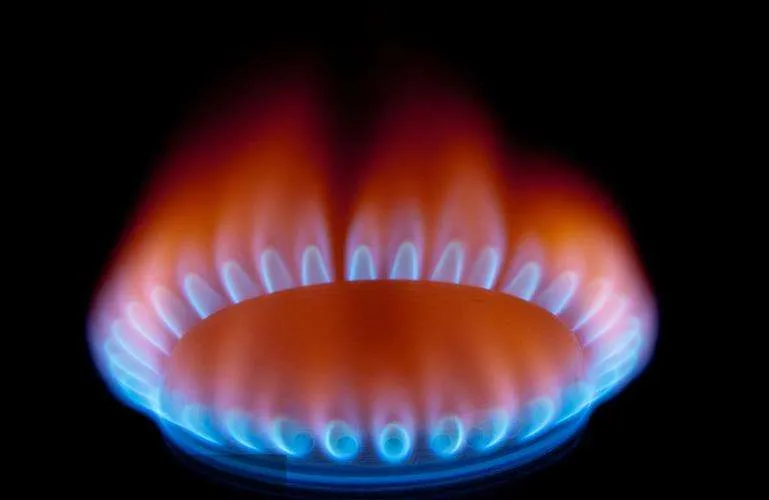
  • Gas Heating: Gas heating, which often involves combustion to produce heat, can be less efficient due to heat loss through exhaust gases and the surrounding environment. However, natural gas is typically cheaper per unit of energy produced than electricity in many regions, which can offset the efficiency differences and make gas heating cheaper in operational costs in those areas.

Setup and Maintenance Costs

  • Induction Heating: The upfront cost for induction heating equipment can be higher than conventional gas heating setups. Induction heaters also require a supply of electricity, which might necessitate upgrades to the electrical system in some instances. On the maintenance side, induction systems generally have fewer moving parts and do not combust fuel, potentially leading to lower maintenance costs over time.
  • Gas Heating: Initial setup for gas heating can be lower, especially if the infrastructure for gas is already in place. However, maintenance might be more demanding and costly due to the combustion process and the requirement for venting exhaust gases, checking for leaks in the gas supply, and regular cleaning of combustion chambers.

Environmental Considerations

While not directly related to cost, environmental impact is an increasingly important consideration. Induction heating produces no direct emissions at the point of use, making it a cleaner option if the electricity is sourced from renewable or low-emission sources. Gas heating involves the combustion of fossil fuels, leading to CO2 and potentially other harmful emissions, although advances in technology and the use of biogas can mitigate this impact somewhat.

Conclusion

Whether induction heating is cheaper than gas heating is highly contextual. For areas with low electricity costs, especially where those costs are lower due to a high proportion of renewable energy sources, induction heating can be more cost-effective in the long run, factoring in its higher efficiency and potentially lower maintenance costs. In regions where natural gas is cheap and electricity is expensive, gas heating might be the more economical choice, at least in terms of operating costs. It's also crucial to consider the specific application (e.g., industrial, commercial, or residential), as the scale and nature of the heating requirements can significantly influence which method is more cost-effective.
https://dw-inductionheater.com/is-induction-heating-cheaper-than-gas-heating.html?feed_id=243558&_unique_id=662ec95e84232

Is induction heating cheaper than gas heating?

The cost-effectiveness of induction heating compared to gas heating depends on various factors, including the application, local energy prices, efficiency rates, and initial setup costs. As of my last update in 2024, here's how the two compare in general terms:

Efficiency and Operating Costs

  • Induction Heating: Induction heating is highly efficient because it directly heats the object using electromagnetic fields, with minimal heat loss to the surrounding environment. This direct method of heating often results in quicker heating times compared to gas heating. Since it uses electricity, its cost will depend on local electricity rates, which can vary widely around the world.
  • Gas Heating: Gas heating, which often involves combustion to produce heat, can be less efficient due to heat loss through exhaust gases and the surrounding environment. However, natural gas is typically cheaper per unit of energy produced than electricity in many regions, which can offset the efficiency differences and make gas heating cheaper in operational costs in those areas.

Setup and Maintenance Costs

  • Induction Heating: The upfront cost for induction heating equipment can be higher than conventional gas heating setups. Induction heaters also require a supply of electricity, which might necessitate upgrades to the electrical system in some instances. On the maintenance side, induction systems generally have fewer moving parts and do not combust fuel, potentially leading to lower maintenance costs over time.
  • Gas Heating: Initial setup for gas heating can be lower, especially if the infrastructure for gas is already in place. However, maintenance might be more demanding and costly due to the combustion process and the requirement for venting exhaust gases, checking for leaks in the gas supply, and regular cleaning of combustion chambers.

Environmental Considerations

While not directly related to cost, environmental impact is an increasingly important consideration. Induction heating produces no direct emissions at the point of use, making it a cleaner option if the electricity is sourced from renewable or low-emission sources. Gas heating involves the combustion of fossil fuels, leading to CO2 and potentially other harmful emissions, although advances in technology and the use of biogas can mitigate this impact somewhat.

Conclusion

Whether induction heating is cheaper than gas heating is highly contextual. For areas with low electricity costs, especially where those costs are lower due to a high proportion of renewable energy sources, induction heating can be more cost-effective in the long run, factoring in its higher efficiency and potentially lower maintenance costs. In regions where natural gas is cheap and electricity is expensive, gas heating might be the more economical choice, at least in terms of operating costs. It's also crucial to consider the specific application (e.g., industrial, commercial, or residential), as the scale and nature of the heating requirements can significantly influence which method is more cost-effective.
https://dw-inductionheater.com/is-induction-heating-cheaper-than-gas-heating.html?feed_id=243456&_unique_id=662e533363f2c

2024年1月17日星期三

Induction Heating Machines with Maximizing Efficiency and Performance

Maximizing Efficiency and Performance with Induction Heating Machines

As an industrial heating technology, induction heating has become increasingly popular in recent years. This technology can be used in various industries, including automotive, aerospace, metalworking, and many others. Induction heating machines offer several advantages over traditional heating methods, including faster and more efficient heating, improved process control, and reduced energy consumption. In this article, we will discuss the benefits of induction heating machines, the different types of equipment available, and how to select the right machine for your needs.Introduction to Industrial Induction Heating Induction heating is a process that uses electromagnetic induction to heat metal or other conductive materials. With induction heating, an alternating magnetic field is generated by an induction coil, which passes through the metal or other conductive material. This magnetic field induces eddy currents in the metal, which in turn generate heat. The heat is generated directly in the material, which makes induction heating much faster and more efficient than traditional heating methods.
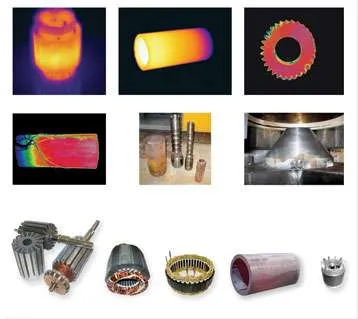
Induction heating is used in various applications, including brazing, annealing, hardening, and melting. It is also used for shrink fitting, forging, and bonding. Induction heating machines are used in many industries, including automotive, aerospace, metalworking, and many others.

Understanding Induction Heating Machines

Induction heating machines consist of several components, including an induction coil, a power supply, and a cooling system. The induction coil generates the magnetic field that induces eddy currents in the metal. The power supply provides the electrical energy that is converted into the magnetic field. The cooling system is used to cool the induction coil and other components, as the heat generated during the process can be significant. There are two main types of induction heating machines: high frequency and medium frequency. High frequency machines operate at frequencies above 100 kHz, while medium frequency machines operate at frequencies between 1 kHz and 100 kHz. High frequency machines are used for smaller parts and surface heating, while medium frequency machines are used for larger parts and bulk heating.

Advantages of Induction Heating Machines

Induction heating machines offer a number of advantages over traditional heating methods. Here are some of the most significant benefits:
  • Faster heating: Induction heating is much faster than traditional heating methods, as the heat is generated directly in the material. This means that parts can be heated and cooled much more quickly, which can improve process efficiency and reduce cycle times.
  • Improved process control: Induction heating machines offer precise temperature control, which allows for consistent, repeatable results. This is particularly important in industries where quality is critical, such as aerospace and automotive.
  • Reduced energy consumption: Induction heating is more energy-efficient than traditional heating methods, as the heat is generated directly in the material. This means that less energy is wasted, which can result in significant cost savings over time.
  • Cleaner and safer: Induction heating produces no emissions, which makes it a cleaner and safer alternative to traditional heating methods. It also produces less noise and vibration, which can improve working conditions for employees.

Types of Induction Heating Equipment

There are several types of induction heating equipment available, including:
  • Induction heaters: These are portable induction heating machines that are used for heating small parts or localized areas.
  • Induction furnaces: These are large induction heating machines that are used for melting metals or other materials.
  • Induction brazing machines: These are induction heating machines that are used for brazing or soldering.
  • Induction hardening machines: These are induction heating machines that are used for hardening metal parts.
  • Induction annealing machines: These are induction heating machines that are used for annealing metal or other materials.
There are two main parameters of indutcion heating equipment: one is the output power, another is the frequency. The depth of heat penetration into the workpiece depends on the frequency, the higher the frequency, the shallower the skin depth; the lower the frequency, the deeper the penetration. So it is important to select the frequency of the induction heating machine according to the heating desire to achieve best heating effect. The output power decides the heating speed, power is selected according to the weight of the workpiece and the heating temperature and desired heating speed. Therefore, high frequency induction heating has a shallow skin effect which is more efficient for small parts. low frequency induction heating has a deeper skin effect which is more efficient for larger parts. Our Induction heating machines are divided into five major series according to the frequency: Medium Frequency with Parallel oscillating circuit (abbr. MF series): 1 - 20KHZ Medium frequency with Series oscillating circuit (abbr. MFS series): 0.5-10KHZ High Frequency series (abbr: HF series): 30-80KHZ Super-audio Frequency series (abbr. SF series) : 8-40KHZ Ultra-high Frequency series (abbr.UHF series): 30-1100KHZ
Category Model Max power Oscillating frequency Max input current Input voltage operating voltage Duty cycle
MF series MF-15 15KW 1-20KHZ 23A 3P 380V50Hz 70-550V 100%
MF-25 25KW 36A
MF-35 35KW 51A
MF-45 45KW 68A
MF-70 70KW 105A
MF-90 90KW 135A
MF-110 110KW 170A
MF-160 160KW 240A
MFS series MFS-100 100KW 0.5-10KHZ 160A 3P 380V50Hz 342-430V 100%
MFS-160 160KW 250A
MFS-200 200KW 310A
MFS-250 250KW 380A
MFS-300 300KW 0.5-8KHZ 460A
MFS-400 400KW 610A
MFS-500 500KW 760A
MFS-600 600KW 920A
MFS-750 750KW 0.5-6KHZ 1150A
MFS-800 800KW 1300A
HF series HF-04A 4KW 100-250KHZ 15A 1P 220V/ 50Hz 180V-250V 80%
HF-15A 7KW 30-100KHZ 32A 1P 220V/ 50Hz 180V-250V 80%
HF-15AB 7KW 32A
HF-25A 15KW 30-80KHZ 23A 3P 380V/ 50Hz 340-430V 100%
HF-25AB 15KW 23A
HF-40AB 25KW 38A
HF-35AB 35KW 53A
HF-45AB 45KW 68A
HF-60AB 60KW 80A
HF-70AB 70KW 105A
HF-80AB 80KW 130A
SF series SF-30A 30KW 10-40KHZ 48A 3P 380V/ 50Hz 342-430V 100%
SF-30ABS 30KW 48A
SF-40ABS 40KW 62A
SF-50ABS 50KW 75A
SF-40AB 40KW 62A
SF-50AB 50KW 75A
SF-60AB 60KW 90A
SF-80AB 80KW 125A
SF-100AB 100KW 155A
SF-120AB 120KW 185A
SF-160AB 160KW 8-30KHZ 245A
SF-200AB 200KW 310A
SF-250AB 250KW 380A
SF-300AB 300KW 455A
UHF series UHF-05AB 5KW 0.5-1.1MHZ 15A 1P 220V/ 50Hz 180V-250V 80%
UHF-06A-I 6.6KW 200-500KHZ 30A 1P 220V/ 50Hz 180V-250V 80%
UHF-06A-II 6.6KW 200-700KHZ
UHF-06A/AB-III 6KW 0.5-1.1MHZ
UHF-10A-I 10KW 50-300KHZ 15A 3P 380V/50Hz 342-430V 100%
UHF-10A-II 10KW 200-500KHZ 45A 1P 220V/50Hz 180-250V 80%
UHF-20AB 20KW 50-250KHZ 30A 3P 380V/50Hz 342-430V 100%
UHF-30AB 30KW 50-200KHZ 45A
UHF-40AB 40KW 60A
UHF-60AB 60KW 30-120KHZ 90A
Except Analog circuit heating equipment, HLQ have DSP Full Digital Control Induction Heating Machines : 
Category Model Max power Oscillating frequency Max input current Input voltage
DSP full digital super audio frequency D-SF160 160KW 2-50Khz 240A 3P 380V50Hz
D-SF200 200KW 300A
D-SF250 250KW 380A
D-SF300 300KW 450A
D-SF350 350KW 530A
D-SF400 400KW 610A
D-SF450 450KW 685A
D-SF500 500KW 760A
D-SF550 550KW 835A
D-SF600 600KW 910A
DSP full digital High frequency D-HF160 160KW 50-100Khz 240A 3p 380V50Hz
D-HF200 200KW 300A
D-HF250 250KW 380A
D-HF300 300KW 450A
D-HF350 350KW 530A
D-HF400 400KW 610A
D-HF450 450KW 685A
D-HF500 500KW 760A
D-HF550 550KW 835A
D-HF600 600KW 910A
DSP full digital Ultrahigh frequency D-UF100 100KW 100-150Khz 150A 3p 380V50Hz
D-UF160 160KW 240A
D-UF200 200KW 300A
DSP full digital Medium frequency D-MFS100-2000 100-2000kw 1-10khz 3p 380V,50Hz

Factors to Consider When Choosing an Induction Heating Machine

When choosing an induction heating machine, there are several factors to consider, including:
  • Material type and thickness: Different materials require different heating times and frequencies. The thickness of the material will also affect the heating time.
  • Heating requirements: The temperature and duration of the heating process will depend on the application.
  • Part size and shape: The size and shape of the part will determine the type and size of the induction coil that is required.
  • Power requirements: The power supply will depend on the size and type of the machine, as well as the heating requirements.
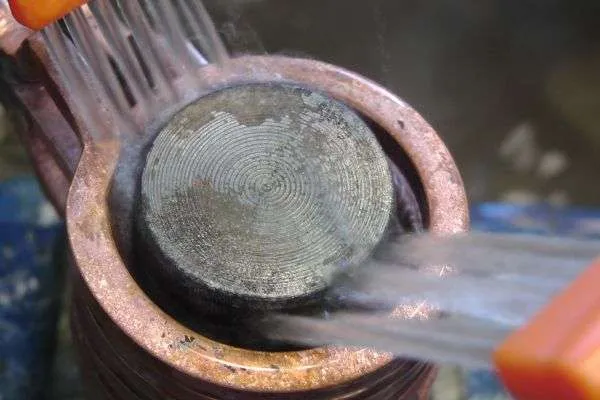
How to Select the Right Induction Heating Unit

To select the right induction heating machine for your needs, it is important to consider the factors listed above. You should also consider the reputation of the manufacturer, the price of the machine, and the availability of spare parts and technical support. It is also important to choose a machine that is easy to use and maintain. Some machines require more maintenance than others, and this can impact the overall cost of ownership.

Cost of Induction Heating Machines

The cost of induction heating machines can vary widely depending on the size, type, and manufacturer. Portable induction heaters can cost as little as a few hundred dollars, while large induction furnaces can cost hundreds of thousands of dollars. It is important to consider not only the upfront cost of the machine, but also the cost of ownership over time. This includes the cost of electricity, maintenance, and repair.

Maintenance and Repair of Induction Heating Equipment

Regular maintenance is important to ensure the longevity and performance of induction heating machines. This includes cleaning the induction coil, checking the power supply and cooling system, and inspecting the machine for signs of wear and tear. If repairs are needed, it is important to work with a qualified technician who has experience with induction heating machines. This will ensure that the repairs are done correctly and safely.

Conclusion: The Future of Induction Heating Technology

Induction heating technology has come a long way in recent years, and it is likely to continue to evolve and improve in the future. As industries seek to improve efficiency and reduce costs, induction heating machines will play an increasingly important role. If you are considering an induction heating machine for your business, it is important to choose a machine that meets your specific needs and requirements. By considering the factors listed above and working with a reputable manufacturer and technician, you can ensure that you get the most out of your induction heating machine. https://dw-inductionheater.com/induction-heating-machines-with-maximizing-efficiency-and-performance.html?feed_id=232405&_unique_id=65a83459865a6

2023年5月26日星期五

Induction Heating Machines with Maximizing Efficiency and Performance

Maximizing Efficiency and Performance with Induction Heating Machines

As an industrial heating technology, induction heating has become increasingly popular in recent years. This technology can be used in various industries, including automotive, aerospace, metalworking, and many others. Induction heating machines offer several advantages over traditional heating methods, including faster and more efficient heating, improved process control, and reduced energy consumption. In this article, we will discuss the benefits of induction heating machines, the different types of equipment available, and how to select the right machine for your needs.Introduction to Industrial Induction Heating Induction heating is a process that uses electromagnetic induction to heat metal or other conductive materials. With induction heating, an alternating magnetic field is generated by an induction coil, which passes through the metal or other conductive material. This magnetic field induces eddy currents in the metal, which in turn generate heat. The heat is generated directly in the material, which makes induction heating much faster and more efficient than traditional heating methods.

Induction heating is used in various applications, including brazing, annealing, hardening, and melting. It is also used for shrink fitting, forging, and bonding. Induction heating machines are used in many industries, including automotive, aerospace, metalworking, and many others.

Understanding Induction Heating Machines

Induction heating machines consist of several components, including an induction coil, a power supply, and a cooling system. The induction coil generates the magnetic field that induces eddy currents in the metal. The power supply provides the electrical energy that is converted into the magnetic field. The cooling system is used to cool the induction coil and other components, as the heat generated during the process can be significant. There are two main types of induction heating machines: high frequency and medium frequency. High frequency machines operate at frequencies above 100 kHz, while medium frequency machines operate at frequencies between 1 kHz and 100 kHz. High frequency machines are used for smaller parts and surface heating, while medium frequency machines are used for larger parts and bulk heating.

Advantages of Induction Heating Machines

Induction heating machines offer a number of advantages over traditional heating methods. Here are some of the most significant benefits:
  • Faster heating: Induction heating is much faster than traditional heating methods, as the heat is generated directly in the material. This means that parts can be heated and cooled much more quickly, which can improve process efficiency and reduce cycle times.
  • Improved process control: Induction heating machines offer precise temperature control, which allows for consistent, repeatable results. This is particularly important in industries where quality is critical, such as aerospace and automotive.
  • Reduced energy consumption: Induction heating is more energy-efficient than traditional heating methods, as the heat is generated directly in the material. This means that less energy is wasted, which can result in significant cost savings over time.
  • Cleaner and safer: Induction heating produces no emissions, which makes it a cleaner and safer alternative to traditional heating methods. It also produces less noise and vibration, which can improve working conditions for employees.

Types of Induction Heating Equipment

There are several types of induction heating equipment available, including:
  • Induction heaters: These are portable induction heating machines that are used for heating small parts or localized areas.
  • Induction furnaces: These are large induction heating machines that are used for melting metals or other materials.
  • Induction brazing machines: These are induction heating machines that are used for brazing or soldering.
  • Induction hardening machines: These are induction heating machines that are used for hardening metal parts.
  • Induction annealing machines: These are induction heating machines that are used for annealing metal or other materials.
There are two main parameters of indutcion heating equipment: one is the output power, another is the frequency. The depth of heat penetration into the workpiece depends on the frequency, the higher the frequency, the shallower the skin depth; the lower the frequency, the deeper the penetration. So it is important to select the frequency of the induction heating machine according to the heating desire to achieve best heating effect. The output power decides the heating speed, power is selected according to the weight of the workpiece and the heating temperature and desired heating speed. Therefore, high frequency induction heating has a shallow skin effect which is more efficient for small parts. low frequency induction heating has a deeper skin effect which is more efficient for larger parts. Our Induction heating machines are divided into five major series according to the frequency: Medium Frequency with Parallel oscillating circuit (abbr. MF series): 1 - 20KHZ Medium frequency with Series oscillating circuit (abbr. MFS series): 0.5-10KHZ High Frequency series (abbr: HF series): 30-80KHZ Super-audio Frequency series (abbr. SF series) : 8-40KHZ Ultra-high Frequency series (abbr.UHF series): 30-1100KHZ
Category Model Max power Oscillating frequency Max input current Input voltage operating voltage Duty cycle
MF series MF-15 15KW 1-20KHZ 23A 3P 380V50Hz 70-550V 100%
MF-25 25KW 36A
MF-35 35KW 51A
MF-45 45KW 68A
MF-70 70KW 105A
MF-90 90KW 135A
MF-110 110KW 170A
MF-160 160KW 240A
MFS series MFS-100 100KW 0.5-10KHZ 160A 3P 380V50Hz 342-430V 100%
MFS-160 160KW 250A
MFS-200 200KW 310A
MFS-250 250KW 380A
MFS-300 300KW 0.5-8KHZ 460A
MFS-400 400KW 610A
MFS-500 500KW 760A
MFS-600 600KW 920A
MFS-750 750KW 0.5-6KHZ 1150A
MFS-800 800KW 1300A
HF series HF-04A 4KW 100-250KHZ 15A 1P 220V/ 50Hz 180V-250V 80%
HF-15A 7KW 30-100KHZ 32A 1P 220V/ 50Hz 180V-250V 80%
HF-15AB 7KW 32A
HF-25A 15KW 30-80KHZ 23A 3P 380V/ 50Hz 340-430V 100%
HF-25AB 15KW 23A
HF-40AB 25KW 38A
HF-35AB 35KW 53A
HF-45AB 45KW 68A
HF-60AB 60KW 80A
HF-70AB 70KW 105A
HF-80AB 80KW 130A
SF series SF-30A 30KW 10-40KHZ 48A 3P 380V/ 50Hz 342-430V 100%
SF-30ABS 30KW 48A
SF-40ABS 40KW 62A
SF-50ABS 50KW 75A
SF-40AB 40KW 62A
SF-50AB 50KW 75A
SF-60AB 60KW 90A
SF-80AB 80KW 125A
SF-100AB 100KW 155A
SF-120AB 120KW 185A
SF-160AB 160KW 8-30KHZ 245A
SF-200AB 200KW 310A
SF-250AB 250KW 380A
SF-300AB 300KW 455A
UHF series UHF-05AB 5KW 0.5-1.1MHZ 15A 1P 220V/ 50Hz 180V-250V 80%
UHF-06A-I 6.6KW 200-500KHZ 30A 1P 220V/ 50Hz 180V-250V 80%
UHF-06A-II 6.6KW 200-700KHZ
UHF-06A/AB-III 6KW 0.5-1.1MHZ
UHF-10A-I 10KW 50-300KHZ 15A 3P 380V/50Hz 342-430V 100%
UHF-10A-II 10KW 200-500KHZ 45A 1P 220V/50Hz 180-250V 80%
UHF-20AB 20KW 50-250KHZ 30A 3P 380V/50Hz 342-430V 100%
UHF-30AB 30KW 50-200KHZ 45A
UHF-40AB 40KW 60A
UHF-60AB 60KW 30-120KHZ 90A
Except Analog circuit heating equipment, HLQ have DSP Full Digital Control Induction Heating Machines : 
Category Model Max power Oscillating frequency Max input current Input voltage
DSP full digital super audio frequency D-SF160 160KW 2-50Khz 240A 3P 380V50Hz
D-SF200 200KW 300A
D-SF250 250KW 380A
D-SF300 300KW 450A
D-SF350 350KW 530A
D-SF400 400KW 610A
D-SF450 450KW 685A
D-SF500 500KW 760A
D-SF550 550KW 835A
D-SF600 600KW 910A
DSP full digital High frequency D-HF160 160KW 50-100Khz 240A 3p 380V50Hz
D-HF200 200KW 300A
D-HF250 250KW 380A
D-HF300 300KW 450A
D-HF350 350KW 530A
D-HF400 400KW 610A
D-HF450 450KW 685A
D-HF500 500KW 760A
D-HF550 550KW 835A
D-HF600 600KW 910A
DSP full digital Ultrahigh frequency D-UF100 100KW 100-150Khz 150A 3p 380V50Hz
D-UF160 160KW 240A
D-UF200 200KW 300A
DSP full digital Medium frequency D-MFS100-2000 100-2000kw 1-10khz 3p 380V,50Hz

Factors to Consider When Choosing an Induction Heating Machine

When choosing an induction heating machine, there are several factors to consider, including:
  • Material type and thickness: Different materials require different heating times and frequencies. The thickness of the material will also affect the heating time.
  • Heating requirements: The temperature and duration of the heating process will depend on the application.
  • Part size and shape: The size and shape of the part will determine the type and size of the induction coil that is required.
  • Power requirements: The power supply will depend on the size and type of the machine, as well as the heating requirements.

How to Select the Right Induction Heating Unit

To select the right induction heating machine for your needs, it is important to consider the factors listed above. You should also consider the reputation of the manufacturer, the price of the machine, and the availability of spare parts and technical support. It is also important to choose a machine that is easy to use and maintain. Some machines require more maintenance than others, and this can impact the overall cost of ownership.

Cost of Induction Heating Machines

The cost of induction heating machines can vary widely depending on the size, type, and manufacturer. Portable induction heaters can cost as little as a few hundred dollars, while large induction furnaces can cost hundreds of thousands of dollars. It is important to consider not only the upfront cost of the machine, but also the cost of ownership over time. This includes the cost of electricity, maintenance, and repair.

Maintenance and Repair of Induction Heating Equipment

Regular maintenance is important to ensure the longevity and performance of induction heating machines. This includes cleaning the induction coil, checking the power supply and cooling system, and inspecting the machine for signs of wear and tear. If repairs are needed, it is important to work with a qualified technician who has experience with induction heating machines. This will ensure that the repairs are done correctly and safely.

Conclusion: The Future of Induction Heating Technology

Induction heating technology has come a long way in recent years, and it is likely to continue to evolve and improve in the future. As industries seek to improve efficiency and reduce costs, induction heating machines will play an increasingly important role. If you are considering an induction heating machine for your business, it is important to choose a machine that meets your specific needs and requirements. By considering the factors listed above and working with a reputable manufacturer and technician, you can ensure that you get the most out of your induction heating machine. https://dw-inductionheater.com/induction-heating-machines-with-maximizing-efficiency-and-performance.html?feed_id=208036&_unique_id=6470b3b66f7c7

2023年4月12日星期三

Induction Heating Machines with Maximizing Efficiency and Performance

Maximizing Efficiency and Performance with Induction Heating Machines

As an industrial heating technology, induction heating has become increasingly popular in recent years. This technology can be used in various industries, including automotive, aerospace, metalworking, and many others. Induction heating machines offer several advantages over traditional heating methods, including faster and more efficient heating, improved process control, and reduced energy consumption. In this article, we will discuss the benefits of induction heating machines, the different types of equipment available, and how to select the right machine for your needs.Introduction to Industrial Induction Heating Induction heating is a process that uses electromagnetic induction to heat metal or other conductive materials. With induction heating, an alternating magnetic field is generated by an induction coil, which passes through the metal or other conductive material. This magnetic field induces eddy currents in the metal, which in turn generate heat. The heat is generated directly in the material, which makes induction heating much faster and more efficient than traditional heating methods.

Induction heating is used in various applications, including brazing, annealing, hardening, and melting. It is also used for shrink fitting, forging, and bonding. Induction heating machines are used in many industries, including automotive, aerospace, metalworking, and many others.

Understanding Induction Heating Machines

Induction heating machines consist of several components, including an induction coil, a power supply, and a cooling system. The induction coil generates the magnetic field that induces eddy currents in the metal. The power supply provides the electrical energy that is converted into the magnetic field. The cooling system is used to cool the induction coil and other components, as the heat generated during the process can be significant. There are two main types of induction heating machines: high frequency and medium frequency. High frequency machines operate at frequencies above 100 kHz, while medium frequency machines operate at frequencies between 1 kHz and 100 kHz. High frequency machines are used for smaller parts and surface heating, while medium frequency machines are used for larger parts and bulk heating.

Advantages of Induction Heating Machines

Induction heating machines offer a number of advantages over traditional heating methods. Here are some of the most significant benefits:
  • Faster heating: Induction heating is much faster than traditional heating methods, as the heat is generated directly in the material. This means that parts can be heated and cooled much more quickly, which can improve process efficiency and reduce cycle times.
  • Improved process control: Induction heating machines offer precise temperature control, which allows for consistent, repeatable results. This is particularly important in industries where quality is critical, such as aerospace and automotive.
  • Reduced energy consumption: Induction heating is more energy-efficient than traditional heating methods, as the heat is generated directly in the material. This means that less energy is wasted, which can result in significant cost savings over time.
  • Cleaner and safer: Induction heating produces no emissions, which makes it a cleaner and safer alternative to traditional heating methods. It also produces less noise and vibration, which can improve working conditions for employees.

Types of Induction Heating Equipment

There are several types of induction heating equipment available, including:
  • Induction heaters: These are portable induction heating machines that are used for heating small parts or localized areas.
  • Induction furnaces: These are large induction heating machines that are used for melting metals or other materials.
  • Induction brazing machines: These are induction heating machines that are used for brazing or soldering.
  • Induction hardening machines: These are induction heating machines that are used for hardening metal parts.
  • Induction annealing machines: These are induction heating machines that are used for annealing metal or other materials.
There are two main parameters of indutcion heating equipment: one is the output power, another is the frequency. The depth of heat penetration into the workpiece depends on the frequency, the higher the frequency, the shallower the skin depth; the lower the frequency, the deeper the penetration. So it is important to select the frequency of the induction heating machine according to the heating desire to achieve best heating effect. The output power decides the heating speed, power is selected according to the weight of the workpiece and the heating temperature and desired heating speed. Therefore, high frequency induction heating has a shallow skin effect which is more efficient for small parts. low frequency induction heating has a deeper skin effect which is more efficient for larger parts. Our Induction heating machines are divided into five major series according to the frequency: Medium Frequency with Parallel oscillating circuit (abbr. MF series): 1 - 20KHZ Medium frequency with Series oscillating circuit (abbr. MFS series): 0.5-10KHZ High Frequency series (abbr: HF series): 30-80KHZ Super-audio Frequency series (abbr. SF series) : 8-40KHZ Ultra-high Frequency series (abbr.UHF series): 30-1100KHZ
Category Model Max power Oscillating frequency Max input current Input voltage operating voltage Duty cycle
MF series MF-15 15KW 1-20KHZ 23A 3P 380V50Hz 70-550V 100%
MF-25 25KW 36A
MF-35 35KW 51A
MF-45 45KW 68A
MF-70 70KW 105A
MF-90 90KW 135A
MF-110 110KW 170A
MF-160 160KW 240A
MFS series MFS-100 100KW 0.5-10KHZ 160A 3P 380V50Hz 342-430V 100%
MFS-160 160KW 250A
MFS-200 200KW 310A
MFS-250 250KW 380A
MFS-300 300KW 0.5-8KHZ 460A
MFS-400 400KW 610A
MFS-500 500KW 760A
MFS-600 600KW 920A
MFS-750 750KW 0.5-6KHZ 1150A
MFS-800 800KW 1300A
HF series HF-04A 4KW 100-250KHZ 15A 1P 220V/ 50Hz 180V-250V 80%
HF-15A 7KW 30-100KHZ 32A 1P 220V/ 50Hz 180V-250V 80%
HF-15AB 7KW 32A
HF-25A 15KW 30-80KHZ 23A 3P 380V/ 50Hz 340-430V 100%
HF-25AB 15KW 23A
HF-40AB 25KW 38A
HF-35AB 35KW 53A
HF-45AB 45KW 68A
HF-60AB 60KW 80A
HF-70AB 70KW 105A
HF-80AB 80KW 130A
SF series SF-30A 30KW 10-40KHZ 48A 3P 380V/ 50Hz 342-430V 100%
SF-30ABS 30KW 48A
SF-40ABS 40KW 62A
SF-50ABS 50KW 75A
SF-40AB 40KW 62A
SF-50AB 50KW 75A
SF-60AB 60KW 90A
SF-80AB 80KW 125A
SF-100AB 100KW 155A
SF-120AB 120KW 185A
SF-160AB 160KW 8-30KHZ 245A
SF-200AB 200KW 310A
SF-250AB 250KW 380A
SF-300AB 300KW 455A
UHF series UHF-05AB 5KW 0.5-1.1MHZ 15A 1P 220V/ 50Hz 180V-250V 80%
UHF-06A-I 6.6KW 200-500KHZ 30A 1P 220V/ 50Hz 180V-250V 80%
UHF-06A-II 6.6KW 200-700KHZ
UHF-06A/AB-III 6KW 0.5-1.1MHZ
UHF-10A-I 10KW 50-300KHZ 15A 3P 380V/50Hz 342-430V 100%
UHF-10A-II 10KW 200-500KHZ 45A 1P 220V/50Hz 180-250V 80%
UHF-20AB 20KW 50-250KHZ 30A 3P 380V/50Hz 342-430V 100%
UHF-30AB 30KW 50-200KHZ 45A
UHF-40AB 40KW 60A
UHF-60AB 60KW 30-120KHZ 90A
Except Analog circuit heating equipment, HLQ have DSP Full Digital Control Induction Heating Machines : 
Category Model Max power Oscillating frequency Max input current Input voltage
DSP full digital super audio frequency D-SF160 160KW 2-50Khz 240A 3P 380V50Hz
D-SF200 200KW 300A
D-SF250 250KW 380A
D-SF300 300KW 450A
D-SF350 350KW 530A
D-SF400 400KW 610A
D-SF450 450KW 685A
D-SF500 500KW 760A
D-SF550 550KW 835A
D-SF600 600KW 910A
DSP full digital High frequency D-HF160 160KW 50-100Khz 240A 3p 380V50Hz
D-HF200 200KW 300A
D-HF250 250KW 380A
D-HF300 300KW 450A
D-HF350 350KW 530A
D-HF400 400KW 610A
D-HF450 450KW 685A
D-HF500 500KW 760A
D-HF550 550KW 835A
D-HF600 600KW 910A
DSP full digital Ultrahigh frequency D-UF100 100KW 100-150Khz 150A 3p 380V50Hz
D-UF160 160KW 240A
D-UF200 200KW 300A
DSP full digital Medium frequency D-MFS100-2000 100-2000kw 1-10khz 3p 380V,50Hz

Factors to Consider When Choosing an Induction Heating Machine

When choosing an induction heating machine, there are several factors to consider, including:
  • Material type and thickness: Different materials require different heating times and frequencies. The thickness of the material will also affect the heating time.
  • Heating requirements: The temperature and duration of the heating process will depend on the application.
  • Part size and shape: The size and shape of the part will determine the type and size of the induction coil that is required.
  • Power requirements: The power supply will depend on the size and type of the machine, as well as the heating requirements.

How to Select the Right Induction Heating Unit

To select the right induction heating machine for your needs, it is important to consider the factors listed above. You should also consider the reputation of the manufacturer, the price of the machine, and the availability of spare parts and technical support. It is also important to choose a machine that is easy to use and maintain. Some machines require more maintenance than others, and this can impact the overall cost of ownership.

Cost of Induction Heating Machines

The cost of induction heating machines can vary widely depending on the size, type, and manufacturer. Portable induction heaters can cost as little as a few hundred dollars, while large induction furnaces can cost hundreds of thousands of dollars. It is important to consider not only the upfront cost of the machine, but also the cost of ownership over time. This includes the cost of electricity, maintenance, and repair.

Maintenance and Repair of Induction Heating Equipment

Regular maintenance is important to ensure the longevity and performance of induction heating machines. This includes cleaning the induction coil, checking the power supply and cooling system, and inspecting the machine for signs of wear and tear. If repairs are needed, it is important to work with a qualified technician who has experience with induction heating machines. This will ensure that the repairs are done correctly and safely.

Conclusion: The Future of Induction Heating Technology

Induction heating technology has come a long way in recent years, and it is likely to continue to evolve and improve in the future. As industries seek to improve efficiency and reduce costs, induction heating machines will play an increasingly important role. If you are considering an induction heating machine for your business, it is important to choose a machine that meets your specific needs and requirements. By considering the factors listed above and working with a reputable manufacturer and technician, you can ensure that you get the most out of your induction heating machine. https://dw-inductionheater.com/induction-heating-machines-with-maximizing-efficiency-and-performance.html?feed_id=195404&_unique_id=64375e270beae

Induction Heating Machines with Maximizing Efficiency and Performance

Maximizing Efficiency and Performance with Induction Heating Machines

As an industrial heating technology, induction heating has become increasingly popular in recent years. This technology can be used in various industries, including automotive, aerospace, metalworking, and many others. Induction heating machines offer several advantages over traditional heating methods, including faster and more efficient heating, improved process control, and reduced energy consumption. In this article, we will discuss the benefits of induction heating machines, the different types of equipment available, and how to select the right machine for your needs.Introduction to Industrial Induction Heating Induction heating is a process that uses electromagnetic induction to heat metal or other conductive materials. With induction heating, an alternating magnetic field is generated by an induction coil, which passes through the metal or other conductive material. This magnetic field induces eddy currents in the metal, which in turn generate heat. The heat is generated directly in the material, which makes induction heating much faster and more efficient than traditional heating methods.

Induction heating is used in various applications, including brazing, annealing, hardening, and melting. It is also used for shrink fitting, forging, and bonding. Induction heating machines are used in many industries, including automotive, aerospace, metalworking, and many others.

Understanding Induction Heating Machines

Induction heating machines consist of several components, including an induction coil, a power supply, and a cooling system. The induction coil generates the magnetic field that induces eddy currents in the metal. The power supply provides the electrical energy that is converted into the magnetic field. The cooling system is used to cool the induction coil and other components, as the heat generated during the process can be significant. There are two main types of induction heating machines: high frequency and medium frequency. High frequency machines operate at frequencies above 100 kHz, while medium frequency machines operate at frequencies between 1 kHz and 100 kHz. High frequency machines are used for smaller parts and surface heating, while medium frequency machines are used for larger parts and bulk heating.

Advantages of Induction Heating Machines

Induction heating machines offer a number of advantages over traditional heating methods. Here are some of the most significant benefits:
  • Faster heating: Induction heating is much faster than traditional heating methods, as the heat is generated directly in the material. This means that parts can be heated and cooled much more quickly, which can improve process efficiency and reduce cycle times.
  • Improved process control: Induction heating machines offer precise temperature control, which allows for consistent, repeatable results. This is particularly important in industries where quality is critical, such as aerospace and automotive.
  • Reduced energy consumption: Induction heating is more energy-efficient than traditional heating methods, as the heat is generated directly in the material. This means that less energy is wasted, which can result in significant cost savings over time.
  • Cleaner and safer: Induction heating produces no emissions, which makes it a cleaner and safer alternative to traditional heating methods. It also produces less noise and vibration, which can improve working conditions for employees.

Types of Induction Heating Equipment

There are several types of induction heating equipment available, including:
  • Induction heaters: These are portable induction heating machines that are used for heating small parts or localized areas.
  • Induction furnaces: These are large induction heating machines that are used for melting metals or other materials.
  • Induction brazing machines: These are induction heating machines that are used for brazing or soldering.
  • Induction hardening machines: These are induction heating machines that are used for hardening metal parts.
  • Induction annealing machines: These are induction heating machines that are used for annealing metal or other materials.
There are two main parameters of indutcion heating equipment: one is the output power, another is the frequency. The depth of heat penetration into the workpiece depends on the frequency, the higher the frequency, the shallower the skin depth; the lower the frequency, the deeper the penetration. So it is important to select the frequency of the induction heating machine according to the heating desire to achieve best heating effect. The output power decides the heating speed, power is selected according to the weight of the workpiece and the heating temperature and desired heating speed. Therefore, high frequency induction heating has a shallow skin effect which is more efficient for small parts. low frequency induction heating has a deeper skin effect which is more efficient for larger parts. Our Induction heating machines are divided into five major series according to the frequency: Medium Frequency with Parallel oscillating circuit (abbr. MF series): 1 - 20KHZ Medium frequency with Series oscillating circuit (abbr. MFS series): 0.5-10KHZ High Frequency series (abbr: HF series): 30-80KHZ Super-audio Frequency series (abbr. SF series) : 8-40KHZ Ultra-high Frequency series (abbr.UHF series): 30-1100KHZ
Category Model Max power Oscillating frequency Max input current Input voltage operating voltage Duty cycle
MF series MF-15 15KW 1-20KHZ 23A 3P 380V50Hz 70-550V 100%
MF-25 25KW 36A
MF-35 35KW 51A
MF-45 45KW 68A
MF-70 70KW 105A
MF-90 90KW 135A
MF-110 110KW 170A
MF-160 160KW 240A
MFS series MFS-100 100KW 0.5-10KHZ 160A 3P 380V50Hz 342-430V 100%
MFS-160 160KW 250A
MFS-200 200KW 310A
MFS-250 250KW 380A
MFS-300 300KW 0.5-8KHZ 460A
MFS-400 400KW 610A
MFS-500 500KW 760A
MFS-600 600KW 920A
MFS-750 750KW 0.5-6KHZ 1150A
MFS-800 800KW 1300A
HF series HF-04A 4KW 100-250KHZ 15A 1P 220V/ 50Hz 180V-250V 80%
HF-15A 7KW 30-100KHZ 32A 1P 220V/ 50Hz 180V-250V 80%
HF-15AB 7KW 32A
HF-25A 15KW 30-80KHZ 23A 3P 380V/ 50Hz 340-430V 100%
HF-25AB 15KW 23A
HF-40AB 25KW 38A
HF-35AB 35KW 53A
HF-45AB 45KW 68A
HF-60AB 60KW 80A
HF-70AB 70KW 105A
HF-80AB 80KW 130A
SF series SF-30A 30KW 10-40KHZ 48A 3P 380V/ 50Hz 342-430V 100%
SF-30ABS 30KW 48A
SF-40ABS 40KW 62A
SF-50ABS 50KW 75A
SF-40AB 40KW 62A
SF-50AB 50KW 75A
SF-60AB 60KW 90A
SF-80AB 80KW 125A
SF-100AB 100KW 155A
SF-120AB 120KW 185A
SF-160AB 160KW 8-30KHZ 245A
SF-200AB 200KW 310A
SF-250AB 250KW 380A
SF-300AB 300KW 455A
UHF series UHF-05AB 5KW 0.5-1.1MHZ 15A 1P 220V/ 50Hz 180V-250V 80%
UHF-06A-I 6.6KW 200-500KHZ 30A 1P 220V/ 50Hz 180V-250V 80%
UHF-06A-II 6.6KW 200-700KHZ
UHF-06A/AB-III 6KW 0.5-1.1MHZ
UHF-10A-I 10KW 50-300KHZ 15A 3P 380V/50Hz 342-430V 100%
UHF-10A-II 10KW 200-500KHZ 45A 1P 220V/50Hz 180-250V 80%
UHF-20AB 20KW 50-250KHZ 30A 3P 380V/50Hz 342-430V 100%
UHF-30AB 30KW 50-200KHZ 45A
UHF-40AB 40KW 60A
UHF-60AB 60KW 30-120KHZ 90A
Except Analog circuit heating equipment, HLQ have DSP Full Digital Control Induction Heating Machines : 
Category Model Max power Oscillating frequency Max input current Input voltage
DSP full digital super audio frequency D-SF160 160KW 2-50Khz 240A 3P 380V50Hz
D-SF200 200KW 300A
D-SF250 250KW 380A
D-SF300 300KW 450A
D-SF350 350KW 530A
D-SF400 400KW 610A
D-SF450 450KW 685A
D-SF500 500KW 760A
D-SF550 550KW 835A
D-SF600 600KW 910A
DSP full digital High frequency D-HF160 160KW 50-100Khz 240A 3p 380V50Hz
D-HF200 200KW 300A
D-HF250 250KW 380A
D-HF300 300KW 450A
D-HF350 350KW 530A
D-HF400 400KW 610A
D-HF450 450KW 685A
D-HF500 500KW 760A
D-HF550 550KW 835A
D-HF600 600KW 910A
DSP full digital Ultrahigh frequency D-UF100 100KW 100-150Khz 150A 3p 380V50Hz
D-UF160 160KW 240A
D-UF200 200KW 300A
DSP full digital Medium frequency D-MFS100-2000 100-2000kw 1-10khz 3p 380V,50Hz

Factors to Consider When Choosing an Induction Heating Machine

When choosing an induction heating machine, there are several factors to consider, including:
  • Material type and thickness: Different materials require different heating times and frequencies. The thickness of the material will also affect the heating time.
  • Heating requirements: The temperature and duration of the heating process will depend on the application.
  • Part size and shape: The size and shape of the part will determine the type and size of the induction coil that is required.
  • Power requirements: The power supply will depend on the size and type of the machine, as well as the heating requirements.

How to Select the Right Induction Heating Unit

To select the right induction heating machine for your needs, it is important to consider the factors listed above. You should also consider the reputation of the manufacturer, the price of the machine, and the availability of spare parts and technical support. It is also important to choose a machine that is easy to use and maintain. Some machines require more maintenance than others, and this can impact the overall cost of ownership.

Cost of Induction Heating Machines

The cost of induction heating machines can vary widely depending on the size, type, and manufacturer. Portable induction heaters can cost as little as a few hundred dollars, while large induction furnaces can cost hundreds of thousands of dollars. It is important to consider not only the upfront cost of the machine, but also the cost of ownership over time. This includes the cost of electricity, maintenance, and repair.

Maintenance and Repair of Induction Heating Equipment

Regular maintenance is important to ensure the longevity and performance of induction heating machines. This includes cleaning the induction coil, checking the power supply and cooling system, and inspecting the machine for signs of wear and tear. If repairs are needed, it is important to work with a qualified technician who has experience with induction heating machines. This will ensure that the repairs are done correctly and safely.

Conclusion: The Future of Induction Heating Technology

Induction heating technology has come a long way in recent years, and it is likely to continue to evolve and improve in the future. As industries seek to improve efficiency and reduce costs, induction heating machines will play an increasingly important role. If you are considering an induction heating machine for your business, it is important to choose a machine that meets your specific needs and requirements. By considering the factors listed above and working with a reputable manufacturer and technician, you can ensure that you get the most out of your induction heating machine. https://dw-inductionheater.com/induction-heating-machines-with-maximizing-efficiency-and-performance.html?feed_id=195404&_unique_id=64375e270779f

2022年4月23日星期六

Ultraudio Frequency Induction Heating System

Ultraudio Frequency Induction Heating System

Ultraudio frequency induction heating systems can work at the power of 30^300KW and its frequency ranges from 10 to 30KHz. Wih its digital design control system.All the DW-URF series can display the working voltage, current, working frequency and indicate the error. Its compact design makes small installation space and flexible working environment available. As a professional induction heating machine manufacturer, HLQ has also applied the mature and reliable IGBT series resonant design into the design of the circuit of  URF series.  The maintenance of DW-URF series are convenient and simple. Any non-professional operator can handle it. Furthermore, the fast heating and high power features of DW-URF series have also made theirselves one of the most energy-saving heating methods compare with all the electric heating systems. The induction generators of ultraudio frequency induction heating systems allow the equipment of remote control systems according to customers' request for actual usages, such as  0-10V/4-20mA power control interface, RS485 and RS232. This machines can also work automatically under the external control system and are suitable for different applications such as billets heating, auto parts heat treatment. Main model and specifications
Model DW-URF-30A DW-URF-30ABS DW-URF-40ABS DW-URF-50ABS DW-URF-40AB DW-URF-50AB DW-URF-60AB
Max output power 30KW 30KW 40KW 50KW 40KW 50KW 60KW
frequency 10-40KHz 10-40KHz 10-40KHz 10-40KHz 10-40KHz 10-40KHz 10-40KHz
Max input current 48A 48A 62A 75A 62A 75A 90A
Working voltage 342-430V
Input voltage 3phase 380V 50HZ or 60HZ
Duty cycle 100%
Water flow 15L/min (0.2Mpa) 15L/min (0.2Mpa) 32L/min (0.2Mpa) 32L/min (0.2Mpa) 32L/min (0.2Mpa) 32L/min (0.2Mpa) 40L/min (0.2Mpa)
Generator weight 55KG 35KG 36KG 38KG 74KG 75KG 75KG
Transformer weight x 25KG 26KG 28KG 38KG 50KG 60KG
Generator size(mm) 600x300x610 600x300x610 600x300x610 600x300x610 670x460x830 670x460x830 670x460x830
Transformer Size(mm) x 420x320x330 420x320x330 420x320x330 410x405x390 410x405x390 470x450x465
 Size 690x400x730 670x660x730 670x660x730 670x660x730 1010x900x990 1010x900x990 1010x900x990
 Weight 79kg 92kg 95kg 99kg 176kg 185kg 195kg
 
Model DW-URF-80AB DW-URF-100AB DW-URF-120AB DW-URF-160AB DW-URF-200AB DW-URF-250AB DW-URF-300AB
Max output power 80KW 100KW 120KW 160KW 200KW 250KW 300KW
Frequency 10-40KHz 10-40KHz 10-40KHz 8-30KHz 8-30KHz 8-30KHz 8-30KHz
Max input current 125A 155A 185A 245A 310A 380A 455A
Working voltage 342-430V
Input voltage 3phase 380V 50HZ or 60HZ
Duty cycle 100%
Water flow 50L/min (0.2Mpa) 50L/min (0.2Mpa) 68L/min (0.2Mpa) 68L/min (0.2Mpa) 80L/min (0.2Mpa) 80L/min (0.2Mpa) 100L/min (0.2Mpa)
Generator weight 130KG 130KG 138KG 145KG 185KG 192KG 198KG
Transformer weight 86KG 86KG 95KG 101KG 116KG 123KG 126KG
Generator size(mm) 750x550x1065 750x550x1065 750x550x1165 750x550x1065 850x600x1850 850x600x1850 850x600x1850
Transformer Size(mm) 410x435x460 410x435x460 410x435x460 410x435x460 835x540x595 835x540x595 835x540x595
Size 1160x1040x1320 1160x1040x1320 1160x1040x1320 1160x1040x1320 1170x1040x2000 890x650x700 1170x1040x2000 890x650x700 1170x1040x2000 890x650x700
 Size 282kg 282kg 305kg 316kg 275kg 156kg 285kg 168kg 292kg 175kg
Main characteristics
  • IGBT inversion technology based LC series circuit.
  • Phase locking looping technology and soft switch ensure good reliability, realize power and frequency tracking automatically.
  • Diode rectifier cause high power factor more than 0.95
  • Working continuously with 100% duty cycle, power can be instantly turned on or shut off.
  • Perfect protective circuit and cooling system design, which ensure the good reliability of machine.
  • Low energy consumption: converts up to 97.5% above of the expended energy into useful heat. energy saving 15%-30% compared with SCR induction heating machine.
  • Environment friendly, clean, non-polluting process which will help protect the environment, improves working conditions for your employees by eliminating smoke, waste heat, noxious emissions and loud noise.
  • Operating and installation easily and safely
  • Can substitute traditional heating methods.
Application Rod forging, rod hardening. Bolt,nut forging Heat treatment of shaft, gear, pin, etc. Shrink-fitting Steel wire and pipe annealing Pipe bending. Brazing  

Ultraudio Frequency Induction Heating System

Ultraudio Frequency Induction Heating System

Ultraudio frequency induction heating systems can work at the power of 30^300KW and its frequency ranges from 10 to 30KHz. Wih its digital design control system.All the DW-URF series can display the working voltage, current, working frequency and indicate the error. Its compact design makes small installation space and flexible working environment available. As a professional induction heating machine manufacturer, HLQ has also applied the mature and reliable IGBT series resonant design into the design of the circuit of  URF series.  The maintenance of DW-URF series are convenient and simple. Any non-professional operator can handle it. Furthermore, the fast heating and high power features of DW-URF series have also made theirselves one of the most energy-saving heating methods compare with all the electric heating systems. The induction generators of ultraudio frequency induction heating systems allow the equipment of remote control systems according to customers' request for actual usages, such as  0-10V/4-20mA power control interface, RS485 and RS232. This machines can also work automatically under the external control system and are suitable for different applications such as billets heating, auto parts heat treatment. Main model and specifications
Model DW-URF-30A DW-URF-30ABS DW-URF-40ABS DW-URF-50ABS DW-URF-40AB DW-URF-50AB DW-URF-60AB
Max output power 30KW 30KW 40KW 50KW 40KW 50KW 60KW
frequency 10-40KHz 10-40KHz 10-40KHz 10-40KHz 10-40KHz 10-40KHz 10-40KHz
Max input current 48A 48A 62A 75A 62A 75A 90A
Working voltage 342-430V
Input voltage 3phase 380V 50HZ or 60HZ
Duty cycle 100%
Water flow 15L/min (0.2Mpa) 15L/min (0.2Mpa) 32L/min (0.2Mpa) 32L/min (0.2Mpa) 32L/min (0.2Mpa) 32L/min (0.2Mpa) 40L/min (0.2Mpa)
Generator weight 55KG 35KG 36KG 38KG 74KG 75KG 75KG
Transformer weight x 25KG 26KG 28KG 38KG 50KG 60KG
Generator size(mm) 600x300x610 600x300x610 600x300x610 600x300x610 670x460x830 670x460x830 670x460x830
Transformer Size(mm) x 420x320x330 420x320x330 420x320x330 410x405x390 410x405x390 470x450x465
 Size 690x400x730 670x660x730 670x660x730 670x660x730 1010x900x990 1010x900x990 1010x900x990
 Weight 79kg 92kg 95kg 99kg 176kg 185kg 195kg
 
Model DW-URF-80AB DW-URF-100AB DW-URF-120AB DW-URF-160AB DW-URF-200AB DW-URF-250AB DW-URF-300AB
Max output power 80KW 100KW 120KW 160KW 200KW 250KW 300KW
Frequency 10-40KHz 10-40KHz 10-40KHz 8-30KHz 8-30KHz 8-30KHz 8-30KHz
Max input current 125A 155A 185A 245A 310A 380A 455A
Working voltage 342-430V
Input voltage 3phase 380V 50HZ or 60HZ
Duty cycle 100%
Water flow 50L/min (0.2Mpa) 50L/min (0.2Mpa) 68L/min (0.2Mpa) 68L/min (0.2Mpa) 80L/min (0.2Mpa) 80L/min (0.2Mpa) 100L/min (0.2Mpa)
Generator weight 130KG 130KG 138KG 145KG 185KG 192KG 198KG
Transformer weight 86KG 86KG 95KG 101KG 116KG 123KG 126KG
Generator size(mm) 750x550x1065 750x550x1065 750x550x1165 750x550x1065 850x600x1850 850x600x1850 850x600x1850
Transformer Size(mm) 410x435x460 410x435x460 410x435x460 410x435x460 835x540x595 835x540x595 835x540x595
Size 1160x1040x1320 1160x1040x1320 1160x1040x1320 1160x1040x1320 1170x1040x2000 890x650x700 1170x1040x2000 890x650x700 1170x1040x2000 890x650x700
 Size 282kg 282kg 305kg 316kg 275kg 156kg 285kg 168kg 292kg 175kg
Main characteristics
  • IGBT inversion technology based LC series circuit.
  • Phase locking looping technology and soft switch ensure good reliability, realize power and frequency tracking automatically.
  • Diode rectifier cause high power factor more than 0.95
  • Working continuously with 100% duty cycle, power can be instantly turned on or shut off.
  • Perfect protective circuit and cooling system design, which ensure the good reliability of machine.
  • Low energy consumption: converts up to 97.5% above of the expended energy into useful heat. energy saving 15%-30% compared with SCR induction heating machine.
  • Environment friendly, clean, non-polluting process which will help protect the environment, improves working conditions for your employees by eliminating smoke, waste heat, noxious emissions and loud noise.
  • Operating and installation easily and safely
  • Can substitute traditional heating methods.
Application Rod forging, rod hardening. Bolt,nut forging Heat treatment of shaft, gear, pin, etc. Shrink-fitting Steel wire and pipe annealing Pipe bending. Brazing   https://dw-inductionheater.com/product/ultraudio-frequency-induction-heating-system?feed_id=114928&_unique_id=6263e2f5b5ddd

关注者

我的简介

我的照片
HLQ induction heating machine manufacturer provides the service of induction brazing,melting,hot forming,hardening surface,annealing,shrink fitting,PWHT,etc.