显示标签为“inductionhardeninggear”的博文。显示所有博文

2024年1月12日星期五

The Complete Guide to Induction Hardening of Process Benefits and Applications

The Complete Guide to Induction Hardening: Process, Benefits, and Applications

Induction hardening is a heat treatment process that is used to increase the hardness and durability of metal parts.It is a highly effective method for improving the wear resistance of various components, making them suitable for use in demanding applications. Induction hardening is widely used in the automotive, aerospace, and manufacturing industries, among others. If you're looking to learn more about induction hardening, this is the article for you. In this comprehensive guide, we will explore the induction hardening process, its benefits, and its applications in various industries. Whether you're a manufacturing engineer or just someone who's interested in the science of metalworking, you'll find everything you need to know about induction hardening in this guide.

1. What is Induction Hardening?

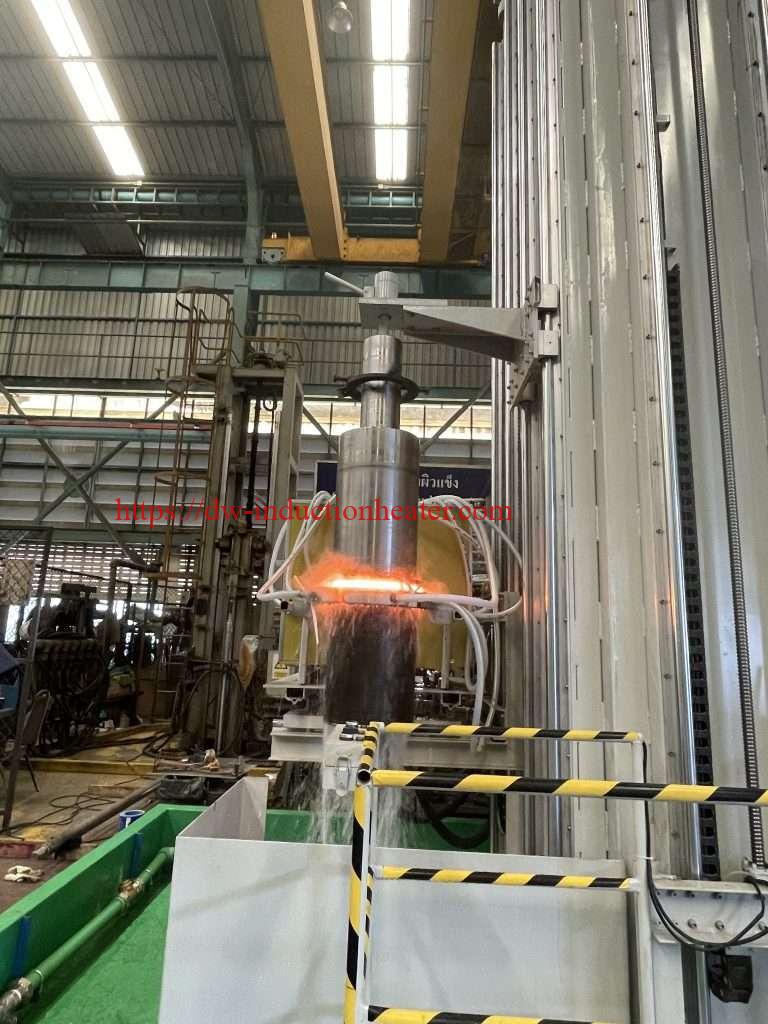
Induction hardening is a heat treatment process that is used to strengthen the surface of metal parts. It involves the use of an induction heating system to quickly heat up the surface of the metal to a high temperature, followed by a rapid cooling process. This creates a hardened surface layer on the metal, while leaving the core of the metal unchanged. The process of induction hardening starts with the placement of the part to be hardened in an induction heating coil. The coil is then energized, creating a strong electromagnetic field around the part that rapidly heats the surface layer of the metal. Once the desired temperature is reached, the part is rapidly cooled using a quenching medium such as water or oil. The benefits of induction hardening are numerous. The process creates a surface layer that is much harder and more wear-resistant than the core of the metal. This results in longer part life and reduced maintenance costs. Induction hardening can also be used to selectively harden specific areas of a part, resulting in improved performance and reduced weight. Induction hardening is used in a wide range of applications, including automotive, aerospace, and industrial manufacturing. Parts commonly treated with induction hardening include gears, shafts, bearings, and other components that require high strength and wear resistance. Overall, induction hardening is a highly effective process for improving the properties of metal parts. It offers numerous benefits and can be applied to a wide range of applications, making it a valuable tool in the manufacturing industry.

2. The Induction Hardening Process

Induction hardening is a process of heat treatment that involves heating a metal object and then rapidly cooling it to harden its surface. The process works by using an electromagnetic field to create heat in the surface layer of the metal. The heat is then quickly removed by cooling the metal with a spray of water or oil. This rapid cooling process causes the metal to harden, resulting in increased resistance to wear and tear. The induction hardening process is ideal for parts that require a hard and wear-resistant surface, such as gears, shafts, and bearings. The process is also used for products that require a high level of precision and repeatable results. The induction hardening process has several advantages over other methods of heat treatment. One of the main advantages is the speed of the process. Induction hardening is a fast and efficient process that can be completed in a matter of seconds. This makes it ideal for high-volume production environments. Another advantage of induction hardening is the precise control that can be achieved over the hardening process. The process can be controlled to produce a specific depth and hardness level, ensuring that the part meets the required specifications. Overall, the induction hardening process is a highly efficient and effective method of heat treatment. Its ability to produce hard and wear-resistant surfaces quickly and precisely makes it an ideal choice for a wide range of applications.

3. Benefits of Induction Hardening

Induction hardening is a popular heat treatment process that has many benefits. One of the significant benefits of induction hardening is that it can increase the hardness and durability of the material being treated. This is achieved by heating the material to a high temperature and then rapidly cooling it. Induction hardening can help to make the material stronger and more resistant to wear and tear. Another benefit of induction hardening is that it is a highly precise process. This means that it can be used to selectively harden certain areas of a material while leaving other areas unaffected. This level of precision is essential in industries where accuracy is critical, such as aerospace and automotive manufacturing. Induction hardening is also a very efficient process. It is faster and more energy-efficient than other forms of heat treatment, such as gas or furnace heat treatment. This means that it is a cost-effective way to improve the properties of a material. Finally, induction hardening is a very versatile process. It can be used to harden a wide range of materials, including steel, aluminum, brass, and copper. Additionally, it can be used to harden a variety of different shapes and sizes of parts, from small screws to large gears. This versatility makes induction hardening an attractive option for many different industries.

4. Applications of Induction Hardening in Various Industries

Induction hardening is a popular surface hardening process that is used in various industries: 1. Automotive components: Induction hardening is widely used in the automotive industry for the hardening of various parts like gears, shafts, and crankshafts. This helps in enhancing their strength, durability, and wear resistance. 2. Aerospace components: Induction hardening is used to harden aerospace components such as turbine blades, jet engine components, and gearbox components. This helps in improving their performance and longevity. 3. Industrial machinery: Induction hardening is also used to harden various industrial equipment and machinery parts that are exposed to high levels of wear and tear such as gears, shafts, and bearings. 4. Tooling and cutting tools: Induction hardening is used to harden various tooling and cutting tools such as drills, saw blades, and milling cutters. 5. Agricultural equipment: Induction hardening is also used to harden various agricultural equipment parts such as plowshares, tines, and blades. 6. Medical equipment: Induction hardening is used in the medical industry to harden various equipment parts such as surgical instruments and implants. 7. Construction equipment: Induction hardening is also used to harden various construction equipment parts such as hydraulic cylinders, connecting rods, and crane components. 8. Power generation equipment: Induction hardening is used to harden various parts of power generation equipment such as turbine blades and shafts. Induction hardening is a surface hardening process used to increase the hardness and durability of metal components. It involves heating the surface of a metal component using an induction heating system, which generates an alternating electromagnetic field. The heat generated by the electromagnetic field causes the surface of the metal to reach a temperature above its critical point, after which the component is quenched to rapidly cool the surface. This process hardens the surface of the metal, while leaving the interior of the component relatively unaffected. Induction hardening is commonly used in applications where high wear resistance is required, such as in the automotive, aerospace, and manufacturing industries.     https://dw-inductionheater.com/the-complete-guide-to-induction-hardening-of-process-benefits-and-applications.html?feed_id=232078&_unique_id=65a1103a25806

2024年1月2日星期二

CNC Induction Hardening Surface of Shafts, Rollers, Pins

Ultimate Guide to Induction Hardening: Enhancing the Surface of Shafts, Rollers, and Pins.

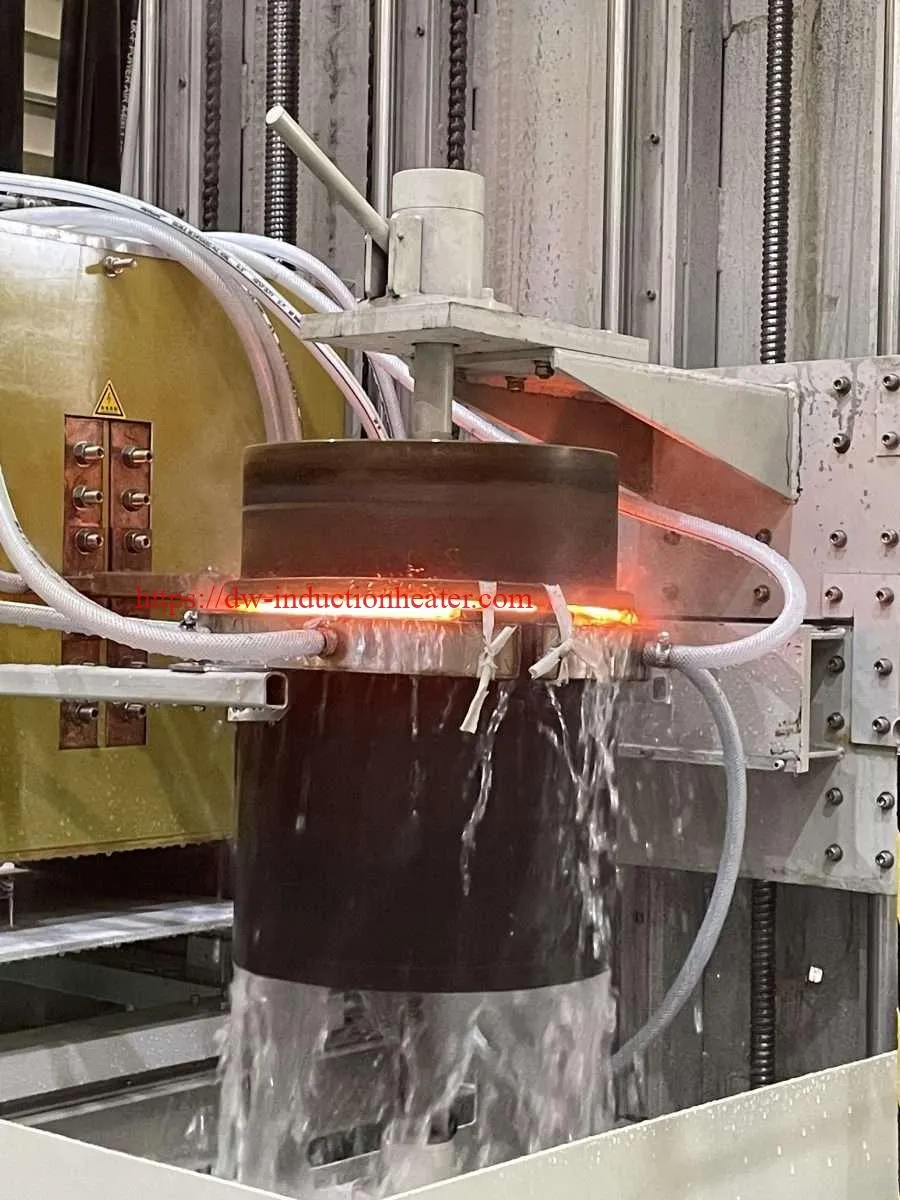
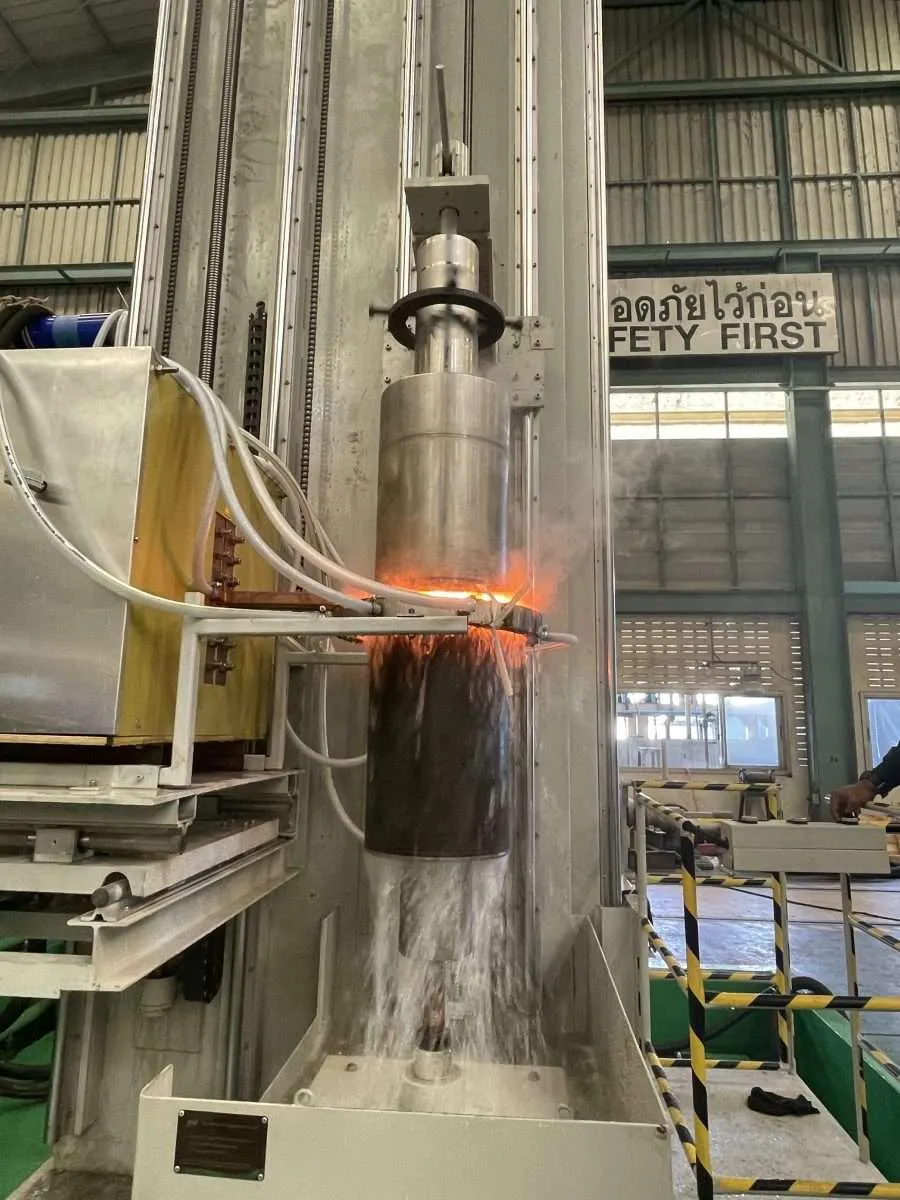
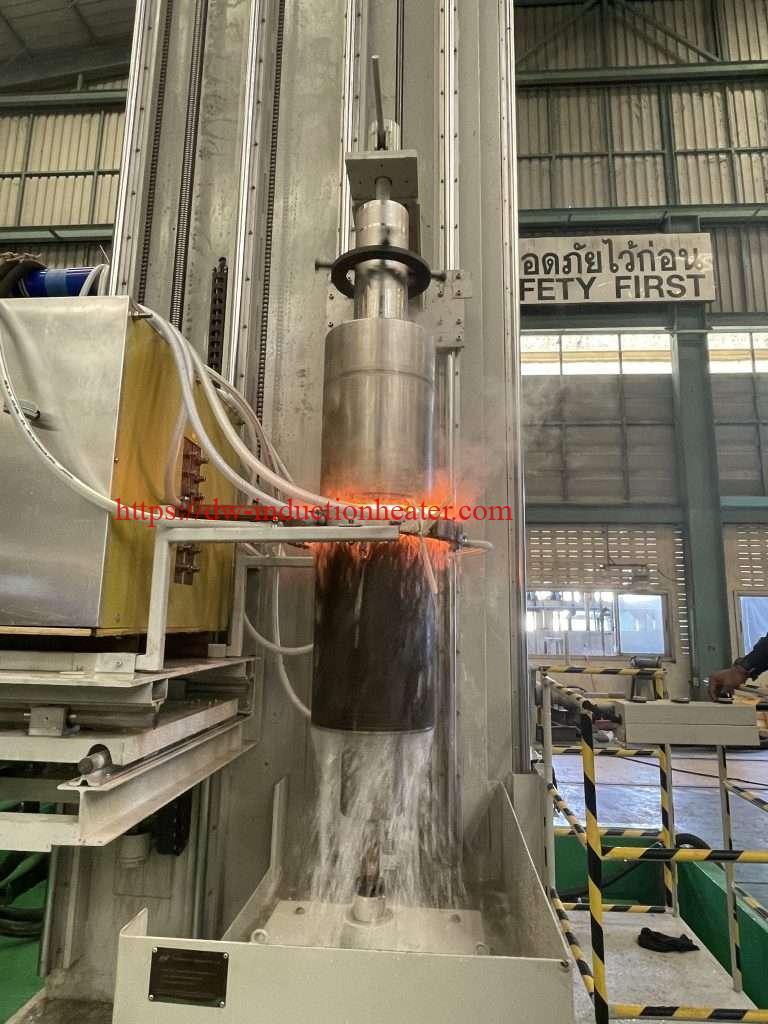
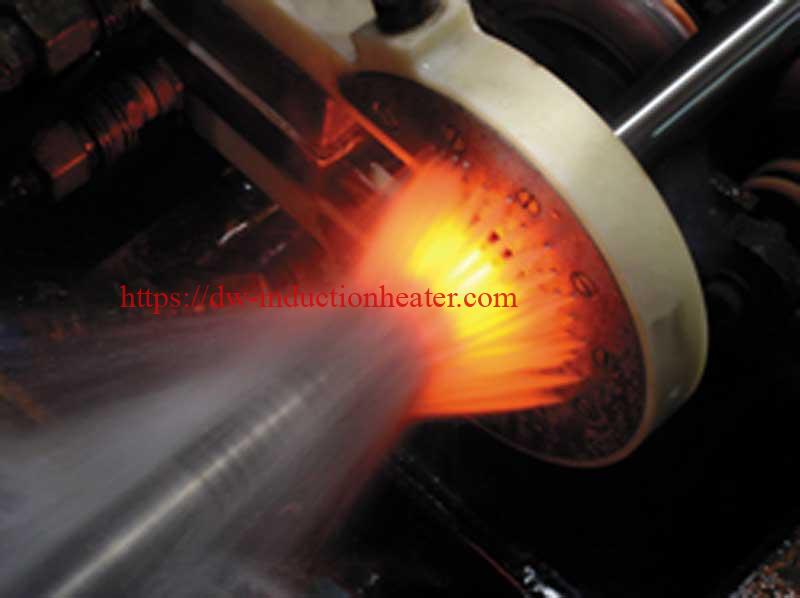
induction hardening processInduction hardening is a specialized heat treatment process that can significantly enhance the surface properties of various components, including shafts, rollers, and pins. This advanced technique involves selectively heating the surface of the material using high-frequency induction coils and then rapidly quenching it to achieve optimal hardness and wear resistance. In this comprehensive guide, we will explore the intricacies of induction hardening, from the science behind the process to the benefits it offers in terms of improving the durability and performance of these crucial industrial components. Whether you are a manufacturer looking to optimize your production processes or simply curious about the fascinating world of heat treatments, this article will provide you with the ultimate insights into induction hardening. [embed]https://youtu.be/fD89qj5t9Ig[/embed] 1. What is induction hardening? Induction hardening is a heat treatment process used to enhance the surface properties of various components such as shafts, rollers, and pins. It involves heating the surface of the component using high-frequency electrical currents, which are generated by an induction coil. The intense heat generated quickly raises the temperature of the surface, while the core remains relatively cool. This rapid heating and cooling process results in a hardened surface with improved wear resistance, hardness, and strength. The induction hardening process begins by positioning the component within the induction coil. The coil is connected to a power source, which produces an alternating current that flows through the coil, creating a magnetic field. When the component is placed within this magnetic field, eddy currents are induced in its surface. These eddy currents generate heat due to the resistance of the material. As the surface temperature increases, it reaches the austenitizing temperature, which is the critical temperature required for transformation to occur. At this point, the heat is quickly removed, usually through the use of a water spray or quenching medium. The rapid cooling causes the austenite to transform into martensite, a hard and brittle phase that contributes to the enhanced surface properties. Induction hardening offers several advantages over traditional hardening methods. It is a highly localized process, focusing only on the areas that require hardening, which minimizes distortion and reduces energy consumption. The precise control over the heating and cooling process allows for customization of hardness profiles according to specific requirements. Additionally, induction hardening is a fast and efficient process that can be easily automated for high-volume production. In summary, induction hardening is a specialized heat treatment technique that selectively improves the surface properties of components like shafts, rollers, and pins. By harnessing the power of high-frequency electrical currents, this process provides enhanced wear resistance, hardness, and strength, making it a valuable method for enhancing the performance and durability of various industrial components. 2. The science behind induction hardening Induction hardening is a fascinating process that involves enhancing the surface of shafts, rollers, and pins to increase their durability and strength. To understand the science behind induction hardening, we must first delve into the principles of induction heating. The process of induction heating utilizes an alternating magnetic field generated by an induction coil. When an electric current passes through the coil, it generates the magnetic field, which creates eddy currents within the workpiece. These eddy currents produce heat due to the resistance of the material, leading to localized heating. During induction hardening, the workpiece is rapidly heated to a specific temperature above its transformation point, known as the austenitizing temperature. This temperature varies depending on the material being hardened. Once the desired temperature is reached, the workpiece is quenched, typically using water or oil, to rapidly cool it down. The science behind induction hardening lies in the transformation of the material's microstructure. By rapidly heating and cooling the surface, the material undergoes a phase change from its initial state to a hardened state. This phase change results in the formation of martensite, a hard and brittle structure that significantly enhances the surface's mechanical properties. The depth of hardened layer, known as the case depth, can be controlled by adjusting various parameters such as the frequency of the magnetic field, power input, and quenching medium. These variables directly influence the heating rate, cooling rate, and ultimately, the final hardness and wear resistance of the hardened surface. It's important to note that induction hardening is a highly precise process, offering excellent control over localized heating. By selectively heating only the desired areas, such as shafts, rollers, and pins, manufacturers can achieve optimal hardness and wear resistance while maintaining the core's toughness and ductility. In conclusion, the science behind induction hardening lies in the principles of induction heating, the transformation of microstructure, and the control of various parameters. This process enables the enhancement of the surface properties of shafts, rollers, and pins, resulting in improved durability and performance in various industrial applications. 3. Benefits of induction hardening for shafts, rollers, and pins Induction hardening is a widely used heat treatment process that offers numerous benefits for enhancing the surface of shafts, rollers, and pins. The primary advantage of induction hardening is its ability to selectively heat treat specific areas, resulting in a hardened surface while maintaining the core's desired properties. This process improves the durability and wear resistance of these components, making them ideal for heavy-duty applications. One of the key benefits of induction hardening is the significant increase in hardness achieved on the surface of shafts, rollers, and pins. This enhanced hardness helps to prevent surface damage, such as abrasion and deformation, extending the lifespan of the components. The hardened surface also provides improved resistance to fatigue, ensuring that these parts can withstand high-stress conditions without compromising their performance. In addition to hardness, induction hardening improves the overall strength of shafts, rollers, and pins. The localized heating and rapid quenching process during induction hardening results in a transformation of the microstructure, leading to increased tensile strength and toughness. This makes the components more resistant to bending, breaking, and deformation, enhancing their reliability and longevity. Another significant advantage of induction hardening is its efficiency and speed. The process is known for its rapid heating and quenching cycles, enabling high production rates and cost-effective manufacturing. Compared to traditional methods such as case hardening or through-hardening, induction hardening offers shorter cycle times, reducing energy consumption and improving productivity. Furthermore, induction hardening allows for precise control over the hardened depth. By adjusting the power and frequency of the induction heating, manufacturers can achieve the desired hardened depth specific to their application requirements. This flexibility ensures that the surface hardness is optimized while maintaining the appropriate core properties. Overall, the benefits of induction hardening make it an ideal choice for enhancing the surface of shafts, rollers, and pins. From increased hardness and strength to improved durability and efficiency, induction hardening offers manufacturers a reliable and cost-effective method to enhance the performance and longevity of these critical components in various industries. 4. The induction hardening process explained Induction hardening is a widely used technique in the manufacturing industry to enhance the surface properties of various components, such as shafts, rollers, and pins. This process involves heating the selected areas of the component using high-frequency induction heating, followed by rapid quenching to achieve a hardened surface layer. The induction hardening process begins with the positioning of the component in the induction coil, which generates a high-frequency alternating magnetic field. This magnetic field induces eddy currents in the workpiece, leading to rapid and localized heating of the surface. The depth of the hardened layer can be controlled by adjusting the frequency, power, and time of the induction heating. As the surface temperature rises above the critical transformation temperature, the austenite phase is formed. This phase is then rapidly quenched using a suitable medium, such as water or oil, to transform it into martensite. The martensitic structure provides excellent hardness, wear resistance, and strength to the treated surface, while the core of the component retains its original properties. One of the significant advantages of induction hardening is its ability to achieve precise and controlled hardening patterns. By carefully designing the shape and configuration of the induction coil, specific areas of the component can be targeted for hardening. This selective heating minimizes distortion and ensures that only the required surface areas are hardened, preserving the desired mechanical properties of the core. Induction hardening is highly efficient and can be integrated into automated production lines, ensuring consistent and repeatable results. It offers several benefits over other surface hardening methods, such as flame hardening or carburizing, including shorter heating times, reduced energy consumption, and minimal material distortion. However, it is crucial to note that the induction hardening process requires careful process design and parameter optimization to ensure optimal results. Factors such as the component material, geometry, and desired hardening depth must be taken into consideration. In conclusion, induction hardening is a versatile and effective method for enhancing the surface properties of shafts, rollers, and pins. Its ability to provide localized and controlled hardening makes it ideal for various industrial applications where wear resistance, hardness, and strength are essential. By understanding the induction hardening process, manufacturers can harness its benefits to produce high-quality and durable components. 5. Induction Hardening  Power  Supplier
Models Rated output power Frequency rage Input current Input voltage Duty cycle Water flow weight Dimension
MFS-100 100KW 0.5-10KHz 160A 3phase 380V 50Hz 100% 10-20m³/h 175KG 800x650x1800mm
MFS-160 160KW 0.5-10KHz 250A 10-20m³/h 180KG 800x 650 x 1800mm
MFS-200 200KW 0.5-10KHz 310A 10-20m³/h 180KG 800x 650 x 1800mm
MFS-250 250KW 0.5-10KHz 380A 10-20m³/h 192KG 800x 650 x 1800mm
MFS-300 300KW 0.5-8KHz 460A 25-35m³/h 198KG 800x 650 x 1800mm
MFS-400 400KW 0.5-8KHz 610A 25-35m³/h 225KG 800x 650 x 1800mm
MFS-500 500KW 0.5-8KHz 760A 25-35m³/h 350KG 1500 x 800 x 2000mm
MFS-600 600KW 0.5-8KHz 920A 25-35m³/h 360KG 1500 x 800 x 2000mm
MFS-750 750KW 0.5-6KHz 1150A 50-60m³/h 380KG 1500 x 800 x 2000mm
MFS-800 800KW 0.5-6KHz 1300A 50-60m³/h 390KG 1500 x 800 x 2000mm
6.  CNC Hardening / Quenching Machine Tools Technical Parameter
Model SK-500 SK-1000 SK-1200 SK-1500
Max heating length(mm) 500 1000 1200 1500
Max heating diameter(mm) 500 500 600 600
Max holding length(mm) 600 1100 1300 1600
Max weight of workpiece(Kg) 100 100 100 100
Workpiece rotation speed(r/min) 0-300 0-300 0-300 0-300
workpiece moving speed(mm/min) 6-3000 6-3000 6-3000 6-3000
Cooling method Hydrojet cooling Hydrojet cooling Hydrojet cooling Hydrojet cooling
Input voltage 3P 380V 50Hz 3P 380V 50Hz 3P 380V 50Hz 3P 380V 50Hz
Motor power 1.1KW 1.1KW 1.2KW 1.5KW
Dimension LxWxH (mm) 1600 x800 x2000 1600 x800 x2400 1900 x900 x2900 1900 x900 x3200
weight(Kg) 800 900 1100 1200
Model SK-2000 SK-2500 SK-3000 SK-4000
Max heating length(mm) 2000 2500 3000 4000
Max heating diameter(mm) 600 600 600 600
Max holding length(mm) 2000 2500 3000 4000
Max weight of workpiece(Kg) 800 1000 1200 1500
workpiece rotation speed(r/min) 0-300 0-300 0-300 0-300
workpiece moving speed(mm/min) 6-3000 6-3000 6-3000 6-3000
Cooling method Hydrojet cooling Hydrojet cooling Hydrojet cooling Hydrojet cooling
Input voltage 3P 380V 50Hz 3P 380V 50Hz 3P 380V 50Hz 3P 380V 50Hz
Motor power 2KW 2.2KW 2.5KW 3KW
Dimension LxWxH (mm) 1900 x900 x2400 1900 x900 x2900 1900 x900 x3400 1900 x900 x4300
weight(Kg) 1200 1300 1400 1500
7. Conclusion The specific parameters of the induction hardening process, such as heating time, frequency, power, and quenching medium, are determined based on the material composition, component geometry, desired hardness, and application requirements. Induction hardening provides localized hardening, which allows for a combination of a hard and wear-resistant surface with a tough and ductile core. This makes it suitable for components like shafts, rollers, and pins that require high surface hardness and wear resistance while maintaining sufficient strength and toughness in the core.   https://dw-inductionheater.com/cnc-induction-hardening-surface-of-shafts-rollers-pins.html?feed_id=231406&_unique_id=6594ec8d6a8d6
2023年10月8日星期日

CNC Induction Hardening Surface of Shafts, Rollers, Pins

Ultimate Guide to Induction Hardening: Enhancing the Surface of Shafts, Rollers, and Pins.

induction hardening processInduction hardening is a specialized heat treatment process that can significantly enhance the surface properties of various components, including shafts, rollers, and pins. This advanced technique involves selectively heating the surface of the material using high-frequency induction coils and then rapidly quenching it to achieve optimal hardness and wear resistance. In this comprehensive guide, we will explore the intricacies of induction hardening, from the science behind the process to the benefits it offers in terms of improving the durability and performance of these crucial industrial components. Whether you are a manufacturer looking to optimize your production processes or simply curious about the fascinating world of heat treatments, this article will provide you with the ultimate insights into induction hardening. [embed]https://youtu.be/fD89qj5t9Ig[/embed] 1. What is induction hardening? Induction hardening is a heat treatment process used to enhance the surface properties of various components such as shafts, rollers, and pins. It involves heating the surface of the component using high-frequency electrical currents, which are generated by an induction coil. The intense heat generated quickly raises the temperature of the surface, while the core remains relatively cool. This rapid heating and cooling process results in a hardened surface with improved wear resistance, hardness, and strength. The induction hardening process begins by positioning the component within the induction coil. The coil is connected to a power source, which produces an alternating current that flows through the coil, creating a magnetic field. When the component is placed within this magnetic field, eddy currents are induced in its surface. These eddy currents generate heat due to the resistance of the material. As the surface temperature increases, it reaches the austenitizing temperature, which is the critical temperature required for transformation to occur. At this point, the heat is quickly removed, usually through the use of a water spray or quenching medium. The rapid cooling causes the austenite to transform into martensite, a hard and brittle phase that contributes to the enhanced surface properties. Induction hardening offers several advantages over traditional hardening methods. It is a highly localized process, focusing only on the areas that require hardening, which minimizes distortion and reduces energy consumption. The precise control over the heating and cooling process allows for customization of hardness profiles according to specific requirements. Additionally, induction hardening is a fast and efficient process that can be easily automated for high-volume production. In summary, induction hardening is a specialized heat treatment technique that selectively improves the surface properties of components like shafts, rollers, and pins. By harnessing the power of high-frequency electrical currents, this process provides enhanced wear resistance, hardness, and strength, making it a valuable method for enhancing the performance and durability of various industrial components. 2. The science behind induction hardening Induction hardening is a fascinating process that involves enhancing the surface of shafts, rollers, and pins to increase their durability and strength. To understand the science behind induction hardening, we must first delve into the principles of induction heating. The process of induction heating utilizes an alternating magnetic field generated by an induction coil. When an electric current passes through the coil, it generates the magnetic field, which creates eddy currents within the workpiece. These eddy currents produce heat due to the resistance of the material, leading to localized heating. During induction hardening, the workpiece is rapidly heated to a specific temperature above its transformation point, known as the austenitizing temperature. This temperature varies depending on the material being hardened. Once the desired temperature is reached, the workpiece is quenched, typically using water or oil, to rapidly cool it down. The science behind induction hardening lies in the transformation of the material's microstructure. By rapidly heating and cooling the surface, the material undergoes a phase change from its initial state to a hardened state. This phase change results in the formation of martensite, a hard and brittle structure that significantly enhances the surface's mechanical properties. The depth of hardened layer, known as the case depth, can be controlled by adjusting various parameters such as the frequency of the magnetic field, power input, and quenching medium. These variables directly influence the heating rate, cooling rate, and ultimately, the final hardness and wear resistance of the hardened surface. It's important to note that induction hardening is a highly precise process, offering excellent control over localized heating. By selectively heating only the desired areas, such as shafts, rollers, and pins, manufacturers can achieve optimal hardness and wear resistance while maintaining the core's toughness and ductility. In conclusion, the science behind induction hardening lies in the principles of induction heating, the transformation of microstructure, and the control of various parameters. This process enables the enhancement of the surface properties of shafts, rollers, and pins, resulting in improved durability and performance in various industrial applications. 3. Benefits of induction hardening for shafts, rollers, and pins Induction hardening is a widely used heat treatment process that offers numerous benefits for enhancing the surface of shafts, rollers, and pins. The primary advantage of induction hardening is its ability to selectively heat treat specific areas, resulting in a hardened surface while maintaining the core's desired properties. This process improves the durability and wear resistance of these components, making them ideal for heavy-duty applications. One of the key benefits of induction hardening is the significant increase in hardness achieved on the surface of shafts, rollers, and pins. This enhanced hardness helps to prevent surface damage, such as abrasion and deformation, extending the lifespan of the components. The hardened surface also provides improved resistance to fatigue, ensuring that these parts can withstand high-stress conditions without compromising their performance. In addition to hardness, induction hardening improves the overall strength of shafts, rollers, and pins. The localized heating and rapid quenching process during induction hardening results in a transformation of the microstructure, leading to increased tensile strength and toughness. This makes the components more resistant to bending, breaking, and deformation, enhancing their reliability and longevity. Another significant advantage of induction hardening is its efficiency and speed. The process is known for its rapid heating and quenching cycles, enabling high production rates and cost-effective manufacturing. Compared to traditional methods such as case hardening or through-hardening, induction hardening offers shorter cycle times, reducing energy consumption and improving productivity. Furthermore, induction hardening allows for precise control over the hardened depth. By adjusting the power and frequency of the induction heating, manufacturers can achieve the desired hardened depth specific to their application requirements. This flexibility ensures that the surface hardness is optimized while maintaining the appropriate core properties. Overall, the benefits of induction hardening make it an ideal choice for enhancing the surface of shafts, rollers, and pins. From increased hardness and strength to improved durability and efficiency, induction hardening offers manufacturers a reliable and cost-effective method to enhance the performance and longevity of these critical components in various industries. 4. The induction hardening process explained Induction hardening is a widely used technique in the manufacturing industry to enhance the surface properties of various components, such as shafts, rollers, and pins. This process involves heating the selected areas of the component using high-frequency induction heating, followed by rapid quenching to achieve a hardened surface layer. The induction hardening process begins with the positioning of the component in the induction coil, which generates a high-frequency alternating magnetic field. This magnetic field induces eddy currents in the workpiece, leading to rapid and localized heating of the surface. The depth of the hardened layer can be controlled by adjusting the frequency, power, and time of the induction heating. As the surface temperature rises above the critical transformation temperature, the austenite phase is formed. This phase is then rapidly quenched using a suitable medium, such as water or oil, to transform it into martensite. The martensitic structure provides excellent hardness, wear resistance, and strength to the treated surface, while the core of the component retains its original properties. One of the significant advantages of induction hardening is its ability to achieve precise and controlled hardening patterns. By carefully designing the shape and configuration of the induction coil, specific areas of the component can be targeted for hardening. This selective heating minimizes distortion and ensures that only the required surface areas are hardened, preserving the desired mechanical properties of the core. Induction hardening is highly efficient and can be integrated into automated production lines, ensuring consistent and repeatable results. It offers several benefits over other surface hardening methods, such as flame hardening or carburizing, including shorter heating times, reduced energy consumption, and minimal material distortion. However, it is crucial to note that the induction hardening process requires careful process design and parameter optimization to ensure optimal results. Factors such as the component material, geometry, and desired hardening depth must be taken into consideration. In conclusion, induction hardening is a versatile and effective method for enhancing the surface properties of shafts, rollers, and pins. Its ability to provide localized and controlled hardening makes it ideal for various industrial applications where wear resistance, hardness, and strength are essential. By understanding the induction hardening process, manufacturers can harness its benefits to produce high-quality and durable components. 5. Induction Hardening  Power  Supplier
Models Rated output power Frequency rage Input current Input voltage Duty cycle Water flow weight Dimension
MFS-100 100KW 0.5-10KHz 160A 3phase 380V 50Hz 100% 10-20m³/h 175KG 800x650x1800mm
MFS-160 160KW 0.5-10KHz 250A 10-20m³/h 180KG 800x 650 x 1800mm
MFS-200 200KW 0.5-10KHz 310A 10-20m³/h 180KG 800x 650 x 1800mm
MFS-250 250KW 0.5-10KHz 380A 10-20m³/h 192KG 800x 650 x 1800mm
MFS-300 300KW 0.5-8KHz 460A 25-35m³/h 198KG 800x 650 x 1800mm
MFS-400 400KW 0.5-8KHz 610A 25-35m³/h 225KG 800x 650 x 1800mm
MFS-500 500KW 0.5-8KHz 760A 25-35m³/h 350KG 1500 x 800 x 2000mm
MFS-600 600KW 0.5-8KHz 920A 25-35m³/h 360KG 1500 x 800 x 2000mm
MFS-750 750KW 0.5-6KHz 1150A 50-60m³/h 380KG 1500 x 800 x 2000mm
MFS-800 800KW 0.5-6KHz 1300A 50-60m³/h 390KG 1500 x 800 x 2000mm
6.  CNC Hardening / Quenching Machine Tools Technical Parameter
Model SK-500 SK-1000 SK-1200 SK-1500
Max heating length(mm) 500 1000 1200 1500
Max heating diameter(mm) 500 500 600 600
Max holding length(mm) 600 1100 1300 1600
Max weight of workpiece(Kg) 100 100 100 100
Workpiece rotation speed(r/min) 0-300 0-300 0-300 0-300
workpiece moving speed(mm/min) 6-3000 6-3000 6-3000 6-3000
Cooling method Hydrojet cooling Hydrojet cooling Hydrojet cooling Hydrojet cooling
Input voltage 3P 380V 50Hz 3P 380V 50Hz 3P 380V 50Hz 3P 380V 50Hz
Motor power 1.1KW 1.1KW 1.2KW 1.5KW
Dimension LxWxH (mm) 1600 x800 x2000 1600 x800 x2400 1900 x900 x2900 1900 x900 x3200
weight(Kg) 800 900 1100 1200
Model SK-2000 SK-2500 SK-3000 SK-4000
Max heating length(mm) 2000 2500 3000 4000
Max heating diameter(mm) 600 600 600 600
Max holding length(mm) 2000 2500 3000 4000
Max weight of workpiece(Kg) 800 1000 1200 1500
workpiece rotation speed(r/min) 0-300 0-300 0-300 0-300
workpiece moving speed(mm/min) 6-3000 6-3000 6-3000 6-3000
Cooling method Hydrojet cooling Hydrojet cooling Hydrojet cooling Hydrojet cooling
Input voltage 3P 380V 50Hz 3P 380V 50Hz 3P 380V 50Hz 3P 380V 50Hz
Motor power 2KW 2.2KW 2.5KW 3KW
Dimension LxWxH (mm) 1900 x900 x2400 1900 x900 x2900 1900 x900 x3400 1900 x900 x4300
weight(Kg) 1200 1300 1400 1500
7. Conclusion The specific parameters of the induction hardening process, such as heating time, frequency, power, and quenching medium, are determined based on the material composition, component geometry, desired hardness, and application requirements. Induction hardening provides localized hardening, which allows for a combination of a hard and wear-resistant surface with a tough and ductile core. This makes it suitable for components like shafts, rollers, and pins that require high surface hardness and wear resistance while maintaining sufficient strength and toughness in the core.   https://dw-inductionheater.com/cnc-induction-hardening-surface-of-shafts-rollers-pins.html?feed_id=228669&_unique_id=6522eeb509cba

CNC Induction Hardening Surface of Shafts, Rollers, Pins

Ultimate Guide to Induction Hardening: Enhancing the Surface of Shafts, Rollers, and Pins.

induction hardening processInduction hardening is a specialized heat treatment process that can significantly enhance the surface properties of various components, including shafts, rollers, and pins. This advanced technique involves selectively heating the surface of the material using high-frequency induction coils and then rapidly quenching it to achieve optimal hardness and wear resistance. In this comprehensive guide, we will explore the intricacies of induction hardening, from the science behind the process to the benefits it offers in terms of improving the durability and performance of these crucial industrial components. Whether you are a manufacturer looking to optimize your production processes or simply curious about the fascinating world of heat treatments, this article will provide you with the ultimate insights into induction hardening. [embed]https://youtu.be/fD89qj5t9Ig[/embed] 1. What is induction hardening? Induction hardening is a heat treatment process used to enhance the surface properties of various components such as shafts, rollers, and pins. It involves heating the surface of the component using high-frequency electrical currents, which are generated by an induction coil. The intense heat generated quickly raises the temperature of the surface, while the core remains relatively cool. This rapid heating and cooling process results in a hardened surface with improved wear resistance, hardness, and strength. The induction hardening process begins by positioning the component within the induction coil. The coil is connected to a power source, which produces an alternating current that flows through the coil, creating a magnetic field. When the component is placed within this magnetic field, eddy currents are induced in its surface. These eddy currents generate heat due to the resistance of the material. As the surface temperature increases, it reaches the austenitizing temperature, which is the critical temperature required for transformation to occur. At this point, the heat is quickly removed, usually through the use of a water spray or quenching medium. The rapid cooling causes the austenite to transform into martensite, a hard and brittle phase that contributes to the enhanced surface properties. Induction hardening offers several advantages over traditional hardening methods. It is a highly localized process, focusing only on the areas that require hardening, which minimizes distortion and reduces energy consumption. The precise control over the heating and cooling process allows for customization of hardness profiles according to specific requirements. Additionally, induction hardening is a fast and efficient process that can be easily automated for high-volume production. In summary, induction hardening is a specialized heat treatment technique that selectively improves the surface properties of components like shafts, rollers, and pins. By harnessing the power of high-frequency electrical currents, this process provides enhanced wear resistance, hardness, and strength, making it a valuable method for enhancing the performance and durability of various industrial components. 2. The science behind induction hardening Induction hardening is a fascinating process that involves enhancing the surface of shafts, rollers, and pins to increase their durability and strength. To understand the science behind induction hardening, we must first delve into the principles of induction heating. The process of induction heating utilizes an alternating magnetic field generated by an induction coil. When an electric current passes through the coil, it generates the magnetic field, which creates eddy currents within the workpiece. These eddy currents produce heat due to the resistance of the material, leading to localized heating. During induction hardening, the workpiece is rapidly heated to a specific temperature above its transformation point, known as the austenitizing temperature. This temperature varies depending on the material being hardened. Once the desired temperature is reached, the workpiece is quenched, typically using water or oil, to rapidly cool it down. The science behind induction hardening lies in the transformation of the material's microstructure. By rapidly heating and cooling the surface, the material undergoes a phase change from its initial state to a hardened state. This phase change results in the formation of martensite, a hard and brittle structure that significantly enhances the surface's mechanical properties. The depth of hardened layer, known as the case depth, can be controlled by adjusting various parameters such as the frequency of the magnetic field, power input, and quenching medium. These variables directly influence the heating rate, cooling rate, and ultimately, the final hardness and wear resistance of the hardened surface. It's important to note that induction hardening is a highly precise process, offering excellent control over localized heating. By selectively heating only the desired areas, such as shafts, rollers, and pins, manufacturers can achieve optimal hardness and wear resistance while maintaining the core's toughness and ductility. In conclusion, the science behind induction hardening lies in the principles of induction heating, the transformation of microstructure, and the control of various parameters. This process enables the enhancement of the surface properties of shafts, rollers, and pins, resulting in improved durability and performance in various industrial applications. 3. Benefits of induction hardening for shafts, rollers, and pins Induction hardening is a widely used heat treatment process that offers numerous benefits for enhancing the surface of shafts, rollers, and pins. The primary advantage of induction hardening is its ability to selectively heat treat specific areas, resulting in a hardened surface while maintaining the core's desired properties. This process improves the durability and wear resistance of these components, making them ideal for heavy-duty applications. One of the key benefits of induction hardening is the significant increase in hardness achieved on the surface of shafts, rollers, and pins. This enhanced hardness helps to prevent surface damage, such as abrasion and deformation, extending the lifespan of the components. The hardened surface also provides improved resistance to fatigue, ensuring that these parts can withstand high-stress conditions without compromising their performance. In addition to hardness, induction hardening improves the overall strength of shafts, rollers, and pins. The localized heating and rapid quenching process during induction hardening results in a transformation of the microstructure, leading to increased tensile strength and toughness. This makes the components more resistant to bending, breaking, and deformation, enhancing their reliability and longevity. Another significant advantage of induction hardening is its efficiency and speed. The process is known for its rapid heating and quenching cycles, enabling high production rates and cost-effective manufacturing. Compared to traditional methods such as case hardening or through-hardening, induction hardening offers shorter cycle times, reducing energy consumption and improving productivity. Furthermore, induction hardening allows for precise control over the hardened depth. By adjusting the power and frequency of the induction heating, manufacturers can achieve the desired hardened depth specific to their application requirements. This flexibility ensures that the surface hardness is optimized while maintaining the appropriate core properties. Overall, the benefits of induction hardening make it an ideal choice for enhancing the surface of shafts, rollers, and pins. From increased hardness and strength to improved durability and efficiency, induction hardening offers manufacturers a reliable and cost-effective method to enhance the performance and longevity of these critical components in various industries. 4. The induction hardening process explained Induction hardening is a widely used technique in the manufacturing industry to enhance the surface properties of various components, such as shafts, rollers, and pins. This process involves heating the selected areas of the component using high-frequency induction heating, followed by rapid quenching to achieve a hardened surface layer. The induction hardening process begins with the positioning of the component in the induction coil, which generates a high-frequency alternating magnetic field. This magnetic field induces eddy currents in the workpiece, leading to rapid and localized heating of the surface. The depth of the hardened layer can be controlled by adjusting the frequency, power, and time of the induction heating. As the surface temperature rises above the critical transformation temperature, the austenite phase is formed. This phase is then rapidly quenched using a suitable medium, such as water or oil, to transform it into martensite. The martensitic structure provides excellent hardness, wear resistance, and strength to the treated surface, while the core of the component retains its original properties. One of the significant advantages of induction hardening is its ability to achieve precise and controlled hardening patterns. By carefully designing the shape and configuration of the induction coil, specific areas of the component can be targeted for hardening. This selective heating minimizes distortion and ensures that only the required surface areas are hardened, preserving the desired mechanical properties of the core. Induction hardening is highly efficient and can be integrated into automated production lines, ensuring consistent and repeatable results. It offers several benefits over other surface hardening methods, such as flame hardening or carburizing, including shorter heating times, reduced energy consumption, and minimal material distortion. However, it is crucial to note that the induction hardening process requires careful process design and parameter optimization to ensure optimal results. Factors such as the component material, geometry, and desired hardening depth must be taken into consideration. In conclusion, induction hardening is a versatile and effective method for enhancing the surface properties of shafts, rollers, and pins. Its ability to provide localized and controlled hardening makes it ideal for various industrial applications where wear resistance, hardness, and strength are essential. By understanding the induction hardening process, manufacturers can harness its benefits to produce high-quality and durable components. 5. Induction Hardening  Power  Supplier
Models Rated output power Frequency rage Input current Input voltage Duty cycle Water flow weight Dimension
MFS-100 100KW 0.5-10KHz 160A 3phase 380V 50Hz 100% 10-20m³/h 175KG 800x650x1800mm
MFS-160 160KW 0.5-10KHz 250A 10-20m³/h 180KG 800x 650 x 1800mm
MFS-200 200KW 0.5-10KHz 310A 10-20m³/h 180KG 800x 650 x 1800mm
MFS-250 250KW 0.5-10KHz 380A 10-20m³/h 192KG 800x 650 x 1800mm
MFS-300 300KW 0.5-8KHz 460A 25-35m³/h 198KG 800x 650 x 1800mm
MFS-400 400KW 0.5-8KHz 610A 25-35m³/h 225KG 800x 650 x 1800mm
MFS-500 500KW 0.5-8KHz 760A 25-35m³/h 350KG 1500 x 800 x 2000mm
MFS-600 600KW 0.5-8KHz 920A 25-35m³/h 360KG 1500 x 800 x 2000mm
MFS-750 750KW 0.5-6KHz 1150A 50-60m³/h 380KG 1500 x 800 x 2000mm
MFS-800 800KW 0.5-6KHz 1300A 50-60m³/h 390KG 1500 x 800 x 2000mm
6.  CNC Hardening / Quenching Machine Tools Technical Parameter
Model SK-500 SK-1000 SK-1200 SK-1500
Max heating length(mm) 500 1000 1200 1500
Max heating diameter(mm) 500 500 600 600
Max holding length(mm) 600 1100 1300 1600
Max weight of workpiece(Kg) 100 100 100 100
Workpiece rotation speed(r/min) 0-300 0-300 0-300 0-300
workpiece moving speed(mm/min) 6-3000 6-3000 6-3000 6-3000
Cooling method Hydrojet cooling Hydrojet cooling Hydrojet cooling Hydrojet cooling
Input voltage 3P 380V 50Hz 3P 380V 50Hz 3P 380V 50Hz 3P 380V 50Hz
Motor power 1.1KW 1.1KW 1.2KW 1.5KW
Dimension LxWxH (mm) 1600 x800 x2000 1600 x800 x2400 1900 x900 x2900 1900 x900 x3200
weight(Kg) 800 900 1100 1200
Model SK-2000 SK-2500 SK-3000 SK-4000
Max heating length(mm) 2000 2500 3000 4000
Max heating diameter(mm) 600 600 600 600
Max holding length(mm) 2000 2500 3000 4000
Max weight of workpiece(Kg) 800 1000 1200 1500
workpiece rotation speed(r/min) 0-300 0-300 0-300 0-300
workpiece moving speed(mm/min) 6-3000 6-3000 6-3000 6-3000
Cooling method Hydrojet cooling Hydrojet cooling Hydrojet cooling Hydrojet cooling
Input voltage 3P 380V 50Hz 3P 380V 50Hz 3P 380V 50Hz 3P 380V 50Hz
Motor power 2KW 2.2KW 2.5KW 3KW
Dimension LxWxH (mm) 1900 x900 x2400 1900 x900 x2900 1900 x900 x3400 1900 x900 x4300
weight(Kg) 1200 1300 1400 1500
7. Conclusion The specific parameters of the induction hardening process, such as heating time, frequency, power, and quenching medium, are determined based on the material composition, component geometry, desired hardness, and application requirements. Induction hardening provides localized hardening, which allows for a combination of a hard and wear-resistant surface with a tough and ductile core. This makes it suitable for components like shafts, rollers, and pins that require high surface hardness and wear resistance while maintaining sufficient strength and toughness in the core.   https://dw-inductionheater.com/cnc-induction-hardening-surface-of-shafts-rollers-pins.html?feed_id=228604&_unique_id=652277de4e2b1

2023年6月15日星期四

The Complete Guide to Induction Hardening of Process Benefits and Applications

The Complete Guide to Induction Hardening: Process, Benefits, and Applications

Induction hardening is a heat treatment process that is used to increase the hardness and durability of metal parts.It is a highly effective method for improving the wear resistance of various components, making them suitable for use in demanding applications. Induction hardening is widely used in the automotive, aerospace, and manufacturing industries, among others. If you're looking to learn more about induction hardening, this is the article for you. In this comprehensive guide, we will explore the induction hardening process, its benefits, and its applications in various industries. Whether you're a manufacturing engineer or just someone who's interested in the science of metalworking, you'll find everything you need to know about induction hardening in this guide.
1. What is Induction Hardening?

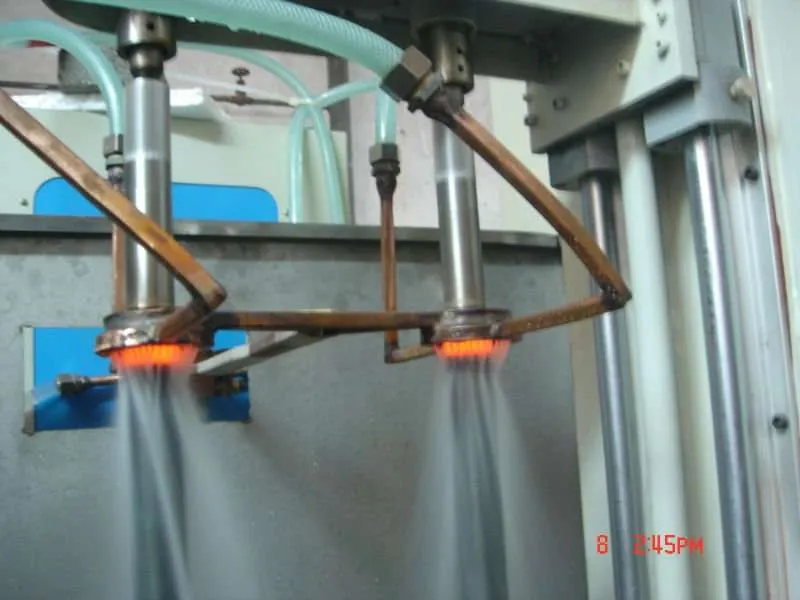
Induction hardening is a heat treatment process that is used to strengthen the surface of metal parts. It involves the use of an induction heating system to quickly heat up the surface of the metal to a high temperature, followed by a rapid cooling process. This creates a hardened surface layer on the metal, while leaving the core of the metal unchanged. The process of induction hardening starts with the placement of the part to be hardened in an induction heating coil. The coil is then energized, creating a strong electromagnetic field around the part that rapidly heats the surface layer of the metal. Once the desired temperature is reached, the part is rapidly cooled using a quenching medium such as water or oil. The benefits of induction hardening are numerous. The process creates a surface layer that is much harder and more wear-resistant than the core of the metal. This results in longer part life and reduced maintenance costs. Induction hardening can also be used to selectively harden specific areas of a part, resulting in improved performance and reduced weight. Induction hardening is used in a wide range of applications, including automotive, aerospace, and industrial manufacturing. Parts commonly treated with induction hardening include gears, shafts, bearings, and other components that require high strength and wear resistance. Overall, induction hardening is a highly effective process for improving the properties of metal parts. It offers numerous benefits and can be applied to a wide range of applications, making it a valuable tool in the manufacturing industry.
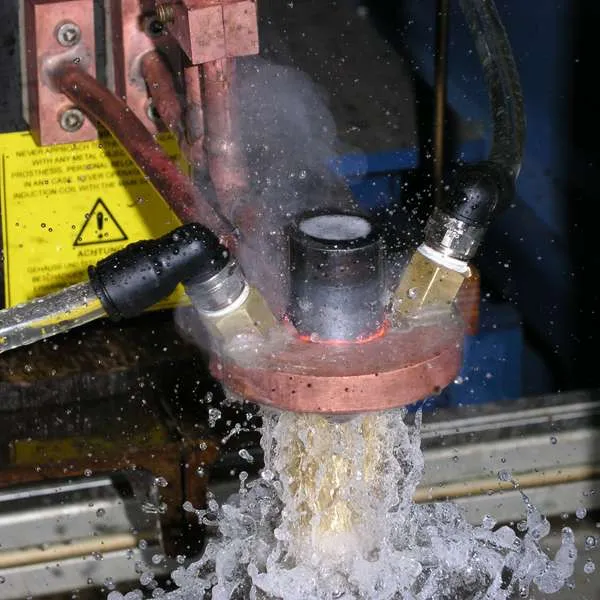
2. The Induction Hardening Process

Induction hardening is a process of heat treatment that involves heating a metal object and then rapidly cooling it to harden its surface. The process works by using an electromagnetic field to create heat in the surface layer of the metal. The heat is then quickly removed by cooling the metal with a spray of water or oil. This rapid cooling process causes the metal to harden, resulting in increased resistance to wear and tear. The induction hardening process is ideal for parts that require a hard and wear-resistant surface, such as gears, shafts, and bearings. The process is also used for products that require a high level of precision and repeatable results. The induction hardening process has several advantages over other methods of heat treatment. One of the main advantages is the speed of the process. Induction hardening is a fast and efficient process that can be completed in a matter of seconds. This makes it ideal for high-volume production environments. Another advantage of induction hardening is the precise control that can be achieved over the hardening process. The process can be controlled to produce a specific depth and hardness level, ensuring that the part meets the required specifications. Overall, the induction hardening process is a highly efficient and effective method of heat treatment. Its ability to produce hard and wear-resistant surfaces quickly and precisely makes it an ideal choice for a wide range of applications.

3. Benefits of Induction Hardening

Induction hardening is a popular heat treatment process that has many benefits. One of the significant benefits of induction hardening is that it can increase the hardness and durability of the material being treated. This is achieved by heating the material to a high temperature and then rapidly cooling it. Induction hardening can help to make the material stronger and more resistant to wear and tear. Another benefit of induction hardening is that it is a highly precise process. This means that it can be used to selectively harden certain areas of a material while leaving other areas unaffected. This level of precision is essential in industries where accuracy is critical, such as aerospace and automotive manufacturing. Induction hardening is also a very efficient process. It is faster and more energy-efficient than other forms of heat treatment, such as gas or furnace heat treatment. This means that it is a cost-effective way to improve the properties of a material. Finally, induction hardening is a very versatile process. It can be used to harden a wide range of materials, including steel, aluminum, brass, and copper. Additionally, it can be used to harden a variety of different shapes and sizes of parts, from small screws to large gears. This versatility makes induction hardening an attractive option for many different industries.

4. Applications of Induction Hardening in Various Industries

Induction hardening is a popular surface hardening process that is used in various industries: 1. Automotive components: Induction hardening is widely used in the automotive industry for the hardening of various parts like gears, shafts, and crankshafts. This helps in enhancing their strength, durability, and wear resistance. 2. Aerospace components: Induction hardening is used to harden aerospace components such as turbine blades, jet engine components, and gearbox components. This helps in improving their performance and longevity. 3. Industrial machinery: Induction hardening is also used to harden various industrial equipment and machinery parts that are exposed to high levels of wear and tear such as gears, shafts, and bearings. 4. Tooling and cutting tools: Induction hardening is used to harden various tooling and cutting tools such as drills, saw blades, and milling cutters. 5. Agricultural equipment: Induction hardening is also used to harden various agricultural equipment parts such as plowshares, tines, and blades. 6. Medical equipment: Induction hardening is used in the medical industry to harden various equipment parts such as surgical instruments and implants. 7. Construction equipment: Induction hardening is also used to harden various construction equipment parts such as hydraulic cylinders, connecting rods, and crane components. 8. Power generation equipment: Induction hardening is used to harden various parts of power generation equipment such as turbine blades and shafts. Induction hardening is a surface hardening process used to increase the hardness and durability of metal components. It involves heating the surface of a metal component using an induction heating system, which generates an alternating electromagnetic field. The heat generated by the electromagnetic field causes the surface of the metal to reach a temperature above its critical point, after which the component is quenched to rapidly cool the surface. This process hardens the surface of the metal, while leaving the interior of the component relatively unaffected. Induction hardening is commonly used in applications where high wear resistance is required, such as in the automotive, aerospace, and manufacturing industries.     https://dw-inductionheater.com/the-complete-guide-to-induction-hardening-of-process-benefits-and-applications.html?feed_id=213436&_unique_id=648b93d5dc50f

2023年5月20日星期六

The Complete Guide to Induction Hardening of Process Benefits and Applications

The Complete Guide to Induction Hardening: Process, Benefits, and Applications

Induction hardening is a heat treatment process that is used to increase the hardness and durability of metal parts.It is a highly effective method for improving the wear resistance of various components, making them suitable for use in demanding applications. Induction hardening is widely used in the automotive, aerospace, and manufacturing industries, among others. If you're looking to learn more about induction hardening, this is the article for you. In this comprehensive guide, we will explore the induction hardening process, its benefits, and its applications in various industries. Whether you're a manufacturing engineer or just someone who's interested in the science of metalworking, you'll find everything you need to know about induction hardening in this guide.

1. What is Induction Hardening?

Induction hardening is a heat treatment process that is used to strengthen the surface of metal parts. It involves the use of an induction heating system to quickly heat up the surface of the metal to a high temperature, followed by a rapid cooling process. This creates a hardened surface layer on the metal, while leaving the core of the metal unchanged. The process of induction hardening starts with the placement of the part to be hardened in an induction heating coil. The coil is then energized, creating a strong electromagnetic field around the part that rapidly heats the surface layer of the metal. Once the desired temperature is reached, the part is rapidly cooled using a quenching medium such as water or oil. The benefits of induction hardening are numerous. The process creates a surface layer that is much harder and more wear-resistant than the core of the metal. This results in longer part life and reduced maintenance costs. Induction hardening can also be used to selectively harden specific areas of a part, resulting in improved performance and reduced weight. Induction hardening is used in a wide range of applications, including automotive, aerospace, and industrial manufacturing. Parts commonly treated with induction hardening include gears, shafts, bearings, and other components that require high strength and wear resistance. Overall, induction hardening is a highly effective process for improving the properties of metal parts. It offers numerous benefits and can be applied to a wide range of applications, making it a valuable tool in the manufacturing industry.

2. The Induction Hardening Process

Induction hardening is a process of heat treatment that involves heating a metal object and then rapidly cooling it to harden its surface. The process works by using an electromagnetic field to create heat in the surface layer of the metal. The heat is then quickly removed by cooling the metal with a spray of water or oil. This rapid cooling process causes the metal to harden, resulting in increased resistance to wear and tear. The induction hardening process is ideal for parts that require a hard and wear-resistant surface, such as gears, shafts, and bearings. The process is also used for products that require a high level of precision and repeatable results. The induction hardening process has several advantages over other methods of heat treatment. One of the main advantages is the speed of the process. Induction hardening is a fast and efficient process that can be completed in a matter of seconds. This makes it ideal for high-volume production environments. Another advantage of induction hardening is the precise control that can be achieved over the hardening process. The process can be controlled to produce a specific depth and hardness level, ensuring that the part meets the required specifications. Overall, the induction hardening process is a highly efficient and effective method of heat treatment. Its ability to produce hard and wear-resistant surfaces quickly and precisely makes it an ideal choice for a wide range of applications.

3. Benefits of Induction Hardening

Induction hardening is a popular heat treatment process that has many benefits. One of the significant benefits of induction hardening is that it can increase the hardness and durability of the material being treated. This is achieved by heating the material to a high temperature and then rapidly cooling it. Induction hardening can help to make the material stronger and more resistant to wear and tear. Another benefit of induction hardening is that it is a highly precise process. This means that it can be used to selectively harden certain areas of a material while leaving other areas unaffected. This level of precision is essential in industries where accuracy is critical, such as aerospace and automotive manufacturing. Induction hardening is also a very efficient process. It is faster and more energy-efficient than other forms of heat treatment, such as gas or furnace heat treatment. This means that it is a cost-effective way to improve the properties of a material. Finally, induction hardening is a very versatile process. It can be used to harden a wide range of materials, including steel, aluminum, brass, and copper. Additionally, it can be used to harden a variety of different shapes and sizes of parts, from small screws to large gears. This versatility makes induction hardening an attractive option for many different industries.

4. Applications of Induction Hardening in Various Industries

Induction hardening is a popular surface hardening process that is used in various industries: 1. Automotive components: Induction hardening is widely used in the automotive industry for the hardening of various parts like gears, shafts, and crankshafts. This helps in enhancing their strength, durability, and wear resistance. 2. Aerospace components: Induction hardening is used to harden aerospace components such as turbine blades, jet engine components, and gearbox components. This helps in improving their performance and longevity. 3. Industrial machinery: Induction hardening is also used to harden various industrial equipment and machinery parts that are exposed to high levels of wear and tear such as gears, shafts, and bearings. 4. Tooling and cutting tools: Induction hardening is used to harden various tooling and cutting tools such as drills, saw blades, and milling cutters. 5. Agricultural equipment: Induction hardening is also used to harden various agricultural equipment parts such as plowshares, tines, and blades. 6. Medical equipment: Induction hardening is used in the medical industry to harden various equipment parts such as surgical instruments and implants. 7. Construction equipment: Induction hardening is also used to harden various construction equipment parts such as hydraulic cylinders, connecting rods, and crane components. 8. Power generation equipment: Induction hardening is used to harden various parts of power generation equipment such as turbine blades and shafts. Induction hardening is a surface hardening process used to increase the hardness and durability of metal components. It involves heating the surface of a metal component using an induction heating system, which generates an alternating electromagnetic field. The heat generated by the electromagnetic field causes the surface of the metal to reach a temperature above its critical point, after which the component is quenched to rapidly cool the surface. This process hardens the surface of the metal, while leaving the interior of the component relatively unaffected. Induction hardening is commonly used in applications where high wear resistance is required, such as in the automotive, aerospace, and manufacturing industries.     https://dw-inductionheater.com/the-complete-guide-to-induction-hardening-of-process-benefits-and-applications.html?feed_id=206536&_unique_id=64698e9c78b63

2023年4月19日星期三

The Complete Guide to Induction Hardening of Process Benefits and Applications

The Complete Guide to Induction Hardening: Process, Benefits, and Applications

Induction hardening is a heat treatment process that is used to increase the hardness and durability of metal parts.It is a highly effective method for improving the wear resistance of various components, making them suitable for use in demanding applications. Induction hardening is widely used in the automotive, aerospace, and manufacturing industries, among others. If you're looking to learn more about induction hardening, this is the article for you. In this comprehensive guide, we will explore the induction hardening process, its benefits, and its applications in various industries. Whether you're a manufacturing engineer or just someone who's interested in the science of metalworking, you'll find everything you need to know about induction hardening in this guide.

1. What is Induction Hardening?

Induction hardening is a heat treatment process that is used to strengthen the surface of metal parts. It involves the use of an induction heating system to quickly heat up the surface of the metal to a high temperature, followed by a rapid cooling process. This creates a hardened surface layer on the metal, while leaving the core of the metal unchanged. The process of induction hardening starts with the placement of the part to be hardened in an induction heating coil. The coil is then energized, creating a strong electromagnetic field around the part that rapidly heats the surface layer of the metal. Once the desired temperature is reached, the part is rapidly cooled using a quenching medium such as water or oil. The benefits of induction hardening are numerous. The process creates a surface layer that is much harder and more wear-resistant than the core of the metal. This results in longer part life and reduced maintenance costs. Induction hardening can also be used to selectively harden specific areas of a part, resulting in improved performance and reduced weight. Induction hardening is used in a wide range of applications, including automotive, aerospace, and industrial manufacturing. Parts commonly treated with induction hardening include gears, shafts, bearings, and other components that require high strength and wear resistance. Overall, induction hardening is a highly effective process for improving the properties of metal parts. It offers numerous benefits and can be applied to a wide range of applications, making it a valuable tool in the manufacturing industry.

2. The Induction Hardening Process

Induction hardening is a process of heat treatment that involves heating a metal object and then rapidly cooling it to harden its surface. The process works by using an electromagnetic field to create heat in the surface layer of the metal. The heat is then quickly removed by cooling the metal with a spray of water or oil. This rapid cooling process causes the metal to harden, resulting in increased resistance to wear and tear. The induction hardening process is ideal for parts that require a hard and wear-resistant surface, such as gears, shafts, and bearings. The process is also used for products that require a high level of precision and repeatable results. The induction hardening process has several advantages over other methods of heat treatment. One of the main advantages is the speed of the process. Induction hardening is a fast and efficient process that can be completed in a matter of seconds. This makes it ideal for high-volume production environments. Another advantage of induction hardening is the precise control that can be achieved over the hardening process. The process can be controlled to produce a specific depth and hardness level, ensuring that the part meets the required specifications. Overall, the induction hardening process is a highly efficient and effective method of heat treatment. Its ability to produce hard and wear-resistant surfaces quickly and precisely makes it an ideal choice for a wide range of applications.

3. Benefits of Induction Hardening

Induction hardening is a popular heat treatment process that has many benefits. One of the significant benefits of induction hardening is that it can increase the hardness and durability of the material being treated. This is achieved by heating the material to a high temperature and then rapidly cooling it. Induction hardening can help to make the material stronger and more resistant to wear and tear. Another benefit of induction hardening is that it is a highly precise process. This means that it can be used to selectively harden certain areas of a material while leaving other areas unaffected. This level of precision is essential in industries where accuracy is critical, such as aerospace and automotive manufacturing. Induction hardening is also a very efficient process. It is faster and more energy-efficient than other forms of heat treatment, such as gas or furnace heat treatment. This means that it is a cost-effective way to improve the properties of a material. Finally, induction hardening is a very versatile process. It can be used to harden a wide range of materials, including steel, aluminum, brass, and copper. Additionally, it can be used to harden a variety of different shapes and sizes of parts, from small screws to large gears. This versatility makes induction hardening an attractive option for many different industries.

4. Applications of Induction Hardening in Various Industries

Induction hardening is a popular surface hardening process that is used in various industries: 1. Automotive components: Induction hardening is widely used in the automotive industry for the hardening of various parts like gears, shafts, and crankshafts. This helps in enhancing their strength, durability, and wear resistance. 2. Aerospace components: Induction hardening is used to harden aerospace components such as turbine blades, jet engine components, and gearbox components. This helps in improving their performance and longevity. 3. Industrial machinery: Induction hardening is also used to harden various industrial equipment and machinery parts that are exposed to high levels of wear and tear such as gears, shafts, and bearings. 4. Tooling and cutting tools: Induction hardening is used to harden various tooling and cutting tools such as drills, saw blades, and milling cutters. 5. Agricultural equipment: Induction hardening is also used to harden various agricultural equipment parts such as plowshares, tines, and blades. 6. Medical equipment: Induction hardening is used in the medical industry to harden various equipment parts such as surgical instruments and implants. 7. Construction equipment: Induction hardening is also used to harden various construction equipment parts such as hydraulic cylinders, connecting rods, and crane components. 8. Power generation equipment: Induction hardening is used to harden various parts of power generation equipment such as turbine blades and shafts. Induction hardening is a surface hardening process used to increase the hardness and durability of metal components. It involves heating the surface of a metal component using an induction heating system, which generates an alternating electromagnetic field. The heat generated by the electromagnetic field causes the surface of the metal to reach a temperature above its critical point, after which the component is quenched to rapidly cool the surface. This process hardens the surface of the metal, while leaving the interior of the component relatively unaffected. Induction hardening is commonly used in applications where high wear resistance is required, such as in the automotive, aerospace, and manufacturing industries.     https://dw-inductionheater.com/the-complete-guide-to-induction-hardening-of-process-benefits-and-applications.html?feed_id=197766&_unique_id=6440956be039c

2021年11月21日星期日

Induction Hardening Gears Teeth

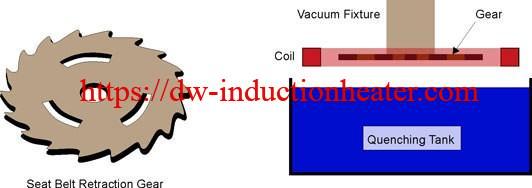
Induction Hardening Gears Teeth With High Frequency Heating System Objective Heat the teeth of a soft steel seatbelt retraction gear to 1700°F (926.7ºC) within two seconds for hardening. Material #4130 steel seatbelt retraction gears, water vortex quenching tank, electronically controlled air valves, adjustable timers Temperature 1700 °F(926.7ºC) hardening-gear-tooth Frequency 200 kHz Equipment • DW-UHF-10kW induction heating system equipped with a remote workhead with 1.0 μF capacitance • An induction heating coil designed and developed specifically for this application. Process A four-turn helical concentrating coil is specially designed to deliver uniform heat to the steel seatbelt retraction gear. The parts are positioned in the coil above the quenching tank and held in place with a vacuum rosette fixture. Power is applied for two seconds to heat the part. The parts are then expelled into the quench tank for cooling. Results/Benefits Induction heating provides: • Uniform and repeatable results • Energy efficient • Non-contact heating

关注者

我的简介

我的照片
HLQ induction heating machine manufacturer provides the service of induction brazing,melting,hot forming,hardening surface,annealing,shrink fitting,PWHT,etc.