显示标签为“electromagneticinductionheater”的博文。显示所有博文

2024年2月2日星期五

principle of electromagnetic induction heating

principle of electromagnetic induction heating

In 1831 Michael Faraday discovered Electromagnetic induction heating. The basic principle of induction heating is an applied form of Faraday’s discovery. The fact is that, AC current flowing through a circuit affects the magnetic movement of a secondary circuit located near it. The fluctuation of current inside the primary circuit provided the answer as to how themysterious current is generated in the neighboring secondary circuit. Faraday’sdiscovery led to the development of electric motors, generators, transformers, and wireless communications devices.Its application, however, has not been flawless. Heat loss, which occurs during the induction heating process, was amajor headache undermining the overall functionality of a system. Researchers sought to minimize heat loss by laminating the magnetic frames placed insidethe motor ortransformer. Heat loss, occurring in the process ofelectromagnetic induction, could be turned into productive heat energy in an electricheating system by applying this law.Many industries have benefited from this new breakthrough by implementing induction heating. https://dw-inductionheater.com/principle-of-electromagnetic-induction-heating.html?feed_id=233356&_unique_id=65bce9f356c16

2023年6月10日星期六

principle of electromagnetic induction heating

principle of electromagnetic induction heating

In 1831 Michael Faraday discovered Electromagnetic induction heating. The basic principle of induction heating is an applied form of Faraday’s discovery. The fact is that, AC current flowing through a circuit affects the magnetic movement of a secondary circuit located near it. The fluctuation of current inside the primary circuit provided the answer as to how themysterious current is generated in the neighboring secondary circuit. Faraday’sdiscovery led to the development of electric motors, generators, transformers, and wireless communications devices.Its application, however, has not been flawless. Heat loss, which occurs during the induction heating process, was amajor headache undermining the overall functionality of a system. Researchers sought to minimize heat loss by laminating the magnetic frames placed insidethe motor ortransformer. Heat loss, occurring in the process ofelectromagnetic induction, could be turned into productive heat energy in an electricheating system by applying this law.Many industries have benefited from this new breakthrough by implementing induction heating. https://dw-inductionheater.com/principle-of-electromagnetic-induction-heating.html?feed_id=212311&_unique_id=64856da0cfde5

2023年6月2日星期五

principle of electromagnetic induction heating

principle of electromagnetic induction heating

In 1831 Michael Faraday discovered Electromagnetic induction heating. The basic principle of induction heating is an applied form of Faraday’s discovery. The fact is that, AC current flowing through a circuit affects the magnetic movement of a secondary circuit located near it. The fluctuation of current inside the primary circuit provided the answer as to how themysterious current is generated in the neighboring secondary circuit. Faraday’sdiscovery led to the development of electric motors, generators, transformers, and wireless communications devices.Its application, however, has not been flawless. Heat loss, which occurs during the induction heating process, was amajor headache undermining the overall functionality of a system. Researchers sought to minimize heat loss by laminating the magnetic frames placed insidethe motor ortransformer. Heat loss, occurring in the process ofelectromagnetic induction, could be turned into productive heat energy in an electricheating system by applying this law.Many industries have benefited from this new breakthrough by implementing induction heating.

2023年5月20日星期六

principle of electromagnetic induction heating

principle of electromagnetic induction heating

In 1831 Michael Faraday discovered Electromagnetic induction heating. The basic principle of induction heating is an applied form of Faraday’s discovery. The fact is that, AC current flowing through a circuit affects the magnetic movement of a secondary circuit located near it. The fluctuation of current inside the primary circuit provided the answer as to how themysterious current is generated in the neighboring secondary circuit. Faraday’sdiscovery led to the development of electric motors, generators, transformers, and wireless communications devices.Its application, however, has not been flawless. Heat loss, which occurs during the induction heating process, was amajor headache undermining the overall functionality of a system. Researchers sought to minimize heat loss by laminating the magnetic frames placed insidethe motor ortransformer. Heat loss, occurring in the process ofelectromagnetic induction, could be turned into productive heat energy in an electricheating system by applying this law.Many industries have benefited from this new breakthrough by implementing induction heating. https://dw-inductionheater.com/principle-of-electromagnetic-induction-heating.html?feed_id=206461&_unique_id=646947cb22444

2023年4月22日星期六

Induction Drum Ore Drying Heater

The Advantages of Using an Induction Drum Ore Drying Heater for Efficient Processing.

An induction drum ore drying heater is a type of industrial induction heating equipment used to dry ore in mining operations. The system uses electromagnetic induction to generate heat inside a rotating drum, which contains the wet ore. The heat causes the moisture in the ore to evaporate, leaving behind a dry product that is easier to transport and process. Ore drying is an essential process in the mining industry, as it is crucial for the extraction of minerals. Traditional drying methods, such as using fossil fuels and hot air, can be costly and inefficient. This is where induction drum ore drying heaters come in handy. These innovative heaters use electromagnetic induction to generate heat, which can dry ore much more quickly and efficiently than traditional methods. In this article, we will discuss the advantages of using an induction drum ore drying heater. You will learn how it can help you to increase your processing efficiency, reduce your energy consumption, and save you money in the long run. The induction drum ore drying heater consists of a specially designed drum that is made of steel or other heat-resistant materials. Inside the drum, a series of induction coils generate an electromagnetic field that heats the metal walls of the drum. As the drum rotates, the wet ore inside is exposed to the heat and begins to dry out. The induction drum ore drying heater is an energy-efficient option for drying ore because it uses electromagnetic induction to generate heat, which is more efficient than traditional heating methods that rely on combustion. Additionally, the system is easy to control and can be adjusted to meet specific drying requirements.

1. What is an induction drum ore drying heater?

An induction drum ore drying heater is an advanced technology used in the process of drying ore. It uses electromagnetic induction to create heat directly within the ore, making the drying process more efficient and less time-consuming. This technology involves passing high-frequency alternating currents through copper coils that are located around the drum. When the alternating currents pass through the coils, they create a magnetic field that heats the drum and the ore inside. The heat generated by this process is uniform and can be controlled to produce the desired drying temperature. Unlike traditional drying methods, which require the use of fuel, the induction drum ore drying heater uses electricity, making it more eco-friendly and cost-effective. This innovative technology has proven to be extremely efficient and effective, reducing the drying time of ore significantly. Furthermore, using an induction drum ore drying heater for processing ore results in a higher quality product due to the uniformity of the drying process. Technology Parameters:
Items Unit Parameters Data
Output power kW 20 30 40 60 80 120 160
Current A 30 40 60 90 120 180 240
Input voltage/Frequency V/Hz 3phases,380/50-60 (It can be customized)
Supply voltage V 340-420
Cross section area of power cable mm² ≥10 ≥16 ≥16 ≥25 ≥35 ≥70 ≥95
Heating efficiency % ≥98
Operating frequency range KHz 5-30
Thickness of insulation cotton mm 20-25
Inductance uH 260-300 200-240 180-220 165-200 145-180 120-145 100-120
Cross section area of heating wire mm² ≥25 ≥35 ≥35 ≥40 ≥50 ≥70 ≥95
Dimensions mm 520*430*900 520*430*900 600*410*1200
Power adjustment range % 10-100
Cooling method Air cooled / Water cooled
Weight Kg 35 40 53 58 63 65 75

2. How does an induction drum ore drying heater work?

An induction drum ore drying heater is an efficient and effective way to process materials. The way it works is through the use of electromagnetic fields. When an alternating current is passed through a coil, an electromagnetic field is created. This field induces an electric current in the material being processed, causing it to heat up. The heat generated is used to dry the material, making it ready for further processing. This method is much more efficient than traditional heating methods, such as gas or electric heating, as it uses a fraction of the energy. The advantage of using an induction drum ore drying heater is that it can be used for a wide range of materials, including ceramics, metals, and ores. It is also environmentally friendly, as it does not produce any harmful emissions, making it a great choice for companies looking to reduce their carbon footprint. In addition, it is a safe and reliable method of processing materials, as there is no open flame or high temperatures involved. Overall, induction drum ore drying heaters are an excellent choice for companies looking to increase their processing efficiency while reducing their environmental impact.

3. Advantages of using an induction drum ore drying heater

An induction drum ore drying heater is a type of heating system that uses electromagnetic induction to heat the metal drum. This method of heating has become increasingly popular in recent years due to the many advantages it offers over other heating methods. One of the main advantages of using an induction drum ore drying heater is that it is much more energy-efficient than traditional heating methods. This is because the heat is generated directly inside the drum, which reduces heat loss and increases efficiency. Another advantage of this method is that it helps to reduce the drying time of ore. The electromagnetic induction waves heat the drum evenly and efficiently, which in turn creates a much faster drying process. This leads to increased productivity and reduced energy costs. Additionally, this method of heating is much safer than traditional methods, as there is no open flame or hot surface that could cause a fire. Moreover, an induction drum ore drying heater is much easier to maintain and clean than other types of heating systems. It is a durable and reliable system that can withstand extreme temperatures and conditions, ensuring a long lifespan with minimal maintenance. Overall, using an induction drum ore drying heater is a smart choice for any industry looking for a more efficient, safe, and cost-effective heating solution.

4. Conclusion.

In conclusion, using an induction drum ore drying heater can bring significant advantages to your processing facility. It can increase efficiency, reduce costs, and improve product quality. This type of equipment is designed to heat and dry bulk material quickly and evenly, resulting in a more uniform end product. The induction heating method is also more energy-efficient than traditional heating methods, saving you money on energy costs. Additionally, the lack of direct flame or hot air circulation in the induction heating process reduces the risk of fire and minimizes the environmental impact. Overall, investing in an induction drum ore drying heater is a wise decision for any processing facility looking to improve its operations and stay competitive in the market.  

Induction Drum Ore Drying Heater

The Advantages of Using an Induction Drum Ore Drying Heater for Efficient Processing.

An induction drum ore drying heater is a type of industrial induction heating equipment used to dry ore in mining operations. The system uses electromagnetic induction to generate heat inside a rotating drum, which contains the wet ore. The heat causes the moisture in the ore to evaporate, leaving behind a dry product that is easier to transport and process. Ore drying is an essential process in the mining industry, as it is crucial for the extraction of minerals. Traditional drying methods, such as using fossil fuels and hot air, can be costly and inefficient. This is where induction drum ore drying heaters come in handy. These innovative heaters use electromagnetic induction to generate heat, which can dry ore much more quickly and efficiently than traditional methods. In this article, we will discuss the advantages of using an induction drum ore drying heater. You will learn how it can help you to increase your processing efficiency, reduce your energy consumption, and save you money in the long run. The induction drum ore drying heater consists of a specially designed drum that is made of steel or other heat-resistant materials. Inside the drum, a series of induction coils generate an electromagnetic field that heats the metal walls of the drum. As the drum rotates, the wet ore inside is exposed to the heat and begins to dry out. The induction drum ore drying heater is an energy-efficient option for drying ore because it uses electromagnetic induction to generate heat, which is more efficient than traditional heating methods that rely on combustion. Additionally, the system is easy to control and can be adjusted to meet specific drying requirements.

1. What is an induction drum ore drying heater?

An induction drum ore drying heater is an advanced technology used in the process of drying ore. It uses electromagnetic induction to create heat directly within the ore, making the drying process more efficient and less time-consuming. This technology involves passing high-frequency alternating currents through copper coils that are located around the drum. When the alternating currents pass through the coils, they create a magnetic field that heats the drum and the ore inside. The heat generated by this process is uniform and can be controlled to produce the desired drying temperature. Unlike traditional drying methods, which require the use of fuel, the induction drum ore drying heater uses electricity, making it more eco-friendly and cost-effective. This innovative technology has proven to be extremely efficient and effective, reducing the drying time of ore significantly. Furthermore, using an induction drum ore drying heater for processing ore results in a higher quality product due to the uniformity of the drying process. Technology Parameters:
Items Unit Parameters Data
Output power kW 20 30 40 60 80 120 160
Current A 30 40 60 90 120 180 240
Input voltage/Frequency V/Hz 3phases,380/50-60 (It can be customized)
Supply voltage V 340-420
Cross section area of power cable mm² ≥10 ≥16 ≥16 ≥25 ≥35 ≥70 ≥95
Heating efficiency % ≥98
Operating frequency range KHz 5-30
Thickness of insulation cotton mm 20-25
Inductance uH 260-300 200-240 180-220 165-200 145-180 120-145 100-120
Cross section area of heating wire mm² ≥25 ≥35 ≥35 ≥40 ≥50 ≥70 ≥95
Dimensions mm 520*430*900 520*430*900 600*410*1200
Power adjustment range % 10-100
Cooling method Air cooled / Water cooled
Weight Kg 35 40 53 58 63 65 75

2. How does an induction drum ore drying heater work?

An induction drum ore drying heater is an efficient and effective way to process materials. The way it works is through the use of electromagnetic fields. When an alternating current is passed through a coil, an electromagnetic field is created. This field induces an electric current in the material being processed, causing it to heat up. The heat generated is used to dry the material, making it ready for further processing. This method is much more efficient than traditional heating methods, such as gas or electric heating, as it uses a fraction of the energy. The advantage of using an induction drum ore drying heater is that it can be used for a wide range of materials, including ceramics, metals, and ores. It is also environmentally friendly, as it does not produce any harmful emissions, making it a great choice for companies looking to reduce their carbon footprint. In addition, it is a safe and reliable method of processing materials, as there is no open flame or high temperatures involved. Overall, induction drum ore drying heaters are an excellent choice for companies looking to increase their processing efficiency while reducing their environmental impact.

3. Advantages of using an induction drum ore drying heater

An induction drum ore drying heater is a type of heating system that uses electromagnetic induction to heat the metal drum. This method of heating has become increasingly popular in recent years due to the many advantages it offers over other heating methods. One of the main advantages of using an induction drum ore drying heater is that it is much more energy-efficient than traditional heating methods. This is because the heat is generated directly inside the drum, which reduces heat loss and increases efficiency. Another advantage of this method is that it helps to reduce the drying time of ore. The electromagnetic induction waves heat the drum evenly and efficiently, which in turn creates a much faster drying process. This leads to increased productivity and reduced energy costs. Additionally, this method of heating is much safer than traditional methods, as there is no open flame or hot surface that could cause a fire. Moreover, an induction drum ore drying heater is much easier to maintain and clean than other types of heating systems. It is a durable and reliable system that can withstand extreme temperatures and conditions, ensuring a long lifespan with minimal maintenance. Overall, using an induction drum ore drying heater is a smart choice for any industry looking for a more efficient, safe, and cost-effective heating solution.

4. Conclusion.

In conclusion, using an induction drum ore drying heater can bring significant advantages to your processing facility. It can increase efficiency, reduce costs, and improve product quality. This type of equipment is designed to heat and dry bulk material quickly and evenly, resulting in a more uniform end product. The induction heating method is also more energy-efficient than traditional heating methods, saving you money on energy costs. Additionally, the lack of direct flame or hot air circulation in the induction heating process reduces the risk of fire and minimizes the environmental impact. Overall, investing in an induction drum ore drying heater is a wise decision for any processing facility looking to improve its operations and stay competitive in the market.   https://dw-inductionheater.com/product/induction-drum-ore-drying-heater?feed_id=198478&_unique_id=6443e4e13036b

2023年4月20日星期四

Induction Post Weld Heating Treatment Machine

The Benefits of Using an Induction Post Weld Heat Treatment Machine.induction post weld heat treatment

What is induction post weld heat treatment?

Induction Post Weld Heat Treatment (PWHT) is a type of heat-treating process that is used to improve the properties of metals and alloys after welding. The process is conducted using an induction heating system which generates an electromagnetic field around the workpiece to be heated. This field induces an electrical current within the metal, causing it to heat up uniformly and quickly. Several benefits can be derived from the use of Induction PWHT. The process helps to reduce residual stresses, which could otherwise lead to cracking and distortion in the welded components. Additionally, it helps to improve the microstructure of the metal and enhances its mechanical properties, such as ductility, toughness, and hardness. Induction PWHT is commonly used in industries such as oil and gas, power generation, aerospace, and automotive. It is also used for repairing heavy machinery parts, pressure vessels, and pipelines. The process is highly efficient and has a lower environmental impact than other heat-treating methods such as furnace heating. Post weld heat treatment is a crucial process in welding that helps to increase the strength and durability of welded components. Traditionally, this process has been done using gas-fired furnaces, but with the advancement of technology, induction post weld heat treatment machines have been introduced. These machines offer a range of benefits over the traditional gas-fired furnaces, including increased efficiency, better control of the process, and reduced environmental impact. In this article, we will explore the benefits of using an induction post weld heat treatment machine and why it should be your go-to choice for all your post weld heat treatment needs.

1. What is Induction Post Weld Heat Treatment Machine?

An Induction Post Weld Heat Treatment Machine is a machine specifically designed for post-weld heat treatment purposes. The machine uses a non-contact heating process that uses electromagnetic induction to heat the workpiece. The process is very efficient and accurate, making it an excellent choice for industries that rely on welding for their production process. The machine can also be used for pre-heating before welding, stress relieving, and annealing. It can be used on a wide range of materials, including metals and alloys, making it a versatile and valuable tool for many industries. The machine is easy to operate and can be programmed to deliver specific heat treatment cycles, ensuring that the workpiece is always treated according to the required specifications. The benefits of using the Induction Post Weld Heat Treatment Machine are numerous, including increased productivity, improved quality of welds, and reduced costs. Overall, this machine is an excellent investment for any business that relies on welding in their production process. Air Cooled Induction Heat Treatment Machines:
Items Unit Parameters Data
Output power kW 20 30 40 60 80 120 160
Current A 30 40 60 90 120 180 240
Input voltage/Frequency V/Hz 3phases,380/50-60 (It can be customized)
Supply voltage V 340-420
Cross section area of power cable mm² ≥10 ≥16 ≥16 ≥25 ≥35 ≥70 ≥95
Heating efficiency % ≥98
Operating frequency range KHz 5-30
Thickness of insulation cotton mm 20-25
Inductance uH 260-300 200-240 180-220 165-200 145-180 120-145 100-120
Cross section area of heating wire mm² ≥25 ≥35 ≥35 ≥40 ≥50 ≥70 ≥95
Dimensions mm 520*430*900 520*430*900 600*410*1200
Power adjustment range % 10-100
Cooling method Air cooled / Water cooled
Weight Kg 35 40 53 58 63 65 75

2. The Benefits of Using an Induction Post Weld Heat Treatment Machine

Induction post weld heat treatment machines are a great way to ensure that your welding projects are completed efficiently and effectively. There are several benefits to using an induction post weld heat treatment machine. One of the most significant benefits is that it can speed up the welding process, which can save you time and money. This is because the machine can heat the metal quickly and evenly, ensuring that the welding process is complete in a shorter amount of time. Additionally, the induction post weld heat treatment machine can help to improve the quality of your welds. This is because the machine can regulate the heat more effectively than other methods, resulting in a much more precise and clean weld. Another benefit of using an induction post weld heat treatment machine is that it is much safer than other methods. This is because the machine uses a non-flammable heating method that does not produce any harmful fumes or chemicals. This makes it much safer for the welder and those working in the surrounding area. In conclusion, if you are looking for a way to speed up your welding process, improve the quality of your welds, and ensure the safety of your workers, then an induction post weld heat treatment machine is an excellent investment.

3. How to Use an Induction Post Weld Heat Treatment Machine

Using an induction post weld heat treatment machine can bring many benefits to your welding process. It can help improve the strength and durability of the weld, increase the lifespan of the product, and reduce the risk of defects or cracks forming. However, if you have never used an induction post weld heat treatment machine before, it can be a little intimidating. Here are a few steps on how to use an induction post weld heat treatment machine: 1. First, make sure you have all the necessary safety equipment on and that you are in a well-ventilated area. 2. Next, prepare the area where you will be using the machine. Make sure the surface is level and clean, and that there are no flammable materials nearby. 3. Turn on the machine and set the correct temperature and time settings according to the material you are working with. 4. Place the workpiece into the machine and ensure that it is in the correct position. 5. Once the machine has completed the post weld heat treatment, turn it off and remove the workpiece from the machine. 6. Allow the workpiece to cool down before handling it. It is essential to follow the manufacturer's instructions when using an induction post weld heat treatment machine. With proper use, an induction post weld heat treatment machine can bring many benefits to your welding process and improve the quality of your work.

4. Conclusion.

In conclusion, using an induction post weld heat treatment machine can bring a lot of benefits to your welding process. It can help you save time, energy, and money by reducing the need for preheating and post-weld heat treatment. It can also improve the quality of your welds, reduce distortion, and increase the strength of the welded joint. Moreover, an induction post weld heat treatment machine is easy to use, portable, and can be customized to meet your specific needs. Whether you are working on small or large scale welding projects, an induction machine can help you achieve the desired results in a faster, more efficient, and cost-effective way. Therefore, if you are looking to improve your welding process and take it to the next level, investing in an induction post weld heat treatment machine is a wise choice.  

Induction Post Weld Heating Treatment Machine

The Benefits of Using an Induction Post Weld Heat Treatment Machine.induction post weld heat treatment

What is induction post weld heat treatment?

Induction Post Weld Heat Treatment (PWHT) is a type of heat-treating process that is used to improve the properties of metals and alloys after welding. The process is conducted using an induction heating system which generates an electromagnetic field around the workpiece to be heated. This field induces an electrical current within the metal, causing it to heat up uniformly and quickly. Several benefits can be derived from the use of Induction PWHT. The process helps to reduce residual stresses, which could otherwise lead to cracking and distortion in the welded components. Additionally, it helps to improve the microstructure of the metal and enhances its mechanical properties, such as ductility, toughness, and hardness. Induction PWHT is commonly used in industries such as oil and gas, power generation, aerospace, and automotive. It is also used for repairing heavy machinery parts, pressure vessels, and pipelines. The process is highly efficient and has a lower environmental impact than other heat-treating methods such as furnace heating. Post weld heat treatment is a crucial process in welding that helps to increase the strength and durability of welded components. Traditionally, this process has been done using gas-fired furnaces, but with the advancement of technology, induction post weld heat treatment machines have been introduced. These machines offer a range of benefits over the traditional gas-fired furnaces, including increased efficiency, better control of the process, and reduced environmental impact. In this article, we will explore the benefits of using an induction post weld heat treatment machine and why it should be your go-to choice for all your post weld heat treatment needs.

1. What is Induction Post Weld Heat Treatment Machine?

An Induction Post Weld Heat Treatment Machine is a machine specifically designed for post-weld heat treatment purposes. The machine uses a non-contact heating process that uses electromagnetic induction to heat the workpiece. The process is very efficient and accurate, making it an excellent choice for industries that rely on welding for their production process. The machine can also be used for pre-heating before welding, stress relieving, and annealing. It can be used on a wide range of materials, including metals and alloys, making it a versatile and valuable tool for many industries. The machine is easy to operate and can be programmed to deliver specific heat treatment cycles, ensuring that the workpiece is always treated according to the required specifications. The benefits of using the Induction Post Weld Heat Treatment Machine are numerous, including increased productivity, improved quality of welds, and reduced costs. Overall, this machine is an excellent investment for any business that relies on welding in their production process. Air Cooled Induction Heat Treatment Machines:
Items Unit Parameters Data
Output power kW 20 30 40 60 80 120 160
Current A 30 40 60 90 120 180 240
Input voltage/Frequency V/Hz 3phases,380/50-60 (It can be customized)
Supply voltage V 340-420
Cross section area of power cable mm² ≥10 ≥16 ≥16 ≥25 ≥35 ≥70 ≥95
Heating efficiency % ≥98
Operating frequency range KHz 5-30
Thickness of insulation cotton mm 20-25
Inductance uH 260-300 200-240 180-220 165-200 145-180 120-145 100-120
Cross section area of heating wire mm² ≥25 ≥35 ≥35 ≥40 ≥50 ≥70 ≥95
Dimensions mm 520*430*900 520*430*900 600*410*1200
Power adjustment range % 10-100
Cooling method Air cooled / Water cooled
Weight Kg 35 40 53 58 63 65 75

2. The Benefits of Using an Induction Post Weld Heat Treatment Machine

Induction post weld heat treatment machines are a great way to ensure that your welding projects are completed efficiently and effectively. There are several benefits to using an induction post weld heat treatment machine. One of the most significant benefits is that it can speed up the welding process, which can save you time and money. This is because the machine can heat the metal quickly and evenly, ensuring that the welding process is complete in a shorter amount of time. Additionally, the induction post weld heat treatment machine can help to improve the quality of your welds. This is because the machine can regulate the heat more effectively than other methods, resulting in a much more precise and clean weld. Another benefit of using an induction post weld heat treatment machine is that it is much safer than other methods. This is because the machine uses a non-flammable heating method that does not produce any harmful fumes or chemicals. This makes it much safer for the welder and those working in the surrounding area. In conclusion, if you are looking for a way to speed up your welding process, improve the quality of your welds, and ensure the safety of your workers, then an induction post weld heat treatment machine is an excellent investment.

3. How to Use an Induction Post Weld Heat Treatment Machine

Using an induction post weld heat treatment machine can bring many benefits to your welding process. It can help improve the strength and durability of the weld, increase the lifespan of the product, and reduce the risk of defects or cracks forming. However, if you have never used an induction post weld heat treatment machine before, it can be a little intimidating. Here are a few steps on how to use an induction post weld heat treatment machine: 1. First, make sure you have all the necessary safety equipment on and that you are in a well-ventilated area. 2. Next, prepare the area where you will be using the machine. Make sure the surface is level and clean, and that there are no flammable materials nearby. 3. Turn on the machine and set the correct temperature and time settings according to the material you are working with. 4. Place the workpiece into the machine and ensure that it is in the correct position. 5. Once the machine has completed the post weld heat treatment, turn it off and remove the workpiece from the machine. 6. Allow the workpiece to cool down before handling it. It is essential to follow the manufacturer's instructions when using an induction post weld heat treatment machine. With proper use, an induction post weld heat treatment machine can bring many benefits to your welding process and improve the quality of your work.

4. Conclusion.

In conclusion, using an induction post weld heat treatment machine can bring a lot of benefits to your welding process. It can help you save time, energy, and money by reducing the need for preheating and post-weld heat treatment. It can also improve the quality of your welds, reduce distortion, and increase the strength of the welded joint. Moreover, an induction post weld heat treatment machine is easy to use, portable, and can be customized to meet your specific needs. Whether you are working on small or large scale welding projects, an induction machine can help you achieve the desired results in a faster, more efficient, and cost-effective way. Therefore, if you are looking to improve your welding process and take it to the next level, investing in an induction post weld heat treatment machine is a wise choice.   https://dw-inductionheater.com/product/induction-post-weld-heating-treatment-machine?feed_id=197965&_unique_id=64413ae37849e

principle of electromagnetic induction heating

principle of electromagnetic induction heating

In 1831 Michael Faraday discovered Electromagnetic induction heating. The basic principle of induction heating is an applied form of Faraday’s discovery. The fact is that, AC current flowing through a circuit affects the magnetic movement of a secondary circuit located near it. The fluctuation of current inside the primary circuit provided the answer as to how themysterious current is generated in the neighboring secondary circuit. Faraday’sdiscovery led to the development of electric motors, generators, transformers, and wireless communications devices.Its application, however, has not been flawless. Heat loss, which occurs during the induction heating process, was amajor headache undermining the overall functionality of a system. Researchers sought to minimize heat loss by laminating the magnetic frames placed insidethe motor ortransformer. Heat loss, occurring in the process ofelectromagnetic induction, could be turned into productive heat energy in an electricheating system by applying this law.Many industries have benefited from this new breakthrough by implementing induction heating.

2023年4月7日星期五

principle of electromagnetic induction heating

principle of electromagnetic induction heating

In 1831 Michael Faraday discovered Electromagnetic induction heating. The basic principle of induction heating is an applied form of Faraday’s discovery. The fact is that, AC current flowing through a circuit affects the magnetic movement of a secondary circuit located near it. The fluctuation of current inside the primary circuit provided the answer as to how themysterious current is generated in the neighboring secondary circuit. Faraday’sdiscovery led to the development of electric motors, generators, transformers, and wireless communications devices.Its application, however, has not been flawless. Heat loss, which occurs during the induction heating process, was amajor headache undermining the overall functionality of a system. Researchers sought to minimize heat loss by laminating the magnetic frames placed insidethe motor ortransformer. Heat loss, occurring in the process ofelectromagnetic induction, could be turned into productive heat energy in an electricheating system by applying this law.Many industries have benefited from this new breakthrough by implementing induction heating.

2023年4月5日星期三

principle of electromagnetic induction heating

principle of electromagnetic induction heating

In 1831 Michael Faraday discovered Electromagnetic induction heating. The basic principle of induction heating is an applied form of Faraday’s discovery. The fact is that, AC current flowing through a circuit affects the magnetic movement of a secondary circuit located near it. The fluctuation of current inside the primary circuit provided the answer as to how themysterious current is generated in the neighboring secondary circuit. Faraday’sdiscovery led to the development of electric motors, generators, transformers, and wireless communications devices.Its application, however, has not been flawless. Heat loss, which occurs during the induction heating process, was amajor headache undermining the overall functionality of a system. Researchers sought to minimize heat loss by laminating the magnetic frames placed insidethe motor ortransformer. Heat loss, occurring in the process ofelectromagnetic induction, could be turned into productive heat energy in an electricheating system by applying this law.Many industries have benefited from this new breakthrough by implementing induction heating.

2023年4月3日星期一

principle of electromagnetic induction heating

principle of electromagnetic induction heating

In 1831 Michael Faraday discovered Electromagnetic induction heating. The basic principle of induction heating is an applied form of Faraday’s discovery. The fact is that, AC current flowing through a circuit affects the magnetic movement of a secondary circuit located near it. The fluctuation of current inside the primary circuit provided the answer as to how themysterious current is generated in the neighboring secondary circuit. Faraday’sdiscovery led to the development of electric motors, generators, transformers, and wireless communications devices.Its application, however, has not been flawless. Heat loss, which occurs during the induction heating process, was amajor headache undermining the overall functionality of a system. Researchers sought to minimize heat loss by laminating the magnetic frames placed insidethe motor ortransformer. Heat loss, occurring in the process ofelectromagnetic induction, could be turned into productive heat energy in an electricheating system by applying this law.Many industries have benefited from this new breakthrough by implementing induction heating.

2023年3月1日星期三

Drum Dryer and Rotary Drum Dryer with Induction Heater for Drying Ore

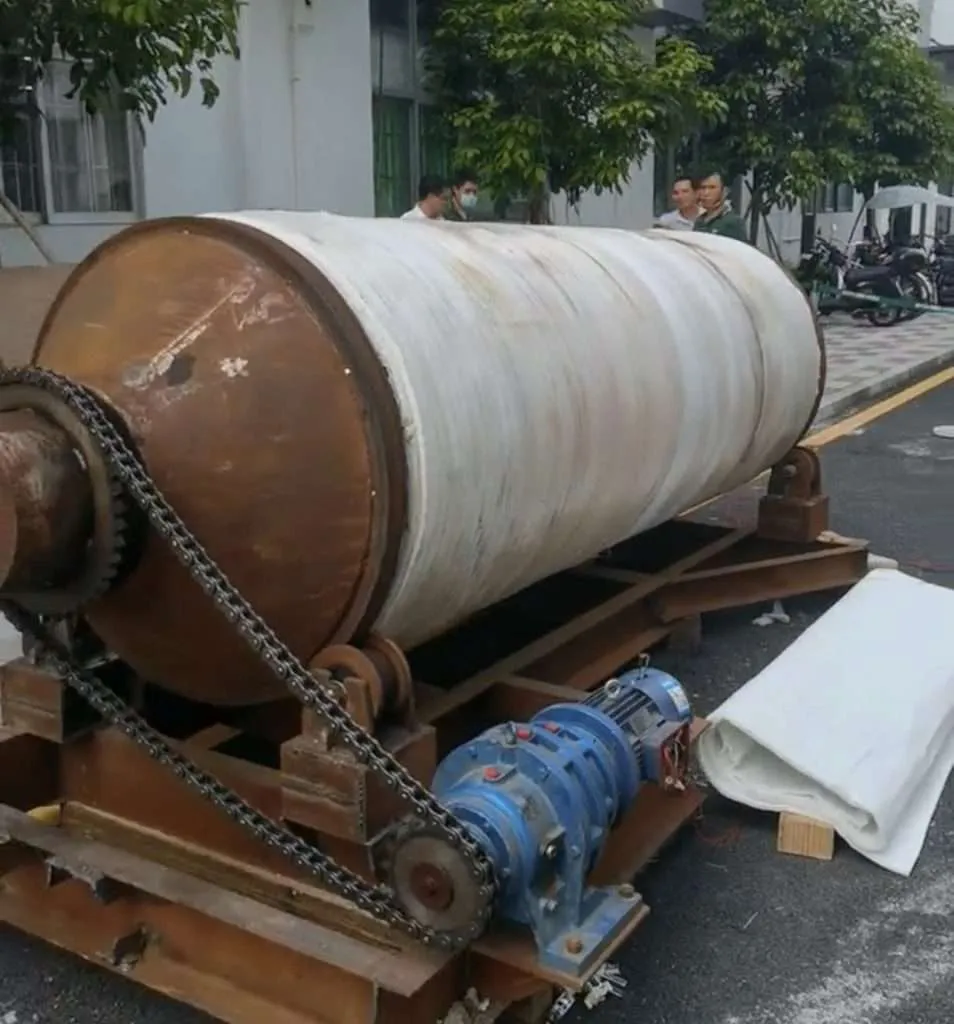
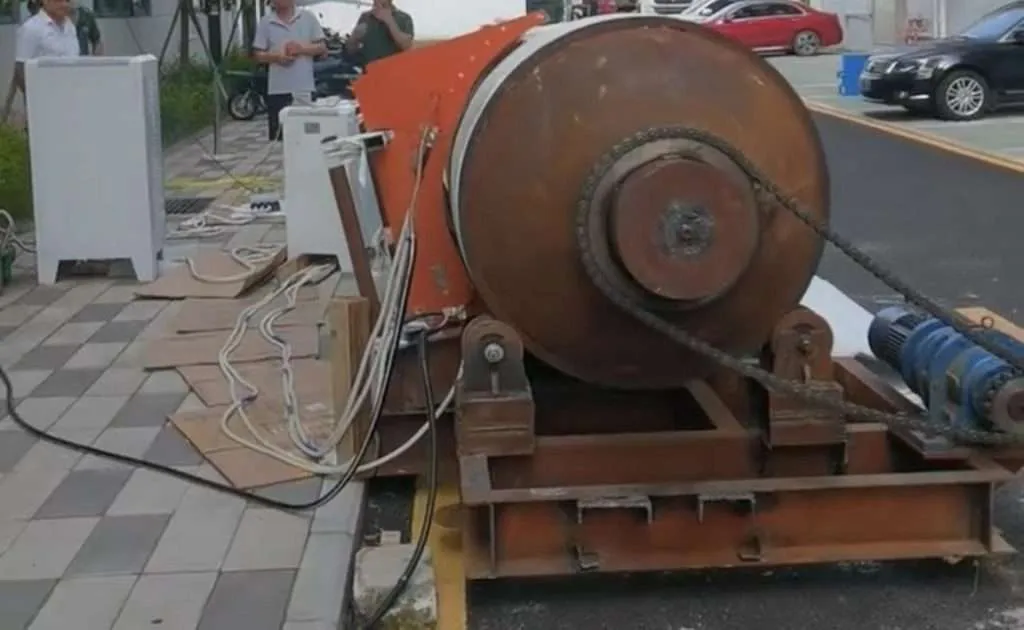
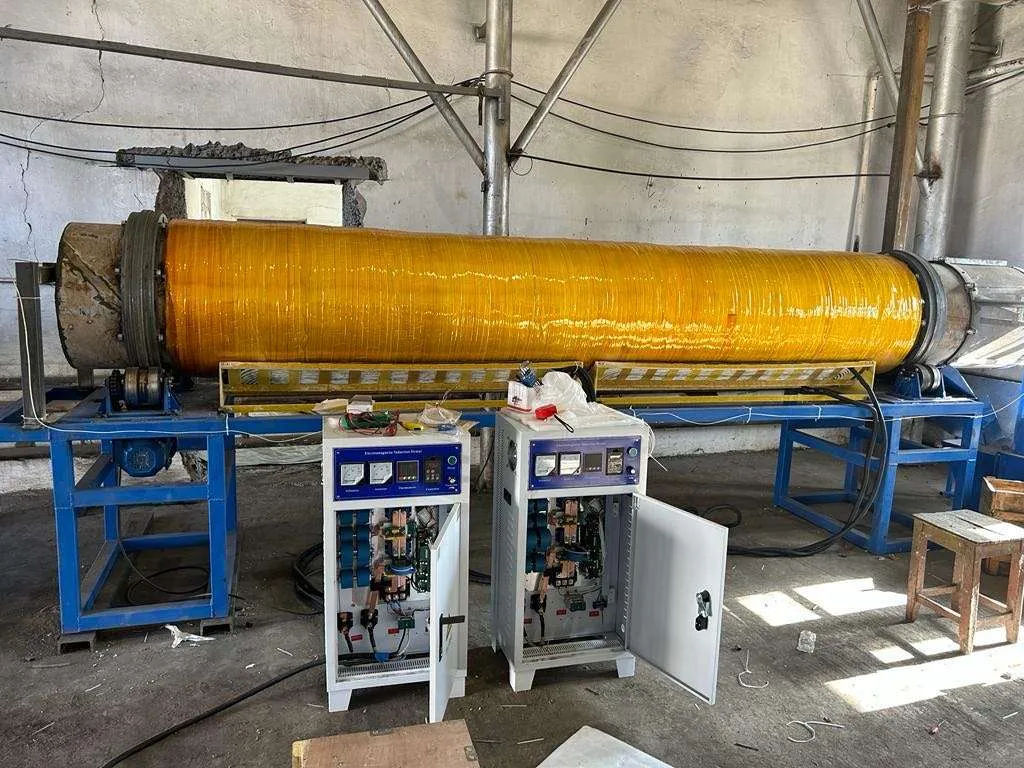
Drum Dryer and Rotary Drum Dryer with Induction Heater for drying Coal Slime-River Sand-Gypsum-Slag-Grain-Sawdust is the better heating solution with Energy saving and pollution-free.


The advantages of rotary drum dryer-drum dryer.

♦ High throughput
♦ Forgiving Operation
♦ Low cost
♦ Gentle handling
♦ Very intimate product contact for louvre dryer
♦ Robust
♦ Can handle variations in feed although the product may be inconsistent
♦ High temperature operation - can be refractory lined.
♦ Unit can have integral cooling section.
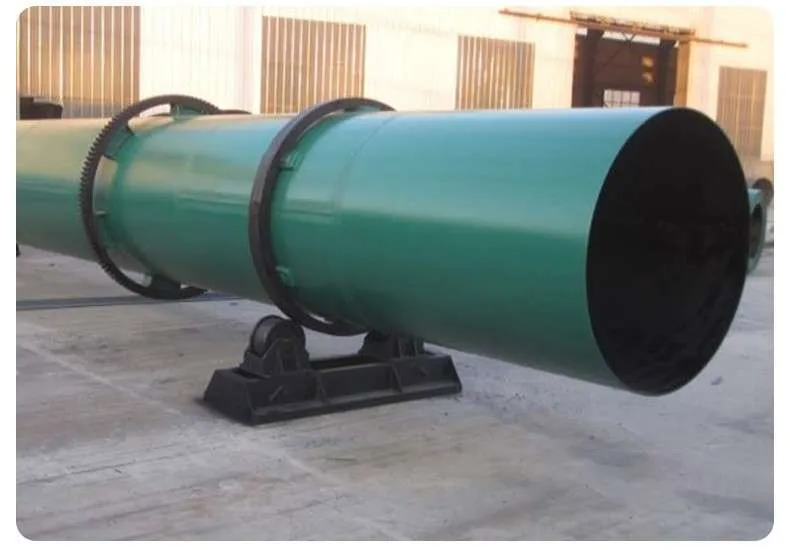
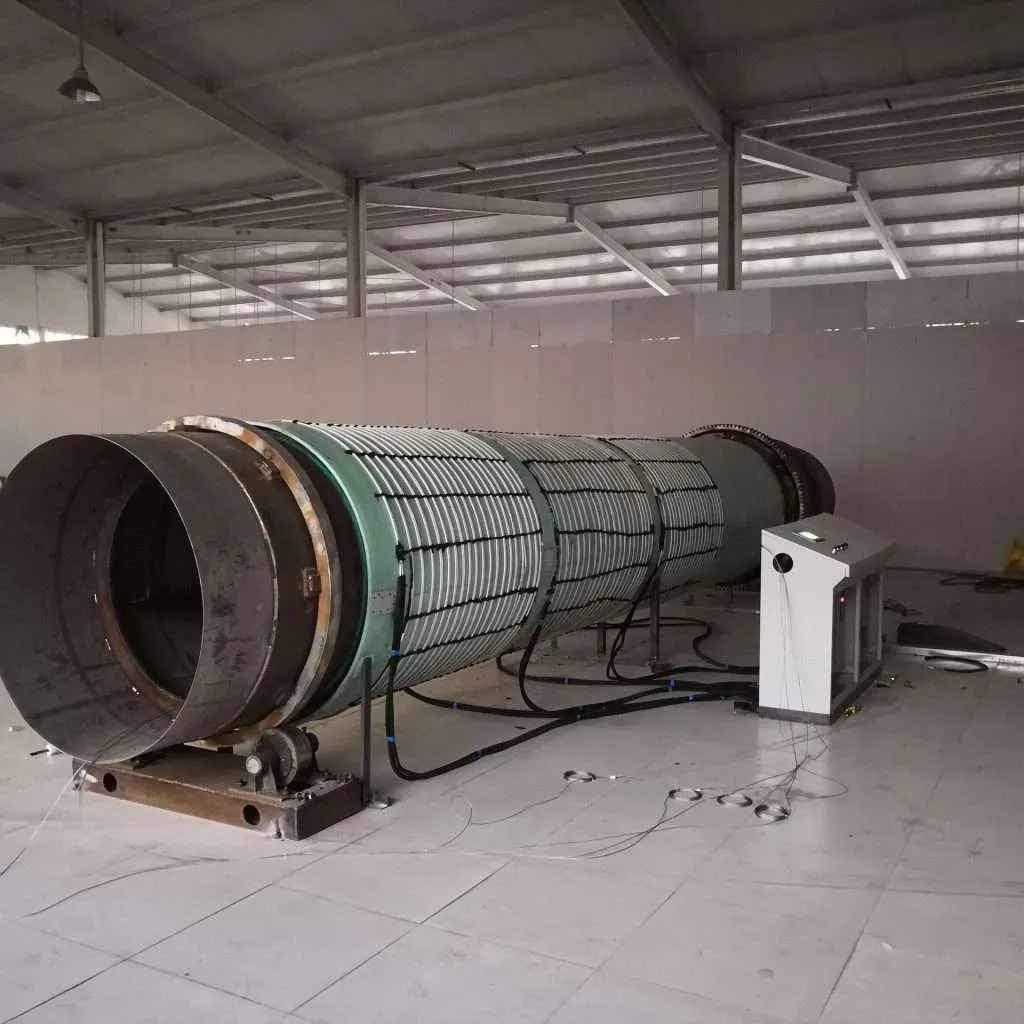
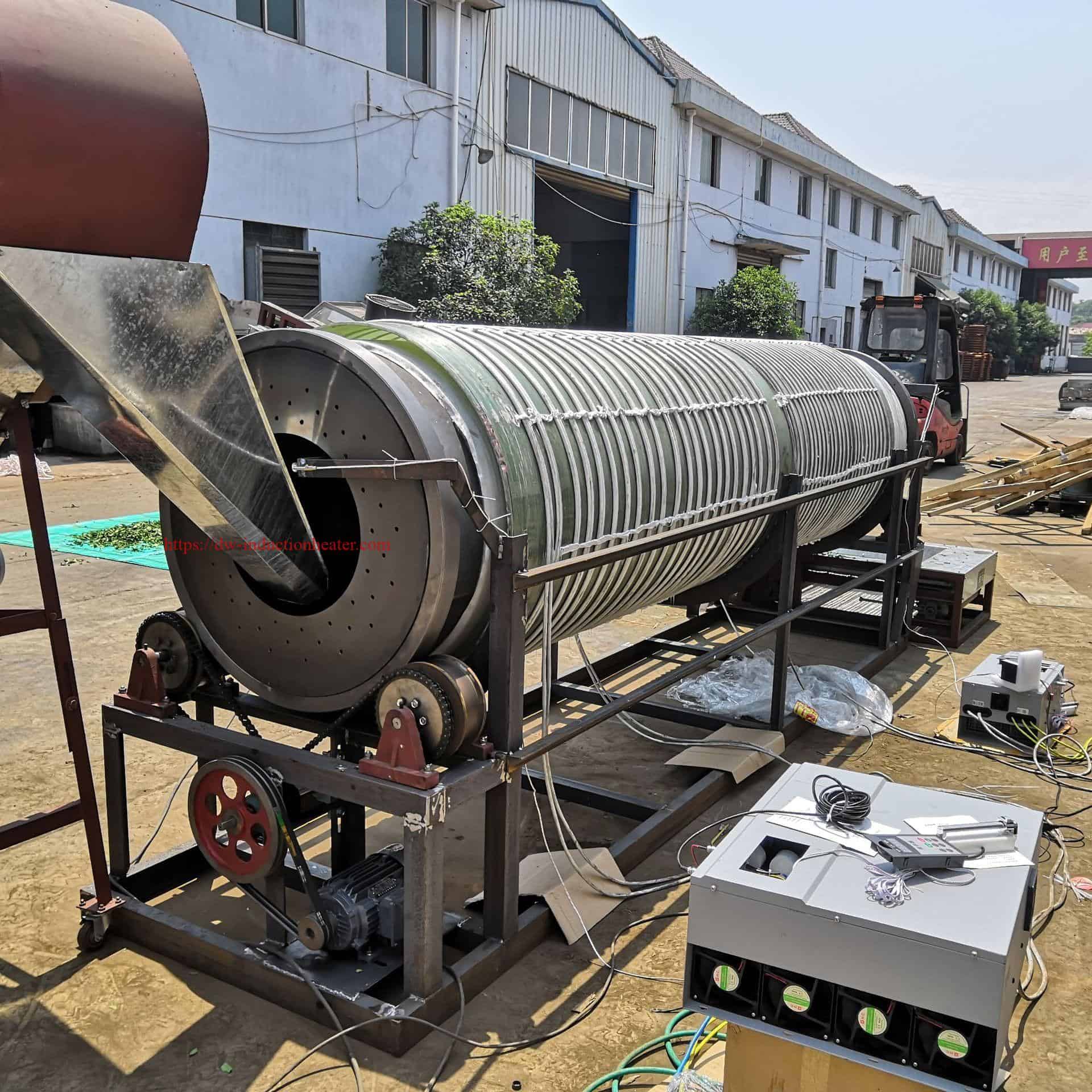
Electromagnetic induction heating drum dryer is a kind of equipment widely used for drying food, coffee, soybeans, grains, nuts, peanuts, oil, dry goods and other agricultural and sideline products or food. The heating devices of traditional drum-type frying pans are mostly coal stoves, vaporization furnaces or electric heating devices. The above three heating devices are all indirect heating methods, that is, heat is transferred to the frying pan by means of heat transfer.
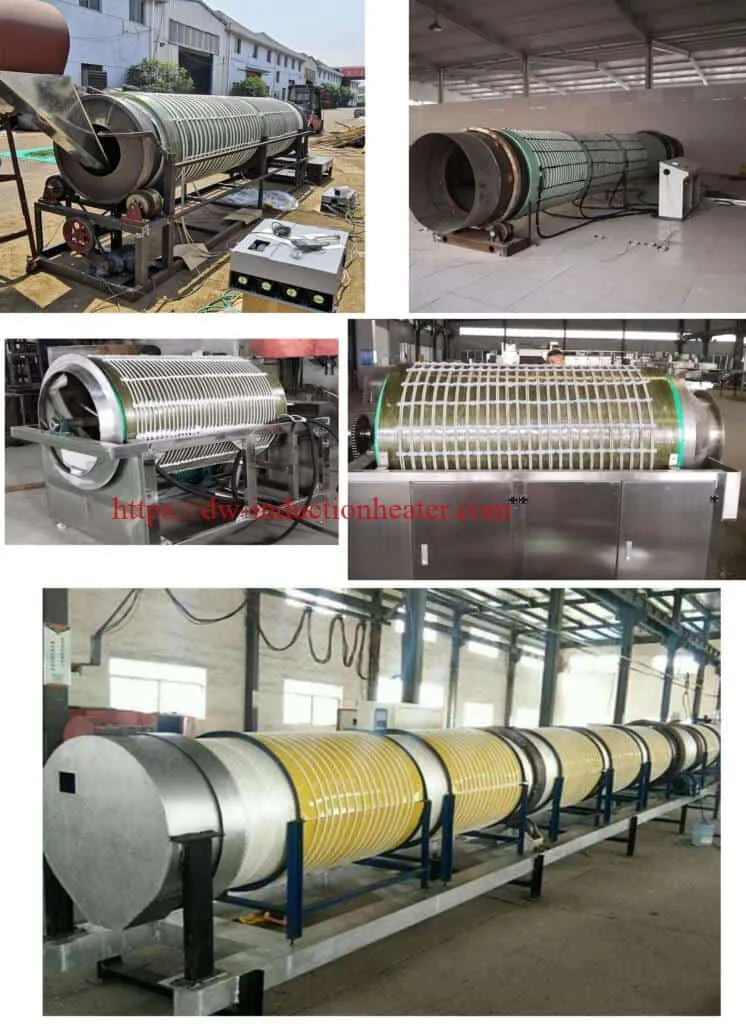


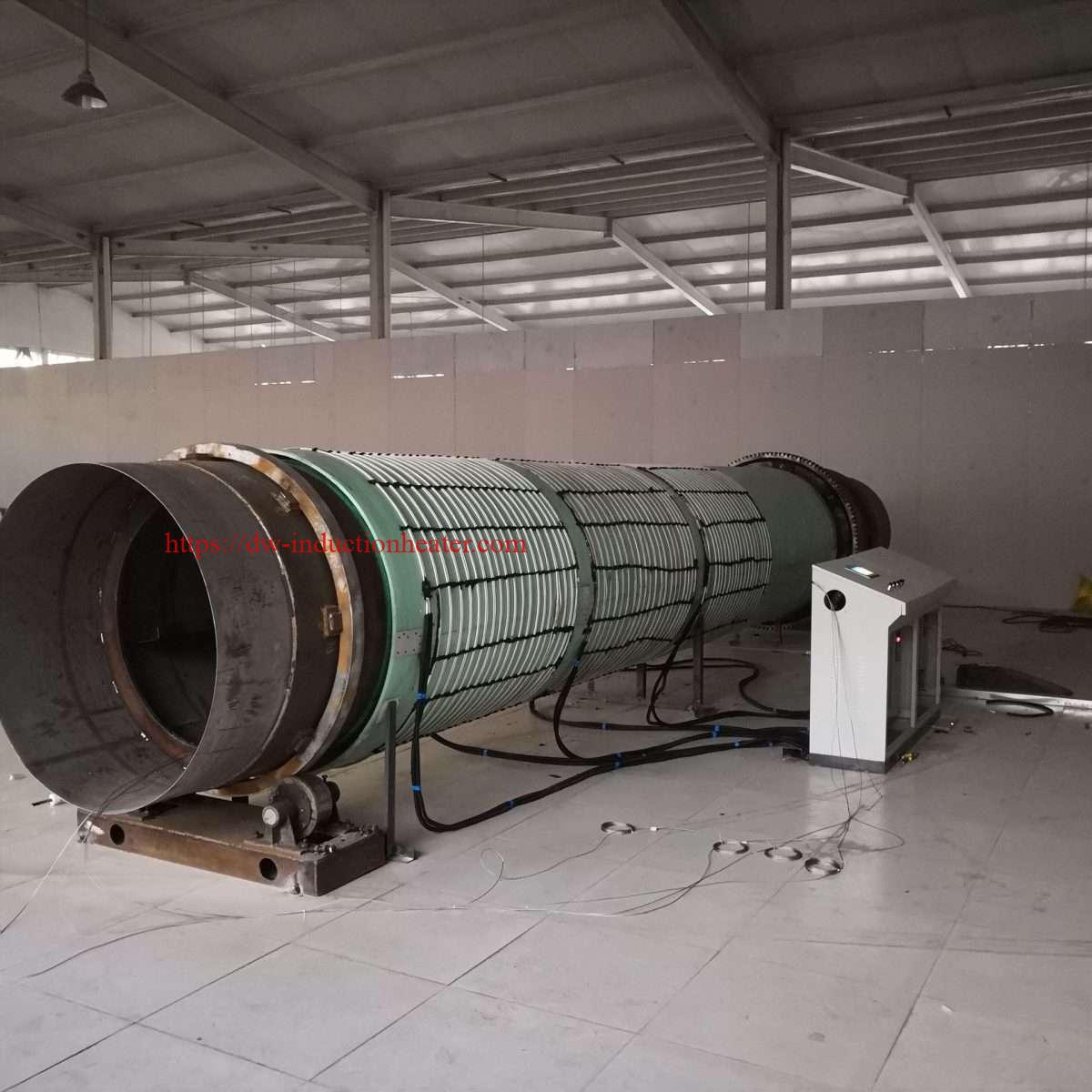
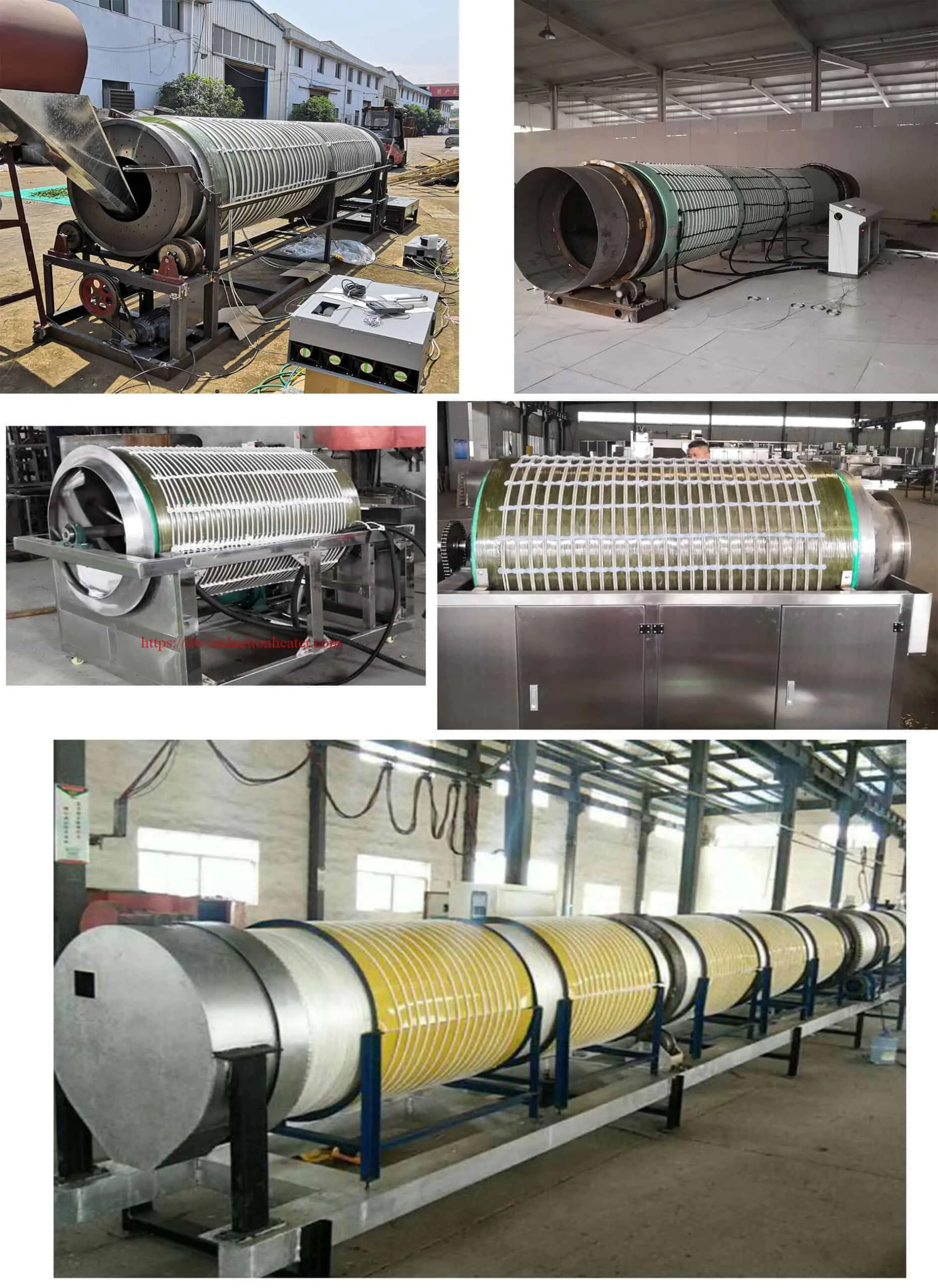
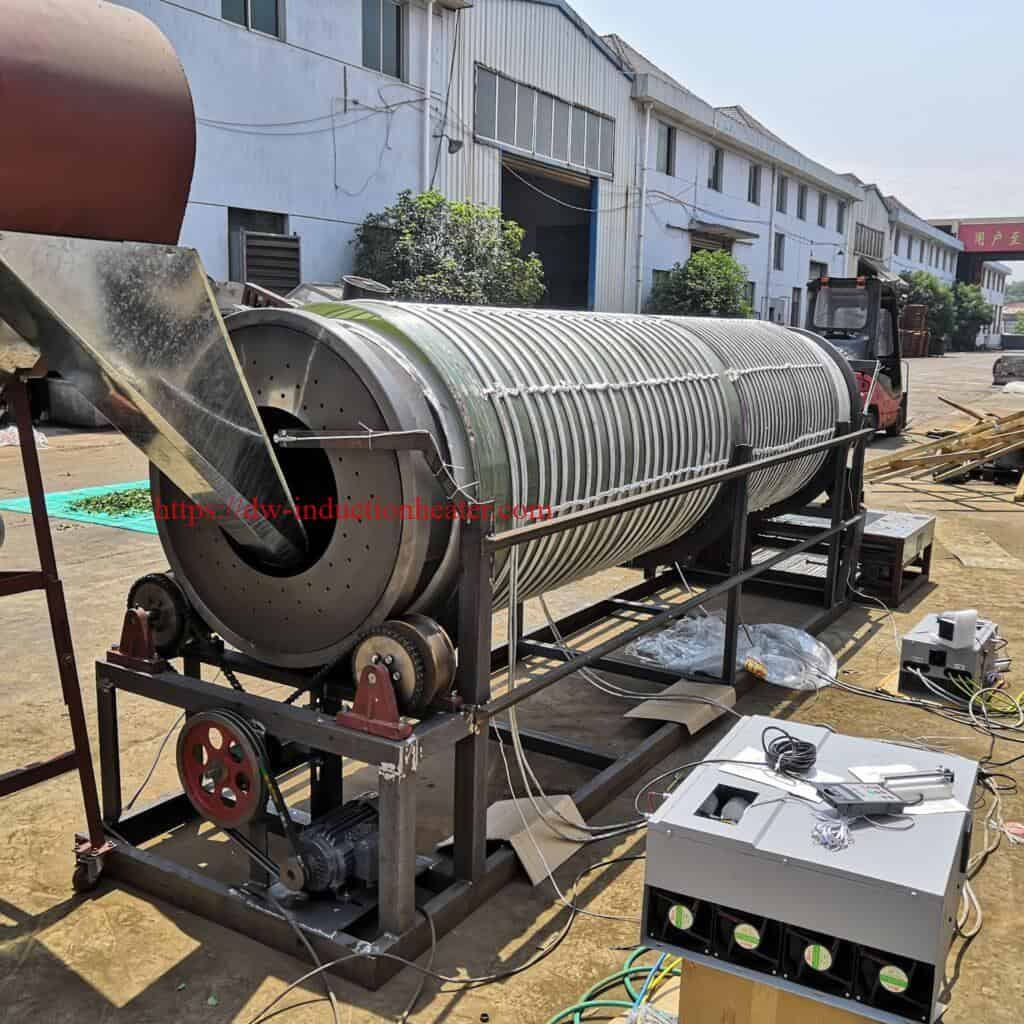
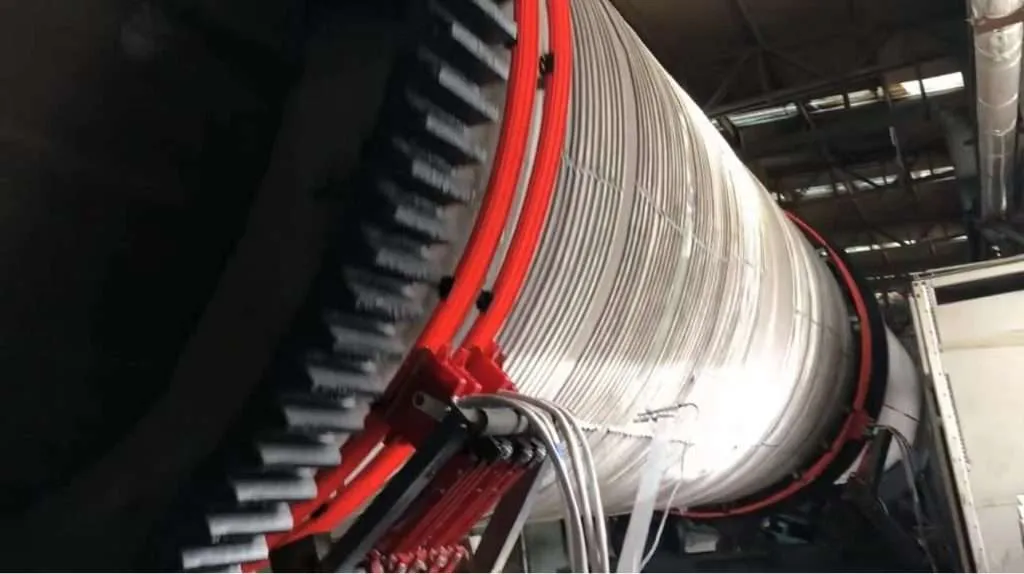
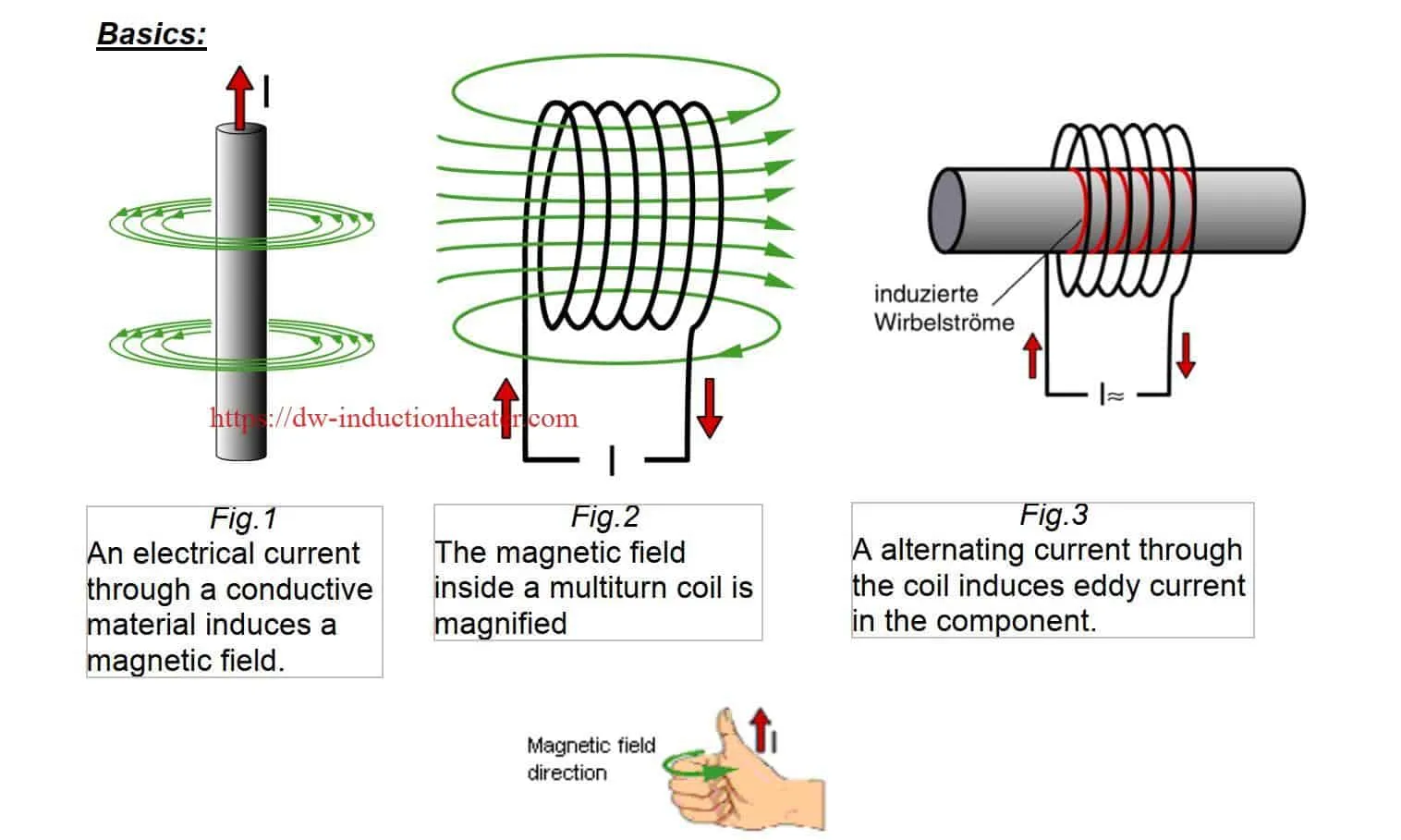
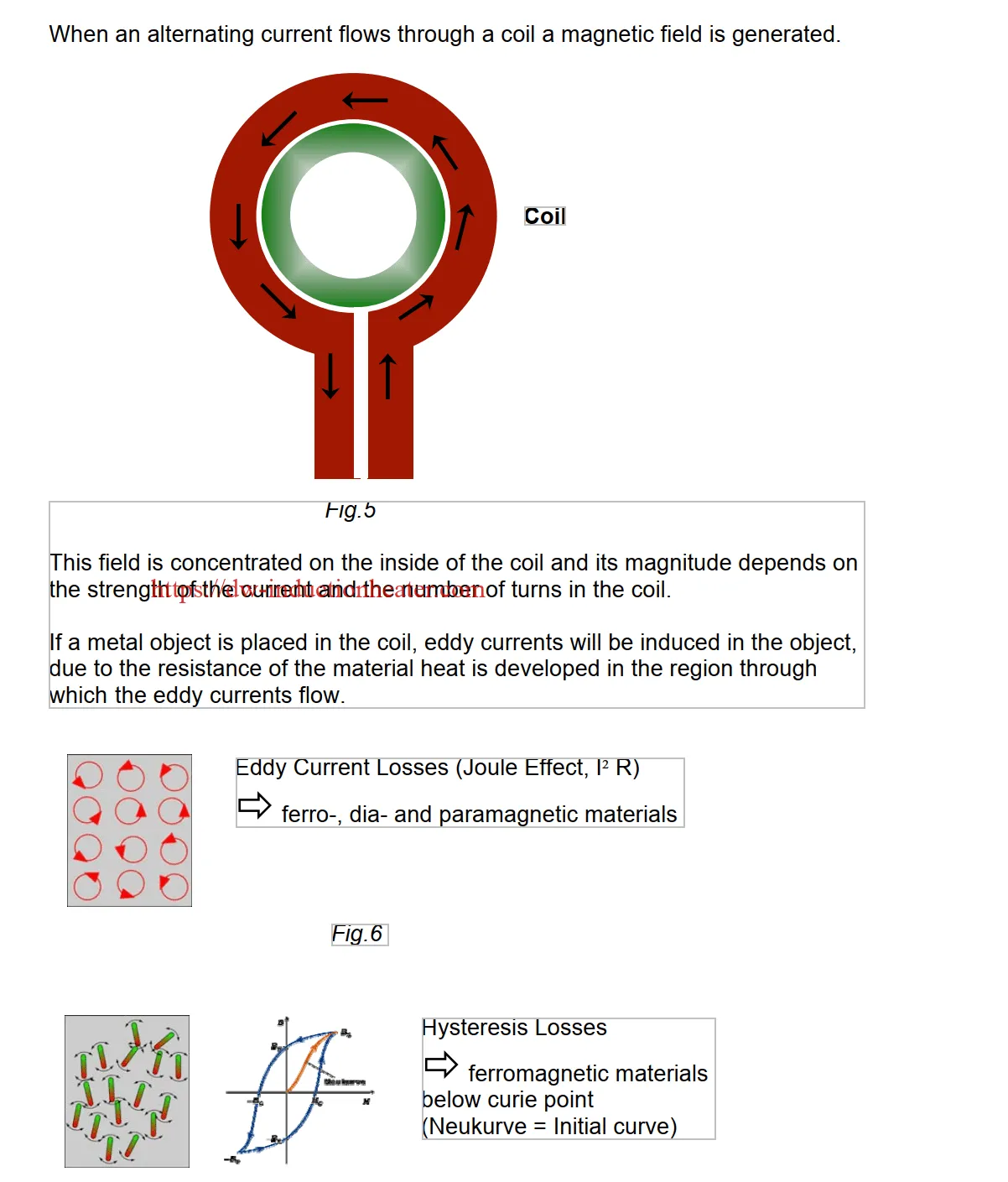
Due to the problems of low thermal efficiency and high energy consumption in the traditional drum frying pan, electromagnetic induction heating drum dryers have appeared on the market, that is, the drum dryer is heated through the principle of electromagnetic induction heating. Its working principle is: drum dryer There are multiple sets of electromagnetic coils on the outside, and the multiple sets of electromagnetic coils generate alternating magnetic fields after passing through the alternating current. Since the drum dryer performs the motion of cutting magnetic field lines in the alternating magnetic field, an alternating current is generated inside the drum dryer. That is, eddy current, which collides and rubs with atoms inside the frying pan at high speed, thereby generating Joule heat for heating. Because the heating source of the electromagnetic drum dryer is the drum dryer itself, it can effectively solve the problem of low thermal efficiency of coal furnaces, vaporization furnaces and electric heating devices.

However, due to the existence of multiple sets of electromagnetic coils, there is a strong alternating magnetic field around the electromagnetic induction heating drum dryer, and the alternating magnetic field will emit electromagnetic radiation. When multiple electromagnetic drum dryers in the industry work at the same time, the electromagnetic radiation It will damage the internal instruments of the mechanical equipment, thereby affecting the service life of the mechanical equipment. In addition, it is also unfavorable for the operators to work in the electromagnetic radiation environment for a long time. Therefore, it is necessary to reduce the electromagnetic radiation generated by the electromagnetic drum dryer.

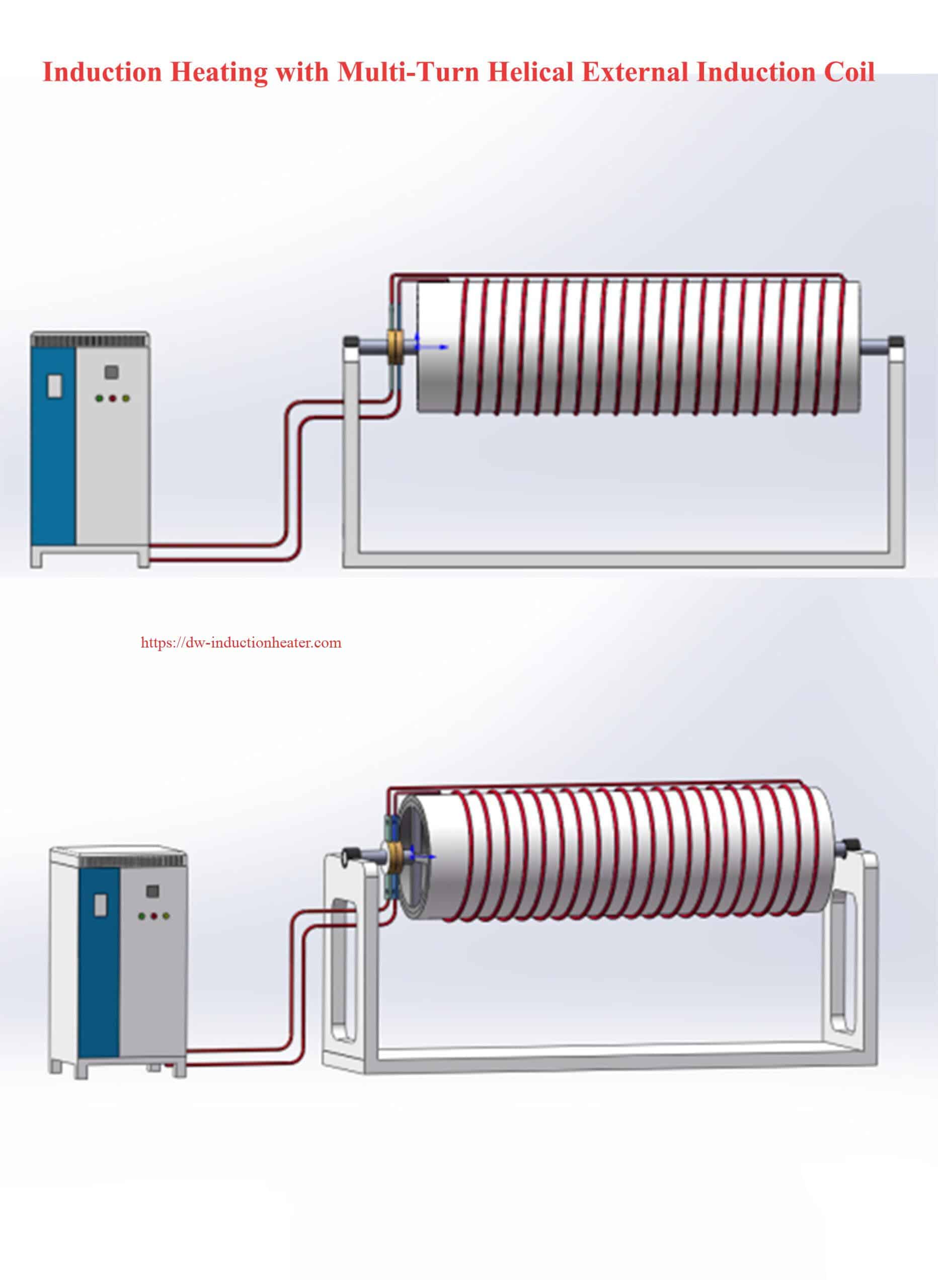
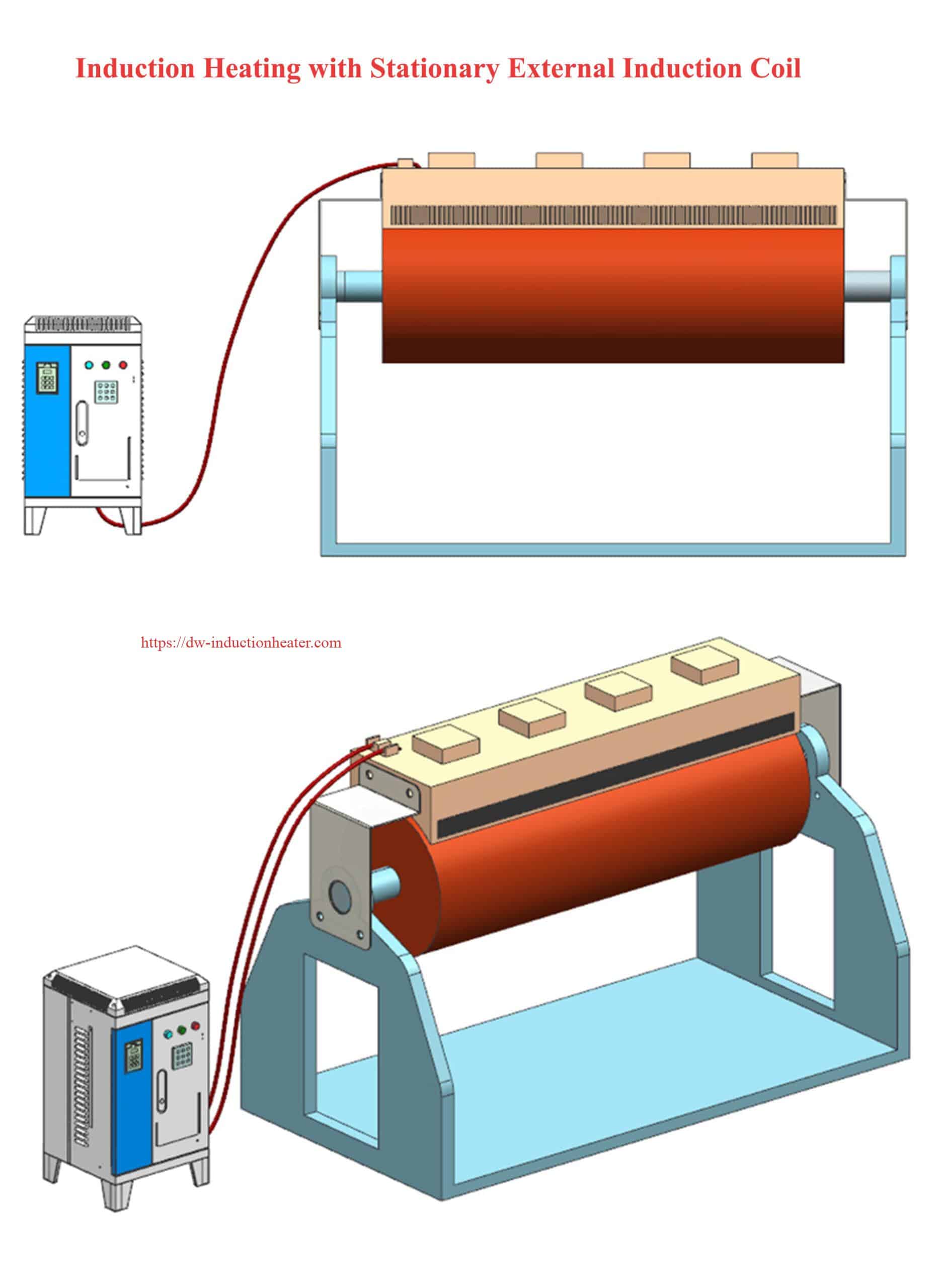
Induction Heating Schematic for Rotary Drum Dryer


1.Induction Heating with Multi-Turn Helical External Induction Coil
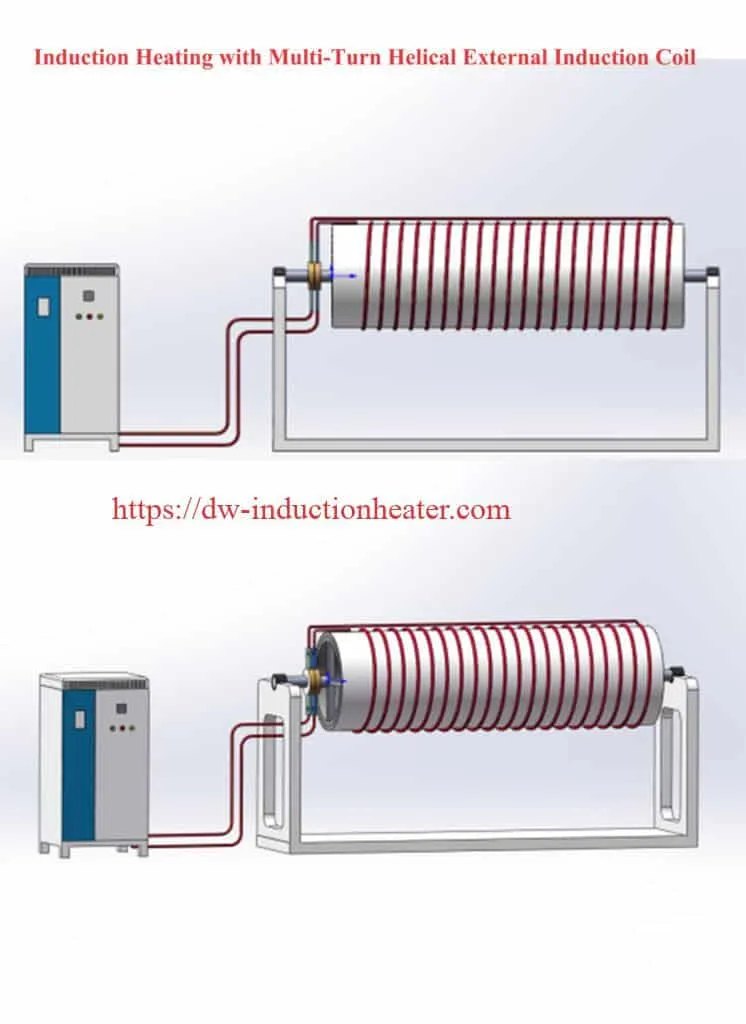

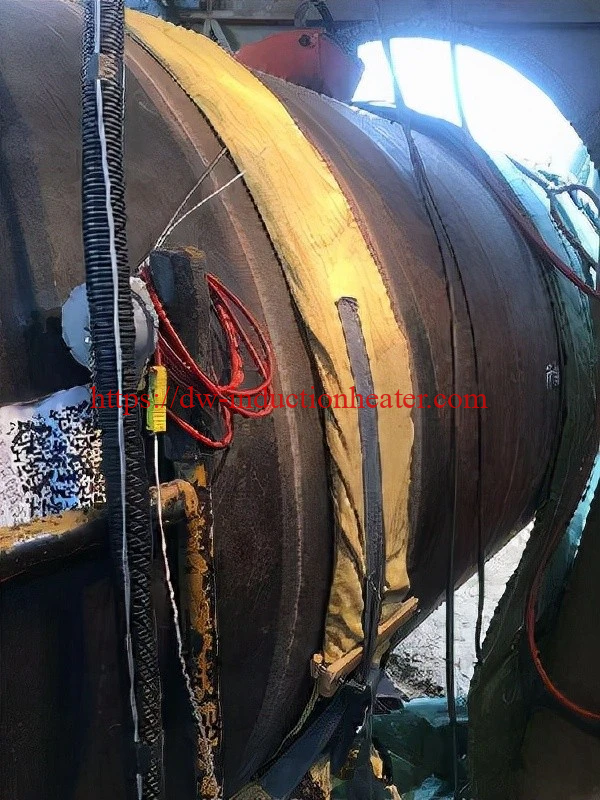
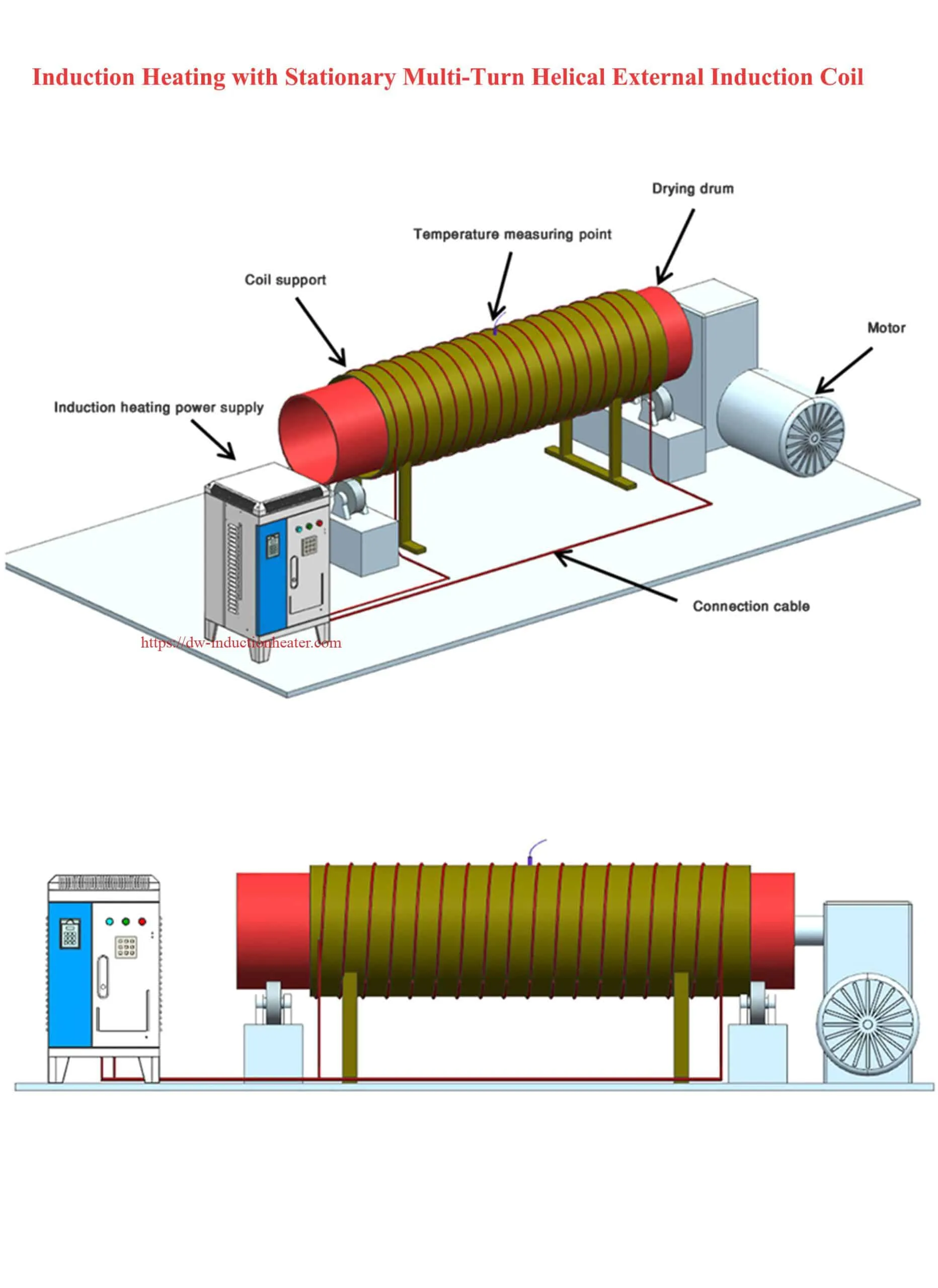
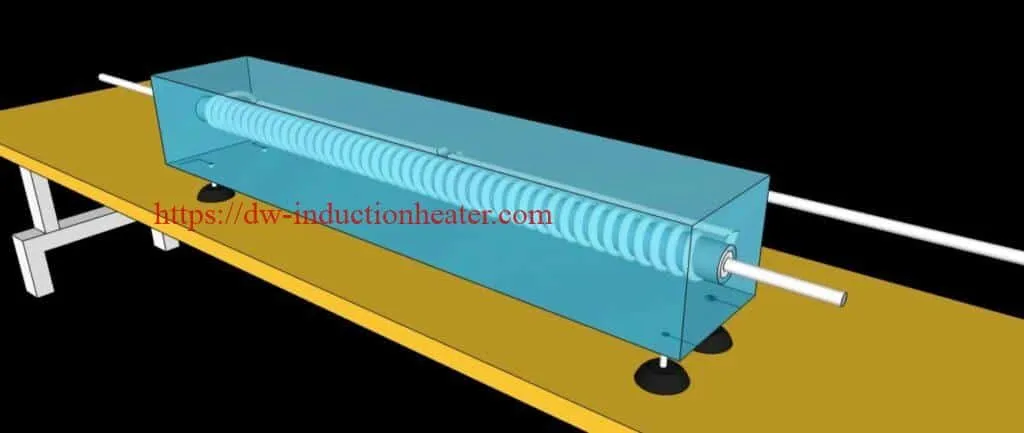
Induction heating coils are wound around the insulation cotton which is wrapped around the drying drum. The multi-turn helical wound coils and drying drum are rotated simultaneously. The induction heating system runs to heat the drying drum in a rapid and efficient manner.


2.Induction Heating with Multi-Turn Helical Internal Induction Coil
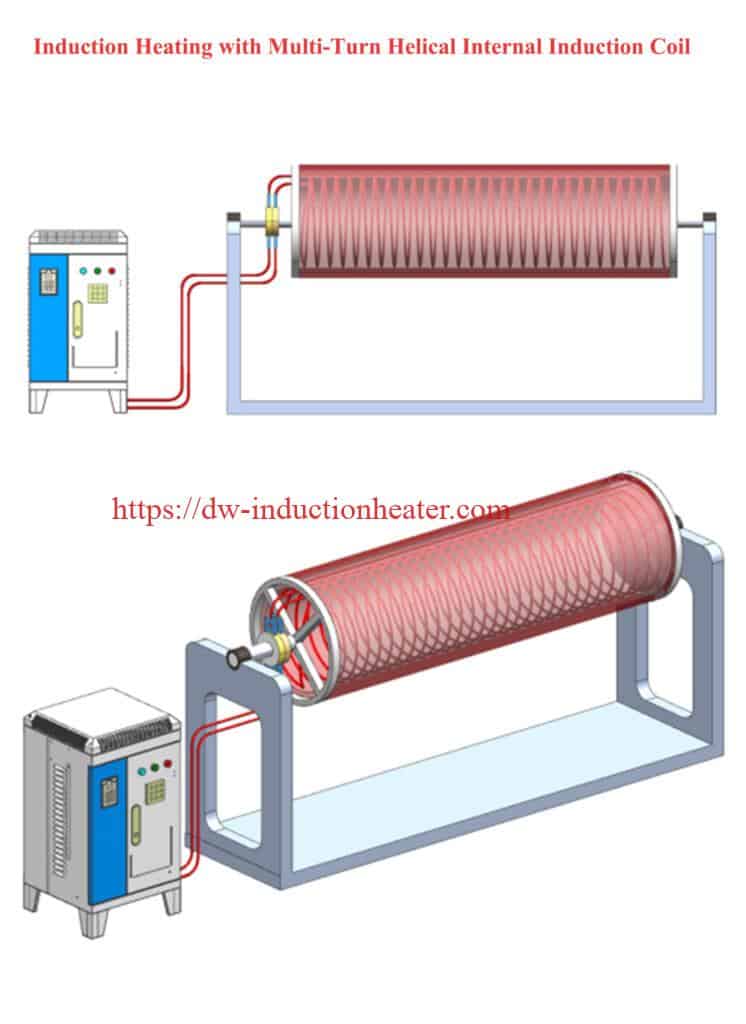
Induction heating coils are wound inside the drying drum, the multi-turn helical wound coils and drying drum are rotated simultaneously. The induction heating system runs to heat inner temperature of the drying drum.


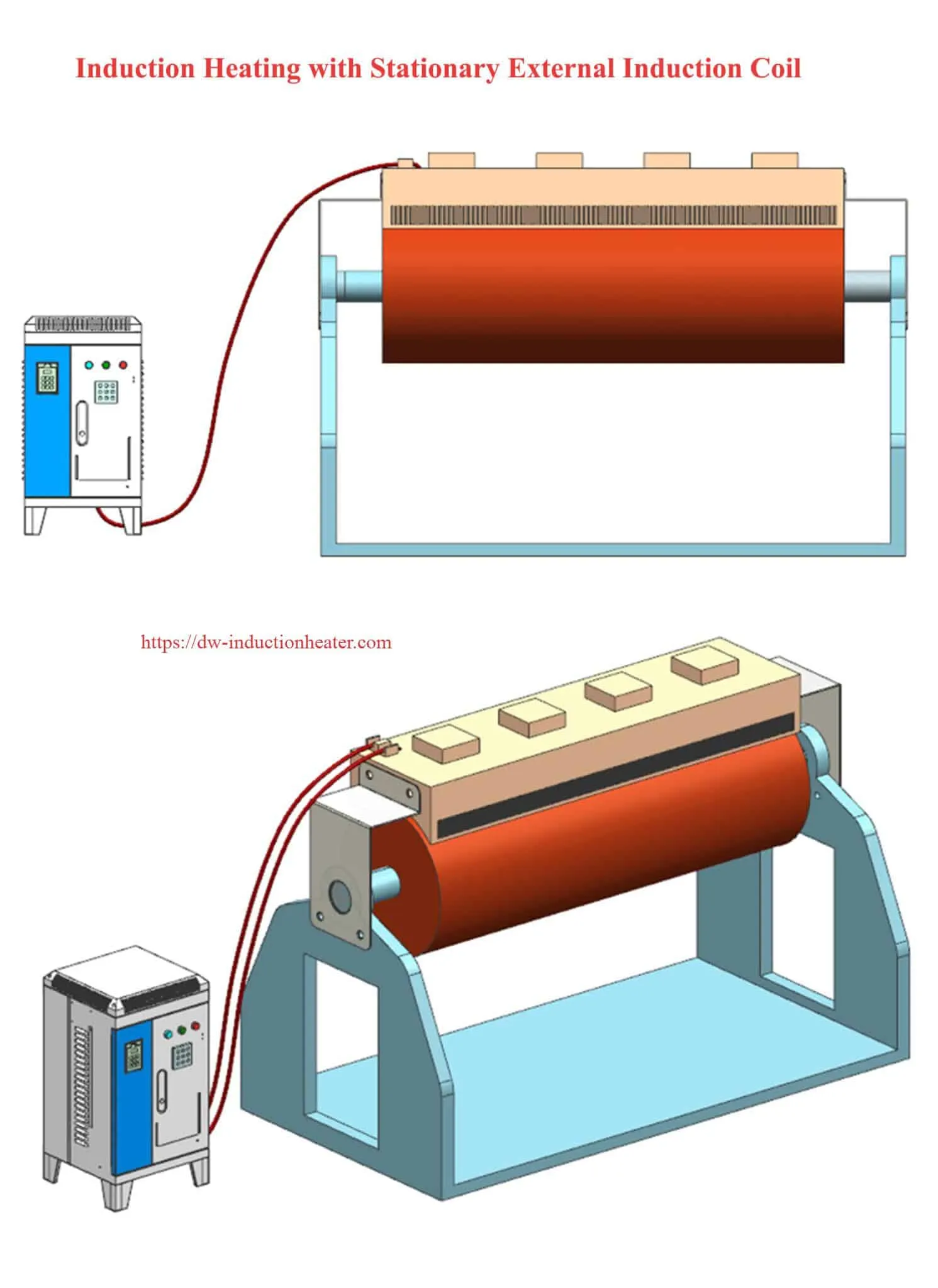
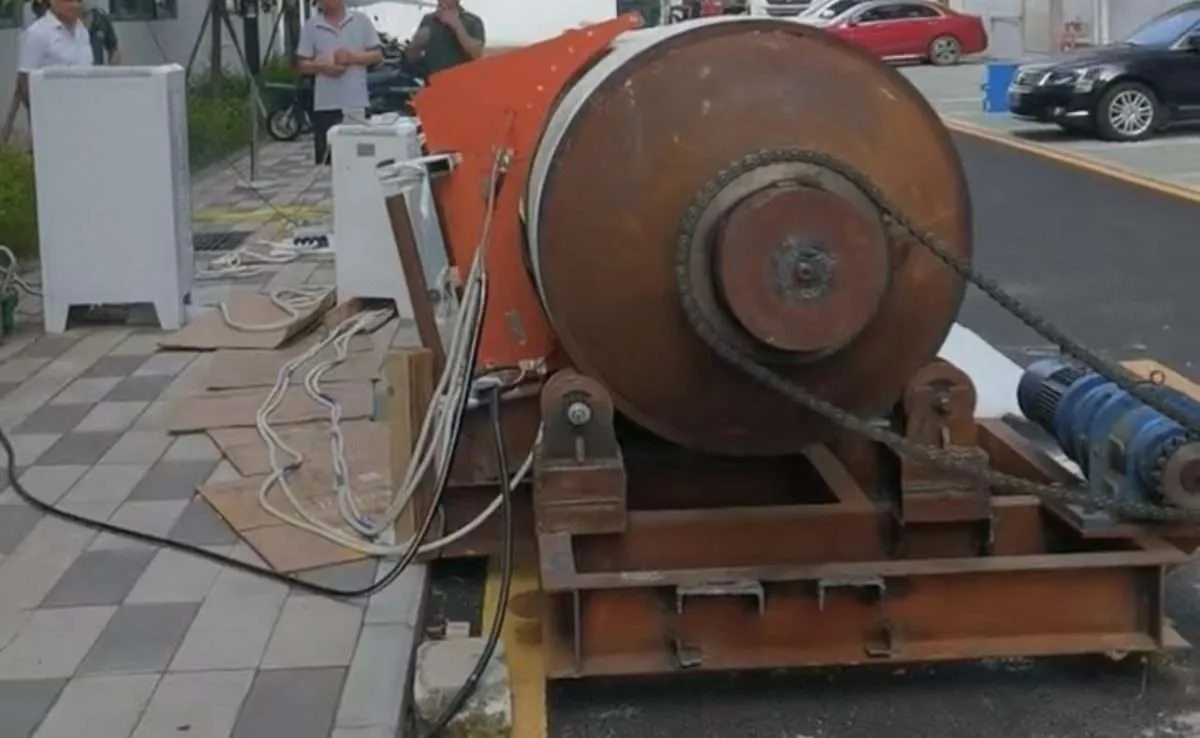
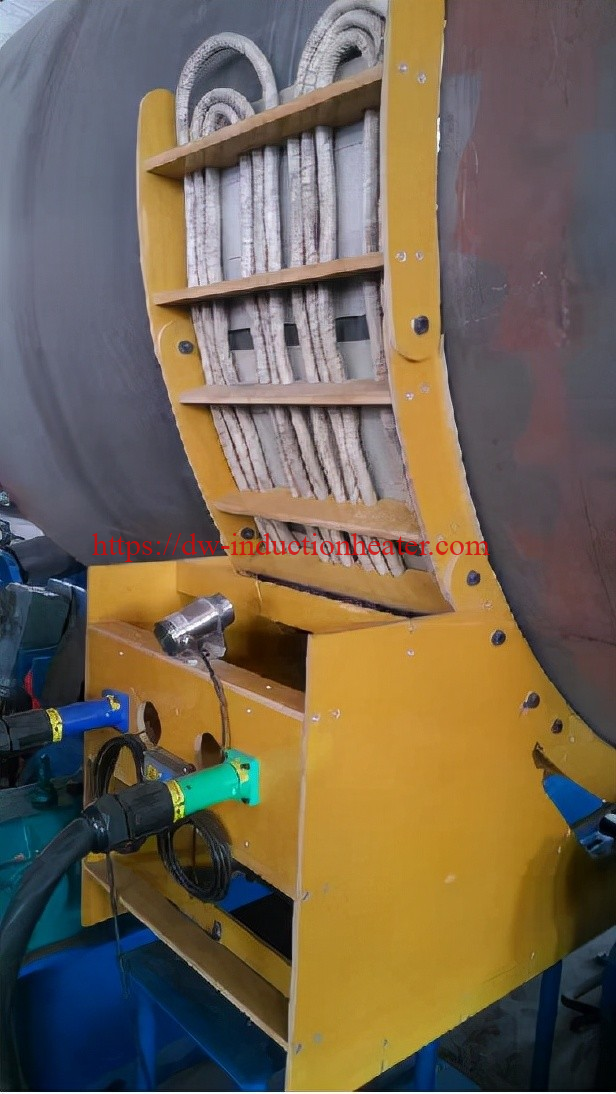
3. Induction Heating with Stationary External Induction Coil
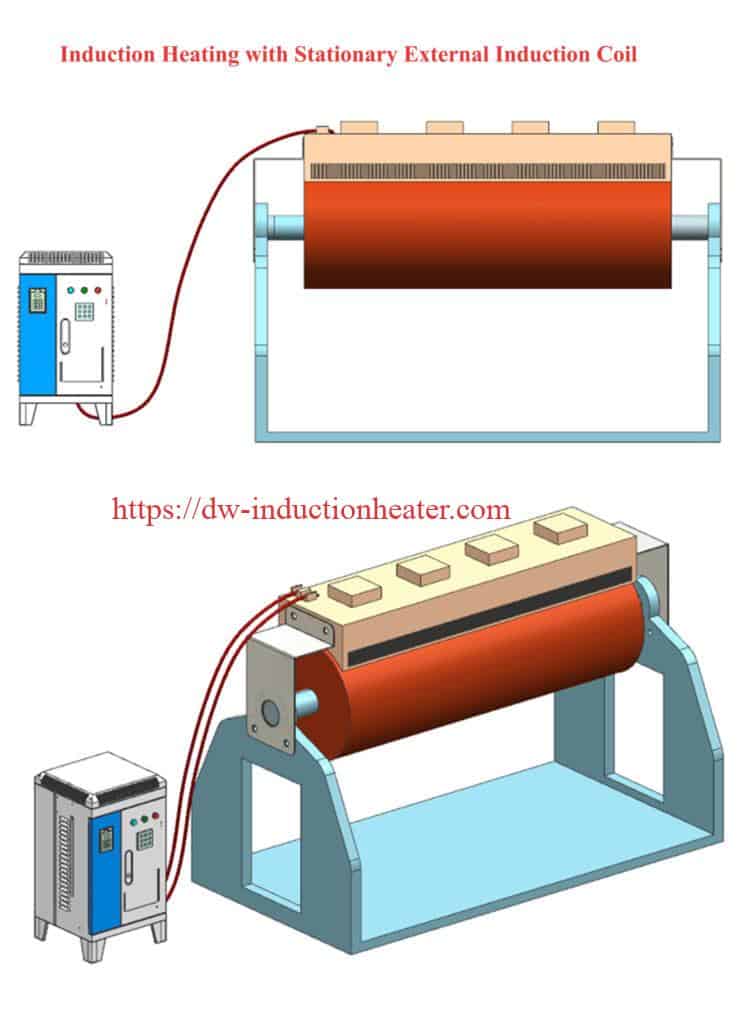
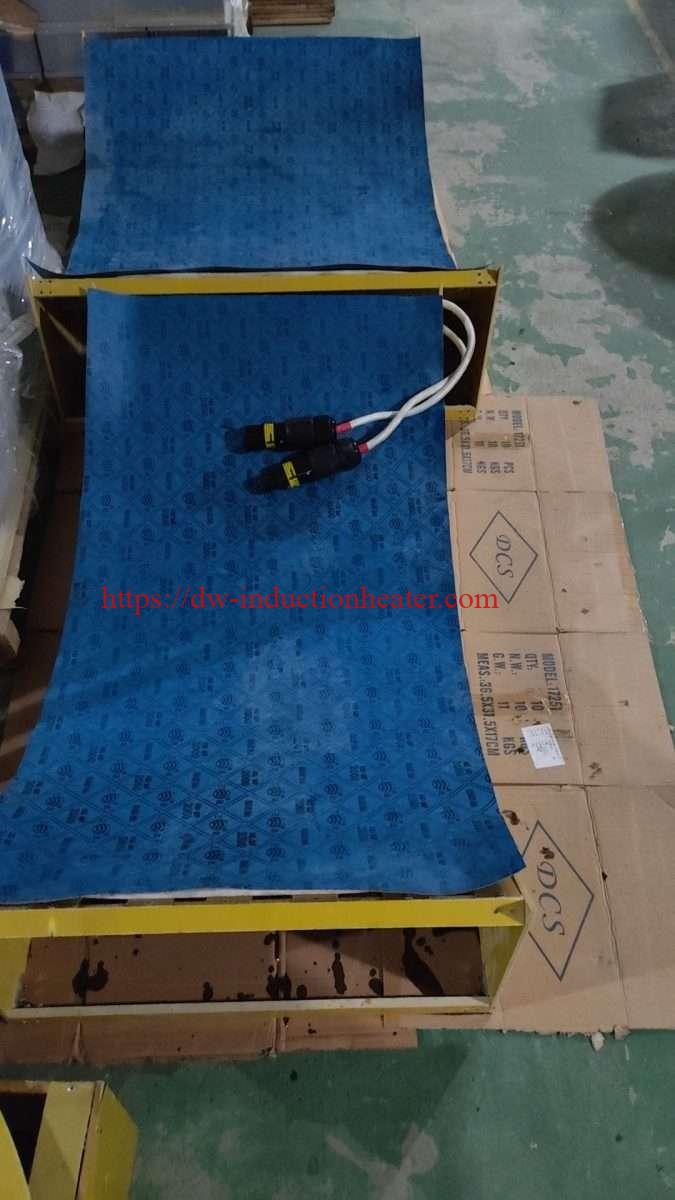
Induction heating coils are curved external coils fixed on the support above the drying drum. When the drying drum is rotating, the induction heating coil remains stationary. The induction heating system runs to heat the drying drum in a rapid and efficient manner.

4. Induction Heating with Stationary Internal Induction Coil
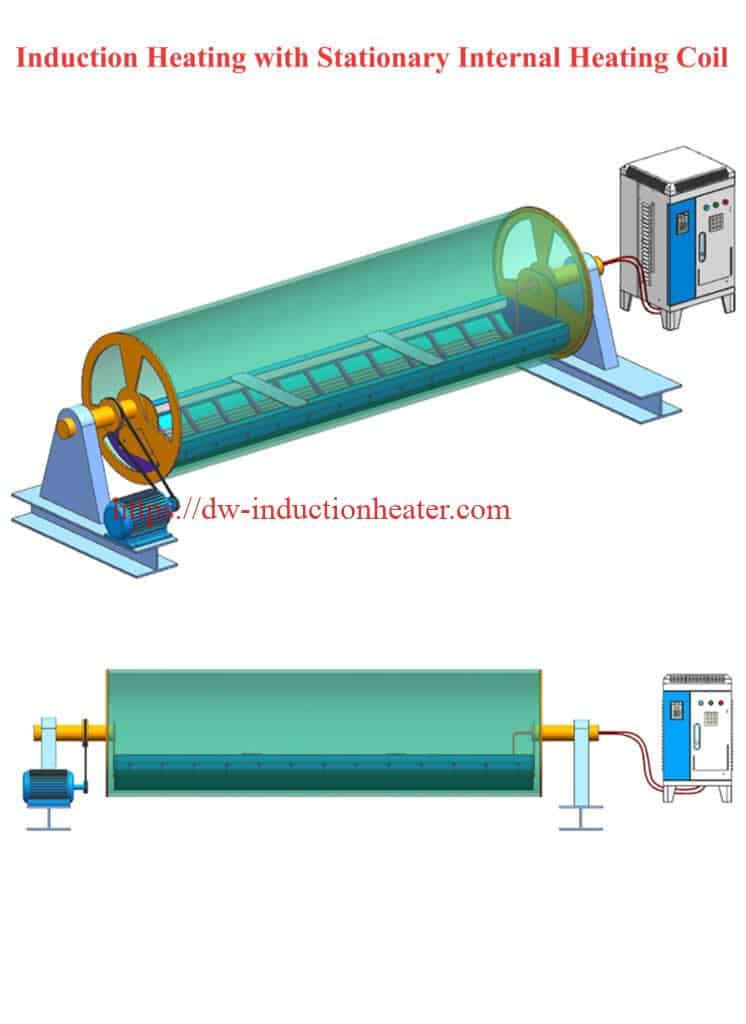
Induction heating coils are produced in accordance with the size of drying drum, and placed inside the drum. When the rotary drum dryer is rotating, the induction heating coil remains stationary. The induction heating system runs to heat inner temperature of the drying drum.

5.Induction Heating with Stationary Multi-Turn Helical External Induction Coil
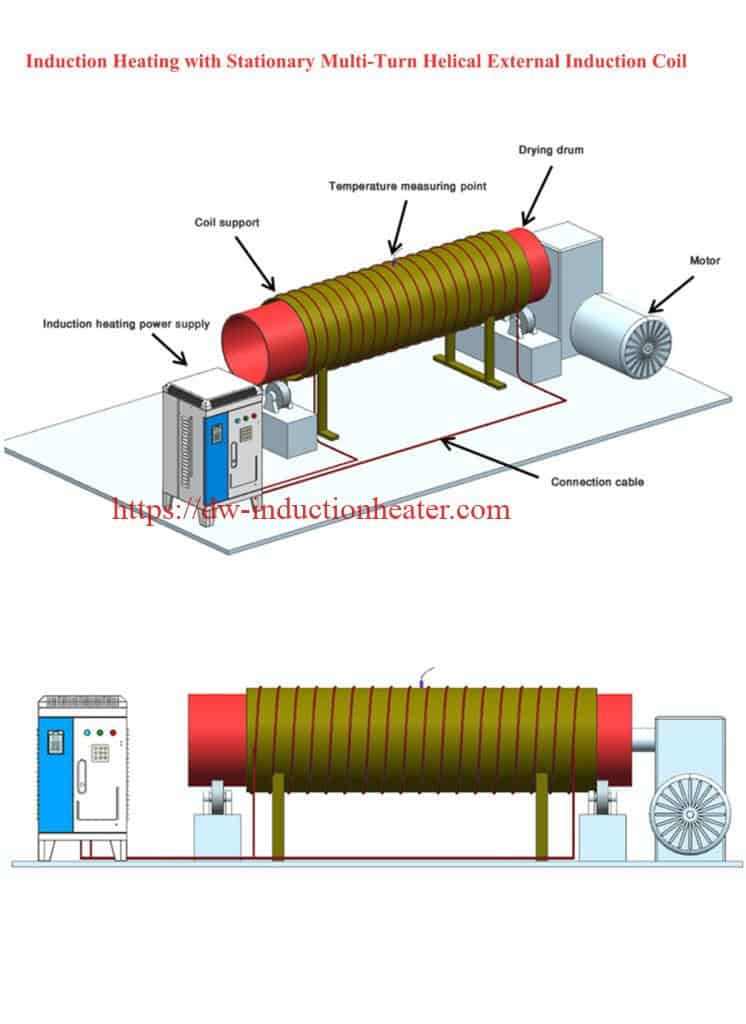
Induction heating coils are wound closely around the support, and there is certain spacing between the coil support and drying drum. When the drying drum is rotating, the induction heating coil remains stationary. The induction heating system runs to heat the drying drum in a rapid and efficient manner.

Electromagnetic induction heating


Electromagnetic heating is also called electromagnetic induction heating, that is, electromagnetic heating (foreign language: Electromagnetic heating abbreviation: EH) technology. The principle of electromagnetic heating is to generate an alternating magnetic field through the components of the electronic circuit board. That is to say, cutting alternating magnetic lines of force generates alternating current (ie eddy current ) in the metal part of the bottom of the container. The eddy current makes the carriers at the bottom of the container move at high speed and irregularly, and the carriers and atoms collide and rub against each other to generate heat energy. So as to have the effect of heating the item. Because the iron container generates heat by itself, the heat conversion rate is particularly high, up to 95%. It is a direct heating method. Induction cooker , induction cooktop and electromagnetic heating rice cooker are all using electromagnetic heating technology.
Disadvantages of traditional resistance heating

Large heat loss: The heating method specially used by the existing enterprises is made of resistance wire, and the inner and outer sides of the circle generate heat. In the air, it will cause direct loss and waste of electric energy.

Ambient temperature rise: Due to a large amount of heat loss, the surrounding environment temperature rises, especially in summer, which has a great impact on the production environment. Some on-site working temperatures have exceeded 45 degrees. secondary waste.

Short service life and large maintenance: the heating temperature of the electric heating tube is as high as 300 degrees due to the use of resistance wire, the thermal lag is large, it is not easy to accurately control the temperature, and the resistance wire is easily blown due to high temperature aging. The service life of the commonly used electric heating coil is about half a year, so the maintenance workload is relatively large.
Advantages of electromagnetic induction heating products

Long service life: The electromagnetic heating coil itself basically does not generate heat, so it has a long service life, no maintenance, and no maintenance and replacement costs; the heating part adopts a ring-shaped cable structure, the cable itself does not generate heat, and can withstand high temperatures above 500 °C, with a service life of up to 10 years. No maintenance is required, and there is basically no maintenance cost in the later period.

Safe and reliable: The outer wall of the barrel is heated by high-frequency electromagnetic action , the heat is fully utilized, and there is basically no loss. The heat is accumulated inside the heating body, and the surface temperature of the electromagnetic coil is slightly higher than the room temperature, which can be touched safely without high temperature protection, which is safe and reliable.

High efficiency and energy saving: The internal heat heating method is adopted, and the molecules in the heating body directly induce magnetic energy to generate heat. The hot start is very fast, and the average preheating time is shortened by more than 60% compared with the resistance coil heating method . Compared with resistance coil heating, it saves 30-70% of electricity, which greatly improves production efficiency.

Accurate temperature control: The coil itself does not generate heat, the thermal retardation is small, the thermal inertia is low, the temperature of the inner and outer walls of the barrel is consistent, the temperature control is accurate in real time, the product quality is significantly improved, and the production efficiency is high.

Good insulation : The electromagnetic coil is made of customized special high-temperature and high-voltage special cables , with good insulation performance, no direct contact with the outer wall of the tank, no leakage, short-circuit failure, and no worries.

Improve the working environment: The injection molding machine that has been transformed by electromagnetic heating equipment adopts the internal heating method, the heat is concentrated inside the heating body, and the external heat dissipation is almost non-existent. The surface temperature of the equipment can be improved to the point where the human body can touch it, and the ambient temperature is reduced from above 100°C when the resistance coil is heated to normal temperature, which greatly improves the working environment of the production site, effectively increases the enthusiasm of production workers, and reduces the cost of ventilation and cooling in the summer plant area. In line with the concept of "people-oriented", we will create an environmentally friendly, safe and comfortable production environment for factories and front-line production personnel.

Applications of induction heating:

Industrial electromagnetic energy-saving transformation is widely used in energy-saving transformation of plastic machinery heating, wood, construction, food, medical, chemical industry, such as plastic injection molding machine , extruder , film blowing machine , wire drawing machine , plastic film, pipe, wire and other machines , food processing, textile, printing and dyeing, metallurgy, light industry, machinery, surface heat treatment and welding, boilers, water boilers and other industries, can replace resistance heating , as well as fuel open fire traditional energy.

Textile printing and dyeing: the use of electromagnetic heating for raw materials can improve energy efficiency , increase heating speed, and improve temperature control accuracy;

Light industry: sealing of cans and other plastic packaging, etc.

Boiler industry: Taking advantage of its fast heating speed, the electromagnetic boiler can abandon the overall heating method of the traditional boiler, and only heat the water outlet of the boiler, so that the water flow completes the heating in the flow, the heating speed is fast, and the space is saved.

Machinery industry: high-frequency electromagnetic heating can be applied to heat treatment with metals, and its effect is significantly improved compared with traditional treatment methods . diathermy before pressure working ;

The application of electromagnetic heating technology is not only conducive to the improvement of product quality, production efficiency, energy saving and cost reduction, but also to improve the technical level of equipment manufacturing enterprises. It is more and more widely accepted and used in traditional industries.


关注者

我的简介

我的照片
HLQ induction heating machine manufacturer provides the service of induction brazing,melting,hot forming,hardening surface,annealing,shrink fitting,PWHT,etc.