显示标签为“AirCoolingHeatingSystems”的博文。显示所有博文

2023年5月21日星期日

electromagnetic induction fluid liquid boiler | induction thermal oil heating boiler

The Ultimate Guide to electromagnetic induction fluid liquid boiler: Benefits, Applications and Maintenance.

electromagnetic induction fluid liquid boiler   are an efficient and eco-friendly way to heat commercial and industrial spaces. With their numerous benefits and applications, it's no wonder that more and more businesses are turning to this technology for their heating needs. In this article, we will explore the world of induction thermal oil boilers, discussing the benefits they offer, the wide variety of applications they can be used for, and the best practices for maintenance.induction heating thermal oil heater Whether you're a business owner looking to improve your energy efficiency or simply someone interested in learning more about this innovative technology, this guide will provide you with all the information you need to make informed decisions about induction thermal oil boilers. Introduction to electromagnetic induction fluid liquid boiler electromagnetic induction fluid liquid boiler is a type of heating system that uses a liquid phase heat transfer medium to transfer heat energy. They are commonly used in industrial applications where high temperatures are required, such as in the chemical, pharmaceutical, and food industries. Induction thermal oil boilers use electromagnetic induction to heat the heat transfer medium, which is usually thermal oil. The heat is then transferred to the process equipment, where it is used to heat up the process. One of the main benefits of using an induction thermal oil boiler is the high efficiency of heat transfer. This is due to the fact that the heat transfer medium is in a liquid phase, which allows for very efficient heat transfer. Additionally, induction thermal oil boilers are very safe and reliable, as they do not use any open flames or combustion processes. They are also very clean, as they do not produce any emissions or waste products. Overall, induction thermal oil boilers are an excellent choice for industrial heating applications, providing a safe, efficient, and reliable heating solution. In the following sections of this guide, we will explore the benefits, applications, and maintenance of induction thermal oil boilers in more detail. Benefits of electromagnetic induction fluid liquid boiler electromagnetic induction fluid liquid boilers have become increasingly popular in recent years due to their many benefits. There are several benefits of using an induction heating thermal oil boiler for industrial heating applications. These include: 1. Energy efficiency: electromagnetic induction fluid liquid boilers can achieve a high level of energy efficiency due to the use of electromagnetic induction to heat the oil in the system. This means that less energy is wasted in the heating process, resulting in lower energy bills and reduced environmental impact.   2. Precise control: Induction technology allows for precise control of the heating process, so that the temperature of the oil can be maintained at a consistent level. This is important for applications where temperature control is critical, such as in the production of chemicals or pharmaceuticals. 3. Safety: Induction thermal oil boilers do not use an open flame or hot surface to heat the oil, which reduces the risk of fire or explosion. This makes them a safer option than traditional boilers in many applications. 4. Versatility: Induction thermal oil boilers can be used with a wide range of heat transfer fluids, including synthetic and mineral oils. This makes them suitable for use in a variety of industrial processes and applications. 5. Low maintenance: Induction thermal oil boilers require minimal maintenance, as there are no moving parts that need regular servicing. This reduces downtime and maintenance costs over the lifetime of the system. 6. Long lifespan: Induction thermal oil boilers have a long lifespan, as they are built from durable materials and do not suffer from the same wear and tear as traditional boilers. This means that they offer a good return on investment over time. Applications of electromagnetic induction fluid liquid boilers electromagnetic induction fluid liquid boilers are used in a variety of industrial heating applications, including: 1. Chemical Processing: Induction heating thermal oil boilers are used in chemical processing applications to heat reactors, distillation columns, and other equipment. 2. Food Processing: Induction heating thermal oil boilers are used in food processing applications to heat kettles, ovens, and other equipment. 3. Plastics Processing: Induction heating thermal oil boilers are used in plastics processing applications to heat extruders, injection molding machines, and other equipment. 4. Textile Processing: Induction heating thermal oil boilers are used in textile processing applications to heat dyeing machines, finishing machines, and other equipment. Maintenance of induction thermal oil boilers Induction thermal oil boilers are an essential part of many industrial processes that require high temperatures to be sustained over a prolonged period of time. As with any machinery, regular maintenance is essential to ensure that it continues to function optimally. Regular maintenance of induction thermal oil boilers includes checking and adjusting the thermostat, inspecting the fuel and water supply lines for leaks, ensuring that the oil is clean and free of contaminants, and checking the pressure of the system. It is also essential to regularly clean the heating coils and the burners to ensure that they are free from any build-up that can cause blockages and lead to reduced efficiency. In addition, it is important to check the electrical connections and wiring to ensure that the system is working safely and effectively. Regular maintenance not only ensures that the system is working efficiently but also helps to prolong its lifespan, reducing the frequency of costly repairs and replacements. Ultimately, by investing in regular maintenance, you can avoid downtime, increase productivity, and ensure that your induction thermal oil boiler continues to deliver reliable and consistent performance. Conclusion electromagnetic induction fluid liquid boilers  are a game-changer for the heating industry. They offer significant advantages over traditional heating systems, including high efficiency, rapid heating, precise temperature control, and low maintenance. These benefits make them an ideal solution for a wide range of industrial heating applications. As the heating industry continues to evolve, it is likely that induction heating thermal oil boilers will become even more prevalent, helping to improve efficiency and reduce environmental impact. https://dw-inductionheater.com/product/electromagnetic-induction-fluid-liquid-boiler-induction-thermal-oil-heating-boiler?feed_id=206681&_unique_id=646a0f8016799

Induction thermal oil boiler with electromagnetic induction heating system

The Ultimate Guide to Induction Thermal Oil Boiler: Benefits, Applications and Maintenance.

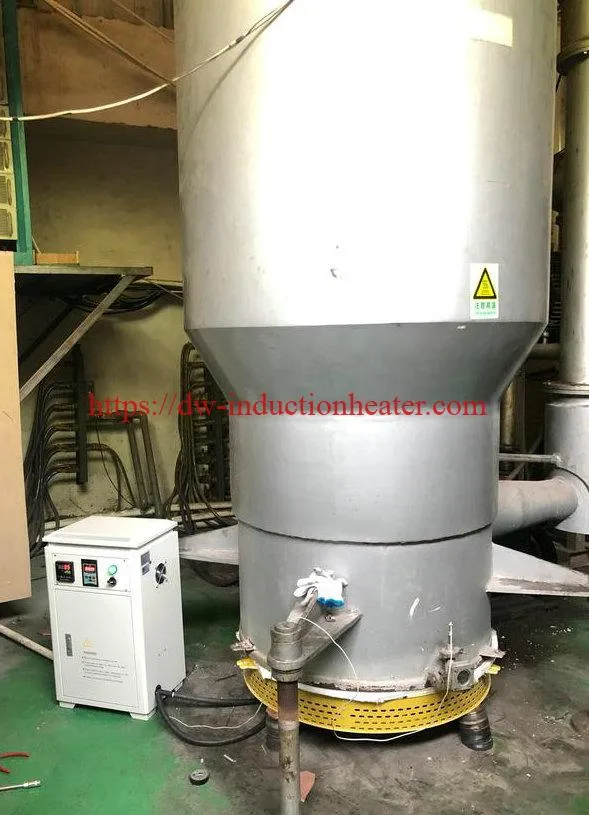
Induction thermal oil boilers are an efficient and eco-friendly way to heat commercial and industrial spaces. With their numerous benefits and applications, it's no wonder that more and more businesses are turning to this technology for their heating needs. In this article, we will explore the world of induction thermal oil boilers, discussing the benefits they offer, the wide variety of applications they can be used for, and the best practices for maintenance.induction heating thermal oil heater Whether you're a business owner looking to improve your energy efficiency or simply someone interested in learning more about this innovative technology, this guide will provide you with all the information you need to make informed decisions about induction thermal oil boilers. Introduction to induction thermal oil boilers Induction thermal oil boilers are a type of heating system that uses a liquid phase heat transfer medium to transfer heat energy. They are commonly used in industrial applications where high temperatures are required, such as in the chemical, pharmaceutical, and food industries. Induction thermal oil boilers use electromagnetic induction to heat the heat transfer medium, which is usually thermal oil. The heat is then transferred to the process equipment, where it is used to heat up the process. One of the main benefits of using an induction thermal oil boiler is the high efficiency of heat transfer. This is due to the fact that the heat transfer medium is in a liquid phase, which allows for very efficient heat transfer. Additionally, induction thermal oil boilers are very safe and reliable, as they do not use any open flames or combustion processes. They are also very clean, as they do not produce any emissions or waste products. Overall, induction thermal oil boilers are an excellent choice for industrial heating applications, providing a safe, efficient, and reliable heating solution. In the following sections of this guide, we will explore the benefits, applications, and maintenance of induction thermal oil boilers in more detail. Benefits of induction thermal oil boilers Induction thermal oil boilers have become increasingly popular in recent years due to their many benefits. There are several benefits of using an induction heating thermal oil boiler for industrial heating applications. These include: 1. Energy efficiency: Induction thermal oil boilers can achieve a high level of energy efficiency due to the use of electromagnetic induction to heat the oil in the system. This means that less energy is wasted in the heating process, resulting in lower energy bills and reduced environmental impact.   2. Precise control: Induction technology allows for precise control of the heating process, so that the temperature of the oil can be maintained at a consistent level. This is important for applications where temperature control is critical, such as in the production of chemicals or pharmaceuticals. 3. Safety: Induction thermal oil boilers do not use an open flame or hot surface to heat the oil, which reduces the risk of fire or explosion. This makes them a safer option than traditional boilers in many applications. 4. Versatility: Induction thermal oil boilers can be used with a wide range of heat transfer fluids, including synthetic and mineral oils. This makes them suitable for use in a variety of industrial processes and applications. 5. Low maintenance: Induction thermal oil boilers require minimal maintenance, as there are no moving parts that need regular servicing. This reduces downtime and maintenance costs over the lifetime of the system. 6. Long lifespan: Induction thermal oil boilers have a long lifespan, as they are built from durable materials and do not suffer from the same wear and tear as traditional boilers. This means that they offer a good return on investment over time. Applications of induction thermal oil boilers Induction heating thermal oil boilers are used in a variety of industrial heating applications, including: 1. Chemical Processing: Induction heating thermal oil boilers are used in chemical processing applications to heat reactors, distillation columns, and other equipment. 2. Food Processing: Induction heating thermal oil boilers are used in food processing applications to heat kettles, ovens, and other equipment. 3. Plastics Processing: Induction heating thermal oil boilers are used in plastics processing applications to heat extruders, injection molding machines, and other equipment. 4. Textile Processing: Induction heating thermal oil boilers are used in textile processing applications to heat dyeing machines, finishing machines, and other equipment. Maintenance of induction thermal oil boilers Induction thermal oil boilers are an essential part of many industrial processes that require high temperatures to be sustained over a prolonged period of time. As with any machinery, regular maintenance is essential to ensure that it continues to function optimally. Regular maintenance of induction thermal oil boilers includes checking and adjusting the thermostat, inspecting the fuel and water supply lines for leaks, ensuring that the oil is clean and free of contaminants, and checking the pressure of the system. It is also essential to regularly clean the heating coils and the burners to ensure that they are free from any build-up that can cause blockages and lead to reduced efficiency. In addition, it is important to check the electrical connections and wiring to ensure that the system is working safely and effectively. Regular maintenance not only ensures that the system is working efficiently but also helps to prolong its lifespan, reducing the frequency of costly repairs and replacements. Ultimately, by investing in regular maintenance, you can avoid downtime, increase productivity, and ensure that your induction thermal oil boiler continues to deliver reliable and consistent performance. Conclusion Induction heating thermal oil boilers are a game-changer for the heating industry. They offer significant advantages over traditional heating systems, including high efficiency, rapid heating, precise temperature control, and low maintenance. These benefits make them an ideal solution for a wide range of industrial heating applications. As the heating industry continues to evolve, it is likely that induction heating thermal oil boilers will become even more prevalent, helping to improve efficiency and reduce environmental impact. https://dw-inductionheater.com/product/induction-thermal-oil-boiler-with-electromagnetic-induction-heating-system?feed_id=206606&_unique_id=646a03e636f5a

2023年4月20日星期四

Induction Post Weld Heating Treatment Machine

The Benefits of Using an Induction Post Weld Heat Treatment Machine.induction post weld heat treatment

What is induction post weld heat treatment?

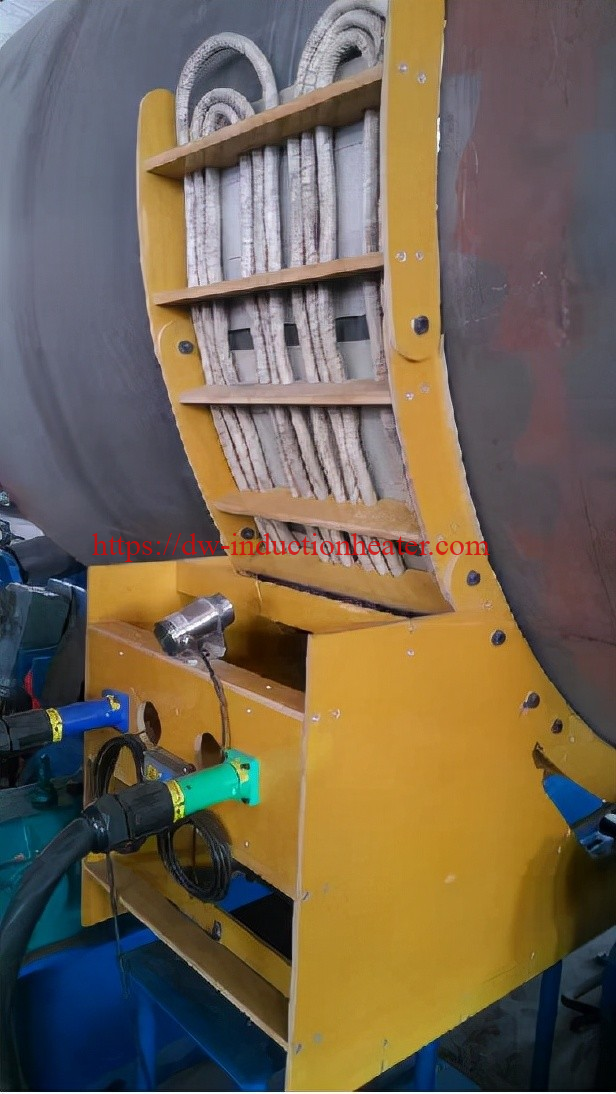
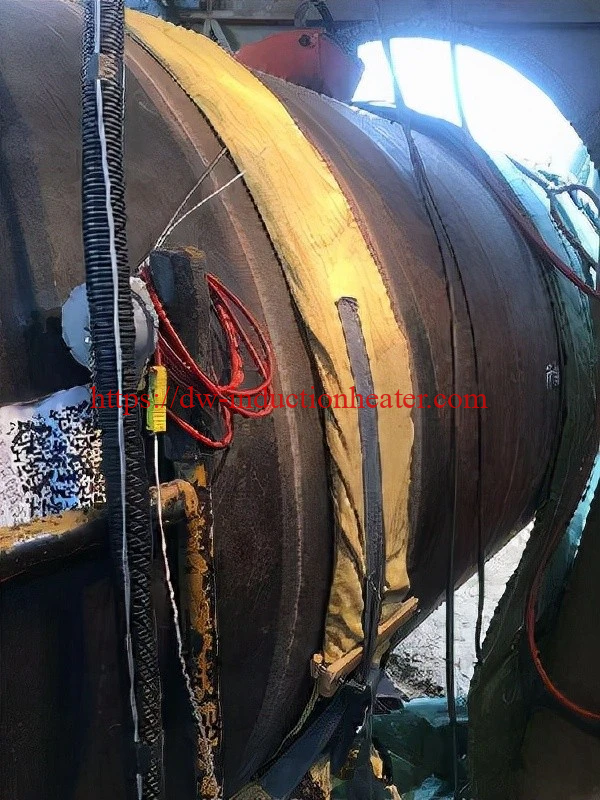
Induction Post Weld Heat Treatment (PWHT) is a type of heat-treating process that is used to improve the properties of metals and alloys after welding. The process is conducted using an induction heating system which generates an electromagnetic field around the workpiece to be heated. This field induces an electrical current within the metal, causing it to heat up uniformly and quickly. Several benefits can be derived from the use of Induction PWHT. The process helps to reduce residual stresses, which could otherwise lead to cracking and distortion in the welded components. Additionally, it helps to improve the microstructure of the metal and enhances its mechanical properties, such as ductility, toughness, and hardness. Induction PWHT is commonly used in industries such as oil and gas, power generation, aerospace, and automotive. It is also used for repairing heavy machinery parts, pressure vessels, and pipelines. The process is highly efficient and has a lower environmental impact than other heat-treating methods such as furnace heating. Post weld heat treatment is a crucial process in welding that helps to increase the strength and durability of welded components. Traditionally, this process has been done using gas-fired furnaces, but with the advancement of technology, induction post weld heat treatment machines have been introduced. These machines offer a range of benefits over the traditional gas-fired furnaces, including increased efficiency, better control of the process, and reduced environmental impact. In this article, we will explore the benefits of using an induction post weld heat treatment machine and why it should be your go-to choice for all your post weld heat treatment needs.

1. What is Induction Post Weld Heat Treatment Machine?

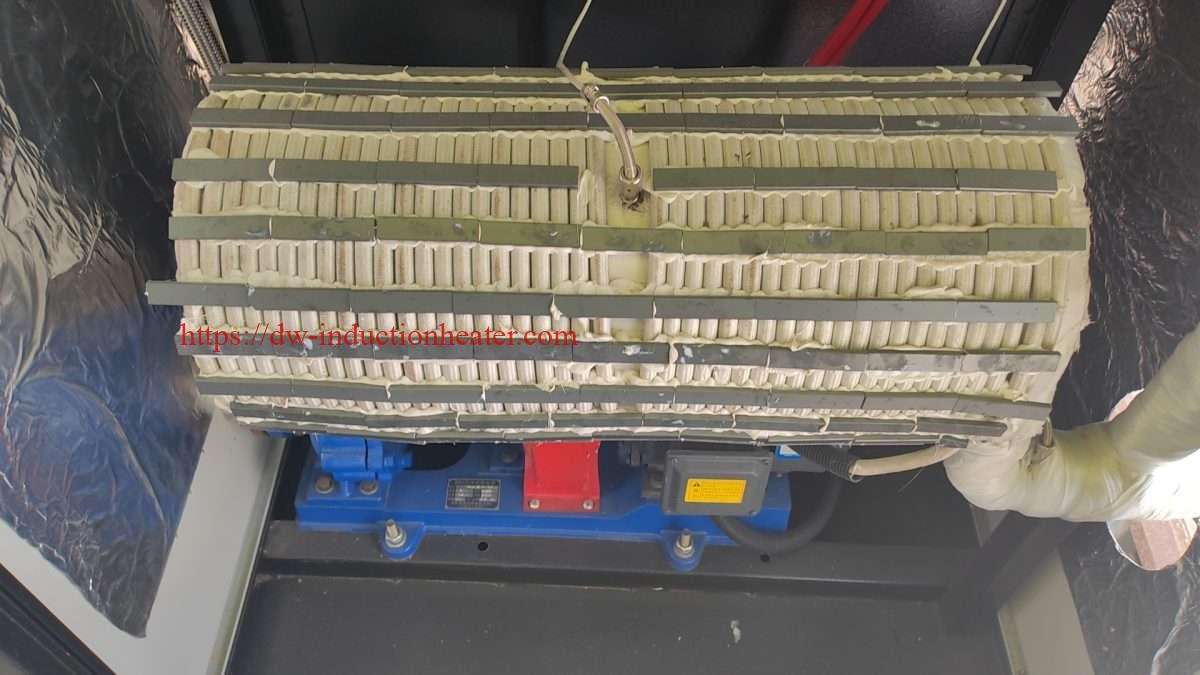
An Induction Post Weld Heat Treatment Machine is a machine specifically designed for post-weld heat treatment purposes. The machine uses a non-contact heating process that uses electromagnetic induction to heat the workpiece. The process is very efficient and accurate, making it an excellent choice for industries that rely on welding for their production process. The machine can also be used for pre-heating before welding, stress relieving, and annealing. It can be used on a wide range of materials, including metals and alloys, making it a versatile and valuable tool for many industries. The machine is easy to operate and can be programmed to deliver specific heat treatment cycles, ensuring that the workpiece is always treated according to the required specifications. The benefits of using the Induction Post Weld Heat Treatment Machine are numerous, including increased productivity, improved quality of welds, and reduced costs. Overall, this machine is an excellent investment for any business that relies on welding in their production process. Air Cooled Induction Heat Treatment Machines:
Items Unit Parameters Data
Output power kW 20 30 40 60 80 120 160
Current A 30 40 60 90 120 180 240
Input voltage/Frequency V/Hz 3phases,380/50-60 (It can be customized)
Supply voltage V 340-420
Cross section area of power cable mm² ≥10 ≥16 ≥16 ≥25 ≥35 ≥70 ≥95
Heating efficiency % ≥98
Operating frequency range KHz 5-30
Thickness of insulation cotton mm 20-25
Inductance uH 260-300 200-240 180-220 165-200 145-180 120-145 100-120
Cross section area of heating wire mm² ≥25 ≥35 ≥35 ≥40 ≥50 ≥70 ≥95
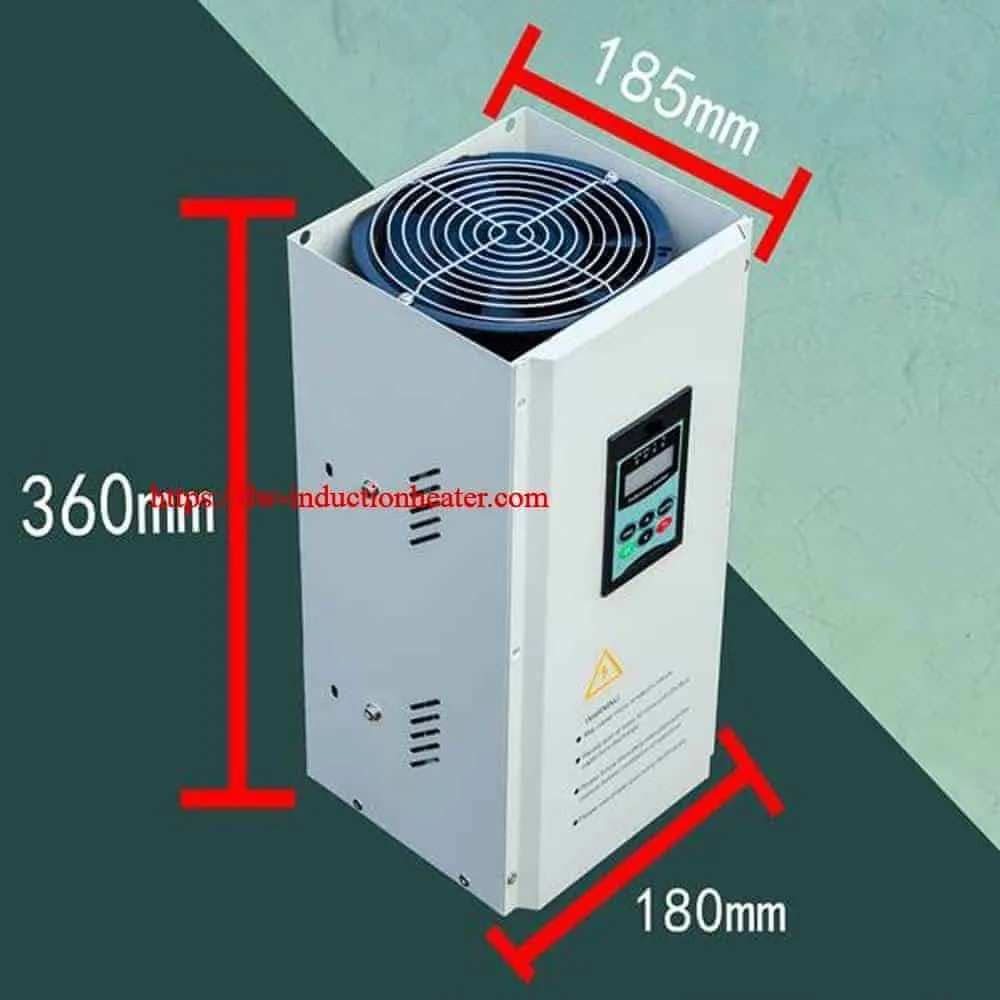
Dimensions mm 520*430*900 520*430*900 600*410*1200
Power adjustment range % 10-100
Cooling method Air cooled / Water cooled
Weight Kg 35 40 53 58 63 65 75

2. The Benefits of Using an Induction Post Weld Heat Treatment Machine

Induction post weld heat treatment machines are a great way to ensure that your welding projects are completed efficiently and effectively. There are several benefits to using an induction post weld heat treatment machine. One of the most significant benefits is that it can speed up the welding process, which can save you time and money. This is because the machine can heat the metal quickly and evenly, ensuring that the welding process is complete in a shorter amount of time. Additionally, the induction post weld heat treatment machine can help to improve the quality of your welds. This is because the machine can regulate the heat more effectively than other methods, resulting in a much more precise and clean weld. Another benefit of using an induction post weld heat treatment machine is that it is much safer than other methods. This is because the machine uses a non-flammable heating method that does not produce any harmful fumes or chemicals. This makes it much safer for the welder and those working in the surrounding area. In conclusion, if you are looking for a way to speed up your welding process, improve the quality of your welds, and ensure the safety of your workers, then an induction post weld heat treatment machine is an excellent investment.

3. How to Use an Induction Post Weld Heat Treatment Machine

Using an induction post weld heat treatment machine can bring many benefits to your welding process. It can help improve the strength and durability of the weld, increase the lifespan of the product, and reduce the risk of defects or cracks forming. However, if you have never used an induction post weld heat treatment machine before, it can be a little intimidating. Here are a few steps on how to use an induction post weld heat treatment machine: 1. First, make sure you have all the necessary safety equipment on and that you are in a well-ventilated area. 2. Next, prepare the area where you will be using the machine. Make sure the surface is level and clean, and that there are no flammable materials nearby. 3. Turn on the machine and set the correct temperature and time settings according to the material you are working with. 4. Place the workpiece into the machine and ensure that it is in the correct position. 5. Once the machine has completed the post weld heat treatment, turn it off and remove the workpiece from the machine. 6. Allow the workpiece to cool down before handling it. It is essential to follow the manufacturer's instructions when using an induction post weld heat treatment machine. With proper use, an induction post weld heat treatment machine can bring many benefits to your welding process and improve the quality of your work.

4. Conclusion.

In conclusion, using an induction post weld heat treatment machine can bring a lot of benefits to your welding process. It can help you save time, energy, and money by reducing the need for preheating and post-weld heat treatment. It can also improve the quality of your welds, reduce distortion, and increase the strength of the welded joint. Moreover, an induction post weld heat treatment machine is easy to use, portable, and can be customized to meet your specific needs. Whether you are working on small or large scale welding projects, an induction machine can help you achieve the desired results in a faster, more efficient, and cost-effective way. Therefore, if you are looking to improve your welding process and take it to the next level, investing in an induction post weld heat treatment machine is a wise choice.  

Induction Post Weld Heating Treatment Machine

The Benefits of Using an Induction Post Weld Heat Treatment Machine.induction post weld heat treatment

What is induction post weld heat treatment?

Induction Post Weld Heat Treatment (PWHT) is a type of heat-treating process that is used to improve the properties of metals and alloys after welding. The process is conducted using an induction heating system which generates an electromagnetic field around the workpiece to be heated. This field induces an electrical current within the metal, causing it to heat up uniformly and quickly. Several benefits can be derived from the use of Induction PWHT. The process helps to reduce residual stresses, which could otherwise lead to cracking and distortion in the welded components. Additionally, it helps to improve the microstructure of the metal and enhances its mechanical properties, such as ductility, toughness, and hardness. Induction PWHT is commonly used in industries such as oil and gas, power generation, aerospace, and automotive. It is also used for repairing heavy machinery parts, pressure vessels, and pipelines. The process is highly efficient and has a lower environmental impact than other heat-treating methods such as furnace heating. Post weld heat treatment is a crucial process in welding that helps to increase the strength and durability of welded components. Traditionally, this process has been done using gas-fired furnaces, but with the advancement of technology, induction post weld heat treatment machines have been introduced. These machines offer a range of benefits over the traditional gas-fired furnaces, including increased efficiency, better control of the process, and reduced environmental impact. In this article, we will explore the benefits of using an induction post weld heat treatment machine and why it should be your go-to choice for all your post weld heat treatment needs.

1. What is Induction Post Weld Heat Treatment Machine?

An Induction Post Weld Heat Treatment Machine is a machine specifically designed for post-weld heat treatment purposes. The machine uses a non-contact heating process that uses electromagnetic induction to heat the workpiece. The process is very efficient and accurate, making it an excellent choice for industries that rely on welding for their production process. The machine can also be used for pre-heating before welding, stress relieving, and annealing. It can be used on a wide range of materials, including metals and alloys, making it a versatile and valuable tool for many industries. The machine is easy to operate and can be programmed to deliver specific heat treatment cycles, ensuring that the workpiece is always treated according to the required specifications. The benefits of using the Induction Post Weld Heat Treatment Machine are numerous, including increased productivity, improved quality of welds, and reduced costs. Overall, this machine is an excellent investment for any business that relies on welding in their production process. Air Cooled Induction Heat Treatment Machines:
Items Unit Parameters Data
Output power kW 20 30 40 60 80 120 160
Current A 30 40 60 90 120 180 240
Input voltage/Frequency V/Hz 3phases,380/50-60 (It can be customized)
Supply voltage V 340-420
Cross section area of power cable mm² ≥10 ≥16 ≥16 ≥25 ≥35 ≥70 ≥95
Heating efficiency % ≥98
Operating frequency range KHz 5-30
Thickness of insulation cotton mm 20-25
Inductance uH 260-300 200-240 180-220 165-200 145-180 120-145 100-120
Cross section area of heating wire mm² ≥25 ≥35 ≥35 ≥40 ≥50 ≥70 ≥95
Dimensions mm 520*430*900 520*430*900 600*410*1200
Power adjustment range % 10-100
Cooling method Air cooled / Water cooled
Weight Kg 35 40 53 58 63 65 75

2. The Benefits of Using an Induction Post Weld Heat Treatment Machine

Induction post weld heat treatment machines are a great way to ensure that your welding projects are completed efficiently and effectively. There are several benefits to using an induction post weld heat treatment machine. One of the most significant benefits is that it can speed up the welding process, which can save you time and money. This is because the machine can heat the metal quickly and evenly, ensuring that the welding process is complete in a shorter amount of time. Additionally, the induction post weld heat treatment machine can help to improve the quality of your welds. This is because the machine can regulate the heat more effectively than other methods, resulting in a much more precise and clean weld. Another benefit of using an induction post weld heat treatment machine is that it is much safer than other methods. This is because the machine uses a non-flammable heating method that does not produce any harmful fumes or chemicals. This makes it much safer for the welder and those working in the surrounding area. In conclusion, if you are looking for a way to speed up your welding process, improve the quality of your welds, and ensure the safety of your workers, then an induction post weld heat treatment machine is an excellent investment.

3. How to Use an Induction Post Weld Heat Treatment Machine

Using an induction post weld heat treatment machine can bring many benefits to your welding process. It can help improve the strength and durability of the weld, increase the lifespan of the product, and reduce the risk of defects or cracks forming. However, if you have never used an induction post weld heat treatment machine before, it can be a little intimidating. Here are a few steps on how to use an induction post weld heat treatment machine: 1. First, make sure you have all the necessary safety equipment on and that you are in a well-ventilated area. 2. Next, prepare the area where you will be using the machine. Make sure the surface is level and clean, and that there are no flammable materials nearby. 3. Turn on the machine and set the correct temperature and time settings according to the material you are working with. 4. Place the workpiece into the machine and ensure that it is in the correct position. 5. Once the machine has completed the post weld heat treatment, turn it off and remove the workpiece from the machine. 6. Allow the workpiece to cool down before handling it. It is essential to follow the manufacturer's instructions when using an induction post weld heat treatment machine. With proper use, an induction post weld heat treatment machine can bring many benefits to your welding process and improve the quality of your work.

4. Conclusion.

In conclusion, using an induction post weld heat treatment machine can bring a lot of benefits to your welding process. It can help you save time, energy, and money by reducing the need for preheating and post-weld heat treatment. It can also improve the quality of your welds, reduce distortion, and increase the strength of the welded joint. Moreover, an induction post weld heat treatment machine is easy to use, portable, and can be customized to meet your specific needs. Whether you are working on small or large scale welding projects, an induction machine can help you achieve the desired results in a faster, more efficient, and cost-effective way. Therefore, if you are looking to improve your welding process and take it to the next level, investing in an induction post weld heat treatment machine is a wise choice.   https://dw-inductionheater.com/product/induction-post-weld-heating-treatment-machine?feed_id=197965&_unique_id=64413ae37849e

2022年4月26日星期二

diffusion pump induction heater with energy saving and high speed

Induction Heating diffusion pump-Vacuum coating diffusion pump electromagnetic induction heater instead of resistance heating plate can save how much electricity?

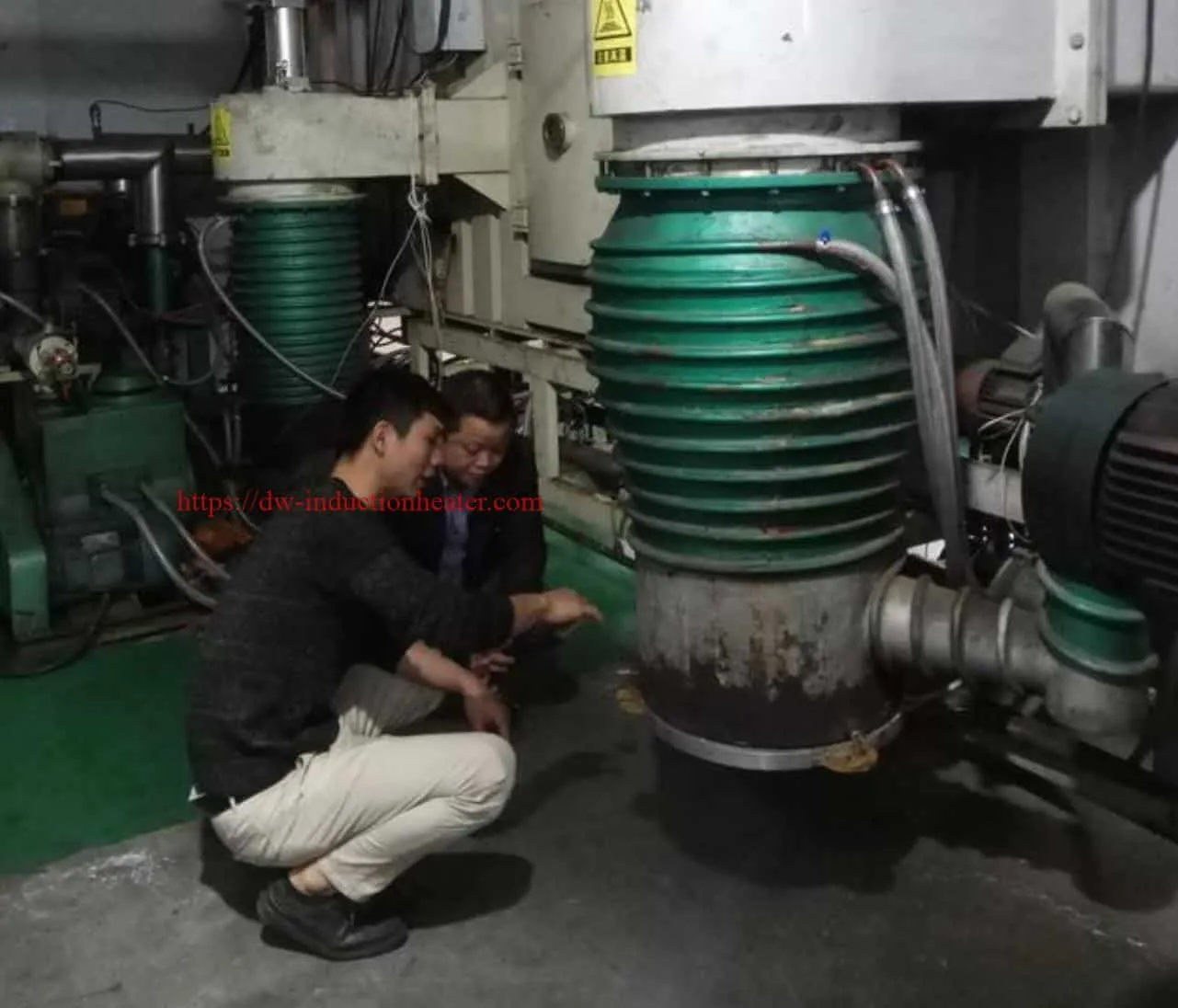
The traditional diffusion pump is slow to warm up, and also has broken wires, easy to short circuit, low reliability, and easy failure. It brings a lot of inconvenience to the actual operation. For this reason, HLQ has specially developed a special electromagnetic induction heater for diffusion pump, which consumes 7-8 kWh of electricity per hour after transformation. The time is shortened by more than half, and the operation is convenient, the installation is easy, and the style is novel, which may bring good news to the vacuum coating industry.

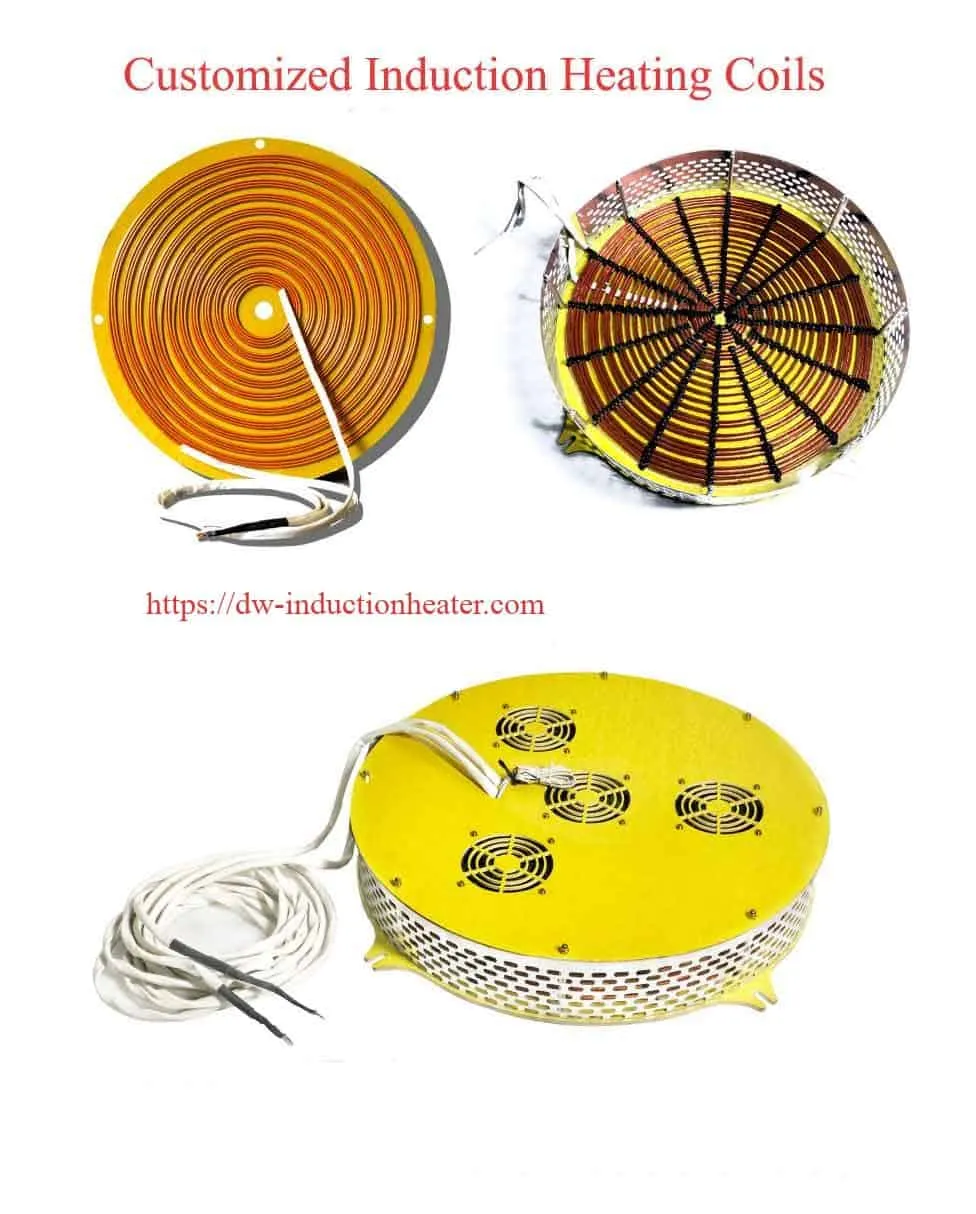
Electromagnetic induction heating is a way of heating the body itself by converting electrical energy into magnetic energy. Electromagnetic induction heating cable disk directly ACTS on the bottom of the pump through induction to generate a magnetic field, so that the pump generates heat itself. The electromagnetic furnace plate does not generate heat, the thermal conversion efficiency reaches more than 98%, the temperature control is accurate, PID can automatically adjust the power.

Advantages of diffusion pump electromagnetic induction heating over resistance wire heating:

(1) high efficiency and energy saving, saving more than 30% electricity than resistance wire heating. (2) fast heating speed and even heating. (3) stable operation and accurate temperature control (4) easy operation and long service life At room temperature, it takes 70-90 minutes for a traditional 15kw resistance wire for a diffusion pump with a diameter of 830mm to rise to 230 degrees and can no longer be heated up, while the 15kw electromagnetic heating coil only takes 35-40 minutes to raise the temperature to 230 degrees , greatly shorten the preheating time, improve the production efficiency, and save a lot of power. When the equipment is shut down, when the resistance wire heating method is used, because the electric furnace has residual heat, the cooling pump will work for a long time before it can stop, and the coil used for electromagnetic heating has no heat. After the equipment is shut down, it can be quickly Stop the cooling pump. This also saves the power consumption of the cooling pump. It can be seen that electromagnetic heating saves at least 30%-60% energy than traditional resistance wire heating. Electromagnetic induction heating evaporation coating can greatly improve the evaporation rate, and the evaporation temperature is stable, which can avoid the splash phenomenon of the coating material, the film will not have the effect of pinholes, greatly improve the qualification rate of the product, and the purity requirements of the coating material are also higher than the resistance. The requirements of the furnace are lower. The high-purity material required by the resistance furnace (electric furnace wire) must reach 99.99% purity, while the electromagnetic heating evaporation only needs to reach 99.9%. From every point, it can be seen that the electromagnetic heating evaporation technology has reduced Coating production cost. Diffusion pump induction heating has automatic constant temperature, automatic shifting and adjustable functions, energy saving, environmental protection, durability and longevity Up to 50,000 hours or more, no open flame, can reduce the indoor temperature and prolong the life of the cooling water pipe. Easy installation and disassembly, as well as maintenance of the diffusion pump. After installation, it does not affect the vacuum, does not affect the product, and does not affect the time to make a furnace product. product is guaranteed for 12 months free of charge, and technical support is provided for life. The product is not easy to break, and can be easily replaced with a resistance furnace. Once there is a problem with the product, the manufacturer will send a spare machine to replace it in time.

Induction heating machine is widely used in heat transfer forging, quenching, tempering, annealing, quenching and other heat treatment industries, as well as preheating, hot charging and other industries.

So what are the advantages of electromagnetic induction heating system that make it widely used in all walks of life? Nowadays, many users are using this induction heater. Users use it because it has its own advantages. Induction heating machine adopts electromagnetic induction heating process to directly heat the workpiece. It has the advantages of fast on-off speed and high working frequency.
  1. Energy saving and environmental protection. Now the state's control of air pollution is becoming more and more strict. This is the advantage of induction heating machine
  2. The use of induction heating machine can reduce the production cost.
  3. Induction heating machine has high technical content, so its energy efficiency is also very good.
  4. Induction heating machine can be used with very good performance and high efficiency.

2022年1月6日星期四

80KW Electromagnetic Induction Heater

80KW Electromagnetic Induction Heater for heating steel welding, coating, bending, fitting & unfitting,etc.

Principle of Electromagnetic Induction Heating: Most of the metal is heated by the high-frequency magnetic field and uses this principle to pass the high-frequency current through the coil, so that the coil generates a high-frequency magnetic field, so that the metal rod in the coil is induced to generate heat. The electrical energy can be converted into metal thermal energy by the above process. During the whole process, the metal rod does not have any physical contact with the coil, and the energy conversion is completed by the magnetic field eddy current and the metal induction.  Advantages of electromagnetic induction heater: 1.Energy saving and emission reduction (30-85%) 2.higher thermal efficiency 3.Reduced operating temperature 4.warm up fast 5'long service life 6.Maintenance is simple and convenient   What Advantages Does Electromagnetic Induction Heater Have Compared With Traditional Heaters?
Advantage Comparison
Electromagnetic Induction Heater Traditional Heater
Heating Principles Electromagnetic Induction Heating the  Resdistance Wire
Heated Part Charging barrel is heated directly to get higher efficiency ,but the induction coil itself is not heated to guaratte longer using life heater itself,then heat transfered to the charging barrel
Surface Temperature & Safety Max. 60 Degree Centigrade,safe to touch by hands. The same with your heating temperature, Dangerous to touch
Heating Rate High Efficiency:save 50%-70%warming -up time Low Efficiency:No time-saving
Energy Saving Save 30-80% Power Consumption No Saving
Temperature Control High precision Low Precision
Using life 4-5year 2-3year
Working Environment Normal temperature for workers,easy and comfortable Hot,especially for low latitude Area
Cost Cost-effective,with30-80% energy-saving rate,it takes 6-10 months to recover the cost. The higher the rate is,the less time it takes. Low
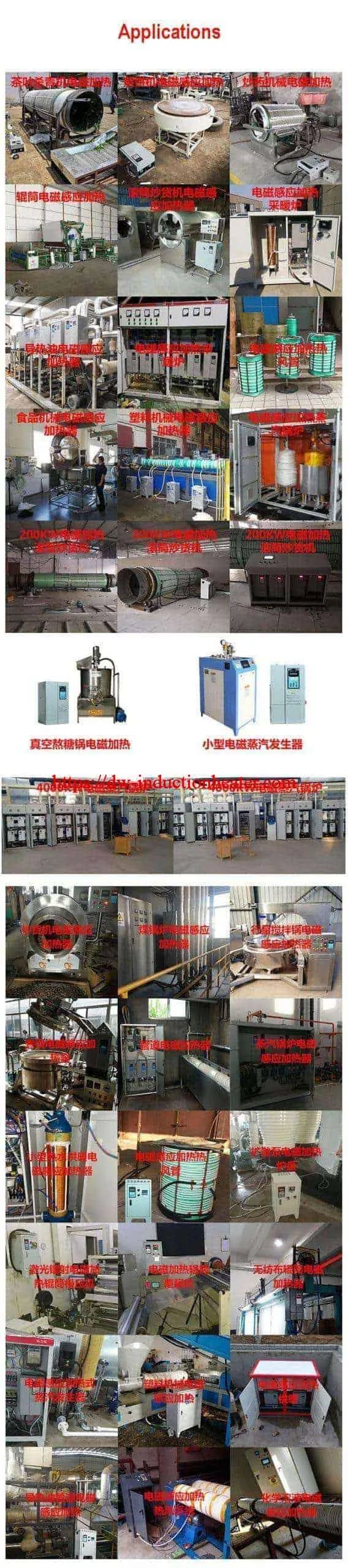
  Application of electromagnetic induction: 1.Plastic rubber industry: plastic film blowing machine, wire drawing machine, injection molding machine, granulator, rubber extruder, vulcanizing machine, cable production extruder, etc.; 2.Pharmaceutical and chemical industry: pharmaceutical infusion bags, plastic equipment production lines, liquid heating pipelines for the chemical industry; 3.Energy, food industry: heating of crude oil pipelines, food machinery, super freighters and other equipment that require electric heating; 4.Industrial high-power heating industry: machine for killing machine, reaction axe, steam generator (boiler); 5.Smelting heating industry: die casting furnace zinc alloy, aluminum alloy and other equipment; 6.Building materials industry: gas pipe production line, plastic pipe production line, PE plastic hard flat net, geonet net unit, automatic blow molding machine, PE honeycomb board production line, single and double wall corrugated pipe extrusion production line, composite air cushion film unit, PVC hard Tube, PP extrusion transparent sheet production line, extruded polystyrene foam tube, PE winding film unit; 7.high power commercial induction cooker movement; 8.Dry heating in printing equipment; 9.other similar industry heating;
Technical Parameters  

Item

Technical Parameters

rated power Three-phase 80KW
Rated input current 110-120(A)
Rated output current 180-200(A)
Rated voltage frequency

AC 380V/50Hz

Voltage adaptation range  constant power output at 300 ~ 400V
Adapt to ambient temperature -20ºC~50ºC

Adapt to environmental humidity

≤95%
Power adjustment range

20% ~ 100% stepless adjustment(That is: adjustment between 0.5 ~ 80KW)

Heat conversion efficiency ≥95%
Effective power

≥98%(Can be customized according to user needs)

working frequency 5~40KHz
Main circuit structure Full bridge series resonance
Control System DSP-based high-speed automatic phase-locking tracking control system
Application mode Open application platform
monitor Programmable digital display
start time <1S
Instantaneous overcurrent protection time ≤2US
Power overload protection 130% instantaneous protection
Soft start mode Fully electrically isolated soft start heating / stop mode
RS485 communication Modbus RTU standard communication protocol
Support PID adjustment power Identify 0-5V input voltage
Support 0 ~ 1000 ºC load temperature detection Accuracy up to ± 1 ºC
Adaptive coil parameters  50 square line, length 50m, inductance 110 ~ 120uH
Coil to load distance(Thermal insulation thickness) 20-25mm for circle, 15-20mm for plane, 10-15mm for ellipse and within 10 mm for super ellipse


2022年1月4日星期二

Plastic Injection Molding Machine Electromagnetic Induction Heater 30KW

30KW Plastic Injection Molding Machine Electromagnetic Induction Heater
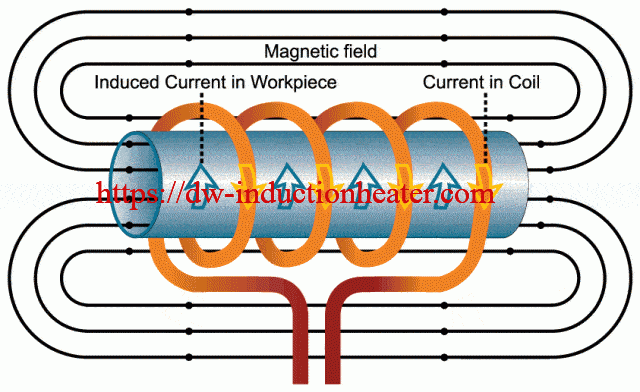
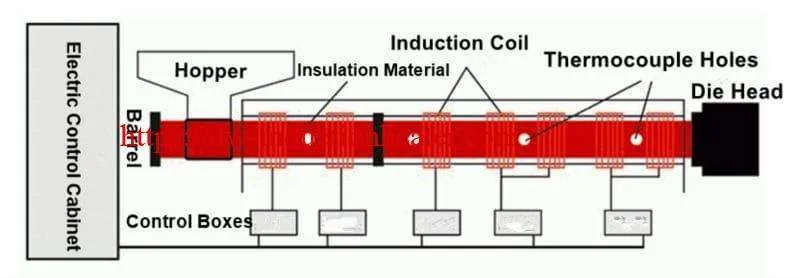
Principle of Electromagnetic Induction Plastic Injection Molding Heater: Most of the metal is heated by the high-frequency magnetic field and uses this principle to pass the high-frequency current through the coil, so that the coil generates a high-frequency magnetic field, so that the metal rod in the coil is induced to generate heat. The electrical energy can be converted into metal thermal energy by the above process. During the whole process, the metal rod does not have any physical contact with the coil, and the energy conversion is completed by the magnetic field eddy current and the metal induction.  Advantages of electromagnetic induction plastic injection molding heater: 1.Energy saving and emission reduction (30-85%) 2.higher thermal efficiency 3.Reduced operating temperature 4.warm up fast 5'long service life 6.Maintenance is simple and convenient   What Advantages Does Electromagnetic Induction Heater Have Compared With Traditional Heaters?
Advantage Comparison
Electromagnetic Induction Heater Traditional Heater
Heating Principles Electromagnetic Induction Heating the  Resdistance Wire
Heated Part Charging barrel is heated directly to get higher efficiency ,but the induction coil itself is not heated to guaratte longer using life heater itself,then heat transfered to the charging barrel
Surface Temperature & Safety Max. 60 Degree Centigrade,safe to touch by hands. The same with your heating temperature, Dangerous to touch
Heating Rate High Efficiency:save 50%-70%warming -up time Low Efficiency:No time-saving
Energy Saving Save 30-80% Power Consumption No Saving
Temperature Control High precision Low Precision
Using life 4-5year 2-3year
Working Environment Normal temperature for workers,easy and comfortable Hot,especially for low latitude Area
Cost Cost-effective,with30-80% energy-saving rate,it takes 6-10 months to recover the cost. The higher the rate is,the less time it takes. Low
Application of electromagnetic induction: 1.Plastic rubber industry: plastic film blowing machine, wire drawing machine, injection molding machine, granulator, rubber extruder, vulcanizing machine, cable production extruder, etc.; 2.Pharmaceutical and chemical industry: pharmaceutical infusion bags, plastic equipment production lines, liquid heating pipelines for the chemical industry; 3.Energy, food industry: heating of crude oil pipelines, food machinery, super freighters and other equipment that require electric heating; 4.Industrial high-power heating industry: machine for killing machine, reaction axe, steam generator (boiler); 5.Smelting heating industry: die casting furnace zinc alloy, aluminum alloy and other equipment; 6.Building materials industry: gas pipe production line, plastic pipe production line, PE plastic hard flat net, geonet net unit, automatic blow molding machine, PE honeycomb board production line, single and double wall corrugated pipe extrusion production line, composite air cushion film unit, PVC hard Tube, PP extrusion transparent sheet production line, extruded polystyrene foam tube, PE winding film unit; 7.high power commercial induction cooker movement; 8.Dry heating in printing equipment; 9.other similar industry heating;
Technical Parameters

Item

Technical Parameters

rated power Three-phase 30KW
Rated input current 40-45(A)
Rated output current 40-70(A)
Rated voltage frequency AC 380V/50Hz
Voltage adaptation range  constant power output at 300 ~ 400V
Adapt to ambient temperature -20ºC~50ºC
Adapt to environmental humidity ≤95%
Power adjustment range 20% ~ 100% stepless adjustment(That is: adjustment between 0.5 ~ 30KW)
Heat conversion efficiency ≥95%
Effective power ≥98%(Can be customized according to user needs)
working frequency 5~40KHz
Main circuit structure Full bridge series resonance
Control System The DSP-based high-speed automatic phase-locking tracking control system
Application mode Open application platform
monitor Programmable digital display
start time <1S
Instantaneous overcurrent protection time ≤2US
Power overload protection 130% instantaneous protection
Soft start mode Fully electrically isolated soft start heating/stop mode

RS485 communication

Modbus RTU standard communication protocol
Support PID adjustment power Identify 0-5V input voltage
Support 0 ~ 1000 ºC load temperature detection Accuracy up to ± 1 ºC
Adaptive coil parameters  10 square line, length 60m, inductance 250 ~ 300uH
   
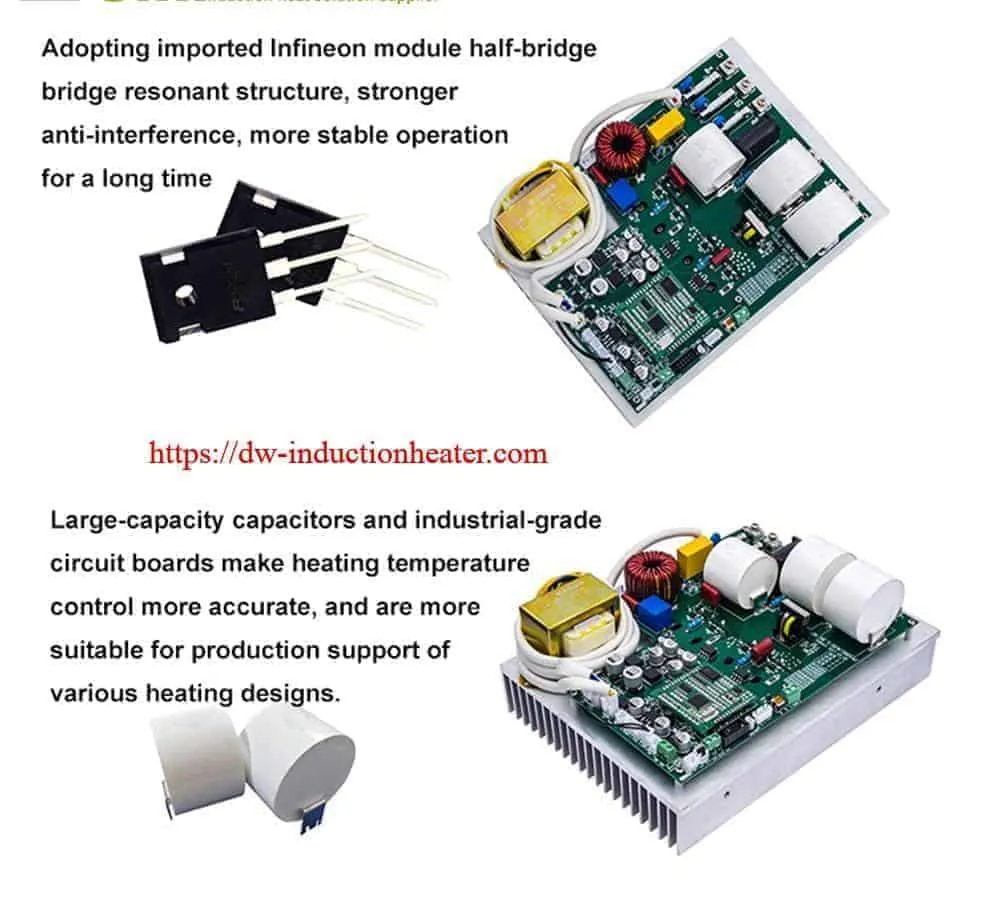
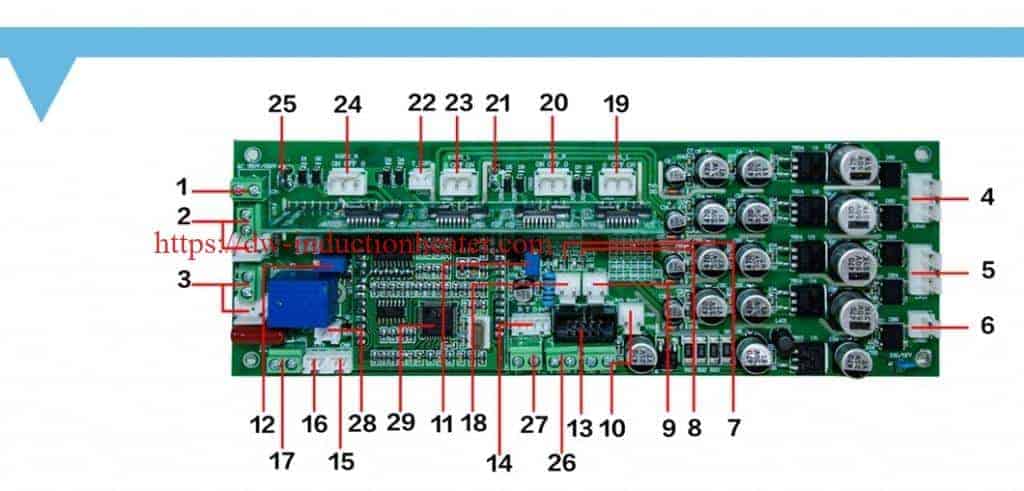
1, Connect the power supply voltage of the cooling fan, but connect the 220V power when the fan is 220V, and connect the 380V power when the fan is 380V 2, Connected with cooling fan 220V / 380V (depending on the user, generally 380V) 3, When the external cooling fan is DC 24V, this interface is a switch that controls the 24V fan to work or stop. The two ends of the interface are actually the normally closed contact points of the relay output on the motherboard. 4, Dual AC 24V power supply (choose 4 or 5 when making half-bridge) 5, Dual AC 24V power supply (choose 4 or 5 when making half-bridge) 6, Single AC 16V power supply 7, Power indicator (red) 8, Work indicator light, flashing during standby, and always on (green) during work 9, External indicator light, led to the LED interface outside the chassis 10, The soft start interface is connected to the R / s interface outside the chassis (can be set to open or close work through F-20, factory default close work, open stop status 11, Finely adjust the power potentiometer. When there is a large deviation in power, this potentiometer can be adjusted appropriately. 12, 32-bit high-speed DSP processor 13, Externally connected programmable operating display 14, Isolated RS485 communication interface 15, External load temperature detection interface 1, with an accuracy of ± 1 ° C (maximum 150 ° C) single-channel, default 1 is used to measure external working temperature 16, External load temperature detection interface 2, with an accuracy of ± 1 ° C (maximum 150 ° C) 17,Multi-function input interface (set by F-20) (1)10K input for external connection potentiometer can adjust the power range from 20% to 100% (2)Externally connected PID input (0 ~ 5V) input Do infrared thermometer or thermocouple conversion voltage 0 ~ 5V input to achieve the display temperature and control power size (up to 1000ºC can be measured and displayed) 18, Connect the high-frequency Mutual inductor and pay attention to the direction. If the direction is reversed, the power is very small 19, IGBT module drive (when doing half-bridge, choose 19, 20 or 23, 24) 20, IGBT module drive (when doing half-bridge, choose 19, 20 or 23, 24) 21, Connected to high voltage DC bus 22, IGBT temperature sensor interface 23, IGBT module drive (when doing half-bridge, choose 19, 20 or 23, 24) 24, IGBT module drive (when doing half-bridge, choose 19, 20 or 23, 24) 25, Connected to high voltage DC bus 26,RS485 communication interface, connect A ,B 27, Externally connected K-type thermocouple 28, Externally connected 12V relay drives other required loads, synchronized with the fan start/stop of the machine
关注者

我的简介

我的照片
HLQ induction heating machine manufacturer provides the service of induction brazing,melting,hot forming,hardening surface,annealing,shrink fitting,PWHT,etc.