显示标签为“shrinkfitting”的博文。显示所有博文

2024年5月10日星期五

Induction Shrink Fitting Steel Tube

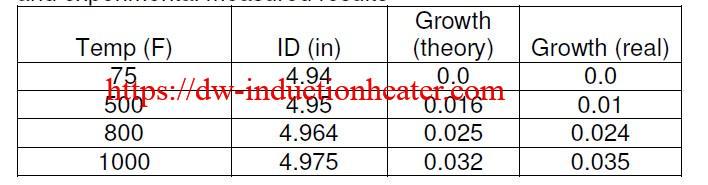
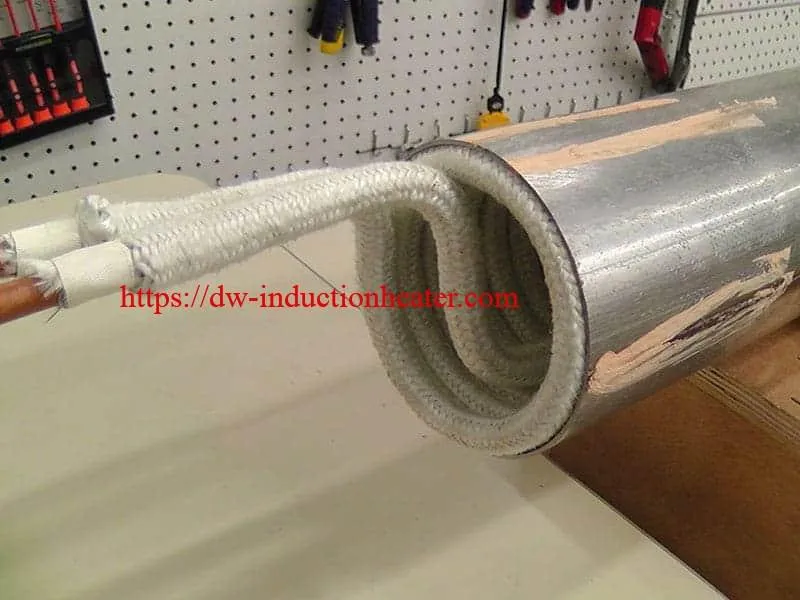
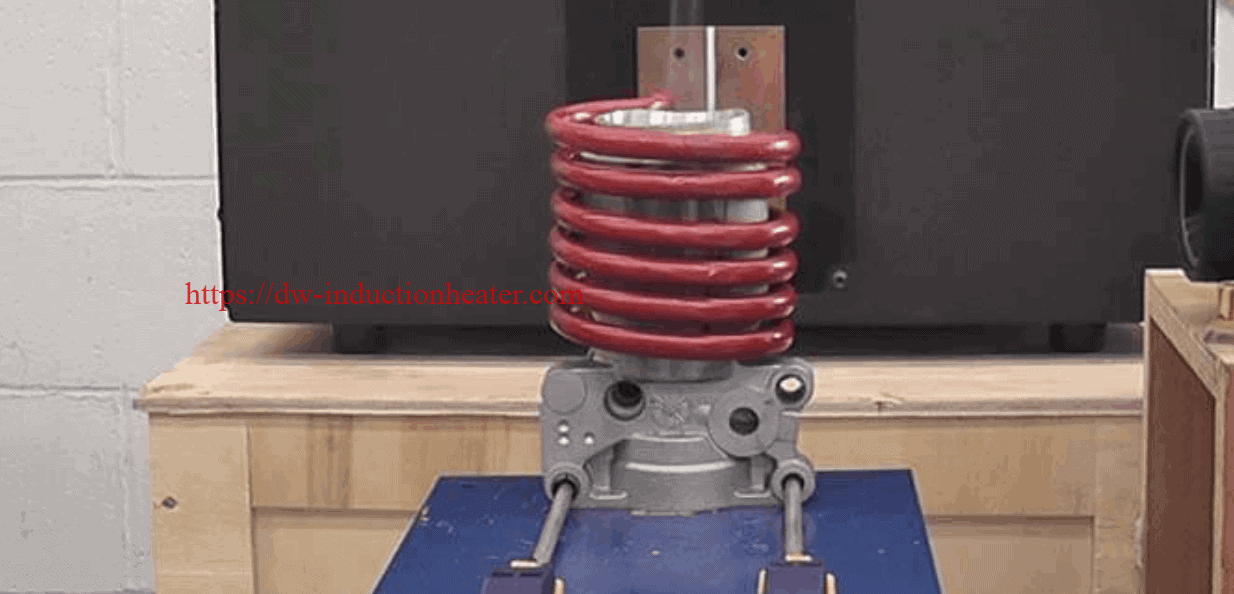
Induction Shrink Fitting Steel Tube With IGBT Heating Units Objective Heating a steel tube to 500-1000°F for a shrink-fitting application. Determine expansion (growth) of ID at varying temperatures. Material Steel tubes 7” OD x 4.75” ID x 5” heat zone Type ‘K’ thermocouple to measure temperature Thermal blanket Temperature 500, 800, 1000 °F (260, 427, 538° C) Frequency 66 kHz Equipment DW-HF-7.5, 7.5 kW, 150-400 kHz induction power supply, equipped with a remote heat station containing two 1.5 μF capacitors (for a total of 0.75 μF) A multi-turn, special series-parallel induction heating coil designed and developed specifically for this application. Process Initial tests were completed on a sample without a thermal blanket. A thermocouple is slipped between the copper ring and the steel tube to measure temperature. The part measured 4.940” (at room temperature with an ID gauge.) The part reaches 1000°F (538°C) in about 10 minutes. The chart below shows the comparison between theoretical and experimental measured results 1 Results/Benefits The part measures 4.975” at 1000°F yielding an expansion of 0.035” (4.975 minus 4.94). At 500 and 800°F the expansion numbers were 4.950 and 4.964 respectively. When using a thermal blanket the heat time is reduced by about 90 seconds (8.5 minutes as opposed to 10 minutes).   Heating shrink tube             induction shrink fitting tube               Shrink Fitting Steel Tube       https://dw-inductionheater.com/induction-shrink-fitting-steel-tube.html?feed_id=245052&_unique_id=663e2b192793f

2024年5月9日星期四

Induction Shrink Fitting For Inserts

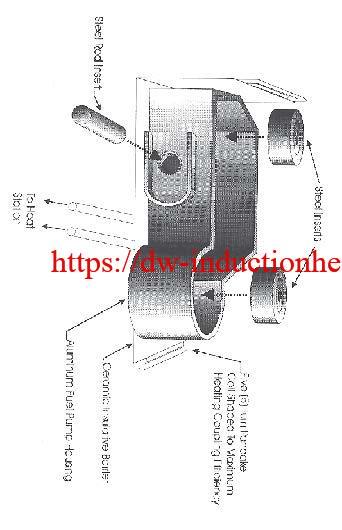
Induction Shrink Fitting For Inserts with IGBT Shrink fitting Heater Objective: To heat an aluminum fuel pump housing measuring 8" x 4 1/2" x 3 1/2" to 3750F, allowing steel parts to be inserted. Presently the housings are heated for over one hour in a convection oven. The areas that are to have steel parts inserted measure 1.5" and 0.6875" in diameter. In addition, the insertion process lasts for a little over one minute, so 3750F should be maintained for a period of time to complete the process. Material: Aluminum Pump Housing measuring 8" x 4 1/2" x 3 1/2" Steel insertion parts. Temperature: 3750F Application: By using the DW-HF- 25, 25 kW output solid state induction power supply the following results were achieved. - 3750F was reached in one (1) minute to allow for insertion. - 20 housings were successfully heated using a five (5) turn right angle pancake coil. Equipment: Ameritherm SP 25, 25 kW output solid state induction power supply including one (1) remote heat station containing four (4) capacitors totalling 1.0 μF, and  a five (5) turn right angle pancake coil made from 3/16" copper tube. Frequency: 80 kHz shrink fitting for inserts   https://dw-inductionheater.com/induction-shrink-fitting-for-inserts.html?feed_id=244984&_unique_id=663d74491fc0c

2024年4月3日星期三

Shrink Fittting Part Removal application with Induction Heating

Shrink Fittting Part Removal application with Induction Heating

Objective This is a Shrinkfit Part Removal application. The customer’s current process uses a press to push the inserted part out. However, this requires significant force and time. By applying heat, the housing can expand just enough to allow for the easy removal of the inserted part with minimal force. The customer’s time requirement is to complete the Shrinkfit Part Removal within 7 minutes.
Equipment DW-HF-15kw induction heating machine Materials • Aluminum pump housing Part OD 2.885” (73.279mm), wall 0.021” (.533mm) Key Parameters Temperature: Approximately 400°F (204°C) Power: 4 kW Time: 100 seconds
Process:
  1. To complete the Shrinkfit Part Removal, place part into coil, so the top of the housing is as close as possible to the top of the coil.
  2. Some experimentation was needed to determine the ideal time and power. We found that 100 seconds was ideal for removal of the part, which was significantly lower than the customer’s limit of 7 minutes
Results/Benefits: The tested assembly can be heated to the required temperature in less than 7 minutes using the DW-HF-15kw induction heating system and custom designed coil. Heat time for the Custom Coil was 100 seconds, Temperature needed to be close to 400°F (204°C) in order to expand the part sufficiently for removal. The part was removed with some pulling force applied to it as the pump housing was reaching 400°F (204°C). This Shrink Fit application was further reviewed to determine if a lower power induction heating system could be used. In this case, the customer’s requirement was 7 minutes, and we achieved the part removal in 100 seconds. Could a lower power system remove the part at a lower cost? A lower power system would be acceptable if our goal is part insertion. For Shrink Fit – Part Insertion, a slower heating rate would still result in a successful process. However, with Shrink Fit – Part Removal, it is important to heat rapidly. A slower heat rate would result in the inserted part also heating, and also expanding. The inserted part potentially would remain “stuck”. By heating rapidly, we avoid this issue. The customer in this case has decided to both use a system for part insertion AND part removal. A 4 kW system is fine for the Shrink Fit – Part Insertion; and the 7 kW DW-HF-15kw induction heating system will be used for the Shrink Fit – Part Removal
  • Precise control of the time and temperature
  • Power on demand with rapid heat cycles
  • Repeatable process, not operator dependent
  • Safe heating with no open flames
  • Energy efficient heating
https://dw-inductionheater.com/shrink-fittting-part-removal-application-with-induction-heating.html?feed_id=239866&_unique_id=660d9bf09ed9c

2023年10月21日星期六

Induction Shrink Fitting For Inserts

Induction Shrink Fitting For Inserts with IGBT Shrink fitting Heater Objective: To heat an aluminum fuel pump housing measuring 8" x 4 1/2" x 3 1/2" to 3750F, allowing steel parts to be inserted. Presently the housings are heated for over one hour in a convection oven. The areas that are to have steel parts inserted measure 1.5" and 0.6875" in diameter. In addition, the insertion process lasts for a little over one minute, so 3750F should be maintained for a period of time to complete the process. Material: Aluminum Pump Housing measuring 8" x 4 1/2" x 3 1/2" Steel insertion parts. Temperature: 3750F Application: By using the DW-HF- 25, 25 kW output solid state induction power supply the following results were achieved. - 3750F was reached in one (1) minute to allow for insertion. - 20 housings were successfully heated using a five (5) turn right angle pancake coil. Equipment: Ameritherm SP 25, 25 kW output solid state induction power supply including one (1) remote heat station containing four (4) capacitors totalling 1.0 μF, and  a five (5) turn right angle pancake coil made from 3/16" copper tube. Frequency: 80 kHz shrink fitting for inserts  

2023年9月17日星期日

Induction Shrink Fitting Steel Tube

Induction Shrink Fitting Steel Tube With IGBT Heating Units Objective Heating a steel tube to 500-1000°F for a shrink-fitting application. Determine expansion (growth) of ID at varying temperatures. Material Steel tubes 7” OD x 4.75” ID x 5” heat zone Type ‘K’ thermocouple to measure temperature Thermal blanket Temperature 500, 800, 1000 °F (260, 427, 538° C) Frequency 66 kHz Equipment DW-HF-7.5, 7.5 kW, 150-400 kHz induction power supply, equipped with a remote heat station containing two 1.5 μF capacitors (for a total of 0.75 μF) A multi-turn, special series-parallel induction heating coil designed and developed specifically for this application. Process Initial tests were completed on a sample without a thermal blanket. A thermocouple is slipped between the copper ring and the steel tube to measure temperature. The part measured 4.940” (at room temperature with an ID gauge.) The part reaches 1000°F (538°C) in about 10 minutes. The chart below shows the comparison between theoretical and experimental measured results 1 Results/Benefits The part measures 4.975” at 1000°F yielding an expansion of 0.035” (4.975 minus 4.94). At 500 and 800°F the expansion numbers were 4.950 and 4.964 respectively. When using a thermal blanket the heat time is reduced by about 90 seconds (8.5 minutes as opposed to 10 minutes).   Heating shrink tube             induction shrink fitting tube               Shrink Fitting Steel Tube       https://dw-inductionheater.com/induction-shrink-fitting-steel-tube.html?feed_id=227471&_unique_id=650786de3142b

Induction Shrink Fitting For Inserts

Induction Shrink Fitting For Inserts with IGBT Shrink fitting Heater Objective: To heat an aluminum fuel pump housing measuring 8" x 4 1/2" x 3 1/2" to 3750F, allowing steel parts to be inserted. Presently the housings are heated for over one hour in a convection oven. The areas that are to have steel parts inserted measure 1.5" and 0.6875" in diameter. In addition, the insertion process lasts for a little over one minute, so 3750F should be maintained for a period of time to complete the process. Material: Aluminum Pump Housing measuring 8" x 4 1/2" x 3 1/2" Steel insertion parts. Temperature: 3750F Application: By using the DW-HF- 25, 25 kW output solid state induction power supply the following results were achieved. - 3750F was reached in one (1) minute to allow for insertion. - 20 housings were successfully heated using a five (5) turn right angle pancake coil. Equipment: Ameritherm SP 25, 25 kW output solid state induction power supply including one (1) remote heat station containing four (4) capacitors totalling 1.0 μF, and  a five (5) turn right angle pancake coil made from 3/16" copper tube. Frequency: 80 kHz shrink fitting for inserts   https://dw-inductionheater.com/induction-shrink-fitting-for-inserts.html?feed_id=227441&_unique_id=6506cffbeef18

2023年8月11日星期五

Shrink Fittting Part Removal application with Induction Heating

Shrink Fittting Part Removal application with Induction Heating

Objective This is a Shrinkfit Part Removal application. The customer’s current process uses a press to push the inserted part out. However, this requires significant force and time. By applying heat, the housing can expand just enough to allow for the easy removal of the inserted part with minimal force. The customer’s time requirement is to complete the Shrinkfit Part Removal within 7 minutes.
Equipment DW-HF-15kw induction heating machine Materials • Aluminum pump housing Part OD 2.885” (73.279mm), wall 0.021” (.533mm) Key Parameters Temperature: Approximately 400°F (204°C) Power: 4 kW Time: 100 seconds
Process:
  1. To complete the Shrinkfit Part Removal, place part into coil, so the top of the housing is as close as possible to the top of the coil.
  2. Some experimentation was needed to determine the ideal time and power. We found that 100 seconds was ideal for removal of the part, which was significantly lower than the customer’s limit of 7 minutes
Results/Benefits: The tested assembly can be heated to the required temperature in less than 7 minutes using the DW-HF-15kw induction heating system and custom designed coil. Heat time for the Custom Coil was 100 seconds, Temperature needed to be close to 400°F (204°C) in order to expand the part sufficiently for removal. The part was removed with some pulling force applied to it as the pump housing was reaching 400°F (204°C). This Shrink Fit application was further reviewed to determine if a lower power induction heating system could be used. In this case, the customer’s requirement was 7 minutes, and we achieved the part removal in 100 seconds. Could a lower power system remove the part at a lower cost? A lower power system would be acceptable if our goal is part insertion. For Shrink Fit – Part Insertion, a slower heating rate would still result in a successful process. However, with Shrink Fit – Part Removal, it is important to heat rapidly. A slower heat rate would result in the inserted part also heating, and also expanding. The inserted part potentially would remain “stuck”. By heating rapidly, we avoid this issue. The customer in this case has decided to both use a system for part insertion AND part removal. A 4 kW system is fine for the Shrink Fit – Part Insertion; and the 7 kW DW-HF-15kw induction heating system will be used for the Shrink Fit – Part Removal
  • Precise control of the time and temperature
  • Power on demand with rapid heat cycles
  • Repeatable process, not operator dependent
  • Safe heating with no open flames
  • Energy efficient heating
https://dw-inductionheater.com/shrink-fittting-part-removal-application-with-induction-heating.html?feed_id=222811&_unique_id=64d6f0dc94af1

2023年4月28日星期五

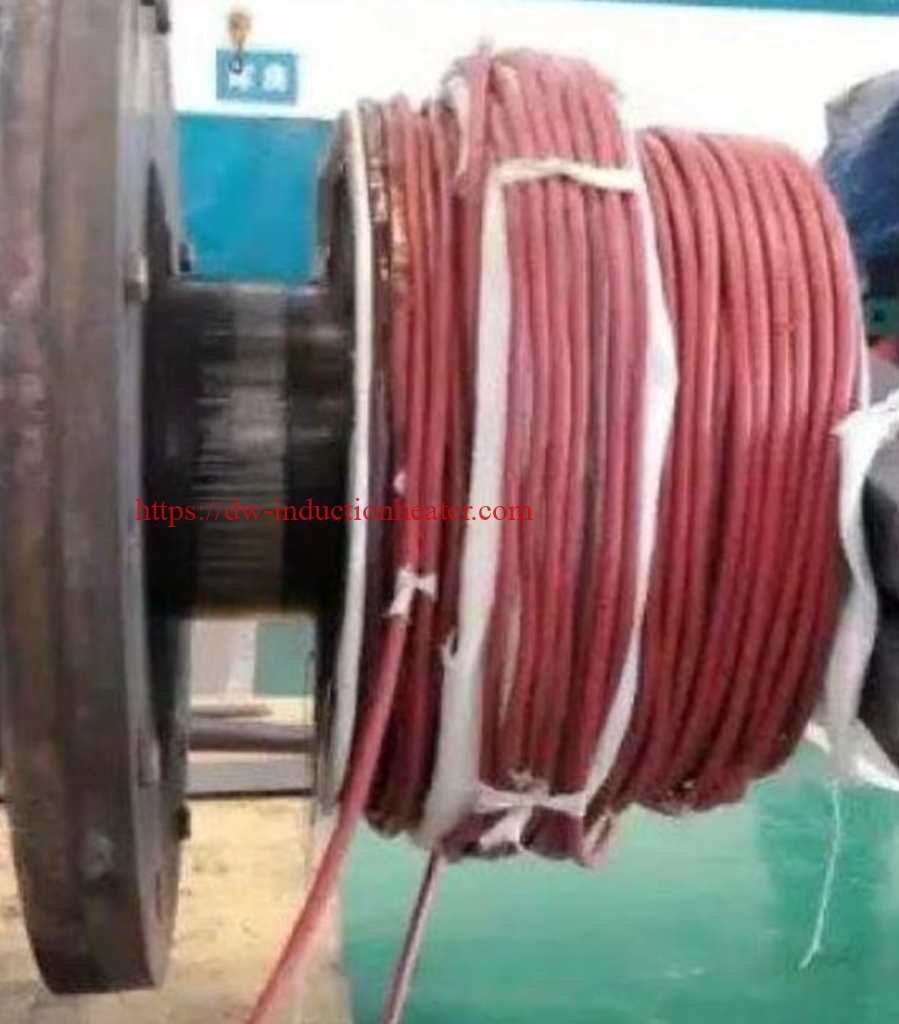
Portable Induction Disassembly Heater

Portable Induction Disassembly Heater for Couplings, Stators, Rotors, Motors, Shafts, Wheels, Gears, etc: A Game-Changer in Industrial Maintenance

Industrial maintenance can be a challenging task, especially when it comes to disassembling parts that have been tightly coupled or assembled. Traditional methods of heating, such as gas torches, are not only time-consuming but also pose safety risks. This is where the portable induction disassembly heater comes in, offering a safer, faster, and more efficient solution.

What is a Portable Induction Disassembly Heater?

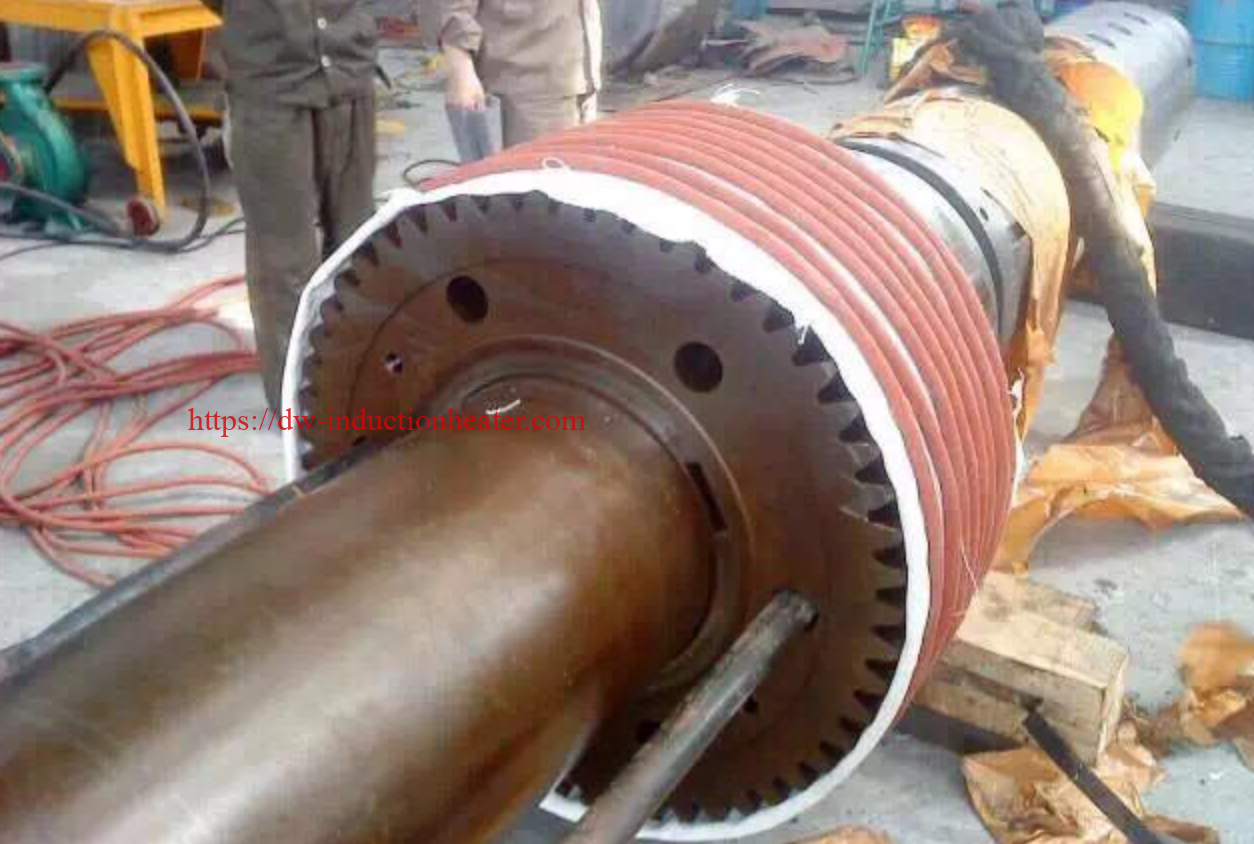
A portable induction disassembly heater is a device that uses electromagnetic induction to generate heat in metallic parts. It works by generating a high-frequency magnetic field that induces an electric current in the metallic part. The current, in turn, generates heat, causing the part to expand and loosen any tight connections. Parameters Data:
Items Unit Parameters Data
Output power kW 20 30 40 60 80 120 160
Current A 30 40 60 90 120 180 240
Input voltage/Frequency V/Hz 3phases,380/50-60 (It can be customized)
Supply voltage V 340-420
Cross section area of power cable mm² ≥10 ≥16 ≥16 ≥25 ≥35 ≥70 ≥95
Heating efficiency % ≥98
Operating frequency range KHz 5-30
Thickness of insulation cotton mm 20-25
Inductance uH 260-300 200-240 180-220 165-200 145-180 120-145 100-120
Cross section area of heating wire mm² ≥25 ≥35 ≥35 ≥40 ≥50 ≥70 ≥95
Dimensions mm 520*430*900 520*430*900 600*410*1200
Power adjustment range % 10-100
Cooling method Air cooled / Water cooled
Weight Kg 35 40 53 58 63 65 75

The Benefits of Using a Portable Induction Disassembly Heater

1. Safety: The use of gas torches and other traditional heating methods poses a significant safety risk, especially when working in confined spaces. Portable induction disassembly heaters eliminate the need for open flames, reducing the risk of fire and explosion. 2. Efficiency: Traditional heating methods can be time-consuming and require a lot of energy. Portable induction disassembly heaters are more efficient, as they only heat the metallic part, reducing heat loss and energy consumption. 3. Precision: The high-frequency magnetic field generated by the portable induction disassembly heater can be precisely controlled, ensuring that the heat is applied only where it's needed. This precision reduces the risk of damaging adjacent parts and ensures a clean and fast disassembly process. 4. Versatility: Portable induction disassembly heaters can be used on a wide range of metallic parts, including couplings, stators, rotors, motors, shafts, wheels, gears, and more. This versatility makes them a valuable tool in any industrial maintenance setting.

Applications of Portable Induction Disassembly Heaters

Portable induction disassembly heaters have numerous applications in industrial maintenance. They are commonly used for: 1. Disassembling couplings: Couplings are commonly used to connect shafts, and they can be challenging to disassemble. Portable induction disassembly heaters make the process faster and more efficient. 2. Disassembling stators and rotors: Stators and rotors are critical components in electric motors, and they can be challenging to disassemble. Portable induction disassembly heaters make the process easier and faster, reducing downtime and maintenance costs. 3. Disassembling gears and wheels: Gears and wheels are essential components in machinery, and they can be challenging to disassemble due to their tight connections. Portable induction disassembly heaters make the process faster and more efficient, reducing maintenance costs.

Conclusion

Portable induction disassembly heaters are a game-changer in industrial maintenance. They offer a safe, efficient, and precise solution for disassembling metallic parts, making maintenance tasks faster and more cost-effective. With their versatility and numerous applications, they are a valuable tool in any industrial maintenance setting.

Portable Induction Disassembly Heater

Portable Induction Disassembly Heater for Couplings, Stators, Rotors, Motors, Shafts, Wheels, Gears, etc: A Game-Changer in Industrial Maintenance

Industrial maintenance can be a challenging task, especially when it comes to disassembling parts that have been tightly coupled or assembled. Traditional methods of heating, such as gas torches, are not only time-consuming but also pose safety risks. This is where the portable induction disassembly heater comes in, offering a safer, faster, and more efficient solution.

What is a Portable Induction Disassembly Heater?

A portable induction disassembly heater is a device that uses electromagnetic induction to generate heat in metallic parts. It works by generating a high-frequency magnetic field that induces an electric current in the metallic part. The current, in turn, generates heat, causing the part to expand and loosen any tight connections. Parameters Data:
Items Unit Parameters Data
Output power kW 20 30 40 60 80 120 160
Current A 30 40 60 90 120 180 240
Input voltage/Frequency V/Hz 3phases,380/50-60 (It can be customized)
Supply voltage V 340-420
Cross section area of power cable mm² ≥10 ≥16 ≥16 ≥25 ≥35 ≥70 ≥95
Heating efficiency % ≥98
Operating frequency range KHz 5-30
Thickness of insulation cotton mm 20-25
Inductance uH 260-300 200-240 180-220 165-200 145-180 120-145 100-120
Cross section area of heating wire mm² ≥25 ≥35 ≥35 ≥40 ≥50 ≥70 ≥95
Dimensions mm 520*430*900 520*430*900 600*410*1200
Power adjustment range % 10-100
Cooling method Air cooled / Water cooled
Weight Kg 35 40 53 58 63 65 75

The Benefits of Using a Portable Induction Disassembly Heater

1. Safety: The use of gas torches and other traditional heating methods poses a significant safety risk, especially when working in confined spaces. Portable induction disassembly heaters eliminate the need for open flames, reducing the risk of fire and explosion. 2. Efficiency: Traditional heating methods can be time-consuming and require a lot of energy. Portable induction disassembly heaters are more efficient, as they only heat the metallic part, reducing heat loss and energy consumption. 3. Precision: The high-frequency magnetic field generated by the portable induction disassembly heater can be precisely controlled, ensuring that the heat is applied only where it's needed. This precision reduces the risk of damaging adjacent parts and ensures a clean and fast disassembly process. 4. Versatility: Portable induction disassembly heaters can be used on a wide range of metallic parts, including couplings, stators, rotors, motors, shafts, wheels, gears, and more. This versatility makes them a valuable tool in any industrial maintenance setting.

Applications of Portable Induction Disassembly Heaters

Portable induction disassembly heaters have numerous applications in industrial maintenance. They are commonly used for: 1. Disassembling couplings: Couplings are commonly used to connect shafts, and they can be challenging to disassemble. Portable induction disassembly heaters make the process faster and more efficient. 2. Disassembling stators and rotors: Stators and rotors are critical components in electric motors, and they can be challenging to disassemble. Portable induction disassembly heaters make the process easier and faster, reducing downtime and maintenance costs. 3. Disassembling gears and wheels: Gears and wheels are essential components in machinery, and they can be challenging to disassemble due to their tight connections. Portable induction disassembly heaters make the process faster and more efficient, reducing maintenance costs.

Conclusion

Portable induction disassembly heaters are a game-changer in industrial maintenance. They offer a safe, efficient, and precise solution for disassembling metallic parts, making maintenance tasks faster and more cost-effective. With their versatility and numerous applications, they are a valuable tool in any industrial maintenance setting. https://dw-inductionheater.com/product/portable-induction-disassembly-heater?feed_id=200062&_unique_id=644badbde8c12

2023年4月18日星期二

Induction Disassembly Machine For Couplings, Bearings, Rotors, and Motors

Revolutionize Your Assembly Line with Induction Disassembly Machine Techniques

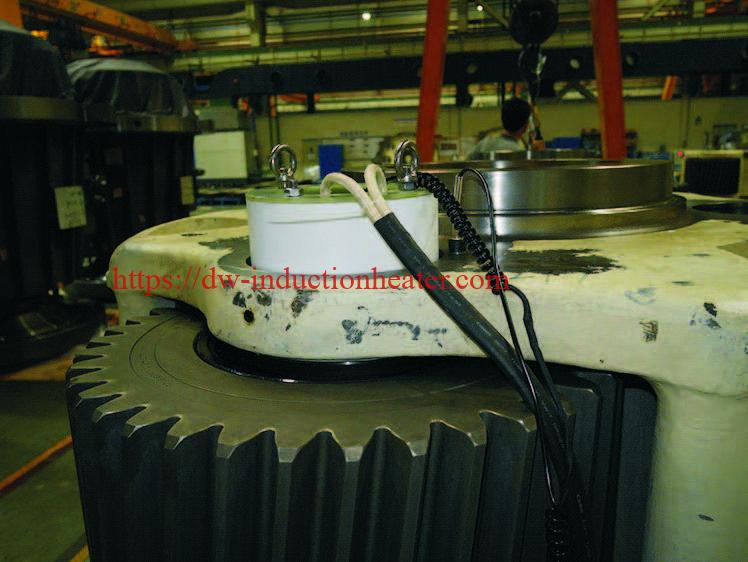
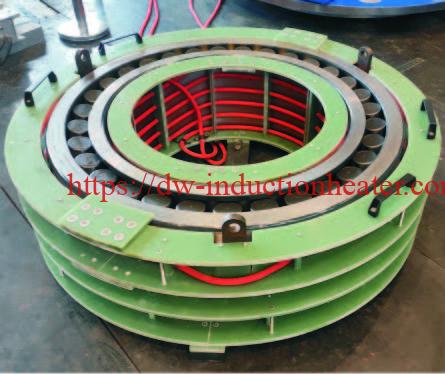
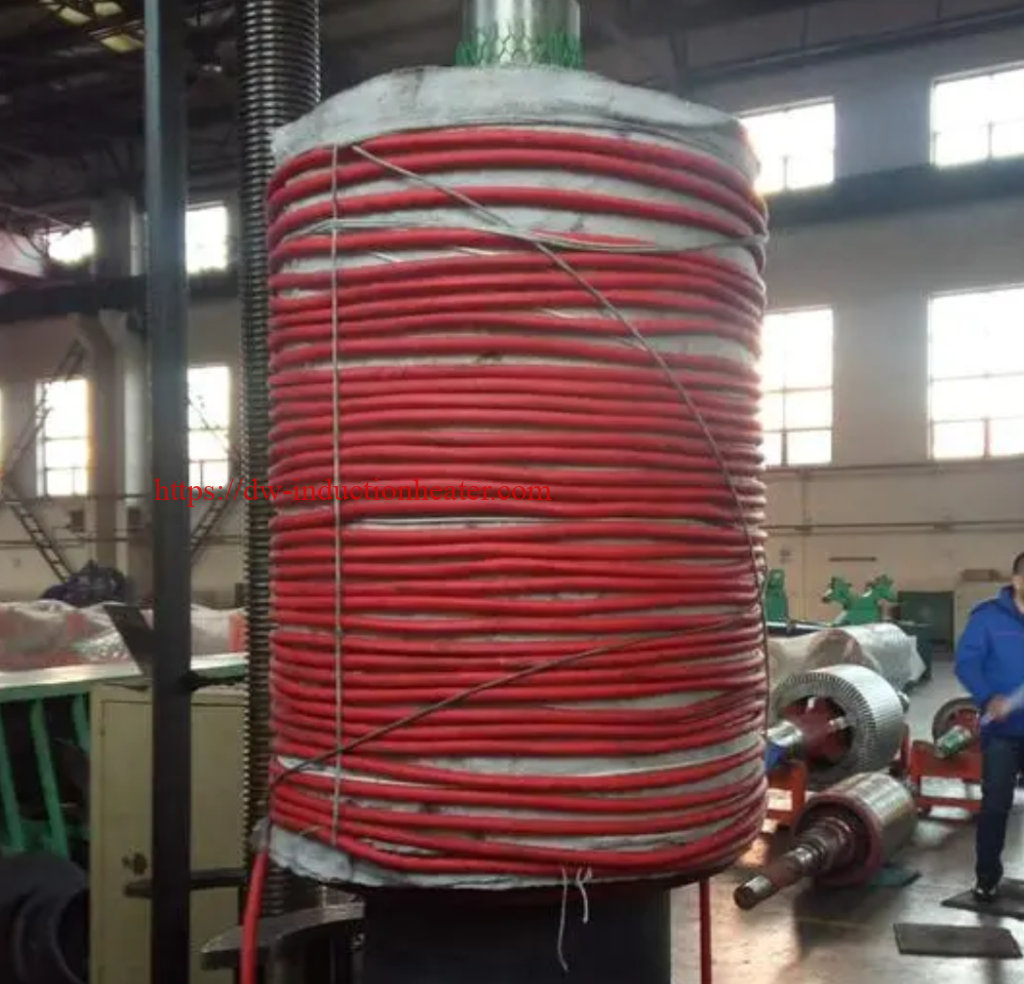
An induction disassembly machine | induction dismantling system | induction dismounarings, rotors, stators and motors. The heat generated by the electromagnetic waves causes the metal to expand, which in turn loosens the bonds between the metal components. This makes it easier to disassemble the parts without damaging them. The induction disassembly machine | induction dismantling system | induction dismounting heater works by using an induction coil, which is a copper wire that is wrapped around a core. When an alternating current is applied to the coil, it generates an electromagnetic wave. The wave passes through the metal parts, causing them to heat up. The heat causes the metal to expand, which loosens the bonds between the parts.
Introduction to Induction Heat Disassembly Techniques

Induction heat disassembly techniques use the power of electromagnetic induction to heat up metal parts and components. This heat causes the metal to expand, allowing for easier removal of parts that may be stuck or tightly fitted. Induction heat disassembly is a non-contact method, meaning that there is no physical contact between the heating element and the component being heated. This results in a safer and more efficient process compared to traditional disassembly methods.

Understanding the Basics of Induction Disassembly

Induction disassembly involves the use of an induction coil, which generates an electromagnetic field. This electromagnetic field induces eddy currents in the metal component, causing it to heat up. The heat causes the metal to expand, making it easier to remove the component. The process is controlled by adjusting the frequency and power of the electromagnetic field.

Benefits of Induction Disassembly

Induction disassembly offers a number of benefits over traditional disassembly methods. Firstly, it is a non-destructive method of disassembly, meaning that the component being removed is not damaged during the process. Secondly, induction disassembly is a more efficient method, allowing for faster disassembly times. This is particularly useful in industries where time is money. Finally, induction disassembly is a safer method of disassembly because it eliminates the need for physical contact between the heating element and the component being heated.

Industries that Benefit from Induction Disassembly

Induction disassembly can be used in a variety of industries, including automotive, aerospace, and electronics. In the automotive industry, induction disassembly can be used to remove rusted or seized parts, such as bearings and bushings. In the aerospace industry, induction disassembly can be used to remove turbine blades from jet engines. In the electronics industry, induction disassembly can be used to remove components from circuit boards without damaging them.

Types of Induction Disassembly Techniques

There are several types of induction disassembly techniques, including induction dismantling, induction dismounting, and induction shrink fitting. Induction dismantling involves heating up a metal component until it can be easily separated from other components. Induction dismounting involves heating up a metal component until it can be removed from a shaft or other mounting mechanism. Induction shrink fitting involves heating up a metal component until it can be easily fitted onto another component.
How Induction Heat Disassembly Works

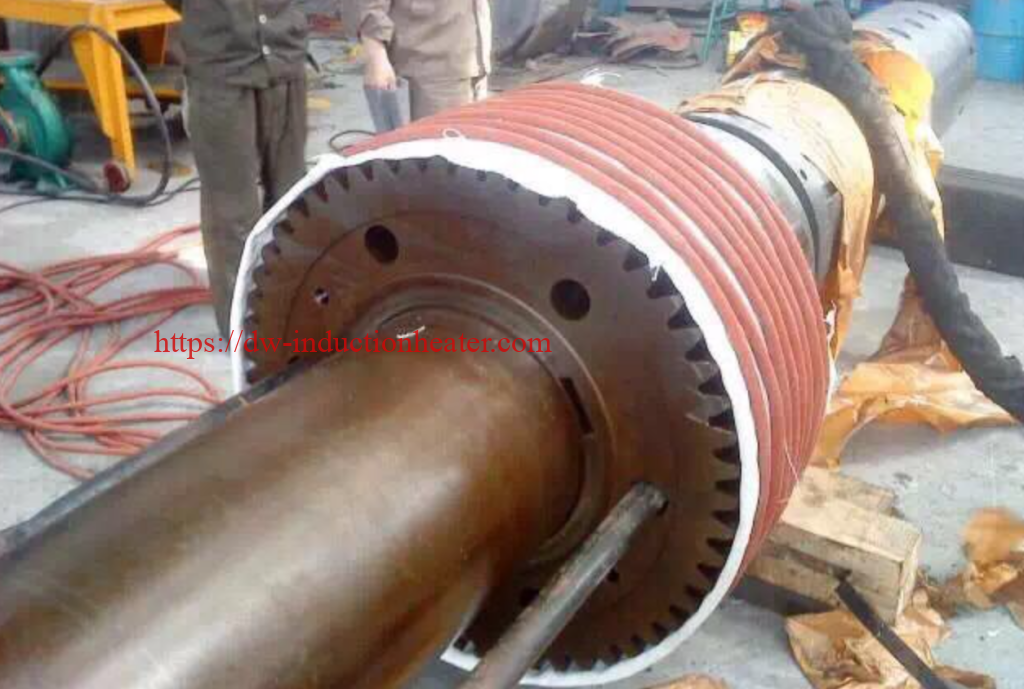
Induction heat disassembly works by using induction heat to removal coupling. This involves heating up the metal component until it expands and can be removed from the assembly. The process is controlled by adjusting the frequency and power of the electromagnetic field. Once the component is removed, it can be replaced or repaired as necessary.

Advancements in Induction Heat Disassembly

Advancements in induction heat disassembly technology have made the process even more efficient and effective. For example, some induction heat disassembly equipment now includes automated systems that can adjust the frequency and power of the electromagnetic field based on the component being heated. This allows for more precise control over the disassembly process and reduces the risk of damage to the component.

Choosing the Right Induction Heat Disassembly Service Provider

Choosing the right induction heat disassembly service provider is important to ensure that the process is carried out safely and effectively. Look for a provider with experience in your industry and a track record of success. It is also important to ensure that the provider is using the latest equipment and techniques. The different models of induction disassembly machine | induction dismantling system | induction dismounting heater are from HLQ company.
Items Unit Parameters Data
Output power kW 20 30 40 60 80 120 160
Current A 30 40 60 90 120 180 240
Input voltage/Frequency V/Hz 3phases,380/50-60 (It can be customized)
Supply voltage V 340-420
Cross section area of power cable mm² ≥10 ≥16 ≥16 ≥25 ≥35 ≥70 ≥95
Heating efficiency % ≥98
Operating frequency range KHz 5-30
Thickness of insulation cotton mm 20-25
Inductance uH 260-300 200-240 180-220 165-200 145-180 120-145 100-120
Cross section area of heating wire mm² ≥25 ≥35 ≥35 ≥40 ≥50 ≥70 ≥95
Dimensions mm 520*430*900 520*430*900 600*410*1200
Power adjustment range % 10-100
Cooling method Air cooled / Water cooled
Weight Kg 35 40 53 65 78 95 115

Safety Measures When Using Induction Heat Disassembly Techniques

While induction heat disassembly is a safer method of disassembly compared to traditional methods, it is still important to take safety measures when using the technique. This includes wearing protective gear, such as gloves and safety glasses, and ensuring that the equipment is properly grounded. It is also important to follow the manufacturer's instructions when using the equipment.

Conclusion - Revolutionize Your Assembly Line with Induction Disassembly Machine Techniques

Induction heat disassembly techniques offer a more efficient, safer, and non-destructive method of disassembly. As an industrial engineer, I highly recommend considering induction heat disassembly to revolutionize your assembly line. By choosing the right service provider and taking the necessary safety measures, you can improve your assembly line's efficiency and reduce downtime.  
Induction Disassembly Machine For Couplings, Bearings, Rotors, and Motors

Revolutionize Your Assembly Line with Induction Disassembly Machine Techniques

An induction disassembly machine | induction dismantling system | induction dismounarings, rotors, stators and motors. The heat generated by the electromagnetic waves causes the metal to expand, which in turn loosens the bonds between the metal components. This makes it easier to disassemble the parts without damaging them. The induction disassembly machine | induction dismantling system | induction dismounting heater works by using an induction coil, which is a copper wire that is wrapped around a core. When an alternating current is applied to the coil, it generates an electromagnetic wave. The wave passes through the metal parts, causing them to heat up. The heat causes the metal to expand, which loosens the bonds between the parts.

Introduction to Induction Heat Disassembly Techniques

Induction heat disassembly techniques use the power of electromagnetic induction to heat up metal parts and components. This heat causes the metal to expand, allowing for easier removal of parts that may be stuck or tightly fitted. Induction heat disassembly is a non-contact method, meaning that there is no physical contact between the heating element and the component being heated. This results in a safer and more efficient process compared to traditional disassembly methods.

Understanding the Basics of Induction Disassembly

Induction disassembly involves the use of an induction coil, which generates an electromagnetic field. This electromagnetic field induces eddy currents in the metal component, causing it to heat up. The heat causes the metal to expand, making it easier to remove the component. The process is controlled by adjusting the frequency and power of the electromagnetic field.

Benefits of Induction Disassembly

Induction disassembly offers a number of benefits over traditional disassembly methods. Firstly, it is a non-destructive method of disassembly, meaning that the component being removed is not damaged during the process. Secondly, induction disassembly is a more efficient method, allowing for faster disassembly times. This is particularly useful in industries where time is money. Finally, induction disassembly is a safer method of disassembly because it eliminates the need for physical contact between the heating element and the component being heated.

Industries that Benefit from Induction Disassembly

Induction disassembly can be used in a variety of industries, including automotive, aerospace, and electronics. In the automotive industry, induction disassembly can be used to remove rusted or seized parts, such as bearings and bushings. In the aerospace industry, induction disassembly can be used to remove turbine blades from jet engines. In the electronics industry, induction disassembly can be used to remove components from circuit boards without damaging them.

Types of Induction Disassembly Techniques

There are several types of induction disassembly techniques, including induction dismantling, induction dismounting, and induction shrink fitting. Induction dismantling involves heating up a metal component until it can be easily separated from other components. Induction dismounting involves heating up a metal component until it can be removed from a shaft or other mounting mechanism. Induction shrink fitting involves heating up a metal component until it can be easily fitted onto another component.

How Induction Heat Disassembly Works

Induction heat disassembly works by using induction heat to removal coupling. This involves heating up the metal component until it expands and can be removed from the assembly. The process is controlled by adjusting the frequency and power of the electromagnetic field. Once the component is removed, it can be replaced or repaired as necessary.

Advancements in Induction Heat Disassembly

Advancements in induction heat disassembly technology have made the process even more efficient and effective. For example, some induction heat disassembly equipment now includes automated systems that can adjust the frequency and power of the electromagnetic field based on the component being heated. This allows for more precise control over the disassembly process and reduces the risk of damage to the component.

Choosing the Right Induction Heat Disassembly Service Provider

Choosing the right induction heat disassembly service provider is important to ensure that the process is carried out safely and effectively. Look for a provider with experience in your industry and a track record of success. It is also important to ensure that the provider is using the latest equipment and techniques. The different models of induction disassembly machine | induction dismantling system | induction dismounting heater are from HLQ company.
Items Unit Parameters Data
Output power kW 20 30 40 60 80 120 160
Current A 30 40 60 90 120 180 240
Input voltage/Frequency V/Hz 3phases,380/50-60 (It can be customized)
Supply voltage V 340-420
Cross section area of power cable mm² ≥10 ≥16 ≥16 ≥25 ≥35 ≥70 ≥95
Heating efficiency % ≥98
Operating frequency range KHz 5-30
Thickness of insulation cotton mm 20-25
Inductance uH 260-300 200-240 180-220 165-200 145-180 120-145 100-120
Cross section area of heating wire mm² ≥25 ≥35 ≥35 ≥40 ≥50 ≥70 ≥95
Dimensions mm 520*430*900 520*430*900 600*410*1200
Power adjustment range % 10-100
Cooling method Air cooled / Water cooled
Weight Kg 35 40 53 65 78 95 115

Safety Measures When Using Induction Heat Disassembly Techniques

While induction heat disassembly is a safer method of disassembly compared to traditional methods, it is still important to take safety measures when using the technique. This includes wearing protective gear, such as gloves and safety glasses, and ensuring that the equipment is properly grounded. It is also important to follow the manufacturer's instructions when using the equipment.

Conclusion - Revolutionize Your Assembly Line with Induction Disassembly Machine Techniques

Induction heat disassembly techniques offer a more efficient, safer, and non-destructive method of disassembly. As an industrial engineer, I highly recommend considering induction heat disassembly to revolutionize your assembly line. By choosing the right service provider and taking the necessary safety measures, you can improve your assembly line's efficiency and reduce downtime.   https://dw-inductionheater.com/product/induction-disassembly-machine-for-couplings-bearings-rotors-and-motors?feed_id=197302&_unique_id=643e50942901f

2023年4月13日星期四

Induction shrink fitting and thermal disassembly

Induction shrink fitting and thermal disassembly process

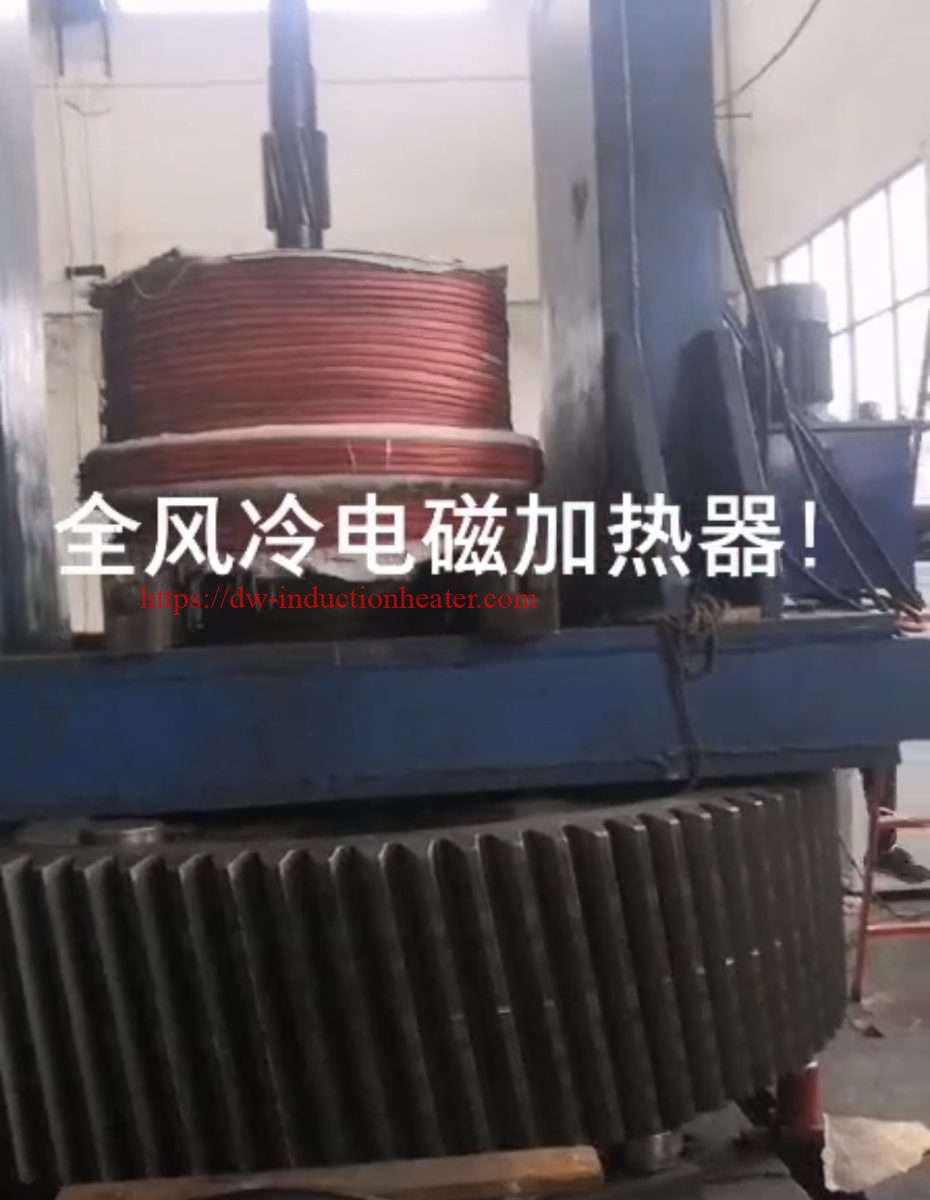
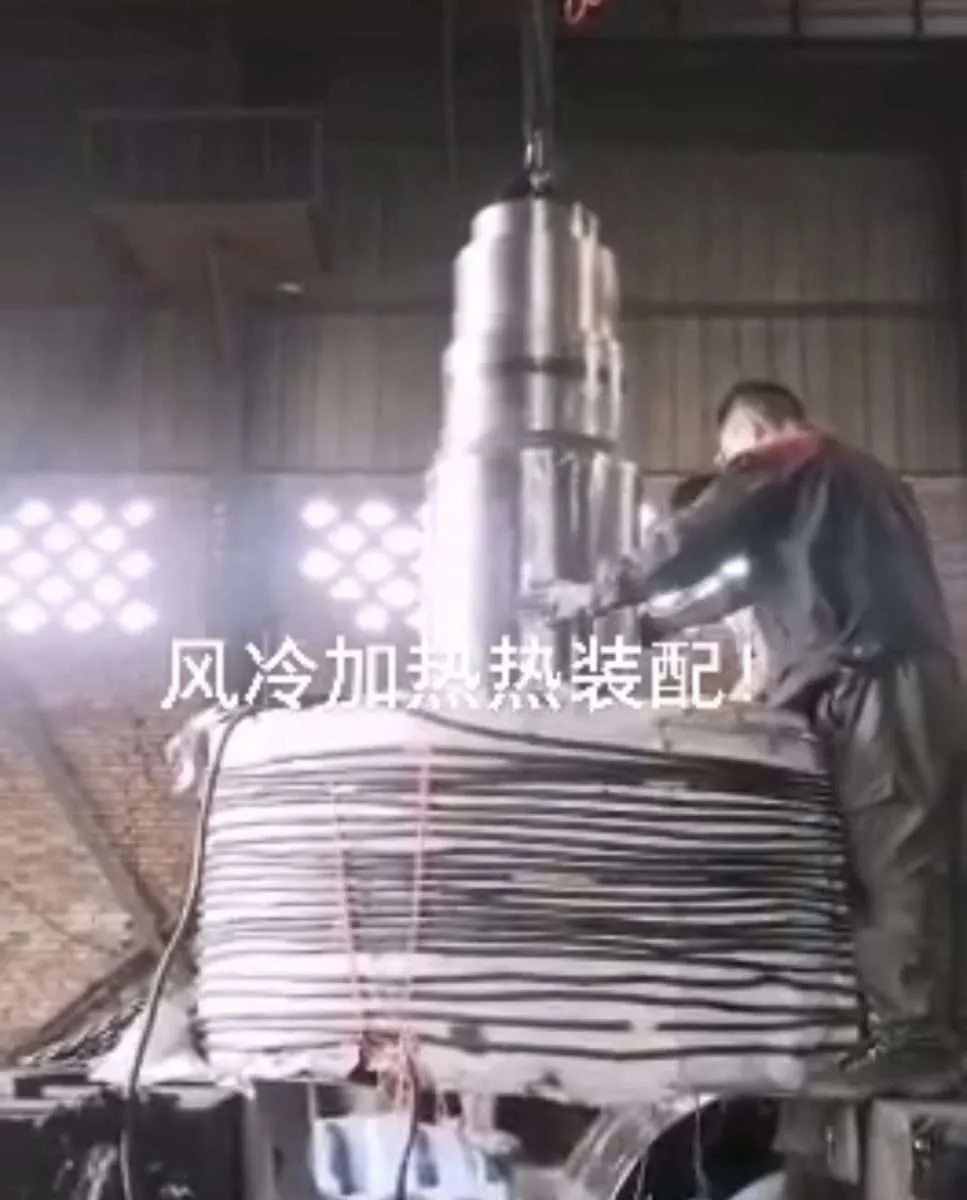
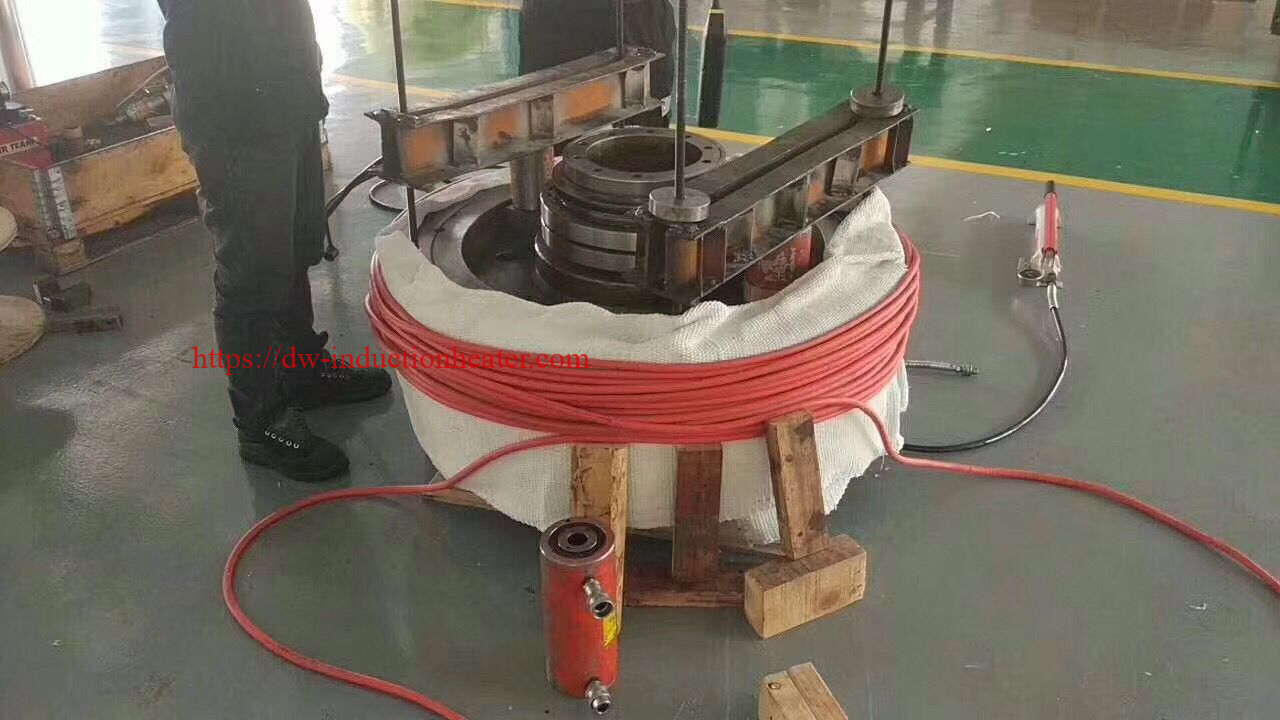
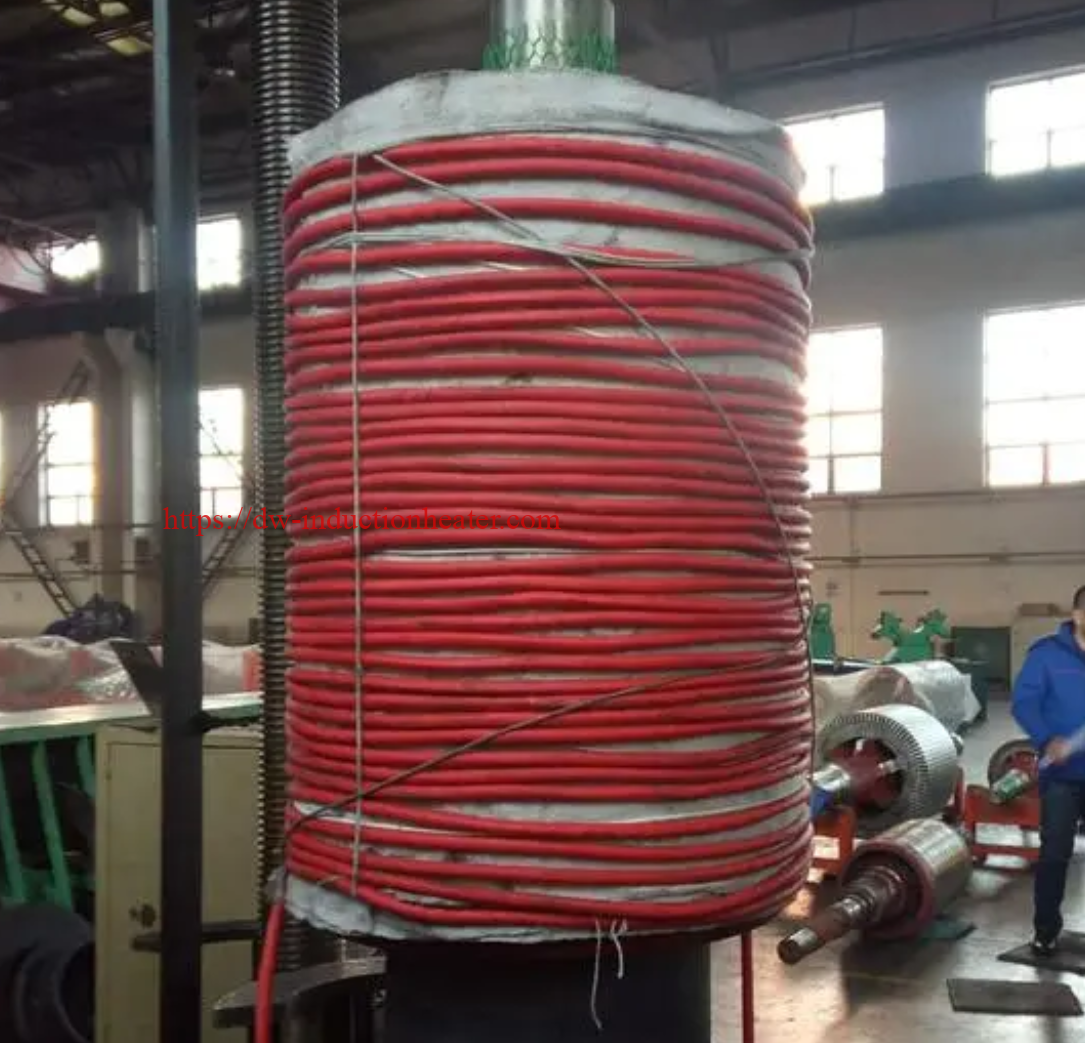
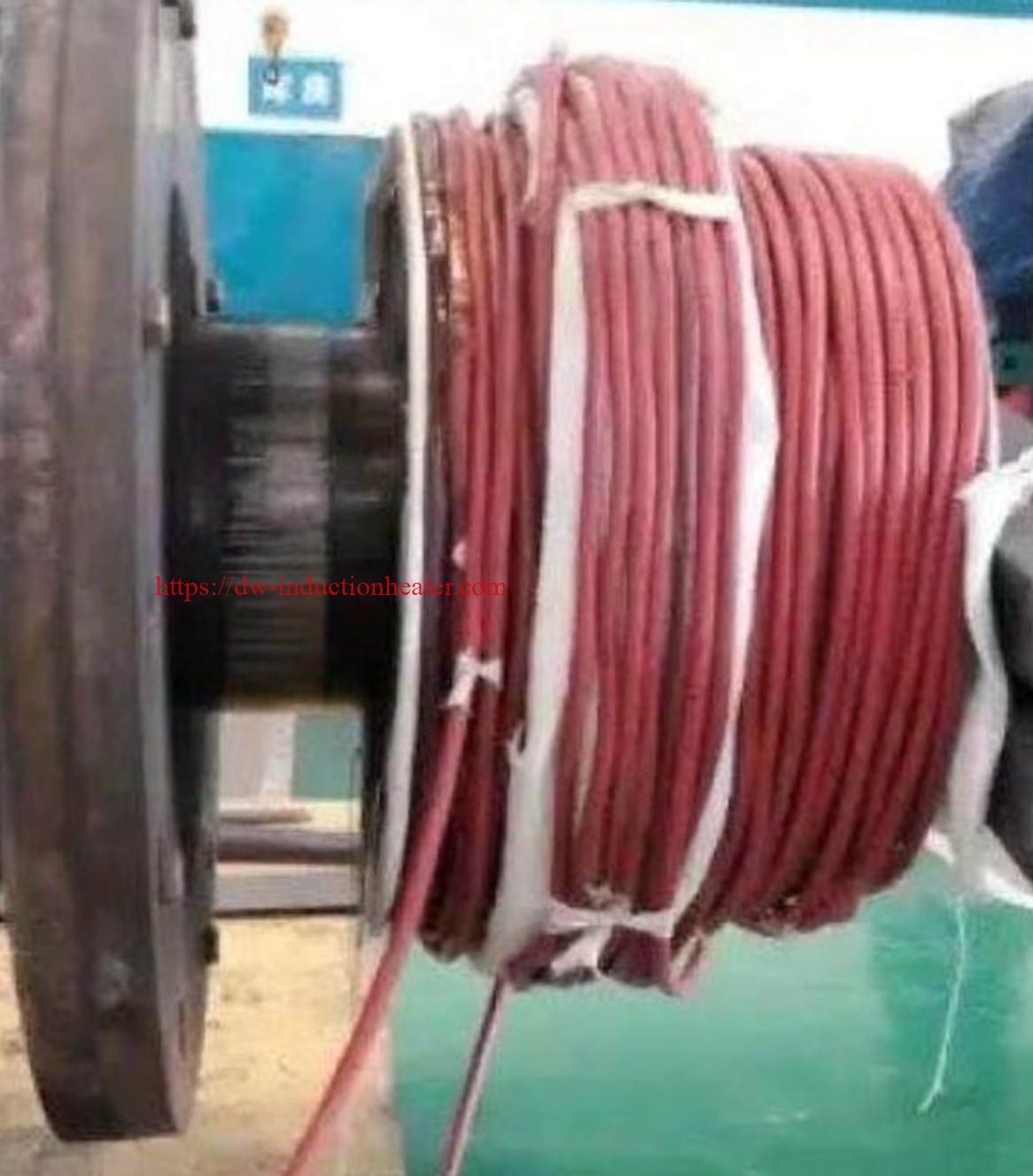
Induction shrink fitting and thermal disassembly is a method of fitting a metallic ring around a shaft or hub by heating the ring with an induction heating method. The metal ring is made to expand and then cooled with the shaft or hub inside. The two metal parts contract after cooling, and the metal ring is in a shrink-fit position. An induction shrink fitting machine uses induction heating technology to heat a metal ring to high temperatures to cause the metal ring to expand and then contract it to fit tightly over a shaft or hub. How do Induction Shrink fitting machines work? The induction shrink fitting machine heats the metal ring with an electromagnetic field, causing the metal ring to heat up due to eddy currents. The coil of the machine generates electromagnetic waves which induce the currents in the metal ring, and it heats up. The temperature is controlled with different settings of voltage, frequency, and processing time. The process of heating and cooling with the shaft or hub is done until they fit tightly. The Benefits of Induction Shrink fitting machines The benefits of Induction shrink fitting machines are numerous. Here are a few: 1. High speed and efficiency – Induction shrink fitting machines heat metal at a fast rate, making it possible to complete the process in a short time. 2. Precision – Induction heating provides precise heating using controlled energy input, producing consistent and accurate results. 3. Safety – Induction shrink fitting reduces health and safety risks by eliminating the use of oxyacetylene burners, gas flames, or other heating methods. 4. Cost-effective – Induction shrink fitting requires less energy and reduces the cost that would be used to pay for prolonged heating or the use of other heating solutions. The use of induction shrink fitting is common in many industries, including automotive, aerospace, construction, and manufacturing. It is widely used for assembling bearings, gears, couplings, and other components that require a tight and secure fit. The method has proven to be an effective and efficient alternative to traditional assembly methods, providing a strong and durable joint that can withstand high levels of stress and vibration. Conclusion Induction shrink fitting machines have revolutionized the way that industries fit metal parts together. The technology offers quick, accurate, safe, and cost-effective methods of heating metal parts. The metal parts produced through induction shrink fitting are of high quality, durability and strength.induction shrink fitting is a valuable tool for assembling components with precision and accuracy, reducing the risk of part failure and increasing efficiency in manufacturing processes. Induction shrink fitting is ideal for industries that require high precision metal parts, including aerospace engineering, automotive and electronics industries.  

Induction shrink fitting and thermal disassembly

Induction shrink fitting and thermal disassembly process

Induction shrink fitting and thermal disassembly is a method of fitting a metallic ring around a shaft or hub by heating the ring with an induction heating method. The metal ring is made to expand and then cooled with the shaft or hub inside. The two metal parts contract after cooling, and the metal ring is in a shrink-fit position. An induction shrink fitting machine uses induction heating technology to heat a metal ring to high temperatures to cause the metal ring to expand and then contract it to fit tightly over a shaft or hub. How do Induction Shrink fitting machines work? The induction shrink fitting machine heats the metal ring with an electromagnetic field, causing the metal ring to heat up due to eddy currents. The coil of the machine generates electromagnetic waves which induce the currents in the metal ring, and it heats up. The temperature is controlled with different settings of voltage, frequency, and processing time. The process of heating and cooling with the shaft or hub is done until they fit tightly. The Benefits of Induction Shrink fitting machines The benefits of Induction shrink fitting machines are numerous. Here are a few: 1. High speed and efficiency – Induction shrink fitting machines heat metal at a fast rate, making it possible to complete the process in a short time. 2. Precision – Induction heating provides precise heating using controlled energy input, producing consistent and accurate results. 3. Safety – Induction shrink fitting reduces health and safety risks by eliminating the use of oxyacetylene burners, gas flames, or other heating methods. 4. Cost-effective – Induction shrink fitting requires less energy and reduces the cost that would be used to pay for prolonged heating or the use of other heating solutions. The use of induction shrink fitting is common in many industries, including automotive, aerospace, construction, and manufacturing. It is widely used for assembling bearings, gears, couplings, and other components that require a tight and secure fit. The method has proven to be an effective and efficient alternative to traditional assembly methods, providing a strong and durable joint that can withstand high levels of stress and vibration. Conclusion Induction shrink fitting machines have revolutionized the way that industries fit metal parts together. The technology offers quick, accurate, safe, and cost-effective methods of heating metal parts. The metal parts produced through induction shrink fitting are of high quality, durability and strength.induction shrink fitting is a valuable tool for assembling components with precision and accuracy, reducing the risk of part failure and increasing efficiency in manufacturing processes. Induction shrink fitting is ideal for industries that require high precision metal parts, including aerospace engineering, automotive and electronics industries.   https://dw-inductionheater.com/product/induction-shrink-fitting-and-thermal-disassembly?feed_id=195547&_unique_id=6437ac068b246

关注者

我的简介

我的照片
HLQ induction heating machine manufacturer provides the service of induction brazing,melting,hot forming,hardening surface,annealing,shrink fitting,PWHT,etc.