显示标签为“inductionheatingsteel”的博文。显示所有博文

2024年6月1日星期六

Induction Heating Steel Pipe To Remove plastic coating

Induction Heating Steel Pipe To Remove plastic coating With RF Heating System Objective Recover the polypropylene insulation from hollow steel tubes to allow recycling of both the tubes and the insulation. Material Hollow steel tubes 1/8” (0.318 cm) to 5/8” (1.59 cm) ID Protective polypropylene coating Temperature 150 ºC (302°F) Frequency 185 kHz Equipment • DW-UHF-4.5kW induction heating system, equipped with a remote workhead containing one 1.5 μF capacitor • An induction heating coil designed and developed specifically for this application. Process/Narrative A six turn letterbox shaped coil is used to heat the inner steel pipes. The plastic coating is softened enough to be easily removed and recycled. The time required to melt the plastic from one meter of wire is approximately 45 seconds. This varies based on the diameter of the tube. Results/Benefits Induction heating is the only feasible way to remove the plastic coating, leaving it in an unpolluted form for recycling. It is a faster processing method and also reduces in the company’s carbon footprint. induction heating removing plastic             induction heating steel pipe for removing plastic   https://dw-inductionheater.com/induction-heating-steel-pipe-to-remove-plastic-coating.html?feed_id=248183&_unique_id=665b7276d5896

2024年5月26日星期日

Induction Heating Steel Part For Hot Heading

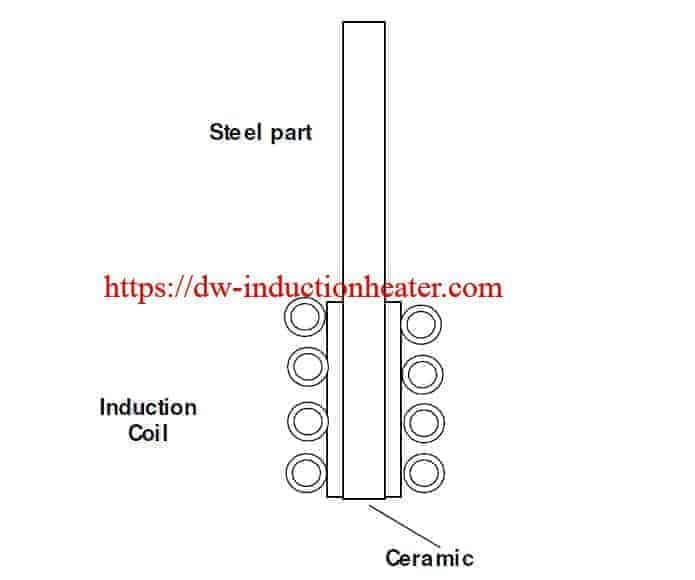
Induction Heating Steel Part For Hot Heading With IGBT Induction Heater Objective Heating steel parts to 1900ºF (1038ºC) for hot heading application Material Steel parts with 7/16” (11.11mm) OD and ceramic piece Temperature 1900 ºF (1038ºC) Frequency 440 kHz Equipment • DW-UHF-6kW induction heating system, equipped with a remote workhead containing one 0.66μF capacitor. • An induction heating coil, designed and developed specifically for this application. Process A four turn helical coil with ceramic insert is used to heat a 0.75” (19mm) section of the part to 1900ºF (1038ºC) for 7.5 seconds. A ceramic piece is so the part does not come in contact with the coil. Results/Benefits Induction heating provides: • Hands-free heating that involves no operator skill for manufacturing • Direct application of the heat on the work piece with precision and consistency • Even distribution of heating • Low pressure and minimal residual part stress induction heating steel parts for hot heading https://dw-inductionheater.com/induction-heating-steel-part-for-hot-heading.html?feed_id=247340&_unique_id=66539763e7c5f

2024年1月14日星期日

The Advantages of Induction Heating Steel Sheets Production

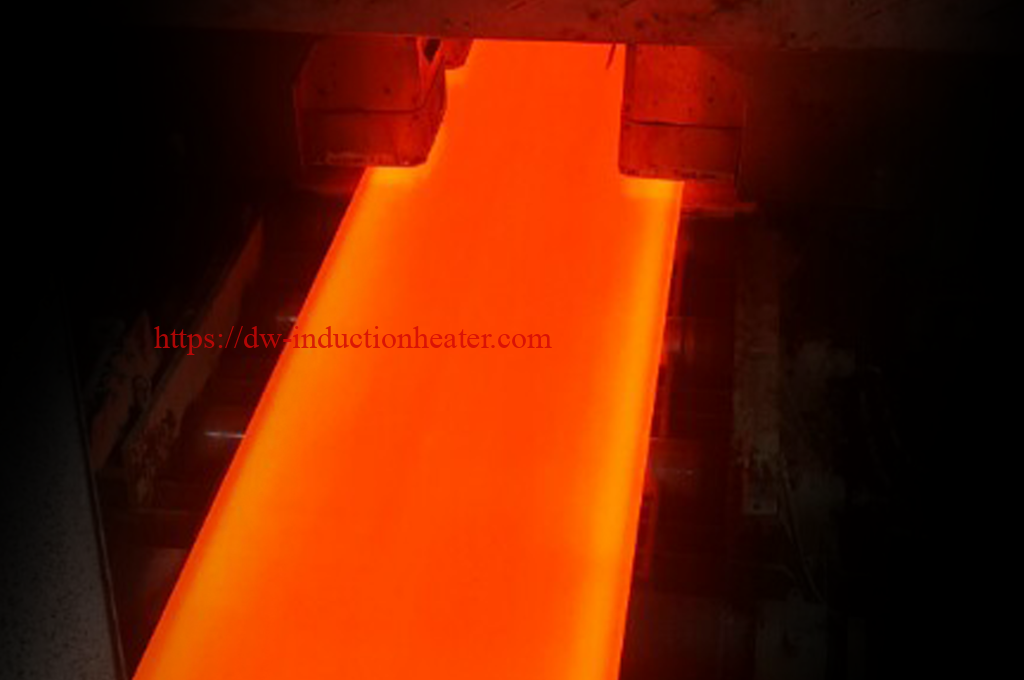
Induction heating steel sheet is a process that involves using an electromagnetic field to heat up a metal object. In this case, the object is a steel sheet. The steel sheet is placed within the electromagnetic field, and the energy from the field causes the steel to heat up. This method of heating is fast and efficient, and it can be used for a variety of purposes, including annealing, hardening, and welding. Induction heating is also a more precise method of heating, as the heat can be localized to specific areas of the steel sheet. This means that there is less risk of overheating or damaging the steel sheet during the heating process. Overall, induction heating is a great option for anyone who needs to heat up steel sheets quickly, efficiently, and with precision.
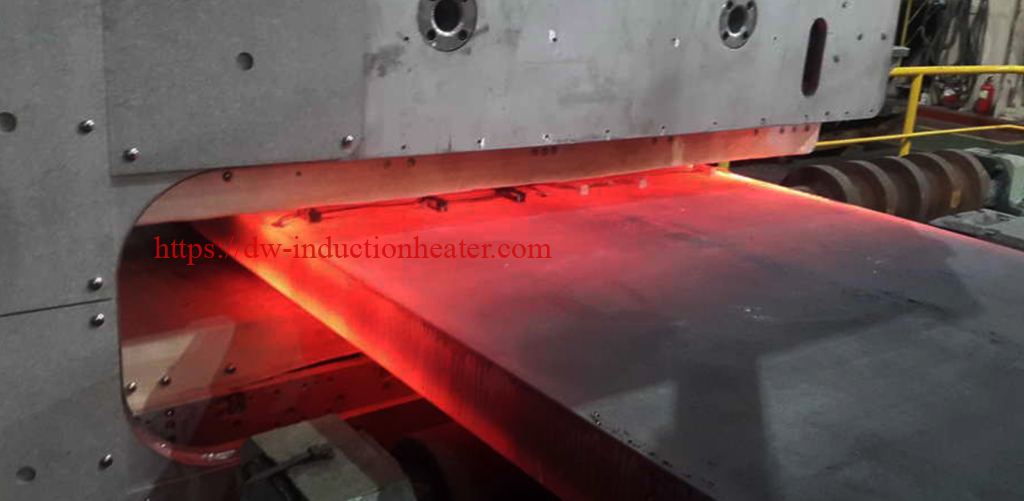
1. What is induction heating steel sheet production?

Induction heating is a type of heating that is commonly used for steel sheet production. It is a process that uses electromagnetic induction to heat the metal. This technique is particularly useful for steel sheet production because it offers numerous advantages over traditional heating methods. Induction heating is a fast and efficient way to heat steel sheets. By using high-frequency electromagnetic currents, it can heat the metal quickly and evenly. This can lead to a more consistent product with fewer defects. Another advantage of induction heating is that it is a clean and safe process. Unlike other heating methods, induction heating doesn't produce emissions or require the use of fossil fuels. This makes it a more environmentally friendly option. Additionally, induction heating doesn't require a flame or other heat source, which reduces the risk of fire or other accidents. Induction heating is also a cost-effective option for steel sheet production. Because it is a quick and efficient process, it can save both time and money in the production process. Additionally, the even heating that induction heating provides can reduce the need for additional processing steps, which can also save money. Overall, induction heating for steel sheet production is an excellent choice for those looking for a fast, efficient, and cost-effective heating method. Its numerous advantages make it a popular choice in many industries, including automotive, aerospace, and construction.

2. Advantages of induction heating over traditional methods

Induction heating has become a popular choice in steel sheet production because of its numerous advantages over traditional heating methods. One of the most significant advantages of induction heating is that it can be more energy-efficient than other heating methods. With traditional heating methods, a lot of energy is lost as the heat is transferred from the heating element to the metal. With induction heating, however, the heat is produced directly within the metal, resulting in a more efficient heating process. This translates to lower energy costs and a reduced carbon footprint. Another advantage of induction heating is that it can provide a more precise and controlled heat source. This is because induction heating uses a magnetic field to generate heat, which allows for more accurate temperature control. This ability to control the temperature more precisely results in a more consistent heating process, which ultimately leads to higher quality steel sheet production. Furthermore, induction heating can also be a safer option for steel sheet production. With traditional heating methods, there is often an open flame or other heating element that can pose a safety risk. Induction heating, on the other hand, does not require an open flame, making it a safer option for both workers and the environment. Overall, the advantages of induction heating make it a popular choice for steel sheet production. Its energy efficiency, precision, and safety make it a more effective and sustainable option for heating steel sheets.
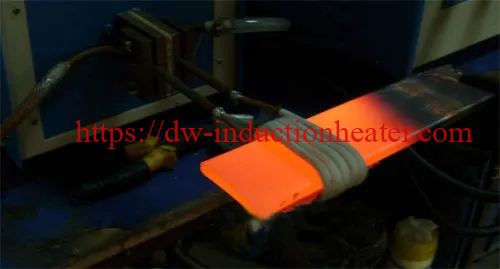
3. The impact of induction heating on steel sheet production quality
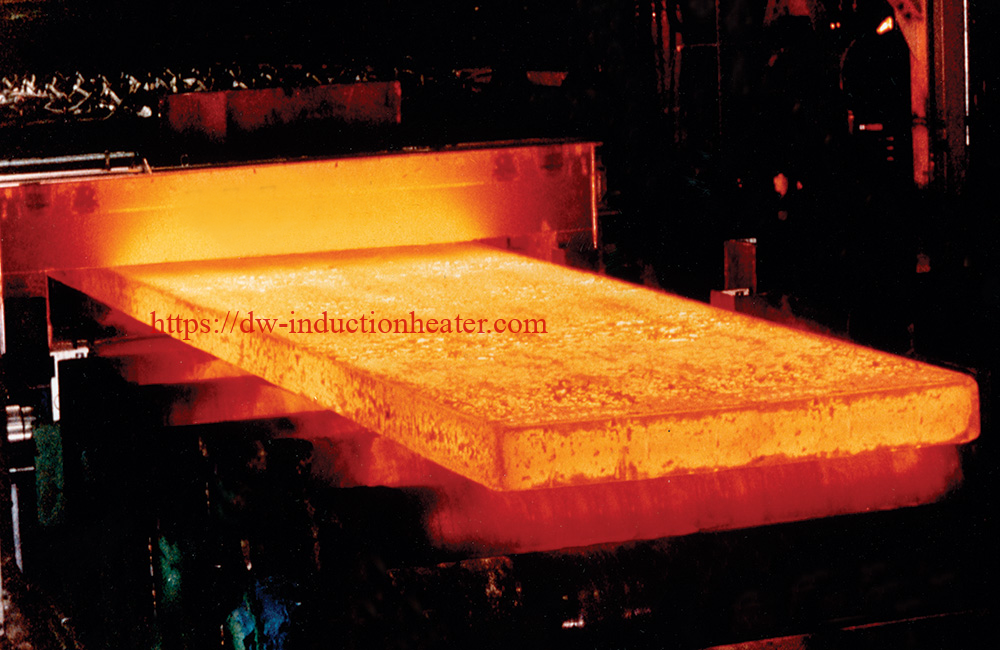
Induction heating has revolutionized steel sheet production by enhancing the quality of the final product. When steel sheets are heated using induction heating, they experience a rapid, localized, and precise heating process that results in a uniform temperature distribution across the steel sheet. This uniform heating process ensures that the steel sheet is heated precisely, avoiding any chances of overheating or under-heating that could result in defects in the final product. Furthermore, induction heating offers a more controlled heating process compared to other traditional heating methods like the use of gas or oil. This means that the steel sheet won't come into contact with any harmful impurities during the heating process, as induction heating is a clean and precise process. This results in a high-quality steel sheet that is uniform, clean, and free from any impurities. The impact of induction heating on steel sheet production quality is significant. It increases the quality, consistency, and efficiency of the heating process. The precise induction heating process eliminates the risk of defects in the final product, reducing rework and scrap rates. As a result, induction heating reduces overall production costs and improves the profitability of steel sheet manufacturing companies. In conclusion, the advantages of induction heating for steel sheet production are numerous, and it represents a significant step forward in the steel manufacturing industry.

4. Conclusion.

In conclusion,  Induction heating steel sheet is a process that uses an alternating magnetic field to heat up steel sheets. The heating is caused by the eddy currents that are induced in the steel sheet as a result of the alternating magnetic field. Induction heating is a very efficient and precise method of heating steel sheets, as it can be controlled with great accuracy. This makes it an ideal method for heat treatment processes, such as annealing, hardening, and tempering. Induction heating is also used in welding, brazing, and soldering applications, as well as in the manufacturing of various steel products such as pipes, tubes, and sheets. It is a versatile and widely used technology in the steel industry, offering precise control and energy efficiency. https://dw-inductionheater.com/the-advantages-of-induction-heating-steel-sheets-production.html?feed_id=232228&_unique_id=65a4a245d4b08

2023年10月13日星期五

induction heating steel casting

induction heating steel casting of rubber mold with high frequency induction heater Objective To preheat two irregularly shaped steel castings to be molded and bonded with synthetic rubber Material Two steel castings, 17 lb. irregularly shaped, approximately 6” (152mm) x 9” (229mm) x 1” (25.4mm) Temperature 400 ºF (204 ºC) Frequency 20 kHz Equipment • DW-MF-45kW induction heating system, equipped with a remote workhead containing four 1.0 μF capacitors (for a total of 1.0 μF). • An induction heating coil designed and developed specifically for this application. Process Two steel castings are placed onto an insulated plate with brass guide location pins. The plate is placed onto a table which slides into a large multi-turn helical coil. The parts are induction heated to 400 ºF in 180 seconds. The slow heating time allows the parts to come up to temperature evenly. When the heating cycle is completed each part is placed into a press for the molding and bonding operation. Results/Benefits Induction heating for bulk preheating of steel castings produces: • efficient and repeatable heat vs. a torch or an oven. • even heating of parts throughout Large multi-turn coils provide: • easy loading and unloading of the parts • flexibility for varying bulk castings sizes and geometries https://dw-inductionheater.com/induction-heating-steel-casting.html?feed_id=228936&_unique_id=652917b3bdc1b

2023年10月9日星期一

Induction Heating Steel Pipe To Remove plastic coating

Induction Heating Steel Pipe To Remove plastic coating With RF Heating System Objective Recover the polypropylene insulation from hollow steel tubes to allow recycling of both the tubes and the insulation. Material Hollow steel tubes 1/8” (0.318 cm) to 5/8” (1.59 cm) ID Protective polypropylene coating Temperature 150 ºC (302°F) Frequency 185 kHz Equipment • DW-UHF-4.5kW induction heating system, equipped with a remote workhead containing one 1.5 μF capacitor • An induction heating coil designed and developed specifically for this application. Process/Narrative A six turn letterbox shaped coil is used to heat the inner steel pipes. The plastic coating is softened enough to be easily removed and recycled. The time required to melt the plastic from one meter of wire is approximately 45 seconds. This varies based on the diameter of the tube. Results/Benefits Induction heating is the only feasible way to remove the plastic coating, leaving it in an unpolluted form for recycling. It is a faster processing method and also reduces in the company’s carbon footprint. induction heating removing plastic             induction heating steel pipe for removing plastic   https://dw-inductionheater.com/induction-heating-steel-pipe-to-remove-plastic-coating.html?feed_id=228756&_unique_id=6524ced2598ae

2023年10月4日星期三

Induction Heating Steel Pipe To Remove plastic coating

Induction Heating Steel Pipe To Remove plastic coating With RF Heating System Objective Recover the polypropylene insulation from hollow steel tubes to allow recycling of both the tubes and the insulation. Material Hollow steel tubes 1/8” (0.318 cm) to 5/8” (1.59 cm) ID Protective polypropylene coating Temperature 150 ºC (302°F) Frequency 185 kHz Equipment • DW-UHF-4.5kW induction heating system, equipped with a remote workhead containing one 1.5 μF capacitor • An induction heating coil designed and developed specifically for this application. Process/Narrative A six turn letterbox shaped coil is used to heat the inner steel pipes. The plastic coating is softened enough to be easily removed and recycled. The time required to melt the plastic from one meter of wire is approximately 45 seconds. This varies based on the diameter of the tube. Results/Benefits Induction heating is the only feasible way to remove the plastic coating, leaving it in an unpolluted form for recycling. It is a faster processing method and also reduces in the company’s carbon footprint. induction heating removing plastic             induction heating steel pipe for removing plastic  

2023年10月2日星期一

Induction Heating Steel Part For Hot Heading

Induction Heating Steel Part For Hot Heading With IGBT Induction Heater Objective Heating steel parts to 1900ºF (1038ºC) for hot heading application Material Steel parts with 7/16” (11.11mm) OD and ceramic piece Temperature 1900 ºF (1038ºC) Frequency 440 kHz Equipment • DW-UHF-6kW induction heating system, equipped with a remote workhead containing one 0.66μF capacitor. • An induction heating coil, designed and developed specifically for this application. Process A four turn helical coil with ceramic insert is used to heat a 0.75” (19mm) section of the part to 1900ºF (1038ºC) for 7.5 seconds. A ceramic piece is so the part does not come in contact with the coil. Results/Benefits Induction heating provides: • Hands-free heating that involves no operator skill for manufacturing • Direct application of the heat on the work piece with precision and consistency • Even distribution of heating • Low pressure and minimal residual part stress induction heating steel parts for hot heading

2023年7月14日星期五

induction heating steel casting

induction heating steel casting of rubber mold with high frequency induction heater Objective To preheat two irregularly shaped steel castings to be molded and bonded with synthetic rubber Material Two steel castings, 17 lb. irregularly shaped, approximately 6” (152mm) x 9” (229mm) x 1” (25.4mm) Temperature 400 ºF (204 ºC) Frequency 20 kHz Equipment • DW-MF-45kW induction heating system, equipped with a remote workhead containing four 1.0 μF capacitors (for a total of 1.0 μF). • An induction heating coil designed and developed specifically for this application. Process Two steel castings are placed onto an insulated plate with brass guide location pins. The plate is placed onto a table which slides into a large multi-turn helical coil. The parts are induction heated to 400 ºF in 180 seconds. The slow heating time allows the parts to come up to temperature evenly. When the heating cycle is completed each part is placed into a press for the molding and bonding operation. Results/Benefits Induction heating for bulk preheating of steel castings produces: • efficient and repeatable heat vs. a torch or an oven. • even heating of parts throughout Large multi-turn coils provide: • easy loading and unloading of the parts • flexibility for varying bulk castings sizes and geometries

2023年7月10日星期一

Induction Heating Steel Part For Hot Heading

Induction Heating Steel Part For Hot Heading With IGBT Induction Heater Objective Heating steel parts to 1900ºF (1038ºC) for hot heading application Material Steel parts with 7/16” (11.11mm) OD and ceramic piece Temperature 1900 ºF (1038ºC) Frequency 440 kHz Equipment • DW-UHF-6kW induction heating system, equipped with a remote workhead containing one 0.66μF capacitor. • An induction heating coil, designed and developed specifically for this application. Process A four turn helical coil with ceramic insert is used to heat a 0.75” (19mm) section of the part to 1900ºF (1038ºC) for 7.5 seconds. A ceramic piece is so the part does not come in contact with the coil. Results/Benefits Induction heating provides: • Hands-free heating that involves no operator skill for manufacturing • Direct application of the heat on the work piece with precision and consistency • Even distribution of heating • Low pressure and minimal residual part stress induction heating steel parts for hot heading

2023年6月12日星期一

The Advantages of Induction Heating Steel Sheets Production

Induction heating steel sheet is a process that involves using an electromagnetic field to heat up a metal object. In this case, the object is a steel sheet. The steel sheet is placed within the electromagnetic field, and the energy from the field causes the steel to heat up. This method of heating is fast and efficient, and it can be used for a variety of purposes, including annealing, hardening, and welding. Induction heating is also a more precise method of heating, as the heat can be localized to specific areas of the steel sheet. This means that there is less risk of overheating or damaging the steel sheet during the heating process. Overall, induction heating is a great option for anyone who needs to heat up steel sheets quickly, efficiently, and with precision.

1. What is induction heating steel sheet production?

Induction heating is a type of heating that is commonly used for steel sheet production. It is a process that uses electromagnetic induction to heat the metal. This technique is particularly useful for steel sheet production because it offers numerous advantages over traditional heating methods. Induction heating is a fast and efficient way to heat steel sheets. By using high-frequency electromagnetic currents, it can heat the metal quickly and evenly. This can lead to a more consistent product with fewer defects. Another advantage of induction heating is that it is a clean and safe process. Unlike other heating methods, induction heating doesn't produce emissions or require the use of fossil fuels. This makes it a more environmentally friendly option. Additionally, induction heating doesn't require a flame or other heat source, which reduces the risk of fire or other accidents. Induction heating is also a cost-effective option for steel sheet production. Because it is a quick and efficient process, it can save both time and money in the production process. Additionally, the even heating that induction heating provides can reduce the need for additional processing steps, which can also save money. Overall, induction heating for steel sheet production is an excellent choice for those looking for a fast, efficient, and cost-effective heating method. Its numerous advantages make it a popular choice in many industries, including automotive, aerospace, and construction.

2. Advantages of induction heating over traditional methods

Induction heating has become a popular choice in steel sheet production because of its numerous advantages over traditional heating methods. One of the most significant advantages of induction heating is that it can be more energy-efficient than other heating methods. With traditional heating methods, a lot of energy is lost as the heat is transferred from the heating element to the metal. With induction heating, however, the heat is produced directly within the metal, resulting in a more efficient heating process. This translates to lower energy costs and a reduced carbon footprint. Another advantage of induction heating is that it can provide a more precise and controlled heat source. This is because induction heating uses a magnetic field to generate heat, which allows for more accurate temperature control. This ability to control the temperature more precisely results in a more consistent heating process, which ultimately leads to higher quality steel sheet production. Furthermore, induction heating can also be a safer option for steel sheet production. With traditional heating methods, there is often an open flame or other heating element that can pose a safety risk. Induction heating, on the other hand, does not require an open flame, making it a safer option for both workers and the environment. Overall, the advantages of induction heating make it a popular choice for steel sheet production. Its energy efficiency, precision, and safety make it a more effective and sustainable option for heating steel sheets.

3. The impact of induction heating on steel sheet production quality

Induction heating has revolutionized steel sheet production by enhancing the quality of the final product. When steel sheets are heated using induction heating, they experience a rapid, localized, and precise heating process that results in a uniform temperature distribution across the steel sheet. This uniform heating process ensures that the steel sheet is heated precisely, avoiding any chances of overheating or under-heating that could result in defects in the final product. Furthermore, induction heating offers a more controlled heating process compared to other traditional heating methods like the use of gas or oil. This means that the steel sheet won't come into contact with any harmful impurities during the heating process, as induction heating is a clean and precise process. This results in a high-quality steel sheet that is uniform, clean, and free from any impurities. The impact of induction heating on steel sheet production quality is significant. It increases the quality, consistency, and efficiency of the heating process. The precise induction heating process eliminates the risk of defects in the final product, reducing rework and scrap rates. As a result, induction heating reduces overall production costs and improves the profitability of steel sheet manufacturing companies. In conclusion, the advantages of induction heating for steel sheet production are numerous, and it represents a significant step forward in the steel manufacturing industry.

4. Conclusion.

In conclusion,  Induction heating steel sheet is a process that uses an alternating magnetic field to heat up steel sheets. The heating is caused by the eddy currents that are induced in the steel sheet as a result of the alternating magnetic field. Induction heating is a very efficient and precise method of heating steel sheets, as it can be controlled with great accuracy. This makes it an ideal method for heat treatment processes, such as annealing, hardening, and tempering. Induction heating is also used in welding, brazing, and soldering applications, as well as in the manufacturing of various steel products such as pipes, tubes, and sheets. It is a versatile and widely used technology in the steel industry, offering precise control and energy efficiency. https://dw-inductionheater.com/the-advantages-of-induction-heating-steel-sheets-production.html?feed_id=212611&_unique_id=64872e4fa07e1

2023年5月23日星期二

The Advantages of Induction Heating Steel Sheets Production

Induction heating steel sheet is a process that involves using an electromagnetic field to heat up a metal object. In this case, the object is a steel sheet. The steel sheet is placed within the electromagnetic field, and the energy from the field causes the steel to heat up. This method of heating is fast and efficient, and it can be used for a variety of purposes, including annealing, hardening, and welding. Induction heating is also a more precise method of heating, as the heat can be localized to specific areas of the steel sheet. This means that there is less risk of overheating or damaging the steel sheet during the heating process. Overall, induction heating is a great option for anyone who needs to heat up steel sheets quickly, efficiently, and with precision.

1. What is induction heating steel sheet production?

Induction heating is a type of heating that is commonly used for steel sheet production. It is a process that uses electromagnetic induction to heat the metal. This technique is particularly useful for steel sheet production because it offers numerous advantages over traditional heating methods. Induction heating is a fast and efficient way to heat steel sheets. By using high-frequency electromagnetic currents, it can heat the metal quickly and evenly. This can lead to a more consistent product with fewer defects. Another advantage of induction heating is that it is a clean and safe process. Unlike other heating methods, induction heating doesn't produce emissions or require the use of fossil fuels. This makes it a more environmentally friendly option. Additionally, induction heating doesn't require a flame or other heat source, which reduces the risk of fire or other accidents. Induction heating is also a cost-effective option for steel sheet production. Because it is a quick and efficient process, it can save both time and money in the production process. Additionally, the even heating that induction heating provides can reduce the need for additional processing steps, which can also save money. Overall, induction heating for steel sheet production is an excellent choice for those looking for a fast, efficient, and cost-effective heating method. Its numerous advantages make it a popular choice in many industries, including automotive, aerospace, and construction.

2. Advantages of induction heating over traditional methods

Induction heating has become a popular choice in steel sheet production because of its numerous advantages over traditional heating methods. One of the most significant advantages of induction heating is that it can be more energy-efficient than other heating methods. With traditional heating methods, a lot of energy is lost as the heat is transferred from the heating element to the metal. With induction heating, however, the heat is produced directly within the metal, resulting in a more efficient heating process. This translates to lower energy costs and a reduced carbon footprint. Another advantage of induction heating is that it can provide a more precise and controlled heat source. This is because induction heating uses a magnetic field to generate heat, which allows for more accurate temperature control. This ability to control the temperature more precisely results in a more consistent heating process, which ultimately leads to higher quality steel sheet production. Furthermore, induction heating can also be a safer option for steel sheet production. With traditional heating methods, there is often an open flame or other heating element that can pose a safety risk. Induction heating, on the other hand, does not require an open flame, making it a safer option for both workers and the environment. Overall, the advantages of induction heating make it a popular choice for steel sheet production. Its energy efficiency, precision, and safety make it a more effective and sustainable option for heating steel sheets.

3. The impact of induction heating on steel sheet production quality

Induction heating has revolutionized steel sheet production by enhancing the quality of the final product. When steel sheets are heated using induction heating, they experience a rapid, localized, and precise heating process that results in a uniform temperature distribution across the steel sheet. This uniform heating process ensures that the steel sheet is heated precisely, avoiding any chances of overheating or under-heating that could result in defects in the final product. Furthermore, induction heating offers a more controlled heating process compared to other traditional heating methods like the use of gas or oil. This means that the steel sheet won't come into contact with any harmful impurities during the heating process, as induction heating is a clean and precise process. This results in a high-quality steel sheet that is uniform, clean, and free from any impurities. The impact of induction heating on steel sheet production quality is significant. It increases the quality, consistency, and efficiency of the heating process. The precise induction heating process eliminates the risk of defects in the final product, reducing rework and scrap rates. As a result, induction heating reduces overall production costs and improves the profitability of steel sheet manufacturing companies. In conclusion, the advantages of induction heating for steel sheet production are numerous, and it represents a significant step forward in the steel manufacturing industry.

4. Conclusion.

In conclusion,  Induction heating steel sheet is a process that uses an alternating magnetic field to heat up steel sheets. The heating is caused by the eddy currents that are induced in the steel sheet as a result of the alternating magnetic field. Induction heating is a very efficient and precise method of heating steel sheets, as it can be controlled with great accuracy. This makes it an ideal method for heat treatment processes, such as annealing, hardening, and tempering. Induction heating is also used in welding, brazing, and soldering applications, as well as in the manufacturing of various steel products such as pipes, tubes, and sheets. It is a versatile and widely used technology in the steel industry, offering precise control and energy efficiency. https://dw-inductionheater.com/the-advantages-of-induction-heating-steel-sheets-production.html?feed_id=207361&_unique_id=646d21150d837

2023年5月17日星期三

Induction Heating Steel Part For Hot Heading

Induction Heating Steel Part For Hot Heading With IGBT Induction Heater Objective Heating steel parts to 1900ºF (1038ºC) for hot heading application Material Steel parts with 7/16” (11.11mm) OD and ceramic piece Temperature 1900 ºF (1038ºC) Frequency 440 kHz Equipment • DW-UHF-6kW induction heating system, equipped with a remote workhead containing one 0.66μF capacitor. • An induction heating coil, designed and developed specifically for this application. Process A four turn helical coil with ceramic insert is used to heat a 0.75” (19mm) section of the part to 1900ºF (1038ºC) for 7.5 seconds. A ceramic piece is so the part does not come in contact with the coil. Results/Benefits Induction heating provides: • Hands-free heating that involves no operator skill for manufacturing • Direct application of the heat on the work piece with precision and consistency • Even distribution of heating • Low pressure and minimal residual part stress induction heating steel parts for hot heading

2023年5月14日星期日

The Advantages of Induction Heating Steel Sheets Production

Induction heating steel sheet is a process that involves using an electromagnetic field to heat up a metal object. In this case, the object is a steel sheet. The steel sheet is placed within the electromagnetic field, and the energy from the field causes the steel to heat up. This method of heating is fast and efficient, and it can be used for a variety of purposes, including annealing, hardening, and welding. Induction heating is also a more precise method of heating, as the heat can be localized to specific areas of the steel sheet. This means that there is less risk of overheating or damaging the steel sheet during the heating process. Overall, induction heating is a great option for anyone who needs to heat up steel sheets quickly, efficiently, and with precision.

1. What is induction heating steel sheet production?

Induction heating is a type of heating that is commonly used for steel sheet production. It is a process that uses electromagnetic induction to heat the metal. This technique is particularly useful for steel sheet production because it offers numerous advantages over traditional heating methods. Induction heating is a fast and efficient way to heat steel sheets. By using high-frequency electromagnetic currents, it can heat the metal quickly and evenly. This can lead to a more consistent product with fewer defects. Another advantage of induction heating is that it is a clean and safe process. Unlike other heating methods, induction heating doesn't produce emissions or require the use of fossil fuels. This makes it a more environmentally friendly option. Additionally, induction heating doesn't require a flame or other heat source, which reduces the risk of fire or other accidents. Induction heating is also a cost-effective option for steel sheet production. Because it is a quick and efficient process, it can save both time and money in the production process. Additionally, the even heating that induction heating provides can reduce the need for additional processing steps, which can also save money. Overall, induction heating for steel sheet production is an excellent choice for those looking for a fast, efficient, and cost-effective heating method. Its numerous advantages make it a popular choice in many industries, including automotive, aerospace, and construction.

2. Advantages of induction heating over traditional methods

Induction heating has become a popular choice in steel sheet production because of its numerous advantages over traditional heating methods. One of the most significant advantages of induction heating is that it can be more energy-efficient than other heating methods. With traditional heating methods, a lot of energy is lost as the heat is transferred from the heating element to the metal. With induction heating, however, the heat is produced directly within the metal, resulting in a more efficient heating process. This translates to lower energy costs and a reduced carbon footprint. Another advantage of induction heating is that it can provide a more precise and controlled heat source. This is because induction heating uses a magnetic field to generate heat, which allows for more accurate temperature control. This ability to control the temperature more precisely results in a more consistent heating process, which ultimately leads to higher quality steel sheet production. Furthermore, induction heating can also be a safer option for steel sheet production. With traditional heating methods, there is often an open flame or other heating element that can pose a safety risk. Induction heating, on the other hand, does not require an open flame, making it a safer option for both workers and the environment. Overall, the advantages of induction heating make it a popular choice for steel sheet production. Its energy efficiency, precision, and safety make it a more effective and sustainable option for heating steel sheets.

3. The impact of induction heating on steel sheet production quality

Induction heating has revolutionized steel sheet production by enhancing the quality of the final product. When steel sheets are heated using induction heating, they experience a rapid, localized, and precise heating process that results in a uniform temperature distribution across the steel sheet. This uniform heating process ensures that the steel sheet is heated precisely, avoiding any chances of overheating or under-heating that could result in defects in the final product. Furthermore, induction heating offers a more controlled heating process compared to other traditional heating methods like the use of gas or oil. This means that the steel sheet won't come into contact with any harmful impurities during the heating process, as induction heating is a clean and precise process. This results in a high-quality steel sheet that is uniform, clean, and free from any impurities. The impact of induction heating on steel sheet production quality is significant. It increases the quality, consistency, and efficiency of the heating process. The precise induction heating process eliminates the risk of defects in the final product, reducing rework and scrap rates. As a result, induction heating reduces overall production costs and improves the profitability of steel sheet manufacturing companies. In conclusion, the advantages of induction heating for steel sheet production are numerous, and it represents a significant step forward in the steel manufacturing industry.

4. Conclusion.

In conclusion,  Induction heating steel sheet is a process that uses an alternating magnetic field to heat up steel sheets. The heating is caused by the eddy currents that are induced in the steel sheet as a result of the alternating magnetic field. Induction heating is a very efficient and precise method of heating steel sheets, as it can be controlled with great accuracy. This makes it an ideal method for heat treatment processes, such as annealing, hardening, and tempering. Induction heating is also used in welding, brazing, and soldering applications, as well as in the manufacturing of various steel products such as pipes, tubes, and sheets. It is a versatile and widely used technology in the steel industry, offering precise control and energy efficiency.
2023年4月24日星期一

induction heating steel casting

induction heating steel casting of rubber mold with high frequency induction heater Objective To preheat two irregularly shaped steel castings to be molded and bonded with synthetic rubber Material Two steel castings, 17 lb. irregularly shaped, approximately 6” (152mm) x 9” (229mm) x 1” (25.4mm) Temperature 400 ºF (204 ºC) Frequency 20 kHz Equipment • DW-MF-45kW induction heating system, equipped with a remote workhead containing four 1.0 μF capacitors (for a total of 1.0 μF). • An induction heating coil designed and developed specifically for this application. Process Two steel castings are placed onto an insulated plate with brass guide location pins. The plate is placed onto a table which slides into a large multi-turn helical coil. The parts are induction heated to 400 ºF in 180 seconds. The slow heating time allows the parts to come up to temperature evenly. When the heating cycle is completed each part is placed into a press for the molding and bonding operation. Results/Benefits Induction heating for bulk preheating of steel castings produces: • efficient and repeatable heat vs. a torch or an oven. • even heating of parts throughout Large multi-turn coils provide: • easy loading and unloading of the parts • flexibility for varying bulk castings sizes and geometries

2023年4月22日星期六

The Advantages of Induction Heating Steel Sheets Production

Induction heating steel sheet is a process that involves using an electromagnetic field to heat up a metal object. In this case, the object is a steel sheet. The steel sheet is placed within the electromagnetic field, and the energy from the field causes the steel to heat up. This method of heating is fast and efficient, and it can be used for a variety of purposes, including annealing, hardening, and welding. Induction heating is also a more precise method of heating, as the heat can be localized to specific areas of the steel sheet. This means that there is less risk of overheating or damaging the steel sheet during the heating process. Overall, induction heating is a great option for anyone who needs to heat up steel sheets quickly, efficiently, and with precision.

1. What is induction heating steel sheet production?

Induction heating is a type of heating that is commonly used for steel sheet production. It is a process that uses electromagnetic induction to heat the metal. This technique is particularly useful for steel sheet production because it offers numerous advantages over traditional heating methods. Induction heating is a fast and efficient way to heat steel sheets. By using high-frequency electromagnetic currents, it can heat the metal quickly and evenly. This can lead to a more consistent product with fewer defects. Another advantage of induction heating is that it is a clean and safe process. Unlike other heating methods, induction heating doesn't produce emissions or require the use of fossil fuels. This makes it a more environmentally friendly option. Additionally, induction heating doesn't require a flame or other heat source, which reduces the risk of fire or other accidents. Induction heating is also a cost-effective option for steel sheet production. Because it is a quick and efficient process, it can save both time and money in the production process. Additionally, the even heating that induction heating provides can reduce the need for additional processing steps, which can also save money. Overall, induction heating for steel sheet production is an excellent choice for those looking for a fast, efficient, and cost-effective heating method. Its numerous advantages make it a popular choice in many industries, including automotive, aerospace, and construction.

2. Advantages of induction heating over traditional methods

Induction heating has become a popular choice in steel sheet production because of its numerous advantages over traditional heating methods. One of the most significant advantages of induction heating is that it can be more energy-efficient than other heating methods. With traditional heating methods, a lot of energy is lost as the heat is transferred from the heating element to the metal. With induction heating, however, the heat is produced directly within the metal, resulting in a more efficient heating process. This translates to lower energy costs and a reduced carbon footprint. Another advantage of induction heating is that it can provide a more precise and controlled heat source. This is because induction heating uses a magnetic field to generate heat, which allows for more accurate temperature control. This ability to control the temperature more precisely results in a more consistent heating process, which ultimately leads to higher quality steel sheet production. Furthermore, induction heating can also be a safer option for steel sheet production. With traditional heating methods, there is often an open flame or other heating element that can pose a safety risk. Induction heating, on the other hand, does not require an open flame, making it a safer option for both workers and the environment. Overall, the advantages of induction heating make it a popular choice for steel sheet production. Its energy efficiency, precision, and safety make it a more effective and sustainable option for heating steel sheets.

3. The impact of induction heating on steel sheet production quality

Induction heating has revolutionized steel sheet production by enhancing the quality of the final product. When steel sheets are heated using induction heating, they experience a rapid, localized, and precise heating process that results in a uniform temperature distribution across the steel sheet. This uniform heating process ensures that the steel sheet is heated precisely, avoiding any chances of overheating or under-heating that could result in defects in the final product. Furthermore, induction heating offers a more controlled heating process compared to other traditional heating methods like the use of gas or oil. This means that the steel sheet won't come into contact with any harmful impurities during the heating process, as induction heating is a clean and precise process. This results in a high-quality steel sheet that is uniform, clean, and free from any impurities. The impact of induction heating on steel sheet production quality is significant. It increases the quality, consistency, and efficiency of the heating process. The precise induction heating process eliminates the risk of defects in the final product, reducing rework and scrap rates. As a result, induction heating reduces overall production costs and improves the profitability of steel sheet manufacturing companies. In conclusion, the advantages of induction heating for steel sheet production are numerous, and it represents a significant step forward in the steel manufacturing industry.

4. Conclusion.

In conclusion,  Induction heating steel sheet is a process that uses an alternating magnetic field to heat up steel sheets. The heating is caused by the eddy currents that are induced in the steel sheet as a result of the alternating magnetic field. Induction heating is a very efficient and precise method of heating steel sheets, as it can be controlled with great accuracy. This makes it an ideal method for heat treatment processes, such as annealing, hardening, and tempering. Induction heating is also used in welding, brazing, and soldering applications, as well as in the manufacturing of various steel products such as pipes, tubes, and sheets. It is a versatile and widely used technology in the steel industry, offering precise control and energy efficiency.

2023年4月15日星期六

The Advantages of Induction Heating Steel Sheets Production

Induction heating steel sheet is a process that involves using an electromagnetic field to heat up a metal object. In this case, the object is a steel sheet. The steel sheet is placed within the electromagnetic field, and the energy from the field causes the steel to heat up. This method of heating is fast and efficient, and it can be used for a variety of purposes, including annealing, hardening, and welding. Induction heating is also a more precise method of heating, as the heat can be localized to specific areas of the steel sheet. This means that there is less risk of overheating or damaging the steel sheet during the heating process. Overall, induction heating is a great option for anyone who needs to heat up steel sheets quickly, efficiently, and with precision.

1. What is induction heating steel sheet production?

Induction heating is a type of heating that is commonly used for steel sheet production. It is a process that uses electromagnetic induction to heat the metal. This technique is particularly useful for steel sheet production because it offers numerous advantages over traditional heating methods. Induction heating is a fast and efficient way to heat steel sheets. By using high-frequency electromagnetic currents, it can heat the metal quickly and evenly. This can lead to a more consistent product with fewer defects. Another advantage of induction heating is that it is a clean and safe process. Unlike other heating methods, induction heating doesn't produce emissions or require the use of fossil fuels. This makes it a more environmentally friendly option. Additionally, induction heating doesn't require a flame or other heat source, which reduces the risk of fire or other accidents. Induction heating is also a cost-effective option for steel sheet production. Because it is a quick and efficient process, it can save both time and money in the production process. Additionally, the even heating that induction heating provides can reduce the need for additional processing steps, which can also save money. Overall, induction heating for steel sheet production is an excellent choice for those looking for a fast, efficient, and cost-effective heating method. Its numerous advantages make it a popular choice in many industries, including automotive, aerospace, and construction.

2. Advantages of induction heating over traditional methods

Induction heating has become a popular choice in steel sheet production because of its numerous advantages over traditional heating methods. One of the most significant advantages of induction heating is that it can be more energy-efficient than other heating methods. With traditional heating methods, a lot of energy is lost as the heat is transferred from the heating element to the metal. With induction heating, however, the heat is produced directly within the metal, resulting in a more efficient heating process. This translates to lower energy costs and a reduced carbon footprint. Another advantage of induction heating is that it can provide a more precise and controlled heat source. This is because induction heating uses a magnetic field to generate heat, which allows for more accurate temperature control. This ability to control the temperature more precisely results in a more consistent heating process, which ultimately leads to higher quality steel sheet production. Furthermore, induction heating can also be a safer option for steel sheet production. With traditional heating methods, there is often an open flame or other heating element that can pose a safety risk. Induction heating, on the other hand, does not require an open flame, making it a safer option for both workers and the environment. Overall, the advantages of induction heating make it a popular choice for steel sheet production. Its energy efficiency, precision, and safety make it a more effective and sustainable option for heating steel sheets.

3. The impact of induction heating on steel sheet production quality

Induction heating has revolutionized steel sheet production by enhancing the quality of the final product. When steel sheets are heated using induction heating, they experience a rapid, localized, and precise heating process that results in a uniform temperature distribution across the steel sheet. This uniform heating process ensures that the steel sheet is heated precisely, avoiding any chances of overheating or under-heating that could result in defects in the final product. Furthermore, induction heating offers a more controlled heating process compared to other traditional heating methods like the use of gas or oil. This means that the steel sheet won't come into contact with any harmful impurities during the heating process, as induction heating is a clean and precise process. This results in a high-quality steel sheet that is uniform, clean, and free from any impurities. The impact of induction heating on steel sheet production quality is significant. It increases the quality, consistency, and efficiency of the heating process. The precise induction heating process eliminates the risk of defects in the final product, reducing rework and scrap rates. As a result, induction heating reduces overall production costs and improves the profitability of steel sheet manufacturing companies. In conclusion, the advantages of induction heating for steel sheet production are numerous, and it represents a significant step forward in the steel manufacturing industry.

4. Conclusion.

In conclusion,  Induction heating steel sheet is a process that uses an alternating magnetic field to heat up steel sheets. The heating is caused by the eddy currents that are induced in the steel sheet as a result of the alternating magnetic field. Induction heating is a very efficient and precise method of heating steel sheets, as it can be controlled with great accuracy. This makes it an ideal method for heat treatment processes, such as annealing, hardening, and tempering. Induction heating is also used in welding, brazing, and soldering applications, as well as in the manufacturing of various steel products such as pipes, tubes, and sheets. It is a versatile and widely used technology in the steel industry, offering precise control and energy efficiency. https://dw-inductionheater.com/the-advantages-of-induction-heating-steel-sheets-production.html?feed_id=196526&_unique_id=643b92cf626bc

2023年3月22日星期三

induction heating steel casting

induction heating steel casting of rubber mold with high frequency induction heater Objective To preheat two irregularly shaped steel castings to be molded and bonded with synthetic rubber Material Two steel castings, 17 lb. irregularly shaped, approximately 6” (152mm) x 9” (229mm) x 1” (25.4mm) Temperature 400 ºF (204 ºC) Frequency 20 kHz Equipment • DW-MF-45kW induction heating system, equipped with a remote workhead containing four 1.0 μF capacitors (for a total of 1.0 μF). • An induction heating coil designed and developed specifically for this application. Process Two steel castings are placed onto an insulated plate with brass guide location pins. The plate is placed onto a table which slides into a large multi-turn helical coil. The parts are induction heated to 400 ºF in 180 seconds. The slow heating time allows the parts to come up to temperature evenly. When the heating cycle is completed each part is placed into a press for the molding and bonding operation. Results/Benefits Induction heating for bulk preheating of steel castings produces: • efficient and repeatable heat vs. a torch or an oven. • even heating of parts throughout Large multi-turn coils provide: • easy loading and unloading of the parts • flexibility for varying bulk castings sizes and geometries

2023年3月19日星期日

Induction Heating Steel Pipe To Remove plastic coating

Induction Heating Steel Pipe To Remove plastic coating With RF Heating System

Objective Recover the polypropylene insulation from hollow steel tubes to allow recycling of both the tubes and the insulation.
Material Hollow steel tubes 1/8” (0.318 cm) to 5/8” (1.59 cm) ID
Protective polypropylene coating
Temperature 150 ºC (302°F)
Frequency 185 kHz
Equipment • DW-UHF-4.5kW induction heating system, equipped with a remote workhead containing one 1.5 μF capacitor
• An induction heating coil designed and developed specifically for this application.
Process/Narrative A six turn letterbox shaped coil is used to heat the inner steel pipes. The plastic coating is softened enough to be easily removed and recycled. The time required to melt the plastic from one meter of wire is approximately 45 seconds. This varies based on the diameter of the tube.
Results/Benefits Induction heating is the only feasible way to remove the plastic coating,
leaving it in an unpolluted form for recycling. It is a faster processing method and also reduces in the company’s carbon footprint.

induction heating removing plastic


induction heating steel pipe for removing plastic


2023年2月24日星期五

Induction Heating Steel Part For Hot Heading

Induction Heating Steel Part For Hot Heading With IGBT Induction Heater

Objective Heating steel parts to 1900ºF (1038ºC) for hot heading application
Material Steel parts with 7/16” (11.11mm) OD and ceramic piece
Temperature 1900 ºF (1038ºC)
Frequency 440 kHz
Equipment • DW-UHF-6kW induction heating system, equipped with a remote workhead containing one 0.66μF capacitor.
• An induction heating coil, designed and developed specifically for this application.
Process A four turn helical coil with ceramic insert is used to heat a 0.75” (19mm) section of the part to 1900ºF (1038ºC) for 7.5 seconds. A ceramic piece is so the part does not come in
contact with the coil.
Results/Benefits Induction heating provides:
• Hands-free heating that involves no operator skill for manufacturing
• Direct application of the heat on the work piece with precision and consistency
• Even distribution of heating
• Low pressure and minimal residual part stress

induction heating steel parts for hot heading

2023年1月21日星期六

Induction Heating Steel Part For Hot Heading

Induction Heating Steel Part For Hot Heading With IGBT Induction Heater Objective Heating steel parts to 1900ºF (1038ºC) for hot heading application Material Steel parts with 7/16” (11.11mm) OD and ceramic piece Temperature 1900 ºF (1038ºC) Frequency 440 kHz Equipment • DW-UHF-6kW induction heating system, equipped with a remote workhead containing one 0.66μF capacitor. • An induction heating coil, designed and developed specifically for this application. Process A four turn helical coil with ceramic insert is used to heat a 0.75” (19mm) section of the part to 1900ºF (1038ºC) for 7.5 seconds. A ceramic piece is so the part does not come in contact with the coil. Results/Benefits Induction heating provides: • Hands-free heating that involves no operator skill for manufacturing • Direct application of the heat on the work piece with precision and consistency • Even distribution of heating • Low pressure and minimal residual part stress induction heating steel parts for hot heading

关注者

我的简介

我的照片
HLQ induction heating machine manufacturer provides the service of induction brazing,melting,hot forming,hardening surface,annealing,shrink fitting,PWHT,etc.