显示标签为“PipeandTube”的博文。显示所有博文

2023年5月18日星期四

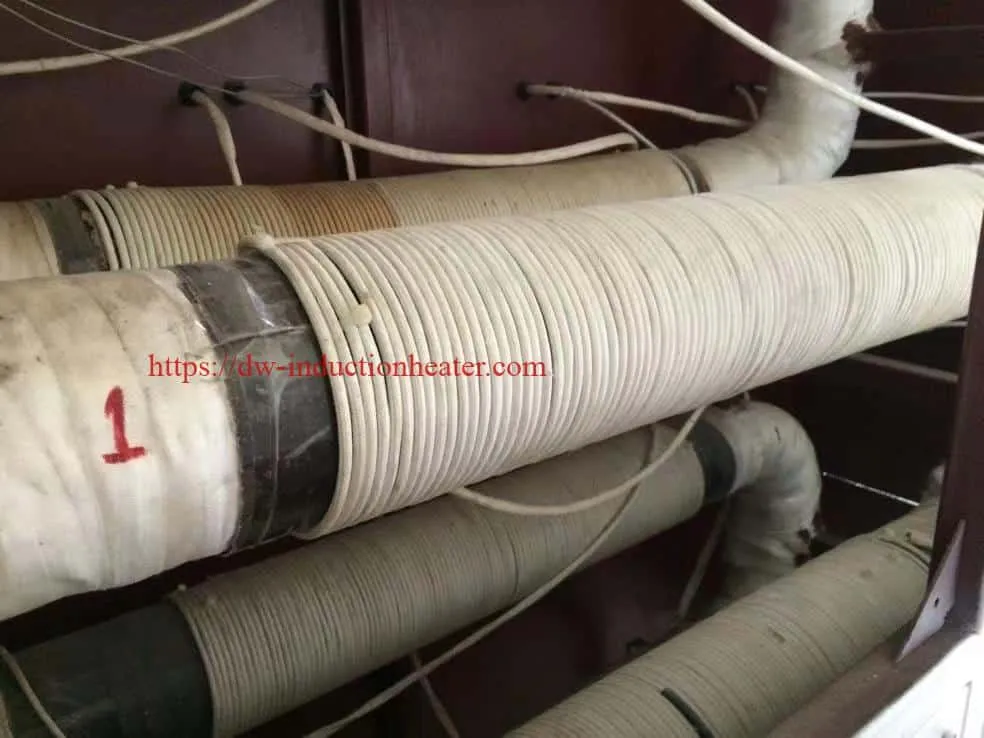
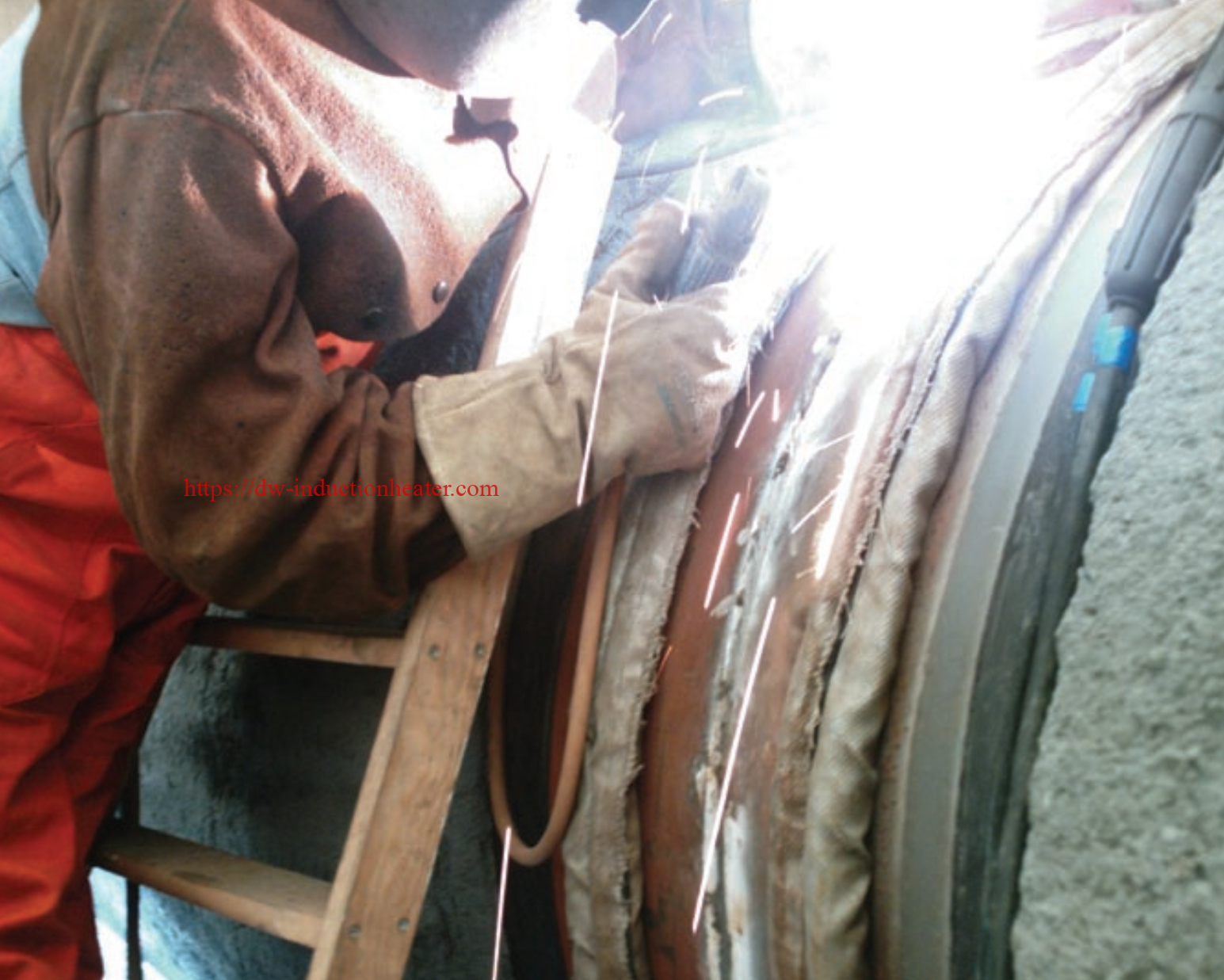
Induction preheating before welding for Oil and gas pipelines

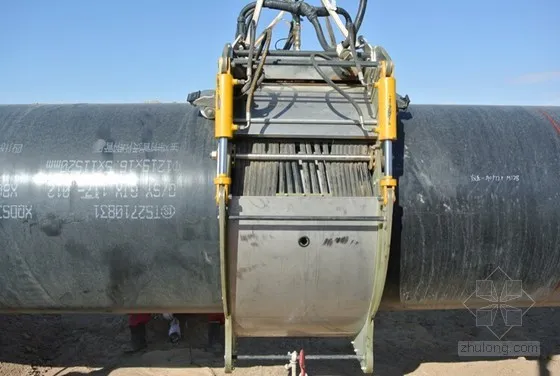
Induction Preheating for Oil and Gas Pipelines: Why It's Important Before Welding.

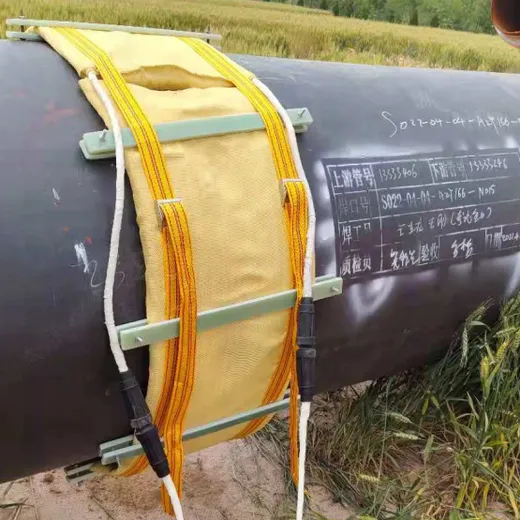
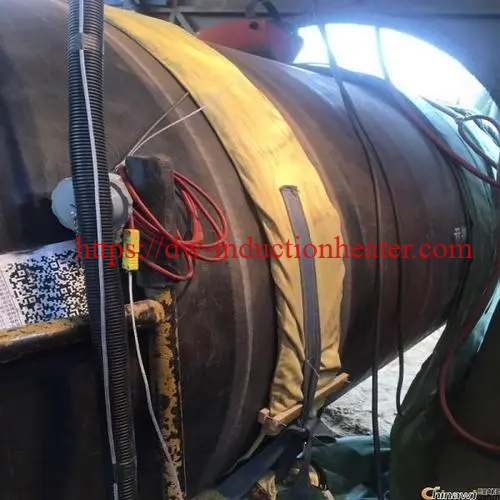
Oil and gas pipelines are crucial for the transportation of oil and gas over long distances. They are built to withstand harsh environmental conditions such as extreme temperature changes, strong winds, and heavy rainfall. The welding process used to join these pipelines together is critical to their integrity, but it can cause problems if not done right. One solution to this is induction preheating. This technique has been proven to be effective in improving the quality of pipeline welding and reducing the risk of defects in the weld. In this article, we will discuss why induction preheating is important before welding oil and gas pipelines, how it works, and the benefits it can provide. 1. What is induction preheating and how does it work? Induction preheating is a process used in the welding of oil and gas pipelines to help ensure the quality and longevity of the weld. This method of preheating uses electromagnetic waves to heat the metal before welding. The core of the induction preheating system is an induction coil, which is wrapped around the pipe being welded. The coil creates a magnetic field that induces an electric current into the metal, generating heat. This heat is then distributed evenly throughout the metal, which helps prevent thermal shock during the welding process. This is important because thermal shock can cause the metal to crack, which can lead to leaks in the pipeline. Induction preheating also helps to reduce the risk of hydrogen cracking, which can occur when welding in cold temperatures. By using induction preheating, the welder can ensure that the metal is at the correct temperature for welding, which helps to produce a strong and reliable weld. Overall, induction preheating is an essential step in the welding process for oil and gas pipelines, and it helps to ensure the safety and reliability of pipelines for years to come. 2. Importance of induction preheating before welding oil and gas pipelines Induction preheating is an important process that should be done before welding oil and gas pipelines. This is because welding involves heating two pieces of metal to a very high temperature and then fusing them together. If the metal is not heated properly before welding, it can cause a number of problems. One of the main problems is that the metal can become brittle and prone to cracking, which can lead to leaks and other serious issues. Induction preheating is a process that heats the metal to a specific temperature to ensure that it is ready for welding. This process involves using an induction heating system to heat the metal to the right temperature before welding. The benefits of induction preheating are significant. It can help to reduce the risk of cracking and other types of damage to the metal during welding. It can also help to improve the quality of the weld and reduce the likelihood of defects. In addition, induction preheating can help to reduce the time and cost of the welding process by allowing the welder to work more efficiently. Overall, induction preheating is an important process that should not be overlooked when welding oil and gas pipelines. 3. Benefits of induction preheating Induction preheating is a crucial process for oil and gas pipelines that are being welded together. The process involves the use of electromagnetic induction to heat the pipeline before the welding process begins. This process is particularly important because it helps to prevent a range of problems that can arise during the welding process. One of the most significant benefits of induction preheating is that it helps to prevent warping and distortion of the pipeline. This is because the heat is distributed more evenly across the pipeline, which helps to keep the metal from expanding or contracting excessively. Induction preheating also helps to reduce the risk of cracking, which can occur when the metal is exposed to high temperatures and then cools too quickly. Finally, induction preheating helps to create a more consistent and reliable weld. The heat is evenly distributed, which helps to ensure that the weld is strong and secure. Overall, induction preheating is a critical step in the welding process for oil and gas pipelines, and it offers a range of benefits that help to ensure that the final product is safe, reliable, and long-lasting. 4. Conclusion. In conclusion, induction preheating is an essential step in the oil and gas pipeline welding process. The use of induction heating technology ensures that the pipeline is preheated to the required temperature before welding, which helps to reduce the risk of cracking, distortion, and other welding defects. It also helps to ensure that the weld is strong, durable, and long-lasting. The benefits of using induction preheating in the oil and gas pipeline welding process are clear - it helps to improve the quality of the weld, reduces the likelihood of weld failure, and ultimately saves time and money. Furthermore, the use of induction heating technology is eco-friendly and reduces the carbon footprint of the welding process. So, if you are involved in the oil and gas industry, it's important to consider using induction preheating to ensure that your pipeline welding is done correctly and efficiently.     https://dw-inductionheater.com/product/induction-preheating-before-welding-for-oil-and-gas-pipelines?feed_id=205856&_unique_id=646613b146aec

2023年5月15日星期一

High Frequency Seamless Tube Welding Machine

The High Frequency Seamless Tube Welding Machine: A Revolutionary Technology in the Manufacturing Industry

The manufacturing industry is constantly evolving, and new technologies are constantly emerging to make production more efficient and cost-effective. One such revolutionary technology that is making waves in the industry is the high frequency seamless tube welding machine. This cutting-edge technology has transformed the way manufacturers produce seamless tubes, offering numerous benefits in terms of speed, quality, and cost-effectiveness.high frequency seamless steel pipeline welding machine In this post, we will take a closer look at this innovative technology, exploring how it works, its benefits, and its many applications in the manufacturing industry. Whether you are a manufacturer looking to improve your production processes or simply curious about the latest advancements in manufacturing technology, this post is for you.

What is a high frequency seamless tube welding machine?

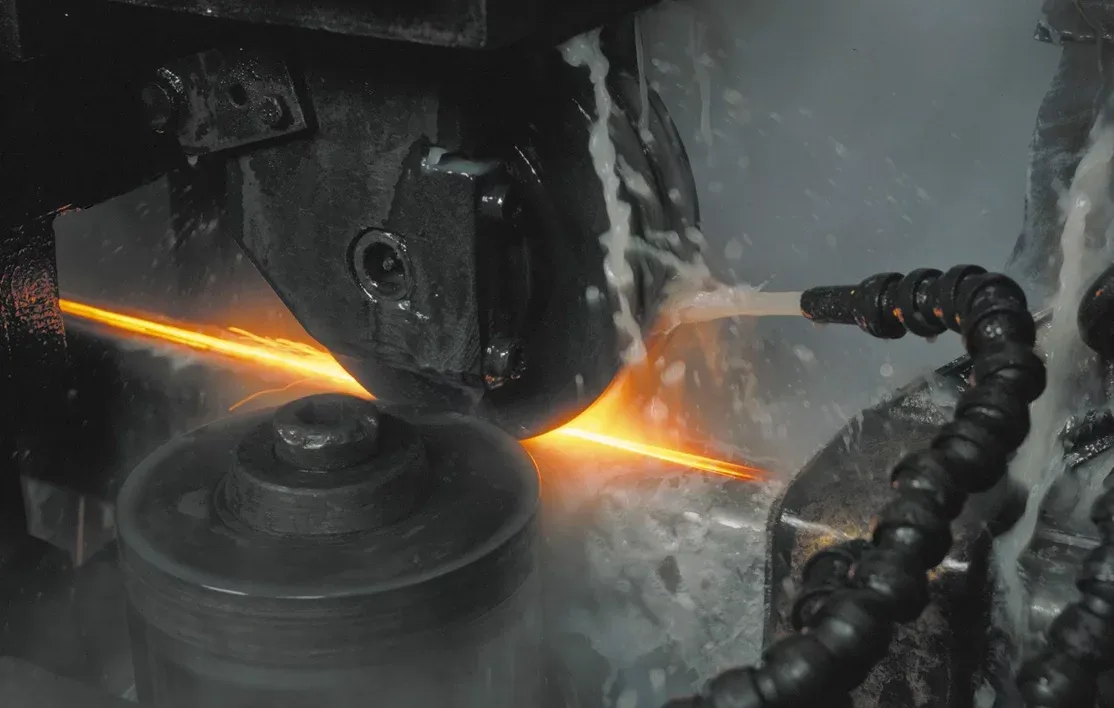
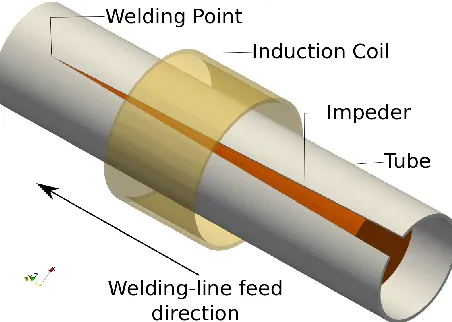
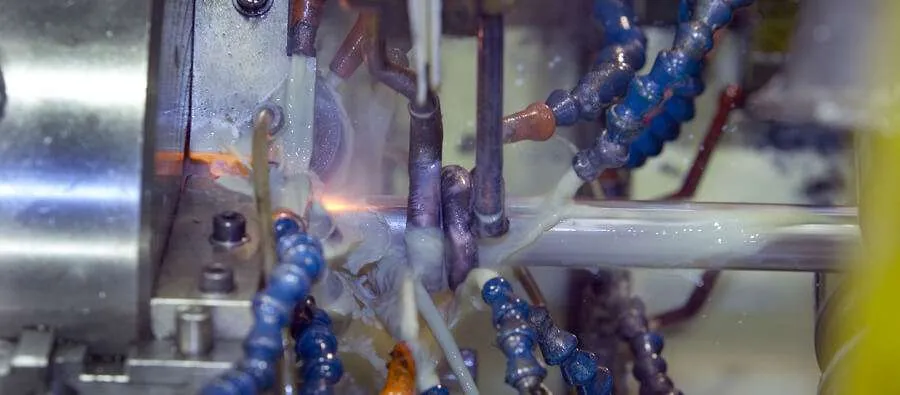
A high frequency seamless tube welding machine is a cutting-edge technology used in the manufacturing industry for the production of seamless tubes. This machine is designed to weld two metal surfaces of a tube seamlessly and quickly using high-frequency electrical currents. The technology behind this machine is based on the concept of induction heating, which is a method of heating a metal by exposing it to an electromagnetic field. This field causes the metal to heat up quickly and melt, allowing it to be joined with another metal surface. high frequency induction welding seamless steel pipelinesThe high frequency seamless tube welding machine uses this principle to produce high-quality and seamless tubes that are strong, durable, and reliable. The machine is equipped with advanced features that help to ensure precise and accurate welding, such as automatic controls, sensors, and monitoring systems. With the high-frequency seamless tube welding machine, manufacturers can produce seamless tubes with high precision and consistency, resulting in reduced production costs and improved efficiency. This revolutionary technology has transformed the manufacturing industry, making it possible to produce high-quality seamless tubes that are widely used in various applications such as automotive, aerospace, and construction.
How does a high frequency seamless tube welding machine work?

A high frequency seamless tube welding machine is a cutting-edge technology that has revolutionized the manufacturing industry. It is used to create seamless tubes that are used in various applications, including construction, transportation, and energy. So, how does this machine work? The process begins with the raw material, which can be either a coil or a straight bar. The material is then fed into the machine, which starts the process of forming the tube. The machine uses high-frequency current to heat the material, which causes it to fuse together. The principle of high frequency induction welding seamless steel tubesOnce the material is heated, it is passed through a series of rollers that shape it into a tube. The machine also uses a welding head that applies pressure to ensure a strong and seamless weld. The welding head is designed to move along the length of the tube, ensuring that the entire surface is welded correctly. One of the key advantages of using a high frequency seamless tube welding machine is that it can work at a high speed. The machine is capable of producing up to 100 meters of seamless tube per minute, making it an ideal choice for large-scale manufacturing operations.In addition to its speed and efficiency, the high frequency seamless tube welding machine is also known for its accuracy and precision. The machine is designed to create tubes with tight tolerances, which ensures that the final product is of high quality and meets industry standards. In conclusion, the high frequency seamless tube welding machine is a remarkable technology that has transformed the manufacturing industry. Its ability to create high-quality, seamless tubes quickly and efficiently has made it an essential tool for many industrial applications.

Benefits of using a high frequency seamless tube welding machine

The high frequency seamless tube welding machine is a revolutionary technology that is changing the manufacturing industry. This machine offers numerous benefits that make it a popular choice for manufacturers worldwide. One of the main advantages of using a high frequency seamless tube welding machine is that it is extremely efficient. This machine can produce large quantities of seamless tubes quickly and accurately, which is essential in meeting the demands of modern manufacturing. Moreover, the high frequency seamless tube welding machine produces seamless tubes with a high degree of precision, which is essential in industries such as aerospace, automotive, and medical where tolerances are critical. Another significant benefit of the high frequency seamless tube welding machine is its versatility. This machine can be used to produce tubes of varying sizes and shapes with a wide range of materials, including stainless steel, titanium, and aluminum. high frequency induction welding machine for seamless steel pipelines and tubesThis versatility is essential in meeting the diverse needs of different industries. Additionally, the high frequency seamless tube welding machine requires minimal maintenance, which makes it a cost-effective solution for manufacturers. The high frequency seamless tube welding machine is also eco-friendly, producing minimal waste and reducing the carbon footprint of manufacturers. This is a significant advantage in today's world, where sustainability is becoming increasingly important to consumers and stakeholders. In conclusion, the high frequency seamless tube welding machine offers numerous benefits that make it a revolutionary technology in the manufacturing industry. Its efficiency, precision, versatility, and sustainability make it a popular choice for manufacturers worldwide.
Applications of a high frequency seamless tube welding machine in the manufacturing industry

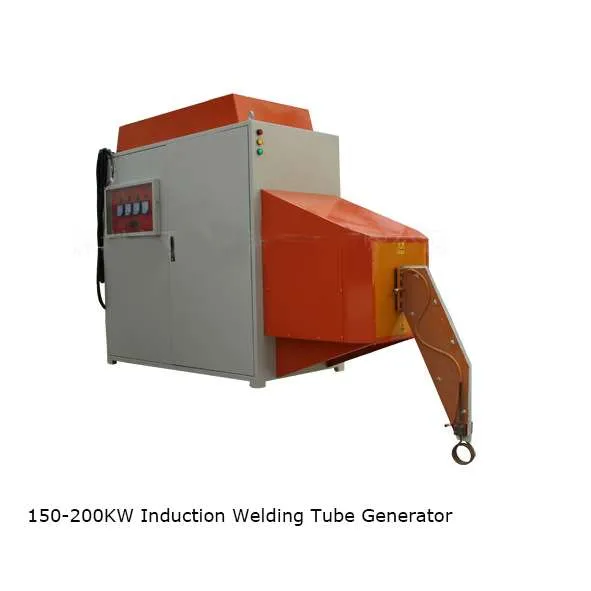
A high frequency seamless tube welding machine is a revolutionary technology that has changed the manufacturing industry. This machine has a wide range of applications in the industry, making it an essential piece of equipment for companies that produce tubes and pipes. One of the primary applications of this machine is in the production of seamless tubes. The machine is used to join two pieces of metal together to create a seamless tube without a weld seam. This makes the tube much stronger and more durable than a tube with a weld seam. The machine is also used to produce pipes and tubes for a wide range of applications, including construction, transportation, and plumbing. Additionally, the high frequency seamless tube welding machine is used in the production of heat exchangers, which are used in the chemical and oil industries. The machine is also used in the production of boilers, which are essential in power plants and other industrial settings. In summary, the high frequency seamless tube welding machine has a wide range of applications in the manufacturing industry. It is used to produce seamless tubes, pipes, heat exchangers, and boilers, among other products. Its ability to produce seamless tubes without weld seams makes it an essential piece of equipment in the industry, as it helps to create products that are stronger and more durable than those produced with traditional welding methods.high frequency induction welding seamless steel pipelines Overall, high frequency seamless tube welding machines are an essential tool for the production of seamless steel tubes. By choosing the right equipment and maintaining it properly, manufacturers can ensure the efficiency, quality, and reliability of their tube welding operations.  
2023年5月14日星期日

High Frequency Seamless Tube Welding Machine

The High Frequency Seamless Tube Welding Machine: A Revolutionary Technology in the Manufacturing Industry

The manufacturing industry is constantly evolving, and new technologies are constantly emerging to make production more efficient and cost-effective. One such revolutionary technology that is making waves in the industry is the high frequency seamless tube welding machine. This cutting-edge technology has transformed the way manufacturers produce seamless tubes, offering numerous benefits in terms of speed, quality, and cost-effectiveness.high frequency seamless steel pipeline welding machine In this post, we will take a closer look at this innovative technology, exploring how it works, its benefits, and its many applications in the manufacturing industry. Whether you are a manufacturer looking to improve your production processes or simply curious about the latest advancements in manufacturing technology, this post is for you.

What is a high frequency seamless tube welding machine?

A high frequency seamless tube welding machine is a cutting-edge technology used in the manufacturing industry for the production of seamless tubes. This machine is designed to weld two metal surfaces of a tube seamlessly and quickly using high-frequency electrical currents. The technology behind this machine is based on the concept of induction heating, which is a method of heating a metal by exposing it to an electromagnetic field. This field causes the metal to heat up quickly and melt, allowing it to be joined with another metal surface. high frequency induction welding seamless steel pipelinesThe high frequency seamless tube welding machine uses this principle to produce high-quality and seamless tubes that are strong, durable, and reliable. The machine is equipped with advanced features that help to ensure precise and accurate welding, such as automatic controls, sensors, and monitoring systems. With the high-frequency seamless tube welding machine, manufacturers can produce seamless tubes with high precision and consistency, resulting in reduced production costs and improved efficiency. This revolutionary technology has transformed the manufacturing industry, making it possible to produce high-quality seamless tubes that are widely used in various applications such as automotive, aerospace, and construction.

How does a high frequency seamless tube welding machine work?

A high frequency seamless tube welding machine is a cutting-edge technology that has revolutionized the manufacturing industry. It is used to create seamless tubes that are used in various applications, including construction, transportation, and energy. So, how does this machine work? The process begins with the raw material, which can be either a coil or a straight bar. The material is then fed into the machine, which starts the process of forming the tube. The machine uses high-frequency current to heat the material, which causes it to fuse together. The principle of high frequency induction welding seamless steel tubesOnce the material is heated, it is passed through a series of rollers that shape it into a tube. The machine also uses a welding head that applies pressure to ensure a strong and seamless weld. The welding head is designed to move along the length of the tube, ensuring that the entire surface is welded correctly. One of the key advantages of using a high frequency seamless tube welding machine is that it can work at a high speed. The machine is capable of producing up to 100 meters of seamless tube per minute, making it an ideal choice for large-scale manufacturing operations.In addition to its speed and efficiency, the high frequency seamless tube welding machine is also known for its accuracy and precision. The machine is designed to create tubes with tight tolerances, which ensures that the final product is of high quality and meets industry standards. In conclusion, the high frequency seamless tube welding machine is a remarkable technology that has transformed the manufacturing industry. Its ability to create high-quality, seamless tubes quickly and efficiently has made it an essential tool for many industrial applications.

Benefits of using a high frequency seamless tube welding machine

The high frequency seamless tube welding machine is a revolutionary technology that is changing the manufacturing industry. This machine offers numerous benefits that make it a popular choice for manufacturers worldwide. One of the main advantages of using a high frequency seamless tube welding machine is that it is extremely efficient. This machine can produce large quantities of seamless tubes quickly and accurately, which is essential in meeting the demands of modern manufacturing. Moreover, the high frequency seamless tube welding machine produces seamless tubes with a high degree of precision, which is essential in industries such as aerospace, automotive, and medical where tolerances are critical. Another significant benefit of the high frequency seamless tube welding machine is its versatility. This machine can be used to produce tubes of varying sizes and shapes with a wide range of materials, including stainless steel, titanium, and aluminum. high frequency induction welding machine for seamless steel pipelines and tubesThis versatility is essential in meeting the diverse needs of different industries. Additionally, the high frequency seamless tube welding machine requires minimal maintenance, which makes it a cost-effective solution for manufacturers. The high frequency seamless tube welding machine is also eco-friendly, producing minimal waste and reducing the carbon footprint of manufacturers. This is a significant advantage in today's world, where sustainability is becoming increasingly important to consumers and stakeholders. In conclusion, the high frequency seamless tube welding machine offers numerous benefits that make it a revolutionary technology in the manufacturing industry. Its efficiency, precision, versatility, and sustainability make it a popular choice for manufacturers worldwide.

Applications of a high frequency seamless tube welding machine in the manufacturing industry

A high frequency seamless tube welding machine is a revolutionary technology that has changed the manufacturing industry. This machine has a wide range of applications in the industry, making it an essential piece of equipment for companies that produce tubes and pipes. One of the primary applications of this machine is in the production of seamless tubes. The machine is used to join two pieces of metal together to create a seamless tube without a weld seam. This makes the tube much stronger and more durable than a tube with a weld seam. The machine is also used to produce pipes and tubes for a wide range of applications, including construction, transportation, and plumbing. Additionally, the high frequency seamless tube welding machine is used in the production of heat exchangers, which are used in the chemical and oil industries. The machine is also used in the production of boilers, which are essential in power plants and other industrial settings. In summary, the high frequency seamless tube welding machine has a wide range of applications in the manufacturing industry. It is used to produce seamless tubes, pipes, heat exchangers, and boilers, among other products. Its ability to produce seamless tubes without weld seams makes it an essential piece of equipment in the industry, as it helps to create products that are stronger and more durable than those produced with traditional welding methods.high frequency induction welding seamless steel pipelines Overall, high frequency seamless tube welding machines are an essential tool for the production of seamless steel tubes. By choosing the right equipment and maintaining it properly, manufacturers can ensure the efficiency, quality, and reliability of their tube welding operations.   https://dw-inductionheater.com/product/high-frequency-seamless-tube-welding-machine?feed_id=204722&_unique_id=6461d6d00f5af
2022年5月2日星期一

induction thermal fluid pipeline heater

Induction Thermal Fluid Pipeline Heater

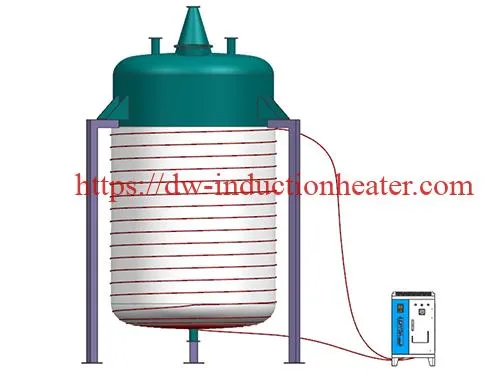
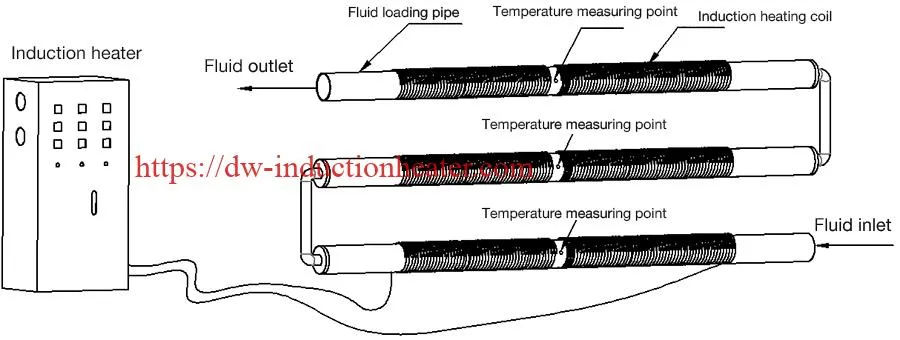
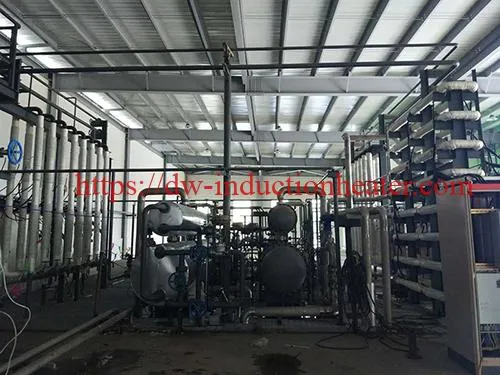
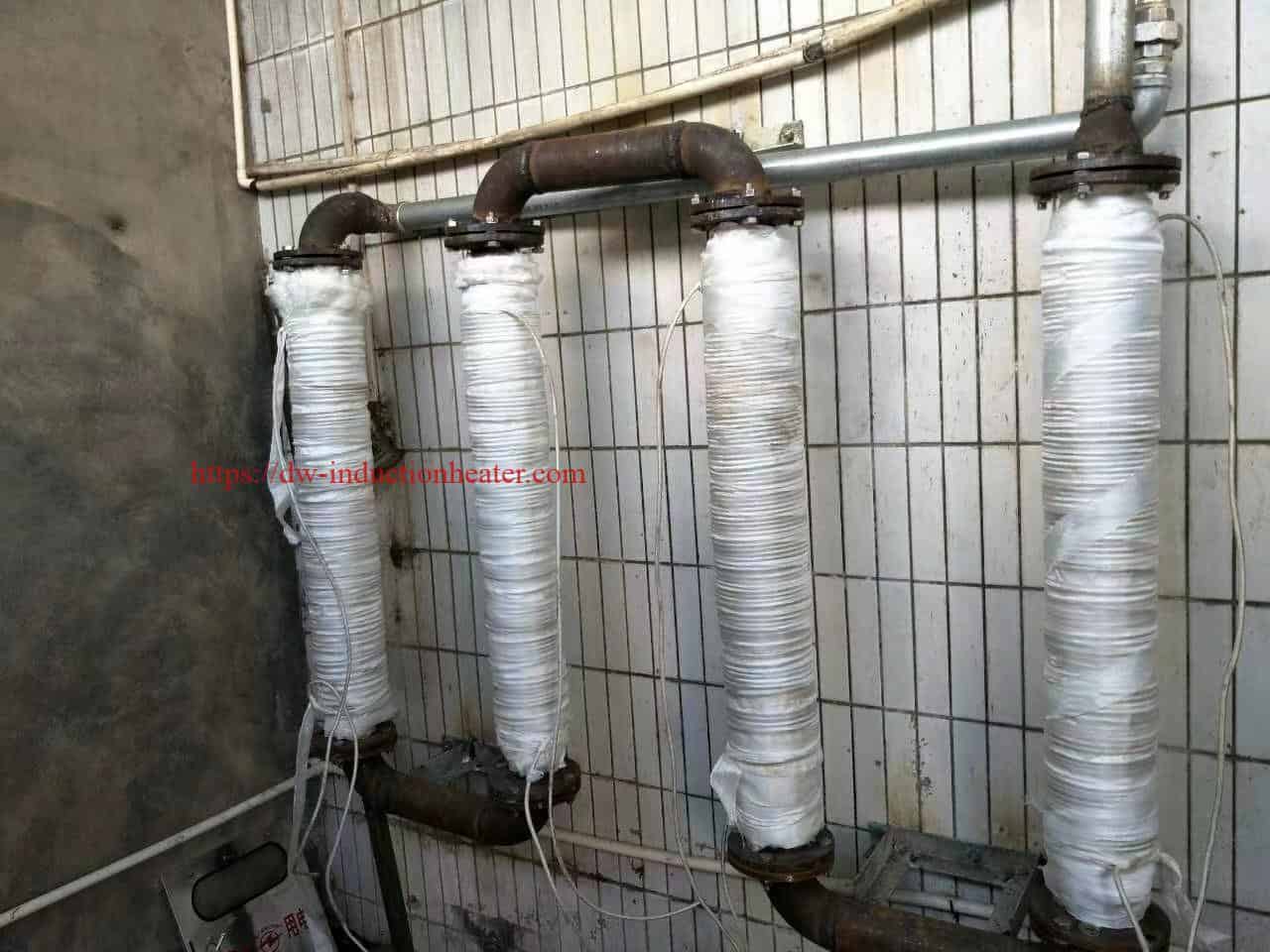
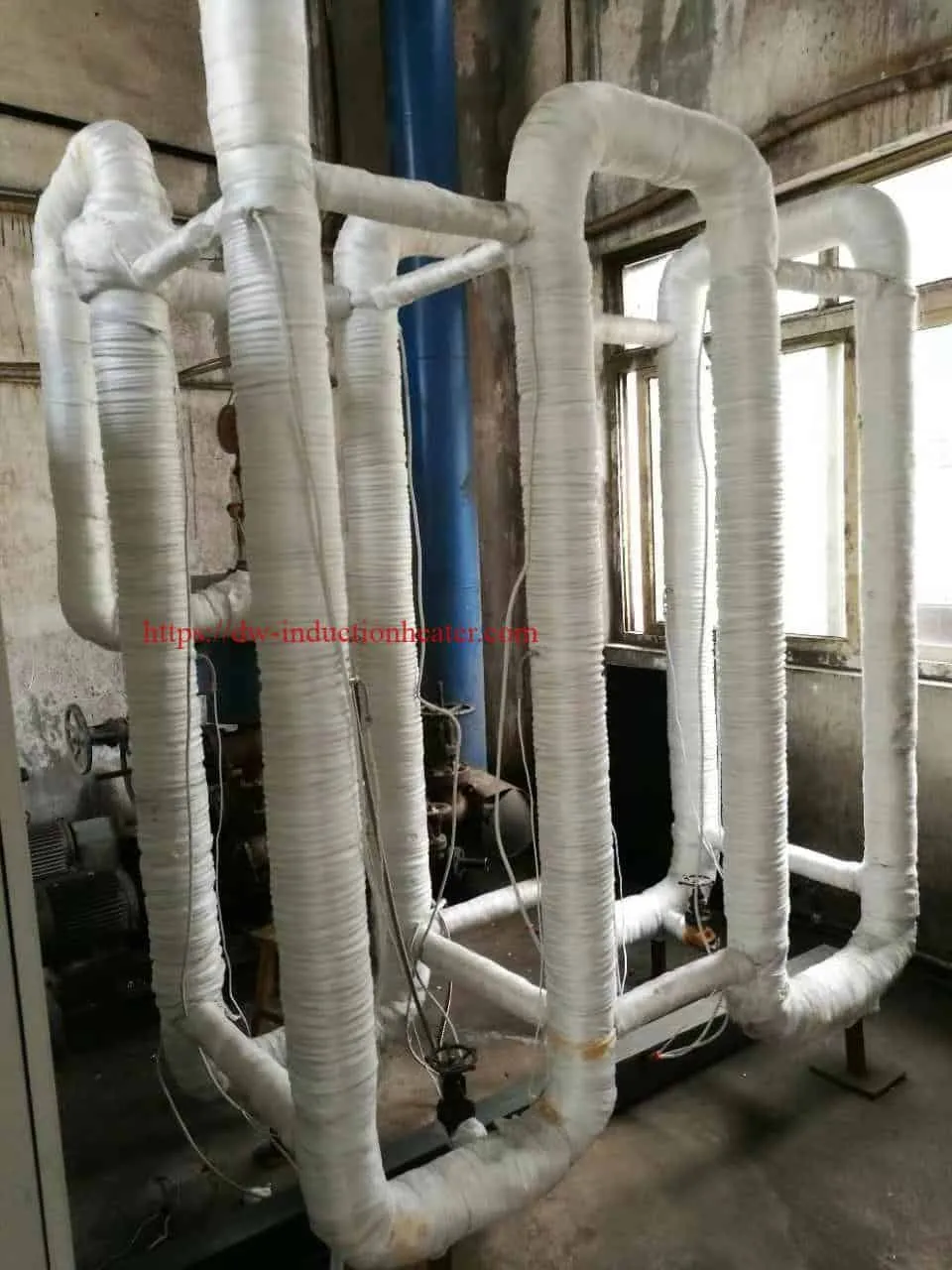
Conventional heating methods, like boilers and hot press machines that burn coal, fuel or other material, usually come with drawbacks such as low heating efficiency, high cost, complex maintenance procedures, pollution, and hazardous work environment. Induction heating effectively addressed those problems. It has the following advantages: -High heat efficiency; Save more energy; -Fast temperature ramp-up; -Digital software control gives accurate control over the temperature and the whole heating process; -Highly reliable; -Easy installation and maintenance; -Lower operation and maintenance cost. HLQ Induction Heating Equipment is designed for Pipeline, Vessel, Heat Exchanger, Chemical Reactor and Boiler. The vessels transfers heat to the fluid materials like Industrial Water, Oil, Gas, Food Material and Chemical Raw Materials heating. Heating Power size 2.5KW-100KW is the air cooled ones. Power size 120KW-600KW is the water cooled ones. For some on site chemical material reactor heating, We will supply the heating system with Explosion Proof Configuration and Remote Control System. This HLQ heating system consists induction heater, induction coil, temperature control system, thermal couple and insulation materials. Our company provides installation and commissioning scheme. The user can install and debug by yourself. We can also provide on-site installation and commissioning. The key of power selection of fluid heating equipment is the calculation of heat and heat exchange area. HLQ Induction Heating Equipment 2.5KW-100KW air cooled and 120KW-600KW water cooled.

Energy Efficiency Comparison
Heating method Conditions Power consumption
Induction heating Heating 10 liters of water up to 50ºC 0.583kWh
Resistance heating Heating 10 liters of water up to 50ºC 0.833kWh

Comparison between Induction Heating and Coal/Gas/Resistance Heating
Items Induction heating Coal-fired heating Gas-fired heating Resistance heating
Heating efficiency 98% 30-65% 80% Below 80%
Pollutant emissions No noise, no dust, no exhaust gas, no waste residue Coal cinders, smoke, carbon dioxide, sulfur dioxide Carbon dioxide, sulfur dioxide Non
Fouling (pipe wall) Non-fouling Fouling Fouling Fouling
Water softener Depending on the quality of fluid Required Required Required
Heating stability Constant Power is decreased by 8% yearly Power is decreased by 8% yearly Power is decreased by more than 20% yearly (high power consumption)
Safety Electricity and water separation, no electricity leakage, no radiation Risk of carbon monoxide poisoning Risk of carbon monoxide poisoning and exposure Risk of electricity leakage, electric shock or fire
Durability With core design of heating, 30 years service life 5 years 5 to 8 years Half to one year

Diagram

Induction Heating Power Calculation

Required parameters of parts to be heated: specific heat capacity, weight, starting temperature and end temperature, heating time; Calculation formula: specific heat capacity J/(kg*ºC)×temperature differenceºC×weight KG ÷ time S = power W For example, to heat thermal oil of 1 ton from 20ºC to 200ºC within an hour, the power calculation is as follows: Specific heat capacity: 2100J/(kg*ºC) Temperature difference: 200ºC-20ºC=180ºC Weight: 1ton=1000kg Time: 1 hour=3600 seconds i.e. 2100 J/ (kg*ºC)×(200ºC -20 ºC)×1000kg ÷3600s=105000W=105kW Conclusion The theoretical power is 105kW, but the actual power is commonly increased by 20% because of taking the heat loss into consideration, that is, the actual power is 120kW. Two sets of 60kW induction heating system as a combination are required.  

Induction Thermal Fluid Pipeline Heater

Advantages of using the Induction Fluid Pipeline Heater: Precise control of the working temperature, low maintenance cost and the possibility to heat any type of fluid to any temperature and pressure are some of the advantages presented by the Inductive Electrothermal Induction Heating Generator (or Inductive Heater for fluids) manufactured by HLQ. Using the principle of magnetic induction heating, in the Inductive Heater for fluids heat is generated in the walls of a spiral of stainless steel tubes. The fluid that circulates through these tubes removes that heat, which is used in the process. These advantages, combined with a specific design for each customer and the unique durability properties of stainless steel, make the Inductive Heater for fluids practically maintenance-free, with no need to change any heating element during its useful life. . The Inductive Heater for fluids allowed heating projects that were not viable by other electrical means or not, and hundreds of them are already in use. The Induction Pipeline Heater for fluids, in spite of using electrical energy to generate heat, in many applications presented itself as a more advantageous option than operating heating systems with fuel oil or natural gas, mainly due to the inefficiency inherent in the generation systems combustion heat and the need for constant maintenance. Advantages: In summary, the Inductive Electrothermal Heater has the following advantages:
  • System works dry and is naturally cooled.
  • Precise control of the working temperature.
  • Almost immediate availability of heat when energizing the Inductive Heater, due to its very low thermal inertia, eliminating the long heating periods necessary for other heating systems to reach the regime temperature.
  • High efficiency with consequent energy savings.
  • High power factor (0.96 to 0.99).
  • Operation with high temperatures and pressures.
  • Elimination of heat exchangers.
  • Total operational security due to the physical separation between the heater and the electrical network.
  • Maintenance cost practically non-existent.
  • Modular installation.
  • Quick responses to temperature variations (low thermal inertia).
  • Wall temperature differential - extremely low fluid, avoiding any kind of cracking or degradation of the fluid.
  • Accuracy and temperature uniformity throughout the fluid and quality of the process for maintaining a constant temperature.
  • Elimination of all maintenance costs, installations and relative contracts when compared to steam boilers.
  • Total security for the operator and the entire process.
  • Gain space due to the compact construction of the Inductive Heater.
  • Direct heating of the fluid without the use of a heat exchanger.
  • Due to the working system, the heater is anti-pollutant.
  • Exempt from generating residues in direct heating of the thermal fluid, due to minimal oxidation.
  • In operation the inductive heater is completely noise free.
  • Ease and low cost of installation.

induction thermal fluid pipeline heater

Induction Thermal Fluid Pipeline Heater

Conventional heating methods, like boilers and hot press machines that burn coal, fuel or other material, usually come with drawbacks such as low heating efficiency, high cost, complex maintenance procedures, pollution, and hazardous work environment. Induction heating effectively addressed those problems. It has the following advantages: -High heat efficiency; Save more energy; -Fast temperature ramp-up; -Digital software control gives accurate control over the temperature and the whole heating process; -Highly reliable; -Easy installation and maintenance; -Lower operation and maintenance cost. HLQ Induction Heating Equipment is designed for Pipeline, Vessel, Heat Exchanger, Chemical Reactor and Boiler. The vessels transfers heat to the fluid materials like Industrial Water, Oil, Gas, Food Material and Chemical Raw Materials heating. Heating Power size 2.5KW-100KW is the air cooled ones. Power size 120KW-600KW is the water cooled ones. For some on site chemical material reactor heating, We will supply the heating system with Explosion Proof Configuration and Remote Control System. This HLQ heating system consists induction heater, induction coil, temperature control system, thermal couple and insulation materials. Our company provides installation and commissioning scheme. The user can install and debug by yourself. We can also provide on-site installation and commissioning. The key of power selection of fluid heating equipment is the calculation of heat and heat exchange area. HLQ Induction Heating Equipment 2.5KW-100KW air cooled and 120KW-600KW water cooled.

Energy Efficiency Comparison
Heating method Conditions Power consumption
Induction heating Heating 10 liters of water up to 50ºC 0.583kWh
Resistance heating Heating 10 liters of water up to 50ºC 0.833kWh

Comparison between Induction Heating and Coal/Gas/Resistance Heating
Items Induction heating Coal-fired heating Gas-fired heating Resistance heating
Heating efficiency 98% 30-65% 80% Below 80%
Pollutant emissions No noise, no dust, no exhaust gas, no waste residue Coal cinders, smoke, carbon dioxide, sulfur dioxide Carbon dioxide, sulfur dioxide Non
Fouling (pipe wall) Non-fouling Fouling Fouling Fouling
Water softener Depending on the quality of fluid Required Required Required
Heating stability Constant Power is decreased by 8% yearly Power is decreased by 8% yearly Power is decreased by more than 20% yearly (high power consumption)
Safety Electricity and water separation, no electricity leakage, no radiation Risk of carbon monoxide poisoning Risk of carbon monoxide poisoning and exposure Risk of electricity leakage, electric shock or fire
Durability With core design of heating, 30 years service life 5 years 5 to 8 years Half to one year

Diagram

Induction Heating Power Calculation

Required parameters of parts to be heated: specific heat capacity, weight, starting temperature and end temperature, heating time; Calculation formula: specific heat capacity J/(kg*ºC)×temperature differenceºC×weight KG ÷ time S = power W For example, to heat thermal oil of 1 ton from 20ºC to 200ºC within an hour, the power calculation is as follows: Specific heat capacity: 2100J/(kg*ºC) Temperature difference: 200ºC-20ºC=180ºC Weight: 1ton=1000kg Time: 1 hour=3600 seconds i.e. 2100 J/ (kg*ºC)×(200ºC -20 ºC)×1000kg ÷3600s=105000W=105kW Conclusion The theoretical power is 105kW, but the actual power is commonly increased by 20% because of taking the heat loss into consideration, that is, the actual power is 120kW. Two sets of 60kW induction heating system as a combination are required.  

Induction Thermal Fluid Pipeline Heater

Advantages of using the Induction Fluid Pipeline Heater: Precise control of the working temperature, low maintenance cost and the possibility to heat any type of fluid to any temperature and pressure are some of the advantages presented by the Inductive Electrothermal Induction Heating Generator (or Inductive Heater for fluids) manufactured by HLQ. Using the principle of magnetic induction heating, in the Inductive Heater for fluids heat is generated in the walls of a spiral of stainless steel tubes. The fluid that circulates through these tubes removes that heat, which is used in the process. These advantages, combined with a specific design for each customer and the unique durability properties of stainless steel, make the Inductive Heater for fluids practically maintenance-free, with no need to change any heating element during its useful life. . The Inductive Heater for fluids allowed heating projects that were not viable by other electrical means or not, and hundreds of them are already in use. The Induction Pipeline Heater for fluids, in spite of using electrical energy to generate heat, in many applications presented itself as a more advantageous option than operating heating systems with fuel oil or natural gas, mainly due to the inefficiency inherent in the generation systems combustion heat and the need for constant maintenance. Advantages: In summary, the Inductive Electrothermal Heater has the following advantages:
  • System works dry and is naturally cooled.
  • Precise control of the working temperature.
  • Almost immediate availability of heat when energizing the Inductive Heater, due to its very low thermal inertia, eliminating the long heating periods necessary for other heating systems to reach the regime temperature.
  • High efficiency with consequent energy savings.
  • High power factor (0.96 to 0.99).
  • Operation with high temperatures and pressures.
  • Elimination of heat exchangers.
  • Total operational security due to the physical separation between the heater and the electrical network.
  • Maintenance cost practically non-existent.
  • Modular installation.
  • Quick responses to temperature variations (low thermal inertia).
  • Wall temperature differential - extremely low fluid, avoiding any kind of cracking or degradation of the fluid.
  • Accuracy and temperature uniformity throughout the fluid and quality of the process for maintaining a constant temperature.
  • Elimination of all maintenance costs, installations and relative contracts when compared to steam boilers.
  • Total security for the operator and the entire process.
  • Gain space due to the compact construction of the Inductive Heater.
  • Direct heating of the fluid without the use of a heat exchanger.
  • Due to the working system, the heater is anti-pollutant.
  • Exempt from generating residues in direct heating of the thermal fluid, due to minimal oxidation.
  • In operation the inductive heater is completely noise free.
  • Ease and low cost of installation.
https://dw-inductionheater.com/product/induction-thermal-fluid-pipeline-heater?feed_id=118467&_unique_id=6270aadeb1239

2021年12月3日星期五

Pipe-Tube Heating Systems With Induction

Pipe-Tube Heating Systems With Induction Pipe&Tube Induction Heating is the most energy-efficient and controllable method for applying heat during the production of tubular products.The induction heating precessing of pipe&tube includes drilling, threading, welding and other types of mechanical deformation which may require heat treatment to harden the metal or to eliminate residual stresses. In addition, tube&pipe ends are often heated and then upset (formed) to increase or decrease the diameter or wall thickness to allow pipes to be joined end-to-end. DAWEI Induction pipe&tube heating systems are designed for a variety of these applications including:
  • Heat Treat Quench and Temper of Tubing and Pipe
  • Upset Processing for Heat Treating
  • Pre-heating for Upsetting
  • Heating Rod Upsetting
  • Swedge End Stress Relieving
  • Preheating Tool Joint
  • Curing & Pre-heating of Coatings
  • Swivel Joint Bending
  • Pipe Bending
  • De-Bonding of Rubber
  • Continues Coiled Tube Processing
  • Seamless Mill Billet Pre-heaters
  • Seamless Finishing Taper Re-heaters
  • Solution Annealing
  • Bright Annealing
  • Hot Reduction
  • Hybrid Gas/Induction lines
 

关注者

我的简介

我的照片
HLQ induction heating machine manufacturer provides the service of induction brazing,melting,hot forming,hardening surface,annealing,shrink fitting,PWHT,etc.