Induction Preheating for Oil and Gas Pipelines: Why It's Important Before Welding.
Oil and gas pipelines are crucial for the transportation of oil and gas over long distances. They are built to withstand harsh environmental conditions such as extreme temperature changes, strong winds, and heavy rainfall.

The welding process used to join these pipelines together is critical to their integrity, but it can cause problems if not done right. One solution to this is induction preheating. This technique has been proven to be effective in improving the quality of pipeline welding and reducing the risk of defects in the weld. In this article, we will discuss why induction preheating is important before welding oil and gas pipelines, how it works, and the benefits it can provide.
1. What is induction preheating and how does it work?
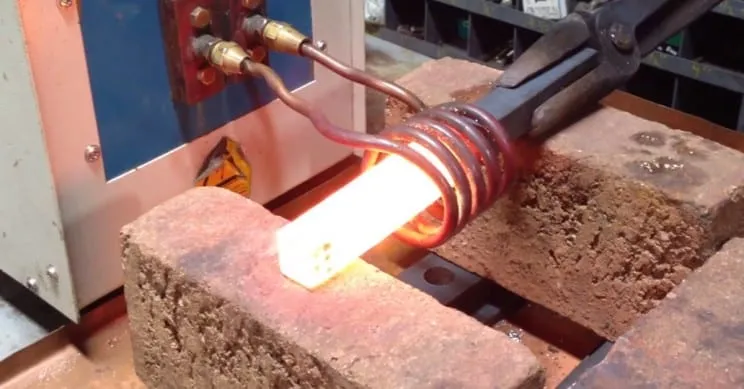
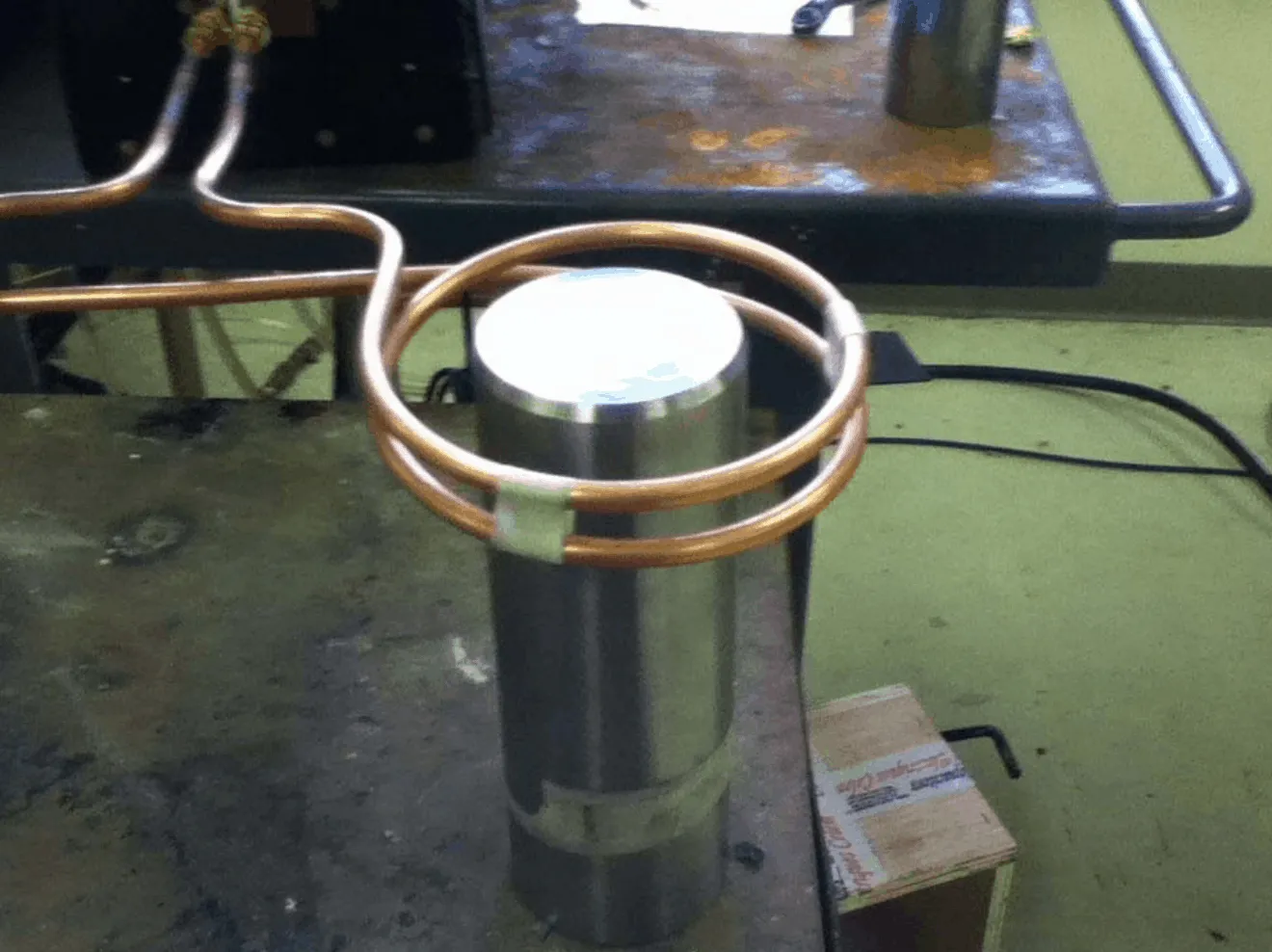
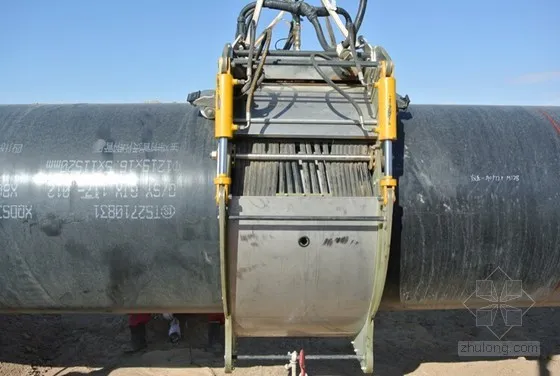
Induction preheating is a process used in the welding of oil and gas pipelines to help ensure the quality and longevity of the weld. This method of preheating uses electromagnetic waves to heat the metal before welding. The core of the induction preheating system is an induction coil, which is wrapped around the pipe being welded.
The coil creates a magnetic field that induces an electric current into the metal, generating heat. This heat is then distributed evenly throughout the metal, which helps prevent thermal shock during the welding process. This is important because thermal shock can cause the metal to crack, which can lead to leaks in the pipeline. Induction preheating also helps to reduce the risk of hydrogen cracking, which can occur when welding in cold temperatures. By using induction preheating, the welder can ensure that the metal is at the correct temperature for welding, which helps to produce a strong and reliable weld. Overall, induction preheating is an essential step in the welding process for oil and gas pipelines, and it helps to ensure the safety and reliability of pipelines for years to come.
2. Importance of induction preheating before welding oil and gas pipelines
Induction preheating is an important process that should be done before welding oil and gas pipelines.
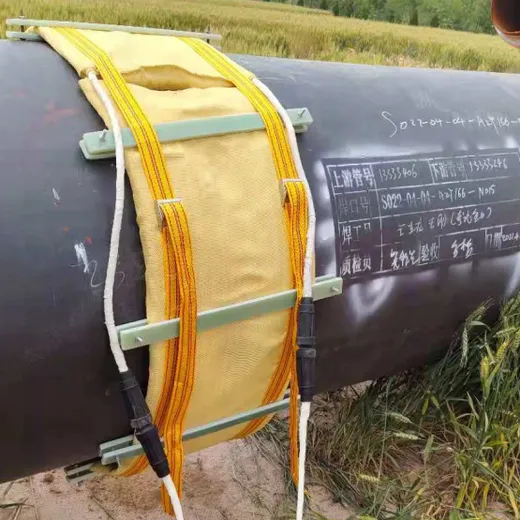
This is because welding involves heating two pieces of metal to a very high temperature and then fusing them together. If the metal is not heated properly before welding, it can cause a number of problems. One of the main problems is that the metal can become brittle and prone to cracking, which can lead to leaks and other serious issues. Induction preheating is a process that heats the metal to a specific temperature to ensure that it is ready for welding. This process involves using an
induction heating system to heat the metal to the right temperature before welding. The benefits of induction preheating are significant. It can help to reduce the risk of cracking and other types of damage to the metal during welding. It can also help to improve the quality of the weld and reduce the likelihood of defects. In addition, induction preheating can help to reduce the time and cost of the welding process by allowing the welder to work more efficiently. Overall, induction preheating is an important process that should not be overlooked when welding oil and gas pipelines.
3. Benefits of induction preheating
Induction preheating is a crucial process for oil and gas pipelines that are being welded together. The process involves the use of electromagnetic induction to heat the pipeline before the welding process begins. This process is particularly important because it helps to prevent a range of problems that can arise during the welding process. One of the most significant benefits of induction prehe
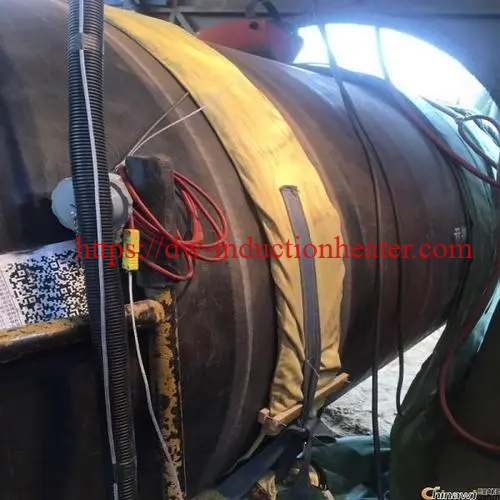
ating is that it helps to prevent warping and distortion of the pipeline. This is because the heat is distributed more evenly across the pipeline, which helps to keep the metal from expanding or contracting excessively. Induction preheating also helps to reduce the risk of cracking, which can occur when the metal is exposed to high temperatures and then cools too quickly. Finally, induction preheating helps to create a more consistent and reliable weld. The heat is evenly distributed, which helps to ensure that the weld is strong and secure. Overall, induction preheating is a critical step in the welding process for oil and gas pipelines, and it offers a range of benefits that help to ensure that the final product is safe, reliable, and long-lasting.
4. Conclusion.
In conclusion, induction preheating is an essential step in the oil and gas pipeline welding process. The use of induction heating technology ensures that the pipeline is preheated to the required temperature before welding, which helps to reduce the risk of cracking, distortion, and other welding defects. It also helps to ensure that the weld is strong, durable, and long-lasting. The benefits of using induction preheating in the oil and gas pipeline welding process are clear - it helps to improve the quality of the weld, reduces the likelihood of weld failure, and ultimately saves time and money. Furthermore, the use of induction heating technology is eco-friendly and reduces the carbon footprint of the welding process. So, if you are involved in the oil and gas industry, it's important to consider using induction preheating to ensure that your pipeline welding is done correctly and efficiently.
https://dw-inductionheater.com/product/induction-preheating-before-welding-for-oil-and-gas-pipelines?feed_id=205856&_unique_id=646613b146aec
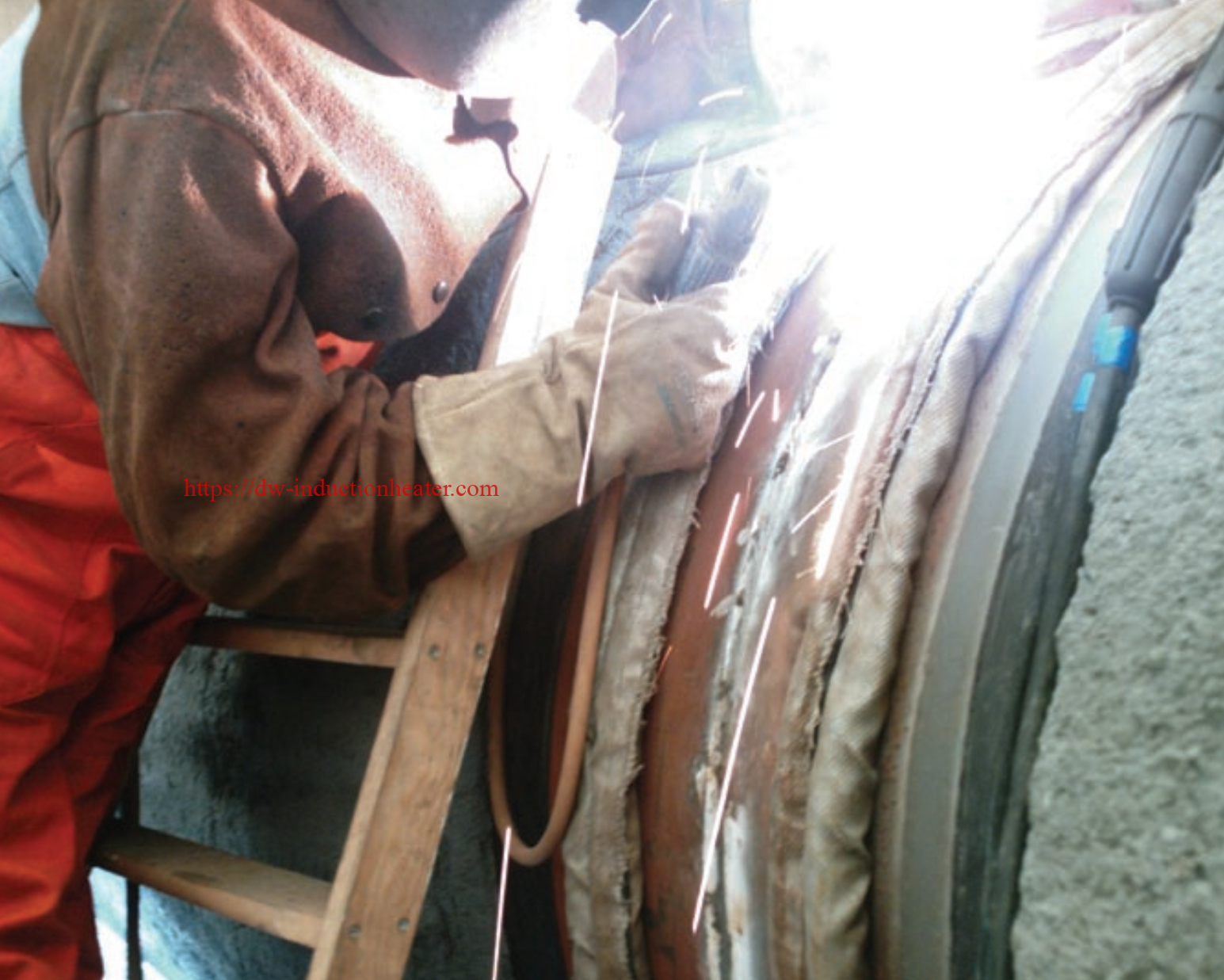 The welding process used to join these pipelines together is critical to their integrity, but it can cause problems if not done right. One solution to this is induction preheating. This technique has been proven to be effective in improving the quality of pipeline welding and reducing the risk of defects in the weld. In this article, we will discuss why induction preheating is important before welding oil and gas pipelines, how it works, and the benefits it can provide.
1. What is induction preheating and how does it work?
Induction preheating is a process used in the welding of oil and gas pipelines to help ensure the quality and longevity of the weld. This method of preheating uses electromagnetic waves to heat the metal before welding. The core of the induction preheating system is an induction coil, which is wrapped around the pipe being welded.
The welding process used to join these pipelines together is critical to their integrity, but it can cause problems if not done right. One solution to this is induction preheating. This technique has been proven to be effective in improving the quality of pipeline welding and reducing the risk of defects in the weld. In this article, we will discuss why induction preheating is important before welding oil and gas pipelines, how it works, and the benefits it can provide.
1. What is induction preheating and how does it work?
Induction preheating is a process used in the welding of oil and gas pipelines to help ensure the quality and longevity of the weld. This method of preheating uses electromagnetic waves to heat the metal before welding. The core of the induction preheating system is an induction coil, which is wrapped around the pipe being welded.