显示标签为“
surfacequenching”的博文。
显示所有博文
显示标签为“
surfacequenching”的博文。
显示所有博文

The kinetics of induction heating for surface quenching of steel
The kinetics of induction heating for surface quenching of steel depend on factors: 1) which induce changes in the electric and magnetic parameters of steels as the result of the increased temperature (these changes lead to changes in the amount of absorbed heat at a given intensity of the electric field at a given induction current) and, 2) on factors which are responsible for the change of the intensity of the electromagnetic field during heating (i.e., change of the current in the inductor).
These factors are related to the change in the parameters of the inductors during the heating of steel and to
the peculiarities of a given design of the high-frequency apparatus, i.e., whether the power utilized is regulated during the heating process. In most cases the intensity of the electromagnetic field of the inductor does not remain constant during heating, and this change affects the shape of the temperature-time curve.
Induction heating in the heat treatment of automobile parts was first used at our plant. In 1937-1938 surface
quenching of the necks of crank shafts of the ZIS-5 engine was developed at our plant in collaboration with the staff
of the V. P. Vologdin laboratory. The equipment was installed as part of the continuous production line,in which
the parts were subjected to mechanical treatment on semi-automatic high-frequency apparatus. More than 61% of
alt the parts of the engines of ~ae ZIL-164A and ZIL-157K automobiles are surface hardened by induction heating.
Surface Quenching of Machine Parts After Induction Heating.
Induction heating is widely used for surface treatment of parts.
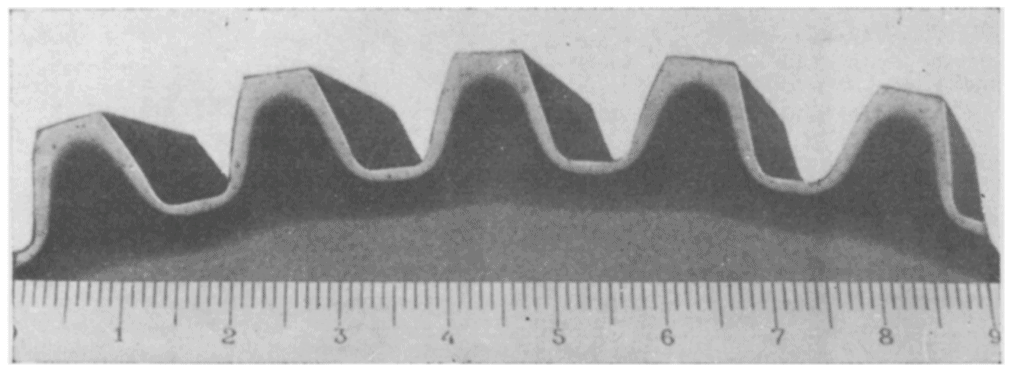 The kinetics of induction heating for surface quenching of steel
https://dw-inductionheater.com/induction-heating-for-surface-quenching-of-steel.html?feed_id=234013&_unique_id=65cbe8de8e33f
The kinetics of induction heating for surface quenching of steel
https://dw-inductionheater.com/induction-heating-for-surface-quenching-of-steel.html?feed_id=234013&_unique_id=65cbe8de8e33f
The kinetics of induction heating for surface quenching of steel
The kinetics of induction heating for surface quenching of steel depend on factors: 1) which induce changes in the electric and magnetic parameters of steels as the result of the increased temperature (these changes lead to changes in the amount of absorbed heat at a given intensity of the electric field at a given induction current) and, 2) on factors which are responsible for the change of the intensity of the electromagnetic field during heating (i.e., change of the current in the inductor).
These factors are related to the change in the parameters of the inductors during the heating of steel and to
the peculiarities of a given design of the high-frequency apparatus, i.e., whether the power utilized is regulated during the heating process. In most cases the intensity of the electromagnetic field of the inductor does not remain constant during heating, and this change affects the shape of the temperature-time curve.
Induction heating in the heat treatment of automobile parts was first used at our plant. In 1937-1938 surface
quenching of the necks of crank shafts of the ZIS-5 engine was developed at our plant in collaboration with the staff
of the V. P. Vologdin laboratory. The equipment was installed as part of the continuous production line,in which
the parts were subjected to mechanical treatment on semi-automatic high-frequency apparatus. More than 61% of
alt the parts of the engines of ~ae ZIL-164A and ZIL-157K automobiles are surface hardened by induction heating.
Surface Quenching of Machine Parts After Induction Heating.
Induction heating is widely used for surface treatment of parts.
The kinetics of induction heating for surface quenching of steel
The kinetics of induction heating for surface quenching of steel
The kinetics of induction heating for surface quenching of steel depend on factors: 1) which induce changes in the electric and magnetic parameters of steels as the result of the increased temperature (these changes lead to changes in the amount of absorbed heat at a given intensity of the electric field at a given induction current) and, 2) on factors which are responsible for the change of the intensity of the electromagnetic field during heating (i.e., change of the current in the inductor).
These factors are related to the change in the parameters of the inductors during the heating of steel and to
the peculiarities of a given design of the high-frequency apparatus, i.e., whether the power utilized is regulated during the heating process. In most cases the intensity of the electromagnetic field of the inductor does not remain constant during heating, and this change affects the shape of the temperature-time curve.
Induction heating in the heat treatment of automobile parts was first used at our plant. In 1937-1938 surface
quenching of the necks of crank shafts of the ZIS-5 engine was developed at our plant in collaboration with the staff
of the V. P. Vologdin laboratory. The equipment was installed as part of the continuous production line,in which
the parts were subjected to mechanical treatment on semi-automatic high-frequency apparatus. More than 61% of
alt the parts of the engines of ~ae ZIL-164A and ZIL-157K automobiles are surface hardened by induction heating.
Surface Quenching of Machine Parts After Induction Heating.
Induction heating is widely used for surface treatment of parts.
The kinetics of induction heating for surface quenching of steel
https://dw-inductionheater.com/induction-heating-for-surface-quenching-of-steel.html?feed_id=215311&_unique_id=64946fdc75959
The kinetics of induction heating for surface quenching of steel
The kinetics of induction heating for surface quenching of steel depend on factors: 1) which induce changes in the electric and magnetic parameters of steels as the result of the increased temperature (these changes lead to changes in the amount of absorbed heat at a given intensity of the electric field at a given induction current) and, 2) on factors which are responsible for the change of the intensity of the electromagnetic field during heating (i.e., change of the current in the inductor).
These factors are related to the change in the parameters of the inductors during the heating of steel and to
the peculiarities of a given design of the high-frequency apparatus, i.e., whether the power utilized is regulated during the heating process. In most cases the intensity of the electromagnetic field of the inductor does not remain constant during heating, and this change affects the shape of the temperature-time curve.
Induction heating in the heat treatment of automobile parts was first used at our plant. In 1937-1938 surface
quenching of the necks of crank shafts of the ZIS-5 engine was developed at our plant in collaboration with the staff
of the V. P. Vologdin laboratory. The equipment was installed as part of the continuous production line,in which
the parts were subjected to mechanical treatment on semi-automatic high-frequency apparatus. More than 61% of
alt the parts of the engines of ~ae ZIL-164A and ZIL-157K automobiles are surface hardened by induction heating.
Surface Quenching of Machine Parts After Induction Heating.
Induction heating is widely used for surface treatment of parts.
The kinetics of induction heating for surface quenching of steel
The kinetics of induction heating for surface quenching of steel
The kinetics of induction heating for surface quenching of steel depend on factors: 1) which induce changes in the electric and magnetic parameters of steels as the result of the increased temperature (these changes lead to changes in the amount of absorbed heat at a given intensity of the electric field at a given induction current) and, 2) on factors which are responsible for the change of the intensity of the electromagnetic field during heating (i.e., change of the current in the inductor).
These factors are related to the change in the parameters of the inductors during the heating of steel and to
the peculiarities of a given design of the high-frequency apparatus, i.e., whether the power utilized is regulated during the heating process. In most cases the intensity of the electromagnetic field of the inductor does not remain constant during heating, and this change affects the shape of the temperature-time curve.
Induction heating in the heat treatment of automobile parts was first used at our plant. In 1937-1938 surface
quenching of the necks of crank shafts of the ZIS-5 engine was developed at our plant in collaboration with the staff
of the V. P. Vologdin laboratory. The equipment was installed as part of the continuous production line,in which
the parts were subjected to mechanical treatment on semi-automatic high-frequency apparatus. More than 61% of
alt the parts of the engines of ~ae ZIL-164A and ZIL-157K automobiles are surface hardened by induction heating.
Surface Quenching of Machine Parts After Induction Heating.
Induction heating is widely used for surface treatment of parts.
The kinetics of induction heating for surface quenching of steel
The kinetics of induction heating for surface quenching of steel
The kinetics of induction heating for surface quenching of steel depend on factors: 1) which induce changes in the electric and magnetic parameters of steels as the result of the increased temperature (these changes lead to changes in the amount of absorbed heat at a given intensity of the electric field at a given induction current) and, 2) on factors which are responsible for the change of the intensity of the electromagnetic field during heating (i.e., change of the current in the inductor).
These factors are related to the change in the parameters of the inductors during the heating of steel and to
the peculiarities of a given design of the high-frequency apparatus, i.e., whether the power utilized is regulated during the heating process. In most cases the intensity of the electromagnetic field of the inductor does not remain constant during heating, and this change affects the shape of the temperature-time curve.
Induction heating in the heat treatment of automobile parts was first used at our plant. In 1937-1938 surface
quenching of the necks of crank shafts of the ZIS-5 engine was developed at our plant in collaboration with the staff
of the V. P. Vologdin laboratory. The equipment was installed as part of the continuous production line,in which
the parts were subjected to mechanical treatment on semi-automatic high-frequency apparatus. More than 61% of
alt the parts of the engines of ~ae ZIL-164A and ZIL-157K automobiles are surface hardened by induction heating.
Surface Quenching of Machine Parts After Induction Heating.
Induction heating is widely used for surface treatment of parts.
The kinetics of induction heating for surface quenching of steel
The kinetics of induction heating for surface quenching of steel
The kinetics of induction heating for surface quenching of steel depend on factors: 1) which induce changes in the electric and magnetic parameters of steels as the result of the increased temperature (these changes lead to changes in the amount of absorbed heat at a given intensity of the electric field at a given induction current) and, 2) on factors which are responsible for the change of the intensity of the electromagnetic field during heating (i.e., change of the current in the inductor).
These factors are related to the change in the parameters of the inductors during the heating of steel and to
the peculiarities of a given design of the high-frequency apparatus, i.e., whether the power utilized is regulated during the heating process. In most cases the intensity of the electromagnetic field of the inductor does not remain constant during heating, and this change affects the shape of the temperature-time curve.
Induction heating in the heat treatment of automobile parts was first used at our plant. In 1937-1938 surface
quenching of the necks of crank shafts of the ZIS-5 engine was developed at our plant in collaboration with the staff
of the V. P. Vologdin laboratory. The equipment was installed as part of the continuous production line,in which
the parts were subjected to mechanical treatment on semi-automatic high-frequency apparatus. More than 61% of
alt the parts of the engines of ~ae ZIL-164A and ZIL-157K automobiles are surface hardened by induction heating.
Surface Quenching of Machine Parts After Induction Heating.
Induction heating is widely used for surface treatment of parts.
The kinetics of induction heating for surface quenching of steel
The kinetics of induction heating for surface quenching of steel
The kinetics of induction heating for surface quenching of steel depend on factors: 1) which induce changes in the electric and magnetic parameters of steels as the result of the increased temperature (these changes lead to changes in the amount of absorbed heat at a given intensity of the electric field at a given induction current) and, 2) on factors which are responsible for the change of the intensity of the electromagnetic field during heating (i.e., change of the current in the inductor).
These factors are related to the change in the parameters of the inductors during the heating of steel and to
the peculiarities of a given design of the high-frequency apparatus, i.e., whether the power utilized is regulated during the heating process. In most cases the intensity of the electromagnetic field of the inductor does not remain constant during heating, and this change affects the shape of the temperature-time curve.
Induction heating in the heat treatment of automobile parts was first used at our plant. In 1937-1938 surface
quenching of the necks of crank shafts of the ZIS-5 engine was developed at our plant in collaboration with the staff
of the V. P. Vologdin laboratory. The equipment was installed as part of the continuous production line,in which
the parts were subjected to mechanical treatment on semi-automatic high-frequency apparatus. More than 61% of
alt the parts of the engines of ~ae ZIL-164A and ZIL-157K automobiles are surface hardened by induction heating.
Surface Quenching of Machine Parts After Induction Heating.
Induction heating is widely used for surface treatment of parts.
The kinetics of induction heating for surface quenching of steel
The kinetics of induction heating for surface quenching of steel
The kinetics of induction heating for surface quenching of steel depend on factors: 1) which induce changes in the electric and magnetic parameters of steels as the result of the increased temperature (these changes lead to changes in the amount of absorbed heat at a given intensity of the electric field at a given induction current) and, 2) on factors which are responsible for the change of the intensity of the electromagnetic field during heating (i.e., change of the current in the inductor).
These factors are related to the change in the parameters of the inductors during the heating of steel and to
the peculiarities of a given design of the high-frequency apparatus, i.e., whether the power utilized is regulated during the heating process. In most cases the intensity of the electromagnetic field of the inductor does not remain constant during heating, and this change affects the shape of the temperature-time curve.
Induction heating in the heat treatment of automobile parts was first used at our plant. In 1937-1938 surface
quenching of the necks of crank shafts of the ZIS-5 engine was developed at our plant in collaboration with the staff
of the V. P. Vologdin laboratory. The equipment was installed as part of the continuous production line,in which
the parts were subjected to mechanical treatment on semi-automatic high-frequency apparatus. More than 61% of
alt the parts of the engines of ~ae ZIL-164A and ZIL-157K automobiles are surface hardened by induction heating.
Surface Quenching of Machine Parts After Induction Heating.
Induction heating is widely used for surface treatment of parts.
The kinetics of induction heating for surface quenching of steel
The kinetics of induction heating for surface quenching of steel
The kinetics of induction heating for surface quenching of steel depend on factors: 1) which induce changes in the electric and magnetic parameters of steels as the result of the increased temperature (these changes lead to changes in the amount of absorbed heat at a given intensity of the electric field at a given induction current) and, 2) on factors which are responsible for the change of the intensity of the electromagnetic field during heating (i.e., change of the current in the inductor).
These factors are related to the change in the parameters of the inductors during the heating of steel and to
the peculiarities of a given design of the high-frequency apparatus, i.e., whether the power utilized is regulated during the heating process. In most cases the intensity of the electromagnetic field of the inductor does not remain constant during heating, and this change affects the shape of the temperature-time curve.
Induction heating in the heat treatment of automobile parts was first used at our plant. In 1937-1938 surface
quenching of the necks of crank shafts of the ZIS-5 engine was developed at our plant in collaboration with the staff
of the V. P. Vologdin laboratory. The equipment was installed as part of the continuous production line,in which
the parts were subjected to mechanical treatment on semi-automatic high-frequency apparatus. More than 61% of
alt the parts of the engines of ~ae ZIL-164A and ZIL-157K automobiles are surface hardened by induction heating.
Surface Quenching of Machine Parts After Induction Heating.
Induction heating is widely used for surface treatment of parts.
The kinetics of induction heating for surface quenching of steel
The kinetics of induction heating for surface quenching of steel
The kinetics of induction heating for surface quenching of steel depend on factors: 1) which induce changes in the electric and magnetic parameters of steels as the result of the increased temperature (these changes lead to changes in the amount of absorbed heat at a given intensity of the electric field at a given induction current) and, 2) on factors which are responsible for the change of the intensity of the electromagnetic field during heating (i.e., change of the current in the inductor).
These factors are related to the change in the parameters of the inductors during the heating of steel and to
the peculiarities of a given design of the high-frequency apparatus, i.e., whether the power utilized is regulated during the heating process. In most cases the intensity of the electromagnetic field of the inductor does not remain constant during heating, and this change affects the shape of the temperature-time curve.
Induction heating in the heat treatment of automobile parts was first used at our plant. In 1937-1938 surface
quenching of the necks of crank shafts of the ZIS-5 engine was developed at our plant in collaboration with the staff
of the V. P. Vologdin laboratory. The equipment was installed as part of the continuous production line,in which
the parts were subjected to mechanical treatment on semi-automatic high-frequency apparatus. More than 61% of
alt the parts of the engines of ~ae ZIL-164A and ZIL-157K automobiles are surface hardened by induction heating.
Surface Quenching of Machine Parts After Induction Heating.
Induction heating is widely used for surface treatment of parts.
The kinetics of induction heating for surface quenching of steel
The kinetics of induction heating for surface quenching of steel
The kinetics of induction heating for surface quenching of steel depend on factors: 1) which induce changes in the electric and magnetic parameters of steels as the result of the increased temperature (these changes lead to changes in the amount of absorbed heat at a given intensity of the electric field at a given induction current) and, 2) on factors which are responsible for the change of the intensity of the electromagnetic field during heating (i.e., change of the current in the inductor).
These factors are related to the change in the parameters of the inductors during the heating of steel and to
the peculiarities of a given design of the high-frequency apparatus, i.e., whether the power utilized is regulated during the heating process. In most cases the intensity of the electromagnetic field of the inductor does not remain constant during heating, and this change affects the shape of the temperature-time curve.
Induction heating in the heat treatment of automobile parts was first used at our plant. In 1937-1938 surface
quenching of the necks of crank shafts of the ZIS-5 engine was developed at our plant in collaboration with the staff
of the V. P. Vologdin laboratory. The equipment was installed as part of the continuous production line,in which
the parts were subjected to mechanical treatment on semi-automatic high-frequency apparatus. More than 61% of
alt the parts of the engines of ~ae ZIL-164A and ZIL-157K automobiles are surface hardened by induction heating.
Surface Quenching of Machine Parts After Induction Heating.
Induction heating is widely used for surface treatment of parts.
The kinetics of induction heating for surface quenching of steel
The kinetics of induction heating for surface quenching of steel
The kinetics of induction heating for surface quenching of steel depend on factors: 1) which induce changes in the electric and magnetic parameters of steels as the result of the increased temperature (these changes lead to changes in the amount of absorbed heat at a given intensity of the electric field at a given induction current) and, 2) on factors which are responsible for the change of the intensity of the electromagnetic field during heating (i.e., change of the current in the inductor).
These factors are related to the change in the parameters of the inductors during the heating of steel and to
the peculiarities of a given design of the high-frequency apparatus, i.e., whether the power utilized is regulated during the heating process. In most cases the intensity of the electromagnetic field of the inductor does not remain constant during heating, and this change affects the shape of the temperature-time curve.
Induction heating in the heat treatment of automobile parts was first used at our plant. In 1937-1938 surface
quenching of the necks of crank shafts of the ZIS-5 engine was developed at our plant in collaboration with the staff
of the V. P. Vologdin laboratory. The equipment was installed as part of the continuous production line,in which
the parts were subjected to mechanical treatment on semi-automatic high-frequency apparatus. More than 61% of
alt the parts of the engines of ~ae ZIL-164A and ZIL-157K automobiles are surface hardened by induction heating.
Surface Quenching of Machine Parts After Induction Heating.
Induction heating is widely used for surface treatment of parts.
The kinetics of induction heating for surface quenching of steel
The kinetics of induction heating for surface quenching of steel
The kinetics of induction heating for surface quenching of steel depend on factors: 1) which induce changes in the electric and magnetic parameters of steels as the result of the increased temperature (these changes lead to changes in the amount of absorbed heat at a given intensity of the electric field at a given induction current) and, 2) on factors which are responsible for the change of the intensity of the electromagnetic field during heating (i.e., change of the current in the inductor).
These factors are related to the change in the parameters of the inductors during the heating of steel and to
the peculiarities of a given design of the high-frequency apparatus, i.e., whether the power utilized is regulated during the heating process. In most cases the intensity of the electromagnetic field of the inductor does not remain constant during heating, and this change affects the shape of the temperature-time curve.
Induction heating in the heat treatment of automobile parts was first used at our plant. In 1937-1938 surface
quenching of the necks of crank shafts of the ZIS-5 engine was developed at our plant in collaboration with the staff
of the V. P. Vologdin laboratory. The equipment was installed as part of the continuous production line,in which
the parts were subjected to mechanical treatment on semi-automatic high-frequency apparatus. More than 61% of
alt the parts of the engines of ~ae ZIL-164A and ZIL-157K automobiles are surface hardened by induction heating.
Surface Quenching of Machine Parts After Induction Heating.
Induction heating is widely used for surface treatment of parts.
The kinetics of induction heating for surface quenching of steel
The kinetics of induction heating for surface quenching of steel
The kinetics of induction heating for surface quenching of steel depend on factors: 1) which induce changes in the electric and magnetic parameters of steels as the result of the increased temperature (these changes lead to changes in the amount of absorbed heat at a given intensity of the electric field at a given induction current) and, 2) on factors which are responsible for the change of the intensity of the electromagnetic field during heating (i.e., change of the current in the inductor).
These factors are related to the change in the parameters of the inductors during the heating of steel and to
the peculiarities of a given design of the high-frequency apparatus, i.e., whether the power utilized is regulated during the heating process. In most cases the intensity of the electromagnetic field of the inductor does not remain constant during heating, and this change affects the shape of the temperature-time curve.
Induction heating in the heat treatment of automobile parts was first used at our plant. In 1937-1938 surface
quenching of the necks of crank shafts of the ZIS-5 engine was developed at our plant in collaboration with the staff
of the V. P. Vologdin laboratory. The equipment was installed as part of the continuous production line,in which
the parts were subjected to mechanical treatment on semi-automatic high-frequency apparatus. More than 61% of
alt the parts of the engines of ~ae ZIL-164A and ZIL-157K automobiles are surface hardened by induction heating.
Surface Quenching of Machine Parts After Induction Heating.
Induction heating is widely used for surface treatment of parts.
The kinetics of induction heating for surface quenching of steel
The kinetics of induction heating for surface quenching of steel
The kinetics of induction heating for surface quenching of steel depend on factors: 1) which induce changes in the electric and magnetic parameters of steels as the result of the increased temperature (these changes lead to changes in the amount of absorbed heat at a given intensity of the electric field at a given induction current) and, 2) on factors which are responsible for the change of the intensity of the electromagnetic field during heating (i.e., change of the current in the inductor).
These factors are related to the change in the parameters of the inductors during the heating of steel and to
the peculiarities of a given design of the high-frequency apparatus, i.e., whether the power utilized is regulated during the heating process. In most cases the intensity of the electromagnetic field of the inductor does not remain constant during heating, and this change affects the shape of the temperature-time curve.
Induction heating in the heat treatment of automobile parts was first used at our plant. In 1937-1938 surface
quenching of the necks of crank shafts of the ZIS-5 engine was developed at our plant in collaboration with the staff
of the V. P. Vologdin laboratory. The equipment was installed as part of the continuous production line,in which
the parts were subjected to mechanical treatment on semi-automatic high-frequency apparatus. More than 61% of
alt the parts of the engines of ~ae ZIL-164A and ZIL-157K automobiles are surface hardened by induction heating.
Surface Quenching of Machine Parts After Induction Heating.
Induction heating is widely used for surface treatment of parts.
The kinetics of induction heating for surface quenching of steel
The kinetics of induction heating for surface quenching of steel
The kinetics of induction heating for surface quenching of steel depend on factors: 1) which induce changes in the electric and magnetic parameters of steels as the result of the increased temperature (these changes lead to changes in the amount of absorbed heat at a given intensity of the electric field at a given induction current) and, 2) on factors which are responsible for the change of the intensity of the electromagnetic field during heating (i.e., change of the current in the inductor).
These factors are related to the change in the parameters of the inductors during the heating of steel and to
the peculiarities of a given design of the high-frequency apparatus, i.e., whether the power utilized is regulated during the heating process. In most cases the intensity of the electromagnetic field of the inductor does not remain constant during heating, and this change affects the shape of the temperature-time curve.
Induction heating in the heat treatment of automobile parts was first used at our plant. In 1937-1938 surface
quenching of the necks of crank shafts of the ZIS-5 engine was developed at our plant in collaboration with the staff
of the V. P. Vologdin laboratory. The equipment was installed as part of the continuous production line,in which
the parts were subjected to mechanical treatment on semi-automatic high-frequency apparatus. More than 61% of
alt the parts of the engines of ~ae ZIL-164A and ZIL-157K automobiles are surface hardened by induction heating.
Surface Quenching of Machine Parts After Induction Heating.
Induction heating is widely used for surface treatment of parts.
The kinetics of induction heating for surface quenching of steel
The kinetics of induction heating for surface quenching of steel
The kinetics of induction heating for surface quenching of steel depend on factors: 1) which induce changes in the electric and magnetic parameters of steels as the result of the increased temperature (these changes lead to changes in the amount of absorbed heat at a given intensity of the electric field at a given induction current) and, 2) on factors which are responsible for the change of the intensity of the electromagnetic field during heating (i.e., change of the current in the inductor).
These factors are related to the change in the parameters of the inductors during the heating of steel and to
the peculiarities of a given design of the high-frequency apparatus, i.e., whether the power utilized is regulated during the heating process. In most cases the intensity of the electromagnetic field of the inductor does not remain constant during heating, and this change affects the shape of the temperature-time curve.
Induction heating in the heat treatment of automobile parts was first used at our plant. In 1937-1938 surface
quenching of the necks of crank shafts of the ZIS-5 engine was developed at our plant in collaboration with the staff
of the V. P. Vologdin laboratory. The equipment was installed as part of the continuous production line,in which
the parts were subjected to mechanical treatment on semi-automatic high-frequency apparatus. More than 61% of
alt the parts of the engines of ~ae ZIL-164A and ZIL-157K automobiles are surface hardened by induction heating.
Surface Quenching of Machine Parts After Induction Heating.
Induction heating is widely used for surface treatment of parts.
The kinetics of induction heating for surface quenching of steel
The kinetics of induction heating for surface quenching of steel
The kinetics of induction heating for surface quenching of steel depend on factors: 1) which induce changes in the electric and magnetic parameters of steels as the result of the increased temperature (these changes lead to changes in the amount of absorbed heat at a given intensity of the electric field at a given induction current) and, 2) on factors which are responsible for the change of the intensity of the electromagnetic field during heating (i.e., change of the current in the inductor).
These factors are related to the change in the parameters of the inductors during the heating of steel and to
the peculiarities of a given design of the high-frequency apparatus, i.e., whether the power utilized is regulated during the heating process. In most cases the intensity of the electromagnetic field of the inductor does not remain constant during heating, and this change affects the shape of the temperature-time curve.
Induction heating in the heat treatment of automobile parts was first used at our plant. In 1937-1938 surface
quenching of the necks of crank shafts of the ZIS-5 engine was developed at our plant in collaboration with the staff
of the V. P. Vologdin laboratory. The equipment was installed as part of the continuous production line,in which
the parts were subjected to mechanical treatment on semi-automatic high-frequency apparatus. More than 61% of
alt the parts of the engines of ~ae ZIL-164A and ZIL-157K automobiles are surface hardened by induction heating.
Surface Quenching of Machine Parts After Induction Heating.
Induction heating is widely used for surface treatment of parts.
The kinetics of induction heating for surface quenching of steel

