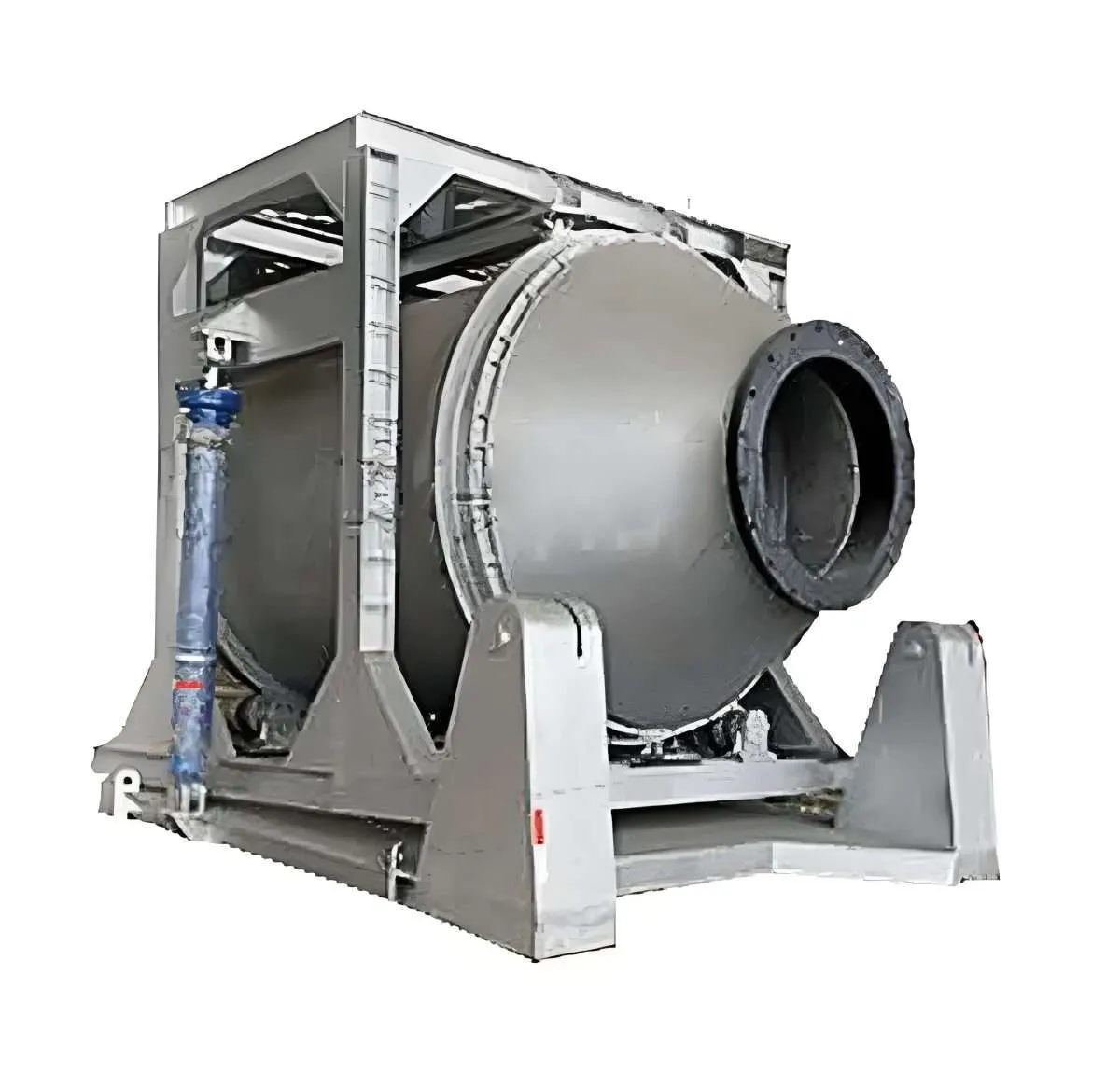
 https://dw-inductionheater.com/product/tilting-rotary-furnace-for-melting-zinc-alloy-and-aluminum?feed_id=277340&_unique_id=6811767870285
2025年4月29日星期二
Tilting Rotary Furnace for Melting Zinc Alloy and Aluminum
Tilting Rotary Furnace for Melting Zinc Alloy and Aluminum
https://dw-inductionheater.com/product/tilting-rotary-furnace-for-melting-zinc-alloy-and-aluminum?feed_id=277340&_unique_id=6811767870285
https://dw-inductionheater.com/product/tilting-rotary-furnace-for-melting-zinc-alloy-and-aluminum?feed_id=277340&_unique_id=6811767870285

2025年4月28日星期一
Tilting Rotary Furnace For Smelting And Recycling Aluminum,Zinc,Lead and Non-Ferrous Metals
Tilting Rotary Furnace For Smelting And Recycling Aluminum,Zinc,Lead and Non-Ferrous Metals
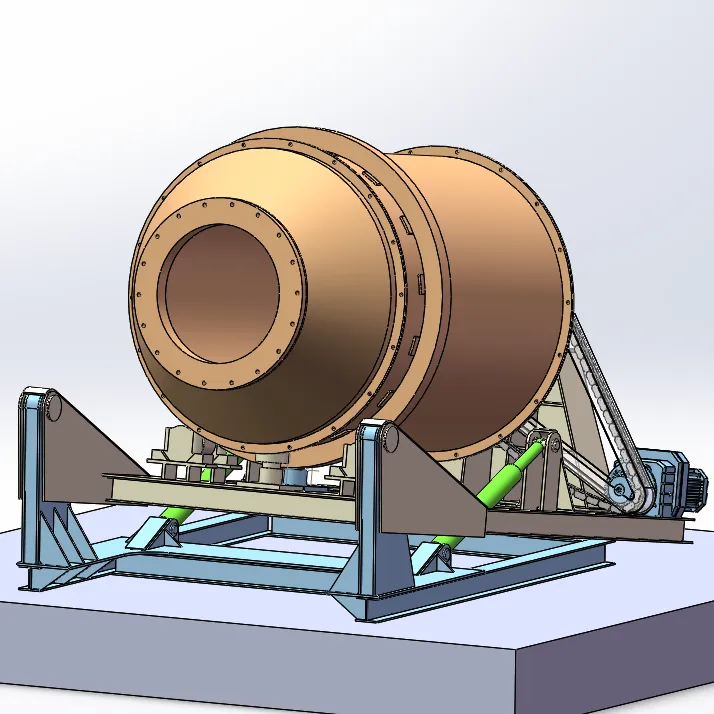 https://dw-inductionheater.com/product/tilting-rotary-furnace-for-smelting-and-recycling-aluminum-zinc-lead-and-non-ferrous-metals?feed_id=277284&_unique_id=6810330596cb4
https://dw-inductionheater.com/product/tilting-rotary-furnace-for-smelting-and-recycling-aluminum-zinc-lead-and-non-ferrous-metals?feed_id=277284&_unique_id=6810330596cb4
2025年4月27日星期日
Rotary Furnace For Aluminum Melting and Recycling
Rotary Furnace For Aluminum Melting and Recycling
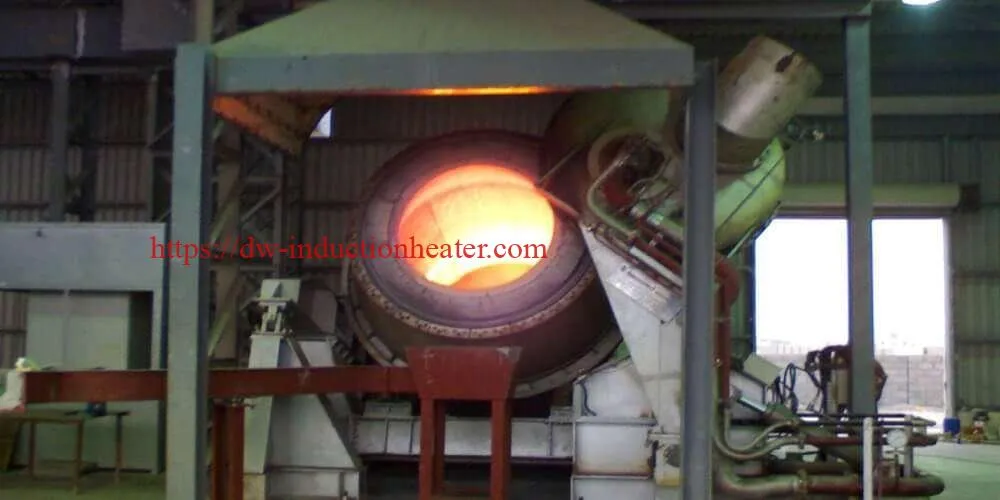 https://dw-inductionheater.com/product/rotary-furnace-for-aluminum-melting-and-recycling?feed_id=277228&_unique_id=680eef8b4b33e
https://dw-inductionheater.com/product/rotary-furnace-for-aluminum-melting-and-recycling?feed_id=277228&_unique_id=680eef8b4b33e
2024年7月26日星期五
Tilting Rotary Furnace for Melting Zinc Alloy and Aluminum
Tilting Rotary Furnace for Melting Zinc Alloy and Aluminum
The industrial foundry sector is an essential cog in the manufacturing machine, dealing heavily with metals such as zinc alloy and aluminum. Among the technological advancements improving efficiency and effectiveness in this field is the tilting rotary furnace. This article delves into the intricate workings, benefits, and future of these furnaces, with a special emphasis on their application in melting zinc alloys and aluminum.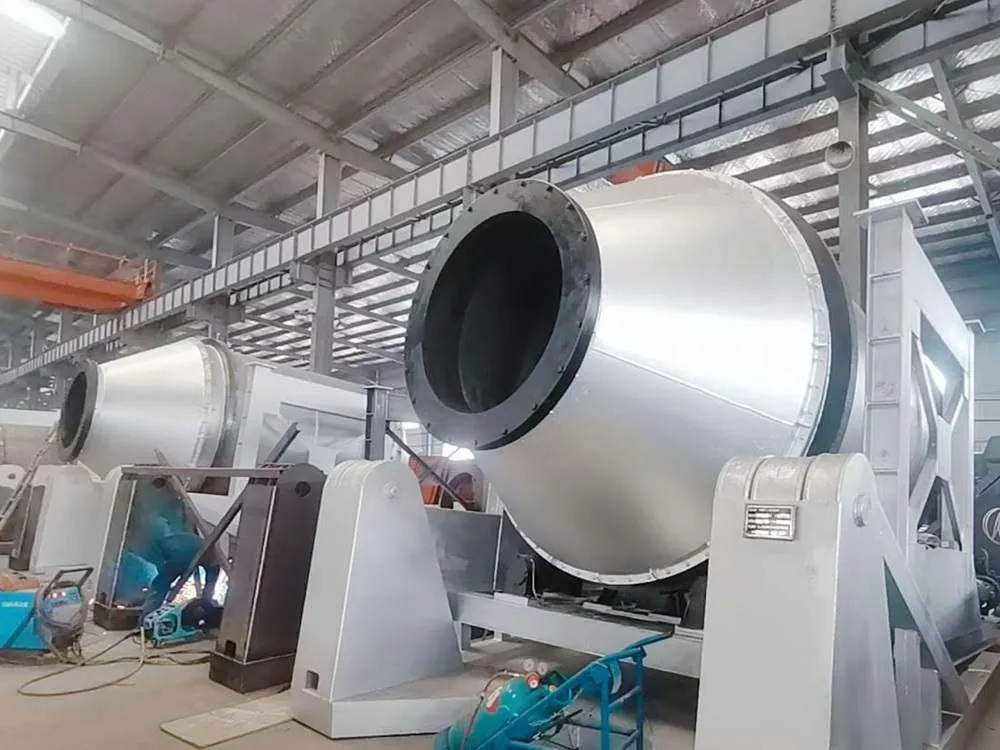
What is a Tilting Rotary Furnace?
A tilting rotary furnace is a type of furnace utilized in metallurgy for melting and recycling non-ferrous metals. Its design allows for the tilting of the furnace body, making the pouring of molten metal significantly safer and more efficient.Basic Components
Furnace Body: The main structure, typically cylindrical, constructed from robust materials to withstand high temperatures and chemical reactions. Burner System: Provides the necessary heat for melting operations, using industrial-grade gas or oil. Tilting Mechanism: Often hydraulic or mechanical, this component facilitates the controlled pouring of molten metal. Refractory Lining: High-temperature resistant lining that protects the furnace body and retains heat. Control Systems: Automated control systems ensure precise temperature regulation and safety protocols.Operating Principle
The furnace rotates during operation, ensuring homogeneity in the melt through continuous motion. This rotation, combined with the tilting feature, allows for efficient pouring and minimizes metal loss.
Advantages of Using Tilting Rotary Furnaces
The advent of tilting rotary furnaces brought multiple benefits to metal melting operations. Versatility These furnaces handle various materials, making them ideal for foundries that deal with multiple metal types. Efficiency Enhanced heat transfer and uniform mixing lead to shortened melting cycles and higher throughput. Cost-Effectiveness Reduced energy consumption and lower operating times translate into significant cost savings for foundries.Application in Melting Zinc Alloy
Zinc alloys are crucial for die-casting, requiring precise melting techniques that tilting rotary furnaces aptly provide. Material Properties Zinc alloys have relatively low melting points and high casting precision requirements, which the furnace's controlled environment can ensure.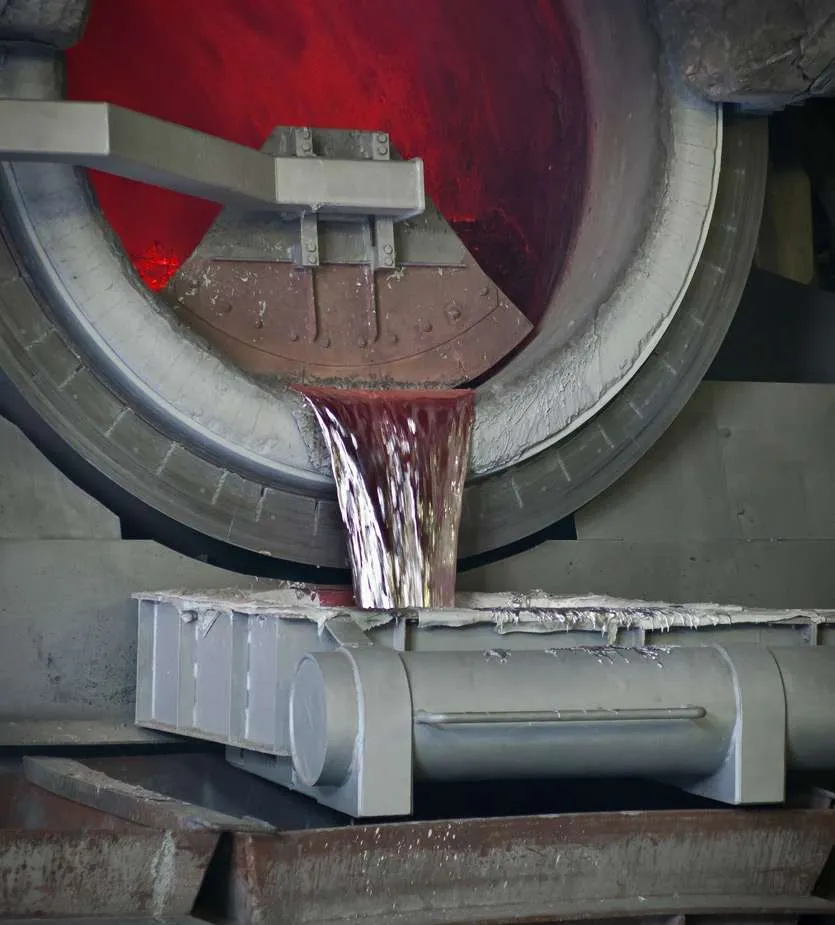 Temperature Control
Effective temperature management is vital for maintaining the material properties of zinc alloys.
Homogeneous Melting
The rotary action guarantees uniform heat distribution, a critical factor for high-quality zinc alloy melts.
Temperature Control
Effective temperature management is vital for maintaining the material properties of zinc alloys.
Homogeneous Melting
The rotary action guarantees uniform heat distribution, a critical factor for high-quality zinc alloy melts.
Application in Melting Aluminum
Aluminum melting presents distinct challenges that these furnaces efficiently manage. Aluminum Characteristics Aluminum has a distinct melting point and is prone to oxidation, requiring careful control within the furnace. Reducing Oxidation The controlled atmosphere in the tilting rotary furnace minimizes oxygen exposure, thus reducing oxidation and ensuring the integrity of the aluminum melt. Energy Savings The efficient design and operation of these furnaces lead to substantial energy savings, crucial in large-scale aluminum processing. Choosing the Right Furnace for Your Foundry Selecting an appropriate furnace is critical for optimal foundry operations.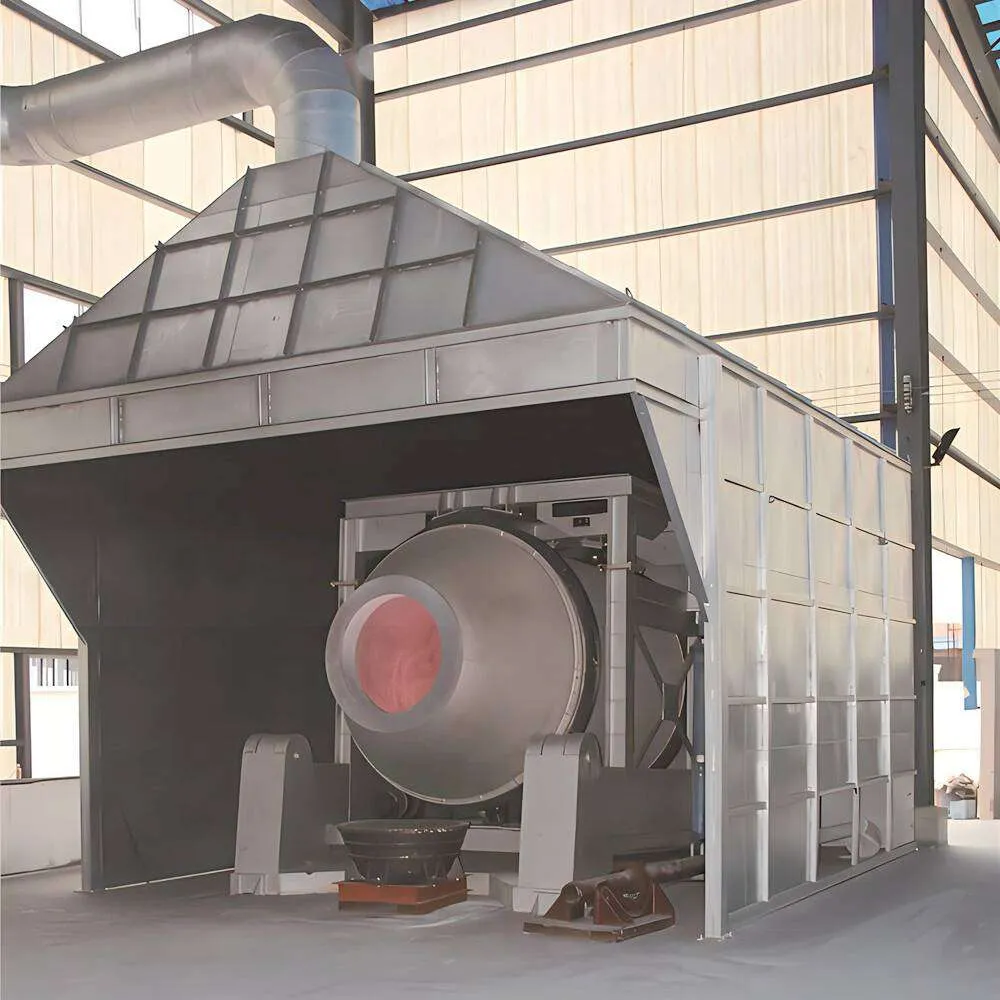 Capacity and Scale
Foundries must match furnace capacity with their production needs to avoid bottlenecks and ensure efficient workflows.
Capacity and Scale
Foundries must match furnace capacity with their production needs to avoid bottlenecks and ensure efficient workflows.
Technological Compatibility
Integration with existing systems and the ability to future-proof operations with modern technology is crucial. Maintenance Requirements Consideration of the ease and frequency of maintenance can significantly impact long-term operational costs and uptime.Installation and Setup Process
Proper installation is essential for the safe and efficient operation of tilting rotary furnaces. Site Preparation Adequate space and foundational preparations are required to accommodate the furnace and its operations. Electrical and Fuel Connections Ensuring reliable and safe connections to power and fuel sources is necessary for operational efficiency.
Operational Testing
Thorough testing post-installation guarantees that all systems function correctly and safely before full-scale operations commence.
Safety Measures and Compliance
Safety is a significant concern in high-temperature operations involving heavy machinery.
Operator Training
Comprehensive training programs for operators ensure safe and efficient furnace operations.
Regulatory Standards
Compliance with industry-specific safety and environmental regulations is mandatory to avoid legal repercussions and ensure worker safety.
Ensuring reliable and safe connections to power and fuel sources is necessary for operational efficiency.
Operational Testing
Thorough testing post-installation guarantees that all systems function correctly and safely before full-scale operations commence.
Safety Measures and Compliance
Safety is a significant concern in high-temperature operations involving heavy machinery.
Operator Training
Comprehensive training programs for operators ensure safe and efficient furnace operations.
Regulatory Standards
Compliance with industry-specific safety and environmental regulations is mandatory to avoid legal repercussions and ensure worker safety.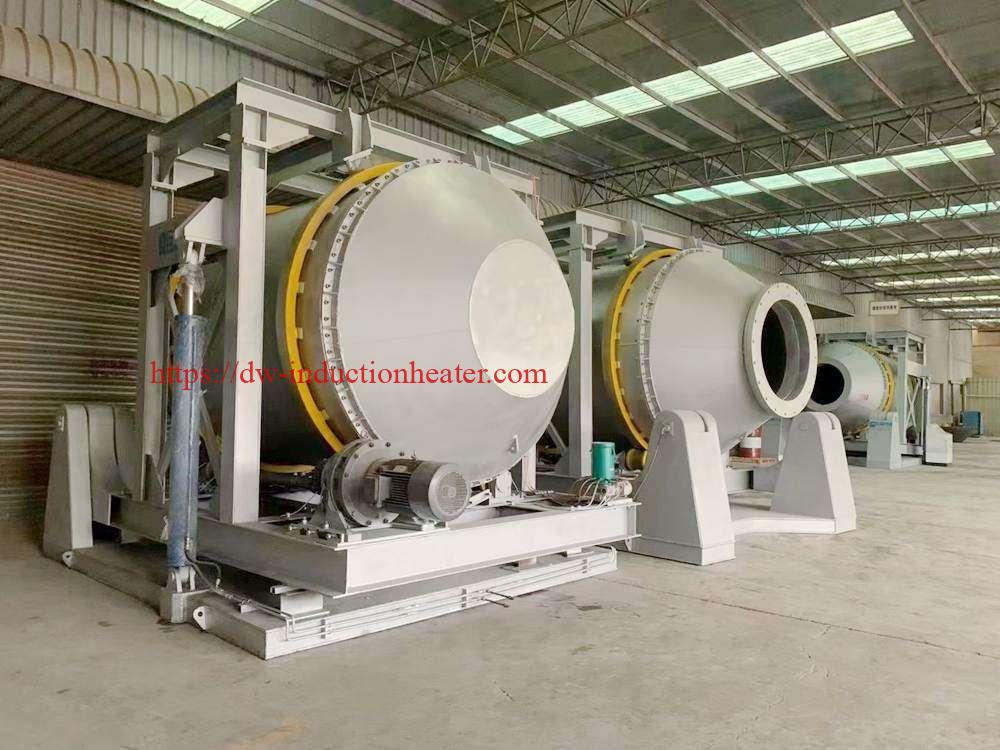
Maintenance and Troubleshooting
Regular maintenance and prompt troubleshooting are vital for keeping the furnace in optimal condition. Routine Maintenance Scheduled inspections and servicing prevent breakdowns and extend the furnace's operational life. Common Issues and Solutions Understanding typical issues, such as refractory wear or burner inefficiencies, and their solutions can mitigate downtime and repair costs.Future Trends in Rotary Furnace Technology
The landscape of rotary furnace technology continues to evolve with advancements aiming at increased efficiency and sustainability. Automation Incorporating advanced automation into furnace operations enhances precision, reduces manual labor, and improves safety. Eco-Friendly Innovations Developments in eco-friendly technologies, such as improved insulation materials and alternative energy sources, are making these furnaces greener.Conclusion
Tilting rotary furnaces represent a significant advancement in the melting and recycling of non-ferrous metals, providing unparalleled efficiency, versatility, and cost savings. Their application in zinc alloy and aluminum melting showcases their adaptability and effectiveness, making them an indispensable tool in modern foundries.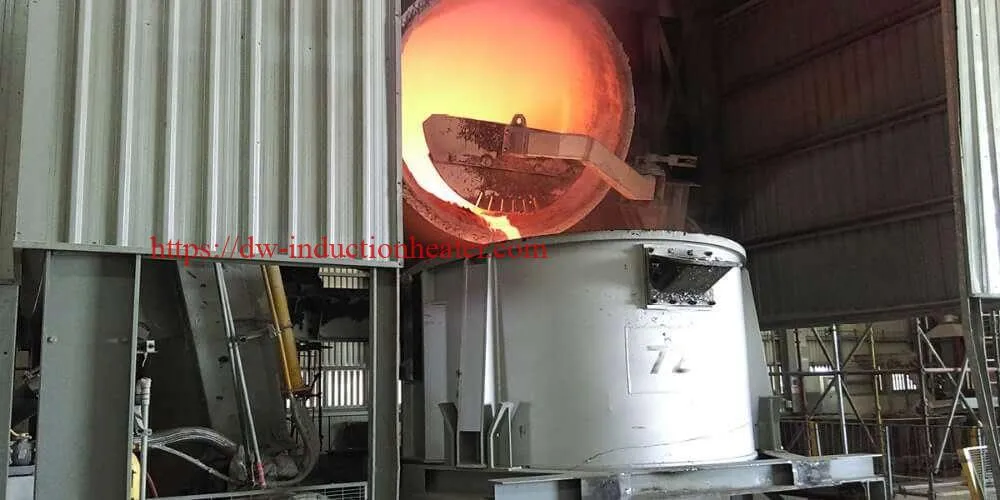
FAQs Key advantages of a tilting rotary furnace:
Enhanced efficiency, versatility in handling various metals, and cost-effectiveness stand out as primary benefits. Capability to handle zinc alloy and aluminum The furnace's design ensures precise temperature control and homogeneity, making it suitable for melting zinc alloys and aluminum. Impact of operator training on efficiency Proper training ensures that operators can manage the furnace safely, reducing downtime and operational errors. Energy savings associated with these furnaces Design improvements and high-efficiency components lead to significant reductions in energy consumption. Ensuring compliance with regulatory standards Strict adherence to regulatory standards through robust safety and operational protocols ensures legal compliance and safety.
https://dw-inductionheater.com/product/tilting-rotary-furnace-for-melting-zinc-alloy-and-aluminum?feed_id=253947&_unique_id=66a36b191e575
2024年7月21日星期日
Tilting Rotary Furnace For Smelting And Recycling Aluminum,Zinc,Lead and Non-Ferrous Metals
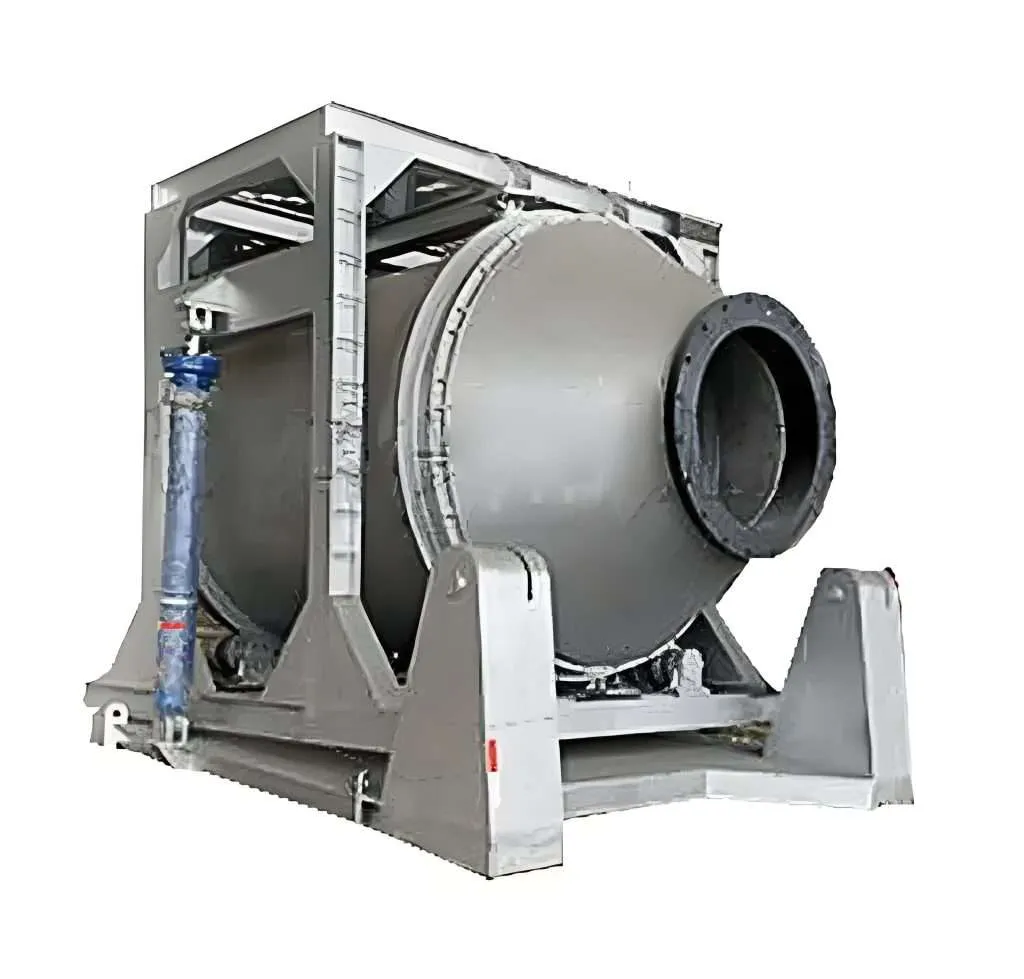
A tilting rotary furnace is a type of industrial furnace designed for the efficient melting, refining, and processing of metals. This specialized furnace combines the functionalities of a rotary furnace with the added flexibility of a tilting mechanism. Here’s a detailed look at what a tilting rotary furnace is and its key features:
 In summary, a tilting rotary furnace is a versatile and efficient industrial furnace that plays a critical role in modern metallurgy, particularly in metal recycling, foundries, and production of high-quality metal products. Its design facilitates superior metal handling, energy efficiency, and precise control, which are highly valued in metalworking industries.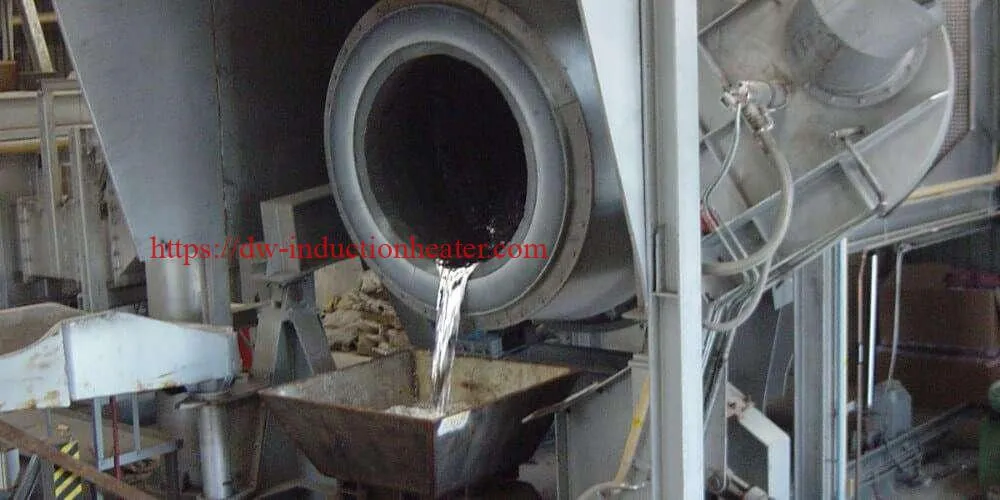
Key Features of a Tilting Rotary Furnace
- Rotary Mechanism:
- Rotary Drum: The furnace typically consists of a cylindrical, rotating drum where the metal charge is placed. The rotation helps to evenly distribute heat and mix the molten metal, which promotes uniform melting and alloying.
- Efficient Heating: The rotary action ensures that the entire metal charge is exposed to the heat source, which improves melting efficiency and reduces melting times.
- Tilting Mechanism:
- Tilted Pouring: The furnace can be tilted to pour the molten metal out of the drum smoothly and accurately into pouring molds, ladles, or casting machines. This mechanization reduces manual labor and increases safety.
- Precision Control: The tilt control is usually precise, allowing operators to manage the flow of molten metal carefully, which is essential for high-quality casting operations.

- Heating System:
- Fuel Options: Tilting rotary furnaces can be designed to use different types of fuel, including natural gas, diesel, propane, or electricity for heating. The choice of fuel can depend on economic and environmental considerations.
- Burners and Airflow: The heating system includes burners and air passages designed for efficient combustion and heat transfer. Some advanced models have regenerative burners to recover waste heat and improve energy efficiency.
- Material Handling:
- Scrap Loading: These furnaces are suitable for melting a variety of scrap types, from loose and fragmented pieces to compact bales and ingots.
- Residue Handling: The rotary movement also helps in managing residues like dross and slag, which can be removed more easily compared to traditional static furnaces.
- Advanced Controls:
- Temperature Control: Precise temperature controls and monitoring systems ensure that the metal is melted to the desired specifications, which is crucial for producing high-quality alloys and castings.
- Automation: Many modern tilting rotary furnaces are equipped with automated control systems that enhance operational efficiency and safety.

Applications of Tilting Rotary Furnaces
- Metal Recycling:
- Used extensively for recycling aluminum, zinc, lead, and other non-ferrous metals. The efficient melting process helps recover high-purity metal from scrap.
- Foundries and Casting Operations:
- Utilized for melting primary metals and alloys in foundry operations. The ease of pouring and precise control make it suitable for producing quality castings.
- Die Casting:
- Provides a consistent supply of molten metal for die casting processes. This is particularly important in industries like automotive manufacturing, where precision and quality are crucial.
- Extrusion Plants:
- Prepares billets for the extrusion process. The uniform heating of the billets ensures optimal extrusion performance.
- Aerospace Industry:
- Produces high-quality alloys needed for critical aerospace components, ensuring they meet strict industry standards.
- Continuous Casting:
- Supplies molten metal for continuous casting processes, where uniform and continuous delivery of molten metal is necessary for producing long, continuous forms like rods and bars.
- Supplies molten metal for continuous casting processes, where uniform and continuous delivery of molten metal is necessary for producing long, continuous forms like rods and bars.

Advantages of Tilting Rotary Furnaces
- Efficiency: The combination of rotation and tilting minimizes dead zones and ensures complete melting of the charge, maximizing yield and reducing energy consumption.
- Quality: Improved mixing and temperature control lead to high-quality molten metal, essential for producing reliable castings and alloys.
- Safety: The tilting mechanism reduces manual handling of molten metal, lowering the risk of accidents and improving operator safety.
- Versatility: Suitable for a wide range of metals and alloys, making it a flexible solution for various metallurgical applications.
The structure and composition of tilting rotary furnace:
A tilting rotary furnace has the following structure and composition:
- Rotary Mechanism:
- Rotary Drum: A cylindrical, rotating drum where the metal charge is placed.
- Efficient Heating: Ensures even heat distribution and mixing of the molten metal.
- Tilting Mechanism:
- Tilted Pouring: Allows the furnace to be tilted to pour molten metal into molds, ladles, or casting machines.
- Precision Control: Provides careful management of the molten metal flow.
- Heating System:
- Fuel Options: Capable of using various fuels such as natural gas, diesel, propane, or electricity.
- Burners and Airflow: Includes burners and air passages for efficient combustion and heat transfer.
- Material Handling:
- Scrap Loading: Can handle different types of metal scrap, including loose pieces, compact bales, and ingots.
- Residue Handling: Rotary movement aids in managing residues like dross and slag.
- Advanced Controls:
- Temperature Control: Precise controls and monitoring systems to ensure the metal is melted to desired specifications.
- Automation: Modern furnaces often have automated control systems for enhanced efficiency and safety.
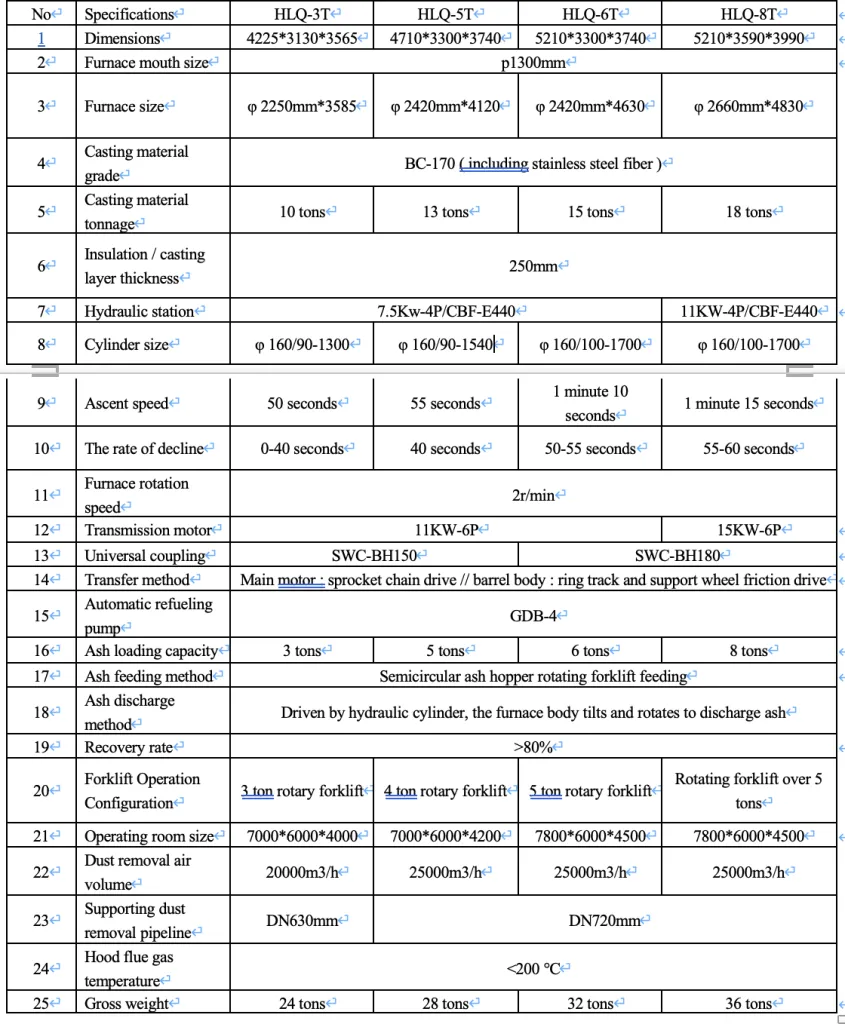
Technical Details:
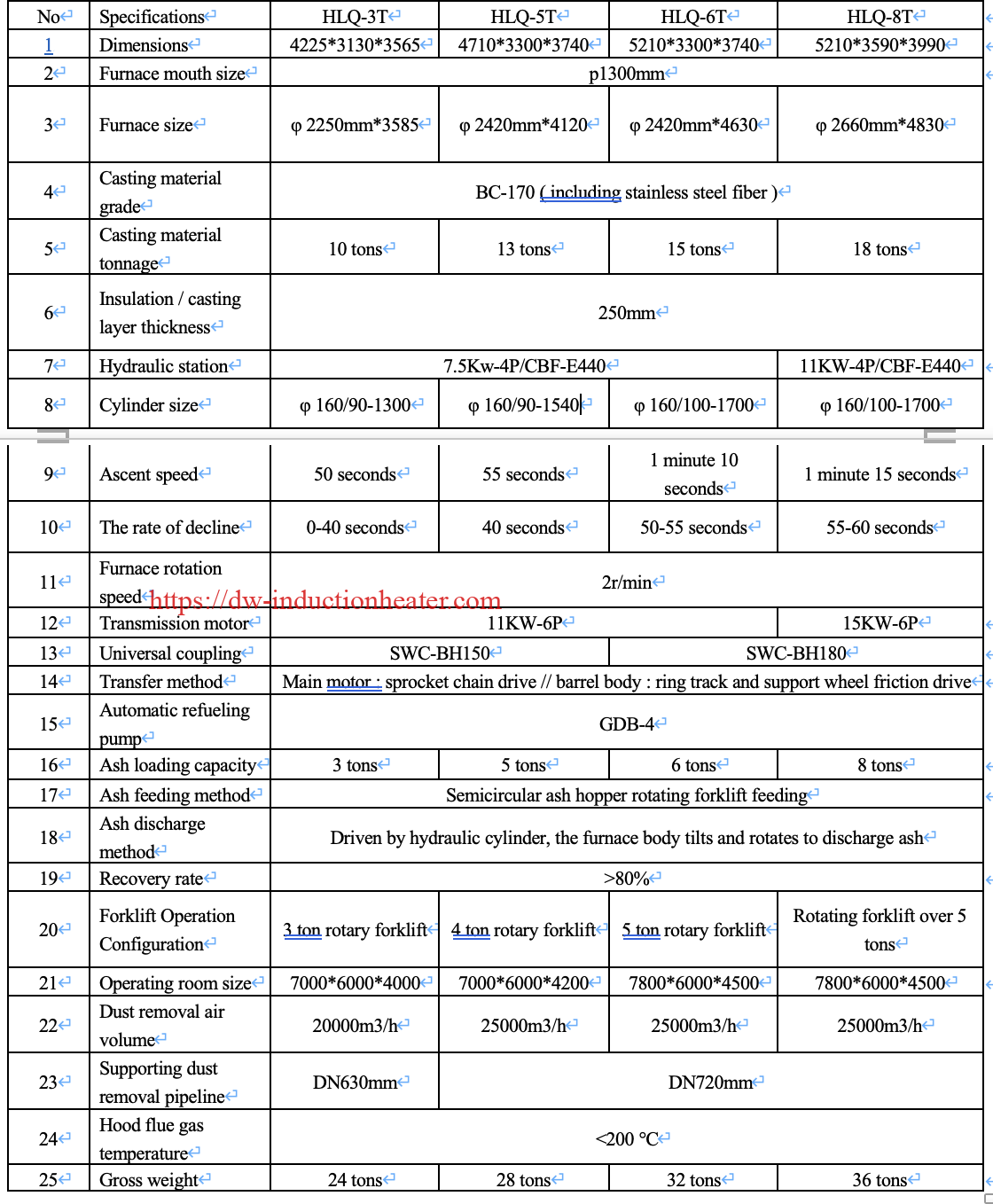 In summary, a tilting rotary furnace is a versatile and efficient industrial furnace that plays a critical role in modern metallurgy, particularly in metal recycling, foundries, and production of high-quality metal products. Its design facilitates superior metal handling, energy efficiency, and precise control, which are highly valued in metalworking industries.
2024年7月20日星期六
Rotary Furnace For Aluminum Melting and Recycling
Rotary Furnace For Aluminum Melting and Recycling
Ever wondered how your discarded soda cans transform into shiny new aluminum products? The magic happens in rotary furnaces used for aluminum melting and recycling. In this article, we’ll dive deep into the workings of rotary furnaces, their role in aluminum recycling, and their environmental impact. By the end, you'll have a comprehensive understanding of how these industrial powerhouses contribute to sustainability and efficiency.
Basics of Rotary Furnaces
-What is a Rotary Furnace? A rotary furnace is a hightemperature processing unit that is used for melting various metals, including aluminum. Its cylindrical shape rotates around a horizontal axis. Imagine a giant, rotating drum that's heated—this motion helps mix the material inside, ensuring even melting and processing. -How Rotary Furnaces Work?
So, how does all this rotation help? The rotation ensures that the heat is evenly distributed and that the molten metal is thoroughly mixed. This uniform heating and mixing are critical when dealing with metals like aluminum, which need consistent melting temperatures to ensure quality. These furnaces can be either directfired, where the flame is in direct contact with the metal, or indirectfired, where heat is applied externally. Cool, right?
-How Rotary Furnaces Work?
So, how does all this rotation help? The rotation ensures that the heat is evenly distributed and that the molten metal is thoroughly mixed. This uniform heating and mixing are critical when dealing with metals like aluminum, which need consistent melting temperatures to ensure quality. These furnaces can be either directfired, where the flame is in direct contact with the metal, or indirectfired, where heat is applied externally. Cool, right?
Aluminum Melting in Rotary Furnaces
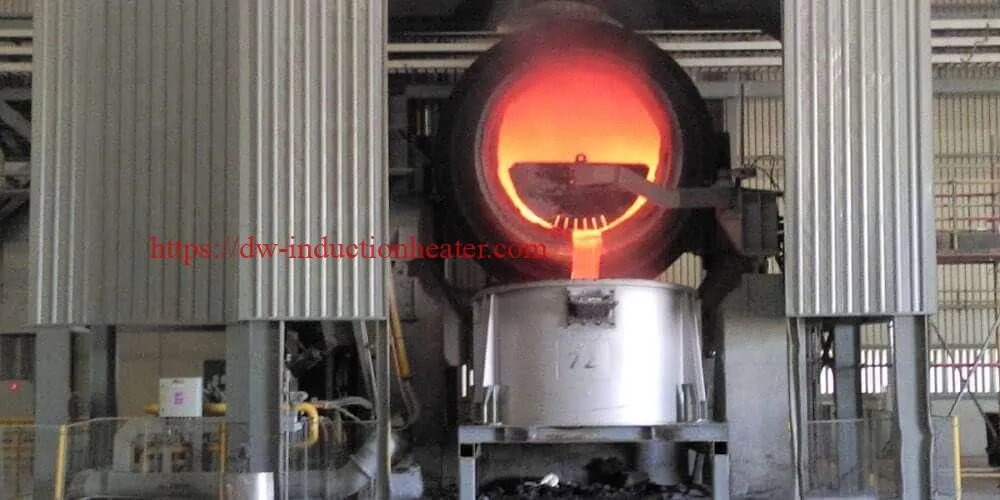
-Melting Process Overview Melting aluminum in a rotary furnace involves loading the aluminum scrap into the furnace, which is then heated to its melting point. The rotating action helps stir the molten metal, creating a homogenous liquid. Once the aluminum is fully melted, it's tapped out from the bottom of the furnace and cast into new forms. This whole process is efficient and significantly reduces energy consumption compared to other methods. -Advantages of Rotary Furnaces for Melting Aluminum The perks? For one, rotary furnaces are incredibly efficient. The uniform mixing ensures a highquality melt, which is essential when you're aiming for premium aluminum products. Plus, these furnaces can handle a variety of scrap, from cans to foils, making them versatile. They’re also more environmentally friendly because they reduce the amount of dross (waste material) during the melting process.Aluminum Recycling and Rotary Furnaces
-Why Aluminum Recycling is Importan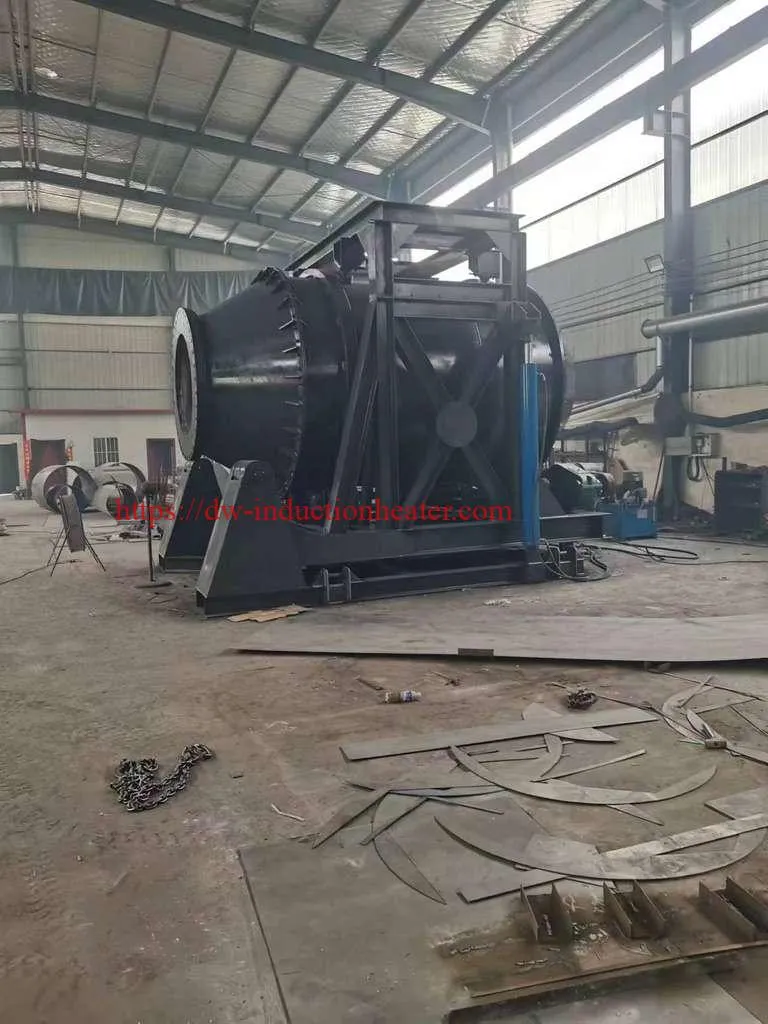 Recycling aluminum is a big deal. Not only does it save 95% of the energy compared to producing new aluminum from raw ore, but it also reduces landfill waste and cuts down on greenhouse gas emissions. Essentially, recycling is a winwin for both the economy and the environment.
-Role of Rotary Furnaces in Recycling
Rotary furnaces are the unsung heroes in the aluminum recycling process. They efficiently melt down aluminum scrap and convert it into reusable material. Because of their design, rotary furnaces can process a large amount of scrap quickly and efficiently, which is crucial in keeping up with the high demand for recycled aluminum.
Recycling aluminum is a big deal. Not only does it save 95% of the energy compared to producing new aluminum from raw ore, but it also reduces landfill waste and cuts down on greenhouse gas emissions. Essentially, recycling is a winwin for both the economy and the environment.
-Role of Rotary Furnaces in Recycling
Rotary furnaces are the unsung heroes in the aluminum recycling process. They efficiently melt down aluminum scrap and convert it into reusable material. Because of their design, rotary furnaces can process a large amount of scrap quickly and efficiently, which is crucial in keeping up with the high demand for recycled aluminum.
Efficiency and Environmental Impact
Efficiency is key. Rotary furnaces not only speed up the recycling process but also use less fuel and produce fewer emissions compared to traditional furnaces. This efficiency translates into a smaller carbon footprint and less environmental degradation. Plus, improved automation and control systems mean less human error and better overall performance.Types of Rotary Furnaces
DirectFired Rotary Furnaces Directfired rotary furnaces have the flame directly touching the metal. This method is quick and efficient but requires careful control to avoid overheating. It’s like cooking on a stovetop—direct heat for fast results but needs constant attention. IndirectFired Rotary Furnaces In contrast, indirectfired furnaces use an external heat source. The metal doesn’t come into direct contact with the flame, resulting in a slower but more controlled melting process. Think of it as an ovenbaked approach—steady heat for even cooking, er, melting.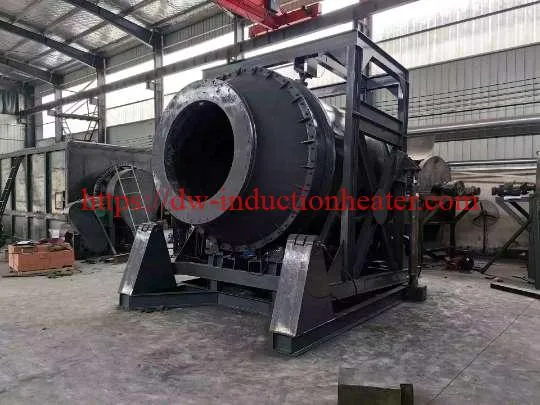
Planning for a Rotary Furnace Setup
Installation Considerations Planning to set up a rotary furnace? First, consider the location. You’ll need a space that can handle the furnace's size and provide adequate ventilation. Then, think about electrical and fuel supply. Ensuring you have the necessary utilities set up can save a lot of headaches down the line. Safety Measures Safety is nonnegotiable. Make sure to have proper training for operators and install safety measures like emergency shutoff systems and regular maintenance schedules. Think of it as wearing a seatbelt—essential for protection in case something goes wrong.Operating a Rotary Furnace
-Operational Tips Smooth operation comes down to routine. Regularly check the furnace's temperature controls and ensure proper loading and unloading techniques. It's like maintaining a car—keep an eye on the little things, and the big things will run smoothly. -Common Challenges and Solutions Every system has its hiccups. With rotary furnaces, common issues include irregular heating and mechanical wear. The solution? Regular maintenance and timely repairs. Being proactive can prevent small problems from becoming big ones.Maintenance of Rotary Furnaces
-Routine Maintenance Tasks Routine checks are your best friend. Inspect the furnace lining, monitor temperature gauges, and keep the rotating parts welllubricated. Regular cleaning to remove buildup can also extend the furnace's lifespan. -Troubleshooting Common Issues Facing issues? For uneven heating, check the burners and ensure they are functioning correctly. For mechanical wear, look into the bearings and rotating parts—they often need timely replacements to avoid more significant issues.Future of Rotary Furnaces in Aluminum Recycling
-Technological Advancements The future looks bright! Innovations like advanced control systems and automated processes are set to make rotary furnaces even more efficient and userfriendly. Imagine furnaces that can selfdiagnose issues and adjust operations for optimal performance—it’s not far off. -Trends to Watch Keep an eye on trends like ecofriendly designs and smart technology integration. Enhanced recycling capabilities and reduced emissions are the industry's next big things, ensuring a sustainable future for aluminum recycling.Conclusion
The next time you recycle an aluminum can, picture the incredible journey it takes through a rotary furnace. These machines are at the forefront of metal recycling, making significant contributions to environmental sustainability and industrial efficiency. With advancements on the horizon, the role of rotary furnaces is only going to become more pivotal. So, keep recycling and appreciate the technology that makes it all possible!
FAQs
- What is a rotary furnace used for in aluminum recycling?
- How does a rotary furnace differ from a traditional furnace?
- Are rotary furnaces environmentally friendly?
- What are common issues faced when operating rotary furnaces?
- What advancements are expected in the future for rotary furnaces?
订阅:
博文 (Atom)
我的简介

- HLQ induction heating machine
- HLQ induction heating machine manufacturer provides the service of induction brazing,melting,hot forming,hardening surface,annealing,shrink fitting,PWHT,etc.