显示标签为“vacuumelectricfurnace”的博文。显示所有博文

2024年3月13日星期三

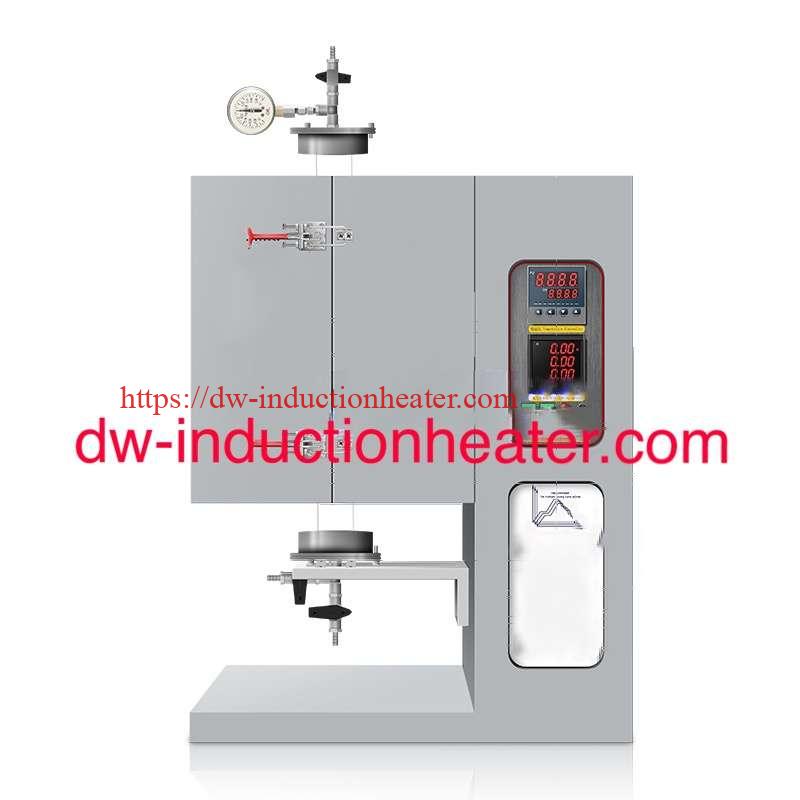
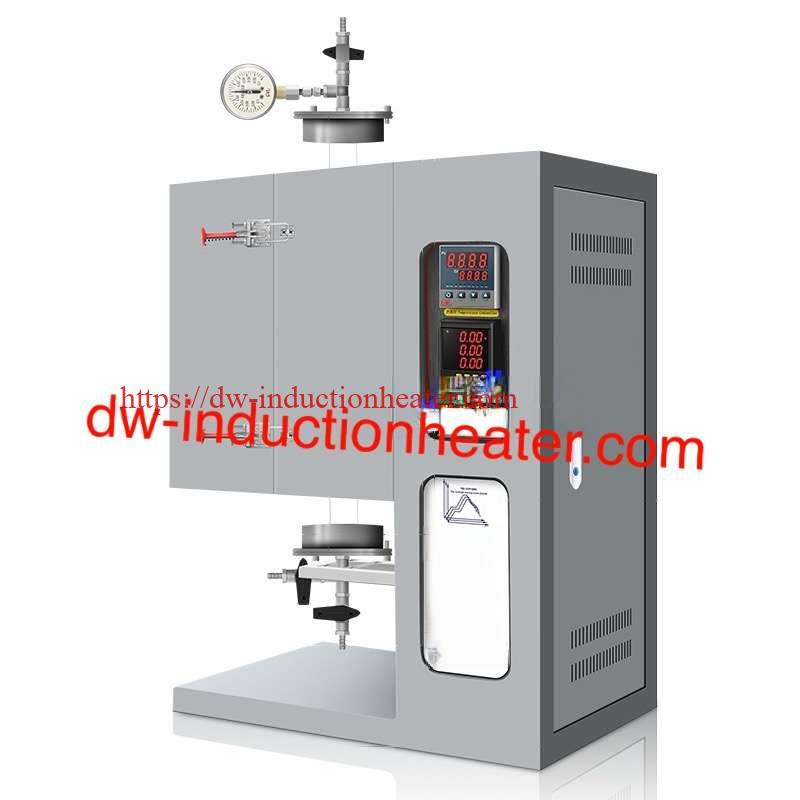
1200°C - 1800°C vertical Split tube furnace-high temperature tubular furnace

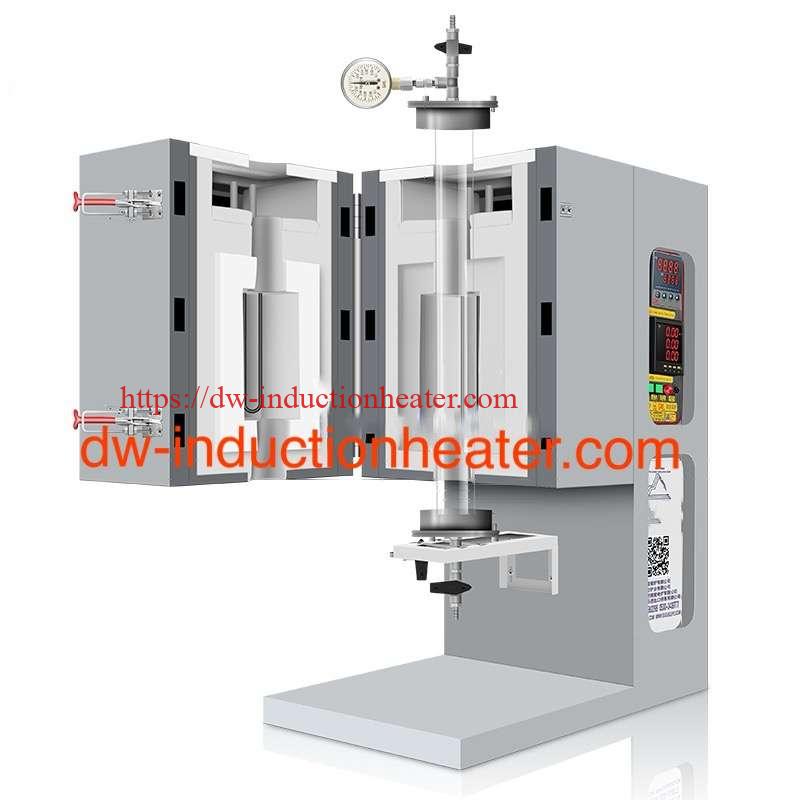
What's the vertical split tube furnace ?

A vertical split tube furnace is a type of furnace that has a vertically oriented heating chamber, which is split into two halves. This design allows for easy loading and unloading of samples or materials into the furnace. The split tube furnace typically consists of a cylindrical heating chamber, which is made of a refractory material such as alumina or quartz. The heating element is wound around the outside of the chamber to provide uniform heating. The split tube design allows for convenient access to the heating chamber. One half of the chamber can be opened, either manually or with a motorized mechanism, to allow for easy insertion and removal of samples or materials. This is especially useful for processes that require frequent loading and unloading or for experiments that involve multiple samples. The split tube furnace is often used in research laboratories and industrial applications for various heat treatment processes such as annealing, sintering, and brazing. It is also popular in materials science and metallurgy for studying the properties of different materials at high temperatures. Application Examples annealing, carbonisation, crystal growth, debinding, degassing, drying, glowing, hardening, metal injection moulding (MIM), pyrolyses, rapid prototyping, sintering, sublimation, synthesis, tempering Standard features
  • 1800 °C maximum operating temperature
  • Double layer furnace shell air cooling ensure the surface temperature less than 45℃
  • Temperature accuracy :±1℃; Temperature uniformity:±1℃(Base on Heating zone size)
  • intelligent current and voltage meter temperature controller, simple to use, Programmable
  • Optimised for vertical usage
  • Low thermal mass ceramic fibre insulation
  • Vertically hanging, high quality MoSi2 heating elements
  • Double loop protection(over current, over temperature and over voltage etc)
  • Metal, Quartz, Corundum materials can be selected as the tube material
  • Vacuum degree can be -0.1Mpa
Spes:
Temperature 1200℃ 1400℃ 1600℃ 1700℃ 1800℃
Voltage AC 220V/380V 220V/380V 220V/380V 220V/380V 220V/380V
Long-term operating temperature 1150℃ 1350℃ 1550℃ 1650℃ 1750℃
Temperature control accuracy ±1℃
Furnace tube material Stainless steel tube/quartz glass tube/corundum tube corundum tube
Temperature field uniformity in the furnace ±1℃ (depending on the size of the heating chamber) Multi-point temperature control can be used when higher requirements are required
Temperature measuring element and temperature measuring range Nickel chromium nickel silicon K temperature measurement range 0-1350℃ S type Type B
Number of programmed curve segments One group has 50 segments, the second group has 22 segments, and the third group has 8 segments.
Heating rate Adjustable from 1℃/h to 40℃/min
Heating element Silicon carbide rod Silicon carbide rod Silicon molybdenum rod
Heating element location The installation position is around the furnace tube and horizontal to the furnace tube.
Refractory materials High purity alumina fiber board
Warranty scope and period The electric furnace has a one-year free warranty. The heating element and furnace tube are not under warranty (the heating element will be replaced free of charge if it is naturally damaged within three months).
Random spare parts Two heating elements, two sets of rods , one instruction manual, one certificate of conformity, one furnace door insulation brick, one crucible pliers , one pair of high-temperature gloves, one special crucible for tube furnace, and two sealing rings
In conclusion, the vertical split tube furnace is a valuable tool for researchers, engineers, and manufacturers who require precise and reliable high-temperature heating capabilities. Its robust construction, versatile design, precise temperature control, and safety features make it an essential piece of equipment for a wide range of applications in industries such as materials science, metallurgy, semiconductor processing, and more. As technology continues to advance, we can expect further improvements in vertical split tube furnace design and functionality, leading to even greater efficiency and performance in high-temperature processing and experimentation. [pdf-embedder url="https://dw-inductionheater.com/wp-content/uploads/2024/03/Industrial-Electric-Tube-Furnace.pdf" title="Industrial Electric Tube Furnace"] https://dw-inductionheater.com/product/1200c-1800c-vertical-split-tube-furnace-high-temperature-tubular-furnace?feed_id=236488&_unique_id=65f2649c2a07f

2024年3月12日星期二

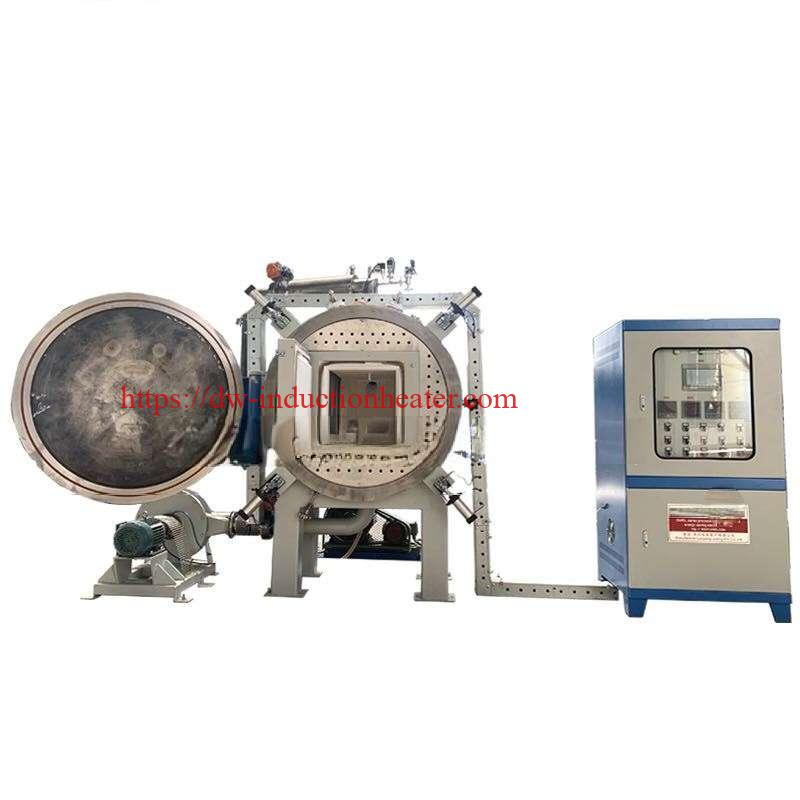
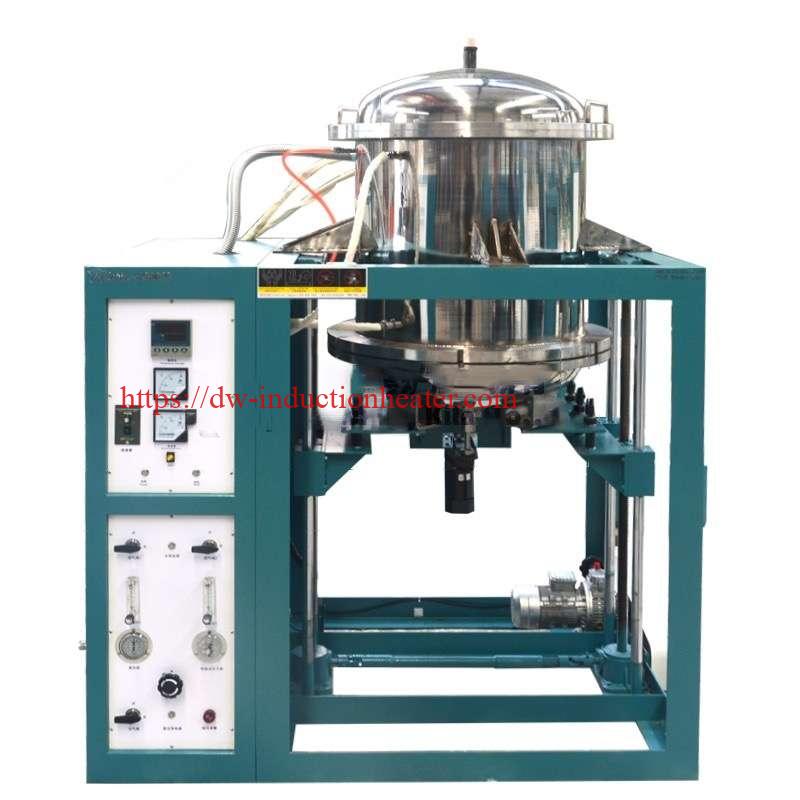
1200°C-1700°C lifting vacuum atmosphere furnace-lifting bottom vacuum heat treatment furnace

A 1200°C-1700°C lifting vacuum atmosphere furnace is a specific type of furnace designed to operate within a temperature range of 1200 to 1700 degrees Celsius under vacuum conditions or in a controlled atmosphere environment. The term "lifting" suggests that this furnace likely has a feature that allows the workload to be raised and lowered within the chamber for loading and unloading purposes. The development of high-temperature lifting vacuum atmosphere furnaces has revolutionized various industrial and research applications that require precise temperature control, contamination-free environments, and specialized atmospheres. Operating at temperatures ranging from 1200°C to 1700°C, these advanced systems offer unparalleled capabilities for materials processing, treatment, and synthesis. This article delves into the technological innovations, design considerations, and multifaceted applications of these powerful thermal processing tools. Introduction: The engineering of materials under controlled conditions is fundamental to the advancement of modern technology. High-temperature lifting vacuum atmosphere furnaces have emerged as critical equipment for such endeavors, catering to the needs of industries like aerospace, automotive, ceramics, metallurgy, and electronics. These furnaces are designed to provide a vacuum or inert atmosphere that prevents contamination and oxidation during high-temperature processes. The lifting mechanism is a key feature that allows for ergonomic loading and unloading of materials, as well as effective integration into production lines. Technological Innovations: The technological advancements in lifting vacuum atmosphere furnaces are manifold. Innovations such as advanced refractory materials for insulation, precision temperature control systems, and robust sealing mechanisms ensure performance stability and reliability at extreme temperatures. The integration of modern control systems, including programmable logic controllers (PLC) and human-machine interfaces (HMI), enable precise regulation of temperature profiles, atmosphere composition, and pressure levels. Design Considerations: The design of lifting vacuum atmosphere furnaces must address several critical factors to ensure operational efficiency and safety. Thermal uniformity is achieved through carefully engineered heating elements and furnace geometry. Load considerations, such as size, weight, and thermal properties, dictate the structural aspects of the lifting mechanism. Additionally, safety features like over-temperature protection and emergency shutdown capabilities are incorporated to protect both the operators and the processed materials. Materials Processing and Treatment: High-temperature vacuum atmosphere furnaces facilitate a range of materials processing and treatment techniques. These include sintering of advanced ceramics and composites, annealing of metallic alloys, and synthesis of high-purity materials. The controlled atmosphere allows for the reduction of oxides, nitrides, and other compounds, which is essential for producing materials with specific microstructures and properties. Applications in Research and Industry: The versatility of lifting vacuum atmosphere furnaces is evident in their widespread applications across various sectors. In the field of materials science research, these furnaces are instrumental in synthesizing novel materials and studying phase transformations. In industry, they are used for heat treatment processes that enhance the mechanical properties of components, such as annealing,hardening, tempering, and brazing. The electronics industry benefits from the ability to create semiconductor materials and components under ultra-clean and controlled conditions. Challenges and Future Prospects: Despite their advantages, high-temperature lifting vacuum atmosphere furnaces face challenges related to energy consumption, maintenance, and the handling of volatiles at elevated temperatures. Future developments are expected to focus on improving energy efficiency, extending service life, and incorporating advanced sensing technologies for real-time monitoring and process optimization. Conclusion: High-temperature lifting vacuum atmosphere furnaces are indispensable tools in the realms of advanced materials development and industrial processing. Their ability to operate at 1200°C to 1700°C under controlled atmospheres makes them a cornerstone of innovation in high-temperature material science and engineering. As technology progresses, these electric furnaces will continue to evolve, further enhancing their capabilities and expanding their applications in various cutting-edge fields. [pdf-embedder url="https://dw-inductionheater.com/wp-content/uploads/2024/03/Vacuum-Atmosphere-Furnace-En.pdf" title="Vacuum Atmosphere Furnace En"] https://dw-inductionheater.com/product/1200c-1700c-lifting-vacuum-atmosphere-furnace-lifting-bottom-vacuum-heat-treatment-furnace?feed_id=236323&_unique_id=65f069e29326e
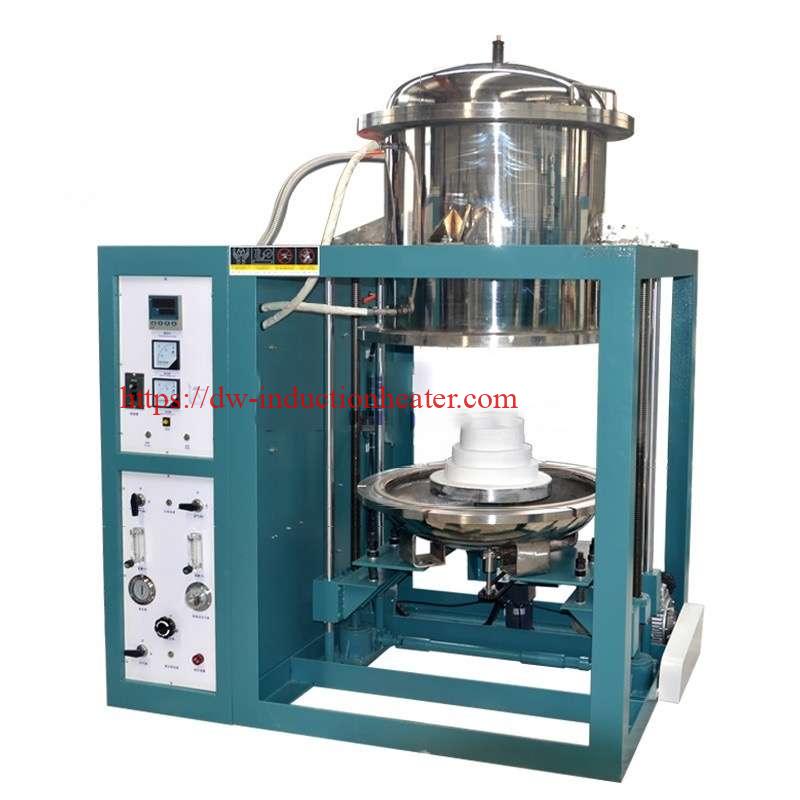
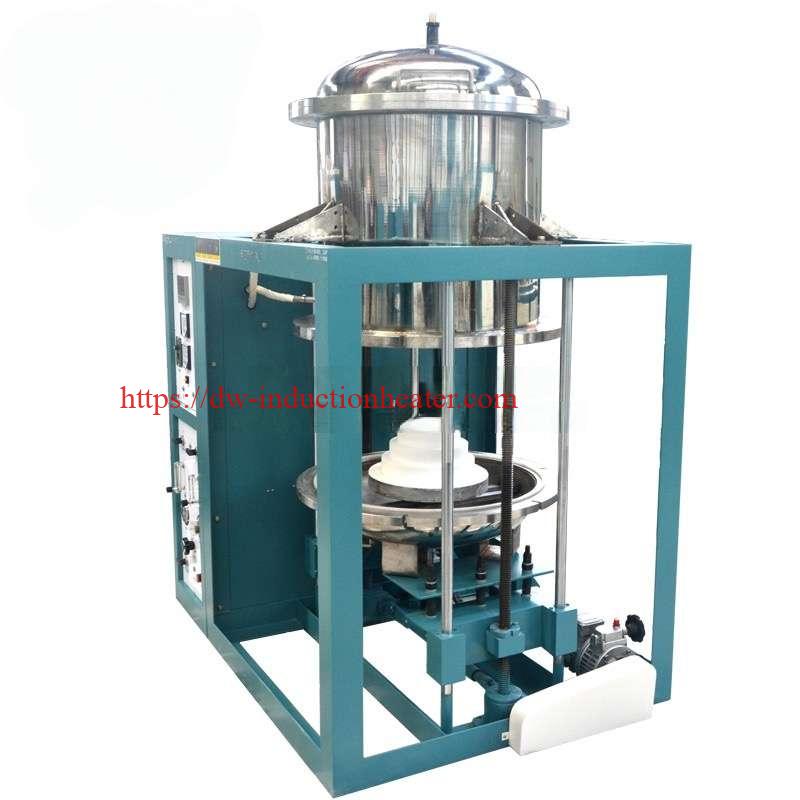
1200°C-1700°C lifting vacuum atmosphere furnace-lifting bottom vacuum heat treatment furnace

A 1200°C-1700°C lifting vacuum atmosphere furnace is a specific type of furnace designed to operate within a temperature range of 1200 to 1700 degrees Celsius under vacuum conditions or in a controlled atmosphere environment. The term "lifting" suggests that this furnace likely has a feature that allows the workload to be raised and lowered within the chamber for loading and unloading purposes. The development of high-temperature lifting vacuum atmosphere furnaces has revolutionized various industrial and research applications that require precise temperature control, contamination-free environments, and specialized atmospheres. Operating at temperatures ranging from 1200°C to 1700°C, these advanced systems offer unparalleled capabilities for materials processing, treatment, and synthesis. This article delves into the technological innovations, design considerations, and multifaceted applications of these powerful thermal processing tools. Introduction: The engineering of materials under controlled conditions is fundamental to the advancement of modern technology. High-temperature lifting vacuum atmosphere furnaces have emerged as critical equipment for such endeavors, catering to the needs of industries like aerospace, automotive, ceramics, metallurgy, and electronics. These furnaces are designed to provide a vacuum or inert atmosphere that prevents contamination and oxidation during high-temperature processes. The lifting mechanism is a key feature that allows for ergonomic loading and unloading of materials, as well as effective integration into production lines. Technological Innovations: The technological advancements in lifting vacuum atmosphere furnaces are manifold. Innovations such as advanced refractory materials for insulation, precision temperature control systems, and robust sealing mechanisms ensure performance stability and reliability at extreme temperatures. The integration of modern control systems, including programmable logic controllers (PLC) and human-machine interfaces (HMI), enable precise regulation of temperature profiles, atmosphere composition, and pressure levels. Design Considerations: The design of lifting vacuum atmosphere furnaces must address several critical factors to ensure operational efficiency and safety. Thermal uniformity is achieved through carefully engineered heating elements and furnace geometry. Load considerations, such as size, weight, and thermal properties, dictate the structural aspects of the lifting mechanism. Additionally, safety features like over-temperature protection and emergency shutdown capabilities are incorporated to protect both the operators and the processed materials. Materials Processing and Treatment: High-temperature vacuum atmosphere furnaces facilitate a range of materials processing and treatment techniques. These include sintering of advanced ceramics and composites, annealing of metallic alloys, and synthesis of high-purity materials. The controlled atmosphere allows for the reduction of oxides, nitrides, and other compounds, which is essential for producing materials with specific microstructures and properties. Applications in Research and Industry: The versatility of lifting vacuum atmosphere furnaces is evident in their widespread applications across various sectors. In the field of materials science research, these furnaces are instrumental in synthesizing novel materials and studying phase transformations. In industry, they are used for heat treatment processes that enhance the mechanical properties of components, such as annealing,hardening, tempering, and brazing. The electronics industry benefits from the ability to create semiconductor materials and components under ultra-clean and controlled conditions. Challenges and Future Prospects: Despite their advantages, high-temperature lifting vacuum atmosphere furnaces face challenges related to energy consumption, maintenance, and the handling of volatiles at elevated temperatures. Future developments are expected to focus on improving energy efficiency, extending service life, and incorporating advanced sensing technologies for real-time monitoring and process optimization. Conclusion: High-temperature lifting vacuum atmosphere furnaces are indispensable tools in the realms of advanced materials development and industrial processing. Their ability to operate at 1200°C to 1700°C under controlled atmospheres makes them a cornerstone of innovation in high-temperature material science and engineering. As technology progresses, these electric furnaces will continue to evolve, further enhancing their capabilities and expanding their applications in various cutting-edge fields. [pdf-embedder url="https://dw-inductionheater.com/wp-content/uploads/2024/03/Vacuum-Atmosphere-Furnace-En.pdf" title="Vacuum Atmosphere Furnace En"] https://dw-inductionheater.com/product/1200c-1700c-lifting-vacuum-atmosphere-furnace-lifting-bottom-vacuum-heat-treatment-furnace?feed_id=236323&_unique_id=65f069e2873f0

2024年3月11日星期一

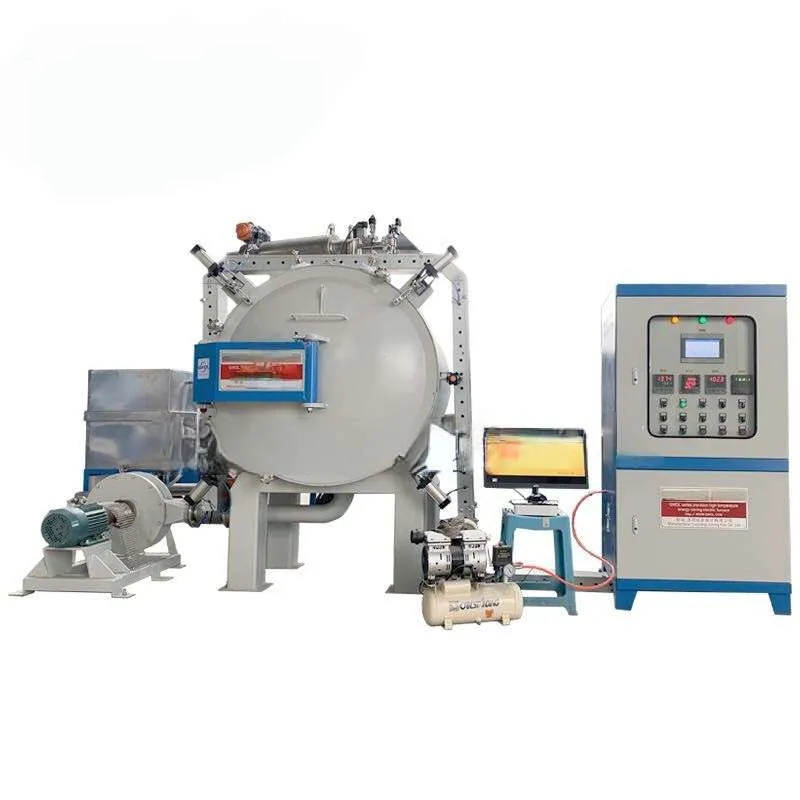
Vacuum Sintering Furnace-High Temperature Vacuum Atmosphere Sintering Furnace

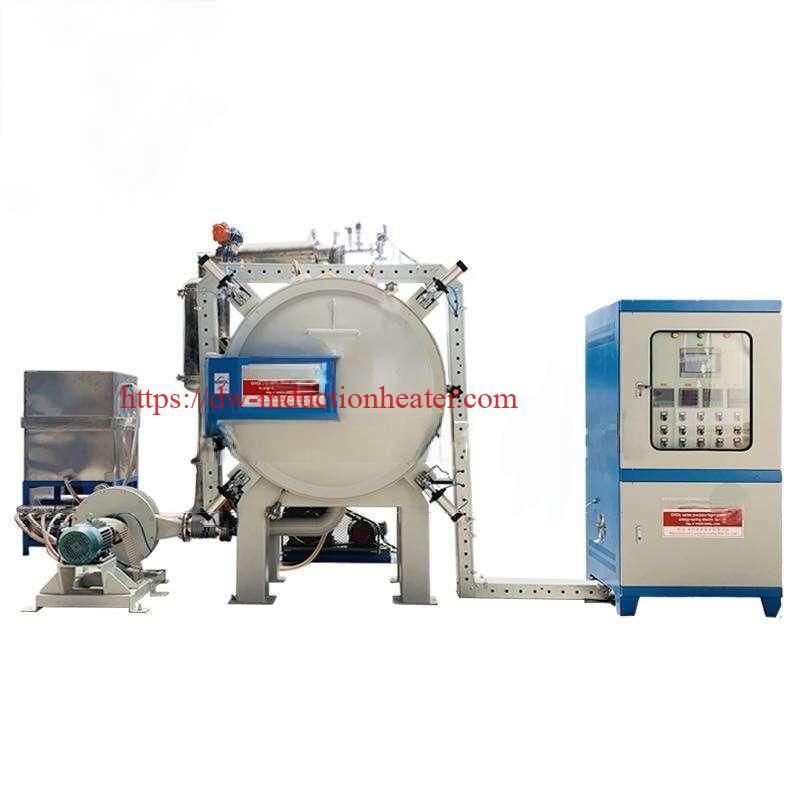
Vacuum Sintering Furnace / Vacuum Atmosphere Sintering Furnace is a specialized piece of equipment used in the manufacturing and processing of materials, particularly in the field of metallurgy and ceramics. This type of furnace is designed to create an environment with controlled atmospheric conditions, typically involving low pressure and specific gas compositions, in order to achieve precise sintering results. Application :  The carbon-free atmosphere, metal injection molding (MIM), metallization, sintering, Superhard alloy, graphite products, etc. Standard features
  • The furnaces provide a precisely defined atmosphere with the highest possible purity
  • Vacuum degree maximum to -0.01Pa
  • Maximum using temperature up to 1700c
  • High temperature camera internal observation becomes possible
  • The furnaces offer the best possible vacuum
  • Hydrogen partial pressure operation if requested
  • Precisely controlled vacuum pumping speeds appropriate for powders
  • Data recording for quality management
  • Pressure protection
  • Less atmosphere influence
  • Cooling structure: Air + Water Cooling
  • Double layer loop protection. (Over temperature protection, Power supply protection and so on)
  • Touch screen control
Eg Customized Furnace:  Sintering is a process of compacting and forming a solid mass of material by heat and/or pressure without melting it to the point of liquefaction. This process is commonly used in the production of powdered metal parts, ceramics, and other materials where high strength and precision are required. Vacuum atmosphere sintering furnaces play a crucial role in achieving the desired material properties and final product quality. The key components of a vacuum atmosphere sintering furnace include a vacuum chamber, heating elements, gas supply systems, temperature control systems, and insulation materials. The vacuum chamber is a sealed enclosure where the sintering process takes place under low-pressure conditions. This helps to prevent oxidation and contamination of the materials being processed, which is essential for achieving high-quality sintered products. The heating elements are responsible for providing the necessary heat energy to raise the temperature inside the furnace to the levels required for sintering. These elements are carefully designed to ensure uniform heating throughout the sintering chamber, which is essential for achieving consistent results across the entire batch of materials being processed. Gas supply systems are used to introduce specific gases into the sintering chamber to create the desired atmosphere for the sintering process. Common gases used in vacuum atmosphere sintering include hydrogen, nitrogen, argon, and forming gas (a mixture of hydrogen and nitrogen). The precise control of gas composition and pressure is critical for achieving the desired material properties and for preventing unwanted reactions during the sintering process. Temperature control systems are essential for maintaining precise temperature profiles throughout the sintering process. These systems typically include thermocouples, temperature controllers, and heating element power modulation to ensure that the materials being processed are subjected to the exact thermal conditions required for successful sintering. Insulation materials are used to minimize heat loss from the sintering chamber and to provide thermal protection for the surrounding environment. This helps to improve energy efficiency and maintain stable operating conditions inside the furnace. The operation of a vacuum atmosphere sintering furnace involves several key steps. First, the materials to be sintered are loaded into the furnace chamber, which is then sealed and evacuated to create a low-pressure environment. Once the desired vacuum level is achieved, the heating elements are activated to raise the temperature inside the chamber to the required sintering temperature. At the same time, specific gases are introduced into the chamber to create the desired atmosphere for the sintering process. The temperature and gas composition are carefully controlled throughout the sintering cycle to ensure that the materials undergo the necessary thermal and chemical transformations to achieve the desired properties. The advantages of using a vacuum atmosphere sintering furnace include precise control over the sintering process, resulting in high-quality products with uniform properties. The ability to create specific atmospheric conditions allows for tailored material processing, such as reducing oxidation, controlling grain growth, and promoting specific phase transformations. Additionally, the use of a vacuum environment can minimize contamination and improve the overall purity of the sintered materials. In summary, a vacuum sintering furnace-vacuum atmosphere sintering furnace is a sophisticated piece of equipment that plays a crucial role in the production of high-quality sintered materials. By providing controlled atmospheric conditions, precise temperature control, and uniform heating, these furnaces enable manufacturers to achieve consistent and reliable results in the production of powdered metal parts, ceramics, and other advanced materials. [pdf-embedder url="https://dw-inductionheater.com/wp-content/uploads/2024/03/Vacuum-Atmosphere-Furnace-En.pdf" title="Vacuum Atmosphere Furnace En"] https://dw-inductionheater.com/product/vacuum-sintering-furnace-high-temperature-vacuum-atmosphere-sintering-furnace?feed_id=236158&_unique_id=65eef583b5cd2

2024年3月10日星期日

Vacuum Atmosphere Heat Treatment Furnace with hot air circulation

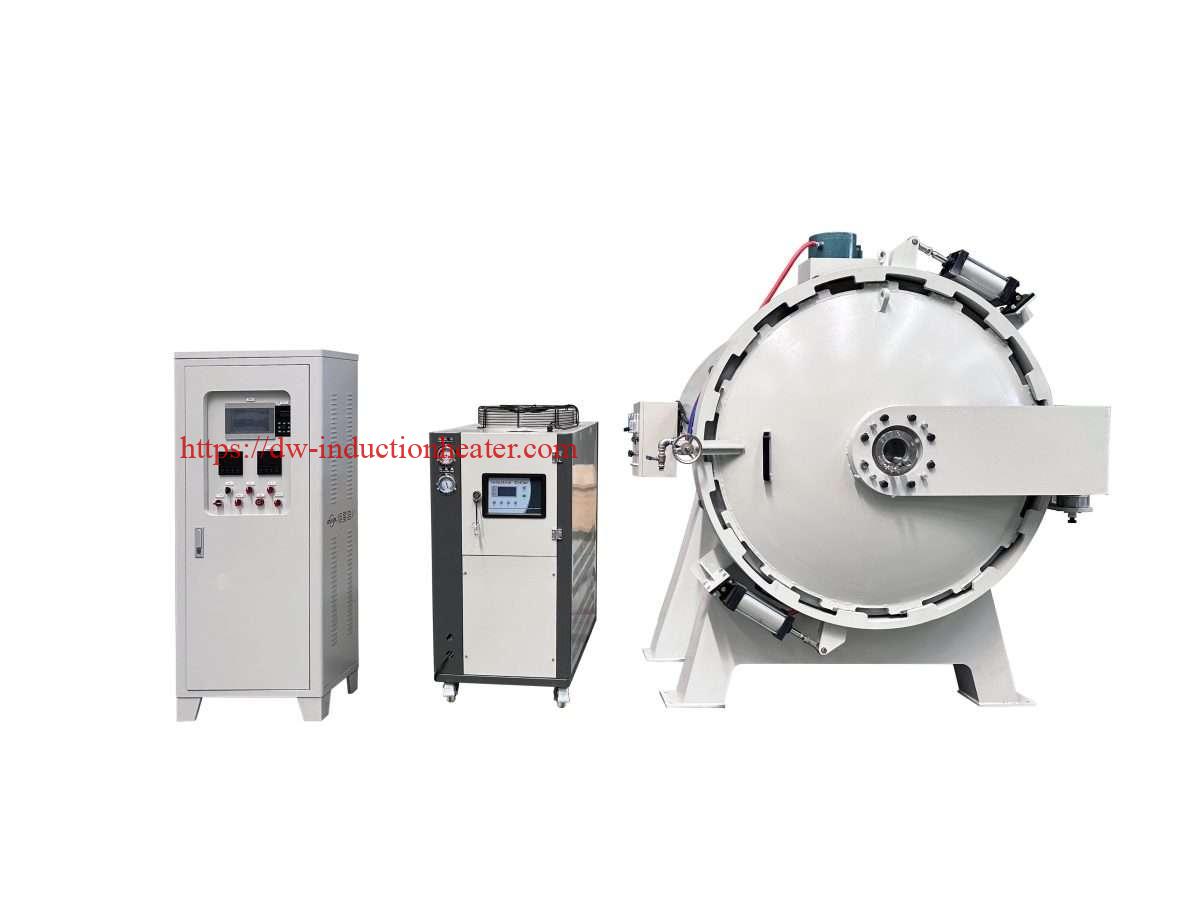
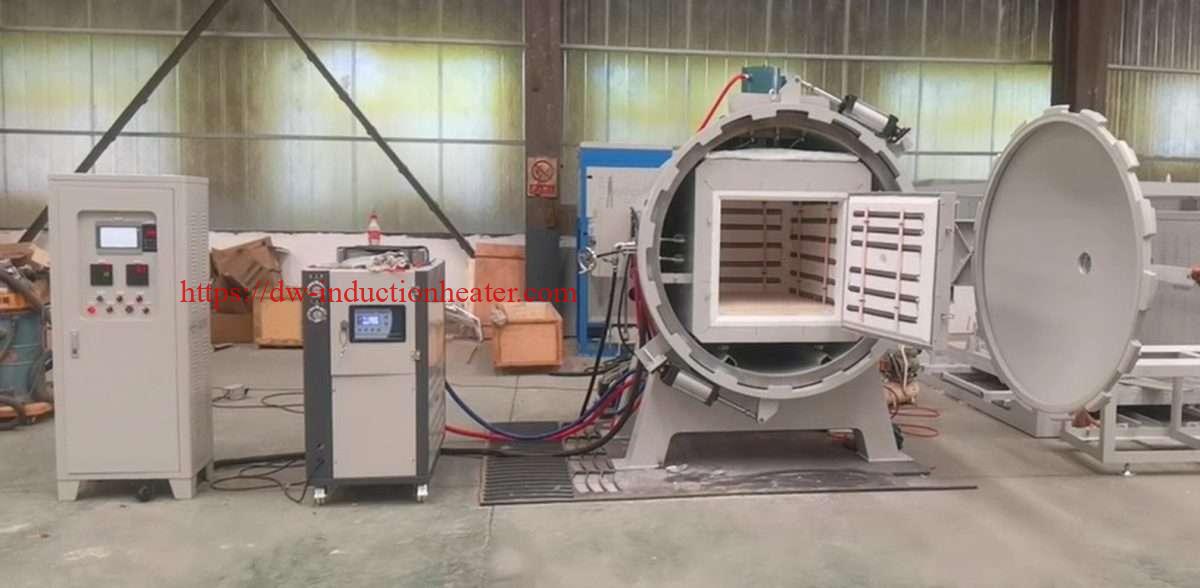
The Vacuum Atmosphere Heat Treatment Furnace has emerged as a critical technology in modern material science, offering unparalleled control over environmental conditions during the heat treatment process. This article delves into the intricacies of this system, exploring its design, operation, benefits, and applications in the industry. The Vacuum Atmosphere Heat Treatment Furnace represents a significant leap forward, providing a contaminant-free environment that allows for precise control of temperature and atmospheric conditions. This technology has become instrumental in various industries that require high-performance materials, including aerospace, automotive, and tool-making sectors.
Items Parameter
Temperature 1000 ℃
Model GWL-1000VSF
Furnace size (mm) Depth×width×height: 600×600×900
power 45KW
VoltageAC 380V
Maximum power The design power is 75KW, and the actual power used is within about 85%. The power can be automatically adjusted according to different heating processes.
Temperature control accuracy ±1 ℃ (Integrated circuit control, no overshoot)
The control range is 50 to 1000 degrees
Temperature field uniformity in the furnace ±5 ℃
Temperature measuring element and temperature measuring range Thermocouple K type, temperature measurement range 0-1320 degrees
Heating rate The heating rate can be adjusted freely, and the adjustment range is: the fastest heating rate is 15 degrees per minute (15 degrees/min), and the slowest heating rate is 1 degree per hour (1 degree/h).
Heating element Beijing Shougang HRE high temperature alloy resistance wire (containing molybdenum ) is used and wound into a spiral spring shape
Heating element installation location It is evenly distributed around the inside of the furnace + at the bottom, and uses five-sided heating. The heating body generates heat evenly, and the temperature field in the furnace is uniform and the effect is good.
Furnace body The furnace body is processed by CNC machine tools, and is made by polishing, grinding, pickling, phosphating, spraying plastic powder, high-temperature baking, etc. It has two-color matching, a novel and beautiful appearance, and has anti-oxidation, acid and alkali resistance, corrosion resistance, and corrosion resistance. High temperature, easy to clean and other advantages
Furnace structure The electric furnace body adopts the internationally advanced air-cooled double-layer furnace structure. The effective air-cooling guide partition circulates cold air throughout the furnace shell, and finally cools the conductive sheets of the heating element and then discharges the furnace body, avoiding high-temperature oxidation of the conductive sheets of the heating element. ; Ensure a good working environment
Observation window The furnace door is equipped with an observation window
Furnace door opening method The furnace door opening method is side door opening.
Furnace door locked Use pneumatic locking furnace door
Furnace shell temperature for long-term use , and the outer shell temperature is less than 45 degrees.
Hot air stirring The function of hot air stirring: There is an air leaf on the top of the furnace. Through the rotation of the air leaf , the temperature of the space inside the furnace is evenly distributed, so as to achieve the purpose of uniform temperature in the furnace.
Mixing blade 310S stainless steel, operating temperature below 1050 degrees
Stirring motor and speed The mixing motor is water-cooled, and the speed is infinitely adjusted through a frequency converter. Power 3KW
Forced cooling system The furnace is equipped with a stainless steel cooling coil, which can be filled with circulating cold zone water to accelerate heat dissipation in the furnace, increase the cooling speed, and improve the working efficiency of the equipment. The circulating cold water system adopts a closed circulation system, which is composed of a closed water cooler, control valves and stainless steel pipes, which can effectively improve equipment utilization. The cooling speed can be guaranteed to be ≮ 35 ℃ /h, which can meet the demand of opening the furnace door when the furnace temperature drops to 70 ℃ within 10 hours .
Refrigerator 3P
Vacuum pump Adopt two-stage rotary vane vacuum pump 70L/s
Vacuum degree -0.1Mpa.
Pressure resistant The steel plate of the electric furnace furnace is 6-20mm thick, double-sided welded, and can withstand positive pressure of 0.1Mpa.
Air valve Imported stainless steel valves
Pressure detection A positive pressure and negative pressure double indicator pointer pressure gauge A positive pressure and negative pressure dual indication digital pressure gauge
Barometer Two float flow meters
air intake 2
exhaust vent 1
Seals The seal is made of high temperature resistant silicone rubber ring (temperature resistant 260 degrees-350 degrees)
pressure protection In order to prevent the furnace exhaust port from being closed, the exhaust port is blocked, and the furnace pressure is too high, this system is specially designed. The principle is: the electric contact pressure gauge or pressure sensor obtains the signal, drives the control module to close the electromagnetic air inlet valve, and starts the electromagnetic exhaust valve. The air valve and alarm release the pressure from the exhaust port, and the sound and light alarm buzzer sounds the alarm. To protect the normal operation of the electric furnace
accessible atmosphere Hydrogen, nitrogen, argon, carbon monoxide, oxygen, etc.
Refractory materials The furnace lining is made of vacuum-formed high-purity alumina poly-light materials. Lightweight hollow spherical alumina plates are used for easy-to-touch material handling and load-bearing locations (furnace mouth and furnace bottom). It has high operating temperature, low heat storage, and is resistant to rapid heat and rapid cooling. , no cracks, no slag, good thermal insulation performance (the energy saving effect is more than 80% of the old electric furnace)
Insulation Materials It adopts three layers of insulation, namely: aluminum silicate fiber board, alumina fiber board, and alumina (polycrystalline) fiber board. The energy saving effect is more than 80% of that of the old electric furnace.
Protect Using an integrated modular control unit, the control accuracy is accurate, and dual-loop control and dual-loop protection are designed, with overshoot, overshoot, undershoot, segment coupling, phase loss, overvoltage, overcurrent, overtemperature, and current feedback , soft start and other protection
control Adopting closed-loop technology thyristor module trigger control, phase-shift trigger control method, the output voltage, current or power is continuously adjustable, with the characteristics of constant voltage, constant current or constant power; the current loop is the inner loop and the voltage loop is the outer loop. When a load is suddenly added or the load current exceeds the current limit value, the output current of the voltage regulator is limited to the rated current range to ensure the normal operation of the output and voltage regulator; at the same time, the voltage loop also participates in the adjustment, so that the output current of the voltage regulator is It is limited to the rated current range and maintains constant output current and voltage with sufficient adjustment margin; thereby protecting the heating element from the impact of excessive current and voltage, and achieving safe and reliable control effect and control accuracy.
Display parameters Temperature, temperature segment number, period of time, remaining time, output power percentage, voltage, current, etc.
button The imported buttons have a service life of more than 100,000 times and are equipped with LED indicators.
Temperature curve setting Using 7-inch touch screen paperless recorder
temperature control Adopt intelligent temperature controller
Multiple curve input 30-segment program control function, you can input settings: one curve is 30 segments, two curves are 14 segments/strip, three curves are 9 segments/segment, five curves are 5 segments/strip; multiple curves can be input at the same time, and they can be used at will transfer.
Communication Interface RS485 RS232 USB
Alarm and protection Install an audible and visual ultra-high temperature alarm and an automatic power-off device when opening the door
Automatic fire extinguishing system The equipment is equipped with a flame detection alarm and fire extinguishing system. When a fire occurs in the furnace through the remote sensing sensing system, an alarm signal will be sent out to prompt the operator to confirm the fire and whether to turn on the powder fire extinguishing system. Compressed fire extinguishing dry powder can be charged into the furnace. Perform fire extinguishing treatment on the sintered specimens.
Warranty scope and period The electric stove has a one-year free warranty, but the heating element is not under warranty (it will be replaced free of charge if it is damaged due to natural damage within three months).
Random spare parts Two heating elements, two sets of rods , a pair of crucible pliers , and a pair of high-temperature gloves
Packing List One electric furnace, two heating elements, two sets of rods , one crucible pliers , one pair of high-temperature gloves, one instruction manual, one certificate of conformity, one acceptance report (factory inspection report), and one sales delivery note.
Design and Operation: The design of a Vacuum Atmosphere Heat Treatment Furnace is centered around its ability to create and maintain a vacuum or controlled atmosphere. The furnace typically comprises a robust, sealed chamber constructed from stainless steel or other high-temperature resistant alloys. The chamber is equipped with heating elements capable of reaching high temperatures, often in the range of 1200°C to 1800°C, depending on the application. The heat treatment process begins with the evacuation of air from the chamber to achieve the desired vacuum level, using high-performance vacuum pumps. Alternatively, the chamber can be backfilled with an inert gas, such as argon or nitrogen, to create a specific atmosphere. The material to be treated is then heated at a controlled rate to the target temperature, held for a predetermined time, and subsequently cooled, either rapidly or slowly, based on the required material properties. Benefits of Vacuum Atmosphere Heat Treatment: The use of a vacuum or controlled atmosphere during heat treatment offers several benefits over traditional methods: 1. Reduced Oxidation and Decarburization: By removing oxygen from the environment, the risk of oxidation and decarburization is minimized, preserving the material's surface integrity and overall quality. 2. Enhanced Mechanical Properties: Vacuum heat treatment can lead to more uniform microstructures, resulting in improved mechanical properties such as hardness, toughness, and fatigue resistance. 3. Clean and Bright Finishes: Materials processed in a vacuum atmosphere often have a cleaner and brighter finish, reducing the need for additional surface treatments. 4. Precise Control: The ability to control the atmosphere and temperature profiles with high accuracy allows for the fine-tuning of material properties to meet specific requirements. Applications: The versatility of Vacuum Atmosphere Heat Treatment Furnaces has led to their adoption in various applications: 1. Aerospace Components: The aerospace industry requires components that can withstand extreme conditions. Vacuum heat treated parts offer the necessary strength and durability without compromising weight. 2. Automotive Parts: High-performance automotive parts, such as gears and bearings, benefit from the wear resistance and strength provided by vacuum heat treatment. 3. Tool and Die Making: Tools and dies require exceptional hardness and dimensional stability, which vacuum heat treatment can achieve while maintaining tight tolerances. 4. Medical Devices: The biocompatibility and performance of medical implants and devices are enhanced through vacuum heat treatment processes that ensure clean and sterile surfaces. Conclusion: The adoption of Vacuum Atmosphere Heat Treatment Furnaces has become indispensable in the pursuit of advanced materials. Its ability to precisely control environmental conditions during heat treatment translates into superior material properties and performance. As industries continue to demand higher quality and more specialized materials, the role of vacuum heat treatment technology will undoubtedly expand, fostering further innovations and applications in the field of material science. [pdf-embedder url="https://dw-inductionheater.com/wp-content/uploads/2024/03/Vacuum-Atmosphere-Furnace-En.pdf" title="Vacuum Atmosphere Furnace En"]   https://dw-inductionheater.com/product/vacuum-atmosphere-heat-treatment-furnace-with-hot-air-circulation?feed_id=236020&_unique_id=65edbf474b261

关注者

我的简介

我的照片
HLQ induction heating machine manufacturer provides the service of induction brazing,melting,hot forming,hardening surface,annealing,shrink fitting,PWHT,etc.