显示标签为“plasmainductionheating”的博文。显示所有博文

2024年4月25日星期四

Induction Heating Plasma

About Induction Heating Plasma


Plasma is characterized as an electrically neutral medium of unbound positive and negative particles, with an overall charge of roughly zero. Like a gas, plasma has no defined shape unless enclosed in a container. To generate plasma, we apply an electrical field to a gas, with the goal of removing electrons from their orbit around the nuclei. This creates a mix of ions and free-flowing electrons, which give the plasma key properties, including its electrical conductivity, a magnetic field, and sensitivity to external electromagnetic fields.
A key requirement for producing and sustaining plasma, is continued energy input. Induction is an ideal means of providing that continuous energy input for plasma generation. Some typical industrial applications for plasma include:
  • Plasma welding
  • Metal cutting
  • Surface treatments (plasma spray coating)
  • Etching in micro-electronics
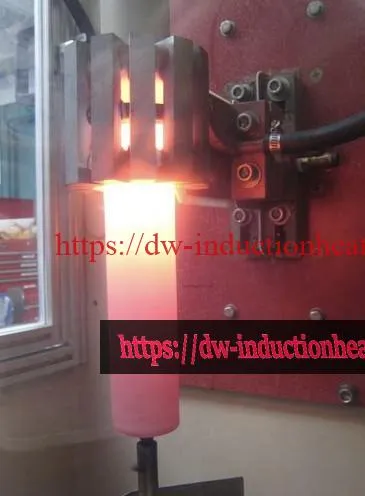
To generate plasma, we apply an electrical field to a gas, with the goal of removing electrons from their orbit around the nuclei. These free-flowing electrons give the plasma key properties, including its electrical conductivity, a magnetic field, and sensitivity to external electromagnetic induction heating fields. induction plasma heating
https://dw-inductionheater.com/induction-heating-plasma.html?feed_id=242958&_unique_id=662a2c5d33493

2023年9月2日星期六

Induction Heating Plasma

About Induction Heating Plasma


Plasma is characterized as an electrically neutral medium of unbound positive and negative particles, with an overall charge of roughly zero. Like a gas, plasma has no defined shape unless enclosed in a container. To generate plasma, we apply an electrical field to a gas, with the goal of removing electrons from their orbit around the nuclei. This creates a mix of ions and free-flowing electrons, which give the plasma key properties, including its electrical conductivity, a magnetic field, and sensitivity to external electromagnetic fields.
A key requirement for producing and sustaining plasma, is continued energy input. Induction is an ideal means of providing that continuous energy input for plasma generation. Some typical industrial applications for plasma include:
  • Plasma welding
  • Metal cutting
  • Surface treatments (plasma spray coating)
  • Etching in micro-electronics
To generate plasma, we apply an electrical field to a gas, with the goal of removing electrons from their orbit around the nuclei. These free-flowing electrons give the plasma key properties, including its electrical conductivity, a magnetic field, and sensitivity to external electromagnetic induction heating fields. induction plasma heating
https://dw-inductionheater.com/induction-heating-plasma.html?feed_id=225961&_unique_id=64f385e5ca1df

2023年7月4日星期二

Induction Heating Plasma

About Induction Heating Plasma


Plasma is characterized as an electrically neutral medium of unbound positive and negative particles, with an overall charge of roughly zero. Like a gas, plasma has no defined shape unless enclosed in a container. To generate plasma, we apply an electrical field to a gas, with the goal of removing electrons from their orbit around the nuclei. This creates a mix of ions and free-flowing electrons, which give the plasma key properties, including its electrical conductivity, a magnetic field, and sensitivity to external electromagnetic fields.
A key requirement for producing and sustaining plasma, is continued energy input. Induction is an ideal means of providing that continuous energy input for plasma generation. Some typical industrial applications for plasma include:
  • Plasma welding
  • Metal cutting
  • Surface treatments (plasma spray coating)
  • Etching in micro-electronics
To generate plasma, we apply an electrical field to a gas, with the goal of removing electrons from their orbit around the nuclei. These free-flowing electrons give the plasma key properties, including its electrical conductivity, a magnetic field, and sensitivity to external electromagnetic induction heating fields. induction plasma heating

2023年6月7日星期三

Induction Heating Plasma

About Induction Heating Plasma


Plasma is characterized as an electrically neutral medium of unbound positive and negative particles, with an overall charge of roughly zero. Like a gas, plasma has no defined shape unless enclosed in a container. To generate plasma, we apply an electrical field to a gas, with the goal of removing electrons from their orbit around the nuclei. This creates a mix of ions and free-flowing electrons, which give the plasma key properties, including its electrical conductivity, a magnetic field, and sensitivity to external electromagnetic fields.
A key requirement for producing and sustaining plasma, is continued energy input. Induction is an ideal means of providing that continuous energy input for plasma generation. Some typical industrial applications for plasma include:
  • Plasma welding
  • Metal cutting
  • Surface treatments (plasma spray coating)
  • Etching in micro-electronics
To generate plasma, we apply an electrical field to a gas, with the goal of removing electrons from their orbit around the nuclei. These free-flowing electrons give the plasma key properties, including its electrical conductivity, a magnetic field, and sensitivity to external electromagnetic induction heating fields. induction plasma heating

2023年5月7日星期日

Induction Heating Plasma

About Induction Heating Plasma


Plasma is characterized as an electrically neutral medium of unbound positive and negative particles, with an overall charge of roughly zero. Like a gas, plasma has no defined shape unless enclosed in a container. To generate plasma, we apply an electrical field to a gas, with the goal of removing electrons from their orbit around the nuclei. This creates a mix of ions and free-flowing electrons, which give the plasma key properties, including its electrical conductivity, a magnetic field, and sensitivity to external electromagnetic fields.
A key requirement for producing and sustaining plasma, is continued energy input. Induction is an ideal means of providing that continuous energy input for plasma generation. Some typical industrial applications for plasma include:
  • Plasma welding
  • Metal cutting
  • Surface treatments (plasma spray coating)
  • Etching in micro-electronics
To generate plasma, we apply an electrical field to a gas, with the goal of removing electrons from their orbit around the nuclei. These free-flowing electrons give the plasma key properties, including its electrical conductivity, a magnetic field, and sensitivity to external electromagnetic induction heating fields. induction plasma heating

2023年2月1日星期三

Induction Heating Plasma

About Induction Heating Plasma


Plasma is characterized as an electrically neutral medium of unbound positive and negative particles, with an overall charge of roughly zero. Like a gas, plasma has no defined shape unless enclosed in a container. To generate plasma, we apply an electrical field to a gas, with the goal of removing electrons from their orbit around the nuclei. This creates a mix of ions and free-flowing electrons, which give the plasma key properties, including its electrical conductivity, a magnetic field, and sensitivity to external electromagnetic fields.
A key requirement for producing and sustaining plasma, is continued energy input. Induction is an ideal means of providing that continuous energy input for plasma generation. Some typical industrial applications for plasma include:
  • Plasma welding
  • Metal cutting
  • Surface treatments (plasma spray coating)
  • Etching in micro-electronics
To generate plasma, we apply an electrical field to a gas, with the goal of removing electrons from their orbit around the nuclei. These free-flowing electrons give the plasma key properties, including its electrical conductivity, a magnetic field, and sensitivity to external electromagnetic induction heating fields. induction plasma heating

2022年12月16日星期五

Induction Heating Plasma

About Induction Heating Plasma


Plasma is characterized as an electrically neutral medium of unbound positive and negative particles, with an overall charge of roughly zero. Like a gas, plasma has no defined shape unless enclosed in a container. To generate plasma, we apply an electrical field to a gas, with the goal of removing electrons from their orbit around the nuclei. This creates a mix of ions and free-flowing electrons, which give the plasma key properties, including its electrical conductivity, a magnetic field, and sensitivity to external electromagnetic fields.
A key requirement for producing and sustaining plasma, is continued energy input. Induction is an ideal means of providing that continuous energy input for plasma generation. Some typical industrial applications for plasma include:
  • Plasma welding
  • Metal cutting
  • Surface treatments (plasma spray coating)
  • Etching in micro-electronics
To generate plasma, we apply an electrical field to a gas, with the goal of removing electrons from their orbit around the nuclei. These free-flowing electrons give the plasma key properties, including its electrical conductivity, a magnetic field, and sensitivity to external electromagnetic induction heating fields. induction plasma heating

2022年11月28日星期一

Induction Heating Plasma

About Induction Heating Plasma


Plasma is characterized as an electrically neutral medium of unbound positive and negative particles, with an overall charge of roughly zero. Like a gas, plasma has no defined shape unless enclosed in a container. To generate plasma, we apply an electrical field to a gas, with the goal of removing electrons from their orbit around the nuclei. This creates a mix of ions and free-flowing electrons, which give the plasma key properties, including its electrical conductivity, a magnetic field, and sensitivity to external electromagnetic fields.
A key requirement for producing and sustaining plasma, is continued energy input. Induction is an ideal means of providing that continuous energy input for plasma generation. Some typical industrial applications for plasma include:
  • Plasma welding
  • Metal cutting
  • Surface treatments (plasma spray coating)
  • Etching in micro-electronics
To generate plasma, we apply an electrical field to a gas, with the goal of removing electrons from their orbit around the nuclei. These free-flowing electrons give the plasma key properties, including its electrical conductivity, a magnetic field, and sensitivity to external electromagnetic induction heating fields. induction plasma heating

2022年9月23日星期五

Induction Heating Plasma

About Induction Heating Plasma


Plasma is characterized as an electrically neutral medium of unbound positive and negative particles, with an overall charge of roughly zero. Like a gas, plasma has no defined shape unless enclosed in a container. To generate plasma, we apply an electrical field to a gas, with the goal of removing electrons from their orbit around the nuclei. This creates a mix of ions and free-flowing electrons, which give the plasma key properties, including its electrical conductivity, a magnetic field, and sensitivity to external electromagnetic fields.
A key requirement for producing and sustaining plasma, is continued energy input. Induction is an ideal means of providing that continuous energy input for plasma generation. Some typical industrial applications for plasma include:
  • Plasma welding
  • Metal cutting
  • Surface treatments (plasma spray coating)
  • Etching in micro-electronics
To generate plasma, we apply an electrical field to a gas, with the goal of removing electrons from their orbit around the nuclei. These free-flowing electrons give the plasma key properties, including its electrical conductivity, a magnetic field, and sensitivity to external electromagnetic induction heating fields. induction plasma heating

2022年7月3日星期日

Induction Heating Plasma

About Induction Heating Plasma


Plasma is characterized as an electrically neutral medium of unbound positive and negative particles, with an overall charge of roughly zero. Like a gas, plasma has no defined shape unless enclosed in a container. To generate plasma, we apply an electrical field to a gas, with the goal of removing electrons from their orbit around the nuclei. This creates a mix of ions and free-flowing electrons, which give the plasma key properties, including its electrical conductivity, a magnetic field, and sensitivity to external electromagnetic fields.
A key requirement for producing and sustaining plasma, is continued energy input. Induction is an ideal means of providing that continuous energy input for plasma generation. Some typical industrial applications for plasma include:
  • Plasma welding
  • Metal cutting
  • Surface treatments (plasma spray coating)
  • Etching in micro-electronics
To generate plasma, we apply an electrical field to a gas, with the goal of removing electrons from their orbit around the nuclei. These free-flowing electrons give the plasma key properties, including its electrical conductivity, a magnetic field, and sensitivity to external electromagnetic induction heating fields. induction plasma heating

2022年5月29日星期日

Induction Heating Plasma

About Induction Heating Plasma


Plasma is characterized as an electrically neutral medium of unbound positive and negative particles, with an overall charge of roughly zero. Like a gas, plasma has no defined shape unless enclosed in a container. To generate plasma, we apply an electrical field to a gas, with the goal of removing electrons from their orbit around the nuclei. This creates a mix of ions and free-flowing electrons, which give the plasma key properties, including its electrical conductivity, a magnetic field, and sensitivity to external electromagnetic fields.
A key requirement for producing and sustaining plasma, is continued energy input. Induction is an ideal means of providing that continuous energy input for plasma generation. Some typical industrial applications for plasma include:
  • Plasma welding
  • Metal cutting
  • Surface treatments (plasma spray coating)
  • Etching in micro-electronics
To generate plasma, we apply an electrical field to a gas, with the goal of removing electrons from their orbit around the nuclei. These free-flowing electrons give the plasma key properties, including its electrical conductivity, a magnetic field, and sensitivity to external electromagnetic induction heating fields. induction plasma heating

2022年5月6日星期五

Induction Heating Plasma

About Induction Heating Plasma


Plasma is characterized as an electrically neutral medium of unbound positive and negative particles, with an overall charge of roughly zero. Like a gas, plasma has no defined shape unless enclosed in a container. To generate plasma, we apply an electrical field to a gas, with the goal of removing electrons from their orbit around the nuclei. This creates a mix of ions and free-flowing electrons, which give the plasma key properties, including its electrical conductivity, a magnetic field, and sensitivity to external electromagnetic fields.
A key requirement for producing and sustaining plasma, is continued energy input. Induction is an ideal means of providing that continuous energy input for plasma generation. Some typical industrial applications for plasma include:
  • Plasma welding
  • Metal cutting
  • Surface treatments (plasma spray coating)
  • Etching in micro-electronics
To generate plasma, we apply an electrical field to a gas, with the goal of removing electrons from their orbit around the nuclei. These free-flowing electrons give the plasma key properties, including its electrical conductivity, a magnetic field, and sensitivity to external electromagnetic induction heating fields. induction plasma heating

关注者

我的简介

我的照片
HLQ induction heating machine manufacturer provides the service of induction brazing,melting,hot forming,hardening surface,annealing,shrink fitting,PWHT,etc.