2024年1月18日星期四
Maximizing Efficiency of Induction Heating for Thermal Fluid Pipelines
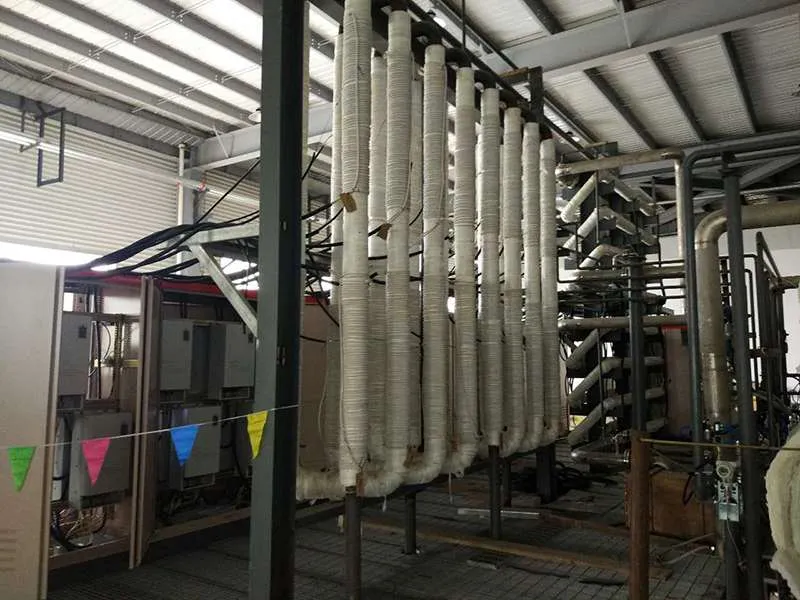
Induction heating is a process of heating a metallic material by inducing an electric current through it. When a magnetic field is created around the material, eddy currents are produced within the material, causing it to heat up. This technology has been used in various industries, including manufacturing, automotive, and aerospace, for heating and hardening metals. In the oil and gas industry, induction heating has been applied to pipeline heating for the transportation of thermal fluids such as crude oil, natural gas, and various chemicals. Thermal fluid pipelines require consistent heating to maintain the fluid's viscosity and prevent it from solidifying or becoming too viscous to pump. Traditional heating methods such as steam or hot oil have been used for decades, but their inefficiency and high cost have made them unsustainable. Magnetic induction heating has become a more viable alternative, providing a more efficient and cost-effective solution for pipeline heating.



2024年1月16日星期二
Induction Oil Gas Heating Pipelines

Induction Oil Gas Heating Pipelines System
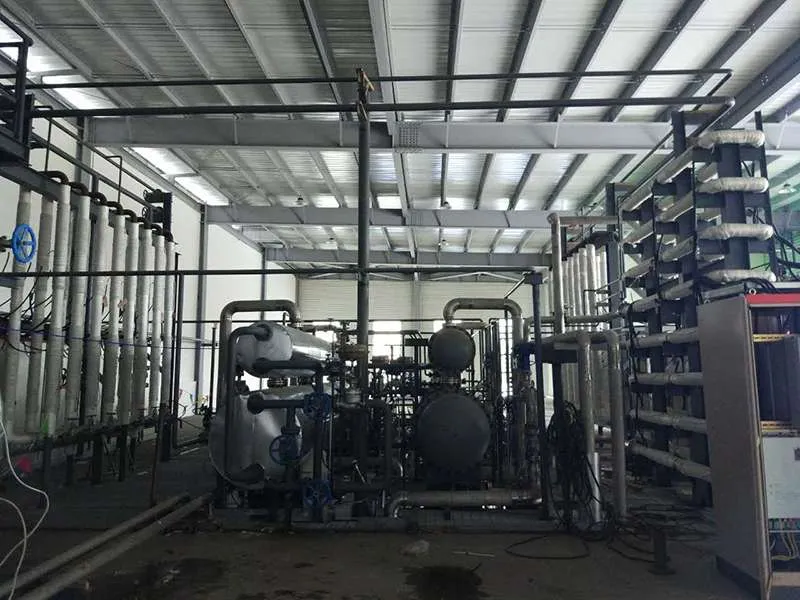
In the oil and gas industry, the transportation of crude oil and gas requires pipelines that are well-maintained and heated efficiently to prevent any unwanted incidents. Traditional methods of heating pipelines such as direct flame and electrical heating are inefficient and have several limitations. In recent years, induction heating technology has emerged as a promising solution for heating pipelines, providing a more efficient and reliable alternative. Induction heating is based on electromagnetic principles where an alternating current is passed through a coil, and the magnetic field produced by the current generates heat in the object that is placed inside the coil. This process heats the object uniformly, without any contact between the heating element and the object. In the case of oil and gas pipelines, the induction heating system generates an alternating current that is passed through the coil wrapped around the pipeline, providing a uniform heating effect on the entire length of the pipeline. Induction heating technology for oil and gas pipelines has several advantages over conventional heating methods. Firstly, it provides uniform heating along the entire length of the pipeline, eliminating any cold spots that may occur when using direct flame heating. Secondly, it is very energy-efficient as it consumes only the energy required to heat the pipeline, unlike direct flame heating, which is highly inefficient and consumes a lot of energy. Thirdly, induction heating is highly reliable, as it is resistant to power fluctuations and can operate in harsh environmental conditions. Induction heating technology is also highly versatile, as it can be used for different pipeline materials such as steel, aluminum, and copper, among others. It can also be used for various pipeline diameters and lengths, depending on the specific needs of the application. As with any technology, there are some limitations of induction heating for oil and gas pipelines. The initial installation cost of the system can be relatively high compared to traditional heating methods. However, in the long run, it can lead to significant cost savings due to its energy efficiency and reliability. Induction heating also requires a trained operator with the necessary skills to ensure the system's safe operation.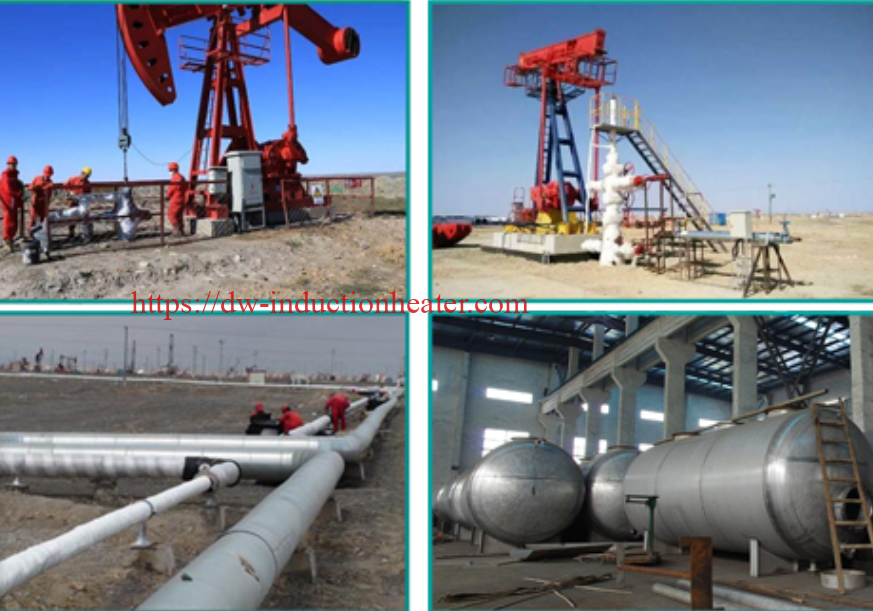
What Is Induction Oil Gas Heating?
If you work with pipelines, you know that keeping the oil and gas inside them at the right temperature is a must. That's why induction oil gas heating is the way of the future. It's a revolutionary technology that heat pipelines quickly, evenly, and reliably. So how does it work? Put simply, induction heating uses electricity or magnetic energy to create heat in an object—in this case, pipes that need to be heated. By cycling electrical current through an induction coil placed around the pipe, an alternating magnetic field is created. This induces a measurable and reliable amount of heat energy in the pipe itself. The great thing about induction is that it eliminates any issues associated with traditional heating methods—like hot spots or localized burning. Plus, it's highly efficient and require no combustion which helps promote sustainability for businesses working with pipelines today.How Does Induction Oil Gas Heating Work?
Induction oil gas heating is a form of pipeline heating that is revolutionizing the energy sector. But what exactly is it? How does it work? In essence, induction oil gas heating uses electrical current to generate heat in pipelines. This type of heating works by inducing a current in the pipe that heats both the pipe itself and the oil traveling through it. By using an alternating electric current, heat is generated through electromagnetic induction, as opposed to resistive or convective processes that are used in traditional pipeline heating. In addition to being faster and more efficient than traditional methods, induction oil gas heating also offers many safety advantages. As the electrical current never comes into contact with the pipeline itself, there's no risk of sparking or fire—making it ideal for pipelines carrying flammable products. Furthermore, this method eliminates potential damage from corrosion and other environmental factors that can be caused by resistive or convective heating methods.
Benefits of Using Induction Oil Gas Heating
When you switch to induction oil gas heating, there are plenty of benefits that make the process faster, safer, and more efficient. Here's what you should keep in mind.Speed
Induction heating is much faster than traditional methods. You can heat long pipeline sections in minutes rather than hours to get the job done quickly and efficiently. That means you can save time and money on the job, making it ideal for pipeline construction projects.Safety
Since induction oil gas heating uses electric currents rather than air-fuel flames, it eliminates the risk of fire or explosions, which makes it much safer. Plus, because it doesn't require open flames like other methods do, you don't have to worry about toxic fumes or other dangerous airborne particles—all you need is electricity to get the job done right.Reliability
Induction heating is reliable and consistent; the temperature of an entire section can be accurately controlled and monitored remotely with effective temperature control systems. Added bonuses? The heated area will cool down quickly after the power is turned off because there are no exhaust gasses or coolants involved—good news for those tight deadlines!Installation Considerations for an Induction Oil Heating System
If you're considering installing an induction oil heating system, there are a few factors to take into account. For starters, you need to make sure that the pipeline is of adequate length to accommodate an induction coil for the length of pipe that needs to be heated. The rest of the components should be installed in a dry, clean environment that is free from dust and debris. Here are some other guidelines to keep in mind:- Match the coil's electrical specifications with your pipeline's size and material
- Make sure that you follow all local laws and regulations when it comes to electrical installation
- Ensure sufficient ventilation, as oil overheating can become dangerous
- Use appropriate electrical wiring and grounding techniques
- Check for any unseen obstructions along the pipe such as rocks or dirt before installing your induction coil
- If possible, use insulation materials around the coils and pipes to minimize heat loss
Common Applications of Induction Oil Gas Heating
Induction oil gas heating is the latest technology when it comes to pipeline construction. It's a surprisingly versatile form of heat, and it can be used in a variety of applications, from commercial to residential. Here are some common applications:Underground pipelines
Induction heating can be used on underground pipelines for geothermal and sewage systems, where it's especially effective for even heat distribution and efficient delivery of oil. It also reduces installation time, meaning you get your geothermal or waste water system up and running quicker.Pre-insulated pipes
Induction heating is also great for pre-insulated pipes that need protection from external temperature variations. This means your pipes will stay warm without having to use extra energy, saving you on utility bills over time.Refineries
And of course, induction oil gas heating is often used in refineries, where it's applied as coating material preparation processes or other steel components that require high temperatures. It's an effective process since there are no open flames involved while things are being heated up! No matter the application, induction oil gas heating offers a modern and efficient way to get pipelines working quickly and safely—all without compromising on quality or cost.Advantages and Disadvantages of an Induction Oil Heating Pipeline
You may not know that induction oil gas heating offers several advantages over traditional methods of heating. It is faster, much more efficient and requires less energy than other forms of heating, making it an attractive option for many industrial operations.Advantages
One of the key advantages of induction pipe heating is that it requires fewer resources to heat a pipeline. This is because the heat generated by the induction coil is transferred directly to the pipeline, rather than through air or another medium, meaning less energy is lost in the process. Additionally, it can be done remotely with no need for contact with hazardous materials.Disadvantages
The main downside to induction pipe heating is that it can require expensive equipment and infrastructure in order to perform optimally. In addition, its effectiveness depends largely on the type of material being heated and its thickness — if a material's insulation does not allow for enough heat transfer, then it may not be suitable for induction pipe heating. Finally, it can take longer than other methods of heating large areas of pipelines at once.Conclusion
In short, induction oil gas heating is revolutionizing pipelines and changing the way we move oil and gas around the world. Not only is it more cost-effective, efficient, and safer than traditional oil and gas transportation methods, it is also more environmentally friendly, sources more sustainable energy sources, and reduces emissions. With so many advantages, it's no wonder induction oil gas heating is quickly gaining traction in the industry. It's clear that induction oil gas heating is the way of the future and will continue to play a major role in oil and gas transportation for many years to come. By taking advantage of this technology now, companies can not only reduce costs, but also increase safety, sustainability, and efficiency. This is a win-win for everyone involved—companies, consumers, and the environment. https://dw-inductionheater.com/induction-oil-gas-heating-pipelines.html?feed_id=232345&_unique_id=65a6c6d28c9ff
2023年6月10日星期六
Induction Oil Gas Heating Pipelines
Induction Oil Gas Heating Pipelines System
In the oil and gas industry, the transportation of crude oil and gas requires pipelines that are well-maintained and heated efficiently to prevent any unwanted incidents. Traditional methods of heating pipelines such as direct flame and electrical heating are inefficient and have several limitations. In recent years, induction heating technology has emerged as a promising solution for heating pipelines, providing a more efficient and reliable alternative. Induction heating is based on electromagnetic principles where an alternating current is passed through a coil, and the magnetic field produced by the current generates heat in the object that is placed inside the coil. This process heats the object uniformly, without any contact between the heating element and the object. In the case of oil and gas pipelines, the induction heating system generates an alternating current that is passed through the coil wrapped around the pipeline, providing a uniform heating effect on the entire length of the pipeline. Induction heating technology for oil and gas pipelines has several advantages over conventional heating methods. Firstly, it provides uniform heating along the entire length of the pipeline, eliminating any cold spots that may occur when using direct flame heating. Secondly, it is very energy-efficient as it consumes only the energy required to heat the pipeline, unlike direct flame heating, which is highly inefficient and consumes a lot of energy. Thirdly, induction heating is highly reliable, as it is resistant to power fluctuations and can operate in harsh environmental conditions. Induction heating technology is also highly versatile, as it can be used for different pipeline materials such as steel, aluminum, and copper, among others. It can also be used for various pipeline diameters and lengths, depending on the specific needs of the application. As with any technology, there are some limitations of induction heating for oil and gas pipelines. The initial installation cost of the system can be relatively high compared to traditional heating methods. However, in the long run, it can lead to significant cost savings due to its energy efficiency and reliability. Induction heating also requires a trained operator with the necessary skills to ensure the system's safe operation.
What Is Induction Oil Gas Heating?
If you work with pipelines, you know that keeping the oil and gas inside them at the right temperature is a must. That's why induction oil gas heating is the way of the future. It's a revolutionary technology that heat pipelines quickly, evenly, and reliably. So how does it work? Put simply, induction heating uses electricity or magnetic energy to create heat in an object—in this case, pipes that need to be heated. By cycling electrical current through an induction coil placed around the pipe, an alternating magnetic field is created. This induces a measurable and reliable amount of heat energy in the pipe itself. The great thing about induction is that it eliminates any issues associated with traditional heating methods—like hot spots or localized burning. Plus, it's highly efficient and require no combustion which helps promote sustainability for businesses working with pipelines today.How Does Induction Oil Gas Heating Work?
Induction oil gas heating is a form of pipeline heating that is revolutionizing the energy sector. But what exactly is it? How does it work? In essence, induction oil gas heating uses electrical current to generate heat in pipelines. This type of heating works by inducing a current in the pipe that heats both the pipe itself and the oil traveling through it. By using an alternating electric current, heat is generated through electromagnetic induction, as opposed to resistive or convective processes that are used in traditional pipeline heating. In addition to being faster and more efficient than traditional methods, induction oil gas heating also offers many safety advantages. As the electrical current never comes into contact with the pipeline itself, there's no risk of sparking or fire—making it ideal for pipelines carrying flammable products. Furthermore, this method eliminates potential damage from corrosion and other environmental factors that can be caused by resistive or convective heating methods.
Benefits of Using Induction Oil Gas Heating
When you switch to induction oil gas heating, there are plenty of benefits that make the process faster, safer, and more efficient. Here's what you should keep in mind.Speed
Induction heating is much faster than traditional methods. You can heat long pipeline sections in minutes rather than hours to get the job done quickly and efficiently. That means you can save time and money on the job, making it ideal for pipeline construction projects.Safety
Since induction oil gas heating uses electric currents rather than air-fuel flames, it eliminates the risk of fire or explosions, which makes it much safer. Plus, because it doesn't require open flames like other methods do, you don't have to worry about toxic fumes or other dangerous airborne particles—all you need is electricity to get the job done right.Reliability
Induction heating is reliable and consistent; the temperature of an entire section can be accurately controlled and monitored remotely with effective temperature control systems. Added bonuses? The heated area will cool down quickly after the power is turned off because there are no exhaust gasses or coolants involved—good news for those tight deadlines!Installation Considerations for an Induction Oil Heating System
If you're considering installing an induction oil heating system, there are a few factors to take into account. For starters, you need to make sure that the pipeline is of adequate length to accommodate an induction coil for the length of pipe that needs to be heated. The rest of the components should be installed in a dry, clean environment that is free from dust and debris. Here are some other guidelines to keep in mind:- Match the coil's electrical specifications with your pipeline's size and material
- Make sure that you follow all local laws and regulations when it comes to electrical installation
- Ensure sufficient ventilation, as oil overheating can become dangerous
- Use appropriate electrical wiring and grounding techniques
- Check for any unseen obstructions along the pipe such as rocks or dirt before installing your induction coil
- If possible, use insulation materials around the coils and pipes to minimize heat loss
Common Applications of Induction Oil Gas Heating
Induction oil gas heating is the latest technology when it comes to pipeline construction. It's a surprisingly versatile form of heat, and it can be used in a variety of applications, from commercial to residential. Here are some common applications:Underground pipelines
Induction heating can be used on underground pipelines for geothermal and sewage systems, where it's especially effective for even heat distribution and efficient delivery of oil. It also reduces installation time, meaning you get your geothermal or waste water system up and running quicker.Pre-insulated pipes
Induction heating is also great for pre-insulated pipes that need protection from external temperature variations. This means your pipes will stay warm without having to use extra energy, saving you on utility bills over time.Refineries
And of course, induction oil gas heating is often used in refineries, where it's applied as coating material preparation processes or other steel components that require high temperatures. It's an effective process since there are no open flames involved while things are being heated up! No matter the application, induction oil gas heating offers a modern and efficient way to get pipelines working quickly and safely—all without compromising on quality or cost.Advantages and Disadvantages of an Induction Oil Heating Pipeline
You may not know that induction oil gas heating offers several advantages over traditional methods of heating. It is faster, much more efficient and requires less energy than other forms of heating, making it an attractive option for many industrial operations.Advantages
One of the key advantages of induction pipe heating is that it requires fewer resources to heat a pipeline. This is because the heat generated by the induction coil is transferred directly to the pipeline, rather than through air or another medium, meaning less energy is lost in the process. Additionally, it can be done remotely with no need for contact with hazardous materials.Disadvantages
The main downside to induction pipe heating is that it can require expensive equipment and infrastructure in order to perform optimally. In addition, its effectiveness depends largely on the type of material being heated and its thickness — if a material's insulation does not allow for enough heat transfer, then it may not be suitable for induction pipe heating. Finally, it can take longer than other methods of heating large areas of pipelines at once.Conclusion
In short, induction oil gas heating is revolutionizing pipelines and changing the way we move oil and gas around the world. Not only is it more cost-effective, efficient, and safer than traditional oil and gas transportation methods, it is also more environmentally friendly, sources more sustainable energy sources, and reduces emissions. With so many advantages, it's no wonder induction oil gas heating is quickly gaining traction in the industry. It's clear that induction oil gas heating is the way of the future and will continue to play a major role in oil and gas transportation for many years to come. By taking advantage of this technology now, companies can not only reduce costs, but also increase safety, sustainability, and efficiency. This is a win-win for everyone involved—companies, consumers, and the environment. https://dw-inductionheater.com/induction-oil-gas-heating-pipelines.html?feed_id=212086&_unique_id=64848acd60904
2023年6月8日星期四
Maximizing Efficiency of Induction Heating for Thermal Fluid Pipelines
Maximizing Efficiency of Induction Heating for Thermal Fluid Pipelines
Induction thermal fluid heating pipeline technology is quickly gaining popularity in the oil and gas industry due to its energy efficiency and lower operating costs compared to traditional heating methods. This technology provides a means to heat fluid in pipelines and tanks without the need for direct heating elements or fuel combustion. In this article, I will explore the benefits of using magnetic induction heating for pipeline heating, the types of induction heaters available, how to select the right one for your pipeline, installation process, maintenance and repair, cost analysis, a case study of successful implementation, and the future of induction heating technology. Introduction to Induction Heating for Thermal Fluid Pipelines
Induction heating is a process of heating a metallic material by inducing an electric current through it. When a magnetic field is created around the material, eddy currents are produced within the material, causing it to heat up. This technology has been used in various industries, including manufacturing, automotive, and aerospace, for heating and hardening metals.
In the oil and gas industry, induction heating has been applied to pipeline heating for the transportation of thermal fluids such as crude oil, natural gas, and various chemicals. Thermal fluid pipelines require consistent heating to maintain the fluid's viscosity and prevent it from solidifying or becoming too viscous to pump. Traditional heating methods such as steam or hot oil have been used for decades, but their inefficiency and high cost have made them unsustainable. Magnetic induction heating has become a more viable alternative, providing a more efficient and cost-effective solution for pipeline heating.
Understanding the Concept of Magnetic Induction Heating
Magnetic induction heating uses an alternating magnetic field to heat a metallic material. When a metallic material is exposed to a magnetic field, it generates eddy currents, which produce heat. The amount of heat produced is determined by the material's electrical conductivity, magnetic permeability, and the strength of the magnetic field. In pipeline heating, induction heating is achieved by wrapping a coil around the pipe and passing an alternating current through it. The electrical current produces a magnetic field that induces eddy currents within the pipe, heating it up. The heat is then transferred to the fluid inside the pipe through conduction, maintaining the fluid's temperature.Benefits of Using Magnetic Induction Heating for Pipeline Heating
Magnetic induction heating offers several advantages over traditional heating methods for pipeline heating. First, it is a more efficient process, with up to 90% of the energy used being converted into heat. In contrast, traditional heating methods such as steam or hot oil have an energy conversion efficiency of 30-50%. Second, magnetic induction heating provides a more precise and consistent heating process. The heat is generated directly within the pipe, ensuring that the fluid is heated uniformly throughout the pipeline. Traditional heating methods are often affected by heat loss, resulting in uneven heating and temperature fluctuations. Third, magnetic induction heating is a safer process. There is no need for open flames, hot oil, or pressurized steam, reducing the risk of accidents and injuries. Additionally, the process is environmentally friendly, with no emissions or waste products.Types of Induction Heaters for Pipeline Heating
There are two types of induction heaters used for pipeline heating: high-frequency induction heaters and low-frequency induction heaters. High-frequency induction heaters are used for small diameter pipes, typically less than 6 inches in diameter. They operate at a frequency of 10 kHz to 400 kHz, producing a shallow but intense heating effect. They are ideal for heating thin-walled pipes and for applications where precise control is required. Low-frequency induction heaters are used for larger diameter pipes, typically greater than 6 inches in diameter. They operate at a frequency of 1 kHz to 10 kHz, producing a deeper but less intense heating effect. They are ideal for heating thick-walled pipes and for applications where high power is required.How to Select the Right Induction Heater for Your Pipeline
Selecting the right induction heater for your pipeline depends on several factors, including the pipe diameter, wall thickness, and length, the fluid to be transported, the required temperature, and the power source available. For small diameter pipes, high-frequency induction heaters are ideal, while low-frequency induction heaters are suitable for larger diameter pipes. The heater's power output should be sufficient to meet the required heating demand, and the heating process should be controlled to ensure uniform heating and temperature control.Installation Process for Magnetic Induction Heaters
The installation process for magnetic induction heaters is straightforward. The heater is wrapped around the pipe, and the power supply is connected to the coil. The pipe's insulation is then installed over the heater to prevent heat loss and protect the pipeline from external elements. The installation process can be completed quickly, with minimal downtime, and the heater can be easily removed and reinstalled if required.Maintenance and Repair of Induction Heating Systems
Induction heating systems are low maintenance and require minimal repairs. Routine maintenance includes checking the power supply, inspecting the coils for any damage or wear, and ensuring that the insulation is intact. Repairs are rare but may be required if the coil is damaged or the power supply fails.Cost Analysis of Using Induction Heating for Pipeline Heating
The cost of using magnetic induction heating for pipeline heating is lower than traditional heating methods. The process is more efficient, reducing energy consumption and costs. Additionally, the installation process is quick and easy, minimizing downtime and labor costs. The initial investment in an induction heating system may be higher than traditional heating methods, but the long-term cost savings outweigh the initial investment. Induction heating systems have a longer lifespan, require less maintenance, and provide a more consistent and precise heating process.Case Study: Successful Implementation of Magnetic Induction Heating for Pipeline Heating
A major oil and gas company implemented magnetic induction heating for pipeline heating, resulting in significant cost savings and improved efficiency. The company had been using steam heating for pipeline heating, which was expensive and inefficient. After implementing magnetic induction heating, the company reduced its energy consumption by 50%, resulting in an annual cost savings of $500,000. The heating process was more precise, ensuring consistent heating throughout the pipeline, resulting in improved product quality and reduced downtime.Future of Induction Heating Technology
The future of induction heating technology is promising, with ongoing research and development focused on improving efficiency and reducing costs. New advancements in technology are focused on improving the power output and heating efficiency of induction heaters, reducing installation costs, and improving the reliability of the heating process.Conclusion
Magnetic induction heating has revolutionized the oil and gas industry by providing a more efficient, cost-effective, and safer solution for pipeline heating. The benefits of using magnetic induction heating are numerous, including improved efficiency, precise and consistent heating, and reduced downtime. The technology is environmentally friendly, and the cost savings outweigh the initial investment. As technology continues to advance, the future of induction heating technology is promising, with ongoing research and development focused on improving efficiency and reducing costs. If you are considering pipeline heating, magnetic induction heating is a viable and efficient solution to consider. CTA: For more information on magnetic induction heating for pipeline heating, contact us today. https://dw-inductionheater.com/maximizing-efficiency-of-induction-heating-for-thermal-fluid-pipelines.html?feed_id=211486&_unique_id=6481e7baaaddd
2023年5月26日星期五
Maximizing Efficiency of Induction Heating for Thermal Fluid Pipelines
Maximizing Efficiency of Induction Heating for Thermal Fluid Pipelines
Induction thermal fluid heating pipeline technology is quickly gaining popularity in the oil and gas industry due to its energy efficiency and lower operating costs compared to traditional heating methods. This technology provides a means to heat fluid in pipelines and tanks without the need for direct heating elements or fuel combustion. In this article, I will explore the benefits of using magnetic induction heating for pipeline heating, the types of induction heaters available, how to select the right one for your pipeline, installation process, maintenance and repair, cost analysis, a case study of successful implementation, and the future of induction heating technology.Introduction to Induction Heating for Thermal Fluid Pipelines
Induction heating is a process of heating a metallic material by inducing an electric current through it. When a magnetic field is created around the material, eddy currents are produced within the material, causing it to heat up. This technology has been used in various industries, including manufacturing, automotive, and aerospace, for heating and hardening metals.
In the oil and gas industry, induction heating has been applied to pipeline heating for the transportation of thermal fluids such as crude oil, natural gas, and various chemicals. Thermal fluid pipelines require consistent heating to maintain the fluid's viscosity and prevent it from solidifying or becoming too viscous to pump. Traditional heating methods such as steam or hot oil have been used for decades, but their inefficiency and high cost have made them unsustainable. Magnetic induction heating has become a more viable alternative, providing a more efficient and cost-effective solution for pipeline heating.
Understanding the Concept of Magnetic Induction Heating
Magnetic induction heating uses an alternating magnetic field to heat a metallic material. When a metallic material is exposed to a magnetic field, it generates eddy currents, which produce heat. The amount of heat produced is determined by the material's electrical conductivity, magnetic permeability, and the strength of the magnetic field. In pipeline heating, induction heating is achieved by wrapping a coil around the pipe and passing an alternating current through it. The electrical current produces a magnetic field that induces eddy currents within the pipe, heating it up. The heat is then transferred to the fluid inside the pipe through conduction, maintaining the fluid's temperature.Benefits of Using Magnetic Induction Heating for Pipeline Heating
Magnetic induction heating offers several advantages over traditional heating methods for pipeline heating. First, it is a more efficient process, with up to 90% of the energy used being converted into heat. In contrast, traditional heating methods such as steam or hot oil have an energy conversion efficiency of 30-50%. Second, magnetic induction heating provides a more precise and consistent heating process. The heat is generated directly within the pipe, ensuring that the fluid is heated uniformly throughout the pipeline. Traditional heating methods are often affected by heat loss, resulting in uneven heating and temperature fluctuations. Third, magnetic induction heating is a safer process. There is no need for open flames, hot oil, or pressurized steam, reducing the risk of accidents and injuries. Additionally, the process is environmentally friendly, with no emissions or waste products.Types of Induction Heaters for Pipeline Heating
There are two types of induction heaters used for pipeline heating: high-frequency induction heaters and low-frequency induction heaters. High-frequency induction heaters are used for small diameter pipes, typically less than 6 inches in diameter. They operate at a frequency of 10 kHz to 400 kHz, producing a shallow but intense heating effect. They are ideal for heating thin-walled pipes and for applications where precise control is required. Low-frequency induction heaters are used for larger diameter pipes, typically greater than 6 inches in diameter. They operate at a frequency of 1 kHz to 10 kHz, producing a deeper but less intense heating effect. They are ideal for heating thick-walled pipes and for applications where high power is required.How to Select the Right Induction Heater for Your Pipeline
Selecting the right induction heater for your pipeline depends on several factors, including the pipe diameter, wall thickness, and length, the fluid to be transported, the required temperature, and the power source available. For small diameter pipes, high-frequency induction heaters are ideal, while low-frequency induction heaters are suitable for larger diameter pipes. The heater's power output should be sufficient to meet the required heating demand, and the heating process should be controlled to ensure uniform heating and temperature control.Installation Process for Magnetic Induction Heaters
The installation process for magnetic induction heaters is straightforward. The heater is wrapped around the pipe, and the power supply is connected to the coil. The pipe's insulation is then installed over the heater to prevent heat loss and protect the pipeline from external elements. The installation process can be completed quickly, with minimal downtime, and the heater can be easily removed and reinstalled if required.Maintenance and Repair of Induction Heating Systems
Induction heating systems are low maintenance and require minimal repairs. Routine maintenance includes checking the power supply, inspecting the coils for any damage or wear, and ensuring that the insulation is intact. Repairs are rare but may be required if the coil is damaged or the power supply fails.Cost Analysis of Using Induction Heating for Pipeline Heating
The cost of using magnetic induction heating for pipeline heating is lower than traditional heating methods. The process is more efficient, reducing energy consumption and costs. Additionally, the installation process is quick and easy, minimizing downtime and labor costs. The initial investment in an induction heating system may be higher than traditional heating methods, but the long-term cost savings outweigh the initial investment. Induction heating systems have a longer lifespan, require less maintenance, and provide a more consistent and precise heating process.Case Study: Successful Implementation of Magnetic Induction Heating for Pipeline Heating
A major oil and gas company implemented magnetic induction heating for pipeline heating, resulting in significant cost savings and improved efficiency. The company had been using steam heating for pipeline heating, which was expensive and inefficient. After implementing magnetic induction heating, the company reduced its energy consumption by 50%, resulting in an annual cost savings of $500,000. The heating process was more precise, ensuring consistent heating throughout the pipeline, resulting in improved product quality and reduced downtime.Future of Induction Heating Technology
The future of induction heating technology is promising, with ongoing research and development focused on improving efficiency and reducing costs. New advancements in technology are focused on improving the power output and heating efficiency of induction heaters, reducing installation costs, and improving the reliability of the heating process.Conclusion
Magnetic induction heating has revolutionized the oil and gas industry by providing a more efficient, cost-effective, and safer solution for pipeline heating. The benefits of using magnetic induction heating are numerous, including improved efficiency, precise and consistent heating, and reduced downtime. The technology is environmentally friendly, and the cost savings outweigh the initial investment. As technology continues to advance, the future of induction heating technology is promising, with ongoing research and development focused on improving efficiency and reducing costs. If you are considering pipeline heating, magnetic induction heating is a viable and efficient solution to consider. CTA: For more information on magnetic induction heating for pipeline heating, contact us today. https://dw-inductionheater.com/maximizing-efficiency-of-induction-heating-for-thermal-fluid-pipelines.html?feed_id=208186&_unique_id=64716aea98b4f
2023年5月25日星期四
Induction Oil Gas Heating Pipelines
Induction Oil Gas Heating Pipelines System
In the oil and gas industry, the transportation of crude oil and gas requires pipelines that are well-maintained and heated efficiently to prevent any unwanted incidents. Traditional methods of heating pipelines such as direct flame and electrical heating are inefficient and have several limitations. In recent years, induction heating technology has emerged as a promising solution for heating pipelines, providing a more efficient and reliable alternative. Induction heating is based on electromagnetic principles where an alternating current is passed through a coil, and the magnetic field produced by the current generates heat in the object that is placed inside the coil. This process heats the object uniformly, without any contact between the heating element and the object. In the case of oil and gas pipelines, the induction heating system generates an alternating current that is passed through the coil wrapped around the pipeline, providing a uniform heating effect on the entire length of the pipeline. Induction heating technology for oil and gas pipelines has several advantages over conventional heating methods. Firstly, it provides uniform heating along the entire length of the pipeline, eliminating any cold spots that may occur when using direct flame heating. Secondly, it is very energy-efficient as it consumes only the energy required to heat the pipeline, unlike direct flame heating, which is highly inefficient and consumes a lot of energy. Thirdly, induction heating is highly reliable, as it is resistant to power fluctuations and can operate in harsh environmental conditions. Induction heating technology is also highly versatile, as it can be used for different pipeline materials such as steel, aluminum, and copper, among others. It can also be used for various pipeline diameters and lengths, depending on the specific needs of the application. As with any technology, there are some limitations of induction heating for oil and gas pipelines. The initial installation cost of the system can be relatively high compared to traditional heating methods. However, in the long run, it can lead to significant cost savings due to its energy efficiency and reliability. Induction heating also requires a trained operator with the necessary skills to ensure the system's safe operation.
What Is Induction Oil Gas Heating?
If you work with pipelines, you know that keeping the oil and gas inside them at the right temperature is a must. That's why induction oil gas heating is the way of the future. It's a revolutionary technology that heat pipelines quickly, evenly, and reliably. So how does it work? Put simply, induction heating uses electricity or magnetic energy to create heat in an object—in this case, pipes that need to be heated. By cycling electrical current through an induction coil placed around the pipe, an alternating magnetic field is created. This induces a measurable and reliable amount of heat energy in the pipe itself. The great thing about induction is that it eliminates any issues associated with traditional heating methods—like hot spots or localized burning. Plus, it's highly efficient and require no combustion which helps promote sustainability for businesses working with pipelines today.How Does Induction Oil Gas Heating Work?
Induction oil gas heating is a form of pipeline heating that is revolutionizing the energy sector. But what exactly is it? How does it work? In essence, induction oil gas heating uses electrical current to generate heat in pipelines. This type of heating works by inducing a current in the pipe that heats both the pipe itself and the oil traveling through it. By using an alternating electric current, heat is generated through electromagnetic induction, as opposed to resistive or convective processes that are used in traditional pipeline heating. In addition to being faster and more efficient than traditional methods, induction oil gas heating also offers many safety advantages. As the electrical current never comes into contact with the pipeline itself, there's no risk of sparking or fire—making it ideal for pipelines carrying flammable products. Furthermore, this method eliminates potential damage from corrosion and other environmental factors that can be caused by resistive or convective heating methods.
Benefits of Using Induction Oil Gas Heating
When you switch to induction oil gas heating, there are plenty of benefits that make the process faster, safer, and more efficient. Here's what you should keep in mind.Speed
Induction heating is much faster than traditional methods. You can heat long pipeline sections in minutes rather than hours to get the job done quickly and efficiently. That means you can save time and money on the job, making it ideal for pipeline construction projects.Safety
Since induction oil gas heating uses electric currents rather than air-fuel flames, it eliminates the risk of fire or explosions, which makes it much safer. Plus, because it doesn't require open flames like other methods do, you don't have to worry about toxic fumes or other dangerous airborne particles—all you need is electricity to get the job done right.Reliability
Induction heating is reliable and consistent; the temperature of an entire section can be accurately controlled and monitored remotely with effective temperature control systems. Added bonuses? The heated area will cool down quickly after the power is turned off because there are no exhaust gasses or coolants involved—good news for those tight deadlines!Installation Considerations for an Induction Oil Heating System
If you're considering installing an induction oil heating system, there are a few factors to take into account. For starters, you need to make sure that the pipeline is of adequate length to accommodate an induction coil for the length of pipe that needs to be heated. The rest of the components should be installed in a dry, clean environment that is free from dust and debris. Here are some other guidelines to keep in mind:- Match the coil's electrical specifications with your pipeline's size and material
- Make sure that you follow all local laws and regulations when it comes to electrical installation
- Ensure sufficient ventilation, as oil overheating can become dangerous
- Use appropriate electrical wiring and grounding techniques
- Check for any unseen obstructions along the pipe such as rocks or dirt before installing your induction coil
- If possible, use insulation materials around the coils and pipes to minimize heat loss
Common Applications of Induction Oil Gas Heating
Induction oil gas heating is the latest technology when it comes to pipeline construction. It's a surprisingly versatile form of heat, and it can be used in a variety of applications, from commercial to residential. Here are some common applications:Underground pipelines
Induction heating can be used on underground pipelines for geothermal and sewage systems, where it's especially effective for even heat distribution and efficient delivery of oil. It also reduces installation time, meaning you get your geothermal or waste water system up and running quicker.Pre-insulated pipes
Induction heating is also great for pre-insulated pipes that need protection from external temperature variations. This means your pipes will stay warm without having to use extra energy, saving you on utility bills over time.Refineries
And of course, induction oil gas heating is often used in refineries, where it's applied as coating material preparation processes or other steel components that require high temperatures. It's an effective process since there are no open flames involved while things are being heated up! No matter the application, induction oil gas heating offers a modern and efficient way to get pipelines working quickly and safely—all without compromising on quality or cost.Advantages and Disadvantages of an Induction Oil Heating Pipeline
You may not know that induction oil gas heating offers several advantages over traditional methods of heating. It is faster, much more efficient and requires less energy than other forms of heating, making it an attractive option for many industrial operations.Advantages
One of the key advantages of induction pipe heating is that it requires fewer resources to heat a pipeline. This is because the heat generated by the induction coil is transferred directly to the pipeline, rather than through air or another medium, meaning less energy is lost in the process. Additionally, it can be done remotely with no need for contact with hazardous materials.Disadvantages
The main downside to induction pipe heating is that it can require expensive equipment and infrastructure in order to perform optimally. In addition, its effectiveness depends largely on the type of material being heated and its thickness — if a material's insulation does not allow for enough heat transfer, then it may not be suitable for induction pipe heating. Finally, it can take longer than other methods of heating large areas of pipelines at once.Conclusion
In short, induction oil gas heating is revolutionizing pipelines and changing the way we move oil and gas around the world. Not only is it more cost-effective, efficient, and safer than traditional oil and gas transportation methods, it is also more environmentally friendly, sources more sustainable energy sources, and reduces emissions. With so many advantages, it's no wonder induction oil gas heating is quickly gaining traction in the industry. It's clear that induction oil gas heating is the way of the future and will continue to play a major role in oil and gas transportation for many years to come. By taking advantage of this technology now, companies can not only reduce costs, but also increase safety, sustainability, and efficiency. This is a win-win for everyone involved—companies, consumers, and the environment. https://dw-inductionheater.com/induction-oil-gas-heating-pipelines.html?feed_id=207736&_unique_id=646f45ee902bd
2023年4月20日星期四
Induction Oil Gas Heating Pipelines
Induction Oil Gas Heating Pipelines System
In the oil and gas industry, the transportation of crude oil and gas requires pipelines that are well-maintained and heated efficiently to prevent any unwanted incidents. Traditional methods of heating pipelines such as direct flame and electrical heating are inefficient and have several limitations. In recent years, induction heating technology has emerged as a promising solution for heating pipelines, providing a more efficient and reliable alternative. Induction heating is based on electromagnetic principles where an alternating current is passed through a coil, and the magnetic field produced by the current generates heat in the object that is placed inside the coil. This process heats the object uniformly, without any contact between the heating element and the object. In the case of oil and gas pipelines, the induction heating system generates an alternating current that is passed through the coil wrapped around the pipeline, providing a uniform heating effect on the entire length of the pipeline. Induction heating technology for oil and gas pipelines has several advantages over conventional heating methods. Firstly, it provides uniform heating along the entire length of the pipeline, eliminating any cold spots that may occur when using direct flame heating. Secondly, it is very energy-efficient as it consumes only the energy required to heat the pipeline, unlike direct flame heating, which is highly inefficient and consumes a lot of energy. Thirdly, induction heating is highly reliable, as it is resistant to power fluctuations and can operate in harsh environmental conditions. Induction heating technology is also highly versatile, as it can be used for different pipeline materials such as steel, aluminum, and copper, among others. It can also be used for various pipeline diameters and lengths, depending on the specific needs of the application. As with any technology, there are some limitations of induction heating for oil and gas pipelines. The initial installation cost of the system can be relatively high compared to traditional heating methods. However, in the long run, it can lead to significant cost savings due to its energy efficiency and reliability. Induction heating also requires a trained operator with the necessary skills to ensure the system's safe operation.
What Is Induction Oil Gas Heating?
If you work with pipelines, you know that keeping the oil and gas inside them at the right temperature is a must. That's why induction oil gas heating is the way of the future. It's a revolutionary technology that heat pipelines quickly, evenly, and reliably. So how does it work? Put simply, induction heating uses electricity or magnetic energy to create heat in an object—in this case, pipes that need to be heated. By cycling electrical current through an induction coil placed around the pipe, an alternating magnetic field is created. This induces a measurable and reliable amount of heat energy in the pipe itself. The great thing about induction is that it eliminates any issues associated with traditional heating methods—like hot spots or localized burning. Plus, it's highly efficient and require no combustion which helps promote sustainability for businesses working with pipelines today.How Does Induction Oil Gas Heating Work?
Induction oil gas heating is a form of pipeline heating that is revolutionizing the energy sector. But what exactly is it? How does it work? In essence, induction oil gas heating uses electrical current to generate heat in pipelines. This type of heating works by inducing a current in the pipe that heats both the pipe itself and the oil traveling through it. By using an alternating electric current, heat is generated through electromagnetic induction, as opposed to resistive or convective processes that are used in traditional pipeline heating. In addition to being faster and more efficient than traditional methods, induction oil gas heating also offers many safety advantages. As the electrical current never comes into contact with the pipeline itself, there's no risk of sparking or fire—making it ideal for pipelines carrying flammable products. Furthermore, this method eliminates potential damage from corrosion and other environmental factors that can be caused by resistive or convective heating methods.
Benefits of Using Induction Oil Gas Heating
When you switch to induction oil gas heating, there are plenty of benefits that make the process faster, safer, and more efficient. Here's what you should keep in mind.Speed
Induction heating is much faster than traditional methods. You can heat long pipeline sections in minutes rather than hours to get the job done quickly and efficiently. That means you can save time and money on the job, making it ideal for pipeline construction projects.Safety
Since induction oil gas heating uses electric currents rather than air-fuel flames, it eliminates the risk of fire or explosions, which makes it much safer. Plus, because it doesn't require open flames like other methods do, you don't have to worry about toxic fumes or other dangerous airborne particles—all you need is electricity to get the job done right.Reliability
Induction heating is reliable and consistent; the temperature of an entire section can be accurately controlled and monitored remotely with effective temperature control systems. Added bonuses? The heated area will cool down quickly after the power is turned off because there are no exhaust gasses or coolants involved—good news for those tight deadlines!Installation Considerations for an Induction Oil Heating System
If you're considering installing an induction oil heating system, there are a few factors to take into account. For starters, you need to make sure that the pipeline is of adequate length to accommodate an induction coil for the length of pipe that needs to be heated. The rest of the components should be installed in a dry, clean environment that is free from dust and debris. Here are some other guidelines to keep in mind:- Match the coil's electrical specifications with your pipeline's size and material
- Make sure that you follow all local laws and regulations when it comes to electrical installation
- Ensure sufficient ventilation, as oil overheating can become dangerous
- Use appropriate electrical wiring and grounding techniques
- Check for any unseen obstructions along the pipe such as rocks or dirt before installing your induction coil
- If possible, use insulation materials around the coils and pipes to minimize heat loss
Common Applications of Induction Oil Gas Heating
Induction oil gas heating is the latest technology when it comes to pipeline construction. It's a surprisingly versatile form of heat, and it can be used in a variety of applications, from commercial to residential. Here are some common applications:Underground pipelines
Induction heating can be used on underground pipelines for geothermal and sewage systems, where it's especially effective for even heat distribution and efficient delivery of oil. It also reduces installation time, meaning you get your geothermal or waste water system up and running quicker.Pre-insulated pipes
Induction heating is also great for pre-insulated pipes that need protection from external temperature variations. This means your pipes will stay warm without having to use extra energy, saving you on utility bills over time.Refineries
And of course, induction oil gas heating is often used in refineries, where it's applied as coating material preparation processes or other steel components that require high temperatures. It's an effective process since there are no open flames involved while things are being heated up! No matter the application, induction oil gas heating offers a modern and efficient way to get pipelines working quickly and safely—all without compromising on quality or cost.Advantages and Disadvantages of an Induction Oil Heating Pipeline
You may not know that induction oil gas heating offers several advantages over traditional methods of heating. It is faster, much more efficient and requires less energy than other forms of heating, making it an attractive option for many industrial operations.Advantages
One of the key advantages of induction pipe heating is that it requires fewer resources to heat a pipeline. This is because the heat generated by the induction coil is transferred directly to the pipeline, rather than through air or another medium, meaning less energy is lost in the process. Additionally, it can be done remotely with no need for contact with hazardous materials.Disadvantages
The main downside to induction pipe heating is that it can require expensive equipment and infrastructure in order to perform optimally. In addition, its effectiveness depends largely on the type of material being heated and its thickness — if a material's insulation does not allow for enough heat transfer, then it may not be suitable for induction pipe heating. Finally, it can take longer than other methods of heating large areas of pipelines at once.Conclusion
In short, induction oil gas heating is revolutionizing pipelines and changing the way we move oil and gas around the world. Not only is it more cost-effective, efficient, and safer than traditional oil and gas transportation methods, it is also more environmentally friendly, sources more sustainable energy sources, and reduces emissions. With so many advantages, it's no wonder induction oil gas heating is quickly gaining traction in the industry. It's clear that induction oil gas heating is the way of the future and will continue to play a major role in oil and gas transportation for many years to come. By taking advantage of this technology now, companies can not only reduce costs, but also increase safety, sustainability, and efficiency. This is a win-win for everyone involved—companies, consumers, and the environment.
2023年4月14日星期五
Induction Oil Gas Heating Pipelines
Induction Oil Gas Heating Pipelines System
In the oil and gas industry, the transportation of crude oil and gas requires pipelines that are well-maintained and heated efficiently to prevent any unwanted incidents. Traditional methods of heating pipelines such as direct flame and electrical heating are inefficient and have several limitations. In recent years, induction heating technology has emerged as a promising solution for heating pipelines, providing a more efficient and reliable alternative. Induction heating is based on electromagnetic principles where an alternating current is passed through a coil, and the magnetic field produced by the current generates heat in the object that is placed inside the coil. This process heats the object uniformly, without any contact between the heating element and the object. In the case of oil and gas pipelines, the induction heating system generates an alternating current that is passed through the coil wrapped around the pipeline, providing a uniform heating effect on the entire length of the pipeline. Induction heating technology for oil and gas pipelines has several advantages over conventional heating methods. Firstly, it provides uniform heating along the entire length of the pipeline, eliminating any cold spots that may occur when using direct flame heating. Secondly, it is very energy-efficient as it consumes only the energy required to heat the pipeline, unlike direct flame heating, which is highly inefficient and consumes a lot of energy. Thirdly, induction heating is highly reliable, as it is resistant to power fluctuations and can operate in harsh environmental conditions. Induction heating technology is also highly versatile, as it can be used for different pipeline materials such as steel, aluminum, and copper, among others. It can also be used for various pipeline diameters and lengths, depending on the specific needs of the application. As with any technology, there are some limitations of induction heating for oil and gas pipelines. The initial installation cost of the system can be relatively high compared to traditional heating methods. However, in the long run, it can lead to significant cost savings due to its energy efficiency and reliability. Induction heating also requires a trained operator with the necessary skills to ensure the system's safe operation.
What Is Induction Oil Gas Heating?
If you work with pipelines, you know that keeping the oil and gas inside them at the right temperature is a must. That's why induction oil gas heating is the way of the future. It's a revolutionary technology that heat pipelines quickly, evenly, and reliably. So how does it work? Put simply, induction heating uses electricity or magnetic energy to create heat in an object—in this case, pipes that need to be heated. By cycling electrical current through an induction coil placed around the pipe, an alternating magnetic field is created. This induces a measurable and reliable amount of heat energy in the pipe itself. The great thing about induction is that it eliminates any issues associated with traditional heating methods—like hot spots or localized burning. Plus, it's highly efficient and require no combustion which helps promote sustainability for businesses working with pipelines today.How Does Induction Oil Gas Heating Work?
Induction oil gas heating is a form of pipeline heating that is revolutionizing the energy sector. But what exactly is it? How does it work? In essence, induction oil gas heating uses electrical current to generate heat in pipelines. This type of heating works by inducing a current in the pipe that heats both the pipe itself and the oil traveling through it. By using an alternating electric current, heat is generated through electromagnetic induction, as opposed to resistive or convective processes that are used in traditional pipeline heating. In addition to being faster and more efficient than traditional methods, induction oil gas heating also offers many safety advantages. As the electrical current never comes into contact with the pipeline itself, there's no risk of sparking or fire—making it ideal for pipelines carrying flammable products. Furthermore, this method eliminates potential damage from corrosion and other environmental factors that can be caused by resistive or convective heating methods.
Benefits of Using Induction Oil Gas Heating
When you switch to induction oil gas heating, there are plenty of benefits that make the process faster, safer, and more efficient. Here's what you should keep in mind.Speed
Induction heating is much faster than traditional methods. You can heat long pipeline sections in minutes rather than hours to get the job done quickly and efficiently. That means you can save time and money on the job, making it ideal for pipeline construction projects.Safety
Since induction oil gas heating uses electric currents rather than air-fuel flames, it eliminates the risk of fire or explosions, which makes it much safer. Plus, because it doesn't require open flames like other methods do, you don't have to worry about toxic fumes or other dangerous airborne particles—all you need is electricity to get the job done right.Reliability
Induction heating is reliable and consistent; the temperature of an entire section can be accurately controlled and monitored remotely with effective temperature control systems. Added bonuses? The heated area will cool down quickly after the power is turned off because there are no exhaust gasses or coolants involved—good news for those tight deadlines!Installation Considerations for an Induction Oil Heating System
If you're considering installing an induction oil heating system, there are a few factors to take into account. For starters, you need to make sure that the pipeline is of adequate length to accommodate an induction coil for the length of pipe that needs to be heated. The rest of the components should be installed in a dry, clean environment that is free from dust and debris. Here are some other guidelines to keep in mind:- Match the coil's electrical specifications with your pipeline's size and material
- Make sure that you follow all local laws and regulations when it comes to electrical installation
- Ensure sufficient ventilation, as oil overheating can become dangerous
- Use appropriate electrical wiring and grounding techniques
- Check for any unseen obstructions along the pipe such as rocks or dirt before installing your induction coil
- If possible, use insulation materials around the coils and pipes to minimize heat loss
Common Applications of Induction Oil Gas Heating
Induction oil gas heating is the latest technology when it comes to pipeline construction. It's a surprisingly versatile form of heat, and it can be used in a variety of applications, from commercial to residential. Here are some common applications:Underground pipelines
Induction heating can be used on underground pipelines for geothermal and sewage systems, where it's especially effective for even heat distribution and efficient delivery of oil. It also reduces installation time, meaning you get your geothermal or waste water system up and running quicker.Pre-insulated pipes
Induction heating is also great for pre-insulated pipes that need protection from external temperature variations. This means your pipes will stay warm without having to use extra energy, saving you on utility bills over time.Refineries
And of course, induction oil gas heating is often used in refineries, where it's applied as coating material preparation processes or other steel components that require high temperatures. It's an effective process since there are no open flames involved while things are being heated up! No matter the application, induction oil gas heating offers a modern and efficient way to get pipelines working quickly and safely—all without compromising on quality or cost.Advantages and Disadvantages of an Induction Oil Heating Pipeline
You may not know that induction oil gas heating offers several advantages over traditional methods of heating. It is faster, much more efficient and requires less energy than other forms of heating, making it an attractive option for many industrial operations.Advantages
One of the key advantages of induction pipe heating is that it requires fewer resources to heat a pipeline. This is because the heat generated by the induction coil is transferred directly to the pipeline, rather than through air or another medium, meaning less energy is lost in the process. Additionally, it can be done remotely with no need for contact with hazardous materials.Disadvantages
The main downside to induction pipe heating is that it can require expensive equipment and infrastructure in order to perform optimally. In addition, its effectiveness depends largely on the type of material being heated and its thickness — if a material's insulation does not allow for enough heat transfer, then it may not be suitable for induction pipe heating. Finally, it can take longer than other methods of heating large areas of pipelines at once.Conclusion
In short, induction oil gas heating is revolutionizing pipelines and changing the way we move oil and gas around the world. Not only is it more cost-effective, efficient, and safer than traditional oil and gas transportation methods, it is also more environmentally friendly, sources more sustainable energy sources, and reduces emissions. With so many advantages, it's no wonder induction oil gas heating is quickly gaining traction in the industry. It's clear that induction oil gas heating is the way of the future and will continue to play a major role in oil and gas transportation for many years to come. By taking advantage of this technology now, companies can not only reduce costs, but also increase safety, sustainability, and efficiency. This is a win-win for everyone involved—companies, consumers, and the environment. https://dw-inductionheater.com/induction-oil-gas-heating-pipelines.html?feed_id=195931&_unique_id=6438fa4490a4b
2023年4月11日星期二
Maximizing Efficiency of Induction Heating for Thermal Fluid Pipelines
Maximizing Efficiency of Induction Heating for Thermal Fluid Pipelines
Induction thermal fluid heating pipeline technology is quickly gaining popularity in the oil and gas industry due to its energy efficiency and lower operating costs compared to traditional heating methods. This technology provides a means to heat fluid in pipelines and tanks without the need for direct heating elements or fuel combustion. In this article, I will explore the benefits of using magnetic induction heating for pipeline heating, the types of induction heaters available, how to select the right one for your pipeline, installation process, maintenance and repair, cost analysis, a case study of successful implementation, and the future of induction heating technology.Introduction to Induction Heating for Thermal Fluid Pipelines
Induction heating is a process of heating a metallic material by inducing an electric current through it. When a magnetic field is created around the material, eddy currents are produced within the material, causing it to heat up. This technology has been used in various industries, including manufacturing, automotive, and aerospace, for heating and hardening metals.
In the oil and gas industry, induction heating has been applied to pipeline heating for the transportation of thermal fluids such as crude oil, natural gas, and various chemicals. Thermal fluid pipelines require consistent heating to maintain the fluid's viscosity and prevent it from solidifying or becoming too viscous to pump. Traditional heating methods such as steam or hot oil have been used for decades, but their inefficiency and high cost have made them unsustainable. Magnetic induction heating has become a more viable alternative, providing a more efficient and cost-effective solution for pipeline heating.
Understanding the Concept of Magnetic Induction Heating
Magnetic induction heating uses an alternating magnetic field to heat a metallic material. When a metallic material is exposed to a magnetic field, it generates eddy currents, which produce heat. The amount of heat produced is determined by the material's electrical conductivity, magnetic permeability, and the strength of the magnetic field. In pipeline heating, induction heating is achieved by wrapping a coil around the pipe and passing an alternating current through it. The electrical current produces a magnetic field that induces eddy currents within the pipe, heating it up. The heat is then transferred to the fluid inside the pipe through conduction, maintaining the fluid's temperature.Benefits of Using Magnetic Induction Heating for Pipeline Heating
Magnetic induction heating offers several advantages over traditional heating methods for pipeline heating. First, it is a more efficient process, with up to 90% of the energy used being converted into heat. In contrast, traditional heating methods such as steam or hot oil have an energy conversion efficiency of 30-50%. Second, magnetic induction heating provides a more precise and consistent heating process. The heat is generated directly within the pipe, ensuring that the fluid is heated uniformly throughout the pipeline. Traditional heating methods are often affected by heat loss, resulting in uneven heating and temperature fluctuations. Third, magnetic induction heating is a safer process. There is no need for open flames, hot oil, or pressurized steam, reducing the risk of accidents and injuries. Additionally, the process is environmentally friendly, with no emissions or waste products.Types of Induction Heaters for Pipeline Heating
There are two types of induction heaters used for pipeline heating: high-frequency induction heaters and low-frequency induction heaters. High-frequency induction heaters are used for small diameter pipes, typically less than 6 inches in diameter. They operate at a frequency of 10 kHz to 400 kHz, producing a shallow but intense heating effect. They are ideal for heating thin-walled pipes and for applications where precise control is required. Low-frequency induction heaters are used for larger diameter pipes, typically greater than 6 inches in diameter. They operate at a frequency of 1 kHz to 10 kHz, producing a deeper but less intense heating effect. They are ideal for heating thick-walled pipes and for applications where high power is required.How to Select the Right Induction Heater for Your Pipeline
Selecting the right induction heater for your pipeline depends on several factors, including the pipe diameter, wall thickness, and length, the fluid to be transported, the required temperature, and the power source available. For small diameter pipes, high-frequency induction heaters are ideal, while low-frequency induction heaters are suitable for larger diameter pipes. The heater's power output should be sufficient to meet the required heating demand, and the heating process should be controlled to ensure uniform heating and temperature control.Installation Process for Magnetic Induction Heaters
The installation process for magnetic induction heaters is straightforward. The heater is wrapped around the pipe, and the power supply is connected to the coil. The pipe's insulation is then installed over the heater to prevent heat loss and protect the pipeline from external elements. The installation process can be completed quickly, with minimal downtime, and the heater can be easily removed and reinstalled if required.Maintenance and Repair of Induction Heating Systems
Induction heating systems are low maintenance and require minimal repairs. Routine maintenance includes checking the power supply, inspecting the coils for any damage or wear, and ensuring that the insulation is intact. Repairs are rare but may be required if the coil is damaged or the power supply fails.Cost Analysis of Using Induction Heating for Pipeline Heating
The cost of using magnetic induction heating for pipeline heating is lower than traditional heating methods. The process is more efficient, reducing energy consumption and costs. Additionally, the installation process is quick and easy, minimizing downtime and labor costs. The initial investment in an induction heating system may be higher than traditional heating methods, but the long-term cost savings outweigh the initial investment. Induction heating systems have a longer lifespan, require less maintenance, and provide a more consistent and precise heating process.Case Study: Successful Implementation of Magnetic Induction Heating for Pipeline Heating
A major oil and gas company implemented magnetic induction heating for pipeline heating, resulting in significant cost savings and improved efficiency. The company had been using steam heating for pipeline heating, which was expensive and inefficient. After implementing magnetic induction heating, the company reduced its energy consumption by 50%, resulting in an annual cost savings of $500,000. The heating process was more precise, ensuring consistent heating throughout the pipeline, resulting in improved product quality and reduced downtime.Future of Induction Heating Technology
The future of induction heating technology is promising, with ongoing research and development focused on improving efficiency and reducing costs. New advancements in technology are focused on improving the power output and heating efficiency of induction heaters, reducing installation costs, and improving the reliability of the heating process.Conclusion
Magnetic induction heating has revolutionized the oil and gas industry by providing a more efficient, cost-effective, and safer solution for pipeline heating. The benefits of using magnetic induction heating are numerous, including improved efficiency, precise and consistent heating, and reduced downtime. The technology is environmentally friendly, and the cost savings outweigh the initial investment. As technology continues to advance, the future of induction heating technology is promising, with ongoing research and development focused on improving efficiency and reducing costs. If you are considering pipeline heating, magnetic induction heating is a viable and efficient solution to consider. CTA: For more information on magnetic induction heating for pipeline heating, contact us today. https://dw-inductionheater.com/maximizing-efficiency-of-induction-heating-for-thermal-fluid-pipelines.html?feed_id=195020&_unique_id=64360e94e964f
订阅:
博文 (Atom)
我的简介

- HLQ induction heating machine
- HLQ induction heating machine manufacturer provides the service of induction brazing,melting,hot forming,hardening surface,annealing,shrink fitting,PWHT,etc.