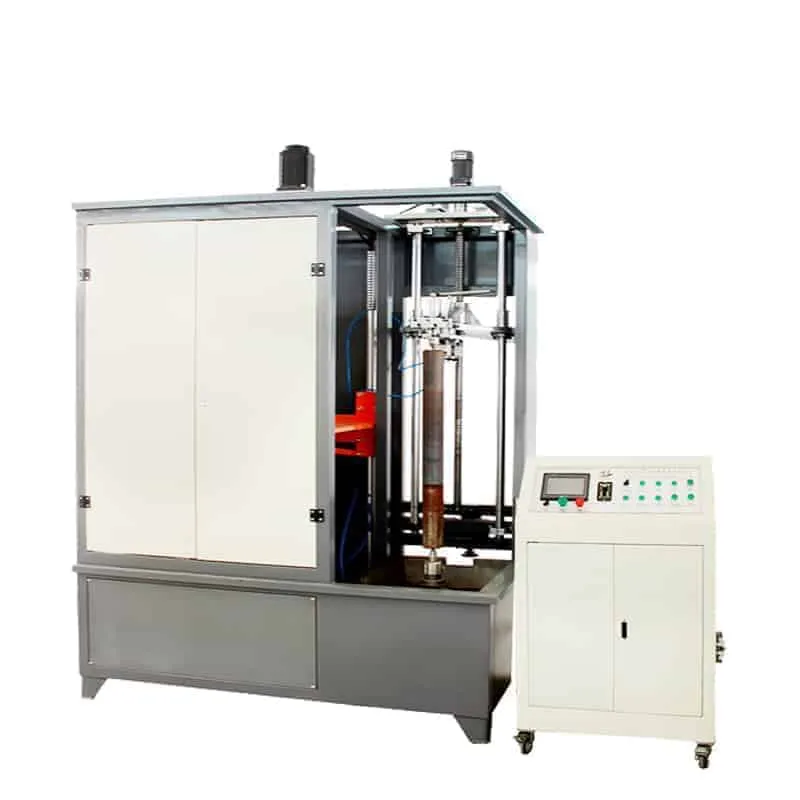
 https://dw-inductionheater.com/product/shaft-induction-hardening-equipment?feed_id=271808&_unique_id=67ca0d3b4a9c5
2025年3月6日星期四
shaft induction hardening equipment
shaft induction hardening equipment
https://dw-inductionheater.com/product/shaft-induction-hardening-equipment?feed_id=271808&_unique_id=67ca0d3b4a9c5
https://dw-inductionheater.com/product/shaft-induction-hardening-equipment?feed_id=271808&_unique_id=67ca0d3b4a9c5

2025年3月4日星期二
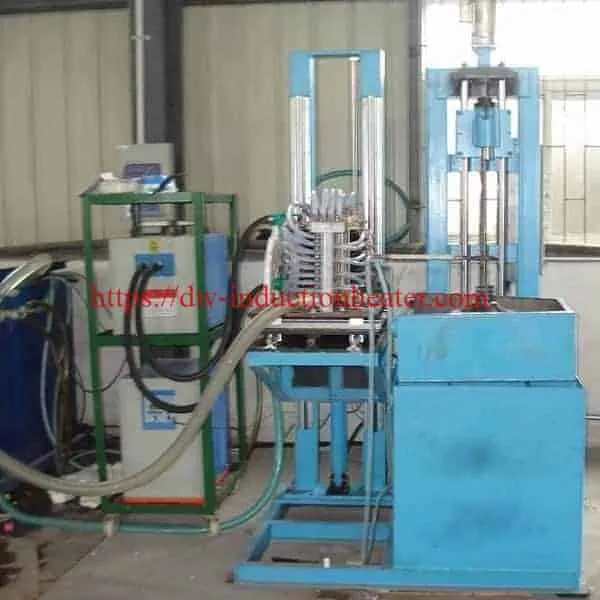
Rail high frequency induction hardening machine
Rail high frequency induction hardening machine
 https://dw-inductionheater.com/product/rail-high-frequency-induction-hardening-machine?feed_id=271518&_unique_id=67c6c16e9073b
https://dw-inductionheater.com/product/rail-high-frequency-induction-hardening-machine?feed_id=271518&_unique_id=67c6c16e9073b
2025年1月8日星期三
2024年9月12日星期四
2024年7月14日星期日
10 FAQs About Induction Hardening
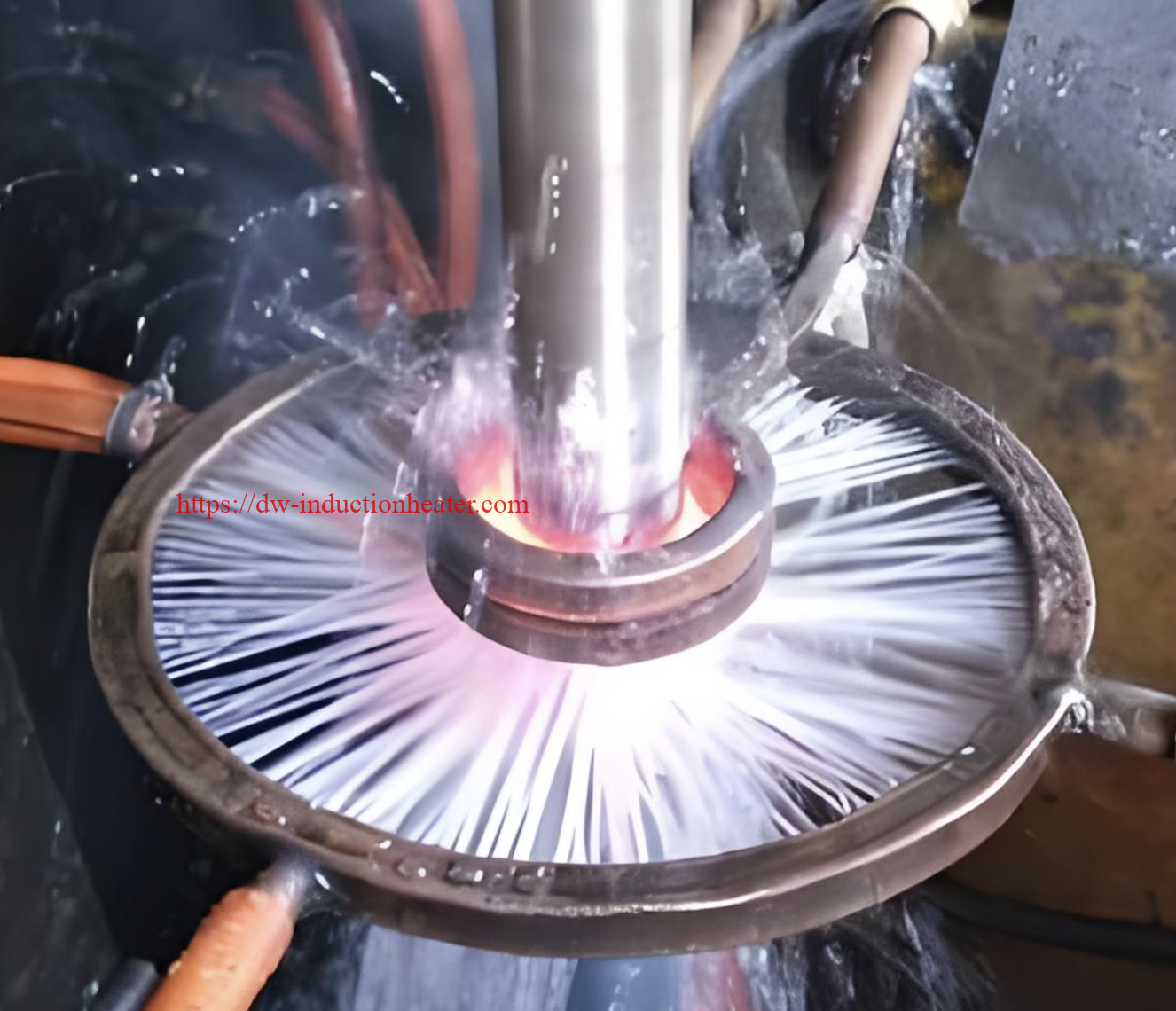
Unlocking the Heat:10 FAQs About Induction Hardening
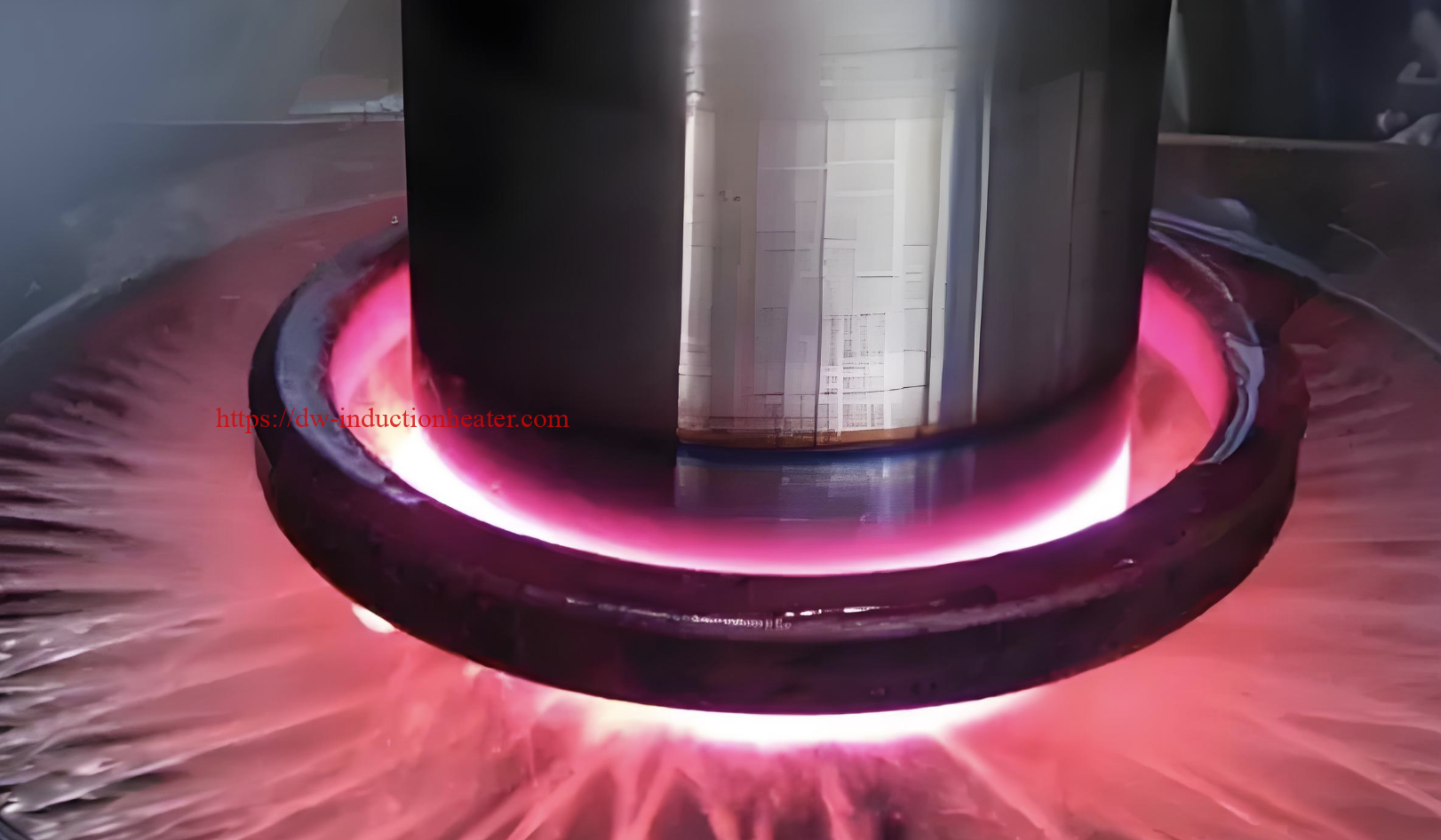
- What exactly is induction hardening?
- What makes induction hardening so beneficial?
- Enhanced Durability:Significantly increases wear resistance and fatigue strength compared to untreated metal.
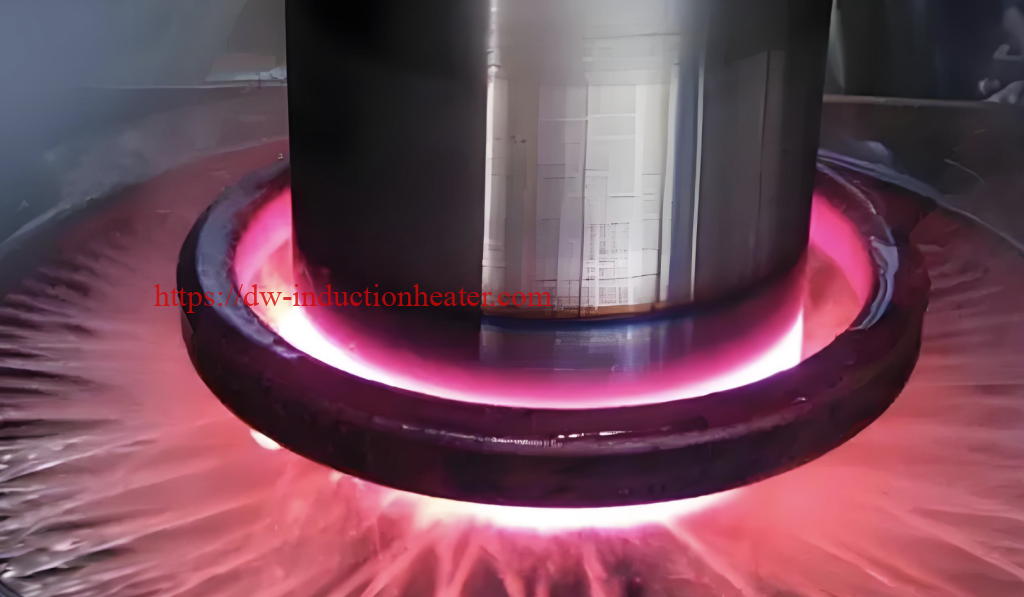 Precision Control:Allows for precise control over the depth and area of hardening, minimizing distortion.
- Increased Efficiency:A rapid process that saves time and energy compared to traditional heat treatment methods.
- Versatility:Suitable for a wide range of components, especially gears, shafts, and other wear-prone parts.
- Environmentally Sound:A clean process with minimal environmental impact.
- Which materials are compatible with induction hardening?

- What are the most common applications of induction hardening?
- Automotive:Gears, axles, camshafts, and other drivetrain components.
- Aerospace:Landing gear, engine parts, and other high-stress components.
- Manufacturing:Cutting tools, dies, molds, and other wear-resistant tools.
- Agriculture:Tillage tools, harvesting equipment, and other heavy-duty machinery.
- How deep can induction hardening penetrate a material?
- What distinguishes induction hardening from case hardening?
- Induction hardeninguses localized heating and rapid cooling to transform the surface layer's microstructure.
- Case hardeninginvolves altering the surface layer's chemical composition by diffusing carbon or nitrogen into it.
- Are there any limitations to induction hardening?
- What factors influence the hardness achieved in induction hardening?
- What types of induction hardening equipment are available?
- How is the quality of induction hardening ensured?
 Induction hardening is commonly used for parts that undergo heavy surface wear but need to maintain a tough interior, such as gears, shafts, bearings, and automotive components. The process is precise and can be localized to specific areas of the component, which helps in minimizing distortion and conserving material properties in areas that do not require hardening.
2024年7月13日星期六
10 FAQs About Induction Hardening
Unlocking the Heat:10 FAQs About Induction Hardening
- What exactly is induction hardening?
- What makes induction hardening so beneficial?
- Enhanced Durability:Significantly increases wear resistance and fatigue strength compared to untreated metal.
- Precision Control:Allows for precise control over the depth and area of hardening, minimizing distortion.
- Increased Efficiency:A rapid process that saves time and energy compared to traditional heat treatment methods.
- Versatility:Suitable for a wide range of components, especially gears, shafts, and other wear-prone parts.
- Environmentally Sound:A clean process with minimal environmental impact.
- Which materials are compatible with induction hardening?
- What are the most common applications of induction hardening?
- Automotive:Gears, axles, camshafts, and other drivetrain components.
- Aerospace:Landing gear, engine parts, and other high-stress components.
- Manufacturing:Cutting tools, dies, molds, and other wear-resistant tools.
- Agriculture:Tillage tools, harvesting equipment, and other heavy-duty machinery.
- How deep can induction hardening penetrate a material?
- What distinguishes induction hardening from case hardening?
- Induction hardeninguses localized heating and rapid cooling to transform the surface layer's microstructure.
- Case hardeninginvolves altering the surface layer's chemical composition by diffusing carbon or nitrogen into it.
- Are there any limitations to induction hardening?
- What factors influence the hardness achieved in induction hardening?
- What types of induction hardening equipment are available?
- How is the quality of induction hardening ensured?
Induction hardening is commonly used for parts that undergo heavy surface wear but need to maintain a tough interior, such as gears, shafts, bearings, and automotive components. The process is precise and can be localized to specific areas of the component, which helps in minimizing distortion and conserving material properties in areas that do not require hardening.
订阅:
博文 (Atom)
我的简介

- HLQ induction heating machine
- HLQ induction heating machine manufacturer provides the service of induction brazing,melting,hot forming,hardening surface,annealing,shrink fitting,PWHT,etc.