显示标签为“annealingwire”的博文。显示所有博文

2024年2月12日星期一

Induction Wire Heating Process Applications

Induction Wire Heating Process Applications

In the production of steel wire, copper wire, brass wire, and steel or heating copper spring rods, different heat treatment processes are used, such as wire drawing, tempering after production, quenching heat treatment in special requirements, induction annealing before use as raw material, etc. There are a lot of requests right now about online heating with fast speed, different temperature range, accurate power output, and temperature control on small diameter wires; thus, a precision heating method is a must. Having the advantage of high degree of automation operation (including the flexible setting of time, temperature, power), HLQ's induction heating device is found to be very suitable for completing the heat treatment of wires and cables. Capable of accepting remote control of start/stop, completing power adjustment, working 24 hours/day, conducting fast power output, and making fast machine shutdown according to the temperature control signal, our induction heating products can easily meet various requirements of the current wire and cable heating.
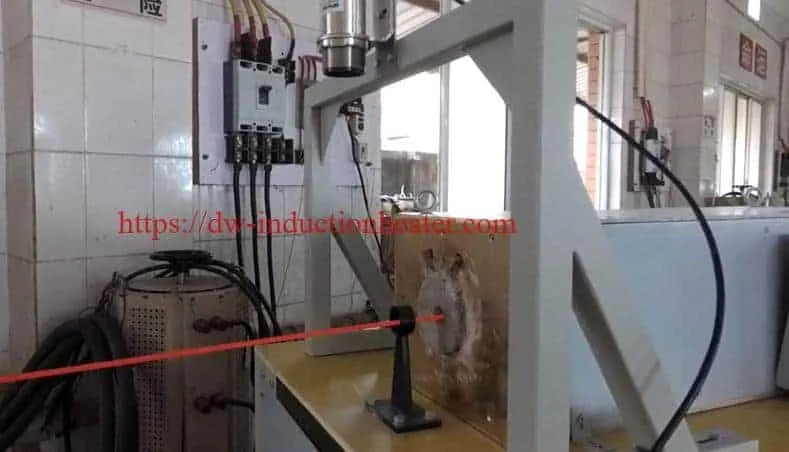
What is induction wire and cable heating?

HLQ Induction Equipment Co offers solutions for many applications from structural ferrous and non-ferrous wires, copper and aluminium cable and conductors to fibre optic production. The applications are very wide ranging including, but not limited to, forming, forging, heat treatment, galvanizing, coating, drawing etc. at temperatures from 10’s of degrees to in excess of 1,500 degrees.
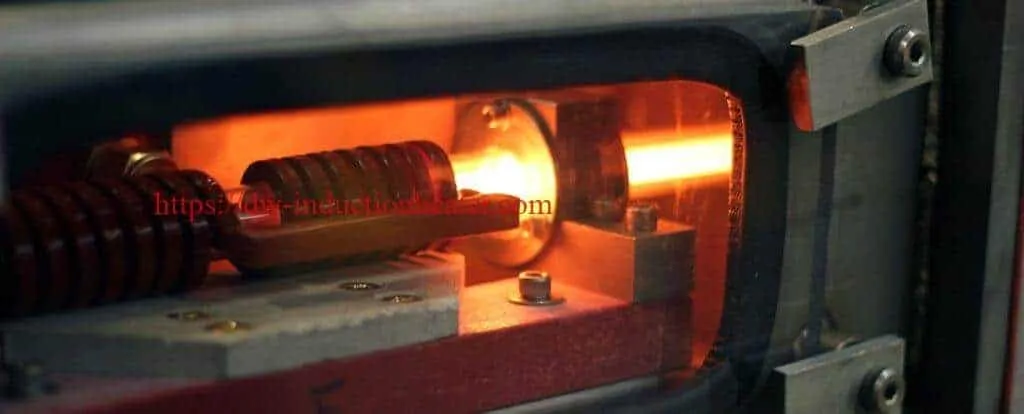
What are the benefits?

The systems can be employed as your total heating solution or as a booster to improve the productivity of an existing furnace by acting as a preheater. Our induction heating solutions are renowned for their compactness, productivity and efficiency. Whilst we supply a range of solutions, most are optimised to meet your specific requirements. Developing systems that are optimised for your requirement with customised solutions is an HLQ Induction Equipment speciality.

Where is it used?

Typical applications include: Drying post cleaning or removing water or solvent from coatings Curing of liquid or powder based coatings. Providing a superior bond strength and surface finish Diffusion of metallic coating Pre heating for extrusion of polymer and metallic coatings Heat treatment including: stress relieving, tempering, annealing, bright annealing, hardening, patenting etc. Pre-heating for hot-forming or forging, especially important for specification alloys Induction Heating is also used for the preheating, post heating or annealing of metallic wire along with the bonding/vulcanization of insulating or shielding within various cable products. Preheating applications can include heating wire prior to drawing it down or extruding. Post heating would typically include processes such a bonding, vulcanizing, curing or drying paint, adhesives or insulating materials. In addition to providing accurate heat and typically faster line speeds, the output power of the induction heating power supply can be controlled via the line speed of the system in most cases. HLQ distributes a wide variety of induction heating power supplies that can be used for these processes. INDUCTION WIRE HEATING EQUIPMENT HLQ UHF and MF Series of Induction Heating Systems offer a wide range of frequencies in power from 3.0 to 500kW, which correlates to technical effectiveness in a variety of customer applications. Designed with an adjustable tank capacitance and multi-tap output transformer, the HLQ Induction Heating Systems are flexible and reliable to meet demanding manufacturing conditions required by induction wire heating and cable heating equipment. https://dw-inductionheater.com/induction-wire-heating-process-applications.html?feed_id=233953&_unique_id=65ca7b8f916e8

2023年11月19日星期日

Annealing Metal Stamp With Induction

Annealing Metal Stamp With Induction Objective: Induction Heating the opposite end of a metal stamp so that it mushrooms instead of cracks/splits when struck by a hammer. Material S-7 steel of varying rectangular cross sectional sizes Temperature 1400-1800 ºF (760-982) ºC Frequency 300 kHz Equipment DW-UHF-10KW, induction heating system, equipped with a remote heat station containing two 1.5 μF capacitors for a total of 0.75 μF and three different induction heating coils designed and developed specifically for this application. Process One five-turn and two four-turn helical coils are used to heat the end of stamps to the required temperature. Two part sizes can be run in each of coils, using the same machine settings except for cycle time. Cycle rates dependent upon the crosssection size. The 3/8" (0.9525 cm) square size is has a rate of below 10 seconds. The rate for the middle size, ½" – 1 ½ " (1.27 - 3.81 cm) is 30 to 60 seconds. A 1" (2.54 cm) square part takes approximately two minutes. Fixturing can influence the length of the cycle time required. For shorter heat times a larger power supply may be used. Results/Benefits Precise heat only to the area that needs annealing is more efficient and repeatable than heating with a torch.   https://dw-inductionheater.com/annealing-metal-stamp-with-induction.html?feed_id=231006&_unique_id=655a5da843ce9

2023年10月29日星期日

Annealing Metal Stamp With Induction

Annealing Metal Stamp With Induction Objective: Induction Heating the opposite end of a metal stamp so that it mushrooms instead of cracks/splits when struck by a hammer. Material S-7 steel of varying rectangular cross sectional sizes Temperature 1400-1800 ºF (760-982) ºC Frequency 300 kHz Equipment DW-UHF-10KW, induction heating system, equipped with a remote heat station containing two 1.5 μF capacitors for a total of 0.75 μF and three different induction heating coils designed and developed specifically for this application. Process One five-turn and two four-turn helical coils are used to heat the end of stamps to the required temperature. Two part sizes can be run in each of coils, using the same machine settings except for cycle time. Cycle rates dependent upon the crosssection size. The 3/8" (0.9525 cm) square size is has a rate of below 10 seconds. The rate for the middle size, ½" – 1 ½ " (1.27 - 3.81 cm) is 30 to 60 seconds. A 1" (2.54 cm) square part takes approximately two minutes. Fixturing can influence the length of the cycle time required. For shorter heat times a larger power supply may be used. Results/Benefits Precise heat only to the area that needs annealing is more efficient and repeatable than heating with a torch.  

2023年6月21日星期三

Induction Wire Heating Process Applications

Induction Wire Heating Process Applications

In the production of steel wire, copper wire, brass wire, and steel or heating copper spring rods, different heat treatment processes are used, such as wire drawing, tempering after production, quenching heat treatment in special requirements, induction annealing before use as raw material, etc. There are a lot of requests right now about online heating with fast speed, different temperature range, accurate power output, and temperature control on small diameter wires; thus, a precision heating method is a must. Having the advantage of high degree of automation operation (including the flexible setting of time, temperature, power), HLQ's induction heating device is found to be very suitable for completing the heat treatment of wires and cables. Capable of accepting remote control of start/stop, completing power adjustment, working 24 hours/day, conducting fast power output, and making fast machine shutdown according to the temperature control signal, our induction heating products can easily meet various requirements of the current wire and cable heating.

What is induction wire and cable heating?

HLQ Induction Equipment Co offers solutions for many applications from structural ferrous and non-ferrous wires, copper and aluminium cable and conductors to fibre optic production. The applications are very wide ranging including, but not limited to, forming, forging, heat treatment, galvanizing, coating, drawing etc. at temperatures from 10’s of degrees to in excess of 1,500 degrees.

What are the benefits?

The systems can be employed as your total heating solution or as a booster to improve the productivity of an existing furnace by acting as a preheater. Our induction heating solutions are renowned for their compactness, productivity and efficiency. Whilst we supply a range of solutions, most are optimised to meet your specific requirements. Developing systems that are optimised for your requirement with customised solutions is an HLQ Induction Equipment speciality.

Where is it used?

Typical applications include: Drying post cleaning or removing water or solvent from coatings Curing of liquid or powder based coatings. Providing a superior bond strength and surface finish Diffusion of metallic coating Pre heating for extrusion of polymer and metallic coatings Heat treatment including: stress relieving, tempering, annealing, bright annealing, hardening, patenting etc. Pre-heating for hot-forming or forging, especially important for specification alloys Induction Heating is also used for the preheating, post heating or annealing of metallic wire along with the bonding/vulcanization of insulating or shielding within various cable products. Preheating applications can include heating wire prior to drawing it down or extruding. Post heating would typically include processes such a bonding, vulcanizing, curing or drying paint, adhesives or insulating materials. In addition to providing accurate heat and typically faster line speeds, the output power of the induction heating power supply can be controlled via the line speed of the system in most cases. HLQ distributes a wide variety of induction heating power supplies that can be used for these processes. INDUCTION WIRE HEATING EQUIPMENT HLQ UHF and MF Series of Induction Heating Systems offer a wide range of frequencies in power from 3.0 to 500kW, which correlates to technical effectiveness in a variety of customer applications. Designed with an adjustable tank capacitance and multi-tap output transformer, the HLQ Induction Heating Systems are flexible and reliable to meet demanding manufacturing conditions required by induction wire heating and cable heating equipment. https://dw-inductionheater.com/induction-wire-heating-process-applications.html?feed_id=214936&_unique_id=6493020f297e1

2023年6月8日星期四

Induction Wire Heating Process Applications

Induction Wire Heating Process Applications

In the production of steel wire, copper wire, brass wire, and steel or heating copper spring rods, different heat treatment processes are used, such as wire drawing, tempering after production, quenching heat treatment in special requirements, induction annealing before use as raw material, etc. There are a lot of requests right now about online heating with fast speed, different temperature range, accurate power output, and temperature control on small diameter wires; thus, a precision heating method is a must. Having the advantage of high degree of automation operation (including the flexible setting of time, temperature, power), HLQ's induction heating device is found to be very suitable for completing the heat treatment of wires and cables. Capable of accepting remote control of start/stop, completing power adjustment, working 24 hours/day, conducting fast power output, and making fast machine shutdown according to the temperature control signal, our induction heating products can easily meet various requirements of the current wire and cable heating.

What is induction wire and cable heating?

HLQ Induction Equipment Co offers solutions for many applications from structural ferrous and non-ferrous wires, copper and aluminium cable and conductors to fibre optic production. The applications are very wide ranging including, but not limited to, forming, forging, heat treatment, galvanizing, coating, drawing etc. at temperatures from 10’s of degrees to in excess of 1,500 degrees.

What are the benefits?

The systems can be employed as your total heating solution or as a booster to improve the productivity of an existing furnace by acting as a preheater. Our induction heating solutions are renowned for their compactness, productivity and efficiency. Whilst we supply a range of solutions, most are optimised to meet your specific requirements. Developing systems that are optimised for your requirement with customised solutions is an HLQ Induction Equipment speciality.

Where is it used?

Typical applications include: Drying post cleaning or removing water or solvent from coatings Curing of liquid or powder based coatings. Providing a superior bond strength and surface finish Diffusion of metallic coating Pre heating for extrusion of polymer and metallic coatings Heat treatment including: stress relieving, tempering, annealing, bright annealing, hardening, patenting etc. Pre-heating for hot-forming or forging, especially important for specification alloys Induction Heating is also used for the preheating, post heating or annealing of metallic wire along with the bonding/vulcanization of insulating or shielding within various cable products. Preheating applications can include heating wire prior to drawing it down or extruding. Post heating would typically include processes such a bonding, vulcanizing, curing or drying paint, adhesives or insulating materials. In addition to providing accurate heat and typically faster line speeds, the output power of the induction heating power supply can be controlled via the line speed of the system in most cases. HLQ distributes a wide variety of induction heating power supplies that can be used for these processes. INDUCTION WIRE HEATING EQUIPMENT HLQ UHF and MF Series of Induction Heating Systems offer a wide range of frequencies in power from 3.0 to 500kW, which correlates to technical effectiveness in a variety of customer applications. Designed with an adjustable tank capacitance and multi-tap output transformer, the HLQ Induction Heating Systems are flexible and reliable to meet demanding manufacturing conditions required by induction wire heating and cable heating equipment.

2023年5月23日星期二

Annealing Metal Stamp With Induction

Annealing Metal Stamp With Induction Objective: Induction Heating the opposite end of a metal stamp so that it mushrooms instead of cracks/splits when struck by a hammer. Material S-7 steel of varying rectangular cross sectional sizes Temperature 1400-1800 ºF (760-982) ºC Frequency 300 kHz Equipment DW-UHF-10KW, induction heating system, equipped with a remote heat station containing two 1.5 μF capacitors for a total of 0.75 μF and three different induction heating coils designed and developed specifically for this application. Process One five-turn and two four-turn helical coils are used to heat the end of stamps to the required temperature. Two part sizes can be run in each of coils, using the same machine settings except for cycle time. Cycle rates dependent upon the crosssection size. The 3/8" (0.9525 cm) square size is has a rate of below 10 seconds. The rate for the middle size, ½" – 1 ½ " (1.27 - 3.81 cm) is 30 to 60 seconds. A 1" (2.54 cm) square part takes approximately two minutes. Fixturing can influence the length of the cycle time required. For shorter heat times a larger power supply may be used. Results/Benefits Precise heat only to the area that needs annealing is more efficient and repeatable than heating with a torch.  

2023年3月7日星期二

Induction Wire Heating Process Applications

Induction Wire Heating Process Applications


In the production of steel wire, copper wire, brass wire, and steel or heating copper spring rods, different heat treatment processes are used, such as wire drawing, tempering after production, quenching heat treatment in special requirements, induction annealing before use as raw material, etc. There are a lot of requests right now about online heating with fast speed, different temperature range, accurate power output, and temperature control on small diameter wires; thus, a precision heating method is a must. Having the advantage of high degree of automation operation (including the flexible setting of time, temperature, power), HLQ's induction heating device is found to be very suitable for completing the heat treatment of wires and cables. Capable of accepting remote control of start/stop, completing power adjustment, working 24 hours/day, conducting fast power output, and making fast machine shutdown according to the temperature control signal, our induction heating products can easily meet various requirements of the current wire and cable heating.

What is induction wire and cable heating?


HLQ Induction Equipment Co offers solutions for many applications from structural ferrous and non-ferrous wires, copper and aluminium cable and conductors to fibre optic production. The applications are very wide ranging including, but not limited to, forming, forging, heat treatment, galvanizing, coating, drawing etc. at temperatures from 10’s of degrees to in excess of 1,500 degrees.


What are the benefits?


The systems can be employed as your total heating solution or as a booster to improve the productivity of an existing furnace by acting as a preheater. Our induction heating solutions are renowned for their compactness, productivity and efficiency. Whilst we supply a range of solutions, most are optimised to meet your specific requirements. Developing systems that are optimised for your requirement with customised solutions is an HLQ Induction Equipment speciality.

Where is it used?


Typical applications include:
Drying post cleaning or removing water or solvent from coatings
Curing of liquid or powder based coatings. Providing a superior bond strength and surface finish
Diffusion of metallic coating
Pre heating for extrusion of polymer and metallic coatings
Heat treatment including: stress relieving, tempering, annealing, bright annealing, hardening, patenting etc.
Pre-heating for hot-forming or forging, especially important for specification alloys

Induction Heating is also used for the preheating, post heating or annealing of metallic wire along with the bonding/vulcanization of insulating or shielding within various cable products. Preheating applications can include heating wire prior to drawing it down or extruding. Post heating would typically include processes such a bonding, vulcanizing, curing or drying paint, adhesives or insulating materials. In addition to providing accurate heat and typically faster line speeds, the output power of the induction heating power supply can be controlled via the line speed of the system in most cases. HLQ distributes a wide variety of induction heating power supplies that can be used for these processes.
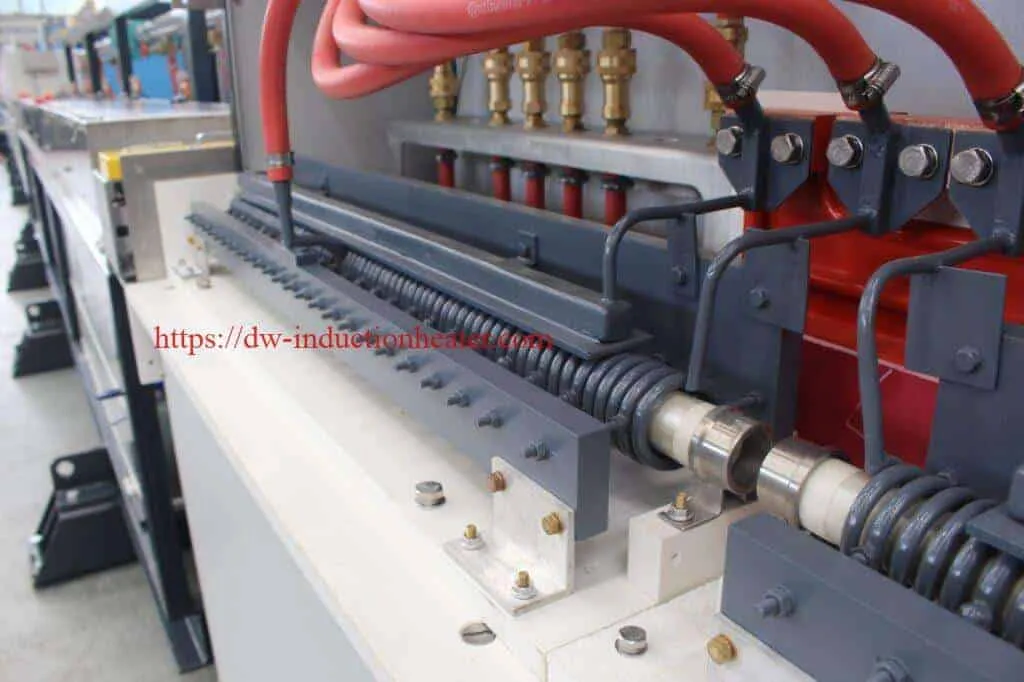


INDUCTION WIRE HEATING EQUIPMENT
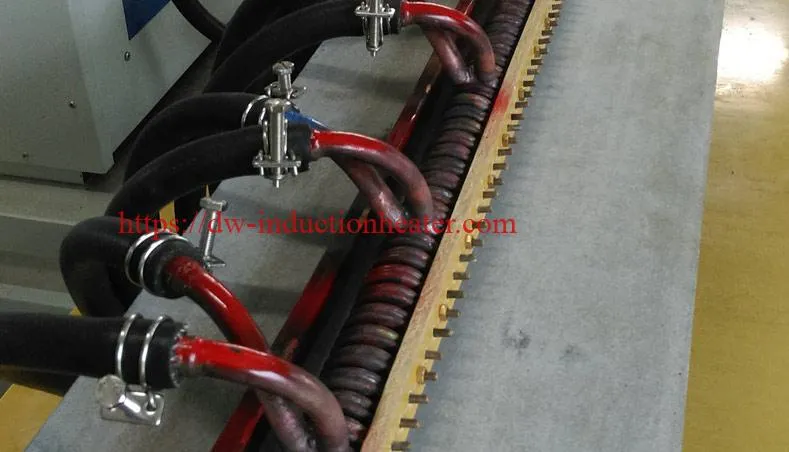
HLQ UHF and MF Series of Induction Heating Systems offer a wide range of frequencies in power from 3.0 to 500kW, which correlates to technical effectiveness in a variety of customer applications. Designed with an adjustable tank capacitance and multi-tap output transformer, the HLQ Induction Heating Systems are flexible and reliable to meet demanding manufacturing conditions required by induction wire heating and cable heating equipment.
2023年2月27日星期一

Annealing Metal Stamp With Induction

Annealing Metal Stamp With Induction Objective: Induction Heating the opposite end of a metal stamp so that it mushrooms instead of cracks/splits when struck by a hammer. Material S-7 steel of varying rectangular cross sectional sizes Temperature 1400-1800 ºF (760-982) ºC Frequency 300 kHz Equipment DW-UHF-10KW, induction heating system, equipped with a remote heat station containing two 1.5 μF capacitors for a total of 0.75 μF and three different induction heating coils designed and developed specifically for this application. Process One five-turn and two four-turn helical coils are used to heat the end of stamps to the required temperature. Two part sizes can be run in each of coils, using the same machine settings except for cycle time. Cycle rates dependent upon the crosssection size. The 3/8" (0.9525 cm) square size is has a rate of below 10 seconds. The rate for the middle size, ½" – 1 ½ " (1.27 - 3.81 cm) is 30 to 60 seconds. A 1" (2.54 cm) square part takes approximately two minutes. Fixturing can influence the length of the cycle time required. For shorter heat times a larger power supply may be used. Results/Benefits Precise heat only to the area that needs annealing is more efficient and repeatable than heating with a torch.  

2023年2月25日星期六

Annealing Metal Stamp With Induction

Annealing Metal Stamp With Induction

Objective: Induction Heating the opposite end of a metal stamp so that it mushrooms instead of cracks/splits when struck by a hammer.

Material S-7 steel of varying rectangular cross sectional sizes

Temperature 1400-1800 ºF (760-982) ºC

Frequency 300 kHz

Equipment DW-UHF-10KW, induction heating system, equipped with a remote heat station containing two 1.5 μF capacitors for a total of 0.75 μF and three different induction heating coils designed and developed specifically for this application.

Process One five-turn and two four-turn helical coils are used to heat the end of stamps to the required temperature. Two part sizes can be run in each of coils, using the same machine settings except for cycle time. Cycle rates dependent upon the crosssection size. The 3/8" (0.9525 cm) square size is has a rate of below 10 seconds. The rate for the middle size, ½" – 1 ½ " (1.27 - 3.81 cm) is 30 to 60 seconds. A 1" (2.54 cm) square part takes approximately two minutes. Fixturing can influence the length of the cycle time required. For shorter heat times a larger power supply may be used.

Results/Benefits Precise heat only to the area that needs annealing is more efficient and repeatable than heating with a torch.


Annealing Metal Stamp With Induction

Annealing Metal Stamp With Induction

Objective: Induction Heating the opposite end of a metal stamp so that it mushrooms instead of cracks/splits when struck by a hammer.

Material S-7 steel of varying rectangular cross sectional sizes

Temperature 1400-1800 ºF (760-982) ºC

Frequency 300 kHz

Equipment DW-UHF-10KW, induction heating system, equipped with a remote heat station containing two 1.5 μF capacitors for a total of 0.75 μF and three different induction heating coils designed and developed specifically for this application.

Process One five-turn and two four-turn helical coils are used to heat the end of stamps to the required temperature. Two part sizes can be run in each of coils, using the same machine settings except for cycle time. Cycle rates dependent upon the crosssection size. The 3/8" (0.9525 cm) square size is has a rate of below 10 seconds. The rate for the middle size, ½" – 1 ½ " (1.27 - 3.81 cm) is 30 to 60 seconds. A 1" (2.54 cm) square part takes approximately two minutes. Fixturing can influence the length of the cycle time required. For shorter heat times a larger power supply may be used.

Results/Benefits Precise heat only to the area that needs annealing is more efficient and repeatable than heating with a torch.


2023年2月20日星期一

Annealing Metal Stamp With Induction

Annealing Metal Stamp With Induction Objective: Induction Heating the opposite end of a metal stamp so that it mushrooms instead of cracks/splits when struck by a hammer. Material S-7 steel of varying rectangular cross sectional sizes Temperature 1400-1800 ºF (760-982) ºC Frequency 300 kHz Equipment DW-UHF-10KW, induction heating system, equipped with a remote heat station containing two 1.5 μF capacitors for a total of 0.75 μF and three different induction heating coils designed and developed specifically for this application. Process One five-turn and two four-turn helical coils are used to heat the end of stamps to the required temperature. Two part sizes can be run in each of coils, using the same machine settings except for cycle time. Cycle rates dependent upon the crosssection size. The 3/8" (0.9525 cm) square size is has a rate of below 10 seconds. The rate for the middle size, ½" – 1 ½ " (1.27 - 3.81 cm) is 30 to 60 seconds. A 1" (2.54 cm) square part takes approximately two minutes. Fixturing can influence the length of the cycle time required. For shorter heat times a larger power supply may be used. Results/Benefits Precise heat only to the area that needs annealing is more efficient and repeatable than heating with a torch.  

2023年2月6日星期一

Annealing Metal Stamp With Induction

Annealing Metal Stamp With Induction Objective: Induction Heating the opposite end of a metal stamp so that it mushrooms instead of cracks/splits when struck by a hammer. Material S-7 steel of varying rectangular cross sectional sizes Temperature 1400-1800 ºF (760-982) ºC Frequency 300 kHz Equipment DW-UHF-10KW, induction heating system, equipped with a remote heat station containing two 1.5 μF capacitors for a total of 0.75 μF and three different induction heating coils designed and developed specifically for this application. Process One five-turn and two four-turn helical coils are used to heat the end of stamps to the required temperature. Two part sizes can be run in each of coils, using the same machine settings except for cycle time. Cycle rates dependent upon the crosssection size. The 3/8" (0.9525 cm) square size is has a rate of below 10 seconds. The rate for the middle size, ½" – 1 ½ " (1.27 - 3.81 cm) is 30 to 60 seconds. A 1" (2.54 cm) square part takes approximately two minutes. Fixturing can influence the length of the cycle time required. For shorter heat times a larger power supply may be used. Results/Benefits Precise heat only to the area that needs annealing is more efficient and repeatable than heating with a torch.  

2023年1月21日星期六

Annealing Metal Stamp With Induction

Annealing Metal Stamp With Induction Objective: Induction Heating the opposite end of a metal stamp so that it mushrooms instead of cracks/splits when struck by a hammer. Material S-7 steel of varying rectangular cross sectional sizes Temperature 1400-1800 ºF (760-982) ºC Frequency 300 kHz Equipment DW-UHF-10KW, induction heating system, equipped with a remote heat station containing two 1.5 μF capacitors for a total of 0.75 μF and three different induction heating coils designed and developed specifically for this application. Process One five-turn and two four-turn helical coils are used to heat the end of stamps to the required temperature. Two part sizes can be run in each of coils, using the same machine settings except for cycle time. Cycle rates dependent upon the crosssection size. The 3/8" (0.9525 cm) square size is has a rate of below 10 seconds. The rate for the middle size, ½" – 1 ½ " (1.27 - 3.81 cm) is 30 to 60 seconds. A 1" (2.54 cm) square part takes approximately two minutes. Fixturing can influence the length of the cycle time required. For shorter heat times a larger power supply may be used. Results/Benefits Precise heat only to the area that needs annealing is more efficient and repeatable than heating with a torch.  

2022年12月10日星期六

Annealing Metal Stamp With Induction

Annealing Metal Stamp With Induction Objective: Induction Heating the opposite end of a metal stamp so that it mushrooms instead of cracks/splits when struck by a hammer. Material S-7 steel of varying rectangular cross sectional sizes Temperature 1400-1800 ºF (760-982) ºC Frequency 300 kHz Equipment DW-UHF-10KW, induction heating system, equipped with a remote heat station containing two 1.5 μF capacitors for a total of 0.75 μF and three different induction heating coils designed and developed specifically for this application. Process One five-turn and two four-turn helical coils are used to heat the end of stamps to the required temperature. Two part sizes can be run in each of coils, using the same machine settings except for cycle time. Cycle rates dependent upon the crosssection size. The 3/8" (0.9525 cm) square size is has a rate of below 10 seconds. The rate for the middle size, ½" – 1 ½ " (1.27 - 3.81 cm) is 30 to 60 seconds. A 1" (2.54 cm) square part takes approximately two minutes. Fixturing can influence the length of the cycle time required. For shorter heat times a larger power supply may be used. Results/Benefits Precise heat only to the area that needs annealing is more efficient and repeatable than heating with a torch.  

2022年12月4日星期日

Annealing Metal Stamp With Induction

Annealing Metal Stamp With Induction Objective: Induction Heating the opposite end of a metal stamp so that it mushrooms instead of cracks/splits when struck by a hammer. Material S-7 steel of varying rectangular cross sectional sizes Temperature 1400-1800 ºF (760-982) ºC Frequency 300 kHz Equipment DW-UHF-10KW, induction heating system, equipped with a remote heat station containing two 1.5 μF capacitors for a total of 0.75 μF and three different induction heating coils designed and developed specifically for this application. Process One five-turn and two four-turn helical coils are used to heat the end of stamps to the required temperature. Two part sizes can be run in each of coils, using the same machine settings except for cycle time. Cycle rates dependent upon the crosssection size. The 3/8" (0.9525 cm) square size is has a rate of below 10 seconds. The rate for the middle size, ½" – 1 ½ " (1.27 - 3.81 cm) is 30 to 60 seconds. A 1" (2.54 cm) square part takes approximately two minutes. Fixturing can influence the length of the cycle time required. For shorter heat times a larger power supply may be used. Results/Benefits Precise heat only to the area that needs annealing is more efficient and repeatable than heating with a torch.  

2022年11月16日星期三

Induction Wire Heating Process Applications

Induction Wire Heating Process Applications

In the production of steel wire, copper wire, brass wire, and steel or heating copper spring rods, different heat treatment processes are used, such as wire drawing, tempering after production, quenching heat treatment in special requirements, induction annealing before use as raw material, etc. There are a lot of requests right now about online heating with fast speed, different temperature range, accurate power output, and temperature control on small diameter wires; thus, a precision heating method is a must. Having the advantage of high degree of automation operation (including the flexible setting of time, temperature, power), HLQ's induction heating device is found to be very suitable for completing the heat treatment of wires and cables. Capable of accepting remote control of start/stop, completing power adjustment, working 24 hours/day, conducting fast power output, and making fast machine shutdown according to the temperature control signal, our induction heating products can easily meet various requirements of the current wire and cable heating.

What is induction wire and cable heating?

HLQ Induction Equipment Co offers solutions for many applications from structural ferrous and non-ferrous wires, copper and aluminium cable and conductors to fibre optic production. The applications are very wide ranging including, but not limited to, forming, forging, heat treatment, galvanizing, coating, drawing etc. at temperatures from 10’s of degrees to in excess of 1,500 degrees.

What are the benefits?

The systems can be employed as your total heating solution or as a booster to improve the productivity of an existing furnace by acting as a preheater. Our induction heating solutions are renowned for their compactness, productivity and efficiency. Whilst we supply a range of solutions, most are optimised to meet your specific requirements. Developing systems that are optimised for your requirement with customised solutions is an HLQ Induction Equipment speciality.

Where is it used?

Typical applications include: Drying post cleaning or removing water or solvent from coatings Curing of liquid or powder based coatings. Providing a superior bond strength and surface finish Diffusion of metallic coating Pre heating for extrusion of polymer and metallic coatings Heat treatment including: stress relieving, tempering, annealing, bright annealing, hardening, patenting etc. Pre-heating for hot-forming or forging, especially important for specification alloys Induction Heating is also used for the preheating, post heating or annealing of metallic wire along with the bonding/vulcanization of insulating or shielding within various cable products. Preheating applications can include heating wire prior to drawing it down or extruding. Post heating would typically include processes such a bonding, vulcanizing, curing or drying paint, adhesives or insulating materials. In addition to providing accurate heat and typically faster line speeds, the output power of the induction heating power supply can be controlled via the line speed of the system in most cases. HLQ distributes a wide variety of induction heating power supplies that can be used for these processes. INDUCTION WIRE HEATING EQUIPMENT HLQ UHF and MF Series of Induction Heating Systems offer a wide range of frequencies in power from 3.0 to 500kW, which correlates to technical effectiveness in a variety of customer applications. Designed with an adjustable tank capacitance and multi-tap output transformer, the HLQ Induction Heating Systems are flexible and reliable to meet demanding manufacturing conditions required by induction wire heating and cable heating equipment.

2022年11月9日星期三

Induction Wire Heating Process Applications

Induction Wire Heating Process Applications

In the production of steel wire, copper wire, brass wire, and steel or heating copper spring rods, different heat treatment processes are used, such as wire drawing, tempering after production, quenching heat treatment in special requirements, induction annealing before use as raw material, etc. There are a lot of requests right now about online heating with fast speed, different temperature range, accurate power output, and temperature control on small diameter wires; thus, a precision heating method is a must. Having the advantage of high degree of automation operation (including the flexible setting of time, temperature, power), HLQ's induction heating device is found to be very suitable for completing the heat treatment of wires and cables. Capable of accepting remote control of start/stop, completing power adjustment, working 24 hours/day, conducting fast power output, and making fast machine shutdown according to the temperature control signal, our induction heating products can easily meet various requirements of the current wire and cable heating.

What is induction wire and cable heating?

HLQ Induction Equipment Co offers solutions for many applications from structural ferrous and non-ferrous wires, copper and aluminium cable and conductors to fibre optic production. The applications are very wide ranging including, but not limited to, forming, forging, heat treatment, galvanizing, coating, drawing etc. at temperatures from 10’s of degrees to in excess of 1,500 degrees.

What are the benefits?

The systems can be employed as your total heating solution or as a booster to improve the productivity of an existing furnace by acting as a preheater. Our induction heating solutions are renowned for their compactness, productivity and efficiency. Whilst we supply a range of solutions, most are optimised to meet your specific requirements. Developing systems that are optimised for your requirement with customised solutions is an HLQ Induction Equipment speciality.

Where is it used?

Typical applications include: Drying post cleaning or removing water or solvent from coatings Curing of liquid or powder based coatings. Providing a superior bond strength and surface finish Diffusion of metallic coating Pre heating for extrusion of polymer and metallic coatings Heat treatment including: stress relieving, tempering, annealing, bright annealing, hardening, patenting etc. Pre-heating for hot-forming or forging, especially important for specification alloys Induction Heating is also used for the preheating, post heating or annealing of metallic wire along with the bonding/vulcanization of insulating or shielding within various cable products. Preheating applications can include heating wire prior to drawing it down or extruding. Post heating would typically include processes such a bonding, vulcanizing, curing or drying paint, adhesives or insulating materials. In addition to providing accurate heat and typically faster line speeds, the output power of the induction heating power supply can be controlled via the line speed of the system in most cases. HLQ distributes a wide variety of induction heating power supplies that can be used for these processes. INDUCTION WIRE HEATING EQUIPMENT HLQ UHF and MF Series of Induction Heating Systems offer a wide range of frequencies in power from 3.0 to 500kW, which correlates to technical effectiveness in a variety of customer applications. Designed with an adjustable tank capacitance and multi-tap output transformer, the HLQ Induction Heating Systems are flexible and reliable to meet demanding manufacturing conditions required by induction wire heating and cable heating equipment.

2022年10月30日星期日

Annealing Metal Stamp With Induction

Annealing Metal Stamp With Induction Objective: Induction Heating the opposite end of a metal stamp so that it mushrooms instead of cracks/splits when struck by a hammer. Material S-7 steel of varying rectangular cross sectional sizes Temperature 1400-1800 ºF (760-982) ºC Frequency 300 kHz Equipment DW-UHF-10KW, induction heating system, equipped with a remote heat station containing two 1.5 μF capacitors for a total of 0.75 μF and three different induction heating coils designed and developed specifically for this application. Process One five-turn and two four-turn helical coils are used to heat the end of stamps to the required temperature. Two part sizes can be run in each of coils, using the same machine settings except for cycle time. Cycle rates dependent upon the crosssection size. The 3/8" (0.9525 cm) square size is has a rate of below 10 seconds. The rate for the middle size, ½" – 1 ½ " (1.27 - 3.81 cm) is 30 to 60 seconds. A 1" (2.54 cm) square part takes approximately two minutes. Fixturing can influence the length of the cycle time required. For shorter heat times a larger power supply may be used. Results/Benefits Precise heat only to the area that needs annealing is more efficient and repeatable than heating with a torch.  

2022年10月4日星期二

Induction Wire Heating Process Applications

Induction Wire Heating Process Applications

In the production of steel wire, copper wire, brass wire, and steel or heating copper spring rods, different heat treatment processes are used, such as wire drawing, tempering after production, quenching heat treatment in special requirements, induction annealing before use as raw material, etc. There are a lot of requests right now about online heating with fast speed, different temperature range, accurate power output, and temperature control on small diameter wires; thus, a precision heating method is a must. Having the advantage of high degree of automation operation (including the flexible setting of time, temperature, power), HLQ's induction heating device is found to be very suitable for completing the heat treatment of wires and cables. Capable of accepting remote control of start/stop, completing power adjustment, working 24 hours/day, conducting fast power output, and making fast machine shutdown according to the temperature control signal, our induction heating products can easily meet various requirements of the current wire and cable heating.

What is induction wire and cable heating?

HLQ Induction Equipment Co offers solutions for many applications from structural ferrous and non-ferrous wires, copper and aluminium cable and conductors to fibre optic production. The applications are very wide ranging including, but not limited to, forming, forging, heat treatment, galvanizing, coating, drawing etc. at temperatures from 10’s of degrees to in excess of 1,500 degrees.

What are the benefits?

The systems can be employed as your total heating solution or as a booster to improve the productivity of an existing furnace by acting as a preheater. Our induction heating solutions are renowned for their compactness, productivity and efficiency. Whilst we supply a range of solutions, most are optimised to meet your specific requirements. Developing systems that are optimised for your requirement with customised solutions is an HLQ Induction Equipment speciality.

Where is it used?

Typical applications include: Drying post cleaning or removing water or solvent from coatings Curing of liquid or powder based coatings. Providing a superior bond strength and surface finish Diffusion of metallic coating Pre heating for extrusion of polymer and metallic coatings Heat treatment including: stress relieving, tempering, annealing, bright annealing, hardening, patenting etc. Pre-heating for hot-forming or forging, especially important for specification alloys Induction Heating is also used for the preheating, post heating or annealing of metallic wire along with the bonding/vulcanization of insulating or shielding within various cable products. Preheating applications can include heating wire prior to drawing it down or extruding. Post heating would typically include processes such a bonding, vulcanizing, curing or drying paint, adhesives or insulating materials. In addition to providing accurate heat and typically faster line speeds, the output power of the induction heating power supply can be controlled via the line speed of the system in most cases. HLQ distributes a wide variety of induction heating power supplies that can be used for these processes. INDUCTION WIRE HEATING EQUIPMENT HLQ UHF and MF Series of Induction Heating Systems offer a wide range of frequencies in power from 3.0 to 500kW, which correlates to technical effectiveness in a variety of customer applications. Designed with an adjustable tank capacitance and multi-tap output transformer, the HLQ Induction Heating Systems are flexible and reliable to meet demanding manufacturing conditions required by induction wire heating and cable heating equipment.

2022年9月25日星期日

Induction Wire Heating Process Applications

Induction Wire Heating Process Applications

In the production of steel wire, copper wire, brass wire, and steel or heating copper spring rods, different heat treatment processes are used, such as wire drawing, tempering after production, quenching heat treatment in special requirements, induction annealing before use as raw material, etc. There are a lot of requests right now about online heating with fast speed, different temperature range, accurate power output, and temperature control on small diameter wires; thus, a precision heating method is a must. Having the advantage of high degree of automation operation (including the flexible setting of time, temperature, power), HLQ's induction heating device is found to be very suitable for completing the heat treatment of wires and cables. Capable of accepting remote control of start/stop, completing power adjustment, working 24 hours/day, conducting fast power output, and making fast machine shutdown according to the temperature control signal, our induction heating products can easily meet various requirements of the current wire and cable heating.

What is induction wire and cable heating?

HLQ Induction Equipment Co offers solutions for many applications from structural ferrous and non-ferrous wires, copper and aluminium cable and conductors to fibre optic production. The applications are very wide ranging including, but not limited to, forming, forging, heat treatment, galvanizing, coating, drawing etc. at temperatures from 10’s of degrees to in excess of 1,500 degrees.

What are the benefits?

The systems can be employed as your total heating solution or as a booster to improve the productivity of an existing furnace by acting as a preheater. Our induction heating solutions are renowned for their compactness, productivity and efficiency. Whilst we supply a range of solutions, most are optimised to meet your specific requirements. Developing systems that are optimised for your requirement with customised solutions is an HLQ Induction Equipment speciality.

Where is it used?

Typical applications include: Drying post cleaning or removing water or solvent from coatings Curing of liquid or powder based coatings. Providing a superior bond strength and surface finish Diffusion of metallic coating Pre heating for extrusion of polymer and metallic coatings Heat treatment including: stress relieving, tempering, annealing, bright annealing, hardening, patenting etc. Pre-heating for hot-forming or forging, especially important for specification alloys Induction Heating is also used for the preheating, post heating or annealing of metallic wire along with the bonding/vulcanization of insulating or shielding within various cable products. Preheating applications can include heating wire prior to drawing it down or extruding. Post heating would typically include processes such a bonding, vulcanizing, curing or drying paint, adhesives or insulating materials. In addition to providing accurate heat and typically faster line speeds, the output power of the induction heating power supply can be controlled via the line speed of the system in most cases. HLQ distributes a wide variety of induction heating power supplies that can be used for these processes. INDUCTION WIRE HEATING EQUIPMENT HLQ UHF and MF Series of Induction Heating Systems offer a wide range of frequencies in power from 3.0 to 500kW, which correlates to technical effectiveness in a variety of customer applications. Designed with an adjustable tank capacitance and multi-tap output transformer, the HLQ Induction Heating Systems are flexible and reliable to meet demanding manufacturing conditions required by induction wire heating and cable heating equipment.

关注者

我的简介

我的照片
HLQ induction heating machine manufacturer provides the service of induction brazing,melting,hot forming,hardening surface,annealing,shrink fitting,PWHT,etc.